Parent Communication Templates
Keep families in the loop with meet-the-teacher letters, newsletters, contact logs, conference notes, certificates and awards.
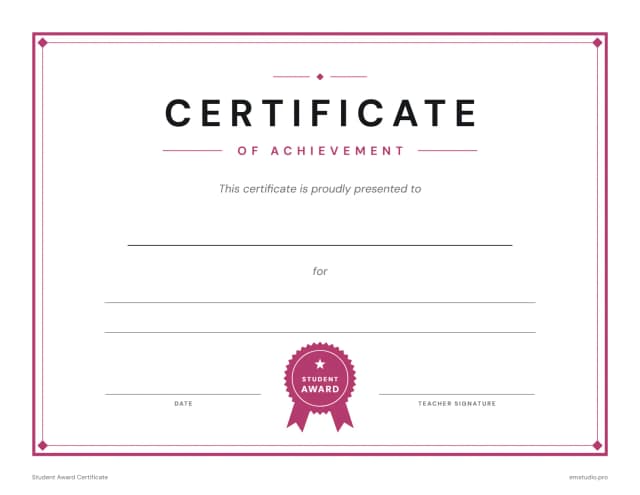
Student Award Certificate
PDF · Google Docs · Word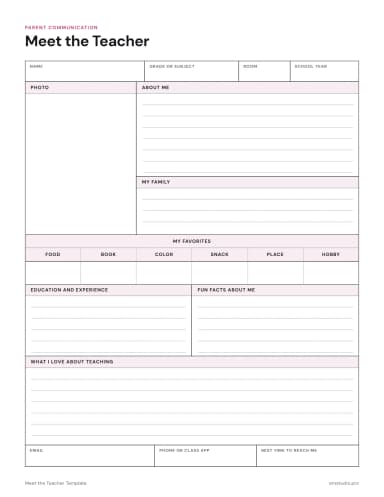
Meet the Teacher Template
PDF · Google Docs · Word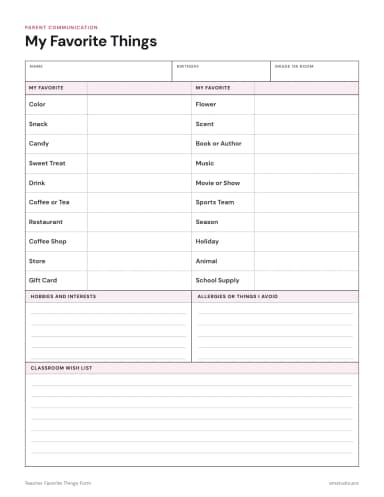
Teacher Favorite Things Form
PDF · Google Docs · Word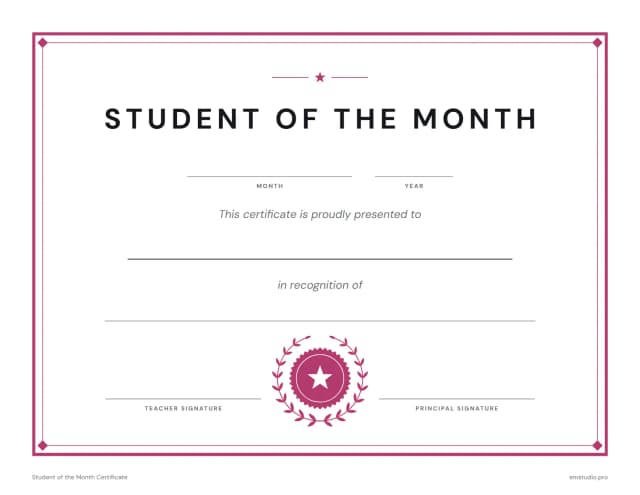
Student of the Month Certificate
PDF · Google Docs · Word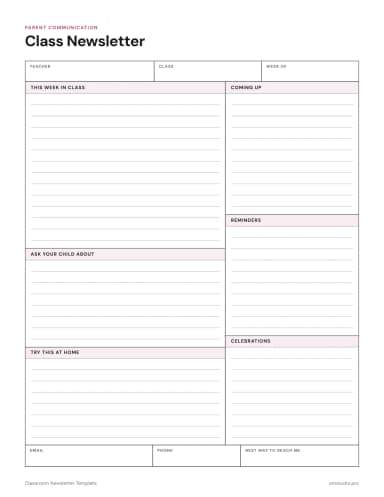
Classroom Newsletter Template
PDF · Google Docs · Word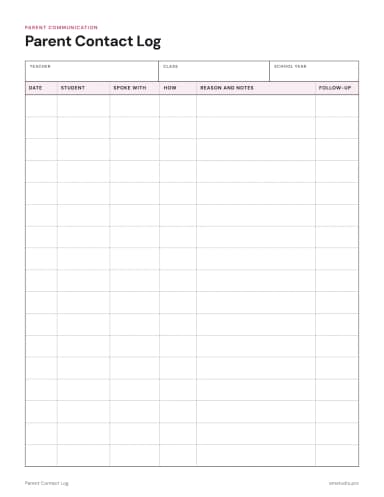
Parent Contact Log
PDF · Google Docs · Word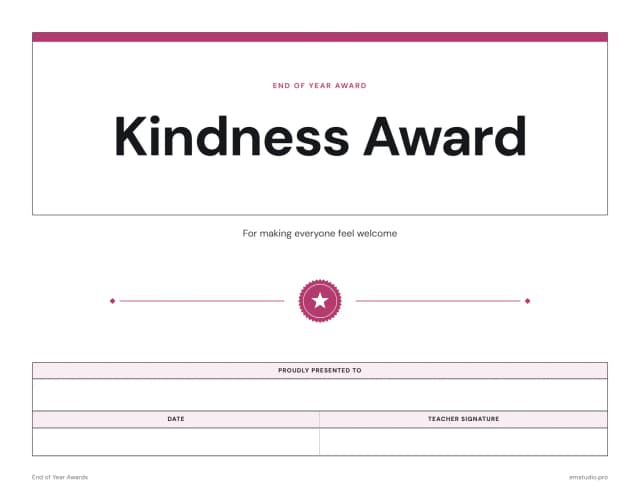
End of Year Awards
PDF · Google Docs · Word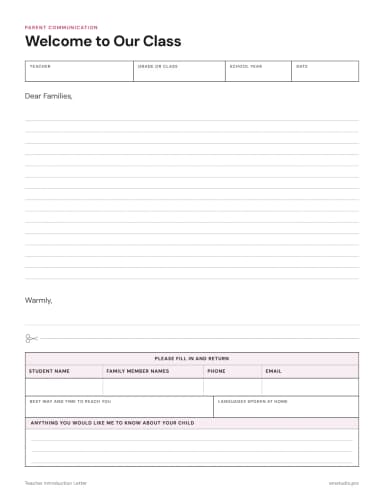
Teacher Introduction Letter
PDF · Google Docs · Word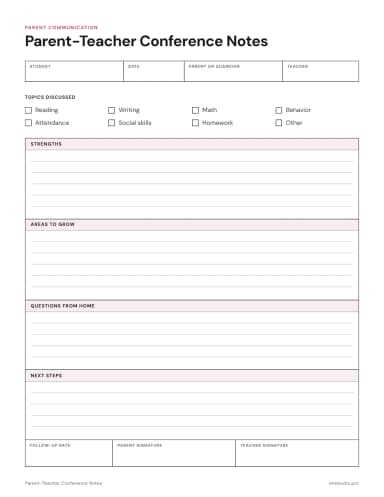
Parent-Teacher Conference Notes
PDF · Google Docs · Word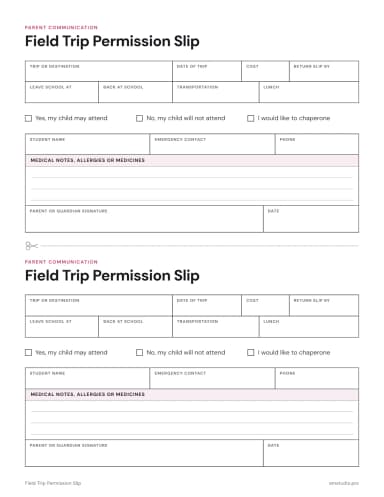
Field Trip Permission Slip
PDF · Google Docs · WordMore to Browse
Which Template for Which Moment?
Family communication follows the school year. Here is when each template helps.
| Template | When to Use It | What It Does |
|---|---|---|
| Meet the Teacher | Before school starts, or at open house | Introduces you, your background and how to reach you |
| Teacher Introduction Letter | The first week of school | Explains your classroom, routines and expectations to families |
| Teacher Favorite Things Form | The start of the year | Lists your favorite snacks, colors and supplies for families who ask |
| Classroom Newsletter | Every week or every month | Shares what the class is learning, upcoming dates and reminders |
| Parent Contact Log | All year, after every call, email or meeting | Keeps a dated record of each contact with each family |
| Parent-Teacher Conference Notes | Conference season, often in fall and spring | Records what you discussed and the next steps you agreed on |
| Field Trip Permission Slip | Two to three weeks before a trip | Collects a parent's signature and an emergency contact for the trip |
| Student Award Certificate | Any time a student earns one | Recognizes effort, progress or achievement |
| Student of the Month Certificate | Once a month | Celebrates one student each month |
| End of Year Awards | The last weeks of school | Celebrates each student's year with an award of their own |
What Goes in a Letter Home
Introduction letters, newsletters and notes home share the same six parts.
- GreetingA warm hello that includes every family: parents, guardians and caregivers.
- The Main NewsThe one thing you most need families to read, in the first two lines.
- What Students Are LearningA sentence or two on the current topic, with a question to ask at home.
- Dates and RemindersTests, trips, days off and deadlines, each with its date.
- What You Need from FamiliesSignatures, supplies or volunteers, and the day you need them by.
- How to Reach YouYour email, the best time to call and how soon you reply.
How to Talk to a Parent About a Concern
A call about a problem goes better with a plan. Six steps that keep it calm and useful.
Start with Something Positive
Open with one true, specific thing the student does well, so the parent knows you see the whole child.
Describe What Happened
Share facts, not labels: what you saw, when and how often. Have your notes in front of you during the call.
Say What You Have Tried
Explain the support you have already given, like a new seat or a check-in chart, and how it went.
Ask What They See at Home
Listen before you suggest anything. Parents often know what helps, and asking makes them a partner.
Agree on One Next Step
End the call with one clear action for each of you and a date to check in again.
Follow Up and Log It
Write the call in your parent contact log, and call again with good news as soon as things improve.
Writing to Families: Specific, Kind and Clear
Families act on specifics. Say what happened, what it means and what they can do.