Scaffolding in Education: A Complete Guide to How It Works
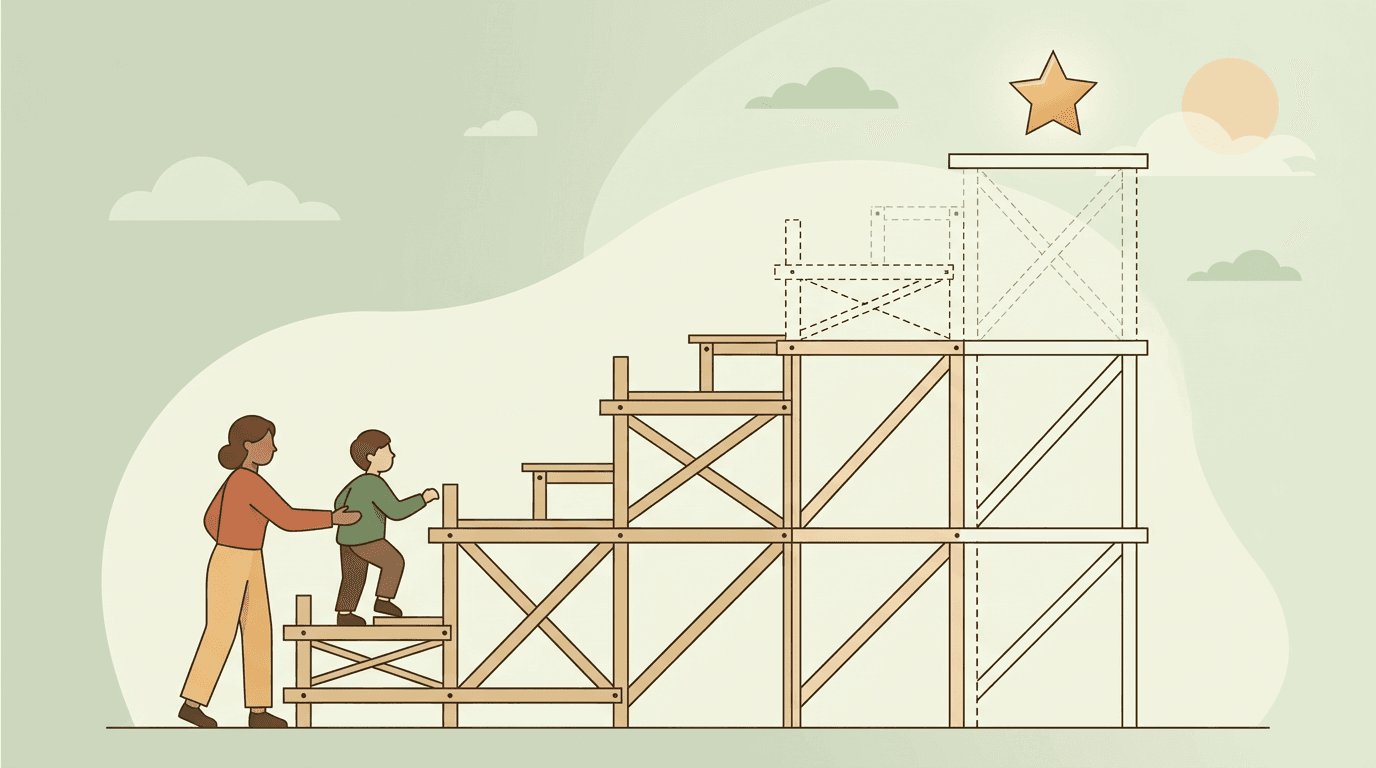

Jump to section
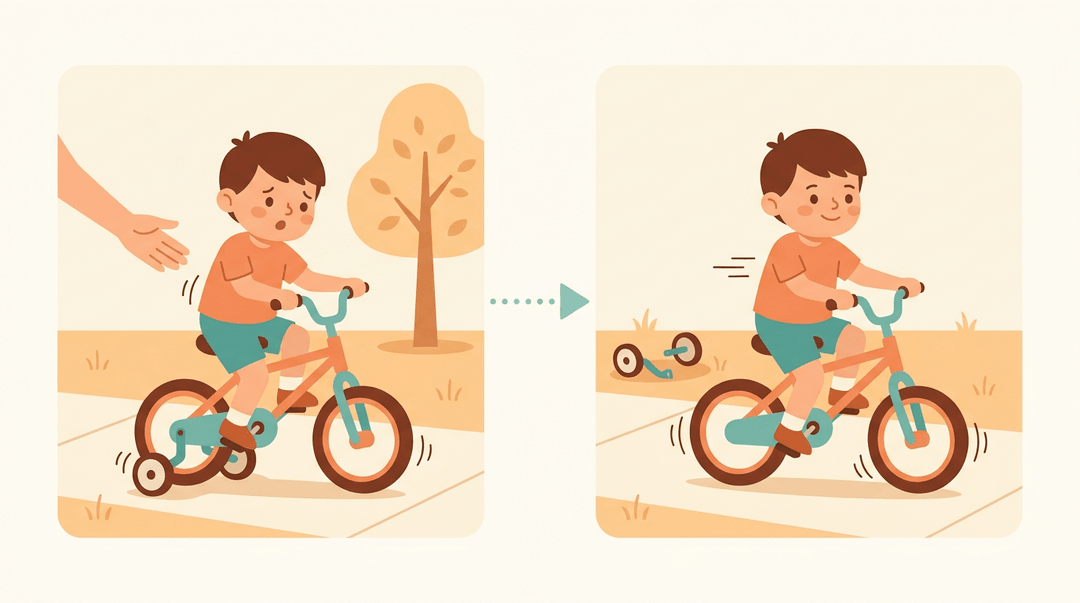
Think about training wheels on a first bike. They don't ride the bike for the kid, they just hold things steady until balance kicks in, then they come off.
That's scaffolding: temporary support that helps students reach a skill they couldn't manage alone yet.
It's one of the most talked-about ideas in teaching, and also one of the most misunderstood. This post breaks down what scaffolding actually means, the strategies behind it, and how to build it into a lesson step by step.
What Scaffolding in Education Really Means
Scaffolding sounds like a construction term, and that's exactly the point: support that's built to come down, not stay up forever. Here's what that means in the classroom, where the idea comes from, and how it plays out step by step:
Temporary support that builds independence
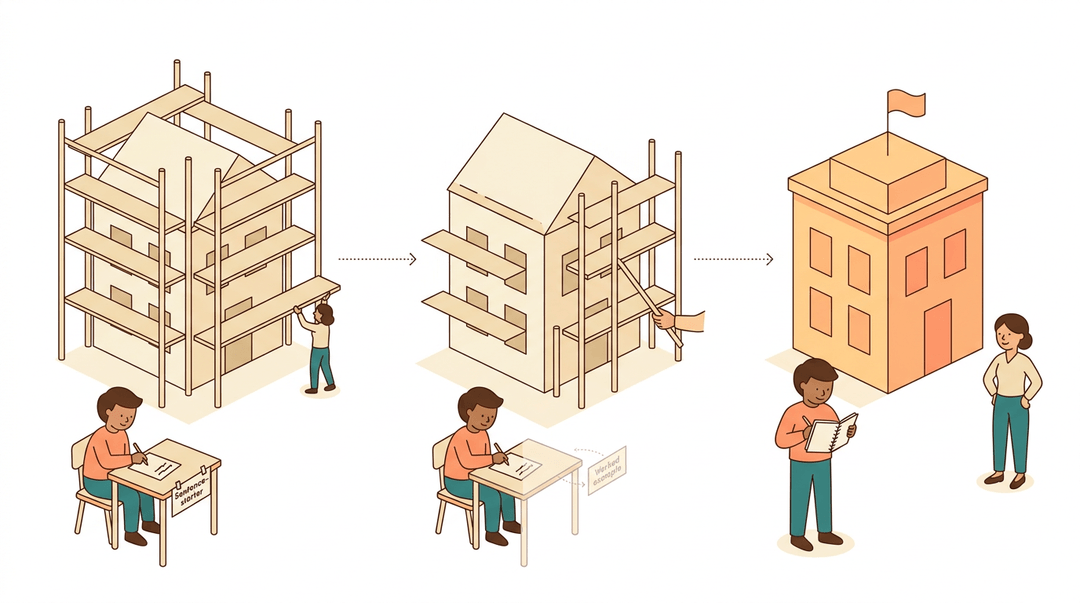
Think of scaffolding on a building: it holds the structure up while work happens, then comes down once the building can stand on its own. Scaffolding in the classroom works the same way.
A teacher offers temporary support, a sentence starter, a worked example, a guiding question, then pulls it back as skill grows, what ETSU's overview of Vygotsky's theory describes as help that continues "until we know enough on our own."
The goal was never the support. It's the independence on the other side of it.
Is scaffolding Vygotsky or Piaget?
So is scaffolding a Vygotsky idea or a Piaget one? It's Vygotsky's. His Zone of Proximal Development names the gap between what a student can do alone and what that student can do with a teacher's help, and that gap is the sweet spot for instruction.
Piaget focused on stages children move through on their own; Vygotsky, and later Bruner, focused on what the right support at the right moment can do. Push a task too far below that gap and it's busywork.
Push it too far above, and it's frustration. Scaffolding lives in between.
Where the term scaffolding came from
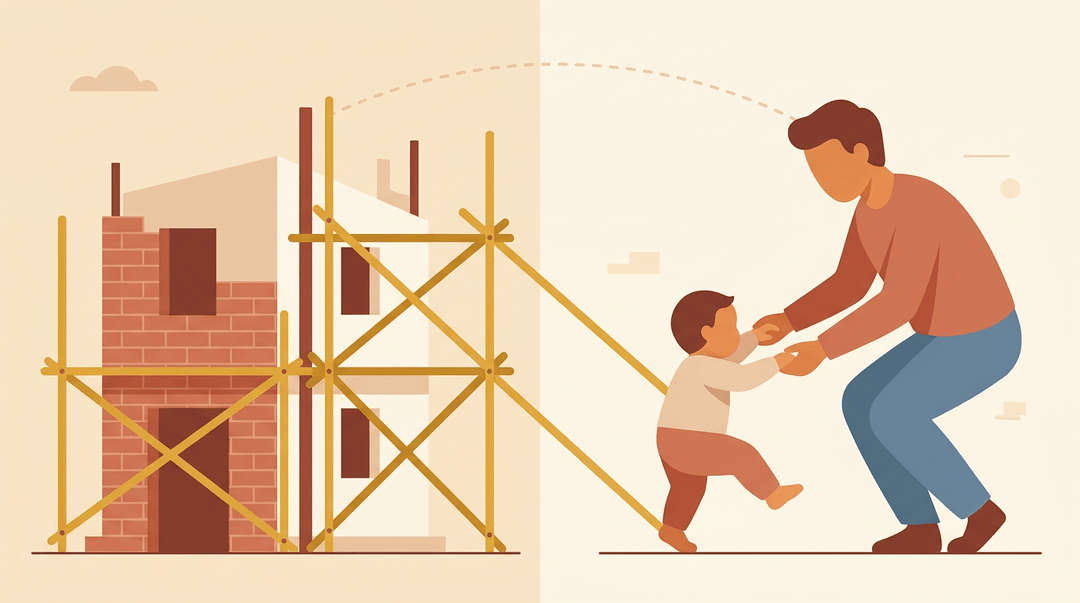
The word itself didn't start in education. Bruner coined the term scaffolding in the 1970s, borrowing the image from construction to describe mothers supporting infants toward a goal.
He extended that thinking into his Language Acquisition Support System, framing caregivers and teachers as the scaffold behind a child's early language.
Pauline Gibbons later built on that work with scaffolding practices for language learning in classrooms, still cited by teachers of English language learners today.
The I do we do you do method
That gradual pullback shows up most clearly in the I do, we do, you do method:
- The teacher models a skill first, thinking aloud through it.
- The class practices together, teacher still nearby to catch mistakes.
- Then students work independently, no scaffold left underneath them.
It's the gradual release of responsibility in three short moves, and the clearest example of scaffolding at work.
Everyday Scaffolding Strategies for Teachers
Walk into any classroom where scaffolding is working, and you probably won't spot a poster on the wall announcing it. You'll just see a teacher doing a handful of ordinary things, well.
Most of what follows falls into one of four broad types of scaffolding:
- sensory (what students see, hear, and touch)
- graphic (visual organizers)
- interactive (talk and collaboration)
- verbal (the language you use to guide thinking)
You're probably already using more of these than you realize.
Model your thinking out loud
A think-aloud puts your reasoning on display instead of just your answers.
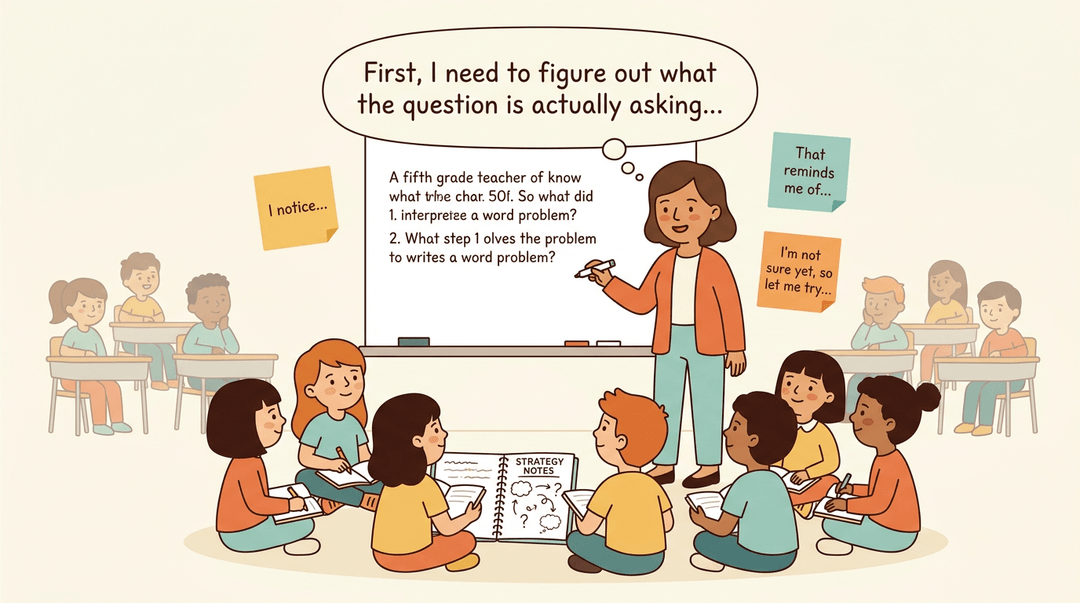
Consider a fifth-grade teacher solving a multi-step word problem on the board and saying, "First, I need to figure out what the question is actually asking" before writing a single number.
That's the show-and-tell of thinking itself, not just the finished product.
A fishbowl demonstration works the same way with a twist: a small group models the process in the center of the room while everyone else watches and takes notes on the strategy, not just the answer.
Simple starter phrases make this easy to build into any lesson:
- "I notice..."
- "That reminds me of..."
- "I'm not sure yet, so let me try..."
Break tasks into smaller steps
A big assignment can overwhelm a student before they've even started. Chunking breaks that task into smaller, manageable segments with a checkpoint at each one.
Think of a research paper broken into a topic, an outline, a draft, and a final copy, each due on its own day. Hitting each milestone builds momentum instead of dread, and it prevents the cognitive overload that makes students shut down before they begin.
Ask questions that deepen thinking
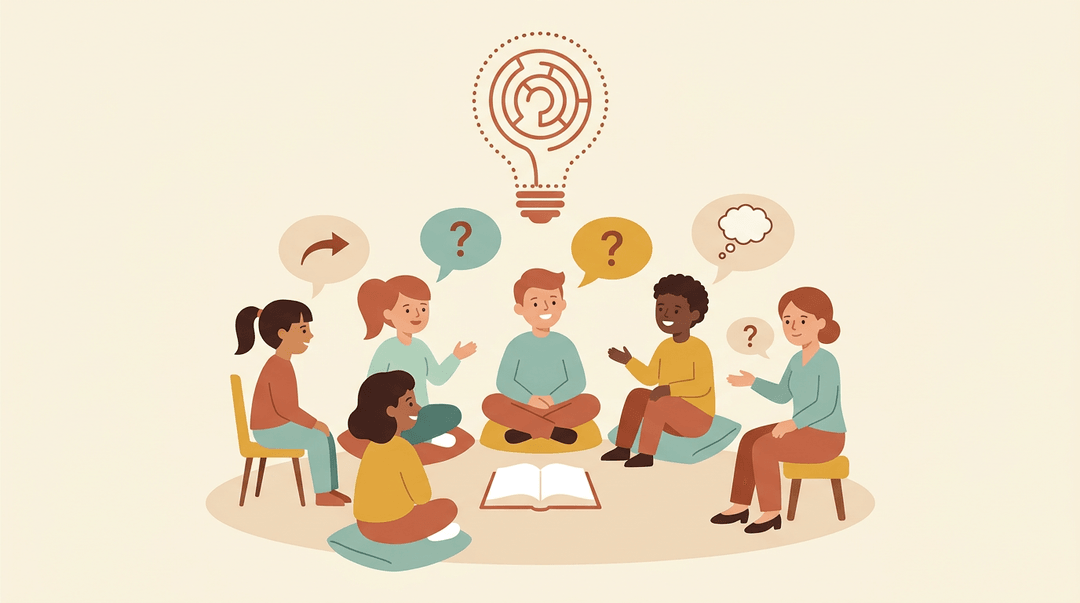
Strategic, open-ended questions do more work than any worksheet. Instead of asking whether a student got the right answer, ask how they got there: "What makes you think that?" or "What would happen if we changed this part?"
A Socratic seminar, where students question and respond to each other with the teacher guiding rather than lecturing, pushes this further. It promotes metacognitive reflection: thinking about their own thinking, not just recalling a fact.
Use visuals and graphic organizers
Venn diagrams, concept maps, and anchor charts give students something to hold onto while an idea is still new.
A chart that stays up on the wall all unit long acts like training wheels: it's there so students don't lose their balance, and just as removable once they don't need it anymore.
Visual aids also help information stick well past the lesson it was introduced in.
Connect new lessons to what students know
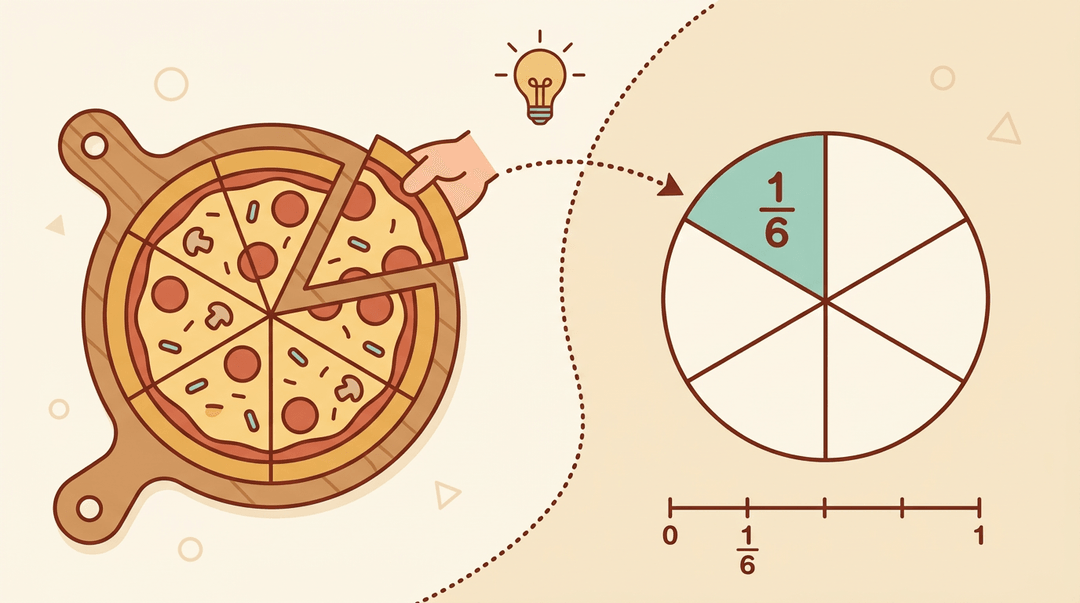
New content lands better when it's tied to something students already understand. Before introducing fractions, a teacher might start with slicing a pizza rather than a number line.
Building that context first, with a quick foundational knowledge check, tells you what's already there to build on and makes the real-life connection do the heavy lifting.
Let students scaffold each other
Students scaffold each other constantly, given the structure to do it well. Think-pair-share gives every student a moment to think, talk with a partner, then share with the group, so no one is scaffolding in silence.
Structured group roles (recorder, reporter, timekeeper) keep peer modeling and feedback focused rather than chaotic, and dedicated collaborative talk time turns classmates into one more support beam holding up the lesson.
How to Scaffold a Lesson Step by Step
Here's the part you can print. Five planning steps, a grade-band cheat sheet, and a 60-second check to run before students walk in.
Plan the scaffolds in five steps
- Name the objective and the gap.
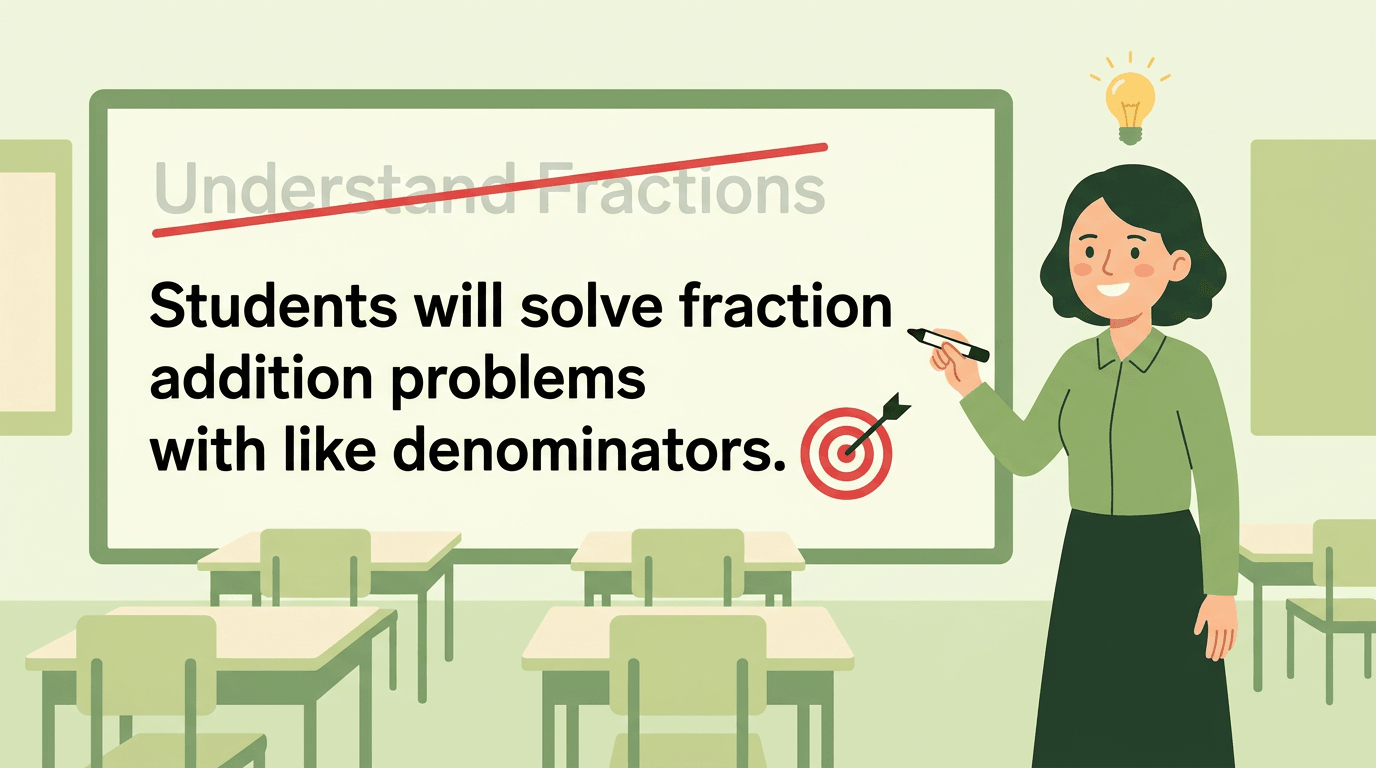
- Write the objective as it'll appear on the board: "Solve two-step equations independently."
- Jot the ZPD gap: what students can do alone vs. only with help.
- Write the objective as it'll appear on the board: "Solve two-step equations independently."
- Pick two or three scaffolds, no more.
- Example pairing: a worked example plus sentence frames for explaining answers.
- More than three supports and students attend to the scaffolds, not the learning.
- Example pairing: a worked example plus sentence frames for explaining answers.
- Sequence the release: I do, we do, you do.
- I do: model once with a think-aloud. Say: "I'm subtracting 4 first because..."
- We do: solve one together, students supplying each next move.
- You do: independent practice with the scaffold still within reach.
- I do: model once with a think-aloud. Say: "I'm subtracting 4 first because..."
- Build in formative checks.
- Decide now where you'll check: mini-whiteboards after "we do," exit ticket at the end.
- A check without a planned response is decoration; know your reteach move.
- Decide now where you'll check: mini-whiteboards after "we do," exit ticket at the end.
- Plan the fade-out point.
- Name the lesson when each scaffold comes off: "frames gone by Thursday."
⚠️ Watch out: the most common scaffolding mistake isn't too little support. It's support that never leaves. If you don't schedule the fade, it won't happen.
Example: A fifth-grade teacher planning a persuasive-writing lesson picks two scaffolds: a paragraph organizer and the frame "I believe ___ because ___." She models one paragraph aloud, drafts one with the class, then releases. The frame disappears the following week; the organizer stays one lesson longer.
Match scaffolds to your grade band
The steps stay the same at every age; the scaffolds you pick in step 2 shouldn't.
| Grade band | Lean on |
|---|---|
| K-2 | Visuals plus peer support |
| 3-5 | Graphic organizers and sentence frames |
| 6-8 | Chunked tasks and strategic questioning |
| 9-12 | Socratic seminars with light scaffolds |
The 60-second pre-teach check
Before you teach, confirm:
- Prior knowledge activated? A warm-up or quick recall connects today to what they know.
- Task chunked enough? No single chunk asks for more than one new skill.
- Support fading gradually? Each activity hands over slightly more than the last.
- Formative check planned? You know when you'll check and what you'll do with the result.
Four yeses and you're ready. Save this scaffolding checklist as a reusable template in your online lesson planner so every lesson starts from it.
Scaffolding Vocabulary and Language
A lot of what looks like a content problem is actually a language problem. A student can understand the idea behind photosynthesis and still get stuck the moment you ask them to write about it.
Two scaffolds fix that: pre-teaching the words, and giving students a ready-made shape for their sentences.
Teach key vocabulary before the lesson
Front-loading means introducing key words before the lesson, not during it, so students aren't decoding vocabulary and new content at the same time. A tiered vocabulary approach helps you decide what to front-load:
- everyday words most students already know
- cross-curricular academic words like "analyze" or "summarize"
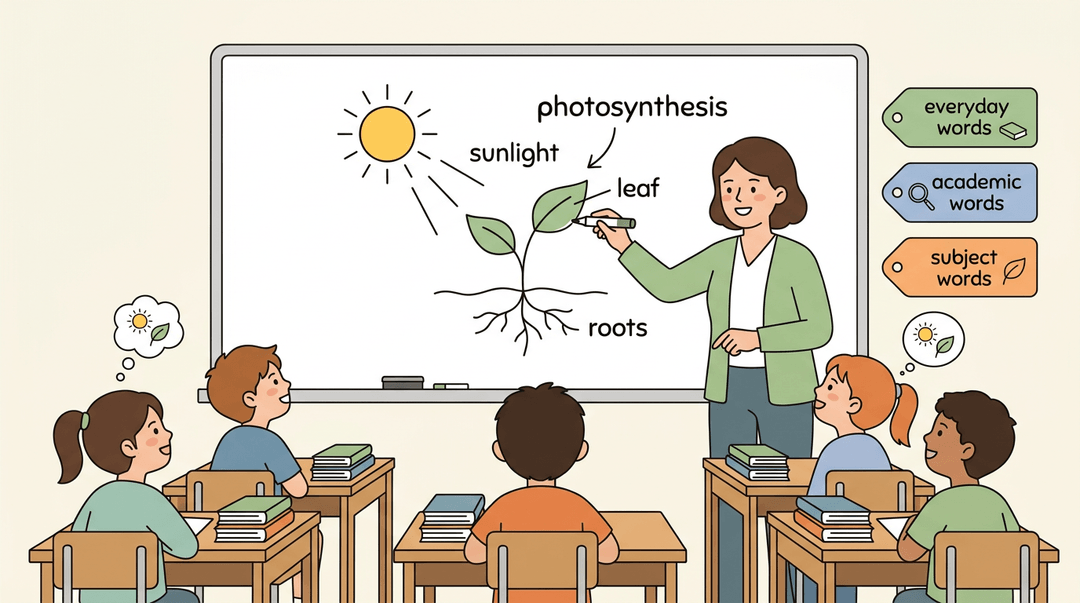
- subject-specific words like "photosynthesis" or "denominator"
Pair those words with context and imagery: a diagram, a gesture, a quick real-world object, so the meaning lands before the term does.
For example, a fifth-grade science teacher might sketch a plant absorbing sunlight on the board and label each part before students ever open the textbook chapter on photosynthesis.
That small step turns a dense page of text into something they can already picture.
Give students sentence frames to use
Once students have the words, they need a place to put them. Substitution tables let students swap vocabulary into a fixed sentence structure, useful for a student who has the right word but not yet the right sentence.
Sentence starters and frames, like "I think ___ because ___," give that same support for open discussion or writing.
For English language learners, allowing brief use of a student's first language to think through an idea before writing it in English can bridge that gap without lowering expectations.
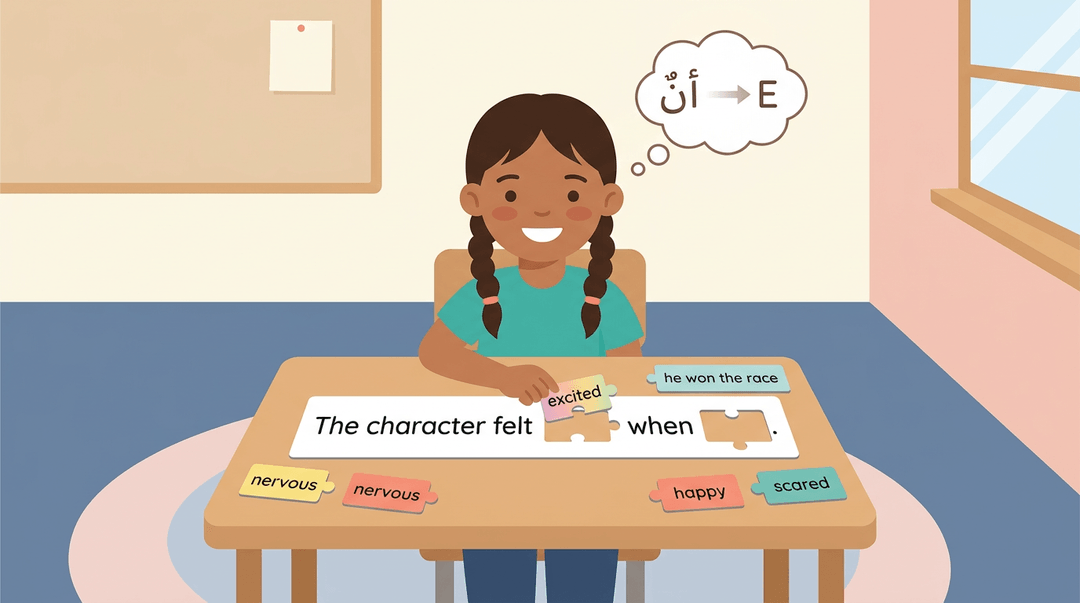
A fourth-grade teacher might hand out "The character felt ___ when ___" for a reading response: the frame does the structural work so the student can focus on the thinking.
Scaffolding Versus Differentiation
Teachers often use these two words as if they're interchangeable. They're not, and knowing the difference helps you decide which move to make and when.
How scaffolding and differentiation differ
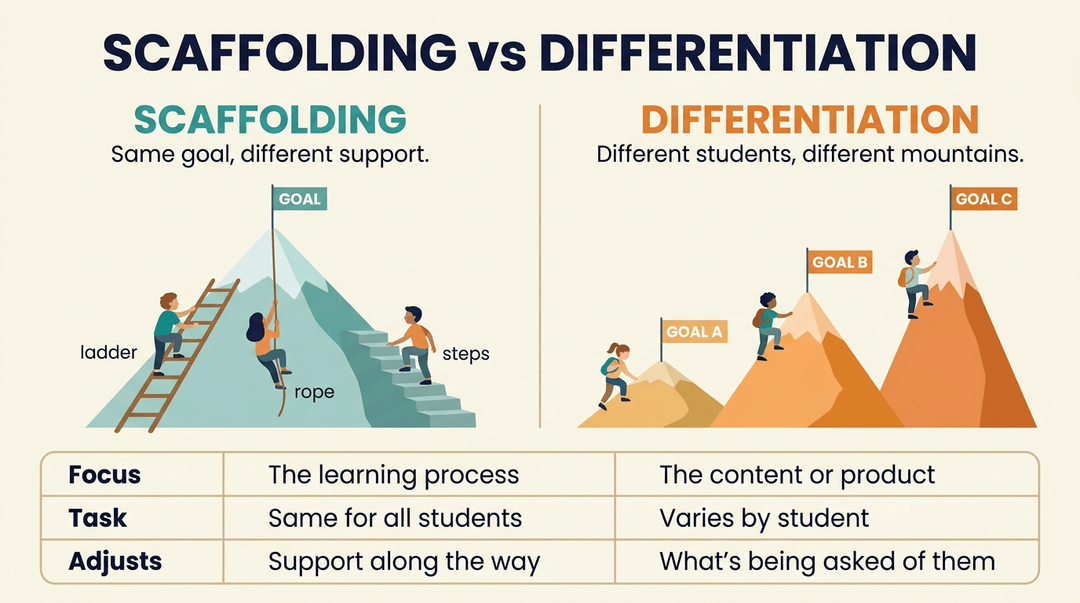
Scaffolding is process-oriented: it's about how you support a student's path through a task, with every student working toward the same goal.
Differentiation changes the content or product itself: the task, materials, or expected output shift from student to student based on readiness. Scaffolding hands everyone the same climb with different handholds.
Differentiation hands different students different mountains.
| Scaffolding | Differentiation | |
|---|---|---|
| Focus | The learning process | The content or product |
| Task | Same for all students | Varies by student |
| Adjusts | Support along the way | What's being asked of them |
Using scaffolding and differentiation together
The two aren't competing strategies. They're built to be combined. A common approach: scaffold first, then differentiate. Give the whole class the same supported entry point, then branch the follow-up task to match where each student lands.
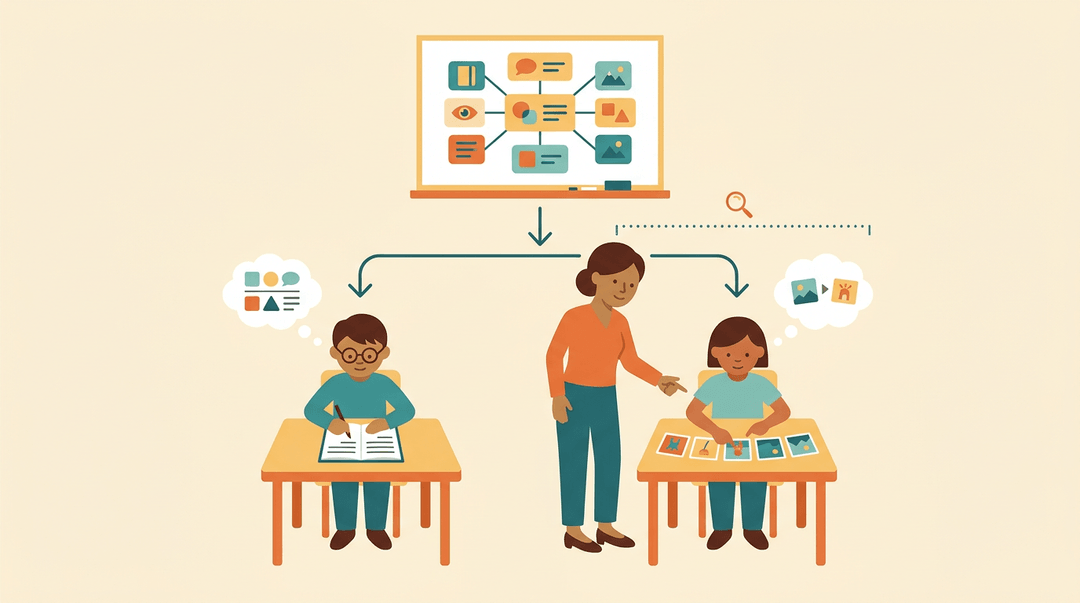
For example, a fourth-grade teacher introducing a novel might scaffold new vocabulary for every student through a shared graphic organizer, then differentiate the response task: an advanced reader writes an analytical paragraph, while a student still building fluency retells the chapter using picture prompts.
Both moves depend on the same diagnostic skill: knowing each student's zone of proximal development (ZPD), the gap between what they can do alone and what they can do with support.
Without that read, scaffolding gets built too high or too low, and differentiation ends up guessing instead of targeting real needs.
Why Scaffolding Helps Students Learn
Good scaffolding does more than keep a lesson on track. It changes how much students remember and how confident they feel picking up the next challenge.
Academic benefits of scaffolding
Breaking a big skill into smaller, supported steps helps information move from short-term recall into long-term understanding, which is why scaffolded lessons tend to improve retention.
Scaffolding also bridges the gap between what students already know and what they're about to learn, so nobody's left guessing at a missing prerequisite.
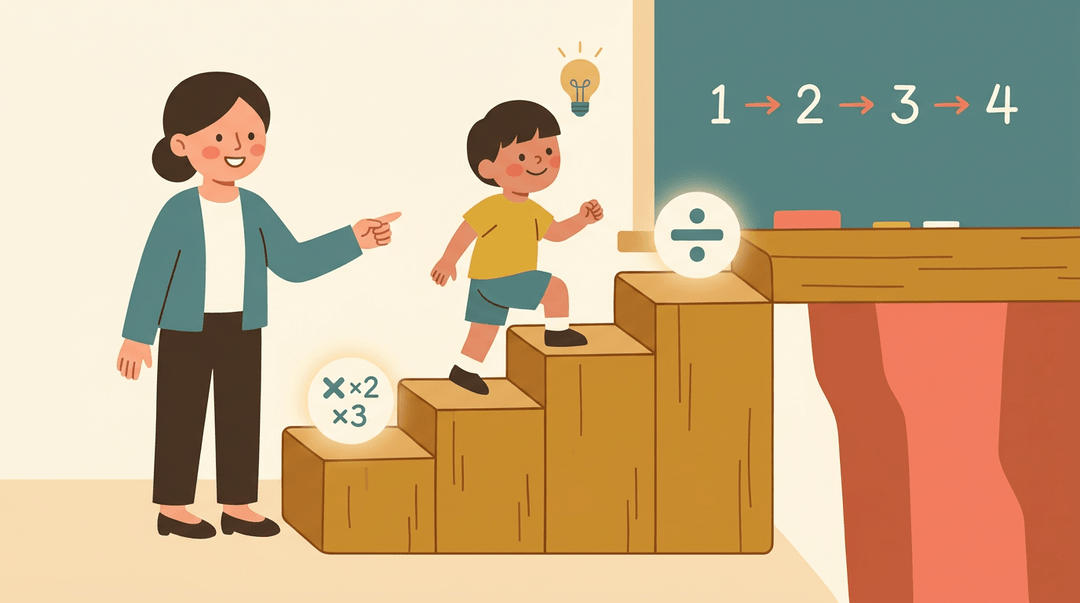
Think of a math teacher who reviews multiplication before introducing division: that quick bridge supports mastery instead of confusion. And because scaffolding breaks learning into an organized sequence, students always know what step comes next.
Emotional and social benefits
Scaffolding isn't only academic. Each small win builds confidence, and a clear next step reduces the frustration that makes students shut down.
A student who can see progress is a student who stays engaged, and that engagement feeds persistence: the willingness to keep trying instead of giving up at the first wrong answer.
Is scaffolding only for struggling students?
Here's a common myth: scaffolding is just remediation for students who are behind. In reality, it:
- helps English language learners connect new vocabulary to familiar concepts
- supports special education students working toward individualized goals
- meets the varied background knowledge every classroom brings through the door
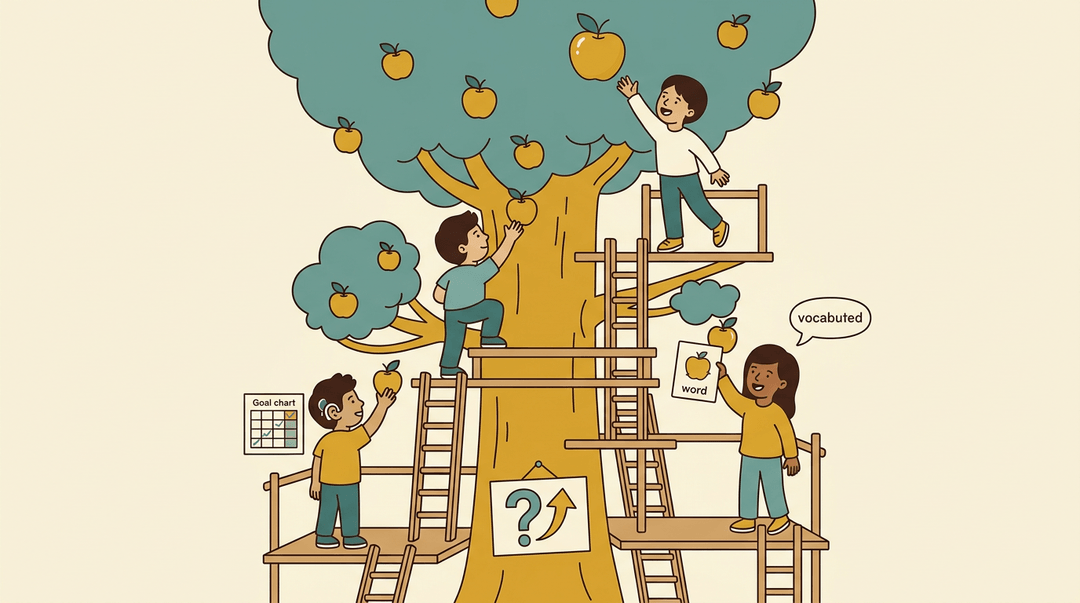
Scaffolding benefits every proficiency level, including your most advanced students, by giving them structure to reach further than they would alone.
Scaffolding Examples by Subject
Scaffolding looks different depending on the subject, but the goal stays the same: break the task down so students can climb to the answer instead of staring up at it. Here's what that looks like across a few common classroom settings.
Scaffolding examples in math
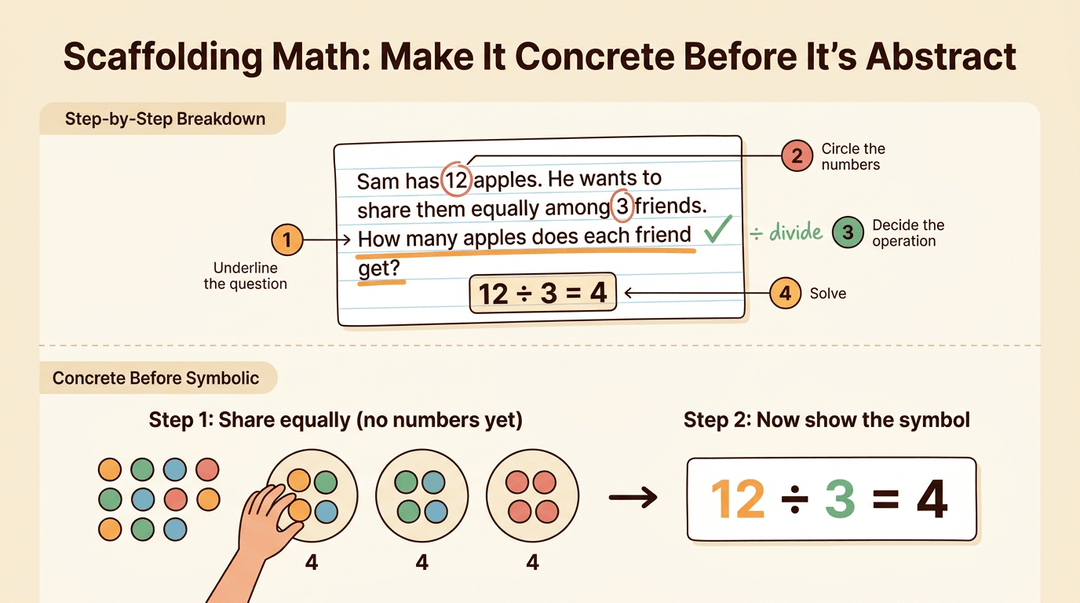
A math teacher tackling word problems might model step-by-step breakdowns:
- Underline the question
- Circle the numbers
- Decide the operation
- Then solve
Manipulatives and number lines give students something to touch and see before the numbers turn abstract.
For example, a teacher introducing division might physically group counters into equal piles before ever writing a division sign, so the concept of sharing equally lands before the symbol does.
Scaffolding examples in reading and writing
Guided reading groups let a teacher work with a small cluster of students at their exact level, offering prompts in real time instead of waiting for a worksheet to reveal the gap. Sentence starters (
What Are the Golden Rules of Scaffolding?
A few habits separate scaffolding that actually works from scaffolding that just adds extra steps. Get these right, and the support becomes a bridge instead of a crutch:
Plan supports before students struggle
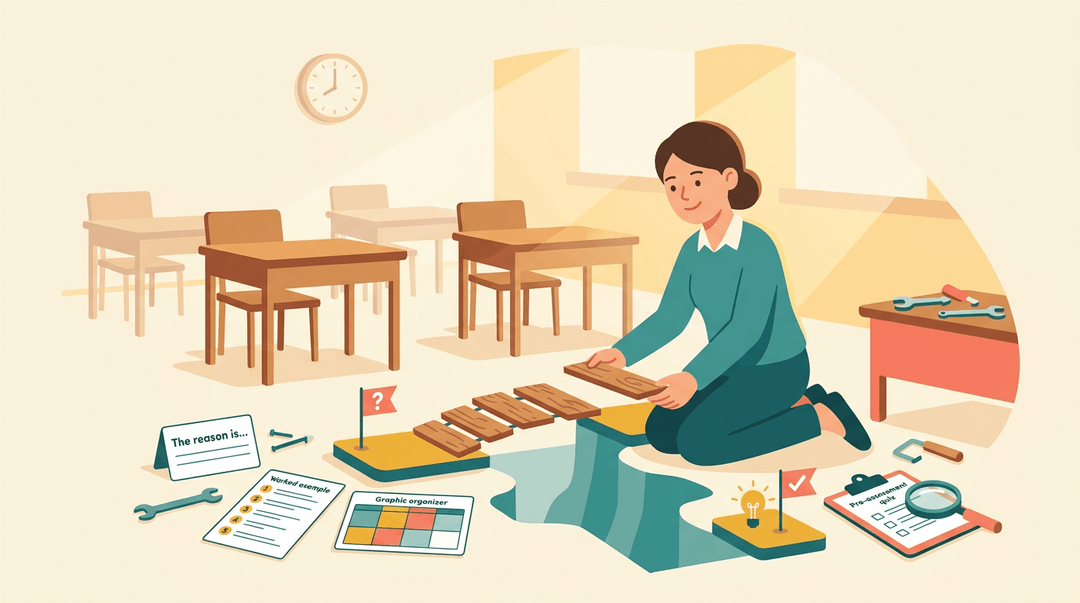
Before you build a single scaffold, find out what your students already know. A quick pre-assessment, a warm-up problem, or even a show-of-hands question tells you where the real gaps sit. From there, pin down the learning objective you're building toward: the destination shapes which supports actually help.
Design the scaffold before the lesson, not mid-class when a room full of blank stares tells you something's wrong. Planning ahead means you've already got a sentence starter, a worked example, or a graphic organizer ready to go.
Reacting in the moment usually means a rushed fix that doesn't hold up.
Knowing when to remove the support
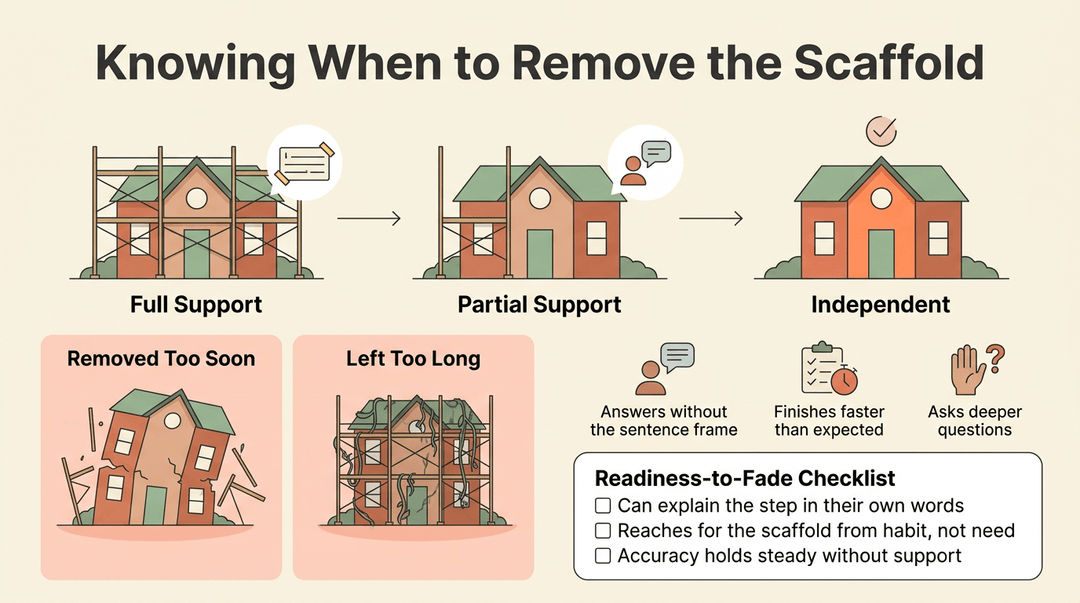
Scaffolds are temporary, not permanent. The goal is always gradual fading: pulling support back a little at a time as students show they can carry more of the load themselves.
Watch for readiness signals:
- a student answering without checking the sentence frame
- finishing the organizer faster than expected
- asking questions that show they've moved past the basics
Pull support too soon and students flounder; leave it too long and they lean on it instead of building the skill. Both are common mistakes, and both are avoidable once you know what to look for.
A quick readiness-to-fade checklist:
- Can the student explain the step in their own words?
- Do they reach for the scaffold out of habit, or out of real need?
- Has accuracy held steady without the support in a low-stakes try?
Check understanding as you go
You won't know whether a scaffold is working unless you check. Exit tickets, quick quizzes, and short student reflections ("What's still fuzzy?") give you a fast read on who's ready to move on and who needs another pass. Use that feedback to adjust: bring a scaffold back for students who need it, or fade one for students who've outgrown it.
Using technology to scaffold learning
Adaptive learning platforms adjust difficulty and support in real time, so a struggling reader and an advanced one move through the same lesson on different paths. Digital tools can also deliver prompts and instant feedback, offer a short preview video before class so students walk in with a head start, or build personalized learning paths that scaffold each student differently. None of it replaces a teacher's judgment, but it does the heavy lifting at scale.

Building scaffolding into school-wide practice
Scaffolding works best when it isn't just one teacher's habit. When staff collaborate on strategies, talk through what's working in team meetings, and treat scaffolding as a shared priority rather than a personal preference, students get consistency as they move between classrooms. That consistency matters as much as any single technique.
Scaffolding isn't extra work bolted onto a lesson. It's the structure that lets students reach further than they could on their own, one supported step at a time, until the support isn't needed anymore.
Once you know the rules and strategies, the real work is building them into your plans consistently. Ready to put scaffolding into your lessons? Check out our Lesson Planning tool to organize and reuse scaffolded plans across every class.
References
- The relevance of Vygotsky's theory of the "zone of proximal development' to the assessment of children with intellectual disabilities — pubmed.ncbi.nlm.nih.gov
- ED456447.pdf — files.eric.ed.gov
- Vygotsky's Theory — etsu.edu
- Examining the impact of scaffolding on literacy learning: A critical examination of research and guidelines to advance inquiry — sciencedirect.com (2018)
- Language Development Theories: Chomsky to Bruner — structural-learning.com
Frequently asked questions
What are 4'6 effective strategies for implementing scaffolding into the classroom?
1. Four effective strategies are modeling thinking aloud, breaking tasks into smaller steps, asking strategic open-ended questions, and using visuals or graphic organizers. Teachers can also connect new content to prior knowledge and structure peer support through think-pair-share. Supports should be gradually removed as students become more independent.
How do you scaffold children's learning?
2. Scaffold children's learning by identifying what they can do independently and where they need help, then provide temporary support such as demonstrations, prompts, visuals, sentence frames, or chunked tasks. Use an “I do, we do, you do” sequence and check understanding as learning progresses. Fade the support gradually when children can perform the skill independently.
What are examples of scaffolding in teaching?
3. Examples include a teacher modeling how to solve a problem with a think-aloud, breaking a research paper into topic, outline, draft, and final-copy stages, and using a graphic organizer for new content. Sentence frames, anchor charts, guided reading, manipulatives, think-pair-share, and structured group roles are also examples.
Which is an example of scaffolding?
4. Having a teacher model a skill, practice it with students, and then assign independent practice is an example of scaffolding. For instance, a teacher might demonstrate how to write a persuasive paragraph, create one with the class, and then have students write their own. The model and prompts are removed as students gain confidence.
What is Vygotsky's theory of scaffolding in education?
5. Vygotsky’s theory connects scaffolding with the Zone of Proximal Development, the gap between what a learner can do alone and what they can do with guidance. Instruction is most effective in this zone, where temporary help enables students to complete tasks they could not yet manage independently. The support is gradually withdrawn as competence develops.
Can you give me an example of scaffolding learning?
6. In a writing lesson, a teacher might first model a paragraph using a think-aloud, then write one with the class using the frame “I believe ___ because ___.” Students next write independently, and the sentence frame is removed once they can organize and explain their ideas on their own.
Is scaffolding Vygotsky or Piaget?
7. Scaffolding is associated primarily with Vygotsky, especially his concept of the Zone of Proximal Development. Jerome Bruner later coined the term “scaffolding” and developed the idea further. Piaget focused more on children’s independent cognitive development and stages of learning.
What is Vygotsky's theory of scaffolding learning?
8. Vygotsky’s theory of scaffolding learning holds that students learn best when guided through tasks just beyond what they can do alone but within reach with support. A teacher or more capable peer provides prompts, modeling, questions, or other assistance in the learner’s Zone of Proximal Development. That assistance is temporary and fades as the learner becomes independent.