What Is Immersion Learning? A Complete Guide to How It Works

Jump to section
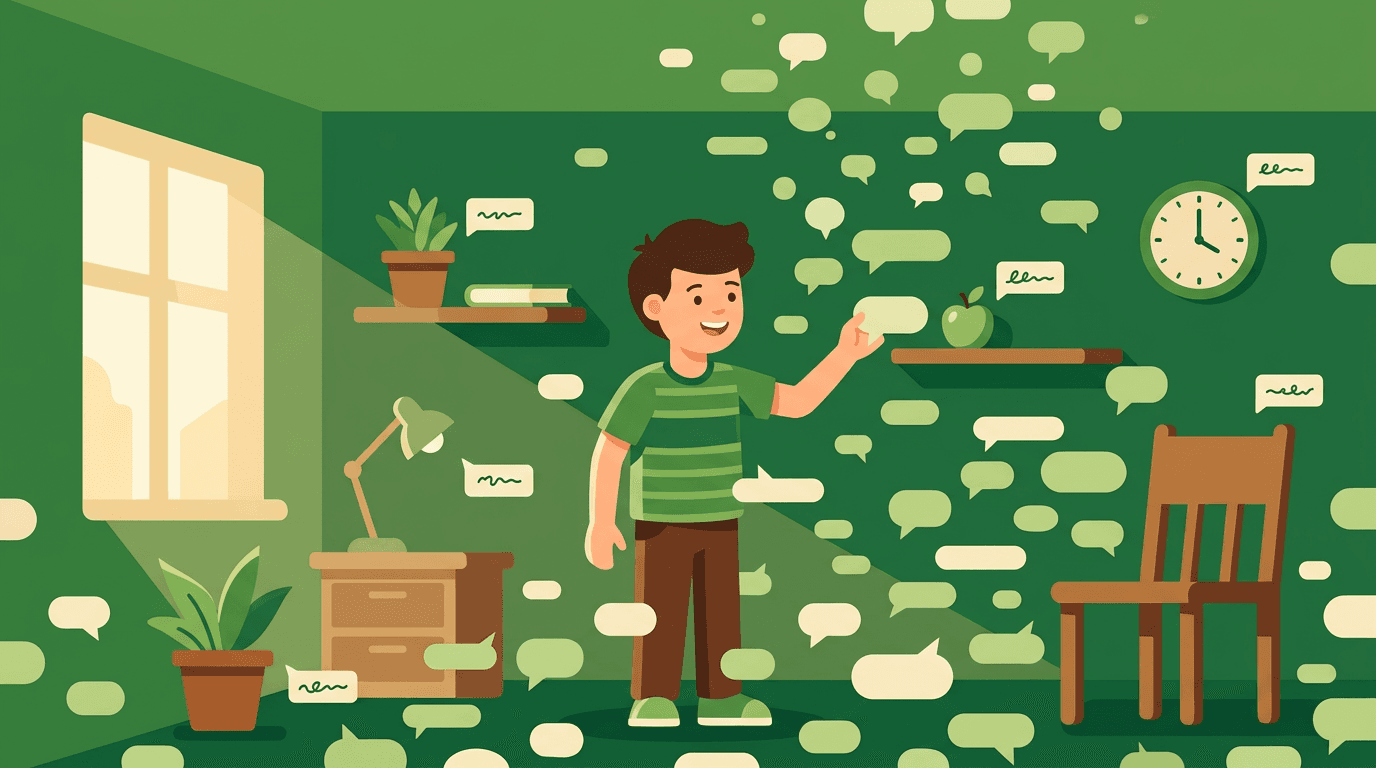
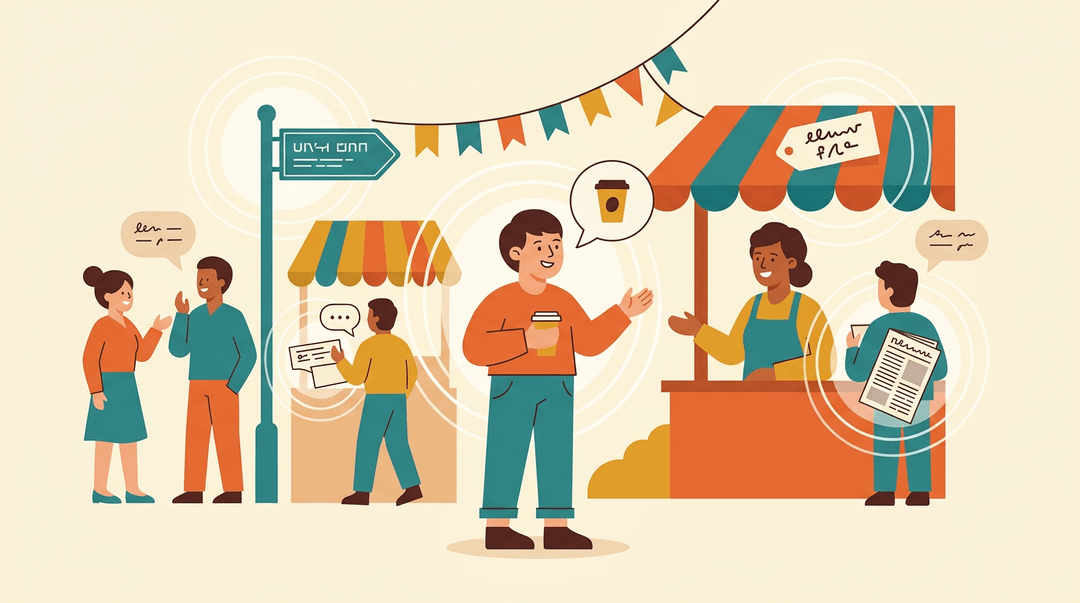
Think about how you'd pick up a language if you moved abroad. You'd hear it at the market, read it on street signs, and slowly start ordering coffee without thinking twice.
That's the core idea behind immersion learning: surrounding learners with a language or content they can understand and use, rather than relying only on memorizing rules. Krashen's comprehensible input theory helps explain why this works.
In this post, we'll cover what immersion really means, the methods and proficiency levels involved, how formal dual-language programs fit in, and how you can plan an immersion lesson for your own classroom.
What Is Immersion Learning, Really?
Immersion learning means learning a language or skill by living inside it. To immerse yourself is to let the material do most of the teaching.
The theory behind learning through input
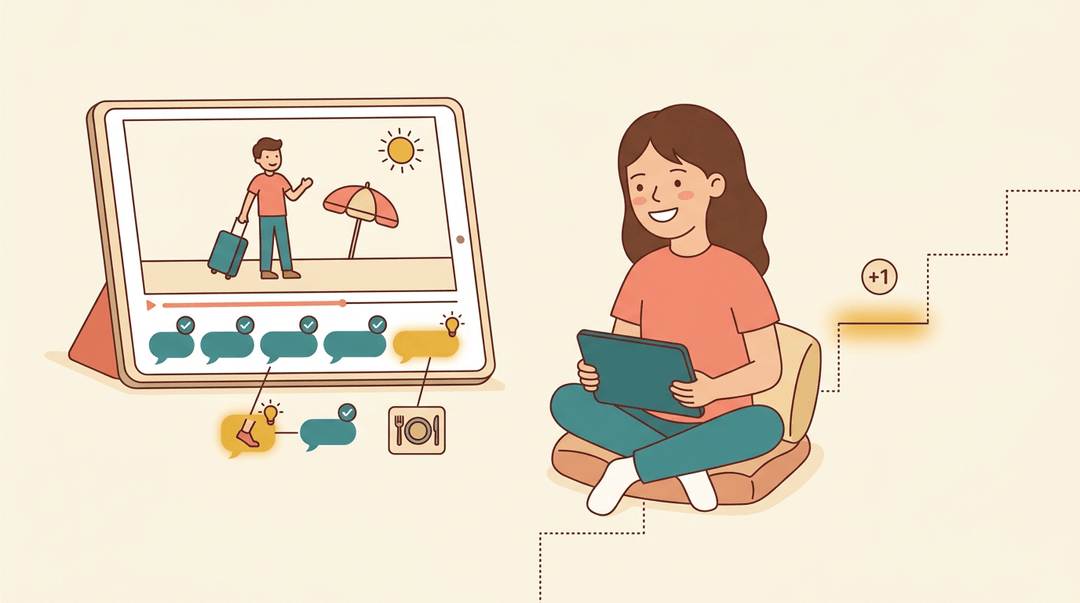
Comprehensible input is material a learner can mostly understand. Stephen Krashen's input hypothesis says acquisition happens when input sits slightly above the learner's current level, his "i + 1."
Picture a Spanish 2 student watching a short video about a weekend trip. She catches most of it, guesses two verbs from the pictures, and leaves with both.
Real context does the heavy lifting, and the interaction hypothesis adds that talking through meaning helps learners progress.
Finding the right level of input
Input that's too hard becomes noise; input that's too easy teaches nothing new. Aim for roughly 70 to 90 percent understanding, viewed as a spectrum rather than all-or-nothing.
Research on text readability and learner proficiency treats that challenge as shifting with each learner's growth. Too hard shows as constant guessing; too easy shows as answering without reading. Because skill grows, the target moves.
What immersive learning looks like today
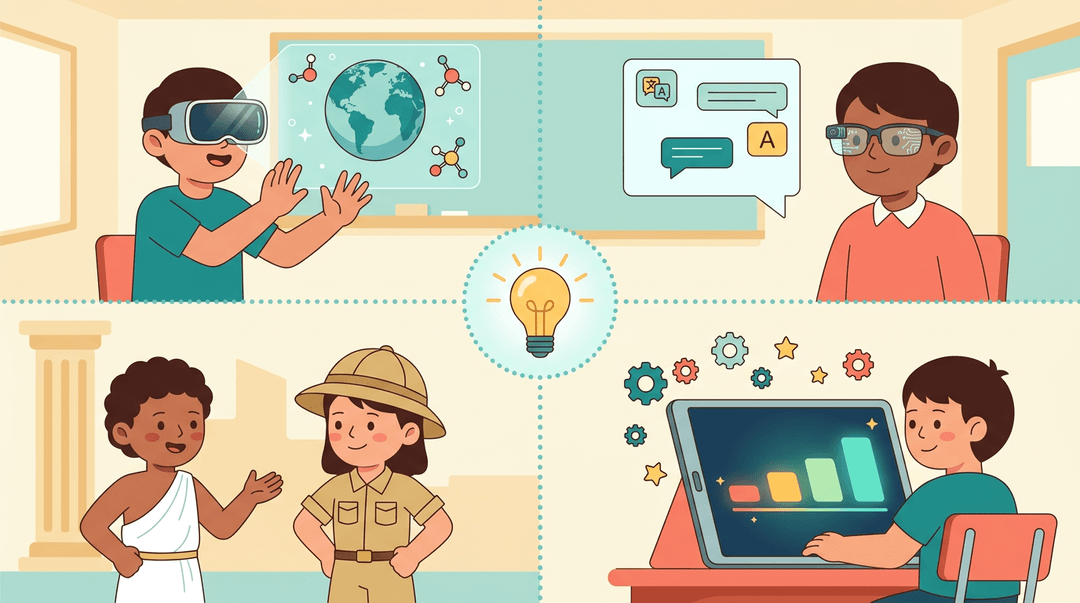
Immersive learning is the broader term for practicing a skill in realistic situations, from science labs to history role-play, not just language class. Teachers see it in:
- enterprise fluency platforms
- VR and AI glasses
- real-world simulation practice
- AI-driven personalization that adjusts difficulty for each student.
What Does Immersion Look Like?
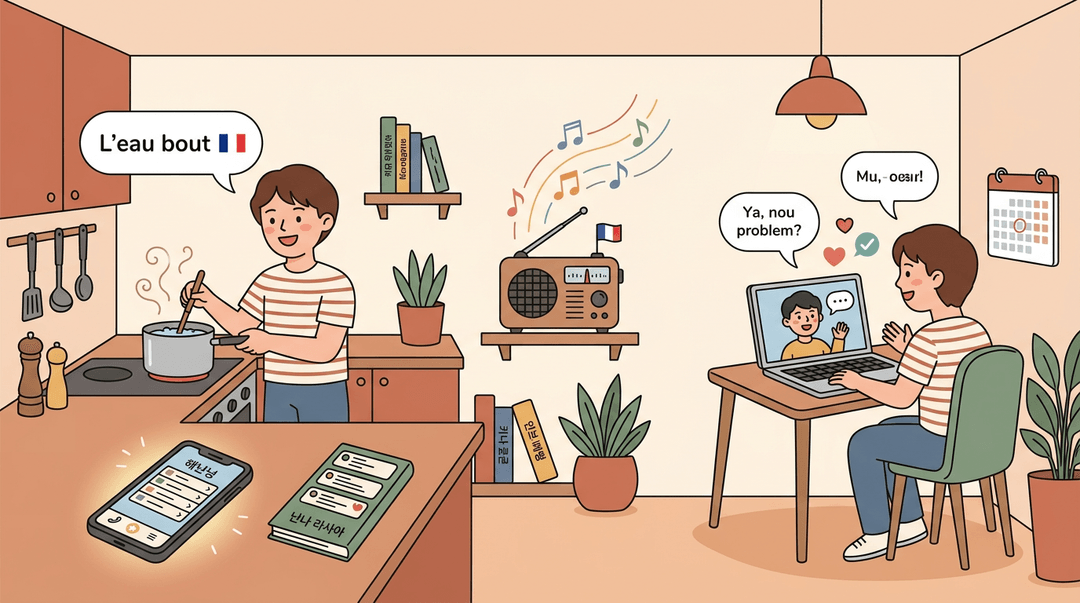
Immersion doesn't always mean a plane ticket. For example, a high school student who switches her phone to French, plays French music while she cooks, and narrates her chores aloud is already living immersion at home.
Here's how it can look in a few settings.
Turning your home into immersion space
Start small. Switch your devices to the target language (the language you're learning) so every menu and notification becomes practice.
Play music in that language while you clean or cook, and narrate your daily tasks aloud, such as "the water is boiling" or "the laundry is folded."
Then find a beginner conversation partner, even one session a week, so your practice gets used with a real person.
Learning through travel and homestays
Travel offers the most complete form of immersion. In a homestay, you live with a native host family and share their meals and daily routines. Homestays suit beginners because conversation happens every day at a low-pressure pace.
Some programs offer group or family homestays, so a whole class or household can go together.
Closer to home, formal dual-language immersion schools teach core subjects in two languages across the school day, so students practice all day long.
Using VR and AI for immersion
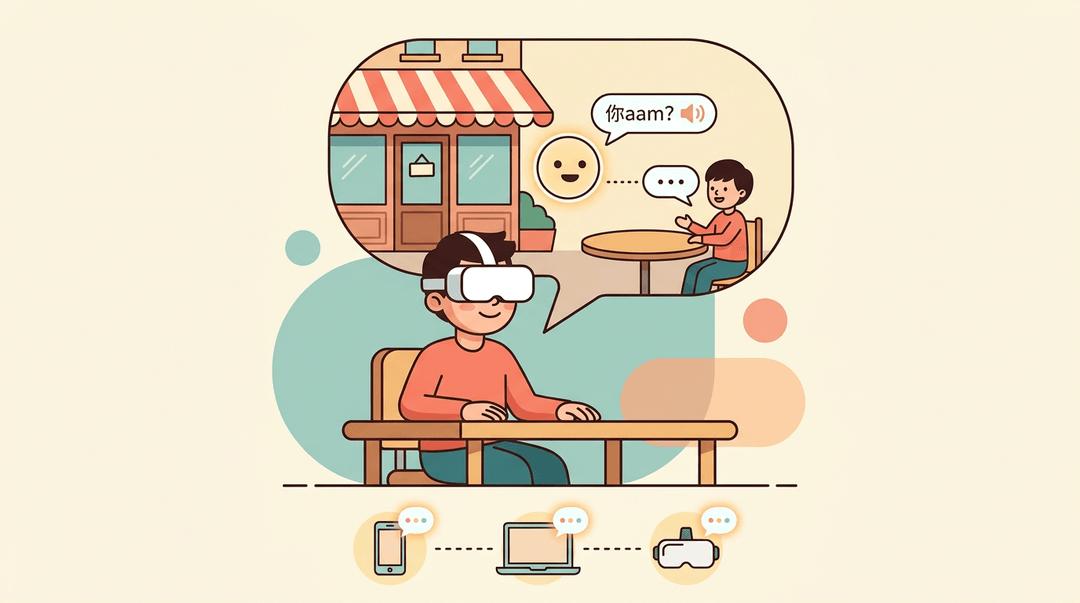
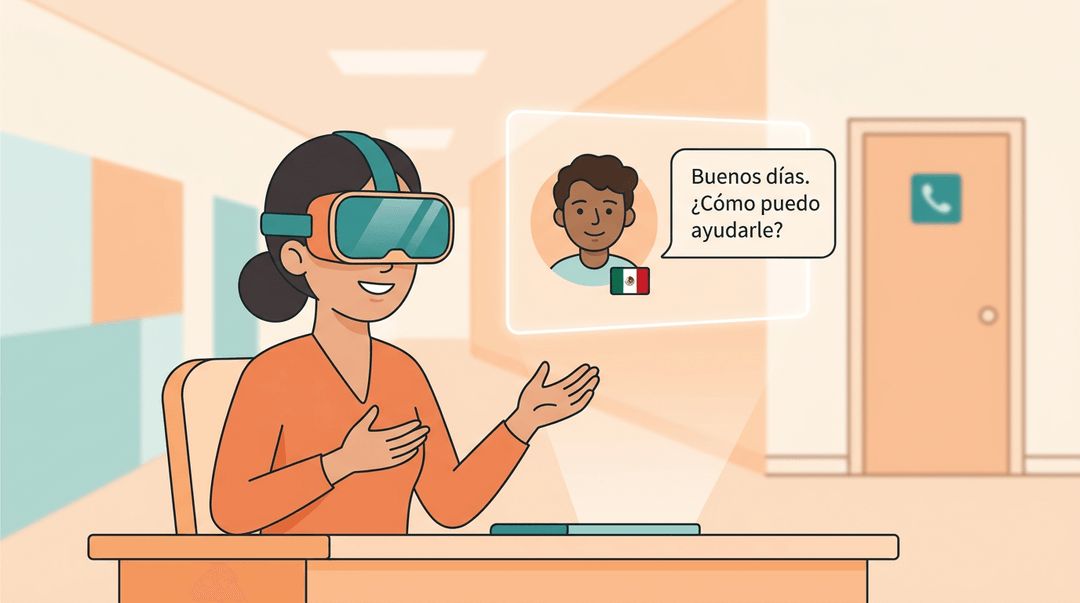
Not everyone can travel, and technology is closing that gap. Virtual reality (VR) headsets and AI glasses can place learners in simulated scenes where they practice speaking and listening.
AI conversational tutoring lets students talk through a dialogue and get responses in return, while real-world interaction capture records everyday conversations for review.
Look for tools that work on mobile, desktop, or VR so students can practice on the device they already have.
Using subtitles, apps, and dictionaries
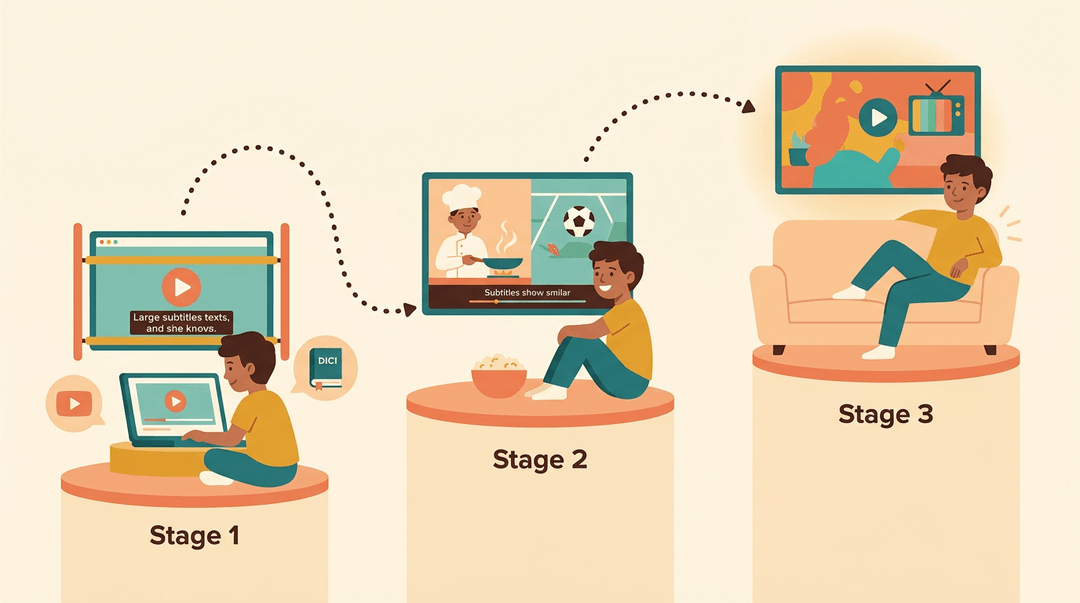
Media can be your classroom too. Turn on subtitles in the target language and pause often to repeat lines. Use subtitles to understand, not just to read.
Keep a dictionary nearby so you can look up unfamiliar words during viewing instead of breaking the flow later.
Language learning apps add structured practice, and interactive immersion tools layer those lessons onto real video and audio, so the words you study show up in the content you watch.
How to Plan an Immersion Lesson
Use this guide to choose a program model, build one lesson around it, and check it before class. It works for a full immersion classroom or a single tutoring session.
Choose your model first
Find your situation, then read across.
| Choice | What it means | Reach for it when |
|---|---|---|
| One-way | Students share one home language | Your class is mostly native speakers of one language |
| Two-way | Native speakers of both languages learn together | You have a mixed-language roster |
| Full | Nearly all instruction in the target language | Students can already follow routines |
| Partial | Target language for some subjects or blocks | Students are new, or time is limited |
Set your exposure percentage. Start at the highest share students can still follow. Raise it as comprehension holds.
Build the lesson
- Open with a comprehensible-input bell ringer
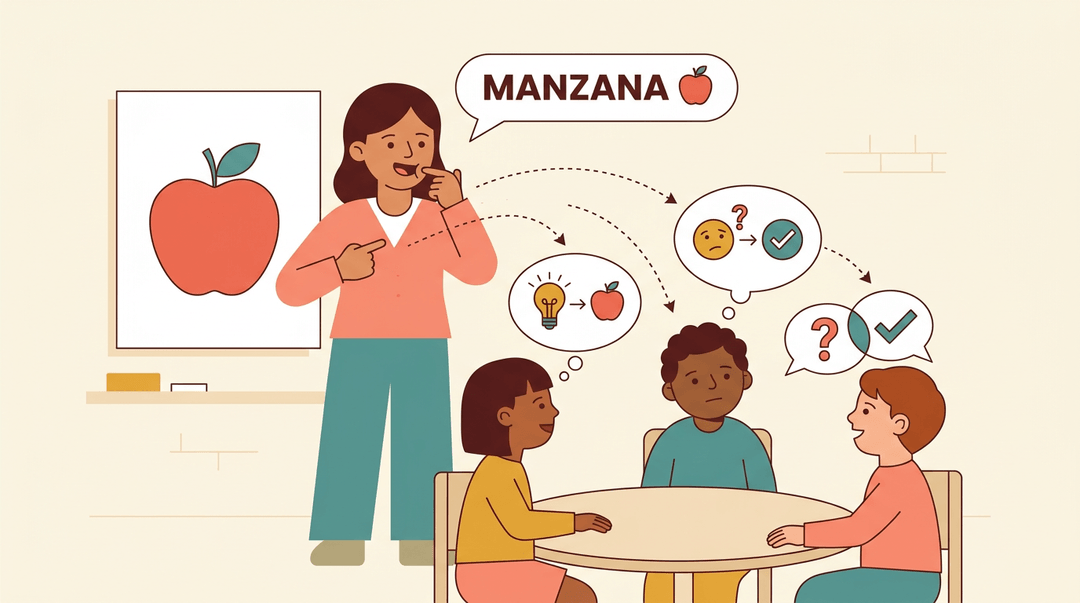
- Show a picture and say: "Look at the picture. What do you see?"
- Use words students mostly know, plus one new one.
- Layer in visual and gesture scaffolds
- Pair every new word with an image, object, or consistent gesture.
- Example: point to the clock and tap your wrist when you say "time."
- Check understanding as you go
- Say: "Show me with your thumb." Students answer with a gesture or point.
- Skip "Do you understand?" Ask for a response you can see.
- Close with a target-language exit ticket
- One sentence or a labeled sketch: "Today I learned ___."
Example: A second-grade teacher starts with a picture of a market stall and asks students to point to the manzana. They act out buying fruit with gestures, then draw their favorite fruit and label it as the exit ticket.
Adapt it by level
| Level | Immersion move | What it looks like |
|---|---|---|
| K-2 | Picture-cue immersion | Picture cards drive songs, routines, and labeling |
| 3-5 | Thematic unit immersion | Weeks on one theme, such as weather, reused across subjects |
| 6-12 | Project-based immersion | Students build a product, like a poster or a pitch, in the target language |
| Tutoring | Conversational immersion | Talk about the student's interests, with gentle recasts |
Check before you teach
- Input at 70-90% level: students follow most of it and stretch for the rest.
- Context and visual supports ready: images, objects, and gestures are prepped.
- Low-pressure speaking time: pair talk or whisper practice comes before sharing aloud.
- Built-in comprehension checks: you've planned at least two moments to see understanding.
This mirrors an observation tool for CLIL (content and language integrated learning). It calls for content-oriented processing, meaning tasks that help learners grasp the core content, along with comprehension checks.
💡 Tip: If a check shows confusion, add a gesture or picture before you switch to the home language.
Build, save, and reuse immersion-ready lesson plans across classes in your online lesson planner.
Why Immersion Learning Works so Well
Ever notice how a child picks up a language just by living somewhere new? Immersion brings that environment into your classroom.
How your brain acquires language
Students need comprehensible input: language they mostly understand, with just enough new material to stretch them. Context does the heavy lifting, since a word tied to a gesture or picture tends to stick.
Patterns and sounds map onto meaning, and negotiation of meaning, when learners ask for clarification and check with classmates, locks it in.
Building confidence and motivation
Speaking is where many learners freeze, and immersion lowers that barrier by making practice part of everyday exchanges, rather than a performance. Picture a seventh-grade Spanish teacher who opens class with a two-minute routine in Spanish.
The quietest students start with one-word answers and, within weeks, are speaking in full sentences.
A longitudinal study of English learners found that a virtual reality cultural immersion group improved more right away than controls in willingness to communicate and motivation.
What the research says about results
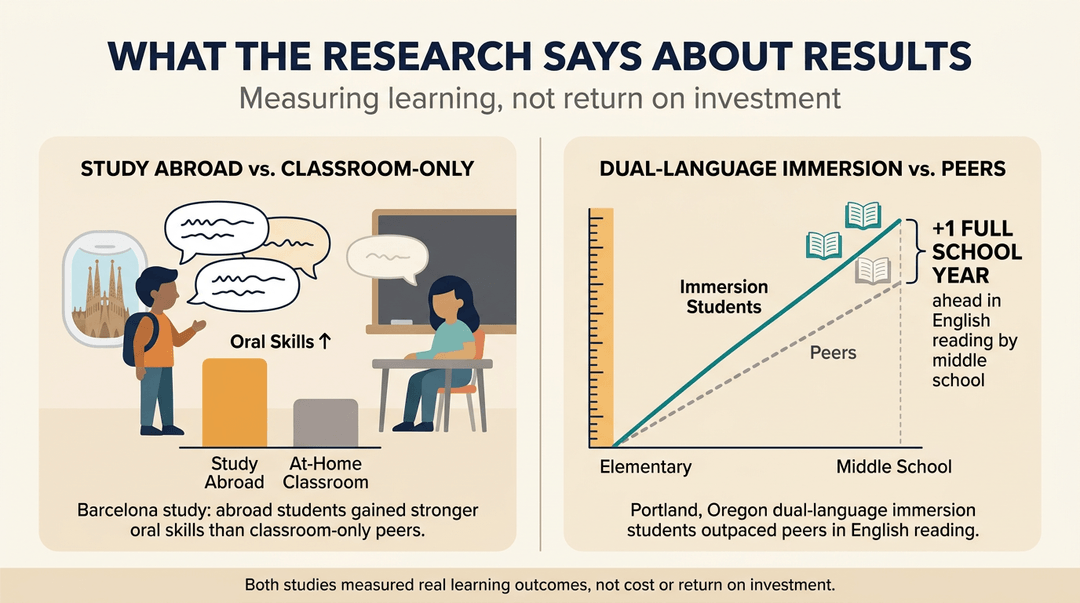
The sources we have measure learning rather than return on investment, so the evidence centers on what students can do. A study from the University of Barcelona found that study abroad beat at-home classroom instruction, especially for oral skills.
Education Week reported that Portland, Oregon, dual-language-immersion students outperformed their peers in English reading by a full school year's worth of learning by the end of middle school. That's a year of growth.
Levels of Immersion Content to Try
Not all native material suits every learner. Group students by proficiency level, then match content to where each group is right now.
Best content for beginners
Start with graded readers and materials built for comprehensible input, meaning content learners can mostly follow with a little beyond their level. Kids' shows and dubs work well because the plots are familiar and the visuals carry meaning.
Look for slow speech and plenty of visuals. Consider a Spanish 1 teacher who shows a slowed-down cartoon with the picture doing most of the work. Students follow the story without translating every word.
Moving from tools to native content
Subtitles and dictionaries aid comprehension, so use them early. Native content becomes comprehensible later, once vocabulary and listening skills grow.
Then shift to interest-based content, like a favorite sport or cooking channel, since motivated learners push through harder input. At the advanced stage, learners need less scaffolding, so full native shows with minimal support become the goal.
Why beginners can start immersion now
Immersion works from day one. The myth that learners need fluency first holds many back. What matters is the right support level, not more support.
Think of a middle schooler in week one who can't yet form a full sentence but points to the correct picture as the teacher speaks. That's immersion, and it's a start.
Overcoming Immersion Learning Challenges
Immersion is powerful, but it can feel like a lot at first. It's less about whether students struggle and more about when you step in. Here's what to watch for and how to help.
Common struggles beginners face
New learners in an immersion setting often hit the same walls:
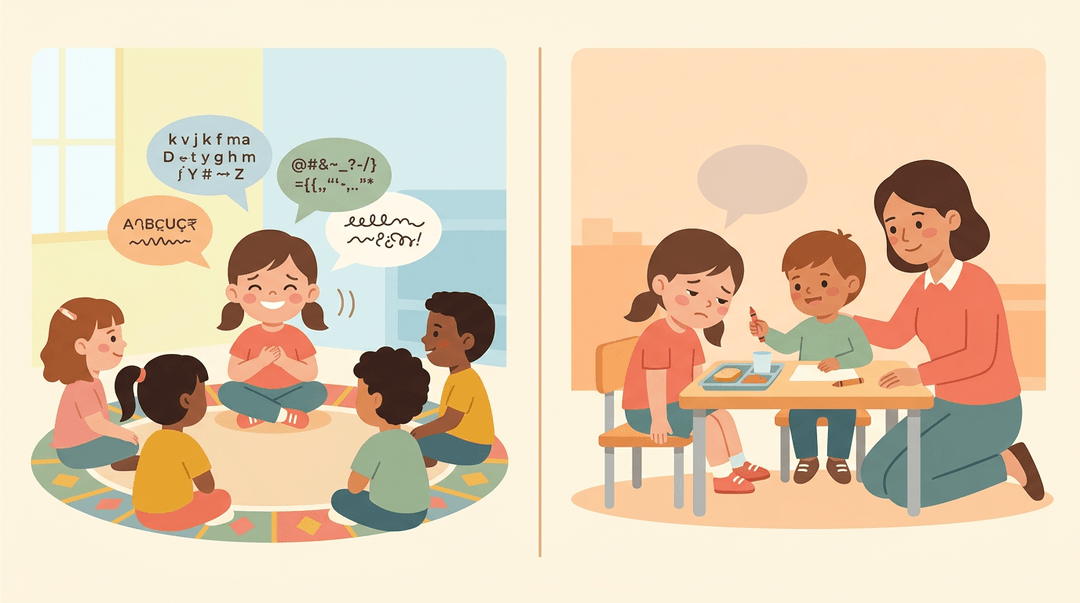
- Feeling overwhelmed. When every instruction arrives in the target language, even simple directions can sound like noise.
- Frequent misunderstandings. Students guess at meaning, and wrong guesses stick if nobody corrects them.
- Fatigue and frustration. Concentrating in a second language all day is exhausting, and students may shut down before they say so.
Think of a newcomer in a Spanish immersion kindergarten who nods along during morning routines but goes quiet by lunch. That isn't a lack of effort. It's mental load catching up with her.
A teacher who notices this early can pair her with a patient classmate and cut the afternoon workload, so she finishes the day still engaged.
Ways to ease the challenges
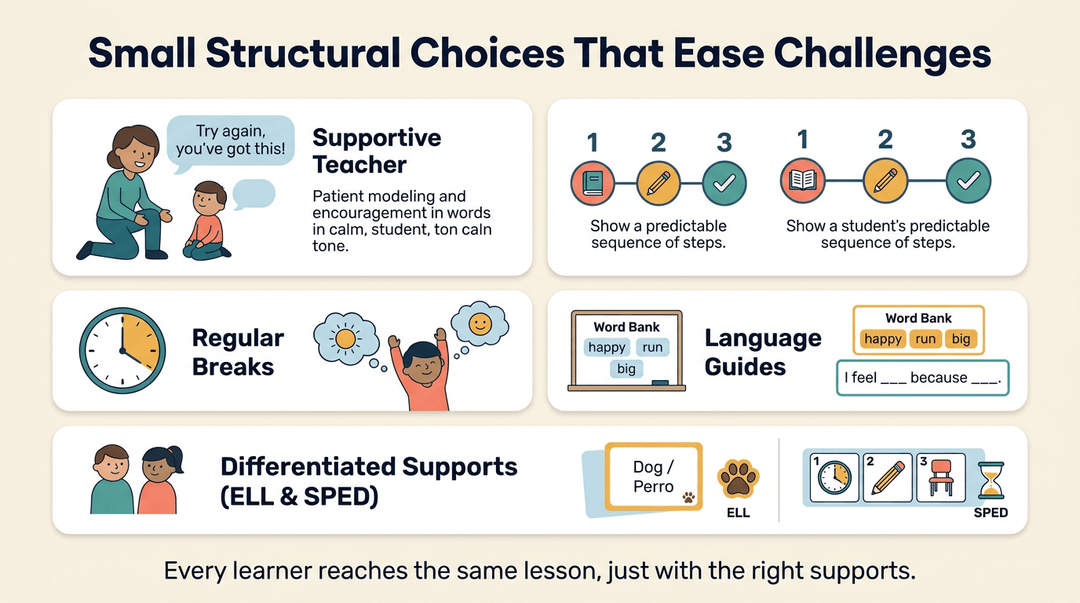
Small structural choices make the biggest difference:
- A supportive teacher or host. A warm, patient adult who models language and encourages risk-taking keeps anxiety low.
- A structured, paced plan. Predictable routines and a clear sequence let students anticipate what's coming.
- Regular breaks. Built-in pauses help students reset their focus before fatigue sets in.
- Guides for language barriers. Visual cues, word banks, and sentence frames help students bridge gaps.
- Differentiated supports for English language learners (ELL) and students in special education (SPED). Give ELL students bilingual vocabulary cards, and give SPED students chunked directions, visual schedules, and extra processing time so every learner can reach the same lesson.
Immersion Learning in Companies and Schools
Immersion isn't only for language schools. Here's how companies and schools put it to work, and what you can borrow for your own room.
How companies use immersion training
Many workplaces use immersive practice to help employees communicate on the job. Rather than only studying vocabulary, learners rehearse real moments.
As one study of virtual language courses explains, multi-user virtual worlds let learners practice "meetings, presentations, or job interviews in a foreign language."
The supplied research doesn't include named Fortune 500 case studies, ROI figures, or confidence metrics, so we won't put numbers on them. It also doesn't show immersion replacing classroom training outright.
Think of a sales associate rehearsing a call with a Spanish-speaking client before the real thing. The payoff is confidence walking in, not just knowledge on paper.
How schools and colleges use immersion
Our sources don't cover university VR or AI programs, study abroad integration, or ELL support programs, so we won't describe specific ones. The principle still applies to your room.
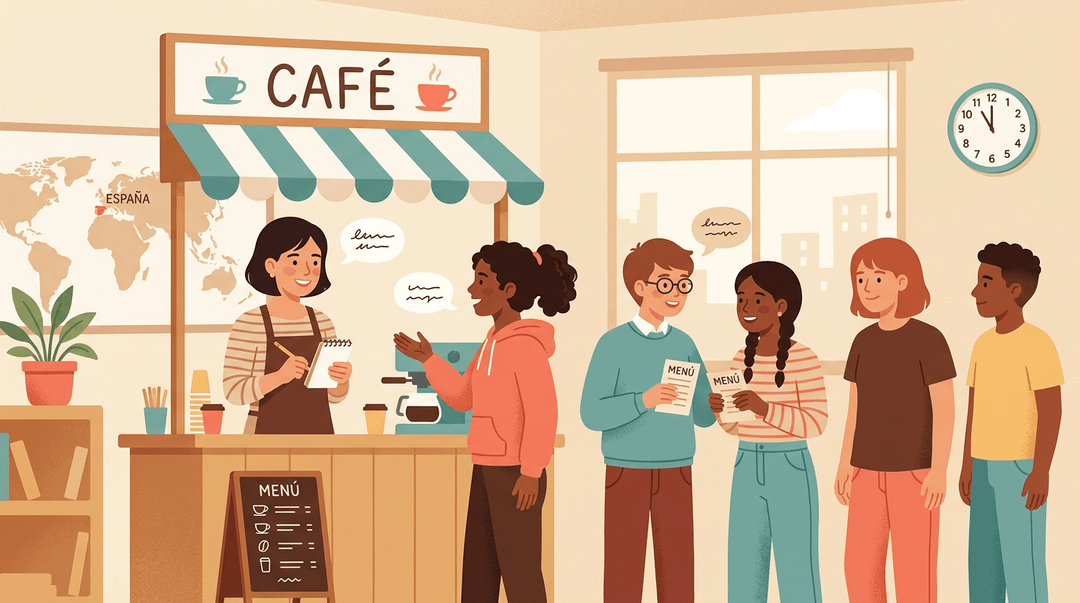
Consider a high school Spanish teacher who sets up a mock restaurant counter. Every student orders, asks a question, and answers one in return before the bell. That's speaking time, not listening time, and it's where immersion does its best work.
Immersion learning comes down to one idea: students grow fastest when they can understand and use a language or subject in real, meaningful ways.
Whether you run a full dual-language program or add a few immersion moments to a single lesson, small, intentional choices make the difference.
Ready to build your next immersion lesson? Check out our Lesson Planner to write, organize, and reuse lesson plans across all your classes from one place.
References
- The evolving impact of virtual reality-based cultural immersion: A longitudinal mixed-methods study on EFL learners' intercultural sensitivity, willingness to communicate, and L2 learning motivation — doi.org (2026)
- The Concept, Content and Implication of Krashen's Input ... — atlantis-press.com
- The effectiveness of classroom instruction 'at home' vs. study ... — diposit.ub.edu
- An Observation Tool for Comprehensive Pedagogy in Content and Language Integrated Learning (CLIL): Examples from Primary Education — redalyc.org
- Linking text readability and learner proficiency using linguistic complexity feature vector distance — tandfonline.com (2019)
- Talking in Order to Learn: Willingness to Communicate and Intensive Language Programs — doi.org (2003)
- Bringing Playfulness and Engagement to Language Training Using Virtual Worlds: Student Experiences, Results, and Best Practices from a Virtual Language Course — doi.org (2012)
- Portland Dual-Language-Immersion Students Outperform Peers in Reading — edweek.org
Frequently asked questions
What is meant by immersive learning?
Immersive learning means learning a language or skill by surrounding yourself with it and using it in realistic situations. Instead of relying only on memorizing rules, learners gain understanding through meaningful input, context, interaction, and practice.
How does immersion work when learning a language?
Language immersion works by exposing learners to understandable language that is slightly above their current ability. They hear, read, and use the language in everyday contexts, with visuals, gestures, subtitles, and conversation helping them understand new words and patterns.
What is an example of immersion?
An example of immersion is switching your phone to the language you are learning, listening to music in that language while cooking, narrating your chores aloud, and practicing with a conversation partner. A homestay or dual-language school is another example because the learner uses the language throughout daily activities.
What does it mean to immerse yourself?
To immerse yourself means to surround yourself with the language or skill you are learning and actively use it in meaningful situations. For language learning, this might include watching subtitled media, changing device settings, listening to music, speaking with others, and narrating daily activities in the target language.