How to Teach Reading: A Complete Step-by-Step Guide

Jump to section
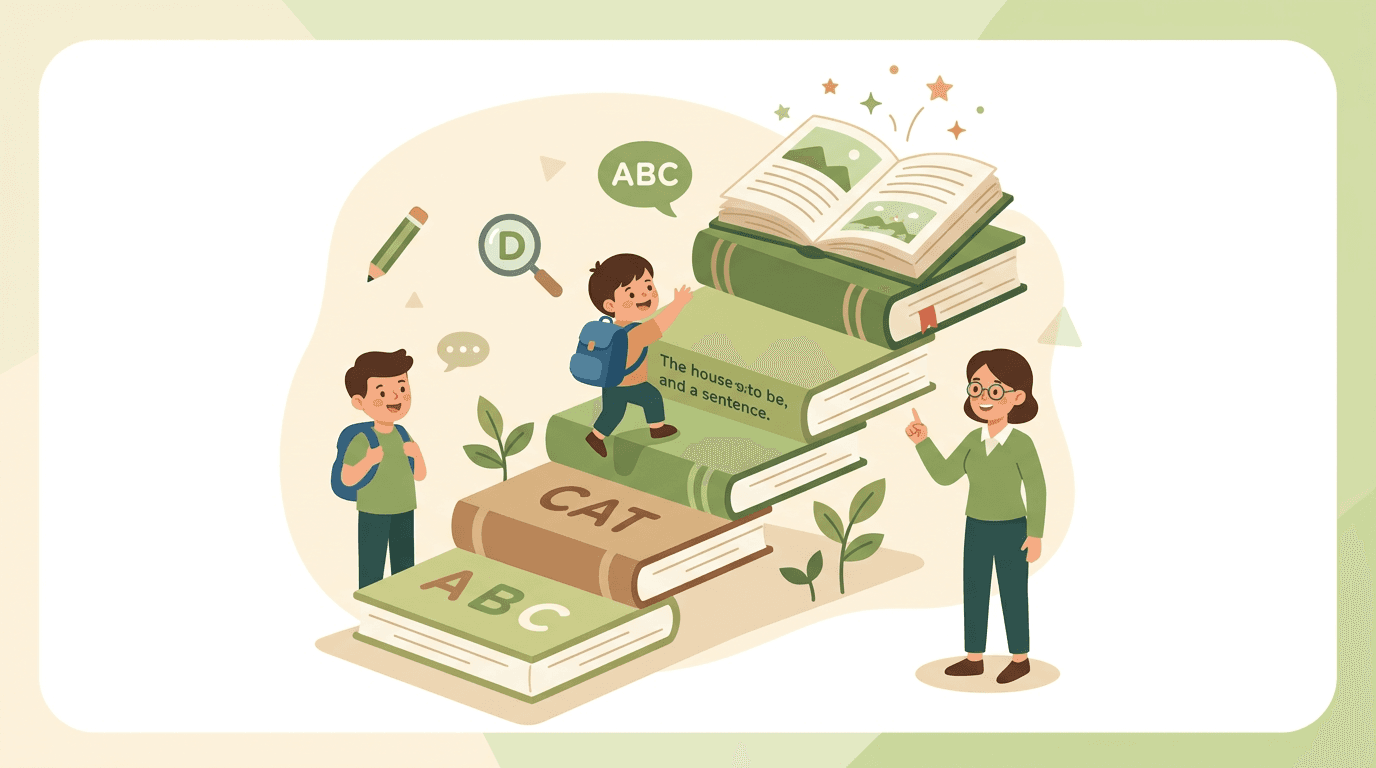
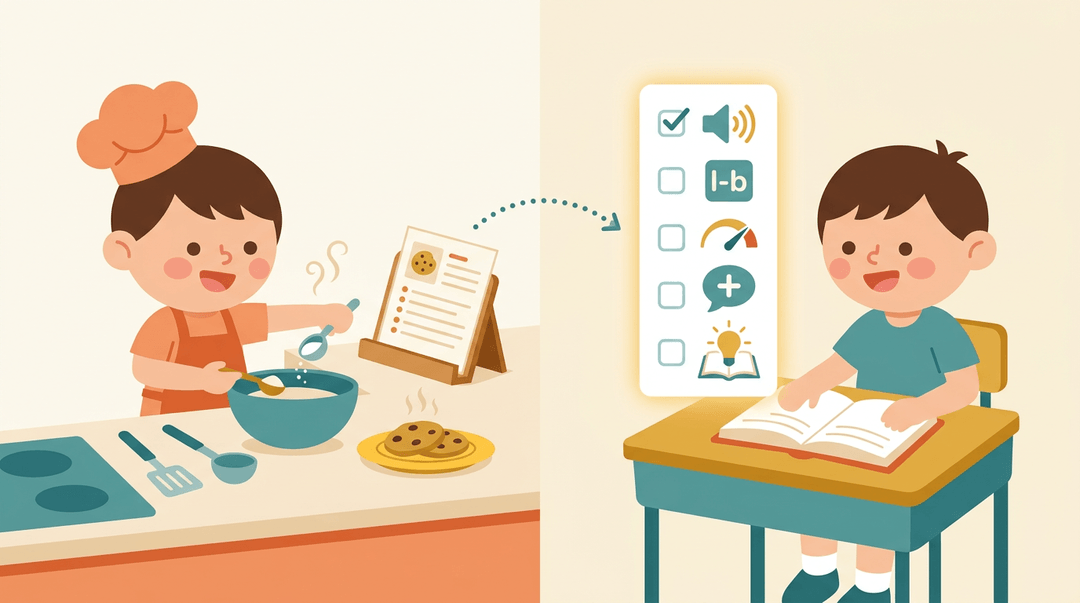
Think of learning to read like learning to cook from a recipe card. At first every step takes effort, but with the right order and a little practice, the whole thing starts to click.
Teaching reading works the same way: it's a set of skills that build on each other, from hearing sounds in words to understanding what a whole page means.
In this guide, we'll walk through all five core pillars, including fluency and vocabulary, which often get skipped. You'll also find a ready-to-run classroom lesson structure you can drop straight into your planning.
How to Start Teaching Reading
If you're asking how to start reading for kids, the answer is simpler than it sounds. Follow this roadmap for new readers: play with sounds, share books, then learn letters and their sounds. Each stage builds on the last.
Playing with sounds before phonics
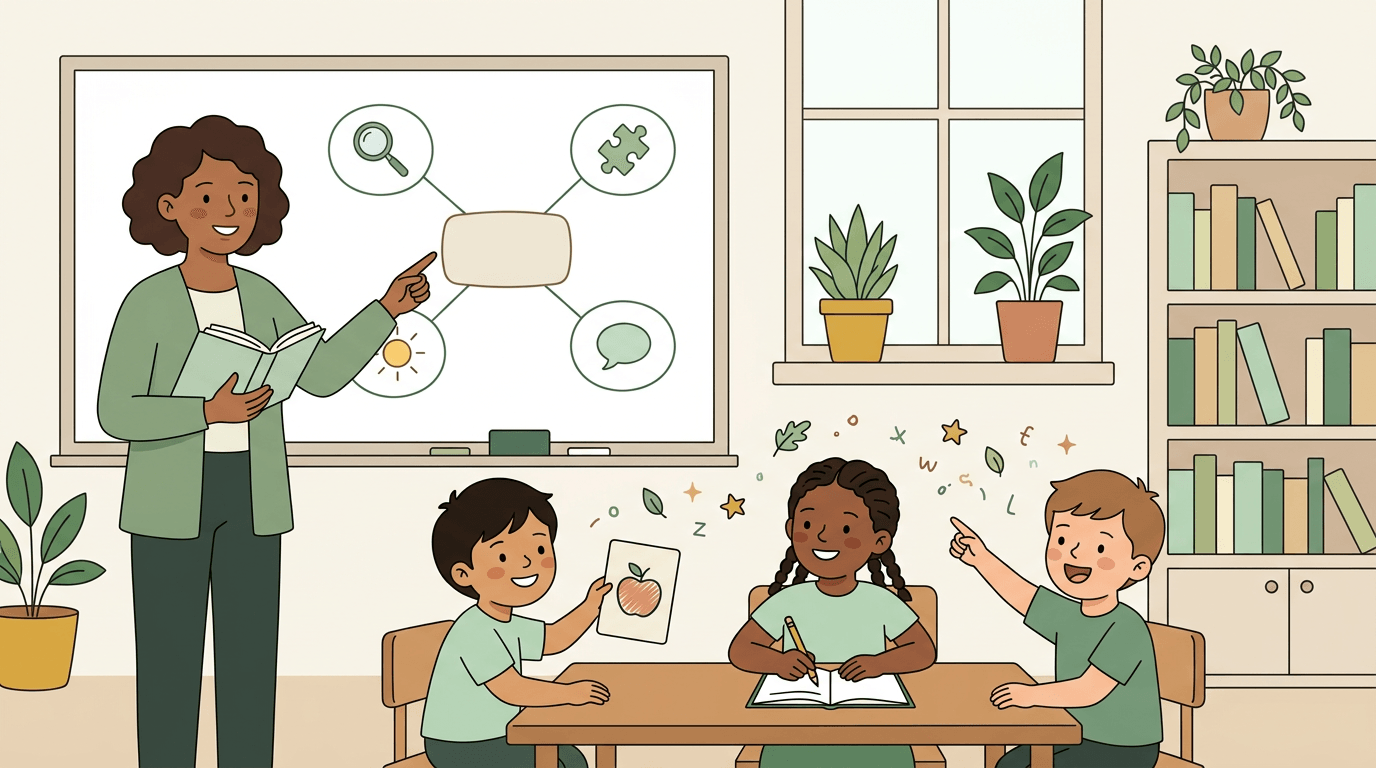
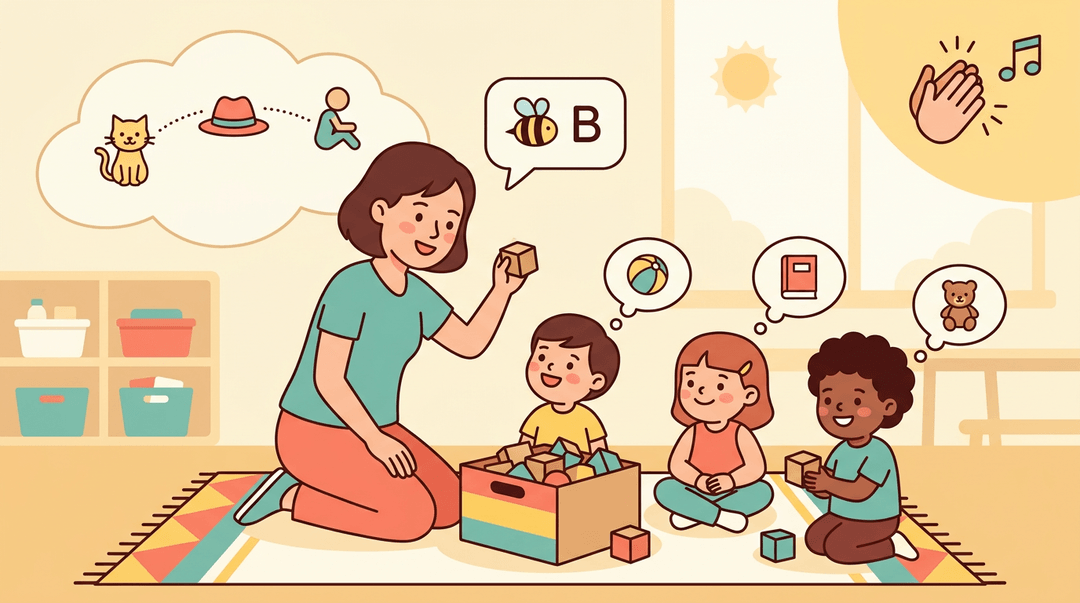
Before phonemic awareness (noticing the individual sounds in spoken words) can grow, kids need to hear them. Try rhyming games like 'cat, hat, sat,' and clap the syllables in names.
Sound games, like spotting which word starts with the same sound as 'sun,' build the listening skills that phonics depends on.
Consider a kindergarten teacher who turns clean-up time into a sound hunt, asking students to name things that start with /b/ as they put away blocks. That's foundational practice that costs no prep.
Sharing books with babies and toddlers
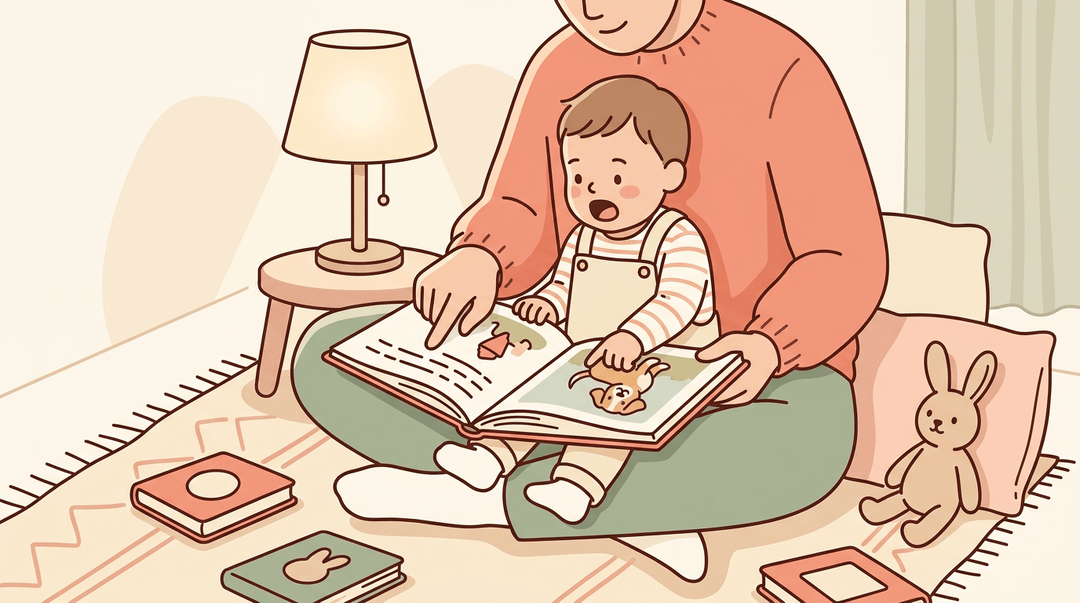
Reading to babies and toddlers is where shared reading starts: an adult and child explore a book together. Let them handle books, turn pages, and hold them upright. Point along the text to show that reading runs left to right and pages turn one at a time.
Name pictures to grow vocabulary, which is explicit vocabulary instruction when you deliberately teach word meanings. Keep it cozy so books feel like comfort, not chores.
For a 2 year old, keep sessions short, let them pick the book, and ask simple questions like 'Where's the dog?' Connection matters more than getting answers right.
Learning the alphabet and letter sounds
Start with alphabet names, using alphabet books and songs to make letter shapes familiar. Then introduce letter sounds, pairing each letter with the sound it makes rather than just its name.
Begin with short vowel sounds like /a/ in 'apple' and /i/ in 'itch,' since they unlock many simple words. Sounds unlock words.
Teaching Phonics Step by Step
Phonics works best in a clear, deliberate order. Here's how to build it step by step.
Teaching letter sounds in order
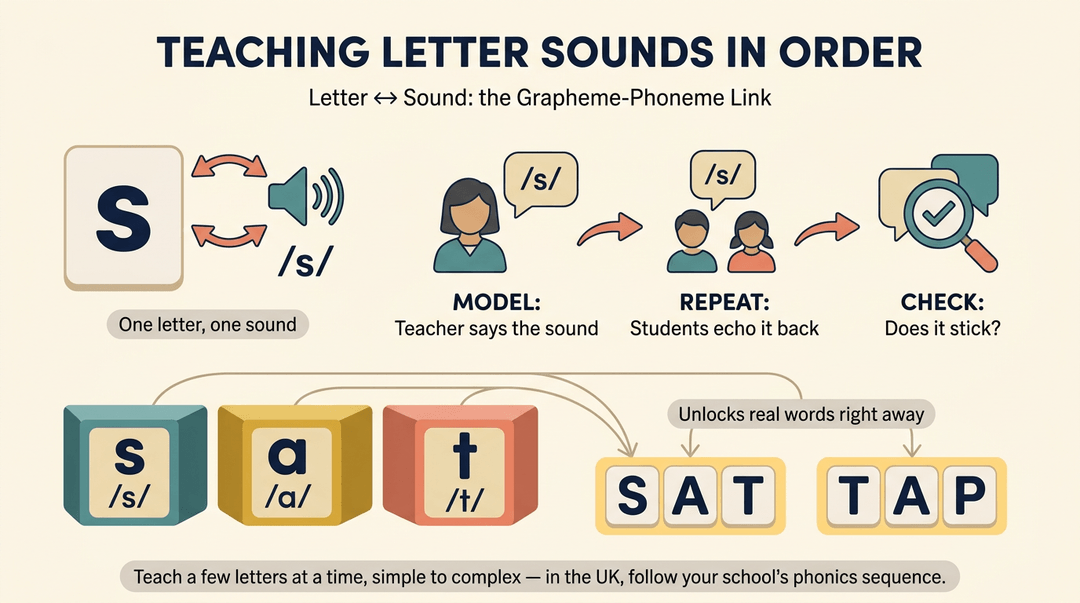
Start with the grapheme-phoneme relationship: the link between a written letter and the sound it makes. Teach letters in a specific order, a few at a time, building from simple to complex.
Use an explicit approach: model the sound, have students repeat it, then check it sticks.
For example, a kindergarten teacher might start with /s/, /a/, and /t/, because they unlock sat and tap right away. In the UK, follow your school's phonics sequence.
Blending sounds into real words
Teach blending next. CVC words (consonant-vowel-consonant, like cat) are the best starting point. Have students sound out letter by letter, then blend the sounds together.
Word families build on that. Once students can read mat, they can often read sat and pat too. A first-grade tutor might ask what changes to make to mat to get sat, so the student starts spotting patterns.
Pair this with decodable books, texts built from sounds students already know. Confidence grows when the words are within reach.
Mastering tricky sight words
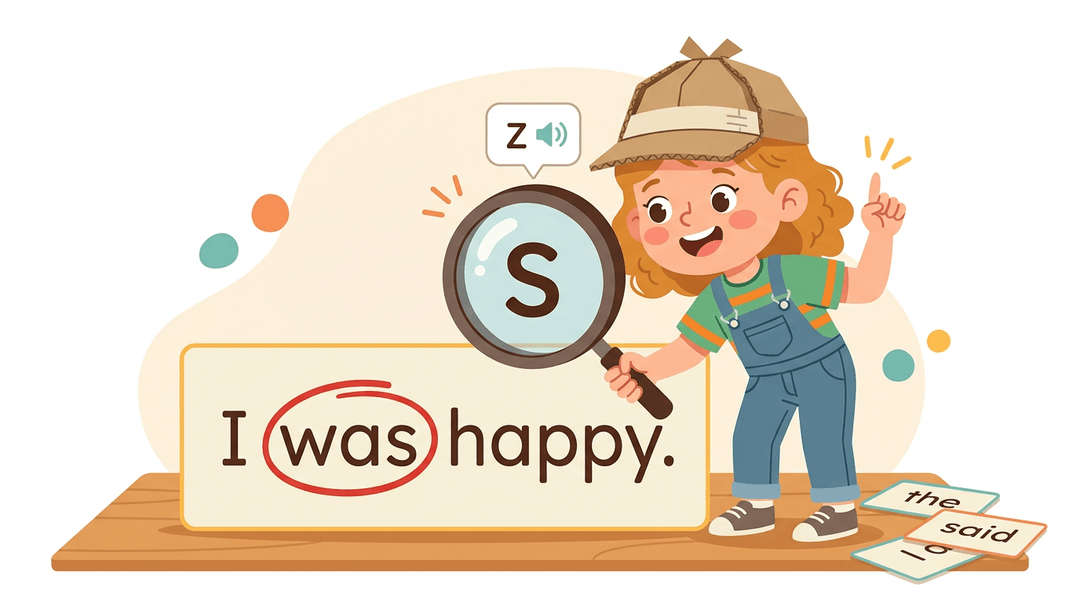
High-frequency irregular words like the and was can't be sounded out, so students need to memorize them by sight. Practice with flashcards and games in short, frequent sessions.
Word detectives make it stick: students find a tricky word in a sentence and explain what breaks the rule. A second grader hunting for was might notice the s sounds like a z, and that discovery beats another flashcard round.
A Simple Lesson Plan for Teaching Reading
Use these three templates to plan a reading block: one for K-1 foundations, one for grades 2-3 fluency and comprehension, and one for small-group stations. Pick the one that fits your class and adapt it.
K-1 foundational block
Run these in order every day. Keeping the order the same means students always know what's next.
- Open with a phonemic warm-up (5 min)
- Say: "Tell me the sounds in 'sit'." Students answer /s/ /i/ /t/.
- Teach one phonics skill explicitly
- Show the letter, say the sound, students repeat: "This letter says /m/."
- Guide students through CVC words
- CVC means consonant-vowel-consonant. Tap each sound in m-a-t, then blend: mat.
- Let students read a decodable text
- Decodable means it uses only sounds you've taught: "Sam sat on a mat."
- Finish with an exit ticket
- Each student reads three CVC words to you: mat, sit, hop.
Grades 2-3 fluency and comprehension block
Here the parts matter more than the order. Mix and match across the week, but make sure each one shows up.
| Block part | What it looks like |
|---|---|
| Repeated reading drill | Student rereads one short passage until it sounds smooth |
| Vocabulary mini-lesson | Give a kid-friendly definition, then use the word in a sentence |
| Small guided-reading groups | Listen in, prompt, and coach while others work |
| Comprehension strategy practice | Model one strategy, then students try it |
| Progress check-in | Jot a quick fluency note per student |
For the strategy practice, try summarizing. Say: "Who was it about? What happened first, next, last?"
Example: A second-grade teacher has one group reread the same passage aloud. Her check-in note says "slow on multisyllable words." Next week's vocabulary mini-lesson targets those words.
Small-group reading stations
Rotate each leveled group through all four stations.
| Station | Who and what |
|---|---|
| Teacher-led strategy group | You teach one strategy to a leveled group |
| Intervention station | Strugglers get extra phonics or fluency practice |
| Independent reading | Students read alone at their level |
| Partner reading | Pairs take turns reading aloud |
⚠️ Watch out: Don't keep strugglers at the intervention station all block. They still rotate through the other stations too.
Save and reuse these reading blocks as ready-made templates in EMStudio's lesson planner.
Helping Kids Understand What They Read
Decoding is only half the job. Understanding needs its own attention, so here's how to build it.
Building understanding while reading together
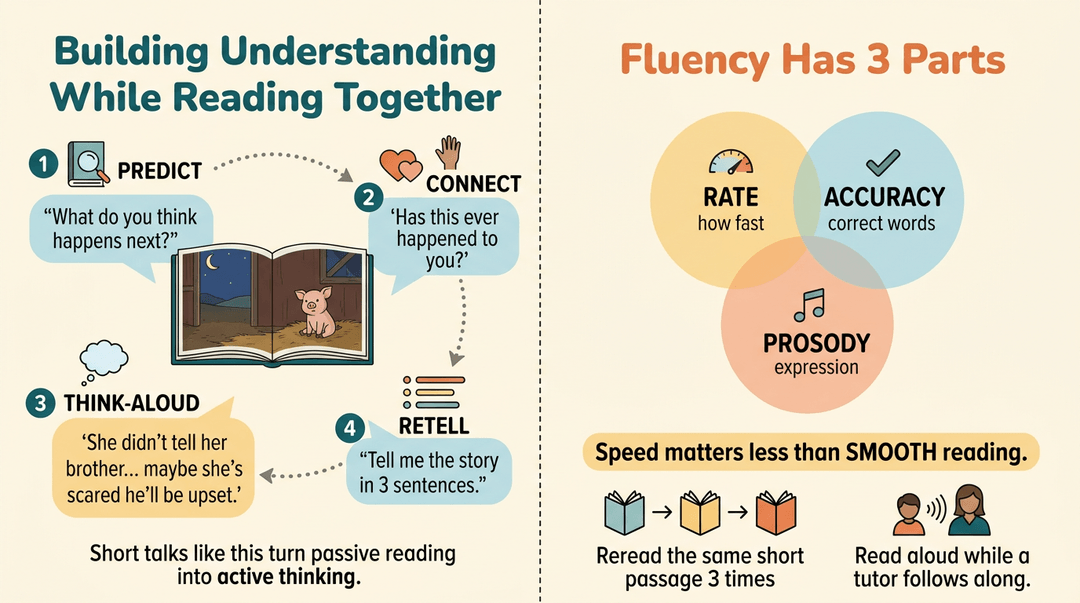
Start by asking kids to predict what happens next, based on the cover or the last event. Then invite personal connections: "Has anything like this happened to you?"
A fourth-grade teacher reading Charlotte's Web might pause after Wilbur's first lonely night and ask students how he feels. Short talks like that turn passive reading into active thinking.
Model your thinking out loud, too. Say, "She didn't tell her brother. Maybe she's scared of what he'll say." This think-aloud shows kids that good readers stop to check meaning.
Finish with retelling: students summarize the story in three sentences, which reveals what stuck.
Fluency has three parts:
- rate (speed)
- accuracy (correct words)
- prosody (expression)
Speed matters less than smooth reading. So how do you read faster? Not by rushing. Have your child reread a short passage three times, or read aloud while a tutor follows along.
Asking questions to deepen understanding
Favor open-ended questions like "What do you think the author wants us to notice?" over yes-or-no checks. Ask for opinions too: "Did the ending make sense, and why?" Discuss meaning while you read, not just at the end, and talk through pictures.
A picture can carry a clue a sentence leaves out.
Supporting Kids Who Struggle to Read
Every reader hits a wall now and then. Here's how to help without taking over the work.
What to do when your child gets stuck
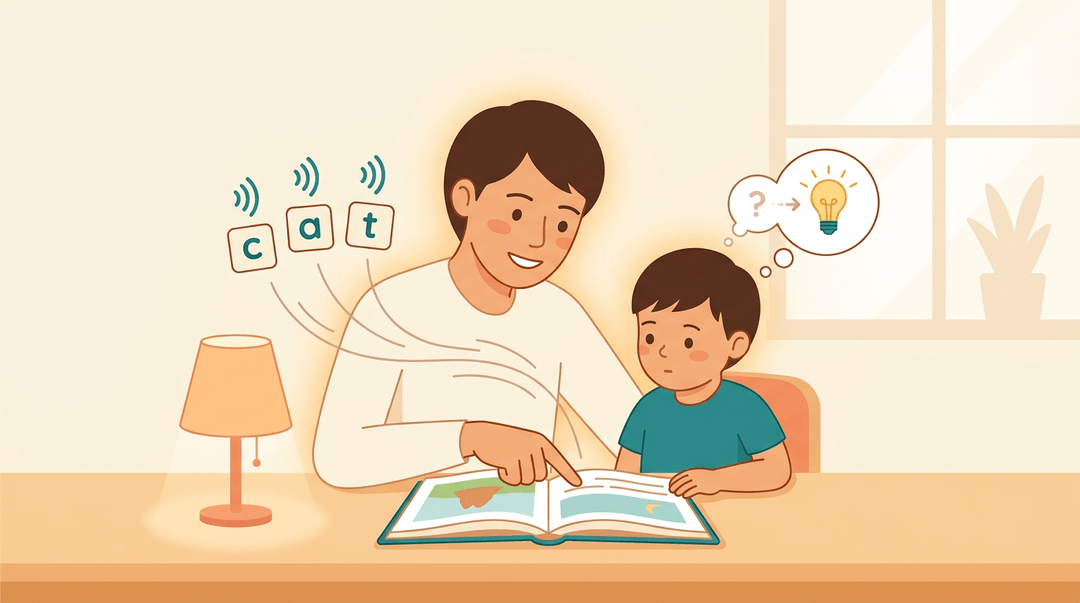
Start with sounding out and blending: have your child say each letter sound, then push the sounds together into a word. If that fails, check the sentence for context clues.
If your child is truly stuck, give them the word so the story keeps moving. Stay calm, since impatience makes struggling readers feel like they're failing.
Understanding dyslexia and learning differences
Some children struggle because of dyslexia, a learning difference that affects how letters link to sounds. A structured literacy approach teaches through explicit systematic instruction, such as the Orton-Gillingham method.
Watch for:
- trouble matching letters to sounds
- spelling that stays inconsistent
If you see these, talk with your child's teacher or a specialist. Praise effort, because struggling with reading doesn't mean your child isn't smart.
A third-grade tutor notices a student avoiding read-alouds. She switches to short, structured drills, and over time the student starts raising a hand instead of hiding.
Teaching through multisensory activities
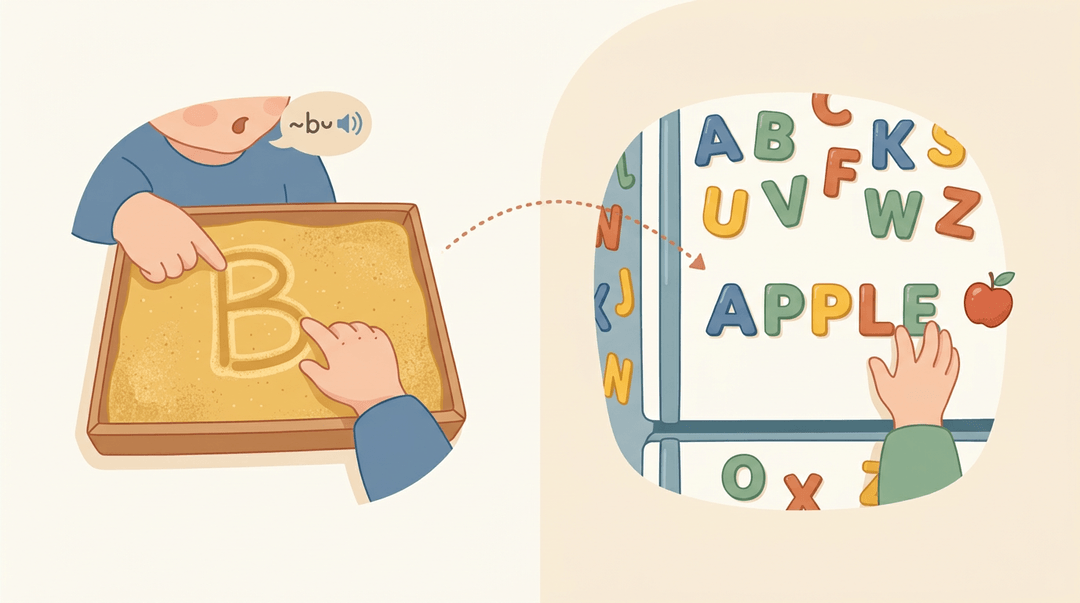
Multisensory teaching lets children see, hear, and touch a letter at once. Try tracing letters in sand while saying each sound, or build words with magnetic letters on the fridge.
It's less about memorizing letters and more about building them. When sight, sound, and touch work together, the lesson sticks.
Keeping Reading Fun and Motivating
Kids who enjoy reading keep reading. Here's how to make it rewarding at home and in class.
Keeping reading sessions short and positive
Short, focused sessions beat long, exhausting ones. Praise effort rather than perfection: "You stuck with that tricky word" lands better than "Good job." Don't pile on pressure. If a book feels like a fight, switch to an easier one and end on a win.
Celebrate small wins, because they add up. A second-grade teacher who marks finished pages on a class chart often sees reluctant readers start asking for their own sticker. This little-and-often approach builds momentum all year.
Modeling good reading habits at home
Kids copy what they see. When you read your own book or magazine where they can see it, you show that reading is valued in your home. Keep reading aloud even after your child reads on their own, since a read-aloud models expression and pacing.
Build a routine, like reading together after dinner, so reading becomes a habit rather than a chore. Picture a dad who reads his mystery novel at lunch, then shares a twist at dinner. His son starts bringing his own book to the table.

Choosing the right books for your child
Match books to skill level so reading feels doable. Too hard breeds frustration; just right builds confidence. Let your child choose, even when the picks look unusual, because choice builds ownership rather than compliance.
Mix formats like comics, magazines, and picture books, since they all count. For early readers, decodable books give practice with sounds they've already learned, so they apply skills instead of guessing.
A parent who swapped chapter books for dinosaur comics often finds a reluctant reader asking for the next issue.
Making your home reading friendly
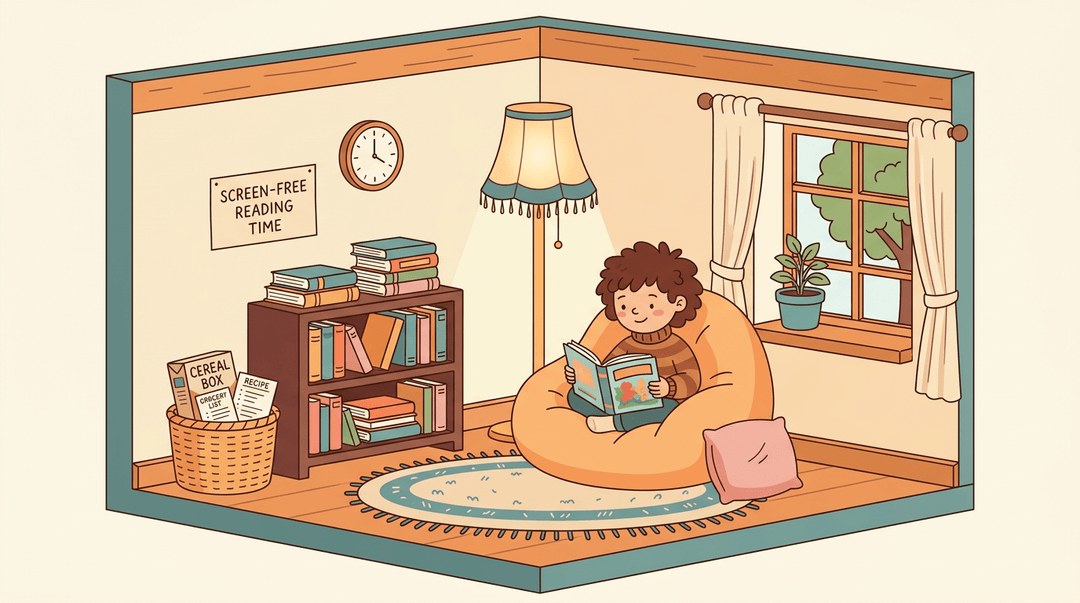
A cozy nook with a lamp and a cushion invites kids to settle in. Make library visits a regular outing, and weave print into daily life through recipes, cereal boxes, and grocery lists.
Protect quiet, distraction-free reading time by switching off screens for a set window. A simple beanbag corner can turn reading into the part of the day kids look forward to.
Fun Reading Games and Activities
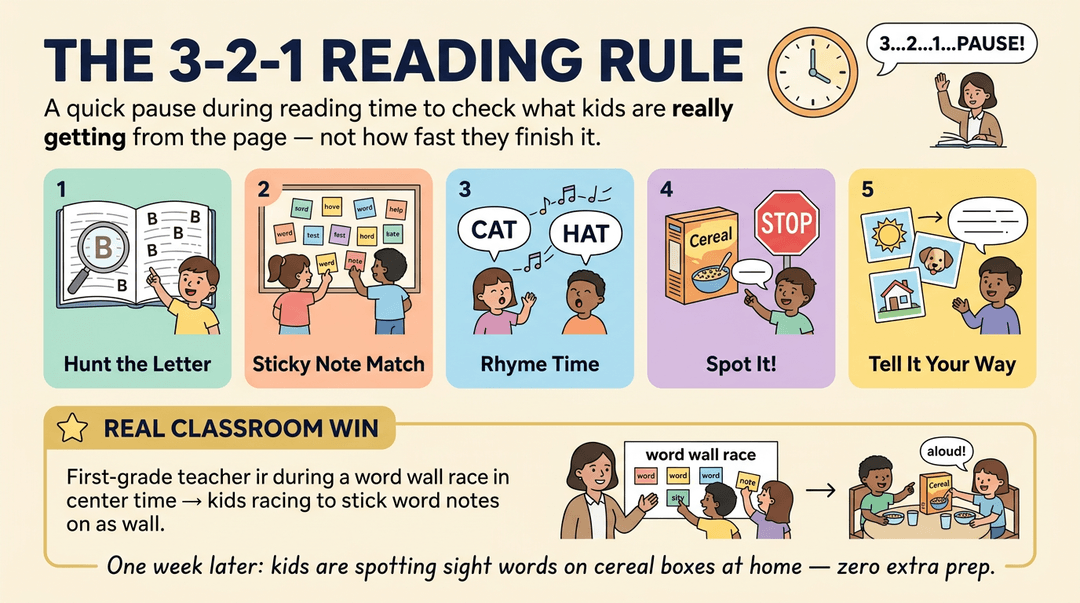
Games make reading feel like play, and they give you a low-stakes way to practice skills in the moment. Here's what the 3-2-1 routine looks like, plus a handful of activities you can rotate through the week.
What is the 3-2-1 reading rule?
The 3-2-1 reading rule is a short, repeatable routine built around the numbers 3, 2, and 1. It's run at a set point in a reading session, and it's less about how fast students finish a passage and more about what they take from it.
Here are the activities to pair with it:
- Hunt the letter/word games: Students search a page for a target letter or word and circle every one they find.
- Sticky note word games: Students write words on sticky notes and sort or match them around the room.
- Rhyming songs: Sing or chant songs with rhyming pairs so students hear word families.
- Environmental print spotting: Students find signs, labels, and logos in the classroom or neighborhood and read them aloud.
- Story-telling activities: Students retell a story in their own words or build a new one from picture cues.
Think of a first-grade teacher who turns sticky notes into a word wall race during center time. Within a week, students are spotting sight words on cereal boxes at home, and she gets a reading boost without any extra prep.
Tracking Your Child's Reading Progress
Reading milestones give you a helpful map, but they vary by age and grade, so treat them as guideposts rather than finish lines.
How to monitor reading development at home
You don't need a testing binder to keep track. Start with the tools you already have: your eyes and ears.
- Informal observation. Listen during bedtime stories or while reading a cereal box together, and notice what's getting easier.
- Reading assessments. Short, structured checks reveal skills that casual reading can hide, such as decoding and comprehension.
- Progress monitoring in programs. If your child's school or tutor runs regular checks, ask how results compare with age- or grade-level expectations.
- Running records. A running record is a quick note of which words a child reads correctly and where they stumble, and it reveals patterns over time.
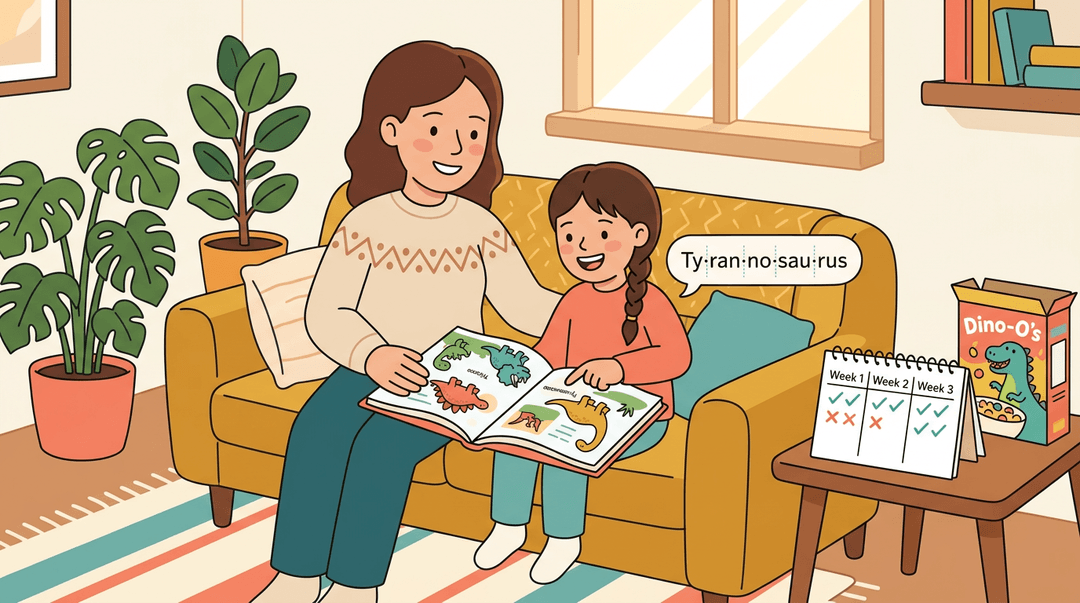
Think of a tutor working with a third grader who loves dinosaur books but stalls on longer words. Three weeks of running records show fewer stops and more self-corrections, so the progress is easy to see.
According to the Department for Education, Children and Young People, monitoring progress helps a teacher see when a skill has been learned, whether a student needs more help, and when they're ready to move on. The same logic works at home.
Celebrate the wins you notice, even small ones like a child reading a whole page without help. Focus on progress rather than completion, because every reader gets there on a different timeline.
Reading isn't one skill but a chain of them, and when you teach each link with care, kids gain the confidence to read on their own. Keep the pillars in order, check progress often, and adjust when a learner needs another pass.
Ready to make your reading lessons easier to plan? Check out our Lesson Planner to write, organize, and reuse lesson plans across multiple classes from one place.
References
- Literacy in the school years — decyp.tas.gov.au (2025)
Frequently asked questions
What is the 3-2-1 reading rule?
The 3-2-1 reading rule is a short, repeatable reading routine organized around the numbers 3, 2, and 1. It is used at a set point in a reading session and focuses on what students understand and remember, rather than how quickly they finish. Activities may include finding target words, sorting words, rhyming, reading environmental print, and retelling stories.
How to start reading for kids?
Start by playing sound games, such as rhyming and clapping syllables, then read books together regularly. Let children handle books, turn pages, listen to stories, and learn new words from pictures. Next, introduce alphabet names and letter sounds, followed by blending sounds into simple words and reading decodable books.
How to teach a 2 year old?
For a 2-year-old, read together in short, relaxed sessions and let the child choose the book. Encourage them to turn pages, point to pictures, name familiar objects, and answer simple questions such as “Where’s the dog?” Keep the experience positive, since connection and enjoyment matter more than getting every answer right.
How to read faster?
Read faster by building fluency, not by rushing. Have the reader reread a short passage about three times, or read aloud while a tutor or adult follows along and offers support. Continue practicing accuracy and expression, because smooth, accurate reading is more important than speed alone.