Checking for Understanding: Why It Matters and How It Works

Jump to section
Think about a driving lesson. Your instructor doesn't wait until the final road test to find out whether you can merge onto the highway. They check in along the way, asking what you notice and what you'd do next.
That's the heart of checking for understanding: pausing during learning to see what your students actually grasp, not just what they've heard. These quick, ongoing checks give you the evidence to guide your next move.
In this post, we'll explore why these checks matter, which techniques work best, how to act on what they reveal, and how to build them into every lesson.

Why Checking for Understanding Matters
A lesson can look successful and still leave students behind. Checking for understanding tells you which one you're dealing with.
Formative checks happen during learning and guide your next move, while summative checks come at the end and measure the result.
Benefits for you and your students
Checks pay off for you and your students:
- Confirms learning. You see whether students are actually learning or just following along.
- Closes gaps in the moment. A quick check reveals a misconception you can reteach today, not next week.
- Builds metacognition. Students who answer checks start noticing what they know and what they don't: thinking about their own thinking.
- Prevents silent struggle. Students who are stuck often hide it, so a check brings it into the open.
Think of a sixth-grade math teacher who has her class show a thumbs up, sideways, or down after each step. Two students who never raise their hands show sideways thumbs, so she walks them through it.
Without that, they'd spend twenty minutes quietly guessing.
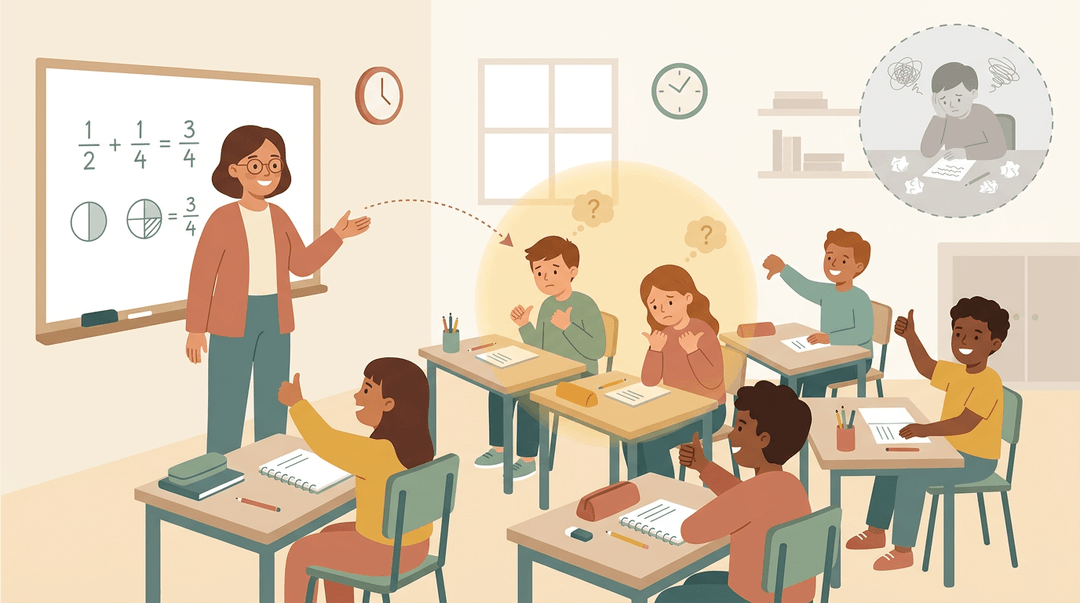
When a lesson looks fine but isn't
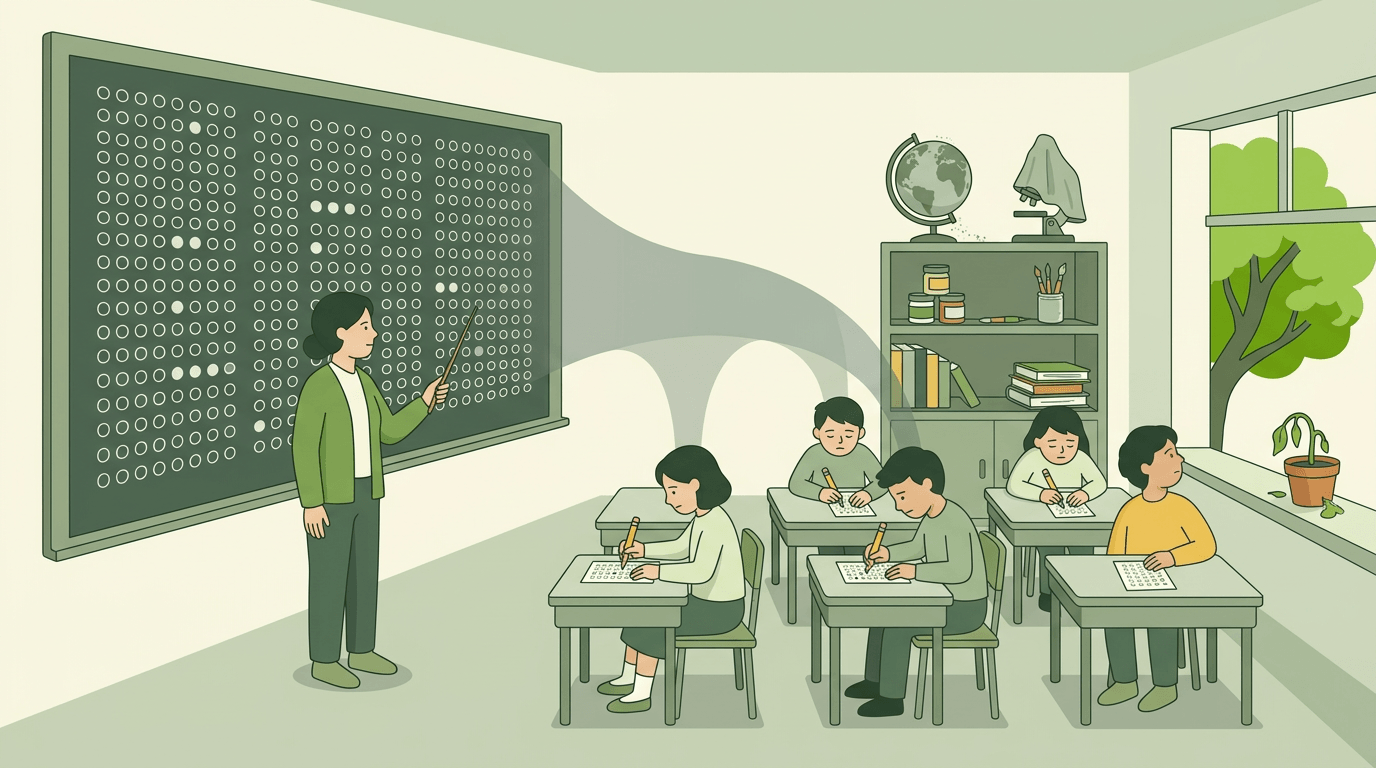
The most misleading lessons are the smooth ones. Students nod, hands stay down, and the bell rings on time. A lesson can seem to go well without anyone actually understanding it.
Confused students are often the most polite ones in the room. They copy notes, stay quiet, and hope the next example makes sense. Silence isn't agreement.
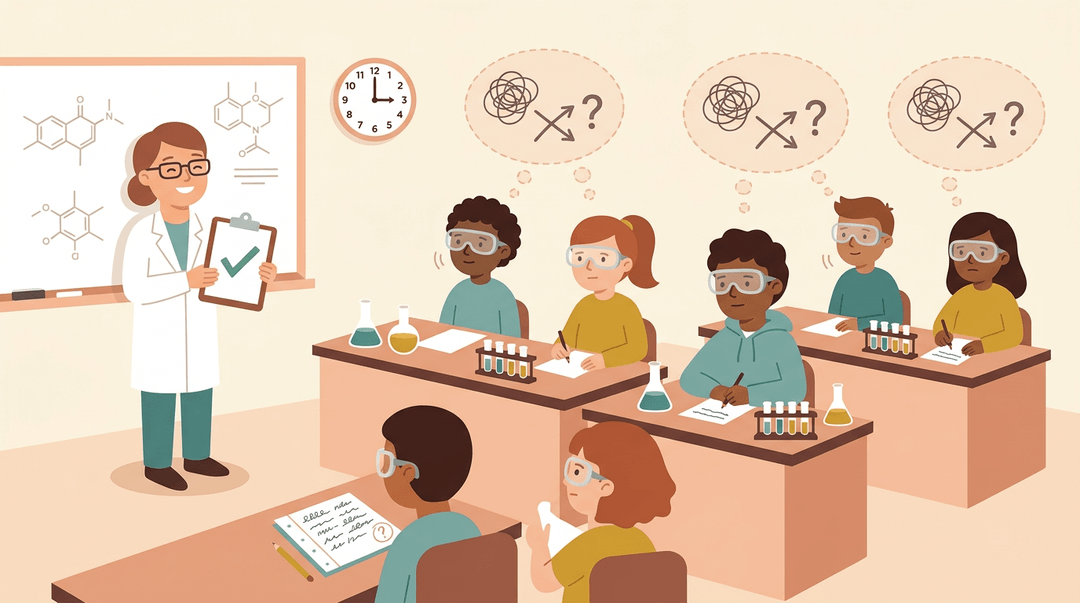
Then comes the late realization. Picture a high school chemistry teacher whose lab runs smoothly and leaves everyone happy. Two weeks later, the unit test shows several students mixed up the variables.
One question at the end of the lab, asking students to explain their data, would have caught it that afternoon.
Principles and Culture Behind Good Checks
Good checks start with a clear goal and a classroom where confusion feels safe to admit. Rosenshine's ten principles of instruction include checking for understanding.
Tie every check to the lesson goal
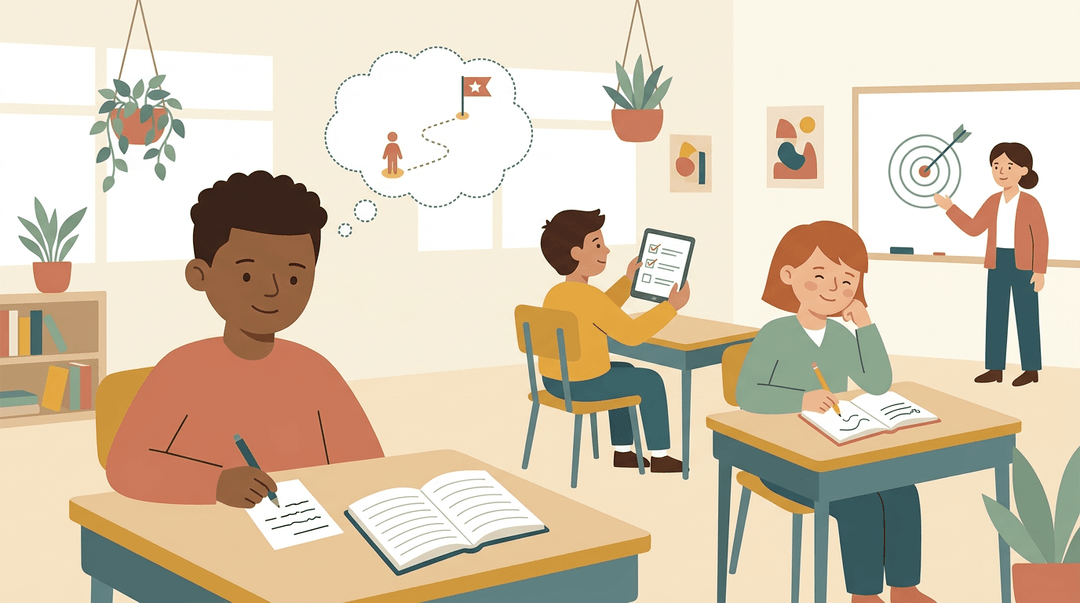
Every check should answer one question: did students reach the goal? Learning targets state what students should know or do by lesson's end. Read them aloud so expectations are clear.
A sixth-grade science teacher's target is 'Explain how heat moves through a solid,' so that's her exit ticket. Within minutes she knows who needs a reteach.
Aim for checks that measure understanding rather than completion.
What are the 5 methods of evaluation in education?
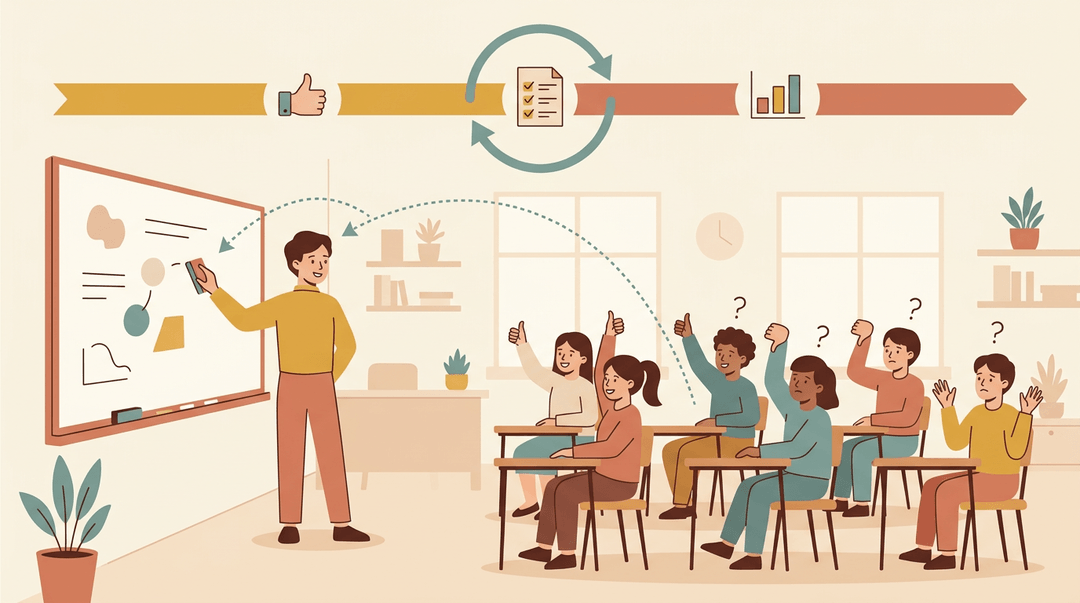
Evaluation happens on several timescales, and three matter most for daily teaching. Moment-to-moment checks, like a thumbs-up, tell you whether to pause or push on. Unit checks cover broader learning, and benchmark checks measure progress at set points.
Ongoing checks run through all of them. The real value comes from acting on evidence, not just collecting it. If half the room is stuck, reteach before moving on.
Building trust and including every learner
Students won't tell you the truth unless it feels safe. Respond to a student who says they're lost with thanks, not a sigh. The goal is honest answers rather than polite ones.
Watch a fourth-grade teacher who starts math with thumbs up, sideways, or down. When she sees sideways thumbs, she has two students explain before reteaching. Her class learns confusion is information, not a confession.
Including every learner means offering a fair way to show what they know:
- Spoken, written, or drawn responses
- Sentence starters for multilingual learners, so the check measures content rather than English fluency
- Accommodations, like extra time or read-aloud directions, applied to checks
Letting students check their own progress
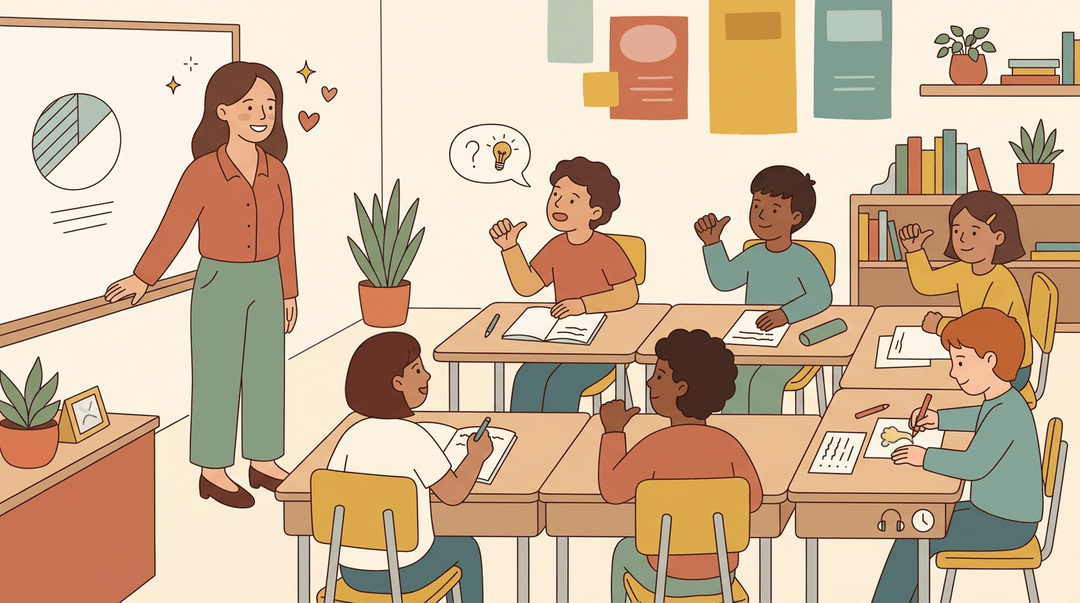
Students who check their own progress need less rescuing. Try a student self-check, a three-question reflection at the end of class, then name one specific next step, like redoing problems 4 and 6.
One middle schooler circles the two problems she's unsure about. Her teacher spends five minutes on exactly those the next day.
Peers help too, since explaining to a partner often reveals gaps. Ownership changes the room.
Practical Ways to Check for Understanding
Most of these take under a minute and need nothing special. Pick the one that fits your question:
Asking questions and talking it through
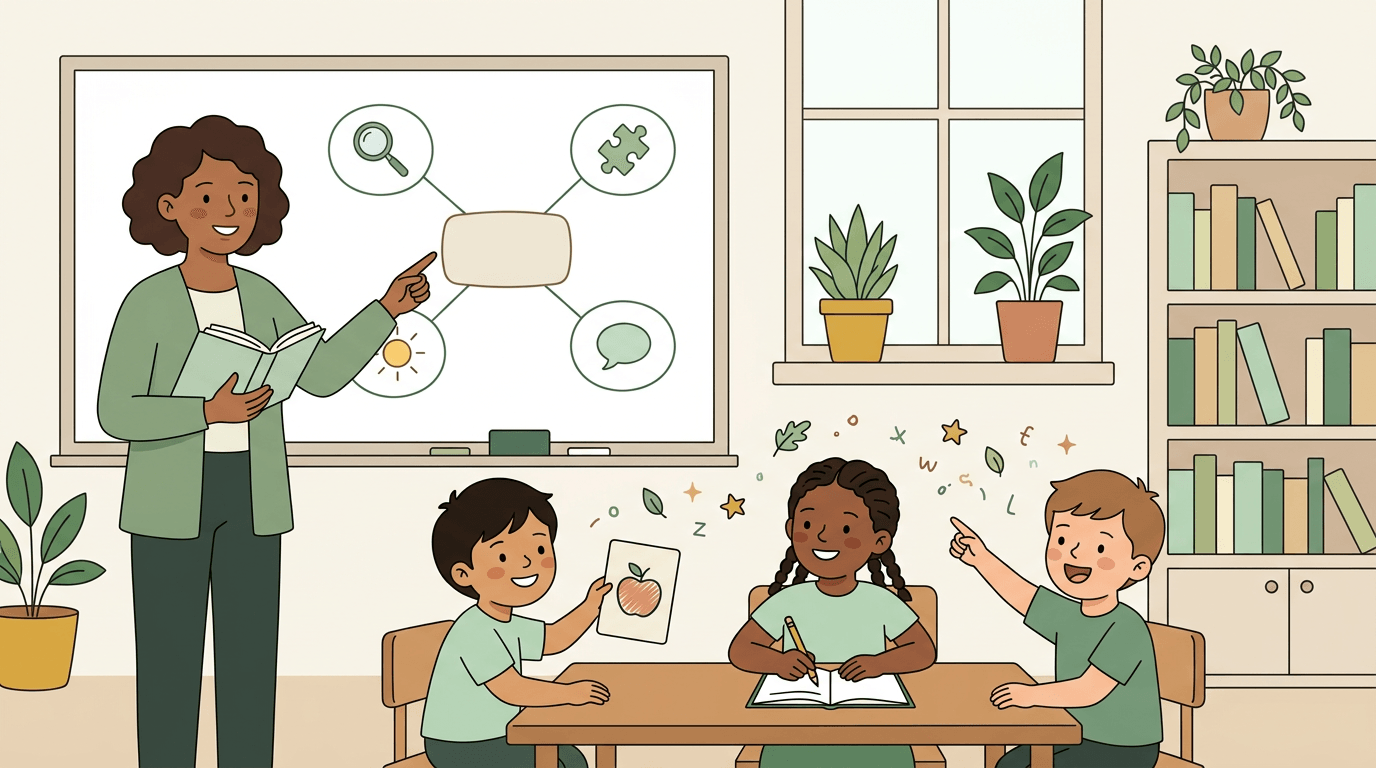
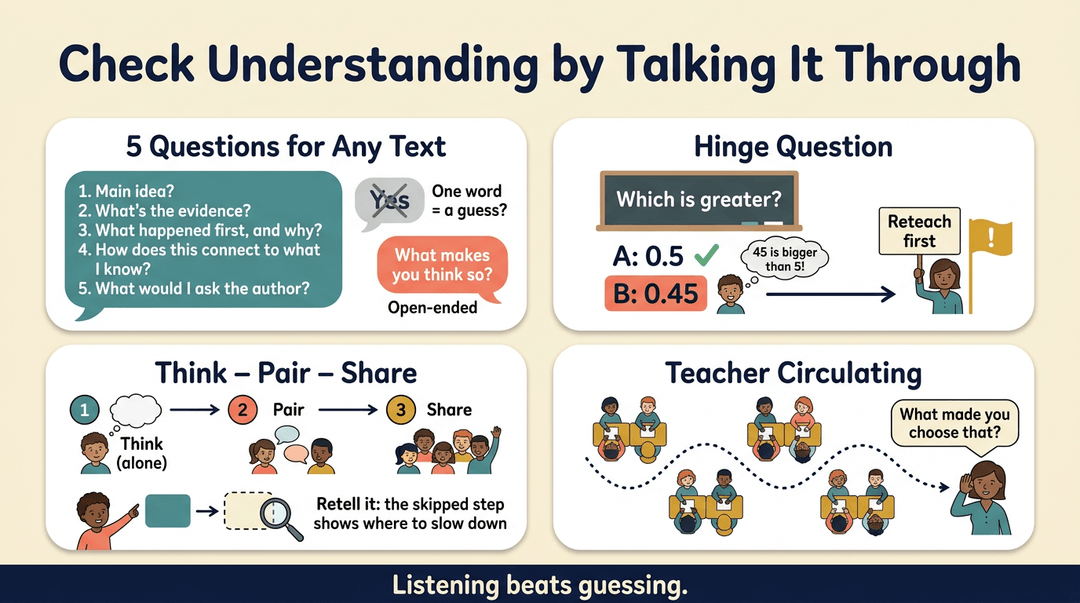
Start with open-ended questions like "What makes you think so?" One-word answers show who guessed. For reading, five questions work with almost any text:
- What's the main idea?
- What evidence supports it?
- What happened first, and why?
- How does this connect to what you know?
- What would you ask the author?
Hinge questions offer answer choices, each wrong one exposing a misconception. A fourth-grade teacher asks, "Which is greater, 0.5 or 0.45?" If most pick 0.45, the teacher knows to reteach before moving on.
In think-pair-share, students think before they talk, then share with a partner, so every student gets a turn. Partner discussions and retelling have students explain the lesson in their own words, and the skipped step shows where to slow down.
Teacher circulating means listening in during group work and asking one follow-up question. Listening beats guessing.
Quick signals students show without speaking
- Thumbs up and finger scales: students show zero to five fingers.
- Individual whiteboards: everyone holds up an answer at once.
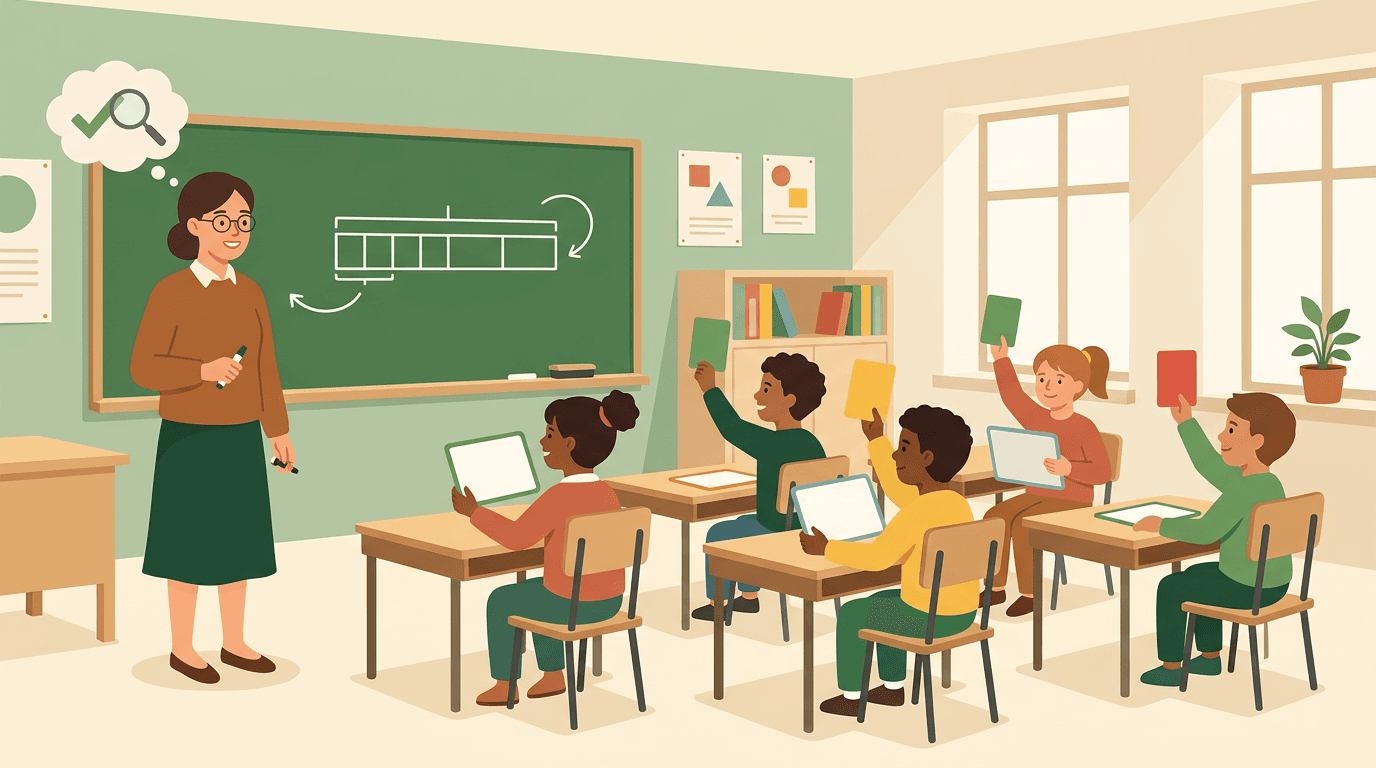
- Traffic light cards: green, yellow, or red shows who's ready to move on.
- Concept maps and diagrams: students sketch how ideas connect.
- Sticky notes: one takeaway and one question on the way out.
The goal is to see every answer, not just the confident ones. A sixth-grade science teacher spots four red cards in seconds and pulls those students aside before the quiz exposes the gap.
Short writing tasks that reveal thinking
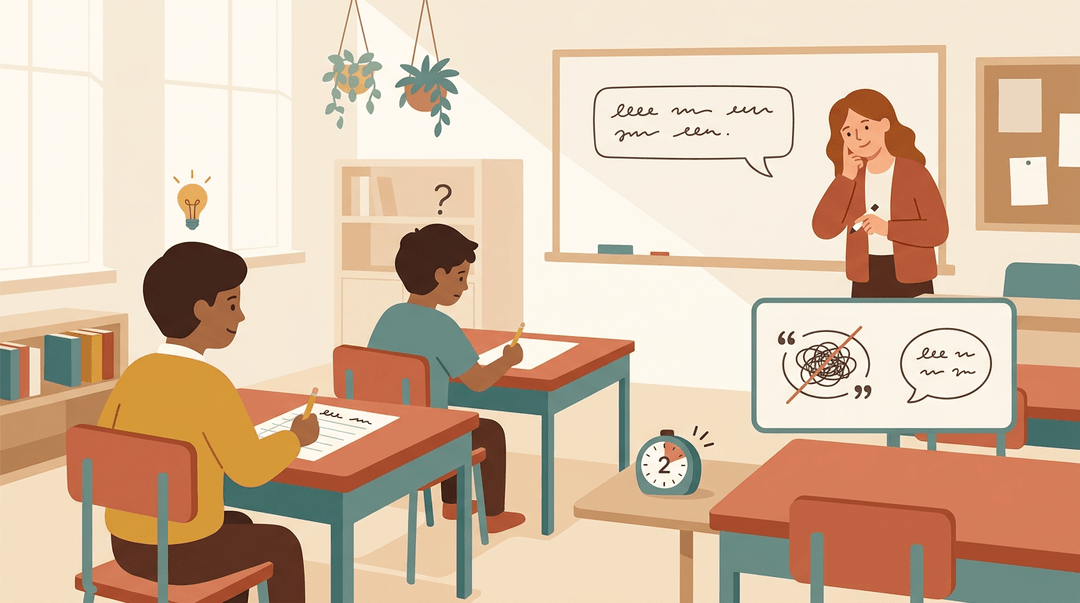
Short independent writing asks for two or three sentences. Low-stakes, ungraded work gets honest answers, not guesses. Have students rephrase key concepts in their own words, since a copied phrase tells you the idea isn't theirs yet.
When nobody starts writing, the prompt is probably unclear, so reword it. Quick write timers keep it brisk: two minutes, then stop. Silence on the page is still an answer.
What are some fun ways to check understanding?
- Four corners: students move to the corner that matches their answer.
- Bingo: students mark terms as you read definitions aloud.
- Gallery walk: students leave sticky-note comments on posted work.
- Escape-room stations: a correct answer unlocks the clue to the next station.
- Student role-play as teacher: a student teaches, and you hear where it breaks down.
For reading comprehension, try bingo with characters and plot events, or a four-corners vote on a character's choice.
Using apps and tools for quick checks
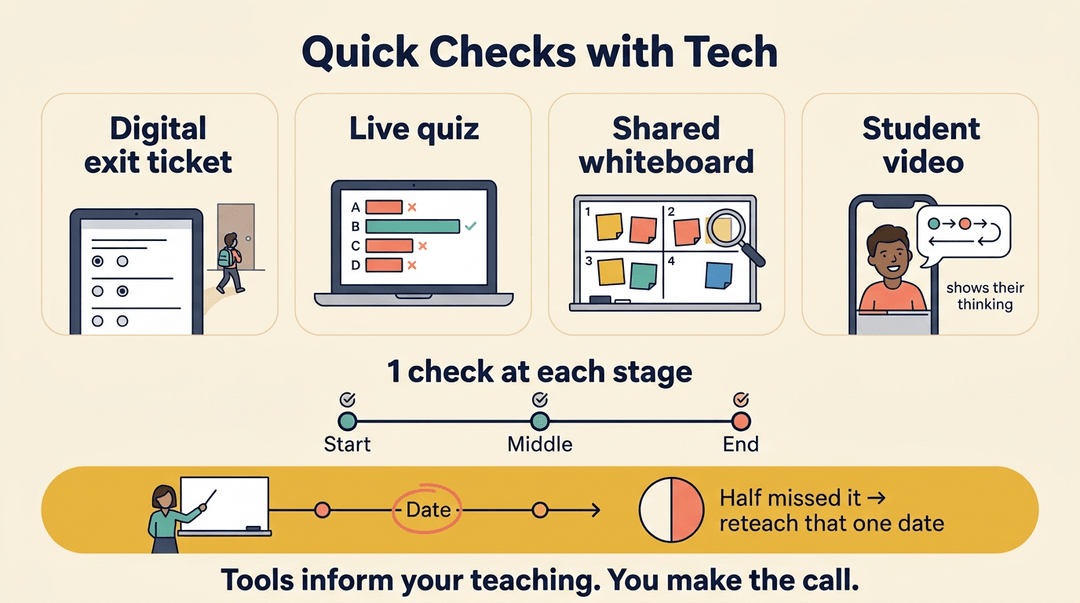
- Digital exit tickets: a few questions answered on a device on the way out.
- Real-time quiz platforms: results appear live as students answer.
- Collaborative whiteboards: each group builds one shared answer you can scan.
- Student-made videos: short explanations reveal reasoning that multiple-choice questions hide.
- Plan checks into lesson plans: one quick check at the start, middle, and end of each lesson.
A history teacher runs a quick quiz, then reteaches the one date half the room missed. Use tools to inform your teaching, not replace your judgment.
Checking through songs, poems, and drawings
- Songs and poems: students write a four-line chant explaining a process, like the water cycle.
- Drawing diagrams or comics: a three-panel comic of cause and effect reveals a misplaced arrow or a missing step.
- Digital art tools: the same task on a drawing app, if devices are available.
The chant still has to get the steps right. Creative doesn't mean vague.
Build Checks into Your Lesson Plan
Use this guide while you plan, so every lesson has its checks written down before the bell rings. It runs in three parts: plan, check, act.
Plan before you teach
Do these three moves on your lesson plan, in this order.
- Match the check to the objective
- Objective: Students can add fractions with unlike denominators.
- Check: students solve one problem. Don't ask "Got it?"
- Mark your checkpoints on the plan
- Jot them by minute: 10 min: after modeling. 30 min: after practice. Last 5: exit ticket.
- Pre-write the hinge question
- A hinge question is one whose answers tell you whether to move on or reteach.
- Make each wrong option match a common mistake.
Example hinge question: What is 1/2 + 1/3? A) 2/5 B) 5/6 C) 2/6 D) 1/6
B is correct. A shows students added tops and bottoms. If you see lots of A's, you know exactly what to reteach.
Check ideas for each grade band
Pick one per lesson and swap them as students get comfortable.
| Grades | Check | What it looks like |
|---|---|---|
| K-2 | Thumbs and whiteboards | Thumbs up, sideways, or down. Or write an answer, hold it up on "3, 2, 1." |
| 3-5 | Think-pair-share | Think alone, tell a partner, then share. You listen in. |
| 6-8 | Exit ticket quick writes | Two minutes at the end: one question, one written answer. |
| 9-12 | Hinge question polls | Post the question, students vote, and you read the spread. |
Act on what you find
Run these four steps right after the check, while the evidence is fresh.
- Tally who understood
- Sort responses into three piles: got it, almost, lost.
- Choose reteach or move on
- Most students correct: move on. Most split or wrong: reteach before anything new.
- Group students for follow-up
- Say: "If you chose A or C, join me at the back table."
- Note results for tomorrow
- Write one line on your plan: "Unlike denominators: 5 students still adding across. Start with them."
💡 Tip: Write the next day's opener from your notes, so a check always leads to an action.
Save your checkpoints, hinge questions, and exit tickets in reusable lesson plans with EMStudio's online lesson planner.
Acting on What the Checks Show
A check only earns its keep when it changes what happens next.
Deciding next steps by how many understand
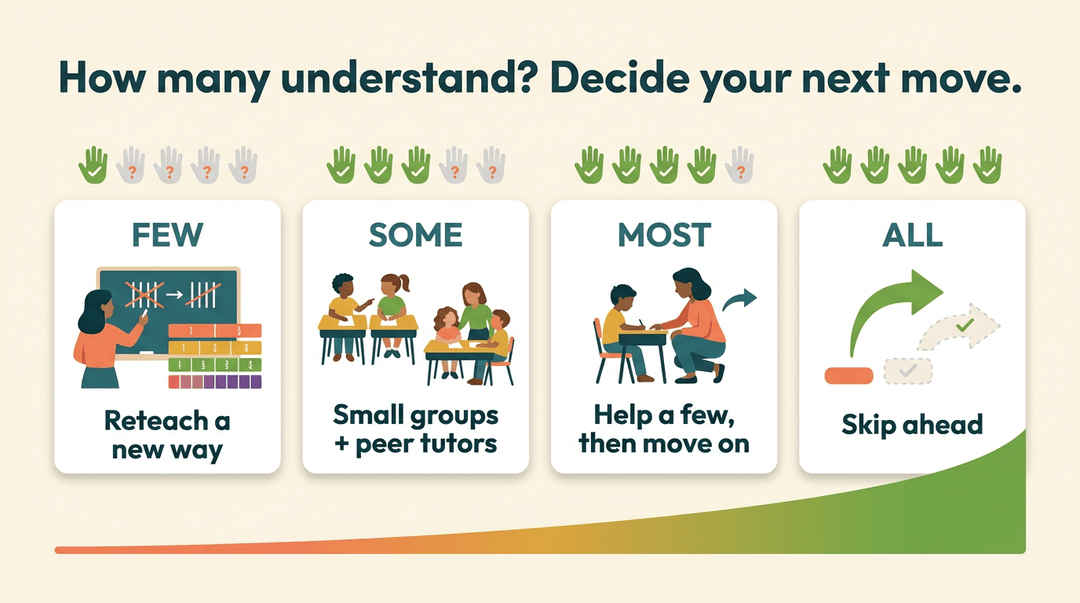
A fourth-grade teacher sees only a handful of right answers on mini whiteboards. She doesn't push on. She reteaches with fraction strips, and most hands are right by the next check. Your next move depends on how many understand:
- Few understand: reteach differently, with a new model or example.
- Some understand: use small groups and peer tutoring.
- Most understand: give individual help, then move on.
- All understand: move ahead and skip what's already mastered.
Turning results into changes and feedback
Running a check only helps if your instruction shifts as a result, so act on what the check reveals, not just that you ran one. Evidence without action changes nothing. Your options include:
- Adjust instruction as necessary: tweak pacing, examples, or grouping.
- Differentiated materials and feedback: give students practice and hints that target their specific errors.
- Additional guided practice: work a few problems together before students go solo.
- Bring the class back for direct instruction: if most are lost, reteach the whole group.
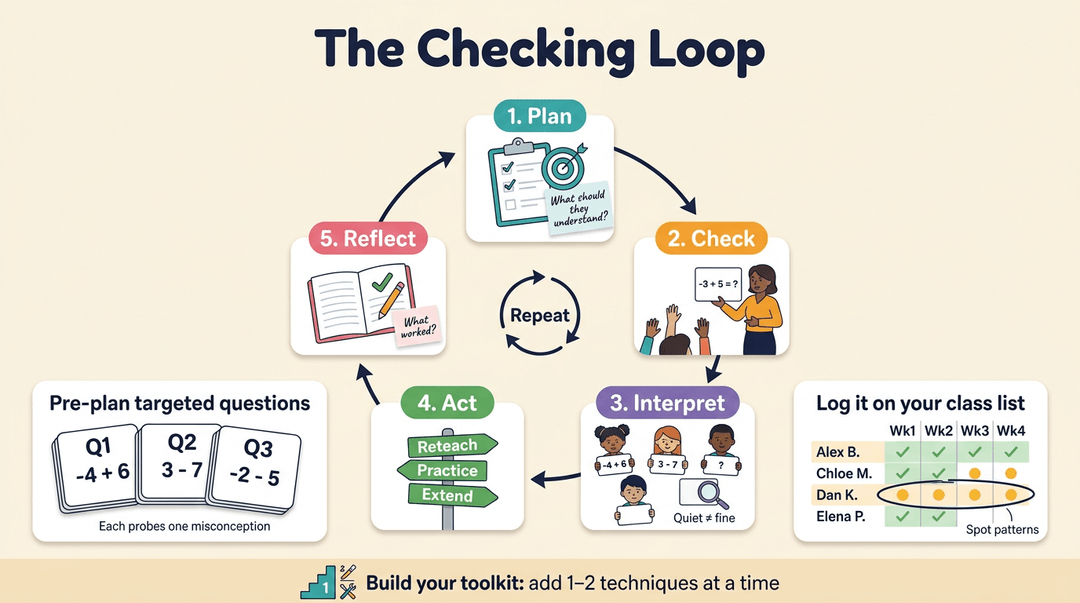
Plan, check, act, reflect, and repeat
Checking works best as a loop, not a one-time event:
- Plan: decide what understanding to look for.
- Check: ask the question or run the activity.
- Interpret: read results honestly, not by assuming quiet students are fine.
- Act: adjust using the tiers above.
- Reflect: note what worked, then repeat.
Build your repertoire over time, adding one or two techniques at a time. Pre-plan targeted questions so each one probes a specific misconception, like a math teacher who writes three negative-number questions before class.
Log results on a class list to spot patterns over weeks.
Fixing Checks That Don't Work Well
A check for understanding can look effective and still reveal very little. Here's how to spot the common failures and fix them.
Questions that don't reveal real understanding
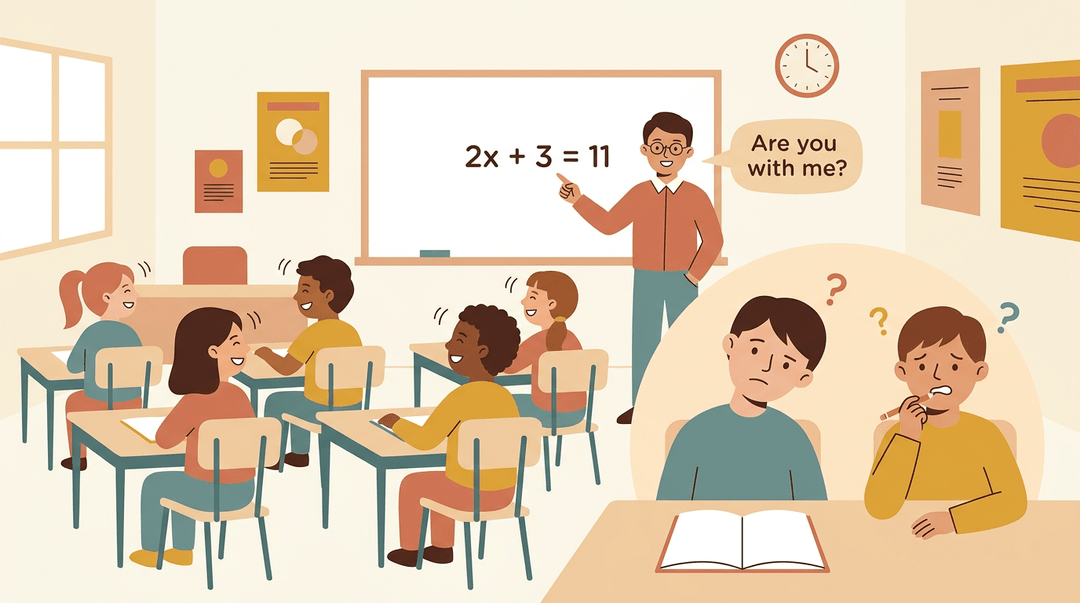
Questions like "Does everyone understand?" or "Are you with me?" feel efficient, but they invite a yes that costs students nothing. Nodding along is easier than admitting confusion, so you get agreement rather than evidence.
They also encourage agreement without reflection: students say yes because the class is moving on.
Passive participation is another trap. A few confident students answer, the room looks engaged, and everyone else coasts. Think of a seventh-grade math teacher who asks, "Are you with me?" and sees a sea of nods.
Two students in the back are lost, but nobody says so. Asking four specific students to explain one step would reveal that gap in seconds.
Making it safe for quiet students
Shy students often fear admitting confusion in front of classmates.
A study titled Understanding the Quiet Student: Perspectives from Instructors and Students found that judgment by classmates and fear of being wrong were the main reasons students stayed quiet, so checks that depend on volunteers can miss their understanding.
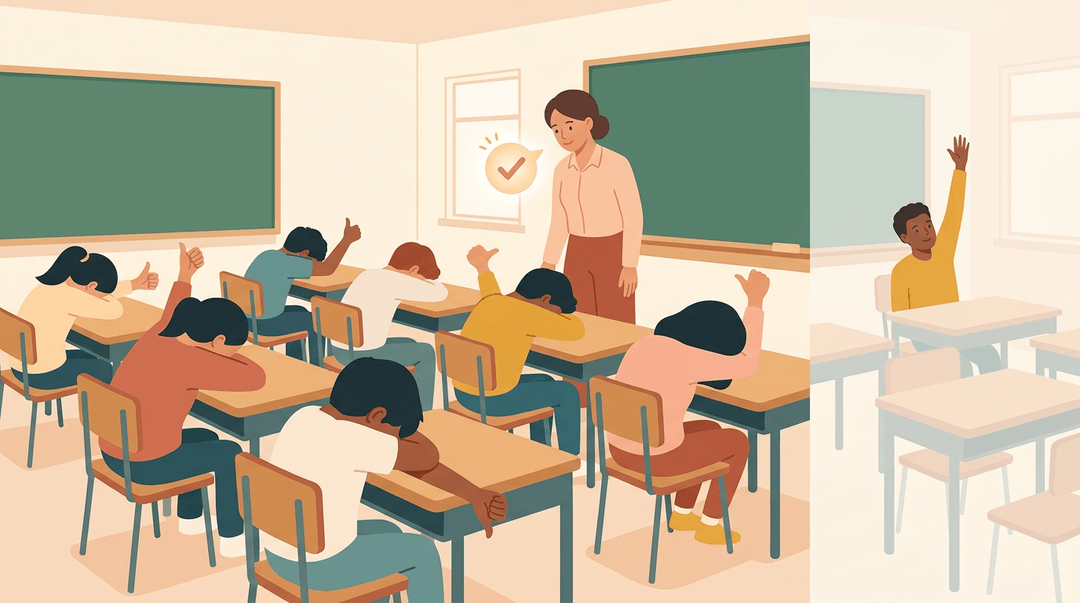
Heads-down thumbs response keeps answers private. Students keep their heads down and show a thumbs up or down, so you see the answers while classmates don't. No one has to risk looking foolish in front of the room.
Avoid relying on volunteers. When hands only go up for the confident few, those hands tell you about a few students, not the room.
Safer students understand more. When a student can answer without fear of looking foolish, you see what they really know. Safety isn't a bonus. It's the foundation.
What Teachers and Students Each Do
Checking for understanding works best when teachers and students both take part. You gather the evidence, and your students learn to read their own progress.
What teachers do to check learning
Before the lesson, set up the checks you'll need:
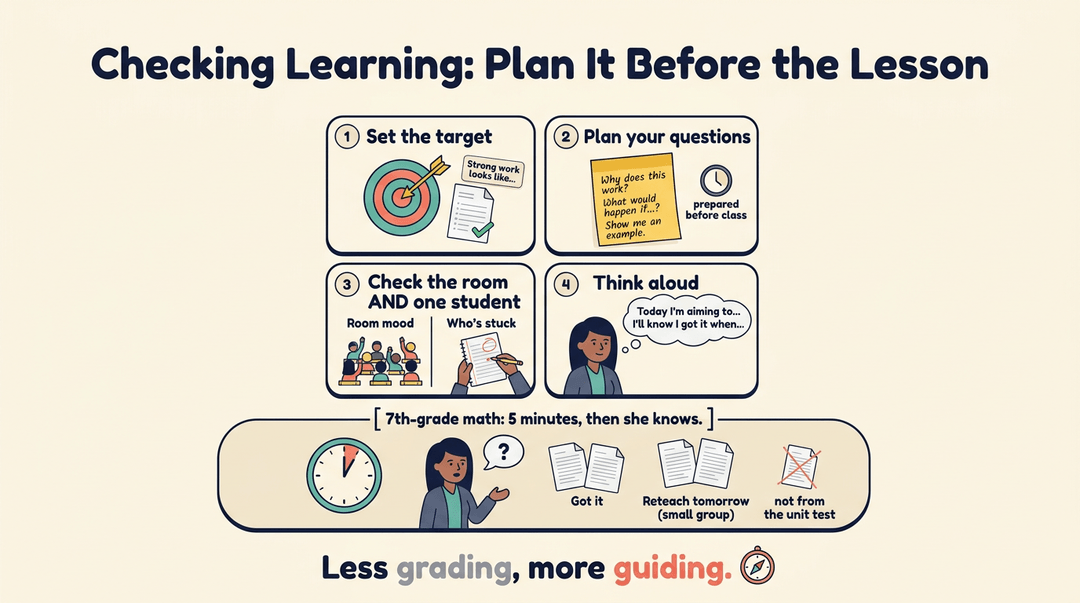
- Create quality targets and assessments. Describe strong work, then pick tasks that show whether students reached it.
- Preplan strategic questions. Write key questions ahead of time so you're not scrambling mid-lesson.
- Check whole-class and individual understanding. A show of hands shows the room's mood. A quick look at one student's work shows who's stuck.
- Model goal setting. Think aloud about today's target and how you'll know you hit it.
Consider a seventh-grade math teacher who asks planned questions in the last five minutes of class. Within minutes, she knows who needs a small-group reteach tomorrow instead of learning it from the unit test.
The aim is less about grading students and more about guiding them.
How students take part and what follows
Students have a role too. When they monitor their own understanding, they stop waiting to be told whether they got it. Exit tickets and journals give them a simple structure.
Exit Tickets Open the Door to University Learning describes them as easy, quick, and informative assessments that help students connect to content.
That habit pays off. A study in Developing Academic Practice found that digital exit tickets helped stimulate students' self-analysis, self-reflection, and ownership of their learning. Over time, that builds greater engagement.
Students start to see learning as something they drive.
When students know the target and can see where they stand, more of them meet it. That's ownership in action.
Solving Common Obstacles to Checking
Checking for understanding gets harder when the room is packed or the clock is running. Each obstacle has a practical fix.
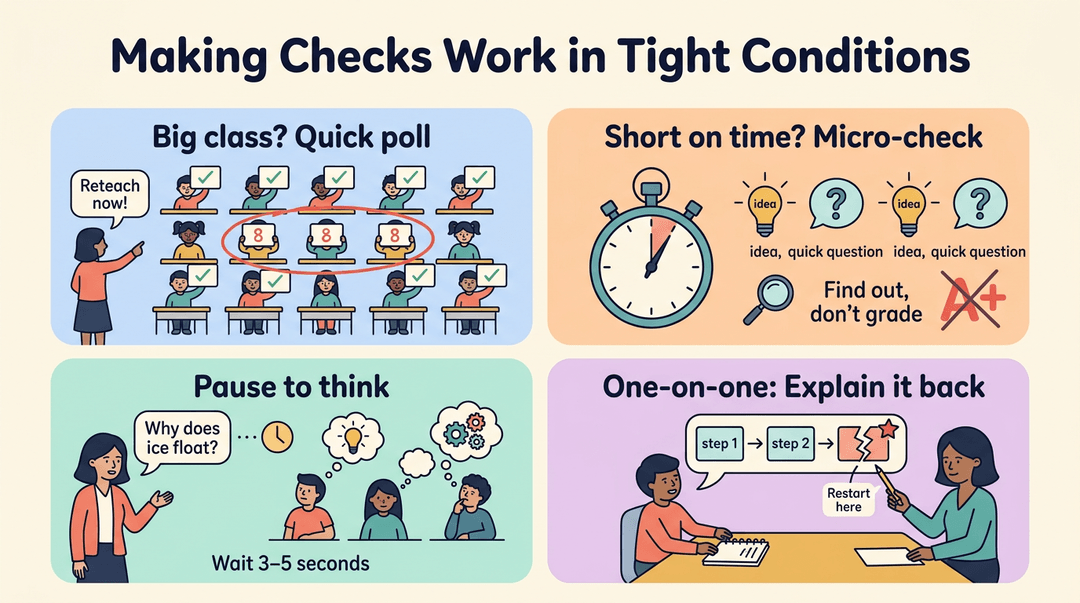
Making checks work in tight conditions
- Large classes use quick polls. A middle school science teacher with a full room hands out mini whiteboards for one quick question. In seconds, she spots a misconception three rows share and reteaches it right then.
- Limited time: micro-checks. A micro-check is a question that takes under a minute, asked after each new idea. Quick beats perfect. The aim is to find out what students understand, not to grade them on it.
- Pauses for processing. Silence can feel awkward, but it's where thinking happens. Wait a few seconds after your question before calling on anyone, so slower thinkers can form an answer.
- Tutors and homeschool: one-on-one checks. A tutor or homeschool parent can ask a student to explain the step back in their own words. If the explanation falls apart, you know exactly where to restart.
Ready-made resources and what's next
- Unit launches and lesson plans. Look for ready-made units that build checks in at key moments, so you're not guessing where to pause.
- Guiding questions for problems. When a student is stuck, a question like 'What do you already know about this?' nudges thinking without giving away the answer.
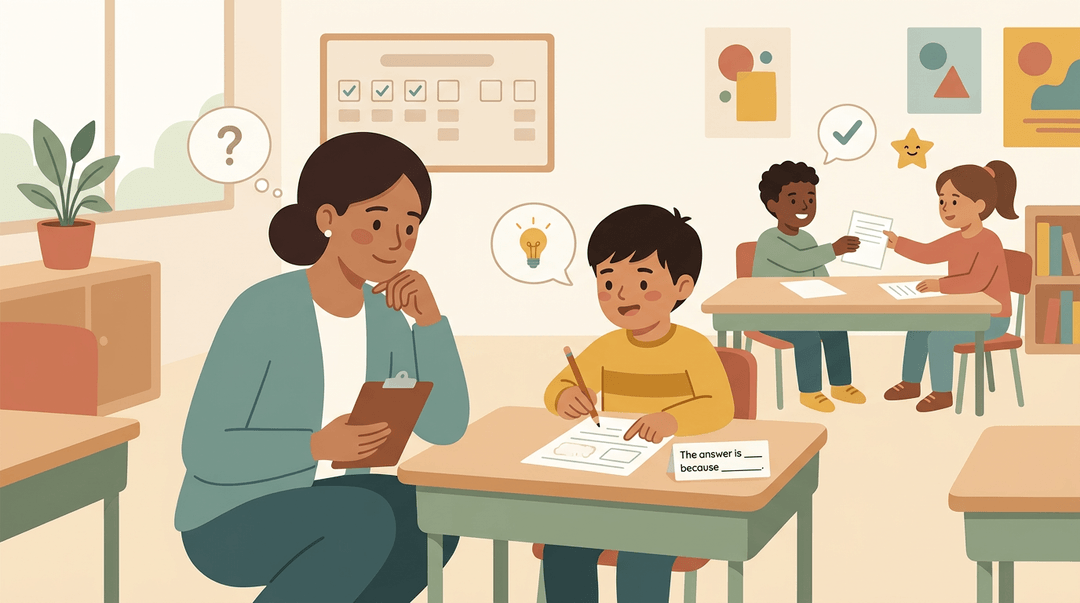
- Teacher tools for discourse and English learners. Discourse, or classroom talk, is evidence too. Sentence frames like 'The answer is X because Y' let English learners explain their reasoning, so you hear what they understand, not only how they speak.
- Self-assessment and peer feedback. Looking ahead, students who check their own work and give peers feedback start doing more of the checking themselves.
Checking for understanding isn't an extra task tacked onto your day. It's how you learn, in real time, whether your lesson is landing and where to go next. When you act on what the evidence shows, your students feel the difference.
Start small: pick one check for your next lesson and see what it tells you. Over time, these habits make your planning sharper and your teaching more responsive.
Ready to build checks into every lesson? Explore Lesson Planning to write, organize, and reuse your plans across multiple classes from one place.
References
- Harnessing digital exit tickets to advance self-efficacy and student performance — liverpooluniversitypress.co.uk (2026)
- Understanding the Quiet Student: Perspectives from Instructors and Students — doi.org (2024)
- Exit Tickets Open the Door to University Learning — doi.org (2016)
Frequently asked questions
What are Rosenshine's 10 Principles of instruction?
Rosenshine’s 10 Principles of Instruction are: review previous learning; present new material in small steps; ask questions; provide models; guide student practice; check for understanding; aim for a high success rate; provide scaffolds for difficult tasks; support independent practice; and review learning weekly and monthly.
What are the 5 methods of evaluation in education?
Five useful methods of evaluating learning are classroom observation, questioning, quizzes or tests, assignments and performance tasks, and student self-assessment or peer assessment. These methods can provide evidence at different points in learning, from quick checks during a lesson to broader end-of-unit measures.
What are the 5 C's of learning?
A common set of the 5 Cs of learning is critical thinking, communication, collaboration, creativity, and character. Some frameworks use citizenship instead of character, so the exact list can vary by school or program.
What are some fun activities for reading comprehension?
Try a character-and-plot bingo game, a four-corners vote about a character’s decision, or a gallery walk where students leave comments on one another’s responses. Students can also act out a scene or create a short comic showing the events and cause-and-effect in a story.
What are the 5 questions for reading comprehension?
Five useful reading-comprehension questions are: What is the main idea? What evidence supports it? What happened first, and why? How does this connect to what you know? What would you ask the author?
How can you check for understanding?
Set a clear learning goal, then use a quick check that asks students to show or explain what they understand. For example, use a hinge question, individual whiteboards, a short written response, an exit ticket, or a partner retelling. Review every student’s responses and use the evidence to reteach, provide targeted help, or move on.