Types of Learning: A Complete Guide to Every Learning Style


Jump to section
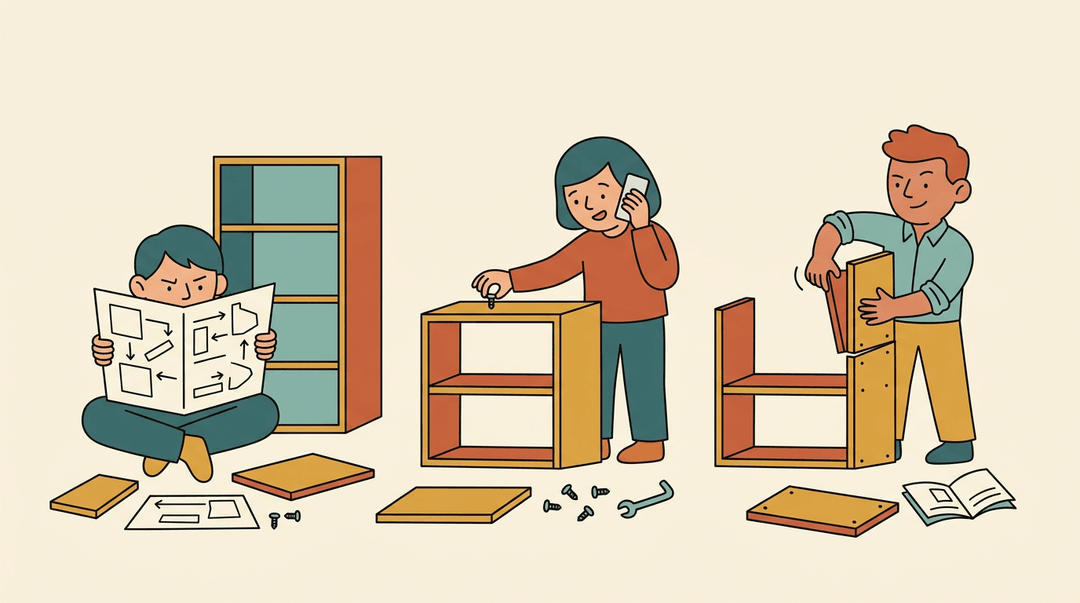
Think about assembling furniture with only a diagram, no words. Some people need that picture. Others need someone to talk them through it, or just want to grab the pieces and start building.
That's the whole idea behind learning styles: people take in new information in different ways. So how many styles are there really, four, seven, twelve?
The honest answer is all of the above, depending on which model you're using, and this post maps them out, then shows you how to actually plan lessons around them.
The Core Types of Learning Styles
Most conversations about learning styles trace back to the same four buckets, usually grouped under the acronym VARK: visual, auditory, reading/writing, and kinesthetic. Here's what each one actually looks like in a classroom.
Visual learning
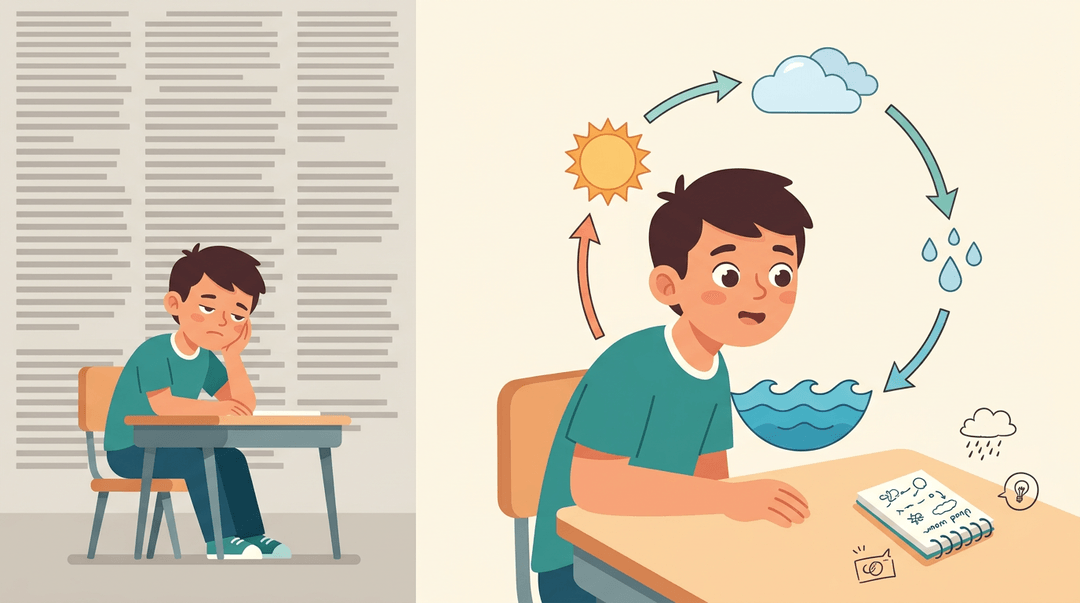
Visual learners make sense of information through maps, charts, diagrams, and graphs. A flow chart that shows how one event leads to another does more for these students than a paragraph explaining the same relationship ever could.
According to a study of junior high EFL students, visual learning was the most preferred style overall, chosen by 68% of participants, well ahead of auditory (17%) and kinesthetic (15%) learning.
That's a striking majority, and it's worth building into how you plan a lesson.
For example, a middle school teacher introducing the water cycle can lean on videos, slideshows, and infographics instead of a straight lecture, and encourage note-taking that mixes quick sketches with words.
Auditory learning by listening
Auditory learners take in spoken information best: lectures, podcasts, and group discussion all play to their strengths. Many of them think out loud, working through a problem by talking it through rather than writing it down first.
Consider a student who replays a recorded lesson on the drive home, or reads their notes aloud before a test. Repetition through sound, not just sight, is what makes the material stick.
Reading and writing learners
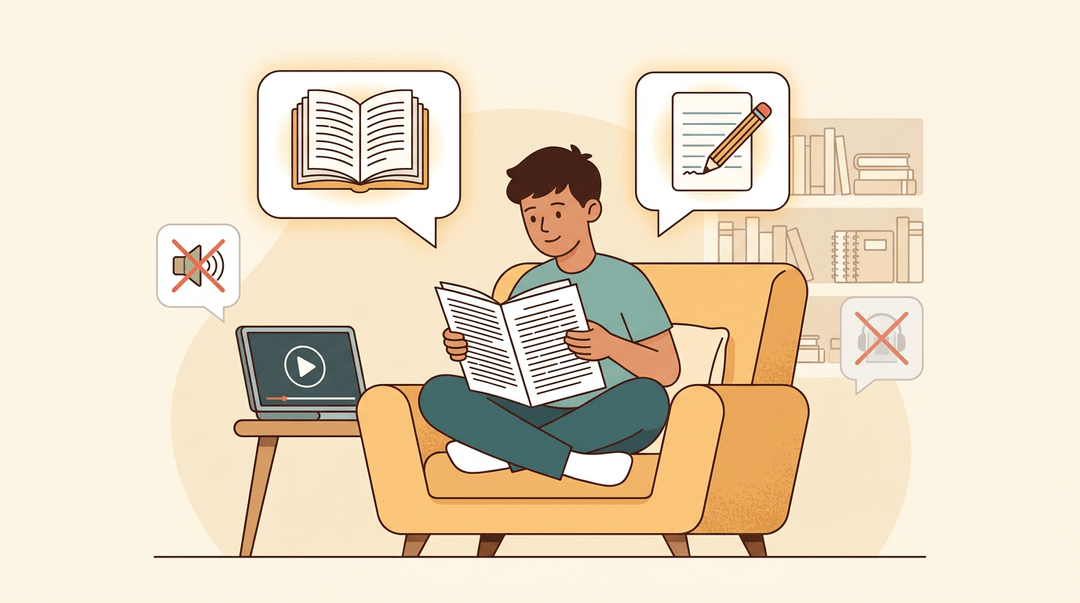
These students prefer text over visuals. Textbooks, essays, and written assignments feel more natural to them than a diagram ever will, and they tend to perform well on written quizzes and workbook exercises.
For instance, a high school student studying a recorded lecture might skip the video entirely and go straight to the transcript, or choose an ebook over an audiobook every time.
Kinesthetic learning by doing
Kinesthetic learners need to move to learn. Hands-on activities, physical movement, and simulations turn an abstract idea into something they can actually feel.
Think of a student working through a coding challenge or a real-life project instead of a worksheet. Experiments, games, and puzzles give these learners the doing that reading alone can't replace.
More Learning Styles Worth Knowing
VARK covers a lot of ground, but it's not the whole map. Once you start looking past visual, auditory, reading/writing, and kinesthetic, you'll find a handful of other learner types that show up in real classrooms just as often.
Logical and analytical learners
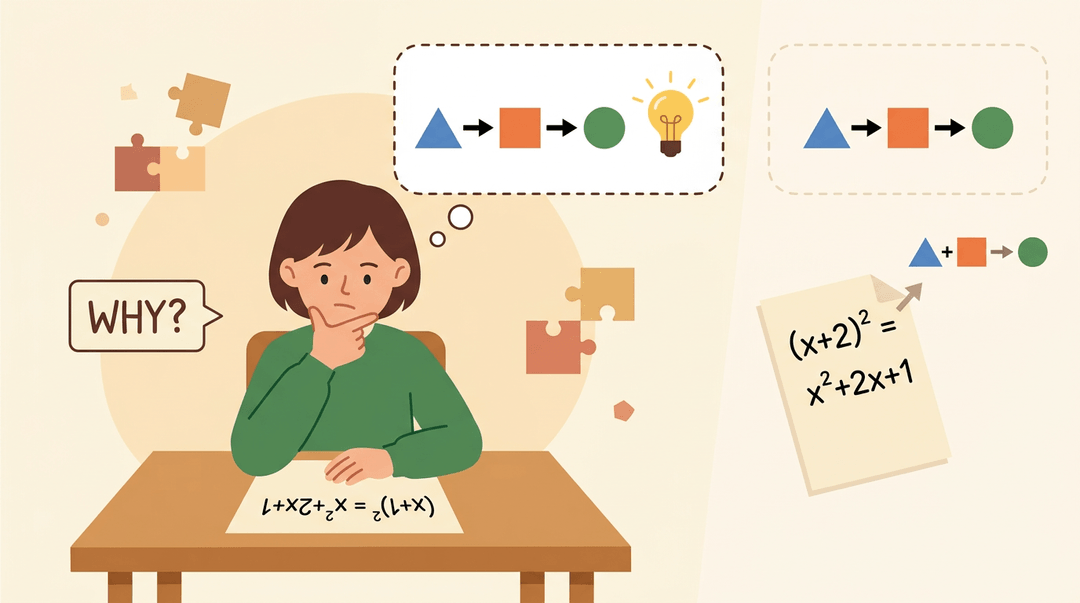
These students seek patterns and reasoning before they'll trust a new idea. Hand them a fact with no explanation and watch them stall out waiting for the why.
For example, a middle school math teacher can hook a logical learner with a problem-solving question rather than a formula to memorize: ask them to figure out why a shortcut works instead of just showing them the steps.
They tend to light up when they can trace connections between causes and results, so building in a "what happens if we change this" moment goes a long way.
Social learners who thrive in groups
Social learners do their best thinking out loud, with other people. Isolate them at a desk with a worksheet and you'll likely get their weakest work.
Group work and discussion give them room to test ideas against classmates before committing to an answer. Role-playing and peer interaction work well too: think of a history teacher who has students debate a decision from opposite sides.
Public speaking, paired with real feedback, helps these learners refine their thinking in front of an audience that actually responds.
Solitary learners who prefer working alone
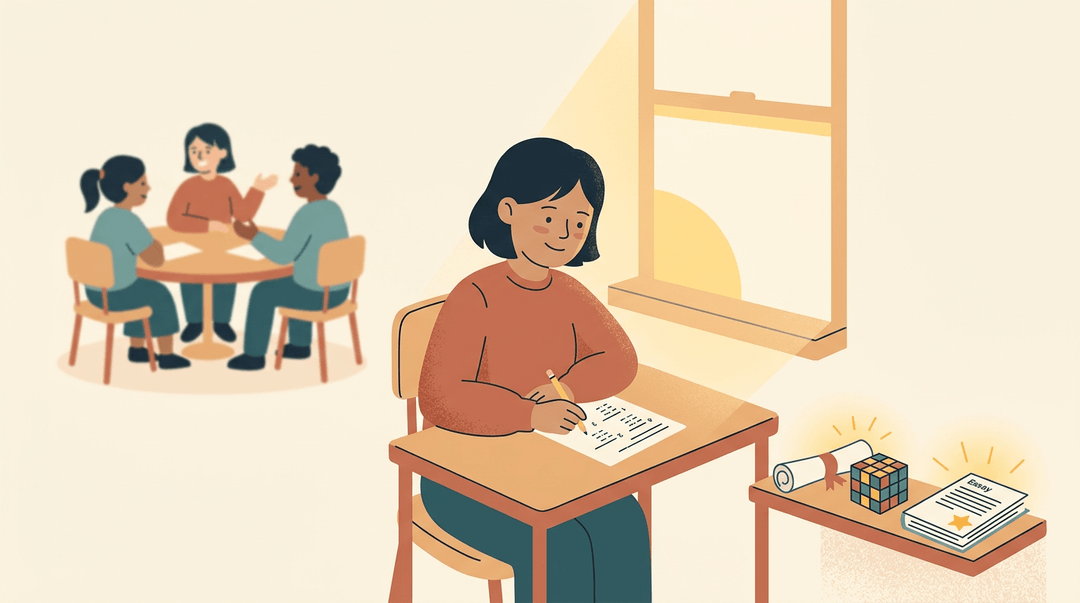
Some students simply prefer working alone, and that's not a red flag: it's just how they process best. Constant group work can wear them down rather than energize them.
A solitary learner often does their strongest thinking during independent study, working through a problem set at their own pace with no one looking over their shoulder.
These are natural self-starters, so having individual accomplishments recognized, a strong essay, a solved problem, a finished project, matters more to them than a group award ever will.
Verbal learners who love language
Verbal learners hear and envision words in a way that makes language itself the tool they reach for first. Give them a concept, and they'll want to talk or write their way into it.
Storytelling and poetry are natural fits: a verbal learner might remember a scientific process better as a narrative than a diagram.
Flashcards and word games work too, especially for vocabulary-heavy subjects, since the repetition of language sticks with them faster than a chart.
Learners who focus best outdoors
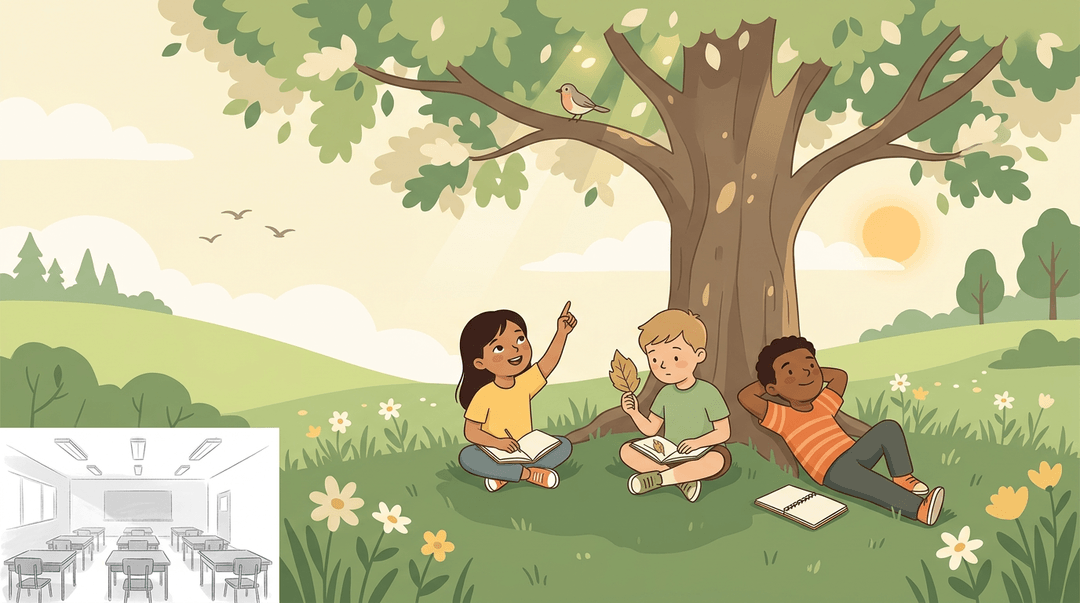
A smaller group of students learn best outdoors, away from fluorescent lights and rows of desks. A calm, relaxing environment, fresh air, natural light, some room to move, helps them settle into focus rather than fight for it.
They're similar to kinesthetic learners in that movement and physical space matter, but here it's the setting itself doing the work.
A quick lesson moved to the courtyard or a nature walk built into a science unit can turn a restless afternoon into one of their most productive.
Planning Lessons for Different Learners
You don't need a different lesson for every learner. You need one lesson, planned so every mode gets a turn each week. Here's a checklist to run against your plans every Friday, before the next week starts.
The weekly variety check
Scan the week's plans and confirm each of these appears at least once:
- One visual element. A diagram, anchor chart, or short video, not just text on a slide.
- One discussion or talk-aloud task. A turn-and-talk, debate, or students explaining a step out loud.
- One written reflection or quiz. An exit ticket works: "What's one thing that clicked today, and one that didn't?"
- One hands-on or movement activity. Manipulatives, a lab, a sort, or stations around the room.
If a week fails two or more checks, swap the format of one existing activity. Don't add new content; change how students meet the content that's already there.
What this looks like by grade
| Grade band | Strong pairing | In practice |
|---|---|---|
| Elementary | Songs + manipulatives | A skip-counting song, then base-ten blocks |
| Middle school | Diagrams + group debate | Label a cell diagram, then debate which organelle matters most |
| High school | Labs + written analysis | Run the titration, then write up the error sources |
Notice each pairing hits two modes in one lesson. That's the efficient move: stack formats inside activities you already teach.
Anchor every format to your standards
Variety only works if it stays tethered to what students must learn. Three moves keep it honest:
- Tie each activity to a learning target. Write the pairing right into your plan.
- Like this: "SWBAT compare fractions → paper-strip folding (hands-on) + partner explain (discussion)."
- Vary the format, not the rigor. The task changes shape; the thinking stays at grade level.
- ✅ Students build a model of the water cycle and explain each transition in writing.
- ❌ Students color a pre-labeled water cycle poster. The difference: the first requires the explanation, the second only requires scissors.
- Track coverage across the unit. Add a column to your unit plan labeled V / A / R / K.
- Mark each lesson's modes as you plan. A blank column by week two tells you exactly what to adjust.
⚠️ Watch out: the goal is variety across the week, not all four modes crammed into every lesson. One lesson can lean visual; the week can't.
Build these style-varied activities directly into your year-long unit map with EMStudio's Curriculum Planner.
Strategies for Teaching Every Style
So how do you actually plan for a room full of different learners without running eight separate lesson plans? You don't have to. A few smart habits let you reach every style without multiplying your workload.
Personalizing how you teach
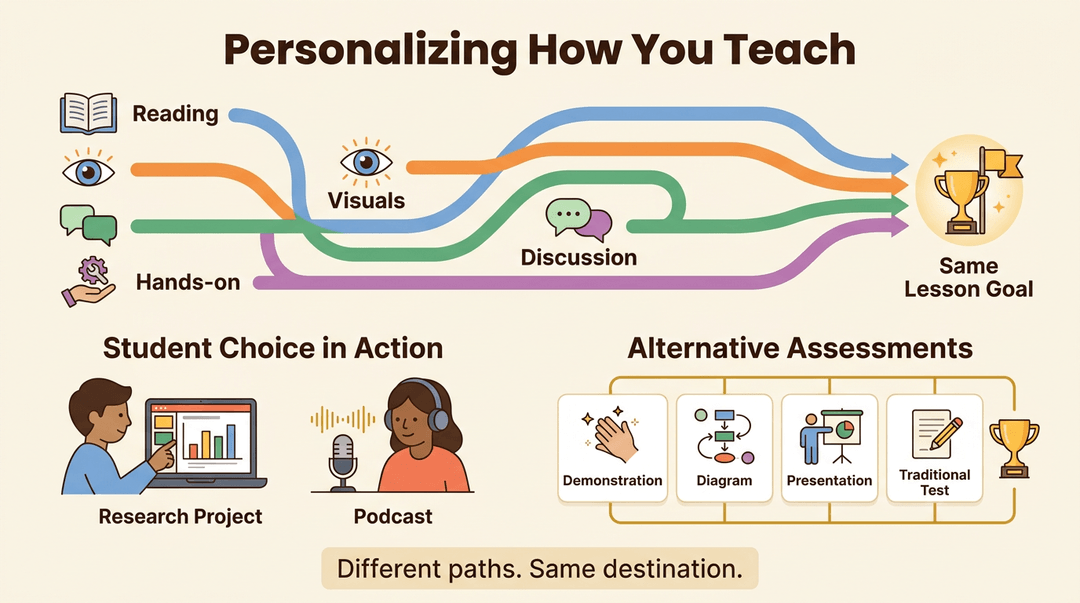
Start with variety: mix reading, visuals, discussion, and hands-on tasks across a unit instead of picking one format and sticking with it. Offer student choice in assignments too.
A research project might let one student build a slideshow and another record a podcast. Round it out with alternative assessments (a demonstration, a diagram, a short presentation) alongside traditional tests.
None of this means abandoning your standards. It means linking that variety back to the same standards-based lesson goals, so every path leads to the same destination.
Using technology and multimedia
Technology makes variety easy to sustain. Interactive presentations and online forums invite students to respond in ways that suit them: typing, speaking, or sketching.
Offering both video and text versions of a lesson covers students who'd rather watch an explanation than read one. Digital downloads and printables give you a low-effort way to reach students who still learn best with something in hand.
Building in assessment and feedback
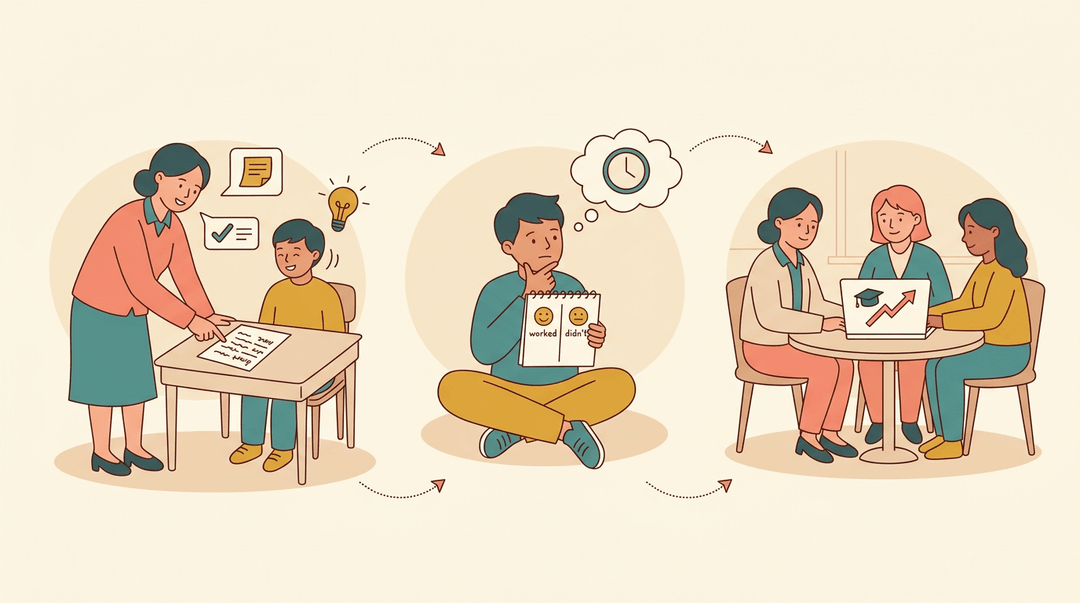
Quick, continuous feedback (a comment on a draft, a thumbs-up during a warm-up) helps students adjust before a grade is on the line. Build in time for students to reflect on their own study habits, too: what worked, what didn't.
And don't leave yourself out of the loop. Ongoing professional development keeps you current on what's actually working in classrooms like yours.
Figuring out a student's learning style
A simple intake form or quiz at the start of the year, including something like the VARK questionnaire, gives you a first read on a student's preferences.
Treat it as a starting point, not a verdict: observe students over time, experiment with a few methods, and see what sticks.
A quick style-check activity in the first week, like asking students to explain a concept back to you in the format they liked best, gives you an early, practical read.
Study strategies that work for anyone
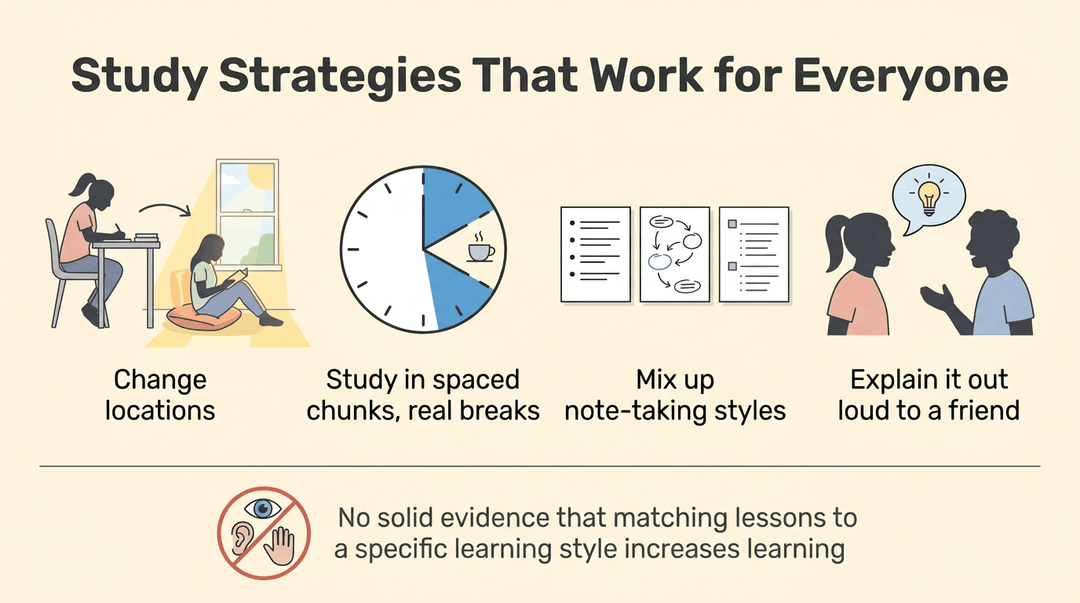
Some habits help every student, regardless of style. Encourage students to change their study location now and then, break study time into spaced sessions with real breaks, and try different note-taking approaches (outlines, diagrams, bullet summaries).
Learning with others helps too: explaining a concept out loud to a classmate often reveals what's actually understood versus memorized.
Worth naming honestly: according to the Poorvu Center for Teaching and Learning at Yale, there is no evidence that matching your teaching to a student's specified learning style improves learning.
That's why many educators lean instead on universal design for learning, building flexibility into every lesson from the start rather than sorting students into categories first.
Do Learning Styles Really Hold Up
Ask five different sources how many learning styles exist, and you'll likely get five different answers. That's not a sign the whole idea is broken. It's a sign the numbers are measuring different things.
Why experts disagree on how many styles exist
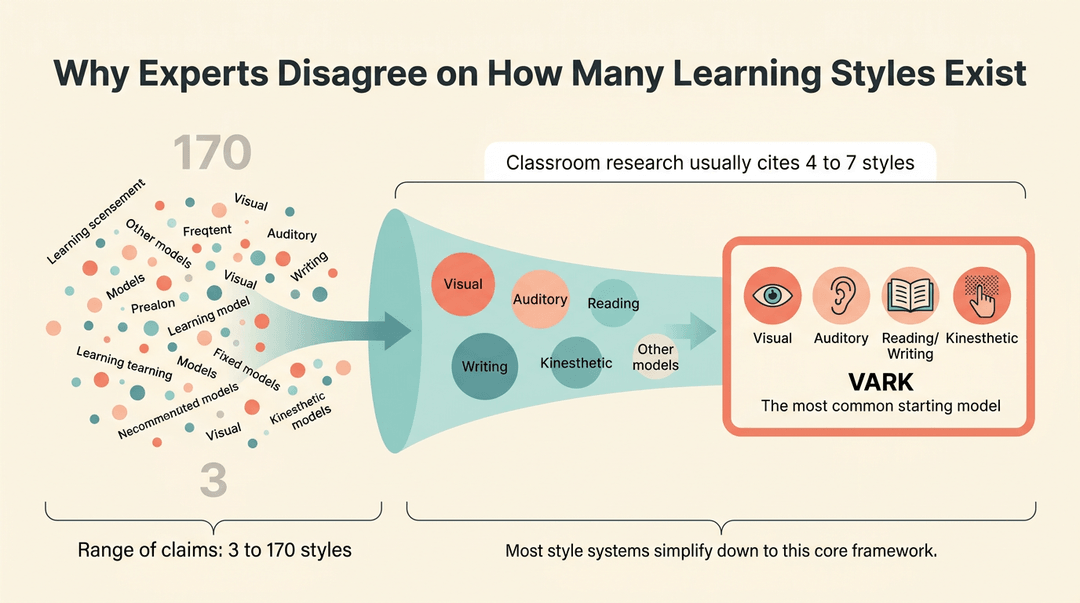
The range is genuinely wide. As Scientific American points out, claimed models run anywhere from 3 to 170 different types of learning styles, depending on how narrowly or broadly a researcher slices things.
Most of that range, though, collapses into a much smaller consensus: BAU's guide to learning styles notes that 4 to 7 styles are the ones you'll see cited again and again in classroom-facing research.
VARK (Visual, Auditory, Reading/writing, Kinesthetic) is the model most of those numbers build from, and it's the one worth treating as your starting reference when you see a
What Else Shapes How We Learn
VARK and its extended cousins cover a lot of ground, but they're not the whole story.
How a student learns also depends on the way their mind processes information, the mood of the room they're sitting in, and the beliefs they carry about their own ability.
How your mind processes information
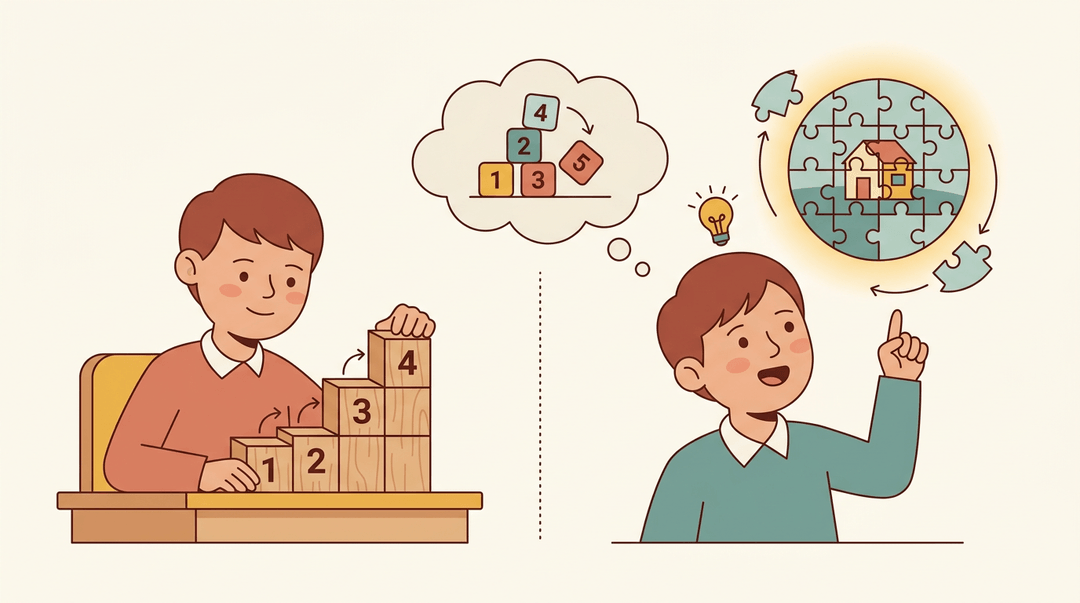
Some students build understanding piece by piece: step one, then step two, then step three. Others need the big picture first and fill in the details later.
That's the difference between sequential and global processing, and it shows up constantly in a classroom.
Consider a student who gets lost in a multi-step math procedure but lights up once you show the finished project it leads to. That's a global processor asking for the why before the how.
Attention span and memory speed matter here too: a lesson that assumes everyone can hold five instructions in their head at once will lose a chunk of the room before you finish talking.
Emotions and environment affect learning too
A student who doubts themselves will underperform a concept they actually understand, so motivation and self-esteem aren't soft extras: they're part of the learning itself. The room matters just as much.
Noise, lighting, and seating flexibility can make the same lesson land completely differently for two students sitting three feet apart.
Mindset and thinking about your thinking
A growth mindset treats ability as buildable; a fixed mindset treats it as fixed. Which one a student walks in with changes how hard they'll try when something gets difficult.
Appreciative inquiry coaching builds on strengths rather than deficits, and pairing that with activating prior knowledge (asking what a student already knows before teaching something new) gives new material somewhere to attach.
Common barriers to learning
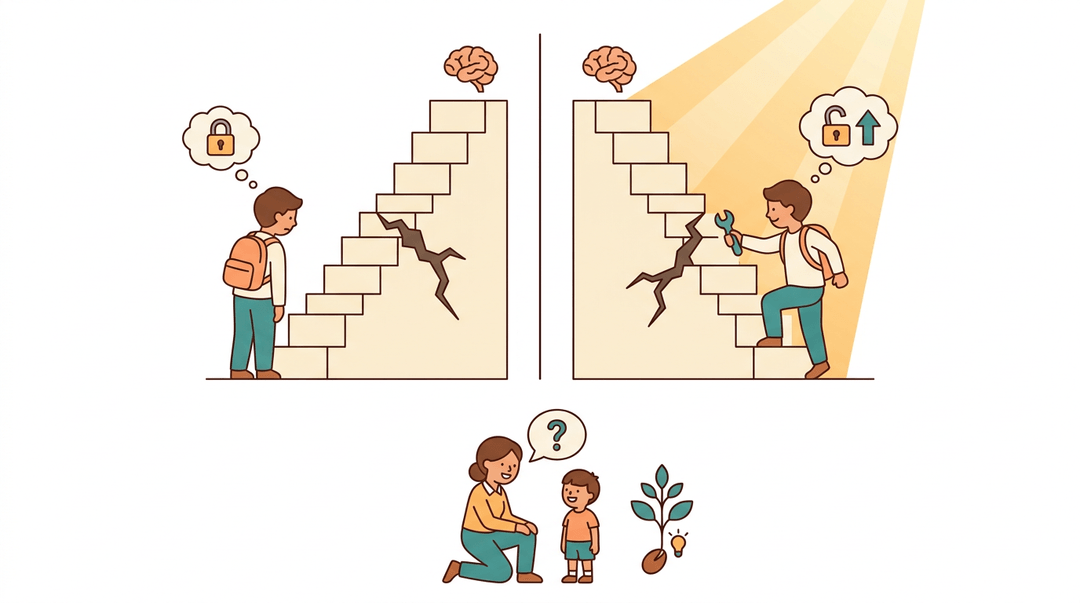
Lack of time, spotty technology access, and thin support at home all get in the way before a lesson even starts.
Neurodivergent learners, including students with ADHD (attention-deficit/hyperactivity disorder) or autism, often need real accommodations, not just goodwill.
As SNHU notes, academic support teams help "all students, including those with both diagnosed and undiagnosed learning differences, such as ADHD and autism."
One myth worth clearing up: is a kinesthetic learner the same as a student with ADHD? No. Preferring to learn by moving and doing is a learning style, not a diagnosis, and mixing the two up can lead to the wrong support entirely.
However you count them, the takeaway stays the same: your students absorb information differently, and a lesson built for only one style leaves the rest of the room behind. Mix your methods, watch how students respond, and adjust.
That's what makes learning stick for everyone, not just the students who happen to think the way you teach.
Ready to plan lessons that actually reach every learner? Check out our Curriculum & Standards tool to map units and standards across your whole year.
References
- EFL Learning Style Preferences of Junior High School Students | English Education and Applied Linguistics Journal (EEAL Journal) — journal.institutpendidikan.ac.id (2025)
- Types of Learning Styles — snhu.edu
- 8 Types of Learning Styles — bau.edu
- Learning Styles as a Myth — poorvucenter.yale.edu
- Enough with the "Learning Styles" Already! — blogs.scientificamerican.com
Frequently asked questions
What are the 4 types of learning?
The 4 core types of learning, often grouped under the acronym VARK, are visual, auditory, reading/writing, and kinesthetic. Visual learners use maps and charts, auditory learners prefer spoken information, reading/writing learners prefer text, and kinesthetic learners learn best by doing.
What are the 12 learning styles?
While there isn't a universally agreed-upon list of exactly 12 learning styles, common models often expand beyond the core VARK types. Beyond visual, auditory, reading/writing, and kinesthetic, other styles include logical/analytical, social, solitary, verbal, and outdoor learners.
What are the 4 ways of learning?
The 4 ways of learning refer to the Visual, Auditory, Reading/Writing, and Kinesthetic (VARK) model. These foundational styles describe how individuals typically perceive and process new information most effectively.
What are the 5 methods of learning?
Some common methods of learning include attending lectures, engaging in group discussions, conducting hands-on experiments or activities, reading textbooks, and watching educational videos. Effective learning often incorporates a mix of these methods to appeal to diverse styles.
Is kinesthetic learner ADHD?
No, being a kinesthetic learner is not the same as having ADHD. Kinesthetic learning is a style preference where an individual learns best through movement and hands-on activities, while ADHD (attention-deficit/hyperactivity disorder) is a neurodevelopmental condition that affects attention and impulse control.