MTSS in Education Explained: Tiers, Components, and Support

Jump to section
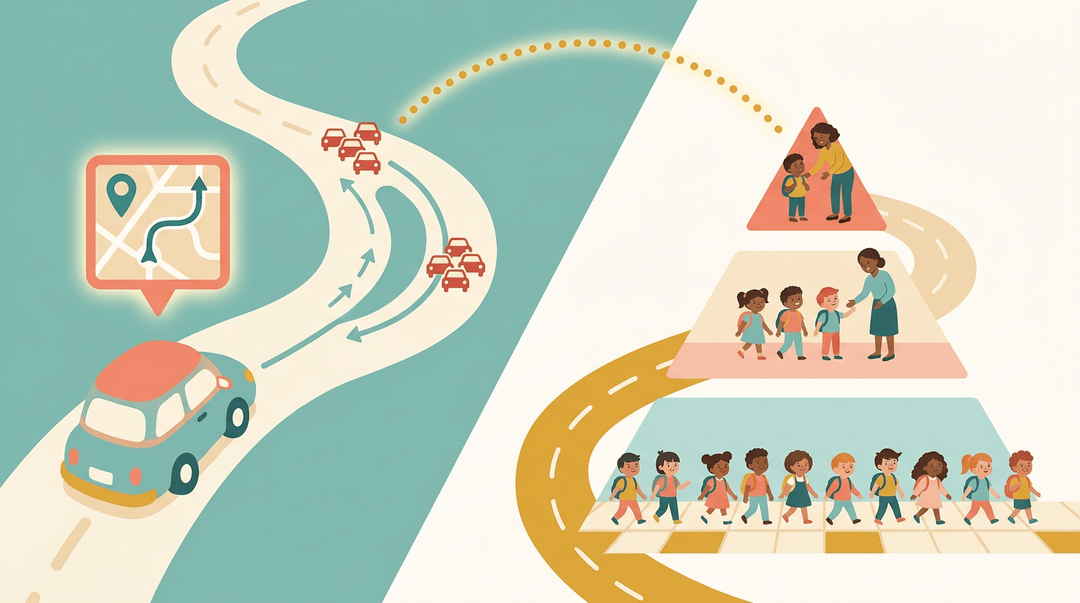
Think of a road trip where your map reroutes the moment traffic builds up. You don't wait for a jam to get worse before you adjust. You catch it early and keep checking how the drive is going.
That's the spirit behind a Multi-Tiered System of Supports (MTSS), a framework that helps schools give every student the right level of help at the moment they need it.
In this post, we'll explain what MTSS is, walk through its three tiers and core components, and show how it connects to special education and families. You'll also find a practical checklist and grade-band examples you can use Monday morning.
Understanding MTSS in Education
Schools juggle a lot at once, and MTSS is the framework that keeps those pieces connected. Here's what it is, where it came from, and how it differs from the acronyms you've probably heard in staff meetings.
What MTSS actually involves
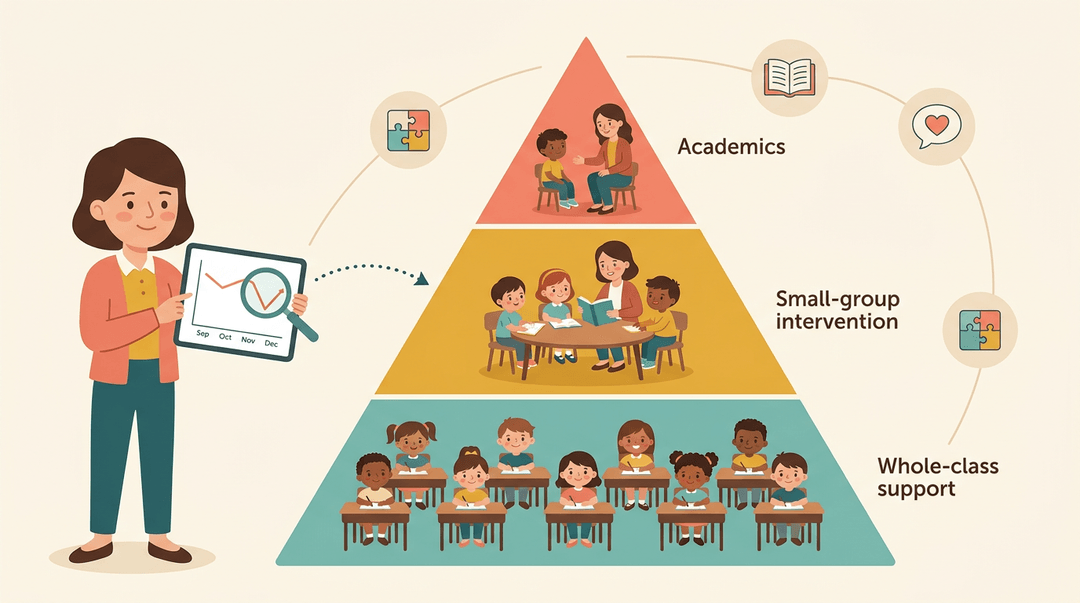
A multi-tiered system of supports (MTSS) is a data-driven framework that gives every student the right level of help. Instead of waiting for a student to fall behind, it uses regular data to decide who needs more support and when.
It covers academics, behavior, and social-emotional learning (SEL), and it's proactive: the goal is to prevent problems rather than react to them. Consider a fourth-grade teacher who notices a student's reading scores slipping in October.
Under MTSS, that signal triggers a small-group intervention before the gap grows. The approach is also whole-child focused, treating a student's learning, behavior, and well-being as connected rather than as separate problems.
Where MTSS came from
MTSS didn't appear overnight. The Every Student Succeeds Act (ESSA) of 2015 set the federal context for multi-tiered systems of support, including a mandate for literacy services.
That federal and state education law gave schools a shared structure, and MTSS is now widely used across the country.
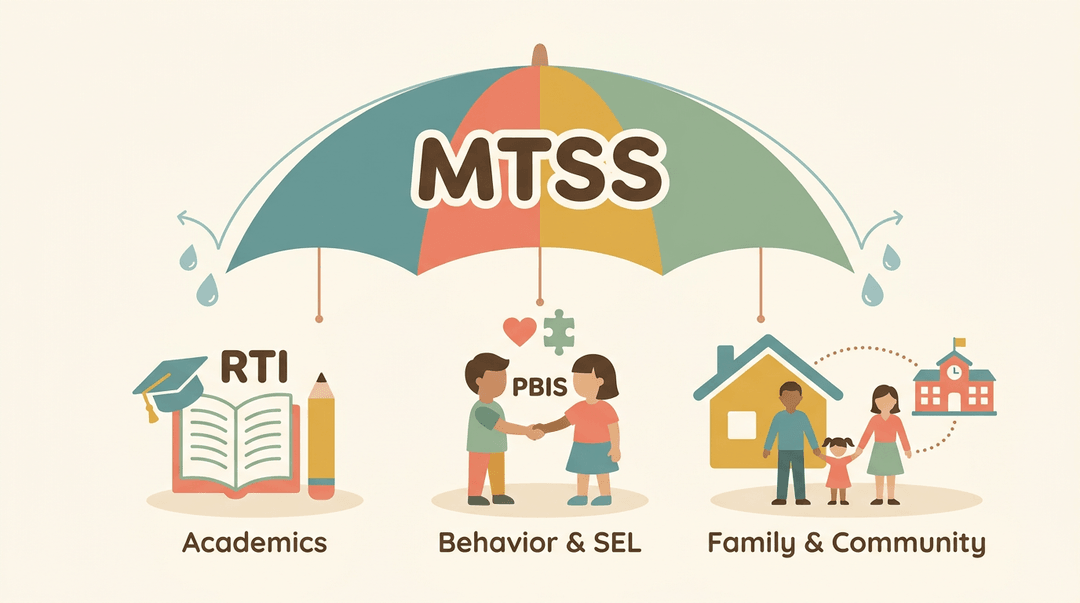
How MTSS differs from RTI and PBIS
You'll hear three acronyms often:
- Response to Intervention (RTI) focuses mainly on academics.
- Positive Behavioral Interventions and Supports (PBIS) focuses on behavior and SEL.
- MTSS is the broader umbrella term that brings both together and adds family and community involvement.
So RTI and PBIS are parts of the picture, while MTSS is the whole system. Families are part of that system too, so you'll want them at the table.
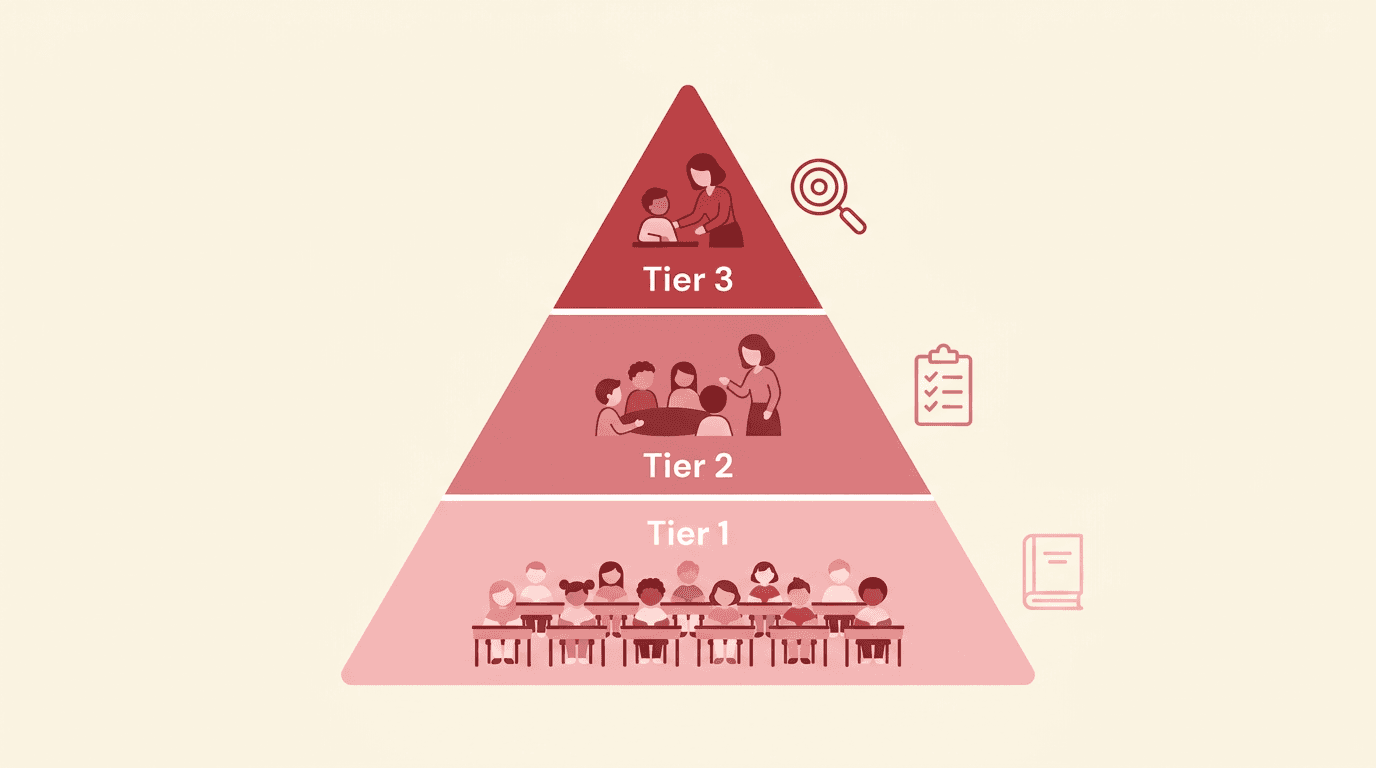
Understanding the Three Tiers of Support
Every student needs something different, and the three tiers sort out who needs what. Each one adds intensity without replacing the strong instruction beneath it.
What are Tier 1 interventions for math?
Tier 1 is the foundation: the high-quality core instruction every student gets in the general education classroom, reaching roughly 80-90% of students.
According to the MTSS Center, "Tier 1 instruction is the foundation of an effective MTSS, as all students have access to high-quality, standards-aligned instruction."
In math, that rests on differentiation and Universal Design for Learning (UDL), which means planning multiple ways for students to engage and show what they know, plus clear school-wide behavior expectations.
Tier 1 math interventions include a quick skills warm-up, a number talk, or a visual model before an abstract algorithm.
Consider a fifth-grade teacher introducing fraction multiplication with a visual model and a simple routine for asking for help. Fewer students need extra support later because the core lesson reached them.

How Tier 2 offers small-group help
Tier 2 provides small-group support to about 5-15% of students. The MTSS Diamond Model pairs these groups with targeted skills like reading fluency or math workshops. It's short-term help for specific deficits.
WIN time is a protected block where students get the help they need most.
A sample schedule might look like this: - Group A: teacher reteach on equivalent fractions - Group B: independent practice with a visual guide - Group C: enrichment for students who've mastered the skill
Students move between groups as their data changes.
The most intensive individualized support
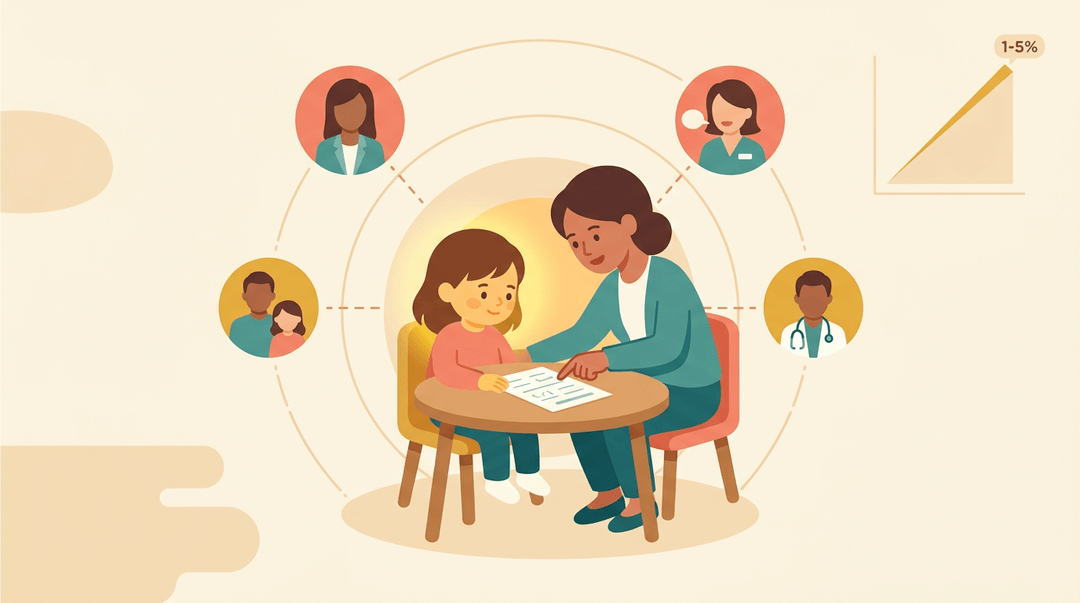
Tier 3 is the most intensive individualized support, for roughly 1-5% of students. The Colorado Department of Education describes these students as having significant or persistent learning and/or behavioral difficulties.
Support is one-on-one or in a small group at the highest intensity, often with specialist collaboration and wraparound services, which coordinate help beyond the classroom. It's less about where a student sits and more about how much help they need.
How students move between tiers
Movement is flexible, and data determines placement. A student can be in different tiers for different needs, such as Tier 1 for reading and Tier 2 for math. If a student plateaus despite intensive support, that stall may trigger an evaluation.
Progress is the goal, and the data tells you when to adjust.
The Core Components of MTSS
Six components keep MTSS running, and each one answers a question you're already asking: who needs help, is it working, and what should happen next? Here's how they fit together.
Screening every student for risk
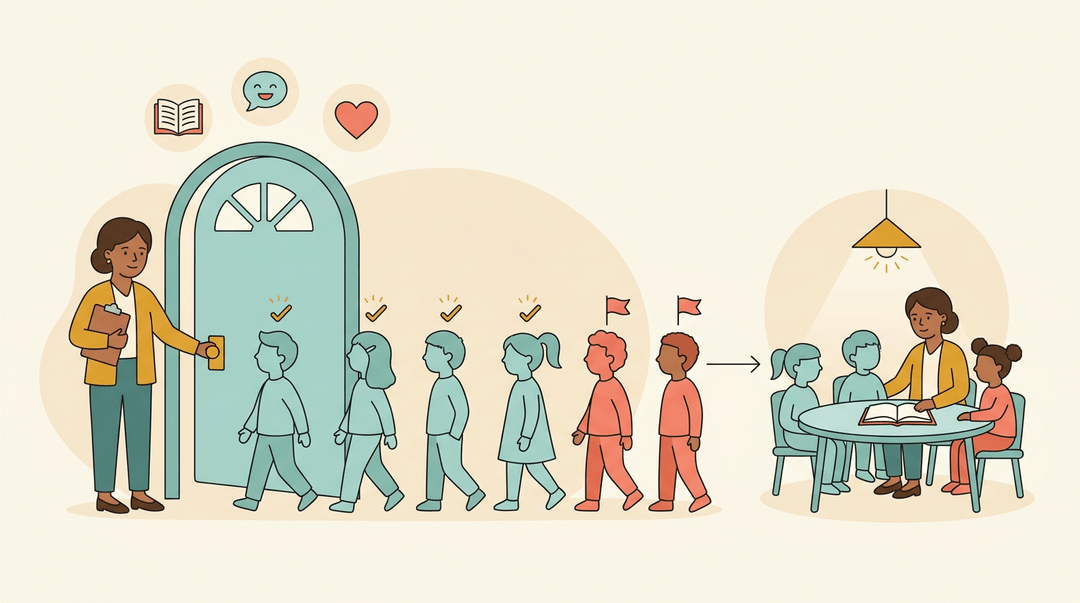
Screening is the front door. Every student gets checked, not just the kids who are already struggling.
A universal screener is a brief assessment, and a KyMTSS newsletter explains that these are given to all students at least three times per year to identify those who may be at risk for poor outcomes in:
- academics
- behavior
- social-emotional well-being
Screening isn't the same as a diagnostic assessment, which digs into why a student is struggling. Consider a fourth-grade teacher who gets her class's reading screener results and spots three students below the benchmark she didn't expect.
She can pull them into a small group right away instead of waiting for report cards to show the gap. Early catches are easier than late rescues.
Monitoring progress with regular data checks
Screening tells you who needs support. Progress monitoring tells you whether that support is working. These are frequent, brief data checks that show whether a student is responding to an intervention.
Schools set formal guidelines for how long an intervention runs before the team reviews the numbers. Many teams keep a simple progress-monitoring data chart template: one row per student, one column per check. A flat line jumps out at a glance.
If the line stalls, you adjust the group, the pace, or the approach.
Letting data guide the decisions
Data earns its keep only when it leads to action. Use it to decide tier placement, to pinpoint specific skill gaps, and to guide which intervention a student gets.
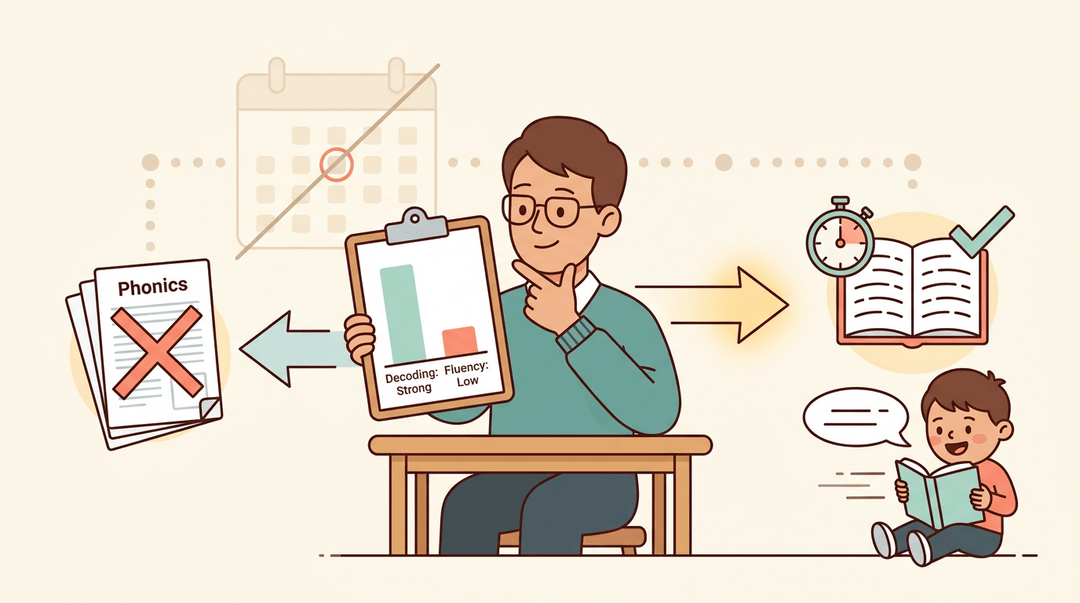
A student who can decode words but reads slowly, for example, needs fluency work, not more phonics drills.
This takes continuous data analysis, not a once-a-semester review. The focus is on what the data says and what you do about it. Data without a decision is just paperwork.
Using evidence-based interventions at every tier
Research-backed strategies belong at every tier, not only at the most intensive level.
For example, a structured literacy approach teaches reading skills explicitly and in a set sequence, so a student stuck on a particular sound gets a clear, repeatable path forward.
Teams often choose from named intervention programs and curricula, and the best match is the one that addresses the gap the data revealed. The program should fit the student, not the other way around.
Training teachers to implement MTSS
MTSS only works when the people running it feel confident. Ongoing staff training supports effective implementation and keeps everyone pointed at the same MTSS goals.
It also builds educator capacity, so the knowledge stays in the building even when staff change.
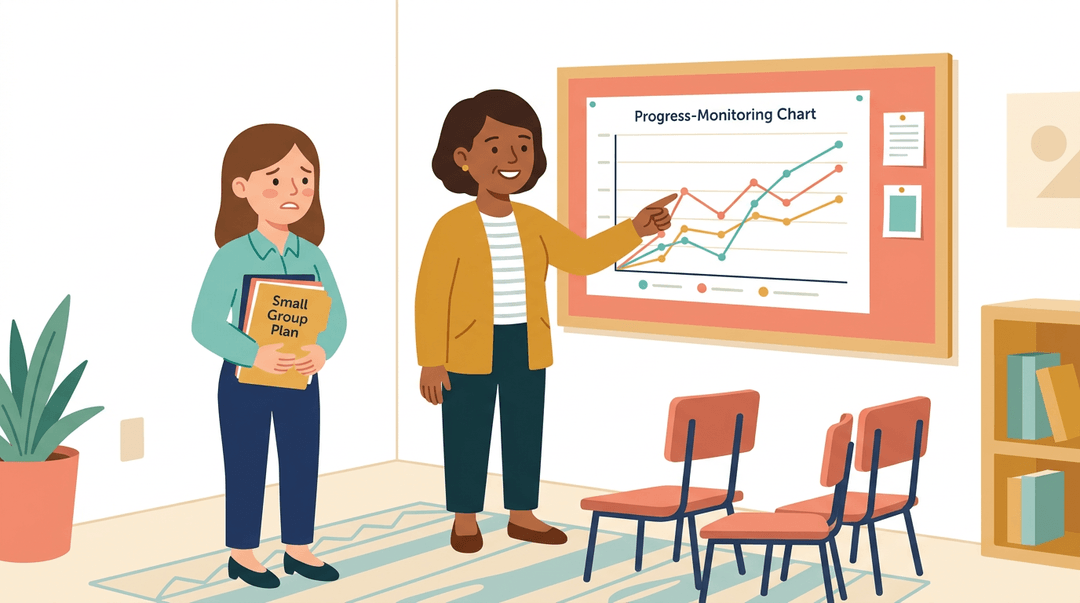
Think of a first-year teacher who has never run a small-group intervention. Regular coaching shows her how to read the progress chart and plan a short group, so the work becomes routine instead of overwhelming.
Leadership and teamwork behind MTSS
Strong MTSS depends on a team-driven leadership structure. Administrators provide visible support, and teams need common planning time to review data together. Cross-role collaboration between:
- classroom teachers
- specialists
- support staff
keeps decisions connected.
No single teacher can run MTSS alone. It works best as shared responsibility rather than individual heroics.
Putting MTSS into Practice in Your Classroom
This is a routine card for running MTSS (multi-tiered system of supports) week to week. Use the checklist to keep the habits going, the grade-band table to picture the work, and the note template when a student changes tiers.
Your daily and weekly checklist
Four habits keep tiers from drifting into guesswork. Two are daily, two are weekly.
Daily
- Review tier rosters. Know who's in which group before class starts.
- Log intervention minutes. Jot minutes delivered right after each session, while you still remember.
Weekly
- Track progress data. Add one new data point per student in intervention.
- Flag non-responders. Mark students whose data isn't improving despite the support they're getting.
Say: "This student has had the support, and the data hasn't moved. What should we change?"
⚠️ Watch out: A flag means the support needs adjusting, not that the student has failed. Bring it to your MTSS team with your minutes log, so they can see what was actually delivered.
What it looks like by grade band
Same cycle (group, support, check data), different shape at each level.
| Grade band | Example | What you'd see |
|---|---|---|
| Elementary | Reading fluency groups | Small groups practice fluency, with weekly checks |
| Middle school | Math WIN (What I Need) time | A set block where students get reteaching or extension |
| High school | Credit recovery supports | Targeted help for students making up missed credit |
Documenting a tier change
Write the note the day the change happens. Three parts are enough: the date, the data trigger, and who you shared it with.
Sample entry: Date: The day the student moved from Tier 2 to Tier 3. Trigger: Fluency scores stayed flat on recent weekly checks despite daily group minutes. Shared with: MTSS team, at the next meeting.
Name the data, not a hunch. "Scores stayed flat" gives the team something to act on; "he seems stuck" doesn't.
Plan tiered lessons and track standards-aligned progress in one place with EMStudio's curriculum planner.
Steps to Implement MTSS
Putting MTSS into practice takes more than a good plan on paper. Here's how schools make it work day to day.
Rolling out MTSS step by step
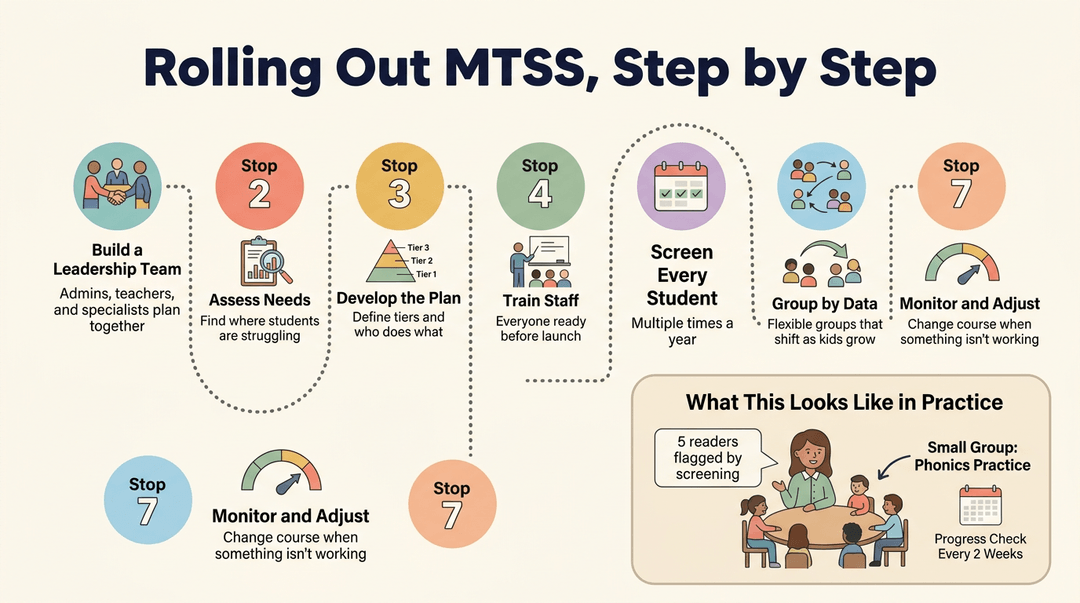
- Build a leadership team with administrators, teachers, and specialists.
- Assess needs to see where students struggle.
- Develop the MTSS plan, naming tiers and roles.
- Train staff before launch.
- Implement screening for every student, several times a year.
- Group students by data into flexible groups that shift as students grow.
- Monitor and adjust whenever something isn't working.
Take a fourth-grade teacher whose screening flags five readers. Instead of guessing, she pulls them into a small group for targeted phonics practice and checks progress every two weeks.
Best practices for putting it into action
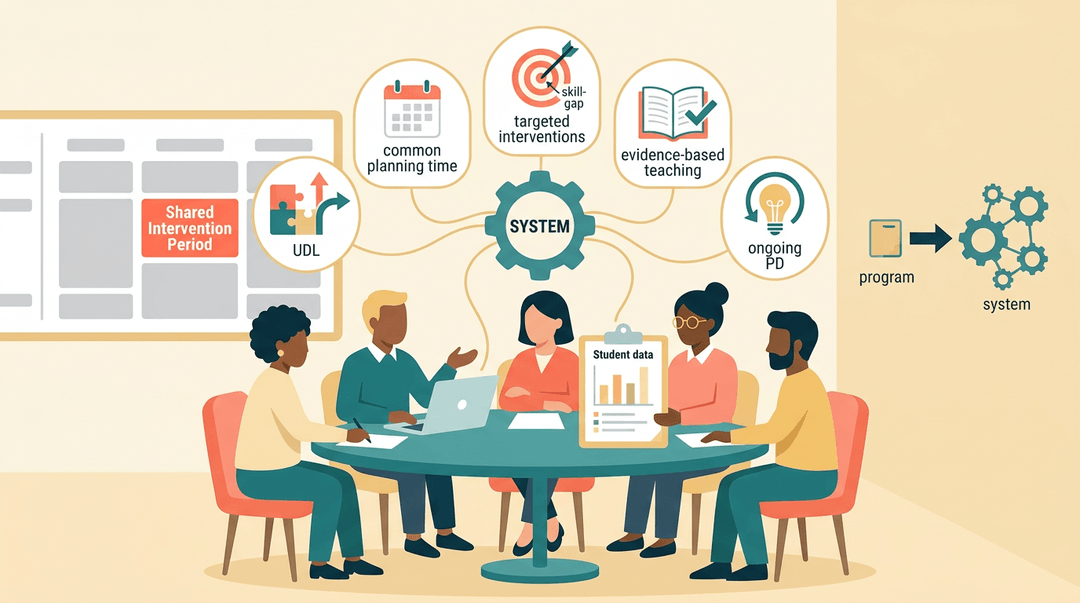
- Universal Design for Learning (UDL): Offer multiple ways to engage, understand, and show learning.
- Common planning time: Give grade-level teams time to review data together.
- Targeted interventions: Match support to the specific skill gap, not just a label.
- Evidence-based teaching: Choose strategies with research behind them, and confirm they work.
- High-quality professional development (PD): Ongoing, practical training beats a single workshop.
In high school, MTSS looks different because students move between many teachers. Teams often lean on a shared intervention period and one data review every teacher can see.
A common pitfall is treating MTSS as one more program. The shift is from program to system, so let it shape scheduling and staff meetings too. Start small.
Why MTSS Matters
Why build a whole system when one good lesson plan feels like enough? Because MTSS (Multi-Tiered System of Support) asks which students need help and how soon they can get it.
How MTSS improves academics and behavior
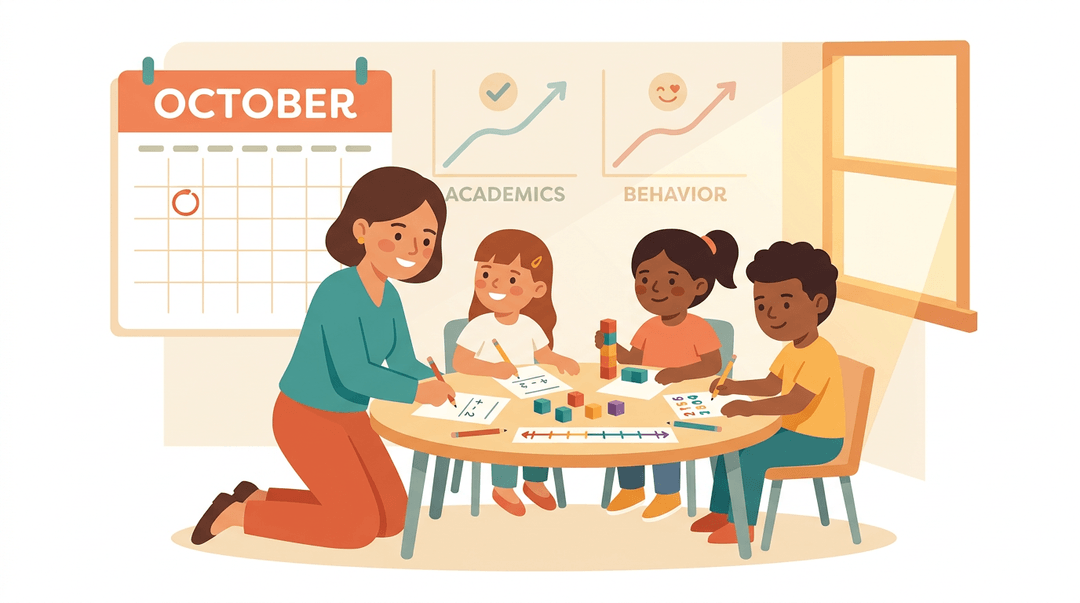
A fourth-grade teacher spots three students struggling with subtraction in October, not May. That catch happens early, and early support helps prevent long-term difficulty.
An NCEO brief explains that the Every Student Succeeds Act (ESSA) sees MTSS as an approach for increasing student achievement and teacher effectiveness.
Behavior improves too. A recent evaluation of skill-building interventions points to early, data-driven behavioral supports, which catch problems before they become patterns.
Making instruction more equitable
Equitable access means every student gets the instruction they need, not just the students who ask for help. MTSS supports disadvantaged students by making extra help routine. Its whole child approach looks at academics, behavior, and well-being together.
Because screening covers the entire class, it's designed to reach historically underserved groups too.
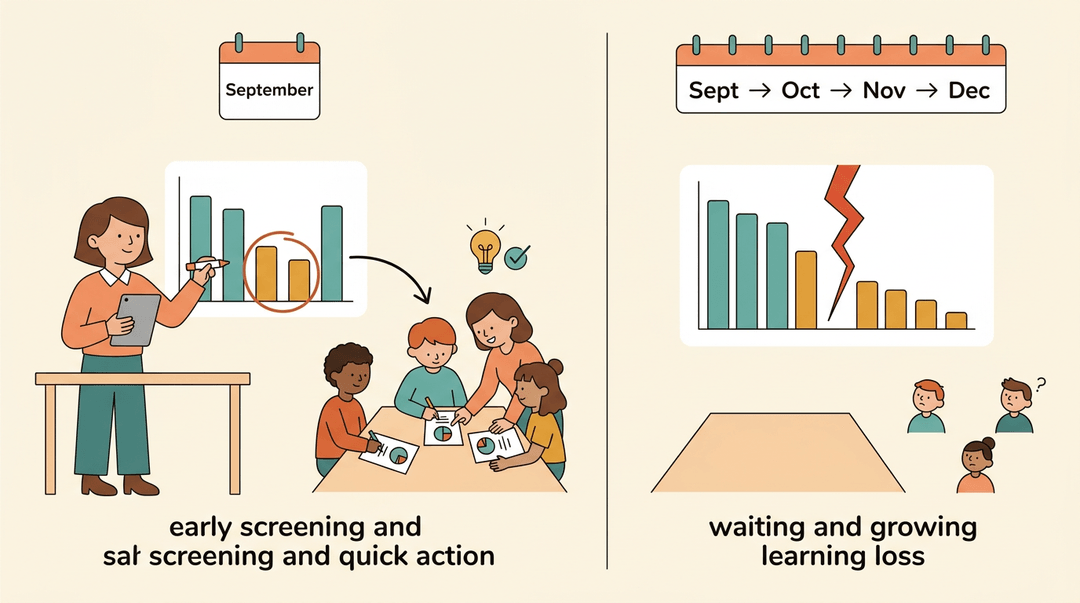
Addressing pandemic learning loss
A meta-analysis of students' academic learning losses links the COVID-19 pandemic to significant learning losses in schools.
A Center for Education Policy Research study found those losses weren't evenly spread, and were larger in lower-income and minority districts.
That's why universal screening matters now. Consider a sixth-grade math teacher who runs a quick fall check, spots students who lost ground on fractions, and reteaches them in September. Waiting isn't a plan.
How MTSS Connects to Special Education
A Multi-Tiered System of Support (MTSS) and special education are two halves of one support system. Knowing where they meet helps you advocate for the students who need it most.
Parents' Rights to Request an Evaluation
Parents can request an evaluation at any time. You don't have to finish every MTSS tier first.
Before the school evaluates your child, it needs prior written consent. That signature protects your right to know what's happening and to agree to it.
MTSS data informs eligibility, so the progress records your child's team already has can show what's working and what isn't.
Using MTSS to Catch Needs Early
MTSS identifies possible disability needs early, before a student falls far behind. Regular screening and progress data let a team spot a pattern in weeks, not a full year.
That same data supports IEP development. Consider a special education teacher who opens an Individualized Education Program (IEP) meeting with a month of intervention data in hand.
The team can talk about specific skills and next steps instead of guessing.
MTSS offers a systematic identification structure. Every student moves through the same clear steps, so no child depends on whether someone happened to notice.

Tools and Technology That Support MTSS
Good tools won't replace good teaching, but the right ones show you where each student needs help.
Tools for collecting student data
Picture a fourth-grade teacher who wants to know which students need reading support before the next grading period. Start with your district's data system, such as ARIS, so information lives in one place.
Progress monitoring tools check skills on a regular schedule, showing growth as it happens, and reporting features turn the numbers into charts you can share at team meetings. Less digging, more deciding.
Software and tools for interventions
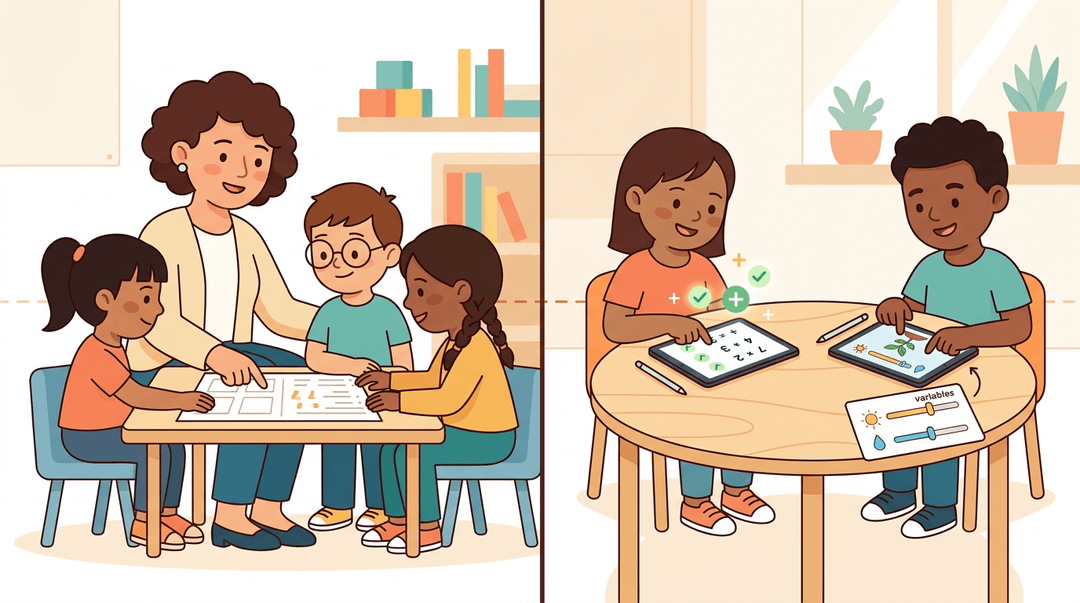
Intervention software should support your teaching, not replace it. Math and STEM software tools can give a student extra practice on skills like multiplication facts while you work with a small group.
Adaptive practice platforms adjust difficulty based on responses, and virtual simulations let students test a science idea by changing variables themselves. Students doing beats students watching.
Connecting students with specialist services
Some students need a speech-language pathologist (SLP) or occupational therapist (OT).
Picture a second grader whose handwriting slows every writing task: when an OT shares strategies through a connected platform, they can reach your classroom that same week.
Online therapy integration brings sessions into the systems you already use, but choose a FERPA-compliant platform, one that protects student records under the Family Educational Rights and Privacy Act (FERPA).
Getting Families and Community Involved
Families are a student's first teachers and most consistent partners. MTSS works best when home and school pull in the same direction, so here's how to make that happen.
Ways parents can stay engaged
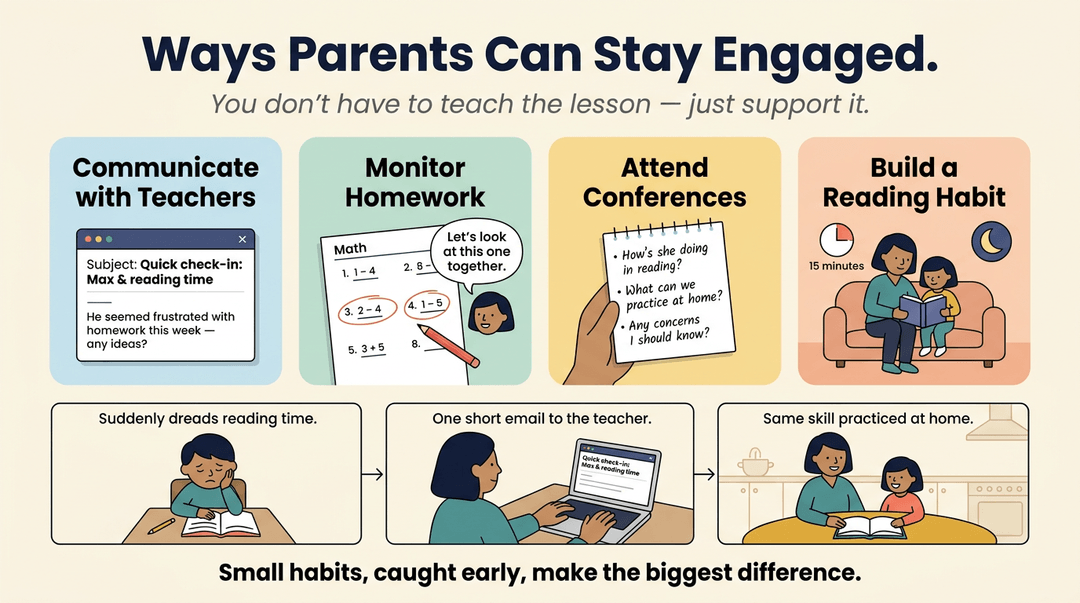
Parents don't need to teach the lesson. They need to support it. Start with these habits:
- Communicate with teachers early and often, especially when something seems off.
- Monitor homework so you spot struggles before they snowball.
- Attend conferences and bring a list of questions.
- Build a reading-at-home habit with a few minutes every night.
Think of a parent whose third grader suddenly dreads reading time. One short email to the teacher can clear up what's happening, and the family can reinforce the same skill at the kitchen table.
Why family support matters
An intervention is targeted extra support for a specific skill. Families who understand it can reinforce it at home instead of working against it.
According to the Institute of Education Sciences (IES), when families understand how their children are taught to read in school and how to support their learning at home, it can contribute to strong student literacy outcomes.
That's why family engagement is so closely tied to higher student achievement. Consistency beats intensity.
Questions parents can ask teachers
Good questions turn a conference into a real conversation. Ask:
- which curriculum the class uses
- which interventions are in place and why
- how progress is monitored and how often you'll hear about it
- what the communication plan looks like
If you're not sure where to start, this sample letter works well:
Dear [Teacher's Name],
We'd like to learn more about [Child's Name]'s support plan. Could you share the curriculum and interventions in use, how progress is monitored, and the best way to stay in touch? Thank you for your time.
[Parent or Guardian Name]
When MTSS works, students get support before small gaps grow into big ones, and you get a clearer picture of who needs what. It's a system built on teamwork, data, and steady adjustment, and it gets easier when your planning lives in one place.
Ready to map out your year? Check out our Curriculum & Standards page to plan units, lessons, and standards across the whole school year.

References
- The Tiers of Support in Response to Intervention — cde.state.co.us (2025)
- A meta-analysis of students’ academic learning losses over the course of the COVID-19 pandemic — sciencedirect.com (2025)
- Multi-Tiered System of Support A Blueprint for ... — doe.mass.edu
- KyMTSS Newsletter — content.govdelivery.com (2025)
- Using family engagement to strengthen literacy: Lessons from the field with practical resources — ies.ed.gov (2026)
- Evaluating the evidence base of targeted skill-building interventions for improving social-emotional competencies in children at-risk for emotional and behavioral disorders — doi.org (2025)
- NCEOBriefMTSS — nceo.umn.edu
- School District and Community Factors Associated With Learning Loss During the COVID-19 Pandemic — cepr.harvard.edu
- MTSS Diamond Model — media.naset.com (2025)
- Make Tier 1 the Number 1 Priority — mtss4success.org
Frequently asked questions
What are the different intervention tiers in education?
1. The three intervention tiers are Tier 1, Tier 2, and Tier 3. Tier 1 provides high-quality core instruction for all students, Tier 2 adds targeted small-group support, and Tier 3 provides the most intensive individualized or very small-group support. Students can receive different tier levels for different academic, behavioral, or social-emotional needs.
What are Tier 1 interventions for math?
2. Tier 1 math interventions are part of high-quality core classroom instruction for all students. Examples include skills warm-ups, number talks, visual models before abstract algorithms, differentiation, and Universal Design for Learning, which offers multiple ways to engage with math and demonstrate understanding.
How does MTSS work in schools?
3. MTSS uses universal screening, evidence-based instruction, regular progress monitoring, and data-based decisions. Schools provide core support to everyone, add targeted or intensive interventions when data shows a need, and adjust groups or strategies as students respond. Teachers, specialists, administrators, and support staff collaborate throughout the process.
Are parents involved in MTSS?
4. Yes. Parents are important partners in MTSS and can communicate with teachers, attend conferences, monitor homework, and support learning routines at home. Parents can also ask what interventions are being used, why they were selected, how progress is monitored, and when they will receive updates. They may request a special education evaluation at any time and do not have to wait for every MTSS tier to be completed.