John Dewey Philosophy of Education: A Complete Guide

Jump to section
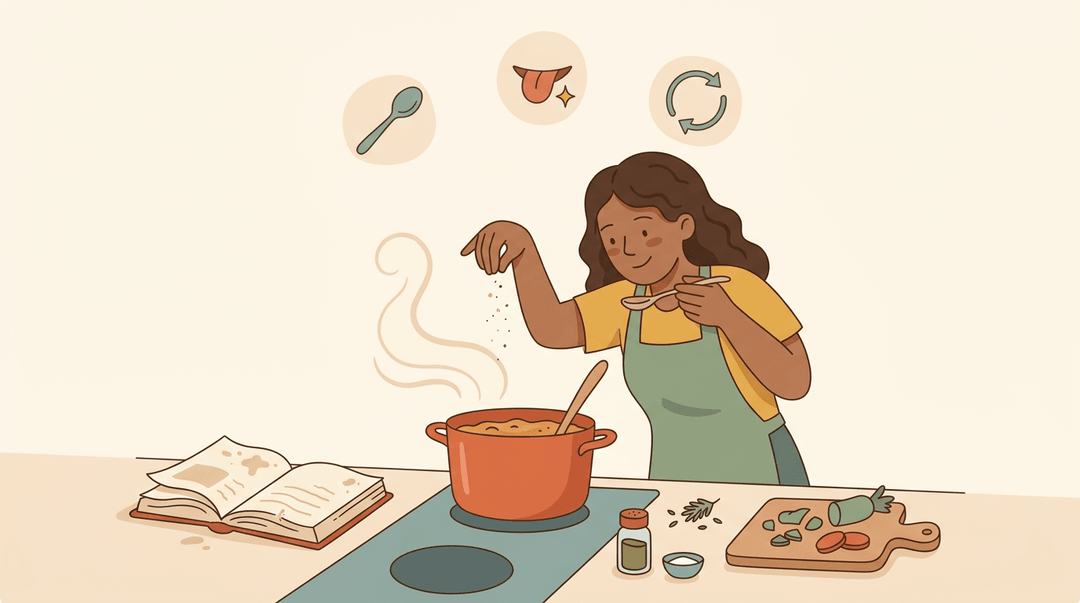
Think about the last time you learned to cook a new dish. The recipe helped, but the real learning happened when you stirred the pot, tasted it, and adjusted the seasoning.
John Dewey built a whole philosophy of education on that idea: people learn best through experience, not just by absorbing information. That's the heart of his thinking.
In this post, we'll walk through his life and core ideas, the principles that shape how learning happens, and the criticism his work has faced.
We'll also show you how to plan a Dewey-inspired unit for your own class, with practical steps you can use next week.
Heart of John Dewey's Philosophy of Education
John Dewey was an American philosopher and education reformer whose ideas still shape classrooms. His core question: how do students learn something well enough to actually use it?
Learning by doing as Dewey's central idea
Dewey argued that students learn best through experience: doing something, noticing what happens, and adjusting. Learners test ideas instead of waiting to receive them.
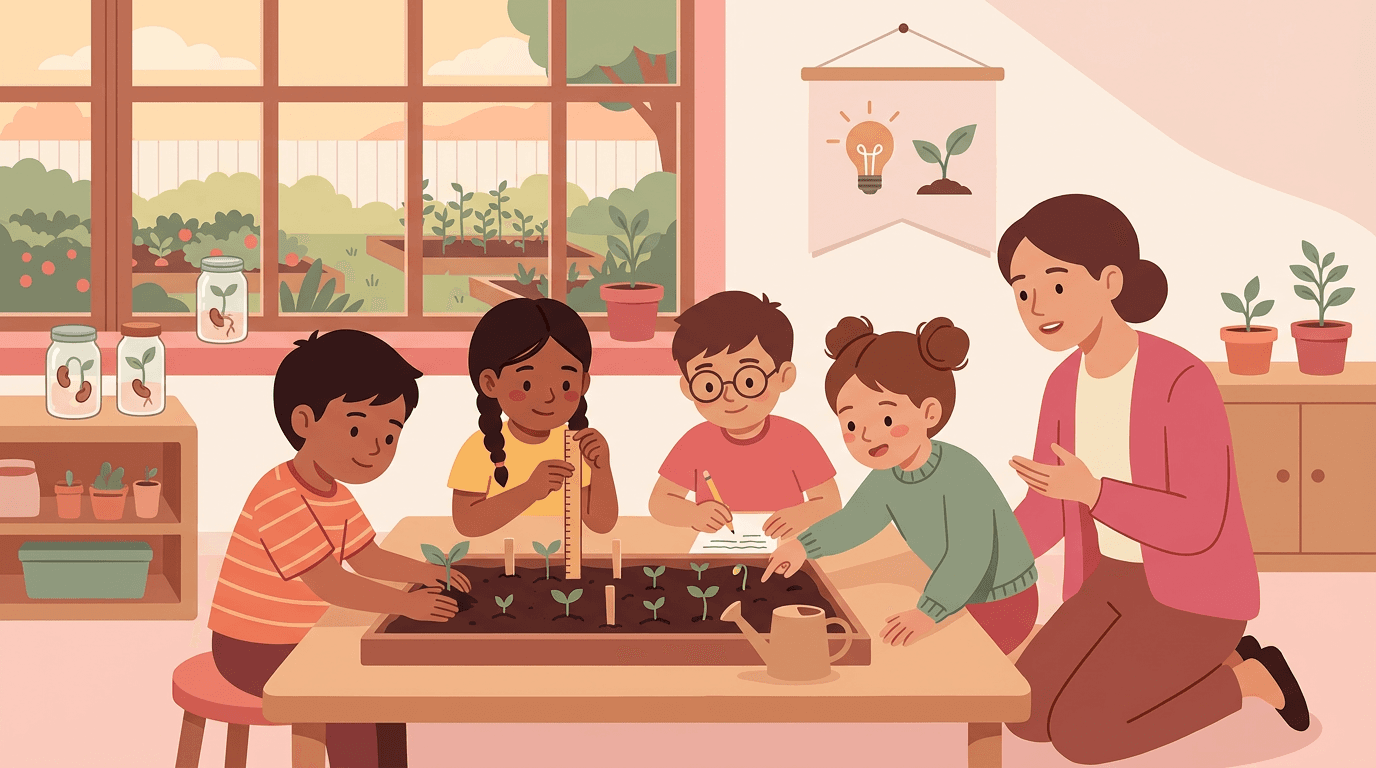
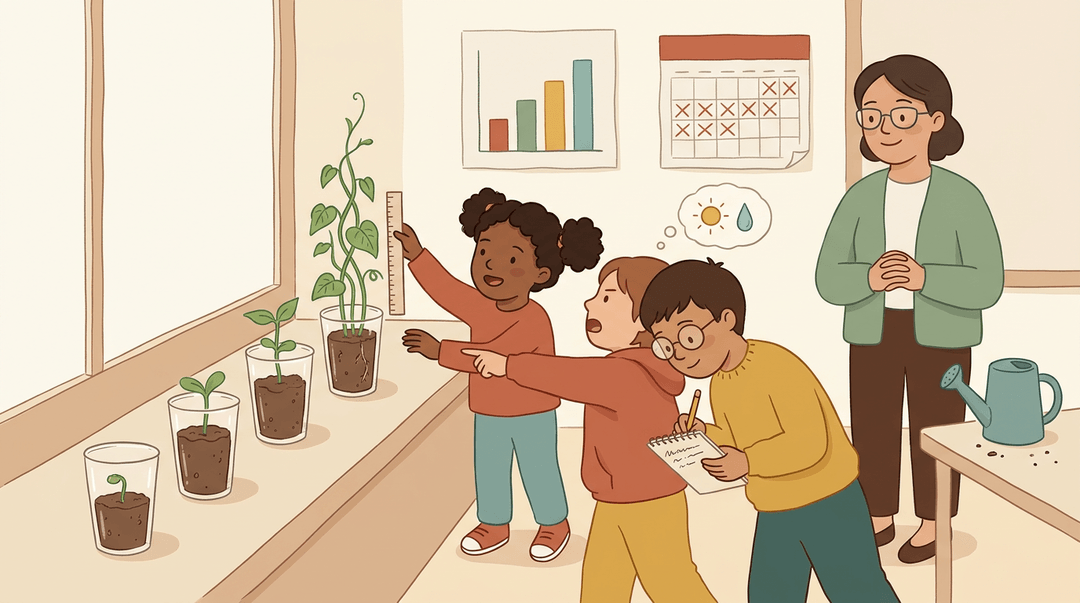
Picture a third-grade teacher whose class plants bean seeds and tracks growth for three weeks. Students measure, graph, and debate why one plant grew faster, and the math and science come from the work itself.
The goal shifts from recall to use. Doing comes first.
Two principles explain why experience teaches. Continuity means each experience builds on the last and shapes the next. Interaction means learners engage their environment, and each shapes the other.
Built on pragmatism and democracy
Dewey's approach rests on pragmatism, the view that an idea proves its worth in practice. Ideas are tools for solving problems, not fixed truths to memorize.
Democracy and Education ties schooling to the health of a democratic society. Dewey also saw schools as miniature communities where students practice cooperation before entering the wider world.
Educational philosophies are broad answers to what schools are for and how learning happens. Some center fixed content; Dewey's progressive view centers the learner's experience.
What education is really for
Dewey wanted education to develop reflective, engaged individuals who examine their experiences and ask why things happened. Growth is both intellectual and social, as students sharpen their minds while learning to work together.
Education is less about what students can repeat and more about how they think. Dewey treated learning as a continuous process, not something that ends at graduation.
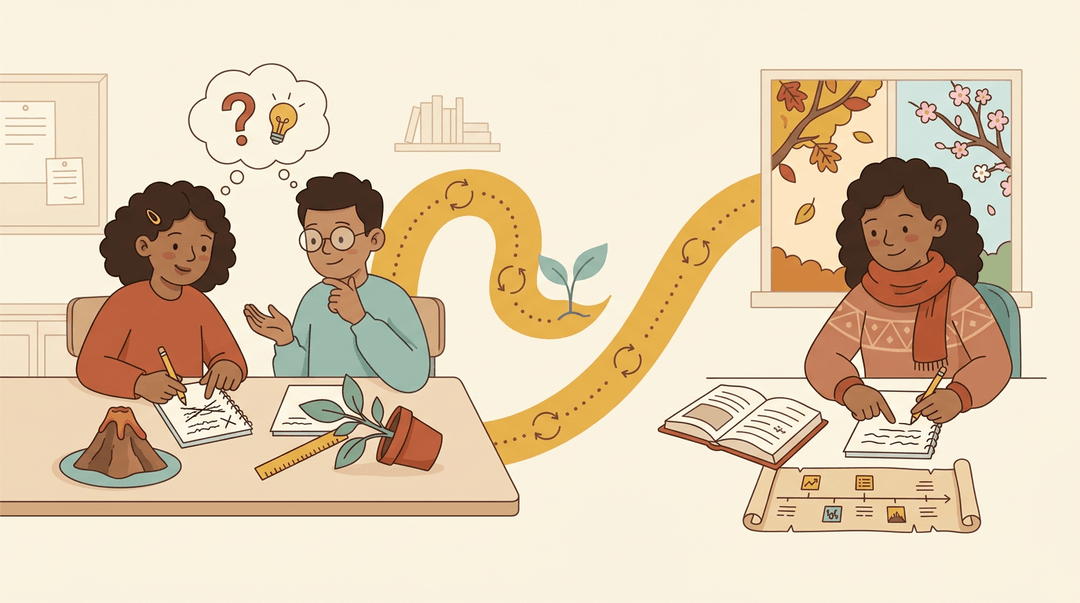
A student who revises a science project this month builds the habit they'll use in a history essay next spring.
How teachers and learners divide the work
In Dewey's model, you become a facilitator rather than the only source of answers. You design the environment, pose good problems, and guide inquiry while students do the thinking. Turning that role into daily lessons takes a clear plan, so the next step is the new art and science of teaching.
Students construct their own understanding, so building on what they already care about gets them there faster. Here's how that plays out each week:
- Plan problems that connect to student interests.
- Observe where learners get stuck.
- Adjust the next lesson based on what you see.
Principles That Guide How Learning Happens
Dewey's principles build on one another, and each gives you something to plan around.
Testing doubts through inquiry and reflection
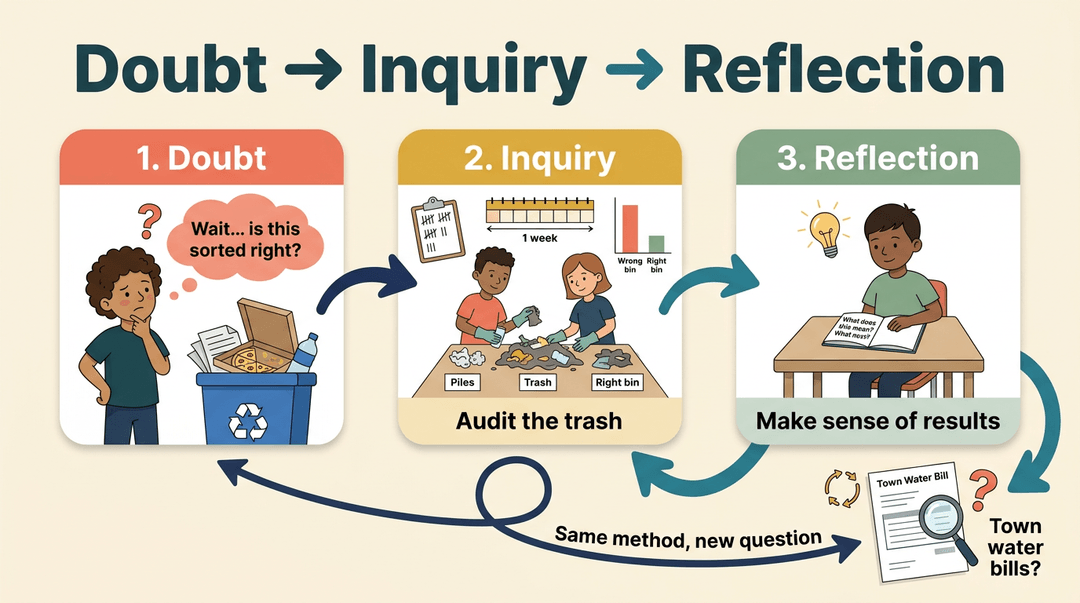
Learning starts with a doubt, a problem that won't resolve on its own:
- Doubt: Students notice something doesn't add up.
- Inquiry: They gather evidence and test possible answers.
- Reflection: They ask what the results mean and what to do next.
Reflecting on experiences deepens understanding, and critical thinking grows as students learn by testing ideas rather than simply accepting them. Picture a sixth-grade teacher whose students doubt the school's recycling bins are sorted correctly.
They audit a week of trash, and the hunch gives way to evidence. Later, the same students apply that method to a new question, like their town's water bills.
Why did Dewey connect education with society?
Dewey wanted to connect education with society because he held that all experience is education. School should build on the community students already know. Linking school to community makes lessons relevant and builds civic and social engagement.
A classroom cut off from society teaches facts with no clear purpose, so education must connect to the world students will live in. Schools are part of society, not apart from it.
Learning alongside peers and classmates
Learning alongside classmates means students exchange perspectives rather than waiting for answers from the front. Picture two eighth graders arguing over a primary source, each explaining their reasoning and leaving with a view they'd have missed alone.
Over time, the group builds shared understanding that no single student would reach.
John Dewey's approach to learning with peers builds social skills, and the paper The Foundation for Democracy makes the democratic case: democracy “demanded of its people the social-emotional skills and ethical dispositions as well as cognitive capacities.”
Why emotional and aesthetic experience matter
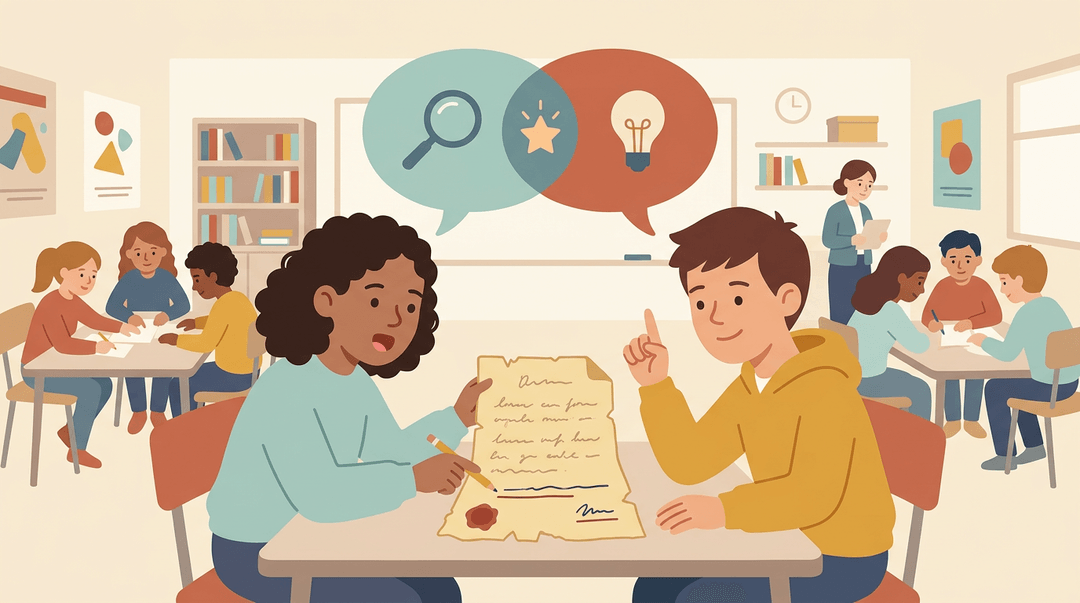
John Dewey held that emotional involvement aids learning. A study of student teachers’ aesthetic learning calls the emotional phase the “binding element” that “rounds out” an experience into completeness, unity, or wholeness.
Aesthetic experiences are the moments when a lesson feels vivid, crafted, or moving. Consider a middle school history teacher who opens an immigration unit by reading a family’s letters aloud.
The room goes quiet, and students start asking their own questions.
Plan a Dewey-inspired Unit for Your Class
This guide walks you from a blank page to a unit built on student experience, real problems, and reflection. Use it when you're planning a project-based unit and want Dewey's ideas to show up in the actual lessons.
Start with what students bring in
Dewey held that learning grows out of experience, so the unit begins with students, not with the textbook chapter. Do these three things before you write a single lesson.
- Find student interests
- Hand out a quick slip: "What bugs you, or excites you, about our school or town?"
- Sort the answers into piles and look for a repeated theme.
- Pose a real problem
- The problem needs a real audience and a decision students can actually make.
- ✅ "How can we grow food for our cafeteria?" ❌ "Learn about plants." The first has a purpose beyond the grade.
- Connect to prior knowledge
- Run a two-column chart: What we already know / What we'd need to find out.
- Keep it posted. You'll return to it at the end.
Walk students through the inquiry cycle
The unit moves through the same three-part loop, and you can repeat it as many times as the project needs. Here's what each phase looks like in practice.
| Phase | Students do | You say |
|---|---|---|
| Question and hypothesize | Write questions, predict what will work | "What do you think will happen, and why?" |
| Investigate hands-on | Build, test, interview, collect data | "What did you try? What did you see?" |
| Reflect and revise | Compare results to predictions, adjust the plan | "What would you change next time?" |
Reflection isn't a closing activity. It's what turns doing into learning, so schedule it inside the unit, not after it.
See it at three grade levels
| Level | Project | Driving question |
|---|---|---|
| Elementary | School garden | How can we grow food for our school? |
| Middle | Community survey | What do our neighbors need most? |
| High school | Local policy project | What should our town change, and how? |
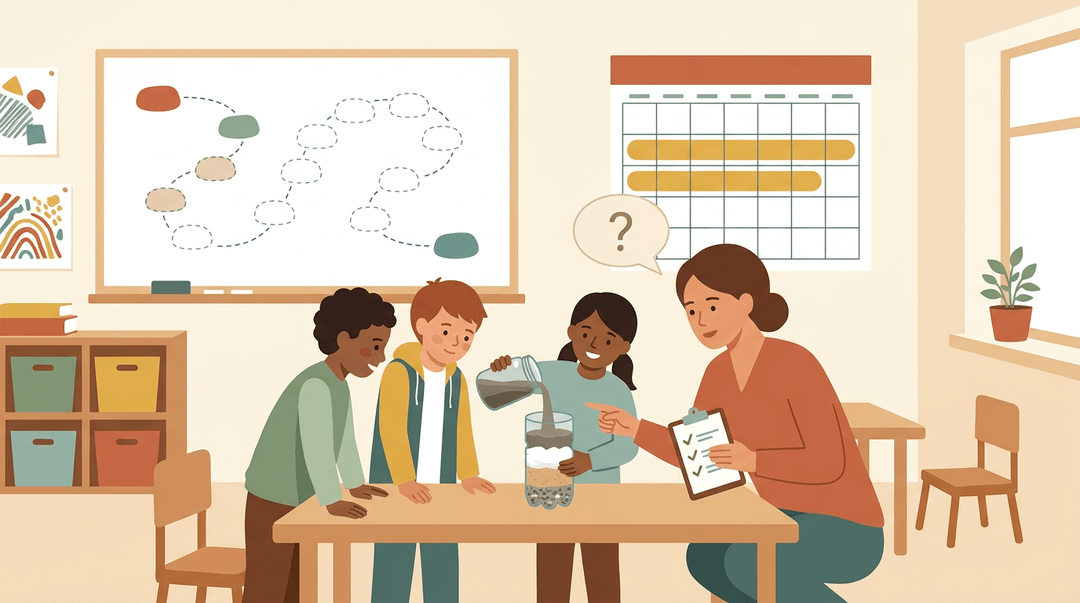
Example: A fourth-grade class plans a school garden. Students predict which seeds will sprout first and test them in different beds. Weekly, they measure growth, compare results to their predictions, and rearrange the beds. The garden is the lesson, and every revision is a reason to read, measure, and write.
Line up the unit with standards
Dewey-style doesn't mean unplanned. You do the structural work up front so students can do the inquiry.
- Map the project to standards
- List every standard the project could touch, then keep only the ones students will truly use.
- Set clear learning targets
- Write them in student language, like the garden example below.
- Plan pacing across the unit
- Sketch the spine before launch: launch, investigate, reflect, share.
Target on the board: "I can explain how light and water affect plant growth, using data from our garden beds."
A sample six-week spine:
| Weeks | Focus |
|---|---|
| 1 | Launch: interests, problem, prior knowledge |
| 2 to 4 | Investigate, with a reflection checkpoint each week |
| 5 | Revise and prepare to share |
| 6 | Present, then reflect on process |
⚠️ Watch out: Don't pick the project first and hunt for standards afterward. Start from the targets, then choose a problem that makes students need them.
Check the unit before you launch
Confirm each of these is true:
- Authentic problem: someone outside the gradebook cares about the answer.
- Collaboration built in: students have roles and need each other's work.
- Reflection checkpoints: dates are on the calendar, with a prompt for each.
- Assessment of process: you grade questions, revisions, and thinking, not just the final product.
If one box stays empty, fix it before day one.
Map project-based units to your standards and year-long pacing with EMStudio's Curriculum Planner.
Putting Dewey's Ideas to Work
Dewey's ideas earn their keep in real lessons, so here's how we can put them to work.
Ways to tutor reading and writing
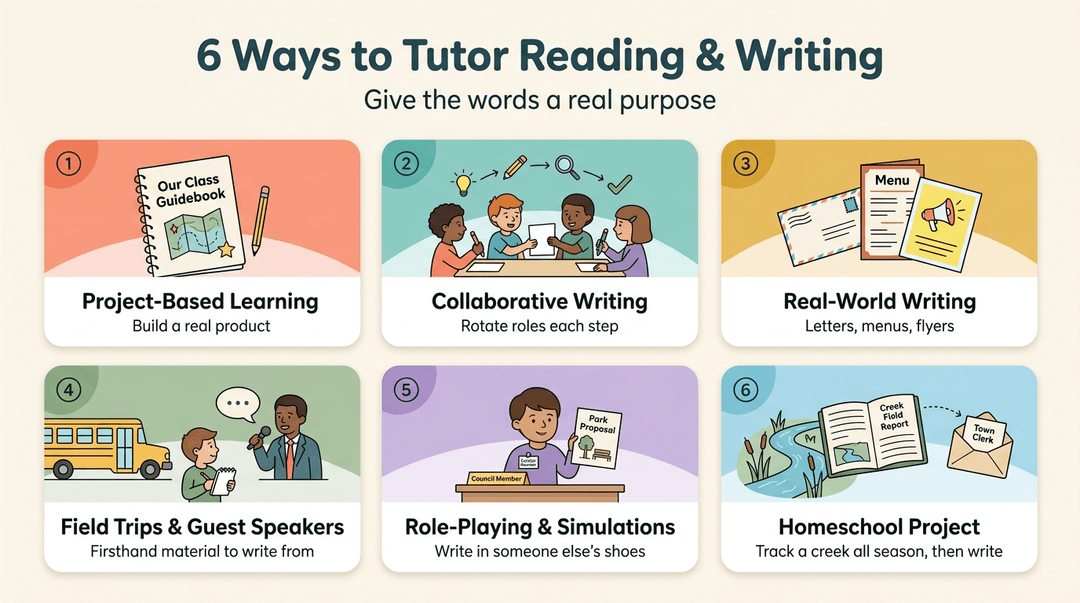
Reading and writing stick when they serve a real purpose. Try these:
- Project-based learning. Students build a real product, like a class guidebook.
- Collaborative writing. Small groups draft together, rotating roles at each step.
- Real-world writing tasks. Letters, menus, and flyers give writing a real audience.
- Field trips and guest speakers. A visit or interview gives students firsthand material to write from.
- Role-playing and simulations. Students write as a council member weighing a park proposal.
- Homeschool project examples. A parent's kids track a local creek all season, then send a field report and a letter to the town clerk.
Bringing Dewey's ideas into eLearning courses
Branched scenario-based learning lets learners choose, see the consequences, and try again. A new teacher can rehearse a response to a classroom disruption this way before facing real students.
Case studies and media put learners inside real situations, like a video of a lesson gone sideways.
Facilitator dialogue keeps the course human. Your role shifts from delivering content to guiding thinking.
Discussion boards and breakout rooms let learners test ideas with peers before a whole-group debrief.
Virtual instructor-led training blends live sessions with online work, so learners tackle a scenario together.
Using podcasts, video, and digital stories
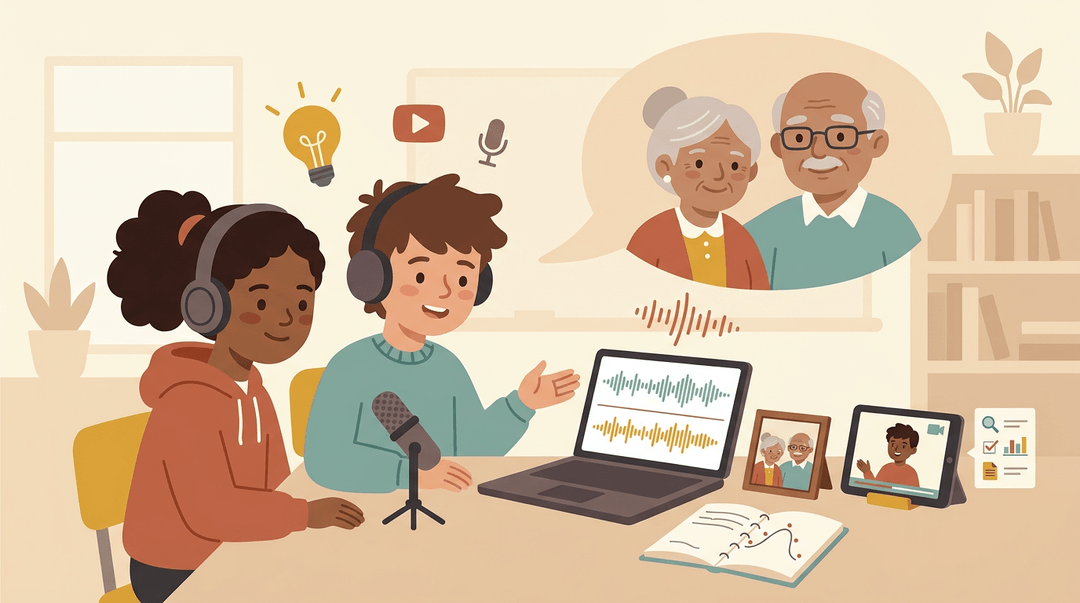
Digital stories combine images, narration, and a clear arc, while podcasts let students explain a topic out loud. A middle school class might interview grandparents, then edit the recordings into a family podcast.
The goal is explaining an idea, not just producing a file. Video essays ask students to pick a claim, gather evidence, and argue it on camera.
Keeping reflective journals to build self-awareness
Learner journals and logs record what students tried, what happened, and why. Short, frequent entries are easier to sustain than long ones. Consistency beats length.
Prompts for reflection keep entries focused: 'What didn't work today?' or 'What would you change next time?'
A high school science student who keeps a two-line log after each lab soon spots patterns in their own mistakes. Over time, the habit builds self-awareness: students learn to notice how they think, not just what they got right.
Dewey's Lasting Impact and Its Limits
Dewey's ideas have shaped classrooms for generations, but they don't fit every lesson. Here's where they still work and where you'll need your own structure.
How Dewey's ideas still shape classrooms
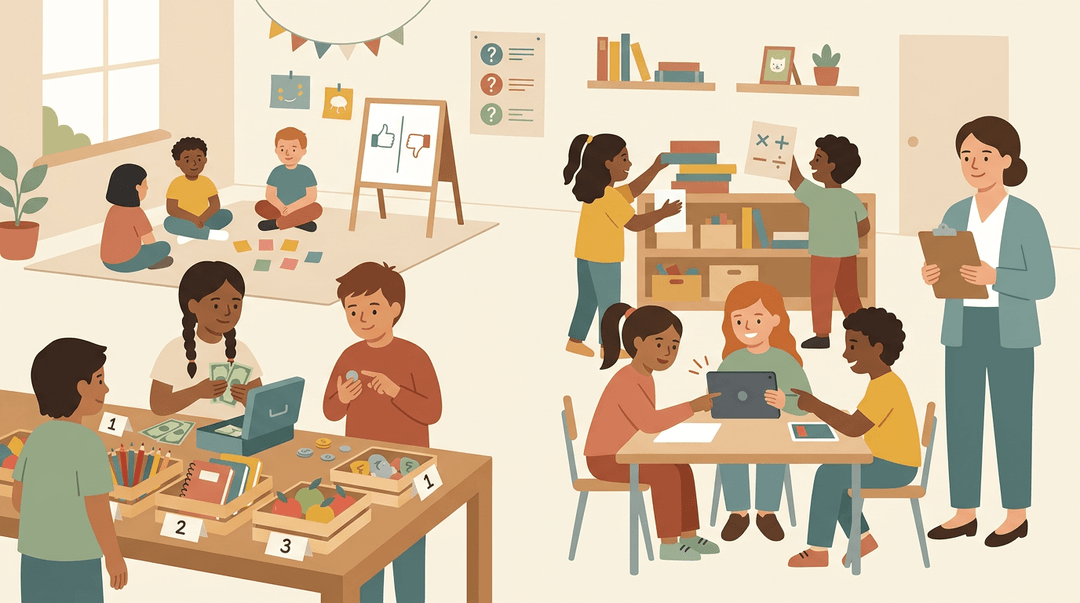
Dewey's ideas were once seen as progressive, a departure from traditional, lecture-heavy teaching. His belief that students learn by doing and by working together underpins project-based, collaborative learning.
For example, a fifth-grade teacher might have small groups run a class store to practice multiplication and budgeting, then reflect on what worked.
Technology integration follows the same logic: tools matter when students use them to investigate real problems, not just to finish worksheets. His ideas have stood the test of time, which is why teachers keep coming back to them.
Writing your own educational philosophy starts with three questions:
- what is school for
- how do students learn best
- what should your role be
Answer each briefly, then check whether a real lesson reflects your answers.
Where Dewey's theory falls short
Dewey's theory is powerful, but it has real gaps:
- No application framework. You get the why, not a step-by-step how for Tuesday morning.
- No clear structure or stages. You'll have to build your own lesson sequence.
- Time-consuming to execute. A single inquiry can eat up weeks of class time.
- Unsuited to microlearning. Short, bite-sized lessons leave little room for deep exploration.
- Needs high instructor engagement. You'll guide questions and check progress throughout.
- Balancing inquiry with standards. Students still must meet required outcomes, so blend open exploration with targeted instruction. Plan for both.
A common misreading is that inquiry means letting students run the room unguided. The engagement point above shows why that's wrong. Critics who call Dewey vague are usually pointing at the missing framework, not his core ideas. A missing framework can leave students busy without being challenged, so the question of what is rigor in education matters here.
Dewey's core message is simple: students learn most when they're actively engaged with meaningful experiences and given time to reflect on what those experiences teach them. That idea still holds up, even as classrooms and standards keep changing.
Start with one hands-on problem your students can work through, and you'll see the principle in action.
Ready to map out your own Dewey-inspired unit? Check out Curriculum & Standards, where you can plan units, lessons, and standards across the whole school year.
References
- Exploring student teachers’ aesthetic learning processes — doi.org (2023)
- The Foundation for Democracy: Promoting Social, Emotional, Ethical, Cognitive Skills and Dispositions in K-12 Schools — scholarworks.iu.edu (2010)
Frequently asked questions
What is experiential learning?
Experiential learning is learning through direct experience, followed by observation and reflection. Learners try things, consider what happened, and use what they learned to guide their next actions.
What is the philosophy of child development?
A philosophy of child development is a set of beliefs about how children grow and learn, and what adults should do to support them. It can guide choices about teaching, discipline, relationships, and the learning environment.
What are the 7 philosophy of education summary?
There is no single standard list of seven, but common educational philosophies include idealism, realism, pragmatism, existentialism, perennialism, essentialism, and progressivism. Some lists also include reconstructionism, and the categories can overlap.
How to write an educational philosophy?
To write an educational philosophy, explain what you believe school is for, how students learn best, and what role teachers should play. Give a brief example of how those beliefs shape a real lesson, and revise the statement so it is clear and specific.
Why did Dewey want to connect education with society?
Dewey connected education with society because he believed learning grows from experience and that schools are part of community life. He saw schools as places where students can practice cooperation and civic participation while studying problems relevant to the world around them.
Did John Dewey believe in God?
Dewey did not hold to conventional religious beliefs in the usual supernatural sense. He described a naturalistic, human-centered understanding of religion, focusing on ideals and values that help people live meaningfully together.
Who was John Dewey?
John Dewey (1859–1952) was an American philosopher, psychologist, and education reformer. He is known for pragmatism and for arguing that students learn through experience, inquiry, reflection, and participation in a democratic community.
Which theory is given by John Dewey?
Dewey is most closely associated with pragmatism and progressive education, especially the idea of learning by doing. His approach emphasizes experience, inquiry, and reflection rather than passive memorization.