Curriculum and Instruction Explained, Step by Step


Jump to section
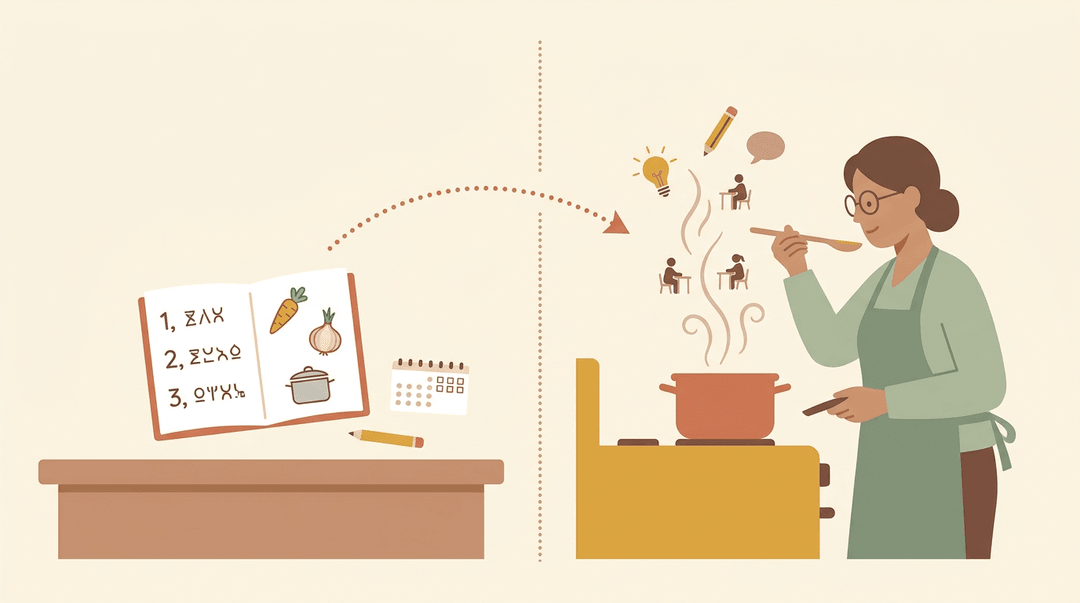
Think of a home-cooked meal. The recipe lists what goes on the plate and in what order, but dinner only happens when someone stands at the stove, adjusts the heat, and tastes as they go.
Classrooms work the same way: curriculum is the recipe, and instruction is the cooking.
Put simply, curriculum is what students should learn and how that learning is sequenced across the year. Instruction is how you deliver it: the methods, activities, and moment-to-moment choices that help students get there.
We'll cover both, then walk through planning a standards-aligned unit step by step.
Inside a Master's in Curriculum and Instruction
Before you weigh a graduate program in this field, know its two core terms. Curriculum is the what: the goals, content, and sequence of learning. Instruction is the how: the methods and daily choices that deliver it. To see those goals and sequence laid out for reading, look at the Wonders curriculum.
What this advanced degree covers
This is advanced graduate study for educators who want specialized expertise in curriculum design and teaching. Programs typically require 30 to 40 credit hours.
For example, Shawnee State University's Master of Education in Curriculum and Instruction is a 33-hour degree.
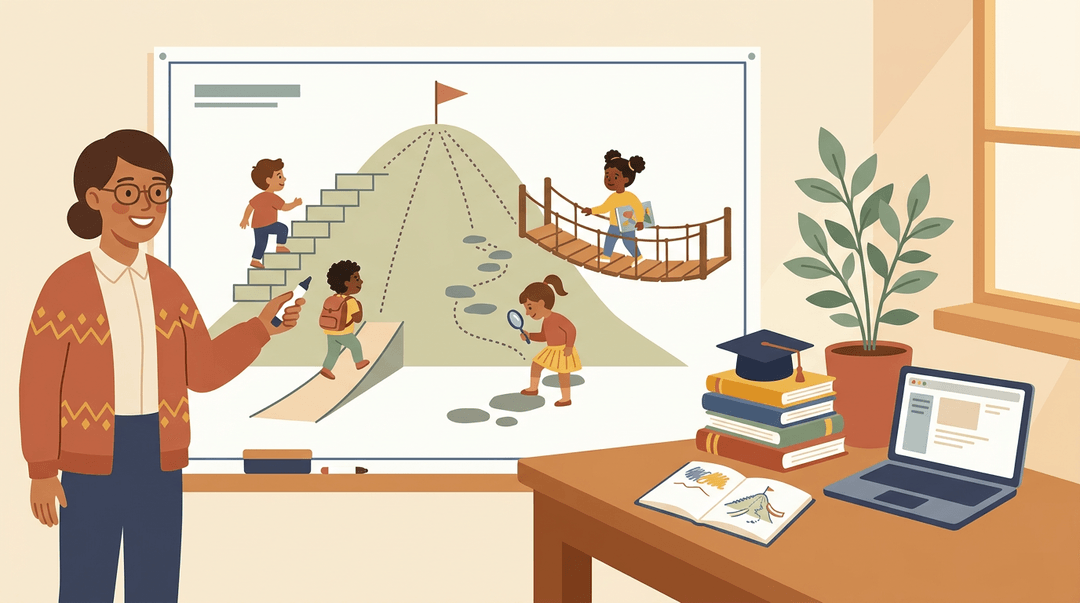
Coursework emphasizes rigorous curriculum and differentiated instruction, which means adjusting how you teach so every learner can reach the same goals.
How the program fits a busy schedule
The program is delivered 100% online, so you can study from anywhere, and it's built for working professionals. Courses run on shortened, intensive schedules.
Picture a middle school teacher who grades papers until dinner, then opens her next module at the kitchen table. The idea she reads on Tuesday can shape her Thursday lesson.
Pick a concentration and tailor your plan
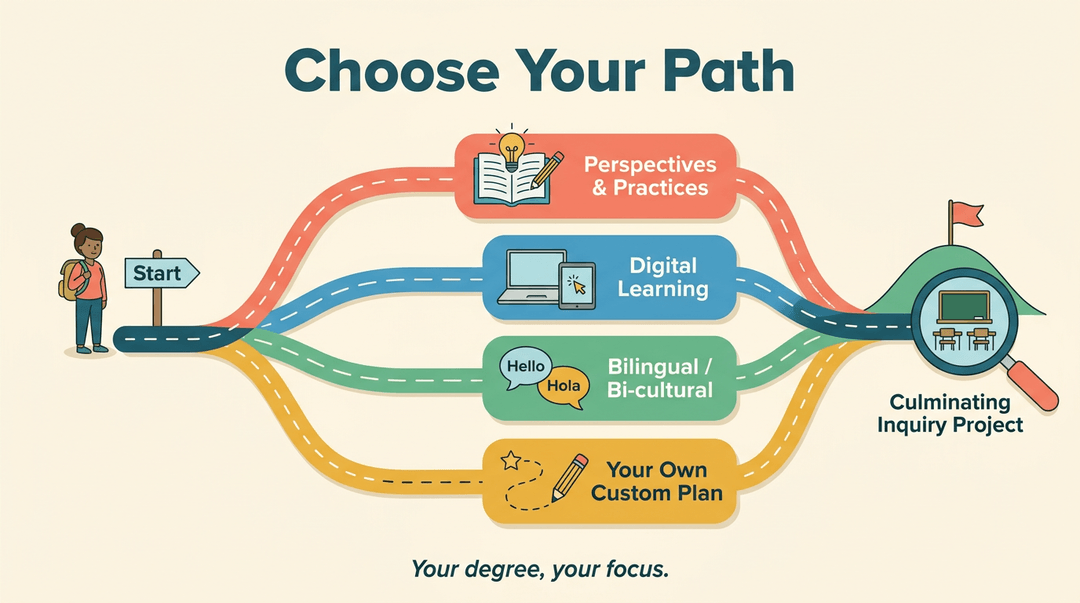
Choose the path that fits your goals:
- Perspectives and Practices track
- Digital Learning concentration
- Bilingual/Bi-cultural concentration
Prefer a plan that's all yours? A customized plan of study lets you shape your path around your classroom and career.
The program closes with a culminating inquiry project, so you finish by investigating a question that matters to your classroom. Your degree, your focus.
Skills and Knowledge You Gain
Planning a unit that works takes more than picking a topic. It takes skills that tie what students learn to how you teach it. Here's how each one shows up.
How do you create a curriculum?
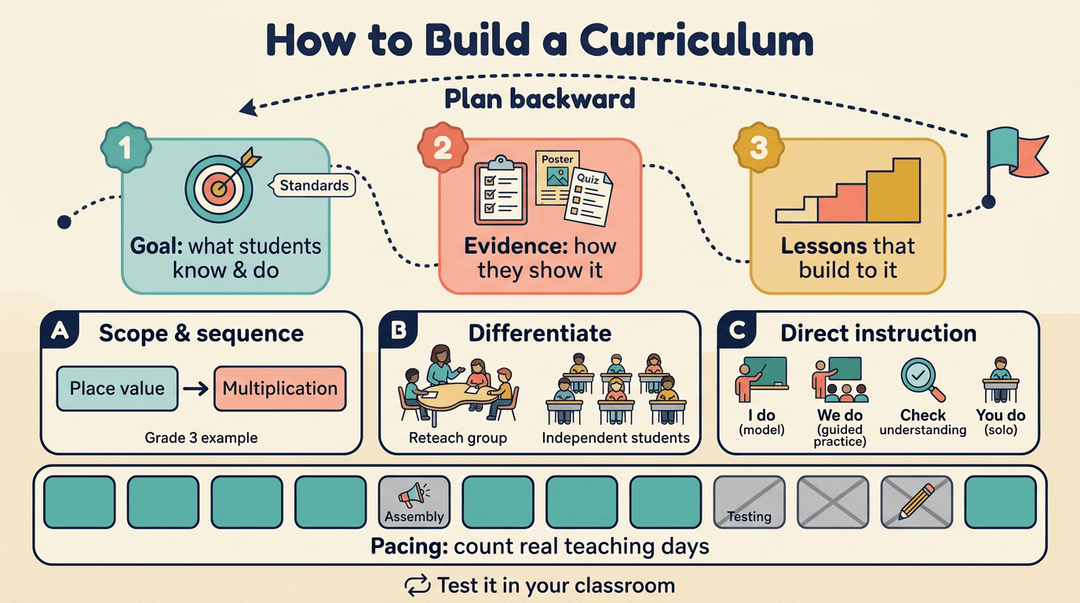
A curriculum is the plan for what students learn, in what order, and how they'll show it. Strong plans start at the end with backward design, which works in three steps:
- Decide what students should know and do, tied to your standards.
- Choose the evidence that proves it, such as a project, performance task, or quiz.
- Plan the lessons that build toward that evidence.
Next, set your scope and sequence: how much content you'll cover and in what order. A third-grade teacher might teach place value before multiplication. Build in differentiated instruction too, like a reteach group for students who need another pass. Seeing one homeschool curriculum laid out grade by grade can show how that order builds from year to year.
So what is a direct instruction curriculum? It's one built around direct instruction, a structured, teacher-led approach: you model a skill, guide practice, then check understanding before students work solo.
Connect those choices to learning theory, then test them against your classroom.
Then, map pacing to your calendar. Count the days you'll actually teach, subtracting assemblies and testing windows. Plan for the real year, not the ideal one. Curriculum mapping is how you lay out each unit across that calendar.
Using data and research to measure progress
Assess a skill, then read the results for patterns rather than scores: which standard is tripping up the whole class? Make sure each check matches a learning target, a clear statement of what students should be able to do. Curriculum based measurement is one structured way to run these skill checks.
Monitor progress often, not just at report-card time.
For research, favor peer-reviewed studies and reports from established research organizations, and be wary of bold promises with no data behind them.
Reaching multilingual and diverse learners
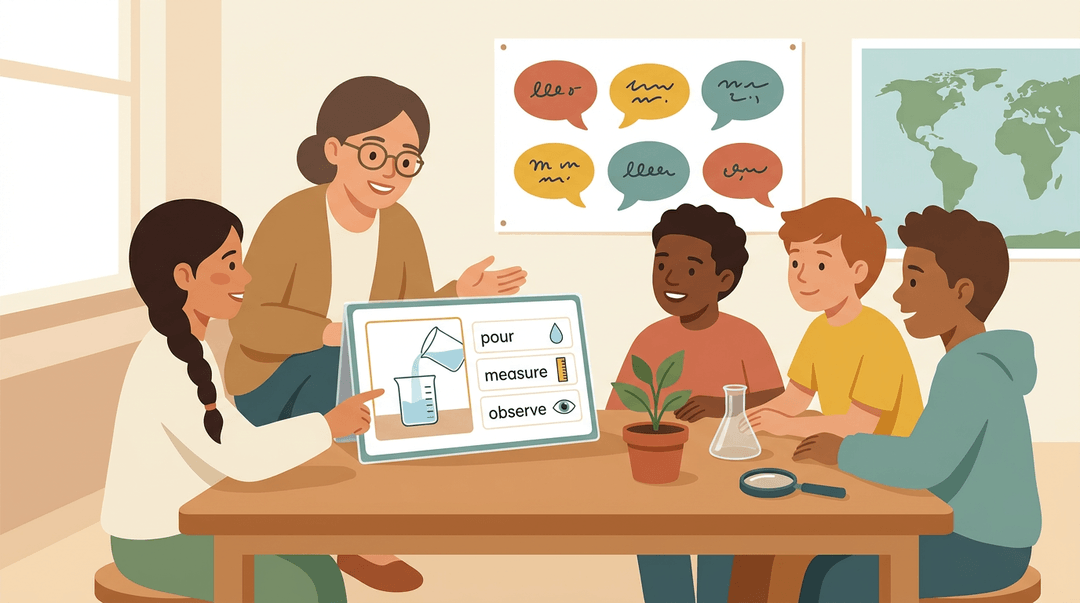
Many classrooms include English language learners (ELLs), students still building English while they learn content. Give them a path in.
A sixth-grade science teacher might add a picture card and a short word bank to each lab step, so newcomers can follow along with everyone else.
Whatever your room looks like, plan for the range you actually have. An English as a Second Language (ESL) or bilingual endorsement adds specialized training to your credential. Requirements vary by state, so check yours first.
Using technology to support learning
Technology should serve your plan, not replace it. A digital learning environment, such as an online hub for lessons and student work, keeps materials in one place.
Instructional tools like a short video or a quiz app give students practice you can't always provide one-on-one. Pick them for learning rather than novelty, whether you're running a whole-class lesson or a review station.
Leading teams and communicating with stakeholders
Curriculum rarely lives in one classroom. When you lead a meeting or workshop, share plans and model strategies. Send families a one-page unit overview so they know what's coming and how to help.
Finally, write a short personal philosophy of education: a few sentences on what learning is for. It'll steer you when the calendar gets crowded.

Plan a Standards-Aligned Unit Step by Step
Use this guide when you're turning a standard into a unit of lessons. Work the four steps in order, pick your methods, then run the alignment check before day one.
Build the unit in four steps
- Pick standards to unpack
- Circle the verb (the skill) and the noun (the content) in each standard.
- Example: "compare two characters" gives skill compare, content characters.
- Write learning targets
- Turn each skill into a student-friendly "I can" statement.
- Say: "I can compare two characters using evidence from the text."
- Design the end-of-unit assessment
- Write it before any lesson, so you know what proof you're teaching toward.
- Give every target at least one question or task.
- Sequence lessons and pacing
- Jot the prerequisite chain: compare characters ← describe one character ← find text evidence.
- Then drop the lessons onto your real calendar, testing days and holidays included.
Example: A fourth-grade teacher unpacks a character-comparison standard. She writes one target, builds a short written comparison as the final task, and plans three lessons: finding evidence, describing one character, then comparing two. She puts a review day before the task, so the calendar isn't a surprise.
Pick methods for each grade band
Method choice follows your students' stage. Start with these defaults, then adjust for your class.
| Grade band | Lead with | What it looks like |
|---|---|---|
| K-2 | Explicit modeling, small groups | You show it, then coach a few students |
| 3-5 | Guided practice, discussion | Try it together, then talk it through |
| 6-8 | Inquiry plus direct instruction | Short mini-lesson, then students investigate |
| 9-12 | Projects, student-led analysis | Students analyze; you question and push |
Check alignment before you teach
Run this as a verification pass, not a to-do list. Confirm each one:
- Standards match activities. Every activity practices the skill the standard names.
- Assessments match targets. The task asks students to do what the target says.
- Pacing fits the calendar. Your lesson count fits the days you actually have.
- Differentiation is planned. Supports and extensions are written into the plan, not improvised.
The assessment check is where units most often drift, so here's what a match looks like:
- ✅ Target says compare; the task asks students to compare two characters with evidence.
- ❌ Target says compare; the task asks students to retell one story.
The difference is the verb: the ❌ task measures recall, not the skill you taught.
⚠️ Watch out: A fun activity that doesn't practice the target's verb is the quickest way to lose alignment. If you can't name the target it serves, cut it or rework it.
Build year-long, standards-mapped units in EMStudio's Curriculum Planner.
Jobs You Can Pursue with This Degree
Curriculum and instruction skills open doors well beyond the classroom.
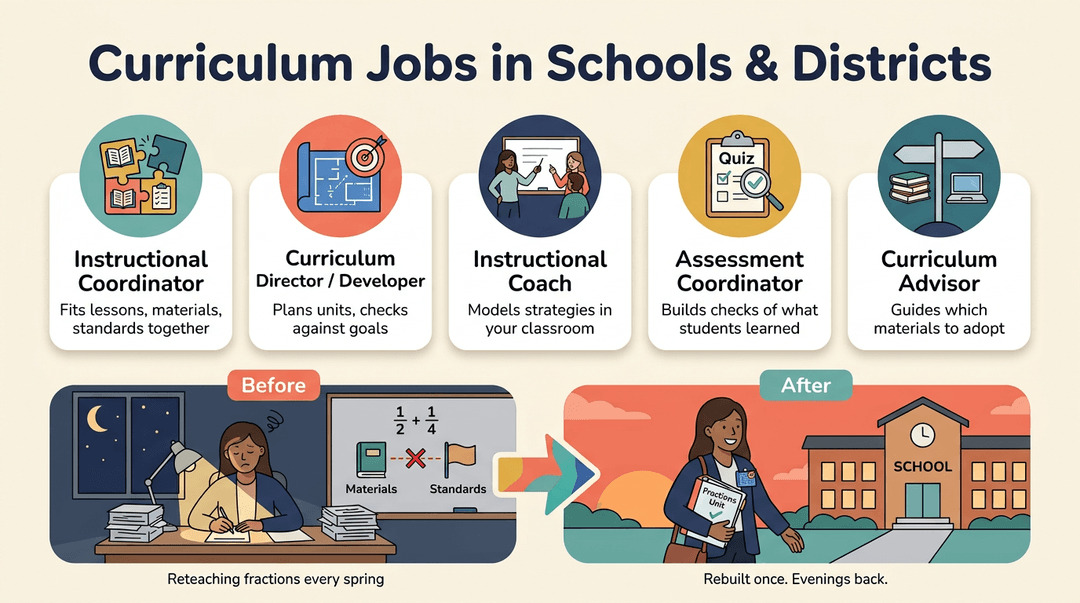
Curriculum jobs in schools and districts
These roles sit at the building or district level:
- Instructional coordinator. Oversees how lessons, materials, and standards fit together.
- Curriculum director or developer. Plans the units teachers use and checks them against goals.
- Instructional or academic coach. Models strategies alongside teachers in their own classrooms.
- Assessment coordinator. Builds the checks that show what students have actually learned.
- Curriculum advisor. Guides schools on which materials and programs to adopt.
Picture a fourth-grade teacher who reteaches the same fraction unit each spring because her materials don't match the standards. A curriculum developer can rebuild that unit once, so she gets her evenings back.
Specialist and consulting roles to consider
- Education specialist. Supports a subject or student group, such as early readers.
- Educational consultant. Takes on contracted projects that bring outside expertise to a school.
- Advising on curriculum and assessment. Helps schools choose and refine how they measure learning.
Careers beyond the K-12 classroom
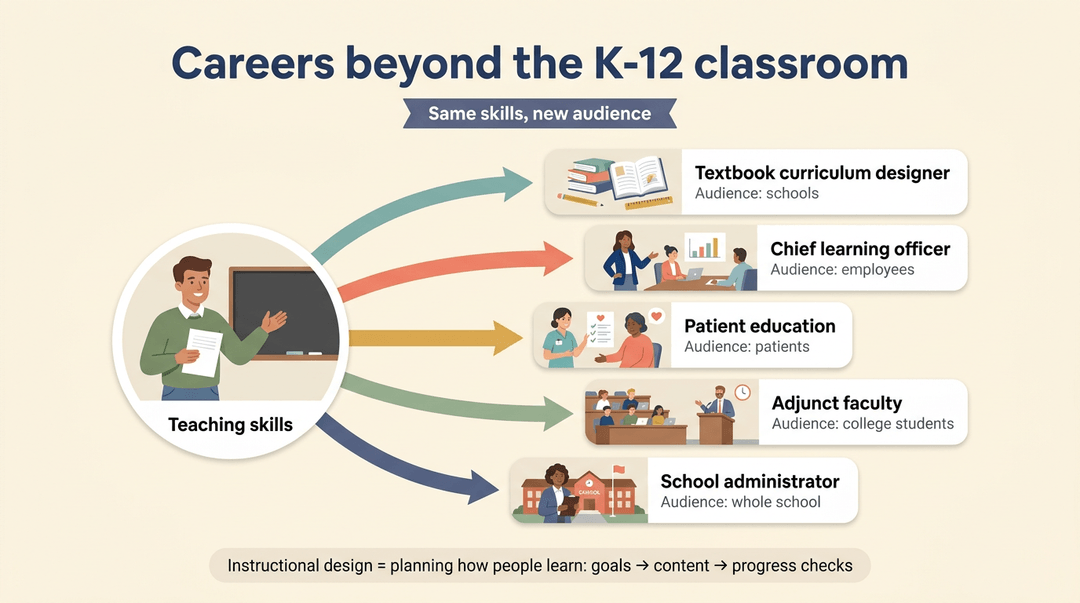
Instructional design is the work of planning how people learn, from goals to content to checks for progress. Your skills go further than you think. Many of these paths keep the teaching but change the audience:
- Textbook company curriculum design. Publishers hire designers to build the lessons schools buy.
- Corporate chief learning officer. Leads training and development for a company's workforce.
- Healthcare patient education. Creates materials that help patients follow their care plans.
- Adjunct college faculty. Teaches college courses on a part-time, contract basis.
- School administration. Uses instructional expertise to lead a whole school as principal.
Why Earning This Degree Pays Off
A graduate degree opens doors beyond your classroom, and in some districts it shows up in your paycheck and retirement.
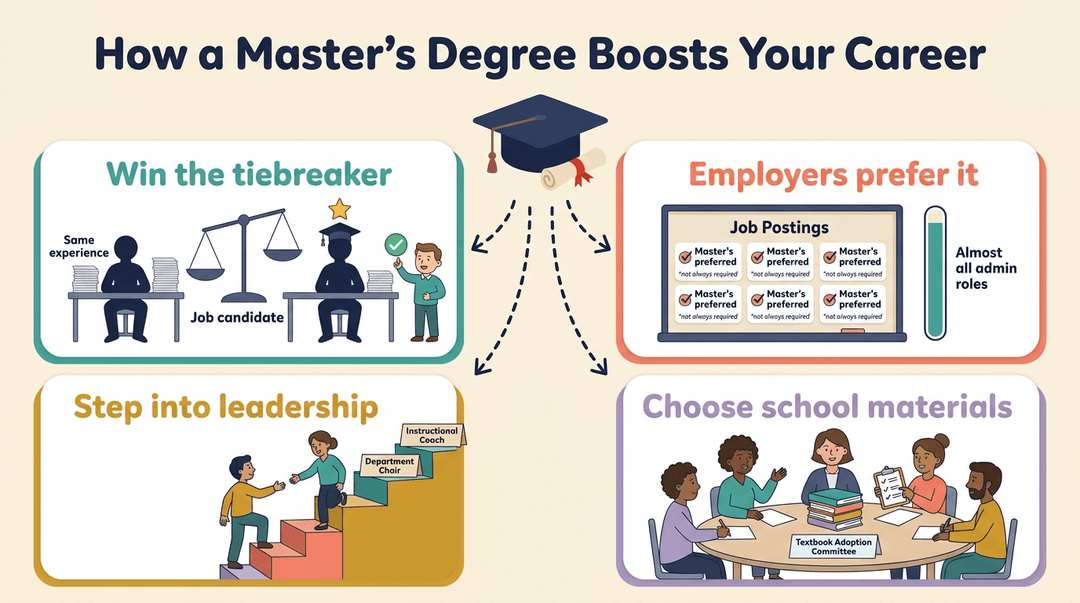
Ways the degree boosts your career
- Stronger hiring prospects. Consider a science teacher going after a curriculum coordinator job. With equal experience, a master's can be the tiebreaker.
- Employers value higher degrees. A USC Rossier article says almost all education administration positions prefer a master's degree, though it's not required for every job.
- Leadership role opportunities. Advanced training can point you toward roles like instructional coach or department chair, where you support colleagues.
- Textbook adoption committees. Your degree can earn you a seat on a textbook adoption committee, helping choose materials for your whole school.
Pay, retirement, and license renewal perks
In some districts, a master's brings a pay bump. A 1999 contract from Campbell-Savona Central School District gave any teacher with a master's an $800 stipend added to their permanent salary.
Depending on your salary schedule, the total can reach roughly $2,500 or more yearly.
A master's can affect retirement benefits. A study of the Florida Retirement System found that a higher share of teachers with advanced degrees chose a defined contribution plan, so review your options.
Graduate coursework may count as professional development points for renewing your license, so check your state's rules.
Should I get a PhD in curriculum and instruction?
Not necessarily. A PhD is a serious investment in your professional growth, but it builds specialized expertise beyond the bachelor's and lets you shape curriculum beyond one classroom.
A master's sharpens how you apply what's known; a PhD trains you to add to it. If pay and leadership are your goals, a master's is the more direct route. Your students notice. Seeing you study shows them that learning never stops.

Top University Programs Worth Comparing
Choosing a graduate program is a big decision, so it helps to line up a few options side by side before you commit. Here's how to weigh them.
Rankings and what sets these programs apart
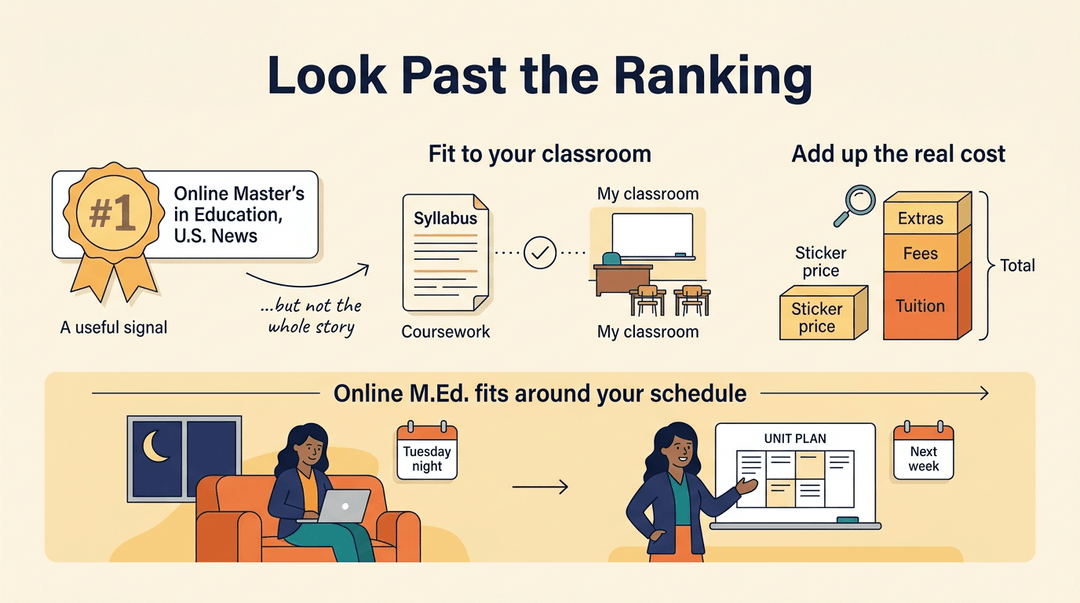
A strong ranking is a useful signal. According to Clemson News, U.S. News & World Report has ranked the Clemson University College of Education as the #1 overall for best online graduate master's in education programs.
But don't stop at where a program ranks. Look less at where it sits on a list and more at how its coursework connects to your classroom.
Give affordability real weight, too. Compare total tuition and fees across programs, since a lower sticker price can look very different once you add everything up.
An online Master of Education (M.Ed.) lets you study around your teaching schedule. Consider a third-grade teacher who can't make evening classes on campus.
An online program lets them study on Tuesday nights and try a new unit structure with their class the following week.
Apply, request info, or explore programs
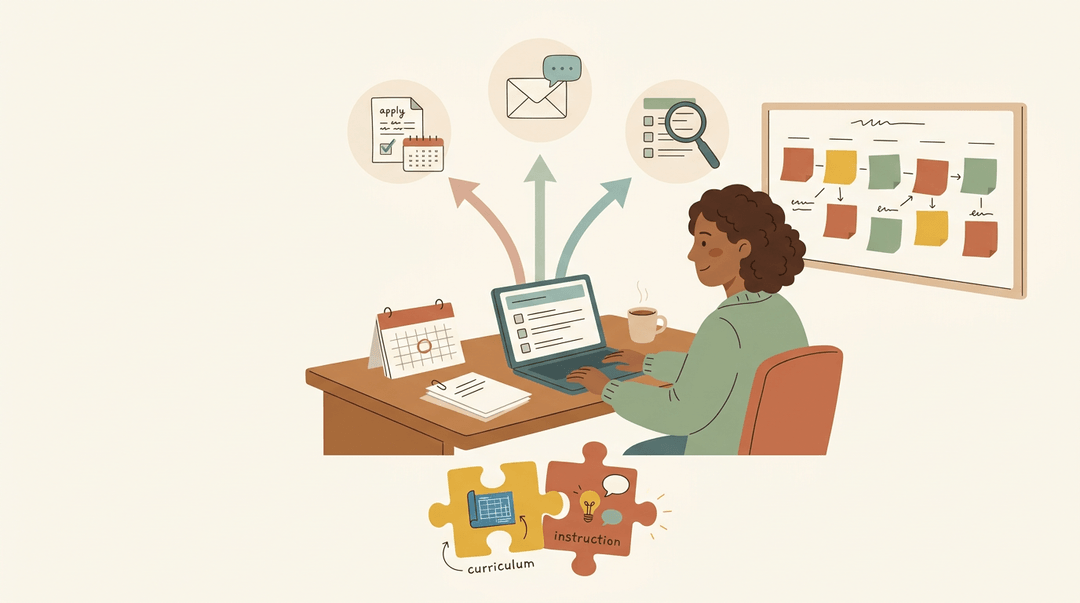
Once you've narrowed your list, you can move forward in three ways:
- Apply now. When one program clearly fits, watch the deadlines and gather your materials early so the application doesn't stall.
- Request information. Contact the admissions office with questions about cost, scheduling, or course sequence. A short email can tell you more than a brochure.
- Explore programs. Start with the course listings and ask whether each class would sharpen how you plan your next unit. That's the real test.
Curriculum and instruction are two halves of the same job. A thoughtful curriculum gives your lessons direction, and skilled instruction turns that plan into learning that sticks.
When you keep both in view, you'll find every unit easier to build and easier for students to follow.
Ready to plan your next unit? Check out Curriculum & Standards to map units, lessons, and standards across the whole school year.
References
- What careers can you land with a master’s degree in education administration? — rossier.usc.edu (2026)
- Clemson program ranked #1 overall for best online master's in education programs — news.clemson.edu (2026)
- Program: Master of Education - Curriculum and Instruction — catalog.shawnee.edu
- Campbell-Savona Central School District and Campbell-Savona Teachers Association (1999) — hdl.handle.net (1999)
- Which Teachers Would Choose a Defined Contribution Pension Plan? Evidence from the Florida Retirement System — citeseerx.ist.psu.edu (2013)
Frequently asked questions
What is direct instruction curriculum?
A direct instruction curriculum is organized around a structured, teacher-led approach. The teacher models a skill, guides students through practice, checks their understanding, and then has them work independently.
What is instructional design?
Instructional design is the systematic planning of learning, from setting goals and selecting content to choosing teaching methods and checking progress. It can be used in schools, workplace training, healthcare education, and other settings.
How do you create a curriculum?
Start by identifying the standards and deciding what students should know and be able to do. Choose assessments that provide evidence of that learning, sequence lessons to build toward them, plan supports for different learners, and fit the pacing to the actual calendar.
Should I get a PhD in curriculum and instruction?
A PhD may be worthwhile if you want specialized expertise, research, or the ability to shape curriculum beyond one classroom. If your main goals are higher pay or leadership roles, a master's degree is generally a more direct route.