Wonders Curriculum: What It Is and How It Works


Jump to section
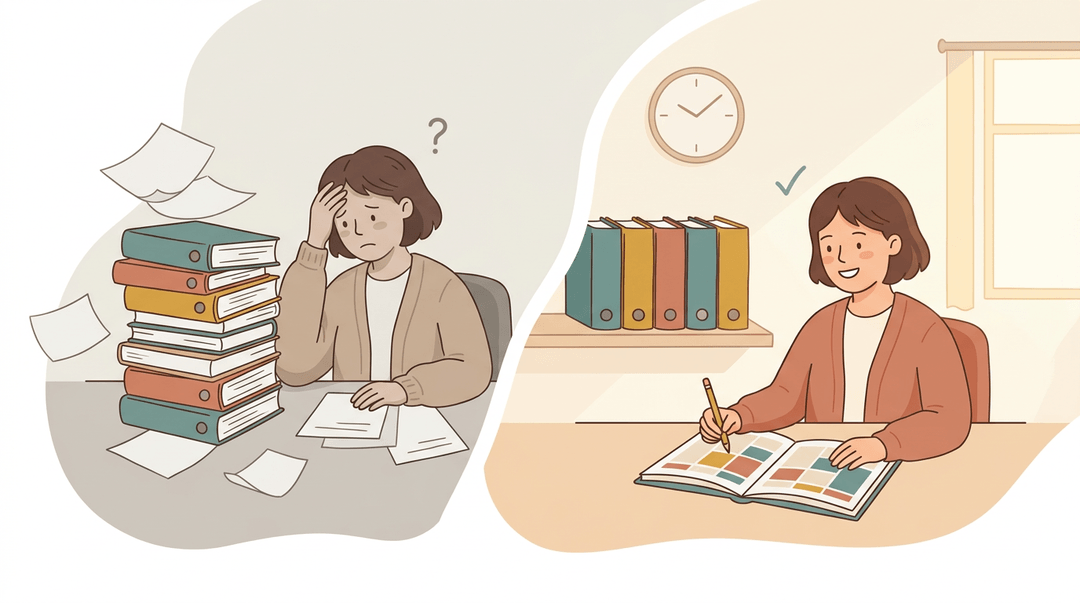
Picture the first week of school, when a stack of new teacher guides lands on your desk and you're not sure where to start. A core curriculum can feel that way: plenty of material, not much time.
That's why we're breaking down Wonders. We'll cover what the program is, how it's structured, what independent reviews say, and how to pace, map, and supplement it across the school year, so you start with a plan instead of a pile.
The Wonders Curriculum and Who Publishes It
Before you plan pacing or decide what to supplement, here's a clear picture of what Wonders is and how widely it's used.
What kind of curriculum is Wonders?
Wonders is a core program from McGraw-Hill for English language arts (ELA), the reading, writing, and language instruction at the heart of elementary literacy.
It spans K-5 or K-6 and comes as a print and digital toolkit with structured lesson plans, so much of the sequence is mapped out for you.
What is curriculum in school? It's the plan for what students learn and in what order, less a pile of worksheets and more a sequence that builds skills step by step.
Consider a first-year teacher who opens the manual on Sunday night and already knows Monday's reading lesson. That's the payoff: less planning from scratch, more time with students.

Where Wonders is used across US schools
Wonders is a widely used core reading program. A published critical content analysis of its texts refers to it as exactly that, and the scale is hard to ignore:
- 1 in 10 US teachers
- 3.1 million students impacted
- 30% of public schools
That's a lot of classrooms.
How the Wonders editions have changed
The 2017 edition is the one reviewed in this article, and the 2020 and 2023 editions are worth knowing too. The 2023 edition brings enhancements, so confirm which version your school uses before you map your year.
Know your edition before you map a single unit.
Foundational Skills and the Science of Reading
Foundational skills are where any reading program earns your trust. Here's how Wonders measures up, and where you may need to add support.
Alignment with the science of reading
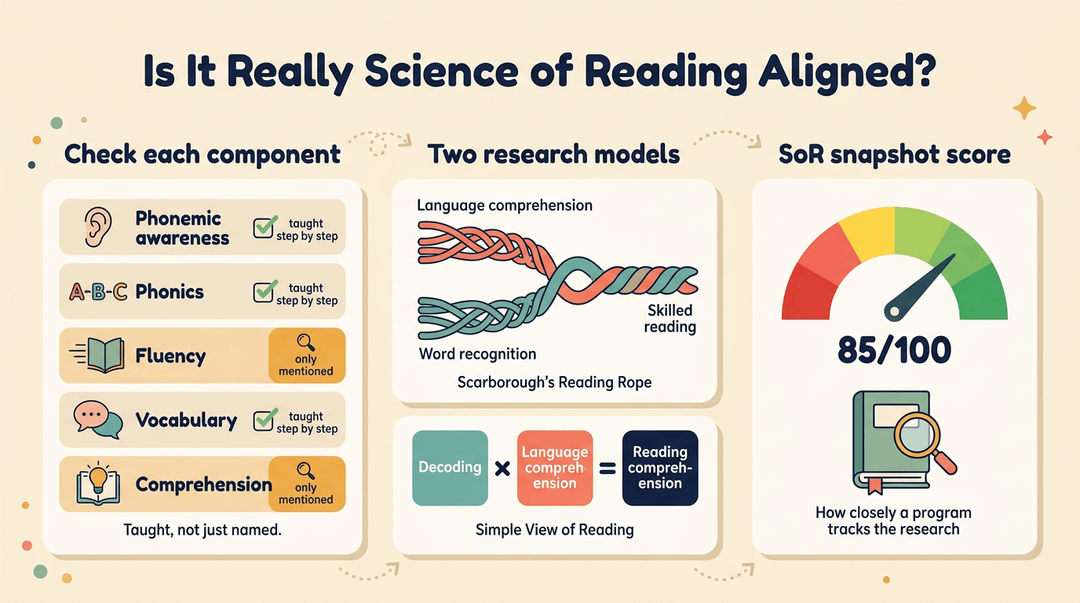
Start with the five core reading components, and check whether a program teaches each one, not just that it mentions them.
Scarborough's Reading Rope shows how word recognition and language comprehension weave together, and the Simple View of Reading splits comprehension into decoding and language comprehension.
A science of reading (SoR) snapshot score rates how closely a program tracks that research.
Explicit, step-by-step phonics instruction
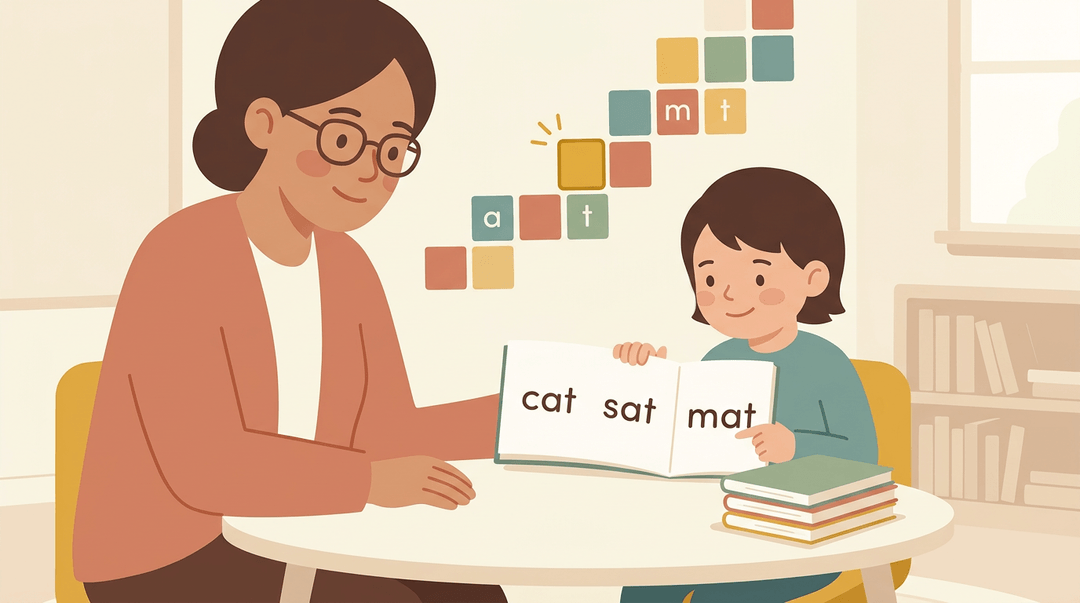
Phonics works best through explicit instruction: model a sound, guide students through it, then let them practice. Wonders builds that routine into its daily lessons, and skills follow a sequential skills progression, so each one builds on the last.
Order matters. The Phonics Skills Trace shows that sequence at a glance, and the Foundational Skills Lesson Cards support each step.
Where phonics coverage has gaps
No program is perfect, so treat critiques as a check, not a verdict.
Critiques of its foundational-skills coverage suggest Wonders may need phonics reinforcement, and one doctoral study on early literacy curriculum approaches used a rote-curriculum approach drawn from the Wonders Reading Series as its control group.
Student Achievement Partners published a critique of Wonders that compares its design to reading research.
Quick phonics gap check
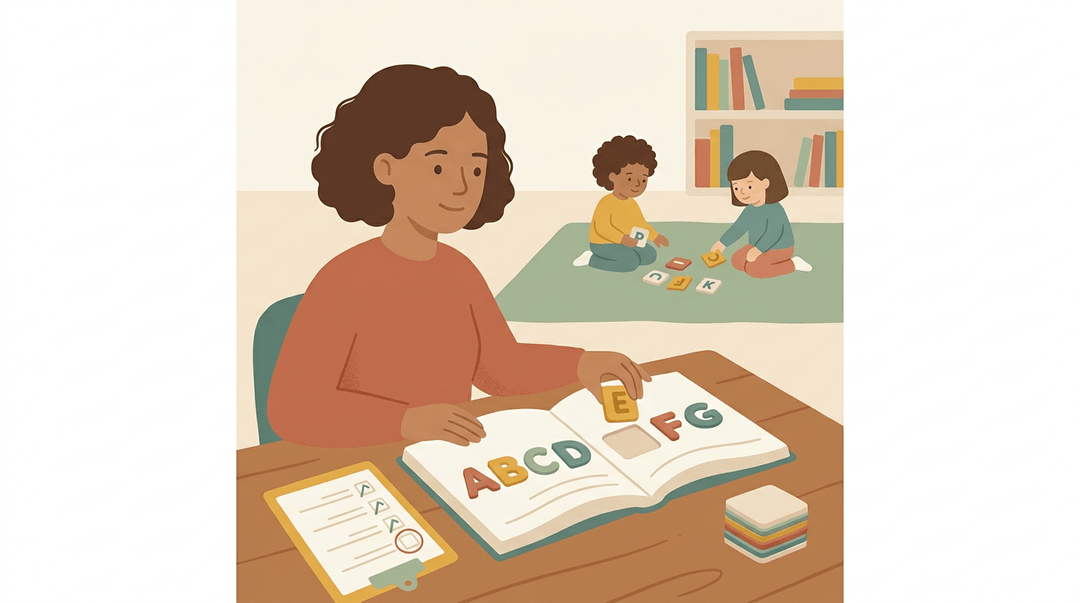
Try this with your own class:
- Pull the Phonics Skills Trace for your upcoming unit.
- Compare it with what students actually decode in guided reading.
- Reinforce any skill that isn't secure before the next unit builds on it.
A first-grade teacher notices three students still mixing up vowel teams in October. The gap started with an earlier skill, so a short review that week keeps it from snowballing.
Adding decodable books for extra practice
Decodable books rely on phonics patterns students have already learned, so they can read them successfully. Pick Wonders-aligned resources that follow the same skill order.
If your gap check flagged a shaky skill, a decodable set on that pattern gives students practice instead of another full lesson, filling the gap without rebuilding your plan.
How Lessons, Texts, and Writing Come Together
Here's how we see Wonders' reading, writing, and speaking pieces fitting together day to day. The program is designed to align with the Common Core State Standards (CCSS) and state standards.
Picking strong, complex texts for readers
Complex texts stretch students just beyond their comfort zone. According to a study of word count, genre, and lexile in four popular core reading programs, Wonders includes:
- high-quality complex texts
- classic and contemporary works
- leveled readers
Aim for a 50/50 split between literary and informational texts. The goal is challenge rather than frustration. Take a third-grade teacher with one strong reader and one student still building fluency.
Leveled readers let both practice the same skill with a text they can handle.

Building knowledge through themed text sets
A thematic text set groups several texts around one topic. Each set is anchored by essential questions, big open prompts like 'What makes a community strong?' that students revisit with every text.
Some critics argue that skills-first reading leaves students without background knowledge. Themed sets address this through knowledge building, since each text adds to what students already know.
Tie sets to your science and social studies units, too, so a fifth-grade class studying erosion in both reading and science hears the key words twice.
Teaching writing and speaking every day
Writing happens every day, not just on test-prep days. Short daily writing responses tied to each text keep students practicing. Extended writing asks them to build longer answers from evidence, which also supports state test preparation.
Speaking matters just as much. Talk first, write second: pair-shares and discussions let students say an idea aloud before writing it down. Picture a struggling reader stuck on a paragraph. Ten minutes of partner talk often makes the sentence come easier.

Moving from whole group to independent work
Lessons typically move through three groupings:
- Whole group: model the skill together.
- Small group: target the gaps you see in student work.
- Independent: students practice alone while you check in.
The unit-end extend and assess pieces show what stuck and stretch readers who are ready for more. In reading/writing workshop, students read or write on their own while you confer one-on-one.
The shift is less about finishing the lesson and more about knowing who needs what. Your teacher's editions map each lesson's sequence, so you'll know which part belongs in which group.
Culturally responsive lessons and social-emotional learning
Look for diverse authors and stories so every student sees their own experiences on the page. Culturally responsive lessons go further by connecting texts to students' homes and communities.
Student agency and choice matter too. Consider a fourth-grade teacher who lets students pick between two texts on the same theme. The quiet student who chooses the one about a family moving ends up leading the discussion.
Choice builds ownership. Ownership keeps students reading.
Discussions about characters' conflicts also build social-emotional learning (SEL), the skills for managing emotions and working with others.

Plan a Full Year with Wonders
This guide helps you turn Wonders into a year you can actually teach: mapped, paced, patched, and checked. Build the map once in the summer, then come back to the last section after every unit.
Map the year
- Chart every unit on one page.
- Make a year-at-a-glance: units down the side, start and end dates across.
- Match each unit to your standards.
- Note which standards each unit teaches well, and which it only touches.
- Set pacing by week.
- Count real teaching weeks, not calendar weeks, and leave buffer for testing and reteaching.
Here's one filled row to copy:
| Unit | Weeks | Standards it covers well | Gap to flag |
|---|---|---|---|
| Unit 1 | 1 to 6 | Main idea, key details | Opinion writing |
Build the week
Wonders offers more than one block can hold, so decide ahead of time what's non-negotiable. Then give each part of the week a home.
| Block | What lives here |
|---|---|
| Whole group | Shared text, vocabulary, the skill lesson |
| Small group | Reteach, practice, or extension by need |
| Daily phonics | A short, protected slot at the same time every day |
Must-teach check. Before each week starts, confirm:
- The anchor text is read together, with the skill lesson attached.
- Phonics has a fixed daily slot, even when the week runs short.
- Writing gets its own time, not what's left over.
⚠️ Watch out: When time gets tight, phonics is usually the first block to disappear. Cut an optional activity instead.
Fill gaps and adjust by grade band
Every program leaves gaps. Fill them where your students show you they exist, not everywhere at once.
- Add decodables when students can't read practice text using the sounds you've taught.
- Add knowledge-building texts when a unit's topic is new to your students.
| Grade band | Lean toward |
|---|---|
| Kindergarten to grade 2 | Decodables, the daily phonics slot, and oral language |
| Grade 3 and up | Topic texts, discussion, and writing from sources |
Review after every unit
- Check the quiz data by skill.
- Look for the skill most of the class missed, not just low scores.
- Regroup students.
- Move students based on the data: "Who needs this skill again next week?"
- Note pacing slippage.
- Write down actual weeks next to planned weeks, then adjust the next unit's buffer.
Example: A second-grade teacher finds half her class missed the same skill on the Unit 2 quiz. She builds a small group around it, adds decodable practice, and records that the unit ran a week long. Unit 3 now has one fewer optional activity and one more buffer day.
Map Wonders units to standards and pacing in EMStudio's Curriculum Planner.
Teacher Support, Assessment, and Rollout
A curriculum only works when teachers feel ready to use it. Here's how Wonders supports you.
Training, coaching, and the teacher workspace
Wonders offers training and workshops to learn the program before you teach it, and the teacher digital workspace keeps planning materials in one online home. Coach-ready modules give instructional coaches a structure for working alongside you.
Picture a second-grade teacher who watches a model classroom video of a reading block the weekend before school starts. She walks in Monday already comfortable with the rhythm. Good training is less about knowing the program than using it.

Tracking progress with quizzes and data
Embedded digital quizzes check understanding inside lessons, so you won't wait for a unit test to spot who's lost. Placement and diagnostic tests show where each student starts.
A fifth-grade teacher with a wide range of reading levels sees at a glance which group needs help first. Data dashboards pull results together, and rubrics and graphic organizers keep scoring and planning consistent.
Look for patterns across the class, not scores on one quiz: five students missing the same item is a cue to reteach.
Common rollout problems and trimming materials
The first snag is overwhelming volume: more materials than any teacher can use in a week. Teachers also need clearer guidance on where to start.
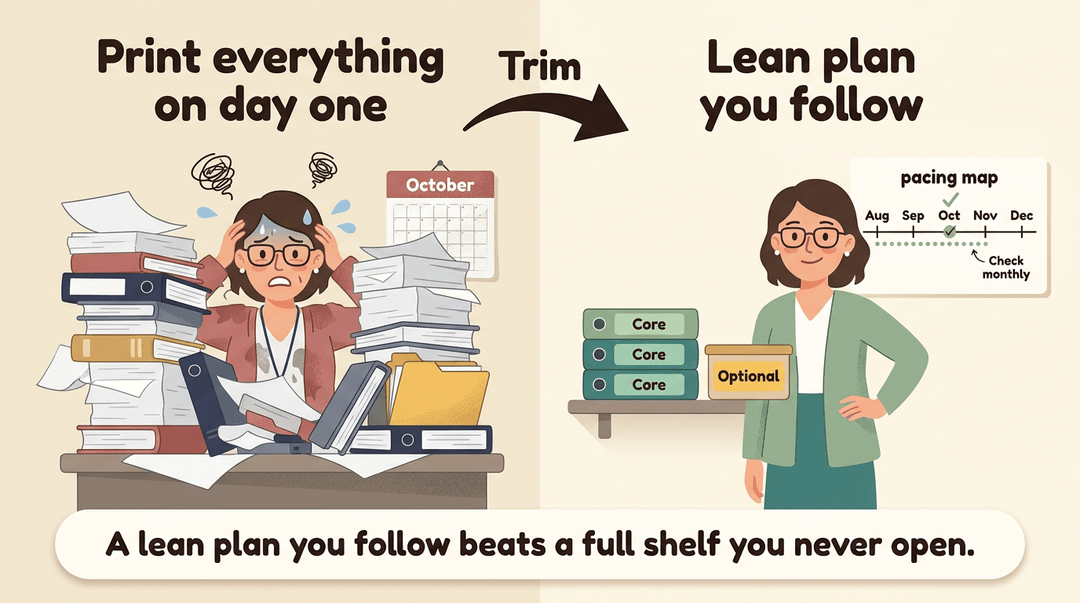
Build additional planning for schedules into your year with pacing and scope-and-sequence planning, which maps what you'll teach and when. Picture a fourth-grade teacher who prints everything on day one and feels buried by October.
Trim materials to essentials instead: core lessons first, extras marked optional, and a pacing map you check monthly. A lean plan you actually follow beats a full shelf you never open.
Supporting Every Learner in the Room
Every class has students racing ahead and students who need another pass, often in the same room. Wonders offers tools for both, plus support for English language learners (ELLs).
Helping struggling and advanced learners
Scaffolding is temporary support that you pull back as students gain skill. When a lesson doesn't land, reteaching works best when you change the approach rather than simply repeat it.
Consider a third-grade teacher whose three readers are still stuck on decoding. A short small-group lesson at the reading table gets them back on track while the rest of the class works independently.
For students who finish early, the Gifted and Talented boxes give you enrichment ready to hand out, so you won't be inventing extra work on the spot.
Use the Level Up assessment to see who needs more support and who's ready to stretch, so grouping decisions rest on evidence rather than guesswork.

Helping English language learners succeed
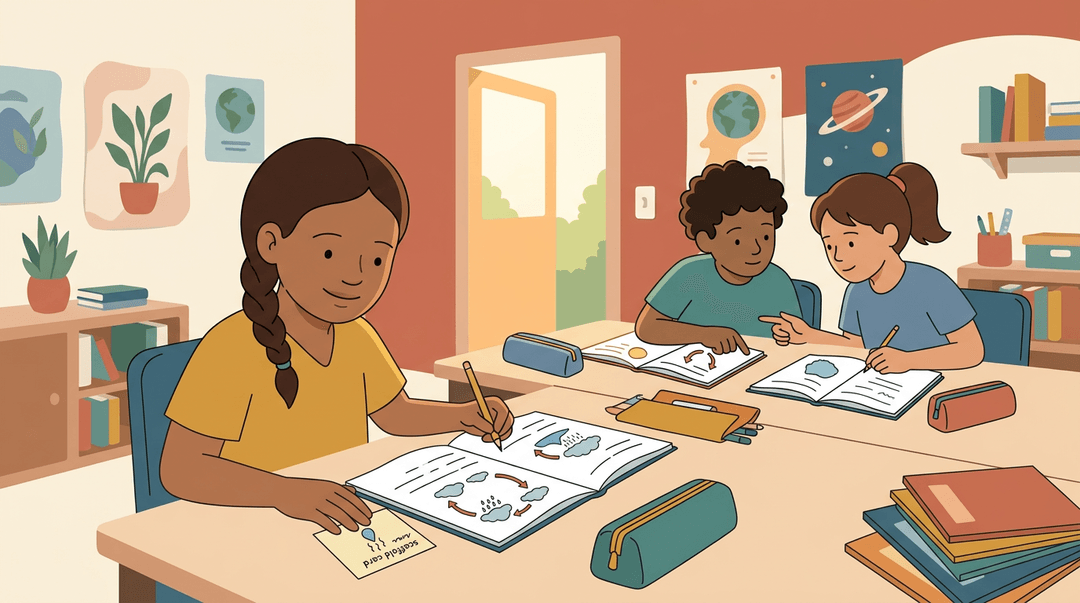
Language should be a door into the content, not a wall in front of it. The ELL Small Group Guide structures focused sessions with multilingual learners, and Newcomers Cards help students who are just arriving in English get oriented from day one.
Embedded point-of-use scaffolds sit right inside the lesson, available the moment a student needs them, not after the lesson is over. Picture a newcomer in fifth-grade science who gets the idea but stumbles over vocabulary in the reading.
A scaffold beside that passage keeps her with her classmates. Same content, different entry point.
ELL leveled readers round out the set, letting students read texts matched to their language level while they build toward grade-level material.
Independent Reviews and the Evidence Behind Them
Outside reviews give you a clearer picture of Wonders than publisher marketing does, though the results are more nuanced.
How EdReports scored Wonders on gateways
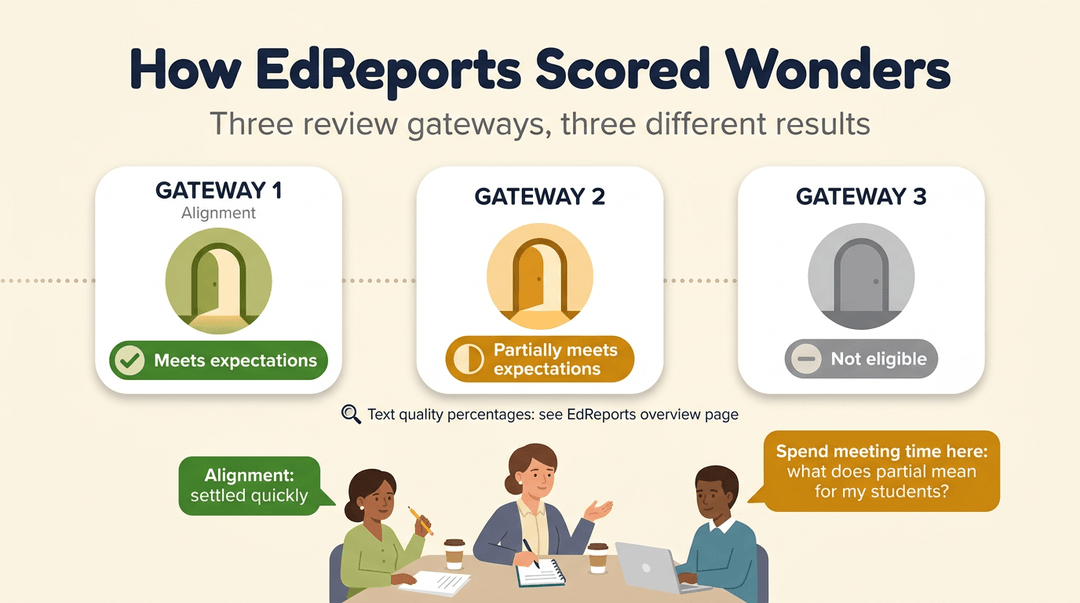
EdReports rates programs across gateways, the major review categories:
- Gateway 1: The K-2 materials meet expectations for alignment, including instruction and practice that develop skills and understanding.
- Gateway 2: Partially meets expectations.
- Gateway 3: Wonders was marked not eligible.
The review also reports text quality percentages, so open the overview page for exact figures.
Consider a second-grade teacher on her district's adoption committee. The Gateway 1 result settles alignment quickly, so she can spend the meeting on what the partial Gateway 2 rating means for her students.
ESSA evidence levels and outside studies
The Every Student Succeeds Act (ESSA) ranks evidence in tiers, and Wonders is rated Tier III, promising evidence: a signal worth weighing, not a guarantee.
An independent efficacy study looked at one school district, asking whether teachers found Wonders effective and whether assessment data backed up their views.
District case studies add classroom detail, but each reflects a single district. Read the tier, then read the study.
Is Wonders a good curriculum?
It depends on your classroom's needs. EdReports found the early-grade alignment solid, but ratings can't make the call for you.
Achieve the Core had five literacy experts independently review the program, from phonics and fluency to equity and cultural responsiveness. The Reading League's navigation report and an Education Week analysis are worth reading alongside the ratings.
Build your own strengths and weaknesses list from the summaries: what reviewers praise, what they flag, and what matters for your students. Think of a 4th-grade teacher on her district's reading committee.
She turns that list into a two-column chart, so the meeting centers on her students' needs.
Treat the reviews as a starting point, not a verdict.

How EdReports reviews work
Each gateway breaks into criteria, and rules-based scoring means scores follow fixed rules rather than one reviewer's overall impression.
EdReports has used more than one version of its review tool, so check which one produced a rating. An older rating may not match the current tool.
Publishers can also submit response documents, so read those alongside the ratings.
Using and Buying Wonders
Here's how to get your footing with Wonders at school and at home, and how to buy it wisely.
First steps in the classroom
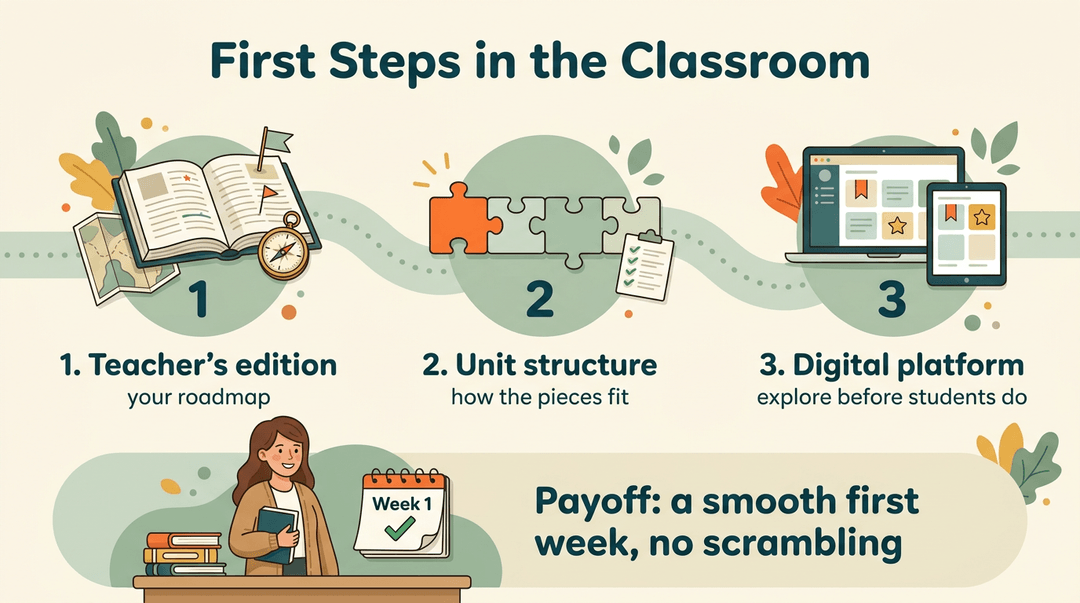
Start with the teacher's edition as your roadmap. Then learn the unit structure so you can see how each unit fits together. Finally, explore the digital platform before your students do.
Consider a third-grade teacher who gets her materials before school starts. She skims the teacher's edition, reviews the first unit's structure, and bookmarks the digital resources she'll use most.
Her payoff: a smooth first week, with no scrambling for materials.
How families can help at home
The parent portal and take-home materials bring families into the learning. Show parents how to use them early so they aren't left guessing.
Make daily reading practice a habit. Short, steady sessions are easier for busy families to keep up, so aim for consistency over intensity.
Phonics practice fits anywhere. A parent can point out letter sounds on cereal boxes at breakfast, and their child walks into class already spotting them during reading.
Where to buy it and add extras
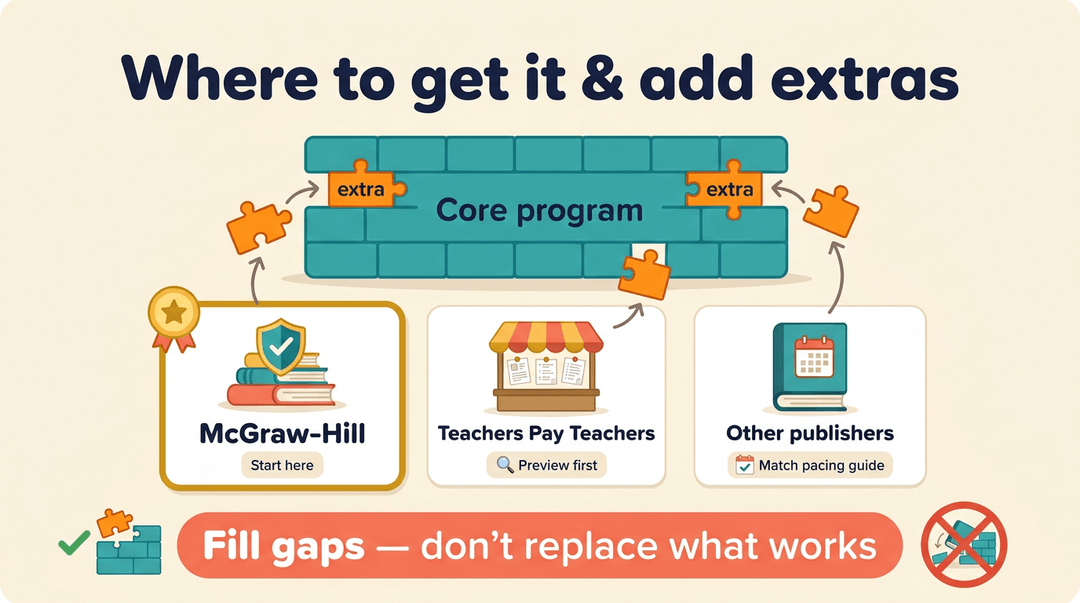
- McGraw-Hill (official source). Start here so you're working with the real program.
- Teachers Pay Teachers. A marketplace where individual educators sell classroom resources. Useful for extras, but review each one before students see it.
- Other publishers' resources. Materials from other companies can fill specific gaps, but check them against your pacing guide first.
Add extras to fill gaps, not to replace what already works.
Look at samples and scope documents first
Preview before you commit. The online sample experience shows how lessons look and feel on screen.
Next, pull up the scope and sequence documents to see what's taught and when. They make mapping Wonders against your pacing guide much easier.
Program enhancements are add-on materials that extend the core program, so check which ones are available and plan around them.
Comparing Wonders with other core programs? Line up their scope and sequence documents side by side. A reading coach might highlight where each one teaches the same skill, and that view makes the choice clearer.
Choose for fit over flash. Your students are the real test.
Wonders can feel like a lot at first, but once you see how it's organized, it becomes a clear and workable tool.
Knowing what the program is, how its lessons come together, and how to pace it across the year gives you more room for the teaching only you can do.
Ready to map your year with confidence? Check out our Curriculum & Standards page to plan units, lessons, and standards across the whole school year.

References
- Word count, genre, and lexile of texts in four popular core reading programs in grades four and five — doi.org (2023)
- The achievement ideology ofReading Wonders: a critical content analysis of success and failure in a core reading programme — doi.org (2018)
- Teachers’ Perceptions of Reading Wonders: Is It Really A Wonder? A Program Evaluation — digitalcommons.nl.edu (2019)
- A Comparison on the Effects of Two Curriculum Approaches for Elementary Early Literacy — digitalcommons.liberty.edu (2020)
- Wonders — edreports.org
- Achievethecore.org :: Comparing Reading Research to Program Design: An Examination of McGraw Hill Education’s Wonders, an Elementary Literacy Curriculum — achievethecore.org
Frequently asked questions
What is the curriculum in school?
A school curriculum is the plan for what students learn and in what order. It sequences knowledge and skills so learning can build over time.
What is the 70/30 rule in teaching?
The 70/30 rule is an informal teaching guideline, not a universal standard: it often means students should do about 70% of the thinking, talking, or learning activity while the teacher directs or explains about 30%. The exact meaning varies by school or teaching context.
What are the controversies surrounding the Wonders curriculum?
Debates about Wonders include whether its phonics and other foundational-skills instruction is sufficiently aligned with reading research, and whether students need more reinforcement or decodable-text practice. Critics also question whether skills-first approaches build enough background knowledge and whether texts are culturally responsive; the volume of materials can be challenging for teachers to manage.
What kind of curriculum is Wonders?
Wonders is McGraw-Hill’s core English language arts program for elementary grades, spanning kindergarten through grade 5 or 6 depending on the edition. It provides print and digital materials with structured lessons in reading, writing, and language.
Is Wonders a good curriculum?
Wonders may be a good fit depending on students’ needs, the edition, and how teachers use and supplement it. Reviews find strengths in early-grade alignment, while also raising questions about some materials and foundational-skills coverage, so schools should weigh the evidence against their priorities.
Is Wonders based on the Science of Reading?
Wonders includes explicit, sequential phonics instruction, which reflects an important part of the Science of Reading. However, reviews have raised concerns about aspects of its foundational-skills coverage, so it may need targeted reinforcement; it is not enough to judge alignment by phonics alone.