Rote-Learning Meaning: What It Is and How It Works

Jump to section
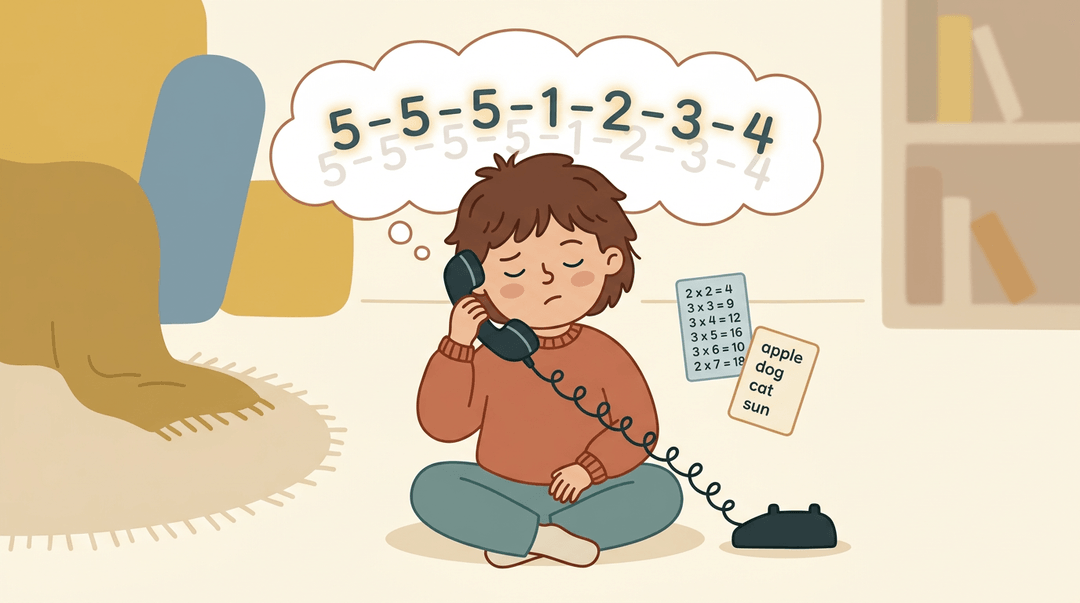
Think back to the first time you memorized your own phone number. You didn't know what area codes or exchanges meant, you just repeated the digits until they stuck. That's rote learning in a nutshell.
Rote learning is the practice of memorizing facts through repetition, with or without understanding what they mean. It's still everywhere in classrooms, from times tables to spelling lists.
In this post, we'll cover what rote learning actually means, where it helps, where it falls short, and how it compares to meaningful learning.
What Rote Learning Actually Means
So what does rote actually mean? The word likely traces back to the Latin rota, meaning "wheel": picture something turning the same way over and over until the motion becomes automatic.
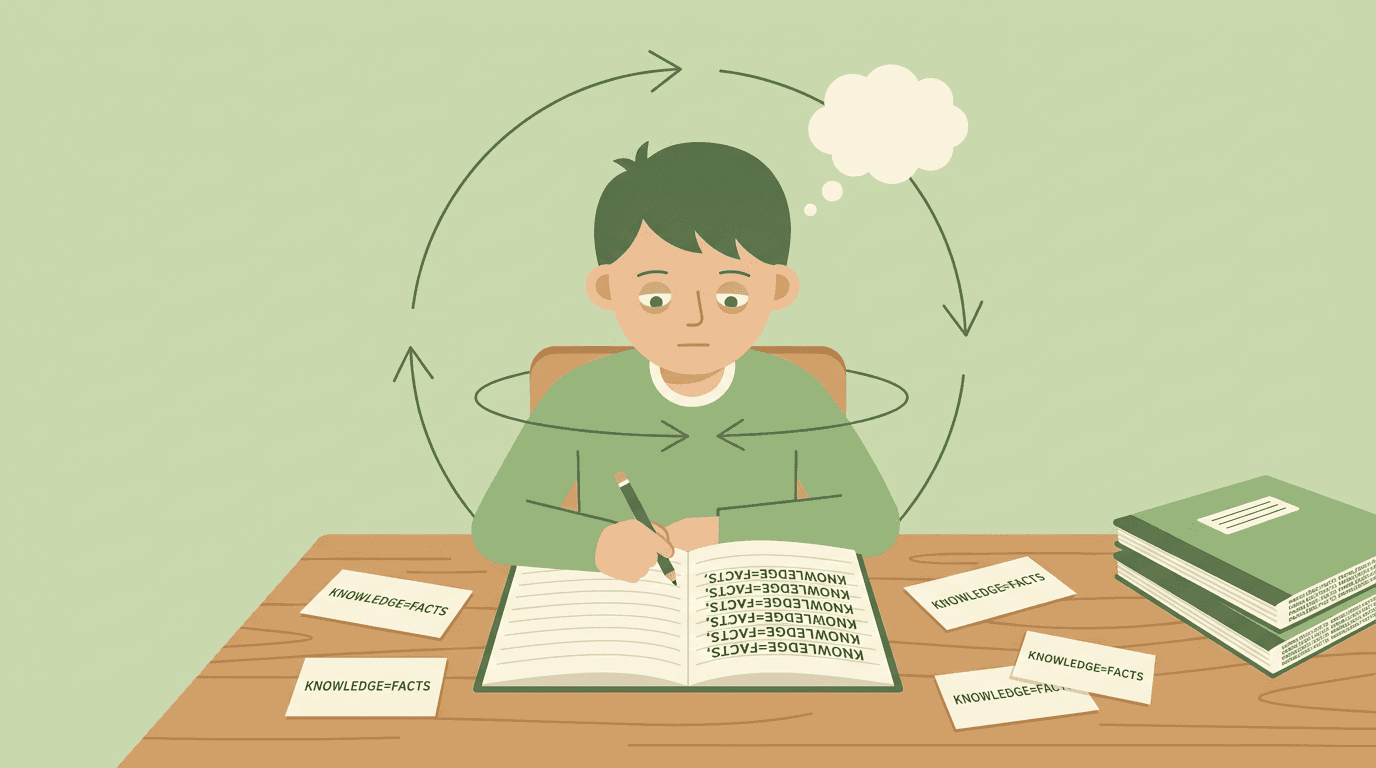
That's rote learning in a nutshell: memorization through repetition, drilling a fact into memory until it sticks, without necessarily understanding the concept behind it.
As Graduate Programs for Educators explains, "This method repeats information until you've memorized it without necessarily understanding a concept."
And no, "rote" doesn't stand for anything: it's not an acronym, just an old word for routine, mechanical repetition.
That's also what separates it from plain repetition (doing something again) and memorization (the broader goal of retaining information): rote is a specific strategy, repetition aimed squarely at memorizing, often just called drilling.
Everyday examples like times tables
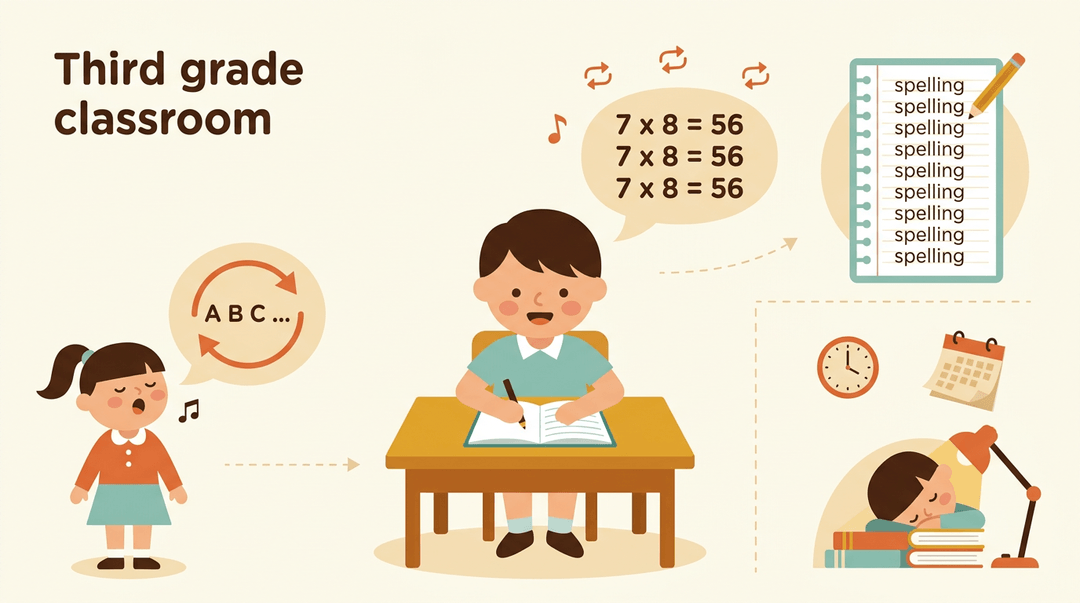
You've almost certainly used rote learning yourself. Think of a third grader chanting multiplication tables until 7 x 8 answers itself, or a kindergartner singing the alphabet song on repeat until the letters come without thinking.
Spelling lists work the same way: write the word ten times, and it eventually sticks. Cramming for a test the night before is rote learning too, just compressed into one stressful sitting instead of spread out over weeks.
The Benefits of Rote Learning
Rote learning gets a bad reputation, but it earns its keep for a reason: some knowledge simply needs to live in your head, ready on demand, no interpretation required.
Recalling facts quickly
Multiplication tables, sight words, a friend's phone number: this is information that benefits from fast knowledge acquisition rather than deep analysis.
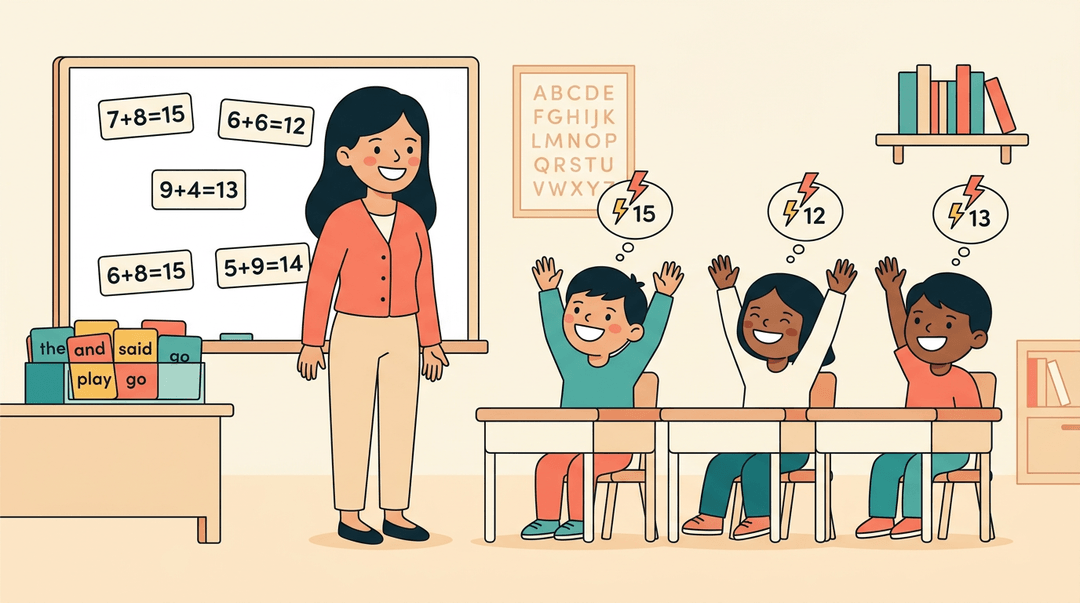
Think of a second-grade teacher drilling addition facts every morning; within weeks, students answer without counting on their fingers. That's easy recall of basics in action, and it's the same reason most of us can still rattle off a childhood address.
Rote learning works best for math facts, sight words, and anything where speed matters more than nuance.
Building a foundation for later learning
Every complex skill rests on simpler ones underneath it. Rote learning lays the groundwork for complex learning by handling the early-stage learning that later lessons depend on.
A student who has memorized multiplication tables can move into long division without stalling on basic facts: the building blocks are already in place for the concepts still to come.
Boosting confidence and memory
Getting a quick, correct answer feels good, and that small win boosts student confidence while reducing test anxiety. Repetition also does something deeper.
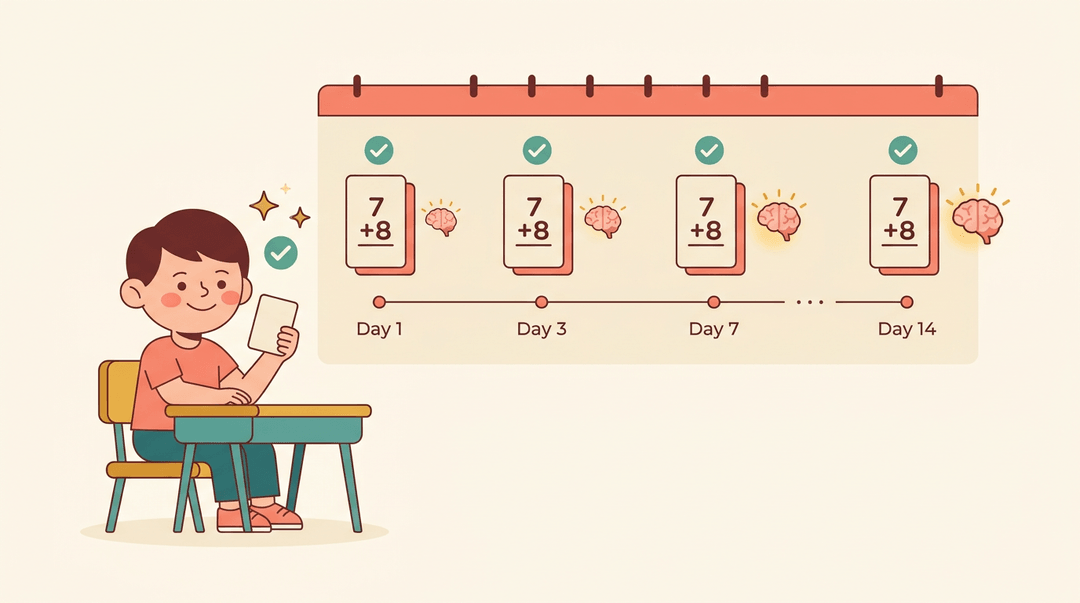
According to Birmingham City University, spaced repetition, reviewing information at increasing intervals, strengthens long-term memory and makes it less likely you'll forget what you learned.
Build that spacing into rote practice, and it stops being a chore and starts being a proven memory strategy.
How to Balance Rote Learning in Lessons
Rote isn't the enemy of understanding; it's the warm-up act. The trick is sequencing: drill the facts, then immediately put them to work. Here's a lesson structure you can run tomorrow, plus a quick checklist for deciding what deserves drilling at all.
The balanced lesson, start to finish
- Open with a bell ringer drill.
- Three to five minutes of pure retrieval, the moment students sit down.
- On the board: "Write the 7s multiplication facts from memory. No notes."
- Reserve rote for core facts only.
- Drill what's fixed: spellings, formulas, dates, vocabulary, math facts.
- Never drill what needs reasoning, like why a formula works.
- Pair every drill with guided practice.
- Memorized material goes straight into a supported application task.
- Say: "You've got the formula down. Now watch me use it on this problem."
- Close with an exit ticket check.
- One recall item plus one application item, on a half-sheet at the door.
- Example ticket: "1) Write the formula for area of a triangle. 2) Find the area of a triangle with base 6 and height 4."
The same structure scales across grade levels; only the content changes:
| Grade band | The rote piece | The meaning piece |
|---|---|---|
| K-2 phonics | Drill letter-sound pairs daily | Blend those sounds into real words |
| HS math | Memorize the quadratic formula | Apply it to a word problem |
⚠️ Watch out: the most common failure is drilling and stopping there. A memorized formula that's never applied fades fast, and students never learn when to reach for it. The pairing is the whole point.
Four questions before you drill
Before you assign any memorization, run the content through this quick filter:
- Fact-based or conceptual? Fixed facts get drilled; concepts get explained and explored.
- Would spaced repetition help? If yes, spread short drills across days instead of one long session.
- Needs scaffolding after memorizing? Plan the guided practice slot before you plan the drill.
- Can you track mastery over time? Keep a simple roster: date, skill, and score from each exit ticket.
If a topic fails the first question, skip the drill entirely and teach it for meaning instead.
Example: A first-grade teacher drills the "sh" sound with flashcards for four minutes, then hands out picture cards of a ship, a shell, and a shoe for students to label. The drill built the sound; the labeling built the meaning. Her exit check: each student reads one new "sh" word aloud on the way to lunch.
When you're ready to build this rhythm into next week's plans, you can sequence memorization drills and concept practice side-by-side in EMStudio's online lesson planner.
The Drawbacks of Rote Learning
Rote learning has its place, but leaning on it too heavily comes with real costs. Here's where it tends to fall short in the classroom.
Missing deeper understanding
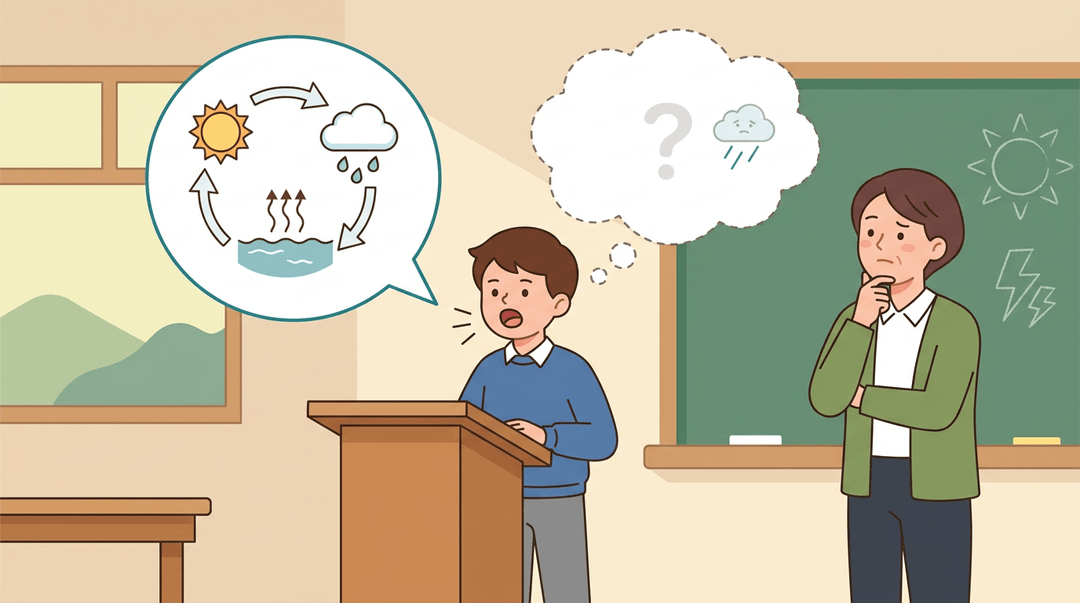
Memorizing a fact isn't the same as understanding it. A student who can recite the water cycle word-for-word might still struggle to explain why it matters for weather patterns. Rote learning skips conceptual understanding: the why behind the what.
It also does little to build critical thinking, since there's no reasoning to practice, just recall.
Worse, memorized phrases without context can leave students with wrong impressions, repeating a rule correctly while misapplying it the moment the wording changes.
Why retention often fails
Information crammed through repetition tends to live in short-term memory only. It's there for the quiz, then gone.
Ask a student what they memorized last semester and you'll often get a blank stare: the material was never linked to anything they already knew, so there was nothing for it to stick to.
Without that connection to prior knowledge, forgetting isn't a failure of effort. It's the predictable result of how memorization works.
Losing engagement and focus
Repetition, by design, is monotonous. Flashcards and drills ask students to do the same thing over and over, and it's easy for attention to drift. That drift hits some students harder than others.
According to Frontiers, students with ADHD "frequently struggle to remain mentally engaged over time, particularly when tasks are prolonged, cognitively demanding, monotonous, emotionally loaded, or loosely structured," which makes pure drill-and-kill especially rough for them.
Beyond attention, heavy repetition also limits creativity: there's no room to explore an idea when the goal is just to reproduce it exactly.
The stress it can cause
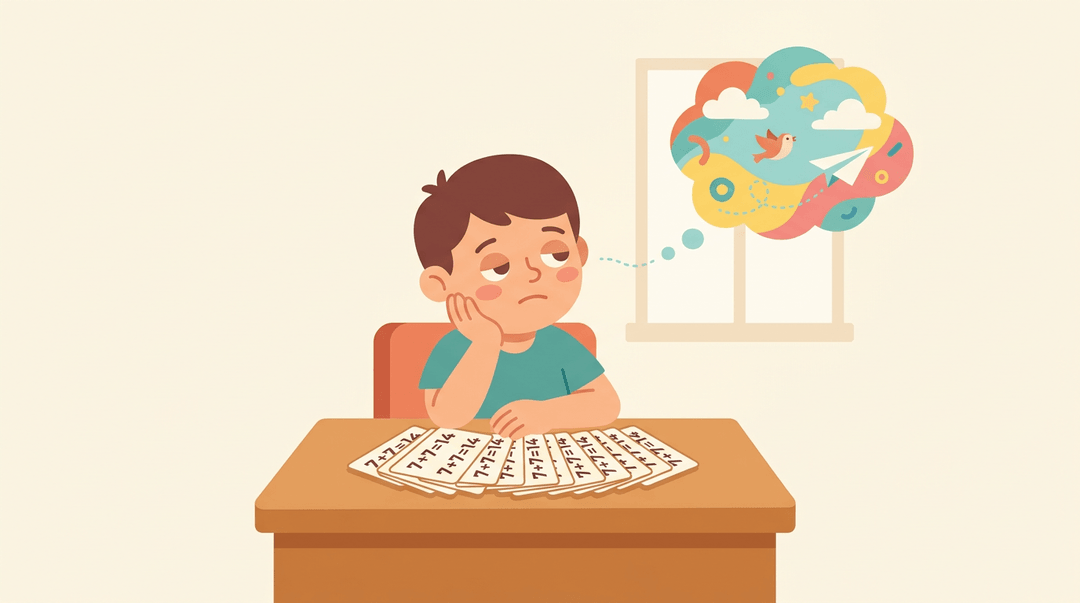
Carrying pages of material to memorize word-for-word is a heavy load, and it shows. Students report real stress trying to hold it all in their heads, then anxiety about forgetting a single line under pressure.
That fear of poor performance can overshadow the learning itself, turning a test into a memory test rather than a check of real understanding.
Limited social and thinking skills
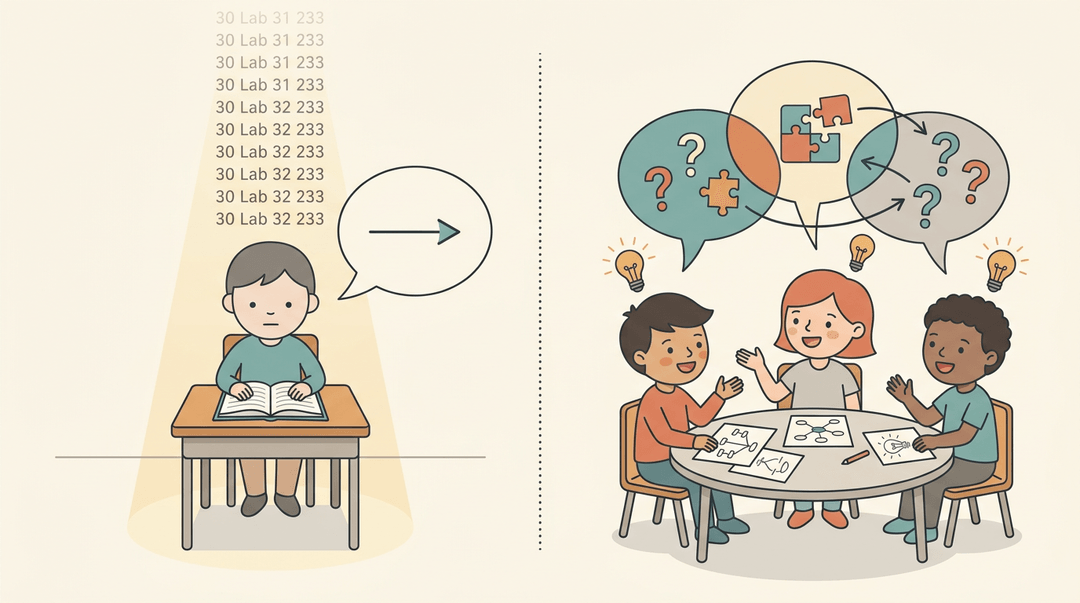
Rote learning is usually a solo activity: no discussion, no debate, no building on a classmate's idea. That means it doesn't build the social skills that group problem-solving does.
It also doesn't challenge thinking, because the answers are given rather than derived. Students absorb conclusions without ever working through how someone got there, leaving the harder, more valuable skill of reasoning untouched.
Rote Learning Versus Meaningful Learning
Rote learning has a counterpart, and knowing the difference helps you decide when each one belongs in your lesson plan. That counterpart is meaningful learning, and it works in almost the opposite direction.
What meaningful learning looks like
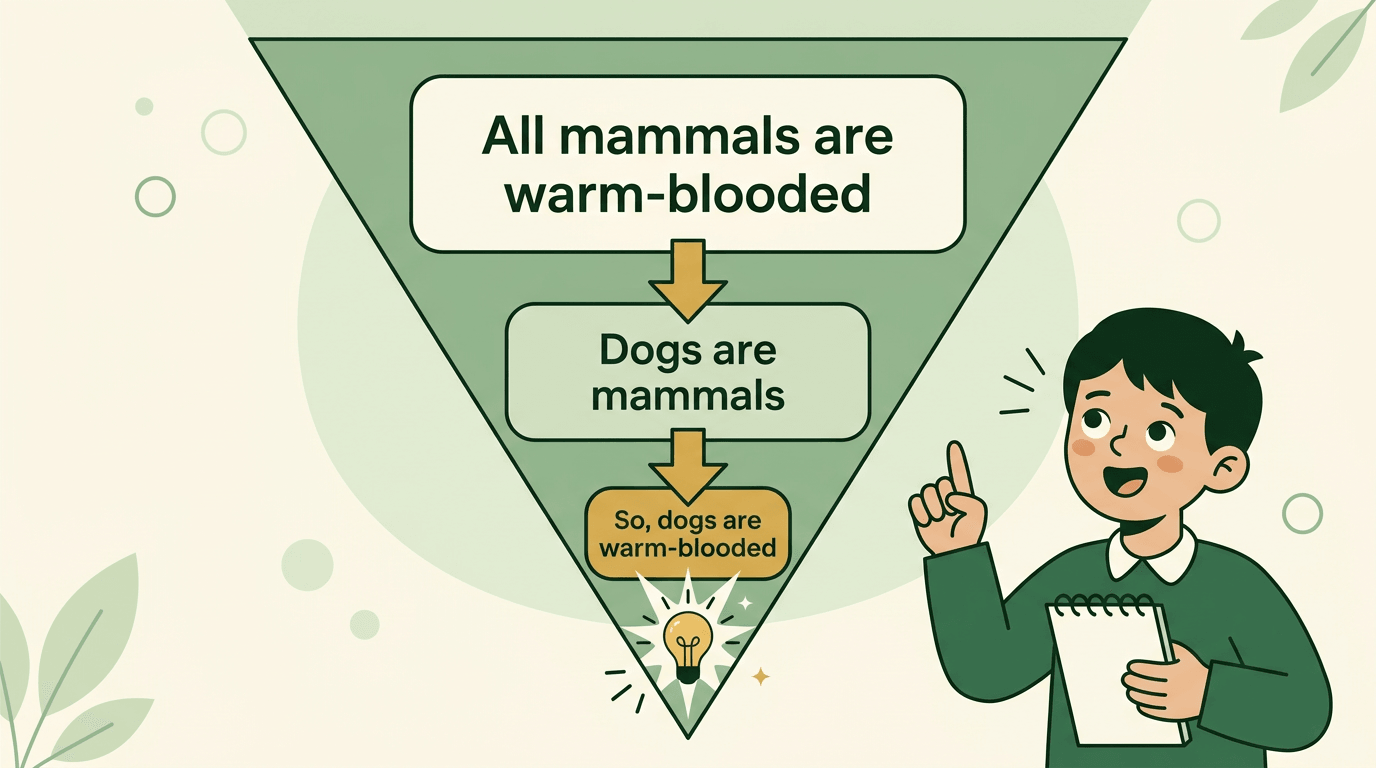
Meaningful learning asks students to connect new information to what they already know, rather than store it in isolation. It's active and constructive: students build understanding instead of just receiving it.
Think of a science teacher who links a new unit on ecosystems to a student's own backyard. The student isn't just holding facts, they're engaging fully with the idea and shaping it into something personal.
Remembering and applying what you learn
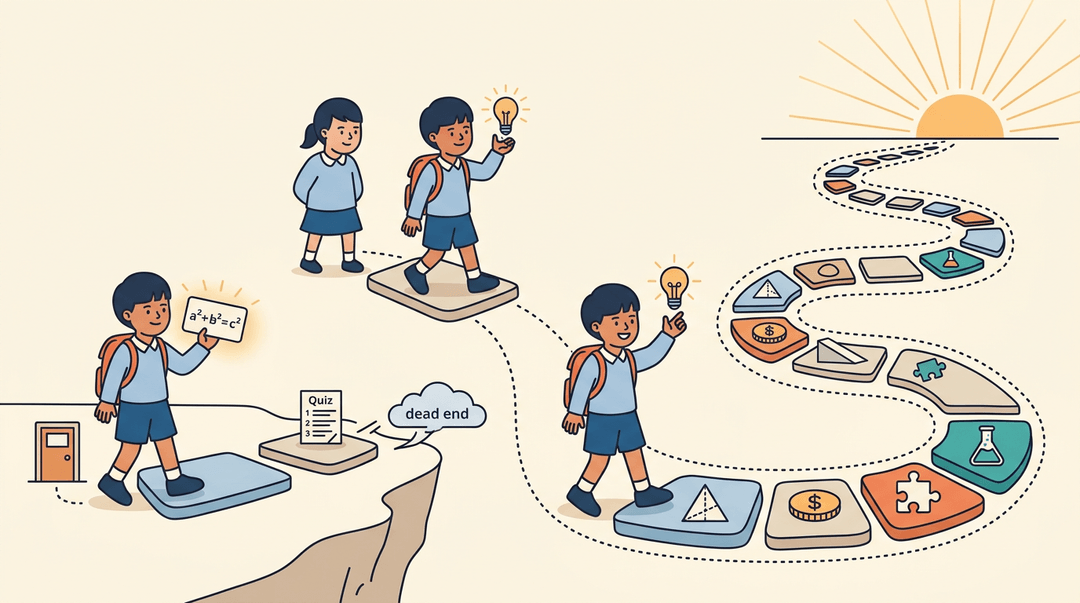
Rote learning and meaningful learning both aim at the same finish line: remembering information later and applying it to new problems. The difference is how well each one gets you there. A student who memorizes a formula might recall it for Friday's quiz.
A student who understands why the formula works can apply it to a problem they've never seen. That's the real learning goal in most classrooms: not just recall, but transfer.
Which approach works better long term
For lasting results, meaningful learning tends to win out. It aids problem-solving, builds durable cognitive skills, and holds up long after the test is over. Rote learning can get a student through tomorrow's spelling quiz.
Meaningful learning is what carries them into next year's classroom, and beyond it.
Is Rote Learning Good or Bad?
So is rote learning good or bad? The honest answer: neither, on its own. It's a tool, and like any tool, its value depends on the job you use it for.
The debate over its relevance today
Traditional methods leaned hard on repetition and recall, while 21st-century classrooms push for critical thinking, collaboration, and transfer.
That shift means rote learning gets questioned a lot these days, and fairly so: memorizing facts without understanding them rarely prepares students for real-world problem solving. Still, it hasn't disappeared.
Teachers still lean on it for basics like multiplication tables, spelling rules, or the periodic table, the kind of foundational knowledge students need on autopilot before they can build anything more complex on top of it.

Combining memorization with critical thinking
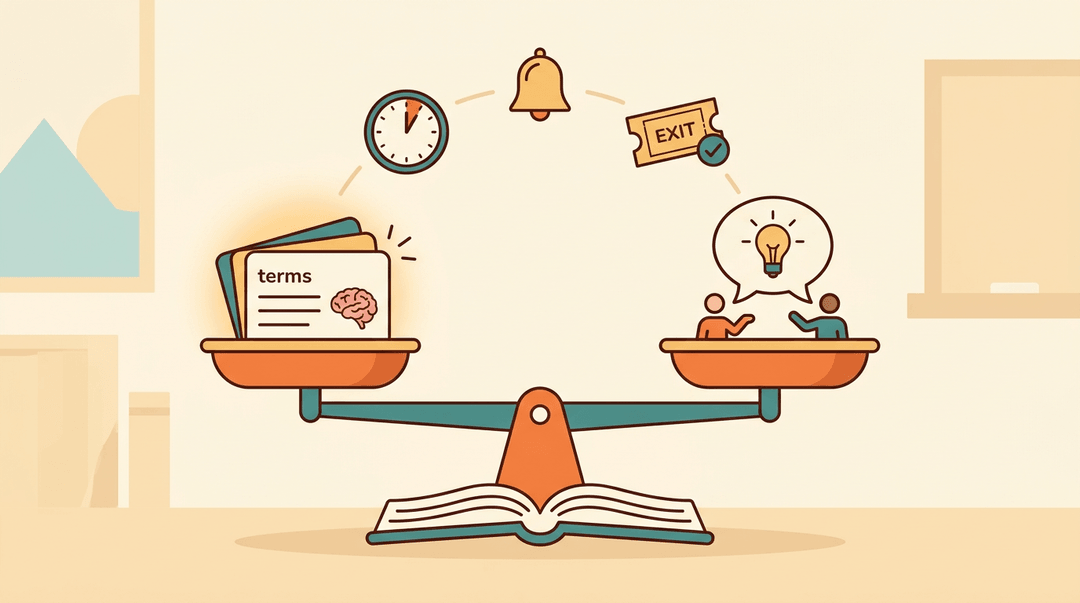
The real answer isn't choosing sides. It's pairing memorization with critical thinking so each does what it's best at. Use rote methods for foundational tasks only, then hand students something to do with what they've memorized.
For example, a middle school teacher might have students drill vocabulary terms one week, then debate how those terms apply to a current event the next.
Interactive methods, like games, discussion, or peer teaching, keep the memorized content from going stale.
Bell ringers and exit tickets are an easy way to embed this daily: a quick recall question to open class, followed by a short reflection or application prompt to close it.
Five minutes of memorization, five minutes of thinking. That's the balance worth aiming for.
Rote learning isn't the villain it's sometimes made out to be, and it isn't the whole answer either. Used with purpose, alongside meaningful learning, it can build the foundation students need before they ever apply what they know.
The real skill is knowing when to lean on repetition and when to push for understanding, and building that balance right into your lessons.
Ready to plan lessons that strike that balance? Check out our Lesson Planning feature to build and reuse lessons that get the mix right every time.
References
- Frontiers | ADHD as a disorder of operational capacity: a buffered-state framework for sustained engagement instability — frontiersin.org (2026)
- Spaced repetition and the 2357 method - Exams and Revision — bcu.ac.uk
- Is Rote Learning Still Effective? — graduateprogram.org
Frequently asked questions
What is rote learning in simple words?
Rote learning is memorizing information by repeating it until it sticks, often without fully understanding what it means. Examples include drilling multiplication facts or repeating a phone number.
What are the disadvantages of rote learning?
Rote learning can limit deeper understanding, critical thinking, creativity, and problem-solving. Repetition may also become boring, cause stress, and lead to short-term memory that fades quickly if the information is not connected to meaning or prior knowledge.
What are some examples of rote learning?
Examples include memorizing multiplication tables, repeating a phone number, chanting the alphabet, practicing spelling words, learning sight words, cramming for a test, and memorizing formulas, dates, or vocabulary.
What does "rote" stand for?
“Rote” does not stand for anything because it is not an acronym. It is an older word associated with routine or mechanical repetition, likely derived from the Latin word *rota*, meaning “wheel.”
Is learning by rote good?
Rote learning can be useful when you need quick recall of basic facts, such as math facts, spellings, formulas, or vocabulary. It works best when followed by explanation and practice, because memorization alone does not build deep understanding or transfer.
Do people with ADHD struggle with rote learning?
Some people with ADHD may struggle with rote learning because repetitive, prolonged, or monotonous tasks can make it difficult to sustain attention. Short sessions, spaced repetition, movement, games, and applying memorized information can make practice more engaging, though experiences vary from person to person.
Is rote learning outdated?
Rote learning is not necessarily outdated, but using it as the main way to teach is limited. It remains useful for foundational facts, while modern learning generally combines memorization with understanding, discussion, critical thinking, and application.
What does "rote" mean in simple terms?
In simple terms, “rote” means doing or learning something mechanically through repetition. Rote learning is repeating information until you can recall it, even if you do not yet understand the deeper meaning.