Method Learning Explained: Types, Uses, and How to Choose


Jump to section
Think of the toolbox in a garage. A hammer solves one job, a wrench another, and no single tool fixes everything. Teaching works the same way.
Method learning is simply choosing the instructional approach that fits the goal in front of you, instead of leaning on one default for every lesson. It matters more than ever in classrooms full of different learners.
In this post, we'll define method learning, name its main types, and show you how to match, blend, and map them to your standards.

SAT and ACT Prep Through Method Learning
SAT and ACT prep is where method learning earns its keep, because a test date doesn't care how a student feels about studying. It comes down to four main types:
- self-paced online study
- live group instruction
- one-on-one tutoring
- a blended mix of the three
None of them work because they match some mythical learning style.
They work because they build in structured practice, feedback, and expert instruction, the ingredients researchers writing in Educational Psychology Review point to when they examine why learning-styles claims keep resurfacing despite the evidence against them.
It's less about what style a student supposedly has and more about how consistently they practice. Here's how each type shows up in a real prep course.
Learn at your own pace online
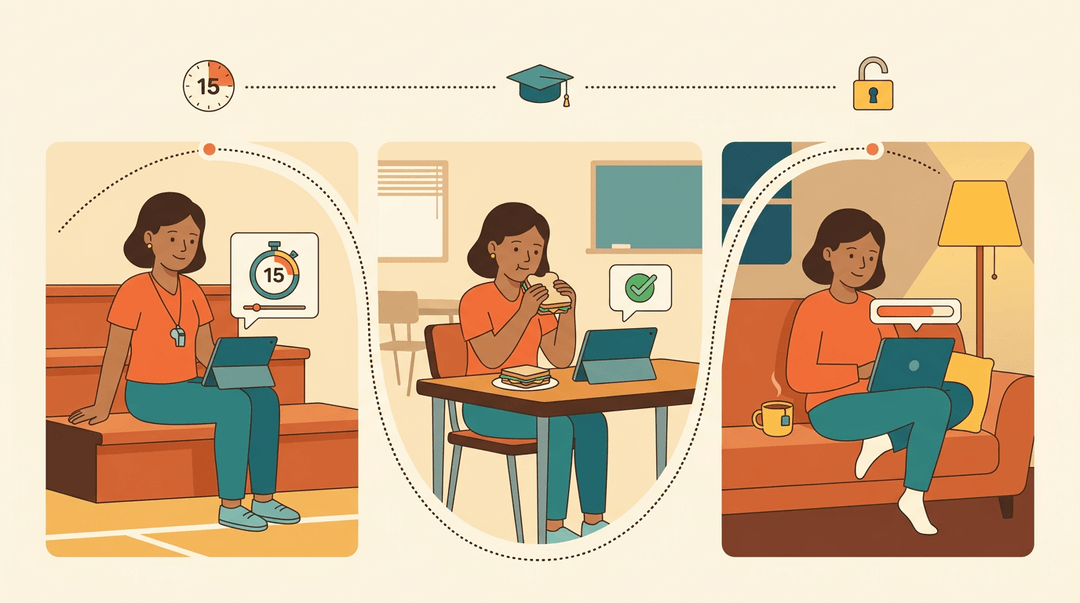
Self-paced courses give you about 25 hours of instruction per test, split into 15-minute segments that fit between practice, lunch duty, or a quiet evening at home. Every lesson is expert-crafted, built by people who know the test cold, and followed by quizzes with feedback so a student knows exactly what to revisit. Access stays open through graduation, and the whole format is built to fit a busy schedule rather than fight it.
Live classes covering every test subject
Live classes cover every subject the test touches:
- reading
- math
- writing
- science
alongside the test-taking strategies that turn content knowledge into points. Classes are recorded, so a missed session never means a missed lesson.
The structured format runs by grade band: a ninth grader building foundational skills works through different material than a junior cramming ahead of a spring test date.
Get one-on-one tutoring support
For students who need more than a class can give, one-on-one tutoring adds personalized 1:1 support aimed at that student's actual gaps. It builds confidence as much as it builds skills, and scheduling flexes around the student's calendar instead of the other way around.

Real score gains from real students
The outcomes back up the approach. A Brookings review of test-prep outcomes found that students using a self-guided ACT prep course gained around 1 point on the composite score, and students who studied intensively (more than 21 days or 55 lessons) averaged 1.5-point gains. On the SAT side, the College Board's newsroom reports that 20 hours of personalized practice is associated with an average gain of 115 points, nearly double the gain of students who skip it. Thousands of students sit behind those averages, each with their own score jump to show for it.
Pricing and access made simple
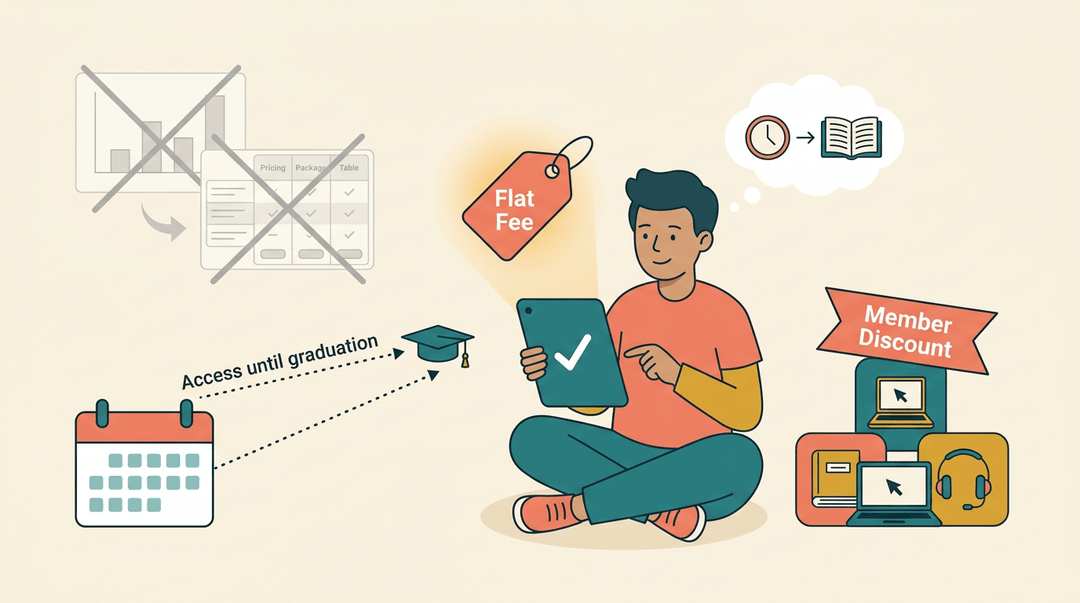
Courses run on a flat fee rather than an hourly meter, with access that lasts until graduation and member discounts available for students who want more than one course. Simple pricing means less time comparing packages and more time studying.
How to Choose Methods for Your Classroom
Choosing a method isn't about picking your favorite: it's about matching the tool to the job. Use this guide when you're planning a lesson or unit and need to decide what students will actually do.
Match the method to your learning goal
Start with the learning target, then work backward. The type of skill or standard tells you which methods fit:
| If your target asks students to... | Reach for... |
|---|---|
| Recall facts or vocabulary | Direct instruction, retrieval practice |
| Explain or analyze a concept | Discussion, inquiry-based learning |
| Perform a skill or procedure | Modeling with guided practice |
| Create or solve something open-ended | Project-based or problem-based learning |
Before you commit, confirm grade-level readiness:
- Students have the prerequisites. Inquiry flops if they lack the background knowledge to inquire with.
- Students can handle the independence. Younger grades need shorter, more structured versions of any method.
- The method fits your time block. A project won't survive a 30-minute period.
Blend methods so every learner gets a way in
One method rarely carries a whole unit. Two moves keep things balanced:
- Combine visual, verbal, and hands-on in each lesson. Say it, show it, then have students touch it.
- Example: define erosion aloud, show a time-lapse, then run a stream-table demo.
- Rotate the lead method across the unit. Direct instruction Monday, stations Wednesday, discussion Friday.
Then check whether the blend is working with quick formative checks: an exit ticket, a thumbs-up scale, or a one-question whiteboard response.
Say: "On your whiteboard, show me one example of erosion we didn't discuss today." If half the class stalls, the method needs adjusting before you repeat it.
Put one method into action
- Pick one method per lesson. One lead method, executed well, beats three half-run ones.
- Model it first, out loud. Show students exactly what the thinking looks like before they try.
- Move to guided practice. Students try with your support before working alone.
- Reflect and adjust weekly. Five minutes on Friday: what worked, what didn't, what changes Monday.
Example: A fifth-grade teacher trying Socratic discussion for the first time models one round herself, narrating: "I'm going to disagree politely: I see it differently because..." Students then practice in pairs with sentence starters before the whole-class version on Thursday. By week two, the scaffolds come off.
💡 Tip: Keep a simple log of method → lesson → how it landed. After a month, you'll have real evidence of what works for your students, not just what a workshop promised.
Once you've chosen your methods, map each one straight to your standards and pacing guide with EMStudio's Curriculum Planner.
Getting Help with College Admissions
Admissions season can feel like a maze with too many entrances and no clear exit. That's why more schools and families lean on structured advising: guidance built the same way a strong lesson is, with clear steps and a plan for every learner.
Choosing colleges and building your list
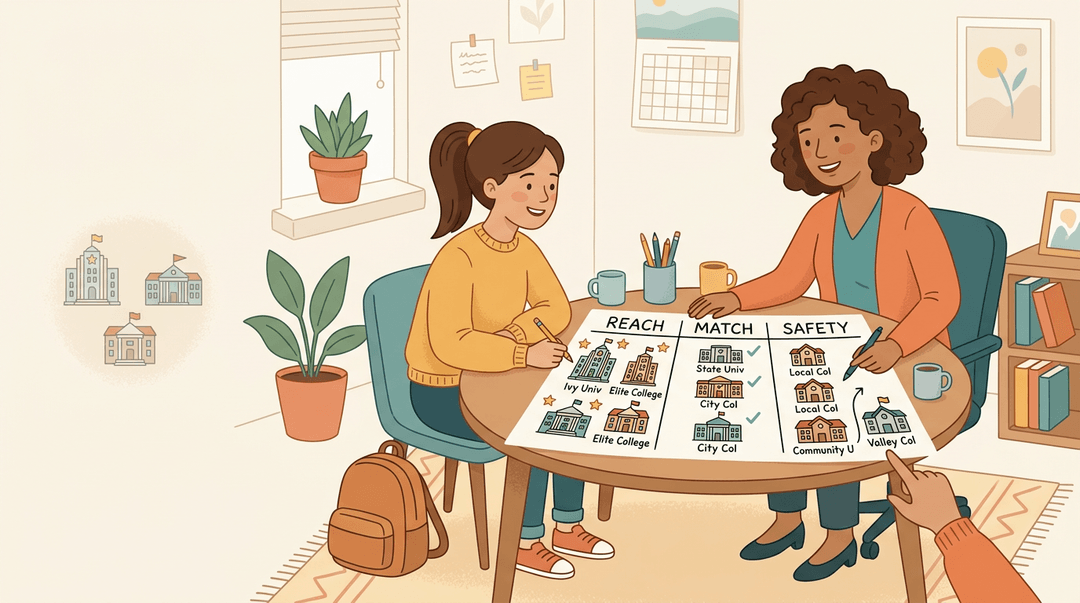
Picking the right colleges starts with knowing the student, not just the transcript. A good adviser looks at grades, interests, and goals, then narrows a long list of names into a realistic set of reach, match, and safety schools.
Think of a high school counselor sitting down with a junior who's only ever heard of the three colleges her older siblings attended. Building the list wider (and smarter) than that is the whole point.
Help with essays and applications
A strong essay isn't about fancy vocabulary. It's about a real voice telling a real story, and that takes drafts, feedback, and someone willing to ask, "What are you actually trying to say here?"
The same goes for resumes: turning a list of activities into a clear picture of who a student is. Add in application strategy (deadlines, requirements, which schools want what) and the process stops feeling random.
Advising built around your family
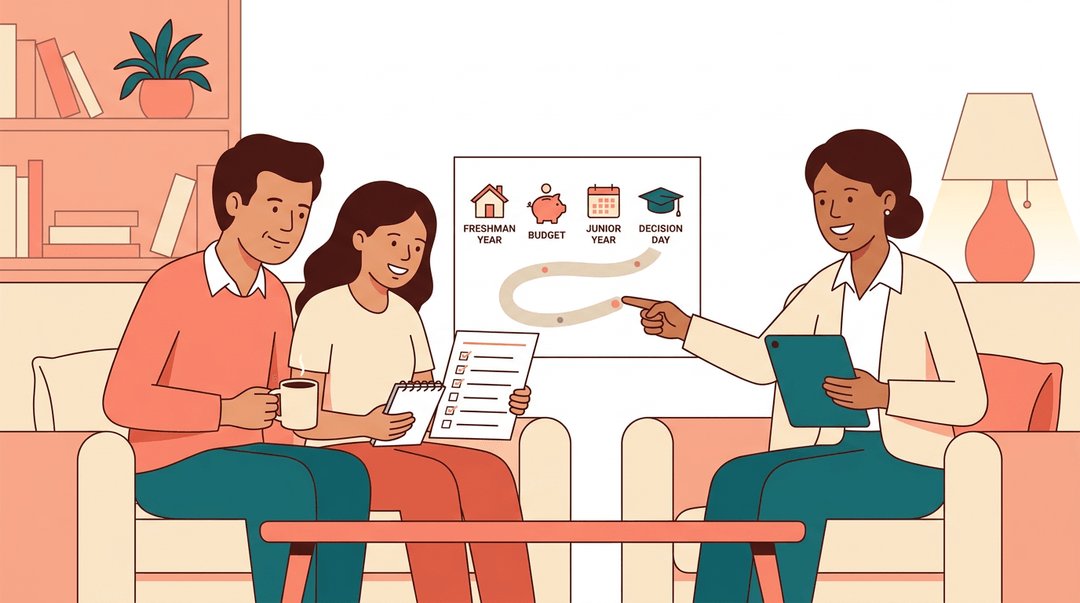
The best advising isn't one-size-fits-all. It's family-focused, built around each household's questions, budget, and comfort level, with dedicated advisers who stay with a family from freshman year through decision day.
That kind of steady, practical support turns a stressful process into a manageable one, one step at a time.
Planning for College Costs
Paying for college is its own kind of lesson plan, and getting it right starts long before the first tuition bill lands.
Understanding your financial aid options
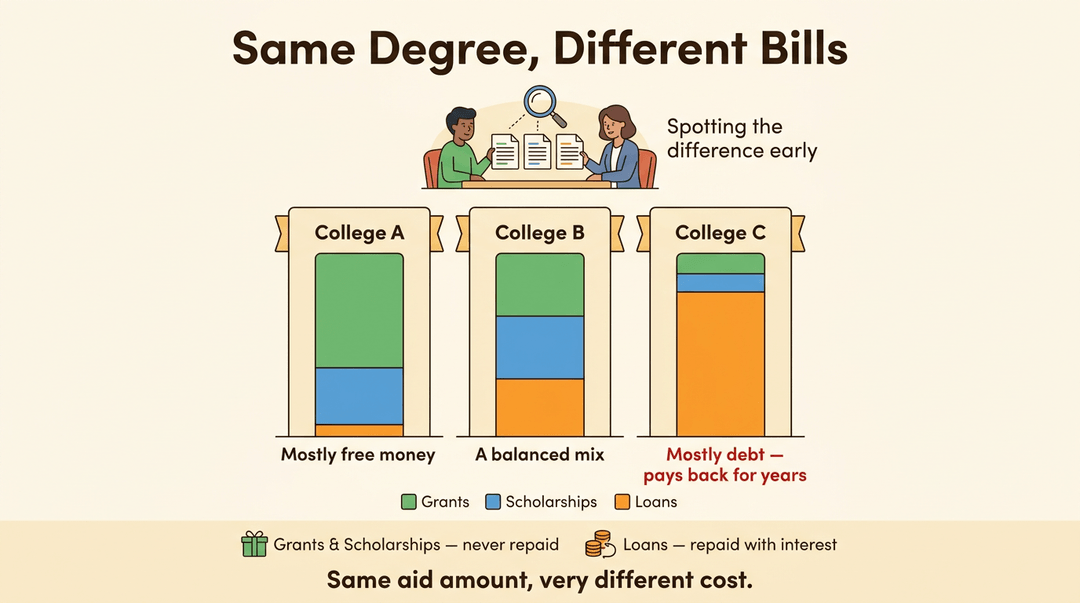
Financial aid isn't one lump sum. It's a mix of grants, scholarships, and loans, each with its own rules and payback terms. Uncovering the full range of aid options means looking past the school's award letter alone:
- state grants
- need-based federal aid
- merit scholarships from outside organizations
can all stack together. Consider a high school senior sitting down with a counselor to line up three award letters side by side. One leans heavily on grants, another on loans that'll follow her for years.
Spotting that difference early is how families avoid overpaying for the same degree.
Comparing costs and saving money
The sticker price on a college's website rarely matches what a family actually pays. Comparing real costs, the net price after aid rather than the advertised total, is where the savings show up.
According to the Consumer Financial Protection Bureau, lining up those real costs side by side helps families make smarter, more sustainable decisions about how to pay for school.
Done early, that comparison can mean the difference between a manageable loan and years of strain, and it puts the choice back in the family's hands instead of the admissions letter's.
Is Method Learning Worth It?
Is method learning worth it? Judging by the record, the answer leans yes, especially once you look past the marketing language and check what's actually been delivered over time.
25 years of experience and results
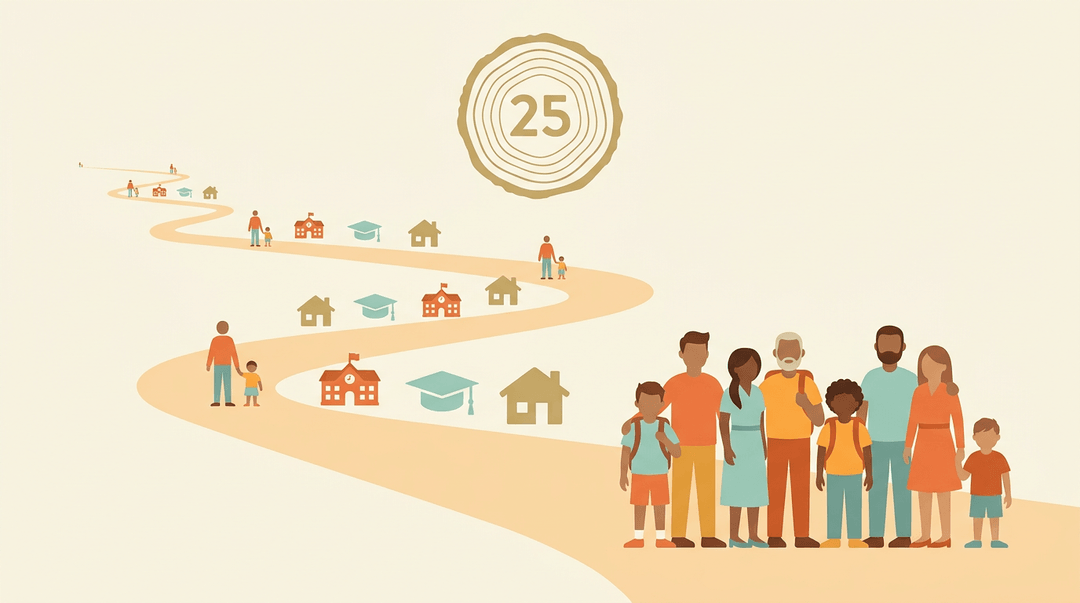
According to Method Learning's NSHSS Educational Partner profile, the company has "over 25 years of experience working side-by-side with thousands of students and families as well as hundreds of high schools."
That's not a startup testing an idea for the first time. It's a method that's been through thousands of real classrooms and homes, long enough to show whether it holds up.
What parents and students say
Track record is one thing; the day-to-day experience is another.
Method Learning points to parent success stories, 300+ five-star reviews, and score improvement anecdotes that read less like polished testimonials and more like plain relief: a student who finally moved past a subject that had stalled for months.
Partnerships and discounts you can use
The same profile ties Method Learning to the National Society of High School Scholars (NSHSS), a partnership that comes with a practical perk: members get a 10% discount.
Method Learning also runs an affiliate program, giving teachers, schools, and advocates a way to share the method and get something back for doing it. None of that replaces good teaching, but it does make trying the method a lower-stakes decision.

Getting Started with Method Learning
What is a method of learning? Simply put, a learning method is the specific way you help an idea move from the lesson plan into a student's head: direct instruction, inquiry, gamification, and beyond.
Ask "what are the 10 methods of learning?" and most guides land on a similar list:
- Direct instruction
- Inquiry-based learning
- Project-based learning
- Cooperative learning
- Differentiated instruction
- Gamification
- Flipped classroom
- Experiential learning
- Blended learning
- Mastery learning
The trick isn't knowing the list. It's matching the right method to your learning objective, and that's a lot easier with some guidance.
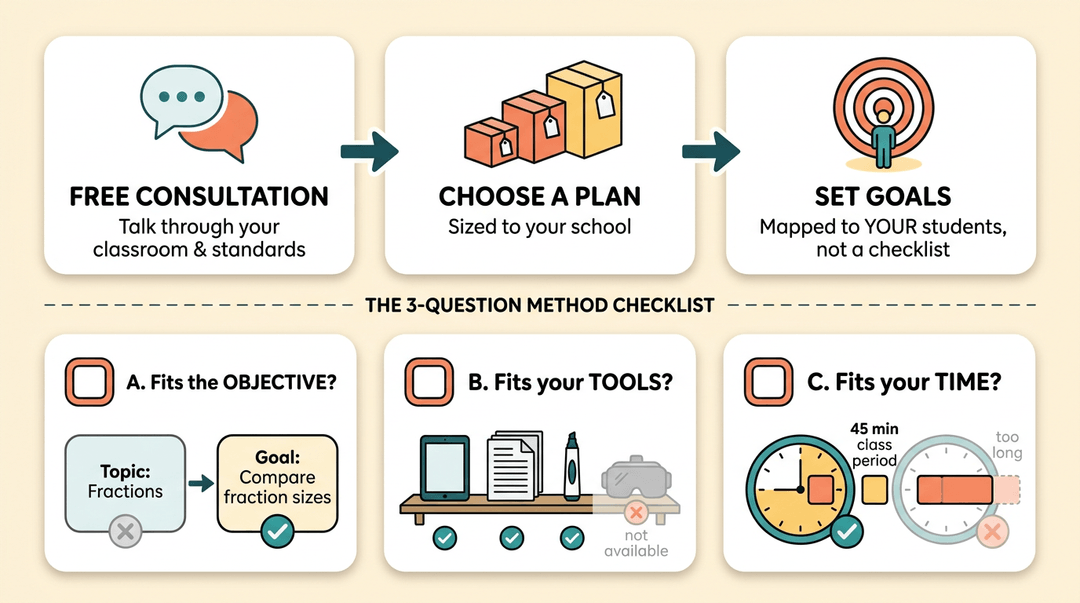
Start with a free consultation
Book a free consultation to talk through your classroom, your standards, and where you're stuck.
From there, you'll choose a service plan that fits your school's size and budget, then work through personalized goal setting so the recommendations actually map to your students, not a generic checklist.
Speaking of which, run through this quick checklist for selecting a method:
- Does it fit the objective, not just the topic?
- Can your students access it with the tools you already have?
- Does it fit the time you actually have in class?
Free tools and webinars to explore
Beyond the consultation, there's a library of free tools we've put together for you to explore on your own. Live and on-demand webinars walk through method selection step-by-step, and planning checklists keep your unit design on track.
If you're supporting older students, college search tools and cost estimator tools round out the picture, helping families weigh options long after the lesson's over.
Method learning isn't about chasing a trend or picking a favorite framework. It's about matching the right approach to the right lesson, blending methods when one isn't enough, and mapping them to the standards you're already accountable for.
Done well, it saves prep time and helps students actually learn, not just cover material. Ready to put those methods into a real plan?
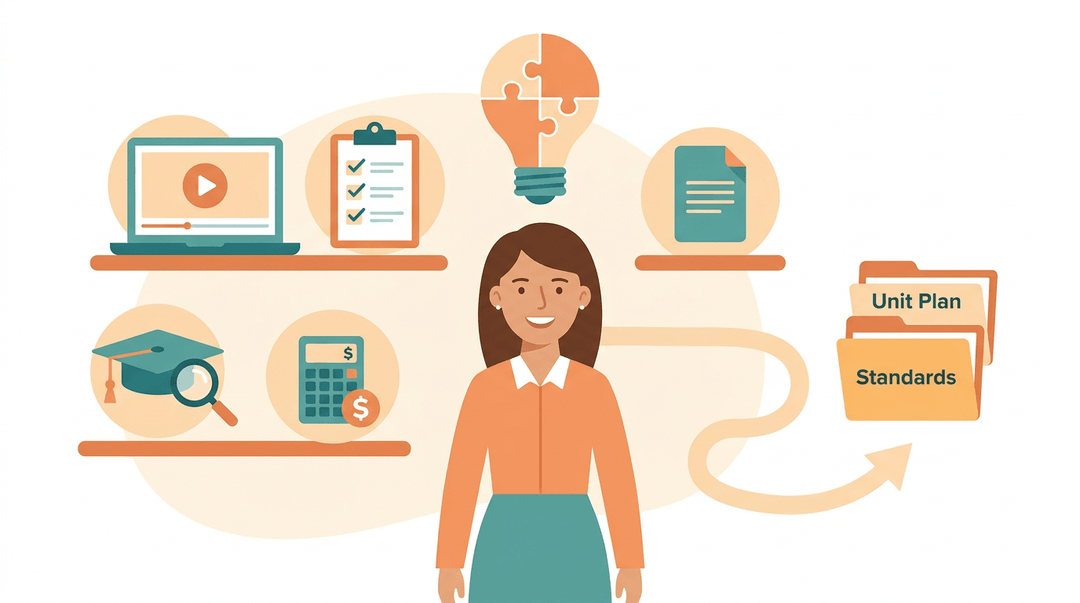
Check out our post, Curriculum & Standards, to build units and lessons that connect every method to the standards you teach.
References
- Learning Styles, Preferences, or Strategies? An Explanation for the Resurgence of Styles Across Many Meta-analyses | Educational Psychology Review — link.springer.com (2025)
- Exam ready: Who uses college admissions test prep and does it work? — brookings.edu
- Your financial path to graduation — consumerfinance.gov
- New Data Links 20 Hours of Personalized Official SAT Practice on Khan Academy to 115-Point Average Score Gains on Redesigned SAT — newsroom.collegeboard.org
- Method Learning | NSHSS Educational Partner — nshss.org
Frequently asked questions
What are the four main types of learning methods?
The four main types are self-paced online study, live group instruction, one-on-one tutoring, and blended learning that combines the three. Each format offers a different balance of flexibility, structure, feedback, and personalized support.
Is method learning worth it?
Yes, method learning can be worth it when the approach matches the learner’s goals, schedule, and needs. Its value comes from structured practice, feedback, expert instruction, and consistent use, while features such as long-term access, tutoring, and available discounts can make it more practical and affordable.