Building a Classroom Community Where Everyone Belongs

Jump to section
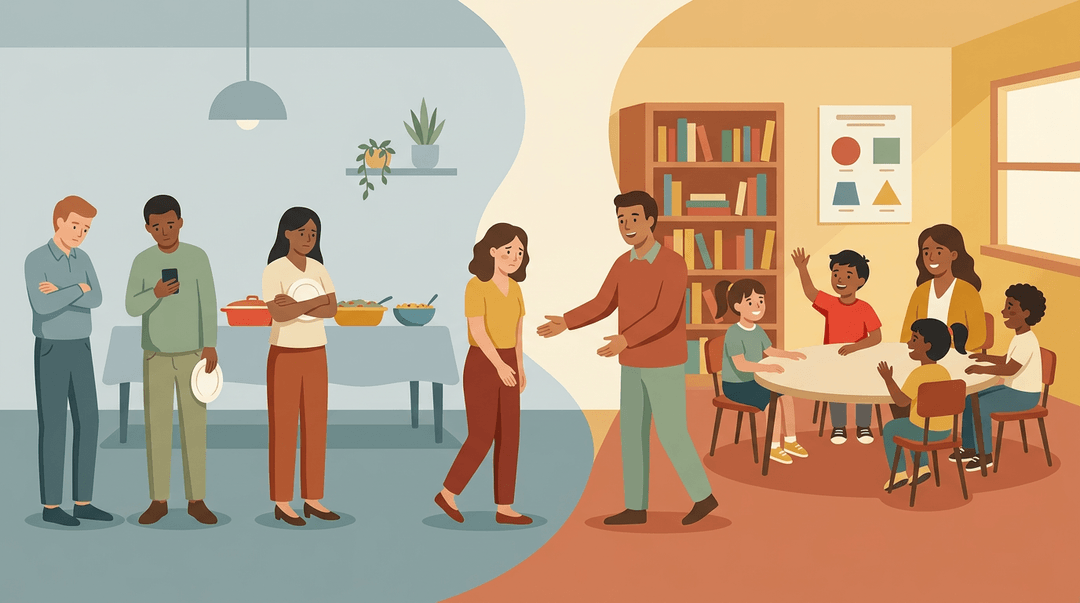
Think about the last potluck where you didn't know many people. The food was fine, but the room stayed stiff until someone made introductions and got a conversation going. Classrooms work the same way.
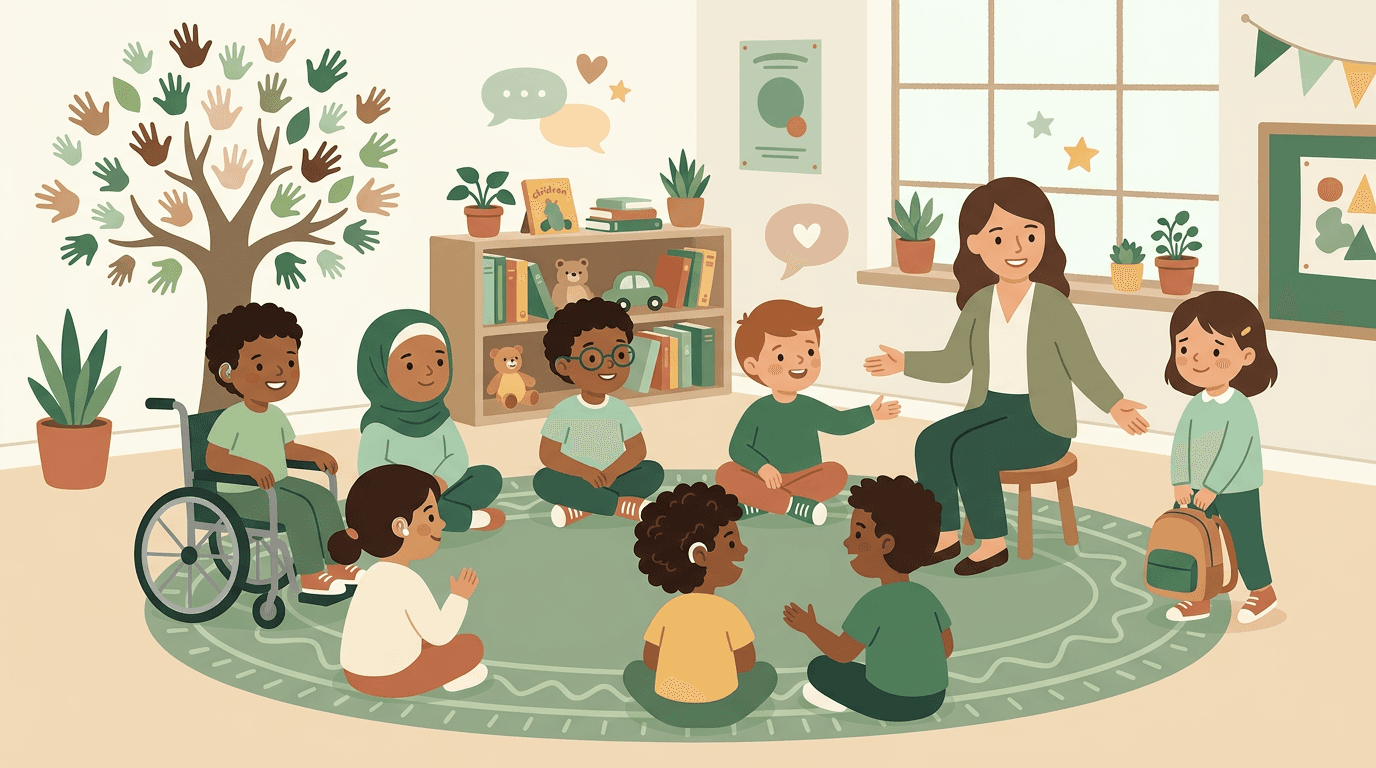
A classroom community is the sense that every student belongs, is known, and has a real stake in how the room runs. It doesn't happen by accident, and it's the foundation everything else rests on.
In this post, we'll cover why community matters, how to build it through relationships, shared rules, and conflict repair, and a routine you can plan into lessons all year.
Why Building a Classroom Community Matters
Community isn't a nice extra for Friday afternoons. It's the foundation the learning sits on, and we'll look at why.
How belonging and safety help students learn
A strong classroom community brings:
- Belonging. Students feel they're part of the group.
- Safety. Students feel safe and cared for.
- Ownership. They take responsibility for their learning.
- Confidence to take risks. They'll try an answer that might be wrong.
- Community comes before academics. Build the room before the lesson.
Preventing disruptions before they start
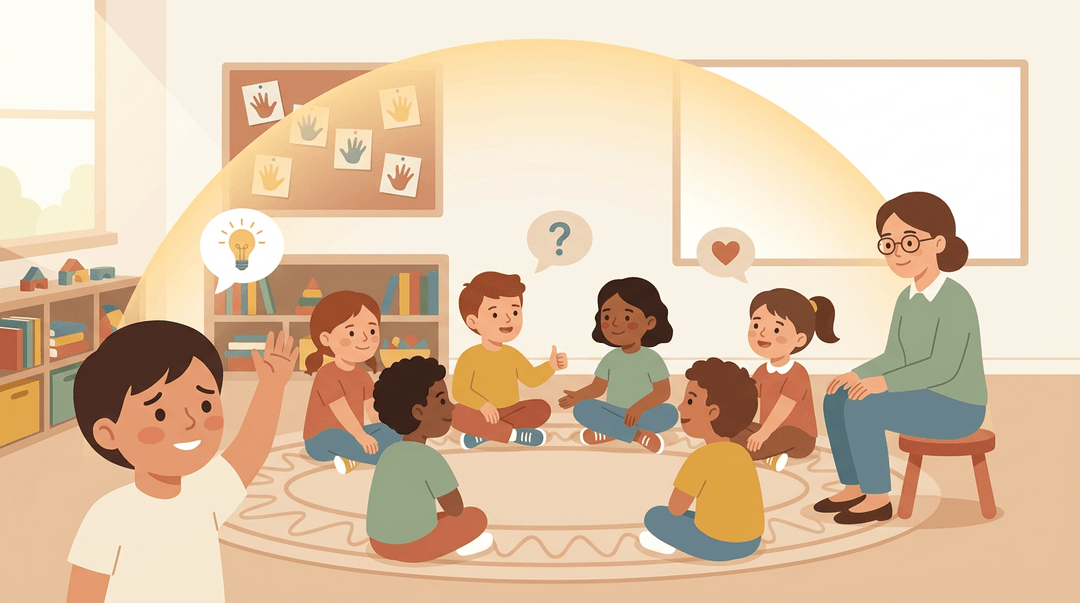
A study of class cohesion in physical education found that stronger cohesion was associated with fewer disruptions and less off-task behavior. Physical education isn't a typical classroom, so read that as a signal, not a guarantee.
That's the shift from reactive to proactive: building routines that keep fires from starting.
Less disruption can also save instructional time, and the same research backs that up. Reframing management as community-building is worth a deeper look.
Fitting community into a packed schedule
Many teachers worry that community-building eats curriculum time. It doesn't need its own unit. It's built through small moments: a check-in question, a friendly greeting at the door, a minute to reflect on how the group worked together.
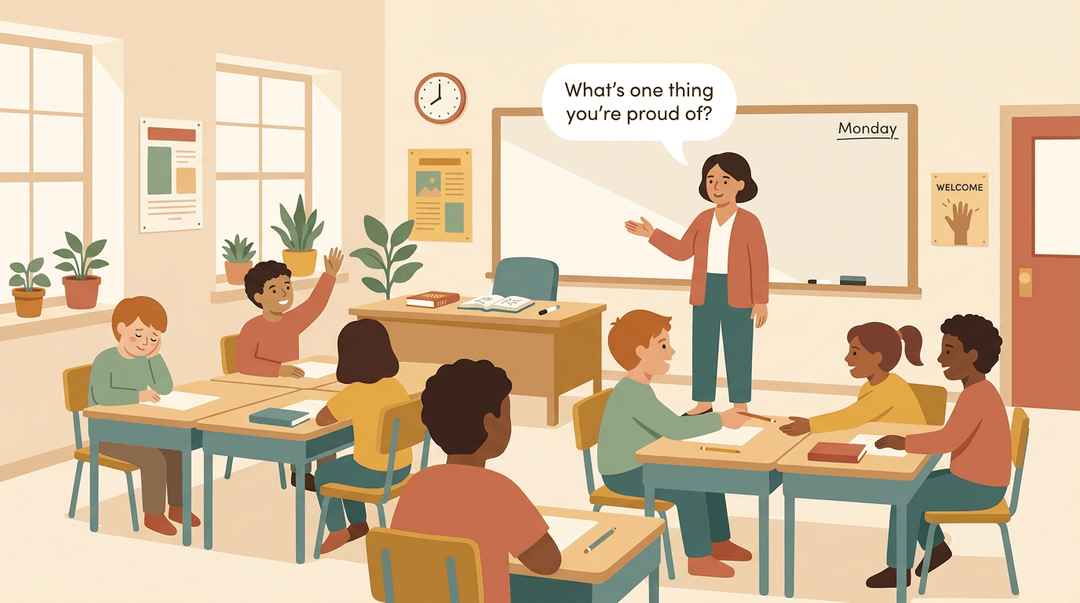
Consider a sixth-grade math teacher who opens each Monday by asking, 'What's one thing you're proud of?' It takes minutes, and the room is settled before the first problem goes up.
Community isn't built in a day. It's a yearlong effort, so revise it as your class changes. To measure community health, read the room: who volunteers answers, who never speaks, and who helps without being asked.
Respect that runs both ways
Kids learn from the adults they respect, and they watch how you handle pressure more than what you say. When a lesson goes sideways, your calm response teaches more than any posted rule. Show students how to handle frustration by handling yours.
Respect runs both ways. Put wellbeing first: ask how a student is doing before you ask why homework is missing.
Building Bonds and Hearing Student Voices
Students open up when they feel known, and that happens in small, steady moments. Here's how to build them into your week.
Looking past first impressions of students
First impressions are a starting point, not a verdict. Run ongoing getting-to-know-you activities, like a Friday prompt, so you keep learning about students all year.
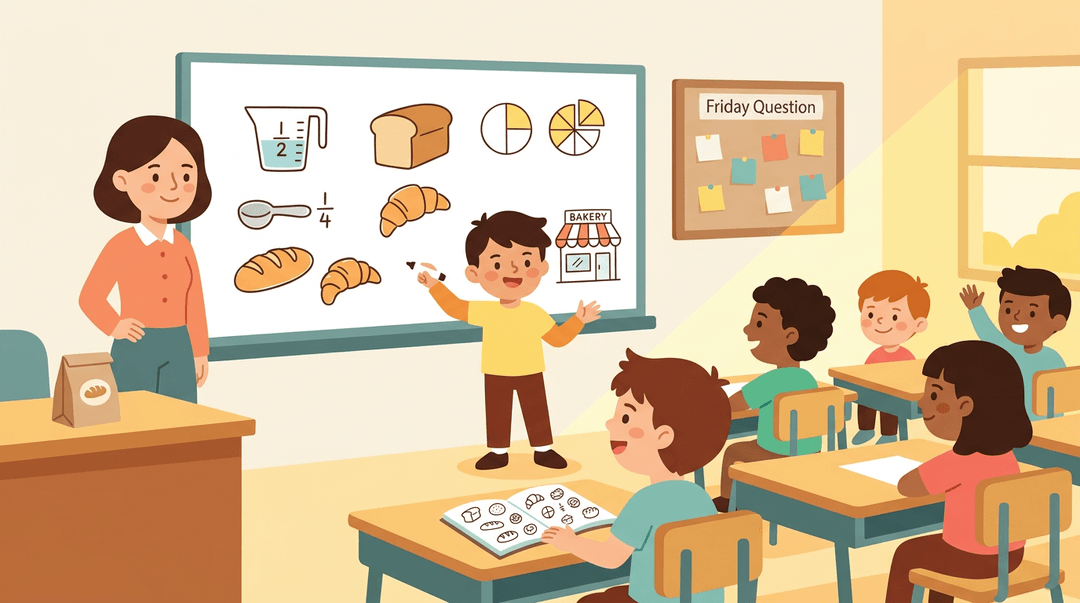
Learning about students' home lives and communities helps you build an inclusive, culturally responsive community. Consider a fourth-grade teacher who learns a student's family runs a corner bakery.
When the class studies fractions, she uses that bakery's recipe measurements, and the quiet doodler starts explaining the math to classmates.
Listening on purpose without rushing to fix
Start by observing without an agenda: watch students at recess or in group work. Then add daily one-on-one conversation time and regular lunch groups, small tables where you eat with rotating students.
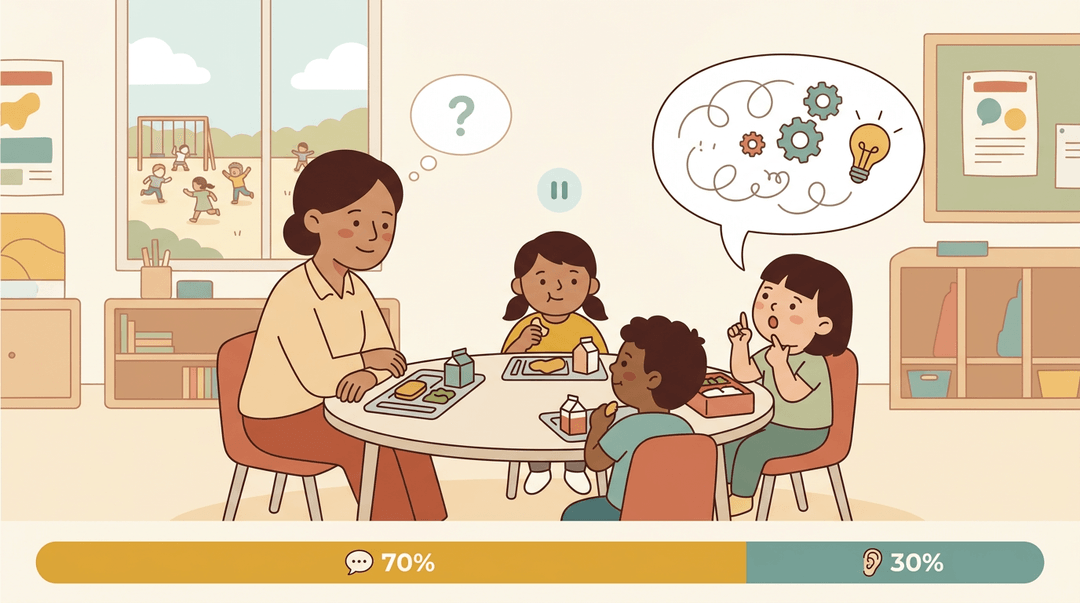
When a student shares a problem, pause before fixing it. Ask, "What do you think would help?" The silence may feel long, but it gives students room to think out loud. Give it time.
The 70/30 rule in teaching says students should do about 70 percent of the talking in a lesson while you handle the other 30 percent. That's why pausing matters: it hands the thinking back. Listen to understand rather than respond.
Giving students real choices each day
Build choice into everyday routines:
- Choice in daily tasks. Let students pick between two practice sets or ways to show learning.
- Voting on read-alouds or rewards. Let the class pick the next book or reward.
- Random name selection with sticks. Draw names from a cup of popsicle sticks so every student gets a turn.
Voice and choice are values, not just tactics. They're less about control and more about ownership. Offer only choices you can honor. A fake choice costs more trust than no choice at all.
Sharing your own story with students
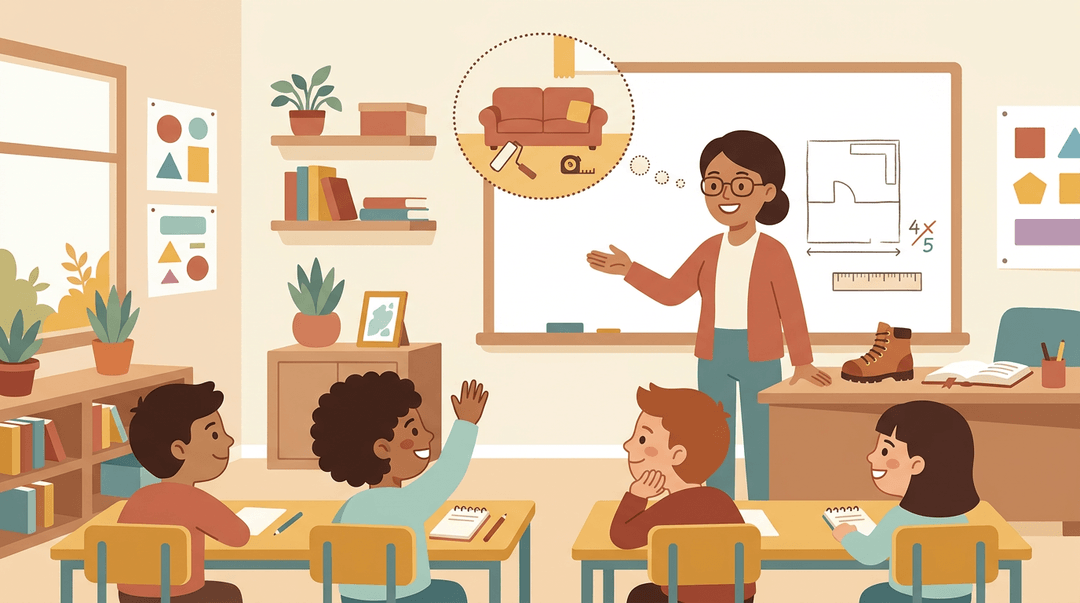
Students are curious about you, and sharing builds trust. Mention the weekend hike or the book you couldn't finish. If you're teaching measurement, describe misjudging a room's length while redecorating. The story gives the math an anchor.
Share a mistake, too. Tell the class about a problem you got wrong and how you worked through it. That shows mistakes are part of learning, not something to hide. Start small.
Building Shared Rules and Ownership
Rules stick when students feel they own them. Here's how to build that ownership, from norms to rewards and consequences.
Write norms with students, then revisit them
Have students help write class rules, shaping their answers into norms, the shared expectations everyone follows.
When two fifth graders argue over turns in October, their teacher points to the poster the class wrote in September. Students defend what they helped build.
Revisit norms through small tune-ups, and gather input throughout the year with quick exit tickets. Norms written with students, not for them, are the foundation of ownership.
Making shared values visible every day
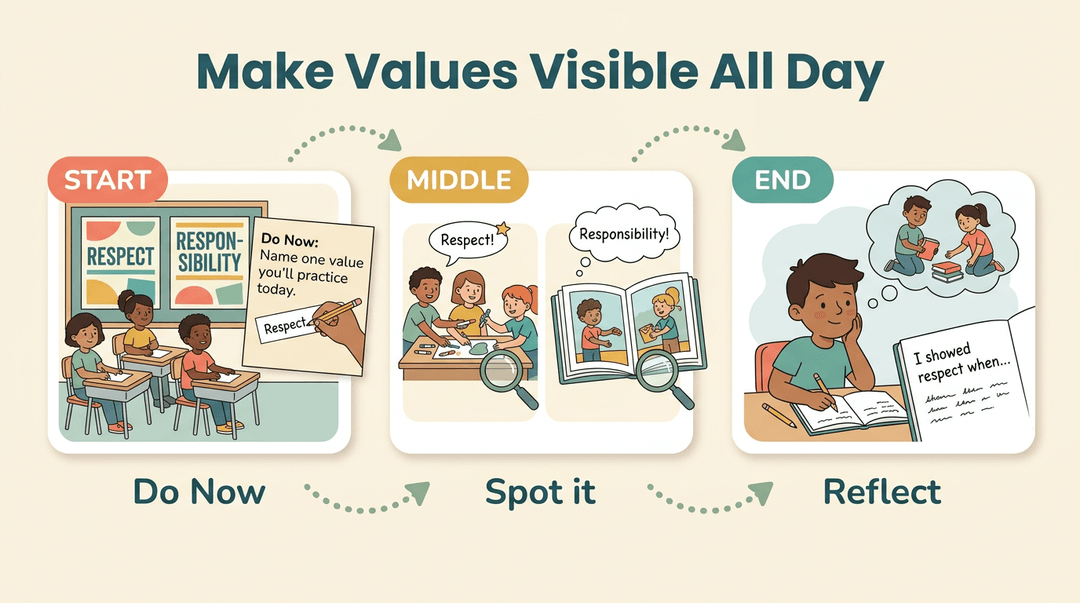
Post character-value posters, such as respect and responsibility, where students can read them from their seats. Open class with a Do Now, a short task asking students to name one value they'll practice today.
Later, have students spot that value in a classmate's teamwork or a book character's choice. End with a quick reflection on when they lived it.
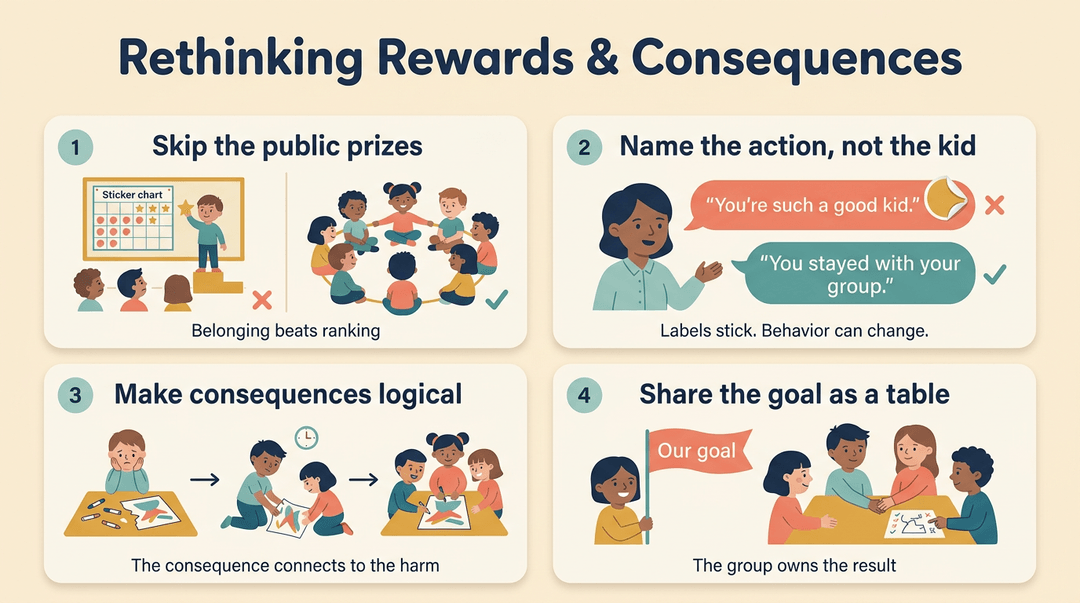
Rethinking rewards and consequences in class
Public rewards erode community. Alfie Kohn's community theory argues that rewards and punishments undercut the caring relationships classrooms need, and that students do better when they feel they belong.
Avoid good and bad kid labels. Name what a student did, not who they are: 'You stayed with your group' beats 'You're such a good kid.' Labels stick. Behavior can change.
Use logical consequences when behavior breaks a norm. A student who disrupts group work might lose a few minutes of free time to help the group repair the damage. The consequence connects to the harm.
Finally, we can build group responsibility for community. When a whole table shares a goal, the group owns the result and decides how to reach it.
Plan Community Building into Every Lesson
Community grows from small moves repeated in every lesson, not from one big activity in week one. Use this guide to build four short beats into your lesson plans, pick a grade-level starter, and check your plan each week.
The four-beat lesson frame
Put these in your plan the way you'd put in an objective. They bookend the lesson, so the academic work in the middle sits inside a community routine.
- Open with a check-in bell ringer
- Post a low-stakes prompt students answer as they enter.
- Try: "Show me with your fingers, 1 to 5: how's your energy today?"
- Use partner talk in practice
- Plan one spot mid-lesson where students turn and talk.
- Say: "Tell your partner one thing you'd add to their answer."
- Rotate partners so everyone works with everyone.
- Close with a reflective exit ticket
- Ask one question that looks at learning and belonging.
- Try: "What helped you learn today, and who helped?"
- End with a closing circle
- Students share one word or sentence, and anyone may pass.
- Say: "Pass, or share one thing you appreciated today."
Example: A sixth-grade science teacher posts "What's one thing you're curious about today?" as a bell ringer. Students pair up midway to explain a diagram to each other. The exit ticket asks which partner comment helped most, and the closing circle ends with one-word shares. Each beat takes a few minutes, and the lesson content stays the same.
Grade-level starters
Start with the activity for your band, then borrow from the others as your students grow into them.
| Grade band | Activity | What it looks like |
|---|---|---|
| K-2 | Feelings check-in | Students point to a feelings chart as they arrive |
| 3-5 | Class meeting | Students sit together to share news and solve a class problem |
| 6-8 | Advisory circles | A small, regular circle with a consistent discussion routine |
| 9-12 | Socratic seminar | Students discuss a text with open questions and speak to each other |
Weekly plan check
Before you finalize each week, confirm:
- One relationship-building activity is on the plan: a circle, a partner interview, or a shared task.
- One student-choice moment appears: a choice of topic, partner, or way to show learning.
- Norms get a brief revisit: one minute, such as "Which agreement did we live well this week?"
- Students to connect with are noted: jot names of anyone you haven't talked with one-on-one.
⚠️ Watch out: Community time is the first thing cut when a lesson runs long. Shrink the beat instead of dropping it. A one-sentence closing circle still counts.
Reuse across classes and years
- Save each routine as a template
- Store the prompt, directions, and materials together.
- Adjust it for each class
- Swap the prompt, grouping, or sharing format to fit the group.
- Refine after you reflect
- Jot one line on what worked and what to change.
Save community-building routines as reusable blocks in EMStudio's lesson planner so they're built into every week's plan.
What Are Examples of Community Building?
Community building usually looks like small, repeated routines, not one big event. Here are four to plan into your first weeks and keep all year.
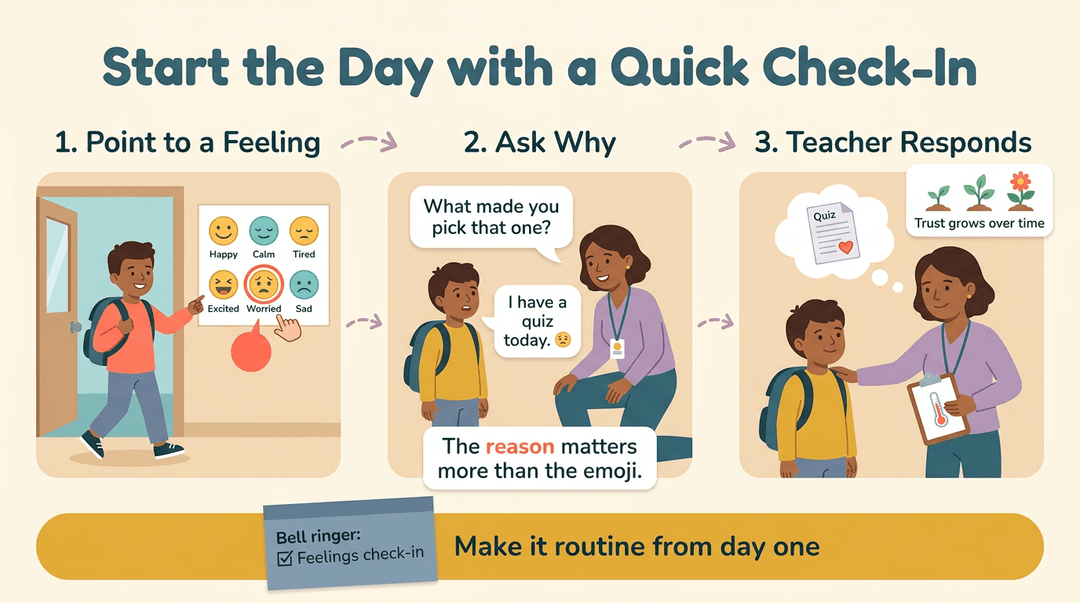
Start the day with quick check-ins
Begin with a check-in, a brief moment where students share how they feel. Offer a feelings list with emojis, then ask students to share why they picked one. The reason matters more than the emoji.
Consider a fifth-grade teacher who has students point to a feeling as they walk in. In seconds, she sees who's anxious about a quiz, and she runs a quick temperature check of her own. Over time, these moments build trust.
Add the check-in to your bell ringer so it's routine from day one.
Short group brain breaks to refocus students
According to Edutopia, short, regular classroom breaks can improve students' focus. Try quick games like Atom Game, Popcorn, or Simon Says during transitions, when students are already on the move. Common Thread and Connect This work well too.
Follow up with turn and talk: partners share one thing they noticed.
Hold weekly circle discussions tied to content
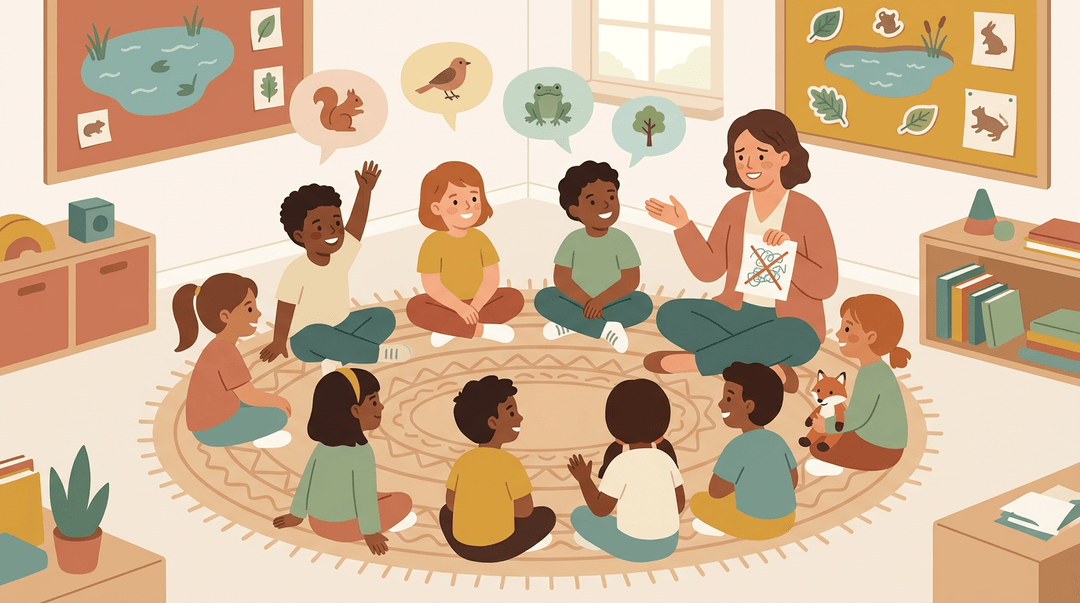
Hold a Weekly Circle Up built around your current content. Connect it to students' lives: a science unit on ecosystems might open with animals they've spotted in their own neighborhoods. Sit in the circle yourself, too.
When you share something personal, like a math mistake, you model the vulnerability you're asking for. Your willingness to share matters more than how polished your answer sounds.
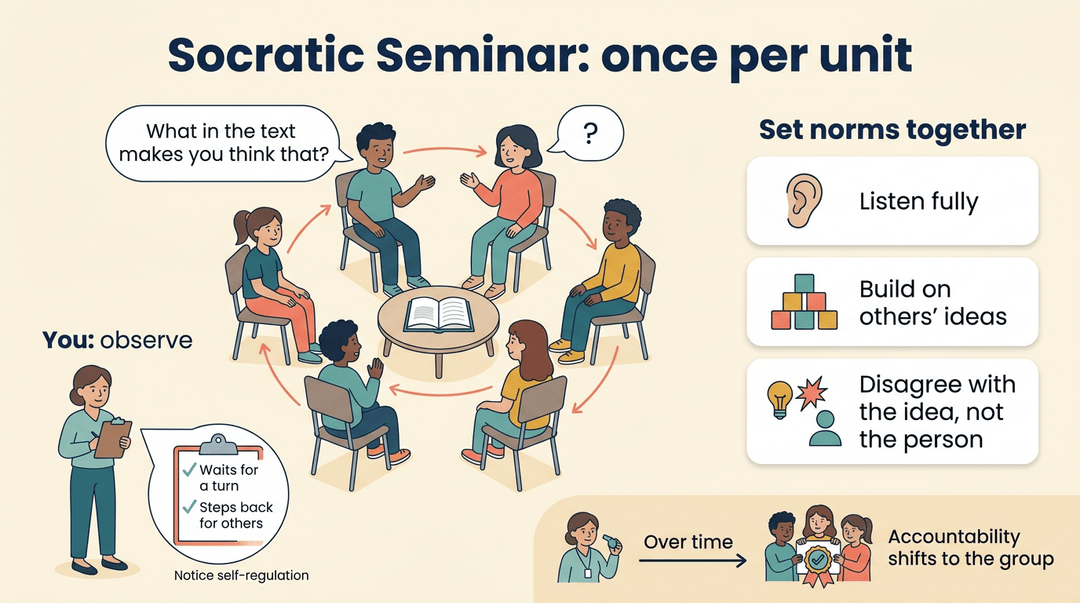
Run a Socratic seminar once per unit
A Socratic seminar is a discussion where students talk through a text with each other instead of waiting on the teacher. Build one into each unit plan so it doesn't get squeezed out. Before the first, set norms together:
- listen fully
- build on others' ideas
- disagree with an idea, not a person
Your job is mostly to observe. Notice who waits for a classmate to finish and who steps back when someone else needs the floor. That's self-regulation, and it shows you what to coach next.
Over time, students remind each other of the norms, so accountability shifts from you to the group.
Picture a seventh-grade class where two students disagree about why a character made a choice. Instead of stepping in, you wait. One student asks, 'What in the text makes you think that?' The room is holding itself together.
Handling Conflicts with Supportive Responses
Conflict will happen in your room. What matters is what students learn from how you respond.
Talk through conflicts and make a plan
Consider a fourth-grade teacher whose two students keep fighting over markers. Instead of sending one away, she uses four moves:
- Meet with students. Sit down with both and let each explain the problem in their own words.
- Students implement their own plan. Step back, then check in afterward.
- Use read-alouds. Pick a picture book with a similar falling-out and ask what each character could have done differently.
- Prepare students for respectful conflict. Model and practice how to disagree before the next clash.
Offer supportive breaks, not time-outs
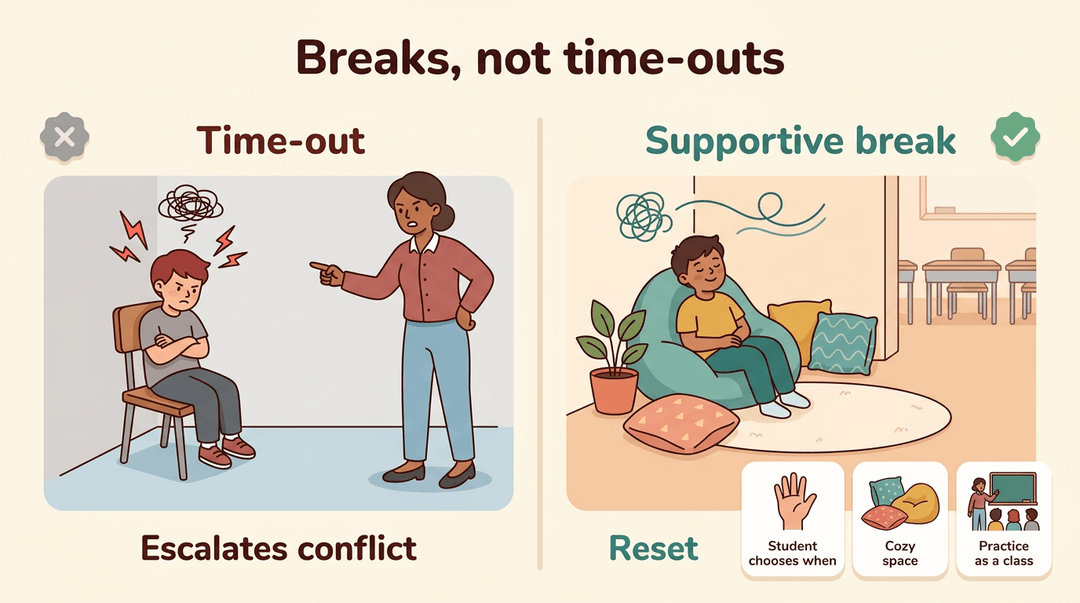
A Penn State study found that classroom time-outs can escalate conflict rather than help students regulate their behavior. Instead, offer a supportive break: a short, chosen pause to reset.
- Students choose when to break, within your routines.
- Create cozy break spaces with pillows, a beanbag, or a quiet corner away from the group.
- Review how breaks work with the whole class before anyone needs one.
Think of a break as a tool for reset rather than punishment.
Support students through hard tasks
Some tasks are tough, like a hard discussion or a reading that feels too long. Acknowledge that with a line like “This one's tough, and that's okay.” Then reassure them: “We're in this together.” When a reading feels too long, classroom accommodations can make the task feel doable.
During circle, sit near the student who's struggling, close enough to be a steady presence. Consider a third-grade teacher whose student dreads reading aloud. She sits beside him and reads the first line with him. Often that's enough to get started.
Connecting the Curriculum with Families
When lessons and families work together, community grows on its own. Here's how we can build that on purpose.
Let lessons build community too
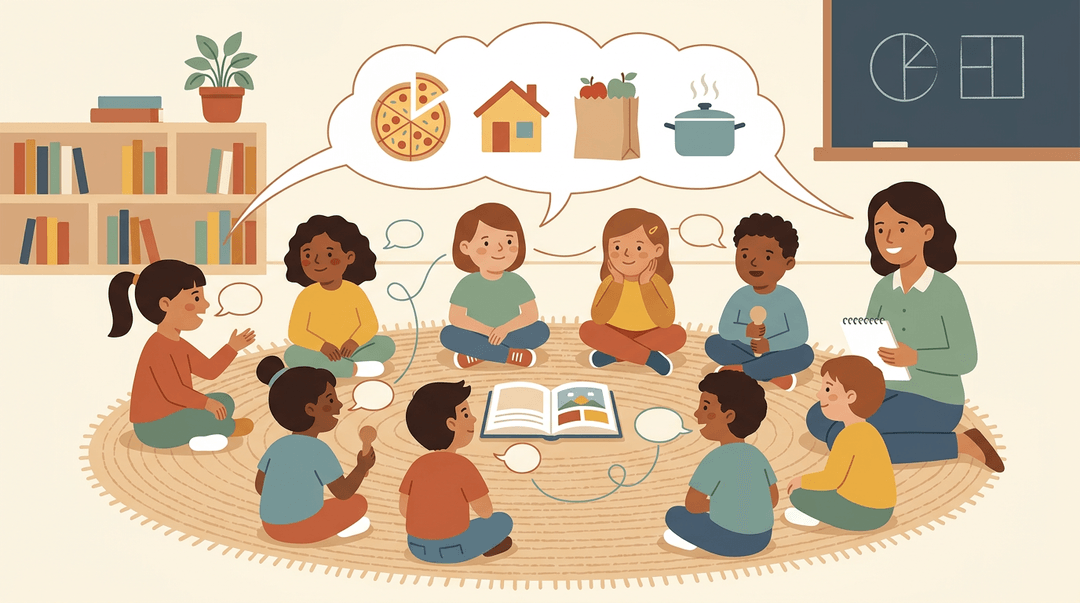
Start with personal connections: ask how a math problem or reading topic shows up at home. The content becomes theirs, and classmates learn about each other along the way.
Use a seminar (a small-group discussion where students build on each other's ideas) or a circle (everyone sits in a loop and speaks in turn) for academic topics like a story's theme.
Community and instruction work as one shared goal, not two separate jobs.
Shaping lessons around what kids love
Build from what kids care about. If your class loves dinosaurs or soccer, let that drive the reading. Adapt activities to students' lives too.
Think of a teacher whose families use a neighborhood laundromat: a visit becomes a sorting-and-counting lesson, and a parking-lot walk becomes a hunt for shapes. Students see their world in the work, and they lean in.
Advocate for play-based curriculum when families question it. A block tower teaches balance and planning, so name that learning out loud. Play is learning, and families should hear that from you.
Keeping families involved and informed
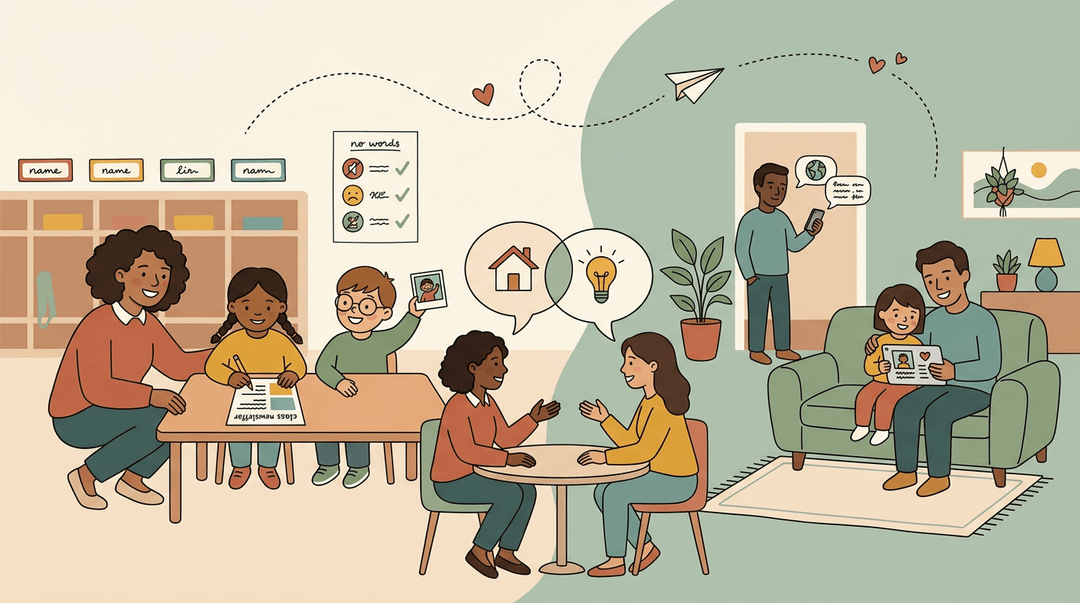
Try co-written class newsletters, where students draft sections so families hear the class in kids' own words. Send daily positive updates with photos of something a child did well. Kids light up. Families do too.
Make parent meetings a conversation rather than a report: ask what families notice at home, then share your plan.
For families who speak another language, use home language strategies, like sending key updates in their language and welcoming family words into class.
When students feel known, safe, and responsible for the room, learning gets easier for everyone. Community grows through small daily habits: greeting students by name, keeping rules fair and visible, and repairing rough moments instead of ignoring them.
Ready to make it a habit? Explore Lesson Planning to write, organize, and reuse your lessons across every class from one place.
References
- The Power of Togetherness in Physical Education: Relationship Between Class Cohesion, Engagement, Disruptive Behaviors, and Perceived Academic Performance — doi.org (2026)
- Fewer but Worse: How Callous-Unemotional Traits Shape Treatment Response to Standard vs. Modified Time-Outs — pure.psu.edu (2026)
- Research-Tested Benefits of Breaks — edutopia.org
Frequently asked questions
What is Alfie Kohn's theory?
Alfie Kohn argues that rewards and punishments can weaken caring relationships and students’ sense of belonging. Students are more likely to thrive when they feel they are valued members of a community, rather than being motivated through prizes or penalties.
What is the 70/30 rule in teaching?
The 70/30 rule suggests that students should do about 70 percent of the talking during a lesson, while the teacher speaks for about 30 percent. It encourages teachers to listen, pause, and give students room to explain their thinking.
How can I make a classroom?
Build a classroom where students feel they belong, are safe, and have a say in how the room works. Greet students by name, learn about them, create shared class norms, offer meaningful choices, and use regular check-ins, partner talk, and reflection. Respond calmly to conflict and help students repair harm.
What are examples of community building?
Examples include brief feelings check-ins, partner discussions, class meetings, advisory circles, and Socratic seminars. Teachers can also use shared tasks, student-written class norms, closing circles, and routines where students reflect on how they helped one another. These work best as small, repeated habits rather than one-off events.