What Is Waldorf Education, and How Does It Actually Work?

Jump to section
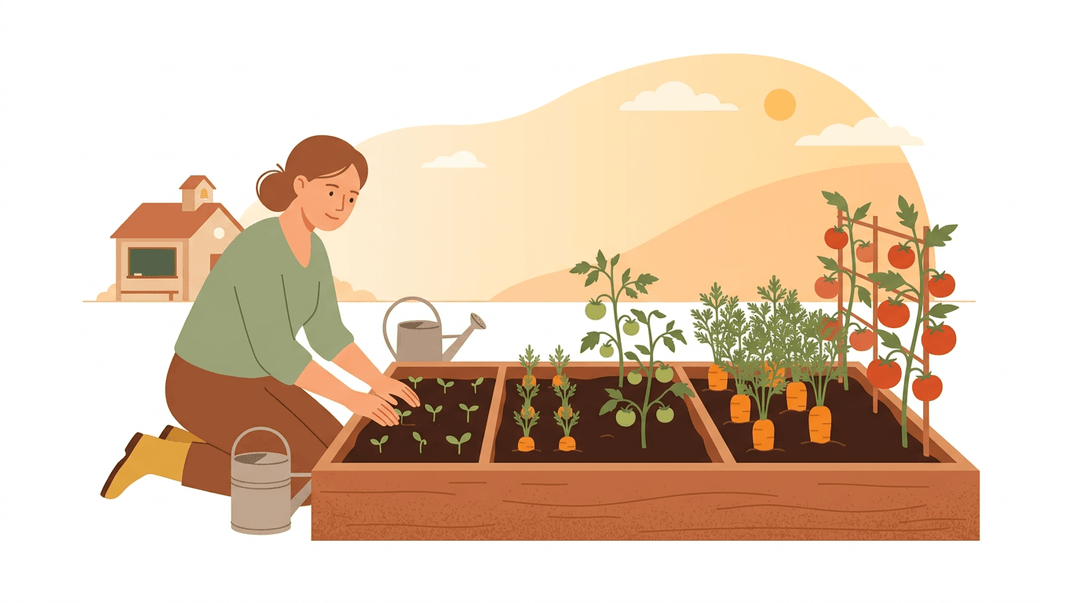
Think about a garden that's tended season by season: the gardener doesn't yank up carrots to check if they're ready, and she doesn't rush the tomatoes into bloom before summer. She trusts the timing of growth.
Waldorf education works on that same trust, shaping lessons around a child's developmental stage rather than a fixed pace. It's more than a century old and still sparks curiosity (and debate) among teachers today.
Here's what it actually looks like, and how you can borrow from it in your own classroom.
What Is Waldorf Education?
Waldorf education is a teaching approach built around the whole child: not just what a student knows, but who a student is becoming. To understand how it got there, it helps to start with where it began.
Where Waldorf Education Began
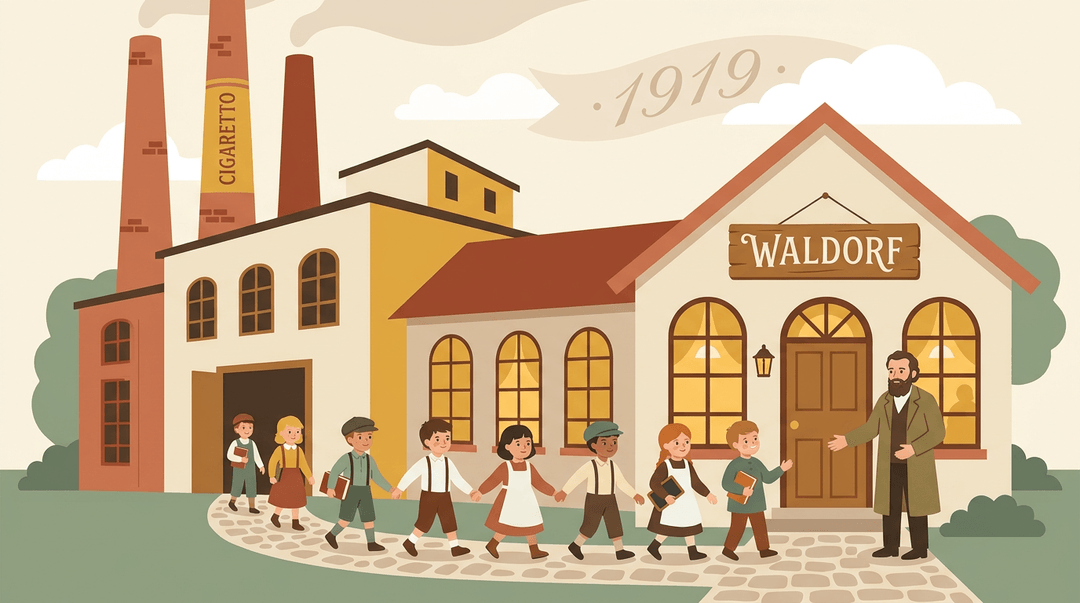
The first Waldorf school opened its doors in 1919 in Stuttgart, Germany, according to WDR, founded by the Austrian philosopher Rudolf Steiner.
The name itself has a surprisingly industrial origin: the school was named after the Waldorf-Astoria cigarette factory, whose director invited Steiner to educate his employees' children.
Today, Waldorf and Steiner aren't just descriptive words; they're trademarked terms owned by the Association of Waldorf Schools of North America, which sets the standard for who can use the name.
Why Spiritual Philosophy Shapes the Method
Steiner's educational ideas grew out of a spiritual philosophy he called anthroposophy. That philosophy isn't taught directly to students.
Instead, it works quietly in the background, framed as a non-religious worldview focused on human development: intellectual, emotional, and spiritual growth, all treated as equally important.
What Are the Three Golden Rules of Waldorf?
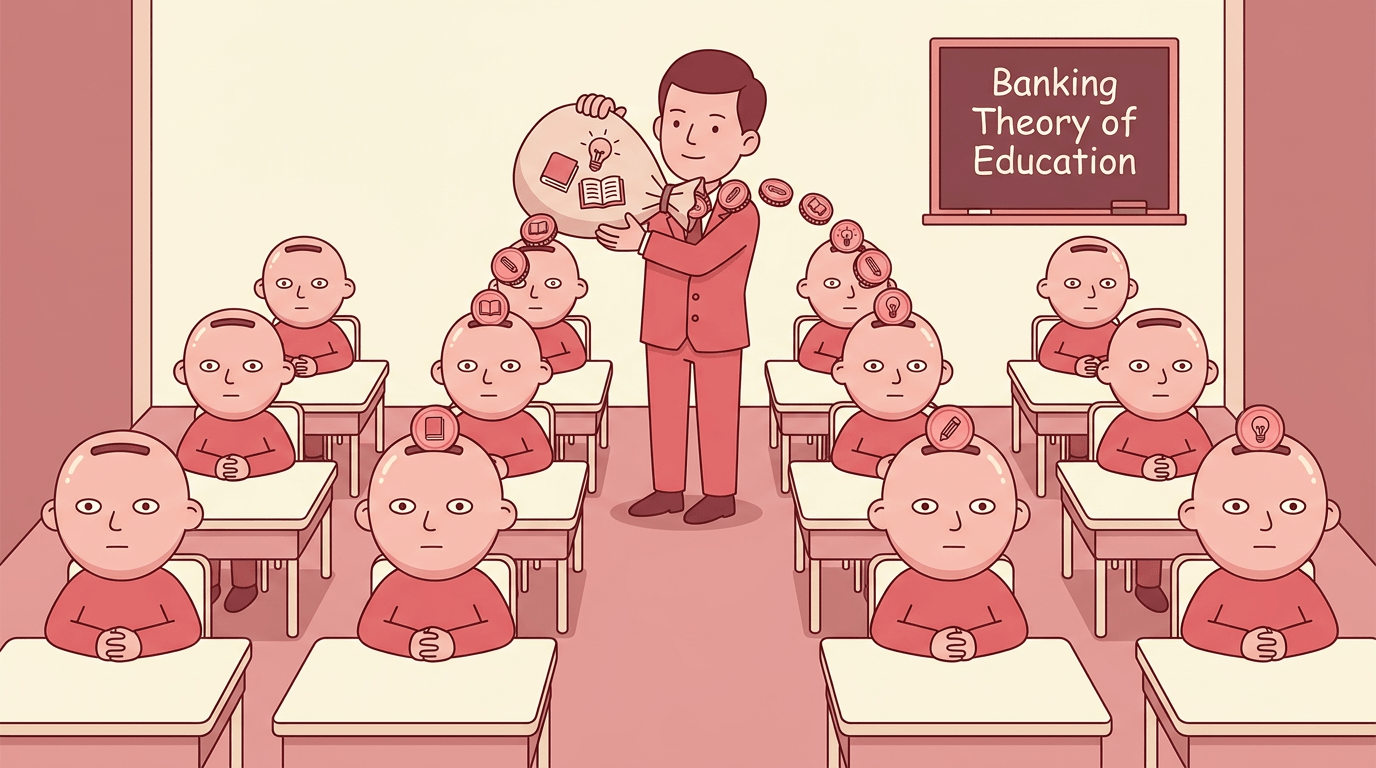
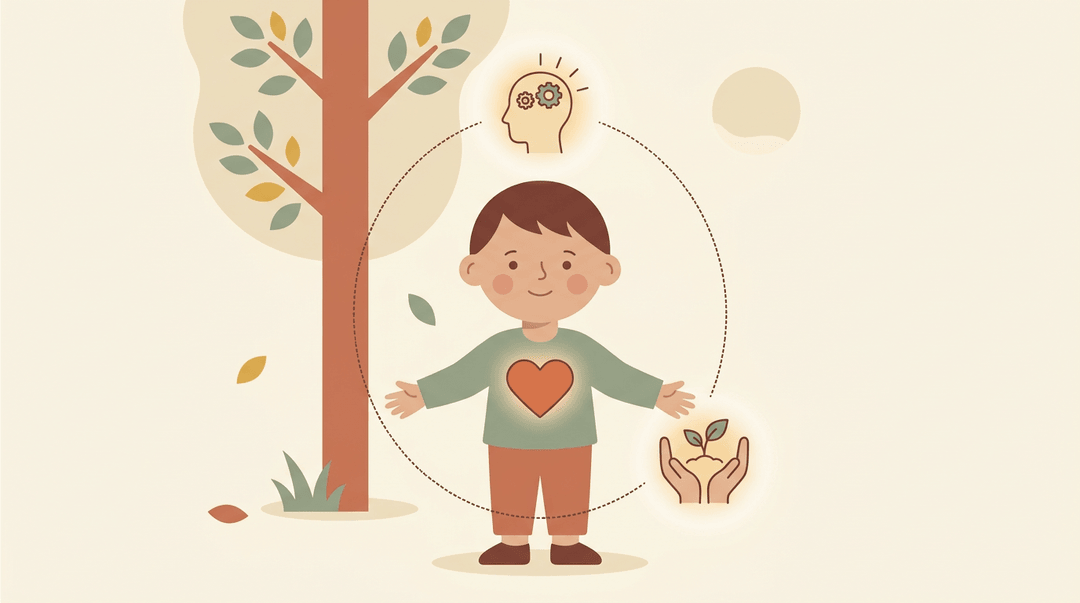
Waldorf's guiding principle is often summed up as head, heart, and hands: thinking, feeling, and doing, developed together rather than in isolation. It's less about filling a child with facts and more about growing a whole person.
The aim is straightforward: raise free, moral, and creative individuals who can think for themselves and act with purpose.
The Core Ideas Behind Waldorf Teaching
Waldorf classrooms run on a handful of core beliefs about how children grow, and once you see them, the curriculum choices start to make sense.
It's often mentioned alongside Montessori, another child-centered philosophy, but the two part ways in some fundamental places.
Learning Paced to Child Development
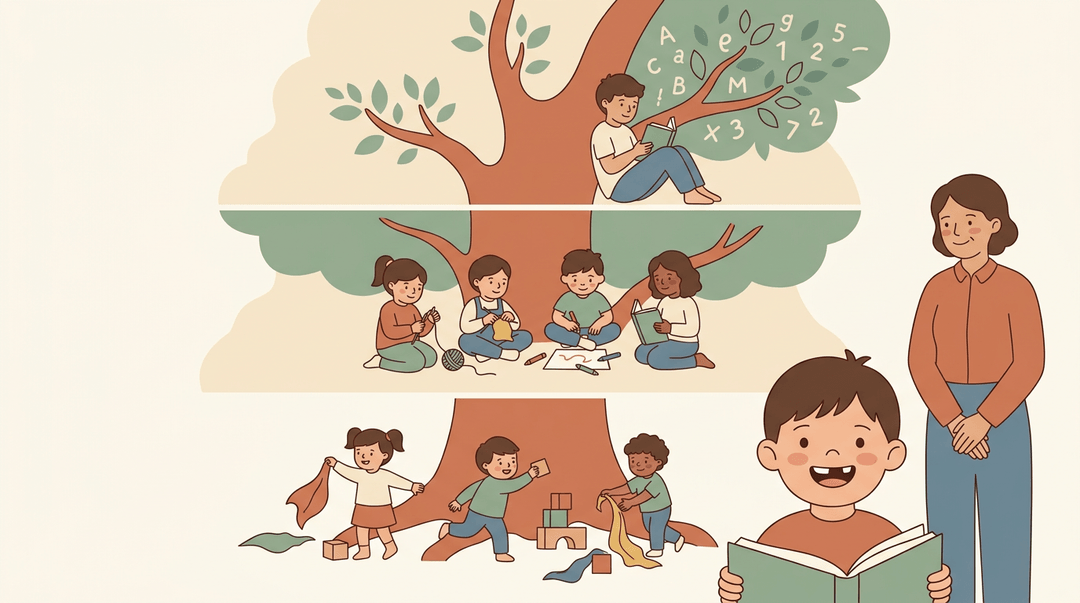
Waldorf education rests on the idea that children move through three seven-year developmental stages, each with its own readiness for certain kinds of learning.
Content isn't introduced because a curriculum guide says so: it's introduced when a child's mind and body show they're ready for it.
That's one of the sharpest contrasts with Montessori, which lets each student choose activities at their own pace within a prepared environment.
Waldorf instead structures the whole class around one shared developmental stage, with the teacher setting the pace.
Formal reading instruction, for example, typically waits until around age 7, well past when many traditional programs start.
Teachers even look for the loss of baby teeth as a marker that a child has entered the next stage and is ready for more abstract academic work.
For a kindergarten teacher weighing this approach, the takeaway is simple: align pacing to the seven-year stages rather than pushing content earlier just because it's available.
Learning Through Art and Movement
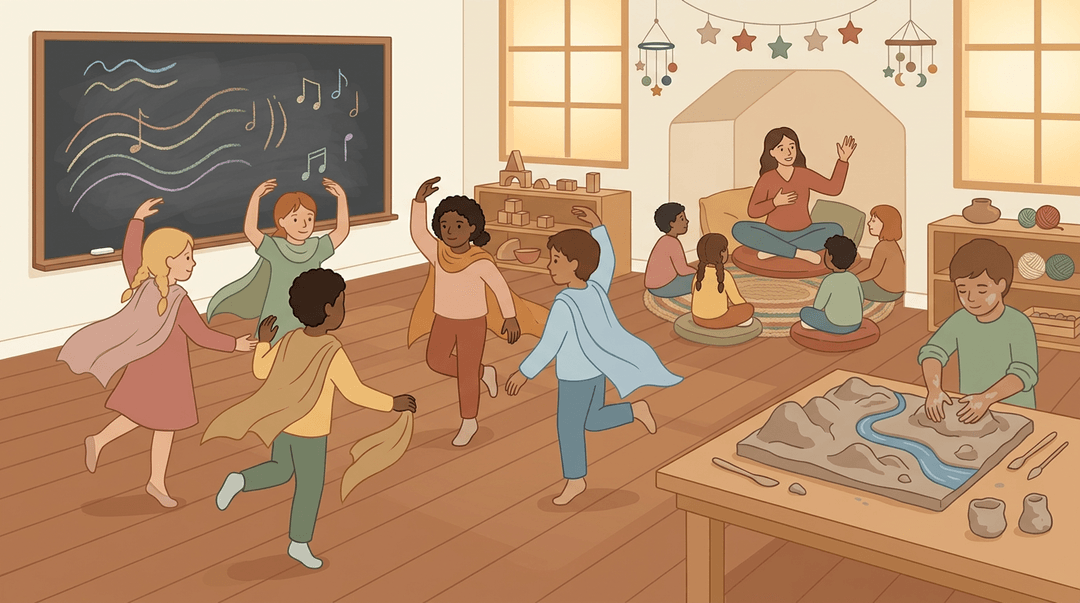
Every subject gets filtered through the arts. A math lesson might open with a rhythmic clapping game; a history lesson might unfold as a story told aloud rather than read from a textbook.
Storytelling, movement, and music aren't extras here: they're often the delivery method for the content itself.
Lessons lean heavily on hands-on, project-based work: a fourth grader studying local geography might build a clay relief map instead of filling out a worksheet.
One movement art is unique to Waldorf schools: eurythmy, where students express language and music through choreographed gesture, something you won't find on offer anywhere else.
Keeping Screens Out of Early Grades
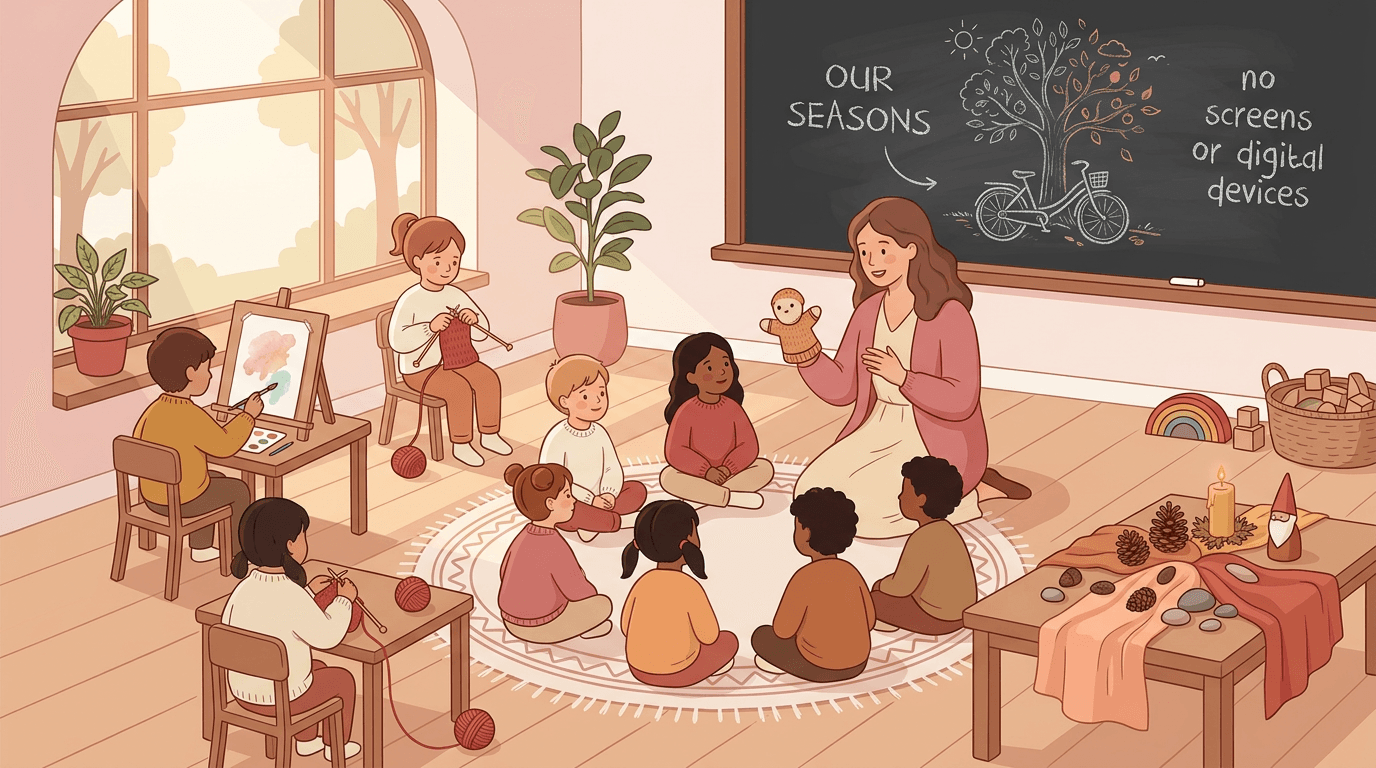
Screens are actively discouraged in the early grades. Classrooms lean on natural materials, wooden toys, and open-ended imaginative play instead, on the belief that unstructured creativity does more for a young child than a tablet ever could.
Technology gets introduced gradually, usually around early adolescence, once students have built a foundation without it.
That low-tech stance has an unexpected fan base.
According to a report from LSE's Parenting for a Digital Future blog, the enrolment of tech industry parents in unconventional low-tech schools, including many Waldorf schools, reflects a real trend among families who build screens for a living.
One Teacher, Many Years Together
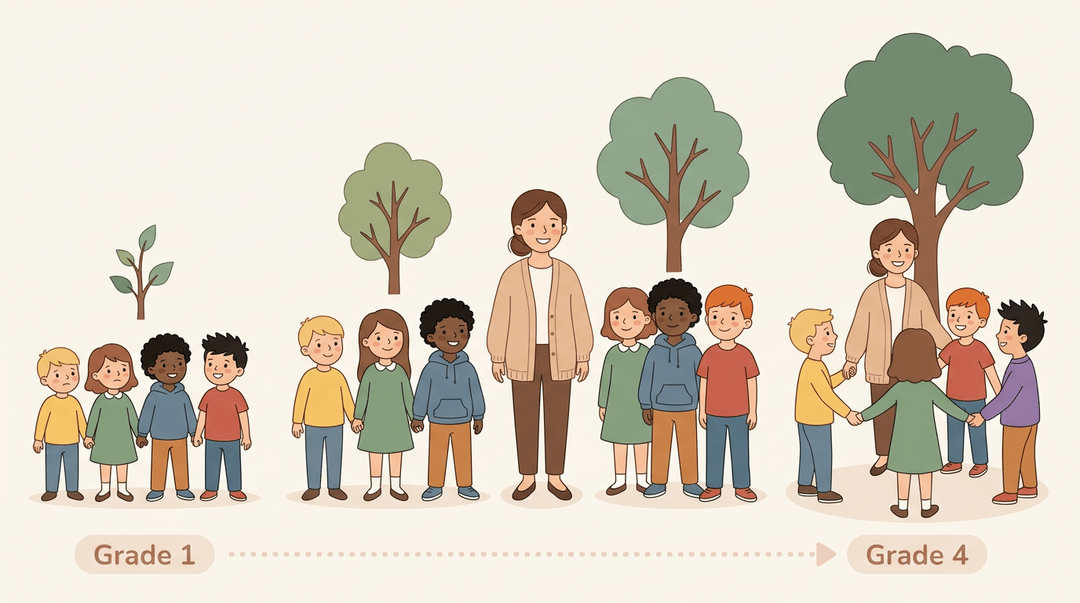
Waldorf classrooms often keep the same teacher with the same group of students for several years, a practice called looping.
A first-grade teacher might still be teaching that same class in fourth grade, watching each student grow rather than starting fresh every September.
That continuity builds relationships that are hard to form in a single year, and it shapes classroom culture too: cooperation is prioritized over competition, and team sports are delayed until the upper grades so younger students focus on working together rather than winning.
Bringing Waldorf Principles into Your Classroom
You don't need a full Waldorf school to borrow its strongest moves. Start with rhythm, layer in the arts, then adjust for your grade band and rethink how you track growth.
Build the daily rhythm first
Rhythm is the backbone of a Waldorf day: predictable beats that let students settle into deep work.
- Open with a morning circle.
- 10 to 15 minutes: a shared verse, a song, some movement, then the day's plan.
- Teach one two-hour main lesson.
- One subject, explored deeply, in a block that runs 3 to 4 weeks before rotating.
- Anchor the year with seasonal rituals.
- Repeat them annually: a fall lantern walk, a winter candle story, a spring planting day.
⚠️ Watch out: rhythm only works if it's consistent. Keep the circle daily, even shortened; skipping it on busy mornings is how the routine quietly dies.
Weave arts into every subject
In Waldorf practice, art isn't a Friday treat: it's the delivery method for academic content.
- Tell math as a story. Try: "King Divide shares 12 gems fairly among 4 knights. How many does each receive?"
- Memorize through movement. Students step in a circle, stomping on multiples of 3 while counting aloud.
- Tie handwork to the unit. Knitting rows while skip-counting; stitching a fabric pouch during a geometry block.
Match the focus to the grade band
The same principles look different at each stage. Find your band, read across.
| Grade band | Lead with... | What it looks like |
|---|---|---|
| Early childhood | Sensory play | Wool, beeswax, water, sand; hands before symbols |
| Elementary | Main lesson books | Students write and illustrate their own textbooks |
| Secondary | Independent research | A student-chosen project, developed and presented over a term |
Example: A fourth-grade class studying local geography draws its own maps in main lesson books. Each student illustrates the rivers and landmarks, then writes a paragraph beside the drawing. The book becomes both textbook and portfolio piece.
Track progress without grades
Waldorf assessment answers "who is this learner becoming?" rather than "what score did they get?" Before your next reporting cycle, confirm you have:
- Narrative progress notes for each student, specific and forward-looking. Not "good at math" but: "Maya now regroups confidently in subtraction; next we'll build toward multi-digit multiplication."
- A dated portfolio of real work: main lesson books, handwork, photos of projects and performances.
- A plan to delay standardized testing in the early grades, replacing it with your observation notes and the portfolio itself.
At a glance: set the rhythm, deliver content through the arts, tune the focus to the grade band, and document growth in words and work rather than scores. Map these rhythms and standards alignment easily with EMStudio's curriculum planner.
How Waldorf Schools Structure Learning
Waldorf schools organize the whole journey, from kindergarten through twelfth grade, around what a child is developmentally ready for rather than a fixed scope-and-sequence.
That shows up differently at each age, but the through-line stays the same: meet the child where they are.
Early Childhood: Play and Practical Life
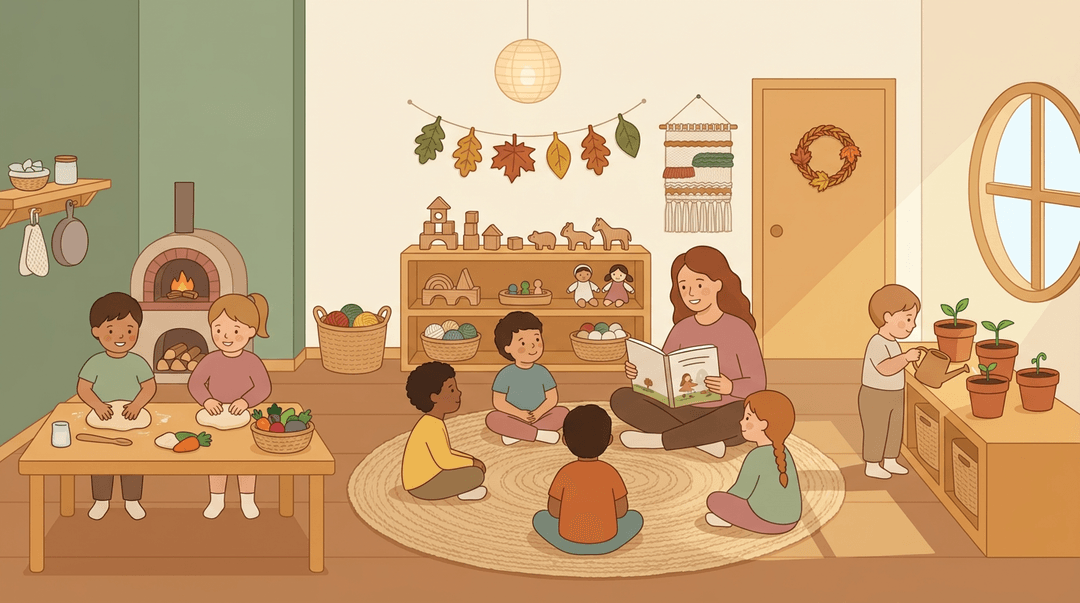
Young children spend their days in free play and circle time, with practical life tasks like cooking, baking, and gardening woven into the daily rhythm. Seasonal festivals and storytelling mark the passing year, and the classroom itself feels more like a home than a school: natural materials (wood, wool, cotton) stand in for plastic toys and screens.
Elementary Years and Main Lessons
From first grade on, the day opens with a two-hour main lesson block, where one class teacher carries core academics like math, history, and science through artistic methods:
- drawing
- movement
- recitation
- music
instead of worksheets. Handwork rounds out the week:
- knitting
- painting
- craft projects that build fine motor skill alongside patience
Two foreign languages begin in grade one, and students keep main lesson books, hand-illustrated notebooks that double as portfolios of their own learning.
High School: Specialists and Independent Thinking
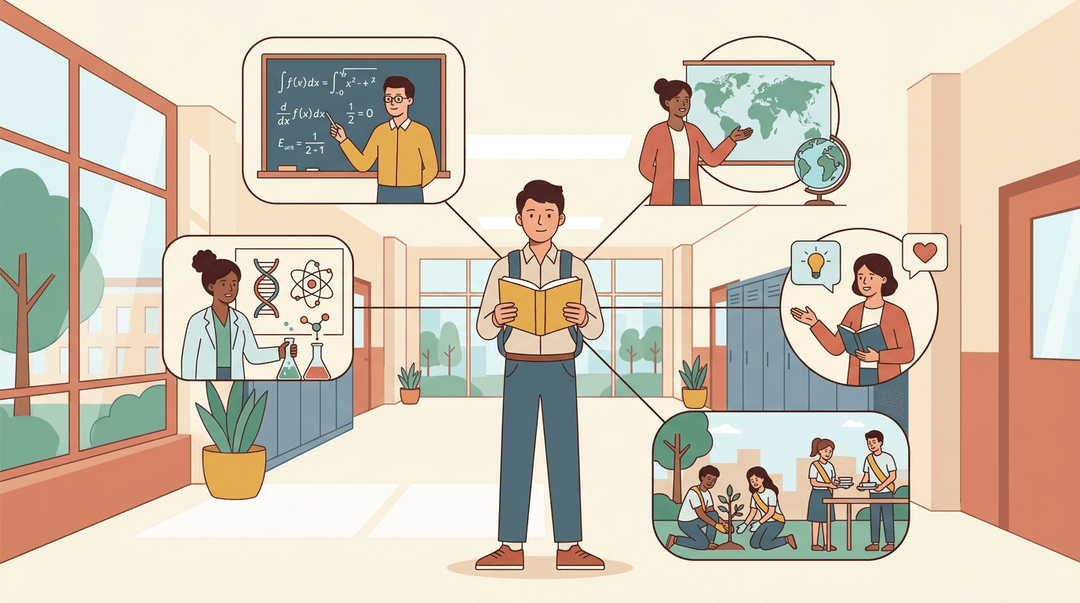
Around age fourteen, specialist teachers take over each subject, and the focus shifts toward abstract, independent thinking. The academics stay college-preparatory, but with an added emphasis on ethics, alongside community service and leadership opportunities that ask students to apply what they've learned beyond the classroom.
How Waldorf Schools Teach Science
Waldorf science classes lean on a phenomenological method: students observe a phenomenon closely, often through drawing rather than a textbook, before ever naming the underlying law. Critics call this unscientific. A critique from Harvard's Program for the Evolution of Spirituality argues the pedagogy's science content is "ideologically charged" and not scientifically justifiable. Yet the outcomes are mixed rather than damning: a 2021 peer-reviewed study found Waldorf 15-year-olds showed "high motivation but moderate achievement" in science, with noticeably greater enjoyment and interest than their peers.
How Progress and Outcomes Are Measured
Without letter grades or high-stakes testing driving the early years, you might wonder how a Waldorf teacher actually knows a student is growing.
The answer is a different kind of record-keeping, one built to capture a whole child rather than a single score.
How Teachers Track Student Progress
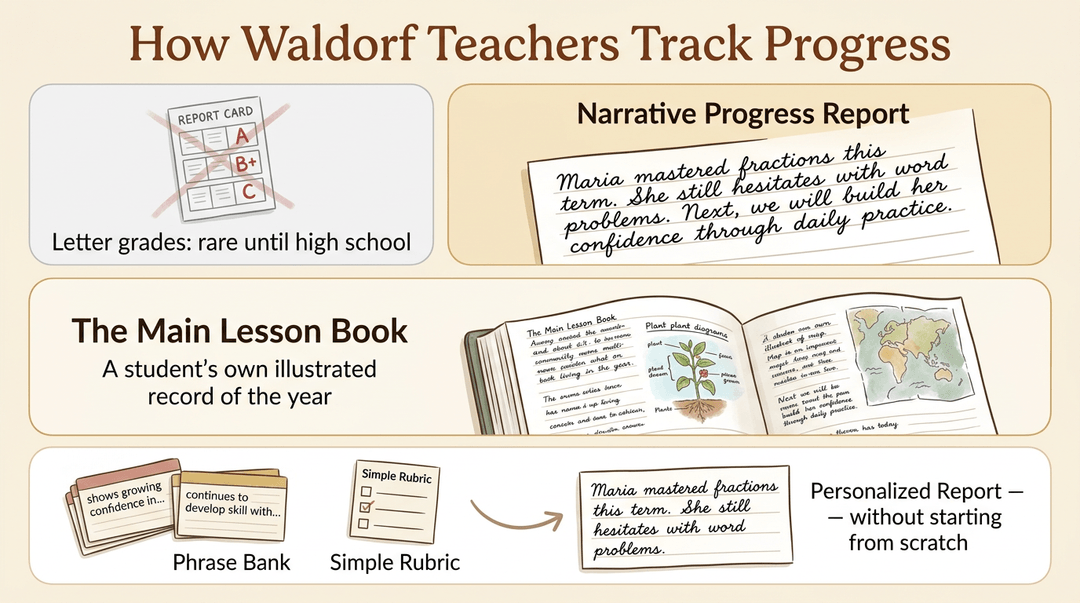
Instead of a report card full of letters, a Waldorf teacher writes a narrative progress report: paragraphs describing what a student mastered, where they struggled, and what's next.
Letter grades don't appear until high school, and standardized tests stay rare until college entrance exams make them unavoidable.
The clearest record of a student's year is often their main lesson book, the handwritten, illustrated notebook where they've built their own account of what they learned.
Writing narratives with that much care can eat an evening fast, so many teachers streamline the process with a bank of reusable phrases and a simple rubric, keeping the personal voice without starting from a blank page every time.
What Happens to Waldorf Graduates
According to GMWS's alumni data, 98% of Waldorf graduates go on to college. Universities often seek them out, valuing their leadership, ethics, and knack for connecting ideas across subjects rather than just recalling facts.
What Research Says About Student Development
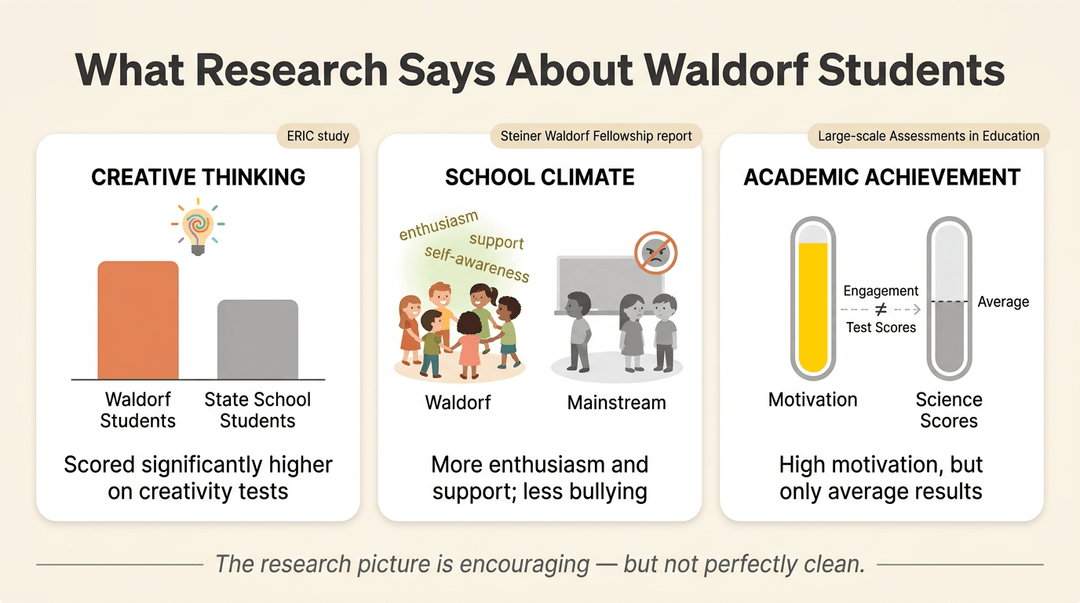
The research picture is encouraging, if not perfectly clean. One comparative study, published through ERIC, found Waldorf pupils scored significantly higher on tests of creative thinking than their state-school peers.
A report from the Steiner Waldorf Schools Fellowship found students reporting more enthusiasm, support, and self-awareness than mainstream counterparts, a climate some researchers tie to lower bullying and xenophobia.
Academic achievement is murkier: a study in Large-scale Assessments in Education found Waldorf students showed high motivation but only average science achievement, a reminder that engagement and test scores don't always move together.
How Waldorf Schools Are Run Worldwide
No single office dictates how a Waldorf school operates, and that independence shows up in funding, governance, and geography alike.
Independent, Public, and Homeschool Options
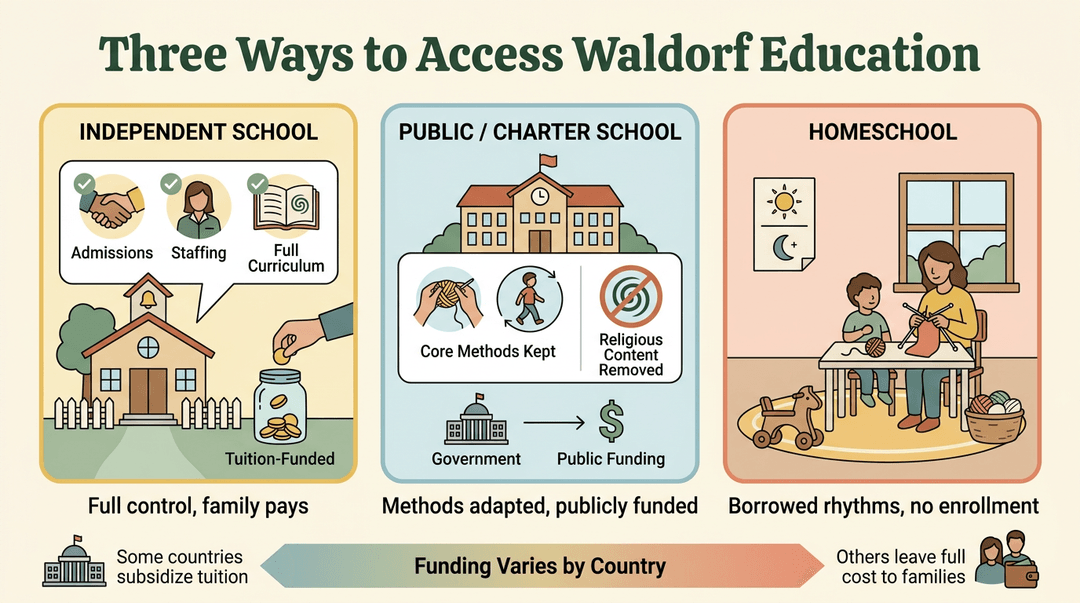
Most Waldorf schools are independent and tuition-funded, giving them full autonomy over admissions, staffing, and curriculum. In the US and elsewhere, Waldorf-inspired charter and public schools adapt the core methods within public funding rules, usually by dropping explicitly religious or anthroposophical content. There's also an informal homeschooling movement, where parents borrow Waldorf's rhythms and handwork projects without enrolling in a school at all. Funding and tuition vary widely by country: some nations subsidize independent Waldorf schools like other private schools, while others leave costs entirely to families.
How Waldorf Schools Govern Themselves
Instead of a single principal, most Waldorf schools run on shared leadership. A college of teachers, made up of veteran faculty, sets pedagogical policy and hires staff, while a separate board of trustees handles finances and legal matters. National and international coordinating bodies oversee teacher training and accreditation, though certification requirements still vary by country and aren't always mandatory.
Where Waldorf Schools Exist Worldwide
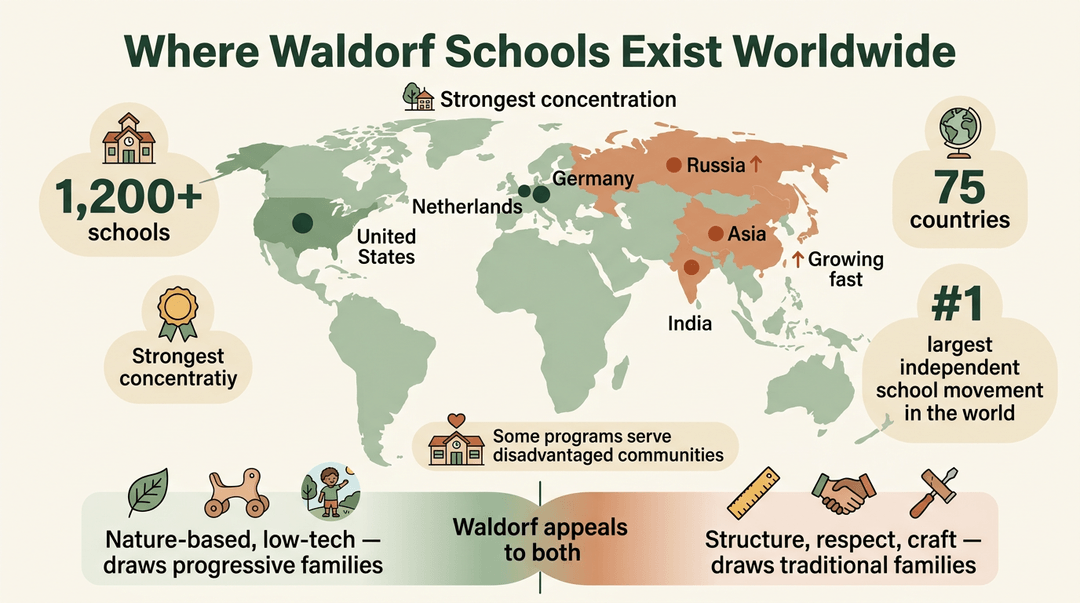
Waldorf education isn't a niche experiment. According to Waldorf School of Palm Beach, there are now more than 1,200 Waldorf schools across 75 countries, making it the largest independent school movement in the world. Germany, the US, and the Netherlands host some of its strongest concentrations, while Asia, India, and Russia have seen steady recent growth. Some programs specifically serve disadvantaged communities. As for politics, Waldorf resists easy labels: its nature-based, low-tech philosophy draws progressive-minded families, while its emphasis on structure, respect, and craft appeals to more traditional ones too.
Common Criticisms of Waldorf Education
Waldorf education draws deep loyalty from many families, but it isn't without real, documented concerns.
Understanding these controversies helps you weigh Waldorf's strengths against its most persistent challenges before recommending or adopting its methods.
Concerns Over Steiner's Racial Views
Rudolf Steiner's writings included statements that framed race in hierarchical terms, describing some groups as more spiritually "advanced" than others.
Researchers examining his work note that his thought moved between this racial hierarchy and a competing universalism, the idea that racial and ethnic differences would eventually dissolve.
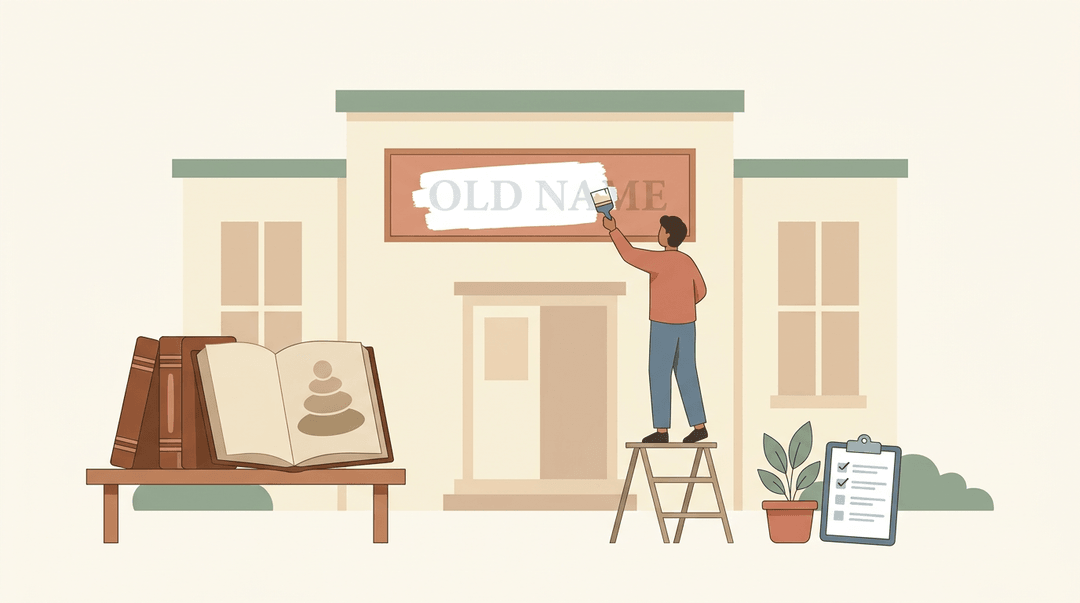
Anthroposophical associations have since issued statements condemning racism and distancing the movement from those views, and several schools have quietly changed their names, as one US school explained, after "thoughtful reflection and community dialogue over several years."
Critics still argue that Steiner's reincarnation-based race claims haven't been fully reckoned with in official curricula.
Why Critics Call the Curriculum Unscientific
Some Waldorf teachings, including ideas about child development tied to spiritual stages, have been flagged by experts as pseudoscientific rather than evidence-based.
That skepticism reached an institutional level when Stockholm University decided to end its Steiner-Waldorf teacher training program.
Critics have also pointed to how some Waldorf materials treat Old Testament stories as historical fact, and to a broader pattern they call an anti-science agenda that downplays conventional biology and medicine in favor of anthroposophical ideas.
Vaccine Hesitancy and Health Concerns
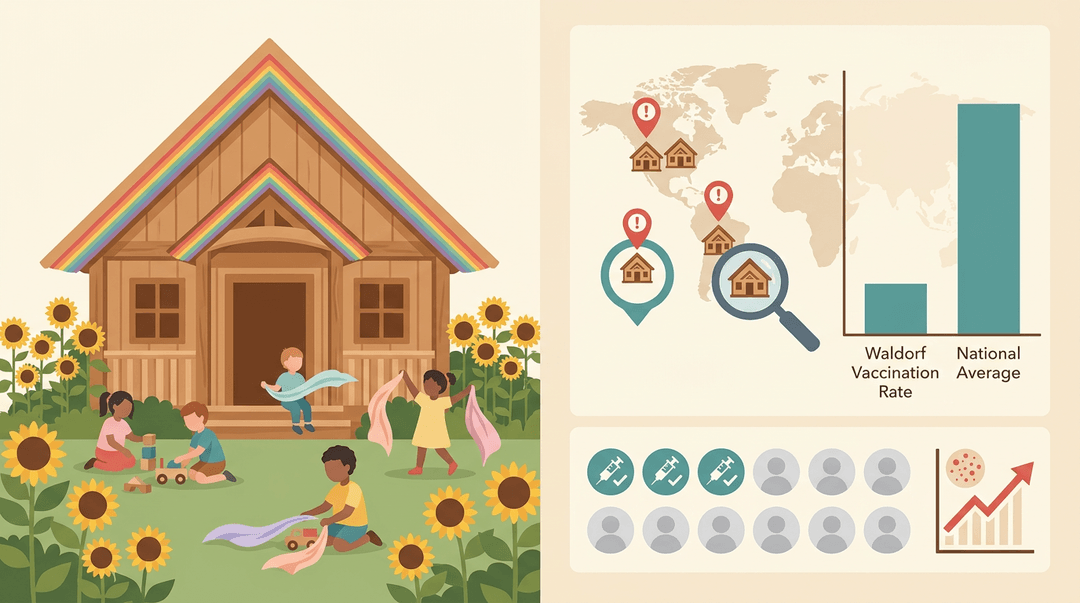
Public health researchers have repeatedly flagged low vaccination rates in Waldorf communities.
Reporting on California's Waldorf schools found unusually low immunization numbers as measles cases climbed nationally, and outbreaks of measles and chickenpox have been linked to Waldorf campuses in multiple countries.
The Association of Waldorf Schools of North America (AWSNA) has issued statements supporting vaccination, and UK health officials have flagged some Waldorf communities as high-risk populations worth monitoring.
Regulatory and Safeguarding Problems
Not every Waldorf school has met basic regulatory standards. Ofsted inspectors rated one Bristol Waldorf school "Inadequate," finding pupils "at risk of harm," and other schools have faced closures after similar findings.
Parents and former staff have raised allegations of special-needs students being mistreated or under-supported, and safeguarding lapses have surfaced in multiple reports.
In some regions, legal disputes have also emerged over whether Waldorf education counts as a religious practice, which affects its funding and regulatory status.
Debate Over Anthroposophy and Mysticism
Because anthroposophy blends spiritual philosophy with education, critics often describe its influence on the classroom as magical thinking dressed up as pedagogy.
France's government body monitoring cults, MIVILUDES, has flagged anthroposophy for cult-like concerns, and scholars continue to debate whether it functions more like a religion than a philosophy.
Esoteric ideas, like karma and reincarnation, still shape parts of the curriculum, and critics argue that's worth knowing before adopting Waldorf methods in your own classroom.
Waldorf education isn't a rigid formula. It's a philosophy built on patience, imagination, and meeting students where their development actually is, not where a pacing guide says they should be.
Whether you adopt all of it or just a few of its habits, the underlying idea travels well: real growth takes time, and good teaching respects that.
Ready to map out a year that gives that kind of growth room to breathe? Check out our Curriculum Planning feature to plan units, lessons, and standards across your whole school year.
References
- What motivates ‘tech-free’ Silicon Valley parents to enrol their children in makerspaces? — blogs.lse.ac.uk
- Philosophical Implications of Steiner’s Waldorf Pedagogy. A Critique of Ideological Criticism — pes.hds.harvard.edu
- The Comparative Status of the Creative Thinking Ability ... — files.eric.ed.gov
- Between Racism and Universalism: Rudolf Steiner’s Doctrine of Racial Development and Decline — researchgate.net
- Explaining Waldorf students’ high motivation but moderate achievement in science: is inquiry-based science education the key? | Large-scale Assessments in Education — link.springer.com (2021)
- Erste deutsche Waldorfschule eröffnet (am 07.09.1919) - WDR 2 Stichtag - WDR 2 - Podcasts und Audios — www1.wdr.de (2025)
- Understanding Steiner and Waldorf Education: A Complete Guide ... — waldorfschoolpalmbeach.org (2026)
- SWSF News: October 2012 — news.steinerwaldorf.org (2026)
- School rated 'inadequate' as Ofsted finds pupils put 'at risk of harm' — bristolpost.co.uk (2025)
- How the Waldorf movement began. — freunde-waldorf.de
- July 31, 2019 Guidelines for the Registered Service Marks ... — waldorfeducation.org
- How Waldorf Schools Teach Math & Science (Grades 4–8) — nevadasagewaldorf.org
- Waldorf High School Alumni Success Stories — gmws.org
- St Paul's Waldorf School — stpaulswaldorfschool.org
- Stockholm University ends Steiner teacher training — thelocal.se
- As anti-vaxx dispute rages, attention turns to California's Waldorf schools | Vaccines and immunisation — theguardian.com
- Statement on Immunizations | Prioritize Health - Learn More Today — bendwaldorf.com
- Ofsted inspections find three Steiner schools to be inadequate | Free schools — theguardian.com
- Waldorf School in Princeton Must Pay $58,000 in Discrimination Suit: AG — patch.com
- The 2022 Report of the MIVILUDES: From Sloppiness to Slander — bitterwinter.org
Frequently asked questions
What is the Waldorf method of teaching?
The Waldorf method is a child-centered approach that teaches the whole person through intellectual, emotional, and practical development. Lessons follow developmental stages and use storytelling, art, music, movement, handwork, practical activities, and imaginative play. Academic instruction, technology, and formal assessment are introduced gradually, with early learning emphasizing rhythm and creativity.
What is the difference between Montessori and Waldorf education?
Montessori education lets children choose activities and work independently at their own pace within a carefully prepared environment. Waldorf education generally teaches the whole class together, with the teacher setting the pace according to shared developmental stages. Montessori classrooms use specialized learning materials and introduce academics earlier, while Waldorf places greater emphasis on storytelling, imagination, arts, movement, and delaying formal reading instruction until around age seven.
What is the Steiner method of teaching?
The Steiner method is another name for Waldorf education, named after its founder, Rudolf Steiner. It is based in the educational ideas associated with Steiner and is influenced by his spiritual philosophy of anthroposophy. In practice, it emphasizes developmental readiness, arts, practical work, storytelling, movement, and education of the head, heart, and hands.
What are the disadvantages of Waldorf education?
Potential disadvantages include delayed formal reading and limited technology, which may not suit every child or family. Academic progress can be harder to compare because early grades typically avoid letter grades and standardized testing. Critics also raise concerns about anthroposophy, uneven scientific rigor, vaccination attitudes in some communities, costs, and variation in safeguarding or support for students with additional needs.
What are criticisms of Waldorf?
Critics question Waldorf's links to anthroposophy and argue that some developmental and scientific ideas are not evidence-based. Steiner's writings on race, the movement's association with vaccine hesitancy in some communities, and occasional safeguarding or regulatory failures have also drawn criticism. Other concerns include delayed academics, limited technology, and inconsistent support for special-needs students across schools.
What are the three golden rules of Waldorf?
The three guiding principles are often expressed as head, heart, and hands. They represent the development of thinking, feeling, and doing together. Waldorf education aims to nurture free, moral, creative people rather than focusing only on factual achievement.
How is Steiner different to Montessori?
Steiner and Montessori are closely associated with child-centered education, but they organize learning differently. Steiner education follows shared developmental stages and emphasizes imagination, storytelling, arts, rhythm, and teacher-led class experiences. Montessori emphasizes individual choice, independent work, specialized materials, and self-paced learning in a prepared environment.
Is Waldorf liberal or conservative?
Waldorf does not fit neatly into either a liberal or conservative political category. Its nature-based, low-tech, creative approach often appeals to progressive families, while its structure, routines, respect for tradition, and emphasis on craft appeal to more traditional families. Individual schools and communities can therefore vary considerably in their culture and politics.