What Is Special Education and How Does It Actually Work?
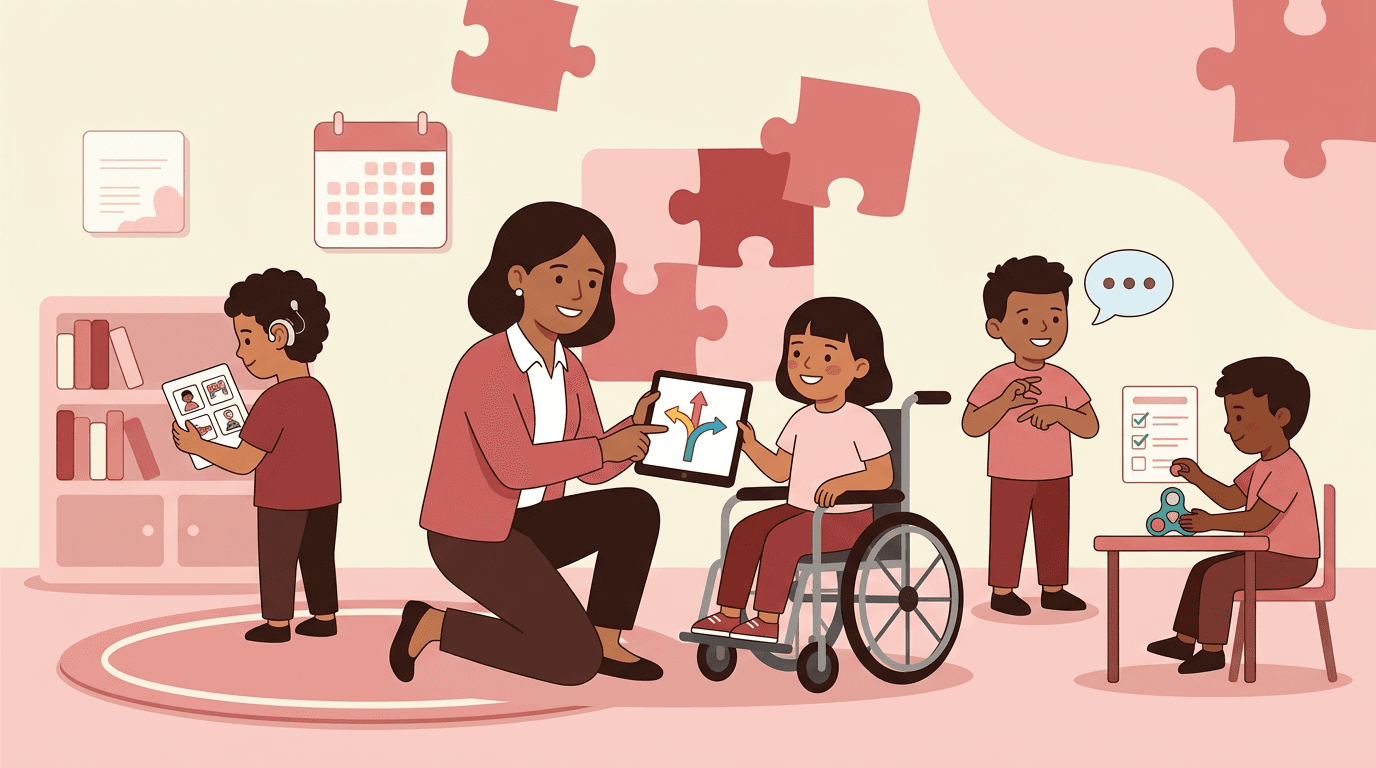

Jump to section
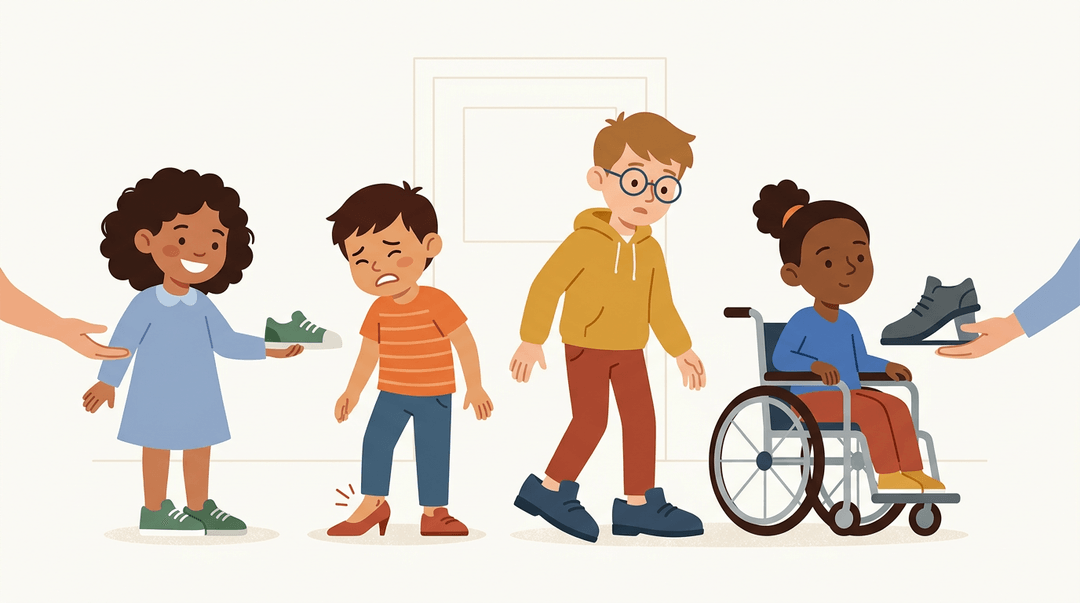
Imagine handing every student the same pair of shoes on the first day of school. Some would fit, some would pinch, and a few wouldn't get past the door.
Special education works on the same principle: it adapts the support so each learner with a disability can actually reach the lesson.
In short, special education is individualized instruction and services designed for students whose learning needs go beyond what general classroom instruction can meet alone.
In this post, we'll walk through the legal basis, eligibility, the IEP process, and practical strategies you can use with your students on Monday morning.
What Is Special Education, Really?
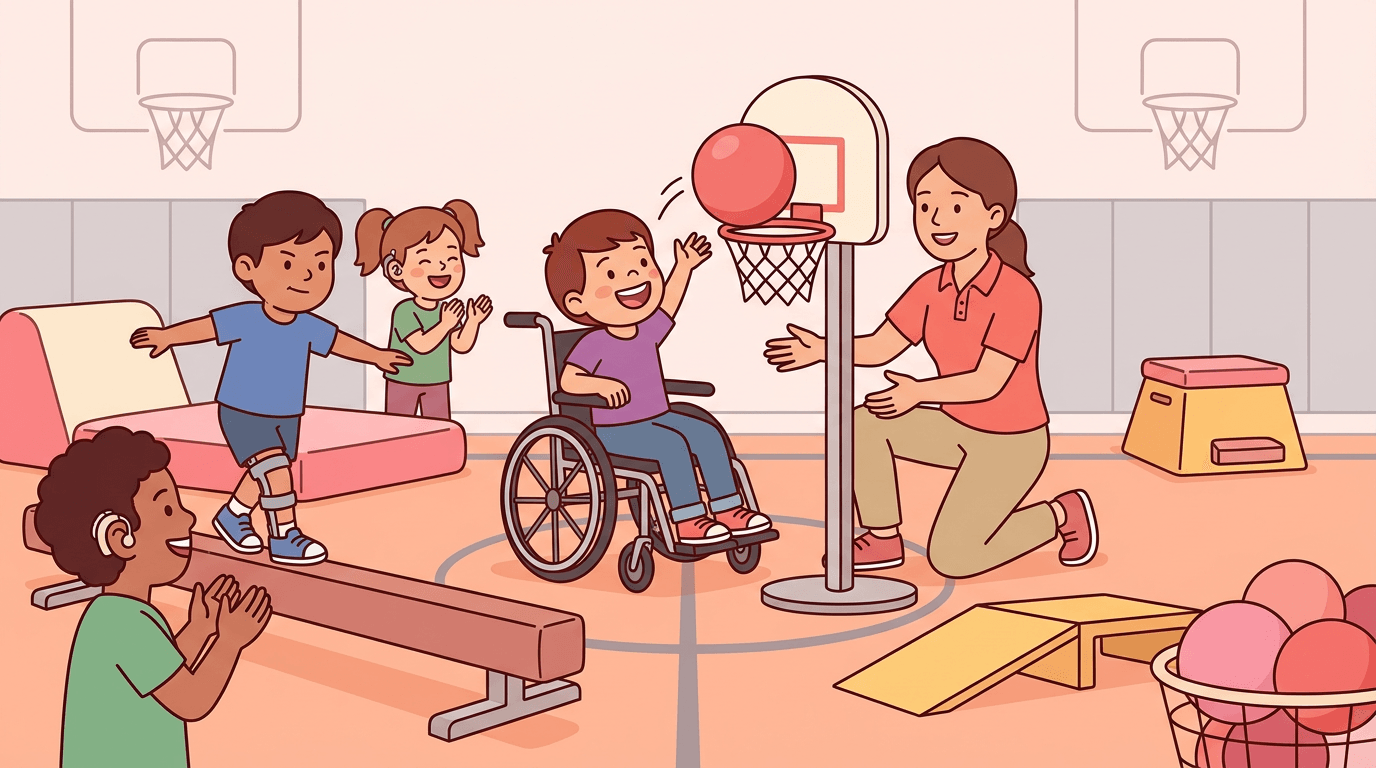
Ask most people and they'll picture a separate room down the hall. That's only a small part of the picture. Special education is a set of services built on one idea: every student deserves a path into learning that fits them.
Support tailored to each student
Special education is publicly provided services for students with disabilities, and they're free public services for families. Its history is a story of those services growing into a right.
A timeline from Arkansas State University notes that one landmark law guaranteed all children with disabilities a free, appropriate public education (FAPE).
Because support is individualized, there's no one-size-fits-all approach. Think of a third-grade teacher whose student with dyslexia gets targeted phonics practice while classmates tackle comprehension.
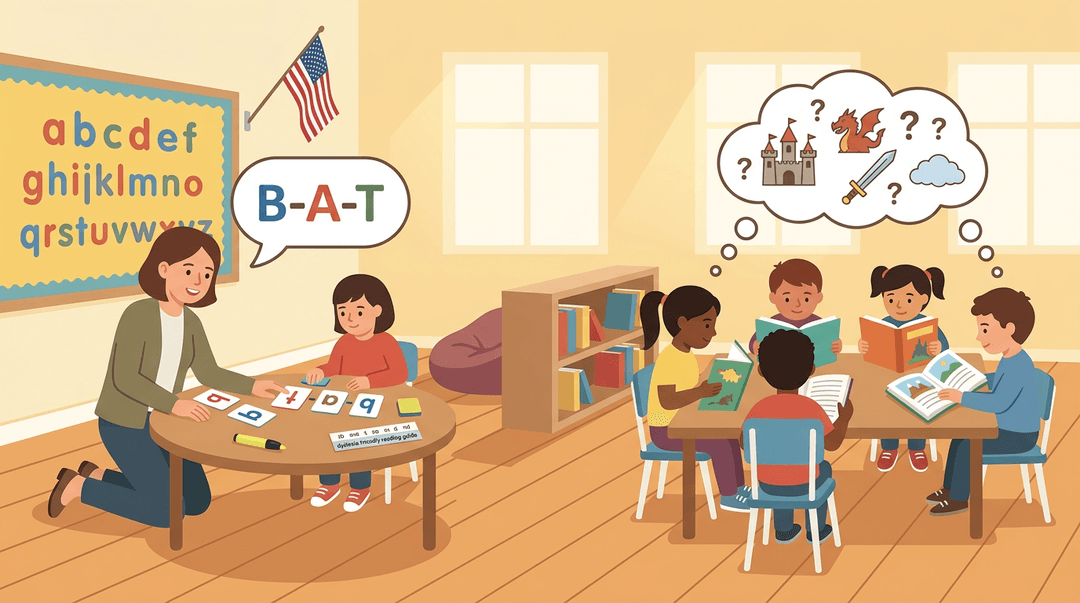
Helping students access the curriculum
Special education isn't about lowering the bar. Its aim is to help students access the general education curriculum, the same content their classmates study, by removing barriers to learning.
A barrier might be a dense textbook or a lesson that moves faster than a student can follow.
Consider a middle school science teacher who adds a visual vocabulary chart for a student with a learning disability. The student still learns the same unit, and the win is progress despite the disability, not just a finished worksheet.
Are Special Ed and Autism the Same Thing?
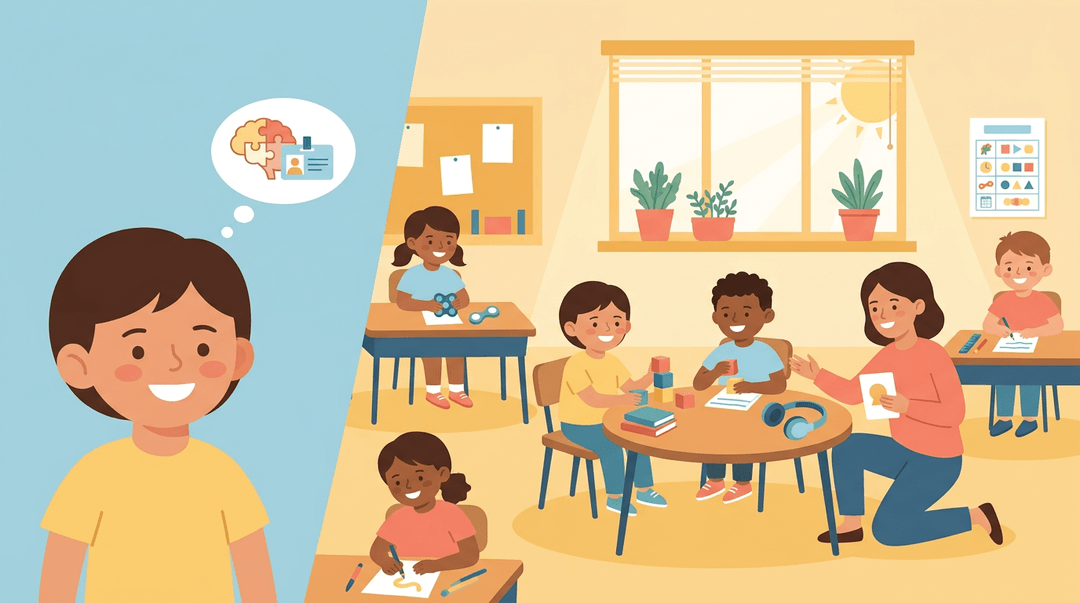
Not quite. Autism is a diagnosis, while special education is the support a student receives. Getting services doesn't mean a student is less smart, and it doesn't mean spending the whole day in a separate classroom.
Support can happen right inside the general classroom. The services are the point, not the label.
The Laws Behind Eligibility
Ever wondered why one student gets extra support while another doesn't? The answer starts with federal law, and knowing the basics makes the whole process far less mysterious.
The Federal Law Behind Special Education
The foundation is the Individuals with Disabilities Education Act (IDEA), a federal mandate requiring schools to provide a free appropriate education (FAPE) to eligible students with disabilities.
"Free" means no cost to the family, and "appropriate" means the instruction is designed around that student's needs.
The plan that puts this into practice is the IEP, or Individualized Education Program, a legal document that spells out a student's services, goals, and supports.
What Are the 13 Disability Categories?
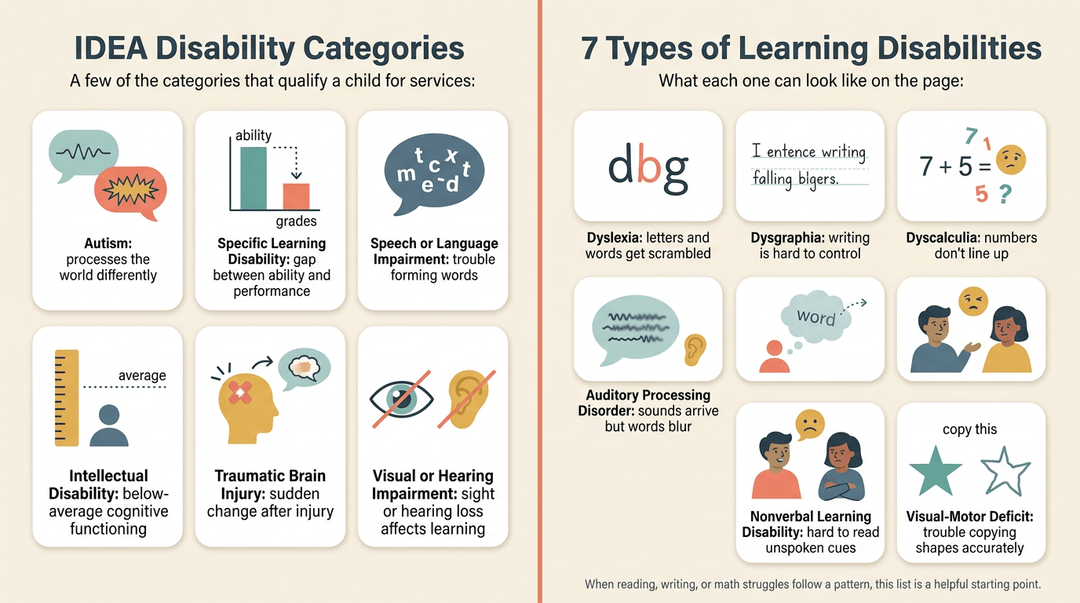
IDEA sorts eligibility into categories. Chicago Public Schools explains that IDEA lists 14 disability categories under which children may qualify for services, including:
- Autism
- Specific learning disability
- Speech or language impairment
- Intellectual disability
- Traumatic brain injury
- Visual or hearing impairment
Learning disabilities come in several forms. A Walden University resource notes that psychology professionals often encounter seven:
- dyslexia
- dysgraphia
- dyscalculia
- auditory processing disorder
- language processing disorder
- nonverbal learning disabilities
- visual perceptual/visual motor deficit
When a student's reading, writing, or math struggles follow a pattern, that list is a helpful starting point.
How Schools Decide Who Qualifies
Eligibility rests on three checks:
- A documented disability
- A need for specialized instruction
- Lack of progress caused by that disability
Think of a third-grade teacher who sees a student working hard yet reading well below peers. Her instinct matters, but an evaluation decides eligibility, not a hunch. Once the evaluation confirms the need, she has a clear, documented path to support.
What Ages Qualify for Services
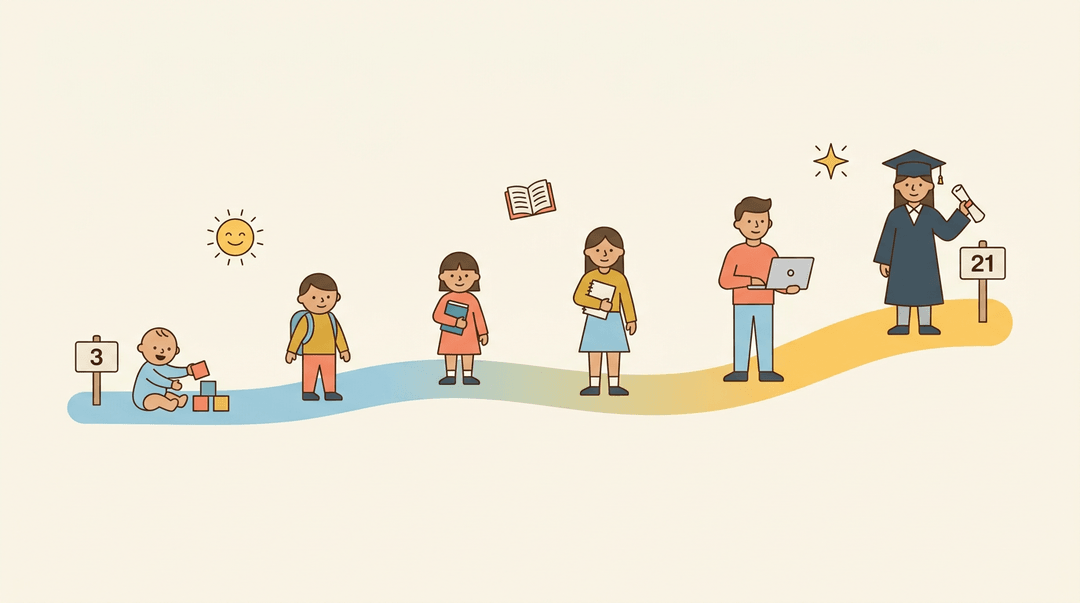
According to the 2025 Annual Report to Congress on IDEA, eligible children from ages 3 to 21 may receive special education services. Services can start before a child enters school and continue until the student graduates.
That's a long runway, and it means support can begin early.
Keeping Students With Their Peers
The least restrictive environment (LRE) principle means students should learn alongside peers without disabilities as much as their needs allow.
Inclusion with peers is the goal, and the IEP team makes placement decisions based on each student's individual needs.
Consider a student with a speech impairment who spends most of the day in a general education classroom and visits a speech therapist for focused practice. He keeps his friendships and grade-level content, and he still gets the targeted help he needs.
It's about where a student learns as much as whether they get the support.
How Evaluation and IEPs Work
Special education follows a clear sequence: an evaluation, a team decision, and a written plan you'll revisit every year. Here's how each step works, and when a different kind of plan might fit better.
How to Request an Evaluation
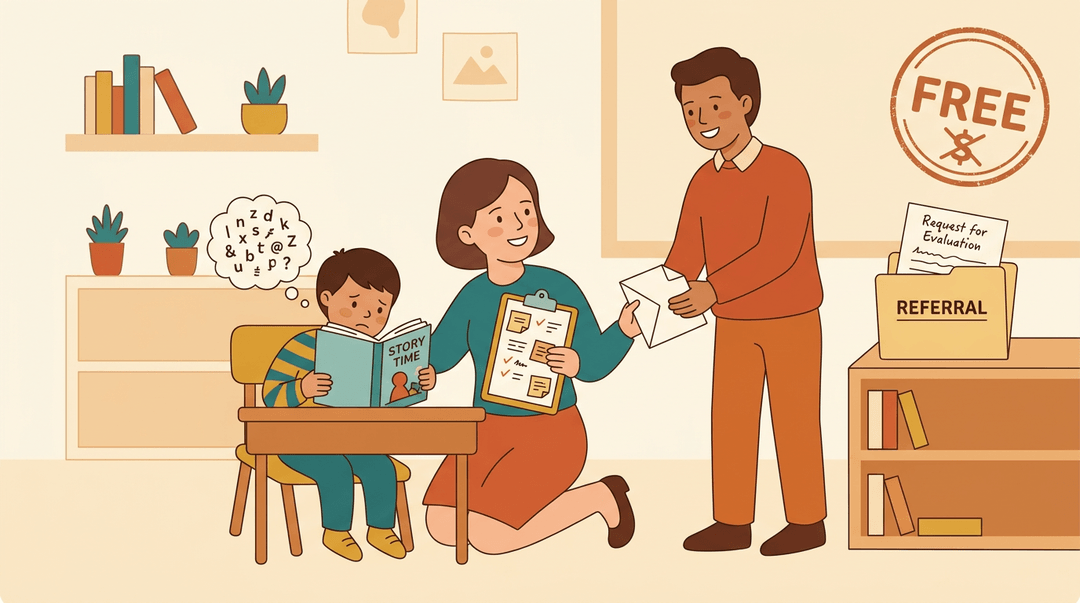
Either a parent or the school can request an evaluation. Parents often start by putting their concerns in writing, and the school then moves into the referral process, the formal step that brings the student into the evaluation pipeline.
The good news: the evaluation is free for families.
Consider a third-grade teacher who notices a student reading well below peers despite steady effort. She documents specific examples, shares them with the family, and the referral moves forward with real evidence behind it.
What Happens During the Evaluation
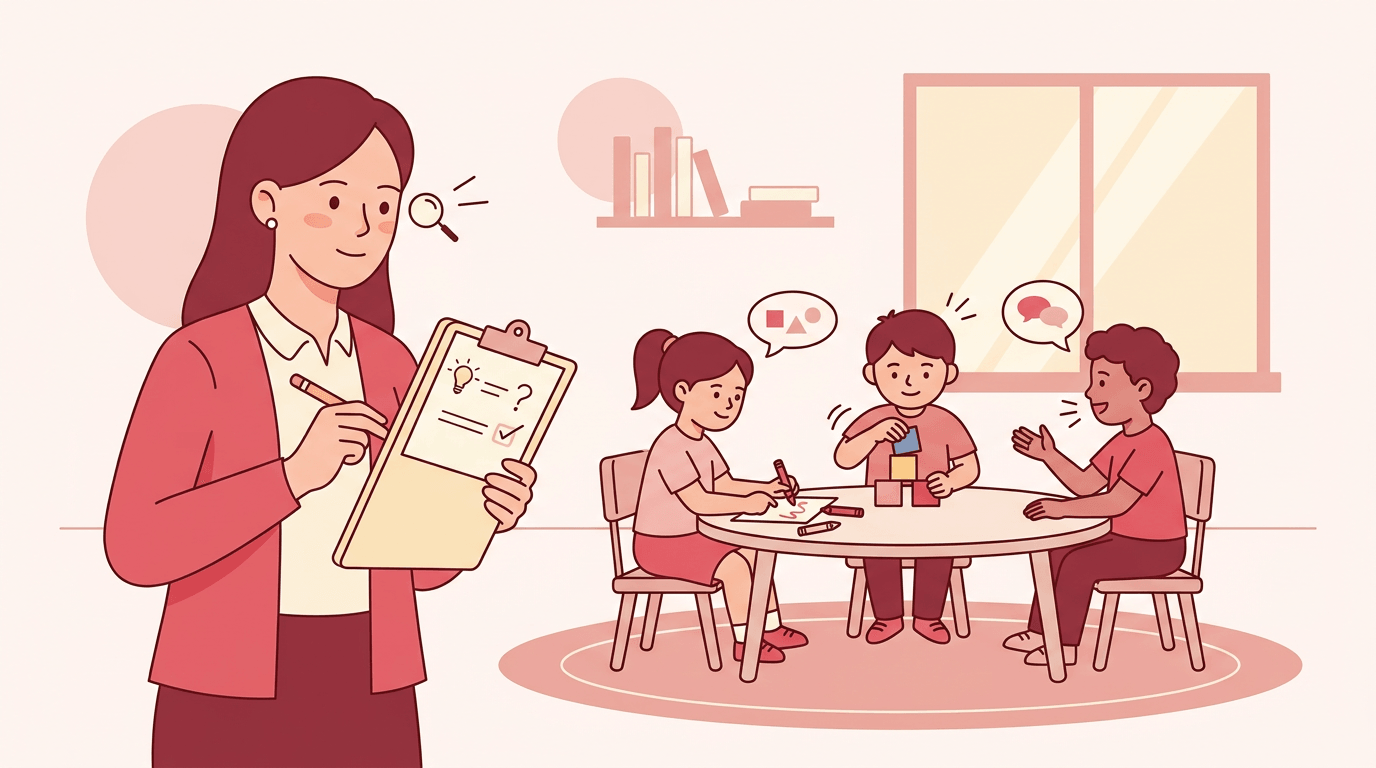
The evaluation looks at how the student is developing across several areas, such as learning, communication, and behavior.
Its central job is to determine eligibility, meaning whether the student has a disability and needs specialized instruction because of it.
The question isn't whether a student is struggling but why and what support would help. Data first, decisions second.
Building and Reviewing the IEP
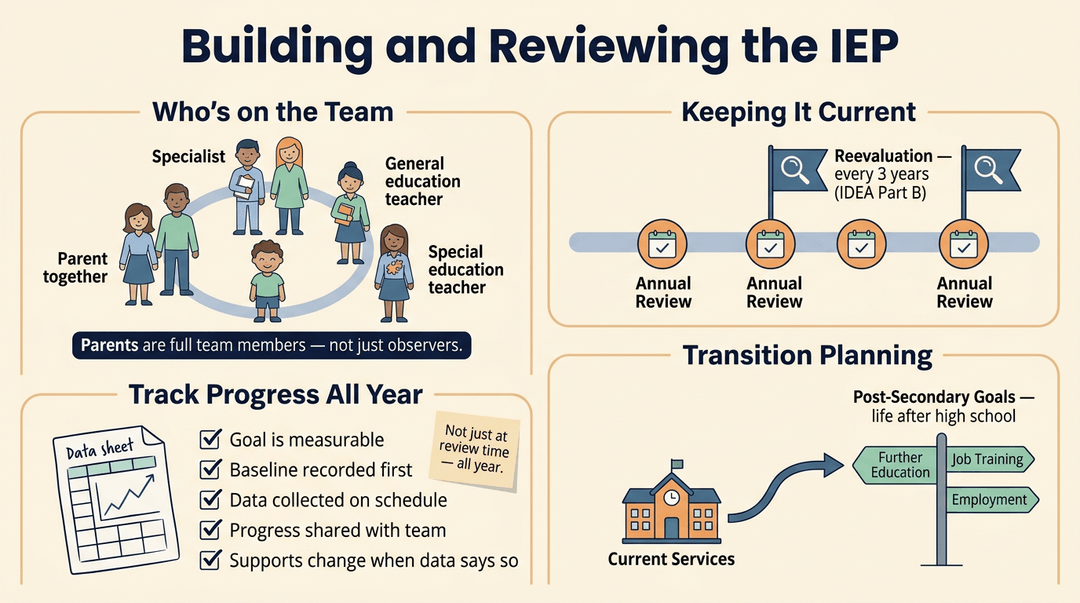
The Individualized Education Program (IEP) is built by a team that includes parents, general education and special education teachers, and specialists. Parents are full members of that team, not observers.
The IEP serves as the legal roadmap for the student's services. According to the Individuals with Disabilities Education Act (IDEA), Part B, a reevaluation must happen at least once every three years unless the parent and school agree it isn't necessary.
The IEP itself is reviewed at least annually.
Track progress throughout the year, not just at review time. Keep a simple data sheet or spreadsheet, and use this checklist for each goal:
- The goal is stated in measurable terms.
- A baseline is recorded before instruction begins.
- Data is collected on a set schedule.
- Progress is shared with the team.
- Supports change when the data says they should.
Transition planning also belongs in the IEP. It connects current services to post-secondary goals, the student's aims after high school, such as further education, training, or employment.
When a 504 Plan Fits Better
Some students need accommodations but not specialized instruction. Under Section 504, a 504 plan provides those accommodations without an IEP.
Think of a high school student who needs extended time on tests and a seat near the door, but learns well with the general curriculum.
An IEP changes what a student is taught. A 504 plan changes how they access it.
Classroom Strategies That Support Students
Use this guide to keep IEP goals moving every week and to pick supports that fit your students' ages. Run the weekly card first, then browse the age-band table for ideas.
The weekly IEP card
These four moves take a few minutes each. Do them in order, once a week.
- Review each IEP goal on Monday.
- Copy the goal onto a sticky note: "Solves two-step word problems using a visual cue."
- Ask yourself which lesson this week gives the student a chance to practice it.
- Tally accommodations as students use them.
- Keep a roster with columns: extra time, visual schedule, sensory break.
- One tick mark per use is enough.
- Log a short progress note per goal.
- Use this format: date, goal, what happened, next step.
- Check in with support staff.
- Say: "Here's what I'm seeing on this goal. What are you seeing?"
Example: A fourth-grade teacher writes: "Oct 14. Reading goal. Used the visual cue on 3 of 4 problems. Next: fade the cue on one problem." Two weeks of notes like this give the IEP team real evidence, not memory.
⚠️ Watch out: An accommodation you don't tally is hard to prove. If the roster is blank, the team can't tell whether the support is working or just unused.
Supports by age
Find your students' age band, then read across.
| Students | Support | What it looks like |
|---|---|---|
| Younger | Visual schedule | Picture cards in order on the wall; flip each when done |
| Younger | Sensory breaks | A quiet corner and a two-minute timer, offered before frustration builds |
| Younger | Peer buddy system | Pair with a classmate to model routines and share materials |
| Older | Extended test time | Schedule the extra time ahead, in a quieter room if needed |
| Older | Assistive technology | Let students use text-to-speech or speech-to-text during real tasks, not only practice |
| Older | Transition goal check-ins | A monthly five-minute chat about life after graduation |
For the check-ins, keep the question open. Try: "What do you want to be doing after graduation, and which skill matters most this month?" Then log the answer in your progress notes so it feeds the next IEP meeting.
💡 Tip: Make the visual schedule and the assistive technology routine, not special. When every student can see the schedule or try the tool, no one feels singled out.
At a glance:
| Move | Key action | What you get |
|---|---|---|
| Weekly card | Review, tally, log, confer | Evidence for every goal |
| Younger supports | Schedule, break, buddy | Predictable, calm days |
| Older supports | Time, tech, check-ins | Independence and a plan |
Map IEP accommodations and progress right alongside your lesson plans in EMStudio's curriculum planner.
The Different Types of Support Available
Special education isn't one-size-fits-all, and neither is its support. Support varies by where it happens, who delivers it, and how the work itself is adjusted.
Where Services Take Place
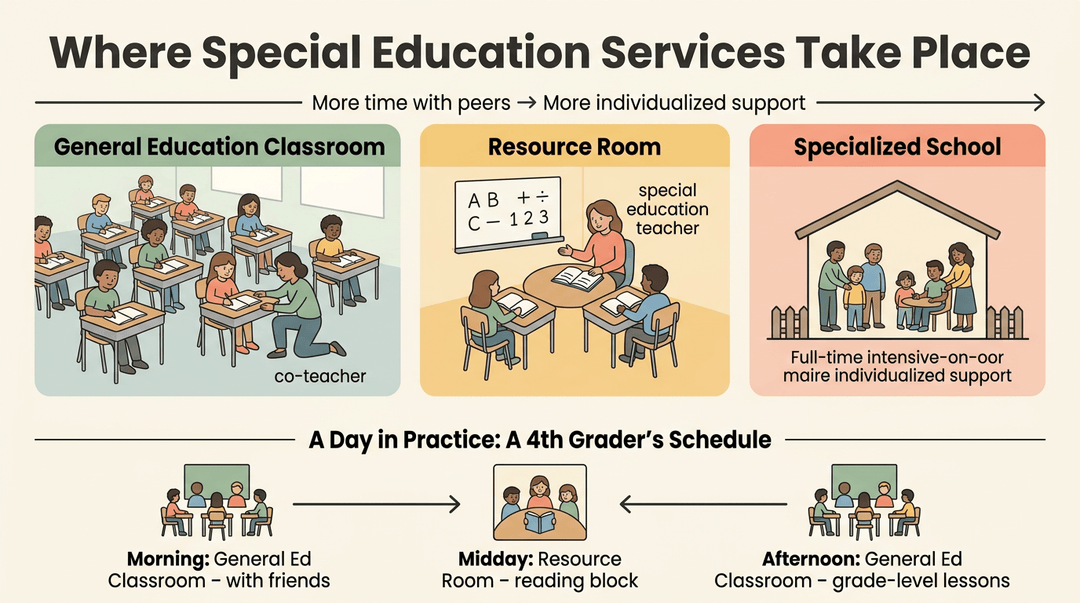
Most students move among these settings as their needs change:
- General education classroom: The student learns alongside peers, with help from a co-teacher or specialist who comes to them.
- Resource room: A small space where a special education teacher provides targeted instruction, often in reading or math.
- Specialized school: A setting for students whose needs call for more intensive, full-time support.
Consider a fourth grader who spends most of the day in class but visits the resource room for a daily reading block. She keeps her friends and grade-level lessons, and she gets the practice she needs.
Therapies That Support Learning
Related services help students access their lessons:
- Speech therapy supports speaking, language, and understanding.
- Occupational therapy builds fine motor and daily living skills, like handling a pencil or organizing materials.
- Physical therapy focuses on movement, strength, and mobility.
- Counseling supports social-emotional needs, from friendships to managing stress.
How Accommodations Differ From Modifications
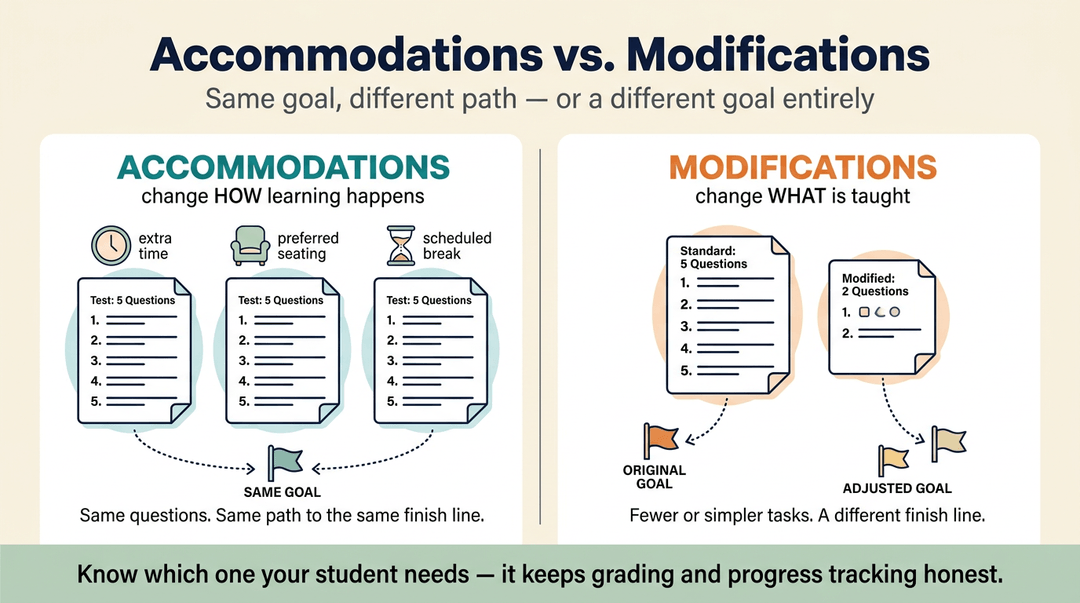
Both help students succeed, but they work differently. Accommodations change how learning happens. Modifications change what is taught.
Accommodations keep the same goal and offer another path to reach it, such as:
- extra time on tests
- preferred seating
- scheduled breaks
A student with extra time still answers the same questions as classmates. Same questions. Same goal.
Modifications adjust the goal itself, often by simplifying content or expectations. Knowing which one a student needs keeps your grading and progress tracking honest.
The Role of Special Education Teachers
Here's the full picture: the daily work, the key skills, and how to get started.
What These Teachers Do Daily
Your core job is to design and implement Individualized Education Programs (IEPs), the written plans that set each student's goals and supports.
- Collaborating with the team. Work alongside general educators, families, and related service providers.
- Monitoring progress. Track data on each goal so you know what's working.
- Staying legally compliant. Paperwork and services must match federal and state requirements.
- Organizing your caseload. Sort students by service schedule and review date in one shared tracker.
Skills That Make a Great Teacher
Compassion and organization matter most. Strong advocacy means speaking up for each student in every meeting. Creative problem solving keeps you asking, 'What else could we try?' when a strategy stalls. Clear communication builds trust with families.
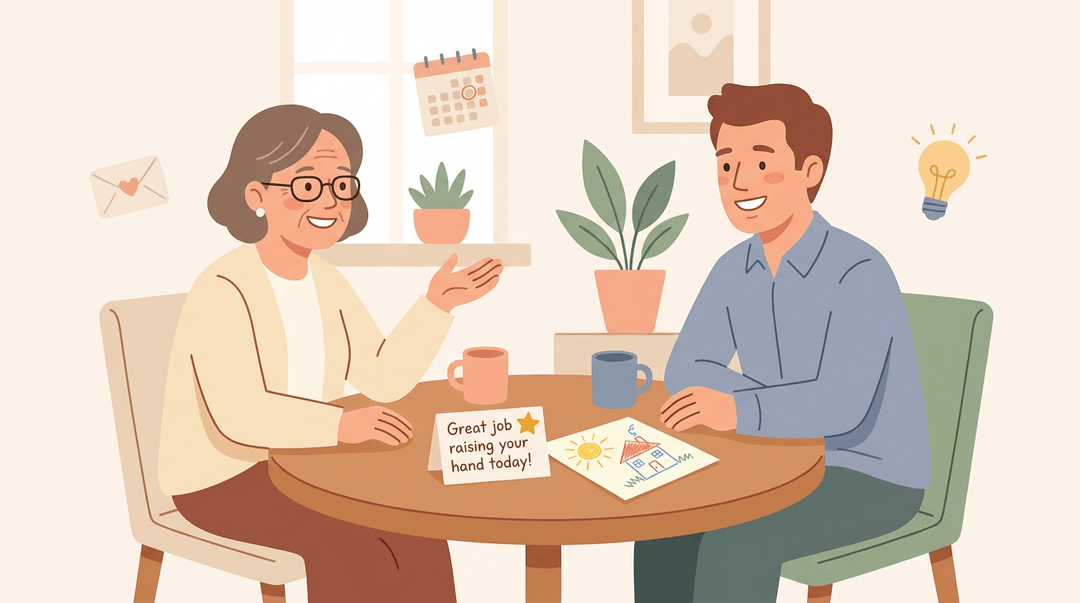
A teacher who sends a short weekly note about one small win often finds families more willing to join the next IEP meeting.
It's less about having every answer and more about finding the right one with the family.
Career Outlook and Getting Started
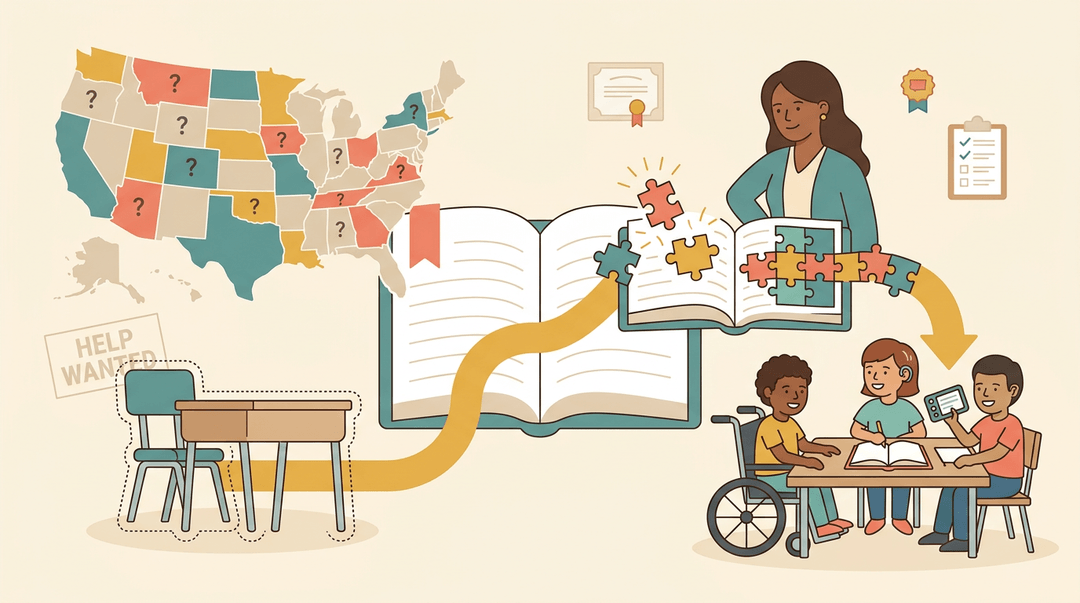
A Brookings analysis describes a national shortage of special education teachers and a widespread push to recruit and retain them.
Some states issue emergency licenses to fill gaps, and the Wyoming Department of Education has published guidance on staff doing special education work under an exception authorization license.
Most pathways run through a bachelor's or master's program, but each state sets its own certification requirements. Check yours early.
When support fits the learner, students gain access to the same curriculum their peers are learning. That's the heart of special education: careful planning, clear documentation, and classroom strategies that work for real students.
Keeping all of those pieces organized is easier when they live in one place. Ready to map out supports across the whole school year? Check out our Curriculum Planning feature, an all-in-one online teacher planner for units, lessons, and standards.
References
- 2025 Annual Report to Congress on the Individuals with Disabilities Education Act (IDEA) — sites.ed.gov (2026)
- 10-05-2026 Special Education Exception Authorization and Substitute Guidance — edu.wyoming.gov (2026)
- The Individuals with Disabilities Education Act (IDEA), Part B — congress.gov
- States face different special education staffing challenges that require targeted responses — brookings.edu
- Special Education Disability Categories — cps.edu
- 7 Learning Disabilities Every Psychology Professional Should ... — waldenu.edu
- A Look at the Timeline of Special Education History — degree.astate.edu
Frequently asked questions
What is the best definition for special education?
Special education is individualized instruction and related services designed for students with disabilities whose needs cannot be met through general education alone. Its purpose is to remove learning barriers and help students access the general education curriculum, often through an IEP.
What is the definition of education by John Dewey?
John Dewey defined education as the reconstruction or reorganization of experience that adds to its meaning and increases the ability to direct subsequent experience. In simpler terms, education is an ongoing process of learning through experience, not merely preparation for future life.
What are the four types of special needs children?
There is no single universally accepted list of four types of children with special needs. Common broad groupings include children with learning disabilities, developmental or intellectual disabilities, physical or sensory disabilities, and emotional or behavioral disabilities.
What are the 7 types of learning disabilities?
Seven commonly identified learning disabilities are dyslexia, dysgraphia, dyscalculia, auditory processing disorder, language processing disorder, nonverbal learning disability, and visual perceptual or visual-motor deficit.
Are special ED and autism the same thing?
No. Autism is a developmental diagnosis, while special education is a set of educational services and supports. An autistic student may qualify for special education if the disability creates a need for specialized instruction, but autism and special education are not the same thing.
What counts as special education?
Special education includes individualized instruction, IEP services, accommodations, modifications, and related services such as speech, occupational, or physical therapy. Services may be provided in a general education classroom, resource room, or specialized school, depending on the student's needs.
What does inclusive education mean?
Inclusive education means teaching students with and without disabilities together in general education settings whenever appropriate. Students learn alongside their peers while receiving the individualized supports, accommodations, or related services they need.
When was special education established?
In the United States, special education developed through earlier state and federal efforts, but it became an enforceable national right with the Education for All Handicapped Children Act of 1975. That law was later renamed and reauthorized as the Individuals with Disabilities Education Act, or IDEA.