What Is CTE in Education, and How Does It Work?


Jump to section
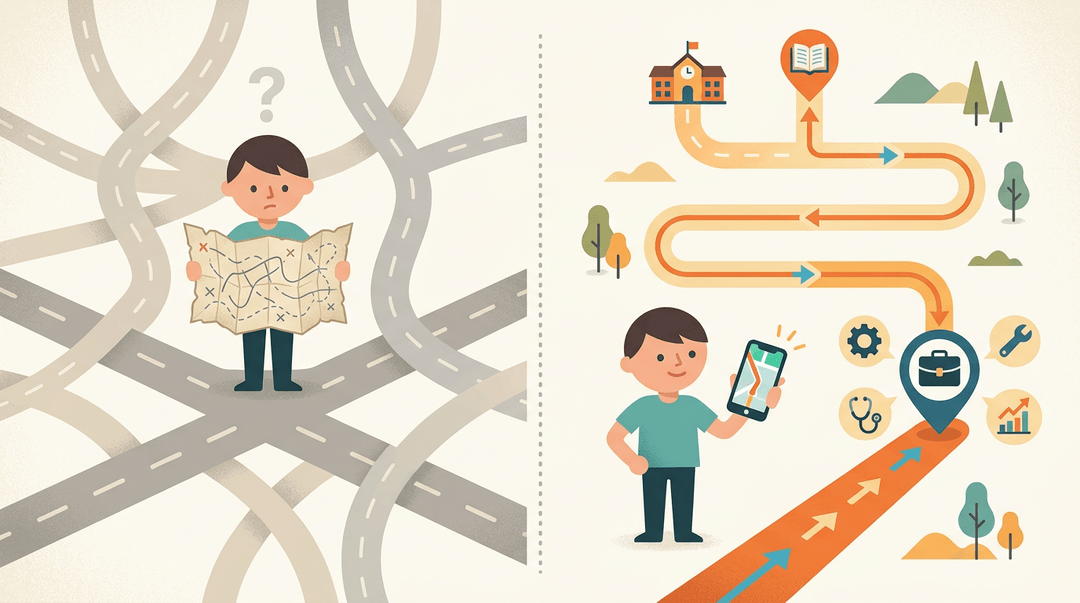
Think about the difference between a road trip with a paper map and one with a navigation app that shows every turn. Both get you somewhere, but one gives you a clear route before you leave.
Career and technical education (CTE) works a lot like that map for students. It connects classroom learning to real careers so students can see where their coursework is leading.
In this post, we'll explore what CTE is, what makes up a strong program, the main career fields, how it's funded, the outcomes it produces, and a practical way to map a CTE pathway.
What Is CTE in Education?
Career and technical education (CTE) is less mysterious than it sounds. Here's what it is and where it came from.
What Are CTE Credits in High School?
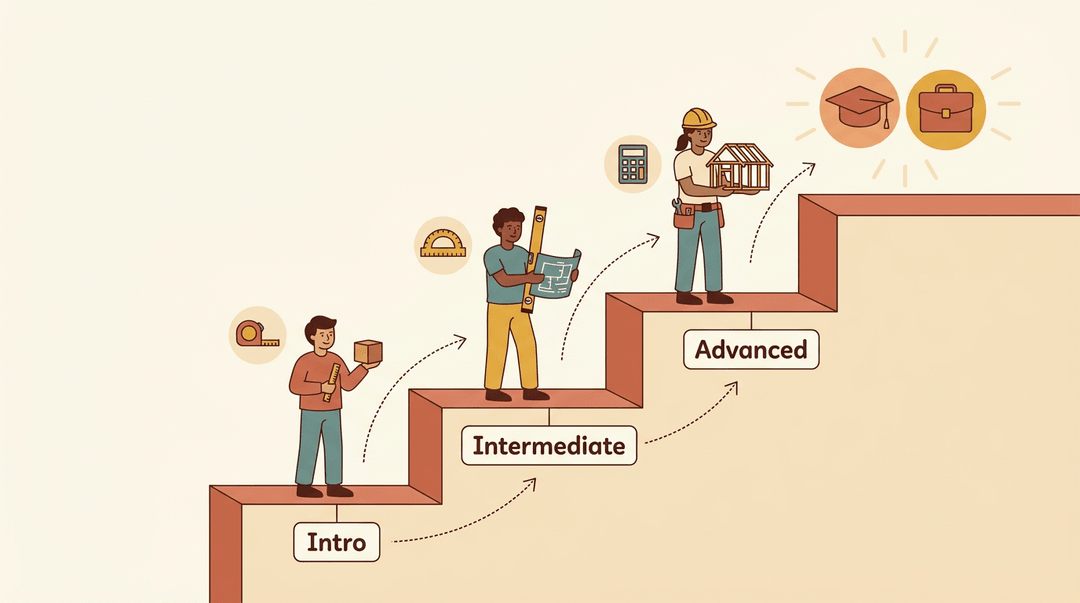
CTE credits are earned in courses that form a multiyear course sequence, moving from an introductory class to advanced work.
Each course integrates academic and technical knowledge, so a construction student practices measurement math alongside building skills. The result is a pathway to college and careers and education for careers and vocations.
Most students first meet CTE in high school, so that's where a pathway typically begins. Plan that sequence backward from the final course.
Where CTE Got Its Start
CTE's roots run deep. According to The American Presidency Project, President Woodrow Wilson signed the Smith-Hughes Vocational Education Act on February 23, 1917, giving public vocational education a federal foundation. Later laws built on that base.
The Vocational Act of 1973 and the Carl D. Perkins Act of 1984 improved the federal foundation, as the U.S. Department of Education explains.
CTE Is More Than Vocational Ed
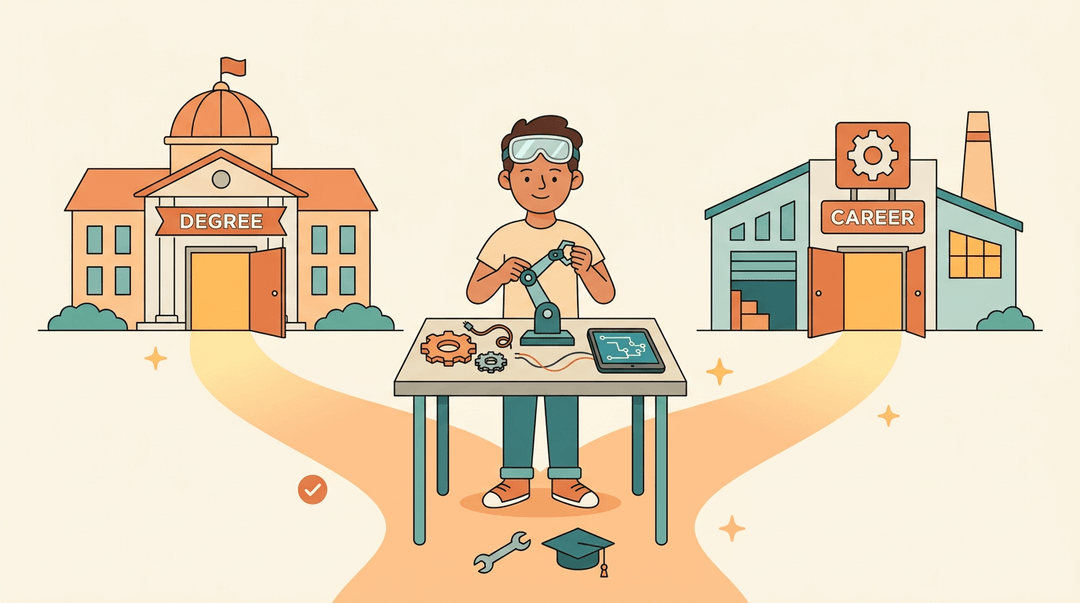
CTE isn't just a non-college track. It combines workforce readiness with college preparation, so students can head toward a job, a degree, or both. That's a both-and, not an either-or.
Consider a sophomore who loves engineering but isn't sure about college. A robotics pathway builds real skills and keeps both doors open.
What Makes up a CTE Program
A strong Career and Technical Education (CTE) program rests on four pieces that work together. Here's what each one looks like in your classroom.
Academic Learning in the Classroom
CTE courses don't skip the core academics. They deliver rigorous academic content that holds up next to any other course on the schedule. Often that means weaving in math, science, and even art, so students see how classroom skills apply to real work.
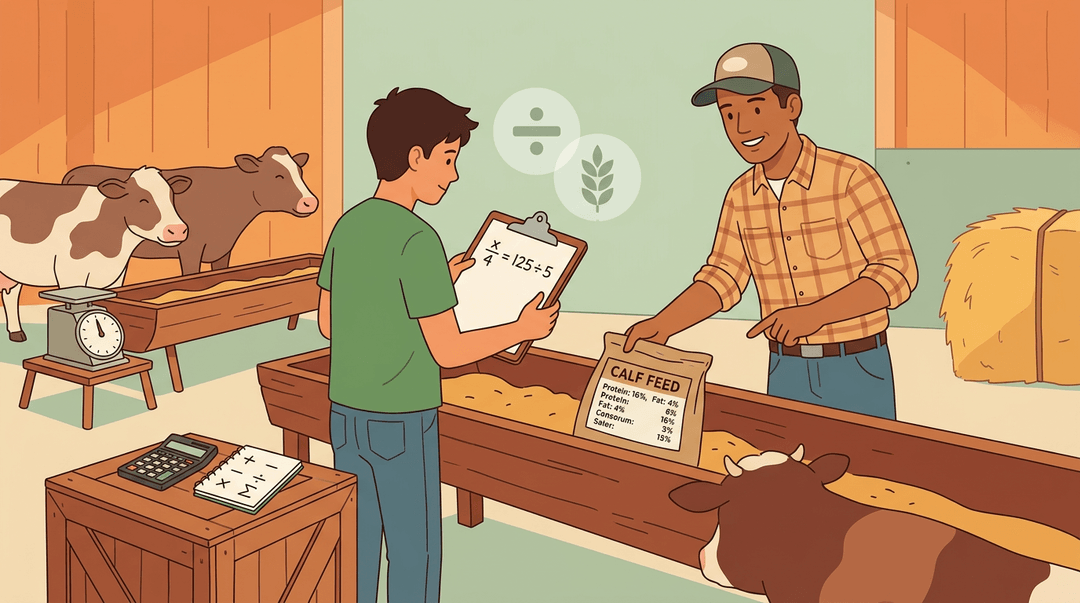
Picture an agriculture teacher asking students to calculate feed ratios for a herd. Students practice algebra while learning how the job actually runs. This core academic knowledge is what keeps doors open if a student changes direction later.
Learning Through Real Work Experience
Students apply their learning through:
- internships
- apprenticeships
- on-the-job training
- service learning
- entrepreneurship projects where they launch small ventures of their own
The common thread is doing the work, not just reading about it. Think of a student in a construction pathway who shadows a licensed electrician for a semester, then wires a practice panel in the shop.
That hands-on, real-world application turns a diagram into a skill.
Building Leadership Through Student Organizations
Career and technical student organizations (CTSOs), such as DECA, FFA, and FCCLA, build leadership development and social-emotional learning alongside technical skills. Members practice public speaking, teamwork, and goal-setting.
They also develop the professional attitudes employers look for: showing up on time, communicating clearly, and owning their work.
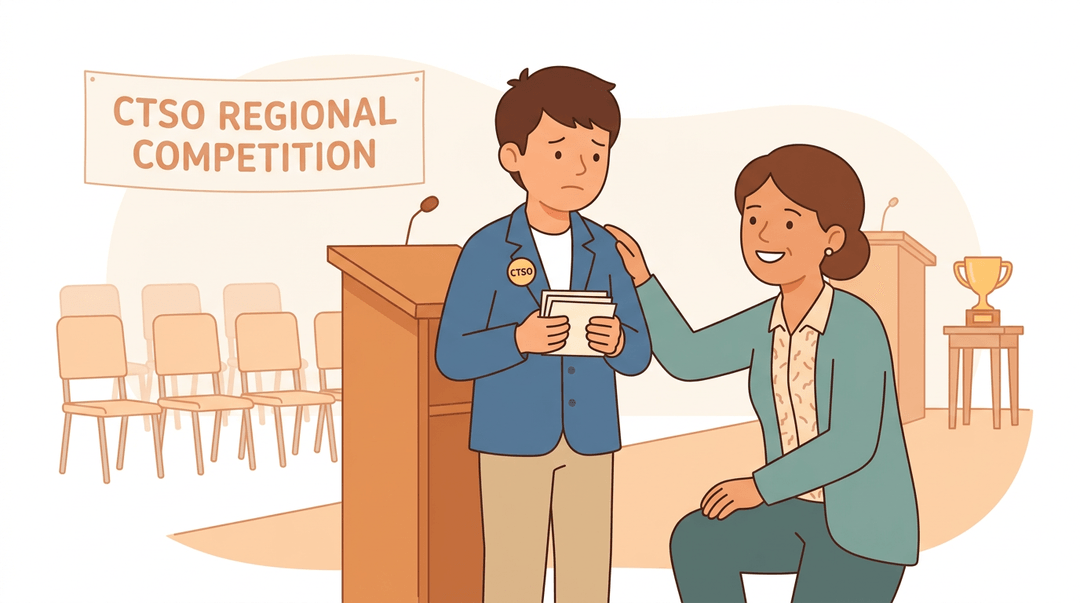
As a teacher, you'll often serve as the CTSO advisor. You might run chapter meetings, help a student prep for a competition, or sit with a nervous member before a presentation. Your steady encouragement often matters as much as the trophy.
Earning Industry Credentials and Certifications
Many pathways let students earn industry certifications that prove their skills to employers. Some also offer college credit opportunities, so a course can count toward a degree or certificate later.
Consider a student who passes an industry certification exam before graduation and walks into a job interview with proof in hand. That is credential attainment in action. It turns a high school course into a real head start.
How to Map a CTE Pathway
Use this guide when you're building a multiyear CTE pathway from scratch or tightening one you already run. Work the five moves in order, then run the checklist before you share the plan.
Build it in five moves
Pick a career cluster
- Start where local jobs and student interest overlap.
- Say: "Which careers here are hiring, and which do our students ask about?"
Sequence courses by grade
- Move from intro, to deeper technical course, to capstone.
- Jot it as: capstone ← advanced technical ← intro survey.
Embed work-based learning
- Build in exposure early and hands-on experience late.
- Think job shadowing first, then an internship or client project.
Align to state standards
- Map each course to your state's CTE and academic standards.
- Note the standard code beside each unit so gaps show up fast.
Plan credential checkpoints
- Work backward from the exam date to set practice windows.
- Place a practice exam one term before the real one.
See it laid out
Here's how one team might sketch a four-year health science pathway. Swap in your own cluster and courses.
Example: A high school team maps health science across four grades. Students shadow a professional in year one, so by the capstone they're applying skills in a real setting, not just hearing about them.
| Grade | Course focus | Work-based piece | Checkpoint |
|---|---|---|---|
| 9 | Intro to health careers | Job shadow day | Interest survey |
| 10 | Core technical skills | Guest speaker series | Skills check |
| 11 | Advanced technical course | Site visit or mentorship | Practice exam |
| 12 | Capstone | Internship or project | Credential exam |
⚠️ Watch out: Teams often add the credential exam last and discover it doesn't fit the calendar. Set the exam date in step 5, then adjust the grade sequence to match.
Check before you finalize
Run these four checks on the finished map. Each one asks, "Is this ready?"
- Academic and technical balance: students still fit core academics into every year's schedule.
- CTSO involvement planned: a career and technical student organization has a place in the calendar.
- Industry partner identified: one named employer or professional is ready to host, speak, or advise.
- Credential exam timeline set: the test date, practice windows, and prep time are all on the map.
If one box stays empty, fix it now. A partner or a calendar gap is far easier to solve in planning than in October.
EMStudio's curriculum planner helps map multiyear CTE pathways and standards alignment in one place.
Exploring CTE Career Fields
Career and technical education (CTE) is organized around real career fields, and each one gives students a different way to build skills. Here's a tour of the main areas, plus how they fit together.
Agriculture Programs
Agricultural education programs teach students about plant and animal systems, food production, and natural resources, all through a business lens.
Many include a supervised agricultural experience, a hands-on project where students apply classroom learning on a farm, in a greenhouse, or at a local agribusiness.
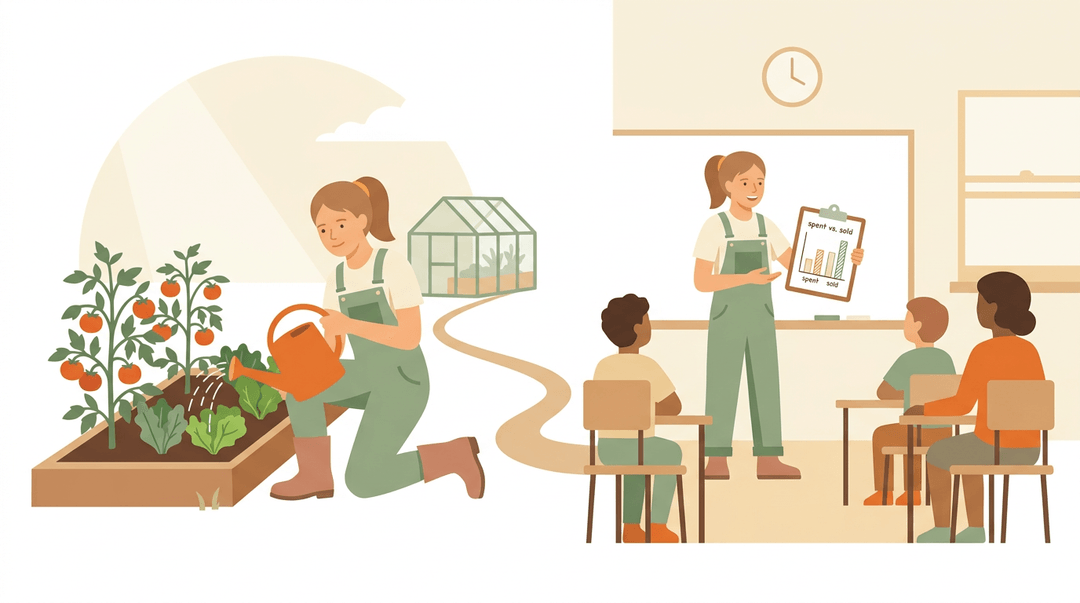
Consider a student who runs a small vegetable plot for a season, tracks what she spends and sells, and presents her results to the class. That's learning by doing rather than by memorizing.
Within the cultivating resources field, these programs connect the classroom to the land and the food on everyone's plate.
Business, Marketing, and Finance
These programs focus on how money moves and how ideas get sold. Students start with marketing, finance, and accounting basics, then branch into entrepreneurship and economics.
A student who sets prices and designs promotions for a school store picks up more about supply and demand than a worksheet could teach.
Within the investing in future field, these programs help students make smart financial decisions long before they manage their own budgets.
Health Science Careers
Health science programs introduce students to the healthcare industry, showing how clinics, hospitals, and labs actually run. Many students then follow nursing and medical pathways that can lead to certification or further training.
Think of a junior who shadows a nurse for a day and comes back certain about her next step. Within the caring for communities field, the work centers on the people who keep neighborhoods healthy.

Family and Consumer Sciences
Home economics programs build practical life skills like nutrition, budgeting, and household management. The goal is family, workplace, and community preparation, so students leave ready for more than one part of life.
Within the creating and experiencing field, students plan, cook, sew, and build, then reflect on what worked. A teen who plans a week of healthy meals on a tight budget is practicing skills she'll use at home and on the job.
Trades Like Construction and HVAC
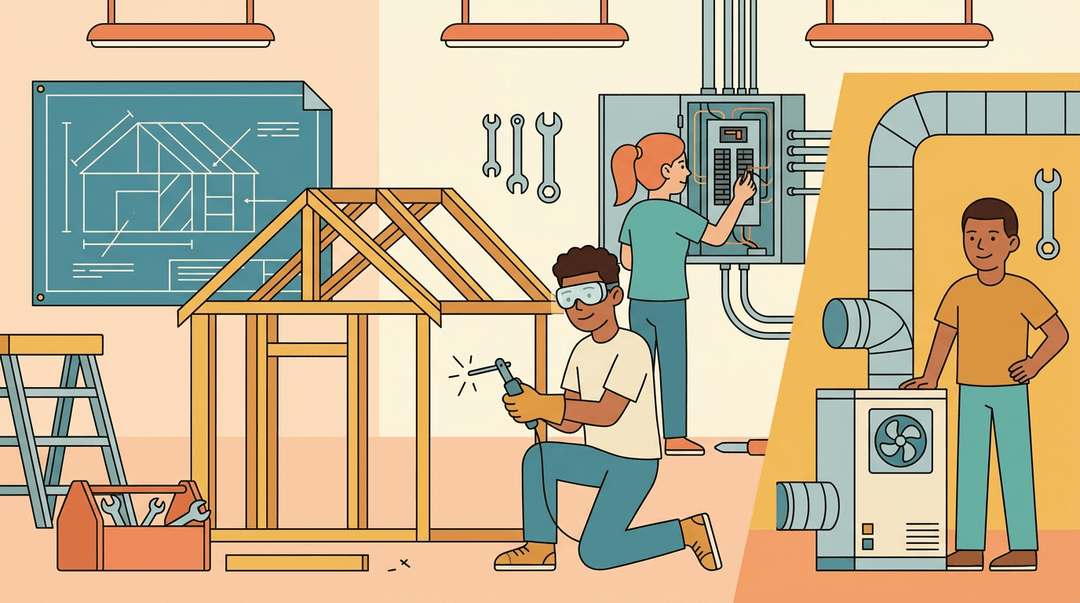
Trades give students hands-on paths into skilled work. Industrial technology education covers the tools and systems behind construction, manufacturing, and transportation.
Students might learn welding, electrical wiring, or HVAC (heating, ventilation, and air conditioning) repair in a shop, watching a project move from blueprint to finished product.
Within the building and moving field, these pathways connect students with the trades that build and maintain our communities.
How Career Clusters Are Organized
All of these fields connect through a shared structure. According to Advance CTE, the modern framework includes 14 career clusters and 72 sub-clusters that serve as the primary organizing structures for CTE programs.
Each cluster groups related career fields, so a pathway within a cluster builds on a common foundation. Licensure requirements vary by cluster and pathway, so check what your state requires for each program.
Postsecondary and adult CTE programs carry this path beyond high school, giving students and career changers a route into the same fields.
Benefits and Outcomes of CTE
CTE's benefits reach well past the classroom door.
How Students Benefit
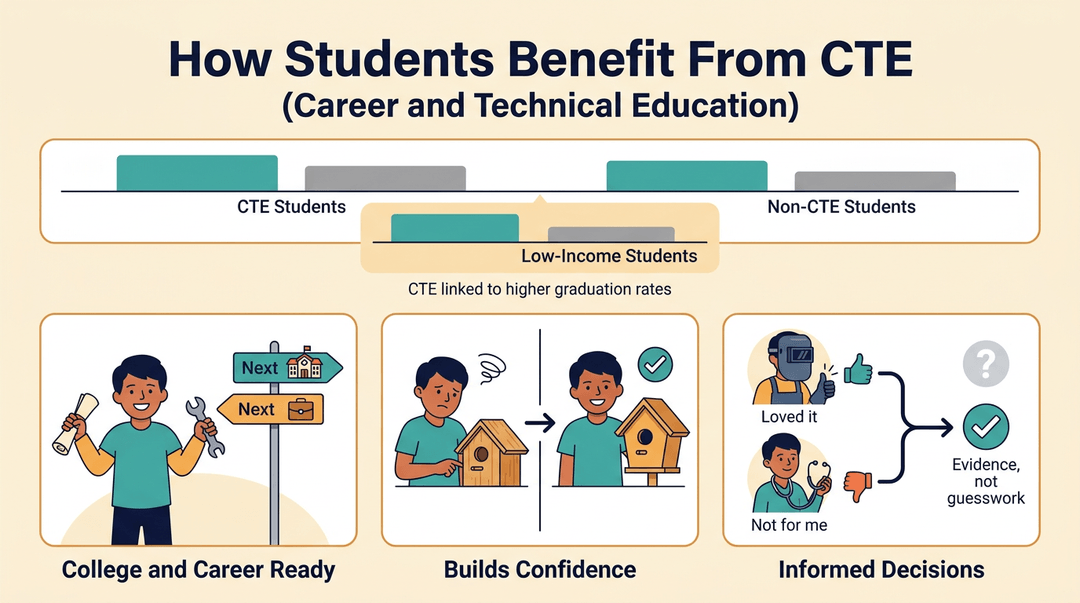
Start with graduation. The Career and Technical Education Research Network reports that several studies link CTE courses to higher high school graduation rates, particularly among low-income students, who tend to be overrepresented in these programs.
- College and career readiness. Students leave with skills and a clear next step.
- Confidence building. Mastering a task proves they can do hard things.
- Informed career decisions. Trying a field means choosing with evidence rather than guesswork.
Skills Students Build
Think of a student on a construction project who must coordinate with classmates and fix a measurement that's off. That student builds communication and problem-solving skills, plus time management and teamwork.
Technical and employability skills, like punctuality and accepting feedback, round it out.
Impact on Local Workforce and Economy
CTE helps fill high-demand jobs and supports local employers with trained graduates ready to work. When programs match regional workforce needs, students stay connected to their own communities. That's a win for everyone.
How CTE Is Funded and Regulated
Who pays for career and technical education (CTE), and who sets the rules? Money comes from several layers, and each layer brings its own requirements that shape what your program can look like.
The Federal Perkins Act
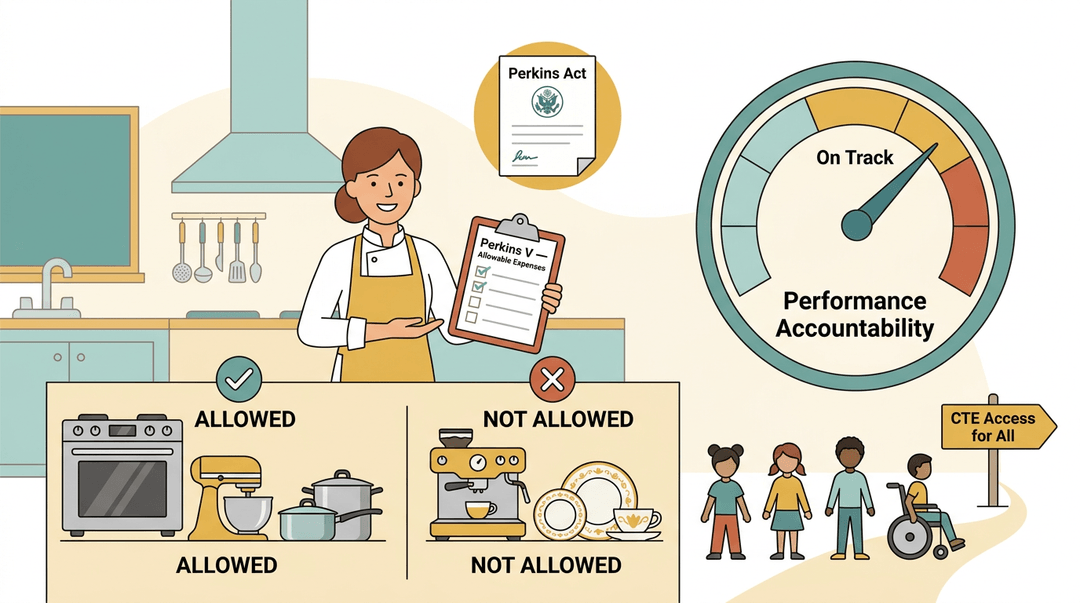
The Perkins Act is the main federal law behind CTE funding, and its current version is called Perkins V. It sets the rules for how funds flow to states and local programs, and it separates allowable expenditures from costs that aren't allowed.
Before you spend a dollar, check that the purchase fits. A culinary arts teacher planning a kitchen upgrade should confirm each item qualifies rather than assume it does.
Perkins V also serves special populations, a term for students who may face extra barriers to success in CTE. The law includes gender equity requirements, so programs need to show that students of every gender have fair access to CTE pathways.
It also ties funding to performance accountability measures that track how students progress and succeed. The money comes with a scorecard, and it's worth knowing that before you plan.
Funding isn't just about getting the money. It's about keeping the program running within the rules.
State Grants and Incentives
Many states add their own support. A CTE Incentive Grant program may reward districts for building or expanding career pathways, and a state workforce development initiative may link those pathways to local employer needs.
Both can supplement K-12 funding support, which covers the day-to-day costs of running a program.
Picture a high school principal adding an advanced manufacturing pathway. Pairing a state grant with the regular budget can make a new lab possible without cutting another course.
Standards and Teacher Licensure
Most programs follow CTE standards and a framework that lay out what students should learn in each career field. Licensure requirements also vary by career field, so a health sciences teacher and an automotive teacher may need different credentials.
Industry professionals often bring real-world experience into the classroom, and alternative licensure routes can help them earn certification without a traditional teacher-preparation path.
Industry skill opens the door. Teaching skill keeps students learning.
Some districts share Regional Occupational Centers and Programs (ROCs/ROPs), where students from several districts attend career training. That setup lets smaller schools offer specialized pathways they couldn't run alone.
Ensuring Equal Access for All Students
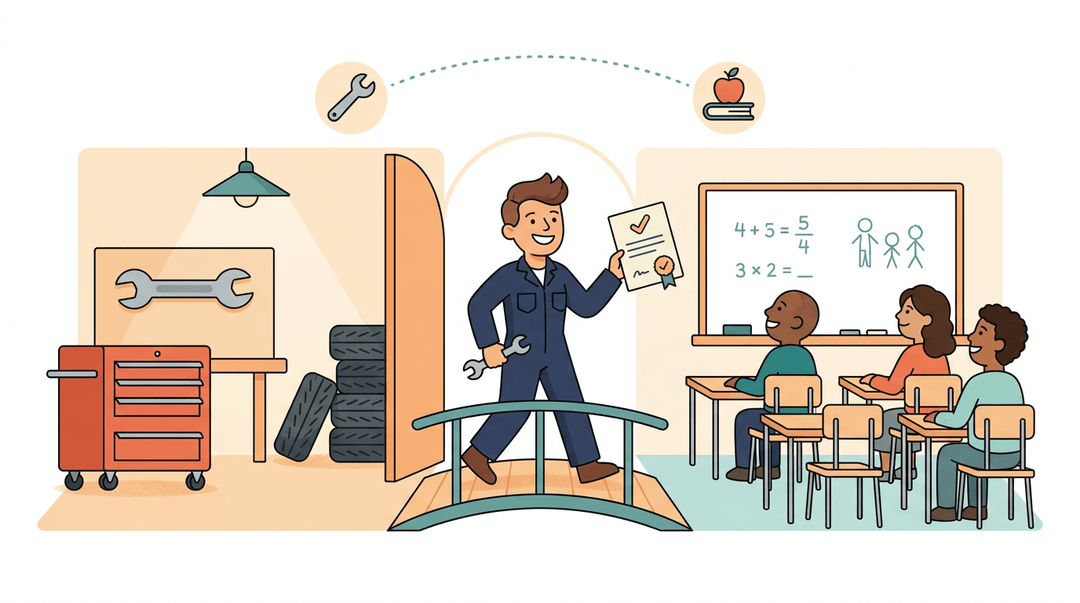
Equal opportunity requirements mean every student, regardless of background, should have a real chance to enroll in a CTE program. Fair access starts with information.
Consider a student who wants to join the auto shop but never hears about the course because it isn't mentioned in the guidance office. When you share program options with everyone, you open doors that would otherwise stay closed.
Putting CTE into Practice
Partnerships and real examples are where CTE stops being theory.
Partnering With Local Businesses and Colleges
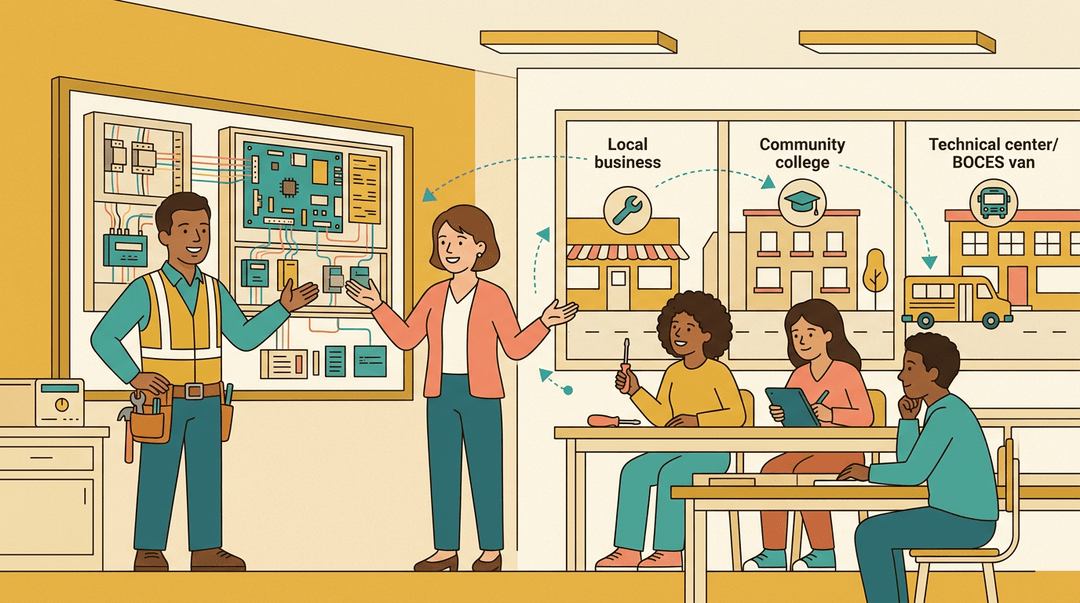
Strong CTE programs rarely run on school resources alone. Partnerships with local businesses bring in employers who explain which skills matter and open doors to job shadows and guest speakers.
Many students also attend technical centers, sometimes run through a BOCES (Boards of Cooperative Educational Services), which pool resources across districts.
Community college collaboration adds another layer, letting some students earn college credit while still in high school.
Consider a high school teacher who invites a local electrician to co-teach one unit. Students get a professional's perspective, and the teacher gets a partner.
Real Examples of CTE Programs
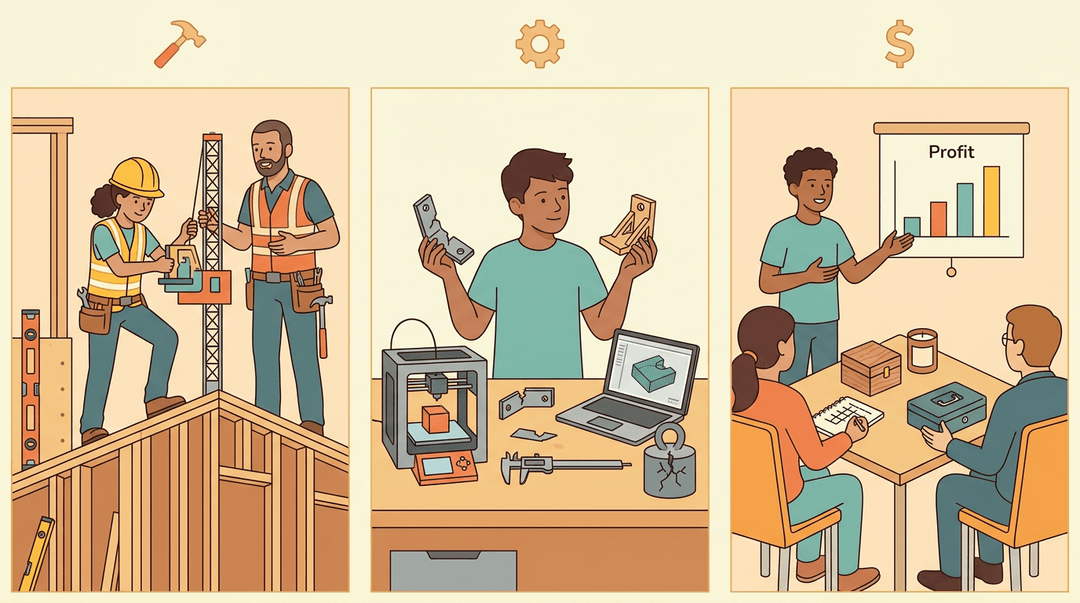
Sometimes the clearest picture comes from seeing these classrooms in action:
- Construction and heavy equipment: Students learn framing, safety, and how to run equipment under supervision.
- Engineering and manufacturing STEM: Students design, prototype, and test a part. Picture one who redesigns a bracket after it fails its load test.
- Business and entrepreneurship: Students write a business plan and pitch it to a panel. One who sells a classroom-built item and tracks profit learns budgeting from real numbers, not worksheets.
Each one shifts learning from reading about the work to doing it. Real stakes make the lesson stick.
CTE works best when every course leads somewhere, when students can see how a lesson connects to a real career and the skills it builds. Clear pathways, strong programs, and meaningful outcomes all come from that connection.
With a plan in hand, you can help students choose their route with confidence.
Ready to plan your own pathway? Check out Curriculum & Standards to map units, lessons, and standards across the whole school year.
References
- Statement by the President on the 50th Anniversary of the Smith-Hughes Vocational Education Act. — presidency.ucsb.edu
- Perkins V — ed.gov
- Career Clusters — careertech.org
- Career and Technical Education Is on the Rise—Do Students Benefit? — cteresearchnetwork.org
Frequently asked questions
What are CTE credits in high school?
CTE credits are credits earned through courses in a multiyear career and technical education sequence. These courses combine academic learning with technical skills and can create a pathway to college, credentials, and careers.
What is a CTE class example?
Examples of CTE classes include construction, health science, agriculture, marketing, accounting, engineering, welding, HVAC, and family and consumer sciences. A specific class might teach electrical wiring, nursing skills, business planning, or robotics.
What does CTE stand for in teaching?
CTE stands for career and technical education. In teaching, it means instruction that combines academic knowledge with practical, career-related and technical skills.
What grade does CTE start?
CTE typically starts in high school, often with an introductory course in ninth grade. Some schools offer career exploration or introductory CTE classes in middle school, so the starting grade varies by school and program.