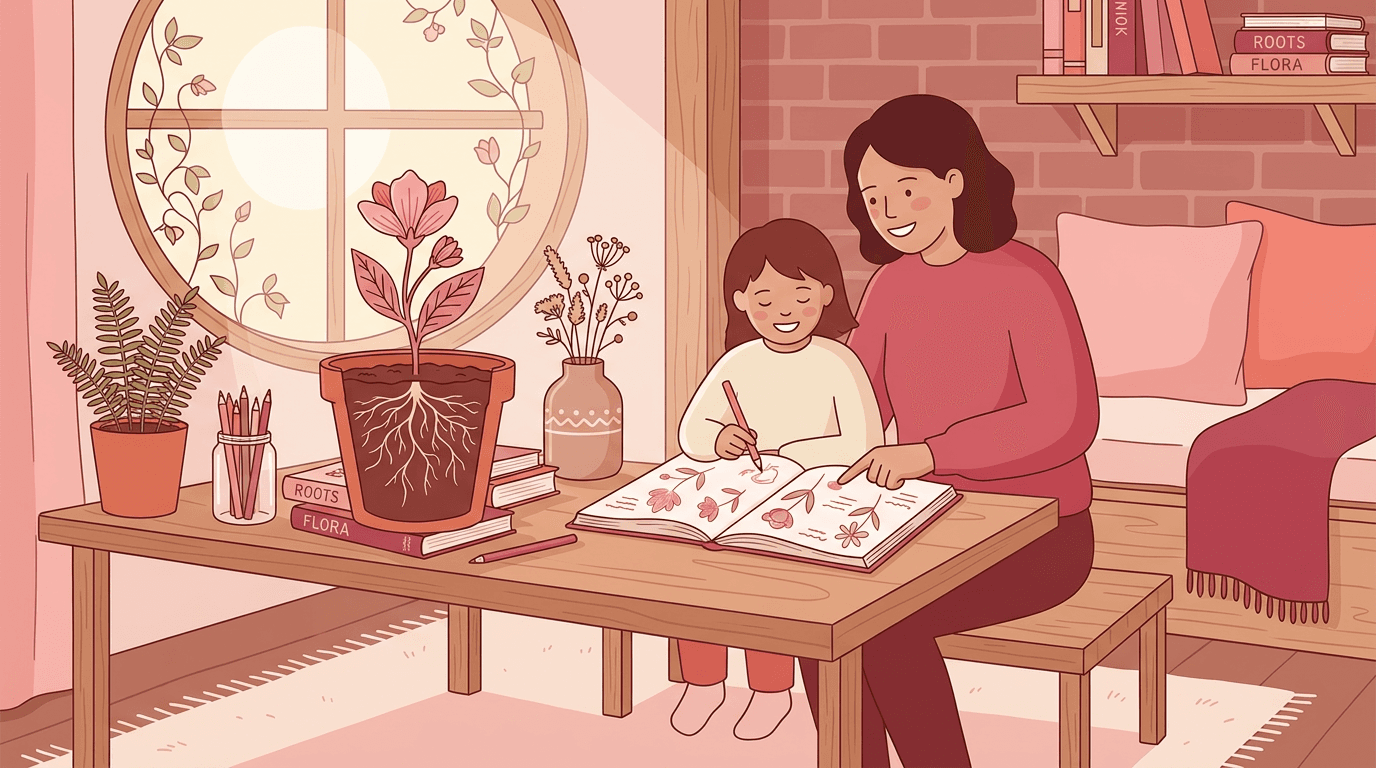
Blossom and Root Curriculum: A Complete Guide for Homeschool Families

Jump to section
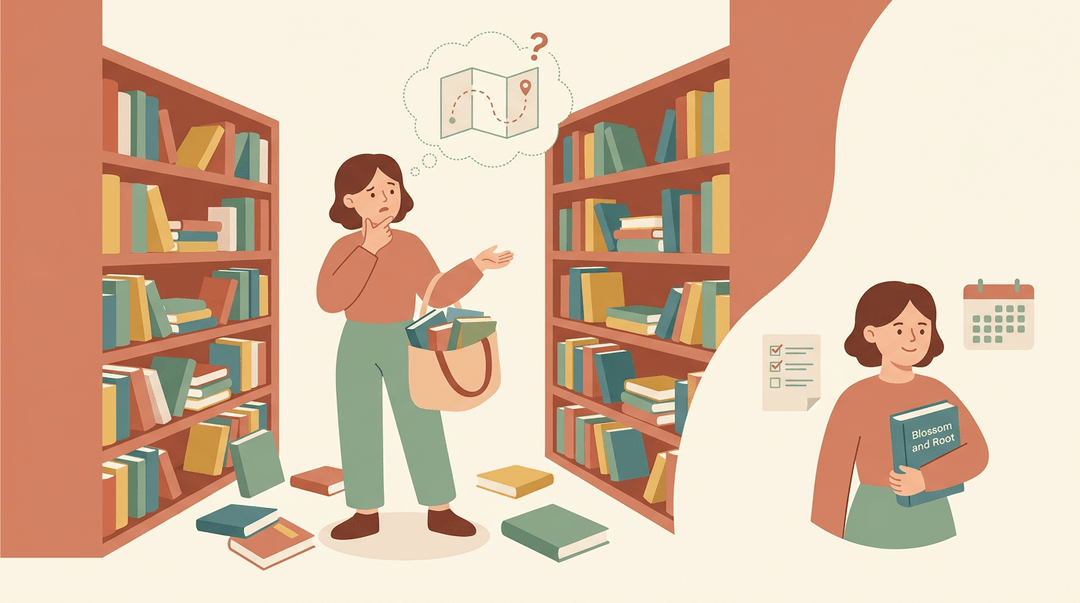
Picture walking into a bookstore with a rough idea of the trip you want to take but no map. You'd wander, second-guess yourself, and probably grab a few things you never needed.
Choosing a homeschool curriculum can feel a lot like that, especially when every option promises to be the right one.
Blossom and Root is a curriculum many families and educators look into, and this post gives you a clear picture of what it offers: the grade levels it serves, the subjects it covers, the editions available, and how cost and format fit together.
Then we'll go a step further and show you how to plan and track a full school year around it.
What the Blossom and Root Curriculum Covers
If you're weighing Blossom and Root, you'll want to know what's actually on the shelf before you plan a single week. Here's how the main pieces fit together, from math and French to nature study and writing.
Math
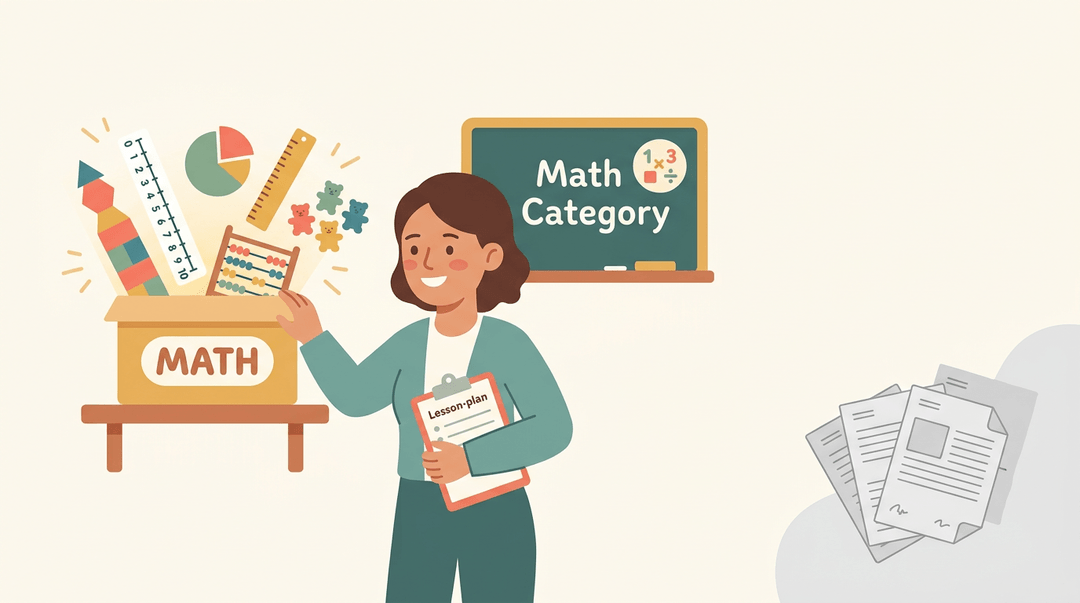
Blossom and Root has a dedicated math category, so you can find math lessons in one place instead of hunting across the site. Think of a third-grade teacher who wants a math block that doesn't feel like a worksheet.
Starting in one category keeps the search short and the planning simple.
French
French gets its own dedicated French category too. Whether your students are just starting a second language or you're a homeschool parent adding French to the week, you can browse those lessons on their own. If Spanish is the language you'd rather add, a guide on choosing a Spanish homeschool curriculum can help.
You're choosing what to teach from one clear list, not searching for where the lessons might be.
History and geography lessons
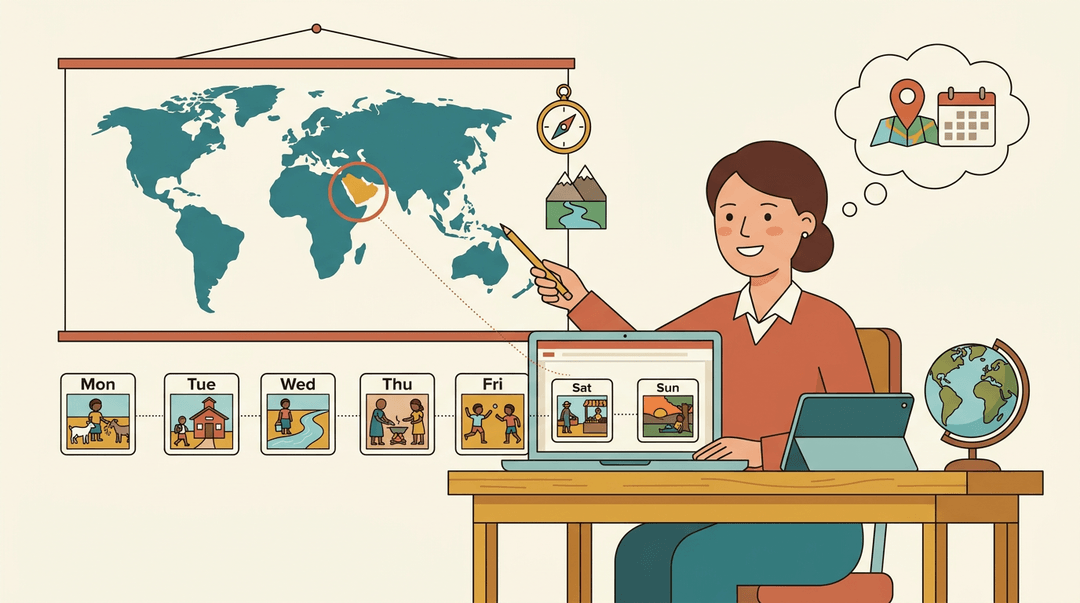
History and geography arrive as blog posts that are tied to week-in-the-life posts. That connection matters. Instead of studying a place in isolation, you can see how a real week unfolds and where history and geography fit inside it.
A teacher planning a unit on a faraway region can use those posts to turn a map lesson into a story students follow day by day.
Nature study and outdoor learning
The nature study category gathers the outdoor content in one spot. A few posts stand out.
The herb fairies book club pairs reading with the natural world, and the post on inspiring wonder in kindergarten speaks directly to teachers of the youngest learners. Consider a homeschool parent who keeps a nature journal all year.
When it's time to show growth for a portfolio review, those pages become the evidence. Curiosity wins, and the proof is already on the page.
Writing with the Brave Writer lifestyle
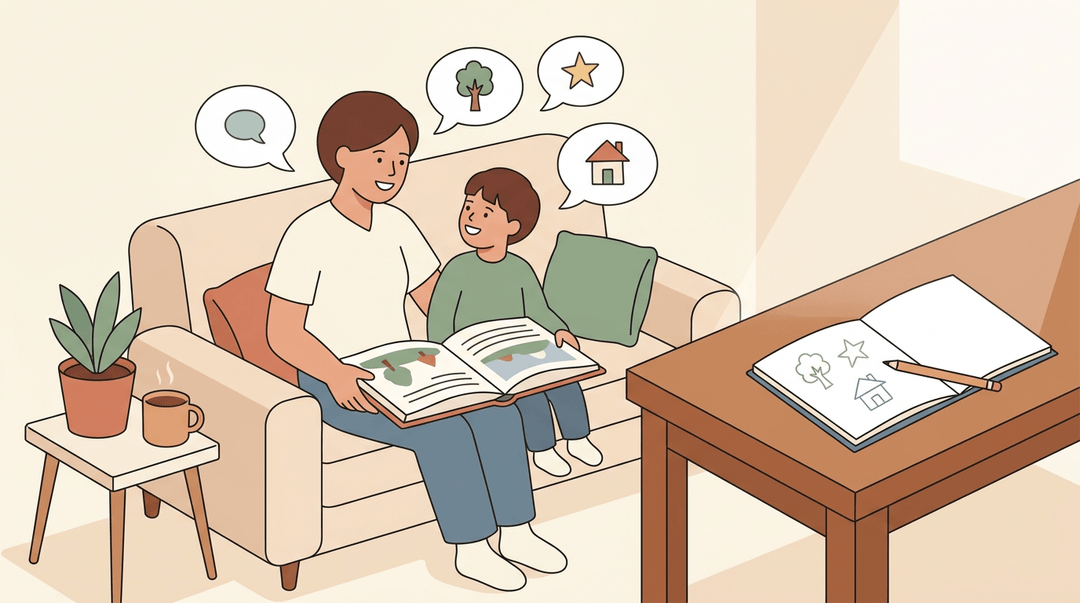
Blossom and Root incorporates the Brave Writer lifestyle, an approach that grows writing out of reading, talking, and living with good books. Writing becomes less about isolated exercises and more about how students come to express their own ideas.
The writing and language arts approach follows that same thread. It's a clear, practical way to build literacy, and it gives students something real to write about.
Picking Curriculum by Grade Level
The right Blossom and Root pick depends mostly on the grade in front of you. Here's how the choices break down, with planning ideas along the way. Families who want to see how a different program handles each grade can read our homeschool curriculum Oak Meadow guide.
Early years and preschool picks
Wondering whether a preschooler needs a full curriculum at all? For many families, a light routine of read-alouds, play, and outdoor time does the job. If you want more structure, the early years category posts show you how to add it gently.
Think of a parent with a three-year-old who loves puddles. A few minutes of counting raindrops can become early number practice without any worksheets.
Kindergarten curriculum choices
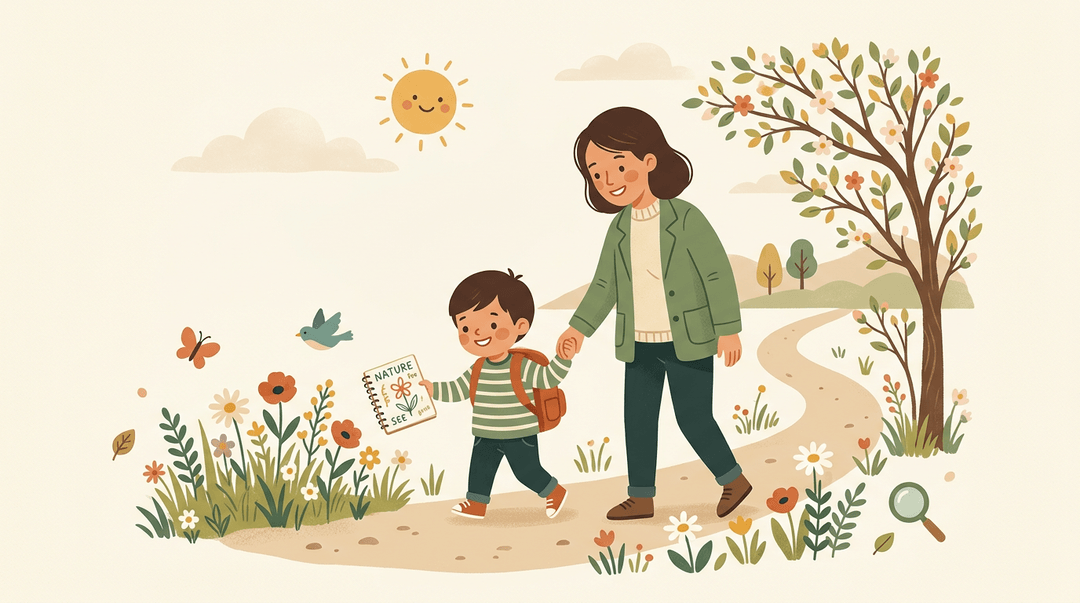
Kindergarten is where many families first commit to a program. Nature study fits naturally here: a daily walk, a simple notebook, and a few sketches of what's blooming.
If you're drawn to the Brave Writer lifestyle, look for kindergarten picks that tie into it, so reading and writing grow out of real life. Nature study is less about perfect observations and more about noticing things.
First grade curriculum picks
First grade picks often lean nature-based, and that's a strength. Picture a first grader who asks about every bird in the yard. Following that curiosity with a short nature journal turns it into reading and writing practice.
Planning posts for first grade help you map the week so the good ideas actually get done.
Planning your second grade year
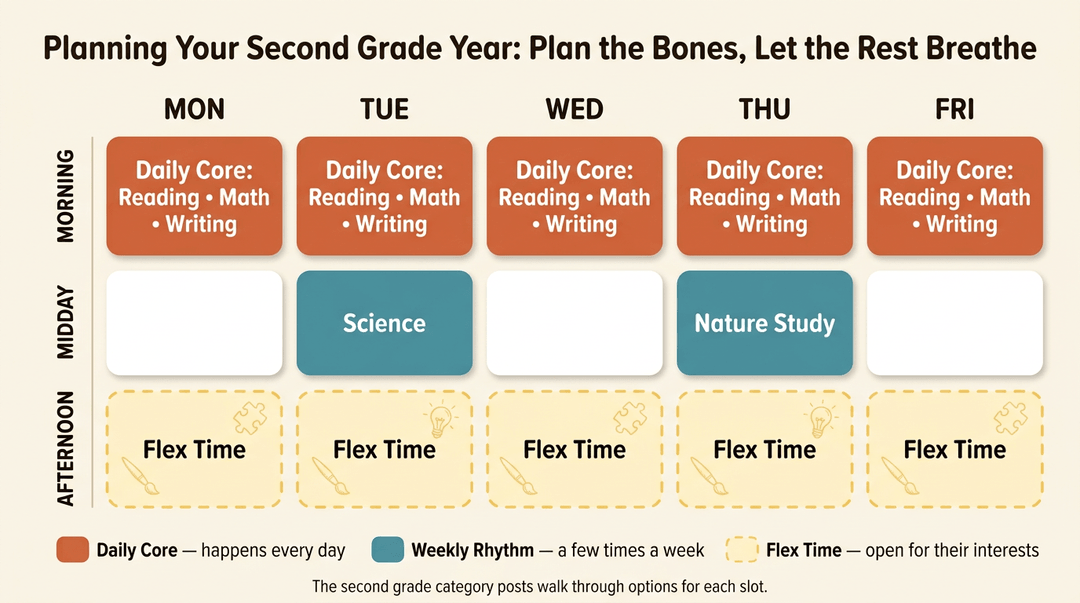
Second grade is a natural moment to move from loose routines to a real plan. Start with a rough map of the year:
- Daily core: reading, math, and writing
- Weekly rhythm: science, history, or a nature study block
- Flex time: room for the projects your learner loves
The second grade category posts walk through options for each slot. Plan the bones, then let the rest breathe.
Third grade curriculum options
Third grade is where many families begin weighing more independent work. The third grade category posts lay out the choices. Families weighing more independent work at this stage may want to see whether the Rod and Staff curriculum suits their homeschool.
If you have siblings in different grades, teach shared topics together, like read-alouds and nature walks, then let each child work at their own level in math and writing.
Upper elementary picks (grades 4-6) follow the same pattern, with more independent reading and longer projects.
Plan Your Blossom and Root Year Like a Teacher
This guide helps you turn Blossom and Root's units into a year you can see, track, and report on. Set up the calendar once before week one, then use the weekly log and portfolio habits as you go.
Map the year
- Put your units on a calendar
- Count your school weeks first, then divide them among the units.
- Jot it like this: "Unit 1: Weeks 1 to 6."
- Mark your nature study weeks
- Pencil them in by season, so a leaf walk lands in fall.
- Highlight them in one color so they stand out at a glance.
- Build in buffer weeks
- Add one after each unit, plus space around holidays and breaks.
- Label it: "Buffer: catch up, or take a field trip."
Buffer weeks keep the plan honest. When a cold or a visit eats your week, you slide forward instead of scrapping the schedule.
Track each week
A five-line log on one page is plenty. Fill it in on Friday while the week is fresh.
| Log this | What to jot |
|---|---|
| Read-alouds | Title and date |
| Nature walks | Where you went, what you spotted |
| Completed lessons | Lesson name, marked done |
| Skipped lessons | Lesson name, marked skipped, plus a quick why |
| Pacing note | One line per child |
Then use the pacing note to decide what happens next.
| When you see... | Try... |
|---|---|
| A child breezing through lessons | Combine two lessons, or add extra reading |
| A child needing more time | Spend a buffer week before moving on |
| The same lesson skipped twice | Decide: drop it, or reschedule it |
Keep the portfolio
Think of this as a running file, not an end-of-year scramble. Confirm each month that you have:
- Nature journal samples: a dated page or two from each child.
- Project photos: snapped before cleanup, with a one-line caption.
- Your weekly logs: filed together as your record of what you covered.
Example: A homeschool parent with two children keeps one folder per child. In October she drops in a dated leaf-sketch page and a photo of a finished project with the caption "Built after Tuesday's lesson." In June, her reporting file is mostly already assembled from her Friday logs.
⚠️ Watch out: Don't wait until spring to compile your records. Samples you skip collecting in October are hard to recreate in May.
See how EMStudio's Curriculum Planner turns Blossom and Root's units into a trackable, standards-mapped year plan.
Homeschool Planning and Logistics
Planning doesn't have to be a production. Here's how to keep your homeschool organized without losing the joy of learning.
How to plan your homeschool
Try the do the next thing approach. Instead of mapping the whole year on day one, ask what your child needs next and tackle that.
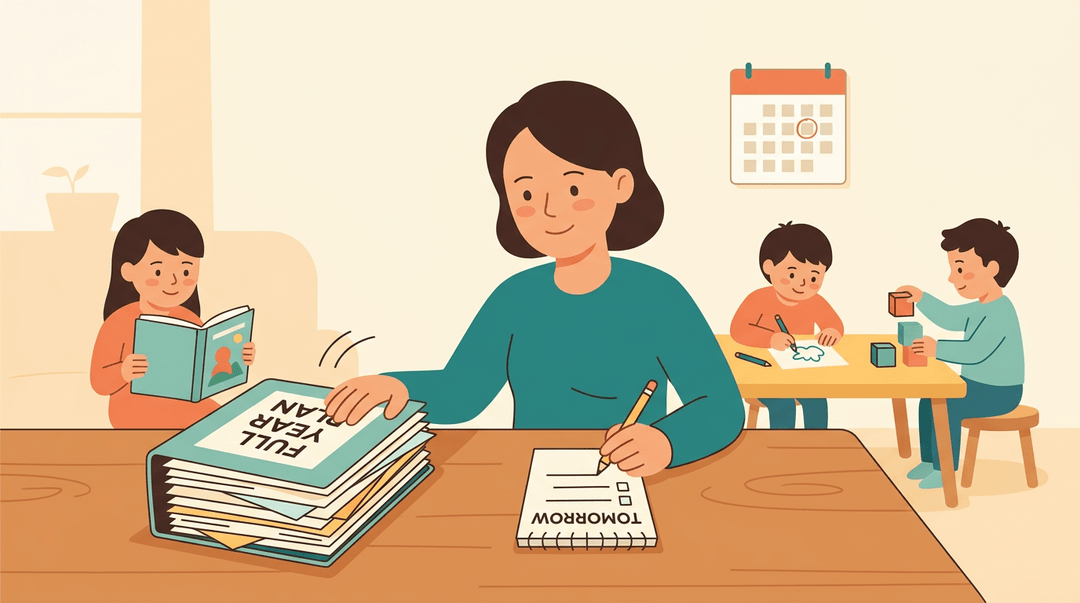
Think of a homeschool parent with three kids and a binder full of plans who finally stops scheduling everything and just plans tomorrow's lesson. The payoff is less overwhelm and steady progress.
Here's how we plan our homeschool series: we sketch the big picture first, then zoom in one subject at a time. Keep it flexible enough to bend when life happens.
Don't forget record-keeping. Requirements differ from state to state. According to State Homeschooling Laws from The Schoolhouse, "Most states focus on four areas: notification, curriculum, assessment, and record-keeping."
Check your state's rules early so you're not scrambling at year's end.
Tips for choosing curriculum
Budget matters. Look at used copies, library resources, and free printables before paying full price. Then decide early between a secular or Christian edition, since that shapes the whole program. Compare the total cost, and weigh digital against print.
Digital saves shelf space, while print may suit a child who learns better away from a screen.
For preschool, keep it simple. Play, read-alouds, and short hands-on activities usually beat a heavy workbook. Simple usually wins.
A week in our homeschool
Each week we post a recap, so you can see how the plan holds up in real life. Our weeks often blend nature study and history.
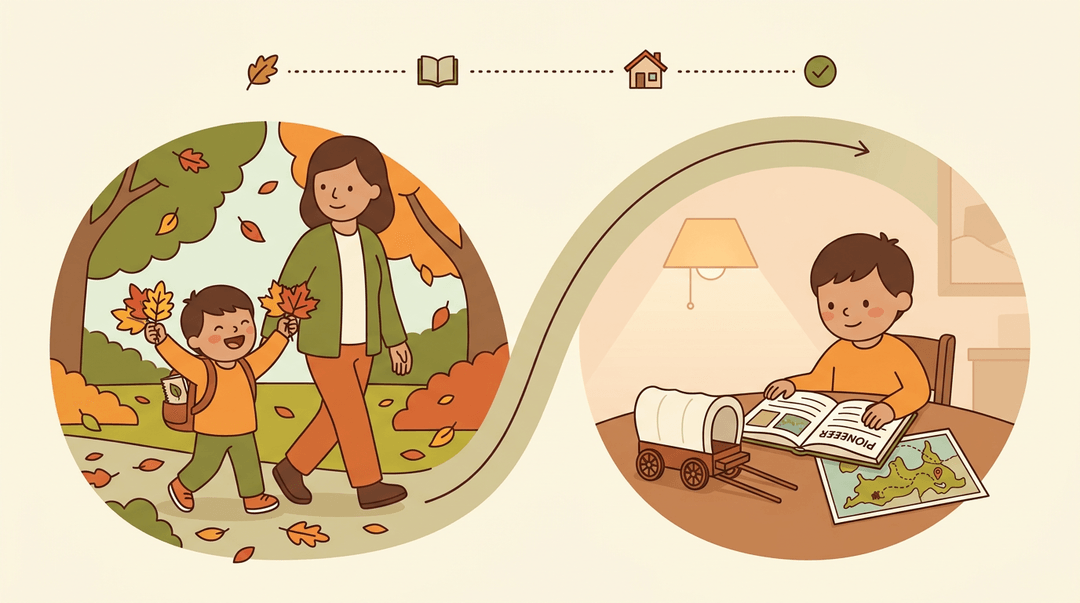
A walk to collect leaves can lead straight into a lesson on seasons, and a reading about pioneers can spark a trip to a local historic site. Learning sticks when it's connected to the world outside the table.
Blossom and Root can be a strong fit when you know what you're getting and how you'll use it. Map out your year, check your progress as you go, and adjust when a unit runs long or a student needs another pass.
That's how a curriculum becomes a plan instead of a pile of books.
Ready to bring that same structure to your own planning? Check out our Curriculum & Standards feature to plan units, lessons, and standards across the whole school year.
References
- State Homeschooling Laws — theschoolhouse.org