Student Strengths and Weaknesses List: A Complete Guide

Jump to section
Think about the last time a colleague asked what a student is good at. Did you have a quick answer, or did you have to pause and think? Most teachers can list a student's struggles in seconds, but strengths often get less airtime.
A student strengths and weaknesses list is a working snapshot of what a learner can already do and what they're still building. Used well, it helps you plan, group, and support students with more precision.
Here's what we'll cover: what these traits really are, examples by age and type, and a practical method for building a strengths profile in your class.
What Student Strengths and Weaknesses Really Are
Ask a teacher about a student and you'll usually hear both sides: what they do well and where they struggle.
What counts as a strength
A strength is anything a student does well or is building toward. Most fall into three groups:
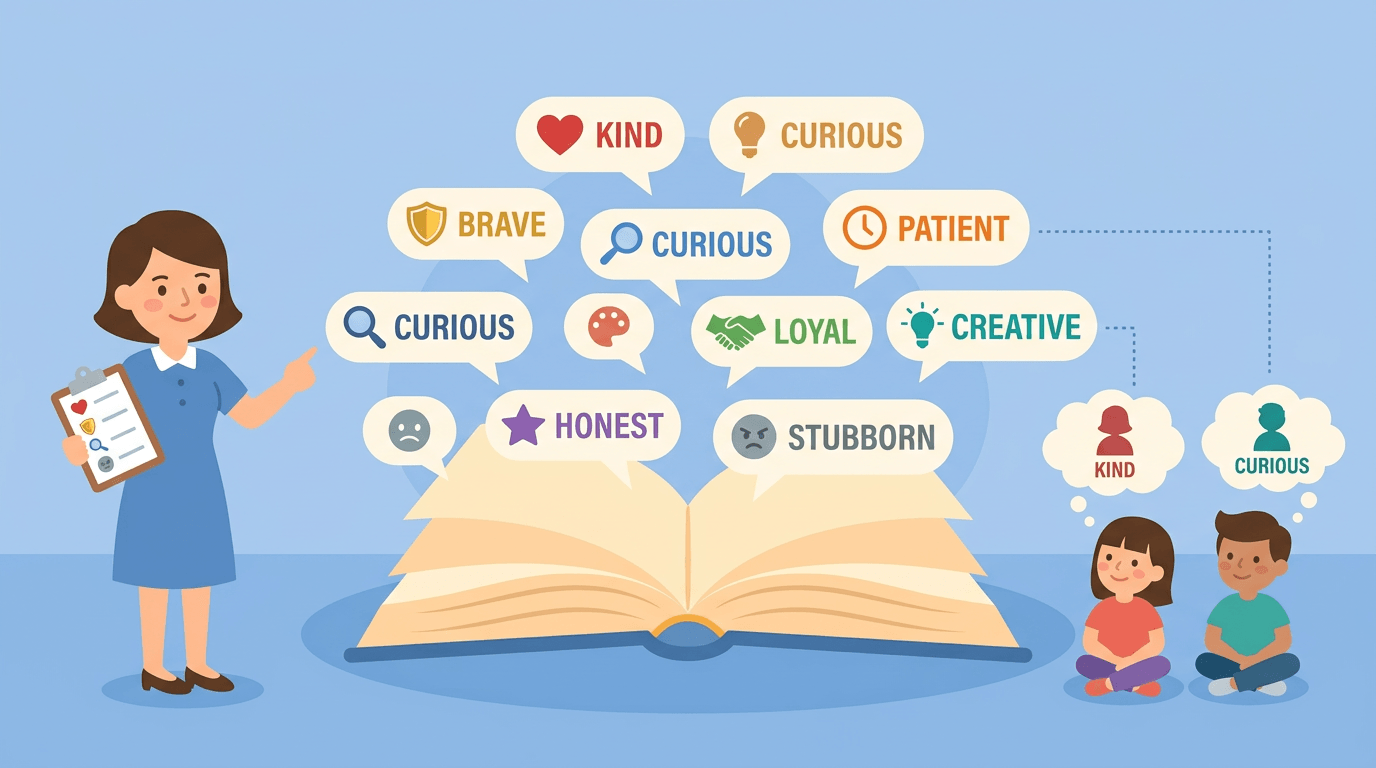
- School skills: reading comprehension, problem solving, or staying organized.
- Personal traits: persistence, curiosity, or patience.
- Interests and special skills: chess, soccer, or sketching.
Every student has strengths. Finding them is part of what we do.
A school has both, too. Its strengths might be a strong music program or a close-knit staff, while its weaknesses might be limited planning time or thin support for struggling readers.

Why focusing on strengths pays off
A recent study on self-confidence and motivation found that noticing strengths builds self-confidence and intrinsic motivation, the drive to learn because it matters to you. It also reduces anxiety about hard tasks.
Positive feedback also supports emotional regulation, or managing feelings and behavior when a task gets hard.
Strengths also spread across the room. Classmates who see each other's skills work together more easily and show more empathy. These social abilities are part of the wider set of 21st century skills for students.
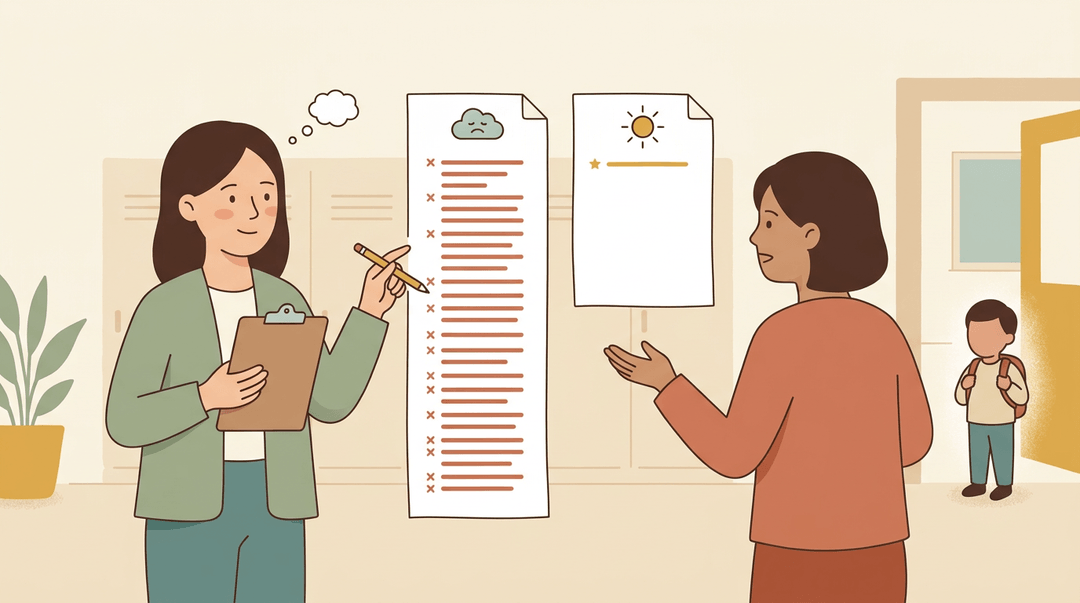
Focusing on strengths also shifts the conversation away from deficits, the things a student lacks. Ask what's working rather than what's lacking.
Why spotting weaknesses early helps
Catching a weakness early gives you time to set realistic goals and act. A student who slips on fractions in October has an easier path back than one who hits the same wall in May. Naming a weakness is also the first step to improving it.
Weaknesses are normal: every learner has gaps, and a gap isn't a verdict on ability.
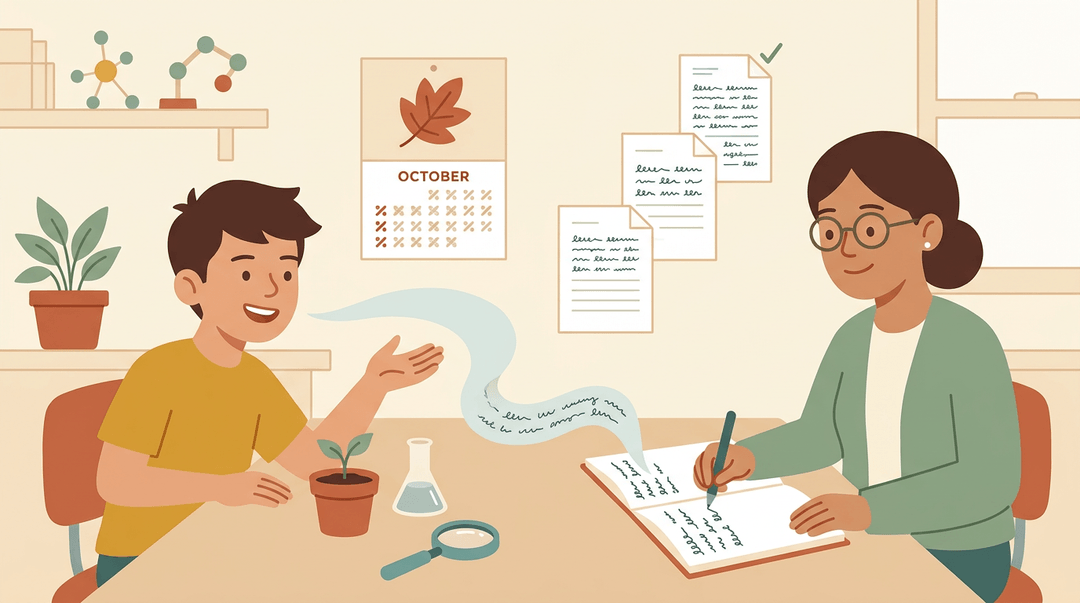
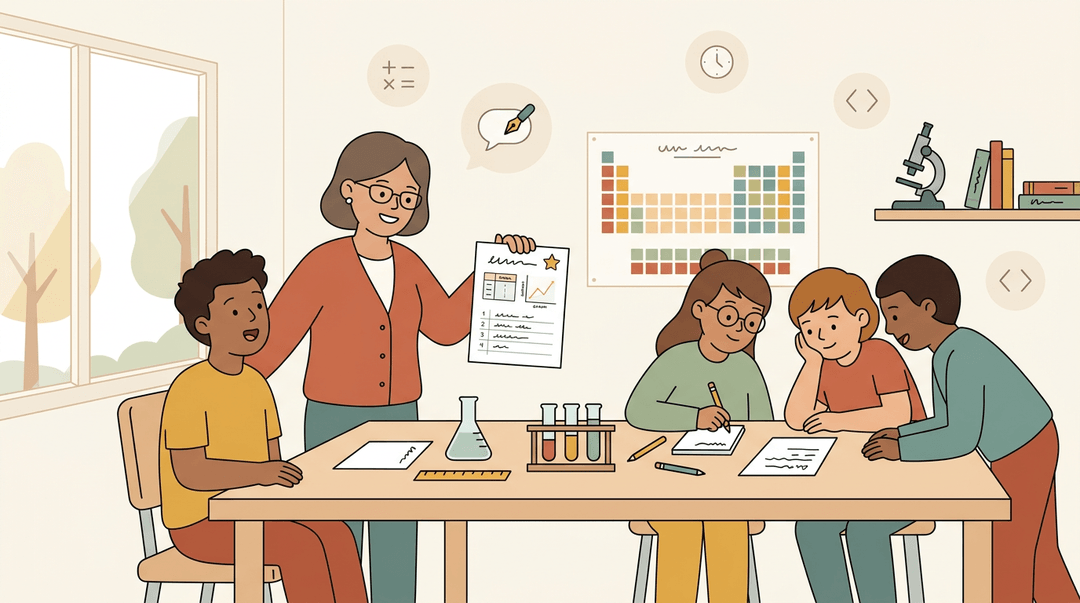
Strengths can cover for weaknesses while the skill catches up. Consider a sixth-grade science teacher whose student writes shaky lab reports but explains experiments clearly aloud.
She has him talk through each lab, then helps him turn that explanation into written notes. His reports steadily improve.
Strengths grow with effort and practice
Most strengths are learnable. Penn State Extension's Better Kid Care guidance says abilities grow through effort and practice, even when the work is hard.
Strengths are built through effort and dedication. Strong study skills can offset giftedness gaps.
A gifted student who never learned to study can still struggle, while a classmate with less natural ability can close the gap with solid habits. Strengths aren't fixed. They grow.
What Are Examples of Student Strengths?
Every student has strengths worth naming. Here's what we'll look for, grouped by skill, trait, and subject.
Groups of academic skills to track
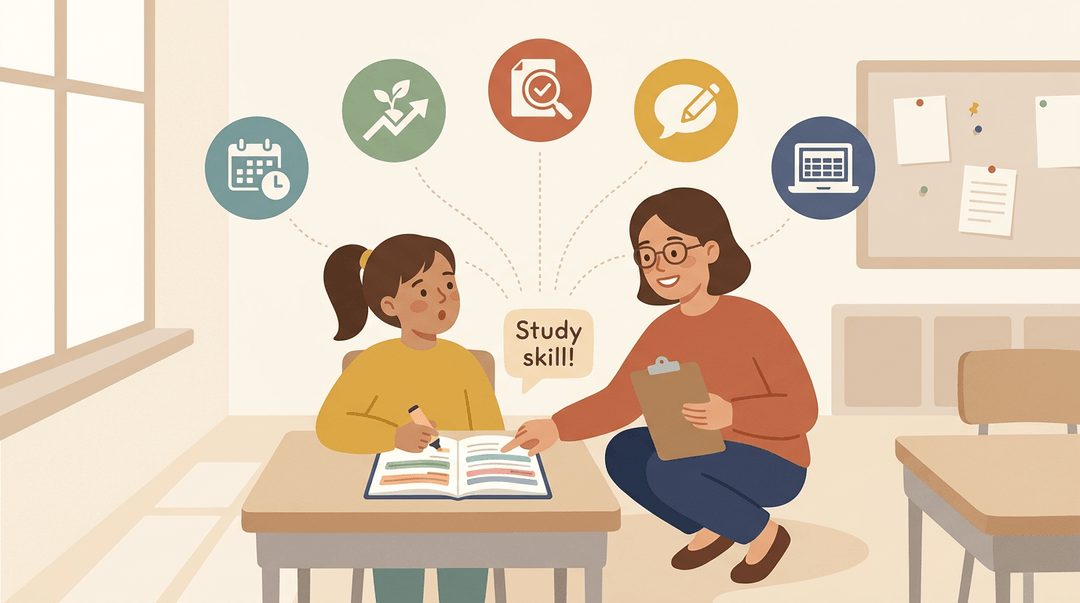
Look for strengths in five groups:
- Study skills. Planning review time without being asked.
- Mindset skills. Treating a low score as a starting point.
- Research skills. Knowing where to look and how to check it.
- Communication skills. Explaining an idea clearly, in writing or aloud.
- Hard skills. Teachable abilities like using a spreadsheet.
A sixth-grade teacher who sees a student color-code their notes can name it a study skill, turning a private habit into a class tool.
Core strengths that drive schoolwork
- Critical thinking. Asking "how do we know?" before accepting an answer.
- Flexibility and adaptability. Switching strategies when one stalls.
- Organization. Tracking deadlines and materials without constant reminders.
- Creativity. Finding an unexpected route to the same answer.
- Problem solving. Breaking a messy question into smaller steps.
These skills rarely get the spotlight, but they make everything else possible.
Mindset and character traits to look for
- Growth mindset. Believing abilities improve with effort and practice.
- Perseverance and resilience. Sticking with a hard problem and bouncing back.
- Curiosity and open-mindedness. Asking follow-up questions and weighing other views.
- Kind, honest, and confident traits. Helping classmates, owning mistakes, or speaking up with confidence.
- Leadership and responsibility. Owning a classroom job and following through.
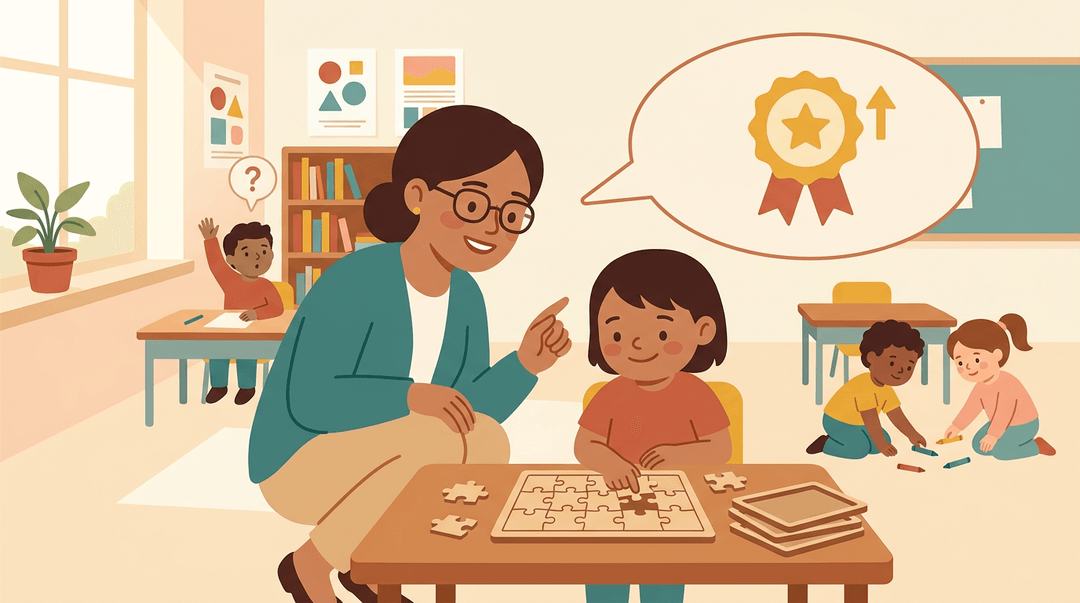
Younger children show these traits openly. A kindergartner who asks "why" about everything shows curiosity. Consider a second-grade teacher who tells a student, "You kept trying that puzzle until it fit. That's perseverance."
Now the student has a name for their effort.
Searching for the 10 qualities of a good student? Here's a practical answer from the traits above:
- growth mindset
- perseverance
- resilience
- curiosity
- open-mindedness
- kindness
- honesty
- confidence
- leadership
- responsibility
Strengths in research and speaking up
- Finding reliable sources. Checking who wrote a page before citing it.
- Written and oral communication. Organizing an argument or explaining an idea clearly.
- Teamwork and collaboration. Dividing tasks fairly and building on a classmate's idea.
- Public speaking. Presenting at a steady pace and answering questions calmly.
Think of a shy eighth grader who volunteers to read one slide in a group project. By unit's end, they're presenting the whole thing. That's confidence built one slide at a time.
Strengths tied to subjects and assignments
- Subjects like math or English. Spotting number patterns or writing with a distinct voice.
- Essays, labs, and problem sets. Clear structure, careful measurement, or showing every step.
- Group work and presentations. Keeping the group on schedule or designing a clean visual.
- Hard skills like coding. Tracking down a bug one step at a time.
A high school science teacher notices one student writes the cleanest lab reports. Asking that student to share a sample gives them a win and gives classmates a model.
Turning tricky behaviors into positives
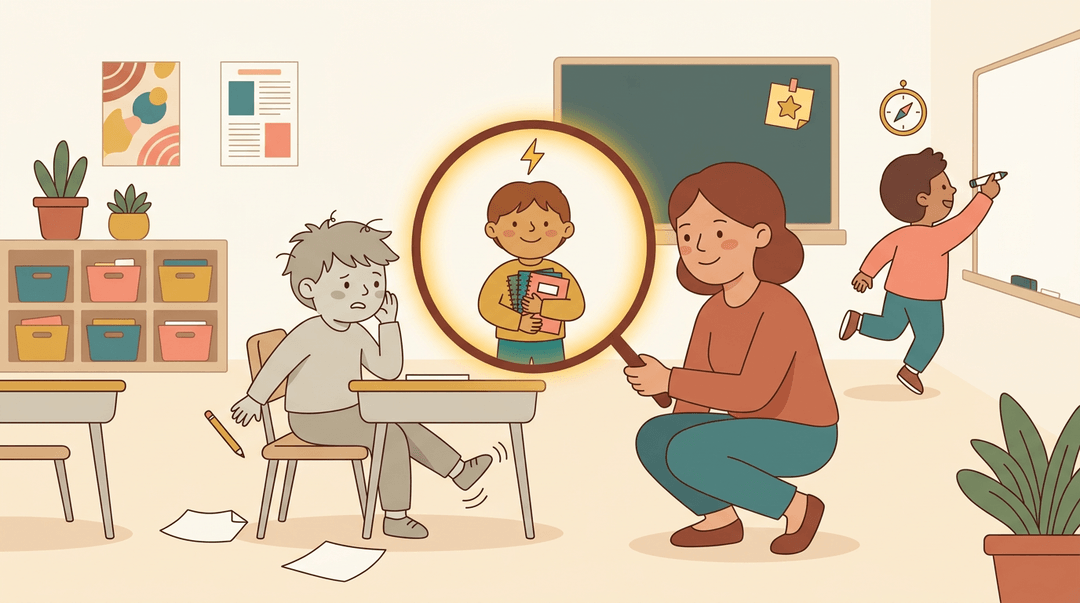
Some strengths hide inside frustrating behavior. The move is reframing: naming the strength underneath.
- Impulsive becomes adventurous. A student who dives in first may be willing to try new approaches.
- Constant motion becomes energetic. A student who can't sit still might be ideal for passing out materials.
- Positive wording for students. Swap "You never finish" for "You start fast, so let's add one step to finish."
- Use in report card comments. Pair the behavior and the strength in a single sentence.
Focus on what the behavior can become, not what it looks like today. Look closer. The strength is usually there.
Can You Give Examples of Student Weaknesses?
Yes, and they look different at each age. Younger children might rush past directions or abandon a task the moment it gets hard, while a high schooler might put a project off until the night before.
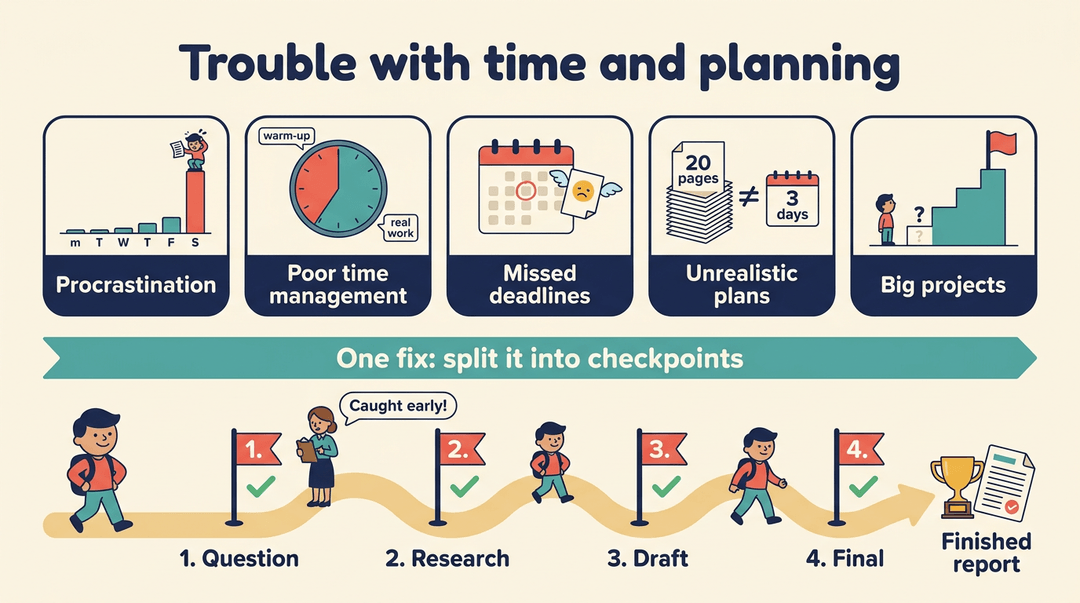
Trouble with time and planning
- Procrastination. Work waits until the last minute, then arrives rushed.
- Poor time management. A quick warm-up eats half the period.
- Missed deadlines. Work arrives late or not at all.
- Unrealistic plans. A 20-page project gets a three-day timeline.
- Trouble with big projects. Step one never gets started.
A middle school science teacher splits a research project into four checkpoints, so a student who used to stall at the start can finish each piece, and the teacher catches trouble early.
Staying organized and on task
The issue is rarely whether a student can focus, but what pulls them away.
- Disorganization. Papers vanish before they reach the teacher.
- Lack of focus. The start is strong, then attention drifts within minutes.
- Distractions. Phones and hallway noise pull attention away.
- Poor follow-through. Directions get started but never finished.
- Switching tasks. Transitions take longer than the work itself.
Fear and low motivation holding students back
Sometimes the barrier is less about ability and more about what a student believes.
- Fear of failure. Students won't try unless they're sure they'll succeed.
- Lack of enthusiasm. Effort fades on anything that doesn't feel relevant.
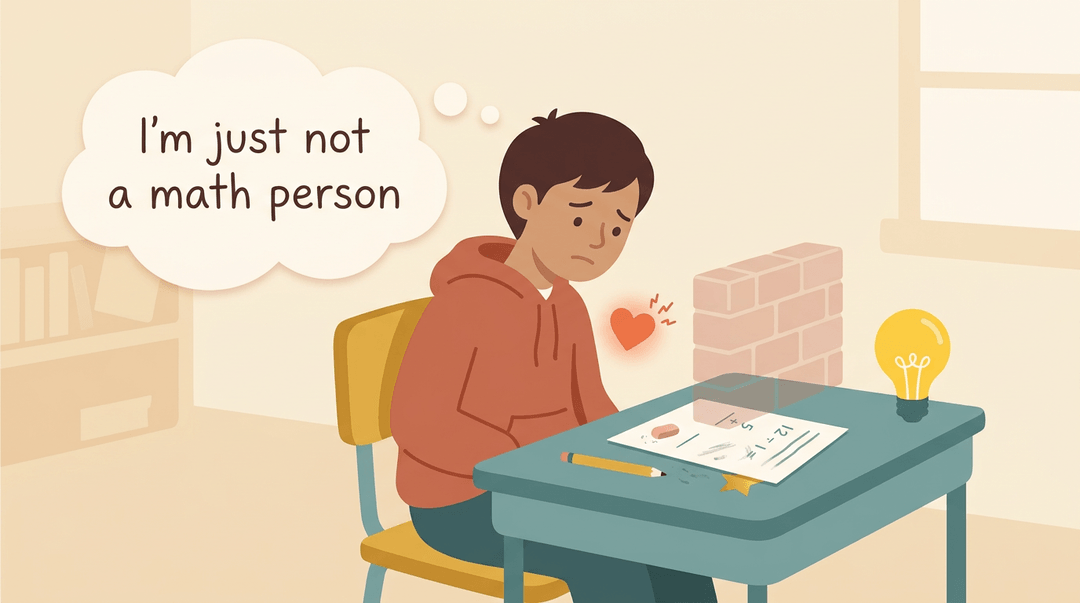
- Fixed mindset. Believing they're just not a math person shuts effort down early.
- Giving up when hard. The pencil goes down at the first tough step.
- Test anxiety. A racing heart can hide what a student actually knows.
Skill gaps in writing, notes, and tests
Start by telling a skill gap from an effort issue. A skill gap is a task a student can't yet do, even when trying. An effort issue is a task they can do but aren't choosing to. Treating one as the other wastes time. Diagnose first. Then respond. Student friendly definitions help learners tell a skill gap from an effort issue too.
- Poor writing standard. Essays lack structure, even after feedback.
- Weak note taking. Notes are fragments the student can't read later.
- Test-taking difficulties. Pacing and reading directions don't come naturally.
- Poor goal setting. Goals sound like 'do better' with no next step.
- Skipping class. Missed lessons leave gaps that grow each week.
How diagnoses and stress create barriers
Some barriers start outside the lesson. Only a qualified professional can diagnose them, but you can still notice the patterns.
- ADHD and attention issues. Attention-deficit/hyperactivity disorder (ADHD) and related attention issues can make sustained focus harder.
- Symptom flare-ups. A strong week and a rough week can look like two different students.
- Difficulty with transitions. Shifting rooms or routines can derail a whole block.
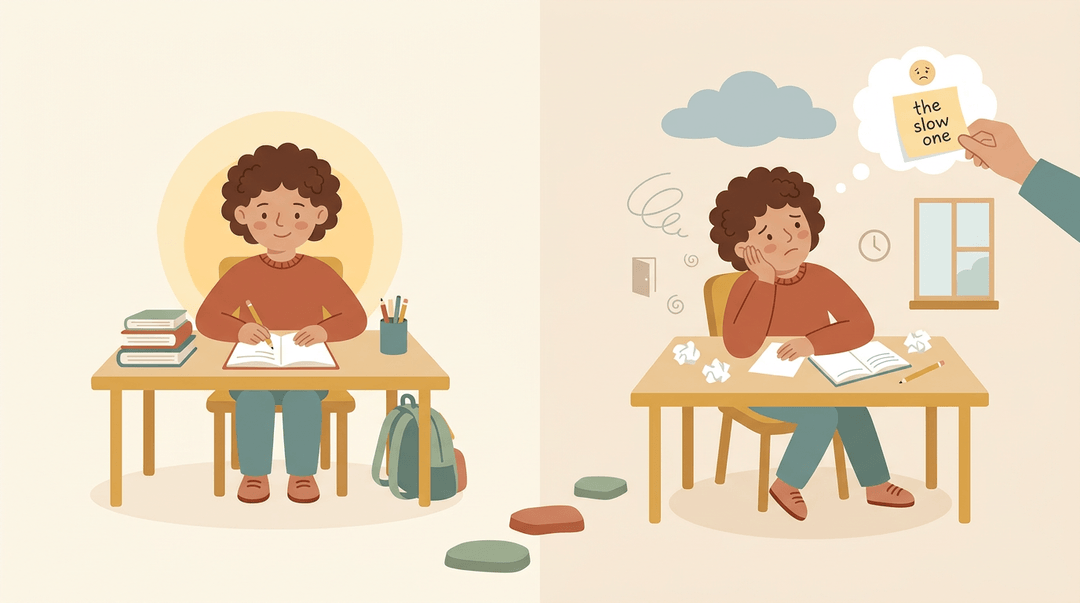
- Stigma and self-labeling. A student who calls themselves the slow one may stop trying.
A weakness is a starting point, not a verdict.
Finding Strengths and Weaknesses in Practice
Strengths and weaknesses rarely appear on checklists, so we look for patterns.
Reflect and test what works for you
Study yourself like a scientist: notice which lessons energized you and which drained you. Regular reflection makes this a habit. Each Friday, ask what worked and why.
Pilot a new strategy in one class first, then compare results across your easy and hard classes. A method that soars with your advanced group may stall with a struggling one.
Watching behavior in every subject
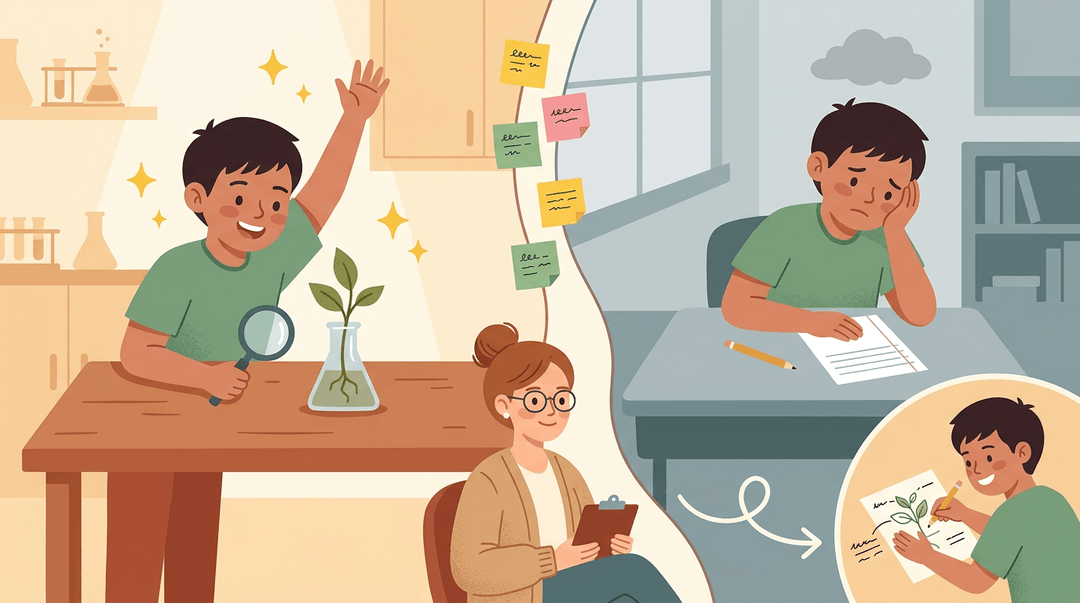
Students shine differently by subject, so compare behavior in each subject: who volunteers in science but goes quiet during writing? Engagement in specials often reveals what academics hide. Patterns beat snapshots.
Keep a quick anecdotal note habit:
- Jot one line per student each day, even on a sticky note.
- Record every strength, however small, like patience with a younger buddy.
- Ask students for lists of preferred topics to find interests you can build on.
Consider a fifth-grade teacher who sees one student light up in science labs but shut down at writing time. Her notes reveal the pattern, so she starts his writing with diagrams he loves. The payoff: a reluctant writer with a reason to pick up a pencil.
Tracking strengths over time turns those notes into a strengths profile you'll use all year.
Tests, assessments, and advisor input
Strengths finder and learning style assessments are clues, not verdicts. Pair them with student self-assessments, where learners name their own strengths and gaps. Consult your academic advisor for another view.
Try a test autopsy after each assessment. Sort missed questions by skill rather than score. If most misses involve word problems, the gap may be reading, not math.
Build a Strengths Profile in Your Classroom
This guide helps you build a simple strengths profile for each student over the first month, then use it to plan groups, roles, and conversations. Reach for it at the start of the year or any time a class feels like a blur of names.
Weeks 1 to 4: collect observations
You're gathering evidence, not judging yet. Small and steady beats big and rare.
- Jot one short note per day
- Two or three students a day, one line each, so everyone is covered by week two.
- Watch students across subjects
- A quiet math student may lead every science lab. One class shows only part of the picture.
- Give an interest survey
- Ask: "What could you talk about for ten minutes without notes?"
- Write the strength first
- Record what's working, then any struggle underneath it.
Example note: "Maya, Tues, science. Reorganized her group's data table without being asked (organization). Rushed the conclusion, needs a timer."
What to look for by grade
Use these as starting points, not a ceiling. Every student will surprise you.
| Grades | Strengths to spot | What it looks like |
|---|---|---|
| K-2 | Sharing, curiosity | Passes materials along; asks "why?" often |
| 3-5 | Persistence, teamwork | Retries a hard problem; splits jobs fairly |
| 6-8 | Organization, leadership | Keeps a tidy planner; gets the group started |
| 9-12 | Research, self-advocacy | Finds their own sources; asks you for help |
Put the profile to work
Once the notes pile up, each strength becomes a tool you can plan with.
- Pair one strength per weakness. Match the growth area with something the student already does well.
- Maya's organization becomes her plan for finishing conclusions: a checklist she builds herself.
- Group by strength. Mix students so every group has a researcher, a organizer, and a speaker.
- Hand out roles that fit. Give your natural leader the materials manager job, or ask a persistent student to coach a peer.
- Hold a goal-setting conference. Start with strengths, then let the student pick the next goal.
- Say: "You're great at this. Where would you like to grow next?"
⚠️ Watch out: If the profile only lists problems, students feel it. Keep strengths first in your notes, your groups, and your conversations.
Quick check for every student
Before you call a profile finished, confirm:
- Three strengths are named. Each one is backed by a specific note, not a hunch.
- One growth area is listed. One is enough to act on.
- A quarterly review is on the calendar. Students change, and the profile should too.
- Families hear it positively. Lead with a strength and a story, then share the goal.
Keep strengths notes and student profiles organized in EMStudio's online teacher planner.
Ways to Overcome Weaknesses and Build Skills
Naming a weakness only helps if it leads to a next step. Here are practical moves to try, from organization and focus to motivation and outside support.
Beat procrastination and disorganization
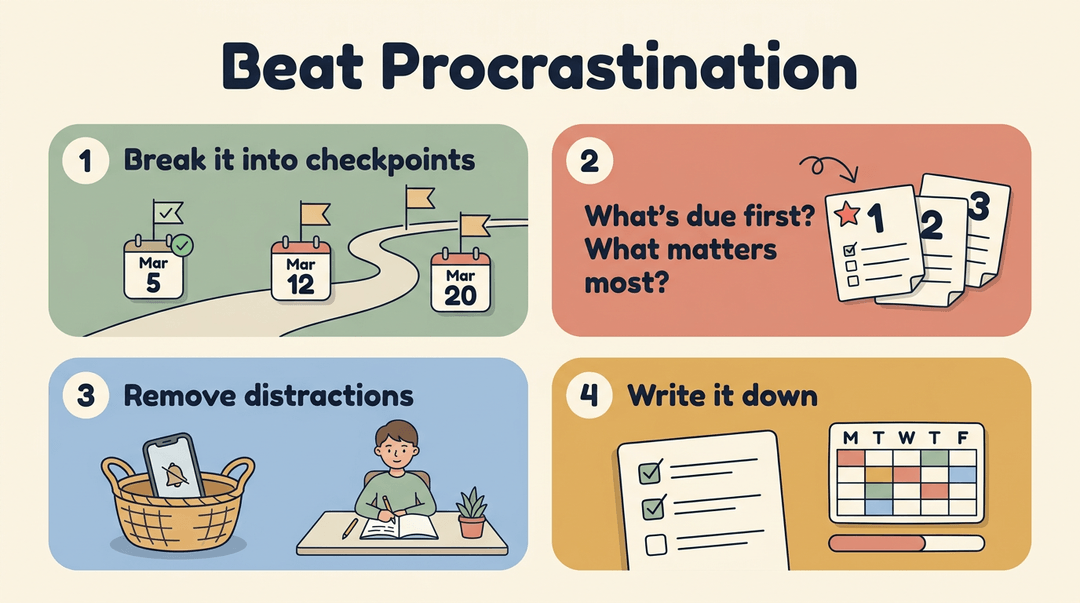
Procrastination often starts with not knowing where to begin. These four habits help:
- Schedules and study plans. Split big projects into dated checkpoints.
- Prioritizing tasks. Ask, "What's due first, and what matters most?"
- Removing distractions. Phones in a basket or a quiet corner for focused work makes a difference.
- Lists, diaries, and timetables. A written record shows progress instead of relying on memory.
Stay focused with smarter study habits
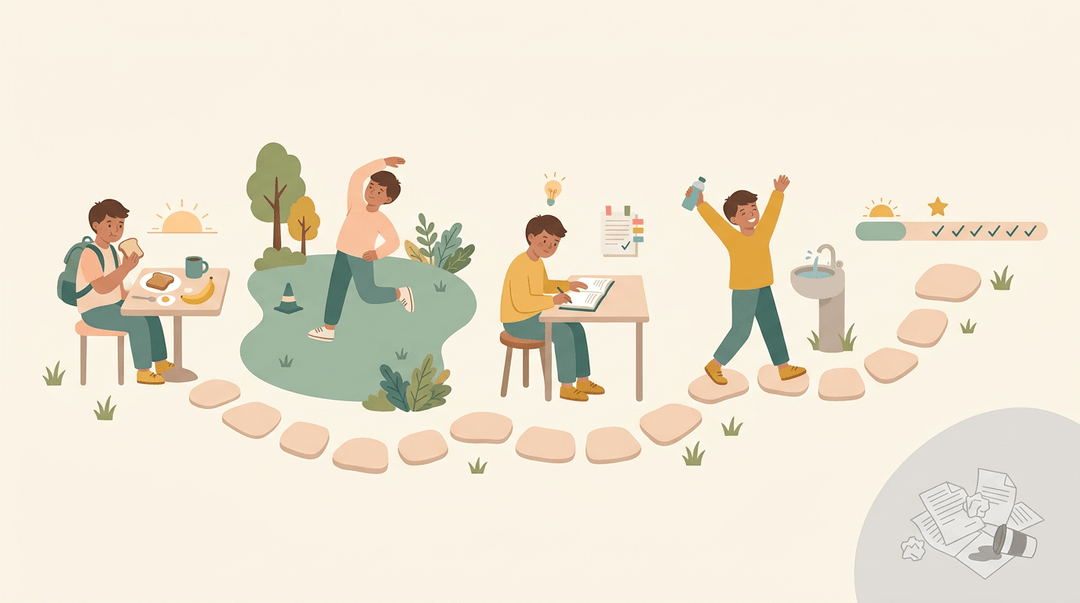
Focus is easier to build in small pieces. Have students break material into segments, tackling one short section at a time. Exercise and diet can support focus, too.
A study of an integrated breakfast and morning sport program reported more favorable changes in selective attention, inhibitory control, and working memory compared with a control group.
Build in effective breaks, like a stretch or a walk to the water fountain. Work with natural rhythm by noticing when students are sharpest, whether that's first thing in the morning or after lunch, and scheduling the hardest work for that window.
The goal is consistency rather than cramming.
Keep motivation up when things get hard
Reassurance matters most when a task feels impossible: try, "This part isn't clicking yet, and you're closer than you think." Turn mistakes into lessons by asking students what they'd do differently on a wrong answer.
Make practice entertaining with a vocabulary relay or a math trivia round.
Think of a fifth-grader who dreads writing. When you check off each finished paragraph on a progress chart, she starts to see herself as someone who finishes.
Reward completed tasks with something small, like free choice time, and tie the praise to finishing rather than perfection. Momentum starts with one finished task.
Use strengths to tackle weak spots
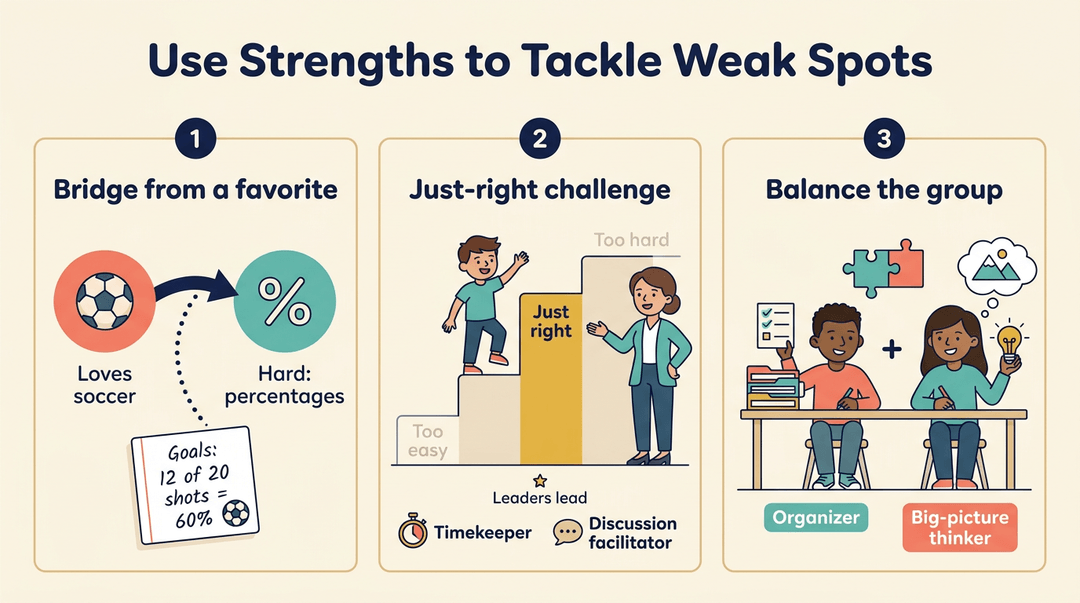
Strengths can open the door to weaker areas. Bring a favorite subject into the hardest one: a student who loves soccer statistics can practice percentages with team data.
Aim for a just-right challenge, a task that stretches students slightly beyond what they can do alone, with support close at hand. Give natural leaders leadership roles, like timekeeper or discussion facilitator.
Then build a strength-based classroom setup by grouping students so their strengths balance out, such as a strong organizer paired with a big-picture thinker.
Find the right help and resources
Start close to home: invite a student struggling with writing to bring a draft to office hours for specific feedback.
Persistent trouble with attention, organization, or impulse control may call for an evaluation for attention-deficit/hyperactivity disorder (ADHD), which only a qualified professional can provide.
Share dated observations with the school counselor and family, and leave therapy or medication decisions to families and medical professionals. Finally, model a simple note-taking format on the board, then let students practice with you before going solo.
How Strengths Shape IEPs and Classroom Support
Strengths can shape the whole Individualized Education Program (IEP), from goals to seating.
Balancing strengths and weaknesses in IEPs
An IEP still addresses weaknesses, but describing strengths deserves the same care. Think of a fourth grader who reads slowly but tells the most vivid stories in class. Her plan can target fluency while naming storytelling as the foundation.
It's a mindset shift from what's missing to what's already there. Raise strengths throughout the meeting, not just at the end.

Letting students lead their own IEP
Invite students to lead part of their own IEP meeting. A student who names her strengths and what helps her learn becomes a team member, not just the topic.
Preparing builds self-awareness. A seventh grader who practices explaining that she learns best with checklists walks in able to say it in her own words.
That's self-advocacy: speaking up for what helps you. It turns a plan a student is handed into one she owns.
Turn strengths into measurable goals
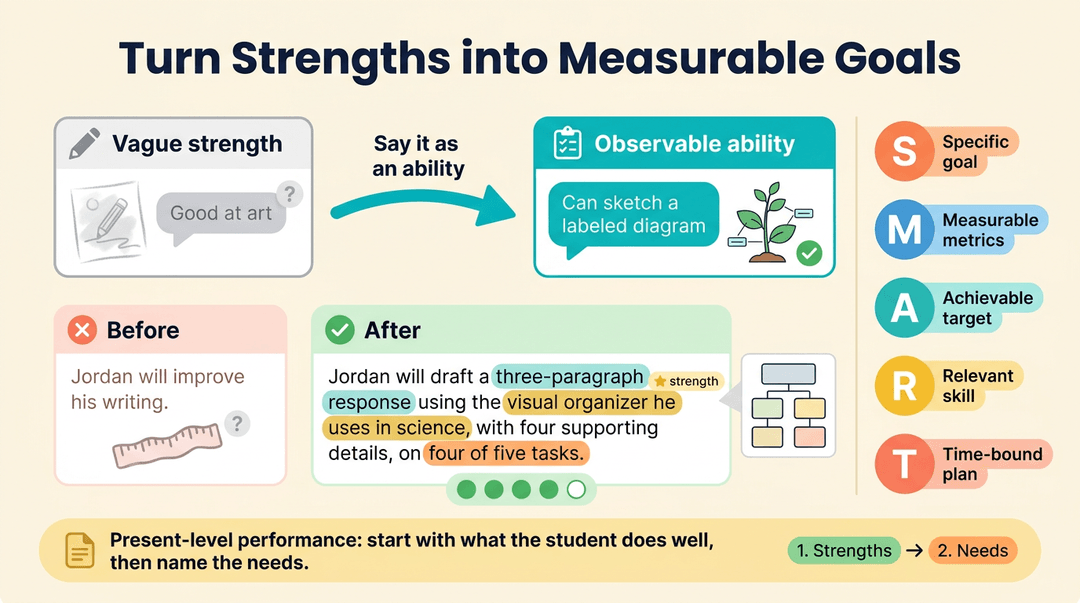
Describe strengths as abilities. 'Good at art' tells the team little, but 'can sketch a labeled diagram' gives you something to measure. Build SMART goals (Specific, Measurable, Achievable, Relevant, Time-bound) around that ability.
- Before: Jordan will improve his writing.
- After: Jordan will draft a three-paragraph response using the visual organizer he uses in science, with four supporting details, on four of five tasks.
The present-level performance section describes how a student is doing now, so open it with what they do well, then name the needs.
How student, setting, and task fit together
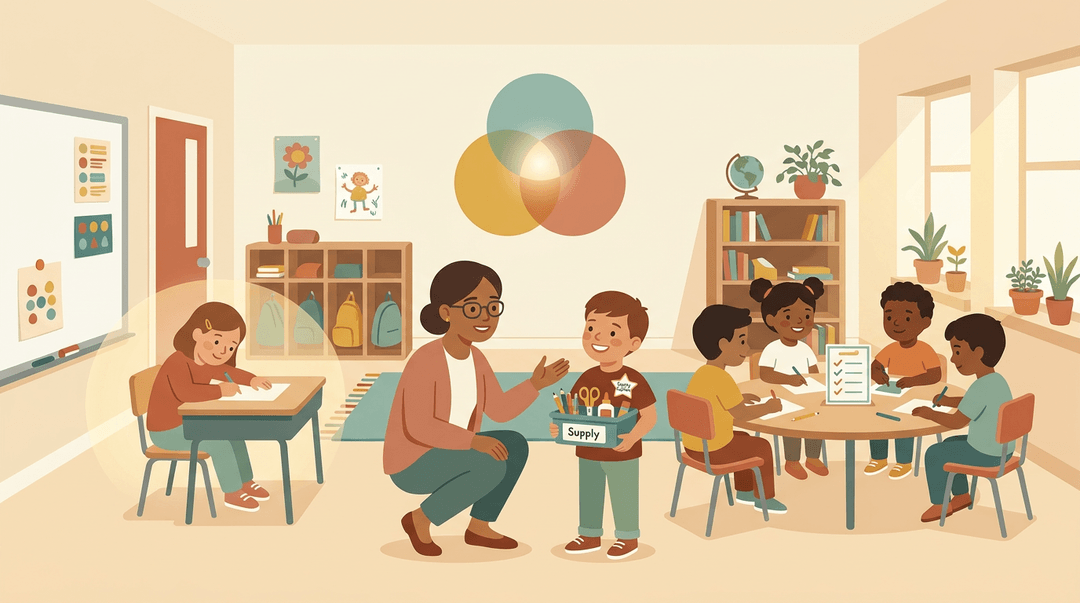
Think of performance as the fit among the person, environment, and occupation (the task at hand). Change one piece and the outcome shifts, so check the setting before judging the student.
Seating and room jobs put that fit to work. A student who focuses best up front gets a seat near the board. Consider a special education teacher who gives an organized student the supply bin, a job that suits how he works.
Take a universal classroom approach: build supports the whole class can use. A checklist that helps one student can sit on the shared table, so nobody's singled out.
Strengths belong in every room, not just the meeting.
What Gets in the Way of Self-knowledge
Knowing your strengths isn't always easy. A few common habits can cloud the picture.
Thinking patterns that backfire
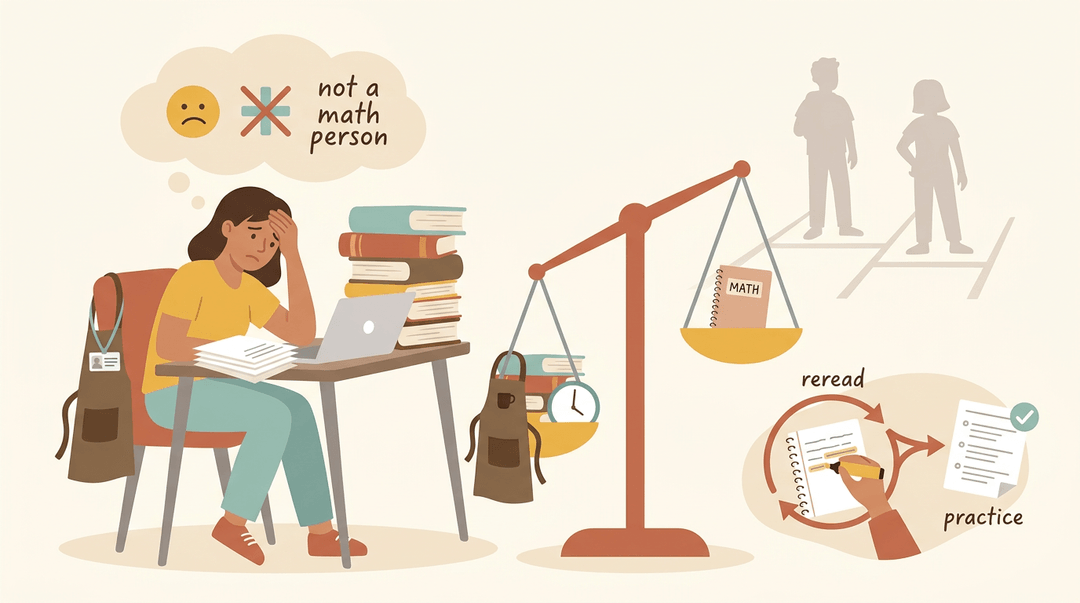
Overloading your course load is the first trap. Take a student who signs up for five demanding classes plus a part-time job. Her grades slip, and she decides she “just isn't a math person.” The real issue is the load, not the math.
Wishing you were someone else is another trap, and so is comparing with others. Fixating on a classmate's talents hides your own, and comparing measures your progress against someone else's starting line.
Low cognitive flexibility (the ability to shift your approach when something isn't working) is a quieter barrier. A learner who keeps rereading notes instead of trying practice questions may decide they “can't study.”
Switching tactics is a skill, not a sign of failure.
Dealing with labels and asking for help
Labels stick. A student who hears “lazy” often enough may start to believe it, and these internalized labels become their own barrier. Ask what's really behind the behavior before you accept the label.
Talk to people you trust. A counselor, a family member, or a favorite teacher can name strengths you can't see from the inside. Outside perspective helps you notice what's working, not just what's wrong.
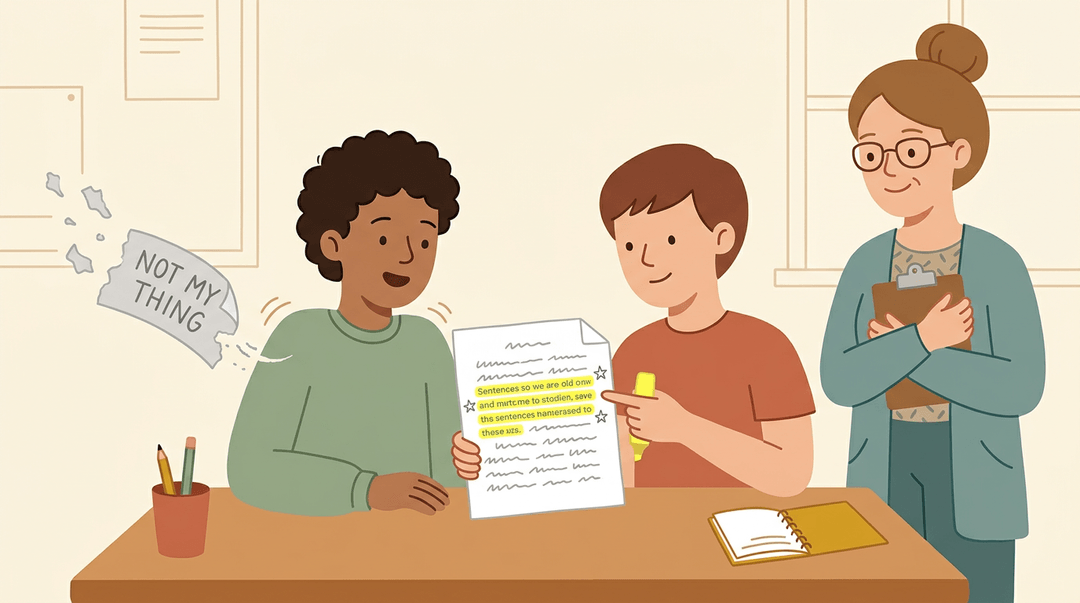
Consider a high school English teacher whose student keeps saying writing is “just not their thing.” She pairs them with a peer reviewer and asks for three sentences they're proud of.
Seeing their own strengths on the page helps the student revise with more confidence.
If you suspect a learning difference, campus disability resources are a good place to start. Staff can walk you through available supports, and asking for help is a strength, not a weakness.
Strengths and Weaknesses in Applications and Interviews
Few questions make students sweat like "What's your greatest strength?" or "What's a weakness you're working on?" Both answers follow a simple pattern you'll practice before interview day.
Answer strength questions with honest examples
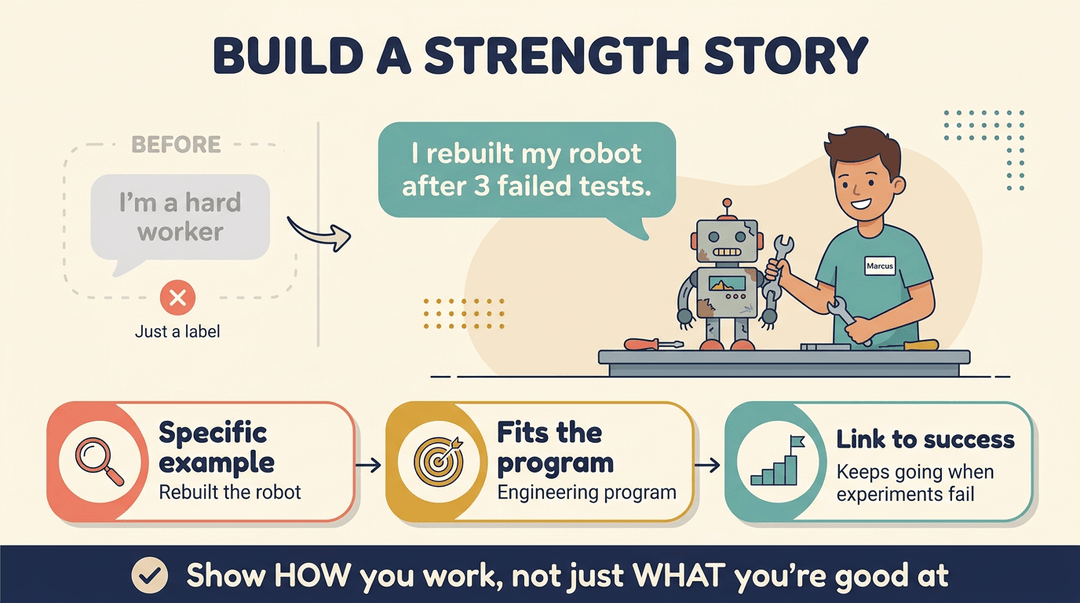
Start with honesty: choose a strength your student can truly back up. Then build a strength story with three parts:
- A specific example. A strength without a story is just a label.
- A match for the program. Choose the story that fits what the scholarship or program values.
- A link to success. Explain how the skill will help them in that setting.
Consider Marcus, a junior applying to a summer engineering program. Rather than calling himself "a hard worker," he and his teacher choose the robot he rebuilt after several failed tests.
That's persistence in action, and it'll help him keep going when experiments fail. Aim for how Marcus works, not just what he's good at.
Naming a weakness and showing growth
Nobody expects a flawless student, so a real weakness can work in your favor. Name it, then share the step you're taking to fix it. Avoid permanent-sounding traits, such as a fixed mindset (the belief that ability can't change).
Saying a student is "just not a math person" closes the door.
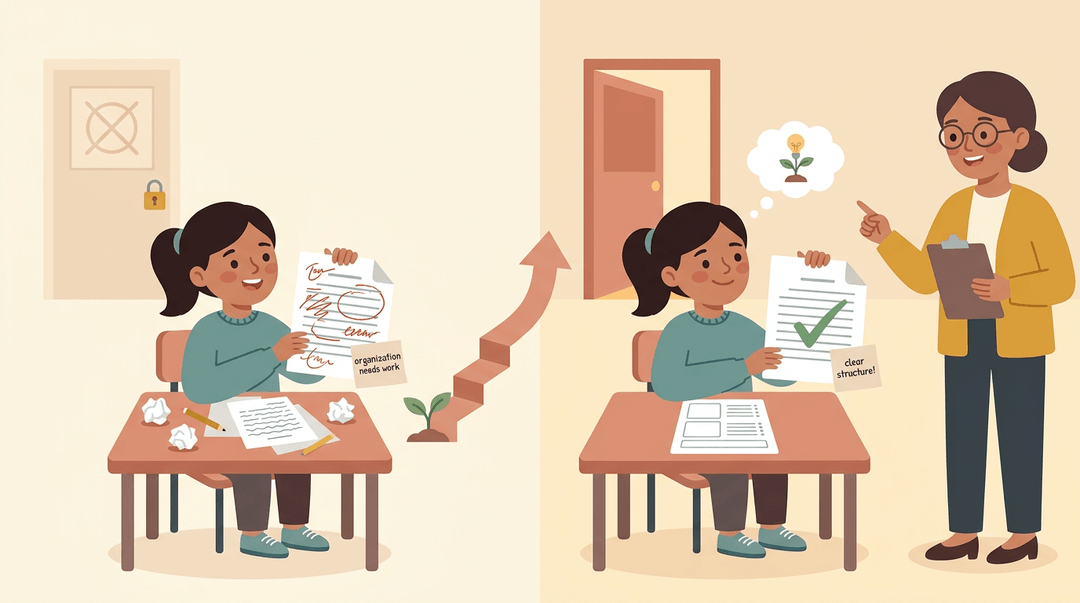
Back it up with improvement evidence, like a draft that got stronger after feedback. Picture Priya, who admits she rushes essay drafts.
She now outlines first, and her teacher's notes have shifted from "organization needs work" to praise for clear structure. Show progress rather than perfection. Growth is the story.
A strengths and weaknesses list only earns its keep when you actually use it. Check it before planning, compare it with what you see during class, and update it as students grow.
When you treat each learner's profile as a living tool, you spend less time guessing and more time teaching.
Ready to keep your rosters, sections, and timetables organized while you do it? Check out our Classroom Management page to see how one structured workspace keeps everything in one place.
References
- Developing Traits of Self-Confidence and Intrinsic Motivation ... — pmc.ncbi.nlm.nih.gov (2025)
- Integrated Structured Breakfast and Morning Sport Program and Its Associations with Attention, Executive Functions, and Academic Performance in Students — doi.org (2026)
- Cultivate a commitment to learning: Ideas to embrace — News — extension.psu.edu
Frequently asked questions
What is a list of strengths and weaknesses?
A list of strengths and weaknesses is a practical snapshot of what someone does well and what they are still developing. For a student, it might include strengths such as curiosity and clear communication, alongside growth areas such as organization or time management.
What are some of my strengths as a student?
Student strengths can include understanding what they read, solving problems, organizing materials, researching reliably, and explaining ideas clearly. Personal strengths such as curiosity, persistence, teamwork, and responsibility can also support learning.
What are some weaknesses a student can have?
Students may struggle with procrastination, missed deadlines, disorganization, staying focused, or finishing tasks. Other growth areas can include writing, note-taking, test-taking, setting goals, or managing anxiety; these are skills to build, not fixed judgments about ability.
What are the different types of strengths?
Student strengths can be grouped into academic skills, personal traits, and interests or special skills. Academic strengths include research and communication, personal strengths include persistence and kindness, and interests or special skills might include chess, soccer, or sketching.
What are the 10 qualities of a good student?
Ten qualities of a good student include a growth mindset, perseverance, resilience, curiosity, open-mindedness, kindness, honesty, confidence, leadership, and responsibility. These qualities can develop through effort and practice.
What are 10 personal strengths?
Ten personal strengths include persistence, curiosity, patience, kindness, honesty, confidence, resilience, responsibility, open-mindedness, and adaptability. They can show up in how a person approaches challenges and works with others.
What are some examples of strengths that children have?
Children may show strengths such as curiosity, sharing, persistence, teamwork, creativity, and responsibility. Examples include asking thoughtful questions, trying a puzzle again, sharing materials, or following through on a classroom job.
Can you give me some examples of children's weaknesses?
Children may have difficulty following directions, staying focused, organizing belongings, finishing tasks, or managing transitions. They might also rush through work or give up when it becomes challenging; these are growth areas that can improve with support and practice.