Sensory Classroom Guide: Light, Sound, Touch and Movement

Jump to section
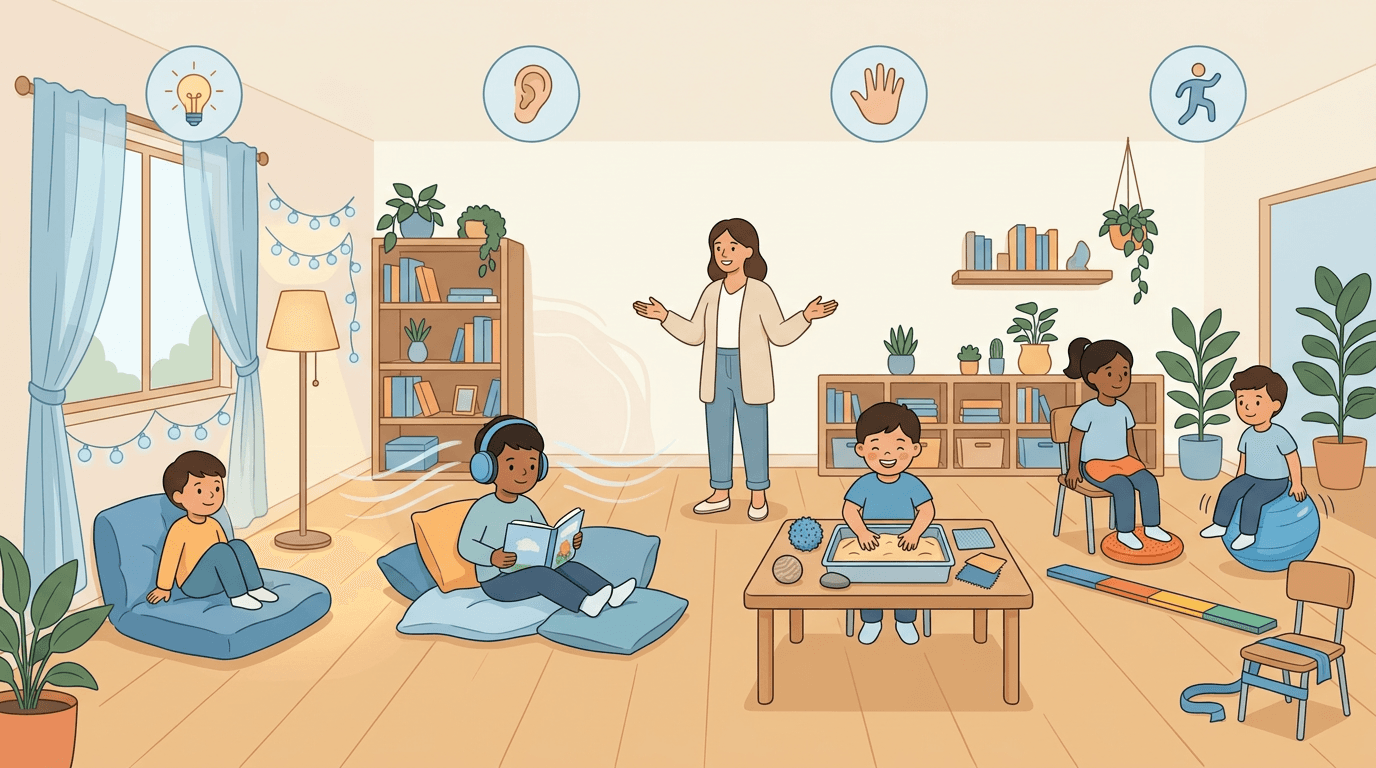
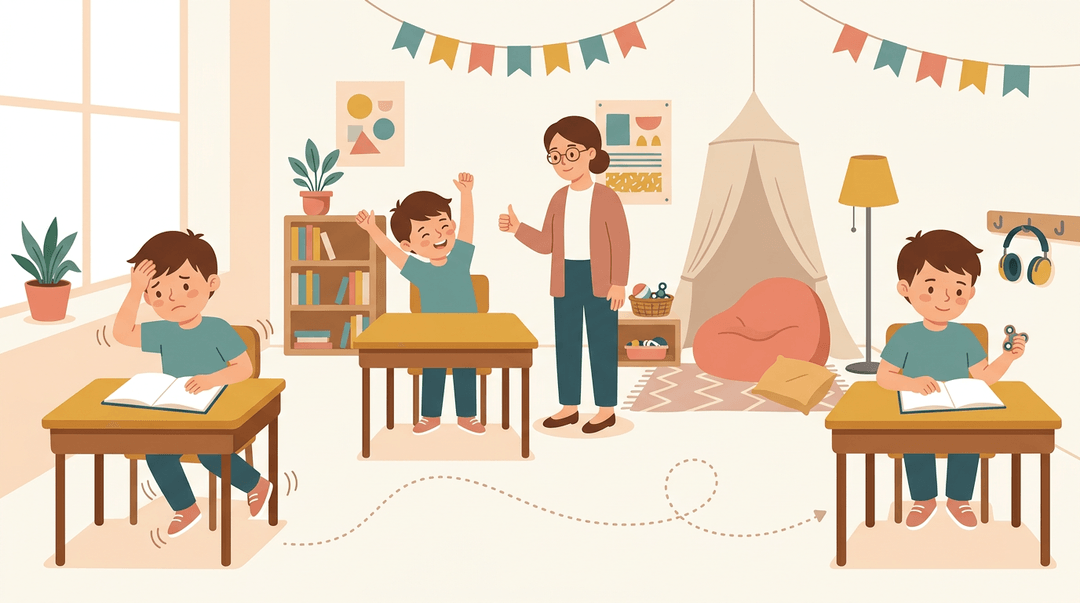
Picture a student who can't sit still through a long lesson suddenly getting a quick stretch, a fidget tool, or a quiet corner to reset. Then they're back at their desk, ready to learn. That's the heart of a sensory classroom.
A sensory classroom is one built around how children take in light, sound, touch, and movement. Rather than expecting every pupil to handle the same level of input, you add tools, routines, and spaces that help each child stay calm and focused.
You don't need a special room or a big budget to start.
Sensory Circuits for Your Sensory Classroom
The sensory circuit is the active heart of a sensory classroom. Here's how it works, how to set its pace, and how we help every child join in.
How a sensory circuit works
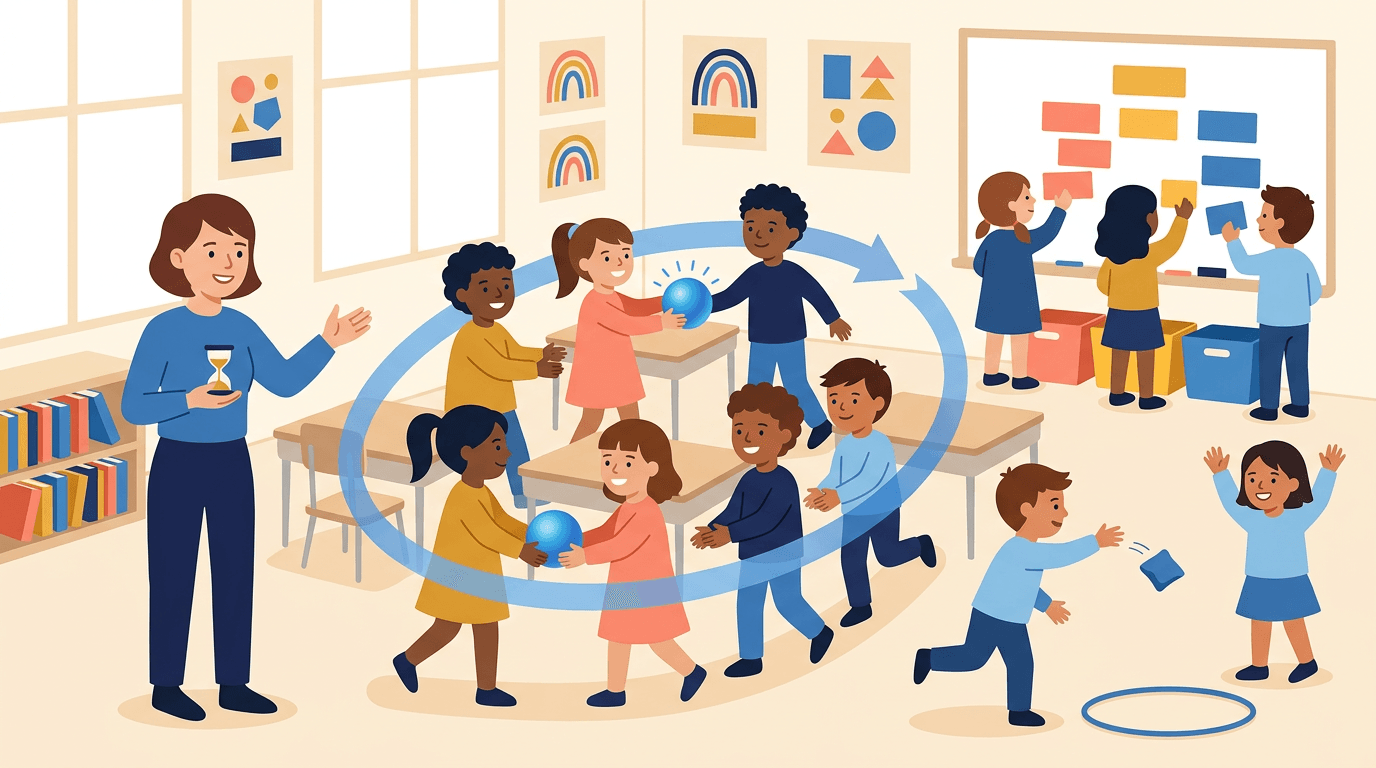
A sensory circuit is a short run of movement activities built on sensory integration intervention, an approach that uses movement to help children make sense of input from their bodies. Each circuit follows a three-step physical activity sequence:
- alert
- organise
- calm
Use it before sitting tasks like writing or reading, so children arrive ready to focus.
Think of a first-grade teacher who runs the circuit right before a writing block. The children who usually fidget through the first few minutes settle sooner, and the teacher spends less time redirecting them.
The sequence is simple enough to run at home, too. A parent might use it before homework.
Moving through the three circuit stages
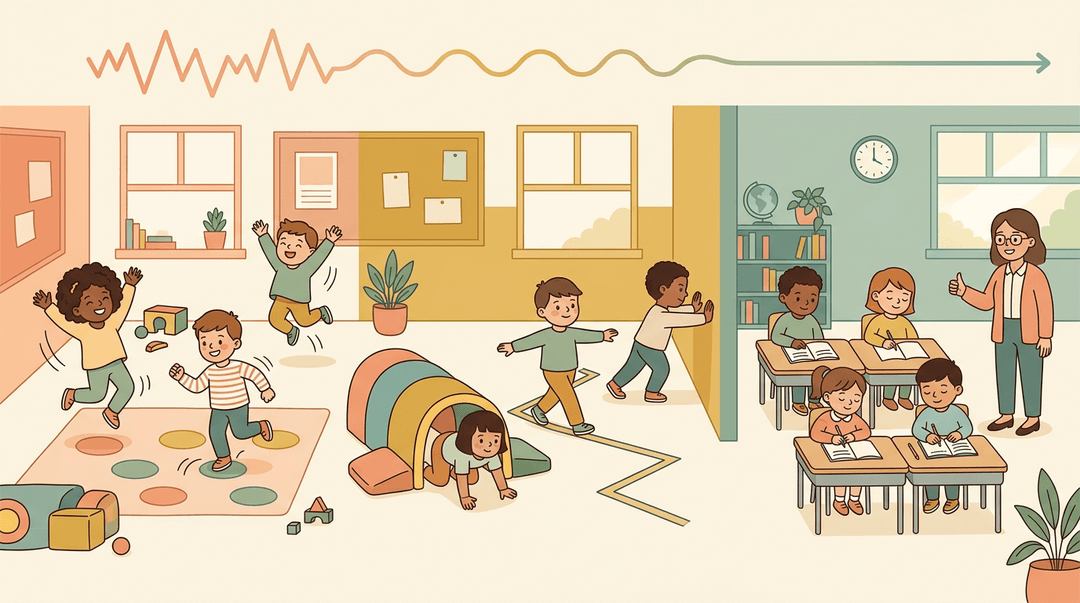
Each stage has a distinct job:
- Alerting. This stage uses vestibular input (movement and balance, like hopping) and proprioceptive input (pushing and pressing that works the muscles and joints) to wake the body up.
- Organising. Activities build balance, timing, and planning, such as walking a line on the floor.
- Calming and grounding. Movements slow down so children return to their seats ready to learn.
It's about settling the body, not wearing it out.
Setting the right length and pace
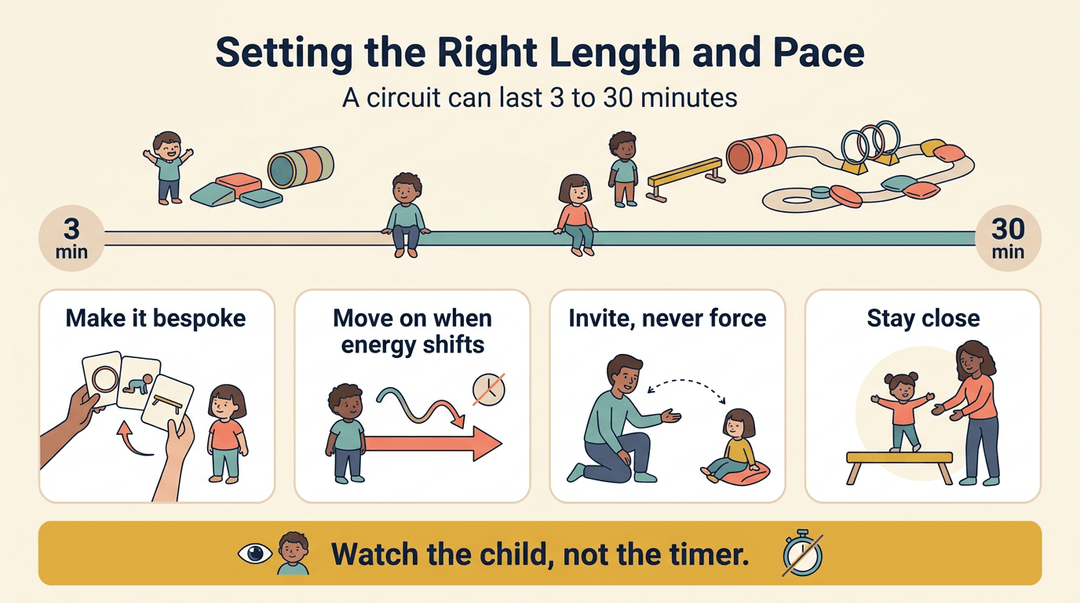
A circuit can range from 3 to 30 minutes. Tailor it to each child:
- Make it bespoke. Adjust length and activities to each child.
- Move on when the pace changes. When energy shifts, move on rather than waiting for the clock.
- Encourage, never force. Invite children in, and let them pause and rejoin.
- Keep constant supervision. An adult stays close to every activity.
Watch the child, not the timer.
Getting every child to join in
- Adults model and join in. Lead the first run so children see exactly what to do.
- Use visual activity boards. Pictures show each station and what comes next.
- Let children build their own timetable. They pick the order from the board, which gives them a say.
- Vary activities to avoid repetition. Keep the three stages, but rotate the movements.
- Set the pace with music. A steady song marks transitions and keeps everyone moving together.
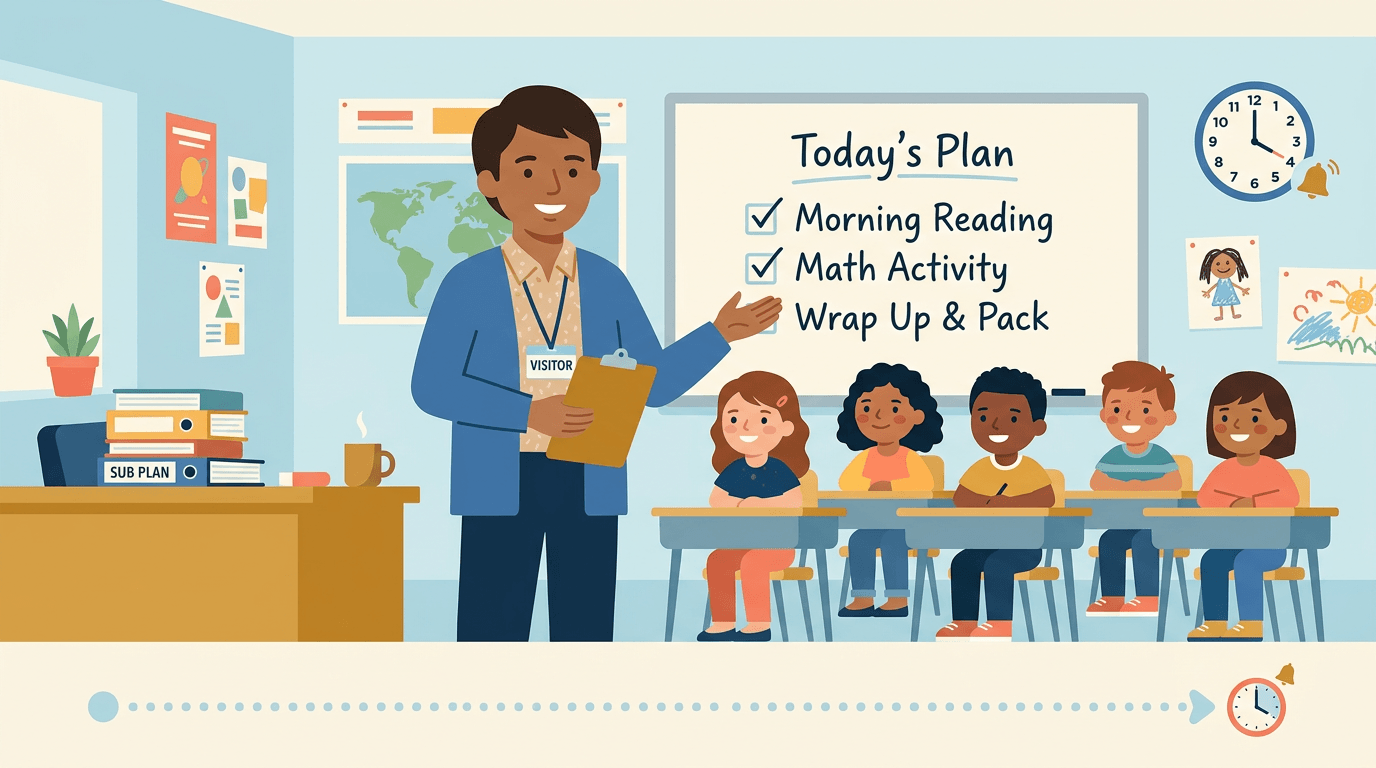
A substitute in an unfamiliar room can run the circuit straight from the board.
Resources to build a sensory diet
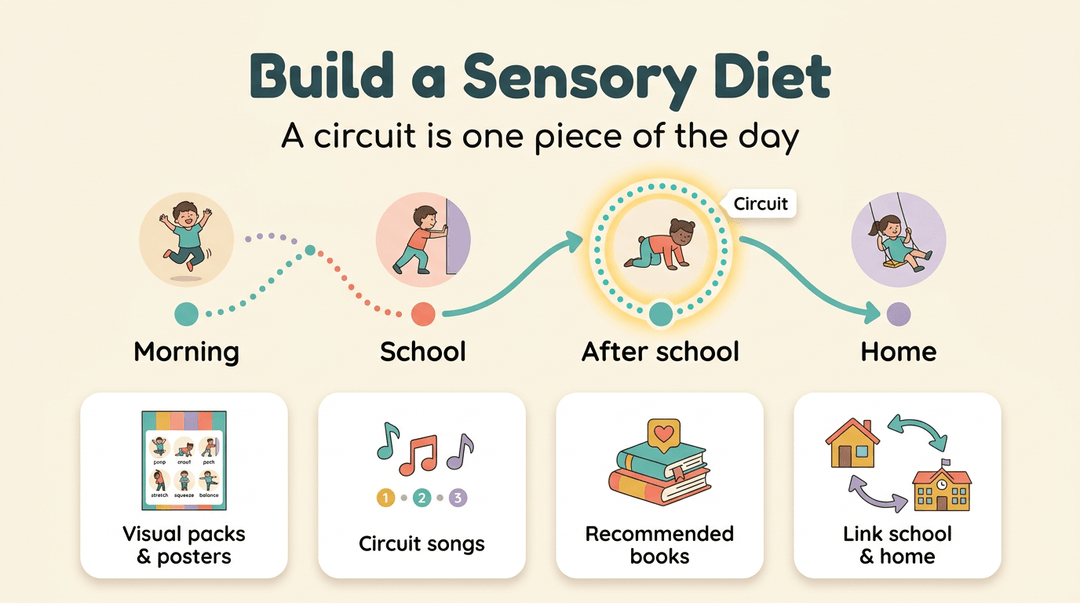
A circuit is one piece of a wider sensory diet, a planned mix of activities across the day. A few tools make that easier:
- Visual packs and posters show each movement at a glance.
- Circuit songs mark each stage.
- Recommended books offer deeper reading on sensory needs.
- Connect the circuit to the rest of the day. Pair it with other sensory supports at school and home.
What the research says so far
The evidence is still growing, so read it with curiosity and a little caution. Pilot randomized controlled trials (RCTs) and systematic reviews have evaluated sensory integration interventions.
One systematic review and meta-analysis examined the effects of sensory integration therapy (SIT) in children, based on evidence from RCTs.
Beyond that, the wider picture includes:
- sensory integration theory texts
- autism-focused studies
- occupational therapy (OT) and National Health Service (NHS) guidance
- school research projects
Read them as context.
Using Movement Breaks During Lessons
Sitting still through a full lesson is hard for many children, especially after a long transition. Movement breaks give students a reset, both between lessons and before a task that needs focus.
Short movement breaks between lessons
Short bursts work best between lessons, when energy is already dipping. A minute or two is often enough. Stretching, jumping, or a simple yoga flow gets blood moving and shakes off stillness.
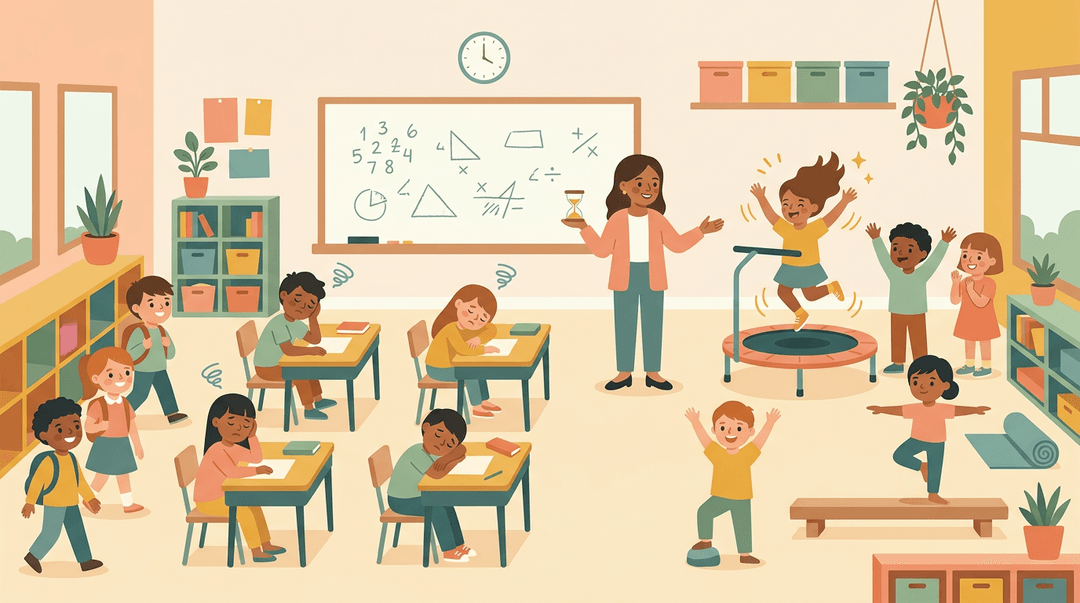
You can run these as a whole-class break, where everyone stands together, or as an individual break, where one student heads to a mat or balance beam. Consider a third-grade teacher with a mini trampoline in the back corner.
After a long math block, a few students bounce for a minute, then return to their seats ready to listen.
Don't leave breaks to chance. Schedule them into your lesson plans right after the transition that drains the room, so they become a routine rather than an emergency fix.
Moving to get ready to focus
Movement can also come before learning starts. Think of a middle school teacher whose class walks in from lunch loud and scattered.
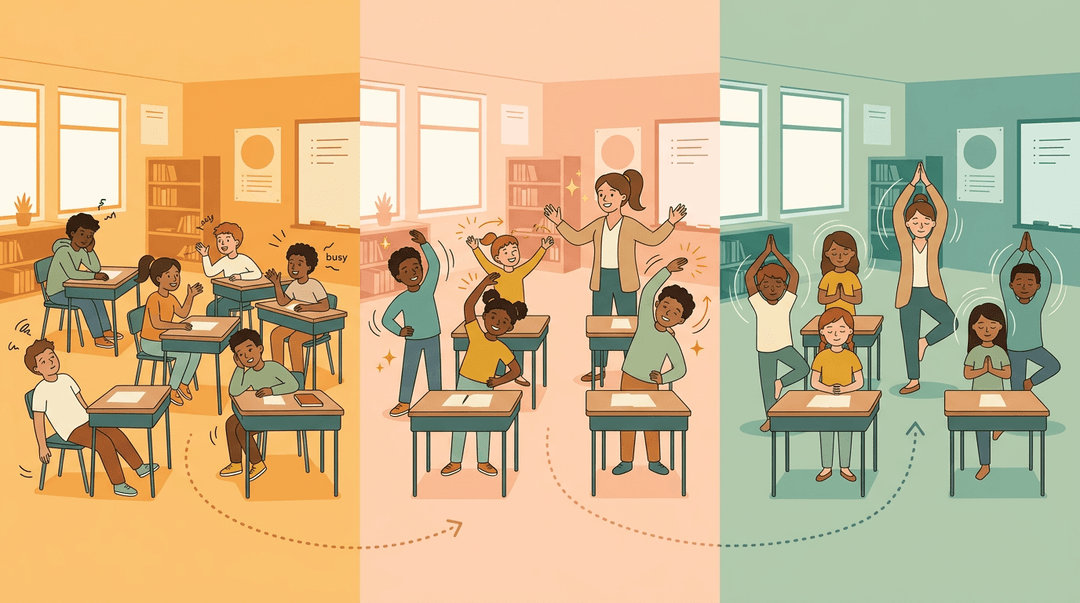
Instead of jumping into vocabulary, she runs a quick alerting activity: a few arm circles, then a stand-and-sit game. Students wake up and tune in.
Then bring the energy down. A slow stretch or a few breaths in a yoga pose can help students settle so they can hear directions. Energize first, then settle: that order gives children a clear path from restless to ready.
Movement like this supports focus and engagement, since students who feel ready in their bodies are more likely to be ready in their heads. It isn't time away from learning. It's the warm-up.
Calm Spaces That Help Children Regulate
A calm space gives a child somewhere to go before the room becomes too much. Watch for early signs of sensory overload: covering ears, rocking, pulling away from the group, or going suddenly quiet.
Setting up a quiet corner
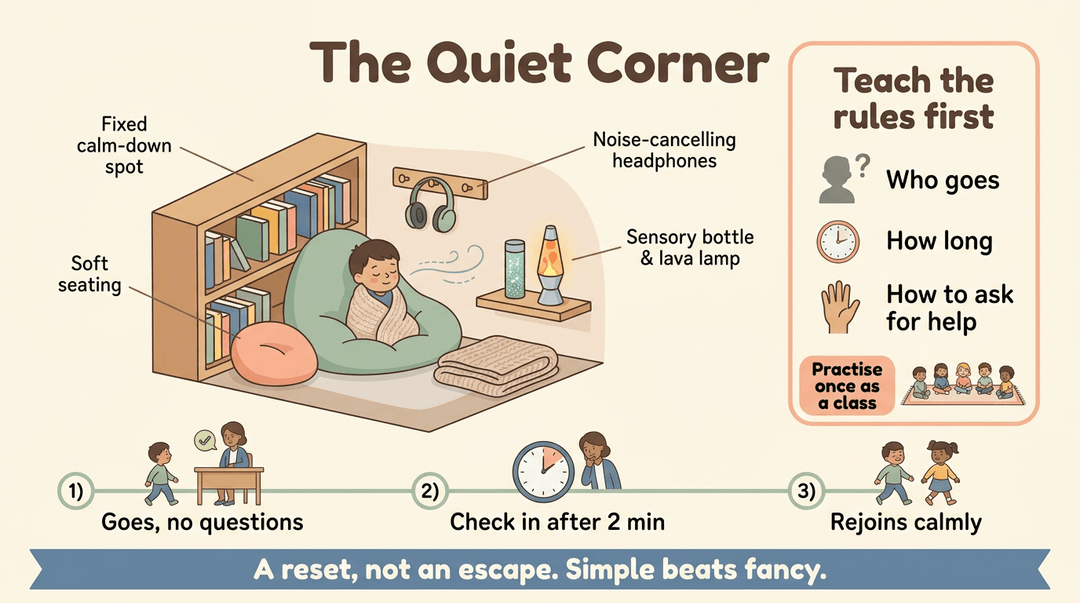
Every quiet corner needs a few basics:
- Dedicated calm-down area. A fixed spot, such as a nook behind a shelf.
- Soft seating. Cushions, beanbags, or a blanket to wrap up in.
- Noise-cancelling headphones. For children who need to block out the room's hum.
- Sensory bottles and lava lamps. Something slow to watch and hold.
Teach the rules before anyone uses the space: who goes, how long they stay, and how to ask for help. Practise it once as a class, so no one learns the rules mid-meltdown.
Consider a teacher of seven-year-olds whose class knows the corner is for breathing, not hiding. When a child heads there, she doesn't ask why. She checks back two minutes later, and the child rejoins without a fuss.
The goal is a reset, not an escape. Simple beats fancy.
Helping children calm before returning to class
The corner is only half the job. Children need a way back, too. Build grounding activities into the end of your sensory circuit, such as:
- slow breathing
- pressing both feet into the floor
- naming five things they can see
Picture a teacher of nine-year-olds who ends every circuit with the same three-minute routine. Children return to their seats one at a time, settled, and the lesson starts on time.
The aim is a child who is centred when they walk back in, not just quiet. Quiet is easy. Centred takes a plan.
Build Your Sensory Classroom in Three Weeks
This plan spreads the changes over three weeks so pupils (and you) never face everything at once. Audit first, add routines second, bring in tools third, then keep adjusting.
| Week | Focus | You'll have |
|---|---|---|
| 1 | Audit the room | A calmer space and a trigger list |
| 2 | Add routines | Predictable days and planned movement |
| 3 | Introduce tools | Modeled tools and clear calm corner rules |
Week one: audit the room
Walk the room at pupil height, then confirm:
- Lighting is comfortable. No flicker, board glare, or harsh bulbs over desks.
- Noise is checked. Listen for hum, corridor sound, and scraping chairs.
- Clutter is cleared. Surfaces and walkways are open.
- Displays are trimmed. Keep one working wall and leave the rest plain.
- Triggers are noted. Jot down what unsettles or settles each pupil.
A trigger note can be this short:
Sam: bothered by hand dryers and the bright window seat. Settles after movement.
Week two: add routines
Routines make the day predictable, which lowers the sensory load of not knowing what's next.
- Post a visual timetable.
- Use picture cards in order, at pupil eye height.
- Remove or flip each card when the activity ends.
- Give change warnings.
- Say: "In five minutes we'll tidy up and move to maths."
- Repeat it once more just before the switch.
- Schedule movement breaks.
- Put them in the timetable before restlessness builds, such as after a long seated stretch.
- Keep them short: wall push-ups, stretches, or a walk to deliver a message.
Week three: introduce the tools
Teach each tool as you'd teach any routine: show it, practice it, then let pupils use it.
- Model fidget use.
- Say: "This stays in my hand and quiet on my desk. It helps me listen."
- Show what not to do, like throwing or tapping loudly.
- Set calm corner rules.
- Post three on a card: One at a time. Quiet voices. Return when you're ready.
- Offer seating choices.
- Give two or three options, such as a standard chair, floor cushion, or standing space.
⚠️ Watch out: Don't make tools a reward or a punishment. If a fidget becomes a toy, go back to the modeling step rather than taking it away.
Examples for each age group
| Age group | Try |
|---|---|
| Early years | Sensory bins during choosing time, with a clear start and tidy-up |
| Primary | A short movement circuit before writing |
| Secondary | Discreet fidgets and a quiet pass to step out |
Example: A Year 5 teacher runs a three-station circuit (wall push-ups, jumps, slow breathing) before independent writing. Pupils sit down regulated, so the first few minutes of writing are settled instead of fidgety.
Review what works and adjust
Track what helps. A quick log is enough:
Tool or change → when used → what happened
Share notes with colleagues. Swap logs so strategies follow pupils from room to room.
Revisit each term. Needs shift, so re-run the week one audit and drop what's no longer helping.
Plan breaks, routines and visual timetables in one place with EMStudio's classroom management tools.
Making the Physical Space Sensory-friendly
A sensory-friendly room doesn't require a renovation, just a few smart changes to the walls, floor, and lighting.
Cut clutter and keep things simple
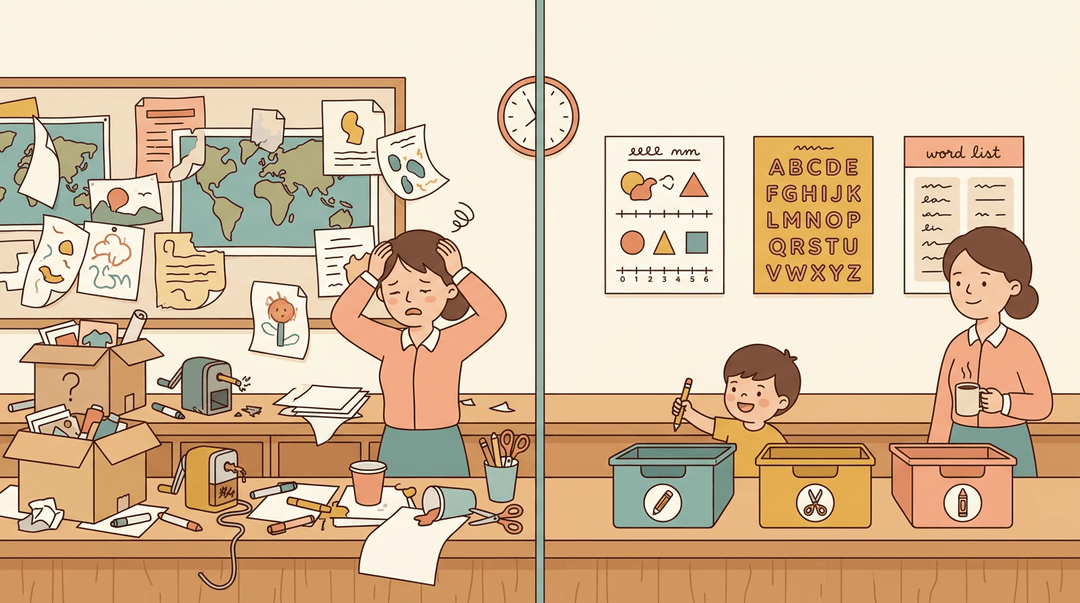
Every item on display competes for attention. Start by removing anything your students don't use: the faded posters, the broken pencil sharpener, the box of mystery supplies.
Limit wall displays to the essentials. Two or three anchor charts that students actually use beat a wall covered edge to edge. Keep materials organized in labeled bins so students can find what they need.
Think of a second-grade teacher who clears her back counter and sorts supplies into three bins. Supply runs drop off, and she gets her minutes back.
Choosing softer, gentler lighting
Harsh fluorescent lights can be tough on sensitive eyes, and their hum can pull attention from the lesson. Start with three simple moves:
- Dim the overheads when you don't need full brightness.
- Let in natural light by opening blinds.
- Add soft light filters or warm lamps.
The goal is softer light, not brighter light. Consider a fourth-grade teacher who switches off the overheads for Friday read-aloud and turns on two floor lamps. Her class settles faster.
Muted wall colours that feel calming
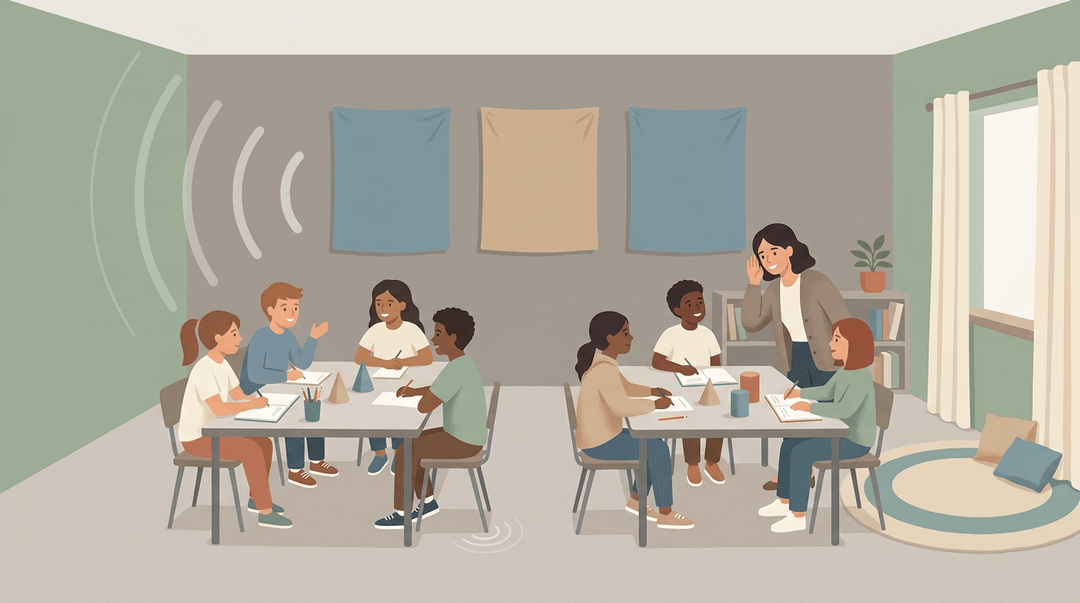
Bright, saturated walls can feel busy. Lean toward muted, neutral tones like soft greens, warm grays, and gentle blues.
Soothing furnishings do double duty. Rugs, cushions, and fabric curtains soften the room and help with acoustic control by absorbing the echo that lets noise build up.
Think of a middle school math teacher whose room echoes every time a chair scrapes. She hangs fabric panels on the back wall, and her groups talk at a level she can actually hear.
Less echo, more focus.
Making Each Day Predictable for Pupils
Predictable days keep pupils steadier. Here's how to build that into yours.
Showing the day with picture timetables
Start with a picture timetable: pictures, symbols, or icons showing the day from arrival to home time. Add colour-coding so each activity type has its own shade, like blue for reading and green for movement breaks.
Pictures help pupils anticipate next steps. Consider a Year 3 teacher who moves from maths to art: she points to the next card before each switch, so the class transitions without a scramble. The aim isn't to tell pupils what's next.
It's to show them, so they can predict it themselves.
Giving clear routines and advance notice
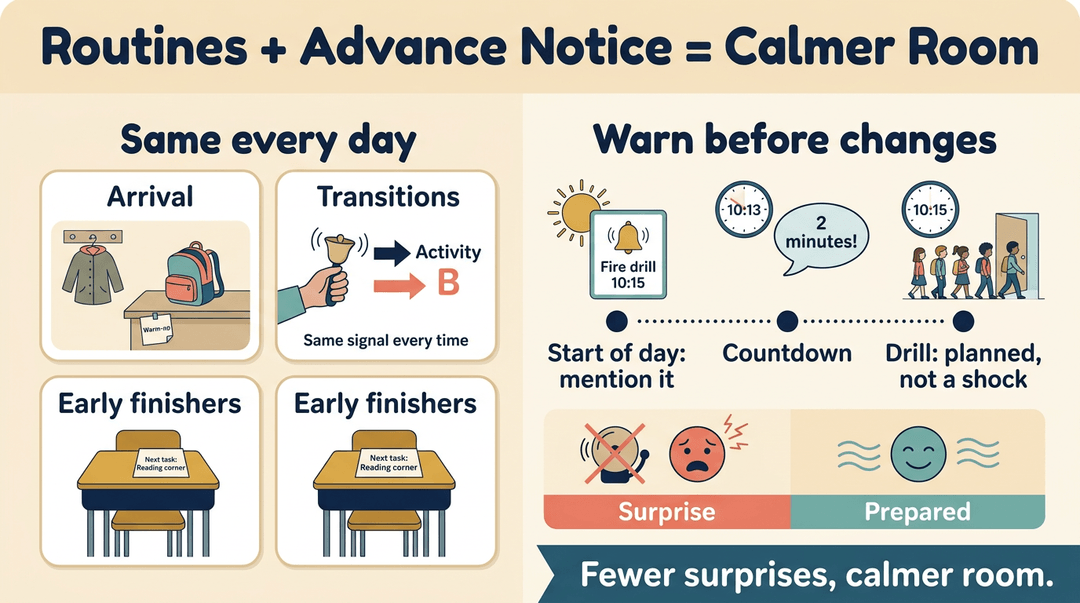
Routines do the heavy lifting. Keep these the same every day:
- Arrival: coats hung, bags unpacked, warm-up task waiting
- Transitions: the same signal before every change
- Early finishers: a named next task
Clear routines and advance notice of changes can reduce anxiety and sensory overload. Changes still happen, though, and Vanderbilt's IRIS Center notes that educators can support autistic learners by giving advance notice whenever possible.
Pre-warn before drills, assemblies, or visitors. Picture a class with a fire drill at 10:15: mentioning it at the start of the day and counting down two minutes beforehand turns a sudden alarm into a planned event. Fewer surprises, calmer room.
Sensory Activities and Tools for Learning
Some students focus better with busy hands, and others need to move to settle. Matching tools to individual needs matters most, since what calms one learner can distract another.
Try playdough, sorting, and sensory bins
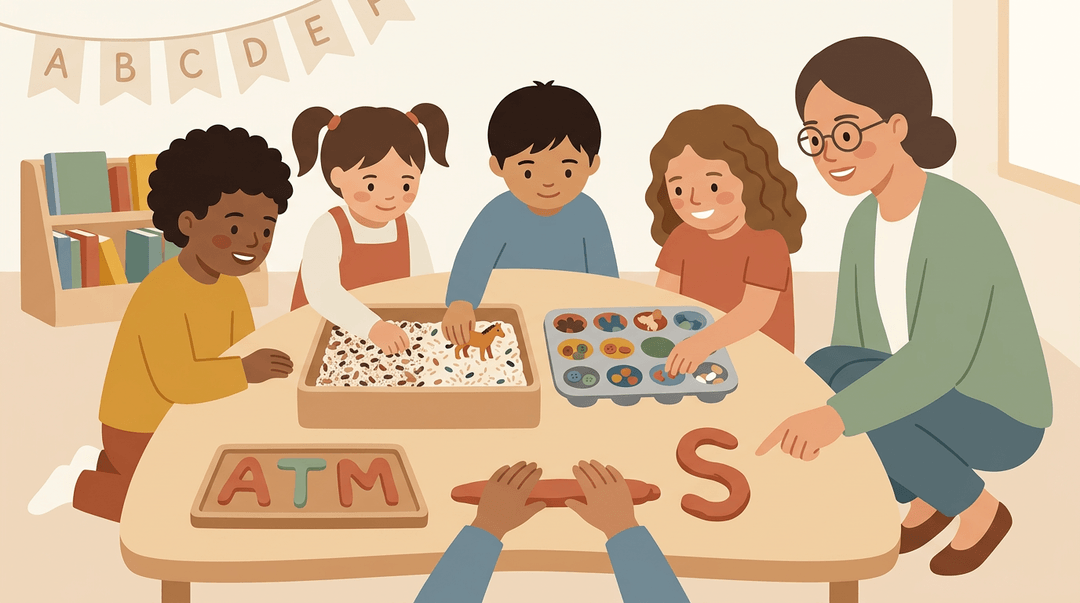
Playdough and textured sorting give hands a job while students practice skills. Picture a first-grade teacher who sets out playdough at a literacy center, where students shape letters as they practice sounds. Busy hands keep the group on task.
Sensory bins are tubs of dried beans, rice, or sand with small objects hidden inside for students to find and sort.
Active, sensory-rich learning builds touch and movement into the lesson. Students handle the materials rather than just watching a demo. Let them touch it.
Offering flexible seating options
Flexible seating is less about where students sit and more about whether they can focus. Consider these options:
- Standing desks let students work on their feet when sitting is hard.
- Wobble cushions let students rock or shift gently while they work.
- Floor seating on a rug or cushions suits reading and group work.
Picture a science teacher with two standing desks by the back wall. A student who can't sit through a full period stays in the lesson there, no hall pass needed.
Fidget tools that won't distract others
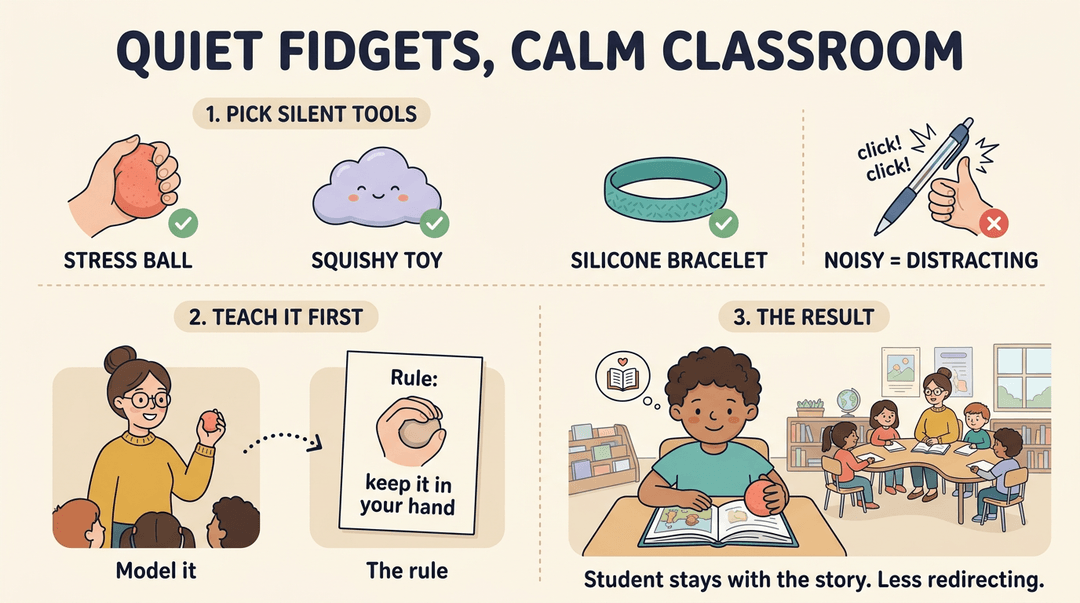
Fidget tools give restless hands something quiet to do. Consider:
- stress balls
- squishy toys
- silicone bracelets
Teach effective use first: model it, and set a clear rule like keeping it in hand.
Choose silent tools, since a noisy one can pull attention from your whole room.
Picture a second-grade teacher who gives a student a squishy ball during reading. The student stays with the story, and the teacher spends less time redirecting.
How One Whole School Made It Work
Hornsea Primary shows what happens when sensory-friendly design reaches the whole school, not just a few rooms. Here's how it works in practice, and why the small changes matter for everyone.
Hornsea Primary's approach in practice
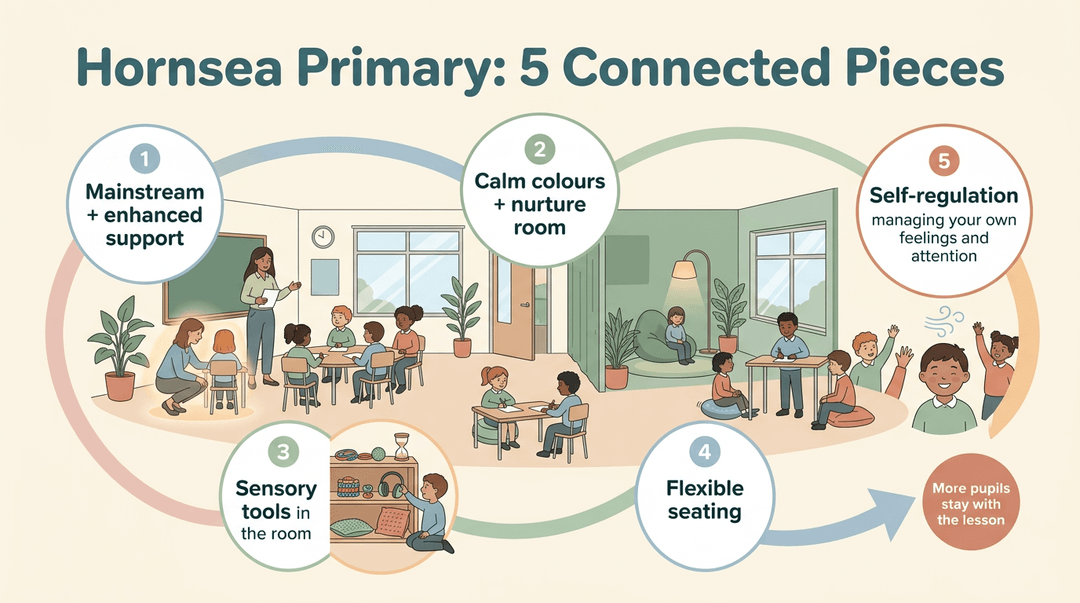
The approach rests on five connected pieces, and each one supports the others:
- Mainstream and enhanced provision: Mainstream classrooms serve every pupil, and enhanced provision adds extra support where it's needed.
- Calm colours and nurture rooms: Softer palettes help rooms feel settled, and nurture rooms offer a quiet place to reset.
- Embedded sensory resources: Tools live in the room itself, so pupils can reach for them without leaving their learning.
- Alternative seating: Cushions and standing options let pupils move and settle without leaving the lesson.
- Improved regulation and engagement: Pupils build stronger self-regulation, the skill of managing their own feelings and attention, so more of them stay with the lesson.
Why small changes help every pupil
These changes aren't only for pupils with identified needs. A quieter corner or a choice of seat can help any child who's had a long, noisy morning.
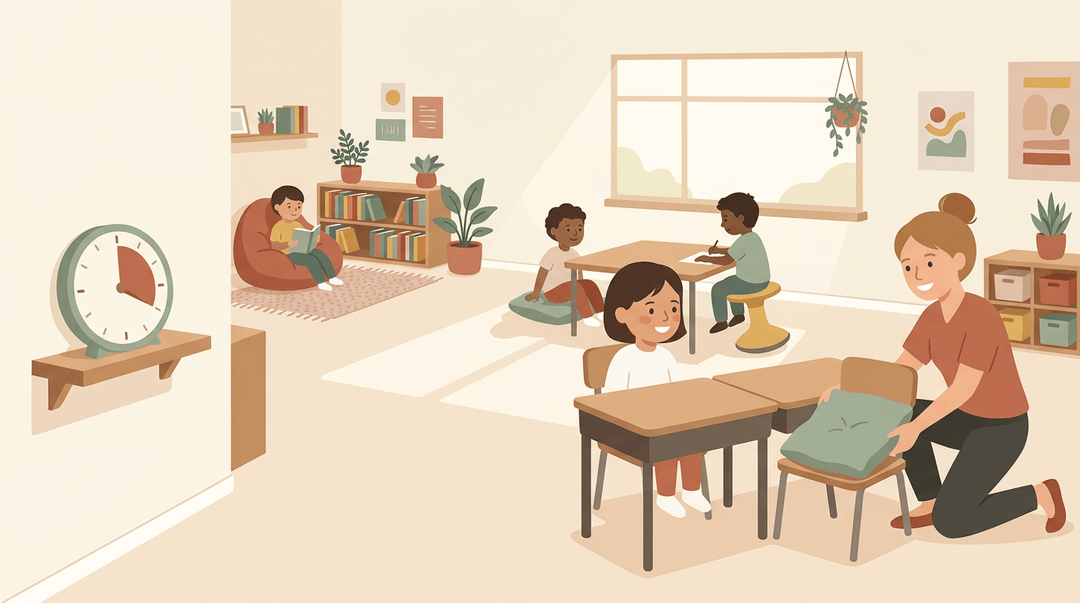
Consider a teacher who swaps one hard plastic chair for a cushion and moves a visual timer to the front of the room. Nothing else changes, but transitions run more smoothly and fewer pupils need reminding to settle.
Small changes add up. Small, steady changes do more good than one dramatic overhaul, so start with one corner or one seating option and build from there.
A sensory classroom isn't about adding more stuff. It's about giving every learner the right amount of support so they can settle in and do their best work. Start small with one circuit, one calm space, or one predictable routine, then build from there.
Ready to keep your day organized while you roll this out? Check out our Classroom Management page to organize classes, rosters, and timetables in one structured workspace.
References
- Effects of sensory integration therapy in children: A systematic review and meta-analysis of randomized controlled trials — doi.org (2026)
- Page 6: The Learning Environment — iris.peabody.vanderbilt.edu (2025)