What Is Student-Centered Learning and Why It Matters

Jump to section
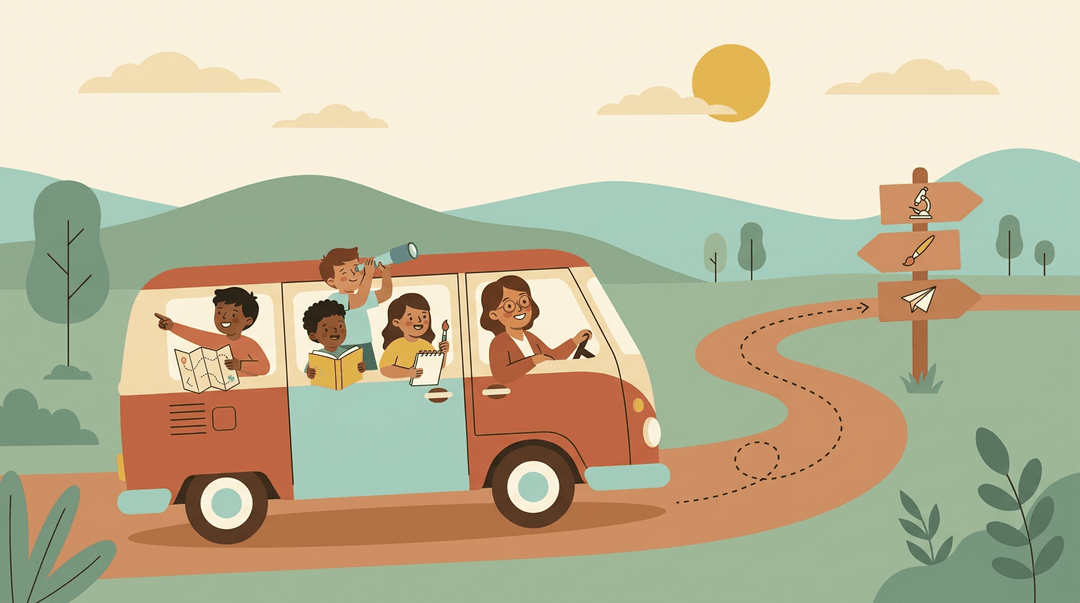
Think about planning a road trip. The best stops are usually the ones that fit the people in your car. Student-centered learning works the same way: learners' interests, needs, and pace help shape the route, and you guide the journey.
In plain terms, student-centered learning is an approach where students take an active role in what they learn and how they show it.
The teacher moves from the only voice at the front of the room to a coach who designs experiences and steps in when learners need support.
We'll cover the definition, shifting roles, honest limits, and a playbook for keeping order.
What Student-centered Learning Means at Its Core
Student-centered learning puts the learner at the heart of instruction, not the teacher at the front of the room. Here's what that means in practice.
What is the learner-centered approach?
The learner-centered approach puts each learner's needs, interests, and progress at the center of the work. In this article we treat learner-centered and student-centered as the same thing, though you'll see both. Four pillars hold it up:
- Learner at the center of the process. Planning starts with who is actually in your room.
- Students shape what and how. Learners have a real voice in topics and methods.
- A personalized, flexible approach. Pacing and resources adjust to each student's strengths and gaps.
- Partnership between student and educator. You guide, and students take real responsibility alongside you.
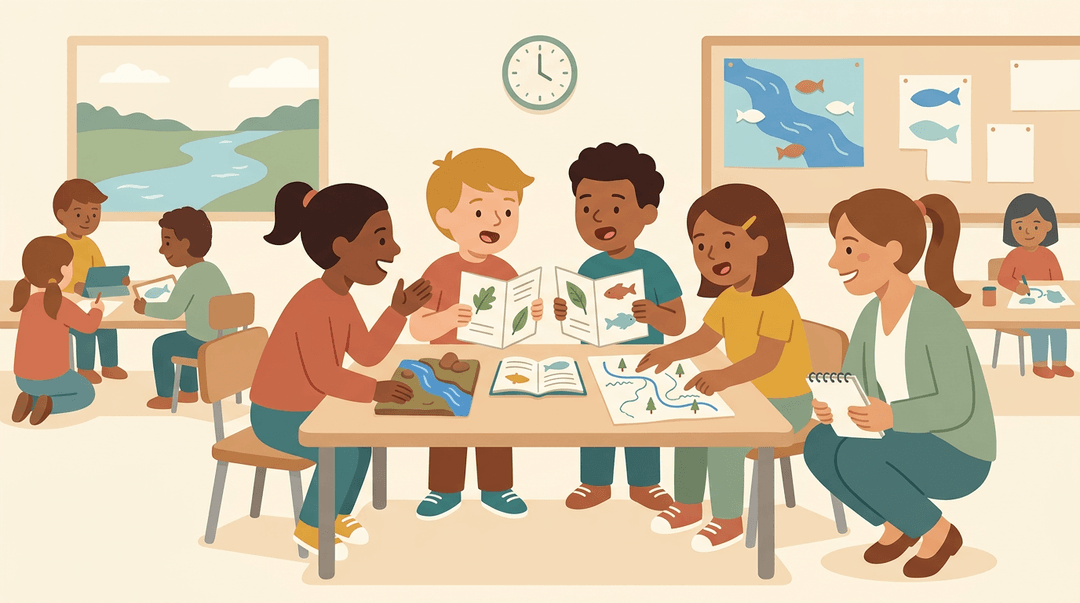
Consider a fifth-grade teacher planning a unit on rivers. She lets one group choose between a model, a field guide, or a creek map. That choice gives them a stake, and they argue over details instead of counting down to the bell.
How it differs from teacher-centered learning
Your role shifts most. You move from expert at the front to guide alongside learners.
| Dimension | Teacher-centered | Student-centered |
|---|---|---|
| Teacher's role | Expert who delivers content | Facilitator who guides learning |
| Students | Passive recipients | Active participants |
| Instruction | One-size-fits-all | Personalized |
| Main vehicle | Lectures and tests | Projects |
Teacher-led moments still matter, since a well-timed explanation clears up misconceptions students might otherwise wrestle with alone. Student-centered doesn't mean student-alone.
What the approach aims to achieve
The approach aims for outcomes you can see in your room:
- Self-directed, motivated learners. Students push through challenges without someone hovering.
- Deeper understanding. Learners explain and apply ideas, aiming for understanding rather than recall.
- An inclusive, democratized classroom. Every voice shapes the work, not just the confident few.
- Student ownership of learning. Students track their own progress and know what comes next.
Ownership holds the rest together.
How Teachers and Students Share Roles
In a student-centered classroom, roles shift on both sides of the desk. Teachers step out of the spotlight, and students take on jobs once reserved for you.
Teachers guide, mentor, and coach
Your job shifts from delivering every answer to guiding, mentoring, and coaching. That's the move from directive to consultative teaching: you ask learners what they're stuck on and what comes next.
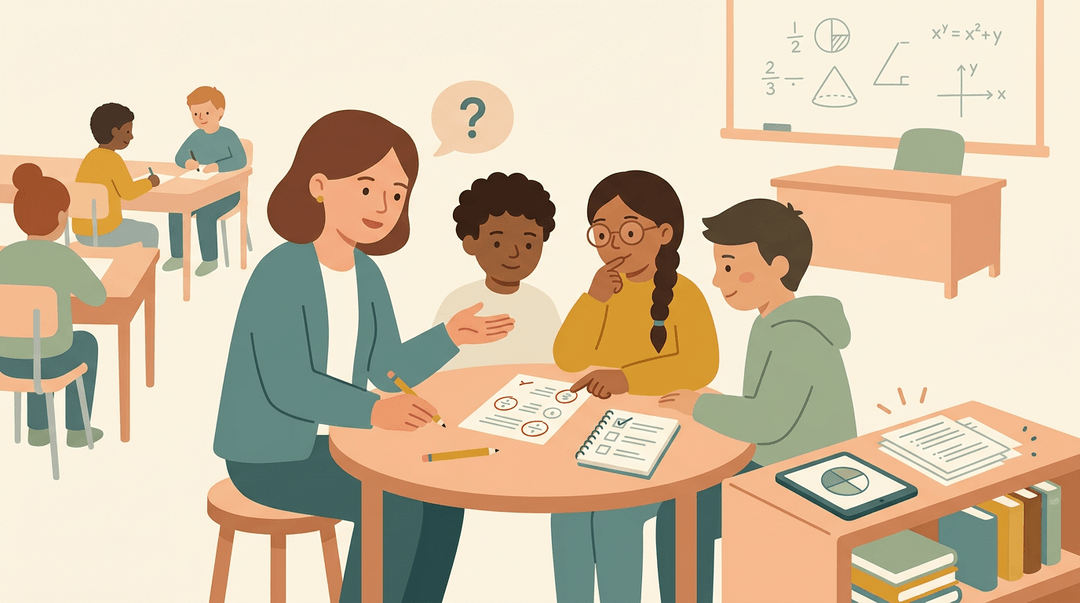
Picture a seventh-grade math teacher who sits with a small group, reviews their last quiz, and co-develops a practice plan. She then gives feedback and points them to the right resources, so class time goes to the skills that tripped them up.
Giving students a real say
Real student voice means real choices.
- Choice in content and format. Students pick the topic or the product, like a poster or a podcast.
- Goal setting. They name a target and track their own progress.
- Planning and assessment. They help shape the sequence and weigh in on how work is judged.
- Learners lead. Students run a discussion or a station while you observe.
- Classroom norms. Students help co-create the rules for how the class works together.
Building a safe, supportive school culture
Students won't take real risks in a room where they feel judged, so a safe, respectful environment comes first. Administrators help by protecting planning time and backing new routines.
Ongoing professional development builds the coaching skills you'll need, so you aren't figuring them out alone. Trust makes everything else possible.
What a Student-centered Classroom Looks Like
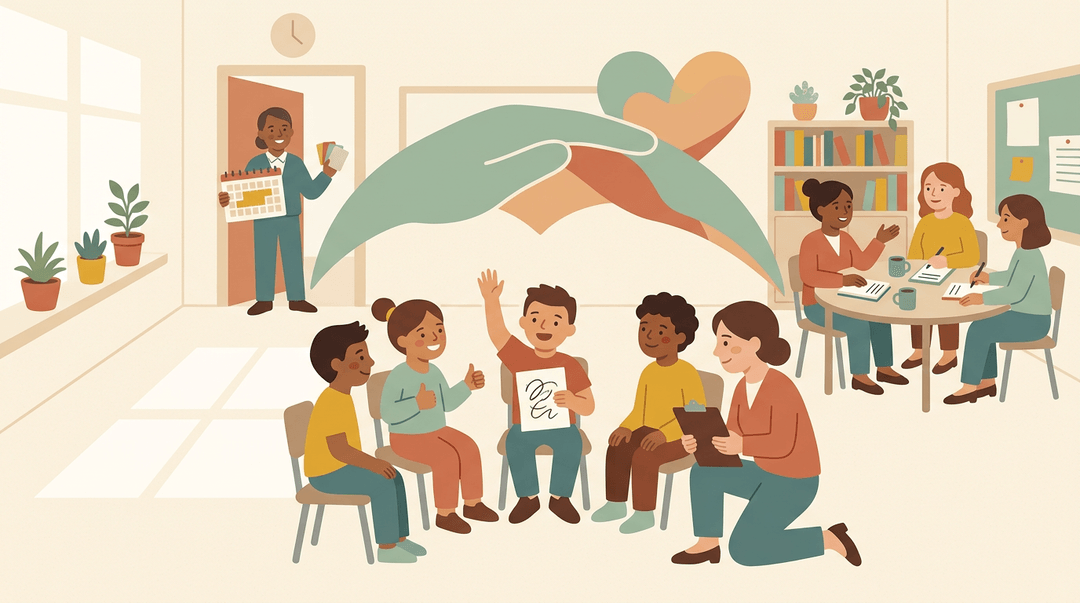
In a student-centered classroom, learners have a real say in what they learn, how they learn it, and where they do it.
Tailoring learning to each student
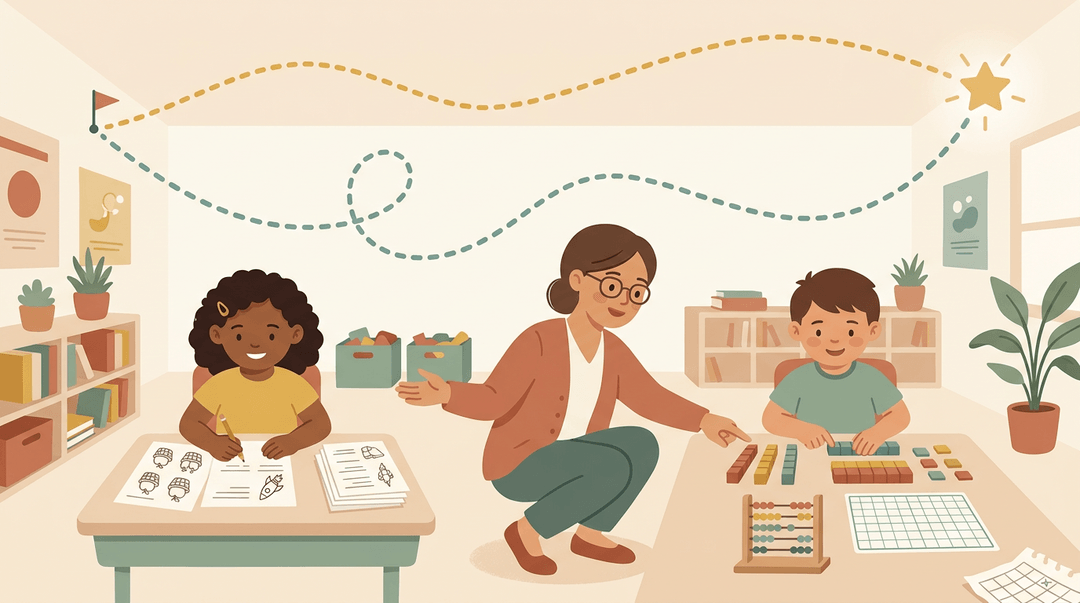
This is where differentiation comes in. Each student brings individual needs, interests, and their own pace. Teachers use varied instructional strategies and aim to meet students where they are, not where a pacing guide says they should be.
Consider a fourth-grade teacher whose class is learning multiplication. Maya masters the facts fast and moves on to word problems, while Jordan gets another round with hands-on tools. Same goal, different path.
The focus shifts from what the teacher covers to how each student actually learns.
Learning through discussion and teamwork
Discussions and group work let students explain their thinking and test it against a classmate's. Real-world problems, like how to cut waste in the school cafeteria, make that talk worth having.
Peer support helps too: a classmate who just cracked a tricky step may explain it in words the teacher's version didn't reach. Students learn from each other.
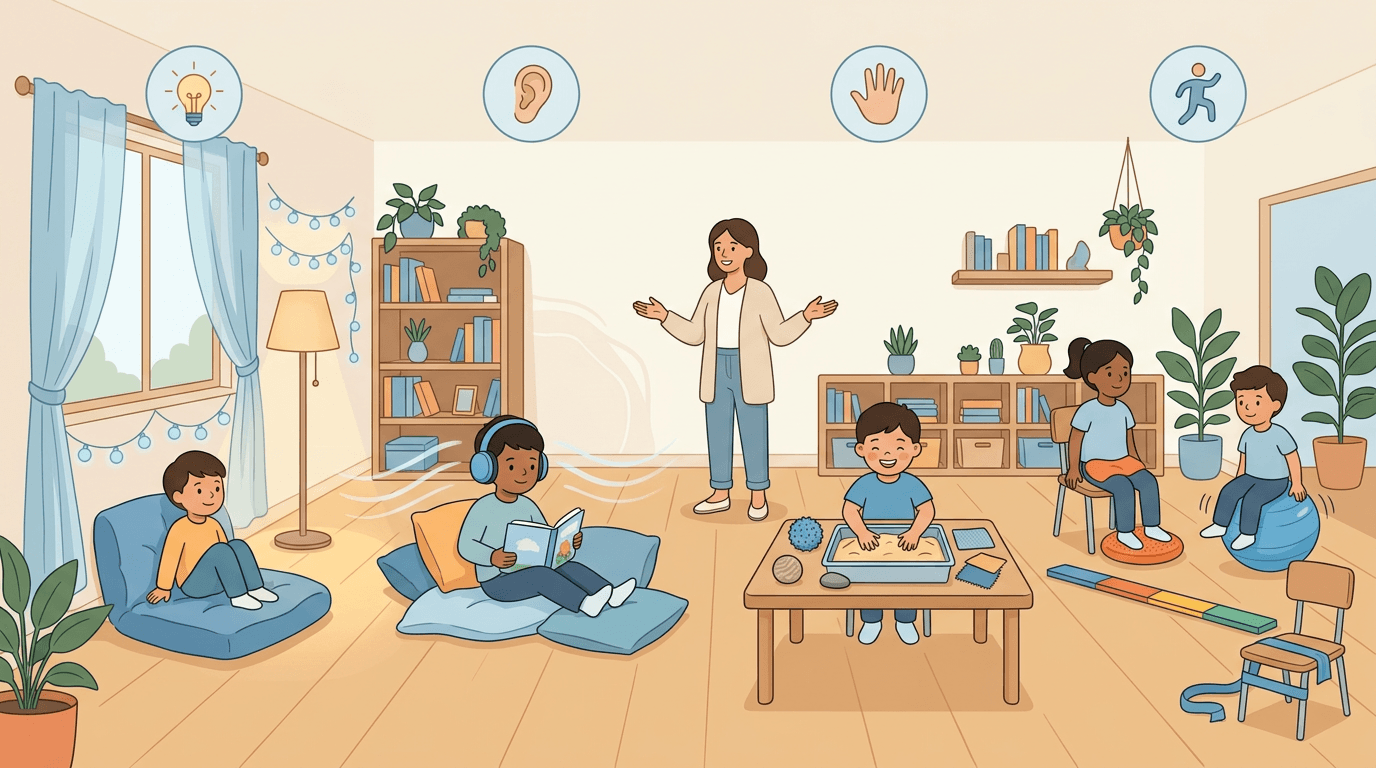
What makes up the learning environment?
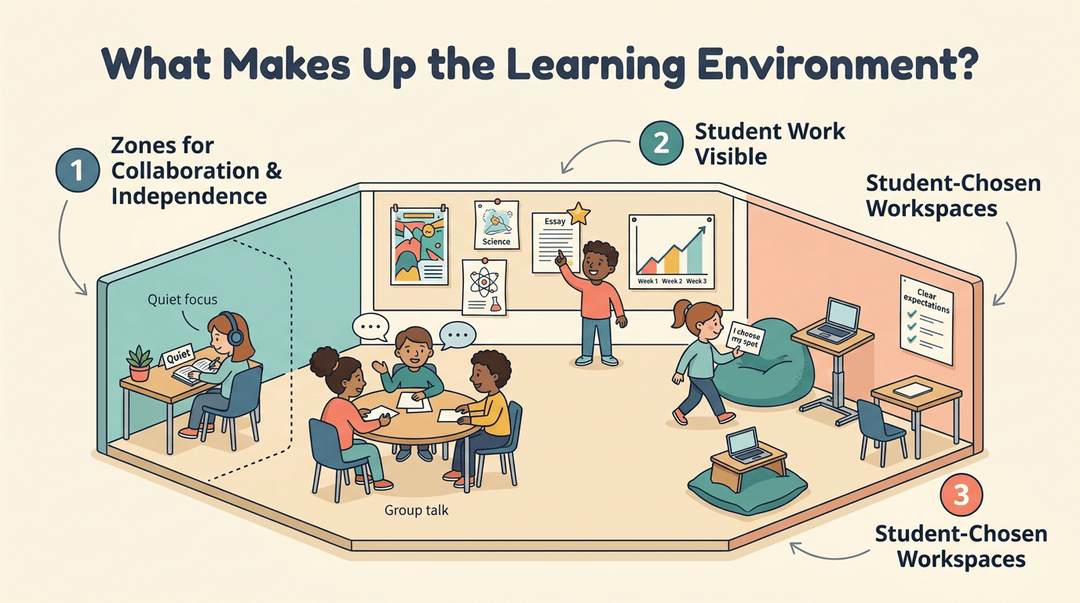
The learning environment rests on three elements:
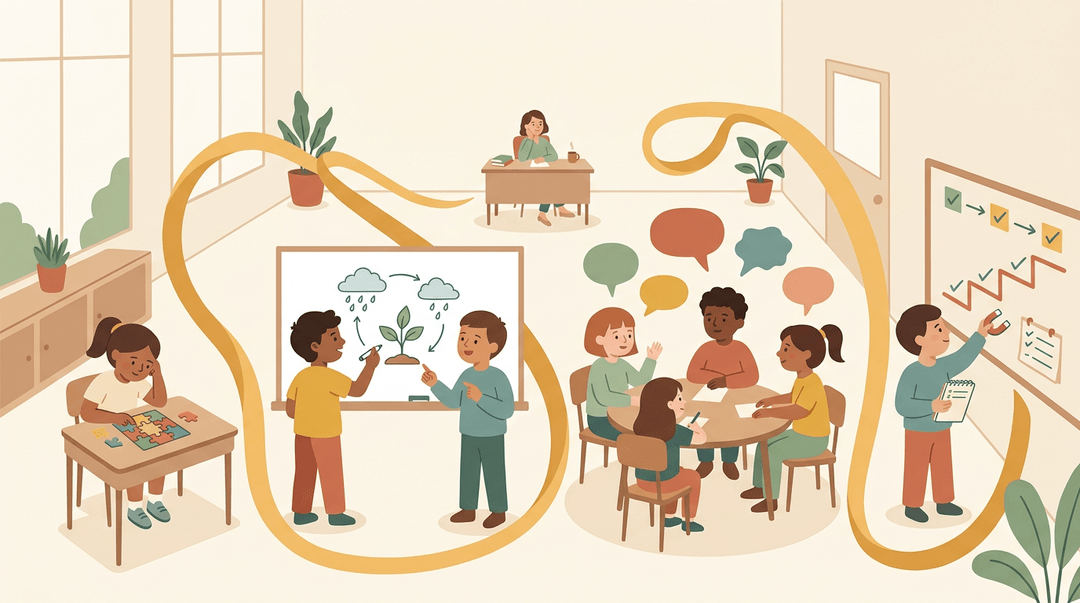
- Zones for collaboration and independence: Set up areas for quiet, focused work and areas for group talk, so students can choose the setting that fits the task.
- Student work visible: Display projects and progress where learners can see them, so students know their work matters and can track their own growth.
- Student-chosen workspaces: Let students pick where they sit or work within clear expectations, so they can focus in the spot that helps them most.
How to Start in Your Own Classroom
This is a playbook for your first student-centered unit: small choices, routines taught before freedom, and a plan for noise. Start with one unit, not your whole year.
Start small with one choice
Run the first unit in three moves.
- Pick one unit.
- Choose a topic you already know well, so you can focus on managing choice.
- Offer two or three options.
- Let students choose how they show learning, not whether they learn it.
- Example: poster, short talk, or comic strip.
- Keep clear success criteria.
- Every option is judged against the same target, posted where students can see it.
Example: A fifth-grade teacher posts one criterion: "I can explain the water cycle in my own words, using a labeled diagram and two key terms." Students pick a poster, a short talk, or a comic strip. Choices differ, but the bar doesn't.
Set routines before releasing control
Choice works when students already know how the room runs. Teach these first, in short practice rounds.
- Co-create norms. Ask students what working time should look and sound like, then post their words.
- Say: "What would help you focus? What would help your group?"
- Teach transition signals. Pick one signal, such as a chime or a hand raised high, and rehearse it.
- Practice until students stop, look, and listen within a few seconds.
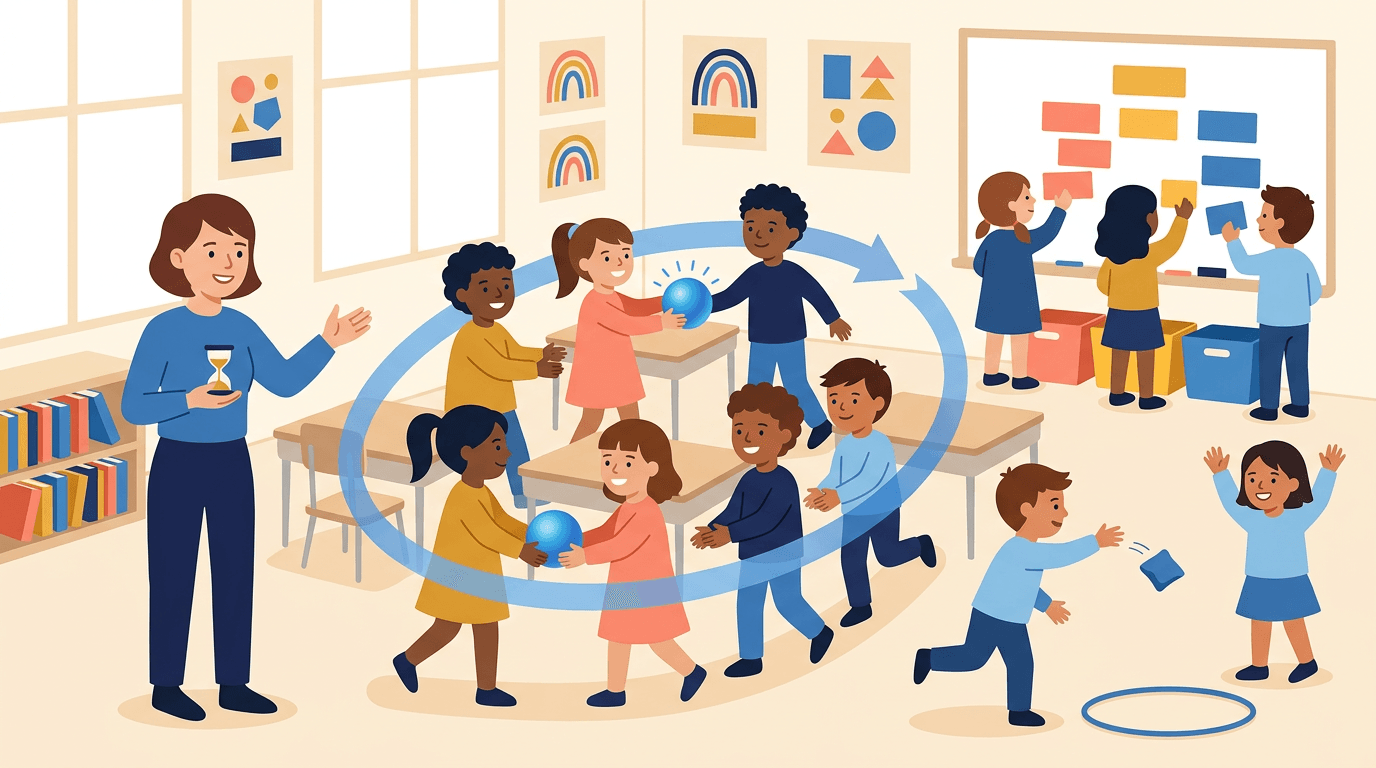
- Practice station rotations. Run a rotation with an easy task before using real content.
- Use a visible timer so nobody asks, "How much longer?"
- Assign group roles. Give every student a job, such as facilitator, materials manager, timekeeper, or reporter.
- Rotate roles so no one gets stuck with the same one.
⚠️ Watch out: Skipping practice is where most teachers lose order. If a routine wobbles, pause the choice activity and rehearse again.
What it looks like by grade
K-2: center choice time. Students pick among two or three centers, such as blocks, writing, or books, and rotate on your signal.
3-5: choice boards. A grid of tasks where students complete a set number, with at least one required.
6-8: project menus. Students select a main project and add a smaller side task, all tied to your success criteria.
9-12: inquiry projects. Students pose a question, plan their approach, and check in with you at set points.
Manage noise and off-task behavior
Find your situation, read across.
| When you see... | Try... |
|---|---|
| The room is getting loud | A posted noise scale: 0 silent, 1 whisper, 2 table voice |
| One group keeps drifting | A quick check-in conference at their table |
| Students lose track of time | A self-monitoring checklist taped to the desk |
| Students argue over jobs | Rotate roles and point to the posted role list |
Noise level scale. Point to the number on the wall and say, "We're at a 3. This task needs a 1."
Check-in conferences. Keep them to a minute or two. Ask: "What's your plan, and what's your next step?"
Self-monitoring checklists. Three or four plain lines work: I know my goal. I used my time. I asked a partner before the teacher.
Quick launch checklist
Confirm these before your first choice lesson:
- Learning goal defined. You can state it in one sentence, and students can too.
- Student choices planned. Two or three options, all aiming at the same criteria.
- Materials and timers ready. Everything is out, and the timer is visible.
- Weekly reflection scheduled. Ten minutes on Friday: what ran smoothly, what to adjust next week.
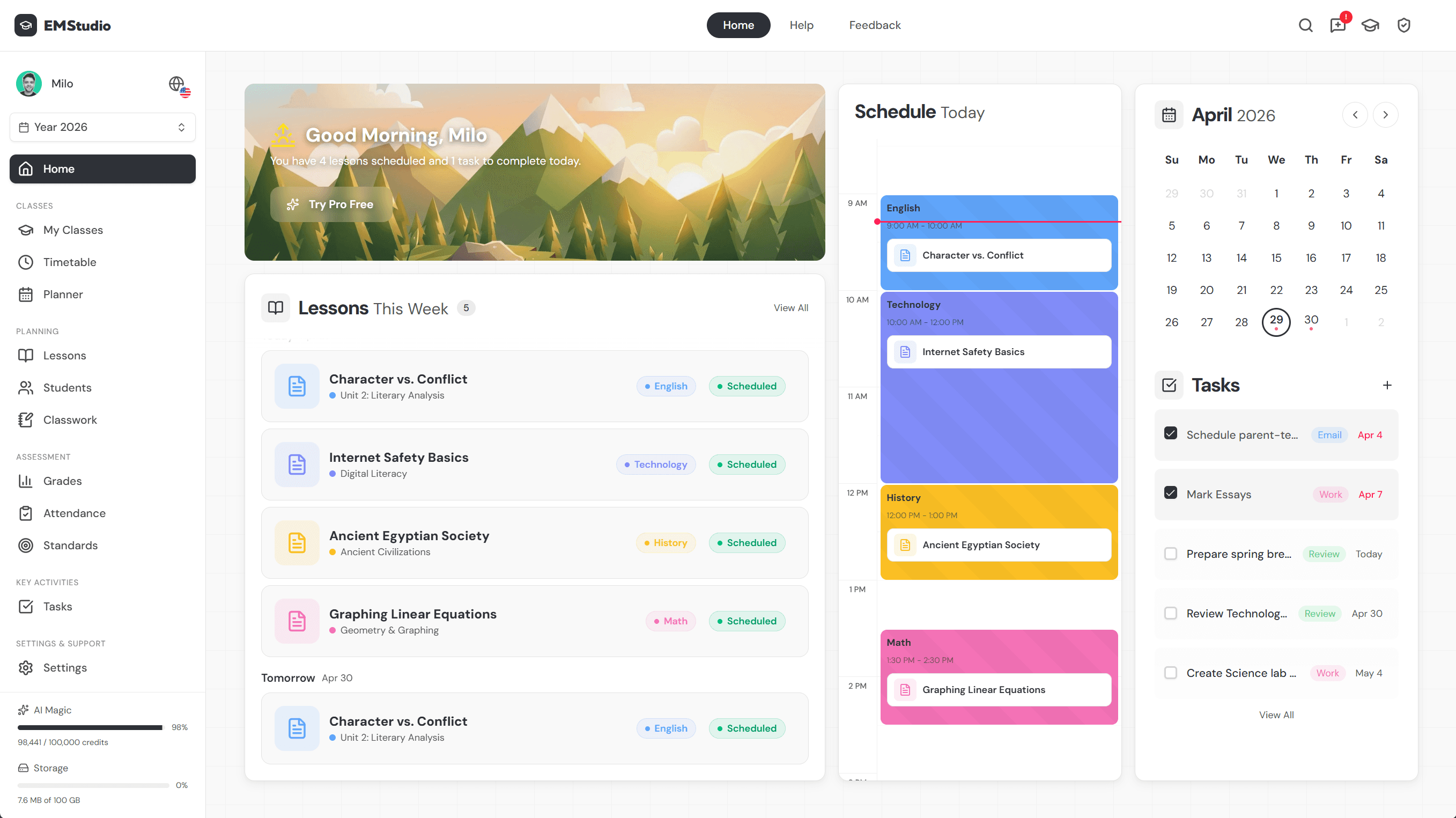
Plan choice-based lessons, track student progress, and keep class routines organized in one place with EMStudio's online teacher planner.
Strategies and Real Examples to Try
Student-centered learning runs better with proven methods, tools, and programs to borrow from. You don't need all of them at once.
Teaching methods that fit this approach
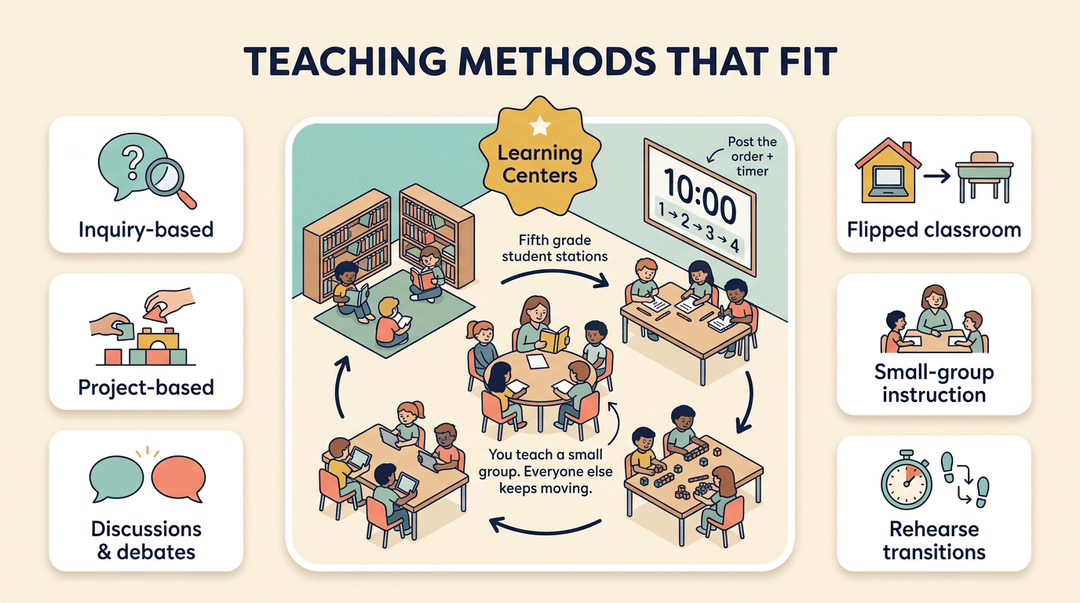
- Inquiry-based learning: students pose questions and chase answers while you guide.
- Project-based learning: teams build something real and apply what they've learned.
- Discussions and debates: students argue ideas and test each other's reasoning.
- Flipped classroom: students watch lessons at home, so class time goes to practice.
- Small-group instruction: you meet with a few learners based on what each needs.
- Learning centers: students work at stations while you teach one group.
- Station rotation routines and timers: post the order, use a visible timer, and rehearse transitions on day one.
Picture a fifth-grade teacher with four centers. While she meets with a small reading group, everyone else keeps moving without waiting on her.
That's the biggest benefit of learning centers: they free you to teach small groups while every student works at the right level.
Tools that build choice and reflection
- Choice boards: a grid of tasks students pick from.
- Learner profiles: a record of each student's strengths, gaps, and goals.
- Data notebooks: students track their own results and set next steps.
- Journals and portfolios: students reflect on their thinking and keep work that shows growth.
A middle school math teacher gives students a choice board with practice, apply, and explain rows. Students log their next goal in a data notebook, and she spends less time guessing what each one needs.
How technology supports learning
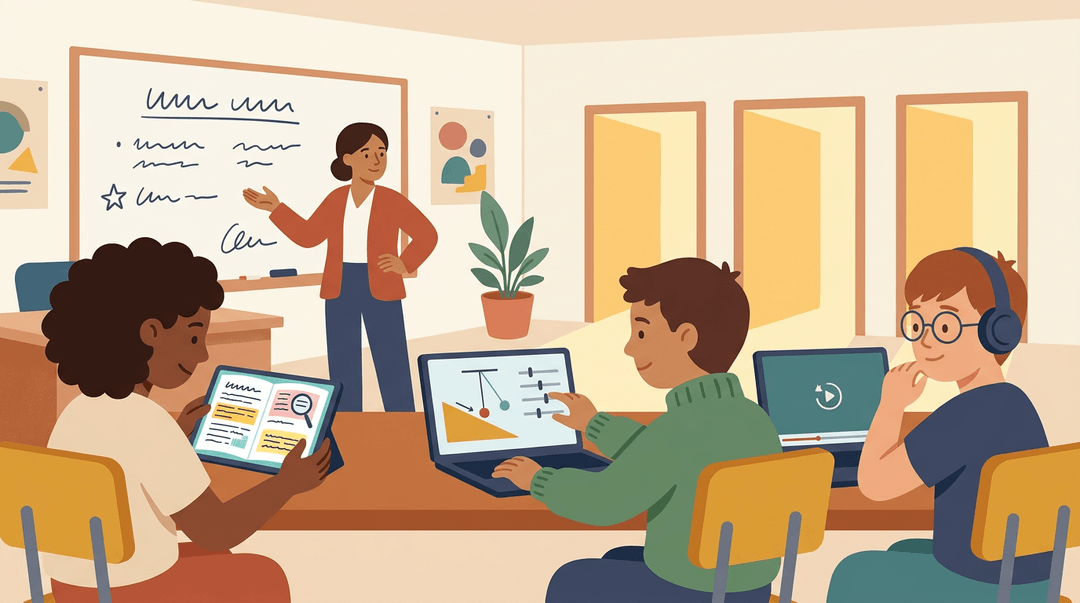
- Digital textbooks: searchable text students can annotate.
- Interactive simulations: students change variables and test ideas.
- Online content access: students revisit a video or reading when they're stuck.
Technology should support student thinking, not replace it, so use it to open more doors while you stay in charge of the lesson. Tools help. You still decide what matters.
Real school programs to learn from
Pittsfield High School, the Sora model, and the OCASA model are worth studying as real examples of these ideas. Mixed-age classrooms group learners across grade levels, so students progress by readiness, not birthday.
Field studies and electives take learning beyond the classroom and let students follow their interests. Pick one and try it Monday.
Benefits and the Evidence Behind Them
What does student-centered learning actually buy you? Here's the evidence, and where it runs thin.
How it boosts engagement and motivation
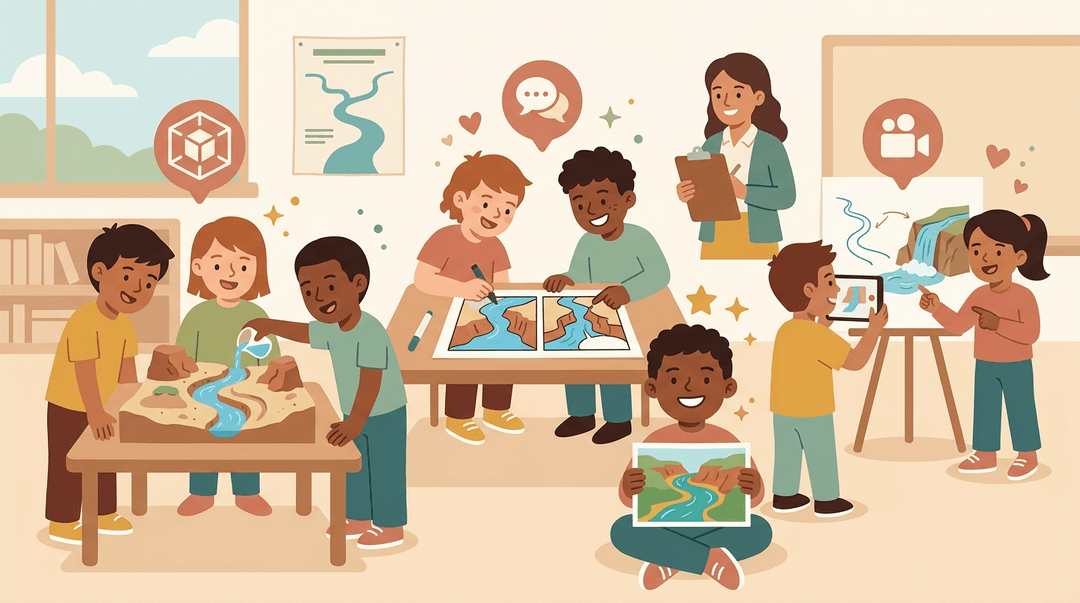
Picture a fifth-grade teacher whose groups choose how to show how rivers shape land: a model, a comic, or a video. Students who choose their format show more interest and investment, which often grows into a love of learning.
Each finished project also builds confidence.
Skills students build along the way
Students stop asking what the answer is and start asking how they got there. Along the way, they build:
- Critical thinking. They weigh options and defend their choices.
- Problem-solving. They test ideas when no single path is obvious.
- Communication and collaboration. They explain reasoning and work in groups.
- Adaptability for the future. They learn to adjust, a habit that travels well beyond your room.
What research says about academic results
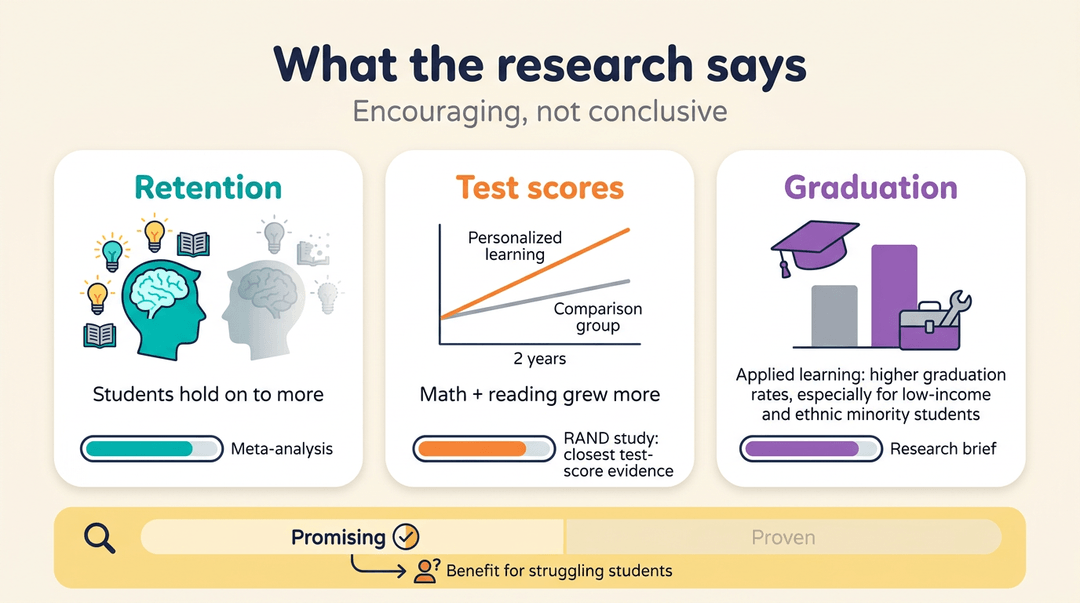
A meta-analysis on student-centered learning in educational institutions reports better retention, so students hold on to what they learn.
In a RAND study of personalized learning, Continued Progress found that math and reading growth over two years exceeded a comparison group's, overall and in a majority of schools. That's our closest test-score evidence.
The same study found these teachers more likely than a national sample to use practices that support competency-based learning, where students advance on mastery, and to find their school's data system useful. That's the assessment side of the picture.
A brief from EdResearch for Action links applied learning, like career and technical education, to higher graduation rates, particularly for low-income and ethnic minority students.
Applied learning isn't the same thing, though. Encouraging, not conclusive.
The evidence here doesn't break out results for struggling students, so treat that benefit as promising, not proven.
Challenges and Criticisms to Consider
Student-centered learning sounds appealing on paper, but it comes with real tradeoffs. Here's where it gets hard, and what critics and advocates say.
Hurdles when putting it into practice
You'll likely meet these hurdles:
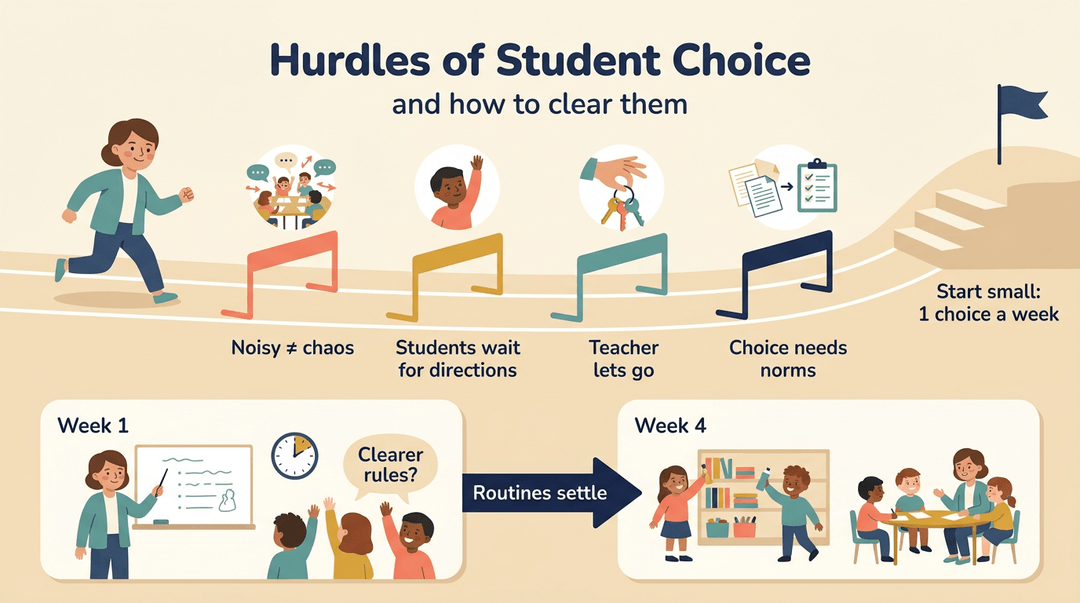
- Noisier, more chaotic classrooms. Talking and movement can look like disorder even when learning is happening.
- Student mindset shift. Learners used to waiting for directions need time to build the habit of owning their work.
- Teacher resistance to power shift. Handing over control can feel uncomfortable, even for seasoned teachers.
- Gradual rollout as solution. Start with one unit or one choice per week, then expand as routines settle.
- Managing behavior with student choice. Clear norms and routines keep choice from turning into a free-for-all.
Consider a fifth-grade teacher who lets students pick how to show their learning. In week one, half the room asks for clearer rules, so she spends ten minutes modeling routines.
By week four, students grab materials without being asked, and she's free to work with small groups.
Why critics push back on the approach
Critics raise fair concerns. They worry that engagement gets mistaken for learning, so the lesson feels fun while the goals fade. Some also fear a dumbing-down of curricula, with easier tasks replacing demanding ones.
Others argue that personalization is impractical at scale and that the model undermines teacher expertise and academic rigor.
Entitlement and weak preparation round out the list: students who haven't practiced self-direction may expect choice without being ready for the work it demands.
Limitations advocates briefly admit
Advocates tend to admit the approach takes more planning up front. They mention these challenges briefly, then return to the benefits. Weigh them honestly.
Student-centered learning isn't about handing students the keys and walking away. It's about pairing real choice with clear structure, so learners own their progress while you keep guiding the route.
Start with one routine, and let the rest grow from there.
Ready to keep your classes organized as you make the shift? Check out our Classroom Management page to organize classes, sections, rosters, and timetables in one structured workspace.
References
- A meta-Analysis on Students-Centered-Learning in Educational Institutions — doi.org (2025)
- Making Learning Real: Design Principles and Evidence for Applied Learning in Schools — edresearchforaction.org (2025)
- Continued Progress: Promising Evidence on Personalized Learning — rand.org
Frequently asked questions
What is the learner-centered approach to teaching and learning?
The learner-centered approach puts each learner’s needs, interests, and progress at the center of instruction. Students have a meaningful role in shaping what and how they learn, while the educator guides and supports them.
What is student-centred education?
Student-centred education is an approach in which students actively shape their learning and how they demonstrate it. Teaching is personalized and flexible, with the educator acting as a guide and partner rather than the sole source of information.
What is teacher-centered learning?
Teacher-centered learning is an approach where the teacher leads instruction as the content expert, often delivering information through lectures and assessing students with tests. Students are primarily recipients of instruction rather than active decision-makers in their learning.
What is the biggest benefit to using learning centers in the classroom?
The biggest benefit is that learning centers let the teacher work with a small group while other students continue learning at stations. Students can work on activities suited to their level without having to wait for the teacher.
What are the three elements of the learning environment?
The three elements are areas for collaboration and independent work, visible displays of student work, and workspaces students can choose. Together, they give learners options for where and how they focus.
What are the four pillars of student-centered learning?
The four pillars are placing the learner at the center, giving students a voice in what and how they learn, personalizing and flexibly adjusting learning, and building a partnership between students and educators.
Is SEL controversial?
Social-emotional learning (SEL) can be controversial, particularly when people disagree about how it should be defined, taught, or assessed, or whether lessons reflect particular values. Its core focus is helping students develop skills such as managing emotions, building relationships, and making responsible decisions; clear goals and communication with families can help address concerns.