Substitute Teacher Tips from Prep to Final Bell

Jump to section
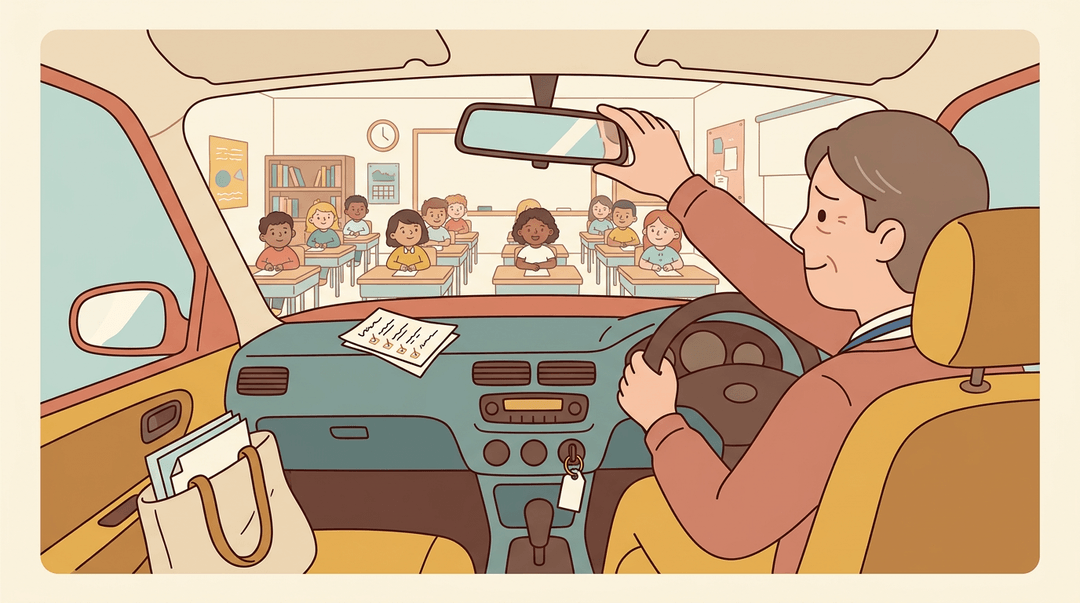
Picture grabbing the keys to a rental car in a city you've never driven in. The mirrors are in the wrong spot, and everyone's already waiting for you to pull out. That's how a substitute often feels walking into a classroom they've never seen.
Whether you're the teacher heading out or the sub stepping in, the goal is the same: get everyone oriented fast and keep learning moving. Here, we'll walk through each stage, from prep at home to the final bell, with a toolkit you can use right away.
Substitute Teacher Tips for Getting Ready
Great subbing starts before the bell, so here's how we'd get you set up.
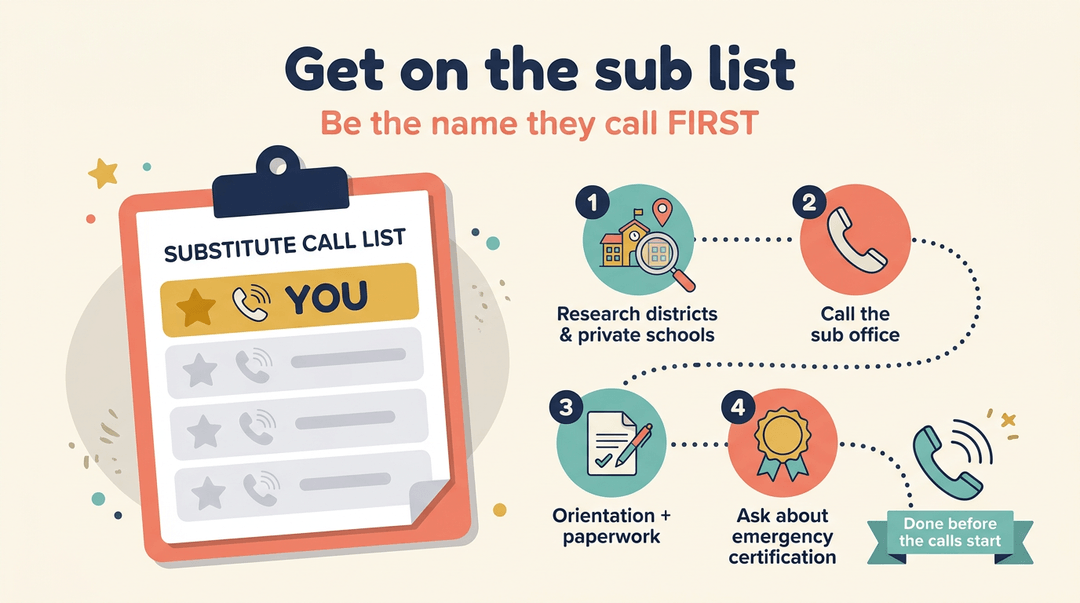
Get on your district's sub list
Your goal is to be the name they call first, not just one name on the list.
- Research local districts and private schools to see who's hiring.
- Call the substitute office about requirements so you're ready.
- Attend orientation and file paperwork before the phone starts ringing.
- Emergency substitute certification: ask whether your area offers it as an option.
Pack a survival kit for subbing
Picture a substitute in a second-grade room where the lesson plan runs out early. A small bag of supplies keeps the class calm while you figure out the next step. Keep it packed.
- Small activities: a ball, puzzles, and art supplies.
- Short story books for read-alouds or quiet time.
- Basic supplies: paper and pencils, since the room won't always have any.
- Backup activities ready to go, so no gap catches you off guard.
Learn the school's systems and arrive early
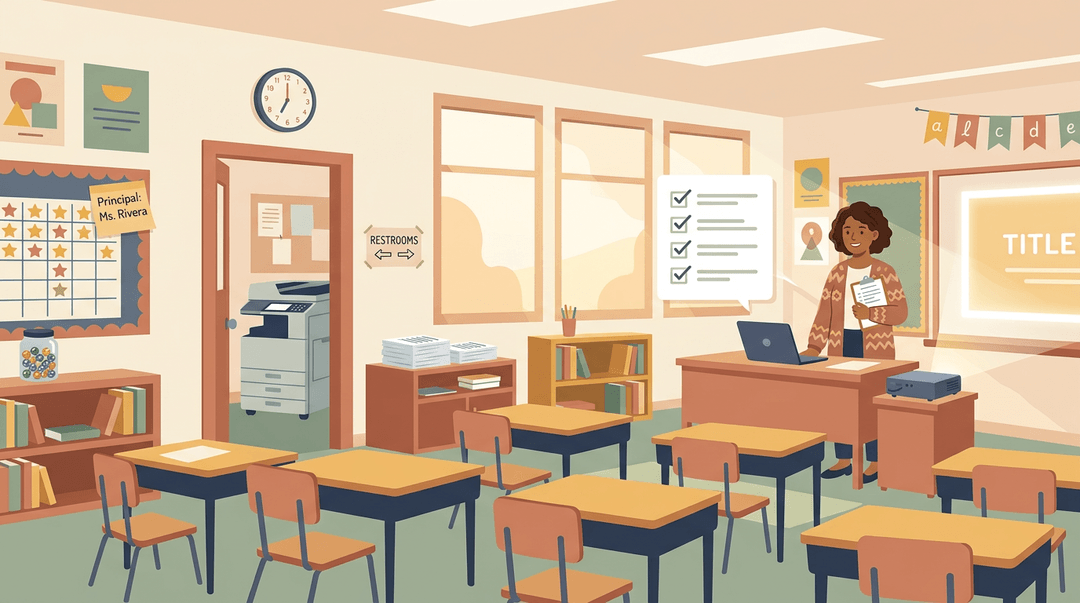
A sub who knows the principal's name, the reward system, and where the copier lives spends the first minute teaching instead of searching. Preparation pays off.
- Key leadership names: know the principal, assistant principal, and office staff.
- Policies and reward systems: learn how behavior and rewards work so your expectations match.
- Early arrival: explore the room, find the restrooms, and locate materials.
- Technology and lesson plan: check devices and the plan before students arrive.
Start the Day and Set the Tone
What makes a good substitute teacher? Mostly, it's someone who walks in calm, clear, and genuinely curious about students, and who sets the tone in the first few minutes.
Introduce yourself and set clear expectations
Cover these first:
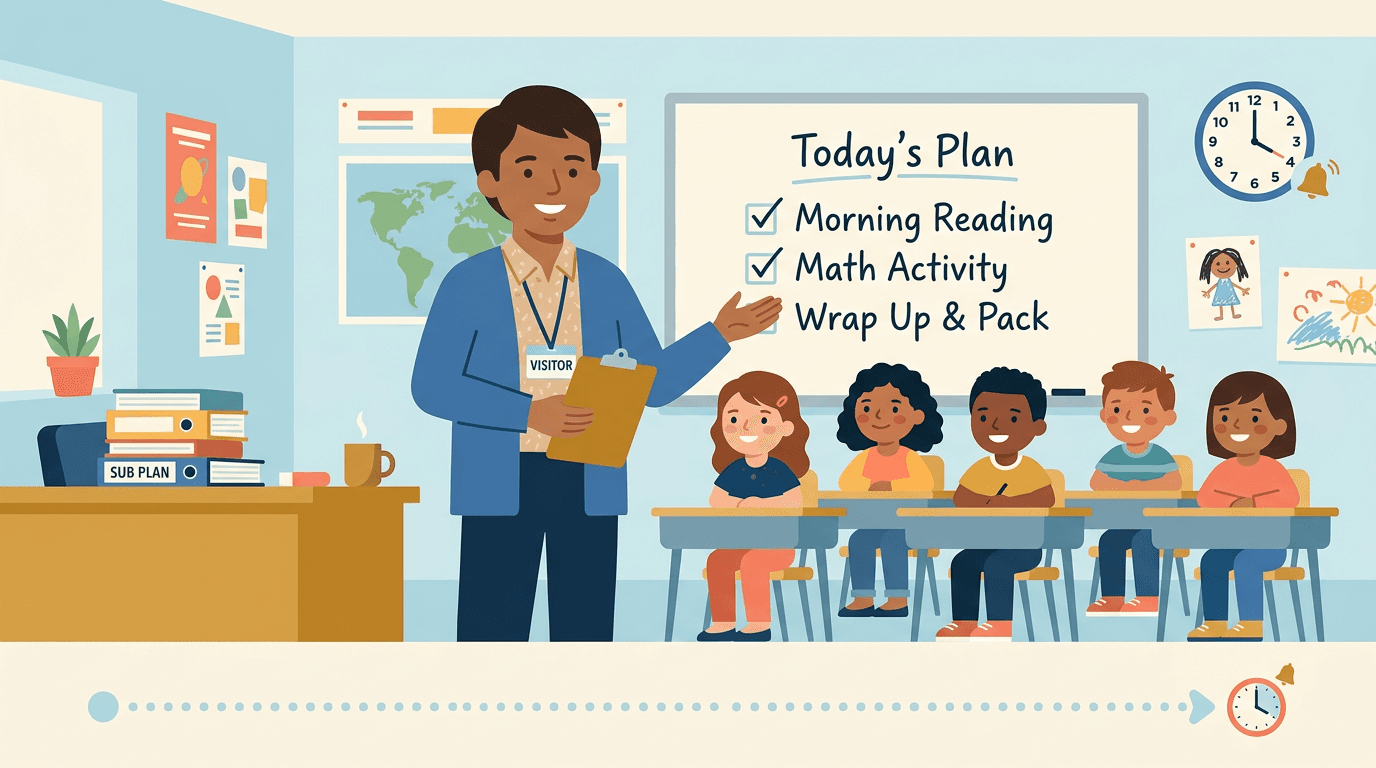
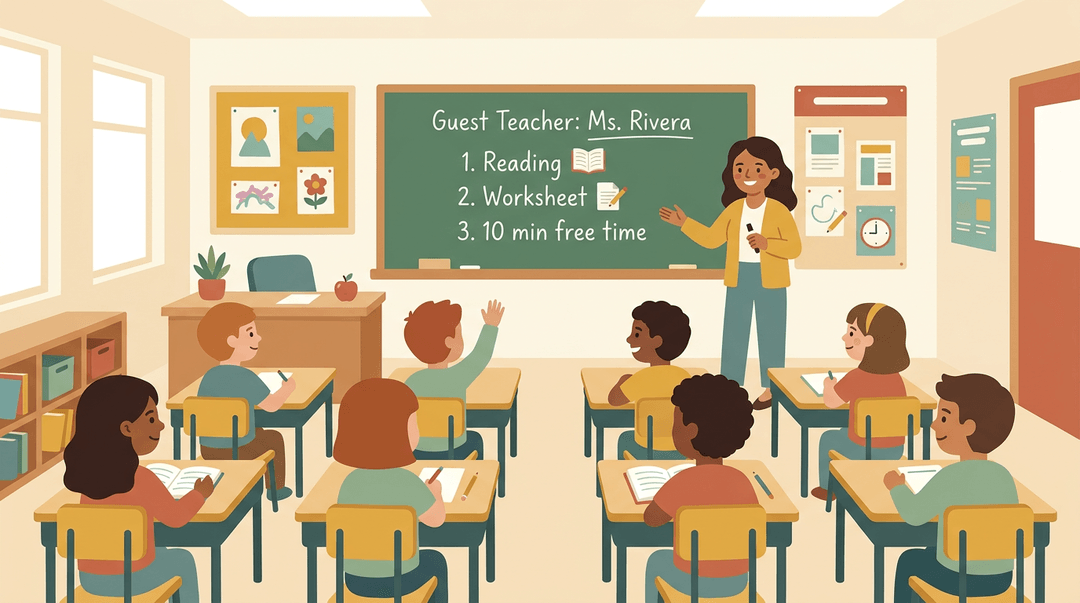
- Write your name on the board. Students should know who's in charge before they ask.
- State the agenda clearly. Read it aloud in the order it appears.
- Expect the same respect. Students should treat you the way they'd treat their regular teacher, not less just because the teacher is out.
- Use the "guest teacher" title. It sounds welcoming and frames you as there to help.
For example, a sub who says, "First the reading, then the worksheet, and ten minutes at the end," gives a restless fourth-grade class a map, so they start on task instead of asking what's next.
Get to know students and build trust
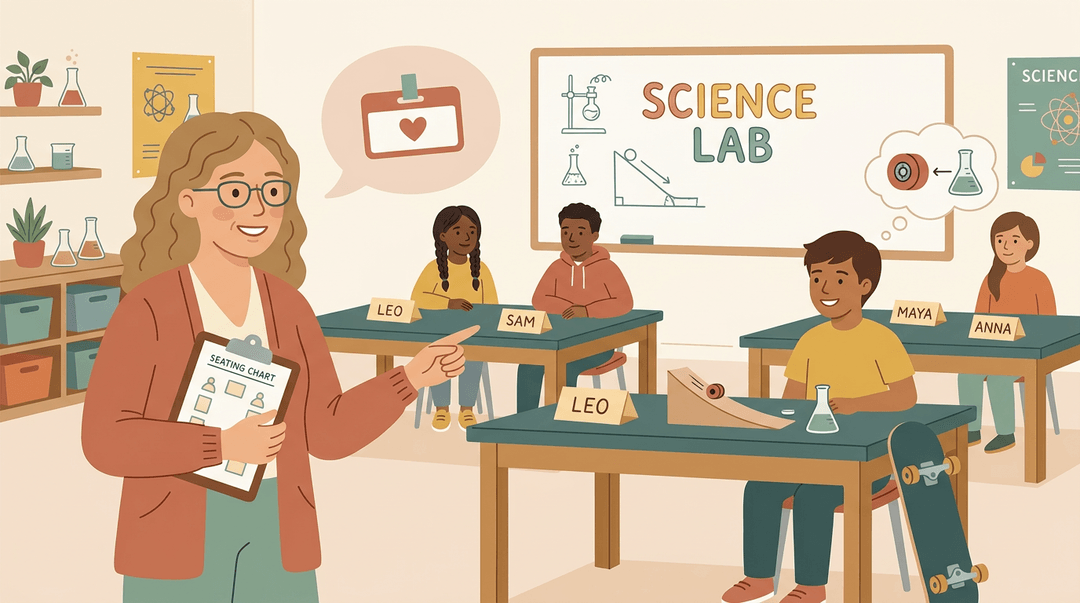
Learning names is where trust starts. Use the seating chart or attendance sheet to match faces to names, and if there's no chart, make one during roll call. Calling a student by name early tells them you noticed. Names matter.
Ask students what's going well, what's been tricky, or what they'd change. Their answers give you a quick read on the room and show students their voice counts.
Consider a sub covering a middle school science class who asks, "Who's into something outside of school this week?" One student mentions skateboarding as a hobby. Later, the sub ties the lab to that interest, and the student stays on task all period.
The goal is a mutually respectful relationship. It's less about control and more about connection: students trust you to be fair, and you trust them to give the lesson a real try.
Keep a Class on Track as a Sub
Keeping a class on track doesn't require being the strictest adult in the building. It requires a simple plan you can run from the first minute.
Reward students who behave well
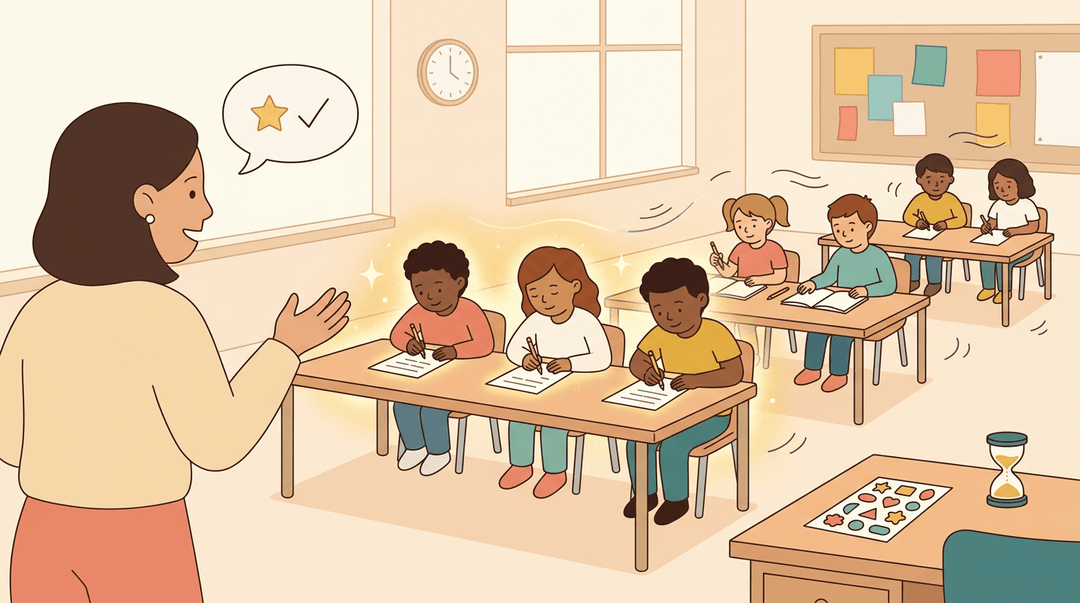
Most students want to do the right thing, and they respond quickly when they notice it. Picture a fourth-grade substitute who spots three students starting their warm-up unprompted and says, 'Thanks for getting started, table two.'
Within a minute, the rest of the room is working too.
Specific praise for effort and good behavior works better than a general 'good job.' Small rewards like stickers or a few extra minutes of free time work especially well with younger students. Use them consistently so students know what earns them.
The 70/30 rule is a useful lens. It's a widely used guideline suggesting that about 70 percent of your interactions acknowledge what's going right, while about 30 percent address what isn't.
Set clear rules and stick to them
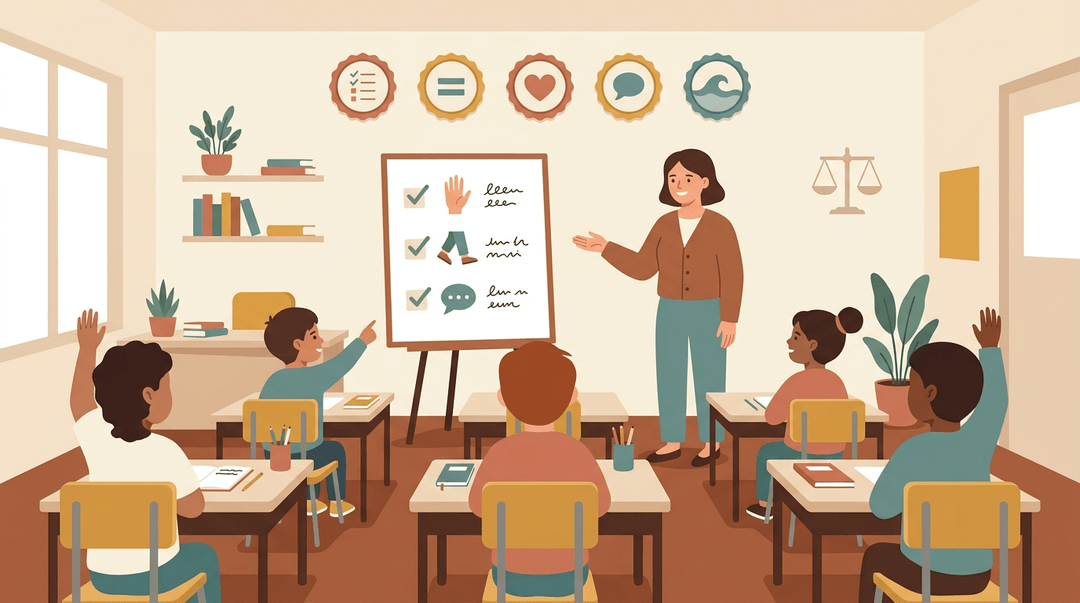
Students push back less when they know what's expected. Review rules at the start of class and have students repeat them back. Explain consequences as calmly as you explain the rules, then follow through.
Students notice fast when a rule bends for one person and not another. Consistency builds trust. Aim to be firm, not harsh.
The 5 C's of classroom management offer one common framework. Versions vary, so check your school's approach, but a widely cited set includes:
- Clear expectations: students know what's required
- Consistency: rules apply the same way every time
- Caring: students can tell you're on their side
- Communication: you explain the plan and listen to responses
- Calm: your demeanor sets the tone
Keep students engaged and adapt quickly
Bored students find trouble fast. Build in hands-on activities or short partner talks, and pivot when a plan isn't working:
- switch activities
- change seating
- have students trade answers with a neighbor
Teachable moments help too. A student's question can open a quick discussion that refocuses the whole room.
Picture a middle school science substitute whose students are glazing over during a reading assignment. She has them predict the next paragraph in pairs, then read to check. Within five minutes, the room is focused again.
Stay calm even when students push back
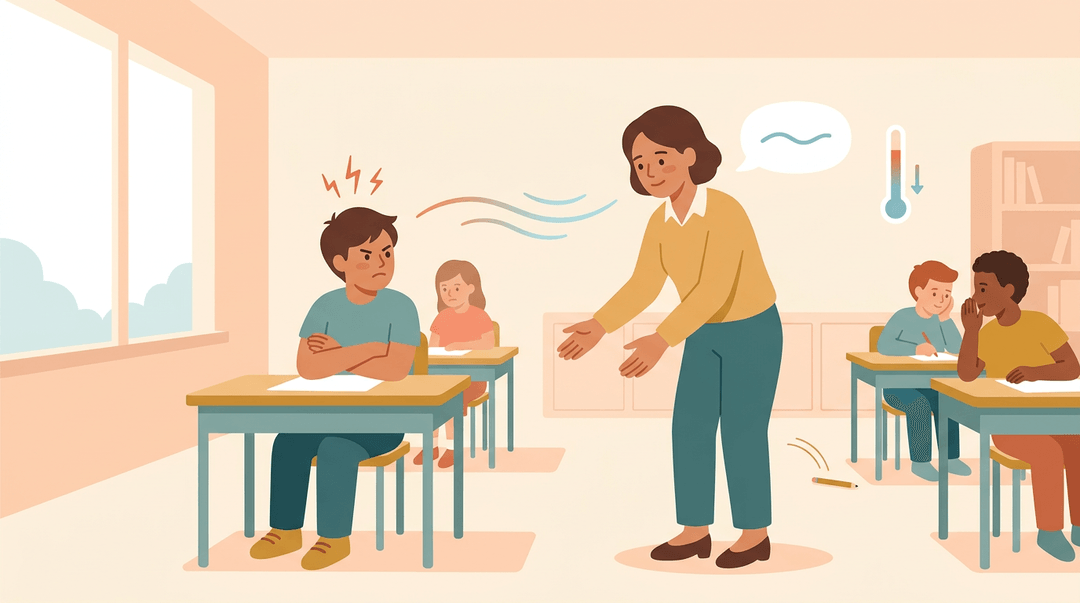
Model calm by keeping your voice even, and students usually match it. Don't overreact to minor disruptions like a dropped pencil or a whisper; a quick look often ends it.
When a conflict escalates, de-escalation means lowering the temperature first. Speak quietly, give the student room to save face, and focus on the behavior rather than the person. The goal is to resolve the moment, not win it.
If anyone's safety is at risk, follow your school's procedure and call the office right away.
Common challenges in short-term jobs
In one-to-two-day jobs, you have little time to earn trust. Establishing authority starts at the door: greet students, state expectations with confidence, and follow through on the first one you give. Building rapport quickly matters just as much.
Ask about a weekend or what students are reading. For managing behavior, ask students what the usual routine is and follow it. Sticking to it keeps the day running smoothly.
Write a One-page Plan for Your Sub
This is a fill-in guide for the plan a sub reads in two minutes and can run without you. Print it, fill the slots, and leave it on your desk.
Set up the room
Before the sub arrives, confirm:
- Daily schedule is posted. Tape it where the sub will see it from the door.
- Seating chart is attached. Clip it to the roster so names match faces.
- Reliable helpers are listed. Name two or three students and what each can show the sub.
- Emergency procedures are shared. Include drill routes and who to call for help.
Example: Helpers: Maya (passes out materials), Dev (knows the lunch count routine), Sam (can explain our warm-up).
Fill the sub folder
Each slot gets one line of guidance. If it won't fit on one page, it's too long.
| Slot | What to write |
|---|---|
| Attendance roster | Names in seating order, with a note on how you take attendance |
| Lesson steps by period | Three or four numbered steps per class, with start times |
| Behavior expectations | Your top three rules and the first consequence step |
| Early-finisher activities | One no-prep task students can start without asking |
Here's one period, filled in the way a sub can follow it:
Period 3, Science (9:40 to 10:25). 1. Take attendance. 2. Read the warm-up question on the board aloud. 3. Students complete the worksheet in pairs. 4. Collect papers in the blue tray. Finished early? Start the vocabulary crossword on the back table.
⚠️ Watch out: A plan that needs your voice to make sense will fail. Write steps as if the reader has never met your class.
Match early finishers to grade level
Pick one activity per band and name it in the folder, so the sub never has to invent one.
| Grade band | Activity idea |
|---|---|
| K-2 | Picture book read-aloud, then drawing a favorite part |
| 3-5 | Story starters: students finish "The door creaked open and..." |
| 6-8 | Review stations rotating around the room |
| 9-12 | Independent practice on problems you've pre-selected |
Close the loop when you return
Follow up the same day if you can. Students notice whether a sub day "counted."
- Review the sub's notes.
- Look for who was helpful, who was absent, and where the plan stalled.
- Follow up on behavior.
- Say: "I read the sub's note. Let's talk about what happened."
- Collect and grade the work.
- Return it promptly so the day has a payoff.
- Thank the sub.
- A short note makes them glad to come back.
Build and share sub plans, rosters, and seating charts in one place with EMStudio's lesson planning and class management tools.
Follow Lesson Plans and Wrap up Well
Your lesson plan is the roadmap, but it's less about covering every page and more about closing the day well.
Follow the plan and improvise when needed
Look for the plan the teacher left. Your job is to follow it, not replace it.
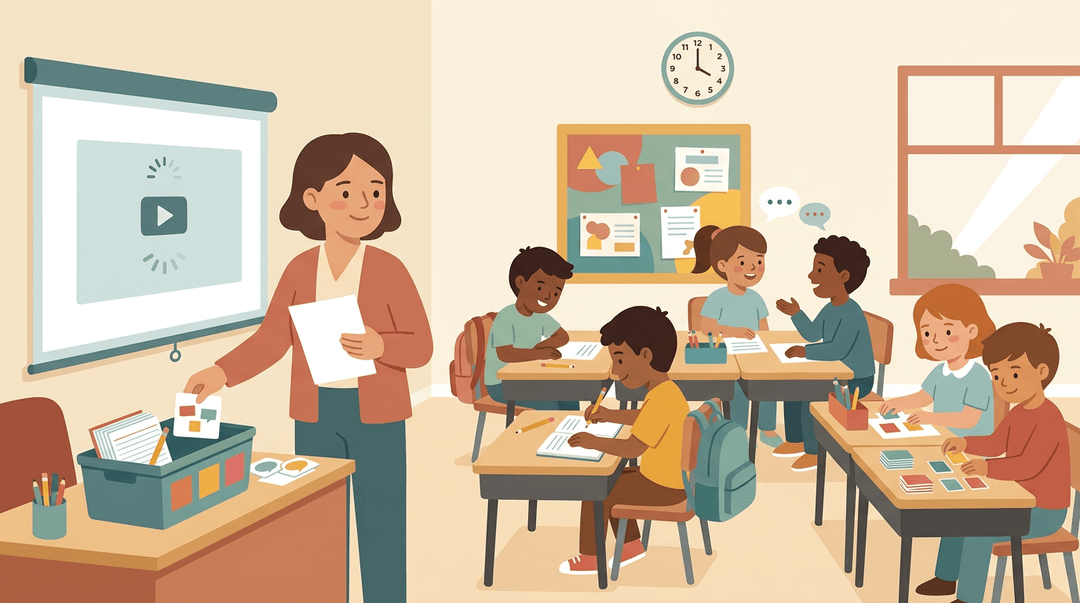
Things don't always go as planned, so be ready to improvise. If a video won't load, a quick review game fills the gap.
Build a few go-to learning experiences that work in any subject, like a quick write or a think-pair-share. Picture a fifth-grade class that finishes early: a ready sorting game keeps everyone busy until the bell. Simple beats clever.
Leave the classroom tidy and organized
Before you leave:
- Tidy books and supplies. Return materials to their bins so the teacher isn't hunting for scissors.
- Grade assignments if needed. Get results ready so the teacher has them.
- Leave informative notes. Share what you covered, what went well, and what needs follow-up.
- Say thank you. A short note goes a long way.
- Note absent students, behavior, and progress. Record who was out, behavior concerns, and how students moved through the work.
How good work gets you rehired
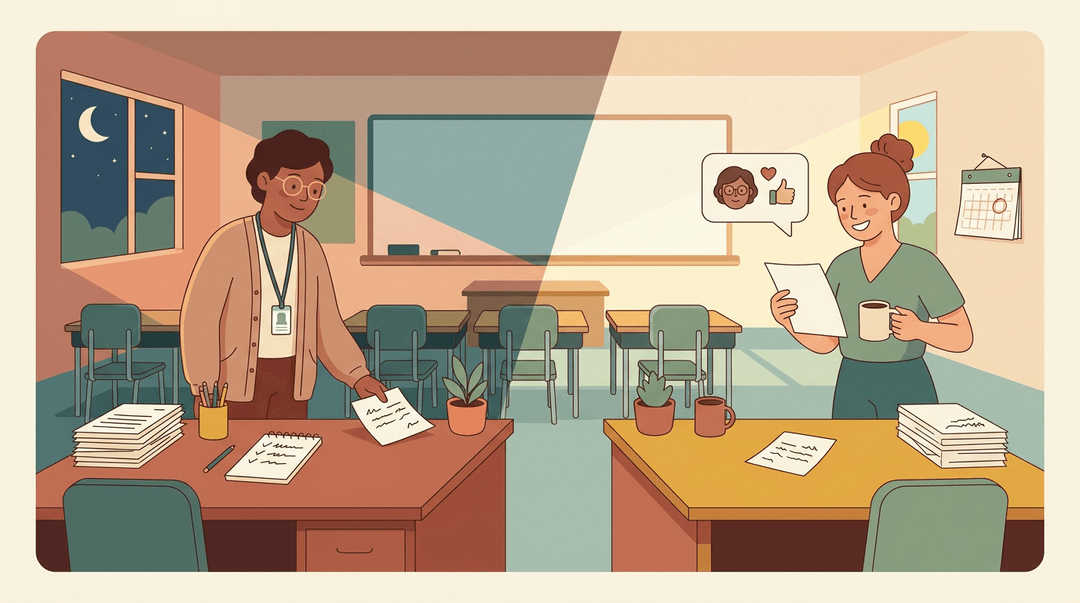
Making the regular teacher happy with your work improves your chance of being rehired.
A systematic review of substitute teachers' employment experiences in rural, regional and remote schools found that proactive relationships with teachers increased substitutes' willingness to return.
Picture a sub who leaves a tidy desk and clear notes. The teacher sees that work the next morning and asks for that sub again.
Why do substitute teachers quit? Burnout often creeps in when every day starts from zero, with unfamiliar rooms and no feedback. Good relationships change that.
Fill Extra Time with Read-alouds and Games
A few quick activities can keep the room calm until the bell.
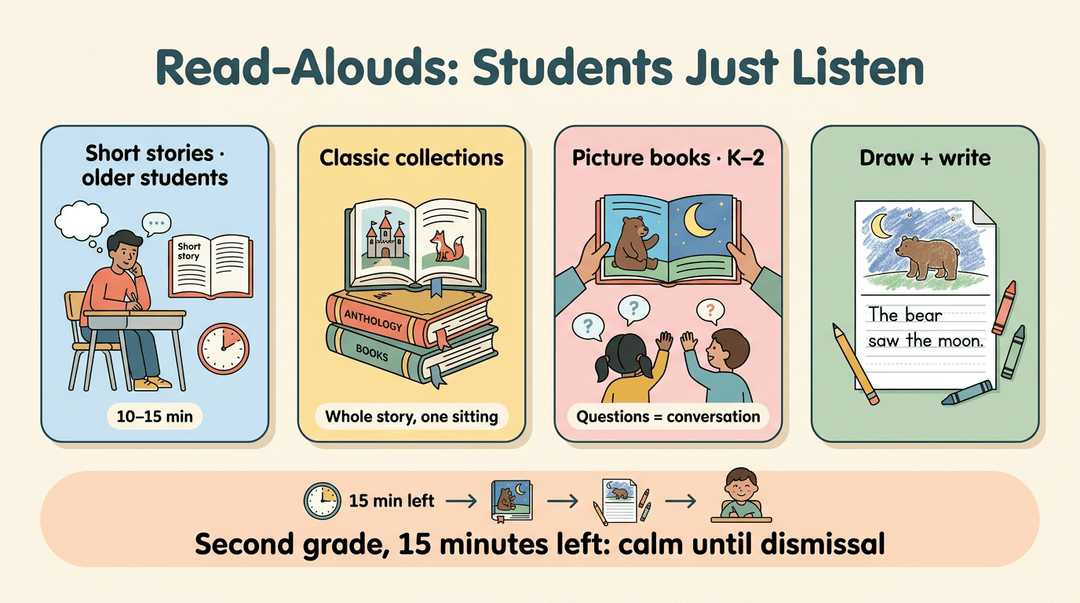
Stories to read aloud to the class
Read-alouds are an easy win, because students only have to listen.
- Short stories for older students: One short story can fill ten or fifteen minutes and spark discussion.
- Read-aloud classics collections: Anthologies of classic tales give you complete stories in one sitting.
- Picture books for K-2: Little learners love the pictures, and their questions turn reading into conversation.
- Draw and write follow-up: Students draw their favorite part, then write a sentence about it.
Picture a second-grade class with fifteen minutes left. A picture book and a quick draw-and-write keep everyone calm until dismissal.
Try group writing activities
The goal isn't busywork. It's keeping students engaged rather than restless.
- Ad libs / Mad Libs: Students supply a noun, verb, or adjective without seeing the story, then you read the silly result.
- Story starters: Post one opening sentence, and students finish the story their own way.
- Self essays: Students write briefly about their interests and goals, which helps when you're new to the class.
Quiet indoor games for slow periods
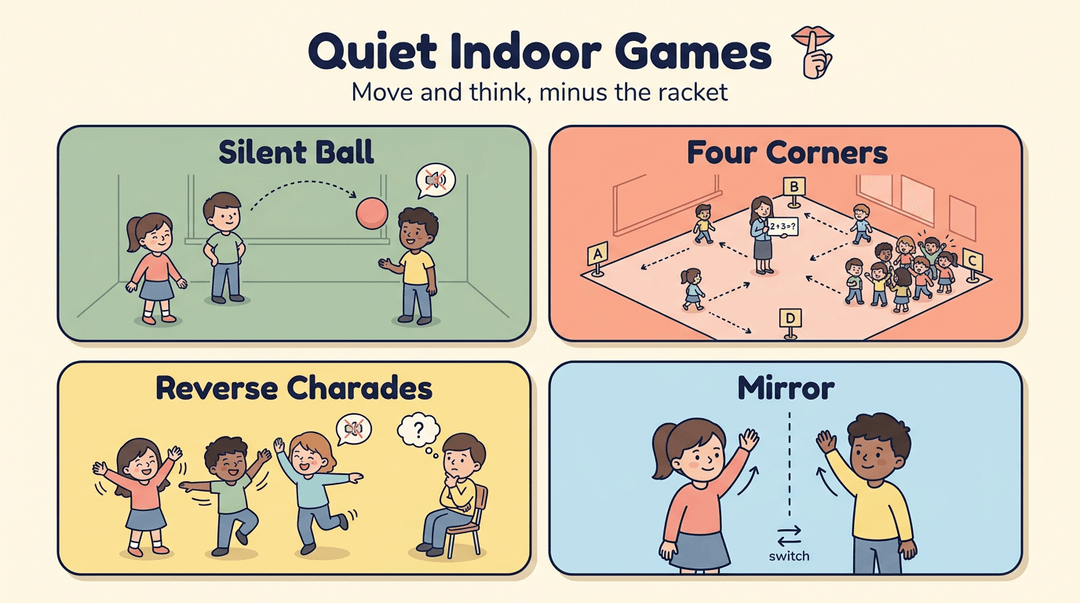
Quiet games let students move and think without the racket. Quiet works.
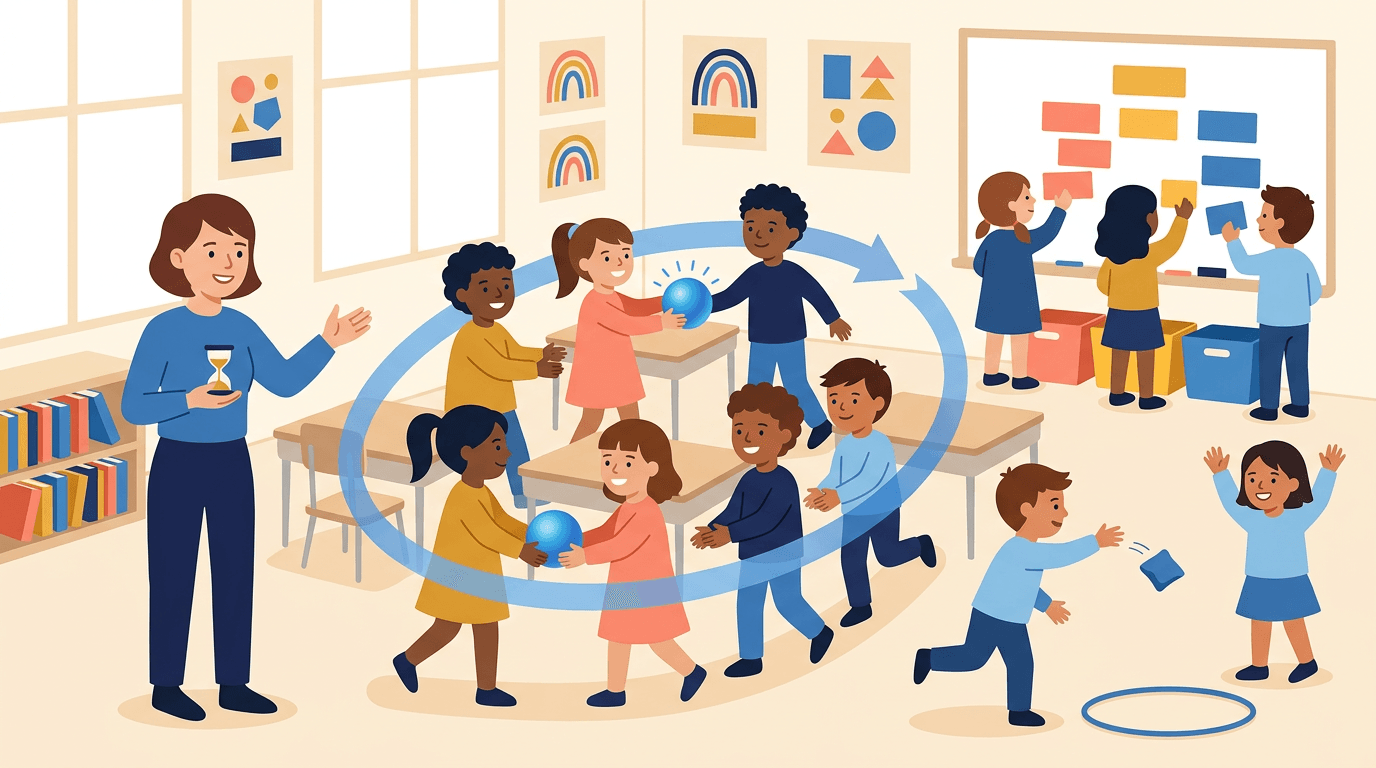
- Silent ball: Students pass a soft ball around the room in complete silence.
- Four corners: Label each corner with an answer choice, read a question, and students walk to the corner that matches their answer.
- Reverse charades: The class silently acts out a word while one student guesses it.
- Mirror: Partners face each other, and one copies the other's slow movements, then they switch.
Help Your Sub Before You Leave
The best substitute days start before you leave. A little planning gives your sub what they need to keep learning on track.
Set clear learning goals and a backup plan
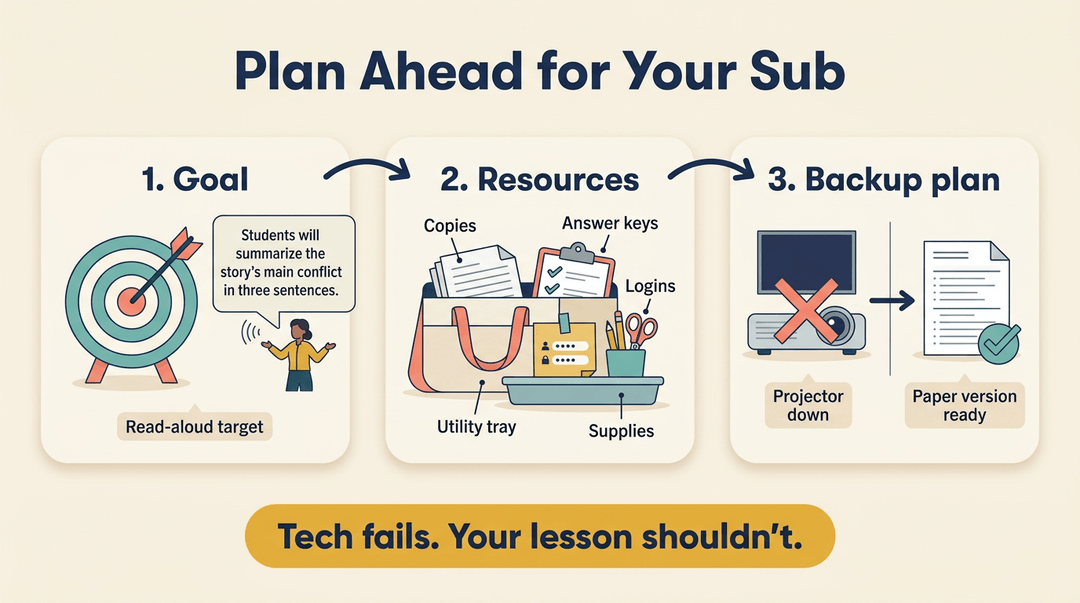
Start with the desired outcome: what should students know or do by the end of the day? Then turn it into explicit learning targets your sub can read aloud, such as "Students will summarize the story's main conflict in three sentences."
Give your sub every resource the lesson needs:
- copies
- answer keys
- logins
- supplies
Finally, build a backup plan for tech failure. If the projector won't turn on, a paper version keeps the lesson moving. Tech fails. Your lesson shouldn't.
Leave more materials than you think
Assign more, not less. Consider a sixth-grade science teacher who leaves an extra reading beside the main worksheet. If the lab runs short or the class finishes early, the sub has something ready.
Extra material keeps your sub calm, and a calm sub runs a smoother day. It's also okay not to cover everything. Aim for the most important work, not every page. Students who grasp the core lesson have had a good day, even if the packet isn't finished.
Spell out routines to head off trouble
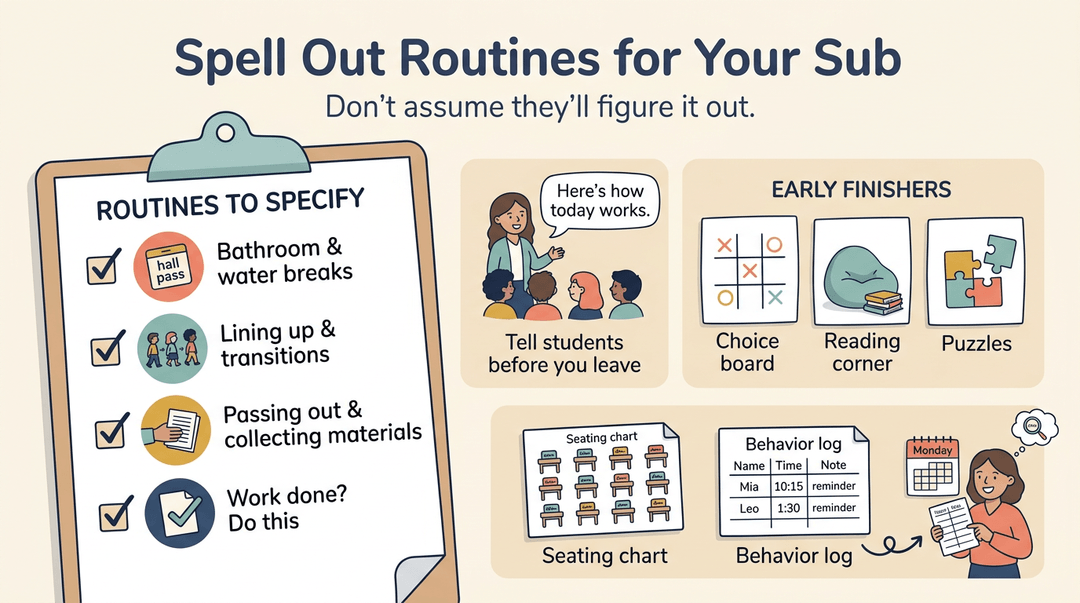
Your sub doesn't know how your room runs, so don't assume they'll figure it out. Write down every procedure, such as:
- Bathroom and water breaks
- Lining up and transitions
- Passing out and collecting materials
- What to do when the work is done
Then tell students your expectations out loud before you leave, so the sub's words carry more weight.
Set an early-finisher routine so students know what to do: a choice board, a reading corner, or a stack of puzzles.
Leave an up-to-date seating chart and a simple behavior log. Picture a third-grade teacher who returns Monday and sees exactly who needed a reminder, and when.
Pick student helpers to support the sub
Appoint two helpers: one reliable student who knows the routines, and one student who sometimes struggles with behavior.
A middle school math teacher might name one helper as the go-to for questions and another to pass out materials. Both get a clear job, and the sub gets two extra sets of hands.
Giving a job builds responsibility and diverts misbehavior before it starts. It's less about punishing a student and more about trusting them. Trust changes behavior.
A smooth substitute day rarely happens by accident. It comes from preparing ahead, setting a calm tone in the first minutes, and leaving a plan that makes the sub's job easier. When you do those things, learning keeps going even while you're away.
Ready to get your classes, rosters, and timetables in one place? Check out our Classroom Management page to see how EMStudio gives you a structured workspace for it.

References
Frequently asked questions
What is the 70/30 rule in teaching?
The 70/30 rule is a classroom-management guideline: aim for about 70 percent of your interactions to recognize what students are doing well and 30 percent to address problems. Specific, positive feedback helps reinforce good behavior.
What are the 5 C's of classroom management?
One common set of the 5 C’s is clear expectations, consistency, caring, communication, and calm. The framework encourages teachers to explain expectations, apply rules fairly, show concern for students, listen and communicate, and maintain a calm demeanor.
Why do substitute teachers quit?
Substitute teachers may quit because the work can be tiring and isolating, with each day bringing an unfamiliar classroom and little feedback. Unclear routines, challenging behavior, inconsistent work, and limited support can also make it harder to stay in the role.
What makes a good substitute teacher?
A good substitute teacher is prepared, calm, and adaptable. They set clear expectations, treat students fairly, build rapport by learning names, follow the lesson plan and school routines, and leave the regular teacher useful notes about the day.