What Great Teachers Do Differently From Good Ones, Explained


Jump to section
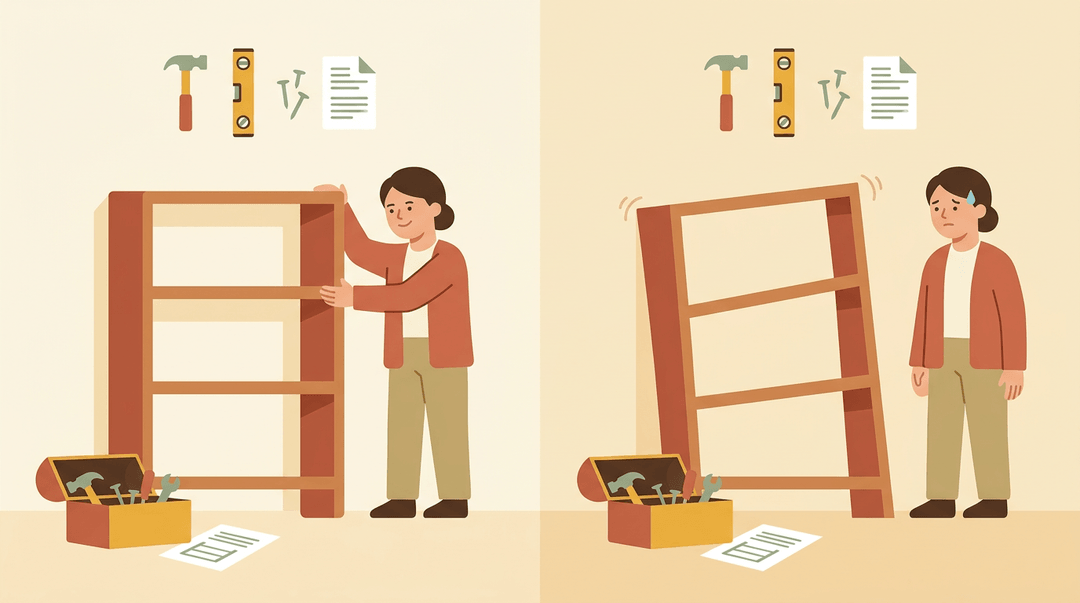
Give two people the same toolbox and the same set of instructions, and you'll still get two different results: one shelf stands sturdy, the other wobbles. The difference isn't the tools. It's how they're used.
Teaching works the same way. Great teachers and good teachers often share the same curriculum, the same standards, even the same classroom down the hall, yet the outcomes look nothing alike.
In this post, we'll unpack what separates great teachers from good ones, how their habits stack up against great principals, and how to turn those differences into a classroom-management checklist you can use tomorrow.
What Great Teachers Do Differently
So what actually separates a good teacher from a great one, and what do great principals do differently too? It comes down to beliefs, behaviors, and attitudes, not raw talent.
What separates good teachers from great ones
Good teachers manage a classroom well. Great teachers lead one: they believe every student can learn, and that belief drives how they teach, not just what they teach. That mindset builds real staff motivation and authority that's earned, not assigned.
Great teachers also stretch their influence past their own four walls, mentoring colleagues and shaping the culture of a whole grade level or department.
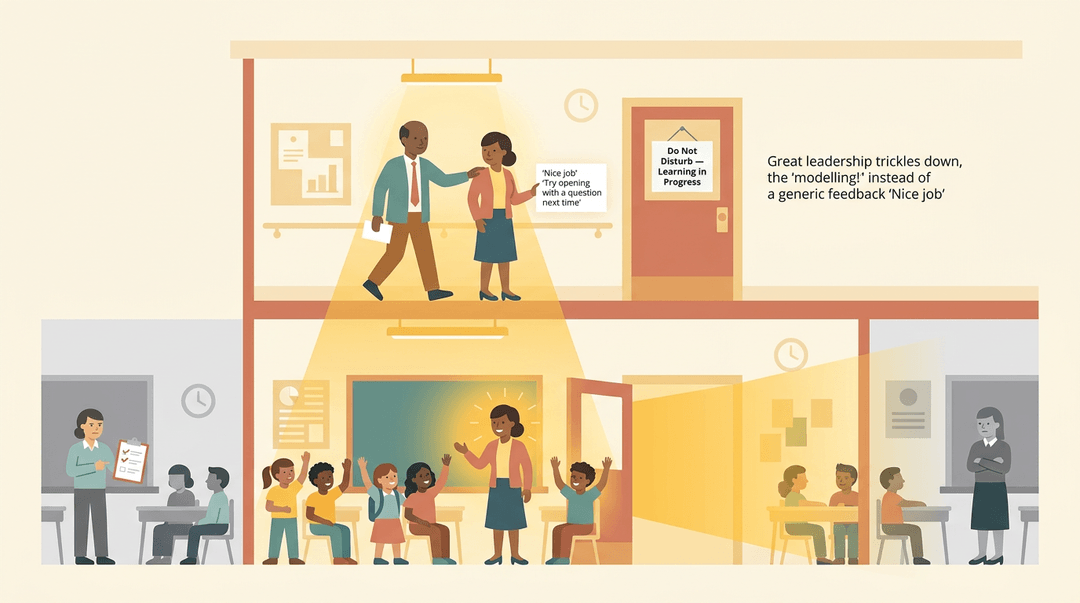
The same pattern holds one level up. Great principals don't just run a building: they
- model the habits they expect from staff
- protect instructional time from interruptions
- give specific, actionable feedback instead of a generic "nice lesson"
That's the defining difference between a good principal and a great one, and it's what trickles down to what you see in the classroom.
Meaning what you say, putting students first
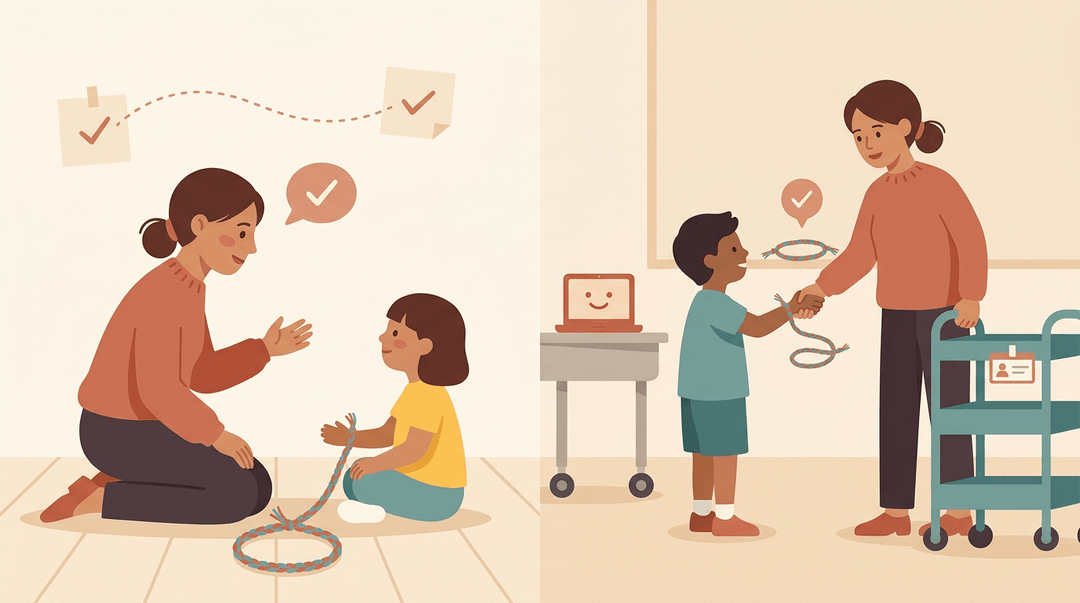
Great teachers mean what they say. When you promise a consequence or a reward, following through, every time, teaches students they can trust what comes out of the front of the room.
They also put students first when a decision gets hard, asking "what does this student need?" before "what's easiest for me?"
We see that instinct in restorative practices and PBIS (Positive Behavioral Interventions and Supports, a schoolwide framework for teaching and reinforcing expected behavior): a great teacher handles a conflict with a restorative conversation, not just a punishment, because they've stopped to put themselves in the student's position first.
None of this depends on a permanent classroom, either. A substitute or a virtual teacher builds the same trust in miniature:
- greeting students by name
- checking in daily
- following through on small promises
Classroom Management Habits of Great Teachers
Great teachers don't manage behavior in the moment; they build systems that make most problems never happen. This card covers the four habits worth building, in the order you'd set them up.
Before the first bell: routines students can see
Confirm these three are in place before you worry about anything else:
- Procedures are posted, not just explained. On the wall, numbered, readable from the back.
- Example poster: "Entering: 1. Hang backpack. 2. Grab warm-up. 3. Start silently."
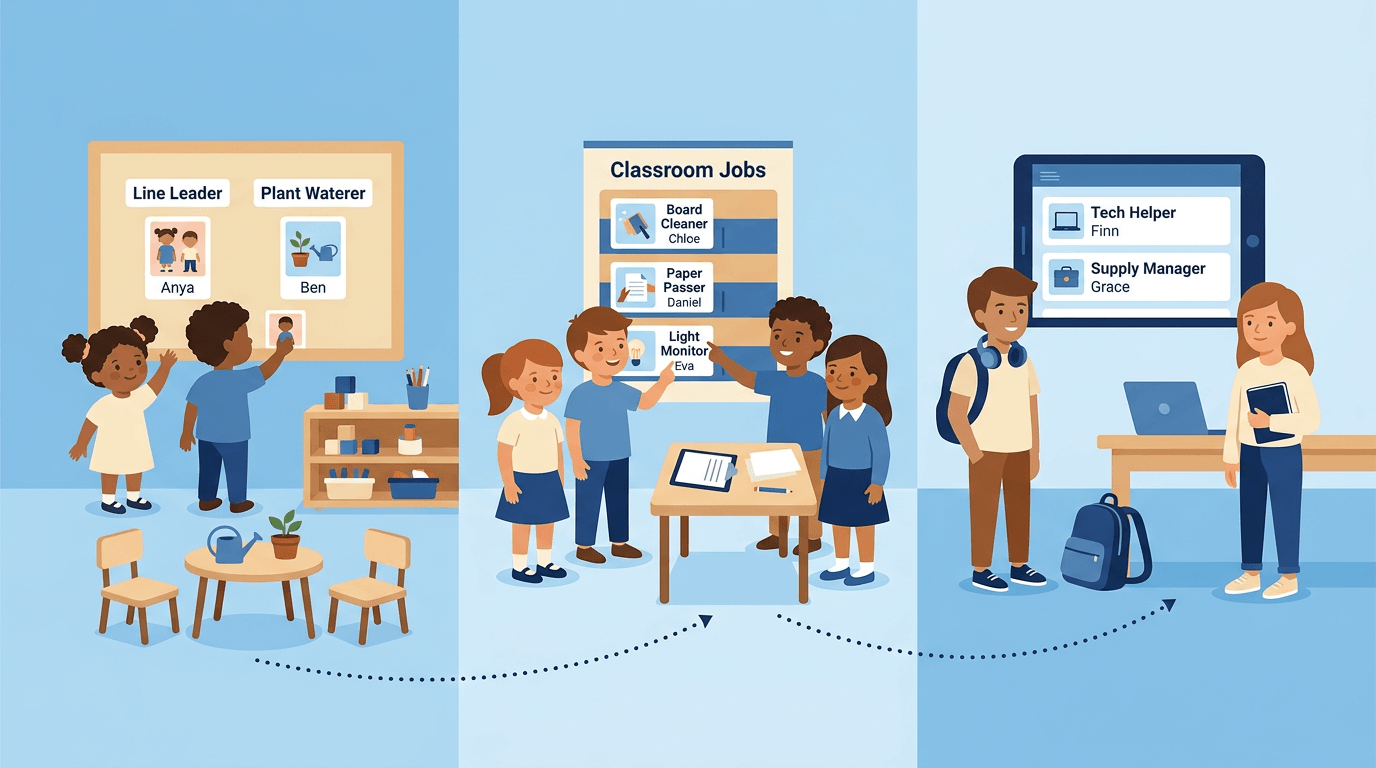
- Every student holds a classroom job. Line leader, materials manager, tech helper.
- Rotate weekly so ownership spreads and no job becomes a status symbol.
- Transitions are taught like content. Model it, practice it, time it, try again.
Example: A fifth-grade teacher times pack-up with a visible stopwatch: "Yesterday took 90 seconds. Let's beat it." Within a week, the transition runs itself.
A behavior system that runs itself
Pick one system, teach it explicitly, and apply it every single day. Consistency matters more than which one you choose.
| System | What it looks like |
|---|---|
| Token economy | Points for target behaviors, cashed in weekly for privileges |
| Logical consequences | The fix matches the misstep: mark the desk, wipe the desks |
| Check-in check-out | A struggling student rates daily goals with you at arrival and dismissal |
For logical consequences, keep your delivery flat and factual. Say: "You spilled it, so you'll clean it up. Towels are by the sink." No lecture attached.
Connection, in three small daily doses
Relationships are the system underneath every other system, and they're built in minutes, not grand gestures:
- Open with a morning meeting. Five minutes: a greeting, then one share prompt.
- Try: "One word for how you're arriving today."
- Use one rehearsed attention getter. You say "Class, class," they say "Yes, yes."
- Practice it cold until quiet takes three seconds, then never shout again.
- Schedule brain breaks before students need them. Two minutes of movement every 25 to 30 minutes.
- Put it on the posted agenda so it's routine, not a reward you withhold.
When a meltdown starts
Your calm is the intervention. Find the row that matches what you're seeing, then read across:
| When you see... | Try... |
|---|---|
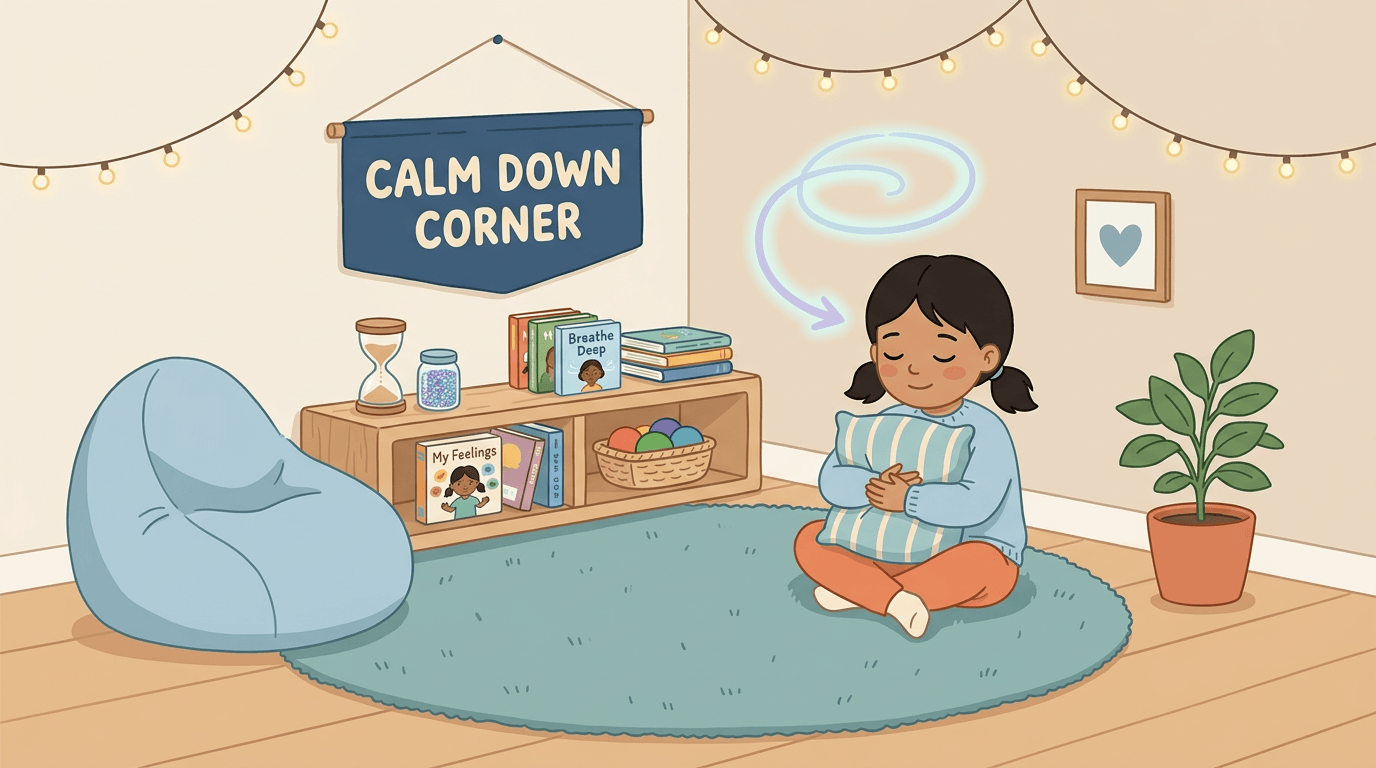
| Rising agitation (clenched fists, pacing) | Offer the calm-down corner: "Take the corner. Come back when you're ready." |
| Your own frustration spiking | Model self-regulation aloud: "I'm feeling frustrated, so I'm taking three breaths." |
| Behavior that seems to come from nowhere | Stay trauma-informed: ask "what happened to them," not "what's wrong with them" |
⚠️ Watch out: A calm-down corner is a regulation tool, not a timeout by another name. Stock it with a breathing card and a two-minute timer, and let students choose it before you have to send them.
None of these habits work without the boring infrastructure behind them, so organize rosters, timetables, and daily routines in one place with EMStudio's Class Management tools.
Different Editions of the Book
Todd Whitaker's book has grown right along with the classroom research behind it, and knowing which edition you're picking up matters if you want the full picture.
How the book changed across editions
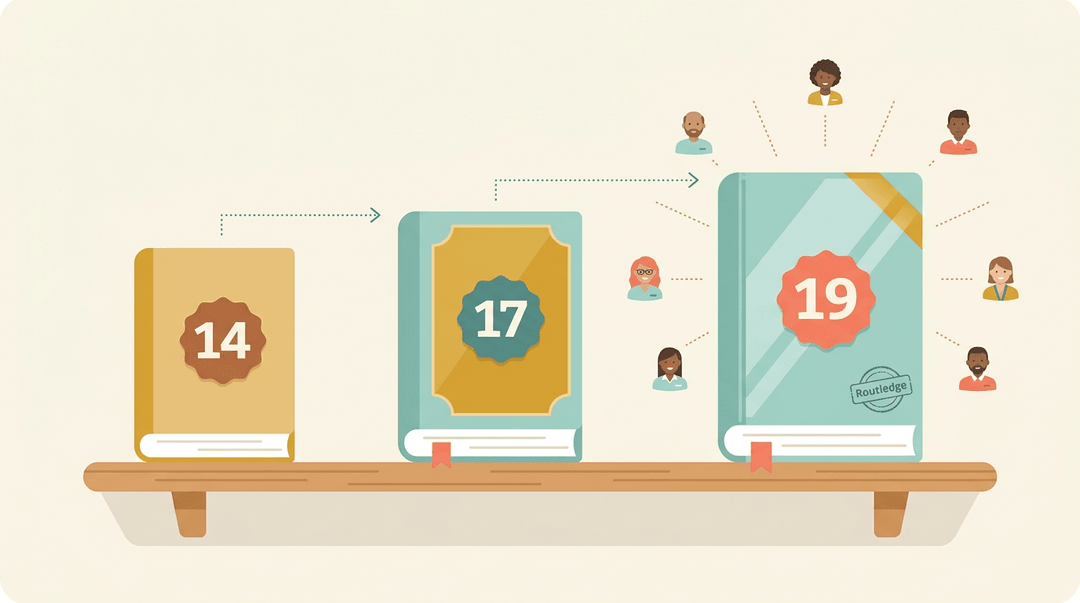
The first edition offered 14 things that separated great teachers from everyone else. The second edition expanded that list to 17.
By the third edition, Todd Whitaker reveals 19 keys to becoming more effective in the classroom, rounding out years of classroom observation into its most complete form yet.
The book started out under Eye On Education, then moved to a bigger publishing house: What Great Teachers Do Differently was later published by Routledge in 2020.
That move put it in front of an even wider circle of teachers and instructional coaches looking for straightforward, practical advice.
Which format works best for you
Think of a teacher stocking a classroom shelf or a professional library.
- A hardcover copy holds up to years of re-reading and lending out to colleagues.
- A softcover (paperback) edition is lighter on the budget and easy to toss in a bag for summer reading.
- Some readers also seek out first edition copies, either for the original 14-point framework or just to see how Whitaker's thinking has evolved over time.
Whichever format you choose, the core message stays the same: what changes is the packaging, not the heart of the advice.
Extra Resources That Support the Book
The book gets great teachers most of the way there, but the materials built around it turn a single read into something closer to an ongoing conversation. Here's what's available and how schools actually use it.
What's inside the study guide
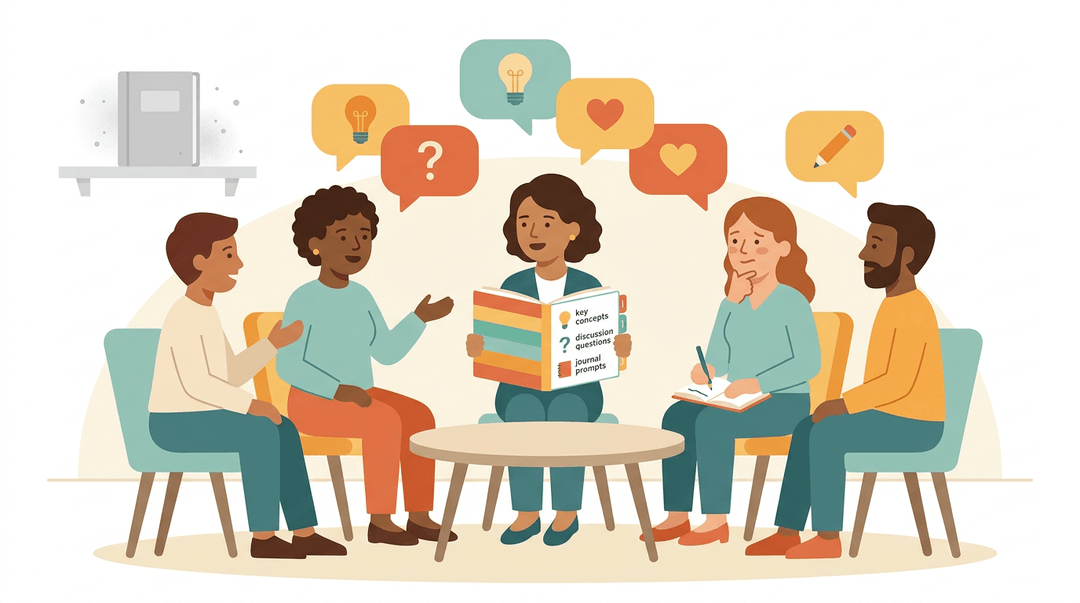
The study guide for facilitators is built for exactly this kind of shared learning. Each chapter comes with its key concepts distilled, plus discussion questions that push a staff meeting past small talk.
Journal prompts give teachers a private space to sit with an idea before bringing it into a group activity designed to turn theory into rehearsed practice.
Think of an instructional coach who hands this guide to a grade-level team: instead of one more staff meeting, they get weeks of connected conversation.
Use guides for staff PD, and the book stops being a shelf item and becomes less about reading alone and more about talking it through together.
Facilitator guides and DVD resources
For schools running workshops, there's a facilitator's guide hardcover: sturdier, and built for repeated use across a school year.
Alongside it, a DVD featuring Todd Whitaker lets a principal show the ideas rather than just describe them, and a DVD bundle with book pairs the two in one purchase.
Plenty of instructional coaches use both in PD workshops, pausing the video so teachers can talk through what they just watched.
Bundles that pair the book with extras
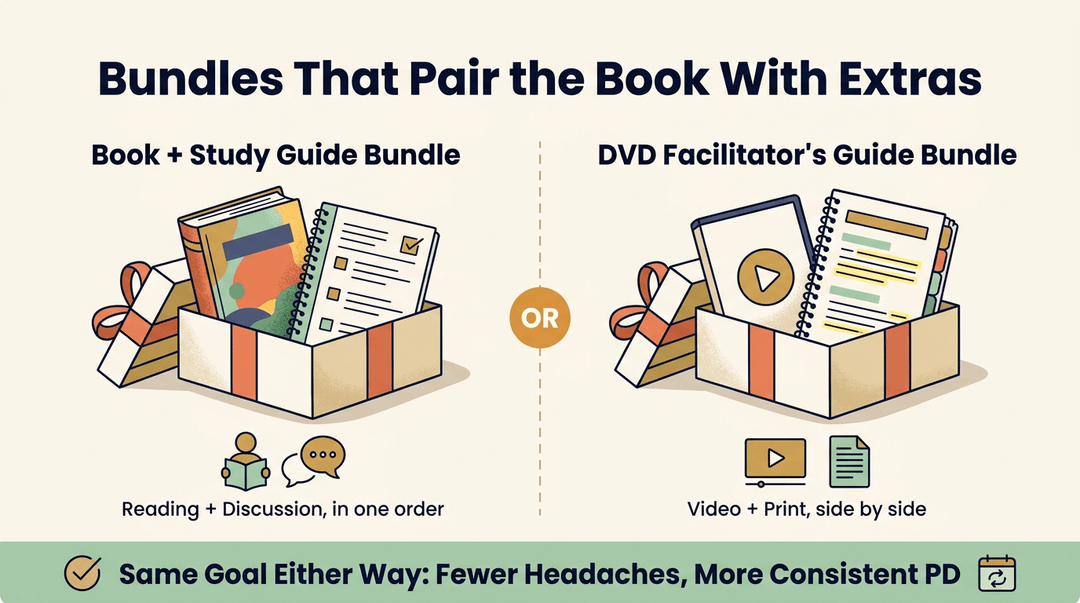
For teams that want everything at once, a book and study guide bundle covers reading and discussion in one order, while a DVD facilitator's guide bundle sets a workshop leader up with video and print side by side.
Either way, the goal's the same: fewer headaches, more consistent PD.
What to Know Before Buying
If you're ready to pick up a copy of What Great Teachers Do Differently, a little homework on price and shipping saves you a few headaches later. Here's what actually shapes what you'll pay and how fast it shows up.
How price depends on condition
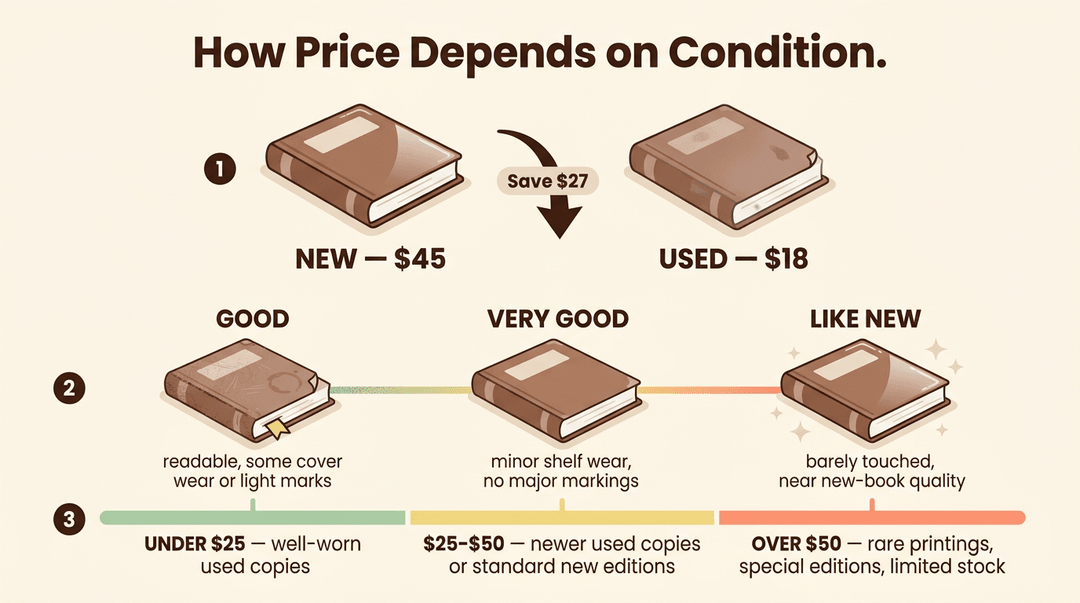
Like most well-loved teaching books, this one comes in new and used listings, and the gap between them can be significant. A brand-new copy costs more, but a used one can save you real money if you're not picky about a little wear on the cover.
Used listings are typically graded on a simple scale:
- Good: readable, may have some cover wear or light markings
- Very good: minor shelf wear, no major markings
- Like new / as new: barely touched, close to new-book quality
Prices generally fall into a few bands:
- Under $25: well-worn used copies
- $25 to $50: newer used copies or standard new editions
- Over $50: rare printings, special editions, or limited stock
Shipping and seller details to know
Once you've settled on a condition, check the seller, not just the price. Multiple sellers often list the same book, each with their own seller rating, so a slightly higher price from a highly rated seller can be worth it for reliability.
A few more things worth a quick look before you check out:
- Free shipping is common on many listings, though not all
- Books may ship from the US or the UK, which affects delivery time
- Quantity availability varies, so a popular condition or price point can sell out fast
A minute spent comparing sellers usually pays off in fewer surprises at checkout.
What separates great teachers from good ones rarely comes down to talent alone. It's consistency: clear routines, steady expectations, and classroom-management habits repeated until they become second nature.
Those habits are learnable, and they show up long before test scores do, in how a room feels the moment students walk in.
Ready to build that consistency into your own routine? Check out our Classroom Management feature to organize your classes, rosters, and timetables in one structured workspace.

References
Frequently asked questions
What is special about a great teacher?
A great teacher leads rather than simply manages a classroom. They believe every student can learn, build trust through consistent follow-through, put students’ needs first, and influence colleagues and school culture beyond their own classroom.
What do teachers do differently?
Great teachers build systems instead of reacting to behavior moment by moment. They post and teach routines, apply expectations consistently, connect with students daily, protect learning time, and use calm, restorative, student-centered responses when problems arise.
What do great principals do differently?
Great principals model the habits they expect from staff, protect instructional time from interruptions, and provide specific, actionable feedback. They lead in ways that support instruction and shape the culture throughout the school.
What's the difference between a good teacher and a great teacher?
A good teacher may manage the classroom effectively, while a great teacher leads it with a strong belief that every student can learn. Great teachers combine clear routines and consistent expectations with trust, student-centered decisions, and influence beyond their own classroom.