Summer Learning Program: A Complete Guide to Your Options

Jump to section
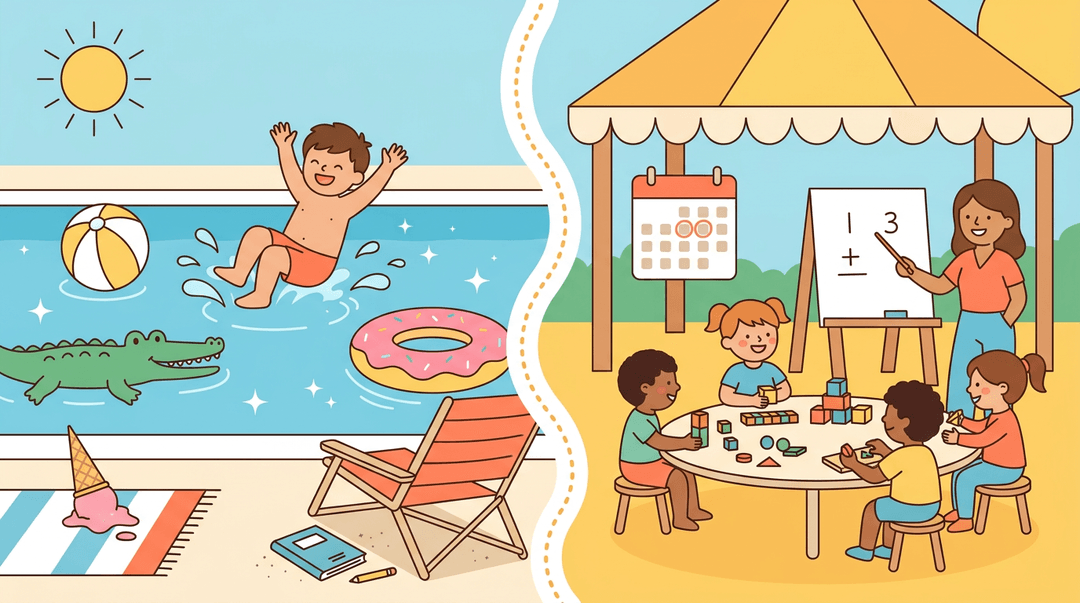
Picture the last few weeks of summer break: the pool is open, the days are long, and your students are busy doing everything except the math they practiced in June.
A summer learning program is a structured way to keep that learning going, whether through a classroom-style session, a hands-on camp, or a district-run option.
Put simply, a summer learning program is any organized, educational experience that runs outside the regular school year. These programs vary a lot in format, rigor, and purpose, so it helps to know your options.
Here's what we'll cover: the main types, how to match challenge to age and ability, a planning checklist, logistics, specialty camps, and district-run programs.
Types of Summer Learning Programs Available
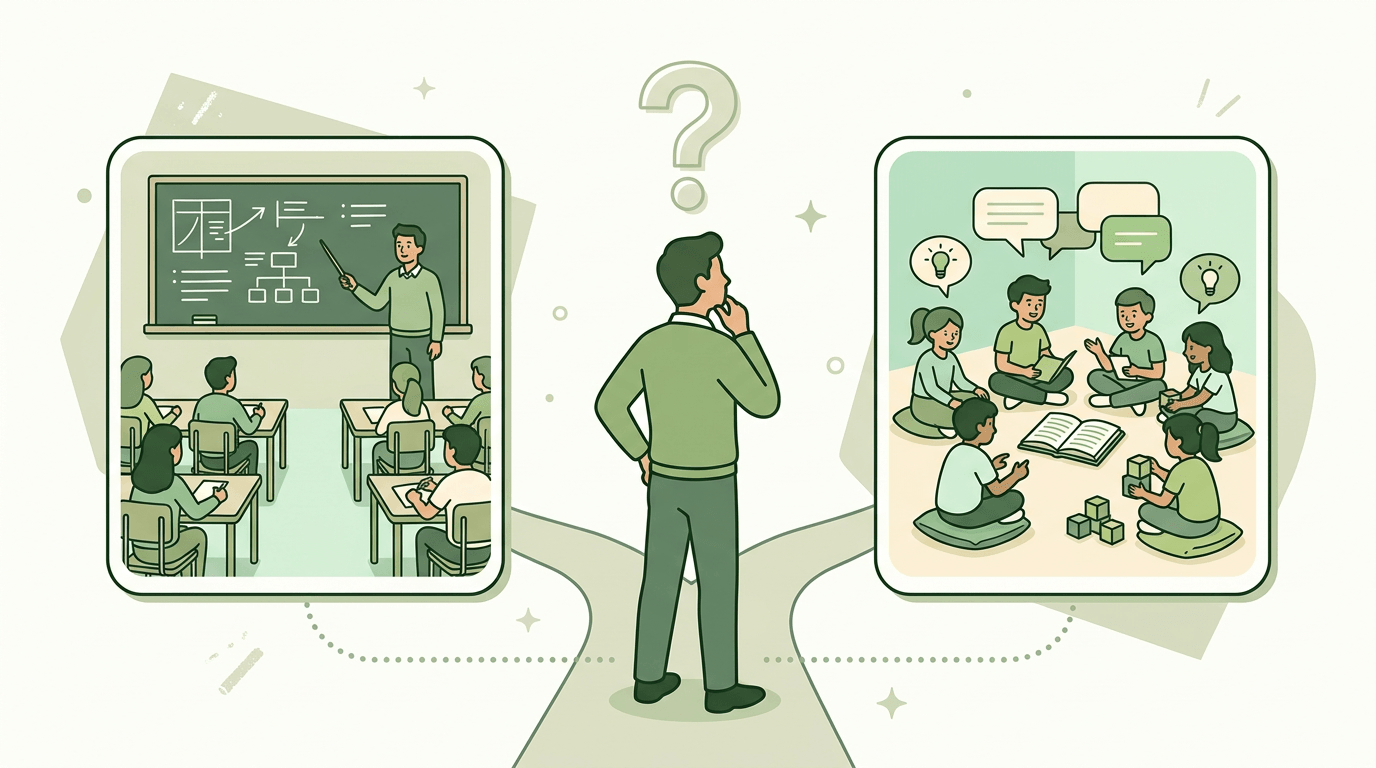
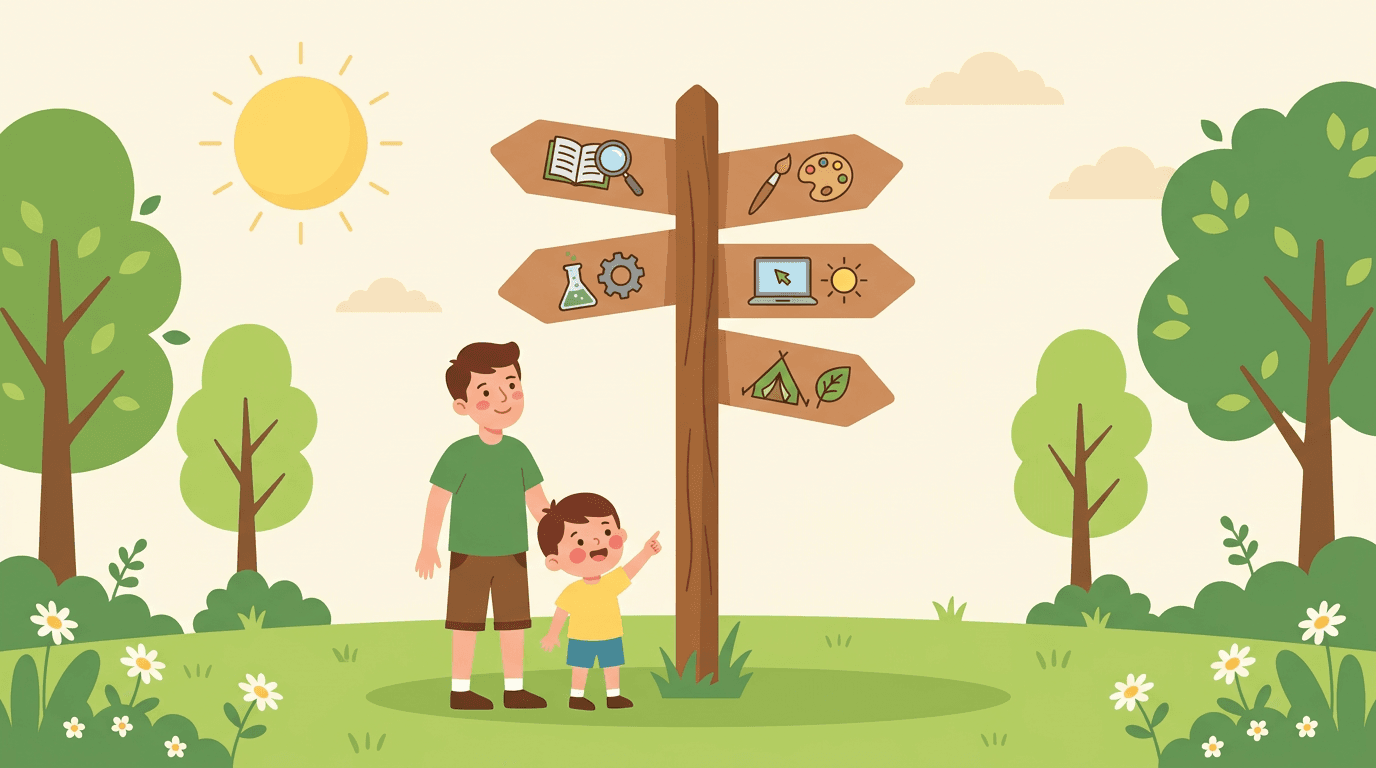
Summer learning programs come in many shapes, and the right fit depends on what your student loves and what they need. If you homeschool, block out camp weeks on the calendar early, then build the rest of the summer around them so learning doesn't drift.
Science, math and engineering camps
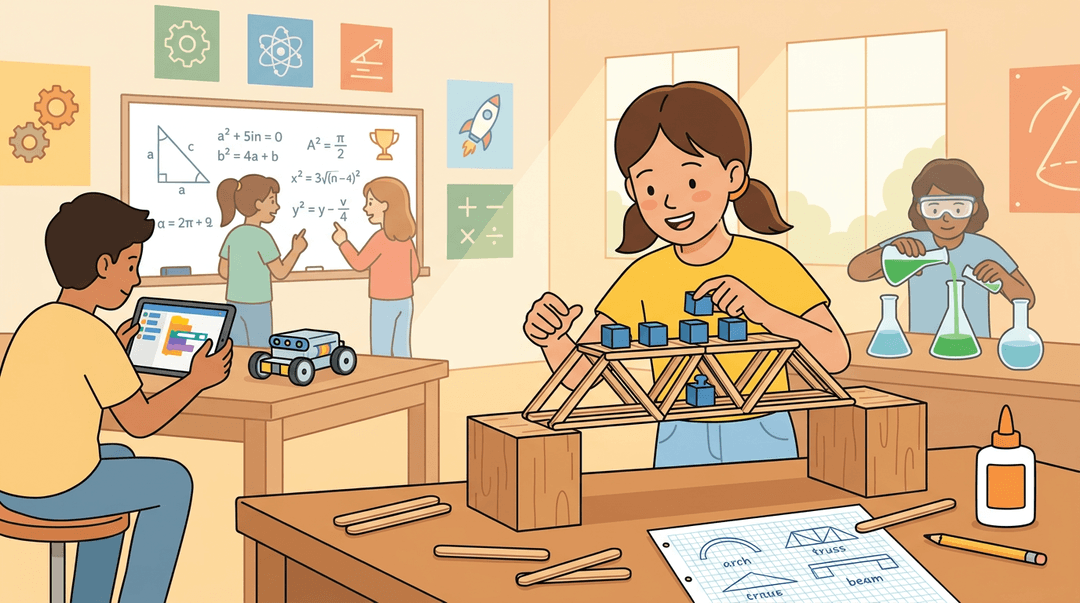
These camps cover science, technology, engineering, and math (STEM), usually through hands-on work:
- Robotics and coding camps, where students build and program simple machines
- Math enrichment and research, which lets advanced learners tackle problems beyond grade-level work
- Hands-on science experiments that turn a textbook idea into something students can touch
- Gifted math competitions for students who love a challenge
- Engineering design challenges, where teams plan, build, and test a solution
Consider a middle schooler who spends a week building and testing a bridge. She comes home able to explain why the shape matters, which no worksheet quite delivers.
Arts and performance camps
Arts camps give students room to create and perform. You'll find music and theater camps that end in a showcase, film and acting training, visual arts and design studios, and dance and creative writing workshops.
Think of a quiet fifth grader who joins a theater camp. By the final performance, she's projecting her voice across the room, and that confidence shows up back in her classroom.
Sports and outdoor adventure camps
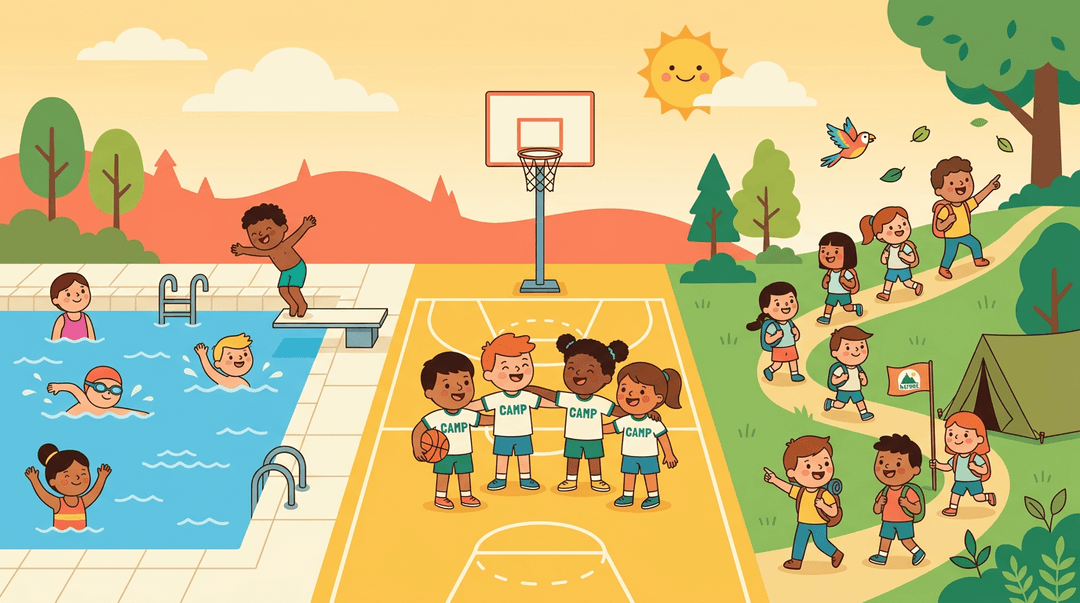
Swimming and diving camps build water safety and skill. Basketball day camps build teamwork and fundamentals. Outdoor adventure and mountain or nature exploration programs get kids moving and learning outside.
These programs ask students to plan, problem-solve, and work as a team, and they often feel like play even while they teach.
Money skills and entrepreneurship camps
- Kid entrepreneur camps have students launch a small product or service.
- Money management courses teach budgeting, saving, and spending choices.
- Business simulation programs let students run a pretend company and see what happens after a risky call.
Mistakes are cheap here. That's the point.
Building leadership and social skills
Leadership skills training gives students practice speaking up and guiding a group. Civic engagement programs and community service projects show them how their choices affect neighbors.
Whole-child social growth programs support friendship, empathy, and self-control alongside academics. The goal is less about grades and more about character.
Programs designed just for girls
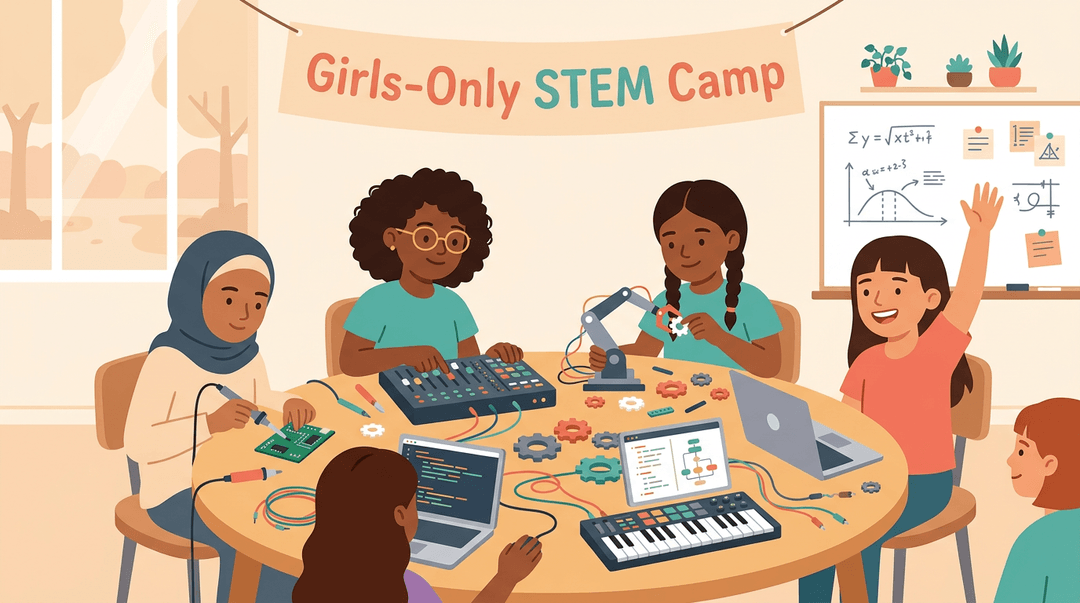
Girls-only STEM camps, girls math and engineering sessions, and an all-girls music tech seminar give girls a space to try technical work. When everyone shares the same interests, it's easier to ask questions and take risks.
Matching Rigor to Age and Ability
So what is summer slide? It's the academic loss that can happen when students aren't learning over break.
The American Educational Research Association calls summer learning loss a familiar, much-studied phenomenon, though newer work questions how some findings were measured. Either way, match the rigor to the learner.
Programs for gifted and talented kids
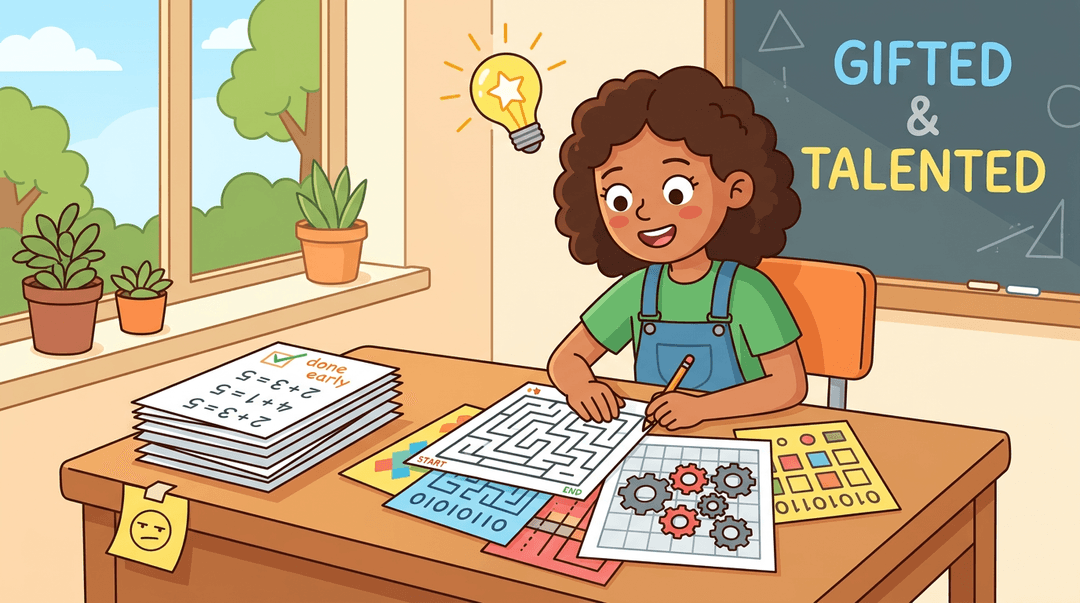
Gifted and talented (G&T) programs serve students who are ready to move faster than their peers.
Look for an accelerated curriculum that covers content quickly, intellectually gifted enrichment that goes deeper, or a talent development focus built around a student's passion, like coding or creative writing.
Consider a fourth grader who finishes worksheets early. A summer logic-puzzle project keeps her engaged far better than another round of drills.
Choosing a program by age group
Match the format to the age:
- Elementary-age day camps: hands-on, play-based blocks kept short and varied.
- Middle school programs: project work and small groups that build independence.
- High school pre-college courses: college-style content that previews real coursework.
- Early childhood options: literacy and number play, kept light and social.
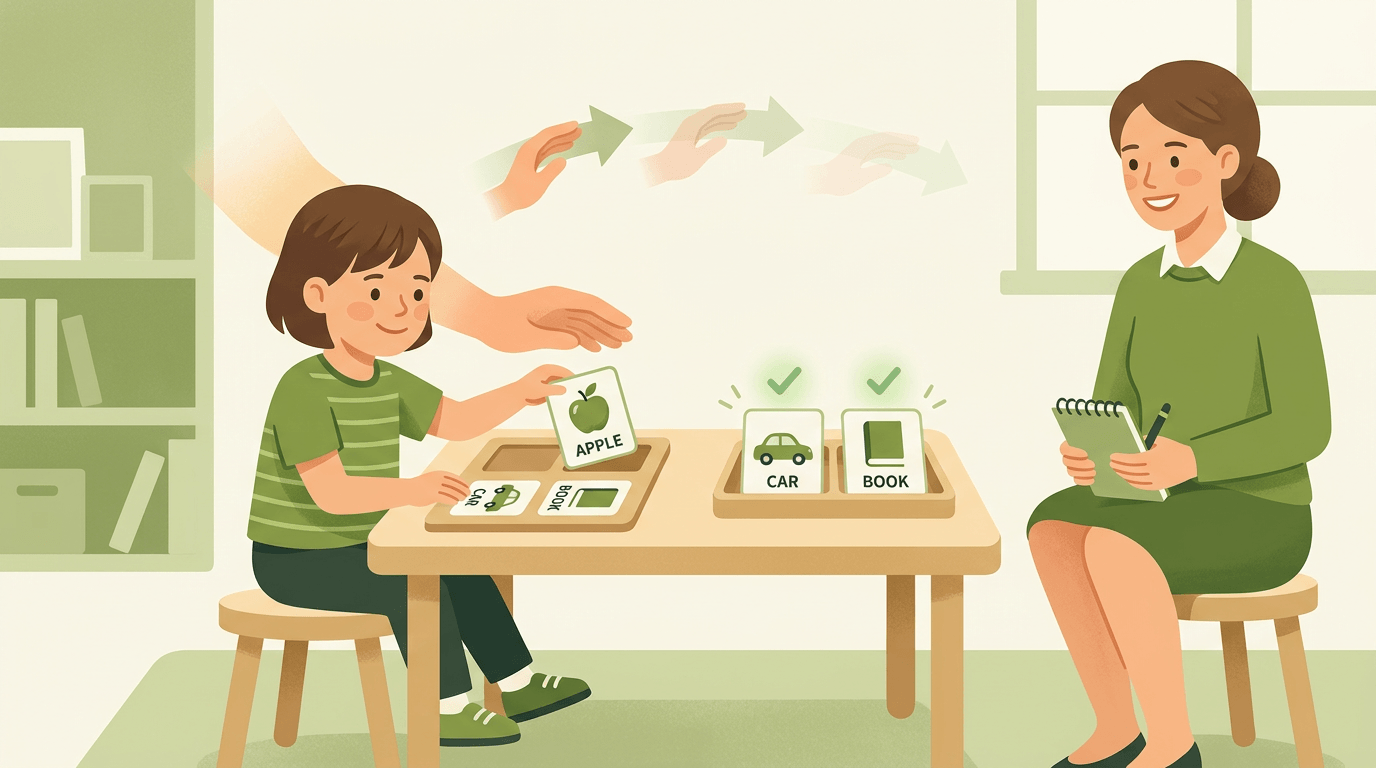
Shorter sessions mean you can't cover everything. Pick one clear goal per day and cut what doesn't serve it, so students leave with a visible win. Track progress rather than completion: a quick exit ticket shows who grew, not just who showed up.
Residential camps vs day camps
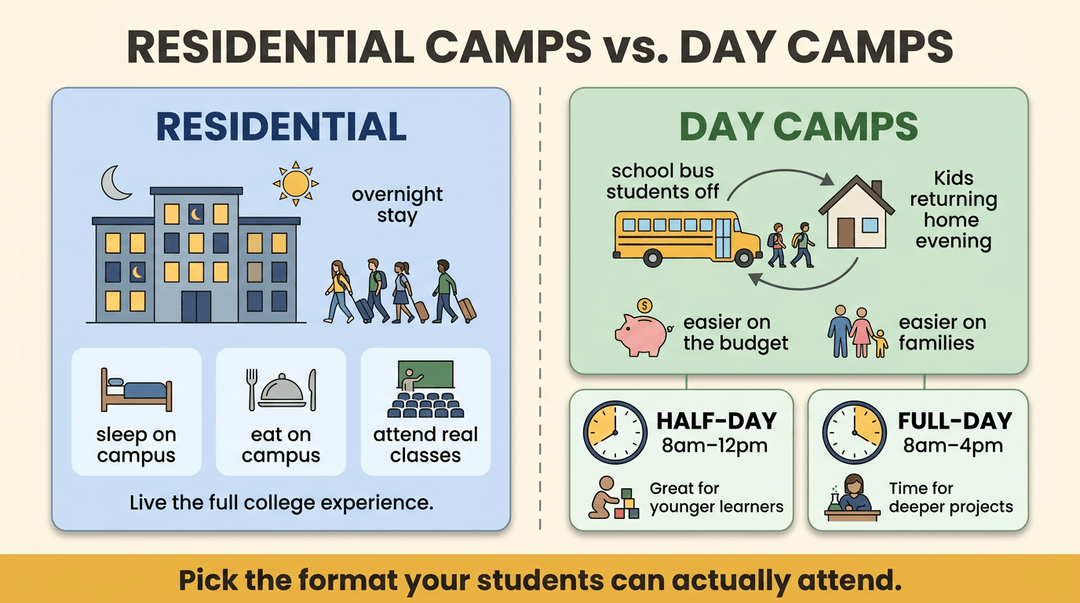
Residential college-based camps let high schoolers live on campus and sample college life. Non-residential day camps are easier on families and budgets. Half-day options suit younger learners, while full-day programs leave room for deeper projects.
Pick the format your students can actually attend.
A Teacher's Planning Checklist for Summer Programs
Use this guide to plan a summer program before it starts, then adjust it day by day once students arrive. Work through the first part once, and keep the second part beside your daily plans.
Before the program begins
These five moves go roughly in order, because each one shapes the next.
- Set clear learning objectives
- Keep it to two or three for the whole program.
- Try: "By week four, students can solve two-step equations and explain each step."
- Choose a lesson-plan framework
- Pick one template and reuse it every day.
- Example: objective, mini-lesson, practice, check, wrap-up.
- Build a flexible weekly schedule
- Keep the same daily rhythm so students know what's next.
- Leave one open block each week, like Friday morning, for reteaching.
- Prep differentiated materials
- Make three versions of each practice set: support, core, stretch.
- Same skill, same topic, different amount of scaffolding.
- Plan for mixed-age groups
- Give everyone one task with different entry points.
- Younger students retell a story in pictures; older students write a summary paragraph.
Example: A teacher running a four-week reading program for grades 3 to 5 sets two objectives and uses one five-part template daily. Every passage comes in three levels, and Friday is a flex block. When Monday's plan is half-built, she's already got the week's shape.
Once the program is running
Summer groups change fast, so treat your plan as a draft you revise daily.
Daily rhythm.
- Post a short daily objective. One line on the board: "Today I can find the main idea of a paragraph."
- Run a quick formative check. A three-question exit ticket or a thumbs-up check takes about two minutes.
- Adjust pacing in real time. Read the check, then choose your next move.
| When you see... | Try... |
|---|---|
| Most students miss the check | Reteach for ten minutes tomorrow; use the flex block |
| Nearly everyone gets it | Move on early and hand out the stretch version |
| The room is split | Pull a small group to reteach while the rest extend |
⚠️ Watch out: Don't try to cover every planned lesson. In a short program, a trimmed lesson that sticks beats a rushed one that doesn't.
Reuse what works. After each day, jot one line on what landed and what you'd change. Then the same plan can run again with a second session or another class, with only small edits.
Organize and reuse your summer lesson plans in one place with EMStudio's online lesson planner.
Key Logistics for Summer Programs
Logistics is where good intentions meet the calendar, so the practical details deserve attention early. Staffing matters too, from recruiting summer staff to training them before students arrive.
Choosing session length and schedule
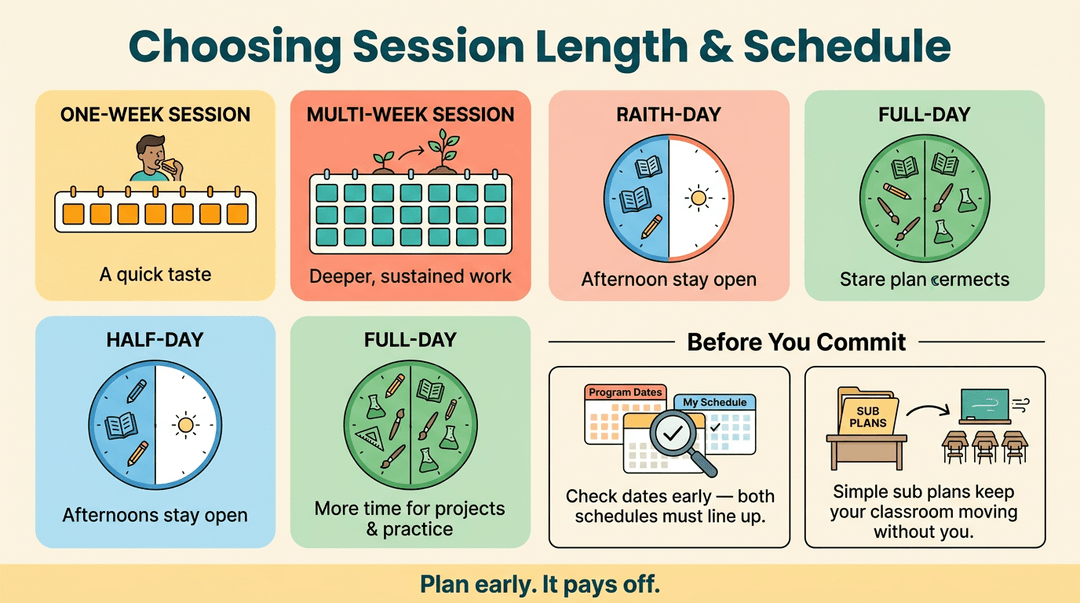
Programs run in one-week sessions for a quick taste or multi-week sessions for deeper, sustained work. Half-day options leave afternoons open, while full-day programs give students more time for projects and practice.
Pick the format that fits what students need, not just what fits the calendar. Check each program's listed summer dates early, because your schedule and your students' schedules both have to work.
If you're teaching during the same window, build simple sub plans so your own classroom keeps moving without you. Plan early. It pays off.
Where programs are located
Programs may be based in:
- New York City
- out-of-state college campuses
- various national locations
Location shapes travel, housing, and cost. Consider a rising sixth grader whose family has a long commute: a half-day program close to home may be the difference between attending and staying home.
Find the specific campus address on each program's page and confirm it before you share it with families.
How to enroll and register
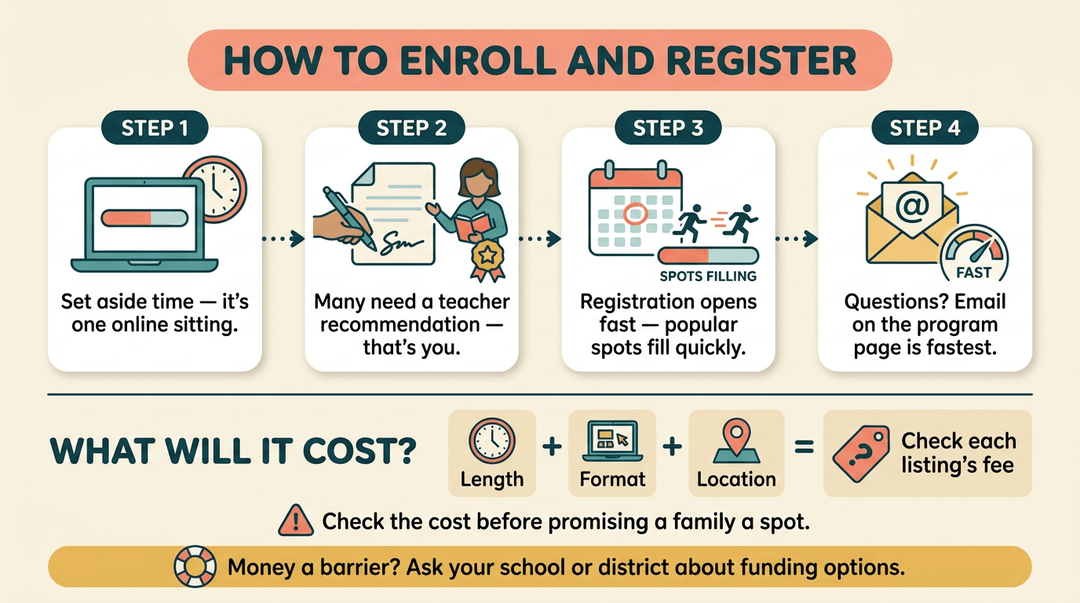
Most programs use an online application process, so set aside time to complete it in one sitting. Many also require a teacher recommendation, which is where you come in. Watch for registration opening dates, since popular spots can fill quickly.
If you have a question, the contact email on the program page is the fastest route.
How much do summer learning programs cost? Costs depend on the program's length, format, and location, so check each listing for its exact fee. Look at the cost before you promise a family a spot.
If money is a barrier, ask your school or district about funding options.
Who qualifies to attend
Eligibility usually starts with grade level, so confirm which grades each program serves. Students who need credit recovery may qualify for programs designed to help them earn back missing credit.
Special education students may qualify for programs with appropriate supports, so confirm those details with the program directly. Gifted learners may need to meet selection criteria, so ask what those criteria are early.
Specialty Camps for Niche Interests
Some students light up over one passion, and specialty camps let that interest grow. Each camp narrows the focus so students go deep.
Coding and technology camps
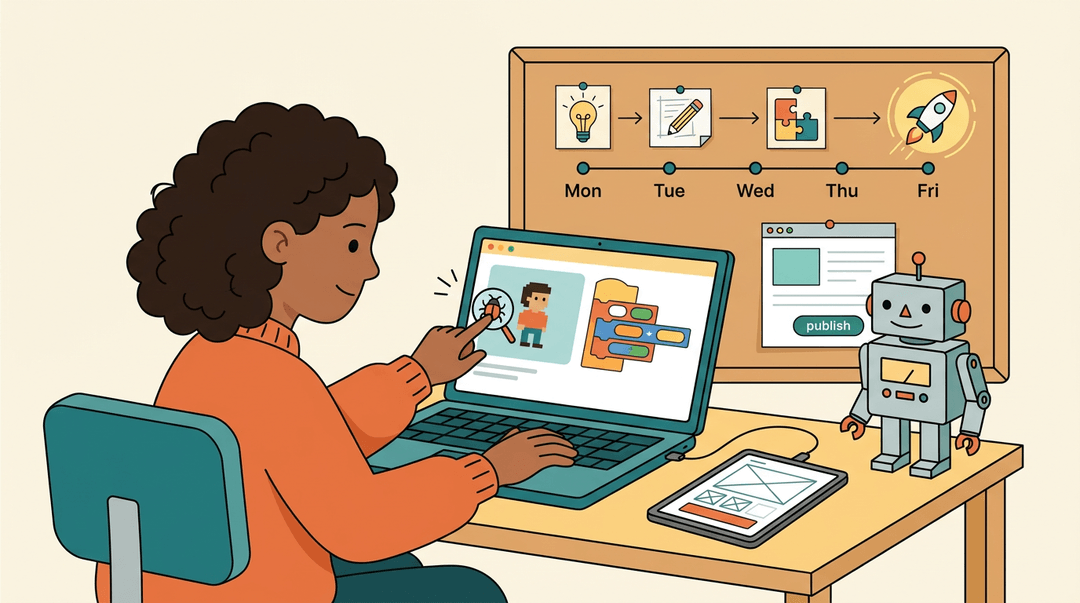
These camps teach computational thinking, breaking big problems into small steps:
- App development courses: design a simple app from idea to prototype
- Video game programming: turn game mechanics into working code
- Web design classes: structure, style, and publish a page
- Robotics building: assemble a robot and program it for tasks
Think of a middle schooler building a game all week. By Friday, she's debugging her own code. Students aren't just consuming technology. They're creating it.
Outdoor, nature and farm camps
These camps move learning outdoors:
- Farm animal care: feed, groom, and learn about livestock
- Nature hikes: turn a trail into a living science lesson
- Archaeology digs: carefully uncover and record artifacts
- Ecosystem exploration: see how plants, animals, and water depend on each other
Consider a fifth grader feeding goats for the first time. Her food-chain diagram suddenly makes sense. Real animals beat diagrams.
Space and aerospace camps
Space camps blend science, engineering, and adventure:
- Rocket building and launching: design, build, and launch original rockets
- Astronaut training simulation: practice the demands of working in space
- Flight simulators: learn how lift and control work from the cockpit
- Space exploration history: trace how real missions were planned
The goal isn't perfect launches; it's learning from every attempt.

Summer Programs Run by School Districts
Districts run their own summer options, with details that vary by grade and need.
Credit recovery programs explained
Credit recovery serves high school students in grades 9-12 facing a credit deficiency. The goal is to recover the credit, not start the year over.
Consider a ninth grader who failed English in the spring. Her counselor is notified, and she completes the required online application before enrolling.
Some programs add co-teaching, so two teachers support students as they work through the material.
Extended school year for special education
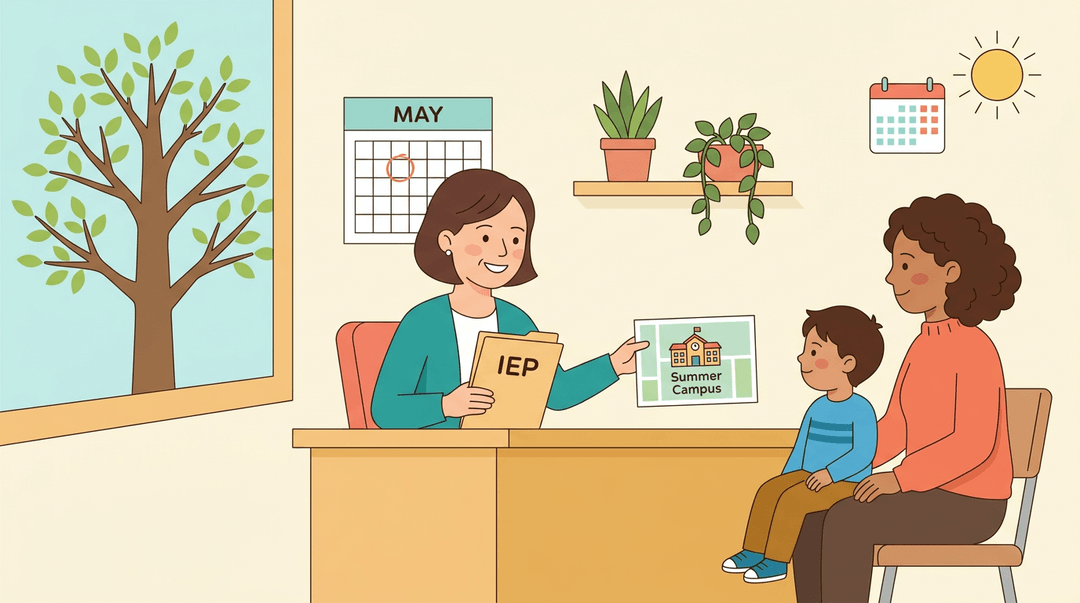
Extended school year (ESY) serves special education students who need instruction beyond the regular year. Eligibility is IEP-based (individualized education program), so the student's plan decides whether it applies.
The district determines placement, and the program runs at a specific campus location. A special education teacher reviewing IEPs in May can share that campus with the family early enough to plan.
Who to contact for questions
- Dedicated summer school email: start here for written questions.
- Phone contact line: call for a live answer.
- Administrator follow-up: escalate when email or phone doesn't settle it.
Keep all three handy, and you'll rarely get stuck.
Summer learning programs work best when they're designed with the learner in mind, from the type you choose to the rigor you set. With a clear plan, you can help students stay sharp and keep their momentum going into the fall.
Ready to map out your next summer session? Check out our Lesson Planning feature to write, organize, and reuse lesson plans across multiple classes from one place.

References
Frequently asked questions
What is summer slide?
Summer slide is the academic learning loss that can occur when students do not practice or build skills during the summer break. It may affect areas such as reading and math, although research has raised questions about how some findings on summer learning loss were measured.
How much do summer learning programs cost?
Summer learning program costs vary based on the program’s length, format, and location. One-week, half-day, district-run, residential, and specialty programs may all have different fees, so check the exact cost for each program before enrolling. If cost is a barrier, ask the school or district about available funding options.