Classroom Management Styles, Compared and Explained

Jump to section
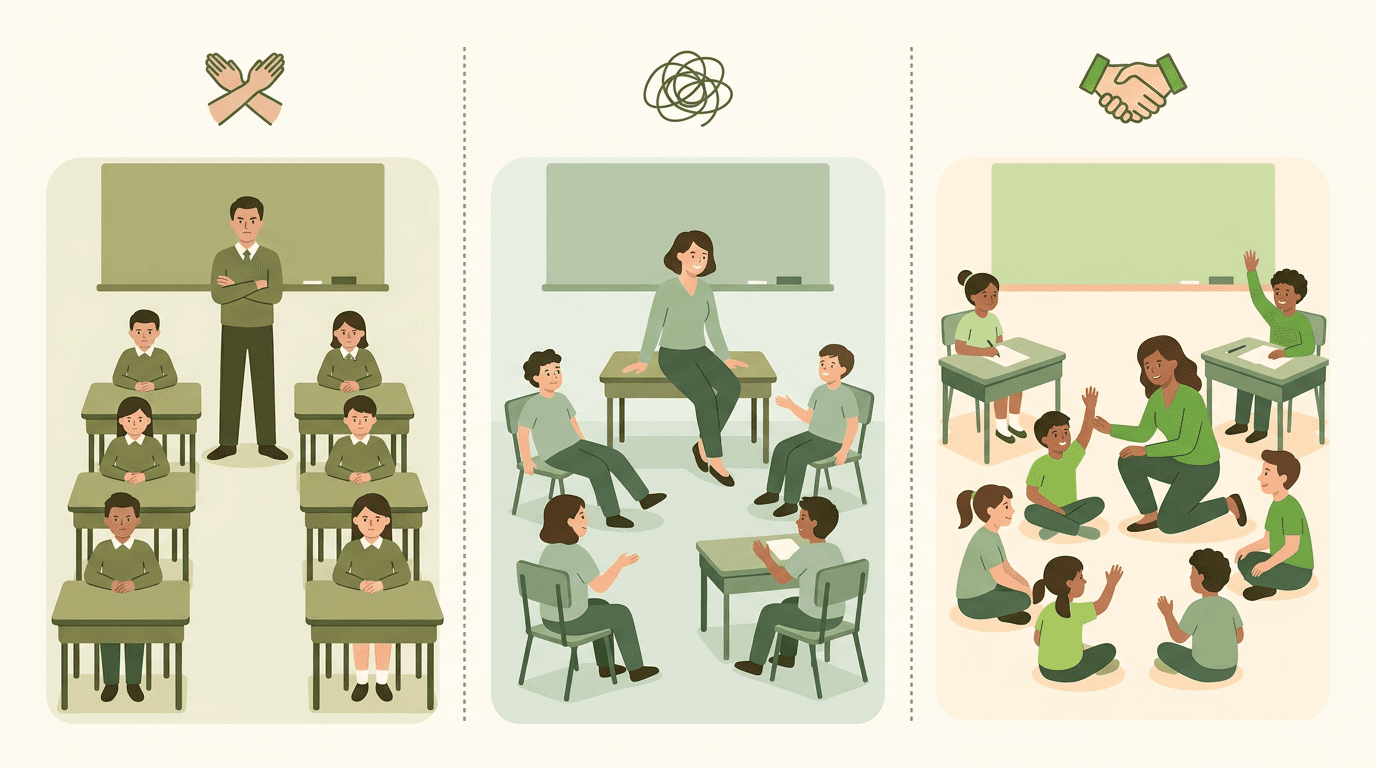
Think about walking into a classroom where students settle in quickly, transitions run smoothly, and the lesson starts on time. Odds are, the teacher has a management style, whether they've named it or not.
Your style is the set of beliefs and habits that shapes how you respond when things get noisy, distracted, or off track.
Classroom management isn't just a list of tricks. Before you reach for a strategy, it helps to know which approach you naturally lean toward and what each one looks like in practice.
In this post, we'll define and compare the main styles, then show you how to bring yours into daily lesson planning.
Setting up Your Classroom Management Style
Your style shows up in the small decisions you make before the first bell rings. Here's how to build the foundation everything else rests on.
What is a classroom management plan?
A classroom management plan is your roadmap for how the room runs: routines, expectations, and how you'll respond when things drift. It's less about controlling students and more about preventing problems before they start.
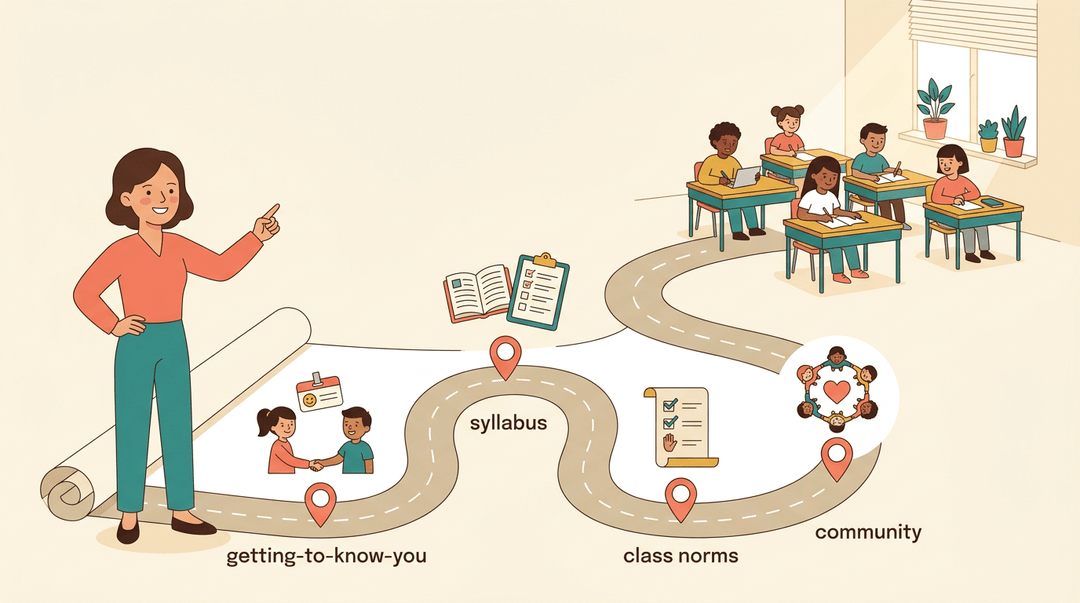
Consider a seventh-grade teacher who spends her first two weeks on getting-to-know-you activities, like a quick interest survey, then walks through the syllabus line by line.
Students know what's expected, so she spends less time redirecting and more time teaching. Build your plan around four pieces:
- Getting-to-know-you activities help students feel seen from day one.
- Covering the syllabus sets clear expectations for grades, materials, and deadlines.
- Creating class norms lets students help write the rules they'll live by.
- Building community early makes it easier to ask for help later.
Plans beat scrambling.
Designing your classroom layout
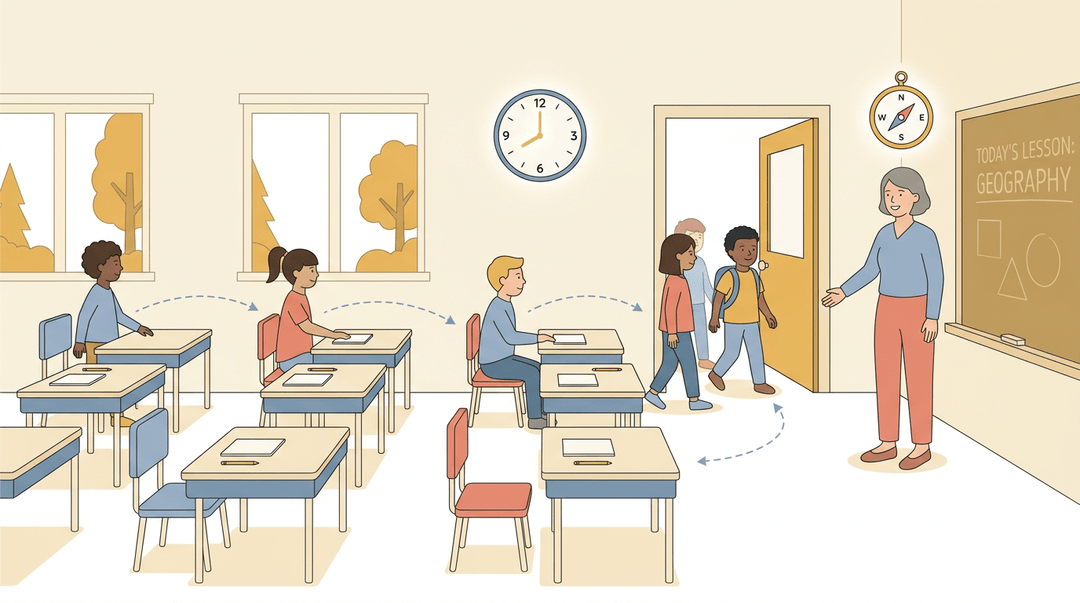
Your room's layout quietly shapes behavior. An optimized layout keeps high-traffic paths clear and keeps you within reach of every student. Seating matters too.
Yale's Poorvu Center for Teaching and Learning notes that traditional rows suit individual work, while group pods or semicircles work better for collaboration (Wannarka and Ruhl, 2008; Yang et al., 2022).
For example, a high school science teacher might use rows for a quiz and pods for lab teams. Purposeful seating plans, where you decide who sits where and why, turn that research into daily practice.
How you start class each day
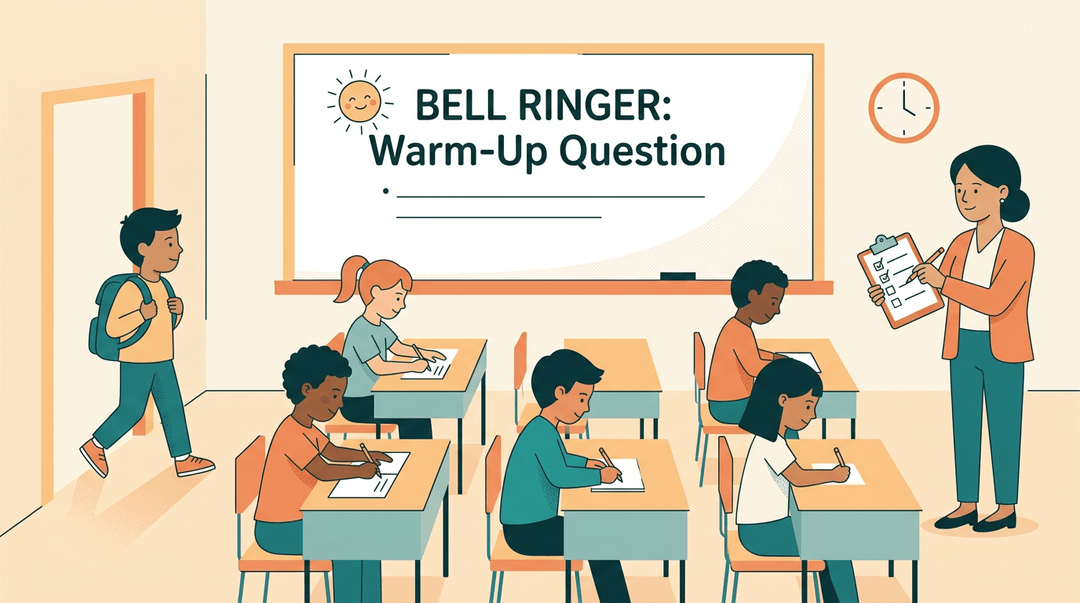
The first few minutes set the tone for the whole period. Bell ringer activities, a short warm-up question on the board, give students a clear task the moment they walk in. Focus that first five minutes on one job: getting students settled and started.
Stay flexible in your response, too. If half the class is still wandering in, a calm reminder beats a rushed lecture. Consider a fourth-grade teacher who posts a bell ringer before class.
Students start working as they enter, so she takes attendance without losing a minute.
What Are the 7 Approaches to Classroom Management?
Every teacher manages a classroom, but few name the approach behind what they do. The framework groups management into seven core approaches, and the subsections below cover the ones with the most practical weight.
You'll also see authoritative, authoritarian, permissive, and indulgent styles compared alongside them.
Supporting behavior with tiered systems
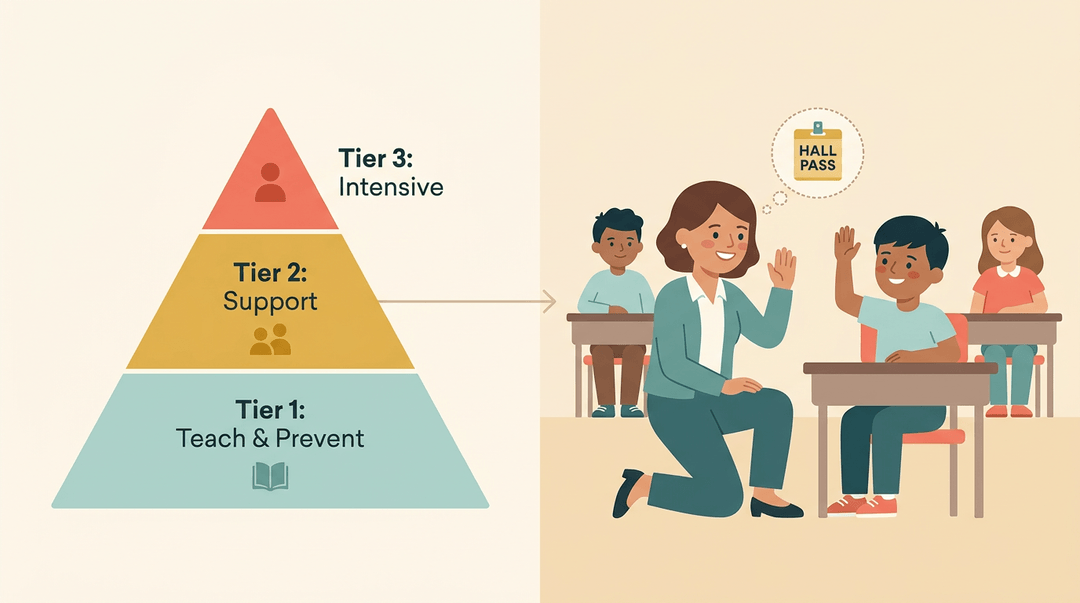
Behavior support works best as a 3-tiered prevention model, so you aren't reacting to every problem the same way. Use the least punitive approach that works, and focus on teaching appropriate behavior rather than only correcting mistakes.
When a student steps out of class, the goal is reintegrating disruptive students so they return ready to succeed.
Think of a middle school teacher whose student keeps leaving his seat. Instead of sending him to the office, she teaches him a replacement: raising his hand to ask for a pass. He gets a legitimate way to move, and the room runs more smoothly.
Figuring out why behavior happens
Before you choose a response, assess causes of behavior. A four-phase process walks you through it step by step, so you're not guessing. Next, identify replacement behaviors that give the student something to do instead.
Then intervention planning turns that insight into concrete steps you can carry out on Monday.
What are the 5 components of classroom management?
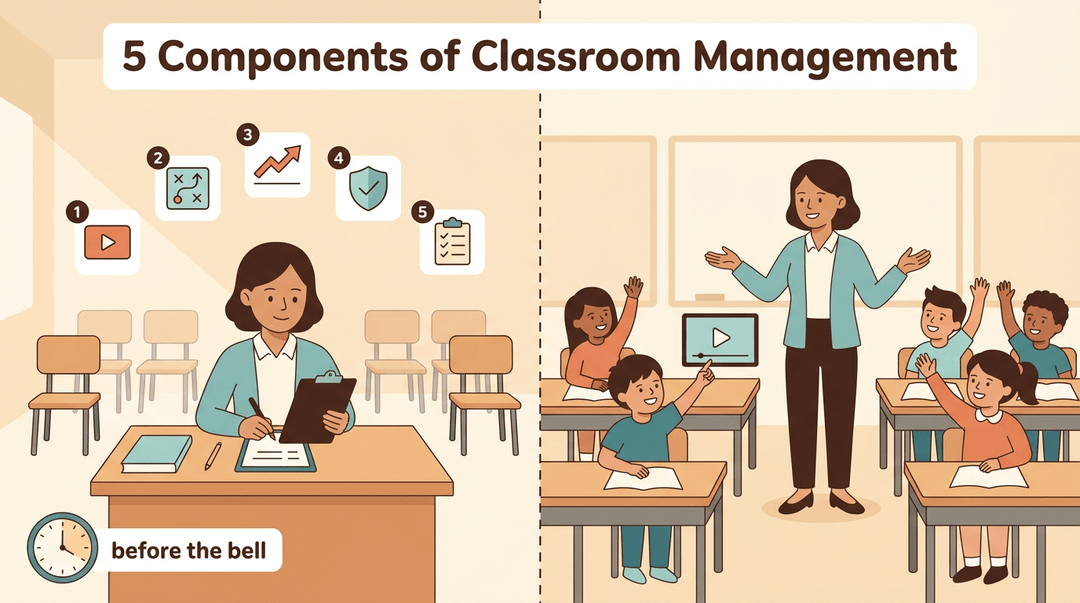
The components covered here include a video series format, planned strategies, an increased engagement focus, and a reduced disruption goal. Planned strategies are the heart of it: decide your approach before the bell rings, not in the middle of a lesson.
Engagement and disruption go hand in hand, since students who are actively learning have less reason to act out. Plan first. React less.
Fitting Your Management Style into Lessons
Use this guide to spot your natural management style, write it into your lesson plans, and check each week whether it's working. It takes about ten minutes to set up, then a couple of minutes a day.
Find your default
Your style shows up when you're not thinking about it. Start there.
- Notice your default reactions.
- Ask: "What did I do in the first five seconds when the room got loud?"
- Compare them to the style descriptions.
- Match that first move to the closest style defined earlier in this article.
- Note patterns by subject and grade.
- Jot it down: "Math, period 2: I step in fast. Art, period 5: I let it run."
Patterns matter more than any single moment. If your style shifts by class, that's useful information, not a flaw.
Write it into the plan
Management that lives only in your head disappears when the lesson gets busy. Put it on the page.
- Build routines into the lesson plan.
- Write them as plan lines: "Entry: warm-up on board, silent, 3 min."
- Set expectations for each activity.
- Name them per activity: "Partner talk: quiet voices, one speaker at a time."
- Adjust pacing for engagement.
- Shorten the stretch where attention dipped last time: "Mini-lesson 8 min, then task."
Example: A seventh-grade science teacher who tends to step in quickly adds one line to each activity block: the expectation, plus a planned transition signal. Her lab block now reads "Groups of 3, one materials manager, 12 min, hand up to regroup." She no longer improvises the rules mid-lab.
Lean into your grade level
Your style stays yours, but different settings reward different emphases.
| Setting | Lean on | What it looks like in the plan |
|---|---|---|
| Elementary | Structured routines | Same opening, transition cue, and closing every day |
| Secondary | Student voice and choice | Students pick the format or order of a task, within limits |
| Tutoring or homeschool | Flexible pacing | Fix the goal, let the time stretch, move on when it clicks |
Check in on your week
A short log tells you whether the plan is working. Keep it on a sticky note and fill it in as you go.
| Day | Disruptions | Style I used | Next week |
|---|---|---|---|
| Mon | 2 | Stepped in fast | Keep |
| Wed | 6 | Let it run | Add a transition cue |
| Fri | 3 | Gave a choice | Keep |
On Friday, look for your highest day and ask what the plan was missing: a routine, a stated expectation, or a pacing fix. Change one thing in next week's plan, not everything.
💡 Tip: Log the style you used before you note the result. It keeps you honest about what you actually did.
Build these routines directly into reusable lesson plans with EMStudio's online lesson planner.
What Are Fun, Effective Classroom Management Strategies?
The strategies that work best usually make learning more engaging, not more restrictive. Here's what the research supports and how you can use it on an ordinary school day.
If you've seen a list of 10 effective teaching strategies, the sections below cover the approaches our sources speak to most directly: engagement, task design, and adjusting in real time.
How engagement cuts down disruptions
Students who are actively involved are far less likely to act out.
A recent study on secondary school classroom management found that when a supportive, structured environment is missing, students are less likely to stay engaged and more likely to show behaviors that interfere with their own and others' learning.
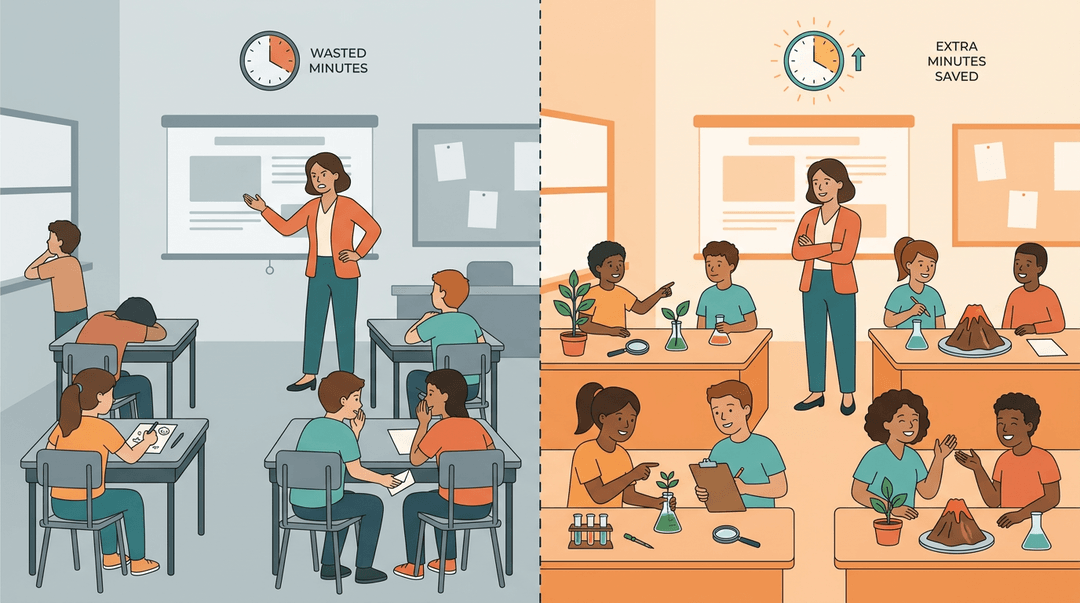
Consider a seventh-grade science teacher who swaps a 20-minute lecture for a quick lab station rotation. Fewer kids drift, and she gets back the time she used to spend redirecting them.
That protected time is instructional time, the minutes students spend actually learning, and it's one of your most valuable resources.
Clearing obstacles to learning
Many behavior problems start when a task feels out of reach. Differentiated instruction means adjusting:
- content
- process
- or product
so every learner can access the same goal. Picture a fifth-grade teacher who gives struggling readers a shorter passage with the same comprehension questions. They stay with the group instead of tuning out.
Simplifying tasks works the same way: trim a multi-step worksheet down to the one skill that matters today. When students aren't stuck, their effort goes into learning rather than waiting for help.
What research says about student focus
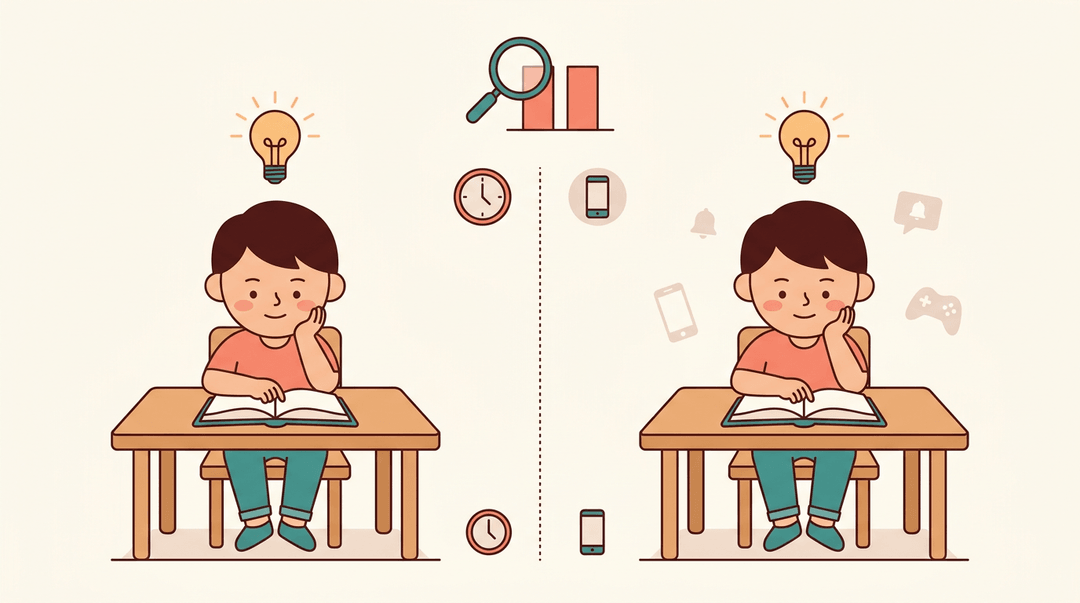
Many teachers feel students just can't concentrate anymore, and the research on that claim is still debated.
A Ask the Cognitive Scientist column notes that a decade of studies suggests children's ability to control attention hasn't declined much, if at all.
A Nature review of the science reaches a similar conclusion: digital distractions compete for focus, but our underlying capacity to pay attention seems largely unchanged. So don't give up on focus. Design lessons that earn it.
Adjusting your approach on the fly
Your plan won't survive every period intact, and that's fine. Notice shifting needs. A class buzzing after lunch may need movement, while a group that's glazed over needs a quick check for understanding.
Think of a middle school math teacher who sees three hands down during a warm-up and switches to a whiteboard round on the spot.
A flexible first-minutes approach helps too: open with a predictable, low-stakes routine so students settle in before you give directions, then flex from there.
Responding to Challenging Classroom Behavior
Challenging behavior usually has a cause, and it's rarely personal. Start by asking what's driving it, then choose a response that fits.
Using trauma-informed, intensive supports
Some students carry stress from home, grief, or past harm that shows up as shutdowns or outbursts. A trauma-informed lens asks, "What happened to this student?" instead of "What's wrong with them?"
For students who need more than classroom-wide support, Tier 3 (the most intensive level of a multi-tier support system) offers targeted, individualized help.
Students with disabilities need supports written into their plans, and students with emotional or behavioral challenges benefit from a consistent adult and a predictable routine.
When students refuse to work
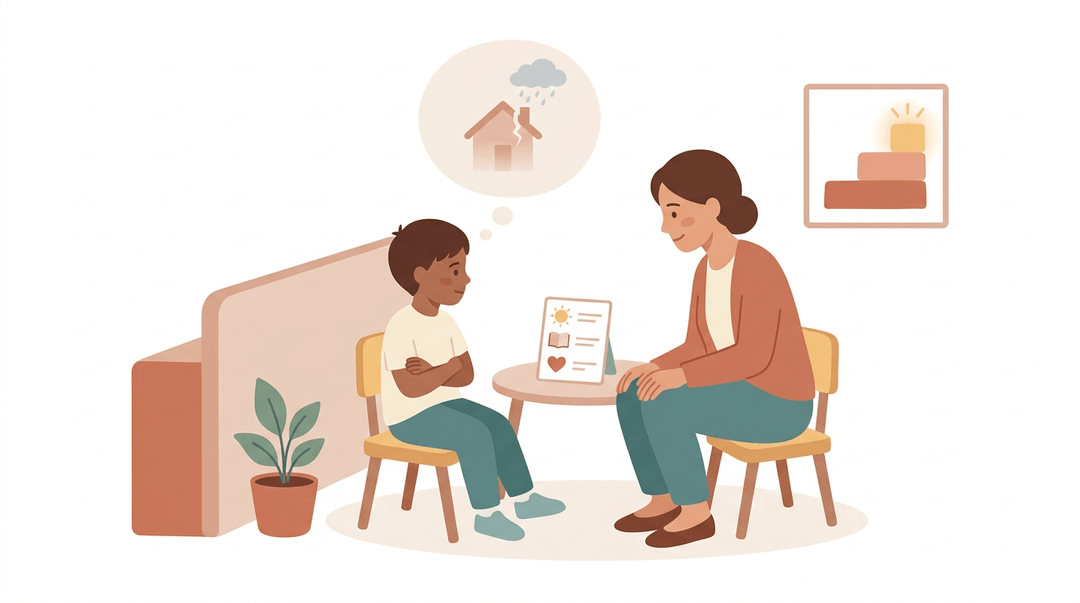
Refusal is often a signal, not a battle. Consider a fifth-grade teacher whose student keeps putting his head down during math. She sits beside him for two minutes, helps him start the first problem, and builds from there. Offer small, reachable steps:
- a shorter task
- a choice between two problems
- a quick check-in away from the group
Track what you tried and how it went. If the student has an Individualized Education Program (IEP), those notes give the team concrete evidence at the next meeting.
Helping students manage big emotions
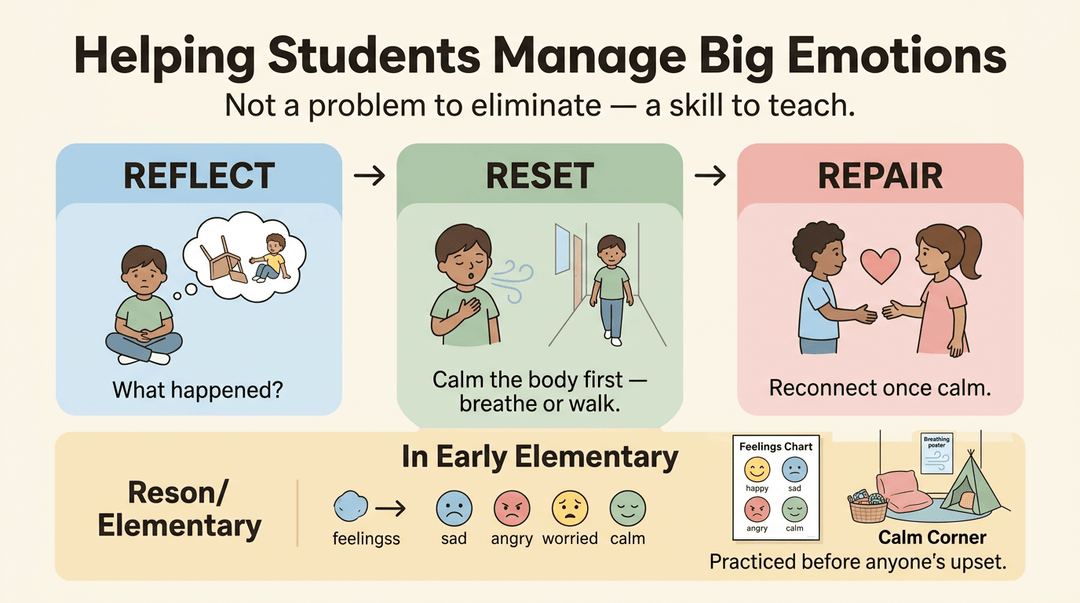
Big emotions aren't a problem to eliminate. They're a skill to teach. Use a reflect-reset-repair routine:
- reflect on what happened
- reset with a calming step like deep breaths or a short walk
- repair the relationship once everyone's calmer
In early elementary, that might mean a feelings chart and a calm corner, practiced before anyone's upset.
Staying calm during conflict
Aim to be responsive rather than reactive. Lower your voice, slow your pace, and keep sentences short. Avoid public power struggles, and offer a face-saving exit like, "Take a minute, then come find me."
Often the conflict loosens once nobody's fighting it.
Building a Strong Classroom Community
Community isn't a nice extra. It's the foundation. Here's how to build it on purpose.
Activities that build connection
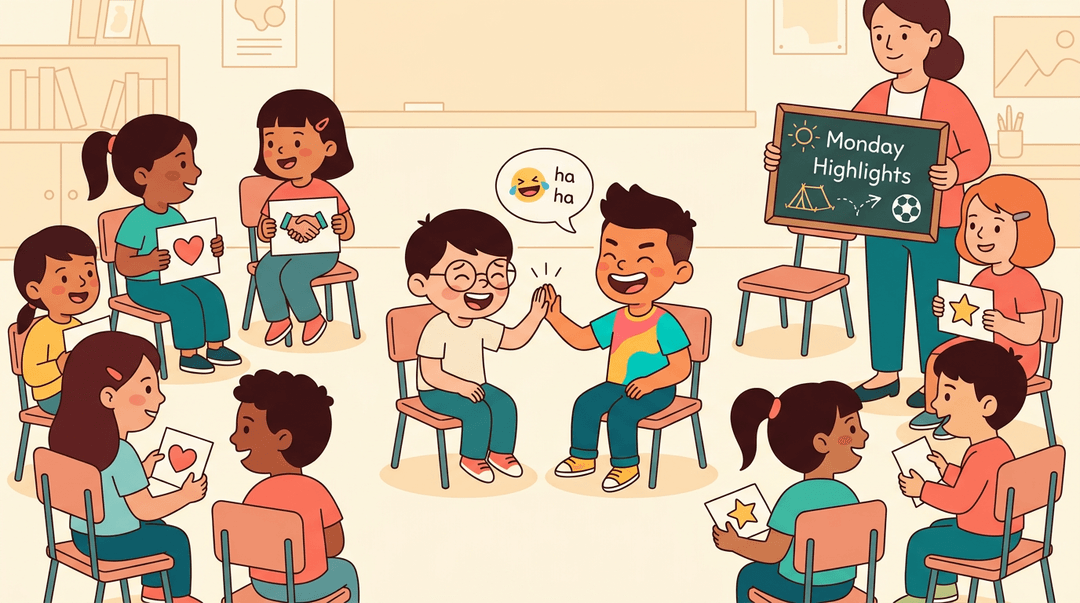
Connection starts with community-building activities: short routines that give students a reason to talk with people they don't usually sit beside. Consider a fifth-grade teacher who starts Mondays with a two-minute weekend highlight circle.
Soon the quiet kid in the back is trading jokes with the class captain.
Sharing personal stories works the same way. When you model a brief, appropriate story from your own life, students learn it's safe to open up too.
The first days matter most. Learn names fast, pair students for getting-to-know-you tasks, and write norms together. Students follow rules they helped write, not rules handed to them.
Preventing bullying and school violence
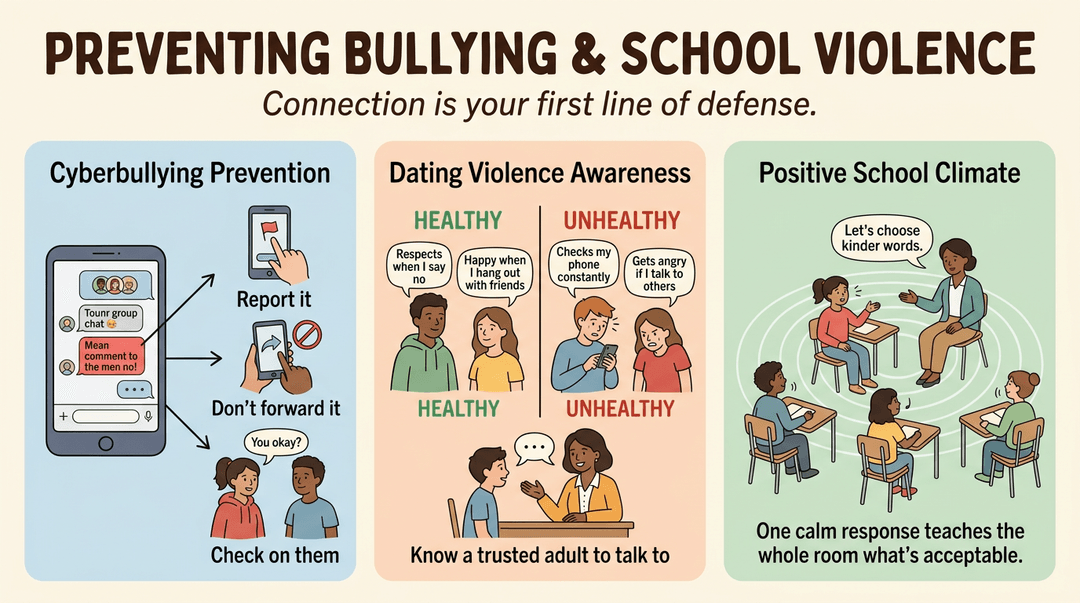
Connection is your first line of defense. Cyberbullying prevention starts with clear expectations about group chats and comments made after school. Tell students exactly what to do when they see it:
- report it
- don't forward it
- check on the person targeted
Dating violence awareness matters for middle and high schoolers. Teach what healthy and unhealthy relationships look like, and make sure every student knows a trusted adult to talk to.
A positive school climate ties it together. It's the everyday respect, fairness, and safety that helps students speak up. When you respond calmly to one unkind comment, the whole room learns what's acceptable.
Managing Classrooms in Unique Situations
Some classrooms need more than a standard management plan. Here's what to watch for in three situations that show up more often than you might think.
Managing classrooms after the pandemic
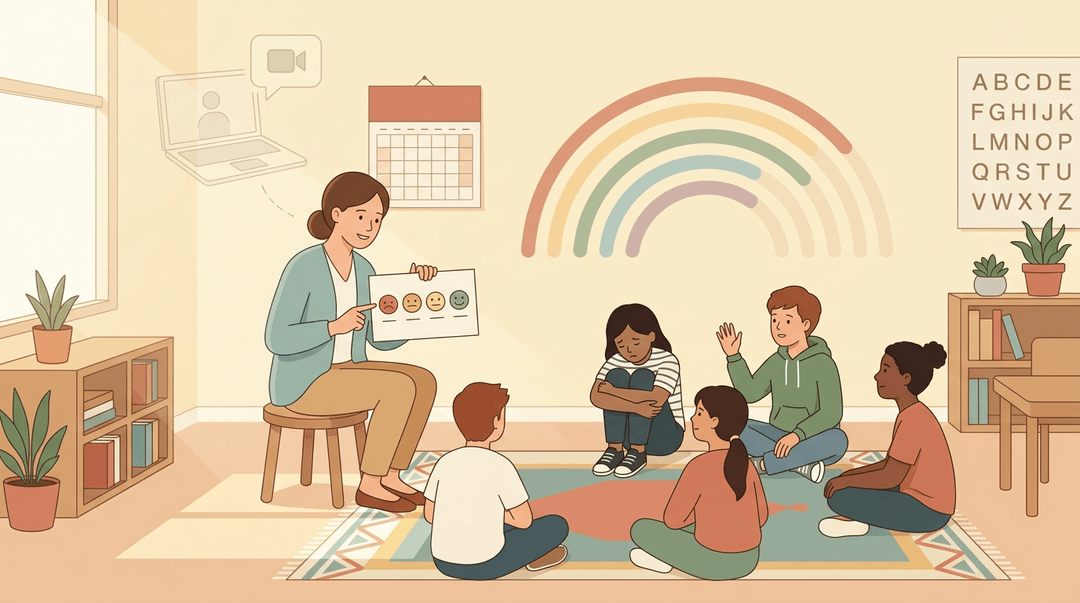
Classrooms are still feeling the pandemic's effects. Learning loss is the first challenge. Remote learning has increased the learning gap between students, and students with intellectual disabilities face an even steeper climb. Isolation is the second.
A Frontiers study describes physical, social, and learning isolation, which made school feel stressful. The third is the switch between virtual and in-person instruction. Consider a fourth-grade teacher whose class returned after a year of screens.
She starts each morning with a short check-in so students relearn routines before diving into content.
Recognizing student mental health needs
Behavior is often the first clue that a student is struggling. Watch for symptomatic behaviors such as withdrawing from friends, sudden mood shifts, a drop in effort, or frequent absences.
One moment rarely tells the story, so look for patterns over several weeks. You don't need to diagnose anything. Notice, document what you see, and pass it along.
Then direct the student to your school counselor or school psychologist, following your school's referral process so they get support from people trained to help.
Equity in early childhood discipline
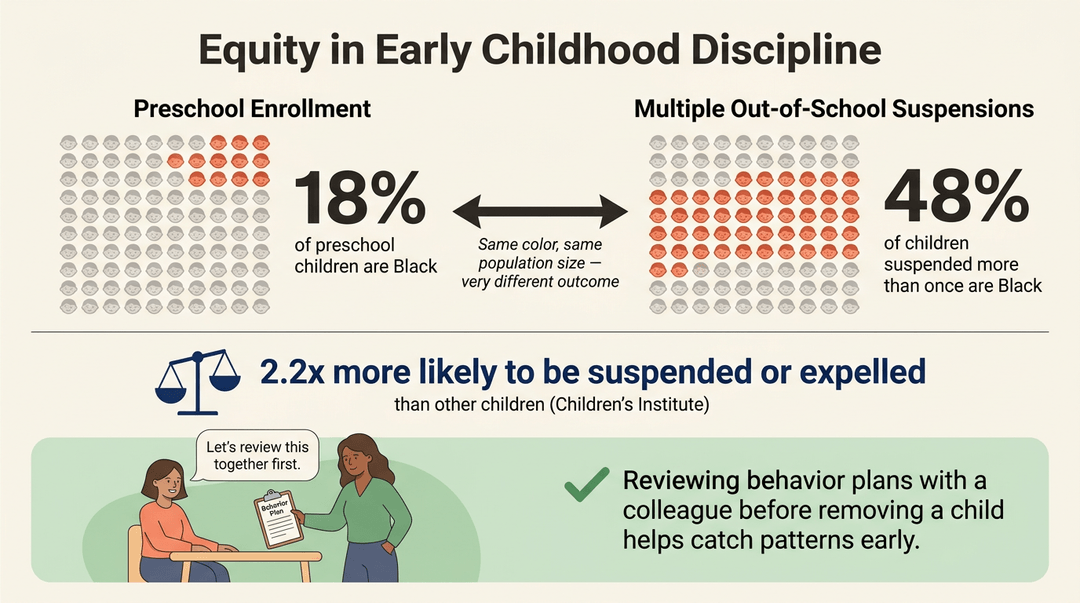
Equity concerns start early. Preschool suspensions and expulsions are part of the documented equity issues in early discipline.
According to The Journal of Blacks in Higher Education, "Black children represent 18 percent of preschool enrollment, but 48 percent of preschool children receiving more than one out-of-school suspension."
Children's Institute found that black children "are 2.2 times more likely to be suspended or expelled than other children." Those numbers are hard to ignore.
Consider a preschool teacher who reviews a behavior plan with a colleague before a child is removed from class. That habit helps catch patterns early.
Growing as a Teacher
Your management style isn't fixed. It grows as you reflect on what's working and adjust what isn't, and that steady growth keeps classrooms calm and productive.
Tools to assess your own teaching
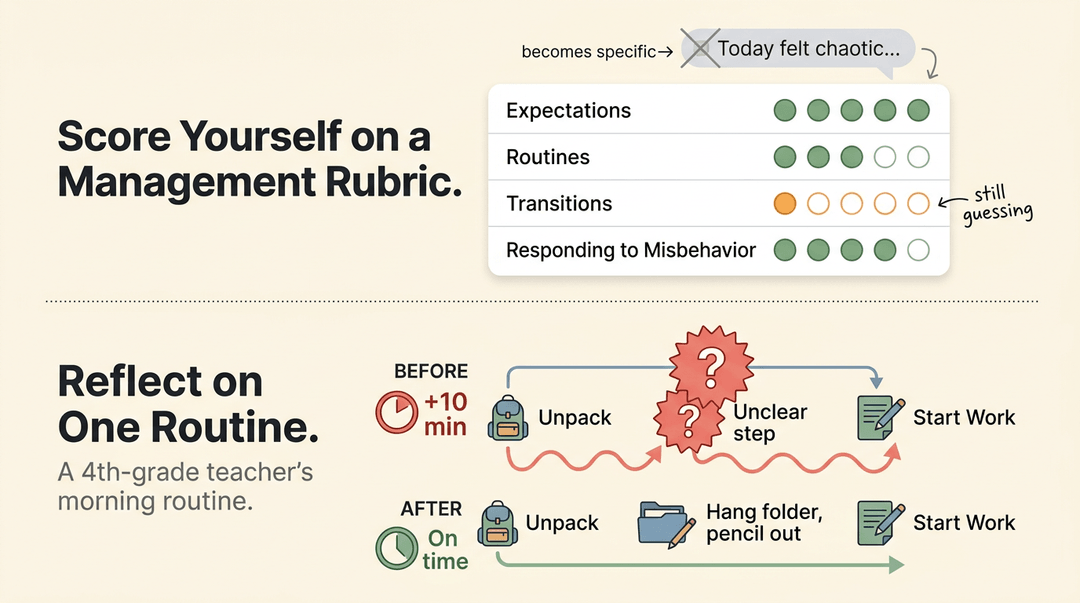
Start with a detailed management rubric. Score yourself on:
- expectations
- routines
- transitions
- how you respond to misbehavior
Then note where you're strong and where you're guessing. A rubric turns a vague feeling like "today felt chaotic" into specific areas you can work on.
Reflecting on routines is just as useful. Consider a fourth-grade teacher who notices her morning routine runs ten minutes over every day.
Her reflection shows the problem is one unclear step between unpacking and starting work. One small fix saves those minutes.
What are some effective best practices for elementary school teachers?
Research-based growth tips point in a consistent direction: teach routines explicitly, keep expectations clear, and praise specific behavior.
Young students are still building self-regulation (the ability to manage their own behavior and attention), so showing, practicing, and reviewing what good looks like pays off.
Elementary-specific best practices include:
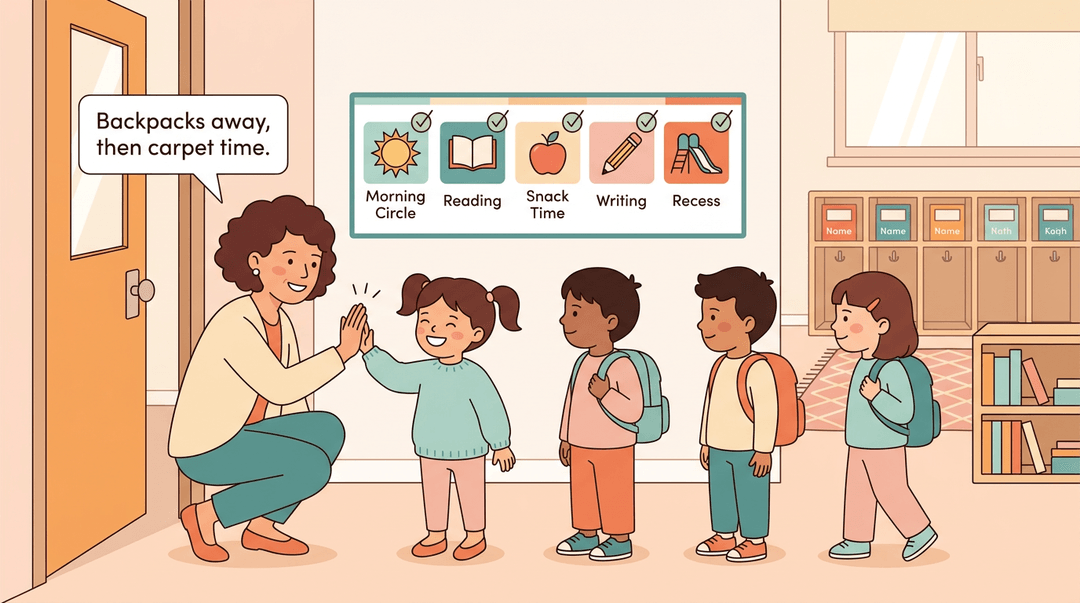
- greeting students at the door
- using a visual daily schedule
- giving short directions that you repeat once
Even skilled teachers improve. The veterans who seem to have it all figured out keep adjusting. Growth is a process rather than a destination, and that's good news for you.
Your management style isn't a label you're stuck with. It's a set of choices you can refine over time, and the clearer you are about it, the easier it is to act on it consistently.
When your approach shows up in your plans, students know what to expect, and that predictability frees you to focus on teaching.
Ready to build management into every lesson? Check out our Lesson Planning feature to write, organize, and reuse plans across all your classes from one place.
References
- Impact of classroom management on student performance in secondary schools — doi.org (2025)
- Frontiers | Learning during COVID-19: (Too) isolated yet successful — frontiersin.org (2025)
- Classroom Seating Arrangements — poorvucenter.yale.edu
- Effects of remote learning during COVID-19 lockdown on children’s learning abilities and school performance: A systematic review — pmc.ncbi.nlm.nih.gov
- Ask the Cognitive Scientist: Do Today's Kids Have Reduced Attention Spans? — aft.org (2026)
- Are attention spans really shrinking? What the science says — nature.com (2026)
- Huge Racial Disparities in School Suspensions and Expulsions — jbhe.com
- What We Talk About When We Talk About Preschool Expulsion — childinst.org
Frequently asked questions
What is a classroom management plan?
A classroom management plan is a roadmap for how the classroom will operate. It sets routines, expectations, class norms, and responses to problems, while emphasizing prevention over reaction. It can also include relationship-building activities, syllabus expectations, and community-building practices.
What are some fun and effective strategies for managing a classroom?
Fun and effective strategies include bell ringers, hands-on activities, station rotations, movement breaks, partner discussions, and student choices within clear limits. Other useful practices include purposeful seating, predictable transition signals, differentiated tasks, specific praise, and community-building activities. The strongest strategies keep students actively engaged while making expectations clear.
What are the 7 different learning styles in the classroom?
The seven commonly discussed learning styles are visual, auditory, reading and writing, kinesthetic, logical, social, and solitary. Many educators now favor using varied instructional methods rather than labeling students permanently, because learners can benefit from multiple ways of engaging with content.
What are the 5 components of classroom management?
Five practical components of classroom management are a video series or training format, planned strategies, increased student engagement, reduced disruption, and a focus on prevention. Planning strategies before class is central because engaging instruction can reduce opportunities for disruption.
What are some effective best practices for elementary school teachers?
Effective elementary teaching practices include explicitly teaching routines, using clear and brief directions, greeting students at the door, posting a visual daily schedule, and practicing expectations. Teachers should also praise specific positive behavior, build relationships, use differentiated instruction, and review routines regularly to support developing self-regulation.
What are the 7 approaches to classroom management?
Seven commonly identified approaches are assertive discipline, behavior modification, restorative practices, classroom community or democratic management, preventative management, choice theory, and culturally responsive classroom management. These approaches differ in how they emphasize teacher authority, consequences, relationships, student choice, prevention, and cultural responsiveness. A teacher may combine elements of several approaches.
What are the 10 effective teaching strategies?
Ten effective teaching strategies include activating prior knowledge, setting clear learning objectives, modeling skills, using explicit instruction, asking purposeful questions, checking for understanding, providing timely feedback, using collaborative learning, differentiating instruction, and encouraging retrieval practice. Effective teachers also adjust pacing and methods when student responses show that learners need additional support.