What Is Double-Loop Learning and Why Does It Matter?

Jump to section
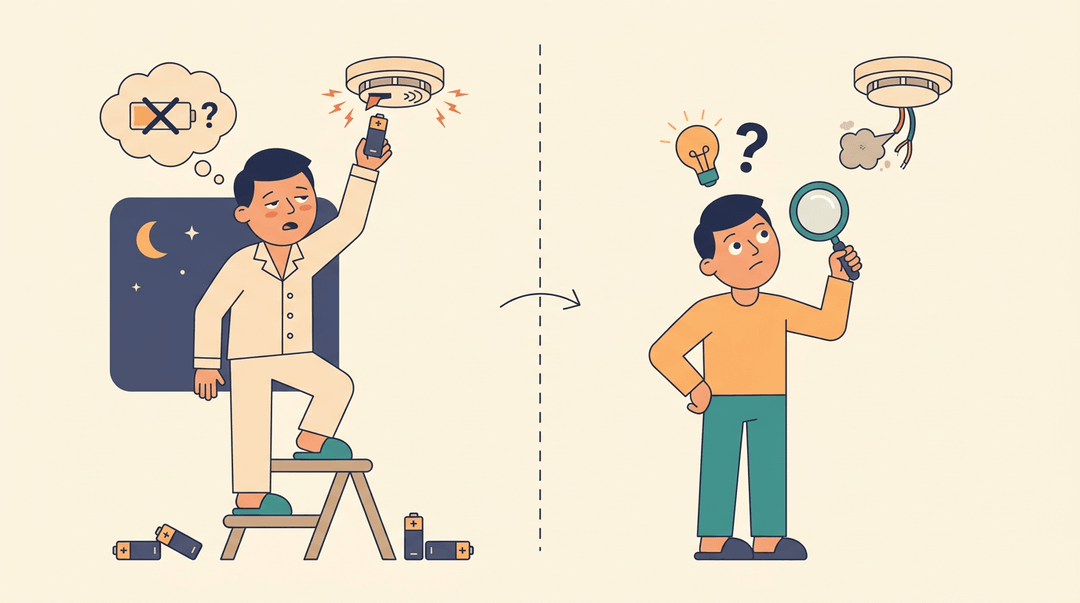
Picture a smoke detector that keeps chirping at 2 a.m. You could pull the battery every night and go back to sleep, or you could finally ask why it keeps happening. Teaching works the same way.
Single-loop learning fixes the symptom; double-loop learning questions the assumption behind it. This post breaks down how the two differ, why single-loop fixes often stall out, and how you can build double-loop reflection into your own classroom routine.
Single-loop vs Double-loop Learning Explained
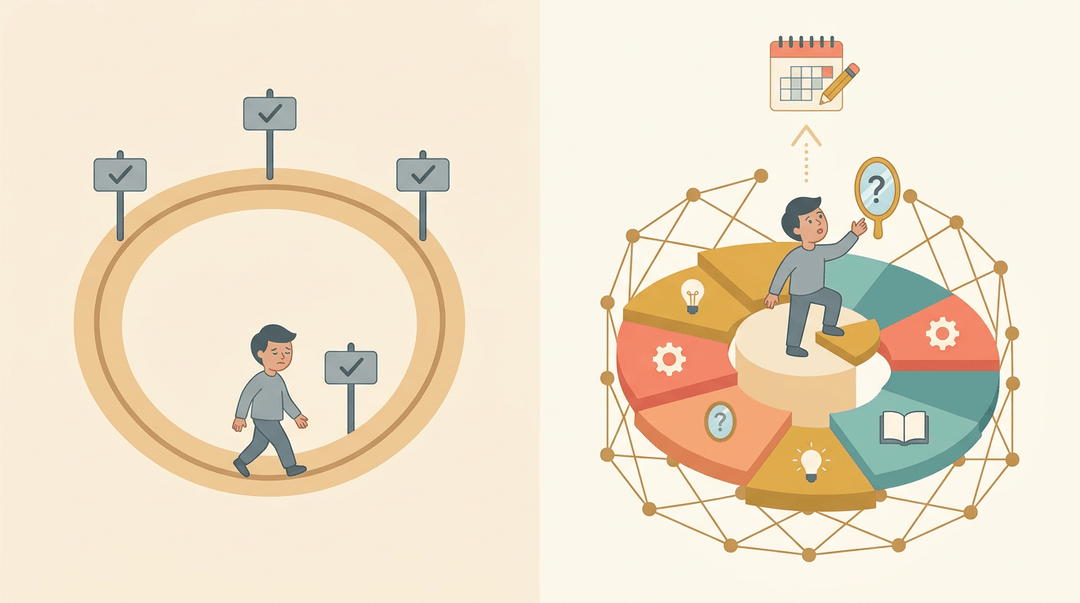
Most learning happens in one of two ways: you fix the mistake, or you ask why the mistake felt like the right move in the first place.
That distinction sits at the heart of single-loop and double-loop learning, and it changes what actually grows: a habit, or an assumption.
Fixing errors vs changing assumptions
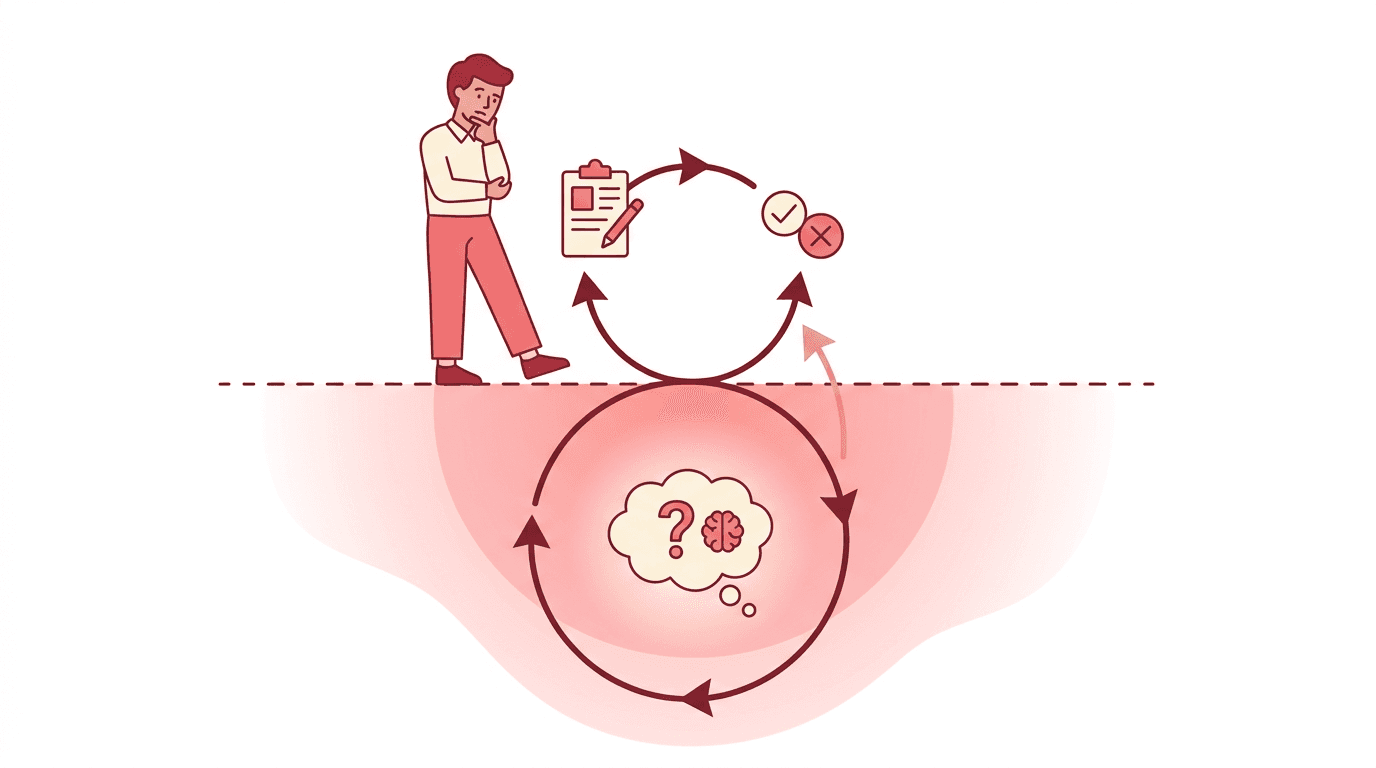
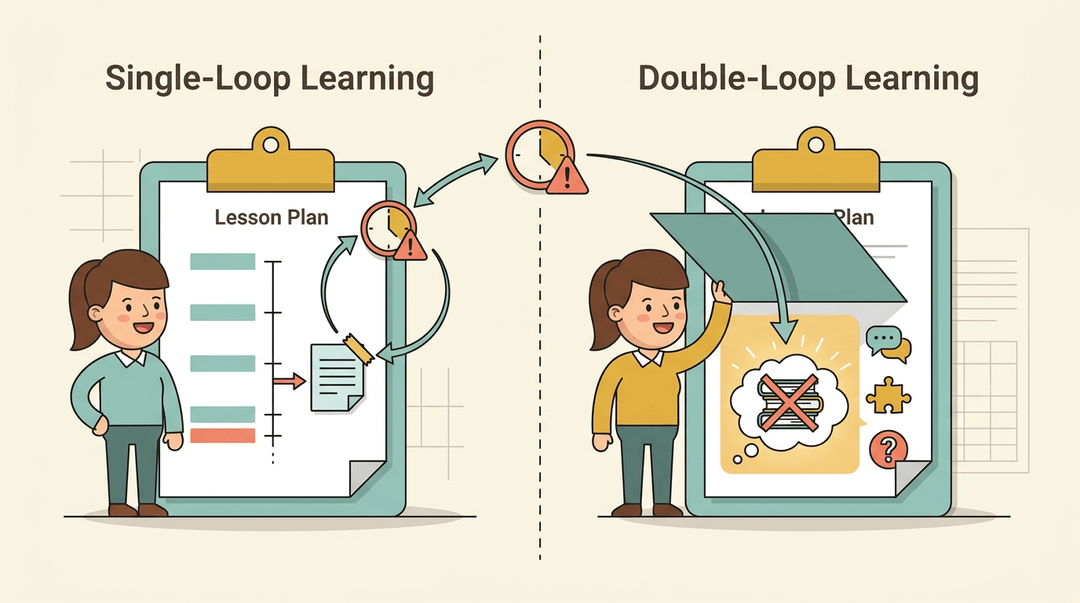
Single-loop learning is error correction: you notice a mismatch between what you intended and what actually happened, then adjust your action within the existing rules. A teacher whose lesson runs short might just tack on another worksheet next time.
Double-loop learning asks a harder question: is the rule itself the problem? Instead of tweaking the fix, you challenge the underlying belief that shaped the plan, maybe the assumption that more content always means more learning.
That mismatch between intent and results triggers both loops, but only double-loop learning traces it back far enough to touch the beliefs driving the behavior.
It's not always this clean in practice, though: as a critique of Argyris and Schön's work points out, the line between correcting an error and changing an assumption, and between acting within the rules and rewriting them, is harder to hold onto than the theory suggests.
How Argyris and Schon developed the idea
Organizational theorists Chris Argyris and Donald Schön built this framework in the 1970s, most notably in a 1977 Harvard Business Review article that helped launch the field of organizational learning theory.
Argyris taught at Harvard, Schön at MIT, and together they ran action science workshops that pushed professionals to surface the assumptions quietly steering their decisions, not just clean up the fallout.
The thermostat that never questions itself
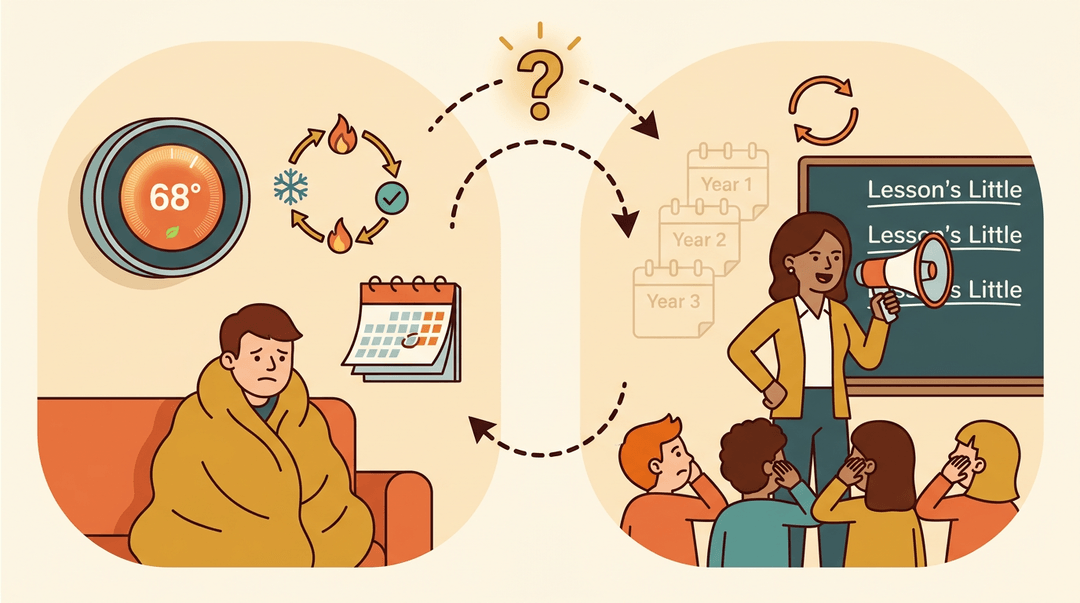
A thermostat is the classic illustration. It senses a room is too cold, switches on the heat, and stops once it hits the setpoint: pure single-loop learning. It never asks whether the setpoint itself is right.
A double-loop thermostat would question that number, maybe realizing the room feels cold because the schedule changed, not because the temperature did. A teacher who reteaches the same lesson louder every year is running the thermostat's playbook.
Beyond double-loop: triple-loop learning
Some researchers push a step further.
Bateson's levels of learning describe a nested hierarchy, where each level examines the one below it, and his concept of deutero-learning (learning how to learn) laid groundwork for what's now called triple-loop learning: not just changing your assumptions, but examining how you arrived at the process you use to question assumptions at all.
Where Single-loop Learning Falls Short
Single-loop learning is the default setting for most classrooms and most people: notice a problem, tweak the response, try again.
It works well for known problems with a clear cause, but it has a ceiling, and knowing where that ceiling sits matters just as much as knowing the method itself.
How single-loop learning normally works
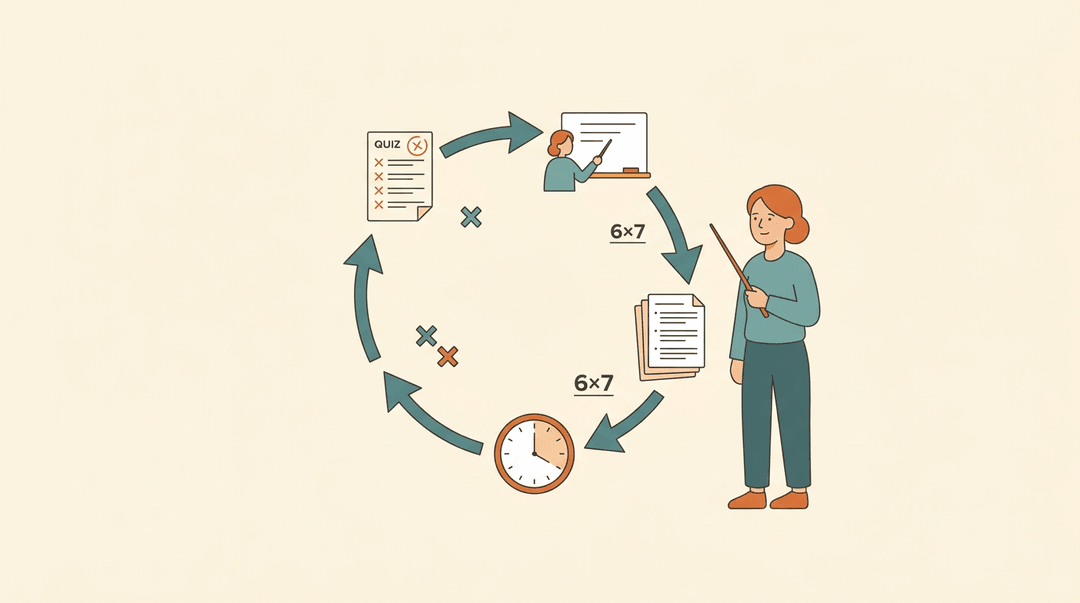
Think of a teacher whose students bomb a quiz. The reactive move is to reteach the lesson, add practice problems, or slow the pace. That's single-loop learning: you adjust the action while leaving your original assumptions untouched.
For a known problem like a shaky multiplication fact, this refinement is exactly right. You're sharpening a skill within a frame that already works.
The hidden risks of single-loop learning
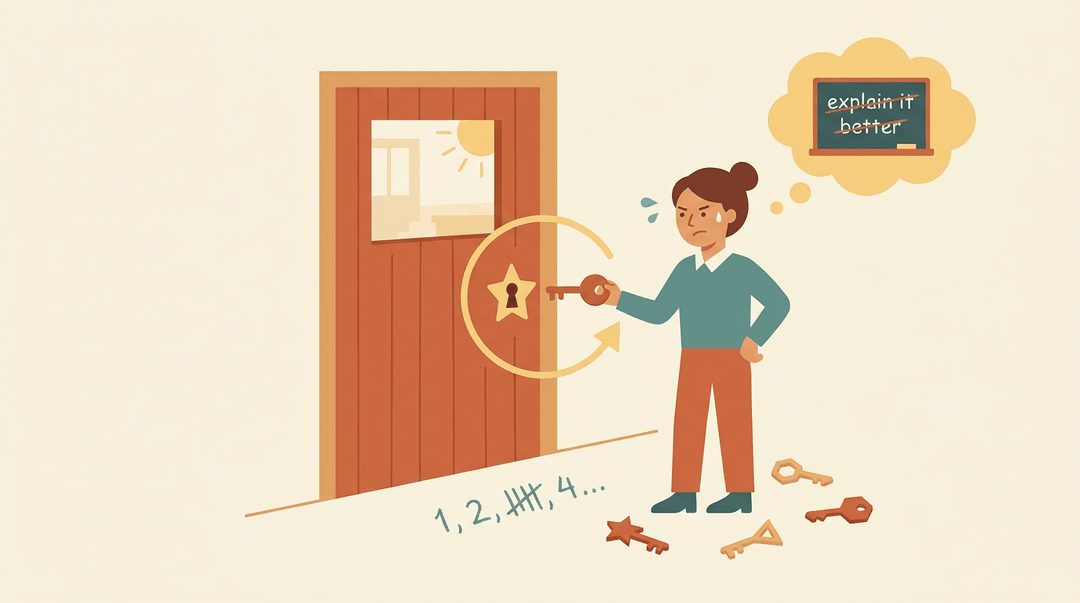
The trouble starts when the frame itself is the problem. Single-loop thinking narrows focus onto results: did the fix work or not?
That myopic view tends to blame execution ('I didn't explain it clearly enough') rather than question the underlying assumption ('maybe this topic needs a different approach entirely').
Worse, a good outcome can mask a bad process, so the same shaky thinking gets repeated until it hits a wall it can't explain. At that point, the problem looks unsolvable, even though the real issue was never diagnosed.
Argyris called this skilled incompetence: capable people, applying a familiar method skillfully, arriving at the wrong answer anyway.
Treating symptoms instead of root causes
Single-loop fixes remove symptoms, not causes. They're short-term by nature, and they leave existing beliefs about teaching, curriculum, or classroom management unchallenged. That's fine for a one-off hiccup.
But leaned on too often, it quietly limits long-term strategy, because nobody ever asks whether the plan itself needs to change.
How Double-loop Learning Actually Works
So what actually happens inside a double-loop moment? It's less a single insight and more a sequence: question the assumption, examine the thinking behind it, then use a few reliable tools to test what turns up.
Here's how that process unfolds, and how it stacks up against two cycles we already know well: Kolb's and Deming's.
Questioning your underlying assumptions
Double-loop learning starts by surfacing the governing values behind a decision: the unspoken rules that shaped it in the first place.
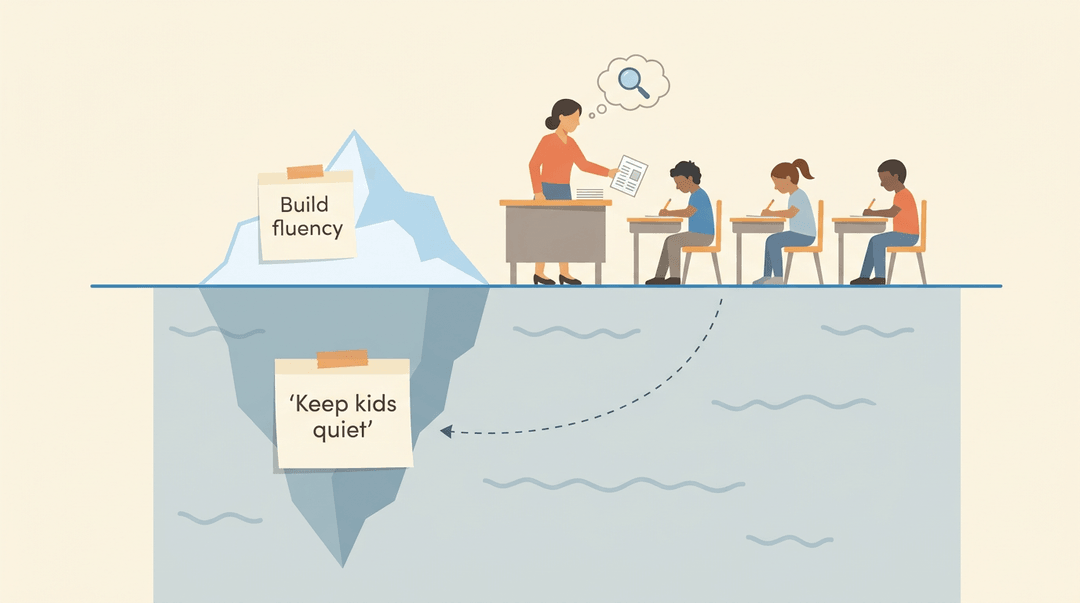
For example, a teacher who keeps assigning the same worksheet packet might discover the real governing value is "keep kids quiet," not "build fluency." That's the moment a mental model gets questioned instead of just an action.
Once the assumption is visible, the problem itself can get reframed: instead of "how do I make this worksheet stick," the real question becomes "does a worksheet even serve the goal."
That reframe is what challenges a status quo belief, rather than just tweaking the format of the same one.
Thinking about your own thinking
This is metacognition: thinking about your own thinking, not just the task in front of you. It means stepping back from the action long enough to watch yourself work, the way a coach might rewind film mid-lesson instead of only reacting in real time.
That reflection-driven pause is what turns a rough day into new understanding rather than just a shrug. Self-observation is a skill, and like any skill, it sharpens the more a teacher deliberately practices pausing to ask, "why did I just do that?"
Thinking tools that support this process
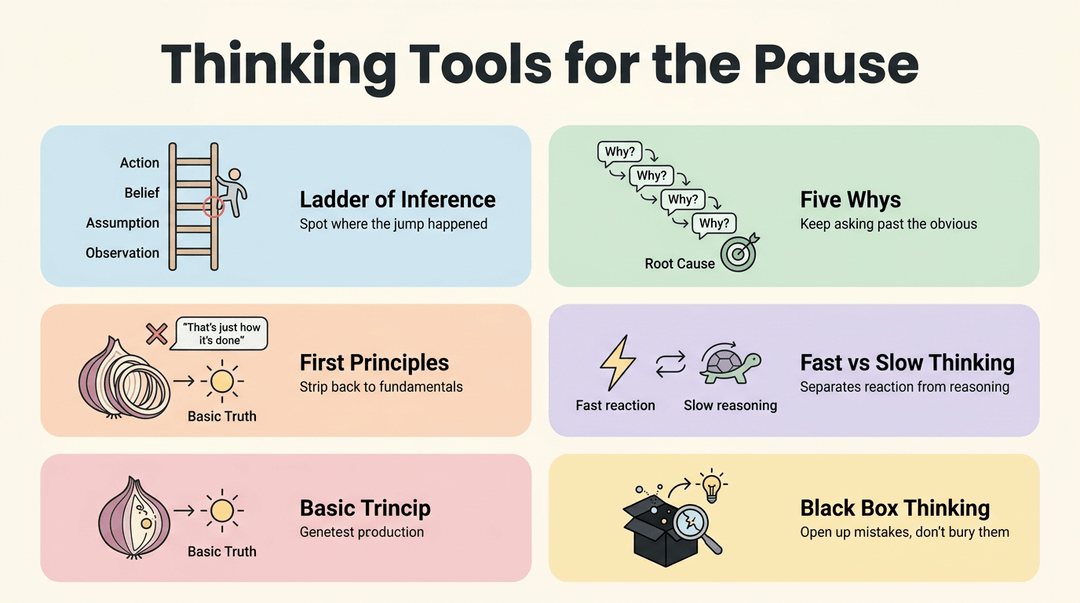
A handful of tools make that pause more productive:
- Ladder of inference. Traces how a raw observation turns into an assumption, then a belief, then an action, so you can spot exactly where the jump happened.
- Five whys / root cause analysis. Keeps asking "why" past the obvious answer until the real driver of a problem surfaces.
- First principle thinking. Strips a practice back to its most basic truth instead of accepting "that's just how it's done."
- Fast vs slow thinking. Separates the instant reaction from the slower, deliberate reasoning double-loop learning actually needs.
- Black box thinking. Treats a mistake as data worth opening up, not something to bury.
How it compares to Kolb and PDCA
Kolb's experiential learning cycle moves through experience, reflection, conceptualizing, and testing, a loop double-loop learning shares closely, especially at the reflection stage.
Deming's PDCA loop (Plan, Do, Check, Act) runs a similar cycle for process improvement.
The difference is what each loop is willing to touch: single-loop mechanics, and a routine pass through PDCA, fix the action while leaving the underlying goal untouched. Double-loop learning goes a layer deeper and questions the goal itself.
One sign double-loop learning actually occurred: the question changes, not just the answer.
A Classroom Reflection Framework for Teachers
When a lesson flops, the instinct is to reteach it slower and louder. This framework helps you catch that reflex, run a deeper reflection instead, and bring your team along.
Key principle: The single loop asks "how do I do this better?" The double loop asks "why am I doing it this way at all?"
Catch yourself in the single loop
Before you fix anything, check whether you're only treating symptoms. Three tells:
- You're reteaching the same way, just slower, louder, or with more repetition.
- You're blaming students, not the method: "they didn't do the reading" ends the inquiry.
- You're only tweaking pacing: shuffling five minutes around while the design stays untouched.
If any of these sound familiar, don't feel bad; they're the default. They're just your cue to go one loop deeper.
Run the double loop
After a lesson that missed, work through these three moves in order:
- Ask why the lesson actually failed.
- Write one sentence: "Students couldn't ___ because ___." No blame words allowed.
- ❌ "They couldn't solve the problems because they didn't pay attention."
- ✅ "They couldn't solve the problems because I never modeled step two."
- Question the assumption underneath.
- Ask yourself: "What did I believe students needed that turned out to be wrong?"
- Redesign the approach, not the activity.
- Swapping one worksheet for another is still the single loop.
- Change the method: if solo practice failed, try paired discussion before any practice.
What it looks like across grade levels
Find your situation, then read across:
| Situation | Single-loop fix | Double-loop redesign |
|---|---|---|
| Elementary rules review | Repeat the rules more often | Ask why they break; co-write new ones |
| Middle school group work | Reassign the groups | Teach and build norms with students |
| High school assessment | Add a retake day | Ask what the test measures; redesign it |
Example: A middle school teacher whose group work kept collapsing stopped reshuffling groups and asked a harder question: had anyone ever taught these students how to work in a group? The next unit opened with students drafting their own norms. Same activity, redesigned foundation.
Practice it with your team
Double-loop reflection sticks faster when it's shared. Three routines to try:
- Structured lesson debriefs. Open every debrief with the same question: "What assumption did this lesson rest on, and did it hold?"
- Peer observation questions. Ask your observer to watch beliefs, not behaviors: "What does this lesson assume students already know?"
- Revisit unit goals, not scores. Once per unit, ask whether the goal still deserves the time, not whether the numbers moved.
When a debrief surfaces a real redesign, capture it before the moment passes: turn reflection into revised units instantly with EMStudio's Curriculum Planner.
What Helps or Blocks Double-loop Learning
Double-loop learning doesn't switch on by itself. Certain conditions invite it, and others quietly shut it down before anyone questions a single assumption.
Why psychological safety matters here
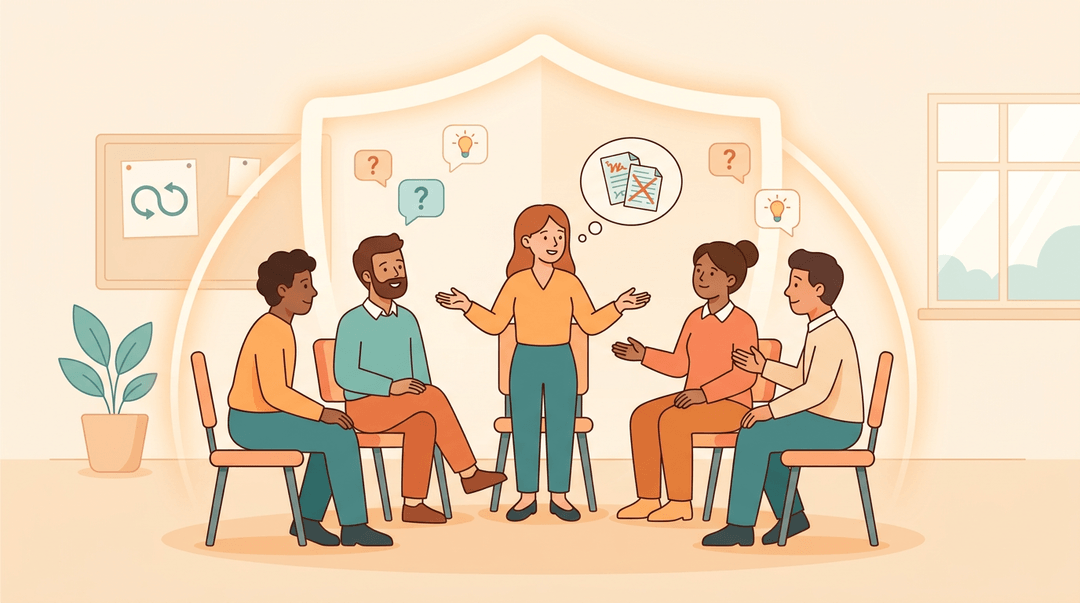
Psychological safety is what lets a teacher admit a lesson flopped without expecting blame. That safety builds the courage to challenge the system itself, not just tweak a worksheet.
Where conflict feels dangerous, conversations stay shallow: nobody risks the follow-up question that gets at why something isn't working. Double-loop learning depends on interpersonal risk-taking, and that only happens when people trust the room.
Common barriers that get in the way
A handful of habits keep teams stuck fixing symptoms instead of causes:
- Fear of failure. It keeps people defending a plan instead of questioning it.
- Confirmation bias. You notice the evidence that backs up what you already believe and skip past the rest.
- Sunk cost fallacy. Months invested in a program make it feel impossible to abandon, even when it isn't working.
- Fixed mindset. Treating ability as set closes the door that a growth mindset keeps open: the belief that thinking itself can change.
- Organizational inertia. "We've always done it this way" outlasts the reasons it started.
Practices and rituals that make it stick
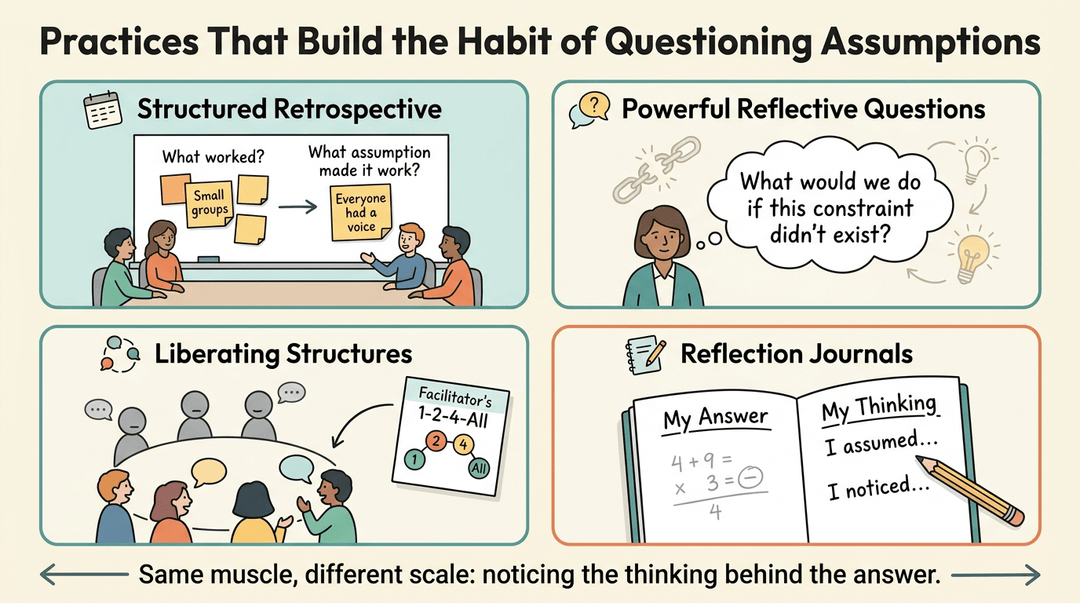
Consider a grade-level team that runs a structured retrospective after every unit, asking not just what worked but which assumption made it work. Powerful reflective questions push that further: "What would we do if this constraint didn't exist?"
Coaching engagements and workshops built on liberating structures (simple formats that get quieter voices talking) create the same opening on a bigger scale.
In the classroom, a teacher who has students keep reflection journals is teaching the same muscle early: noticing not just the answer, but the thinking behind it.
Real-world Examples of Double-loop Learning
Theory lands best when you can see it in action, from a classic puzzle to a staff meeting under lockdown pressure. Here's double-loop learning showing up in the real world:
The nine dot puzzle lesson
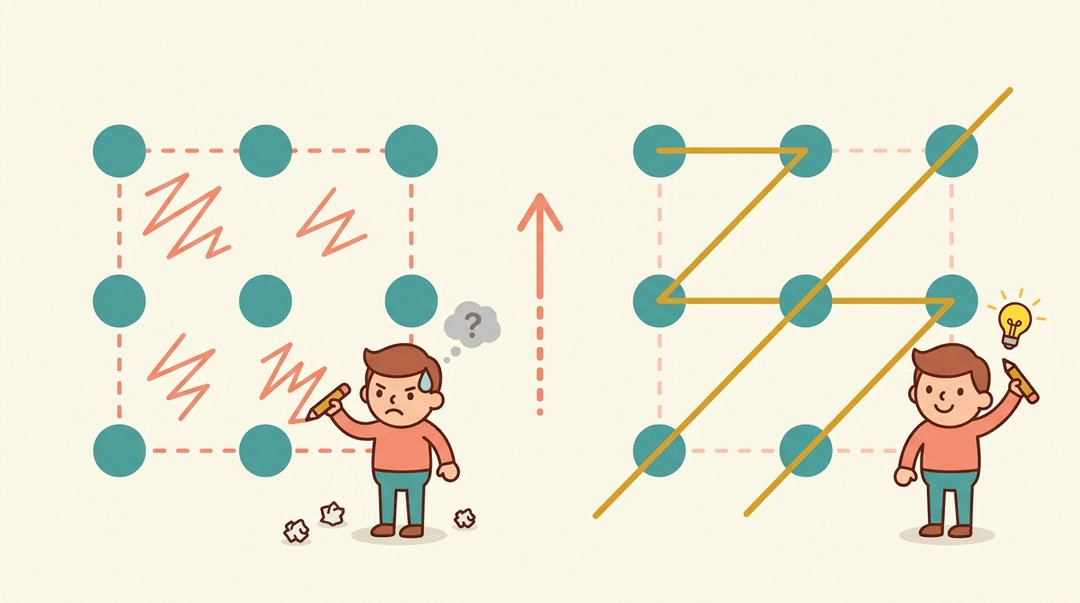
The nine dot puzzle asks you to connect nine dots, arranged in a grid, using only four straight lines without lifting your pen. Most people fail because they assume the lines have to stay inside the square the dots seem to form.
Once you drop that unstated rule, the solution appears almost instantly.
That's the whole difference between the two loops: single-loop learning tries new line orders inside the boundary, while double-loop learning questions whether the boundary was ever real.
How Royal Marines adapted under pressure
Combat rarely leaves room for slow reflection, yet it forces it anyway.
Researchers studying British military adaptation in Helmand Province, Afghanistan found that survival pressure pushed Royal Marines to question tactics they'd trained on for years, not just tweak them.
When the old assumptions stopped keeping people alive, the units revised the assumptions themselves: a battlefield version of double-loop learning.
A Scrum team's double-loop turnaround
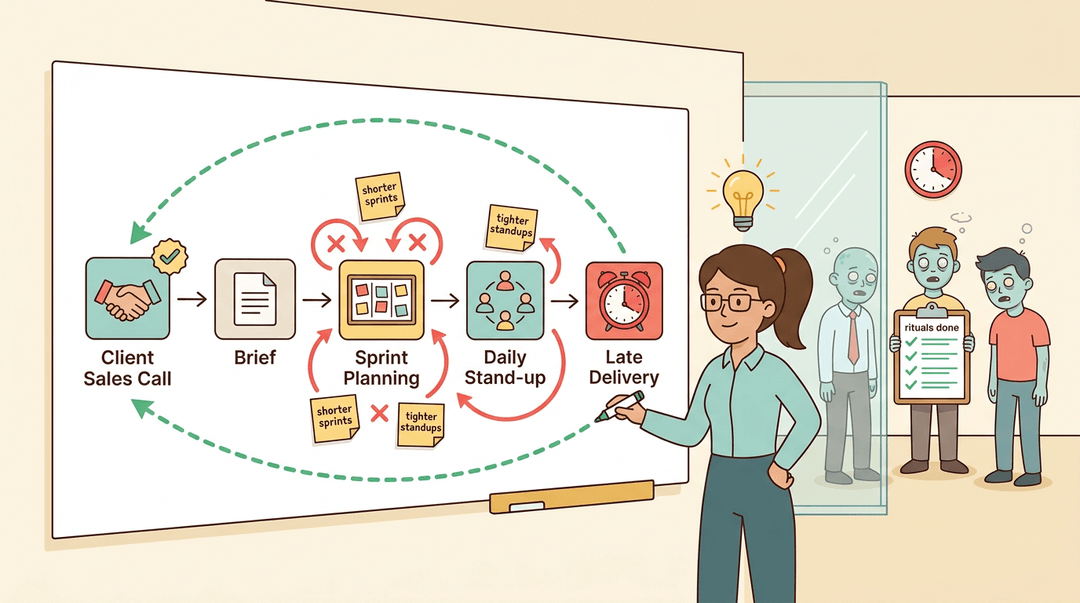
Consider a Scrum Master at a small web agency watching project after project run late. The team's first instinct was single-loop: shorter sprints, tighter stand-ups. Nothing stuck.
The real problem sat upstream, in how clients were sold scope before the team ever saw the brief. Rewriting the client acquisition process, not the sprint board, fixed it.
Plenty of so-called Zombie Scrum teams never get there: they run every ritual perfectly while staying stuck in single-loop forever.
A school leader's pandemic pivot
When schools pivoted to digital strategy overnight, plenty of leaders discovered their old assumptions about "how school works" simply didn't fit anymore.
Research on strategy as learning in schools during crisis found that leaders, like school governor Jane Snow, had to notice a mismatch between their existing schema and their new role before real change could happen. That's not a lesson tweak.
It's a shift in teaching philosophy itself.
Where Double-loop Learning Gets Applied
Double-loop learning shows up anywhere people are willing to question the thinking behind their approach, not just tweak the approach itself.
In schools, that instinct drives curriculum revision: a department reworking its unit sequence because the underlying goals changed, not just because one lesson fell flat.
The same habit of mind shapes leadership, strategy, teams, and personal growth well beyond the classroom.
Building it into leadership coaching
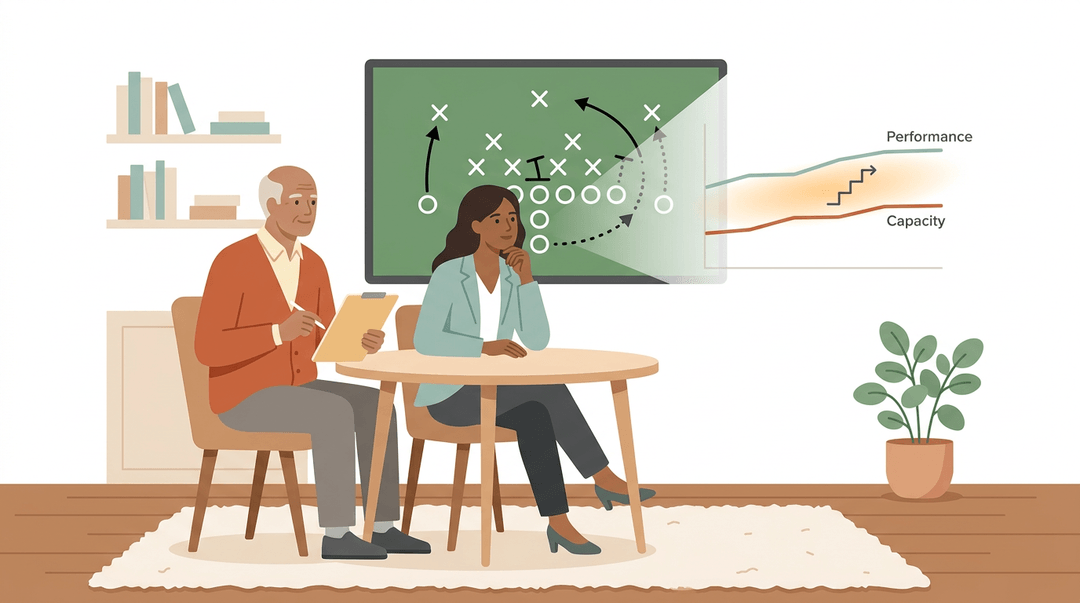
Think of a football coach who watches postgame film not to relive the score but to study the decisions behind it.
Leadership coaches use double-loop learning the same way, helping leaders spot the gap between their current performance and their real capacity to handle harder problems.
That gap is the heart of vertical development: growing how someone thinks, not just adding another skill to their list. Good coaching builds the habit of that kind of reflection until it runs on its own.
Using it to shape organizational strategy
Strategy leans on double-loop learning too. Research into multi-academy trusts' effects on school leaders' long-term visions of education found leaders examining exactly this:
- whether they recognize they're learning at all
- how they perceive a strategy's reception (person schemas)
- their organization's culture around it (organization schemas)
- how it's articulated through websites and other artifacts (object schemas)
Layer in stakeholder analysis, checking how each group actually experiences the strategy, and you get a full double loop rather than a plan running on autopilot.
Bringing it into agile team practice
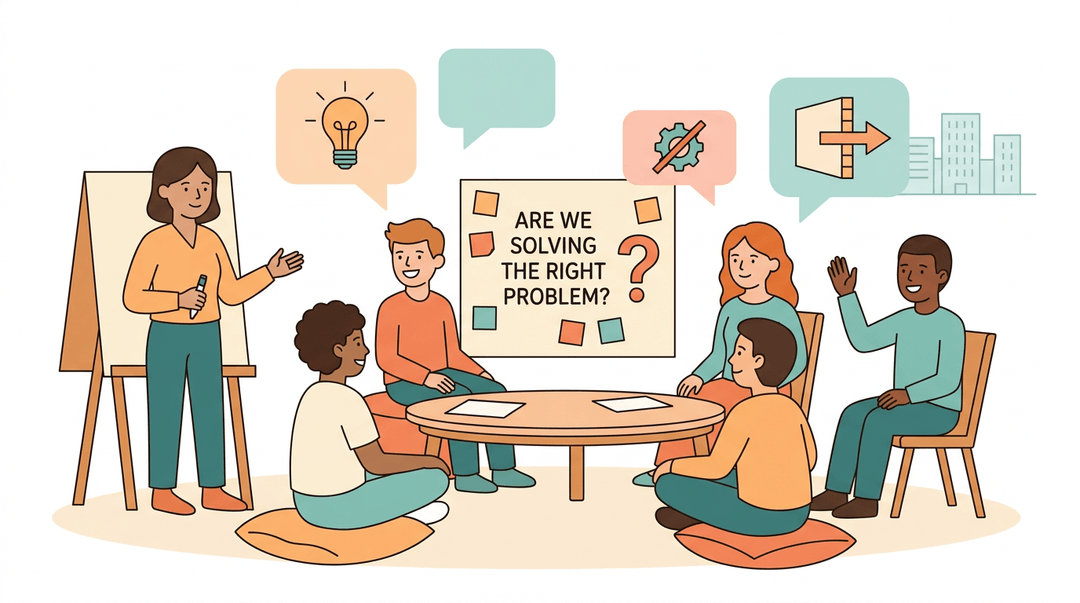
Agile teams build this into their rhythm through the retrospective. A Scrum Master's job isn't just asking what went wrong.
It's pushing the team to question whether they're solving the right problem at all, then carrying that insight into the wider organization instead of keeping it in one room.
None of that works without psychological safety: a team won't name its flawed assumptions unless it's safe to be wrong out loud.
Using it for personal growth
On a personal level, double-loop learning looks like building a broader latticework of mental models instead of defending one favorite framework. It shows up in identity-based habits too, asking not just "did I do the habit" but "who am I becoming".
That mirrors deliberate practice, where growth comes from targeting weaknesses head-on, not repeating what's already comfortable.
Single-loop learning keeps the lesson running. Double-loop learning asks whether the lesson itself needs rethinking, and that question is where real growth starts.
Once you've got a reflection habit that surfaces your own assumptions, the next step is putting it somewhere you'll actually see it again. Ready to build that habit into your planning?
Check out our Curriculum Planning feature to map units and standards with room for the reflection that makes them better each year.
References
- Single vs. Double-Loop Learning: What's the Difference? — online.hbs.edu
- Strategy as learning in a crisis situation in education: is there ... — centaur.reading.ac.uk
- its effects on school leaders' long-term visions of education — centaur.reading.ac.uk
- Improving in War: Military Adaptation and the British in Helmand Province, Afghanistan, 2006–2009 — doi.org (2010)
- Reflective practice: a critique of the work of Argyris and Schön — doi.org (1993)
Frequently asked questions
What is the difference between single loop and double-loop learning?
Single-loop learning corrects an error by changing an action while keeping the existing rules or assumptions in place. Double-loop learning goes deeper by questioning and potentially changing the beliefs, goals, or governing values behind the action.
What is Argyris and Schon's concept of double-loop learning?
Chris Argyris and Donald Schön described double-loop learning as learning that examines the assumptions and governing values guiding decisions, rather than only correcting errors. It involves reframing the problem and changing the underlying approach when the original assumptions no longer fit.
What are the types of loop learning?
The main types are single-loop, double-loop, and, in some models, triple-loop learning. Single-loop learning adjusts actions, double-loop learning challenges assumptions and goals, and triple-loop learning examines how the process of learning and questioning itself works.
What is an example of double-loop learning?
A teacher notices that students are struggling with a worksheet. A single-loop response would be to assign more practice, while a double-loop response would question whether worksheets are the right method and redesign the lesson around discussion, modeling, or collaboration.
What does double loop mean?
Double loop means examining the assumptions, rules, or goals behind an action and changing them when necessary. It goes beyond fixing a result to asking whether the underlying approach is appropriate.
What does single loop learning mean?
Single-loop learning means correcting a problem by adjusting an action within the existing rules or assumptions. For example, a teacher might reteach a lesson, add practice, or slow the pace without questioning the lesson's basic design.