How Does a Student Teacher Relationship Shape Learning?

Jump to section
Think about the difference between a coworker who just clocks in and one who actually remembers your bad day yesterday and asks how you're doing today. That second connection changes how you show up to work.
A student-teacher relationship works the same way: it's the ongoing bond of trust, respect, and communication between you and the students in your room.
It shapes whether kids show up ready to learn, and this post breaks down what it looks like, why it matters, and how to build it, grade by grade.
What Is a Student-Teacher Relationship?
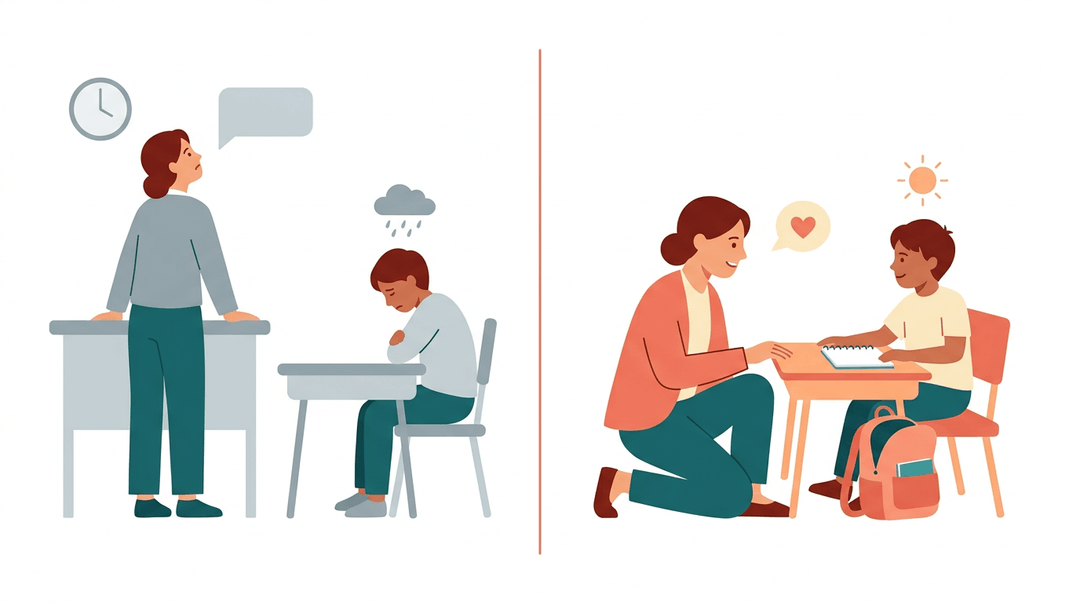
A student-teacher relationship is the ongoing bond between an educator and a learner: built through daily interactions, shared expectations, and the trust that grows from both.
It's less about a single conversation and more about how a teacher shows up, day after day, in ways that let a student feel seen.
These bonds are common, not rare: a systematic review in Frontiers in Education found that teachers are regarded as attachment-like figures, with supportive teacher-student relationships linked to stronger academic outcomes.
Building trust and emotional safety
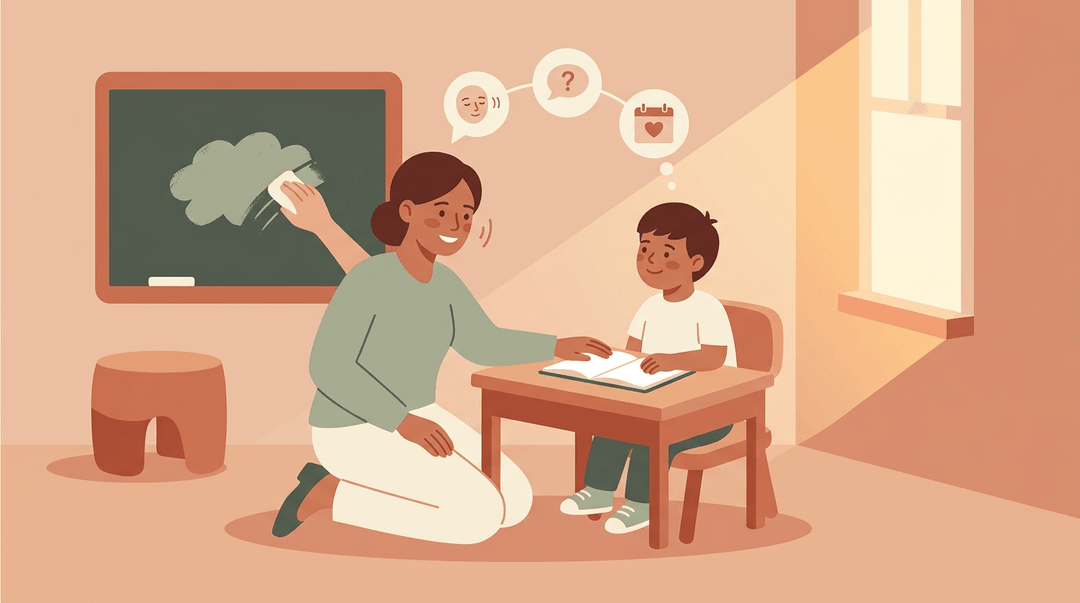
Trust isn't instant. It builds over time, through small verbal and non-verbal interactions:
- a nod
- a follow-up question
- remembering what a student mentioned last week
A predictable environment, where students know what to expect from you, fosters that trust. None of it works without a safe emotional climate, one where a student can make a mistake without fear of being shamed for it.
Building equity across cultural differences
Strong relationships require cultural safety and responsiveness: recognizing that a student's background shapes how they experience your classroom. Teachers can carry unconscious bias toward under-resourced students, often without meaning to.
Reflexive practice, regularly examining your own assumptions about identity and bias, helps close that gap. Equity means every student, not just the ones who remind you of yourself, gets the same shot at connection.
Why routines and structure build trust
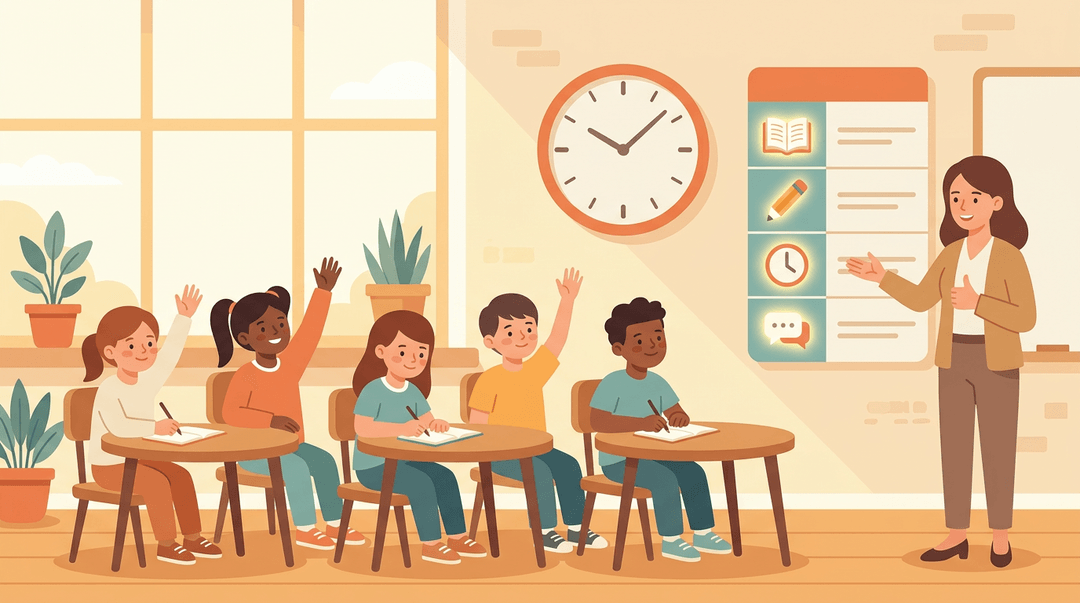
Consistent routines build trust because they remove guesswork. When a classroom runs predictably, students spend less energy wondering what's next and more energy learning.
Pair that structure with high expectations and real support, and students learn you believe in them.
Why Student Teacher Relationships Matter
Strong relationships aren't just a nice-to-have in the classroom. They shape whether students show up, stay engaged, and actually learn, and they shape how teachers feel about the work, too.
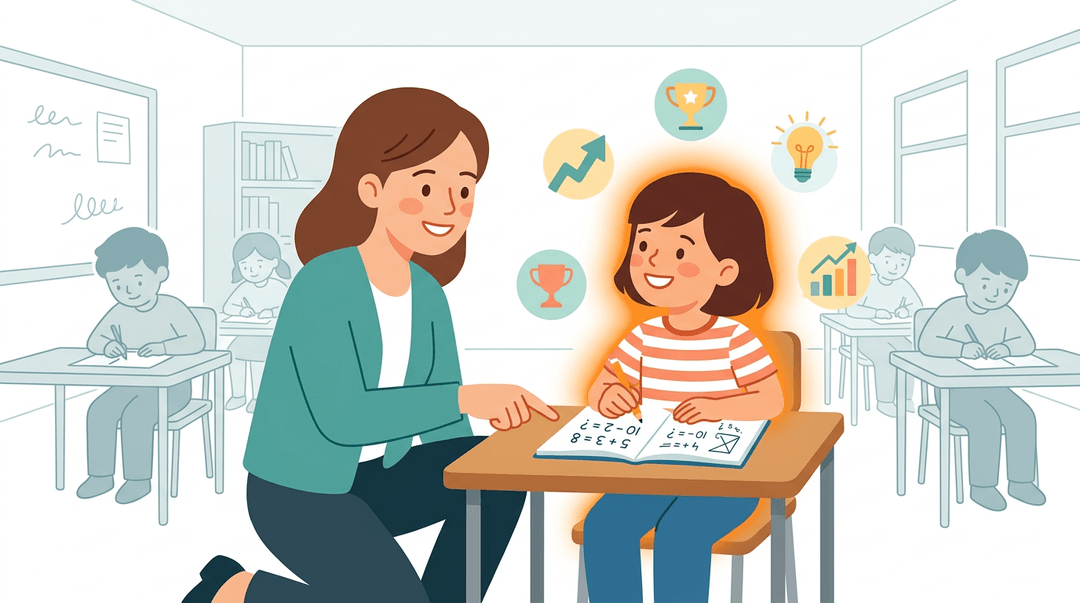
How relationships boost academic engagement
When students feel connected to a teacher, the effects show up in the numbers.
According to the Australian Education Research Organisation, students with positive connections to their teachers are more likely to hold positive attitudes toward school and attain higher academic results.
That connection also feeds intrinsic motivation: Roorda and colleagues found it linked to improved motivation and lower dropout rates.
Connected students also lean toward mastery-focused learning, wanting to understand the material rather than just finish it.
Hamre and Pianta's research found the same pattern: high-quality relationships tracked with greater engagement, higher achievement, and fewer behavior problems.
Improving attendance and sense of belonging
That connection extends past the lesson itself. Students who feel like they belong show up more, and chronic absenteeism drops when someone notices they're missing.
The same AERO research found students with strong teacher relationships are more likely to see themselves as part of their school community and value regular attendance.
For a student working through a hard stretch at home, that one relationship can be the safeguard that keeps them coming back at all.
Better behavior and self-control
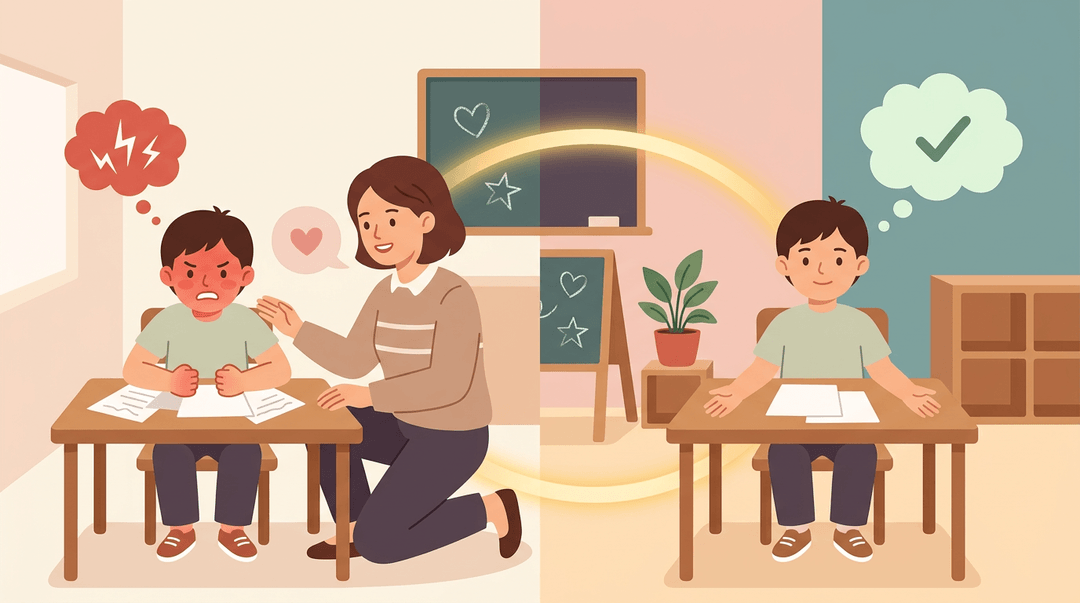
Positive relationships also change what happens when things go wrong. Researchers at the University of Missouri found that positive teacher-student relationships change student behavior, and that building them leads to better teaching, too.
Supported students also build stronger self-regulation skills, catching themselves before a disagreement turns into something bigger.
A 2024 study by Eddy and colleagues found teachers' fall ratings of their relationships with students predicted lower odds of both in-school and out-of-school suspension by year's end.
When disruptive behavior surfaces, a teacher who already has that relationship has more to work with.
Supporting teacher wellbeing and retention
The benefits run both directions. Teachers who build strong relationships with students report greater career fulfillment, and new teachers who develop this skill early are less likely to leave the profession in their first few years.
Students notice the effort, too, and tend to return it with more credibility and effort of their own.
Building Strong Relationships with Students
Strong relationships with students rarely happen by accident. They're built one small moment at a time: a name remembered, a routine modeled, a boundary held. Here's what that looks like in practice.
Getting to know each student personally
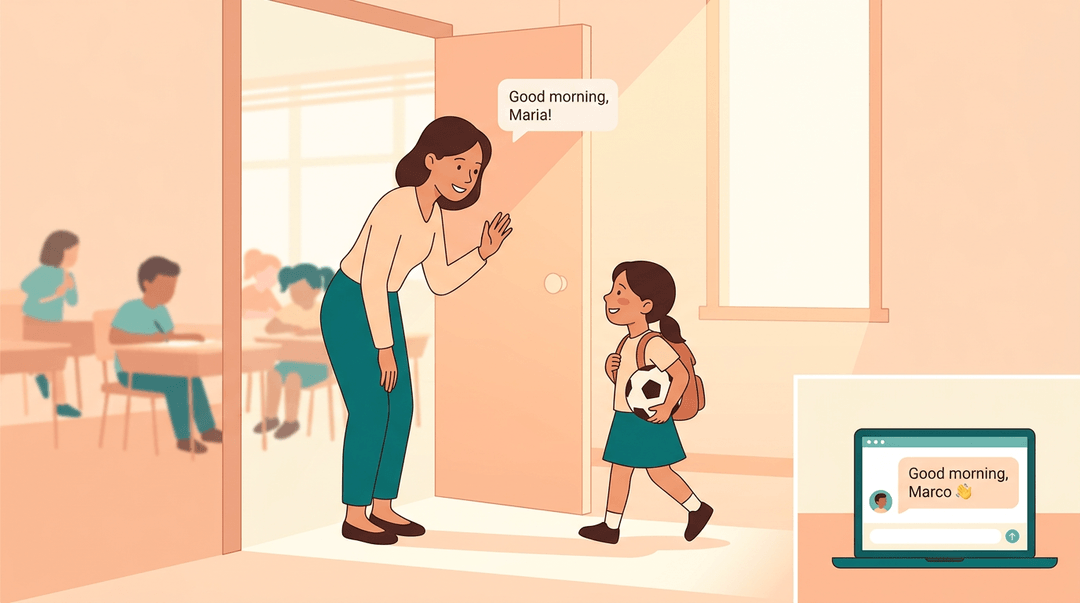
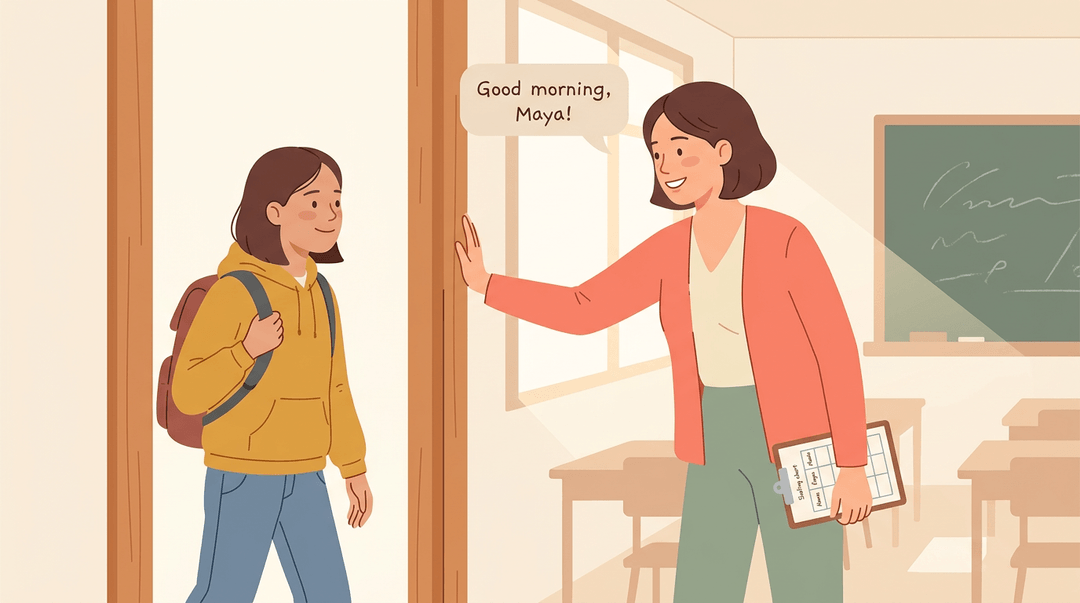
Start with the basics: use every student's name, and say it like you mean it. A warm greeting at the door, even just "Good morning, Maria," tells a student they're seen before class even begins.
From there, look for small windows for informal one-on-one chats: a quick check-in while students work independently, or a minute before the bell.
Learn what a student loves outside your classroom, whether that's soccer, a video game, or a younger sibling they help care for, and bring it up later.
Sharing a personal anecdote of your own (a mistake you made, a hobby you love) works the same way in reverse: it makes you human, not just an authority at the front of the room.
This matters just as much online. In a virtual classroom, a quick chat-box check-in or a few minutes in a breakout room can do the same work a hallway conversation does in person.
Setting expectations and routines together
Discuss class expectations early, and involve students in shaping them rather than just announcing them.
Model the behavior routines you want to see instead of just describing them: show what quiet transitions or respectful disagreement actually look like.
Individual goal-setting meetings, even five minutes long, let a student name what they're working toward and let you check in later. And when conflict happens (and it will), address it directly and calmly rather than letting it fester.
A short, private conversation that repairs the relationship after a rough moment often does more for trust than weeks of smooth sailing.
Praising and acknowledging student effort
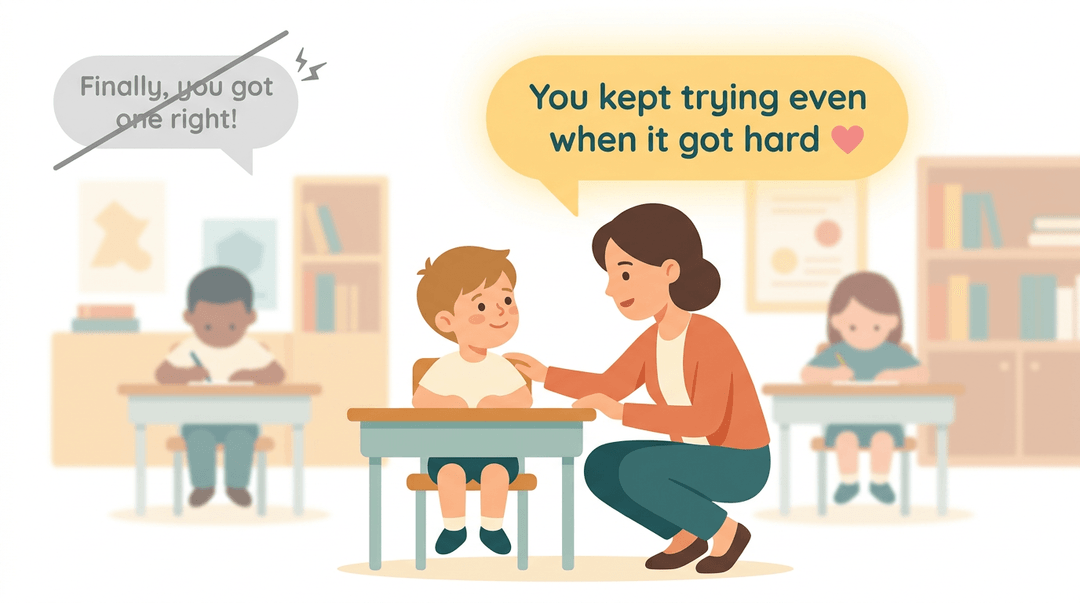
Specific, genuine praise lands. "You stuck with that problem even after it got hard" means more than a generic "good job." Watch for backhanded compliments too, like "Finally, you got one right," since students hear the sting, not the praise.
Acknowledge effort often, not just results. For a student who's struggling, offer reassurance privately: a quiet word after class protects their dignity while still letting them know you noticed the work.
Are teachers allowed to have relationships with students?
Yes, but within clear limits. A healthy student-teacher relationship depends on emotional boundaries: you can care deeply about a student's success without absorbing their behavior personally when they have a bad day.
Legally and ethically, that relationship stays professional. Romantic relationships between teachers and students are strictly prohibited, no exceptions, regardless of a student's age or how it started.
So no, there's no version of a love relationship between a teacher and a student that's appropriate or permitted: it's a breach of trust, often a violation of the law, and it ends careers.
Learning from other teachers
Some of the fastest growth comes from watching someone else do it well. Observe experienced colleagues, even for a single period, and notice how they open class or defuse tension. Reflect honestly on your own practice afterward: what would you borrow?
Mentoring, whether you're receiving it or offering it to a newer teacher, builds the same muscle. It's rapport-building for teachers, modeled by teachers.
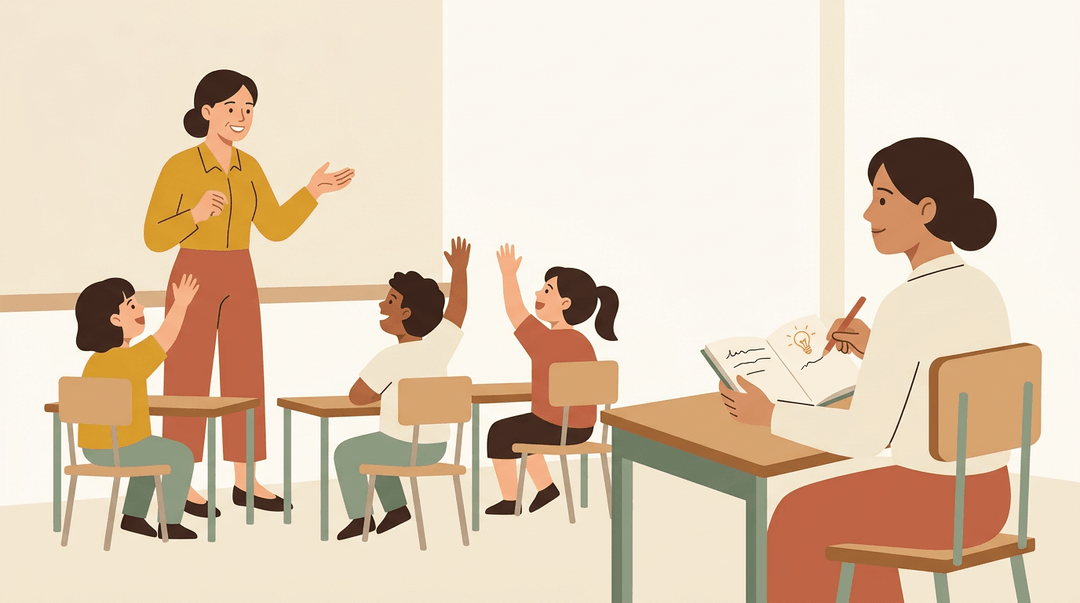
Your Weekly Relationship-building Checklist
Relationship-building fails when it's vague, so here's the concrete version: three daily micro-moves, three weekly routines, and one grade-band adjustment. Pin it up, run it, and connection stops being something you hope happens.
Every day: three micro-connections
These take under five minutes total. Confirm all three happened before the day ends:
- Greet each student by name at the door, before they reach their seat.
- Try: "Morning, Devon. Glad you're here." Name plus one warm clause is enough.
- Give two or three students a 2-minute check-in about anything but schoolwork.
- Try: "How'd the game go last night?" Then just listen.
- Notice mood or behavior shifts and log them, don't diagnose them.
- A usually chatty student gone silent becomes tomorrow's check-in, not today's confrontation.
Once a week: three routines
The daily moves keep connection warm; these weekly routines make sure nobody slips through:
- Rotate one-on-one chats through your roster, five students per week.
- In a class of 25, everyone gets a real conversation every month.
- Send one positive note home to a different family each week.
- Two specific sentences beat a page of generic praise.
- Reassess seating chart fit with one question per student: isolated, distracted, or thriving?
- Move at most two or three students; wholesale reshuffles reset everyone's comfort.
Example note home: "Maya explained her fraction strategy to her whole table today, clearly and patiently. We're lucky to have her." That's it. Specific, warm, done in ninety seconds.
Match the move to the grade band
The checklist above works everywhere; the flavor changes with age. Lead with the move your students' grade band responds to:
| Grade band | Lead move | What it looks like |
|---|---|---|
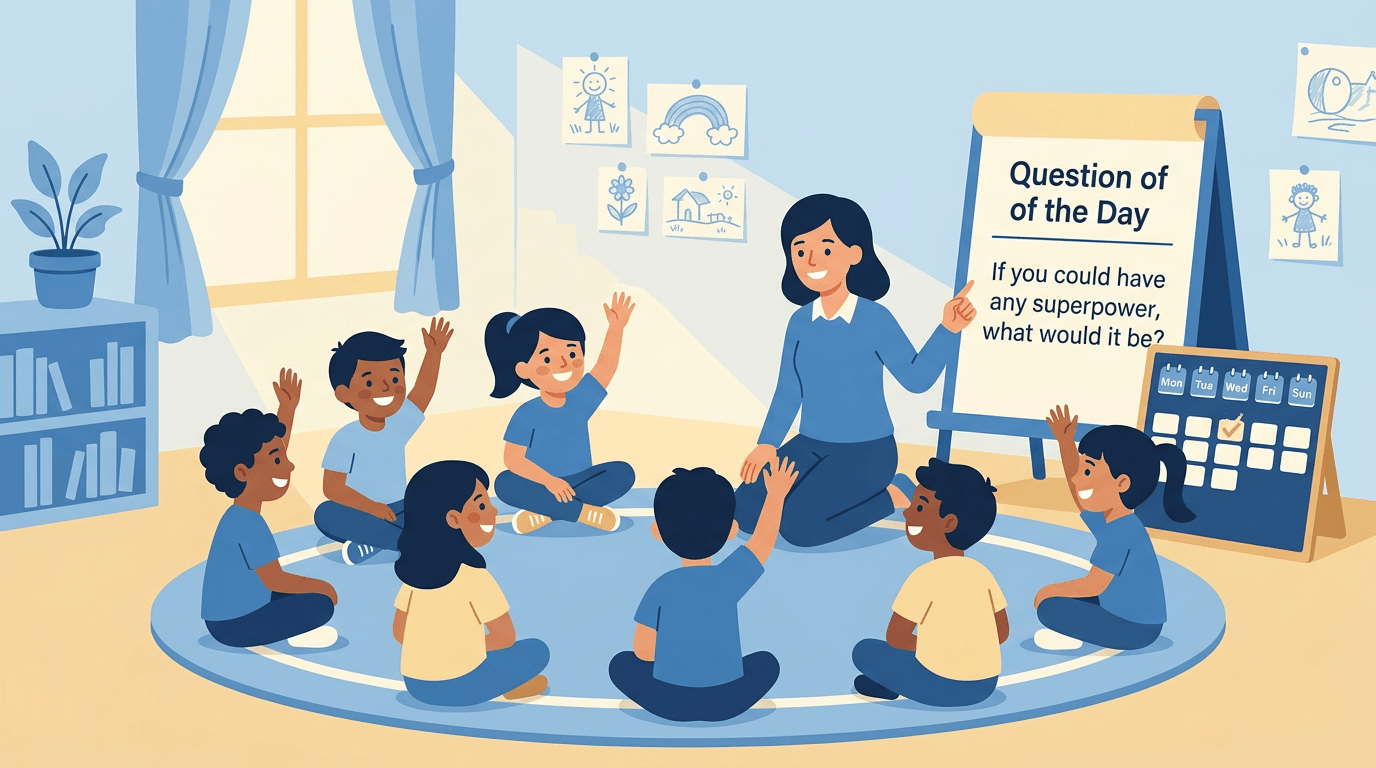
| Elementary | Circle-time bonding | A daily share circle: one question, every voice heard |
| Middle school | Interest surveys | A 10-question survey; reference answers in your check-ins |
| High school | Goal-setting chats | Use one-on-ones to ask about plans, then follow up |
💡 Tip: The whole system lives or dies on tracking. You won't remember who got a chat or a note three weeks in, so keep a simple roster tally and mark each touchpoint.
That's easier when everything sits together: keep rosters, seating charts, and student notes organized in one place with EMStudio's classroom management tools.
What Blocks Strong Relationships
Strong relationships don't happen by accident, and a handful of real barriers get in the way of building them.
A brand-new teacher walking into a classroom for the first time often feels this hardest: rapport takes repetition, and repetition takes time neither the calendar nor the student may offer.
When absenteeism gets in the way
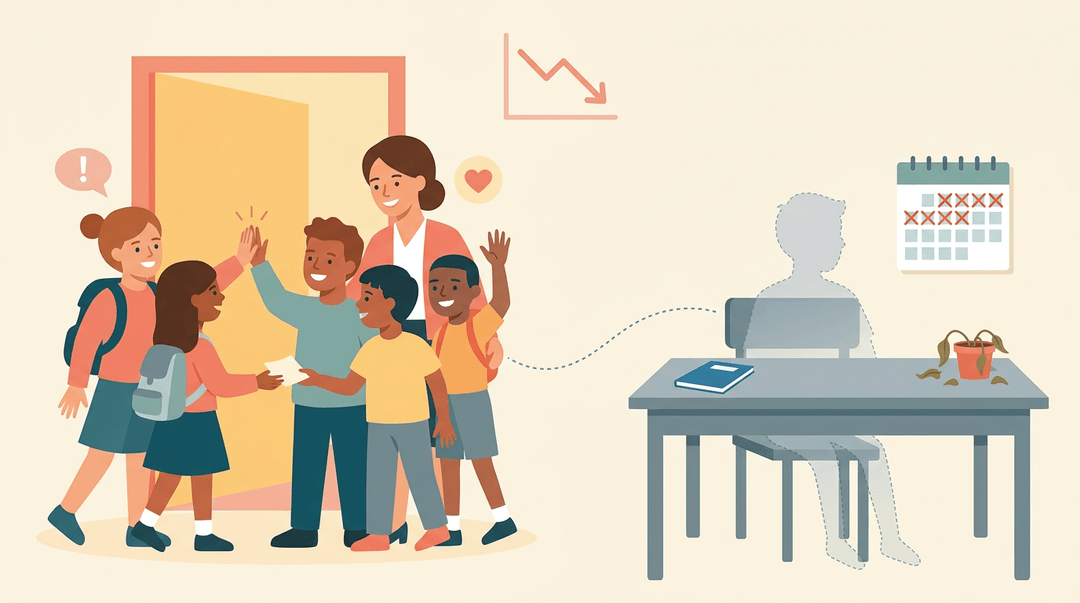
A student who's rarely in the room misses more than a lesson. They miss the small daily exchanges (a hallway hello, an inside joke, a quick check-in) that rapport is built from, so the relationship never gets the repetition it needs.
That missed instructional time compounds too: as the North Carolina Department of Public Instruction notes, chronic absence is consistently linked to "lower academic performance, weaker on-track outcomes, and increased risk of course failure, grade retention, and dropout."
Fewer days together means fewer chances to build trust before it's too late.
Trauma and trust issues
Some students arrive with real reasons to be wary of adults. A student mistreated, neglected, or let down by grown-ups before won't hand over trust just because you're standing at the front of the room.
For a student from an abusive or neglectful home, a teacher's kindness can read as suspicious rather than safe, and earning trust takes far longer than assuming it.
Socioeconomic challenges and hidden bias
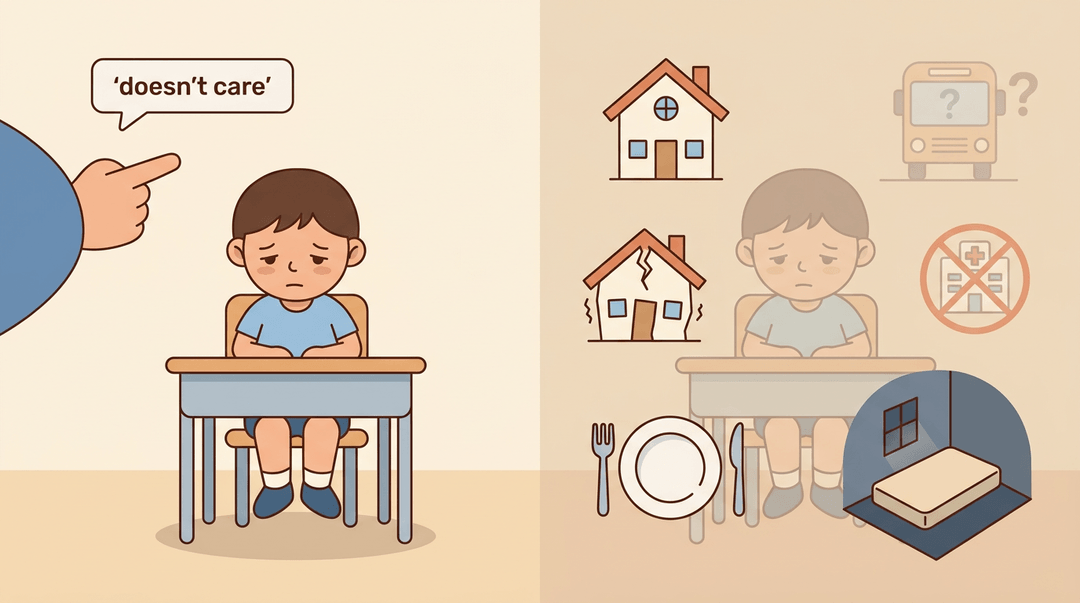
Under-resourced students carry pressures that are invisible from the front of a classroom:
- an unstable home
- a missed meal
- no quiet place to do homework
Add unexamined teacher bias (assuming a quiet or unprepared student "doesn't care") and the relationship starts on the wrong foot.
Limited access to support services or reliable transportation only makes it harder for those students to show up ready to connect at all.
Learning differences and disabilities
- Communication differences can make it harder for an autistic student to read (or send) the usual social cues a relationship runs on.
- A student with ADHD (attention-deficit/hyperactivity disorder) may struggle to sustain the eye contact and follow-through that rapport seems to require.
- A student with dyslexia, worn down by frustration over reading tasks, may pull away from the adult connected to that struggle.
In each case, the right accommodations aren't a side note: they're often the bridge to the relationship itself.
Seeing Relationship-building in Action
Strategies only matter once they show up in the daily rhythm of your classroom. Here's what that looks like in practice, from the first name you learn to the hardest conversation you'll have.
Putting these strategies into practice
- Learn names fast with a seating chart. A high school teacher can pair every seat with a name during the first week, quizzing themselves before each class until names come without hesitation.
- Greet students at the door. A quick "good morning" and eye contact at the threshold takes ten seconds and tells every student they were noticed before class even started.
- Handle persistent disruption privately. Instead of calling a student out in front of peers, pull them aside after the bell and ask what's going on. It protects their dignity and usually gets further than a public correction.
- Make room for one-on-one conversations. Consider a student who's been sliding on homework. A five-minute check-in ("What's making this hard right now?") often surfaces the real issue faster than a warning ever could.
- Substitute teachers can build rapport fast, too. Scan the seating chart for names before the bell, greet a few students by name as they walk in, and ask one genuine question about the lesson. It's a small effort, but it buys real trust for the day.
A strong student-teacher relationship isn't a soft extra. It's the quiet foundation that makes everything else in your classroom work better: behavior, participation, and real learning.
Small, consistent moments of attention build it faster than any grand gesture. Ready to make that consistency easier to manage across every class you teach?
Check out our Classroom Management feature to keep your rosters, sections, and schedules organized so you can spend less time on logistics and more time on the relationships that matter.
References
- Positive student-teacher relationships and exclusionary discipline practices — francish.net (2025)
- Positive teacher–student relationships: Their role in classroom management — edresearch.edu.au
- Exploring positive teacher-student relationships: the synergy of teacher mindfulness and emotional intelligence — pmc.ncbi.nlm.nih.gov
- Positive teacher-student relationships lead to better teaching — showme.missouri.edu
- How Relationships Impact Teacher Job Satisfaction — files.eric.ed.gov
- Chronic Absenteeism: A Review of the Research — dpi.nc.gov
- Nurturing bonds that empower learning: a systematic review of the significance of teacher-student relationship in education — public-pages-files-2025.frontiersin.org
- As CPS grapples with absenteeism crisis, a new study shows what may help - Chicago Sun-Times — chicago.suntimes.com (2026)
- Improving students' relationships with teachers — apa.org
Frequently asked questions
What is a student and teacher relationship?
A student-teacher relationship is the ongoing bond of trust, respect, and communication between an educator and their students. It is built through daily interactions, shared expectations, and consistent efforts to make students feel seen and understood. This bond shapes how receptive students are to learning and their overall engagement in the classroom.
Why do student-teacher relationships matter?
Student-teacher relationships matter because they significantly impact academic engagement, attendance, and behavior. Strong connections lead to positive attitudes toward school, improved motivation, higher academic results, and better self-regulation skills. These relationships also contribute to teachers' job satisfaction and retention.
Are student-teacher relationships common?
Yes, student-teacher relationships are common. Research indicates that teachers are often regarded as attachment-like figures, and supportive teacher-student relationships are prevalent and linked to stronger academic outcomes. These bonds are a fundamental aspect of effective education.
Are teachers allowed to have relationships with students?
Teachers are allowed to have professional relationships with students, characterized by trust, respect, and emotional boundaries. However, romantic relationships between teachers and students are strictly prohibited because they are considered a breach of trust, unethical, and often illegal, regardless of the student's age.