Parent as Teachers: What the Program Covers and How It Helps

Jump to section
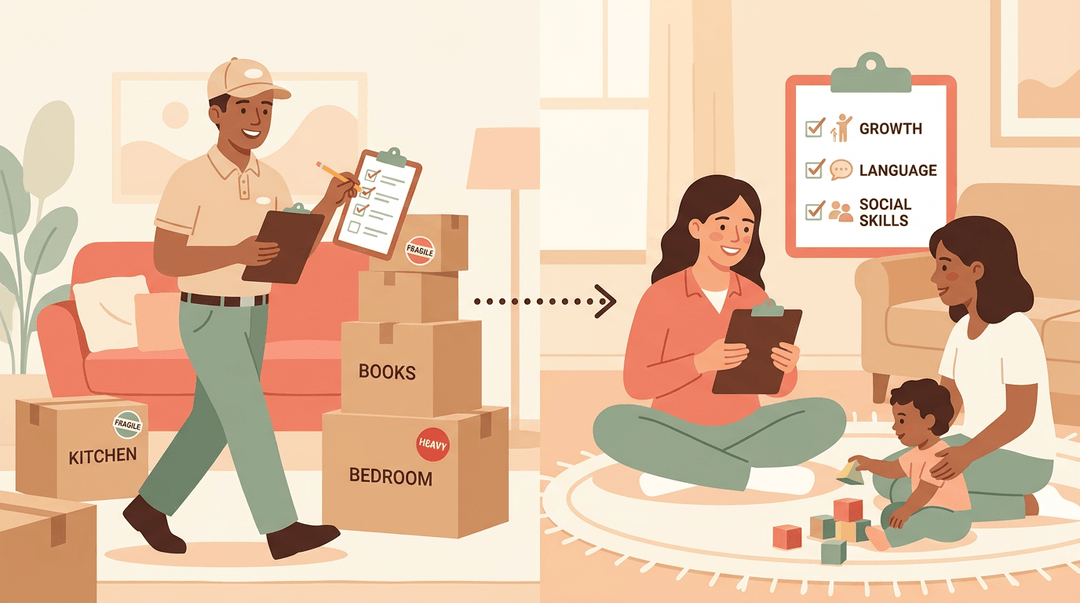
Think about the walkthrough a moving company does before the big day: someone checks what's fragile, what's heavy, what needs extra care, so nothing catches you off guard. Parents as Teachers works the same way for a child's early years.
It's a home-visiting program that pairs families with trained parent educators from birth, tracking a child's growth long before school ever starts.
Here, we'll cover the model itself, what families actually receive, and how you can put that early data to work once those children land in your classroom.
Getting to Know Parents as Teachers
So what actually is Parents as Teachers? It's a home visiting program built on one simple belief: parents are a child's first and best teacher, and every family deserves support in that role.
Helping Families and Kids Thrive
The mission is straightforward: strengthen families everywhere, and strong families build strong communities. That thriving-families focus keeps one goal in view, that children grow up healthy, safe, and ready to learn.
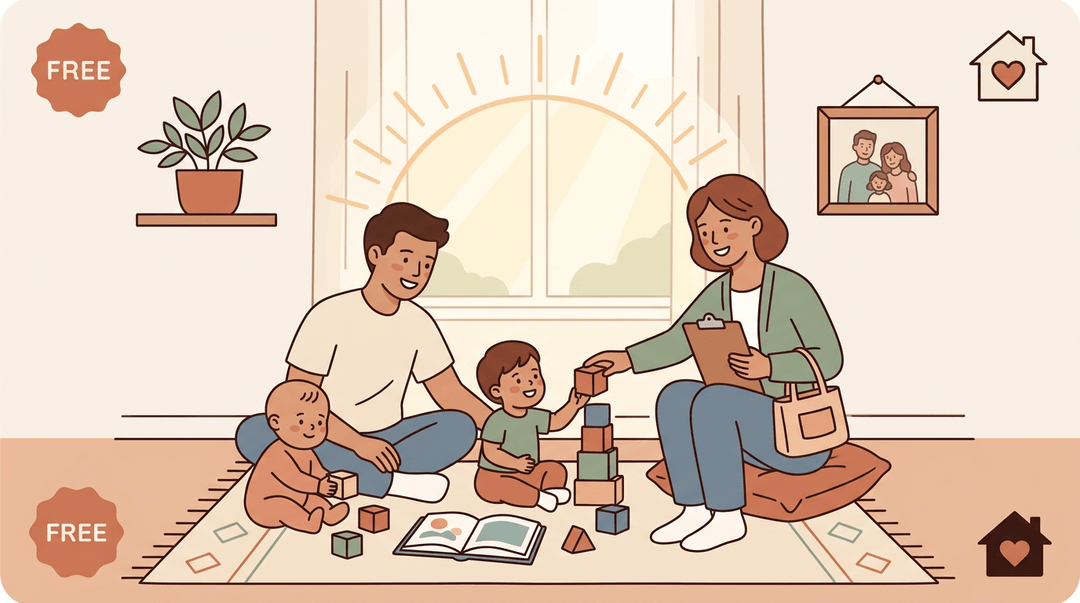
It's also free for the people who need it most: Leander ISD offers Parents as Teachers as a free early education program for families with children from birth to age 5.
A Nationwide Evidence-Based Program
This isn't a small, local effort. Parents as Teachers runs through more than 1,000 affiliates, operating across the United States with a footprint that reaches families abroad as well.
That scale holds up because the model is genuinely evidence-based: the U.S. Department of Health and Human Services recognizes it as meeting the criteria for an effective home visiting service delivery model.
What Are the Four Core Model Components?
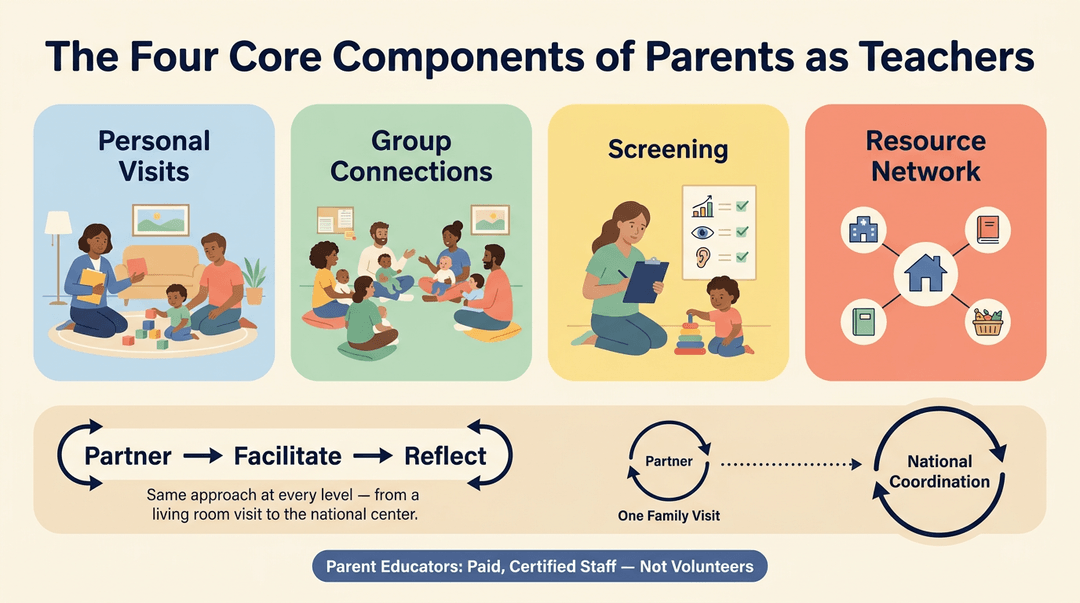
The model rests on four core components:
- Personal visits
- Group connections
- Screening
- A resource network
Trained parent educators deliver this work through home visiting, using a partner, facilitate, and reflect approach rather than lecturing families.
Do parent educators get paid? Yes: parent educators are paid staff who make regular home visits from prenatal through kindergarten, not volunteers.
They earn that role through training, too, completing required certification courses before they're certified to use PAT's curricula.
That same partner, facilitate, reflect approach repeats at every level, from a living room visit up to the national center that coordinates affiliates, so the process stays consistent even as the scale grows.
What Parents as Teachers Delivers for Families
Families get more than a friendly check-in visit.
Parents as Teachers pairs a structured curriculum with trained parent educators and a handful of concrete goals that touch almost every part of a young child's world, from screen habits to school readiness.
What Is the 7-7-7 Screen Time Rule?
The curriculum is organized by age and stage: a visit with a family of a newborn covers different ground than one with a family of a toddler, but every session ties back to the same aim.
According to a global systematic review of home visiting programs published in PMC, Parents as Teachers "aims to increase... parental knowledge of early childhood development and improve parental practices, including early detection of developmental delays and health issues, prevention of child abuse and neglect."
Knowledge in, better parenting practice out.
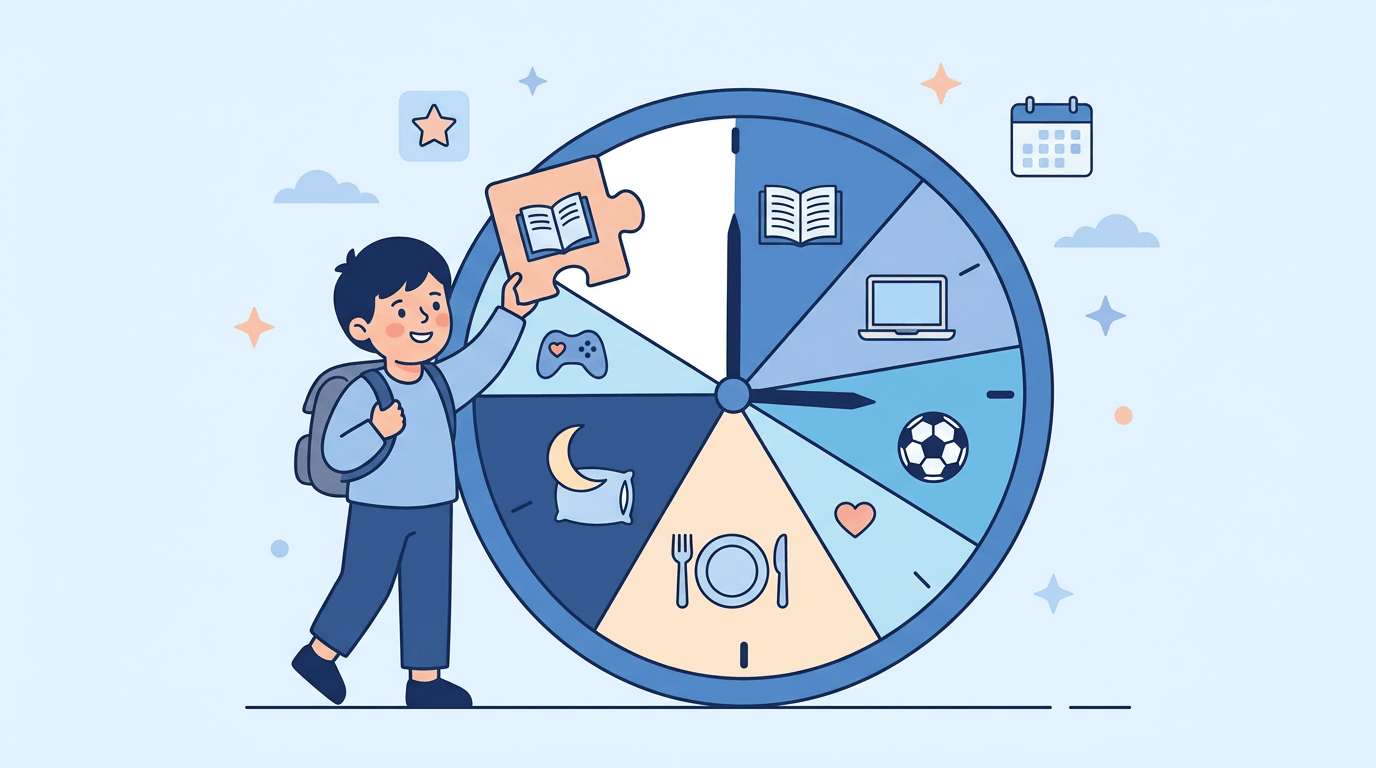
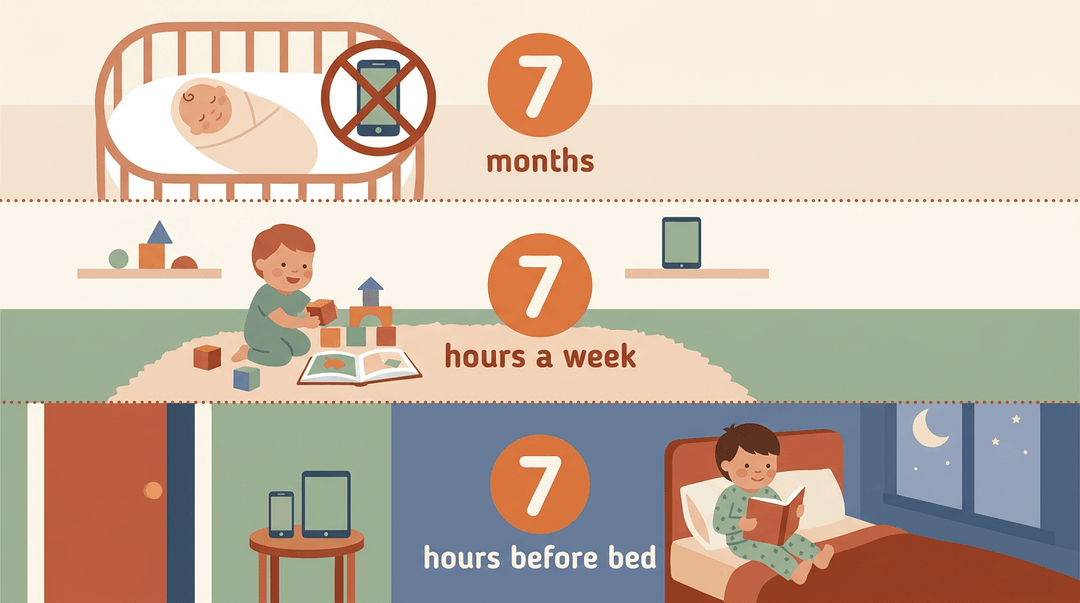
That parent education focus shows up in the small stuff too, like screen habits. One version of the 7-7-7 rule that comes up in these conversations:
- no screens for babies under seven months
- no more than seven hours a week of screen time for toddlers and preschoolers
- screens out of the room in the seven hours before bedtime
It's less a strict rule and more a simple shared language for a conversation that's easy to put off otherwise.
Catching Developmental Delays Early
Regular visits include screening for hearing, vision, language, and motor milestones. When something looks off, parent educators connect the family to early intervention or a specialist right away, instead of waiting for kindergarten to surface the issue.
For example, a parent educator who flags a speech delay at eighteen months can get that toddler into services years before a classroom teacher would ever notice.
Once the child enrolls in school, families can share those screening results directly with you, the teacher, giving you a running start instead of a blank slate.
Preventing Child Abuse and Neglect
That same emphasis on early detection extends to preventing child abuse and neglect.
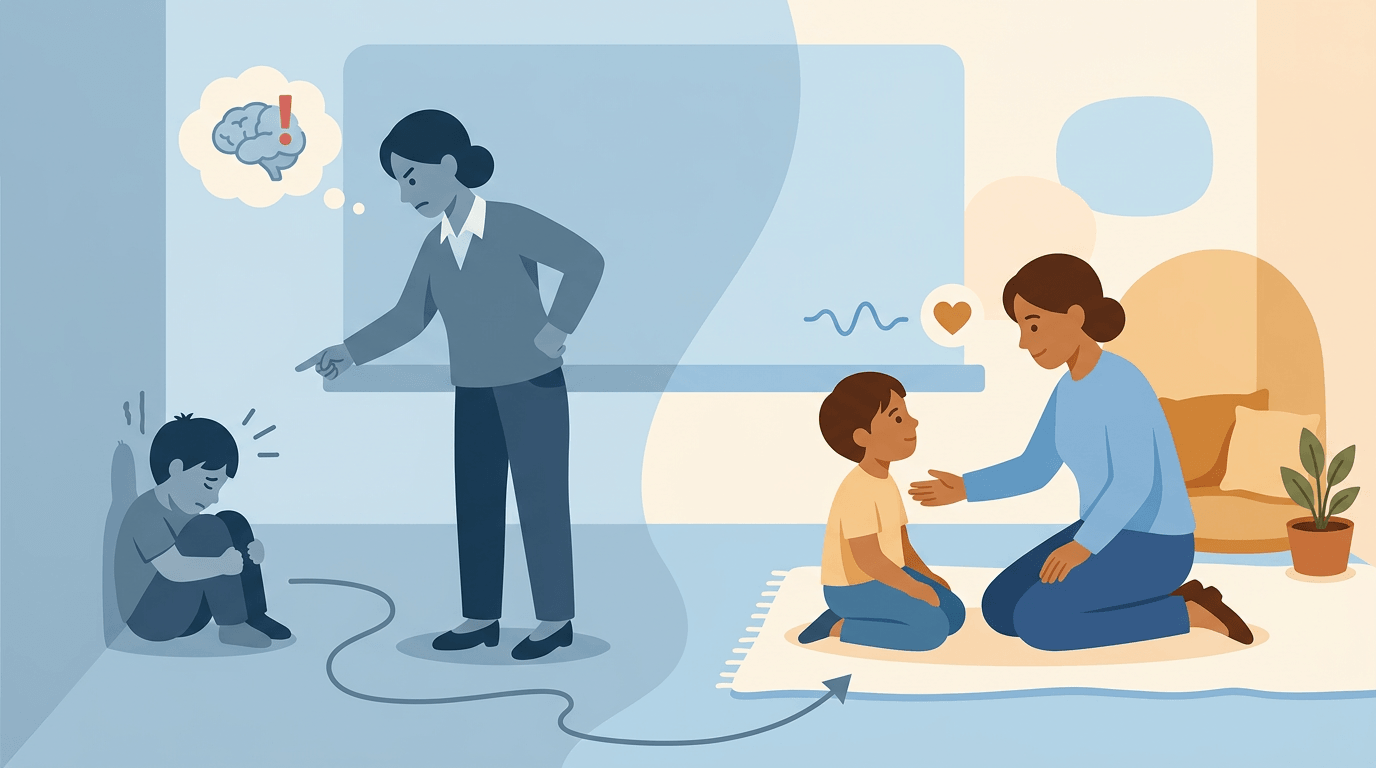
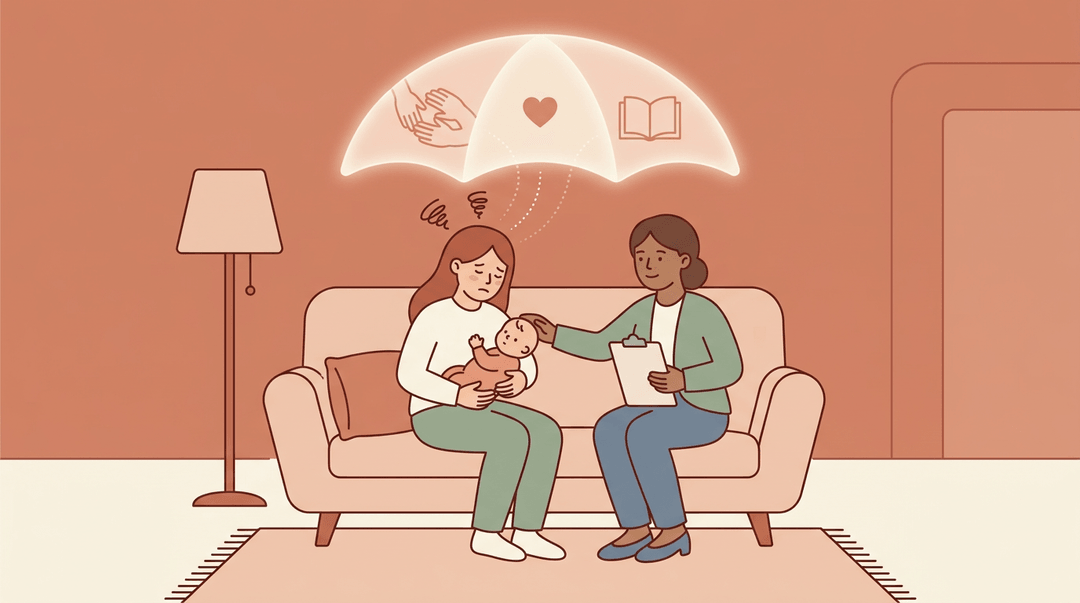
Parent educators build what's often called protective factors: parental resilience, social support, and concrete parenting knowledge, the buffers that keep everyday stress from tipping into harm.
Getting Kids Ready for Kindergarten
The long-term goal is straightforward: increase school readiness and set kids up to succeed once they're in a classroom. That covers letters and numbers, but also the quieter skills:
- following directions
- sitting through a lesson
- managing big feelings
If you're the kindergarten teacher receiving a family's screening summary at enrollment, you can skip weeks of guesswork and start differentiating on day one.
Supporting Family Health and Finances
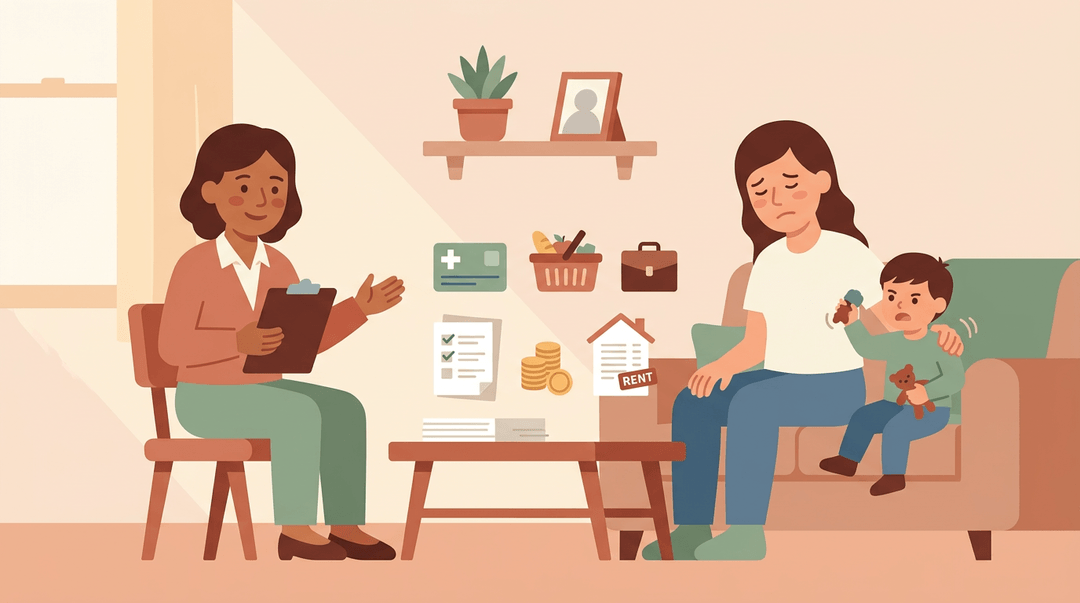
Home visits touch the practical side of raising kids too: connecting families to healthcare, food assistance, or job training when money is tight.
A family juggling rent and childcare costs gets the same attention as one working through toddler tantrums, because financial stability and child wellbeing are tangled together.
Partnering With Communities and Governments
None of this happens alone. Local affiliates partner with states and tribal entities running their own home visiting programs, pooling resources so no single agency builds a system from scratch.
Those partnerships strengthen community capacity and build the kind of connectedness that keeps families from feeling like they're raising kids in isolation.
Bringing This Data into Your Classroom
Children from Parents as Teachers arrive with years of screening data and a family already used to working with an educator. Here's how to put both to work from week one.
The first two weeks: read the screenings
- Pull each child's PAT screening record.
- Ask the family directly, or request records through your district's PAT affiliate.
- Flag developmental concerns before they surface as behavior.
- Write one line per child: "Maya: expressive language below range, recheck in November."
- Let the flags shape your room.
| If the screening flags... | Try... |
|---|---|
| Speech or language delay | Pair with a talkative peer, seated near your teaching spot |
| Attention concerns | Front seating, away from the door and high-traffic areas |
| Fine motor delay | Table stocked with grips, thick pencils, and scissors supports |
Keep the family partnership alive
PAT families are used to an educator showing up regularly. Don't let that habit die at the school door.
- Invite the PAT parent educator to your first conference.
- Say: "You've known this family for years. Would you join us for twenty minutes?"
- Share behavior notes in the plain style PAT visits used.
- Two lines home each Friday: one win, one thing we're practicing.
- Align one routine across home and school.
- Agree on a shared cue, like the same clean-up countdown in both places.
Build a support plan for each flagged child
For any child whose screening raised a flag, fill in three slots:
- Referral. Attach the PAT screening to your referral paperwork.
- It documents a concern that predates kindergarten, which strengthens the case for evaluation.
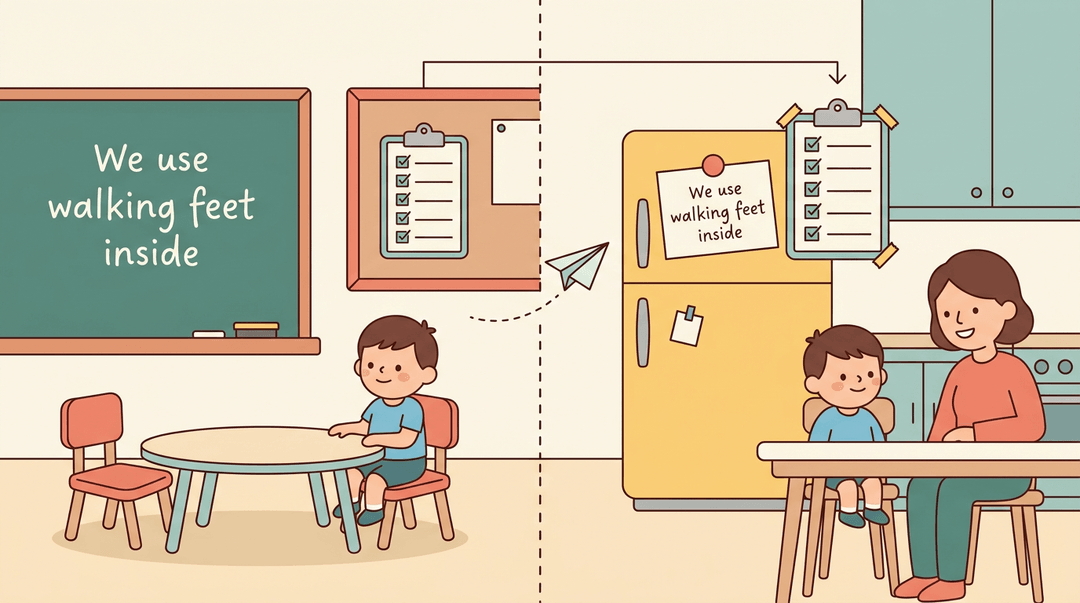
- Expectation. Pick one behavior expectation worded identically at home and school.
- On the board and on the fridge: "We use walking feet inside."
- Tracking. Set up one simple log both settings share.
- You and the parent each mark it weekly, so progress shows across settings, not just in class.
Example: A kindergarten teacher notices a boy's PAT screening flagged social-emotional development. She seats him beside a calm peer, sends his mom a two-line note every Friday, and both agree on the same phrase for transitions. By October, his shared log shows smoother mornings in both places.
💡 Tip: One expectation, one cue, one log. A plan a parent can hold in their head is a plan that actually runs at home.
Log family background notes and readiness flags right inside each student's profile with EMStudio's classroom management tools.
Parents as Teachers isn't just a home-visiting program with a curriculum and paid staff behind it. It's a head start of real information: screenings, milestones, and readiness notes that tell you who's walking through your door before you ever meet them.
That data is worth using, not filing away.
Ready to put those early insights into a workspace built for your classroom? Check out our Classroom Management feature to organize rosters and track each student's needs from day one.
References
- Parents as Teachers — leanderisd.org (2025)
- Parents as Teachers (National Model) — dese.mo.gov
- Parenting interventions to promote early child development in the first three years of life: A global systematic review and meta-analysis — pmc.ncbi.nlm.nih.gov
- New York R-IV — newyorkr4.com
- PAT Core Courses — paparentsasteachers.org (2026)
Frequently asked questions
What is the purpose of Parents as Teachers?
Parents as Teachers supports families with children from birth through kindergarten by strengthening parenting skills and promoting healthy development. It provides home visits, developmental screenings, family connections, and referrals so children are healthy, safe, and ready to learn.
What is the 7 7 7 rule for parents?
The 7-7-7 rule is a simple screen-time guideline: no screens for babies under seven months, no more than seven hours of screen time per week for toddlers and preschoolers, and no screens during the seven hours before bedtime. It is generally used as a conversation tool rather than a strict universal requirement.
What is the Parents as Teachers curriculum?
Parents as Teachers uses an age- and stage-based curriculum delivered by trained parent educators. It focuses on child development, parenting practices, early detection of developmental delays and health concerns, prevention of abuse and neglect, school readiness, and connections to community resources.
What is the Parents as Teachers program in Florida?
In Florida, Parents as Teachers is delivered through local affiliates and partner organizations as a voluntary home-visiting program for families with young children. Services typically include personal visits, developmental screenings, group connections, and referrals to health, education, and family-support resources, although eligibility and availability vary by local program.
What are the four main components of the Parents as Teachers model?
The four main components are personal visits, group connections, screening, and a resource network. Together, they support individualized family education, developmental monitoring, social connection, and referrals to community services.
Do Parents as Teachers get paid?
Yes. Parents as Teachers parent educators are paid, trained staff members, not volunteers. They complete required certification or training and make regular visits to families, generally from the prenatal period through kindergarten.