Assertive Discipline: Components, Critiques, and Plans

Jump to section
Picture a classroom where students already know what's expected, and a calm, clear request from the teacher is usually all it takes to get everyone back on track. Teachers who want to build on that calm starting point can read about conscious discipline.
That's the goal behind assertive discipline, a classroom management approach built on clear expectations and consistent follow-through.
Assertive discipline isn't about being harsh. It's about being clear, firm, and fair, so students always know where they stand. Staying firm without harshness usually comes down to the consequence you choose, so logical consequences deserve a closer look.
In this post, we'll break down the Canter model, its core components, the criticisms worth weighing, and how it compares with other approaches. Then you'll get a ready-to-use plan builder to shape your own.
Build Your Assertive Discipline Plan
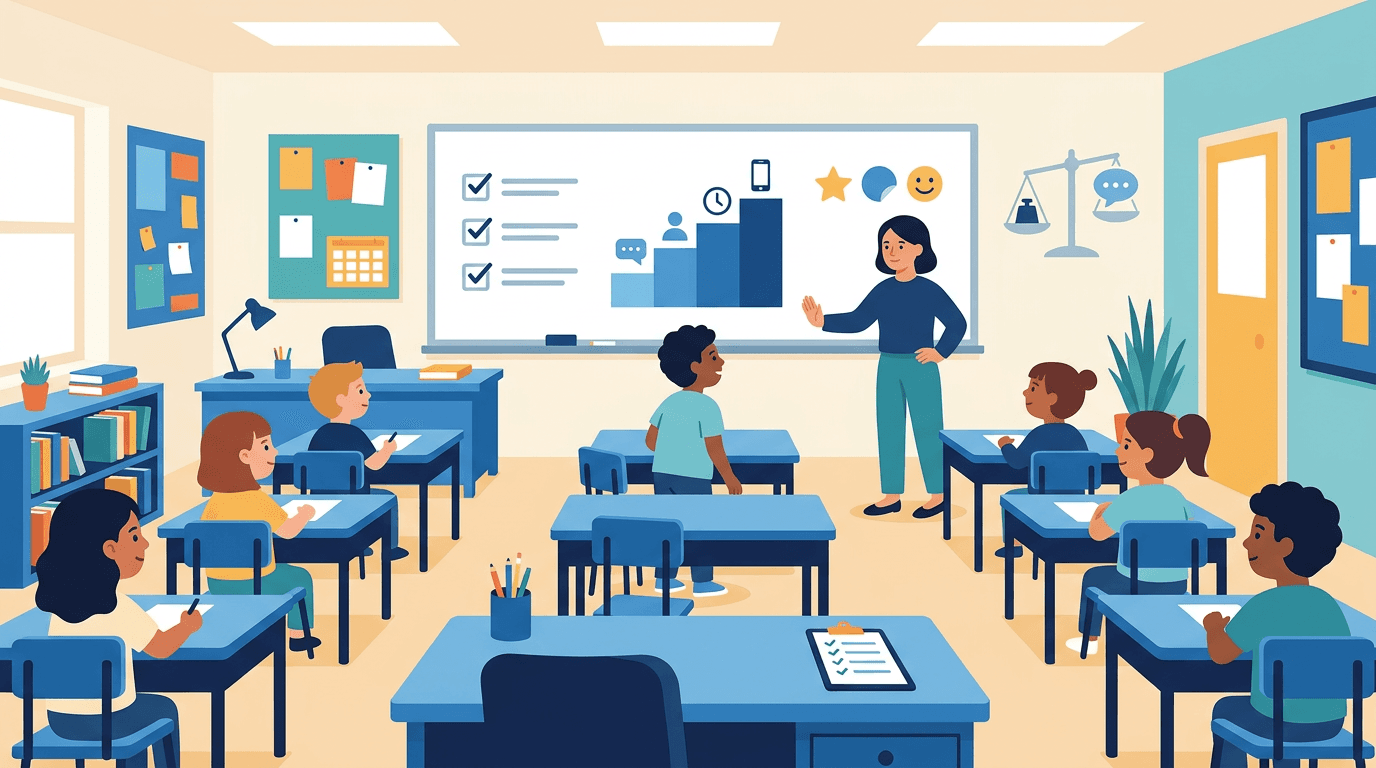
Use this guide to turn assertive discipline into a one-page plan you can post, teach, and run. Draft it first, teach it in week one, then adjust it for your grade band.
Draft your plan
Fill in each slot below. Keep every line short enough to say out loud in one breath.
| Slot | What to write | Sample entry |
|---|---|---|
| Rules | 3 to 5, stated positively | "Follow directions the first time." |
| Positive recognition | What you'll notice and how | Specific praise, a note home |
| Consequences | Steps in order, mildest first | Warning, then a brief reset |
| Wording | Words your students actually use | Short sentences, familiar verbs |
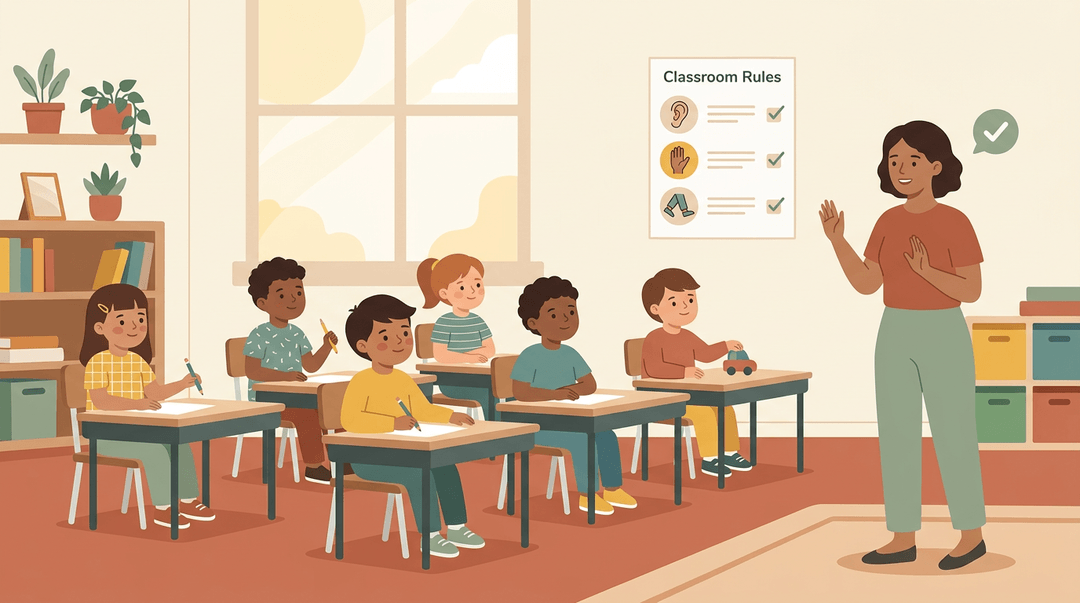
Example: A fourth-grade teacher posts four rules: "Follow directions the first time. Raise your hand to speak. Keep hands and feet to yourself. Respect others' work." Her consequence steps read: (1) warning, (2) a check by the student's name and a short reset, (3) a call home, (4) office referral for serious behavior. Praise is always specific: "Maya, thank you for starting right away."
Make recognition as concrete as consequences. If students can't say how they earn praise, it won't change much.
Teach it to your class
Don't assume posting rules means students understand them. Teach the plan like any other lesson.
- Model each rule with an example
- Say: "Here's what 'raise your hand' looks like." Then show it.
- Practice non-examples too
- Call out without raising a hand, then ask: "What did I miss?"
- Post the rules where everyone sees them
- Put them at eye level, in student-friendly words.
- Review daily for the first week
- Spend two minutes each morning on one rule and one example.
⚠️ Watch out: Skipping the non-examples is the usual gap. Students know what you want only when they've also seen what it isn't.
Adjust by grade level
The structure stays the same. The delivery changes.
| Grade band | Try this |
|---|---|
| K-2 | Visual cues: picture rules, a color chart, a hand signal |
| 3-5 | A checkmark system: a mark by the name for each step |
| 6-8 | Private warnings: a quiet word at the desk, not in front of peers |
| 9-12 | Conference follow-up: a brief one-on-one after class |
Make it stick
Before you launch, and again each month, confirm:
- Consistent follow-through: the same behavior gets the same response, every student, every day.
- Calm, firm tone: you sound steady, not angry; say it once, then act.
- Parents contacted early: a positive note or short call before problems pile up.
- Monthly review and adjustment: you check what's working and revise rules or steps that aren't.
Run the monthly review in ten minutes. Ask which rule gets broken most, then reteach it before you change anything else.
Log behavior notes and track student patterns alongside your rosters in EMStudio.
Assertive discipline comes down to clarity, consistency, and calm follow-through. When expectations are clear and consequences are predictable, students spend less time testing limits and more time learning.
Weigh the criticisms, compare the approach with others, and keep what fits your students.
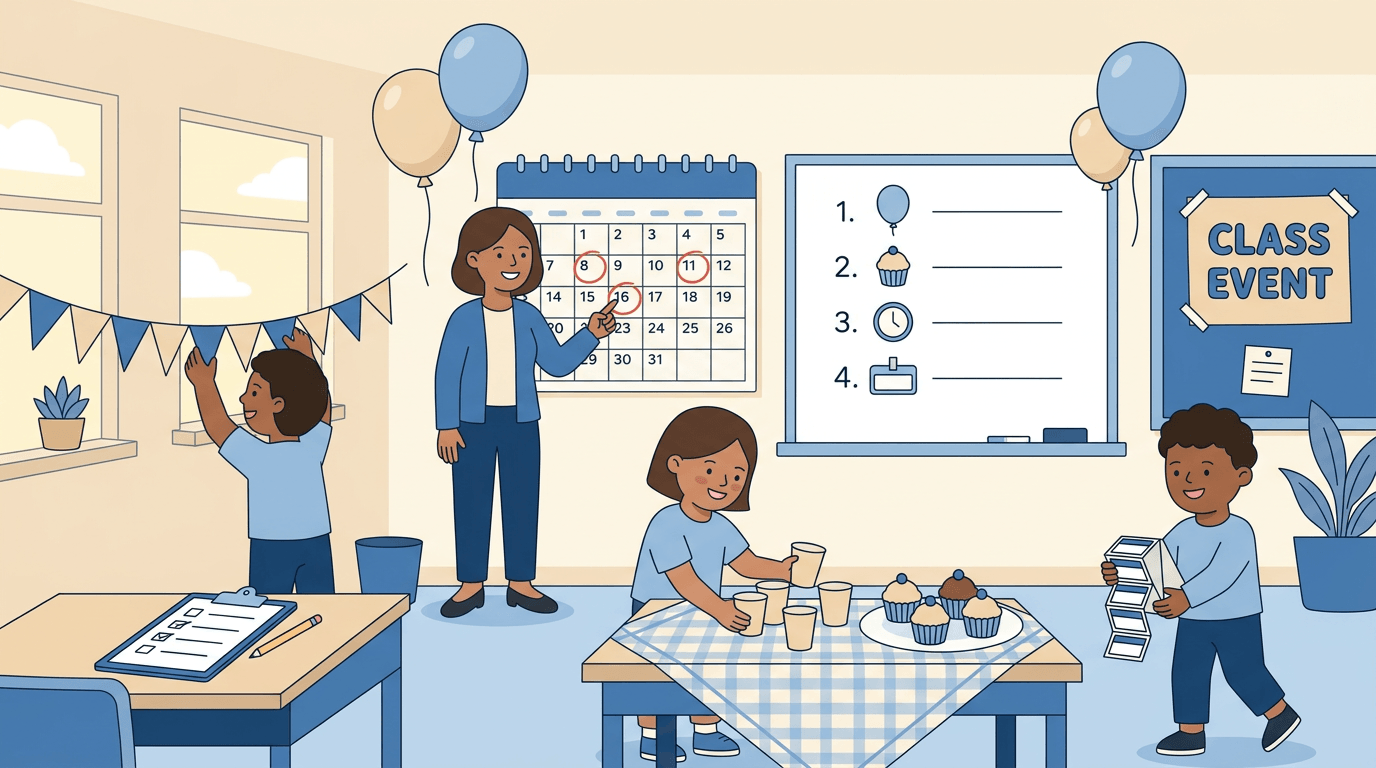
Ready to turn that into a plan? Explore Classroom Management, where you can organize classes, sections, rosters, and timetables in one structured workspace.

Frequently asked questions
What is the best way to manage discipline in the classroom?
The best way to manage classroom discipline is to set a few clear, positively worded expectations, teach and practice them, and follow through consistently. Use a calm, firm tone, recognize appropriate behavior specifically, and apply predictable consequences fairly.
What is the canter model?
The Canter model, also called assertive discipline, is a classroom management approach developed by Lee and Marlene Canter. It emphasizes clear rules, positive recognition, and consistent consequences delivered calmly and fairly.
What is the 70/30 rule in teaching?
The 70/30 rule in teaching is commonly understood to mean students should do about 70% of the talking or active learning while the teacher does about 30%. It is a flexible guideline rather than a strict formula, and the balance varies with the lesson and students’ needs.
What is Harry Wong's theory of classroom management?
Harry Wong’s classroom management approach emphasizes establishing routines and procedures so students know what to do and can begin learning efficiently. Teachers explicitly teach and practice these procedures, set clear expectations, and create a predictable, organized classroom.