Conscious Discipline Explained: Calm First, Connection Next

Jump to section
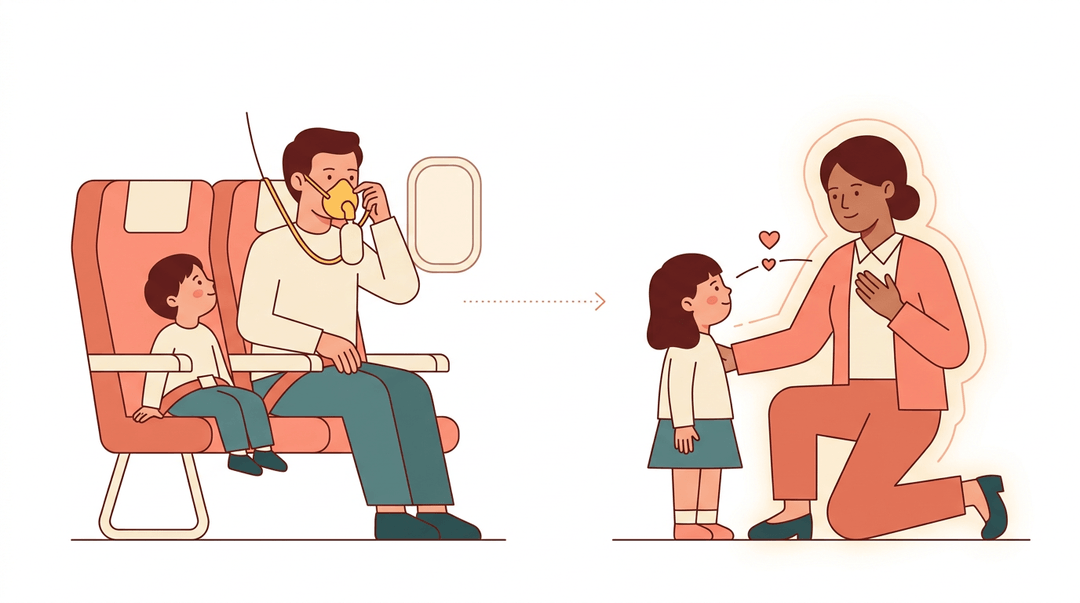
On a flight, you're told to secure your own oxygen mask before helping the child beside you. It feels backwards, until you remember that panic helps no one.
Conscious Discipline works the same way: it's a classroom approach built on the idea that your calm comes first, connection comes next, and correction follows both.
In this post, we'll break down what that actually looks like, the framework behind it, and how to start using it this week.
What Conscious Discipline Really Means
Conscious Discipline isn't a poster on the wall or a sticker chart. It's a full shift in how the adults in a building respond to conflict, first.
A brain-based approach that starts with adults
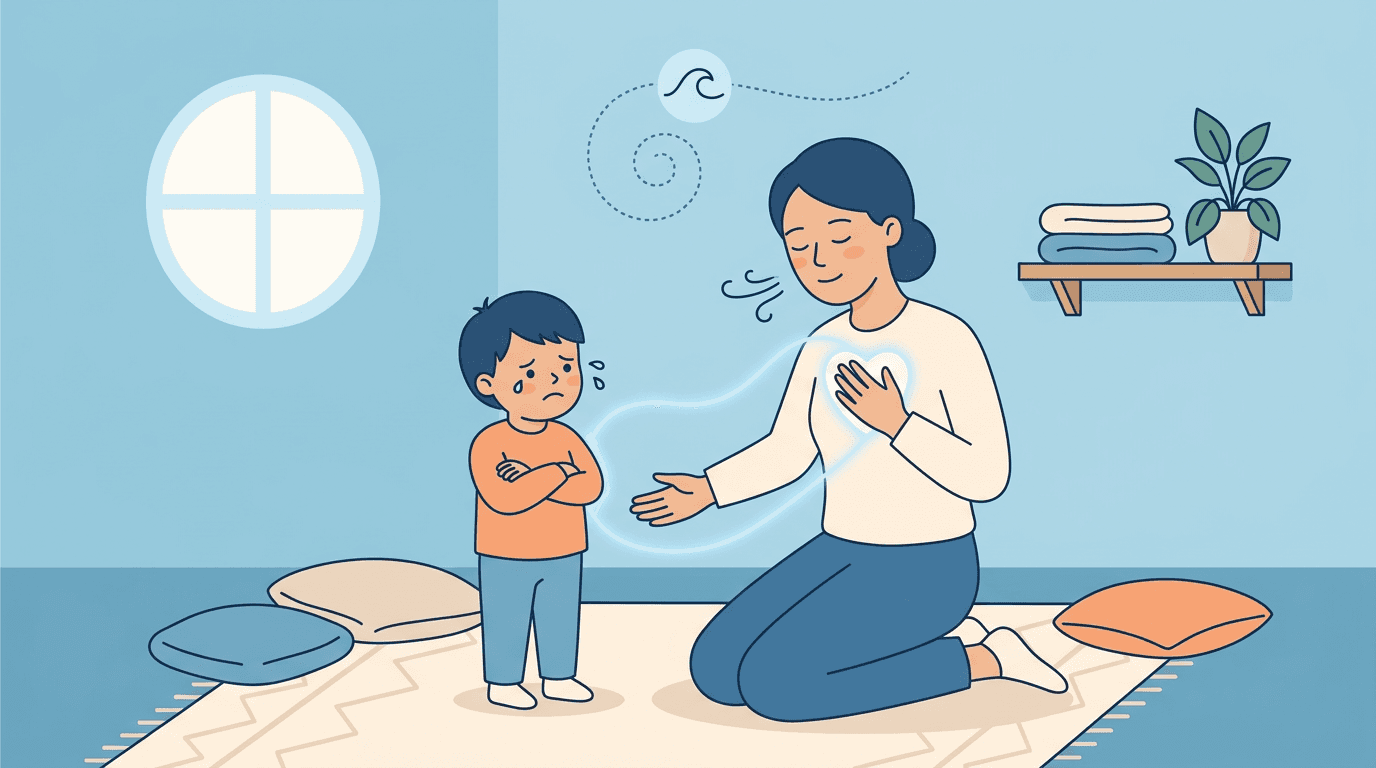
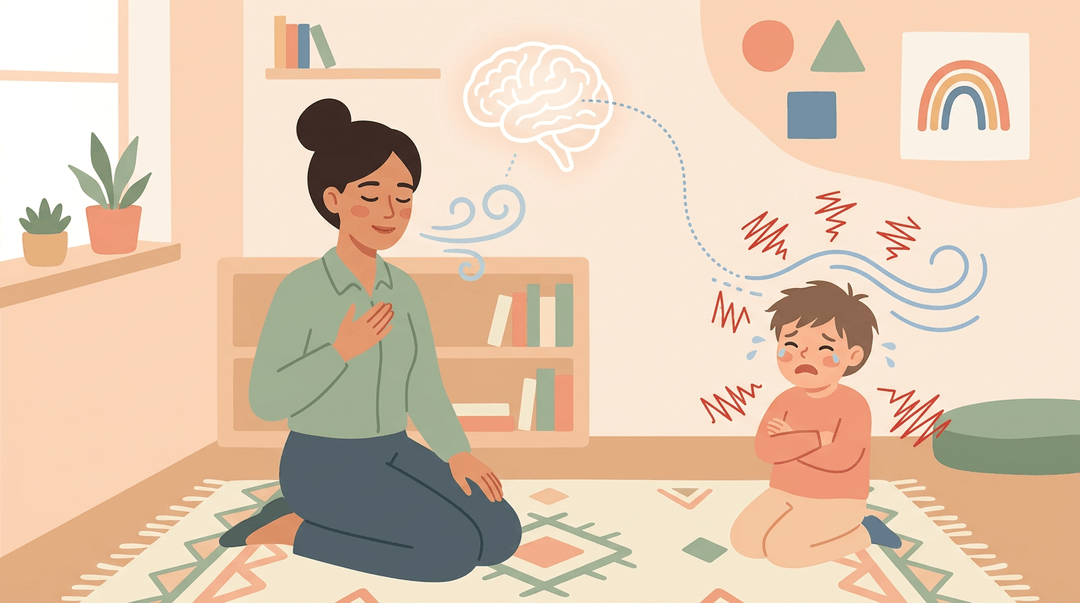
At its core, Conscious Discipline is a brain-based self-regulation model: it teaches you to manage your own state before you try to manage a student's behavior. That's the adult-first approach in action, and it's also what makes this a genuine social-emotional learning program rather than a compliance tool. Because it treats stress responses as survival-brain reactions, it's often called trauma-informed, built to work with students who've experienced adversity, not just around them. The model is research-grounded, drawing on developmental psychology and neuroscience rather than trend. For example, a first-grade teacher who feels her own frustration rising during a meltdown might pause, breathe, and model calm before redirecting the student: that's the inside-out program at work, teaching adults the skill first so they can pass it on.
Meet the psychologist who created it
Dr. Becky Bailey created Conscious Discipline and remains its lead voice, known for her work in "childhood education, developmental psychology, and trauma responsive practices." She's also written several books that expand on the framework for teachers and parents.
It's not about rewards or punishment
Conscious Discipline isn't a behavior-control system, and it doesn't run on rewards or punishments. It's also not a one-off training or an add-on curriculum you bolt onto your day: it's meant to reshape how a classroom operates, full-time. That's also its biggest criticism: without sustained practice, it can fade into just another workshop binder on a shelf.
The Core Framework and Its Parts
Unlike Positive Behavioral Interventions and Supports (PBIS), which leans on behavior charts and rewards, or restorative practices, which mostly kick in after a conflict, Conscious Discipline works upstream: it builds the skills that keep conflict from happening in the first place.
What are the 7 steps of Conscious Discipline?
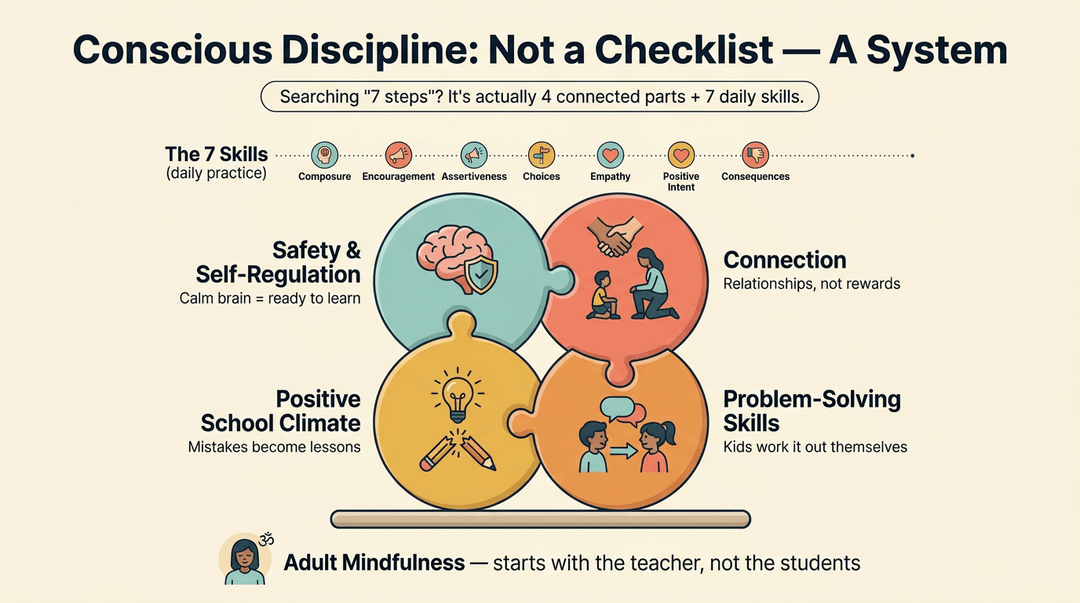
Search for "the 7 steps" and you'll actually land on four interconnected components that work together, not a checklist you march through in order:
- Safety and self-regulation. Students can't learn brain-first when their brain is stuck in survival mode.
- Connection. Real relationships, not rewards, are what keep a classroom running smoothly.
- Positive school climate. A culture where mistakes become teaching moments instead of shameful ones.
- Problem-solving skills. Kids practice working through conflict instead of having it solved for them.
None of it holds up without mindfulness in adults. A teacher who's dysregulated can't model regulation, so the framework starts with you, not the students.
Layered on top of these four components are the Seven Skills of Conscious Discipline, the specific behaviors, like composure and assertiveness, that turn the framework into daily practice.
The S.A.F.E. framework for planning
Once you know the components, S.A.F.E. is the planning lens that keeps them from staying theoretical:
- Sustained leadership. Building support that outlasts a single training day.
- Adult self-regulation focus. Keeping your own composure front and center.
- Foster community. Structures that build real connection, not just rules.
- Engage classrooms. Practices students actually feel day to day.
Think of S.A.F.E. as an assessment tool: run any lesson or routine through it, and you'll see quickly whether it's built to last or just built to look good on paper.
Getting Started in Your Classroom
You don't need the whole framework running on day one. Four setup moves, one grade-band anchor, and a five-minute Friday check will carry you through the first month.
Four moves for your first week
- Post classroom rules together. Draft them with students, not for them.
- Keep them short and positive: "We are safe. We are kind. We help."
- Create a calm-down corner. A soft seat, a breathing poster, a sand timer.
- Introduce it as a choice, never a punishment.
- Say: "This is where we go to feel better, not where we get sent."
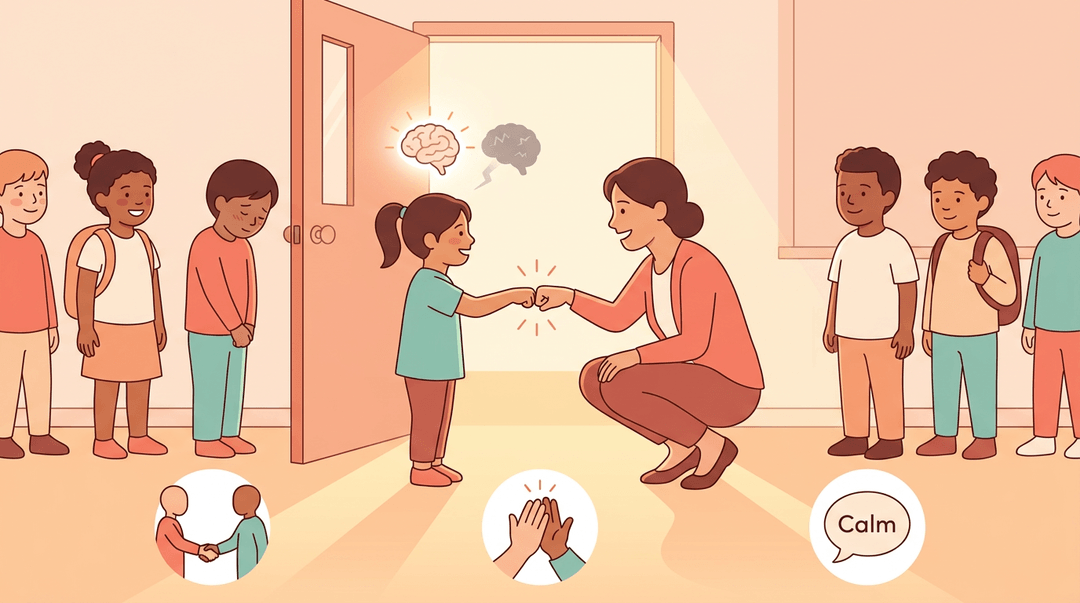
- Start daily morning greetings. Meet every student at the door by name.
- Offer a choice: handshake, high five, or wave.
- Model self-regulation aloud. Narrate your own resets so students hear what regulation sounds like.
- Say: "I'm feeling frustrated, so I'm taking a deep breath before I answer."
⚠️ Watch out: if the calm-down corner becomes a consequence ("Go to the corner!"), students will avoid it. Guard its status as a chosen tool from day one.
Pick one anchor for your grade band
You don't need every strategy: pick the single tool that fits your students and repeat it daily. STAR is Conscious Discipline's breathing cue: Smile, Take a deep breath, And Relax.
| Grade band | Anchor tool | What it looks like daily |
|---|---|---|
| Pre-K | Feeling faces chart | Each child points to today's feeling at arrival |
| Elementary | STAR breathing cue | You call "Let's STAR" before every transition |
| Middle school | Peer conflict scripts | Posted starter: "I felt ___ when ___. I need ___." |
Example: A middle school teacher tapes the conflict script inside two desks near the door. When friction starts, she points students there instead of mediating herself. By October, most pairs run the script without her.
The Friday five-minute check
Each Friday, confirm these four before you leave. This is a health check, not a to-do list: unchecked boxes tell you what to rebuild next week.
- Morning meeting held. Every day this week, even a two-minute version.
- Calm-down space used. By students on their own, not only when prompted.
- Positive language tracked. Tally one day's redirections: did you name what to do?
- Family connection sent home. One positive note, text, or photo to at least one family.
💡 Tip: the same box unchecked two weeks running is your signal. Make that routine your only focus for the following week.
These routines only stick when you can see the pattern week over week, so log routines, behavior notes, and rosters together in EMStudio's classroom management tools.
Why Adult Self-regulation Comes First
Before you can help a student calm down, you have to calm down yourself. Conscious Discipline builds its entire framework on that one idea: a dysregulated adult can't teach a regulated child.
What are the 5 steps to calm Conscious Discipline?
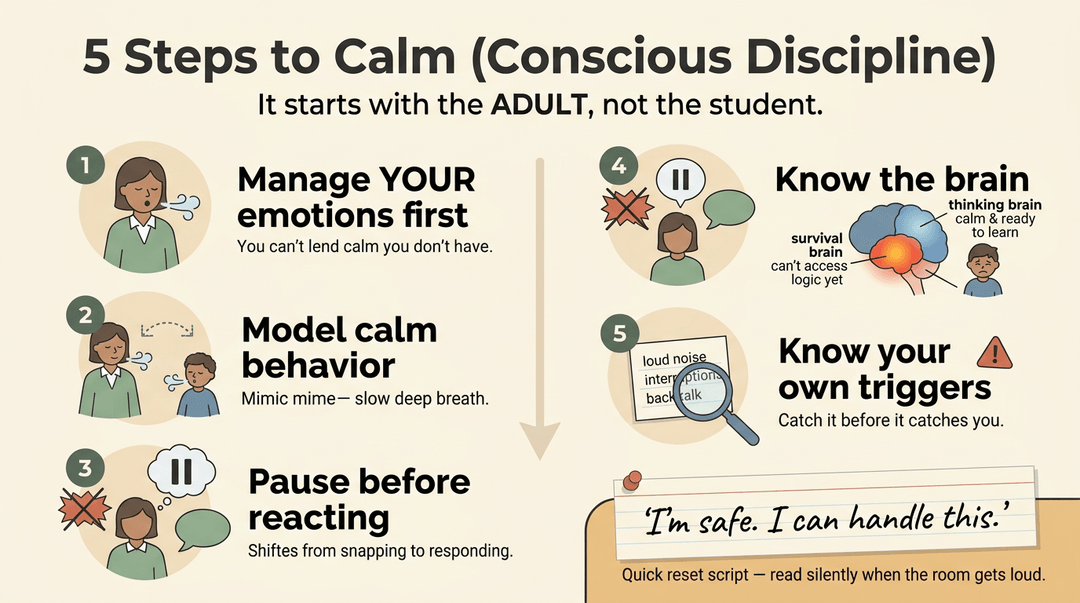
Conscious Discipline lays out a five-step calming sequence that starts with you, not the student:
- Adults manage their own emotions first. You can't lend a calm you don't have.
- Model calm behavior so students see regulation in action, not just hear about it.
- Move from reactive to responsive: pause before you speak instead of snapping at the interruption.
- Understand brain states during upset. A student stuck in survival mode can't access logic or language yet.
- Become conscious of your own triggers, the specific behaviors that spike your own stress, so you can catch them before they catch you.
For a fast reset mid-lesson, quick self-regulation script cards help: a short phrase like "I'm safe, I can handle this" that you post at your desk and read silently when a class gets loud.
Addressing root causes, not just behavior
A meltdown is rarely random. Conscious Discipline treats behavior as communication: the outburst is a signal, not defiance. Consider a student who shoves a desk during transitions.
That's often stress or overwhelm talking, not a discipline problem waiting for a consequence.
This is where co-regulation comes in: adults lend their calm nervous system to a student's dysregulated one until the student can borrow it back. Naming your own burnout matters too. A teacher running on empty has less regulation to offer anyone.
The goal is always skill-building over punishment: teaching the missing skill, not just penalizing its absence.
Why Connection Comes Before Correction
Before you can ask a student to manage a big feeling, that student needs to feel safe with you first. That's the whole logic behind Conscious Discipline's order of operations: connection before correction.
How connection makes learning possible
A brain that feels threatened can't learn, no matter how clear the lesson plan is.
Connection calms the nervous system enough for a student to actually take in new information, which means safety isn't a nice extra: it's the prerequisite for everything else you're trying to teach.
That shift changes how you handle conflict, too. Instead of a shouting match over a shoved chair, a strong connection turns the moment into a chance to name the feeling and practice a better choice, teaching rather than just punishing.
It also means classroom management stops living in a separate lane from social-emotional learning (SEL, the skills students use to understand and manage emotions).
Greet a student who's had a rough morning with warmth instead of a warning, and you're doing both jobs at once.
None of this arrives finished on day one. Discipline built this way is an ongoing journey, not a checklist you complete once and move past.
A simple morning greeting ritual is an easy place to start:
- A handshake, high-five, or fist bump at the door
- A one-word check-in, like a "word of the day"
- A quick eye-contact hello before students settle in
What the Research Says
Conscious Discipline isn't just a philosophy educators like: it's a framework with a research trail behind it, from national reviews down to individual school data.
Recognized by researchers and experts
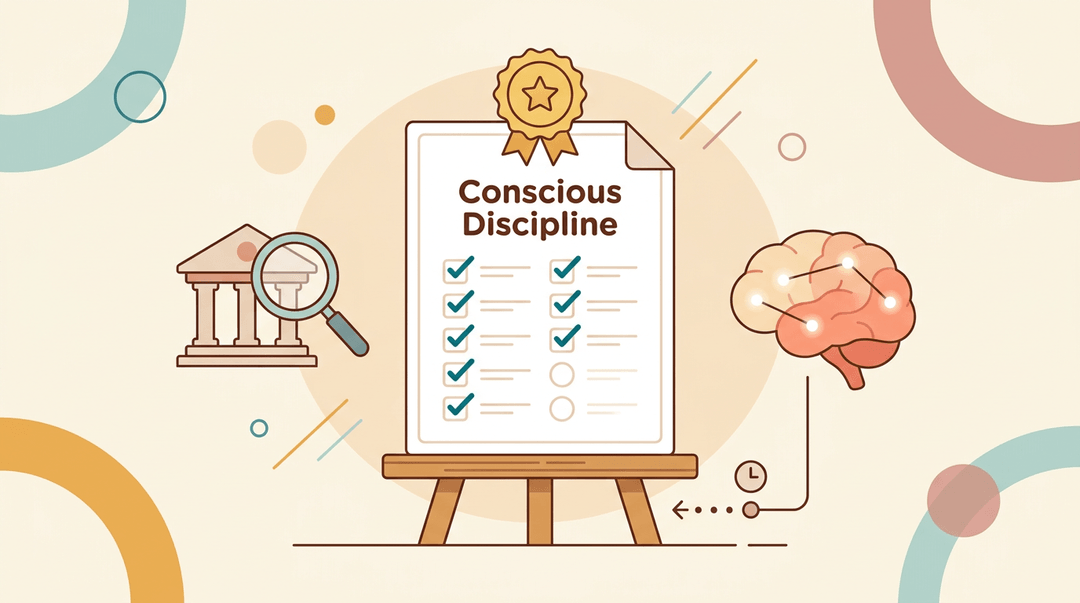
Conscious Discipline is recognized by SAMHSA's National Registry of Evidence-based Programs and Practices (NREPP, the federal registry that vets programs for real evidence, not just good intentions).
It also earned a place in Harvard's SEL Analysis Project, which looks inside leading social-emotional learning (SEL, the skills kids need to manage emotions and work well with others) programs to compare their features side by side.
In that same analysis, Conscious Discipline received high ratings in 8 of 10 categories among the nation's top 25 SEL programs, a rare showing across that many dimensions at once.
Its methods also draw on brain and neuroscience research into how children regulate emotion and behavior, backed by nearly 25 years of documented outcomes, not a one-year pilot.
Real results from schools using it
The payoff shows up in daily classroom life. Schools using Conscious Discipline report fewer discipline issues, healthier school culture, and better outcomes, including fewer office referrals, suspensions, and crisis interventions.
Educators also describe stronger teacher retention, higher CLASS scores, and more staff confidence and resiliency, while students build stronger self-regulation skills and see academic scores climb.
That track record now spans thousands of schools across multiple countries.
Using It at Home with Your Kids
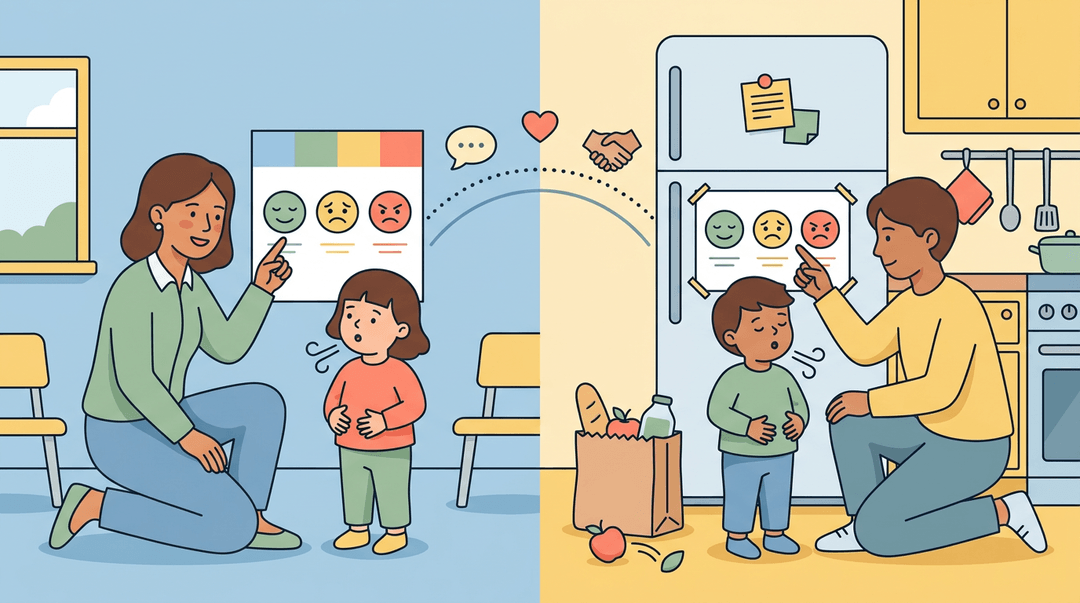
Conscious Discipline doesn't stop at the classroom door. The same skills that calm a hallway meltdown work just as well at the kitchen table, and schools that use the program often build a bridge to help families carry it home.
Support and resources for parents
Many schools offer a Parent Education Curriculum: short sessions that walk families through the same brain-state language and routines kids already practice at school.
Pair that with regular School to Home meetings, where teachers and parents compare notes on what's working, and the two settings start reinforcing each other instead of pulling in different directions.
Some schools also organize family book clubs around Conscious Discipline titles, giving parents a low-pressure way to learn the framework alongside other families. None of this requires a curriculum, though.
A grocery store meltdown, a sibling squabble over the last cookie, or a tough goodbye at drop-off can all double as everyday curriculum: real moments to practice naming feelings and problem-solving together.
The goal is simple: skills that live only at school rarely stick. Skills practiced at home and school do.
Coaching your child through big feelings
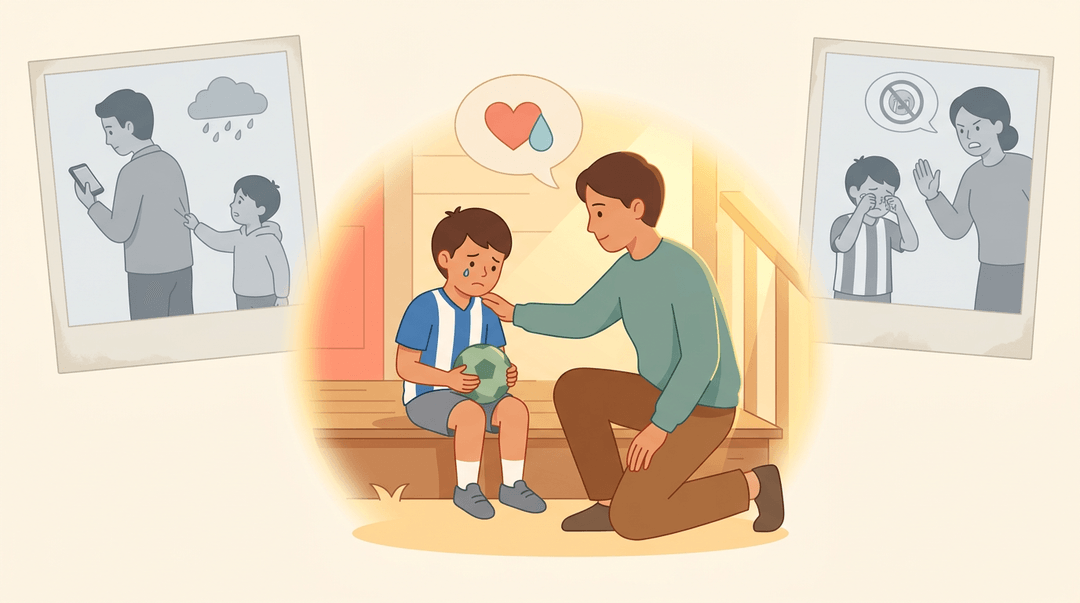
Consider a parent whose child comes home crushed after not making a team. The instinct might be to fix it fast or brush it off. Coaching through disappointment means naming the feeling first: "You're really disappointed. That makes sense."
Letting kids fully feel an emotion, rather than rushing past it, builds real empathy and resilience over time.
That middle path matters: avoid both the passive extreme (ignoring the feeling) and the aggressive extreme (shutting it down).
Sitting with your child in the hard moment builds connection, and connection is what makes a child willing to listen and learn in the first place.
Bringing It into Schools and Organizations
One teacher using Conscious Discipline in a single classroom is a good start. A whole building or agency using it together is where the real shift happens, because kids feel the same language and structure no matter whose room they're in.
Training staff and scaling the program
Conscious Discipline is built to move beyond one classroom. Many districts and agencies roll it out as agency-wide staff training, so every adult, not just teachers, shares the same approach to behavior and connection.
Head Start programs have been especially active adopters, weaving the framework into existing staff development rather than treating it as an add-on.
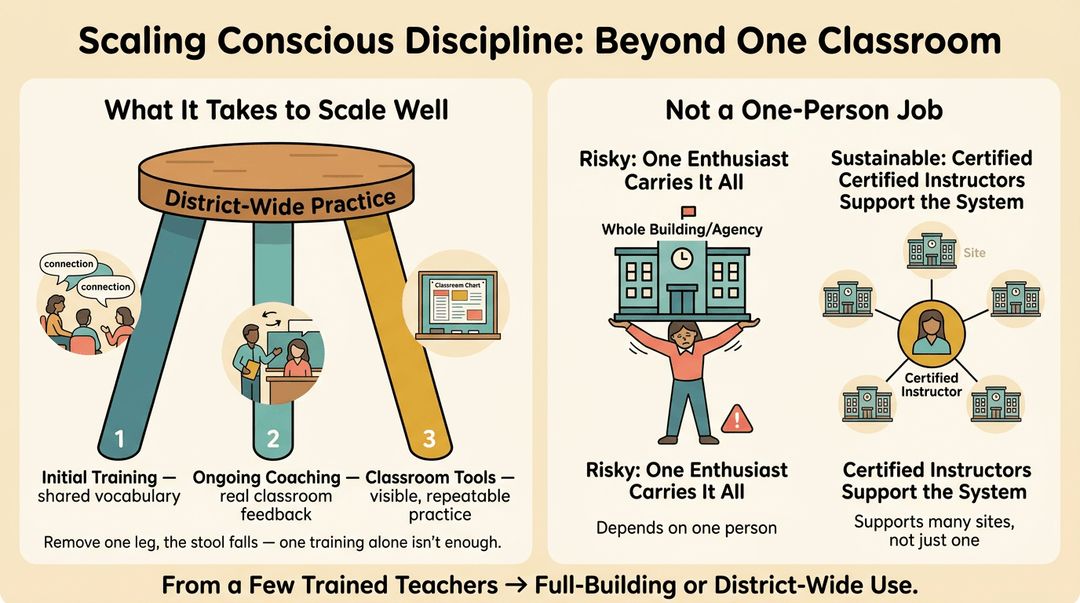
Scaling well takes more than a single workshop. Programs typically combine:
- Initial training to build shared vocabulary and skills
- Ongoing coaching so adults get feedback in real classrooms, not just theory
- Classroom tools that make the practices visible and repeatable day to day
Certified Instructors play a big part here, supporting sites as they move from a few trained teachers to full-building or district-wide use, without everything depending on one person who happens to love the model.
Ways to learn it and tools available
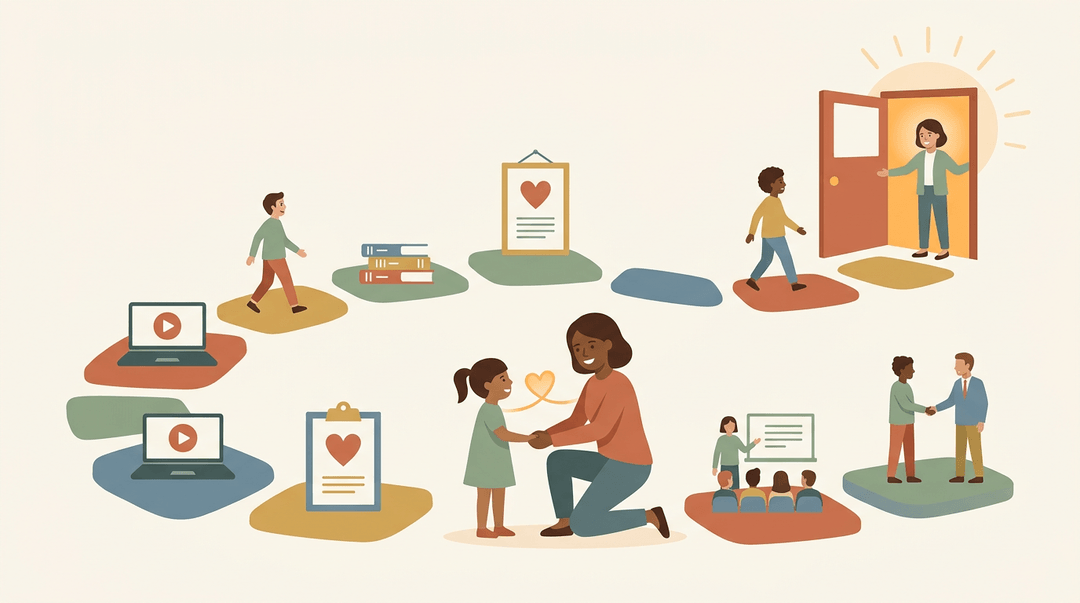
There's no single path in. Educators can start with professional development trainings, offered both virtually and onsite for schools that want an in-person kickoff.
For ongoing learning, podcasts and eLearning courses let a teacher build understanding on their own schedule.
On the practical side, classroom toolkits give teachers ready-made routines, and leadership-focused resources help principals and coaches support staff, not just students.
Free printable posters and visuals are an easy first step: a low-lift way to bring the language into a room before committing to deeper training.
Conscious Discipline isn't a bag of behavior tricks. It's a shift: from managing what students do to building the relationship that makes good behavior possible in the first place. Get that order right, at home or at school, and the rest gets easier.
Ready to build that structure into your own routine? Check out our Classroom Management feature to organize your classes, rosters, and timetables in one place, so you've got more room left for connection.
References
- SEL Analysis Project — easel.gse.harvard.edu
- Conscious Discipline Overview — greatvalleyacademy.com
- Podcast: Shifting from Punishment to Discipline — consciousdiscipline.com
- Testimonials & Metrics — consciousdiscipline.com (2025)
- Becky Bailey — consciousdiscipline.com
- Conscious Discipline — fecc.fulton58.org
- Conscious Discipline — character.org
Frequently asked questions
What is the Conscious Discipline method?
Conscious Discipline is a classroom approach and a brain-based self-regulation model. It emphasizes that adults must first manage their own emotional state before attempting to guide a child's behavior, operating on the principle of "calm first, connection next, and correction follows both." This method is designed to be trauma-informed, drawing on developmental psychology and neuroscience to build skills rather than relying on rewards or punishments.
What are the 7 steps of Conscious Discipline?
Conscious Discipline does not feature 7 sequential steps. Instead, it is built on four interconnected core components: Safety and self-regulation, Connection, Positive school climate, and Problem-solving skills, all resting on adult mindfulness. Additionally, there are Seven Skills of Conscious Discipline, which are specific behaviors that put the framework into daily practice, such as composure and assertiveness.
What is an example of a Conscious Discipline?
An example of Conscious Discipline in action is when a teacher, feeling frustrated during a student's meltdown, pauses to take a deep breath and models calmness. After regulating their own emotions, the teacher connects with the student to understand their state. This process prioritizes the adult's calm and connection with the student before any attempt at correction or redirection.