Every Behavior Management Technique That Actually Works

Jump to section
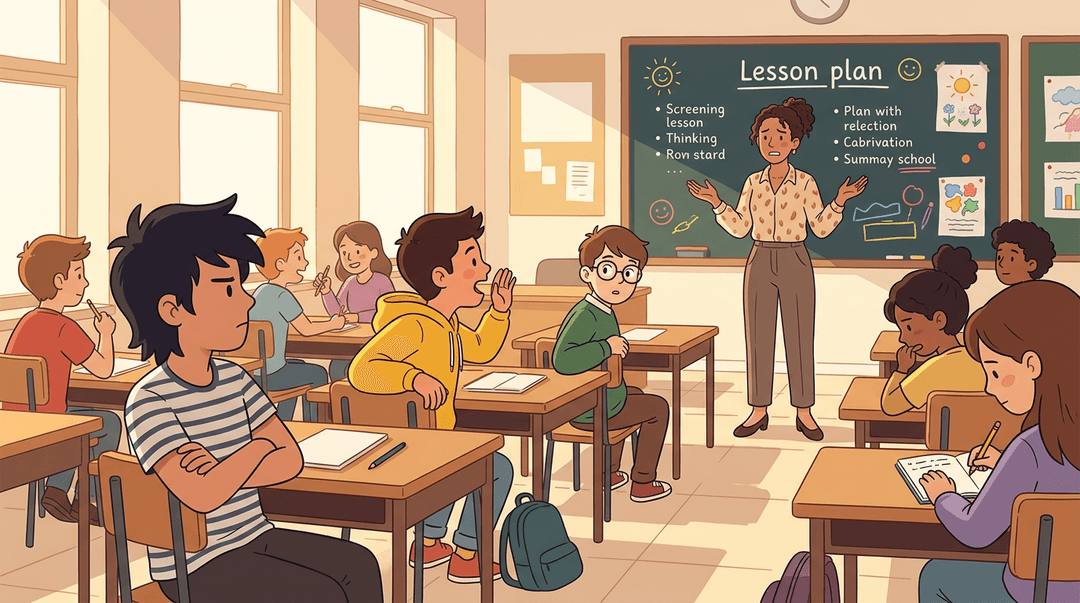
Picture the first Monday back after a long break. You've planned a solid lesson, the room looks great, and then, ten minutes in, the wheels start coming off.
One student is calling out, another has shut down completely, and the rest are watching to see what happens next.
That's where behavior management techniques come in. At their core, they're the strategies, routines, and responses that help you shape a classroom where learning can actually happen, for every student in the room.
This post covers the full picture: from frameworks and proactive systems to de-escalation, relationship-building, and school-wide approaches, so you have what you need to make Monday morning go a little smoother.
Understanding Challenging Behaviors
Before you can respond to a behavior, you need to read it. Most challenging behaviors fall into recognizable patterns, and every pattern usually has a reason behind it.
Common types of challenging behaviors
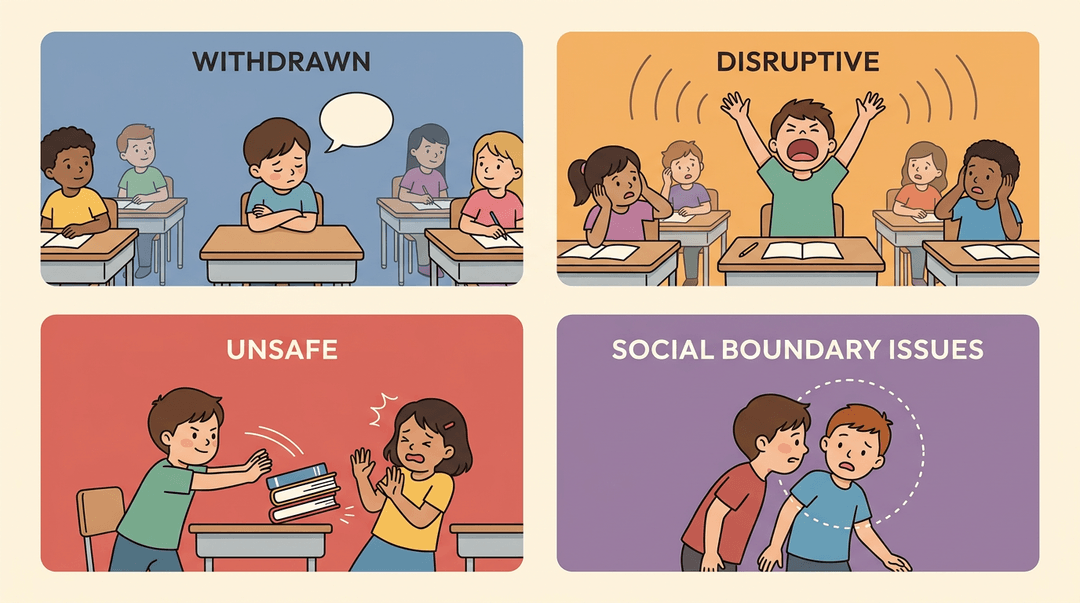
Not all misbehavior looks the same. It helps to know what you're dealing with:
- Withdrawn behaviors: shyness, avoidance, or refusing to participate
- Disruptive behaviors: calling out, tantrums, or constant off-task chatter
- Unsafe or violent behaviors: aggression toward peers or property
- Inappropriate social behaviors: boundary violations, unkind language, or poor impulse control
What actually causes students to misbehave
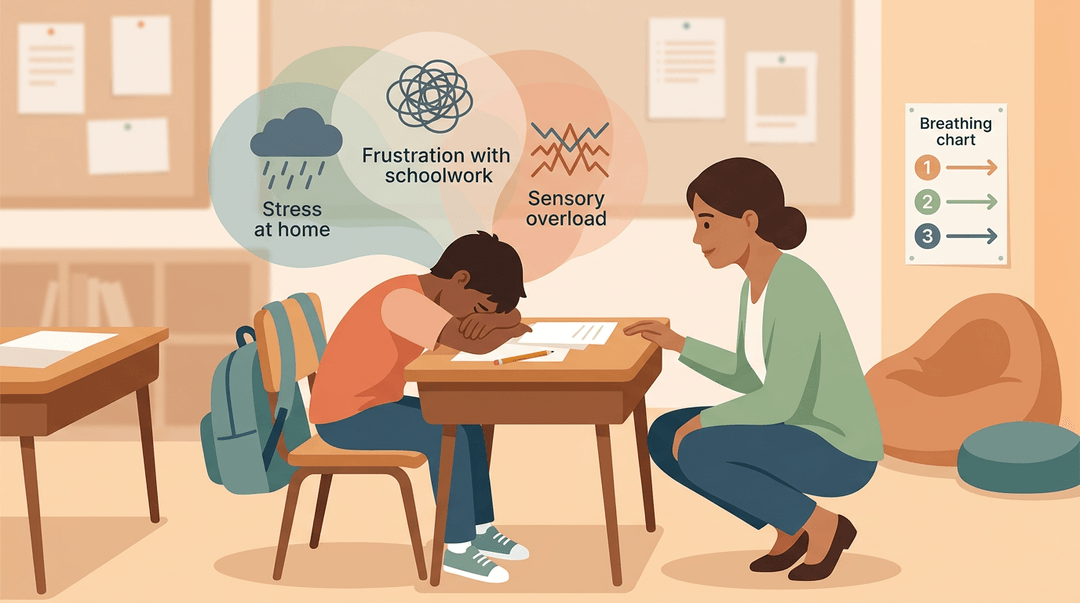
Behavior is communication. When a student acts out, something is usually driving it. Common causes include:
- Neurodiversity and learning differences: a student who can't sit still may be struggling to process, not choosing to disrupt
- Trauma and life stressors: chronic stress outside school shows up inside it
- Family and cultural influences: norms at home don't always match norms in the classroom
- School environment factors: overcrowding, unclear expectations, or poor transitions can tip any student toward frustration
- Academic struggles: when work feels impossible, avoidance and disruption often follow
When a student is escalating, the first move isn't correction: it's calm. Lower your voice, give physical space, and offer a quiet option, such as a calm-down corner with a few simple steps:
- Take a seat
- Breathe slowly
- Signal when ready to return
The goal is to bring the nervous system down before a conversation starts. Understanding why a student is struggling makes every technique in the rest of this article work better.
Behavior Management Frameworks and Systems
Every classroom needs a coherent structure behind its daily decisions. That means understanding the frameworks and foundational principles that guide behavior management as a whole, not just reaching for a strategy when something goes wrong.
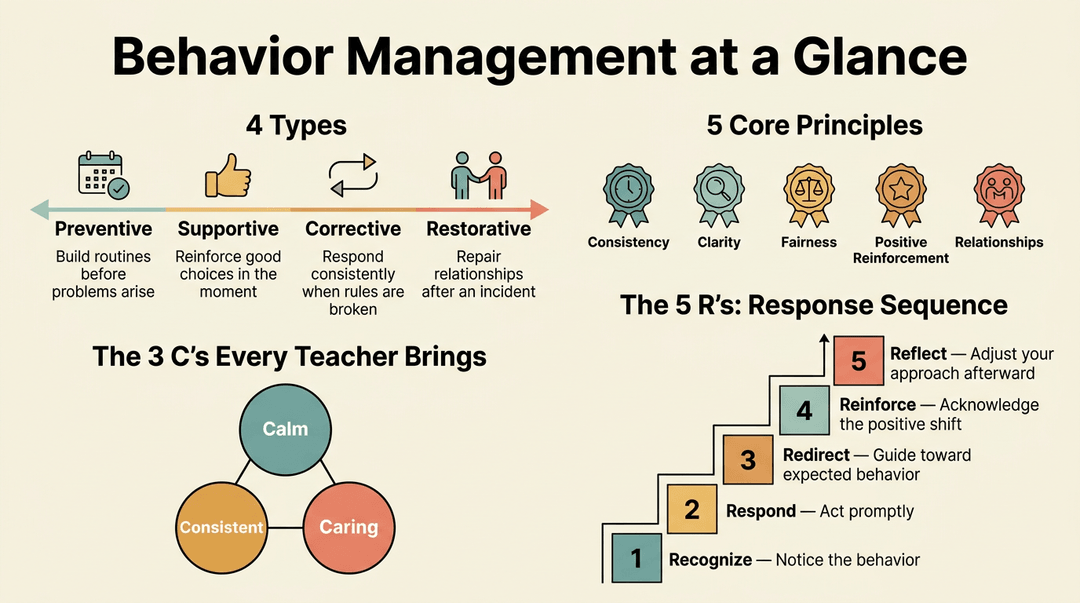
Four broad types of behavior management shape most approaches: preventive (building routines and expectations before problems arise), supportive (reinforcing positive choices in the moment), corrective (responding consistently when expectations aren't met), and restorative (repairing relationships and re-engaging students after an incident).
Five core principles run through almost every effective approach: consistency, clarity, fairness, positive reinforcement, and strong teacher-student relationships.
Pair those with the 3 C's of behavior management: Calm, Consistent, and Caring, the disposition every teacher brings to each interaction.
The 5 R's offer a practical response sequence: Recognize the behavior, Respond promptly, Redirect toward expected behavior, Reinforce the positive shift, and Reflect afterward to adjust your approach.
How PBIS and MTSS support every student
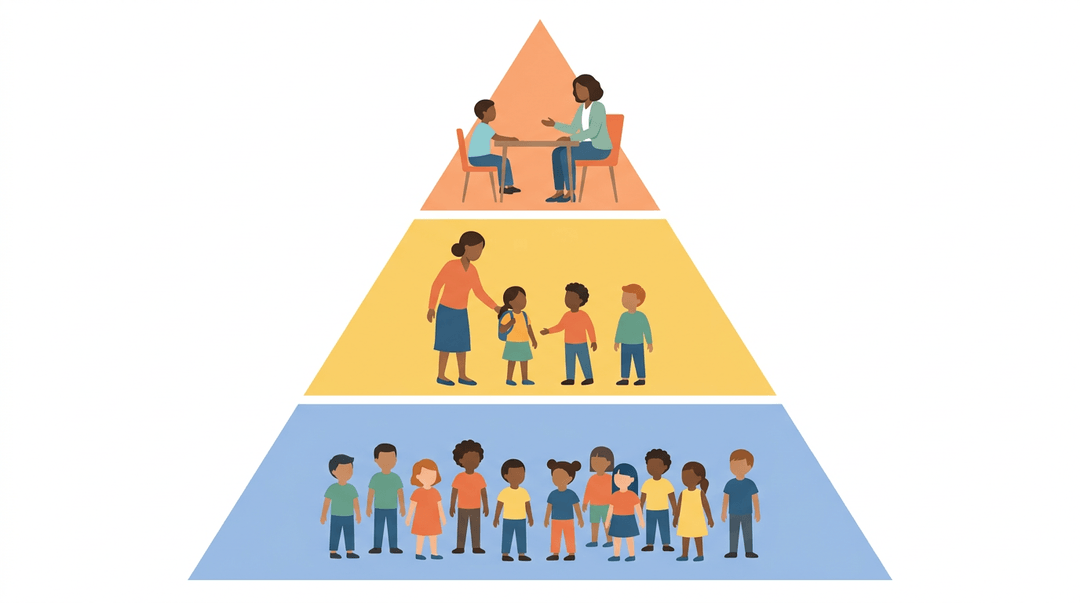
Positive Behavioral Interventions and Supports (PBIS) and its school-wide version, SWPBIS, work through a three-tier structure. Tier 1 covers universal expectations for every student. Tier 2 adds targeted support for students showing early warning signs.
Tier 3 provides intensive, individualized intervention for the highest needs. According to a University of St. Thomas review, over 16,000 schools nationwide now implement SWPBIS.
A key goal is straightforward: as CrimeSolutions at the National Institute of Justice notes, SWPBIS aims to reduce office discipline referrals and suspensions while improving perceptions of school safety.
Better school climate also supports staff, which helps with morale and retention.
What a strong behavior management plan includes
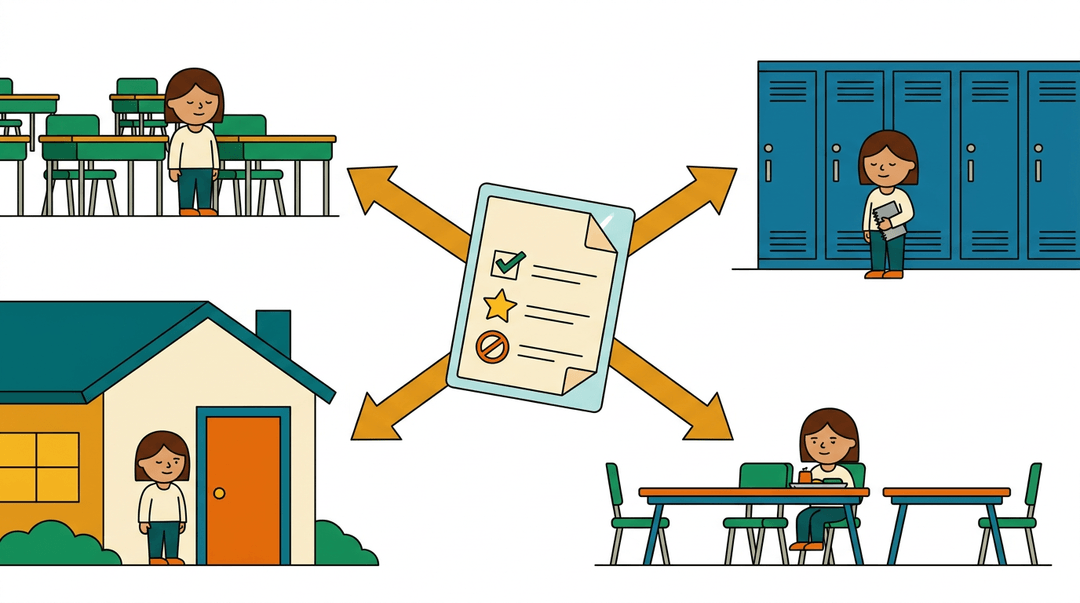
A written plan keeps everyone aligned. It should spell out rules, rewards, and consequences clearly, and ideally students have a voice in setting those rules (buy-in matters). Share it with parents so expectations are consistent at home and at school.
Apply it across every school setting, from the hallway to the cafeteria, not just inside your classroom. Consistency is what turns a plan from a document into a culture.
How post-pandemic classrooms changed the challenge
The bar has genuinely moved. A report from ERA-NOVA at George Mason University found that since returning to in-person learning, teachers report a rise in misbehaviors, fighting, declining respect for authority, and lower tolerance for redirection.
The same report identifies managing student behavior as one of teachers' two largest job-related stressors, alongside pandemic-era learning loss.
Add chronic absenteeism and significant learning gaps to that picture, and the demand for practical, evidence-backed strategies has never been higher.
Classroom Environment and Expectations
Behavior problems rarely appear out of nowhere. Most start in the gaps: an unclear rule, a chaotic transition, a room that doesn't tell students how to move through it. Get the environment right, and you prevent a lot of problems before they start.
Setting rules and routines students will follow
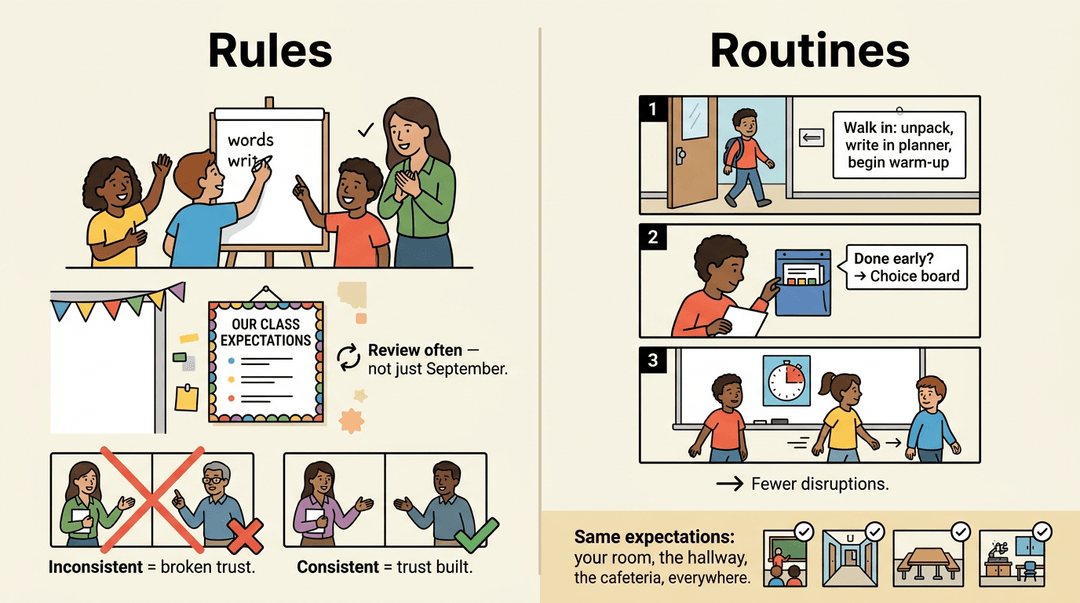
When students help shape the rules, they're far more likely to follow them. Co-create expectations together, then display them as a visual anchor chart somewhere the class can't miss.
Review them regularly, not just in September, and enforce them consistently: inconsistency is where trust quietly erodes.
Routines matter just as much as rules. When students know exactly what to do when they walk in, finish early, or switch activities, transition disruptions drop sharply.
Extend those expectations beyond your room, too: hallways, the cafeteria, and specials all run more smoothly when every adult is holding the same line.
Arranging your classroom to support good behavior
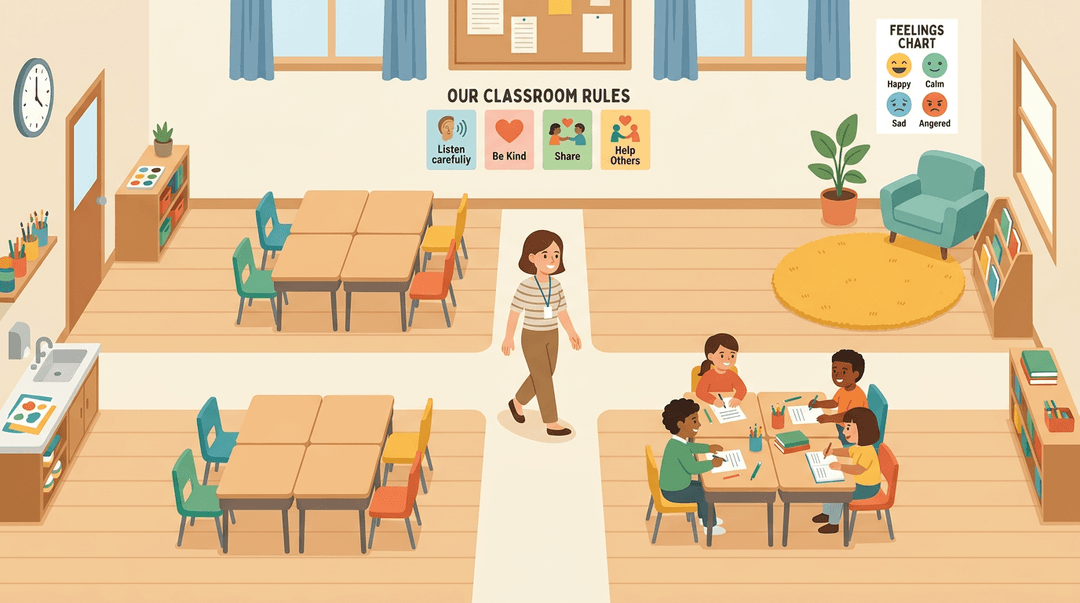
Your room's layout is doing invisible work all day. Arrange furniture so you and students can move through it easily, without bottlenecks that spark conflict.
A small calming corner or reset space gives dysregulated students somewhere to go that isn't the hallway. Post visual reminders of rules and coping strategies where they're easy to spot from any seat.
And keep lessons stimulating enough that boredom doesn't become a behavior issue.
Preventing problems before they escalate
Give students a heads-up before activity changes: a short transition warning prevents the kind of abrupt shifts that throw some kids completely off.
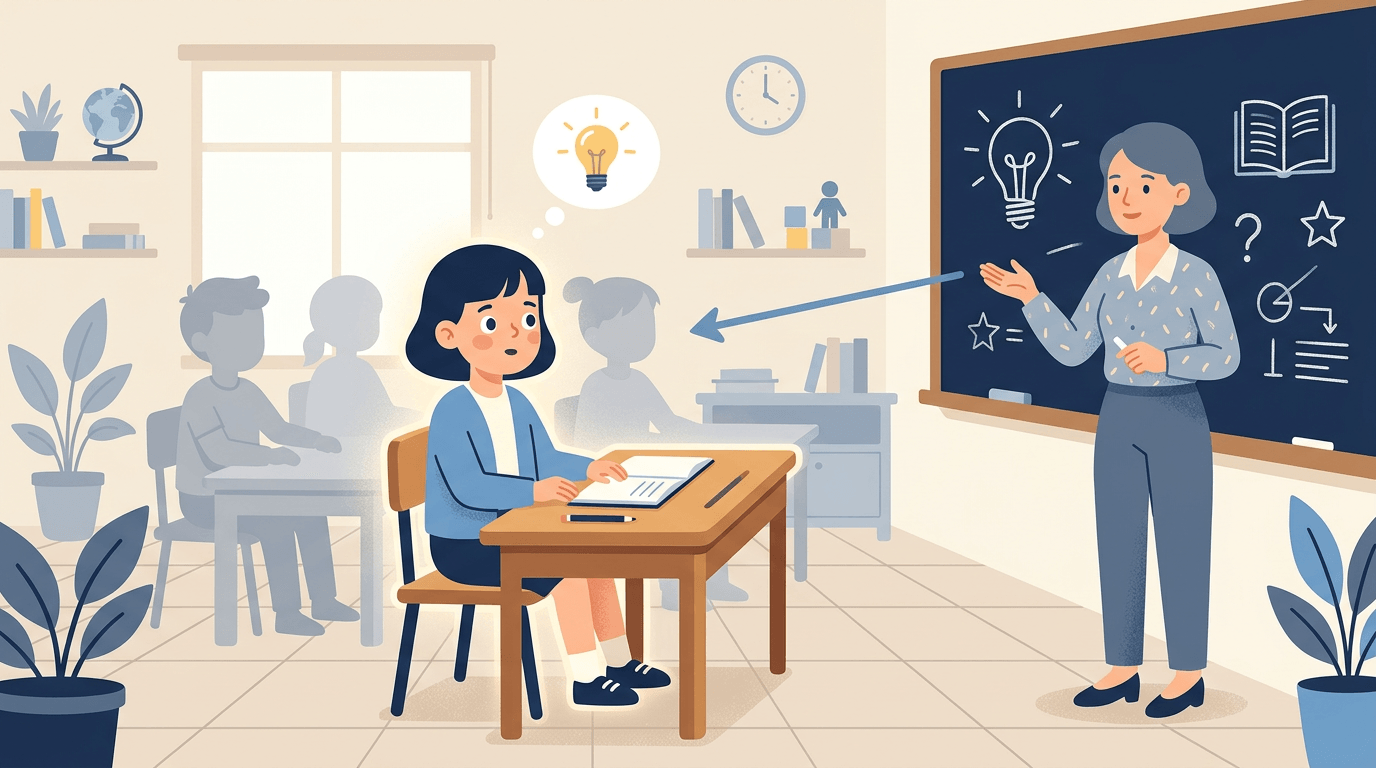
For students who need extra support, quiet proximity, simply moving closer, often redirects behavior before it builds. A trauma-informed perspective reminds us that behavior is usually communication.
When we look for the need behind the action, we solve for the root, not just the surface.
Teacher Communication and Relationships
How you speak to students, and how well you know them, shapes everything else. Strong communication and genuine relationships don't just prevent problems: they make your whole classroom feel different.
Using positive language to redirect students
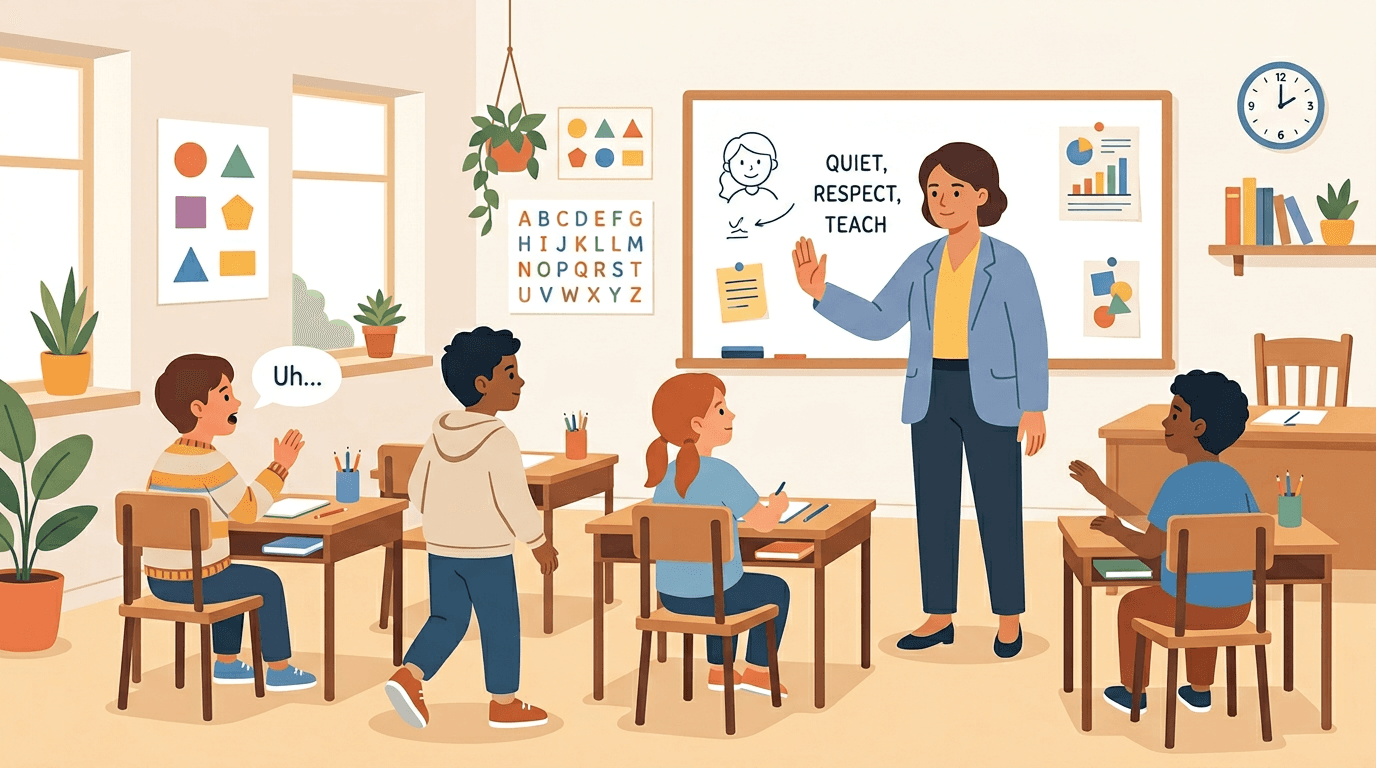
When a student is off-task, the instinct is to name what they're doing wrong. Flip it. "Eyes on your work" lands better than "Stop looking around."
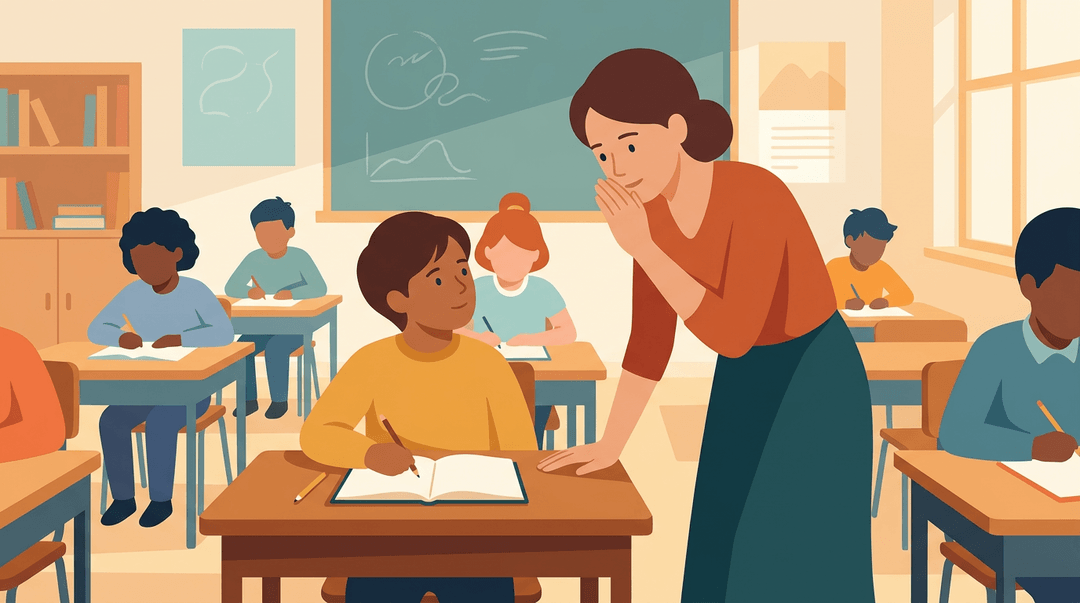
Pair that reframe with a calm tone and neutral body language: students read your body before they hear your words. A quick whisper of corrective feedback, delivered privately, avoids the public standoff that escalates things fast.
Non-verbal cues (a gentle tap on the desk, a look, a pointed gesture) handle a lot without interrupting the room. And when you model the behavior you want, students see what "on task" actually looks like.
Building real relationships with your students
Learn what your students care about outside school. That knowledge helps you connect, and it helps you spot what's driving difficult behavior before it surfaces.
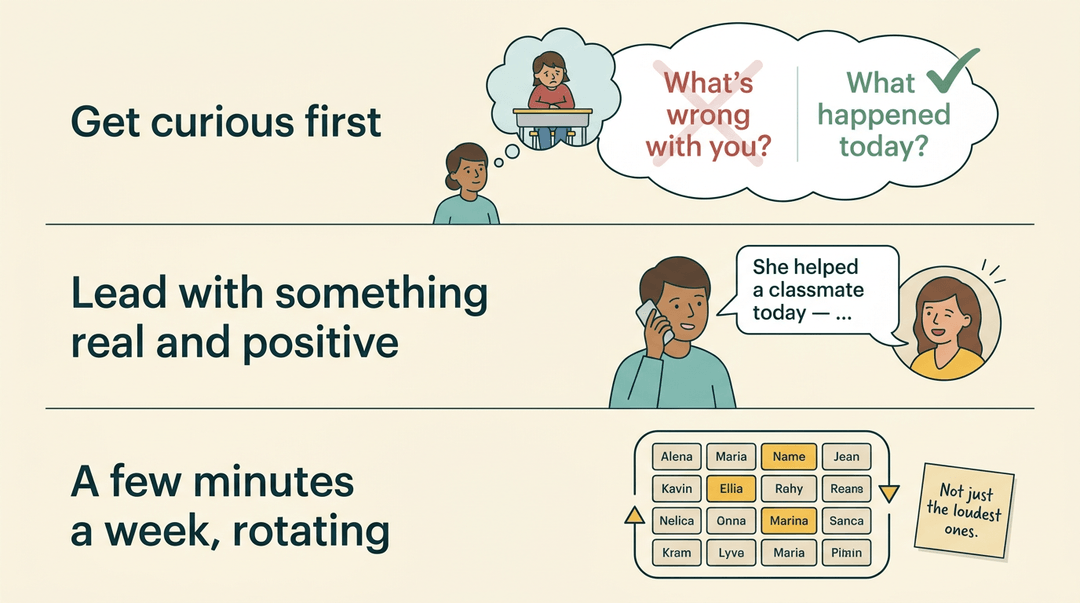
Identifying a student's triggers lets you get curious rather than reactive: a trauma-informed lens asks what happened before it asks what's wrong with you. When you call a parent, lead with something true and positive about their child.
That one habit changes the whole tone of every harder conversation you'll need to have later. A simple, intentional plan (a few minutes a week, rotating through the class) keeps relationships from defaulting to whoever needs the most attention.
Keeping parents in the loop
Daily or weekly behavior report cards give parents a clear, consistent picture. Invite them into rule-setting early, and share your expectations at meet-the-teacher night so nobody is surprised. When a student turns a corner, tell their parents.
Positive updates build the trust that makes partnership real.
Evidence-Based Behavior Management Techniques
Some of the most effective behavior strategies are grounded in research and ready to use tomorrow.
They cover three areas where teachers consistently need support: helping students manage their own emotions, keeping motivation high, and building the social skills that make a classroom work.
Teaching students to regulate their own emotions
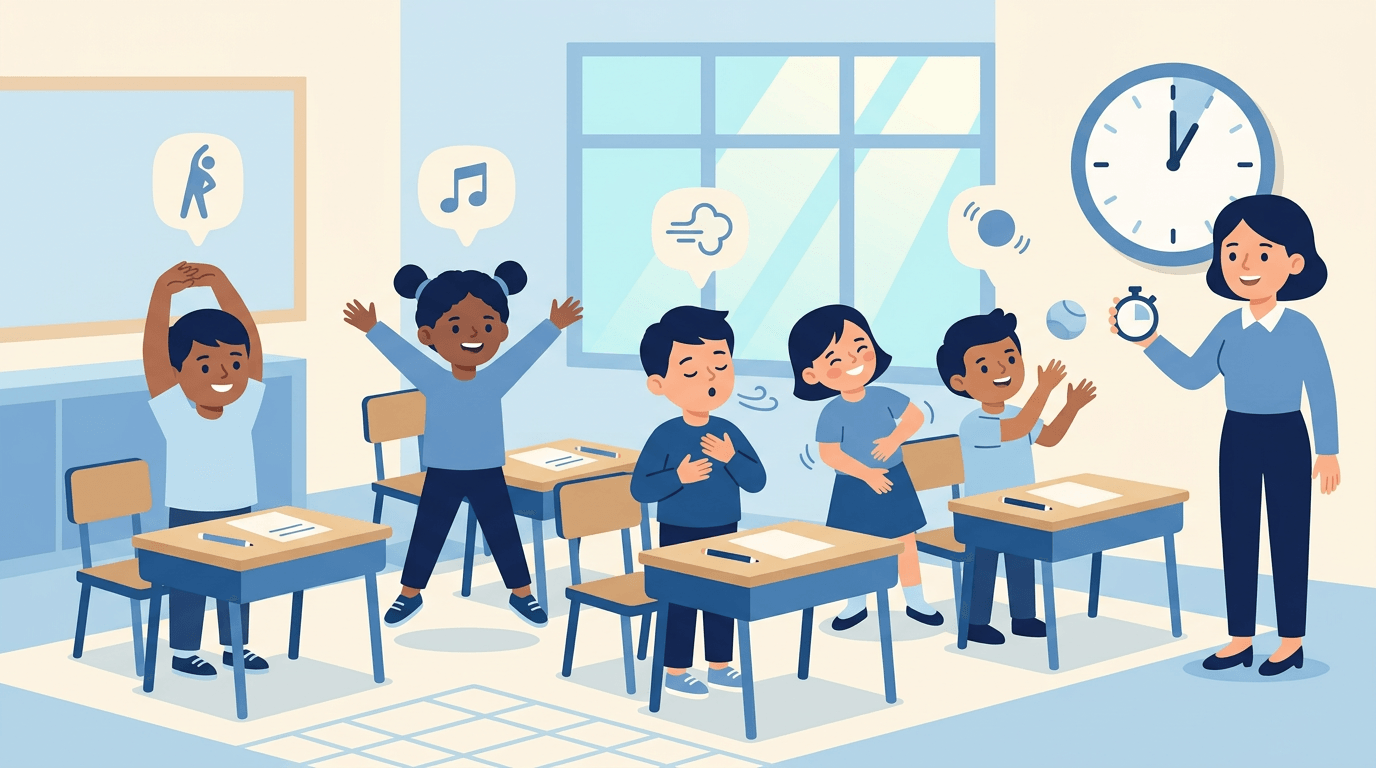
Self-regulation is a skill, and like any skill, it needs to be taught explicitly, not just expected after something goes wrong.
That means introducing strategies before a meltdown happens, practicing them regularly, and building them into the rhythm of the day.
One well-researched starting point is the Turtle Technique, a self-regulation approach originally developed for anger management and later adapted for school-age children, as noted by CSEFEL's training materials.
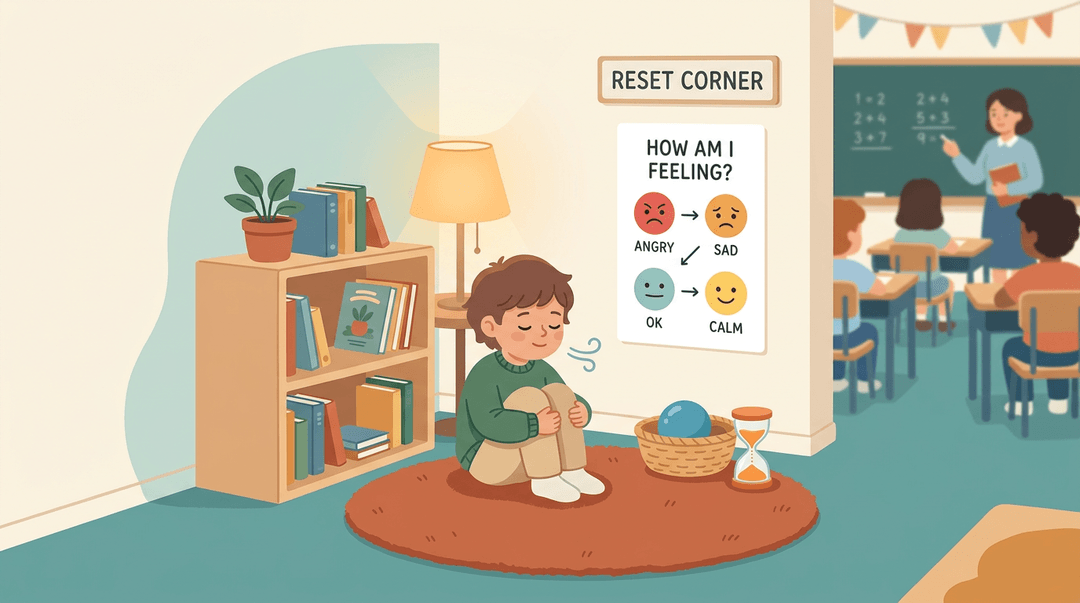
Students learn to "go into their shell": stop, take a breath, and calm down before reacting. Pair it with a designated calming space, sometimes called a Classroom Reset corner, where a student can decompress without disruption.
Deep breathing, sensory tools, or a simple feelings chart can all live there.
After a student resets, build in a brief reflection: what happened, what they could do differently, and a clear instructional re-entry so they rejoin the lesson without lingering awkwardness.
Motivation and reinforcement tools that work
Reinforcement works best when it's tied to specific behavior goals, not just general good conduct. A token economy or behavior chart gives students a visible record of progress and a concrete target to aim for.
For an extra boost, consider the Mystery Motivator, a strategy that uses anticipation and surprise to motivate students toward a desired behavior. Gamified point systems work on the same principle: the element of play keeps engagement up.
The Daily Behavior Report Card (DBRC) adds a home-school communication layer, and research published in Discover Education found it effective in reducing disruptive behavior by giving students consistent, structured feedback.
Peer programs that build social skills
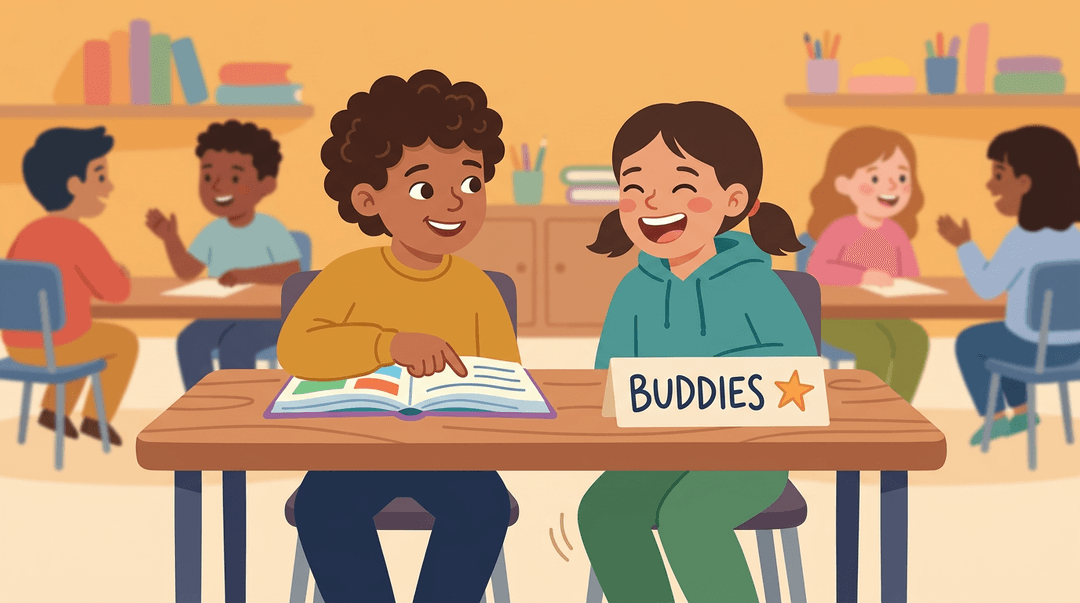
A Classroom Buddies program pairs students intentionally, rotating assignments weekly so every student builds connections across the class. It's especially valuable for shy or socially isolated students who rarely find their footing on their own.
A buddy isn't a tutor: the goal is a positive peer relationship, practiced in the low-stakes moments of the school day.
Putting Behavior Management Techniques into Practice
This is the build-it-this-week guide: set up the room, run a routine that fits your grade, then check the data and adjust. Work the three phases in order.
Set up the room in week one
Before any technique works, the environment has to support it. Confirm all four are in place by Friday:
- 3 to 5 class rules, co-created. Students draft them with you, so they own them: "We listen when someone else is talking."
- Classroom jobs assigned day one. Line leader, materials monitor, tech helper: a role gives every student a reason to belong.
- A calm-down corner designated. One labeled spot with a chair and a feelings chart, off the main traffic path.
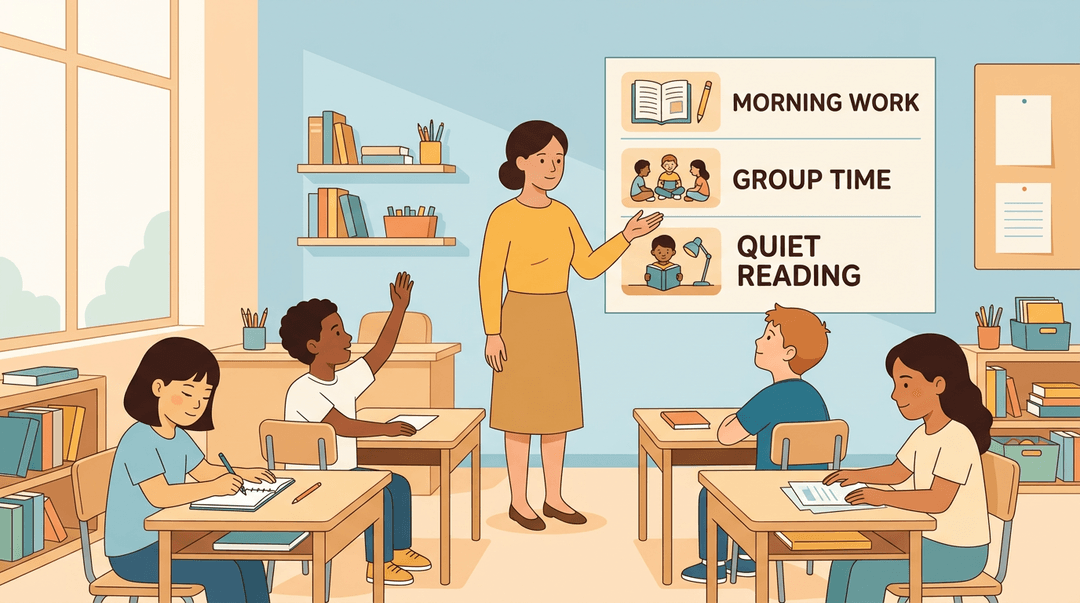
- Visual schedule and expectations posted. At eye level, where you can point instead of repeating yourself.
⚠️ Watch out: rules you write alone read as your rules to enforce. Rules students help word become our agreements, and that shift does most of the heavy lifting.
Run a daily routine that fits your grade
The anchor routine changes with age. Pick your row and run it the same way every day:
| Grade band | Daily anchor | Paired technique |
|---|---|---|
| K–2 | Morning meeting | Visual behavior chart |
| 3–5 | Check-in / check-out | Point system |
| 6–8 | Brief community circle | Logical consequences |
| 9–12 | Restorative conversation | Self-reflection log |
For the younger bands, the routine is mostly visual and verbal: a quick chart move or a meeting greeting. For the older bands, hand the reflection to the student.
Example: An eighth-grade teacher opens with a two-minute circle ("one word for how you're arriving today"), then ties any disruption to its logical consequence: phone out during work means phone parked on the desk corner, returned at the bell. The circle builds the relationship the consequence rests on.
Track results and adjust the plan
A behavior plan you never review just becomes habit. Build a short weekly loop:
- Log incidents and patterns weekly. Jot the what, when, and who in one place: "Tue, transitions, three students off-task."
- Review the data before changing anything. Look for the pattern (a time of day, a task type) before you swap a strategy.
- Share progress notes with parents. Brief and specific beats a long form: "Calmer transitions this week, two fewer redirects."
- Adjust seating or groupings as needed. Move one student, split one pair: change the smallest thing the data points to.
💡 Tip: change one variable at a time. If you move seats and swap the point system in the same week, you won't know which one worked.
At a glance:
| Phase | Key move | What you get |
|---|---|---|
| Set up | Co-create rules, post visuals | Shared ownership |
| Run | Grade-fit daily anchor | A predictable rhythm |
| Track | Weekly log, one change | Decisions from evidence |
Keeping all of this in one spot is the hard part: EMStudio's class management tools hold your rosters, timetables, and behavior notes together, so your plan stays consistent across every section.
School-Wide Implementation and Leadership
Behavior management works best when it isn't left to individual teachers to figure out alone.
When a whole school moves in the same direction, with shared strategies, shared language, and shared accountability, the impact compounds. Here's how to make that happen.
Getting staff on board from the start
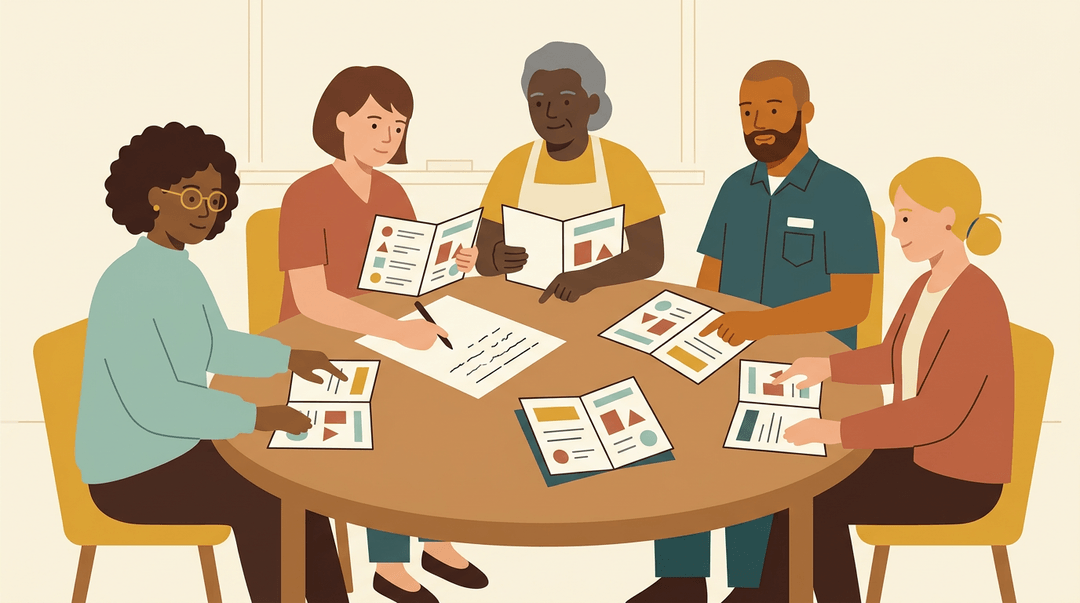
The biggest mistake schools make is rolling out a new behavior system to staff instead of with them. Involve teachers, paraprofessionals, office staff, and support personnel in the planning process from the beginning.
Their buy-in isn't a nice-to-have: it's what turns a policy document into a living practice.
Ongoing, targeted professional development keeps momentum going after launch. Pair that with fidelity checklists so every staff member, regardless of role, implements strategies consistently.
A lunch monitor and a classroom teacher should be working from the same playbook.
Using data to monitor and improve behavior
You don't need to build a new system from scratch. Start with what you already have: grades, absences, and office referrals tell you a lot about where behavior challenges are concentrated. Layer in staff observation data to fill the gaps.
Use that picture to identify specific target behaviors, then measure whether your interventions are actually moving the needle. Adjust what isn't working. Data turns good intentions into informed decisions.
Building a school-wide intervention library
Districts don't have to create their resources from scratch, either.
Federal guidance and resources from organizations like the Center on Positive Behavioral Interventions & Supports, the National Center on Pyramid Model Innovations, and the IRIS Center offer strategy libraries and implementation guides that can anchor a district-wide collection.
Bring those strategies into your PLCs and team meetings so educators can learn from each other. Some libraries include 500 or more strategies: enough to meet almost any classroom need.
Behavior management isn't about control for its own sake. It's about building the conditions where your students feel safe, clear on expectations, and ready to learn.
The techniques here, from proactive routines to strong teacher-student relationships, work best when they work together.
Start with one strategy, build from there, and give it time. Small, consistent shifts add up to a classroom that runs more smoothly for everyone in it.
Ready to see how the right tools can support your classroom management day to day? Check out our page on Classroom Management to see what's possible.
References
- A Collaboration Focused on the Education of Children With Emotional and Behavioral Disorders - Newsroom — news.stthomas.edu
- Program Profile: School-wide Positive Behavioral Interventions and Supports (SWPBIS) — crimesolutions.ojp.gov
- Aspects of School-wide Positive Behavioral Interventions and Supports that Predict School Climate in Urban Settings — policylab.chop.edu
- Student Behavior & Teacher Turnover in Post-pandemic Classrooms - ERA-NOVA — era.cehd.gmu.edu
- Chronic Absenteeism — ed.gov
- CSEFEL. Training Modules. Module 2: Handout 2.6 — csefel.vanderbilt.edu
- Mystery Motivator — inside.ewu.edu
- The effects of the Daily Behavior Report Cards (DBRC) on the disruptive behavior and specific goal behavior of elementary school children: a multiple baseline design study | Discover Education — link.springer.com
- Behavioral Support Resources — sites.ed.gov
Frequently asked questions
What is student behavior management?
Student behavior management involves strategies, routines, and responses that help shape a classroom environment conducive to learning for every student. It encompasses understanding challenging behaviors, implementing frameworks, and fostering positive teacher-student relationships. The goal is to create conditions where students feel safe, clear on expectations, and ready to learn.
What are behavioral management techniques?
Behavior management techniques include proactive systems like setting clear expectations and routines, alongside reactive strategies like de-escalation and consistent responses to misbehavior. Examples include teaching self-regulation skills, using positive language to redirect students, and implementing reinforcement tools. Building strong teacher-student relationships is also a key technique.
What are the 5 principles of behavior management?
The 5 principles of behavior management are consistency, clarity, fairness, positive reinforcement, and strong teacher-student relationships. These principles are fundamental to almost every effective approach in managing student behavior. They help establish a predictable and supportive learning environment.
What are the 4 types of behavior management?
The four types of behavior management are preventive, supportive, corrective, and restorative. Preventive approaches build routines before problems arise, supportive methods reinforce positive choices in the moment, corrective strategies respond consistently to unmet expectations, and restorative practices repair relationships after incidents.
What are the three C's of behavior management?
The three C's of behavior management are Calm, Consistent, and Caring. These represent the essential disposition and approach every teacher should bring to their interactions with students regarding behavior. Maintaining these qualities helps foster a supportive and effective learning environment.
What are the 5 R's of behaviour management?
The 5 R's of behavior management offer a practical sequence for responding to student behavior. They are: Recognize the behavior, Respond promptly, Redirect toward expected behavior, Reinforce the positive shift, and Reflect afterward to adjust your approach. This sequence helps teachers address behaviors effectively and promote positive changes.
What is an example of behavior management?
An example of behavior management is implementing the Turtle Technique to help students regulate their emotions. Students learn to "go into their shell" by stopping, taking a breath, and calming down before reacting. This is often paired with a designated calm-down space where they can decompress.