Zaretta Hammond Culturally Responsive Teaching and the Brain

Jump to section
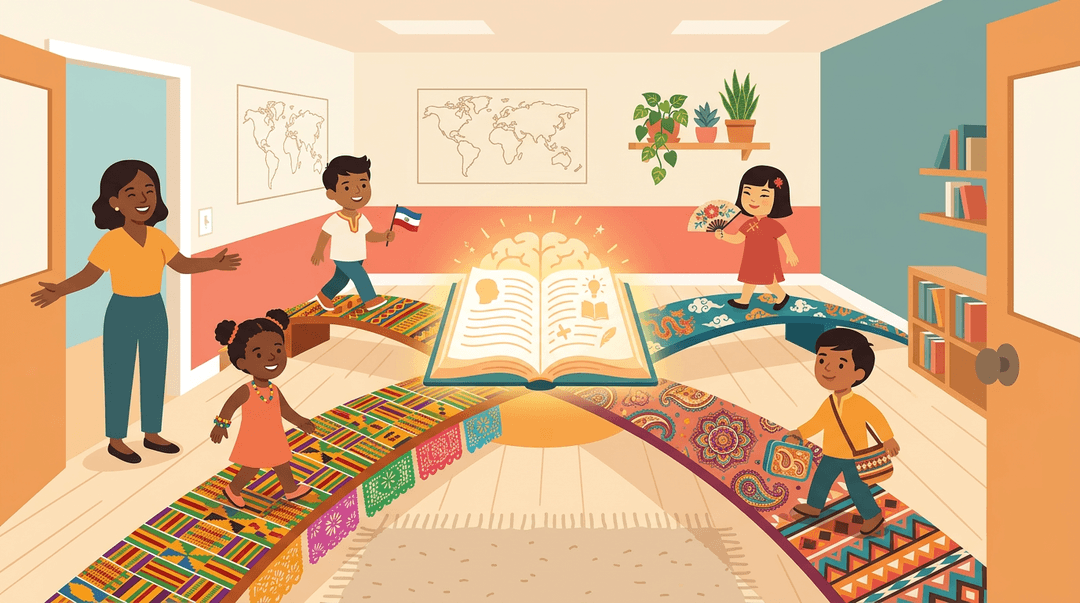
Imagine walking into a classroom where every student's background, language, and family traditions are treated as a bridge to learning rather than an afterthought.
That's the core idea behind Zaretta Hammond's work on culturally responsive teaching and the brain.
Hammond's book connects culture, identity, and how the brain actually learns, so you can build trust and rigor at the same time.
In this post, we'll look at her definition, the brain rules, the principles and strategies, and a practical lesson-planning checklist you can use right away.
Zaretta Hammond's Culturally Responsive Teaching, Defined
Before we get to the seven principles people search for, start with the definition. You'll also see culturally responsive teaching (CRT) paired with culturally relevant pedagogy, and the two overlap.
Culturally responsive teaching is a process, not a strategy
For Hammond, culturally responsive teaching is a process of thinking about your students, not a checklist of tactics.
It starts with recognizing cultural capital, the knowledge and experience students bring from home, and then noticing, naming, and affirming those assets.
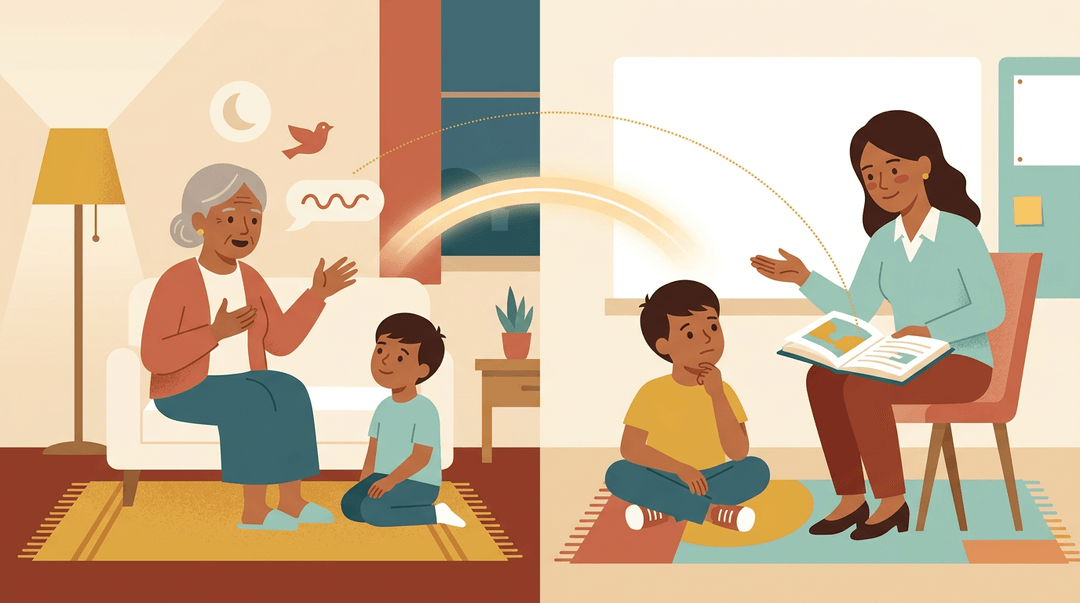
Consider a fourth-grade teacher who learns that a student's family storytelling shapes how he makes sense of a read-aloud. She adjusts how she mirrors his learning style, so new ideas connect to what he already knows.
What culturally responsive teaching isn't
It isn't a unit on Africa or a hip-hop lesson added once a year, and it isn't inherently about race. Surface-level diversity themes draw criticism because they decorate the curriculum without changing how students learn.
The key distinction is that CRT balances belonging with instructional rigor. A warm room with low expectations isn't culturally responsive, and neither is a demanding room where students feel unseen. Belonging alone isn't enough.
The four essential elements of culturally responsive teaching
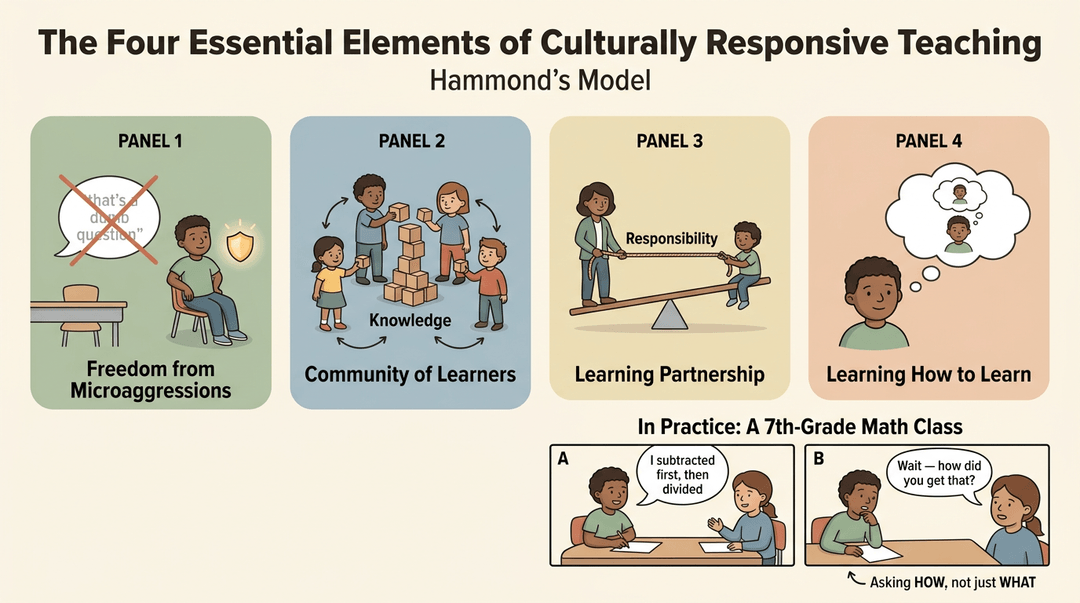
Hammond's model names four elements:
- Freedom from microaggressions. Students aren't worn down by subtle put-downs.
- Community of learners. Students build knowledge together.
- Learning partnership model. You and your students share responsibility for progress.
- Learning how to learn. Students build the metacognitive skills to think about their own thinking.
Picture a seventh-grade math teacher who has pairs explain their strategies aloud. Soon students are asking how a classmate got an answer, not just what it is.
What Are the Culturally Responsive Brain Rules?
Zaretta Hammond's culturally responsive brain rules explain how culture shapes how students think, feel safe, and remember, not just what they already know. Here's how each rule plays out in your classroom.
How culture programs your brain's wiring
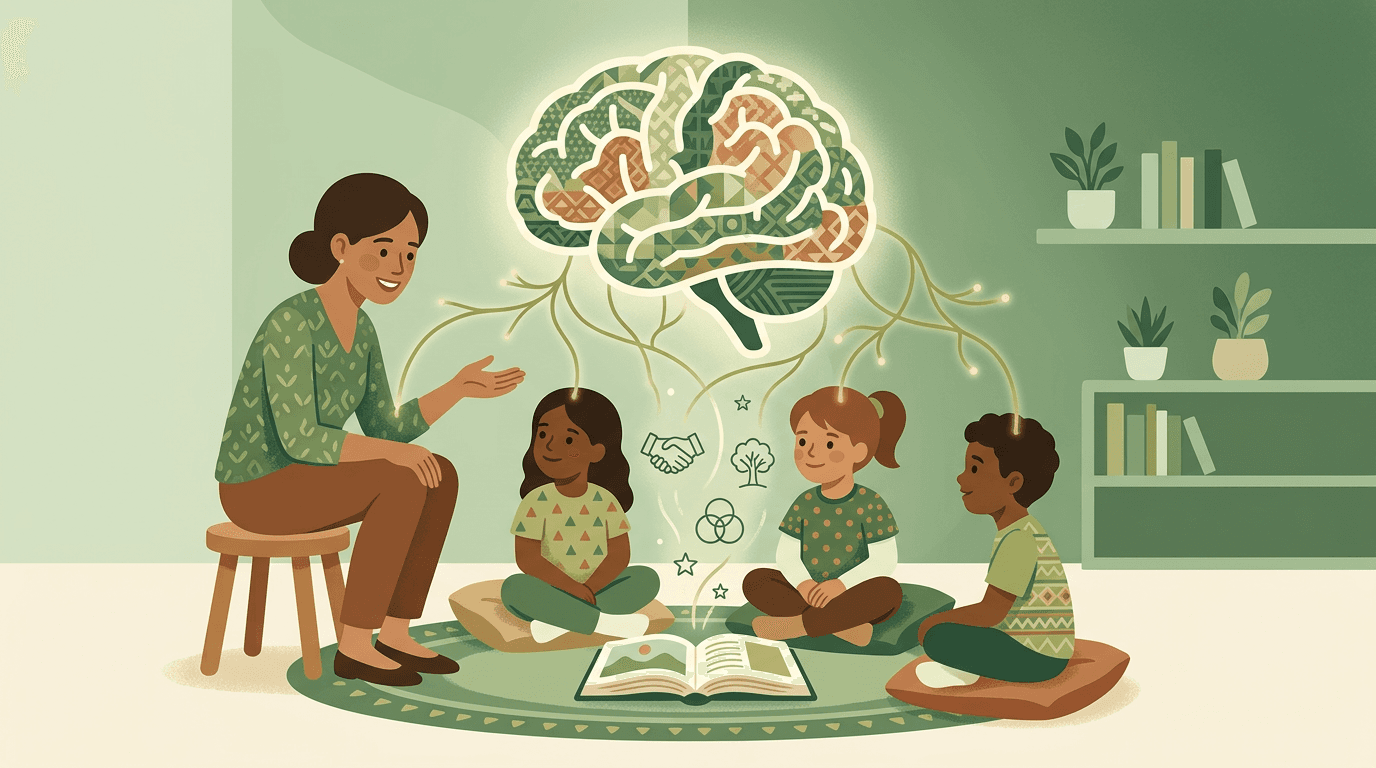
Culture acts like hardware. It shapes the neural pathways that decide what feels familiar and what feels foreign. Hammond uses a software/hardware metaphor: the content you teach is the software, and the hardware is already running.
That's why brain-compatible instruction design matters. Lessons should connect new ideas to what students already understand. Unexamined implicit bias and stereotype threat can make students feel judged before they've even started.
Why emotional trust unlocks learning
Stress changes what the brain can do. A review titled Stress and cognition notes that stress can interfere with learning by impairing the cognitive processes involved in it. A student who feels unsafe isn't being difficult.
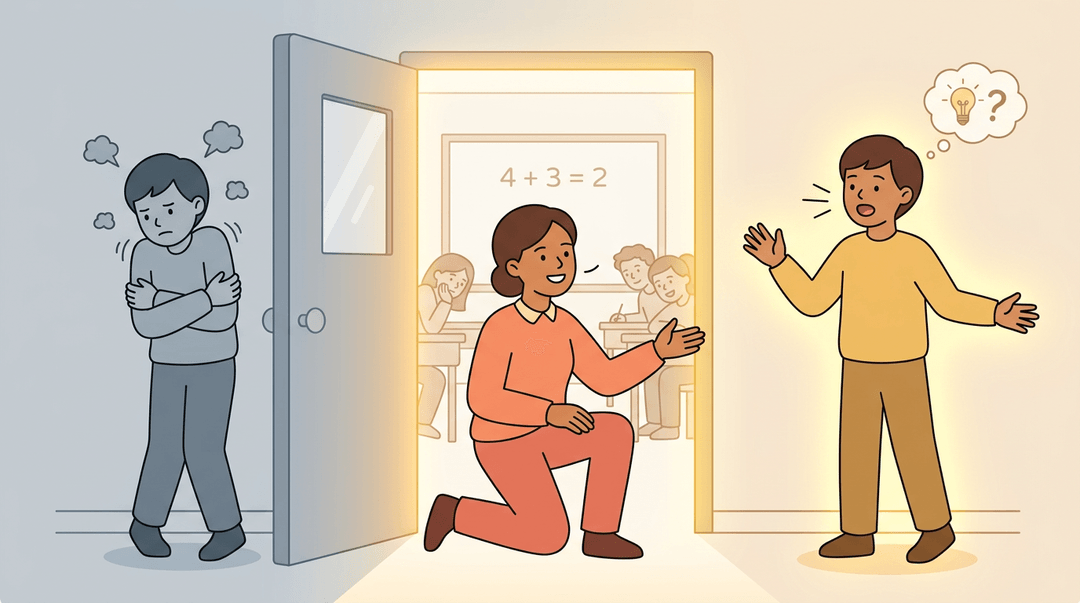
Their brain is busy protecting itself. Trust enables risk-taking, and relationships affect cognition. That's the idea behind the warm demander: a teacher who combines genuine warmth with high expectations.
Consider a seventh-grade math teacher who greets each student by name at the door, then pushes them to explain their reasoning. Students who feel known are more willing to be wrong out loud.
Tools your brain uses to remember
Hammond points to memory tools students already use.
- Music and repetition help ideas stick
- Metaphor and ritual give content a familiar shape
- Physical manipulation of content, like sorting word cards by hand, gives memory another way in
For example, a fourth-grade teacher who turns vocabulary into a call-and-response chant gives students three paths to the same word.
Finally, strong information processing builds intellective capacity, the ability to think deeply, when lessons chunk, connect, and rehearse information.
What Are Some Examples of Culturally Responsive Teaching?
Culturally responsive teaching sounds abstract until you see it in a real classroom. Here's what it looks like in practice.
Building a learning partnership with students
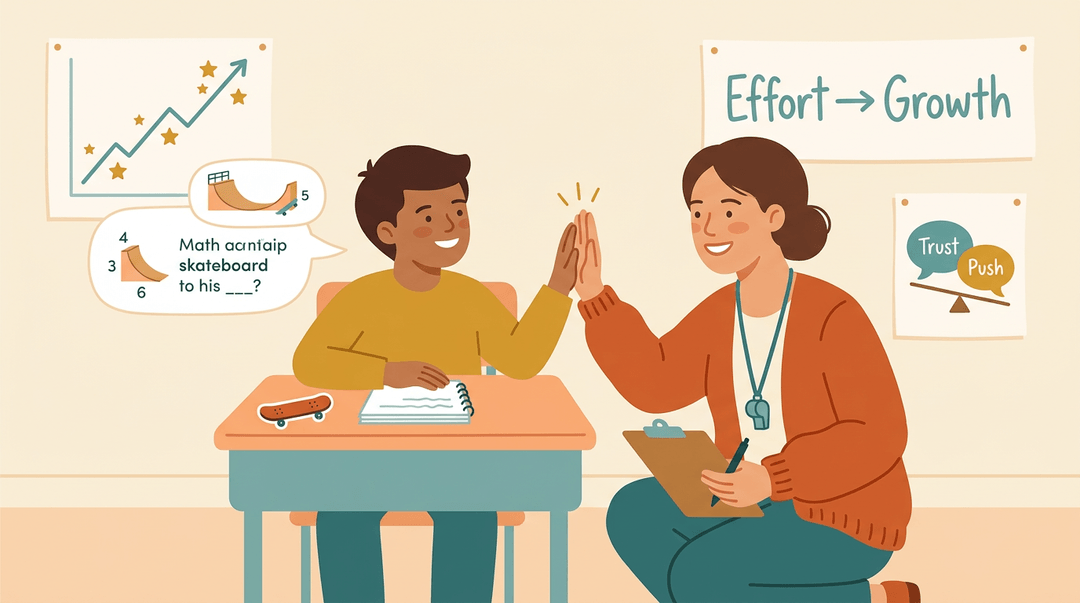
Think of yourself as a personal trainer for your students: you set the goals, push for progress, and celebrate every rep. The alliance building stage comes first, when students need to trust that you're on their side.
From there, academic mindset shifts begin as students start to believe their effort actually changes outcomes. The key is balance. Offer enough care to make students feel safe, and enough push to keep them growing.
Try conversation starters like "What's something you want me to know about how you learn best?" or "What's something you're proud of outside school?"
For example, a seventh-grade math teacher who asks a struggling student about weekend interests, then uses those interests in word problems, builds trust and relevance in one move.
Ten key moves for independent learners
Independence is built, not handed over. Start by helping students create simple learner operating systems: a routine for checking work, asking for help, and tracking progress.
Then use self-reflection prompts like "What strategy helped me most today?" to build the habit of thinking about thinking.
Routines make this stick. A daily goal sheet or a three-minute exit reflection turns independence into part of the rhythm rather than an extra task.
Communal learning versus individualism
Many classrooms reward individual wins, but culturally responsive teaching leans toward interdependence over individualism. Learning becomes something we do together. The old African proverb about going far together fits this idea well.
You don't need to learn dozens of cultures to do this. Instead, notice the dominant culture norms in your room, such as silent work or competition, and make them visible so every student can navigate them.
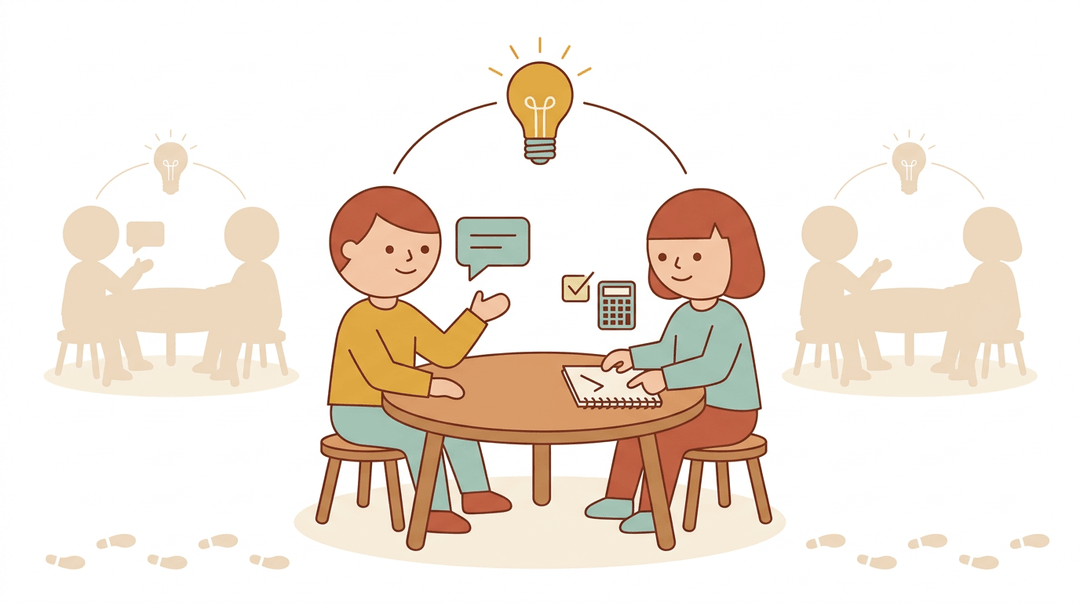
Pairing students with clear roles, where one leads the discussion while another checks the calculations, shows interdependence in action.
Bringing Culturally Responsive Teaching to Your Lessons
Use this card when you plan any lesson. It gives you four moves in order, a grade-band example for each level, and a way to keep things steady when someone else is in the room.
The daily lesson checklist
- Open as a warm demander
- Say: "I'm asking for your best because I know you can do it."
- Start with an alliance-building bell ringer
- Try: "Tell your partner one thing you already know about today's topic."
- Embed one key move
- Pick one only: a ritual, a peer-talk structure, or a cognitive routine.
- Write it in your plan so you don't skip it when time gets tight.
- Close with an exit ticket reflection
- Try: "What helped you learn today, and what would help tomorrow?"
One move done well beats four done thinly. Rotate which move you embed through the week.
What the key move looks like by grade band
| Grade band | Key move | In your room |
|---|---|---|
| Elementary | Ritual and music | A greeting chant that signals transitions |
| Middle school | Peer dialogue norms | Posted norms plus a sentence starter |
| High school | Cognitive routines | The same three steps for every hard task |
Example: A middle school teacher posts two norms: "one voice at a time" and "build on a partner's idea." Students open discussions with "I'd like to add to what Maya said..." The bell ringer warms the room up. The norms keep the talk fair.
When someone else teaches your class
Your routines only work if they survive a change of adult. Three habits help.
- Share learner profiles. Give co-teachers strengths, interests, and what helps each student settle in.
- Use consistent alliance language. Everyone says the same warm-demander phrases, so expectations sound familiar.
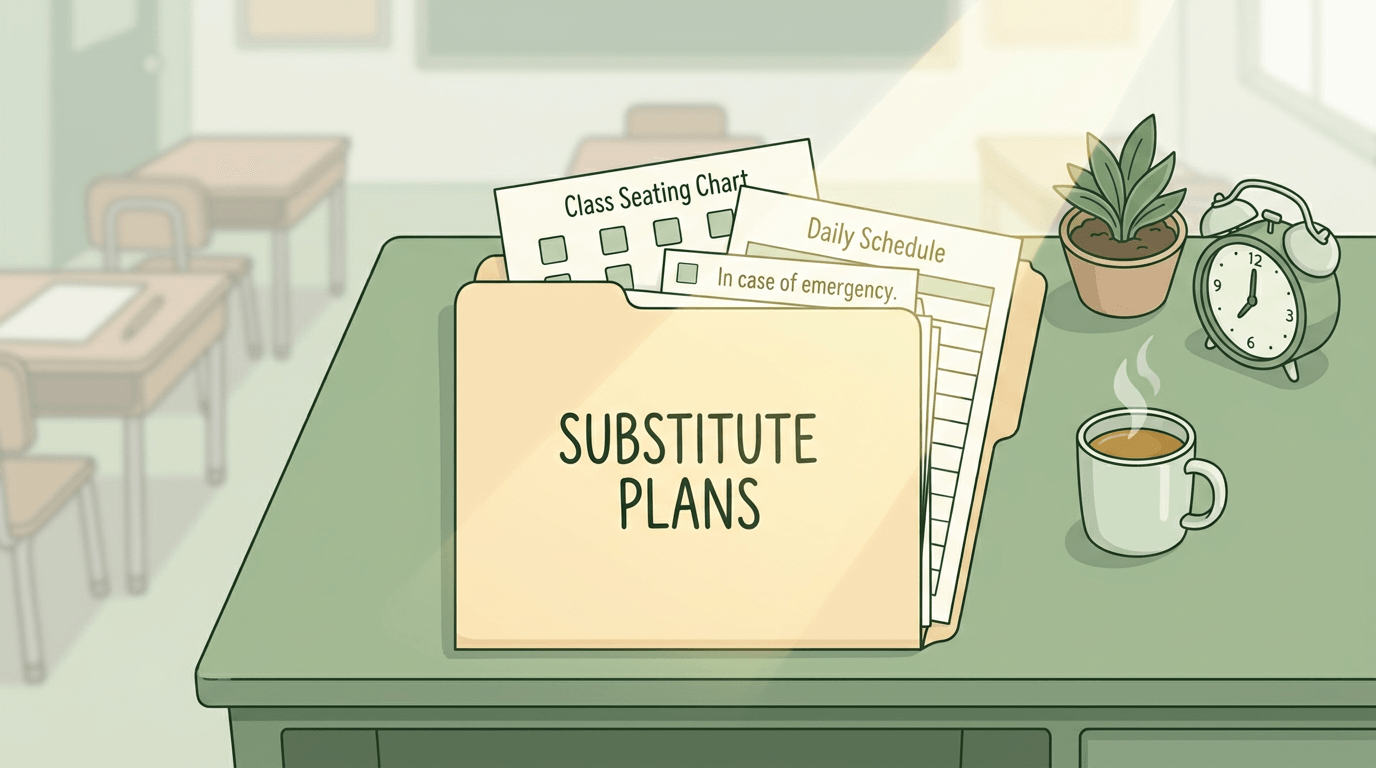
- Note CRT cues for subs. Keep them short enough to read at the door.
Sub note, ready to paste: Greet students by name at the door. Say "I'm asking for your best because I know you can do it." Start with the partner bell ringer. Let partners talk before anyone shares aloud.
Build and reuse these CRT-infused lesson steps across classes with EMStudio's lesson planner.
Why Closing the Achievement Gap Matters
Closing the achievement gap starts with a simple question: who's in your classroom, and who's teaching them?
Why we need to address the gap
Students of color now make up a large and growing share of public-school enrollment, yet the teaching workforce doesn't reflect them.
One study of teacher-student demographic changes highlights a mismatch that persists for all non-White groups, and an AdvancED Equity brief confirms that teacher diversity differs significantly from that of the students they educate.
Systemic obstacles make the gap harder to close. Common Core rigor raises expectations for everyone, so students who lack support can fall behind fastest.
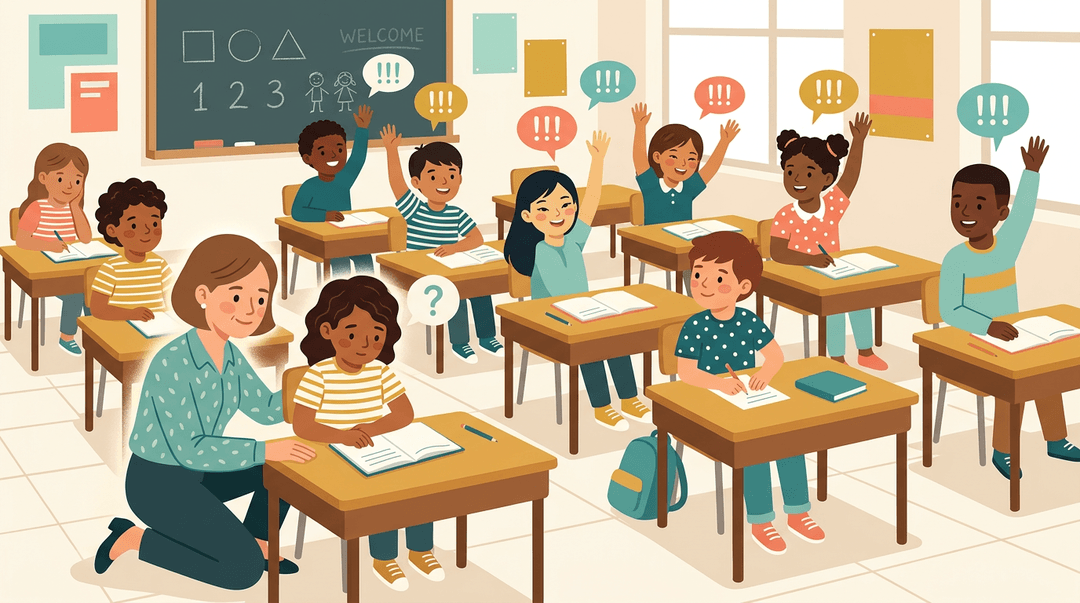
Consider a fourth-grade teacher who notices the same few students answer every question. She checks in one-on-one with the quiet ones, learns what's blocking them, and her next lesson reaches far more of the room.
How it benefits every student
This work isn't only for students of color. White students benefit too, because classrooms that practice cultural responsiveness prepare everyone for a more diverse world.
Our students will live and work alongside people from many backgrounds, and that's a global reality, not a local one.
Building cross-cultural competence, the ability to connect and work well with people from different backgrounds, pays off in nearly any career. That's a lesson worth teaching every student.
Challenges that still remain
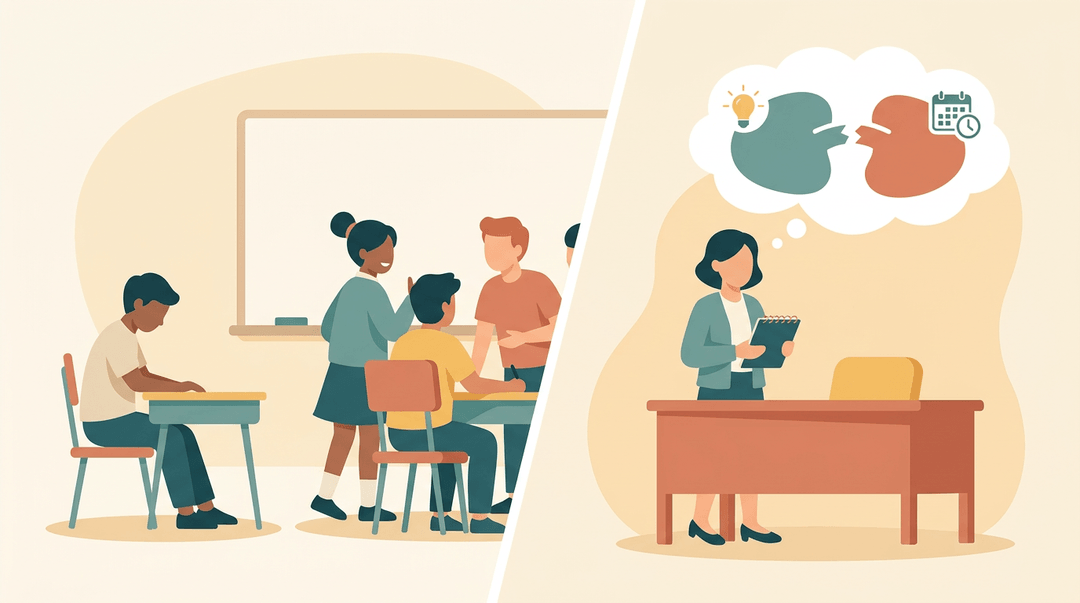
Progress is real, but it isn't finished. Racial bullying is still present in schools, and students who feel othered rather than included can disengage long before they raise a hand.
The biggest hurdle is the knowing-doing gap: many teachers understand culturally responsive practice in theory but struggle to build it into Tuesday's lesson plan. Closing that gap takes time and practice.
There's no quick fix, but every small change adds up.
Inside the Book's Structure and Reception
Wondering what you'll actually find between the covers, and whether other educators have found it useful? Here's a quick look at how the book is built and how it's been received, so you can decide whether it fits your work.
How the book is organized
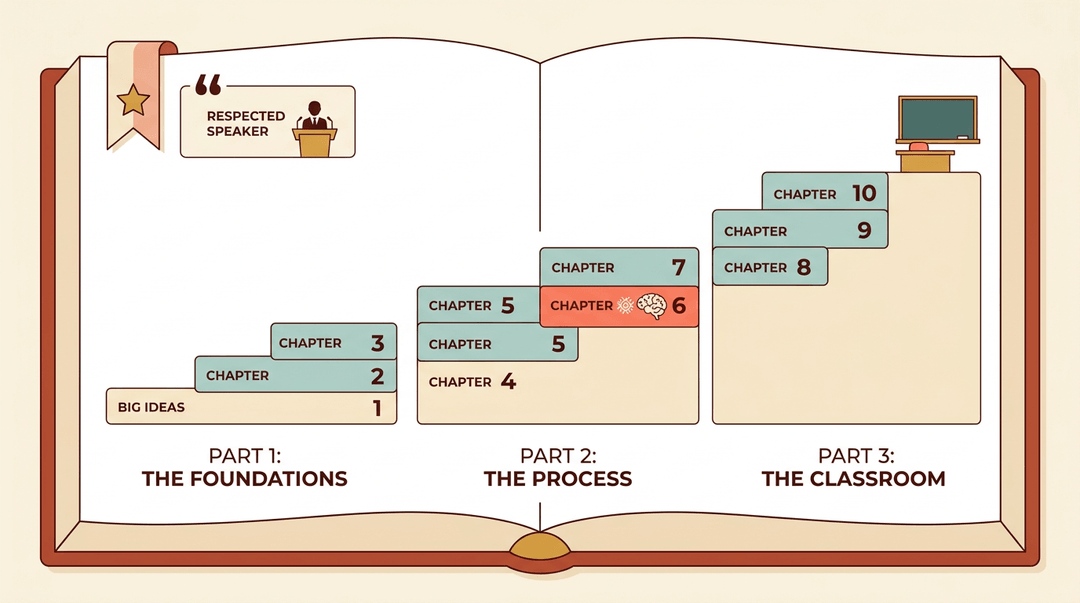
The book is organized in three parts and ten chapters, so you can move from the big ideas toward classroom use in a logical order. One chapter focuses on the brain and culture, connecting the neuroscience to the teaching that follows.
The book's front matter includes a foreword by Yvette Jackson, so you'll start with a respected voice in equity education.
What critics and educators say
Equity leaders have praised the book, academics have endorsed it, and instructors who've used it in their classrooms report positive feedback. That mix matters. It suggests the ideas hold up both in theory and in practice.
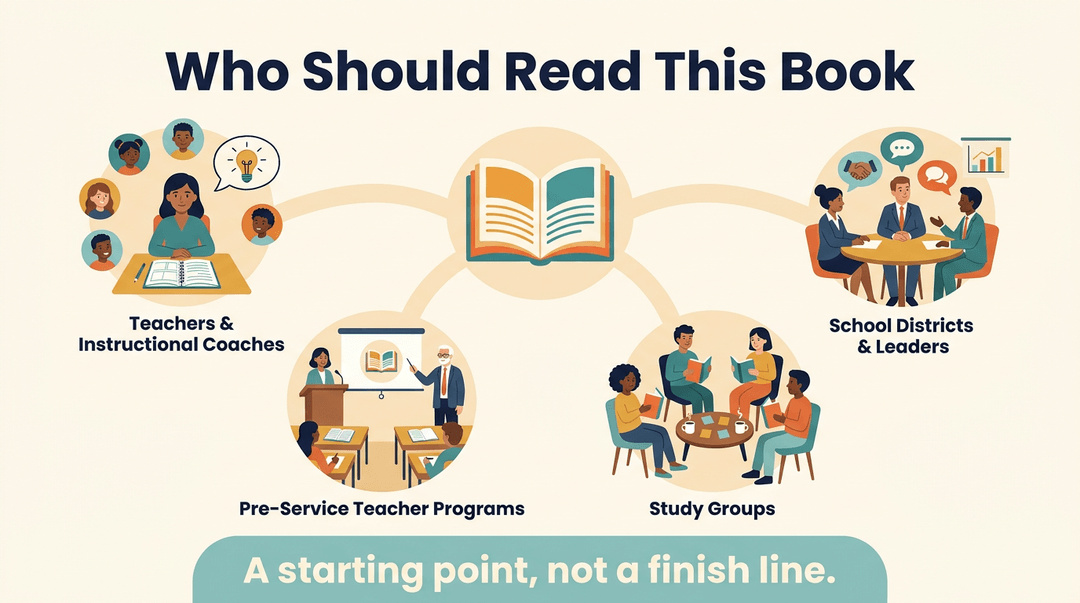
Who should read this book
- Teachers and instructional coaches will get the most out of it, especially when planning for diverse classrooms.
- School districts and leaders can use it to shape conversations about culturally responsive practice.
- Pre-service teacher programs can assign it, since it's already used in teacher education programs.
- Study groups can read it together as a book study.
Read it as a starting point rather than a finish line. It's worth the time.
Who Is Zaretta Hammond?
Before you dig into her ideas, it helps to know who's behind them. Her credentials and career explain why her work speaks so directly to classrooms.
Her background and credentials
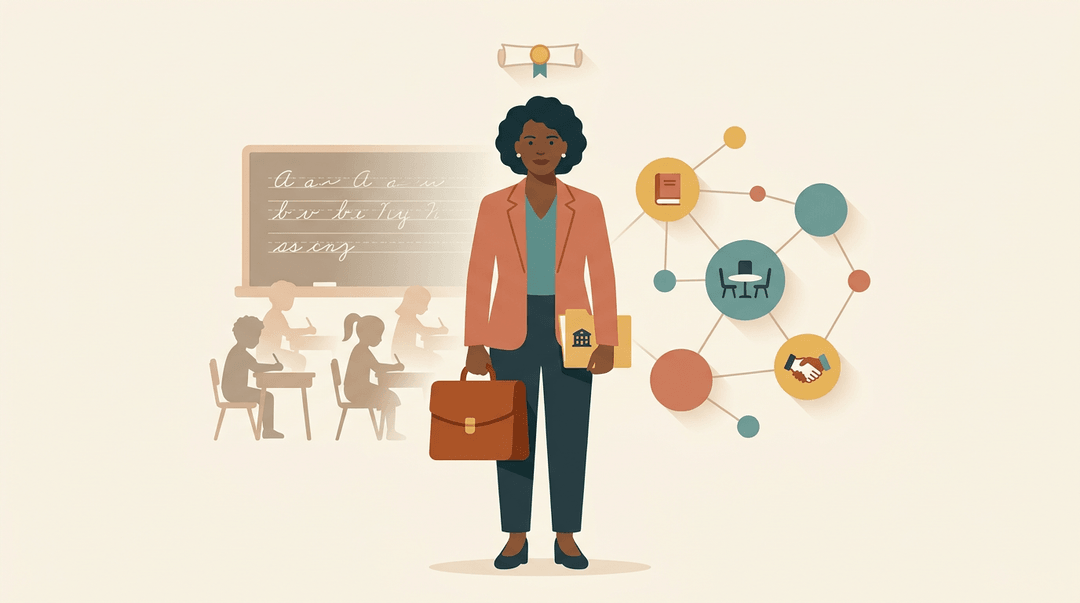
Hammond started out as a former writing teacher, and that classroom experience still shapes how she talks about learners. She holds a Master's degree rather than a PhD, a detail worth knowing when you compare her work with research-heavy alternatives.
A researchED NZ profile describes her as a teacher educator and international education consultant.
She is the founder of Transformative Learning Solutions, LLC, and she has served on advisory boards, including the Consortium of Reading Excellence (C.O.R.E.) and the Aspen Institute's Education & Society Program, plus a board trusteeship at the Center for the Collaborative Classroom.
Her career from classroom to consultant
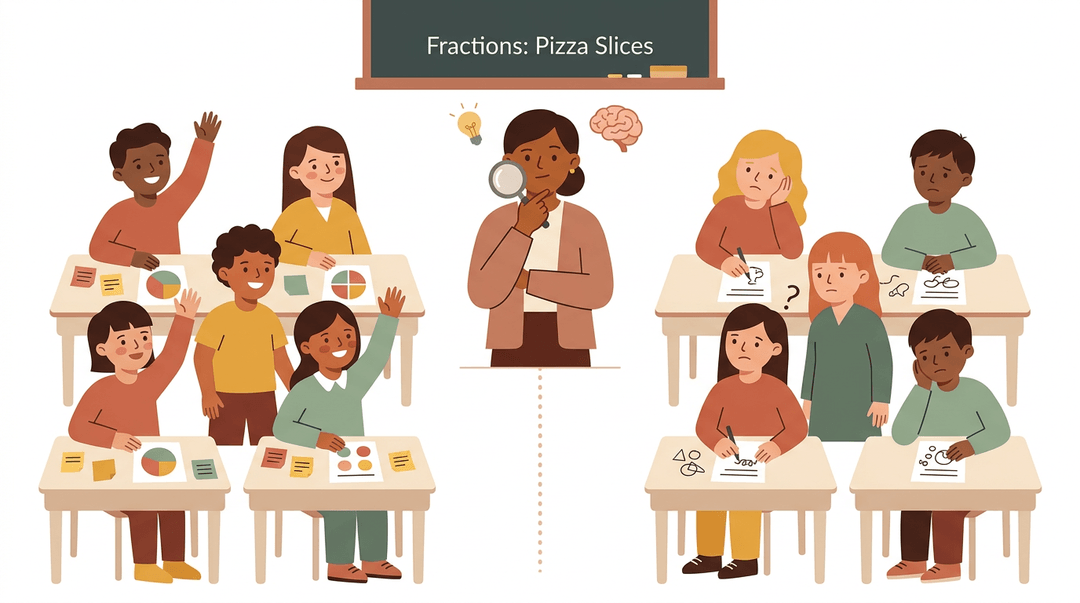
Her roots are still in the classroom. Consider a teacher whose lesson lands with one group and falls flat with another. Hammond's work asks that teacher to look for the reason, not just the quick fix.
Her career has moved from teaching into curriculum design and national speaking and trainer work. She has also been on staff at reform organizations, including the National Equity Project and the former Bay Area School Reform Collaborative (BASRC).
That mix makes her less a theorist removed from schools and more a practitioner who stays close to them. Even as a consultant, she stays connected to classrooms, so her ideas stay grounded in what teachers face every day.
Hammond's core message is simple: when you understand how culture shapes learning, you can help every student see themselves as capable of rigorous work.
The brain rules and strategies give you a starting point, and a checklist turns that theory into lessons you can use this week.
Ready to put this into your own planning? Check out our Lesson Planner to write, organize, and reuse lesson plans across multiple classes from one place.
References
- Historical Patterns and Trends in Teacher-Student Demographic Changes in the United States — doi.org (2025)
- Culturally Responsive Teaching and The Brain — uk.sagepub.com (2026)
- att_sb1_145134 — cmn-cdn-001.sagepub.com
- Stress and cognition — pubmed.ncbi.nlm.nih.gov (2013)
- Superb Woman: Zaretta Hammond — texasmetronews.com (2026)
- A Second Look at the 2023–24 Civil Rights Data Collection: Early Findings on Advanced Coursework, Discipline, and School Staffing — advancedequity.org (2026)
- Zaretta Hammond — researched.longbaycollege.com
Frequently asked questions
What is Hammond's theory of culture?
Hammond’s theory of culture views culture as a form of cognitive “hardware” that shapes how students interpret information, feel safe, build relationships, and remember. Students also bring cultural capital, or valuable knowledge and experiences from home, which teachers can use as bridges to rigorous new learning.
What is culturally responsive teaching in simple terms?
Culturally responsive teaching means connecting instruction to students’ cultural knowledge, identities, experiences, and ways of learning. It combines belonging and trust with high expectations and academic rigor.
What are the 7 principles of culturally responsive teaching?
Seven commonly cited principles are: affirm cultural differences, recognize culture as an essential part of learning, build relationships and trust, use students’ cultural knowledge as an instructional resource, maintain high expectations, create a learning community, and support students in developing critical thinking and metacognition. Together, these principles treat culture as an asset rather than a barrier.
What are the culturally responsive brain rules?
Hammond’s culturally responsive brain rules explain that culture influences brain wiring and learning, emotional safety supports cognition, relationships enable risk-taking, and familiar patterns help memory. Music, repetition, metaphor, ritual, physical interaction, chunking, connection, and rehearsal can all support information processing and intellective capacity.
What are the five Culturally Responsive Teaching strategies?
Five practical strategies include building trusting learning partnerships, using students’ cultural capital to connect new ideas, creating collaborative and interdependent learning, teaching metacognitive routines, and using culturally familiar tools such as music, repetition, metaphor, ritual, and hands-on activities. These strategies should support both student belonging and rigorous thinking.
What are some examples of Culturally Responsive Teaching?
Examples include greeting students by name, learning about their interests and learning preferences, using familiar experiences in examples or word problems, structuring peer dialogue, assigning collaborative roles, using chants or rituals to reinforce content, and ending lessons with self-reflection. A culturally responsive teacher also makes classroom norms visible and helps students learn how to navigate them.
What does Zaretta Hammond mean by culturally responsive teaching?
By culturally responsive teaching, Hammond means an ongoing way of thinking about and teaching students that recognizes their cultural assets, builds trust, and connects new learning to what they already know. It is not a one-time lesson about a culture or a decorative diversity activity; it balances warmth, belonging, high expectations, and cognitive rigor.
Can you recommend a book about culturally responsive teaching?
A recommended book is Zaretta Hammond’s *Culturally Responsive Teaching and the Brain: Promoting Authentic Engagement and Rigor Among Culturally and Linguistically Diverse Students*. It connects culture, identity, brain-based learning, relationship building, and practical classroom instruction, making it useful for teachers, coaches, school leaders, and teacher-education programs.