Why Do Definitions of Learning Vary So Much Between Experts?

Jump to section
Ask five people to define "love" and you'll get five different answers, each true in its own way. Ask five educators to define "learning" and you'll get something similar: a dictionary entry, a theorist's model, a classroom instinct.
That's the essence of a word we use every day without pinning down.
In this post, we'll walk through the dictionary definitions, the academic and theorist-specific ones (including Gates and Skinner), and then turn every last one into something you can actually put on a lesson plan.
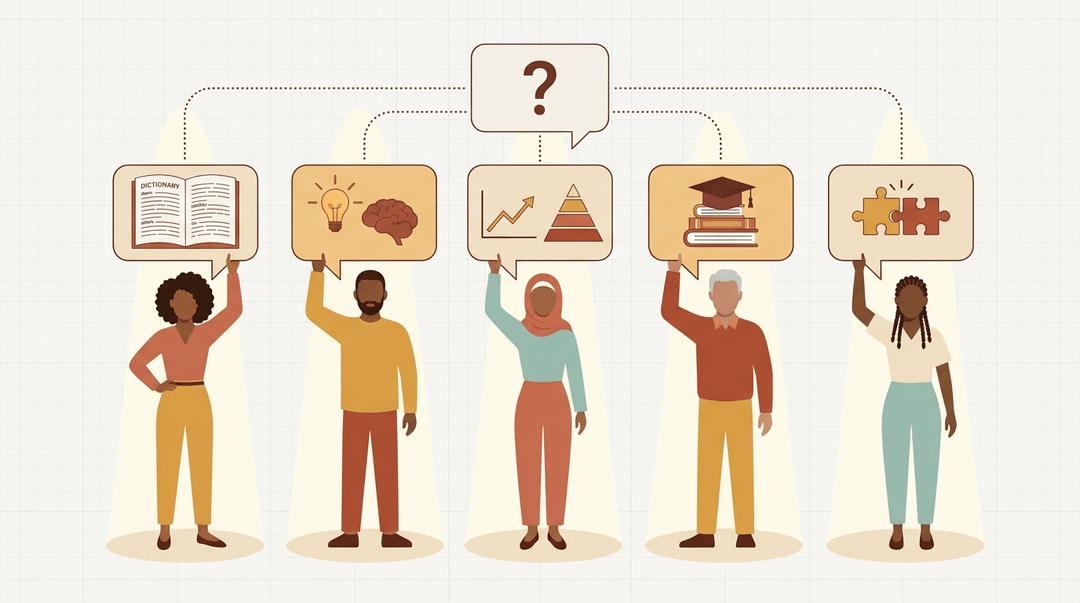
The Dictionary Definitions of Learning
Look up "learning" in a dictionary and you'll find more than one entry, each capturing a different angle: the everyday sense, the machine-learning sense, the near-synonyms, and the word's own history.
Together, they sketch a fuller picture than any single definition could.
What learning actually means
At its core, learning is the act or experience of gaining knowledge or skill, often through instruction, study, or practice.
It's also described as a modification of a behavioral tendency through experience: think of a student who once struggled with long division and now reaches for it automatically. That shift is learning, not just information sitting unused.
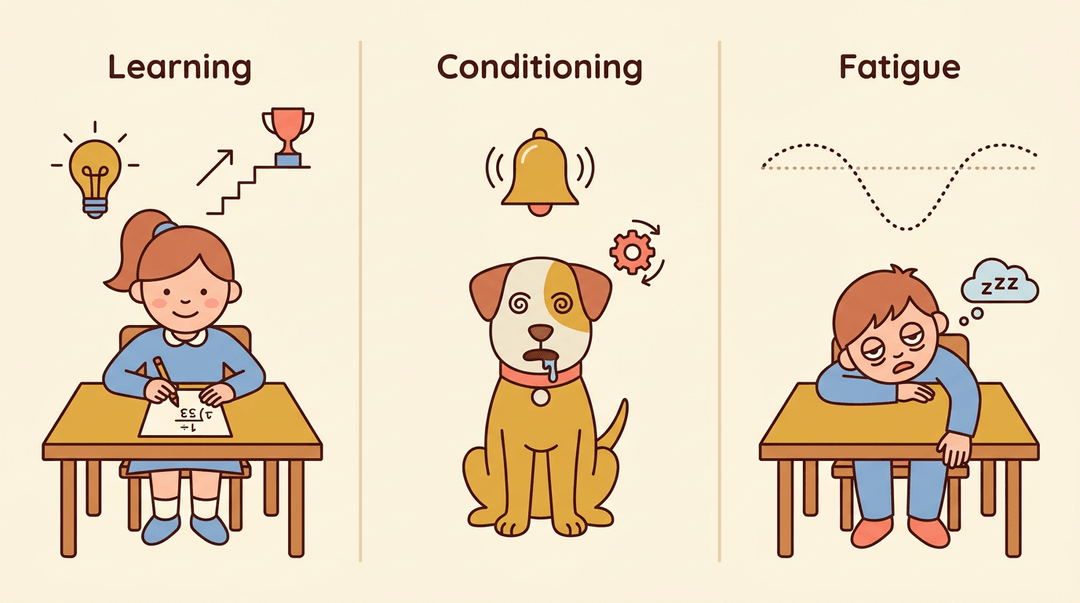
Real learning also differs from two look-alikes: conditioning, a reflexive response trained into someone, and fatigue effects, a temporary dip in performance that fades on its own. Neither sticks the way learning does.
How machine learning defines learning
Even outside the classroom, the word carries weight. In computer science, machine learning uses "learning" as a noun for how a system improves from data rather than fixed instructions.
- Unsupervised learning finds patterns and clusters data with no labels attached.
- Supervised learning trains on labeled data, learning from correct answers much like a student checking work against an answer key.
- Reinforcement learning improves through trial and error, adjusting after each success or misstep, similar to a student getting feedback and trying again.
Words closely related to learning
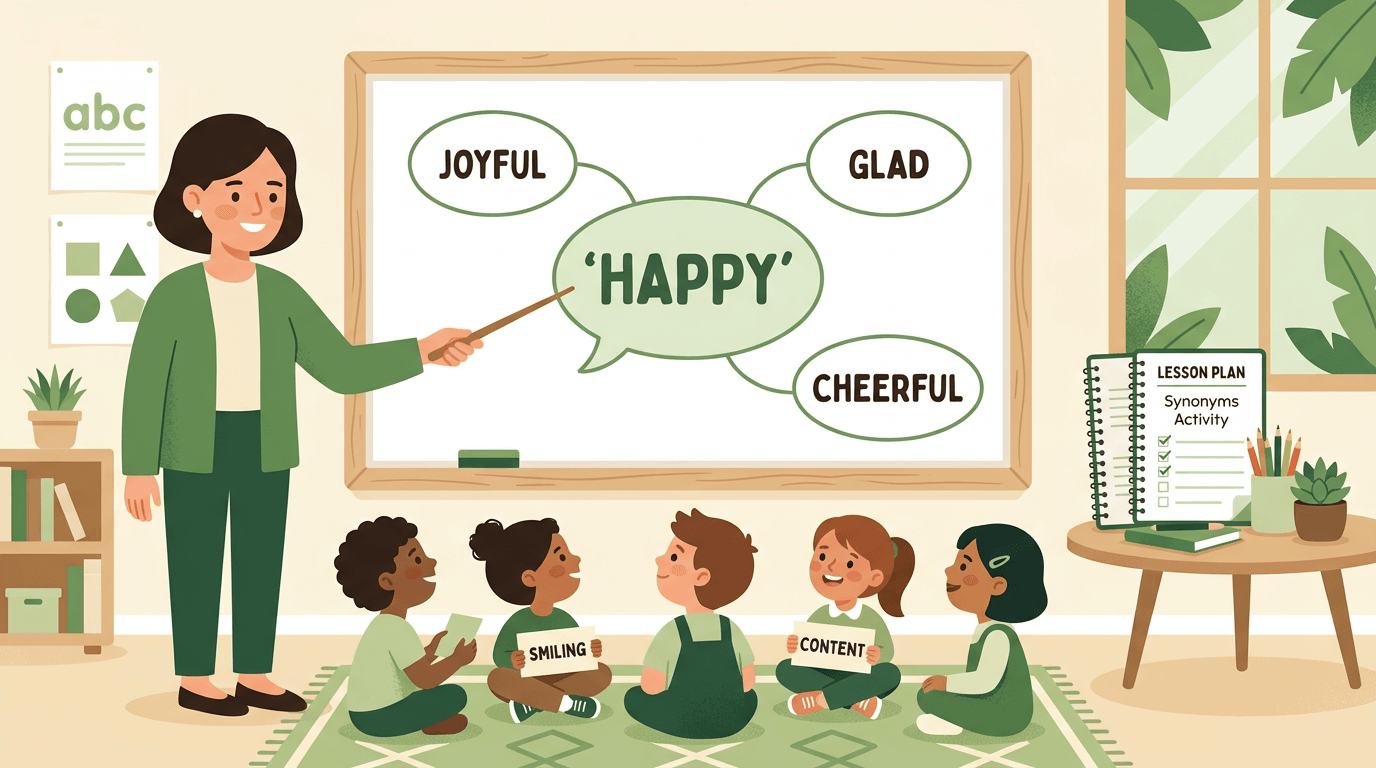
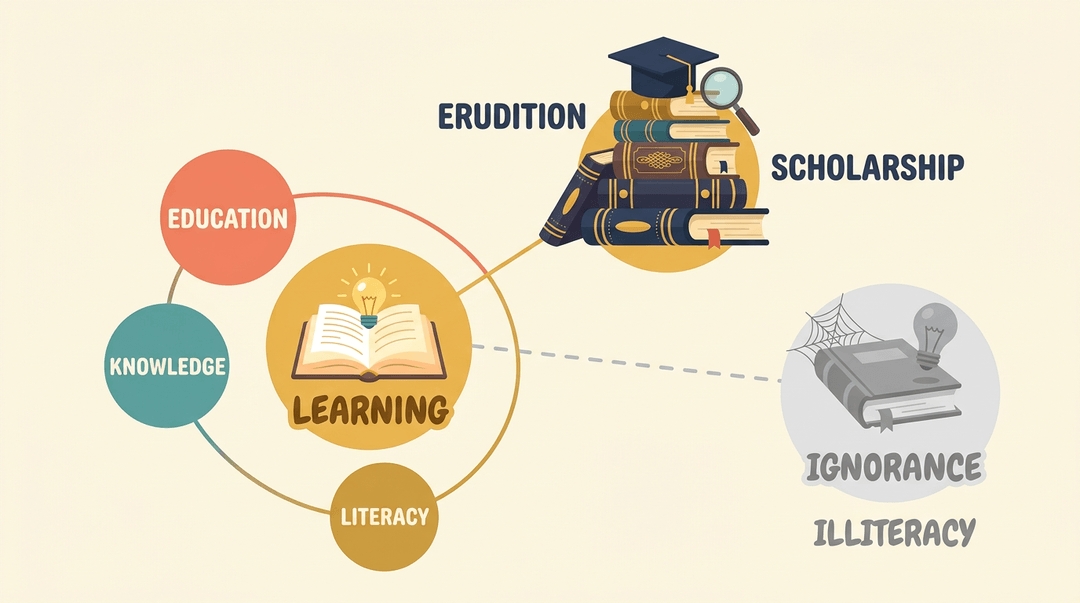
Thesaurus entries group learning with education, knowledge, and literacy: words that share its emphasis on acquiring understanding.
But learning isn't identical to erudition or scholarship, which lean toward deep, formal expertise built over years of study.
Learning tends to emphasize formal schooling and instruction, while its antonyms, ignorance and illiteracy, mark the absence of that process entirely.
Where the word learning comes from
The word traces back to before the 12th century, rooted in Old English. Structurally, learning is the present participle and gerund form of learn, which is why it works as both a verb ("she is learning fractions") and a noun ("learning takes time").
Related forms include learner, learned, and unlearn, plus rhyming words like earning and yearning. You'll hear it in everyday sentences: "Learning to read opens doors" or "Lifelong learning matters."
Academic Definitions of Learning
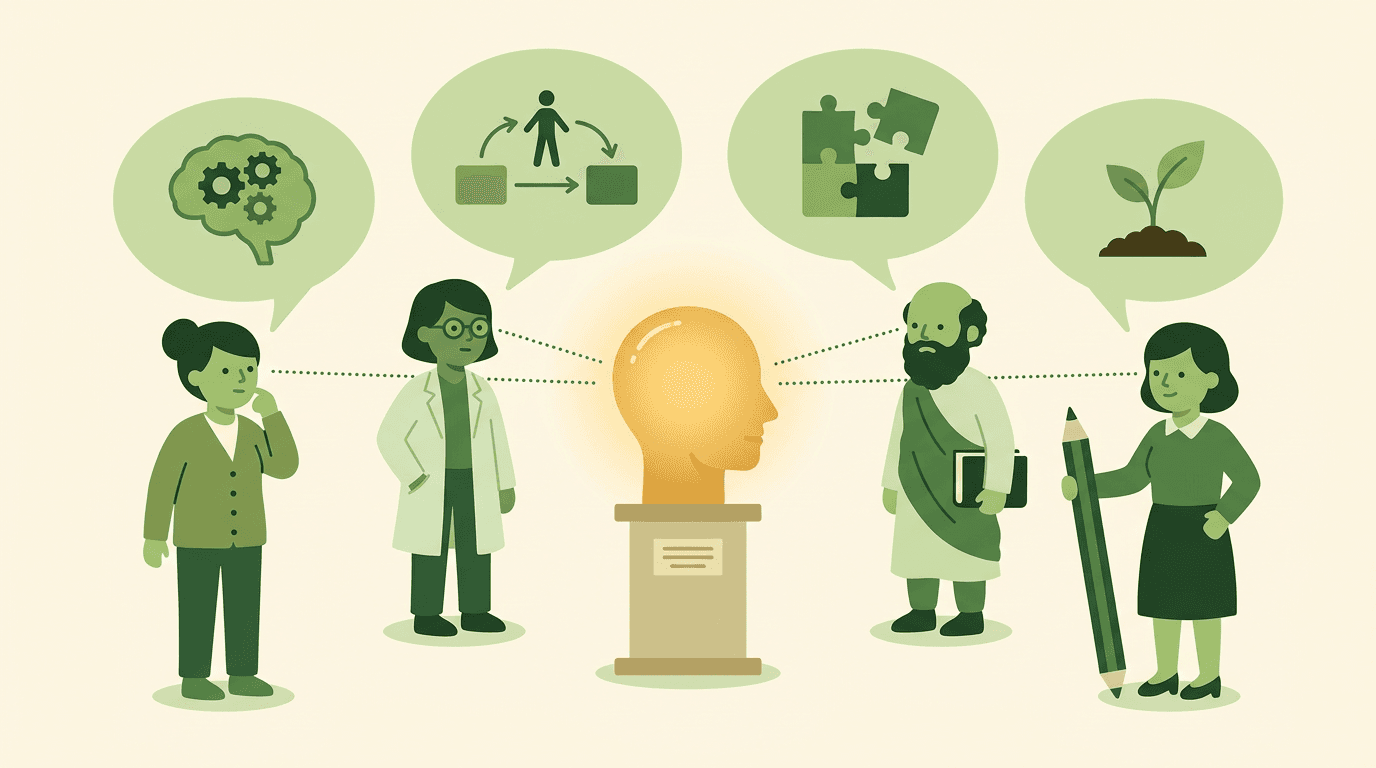
Ask a dozen researchers to define learning and you'll get a dozen answers. Look closely, though, and most circle back to one idea: a lasting change in what someone knows or can do.
Four lenses, spanning the major schools of learning theory, help sketch out the single best definition you can actually use.
What is the definition of learning according to Gates?
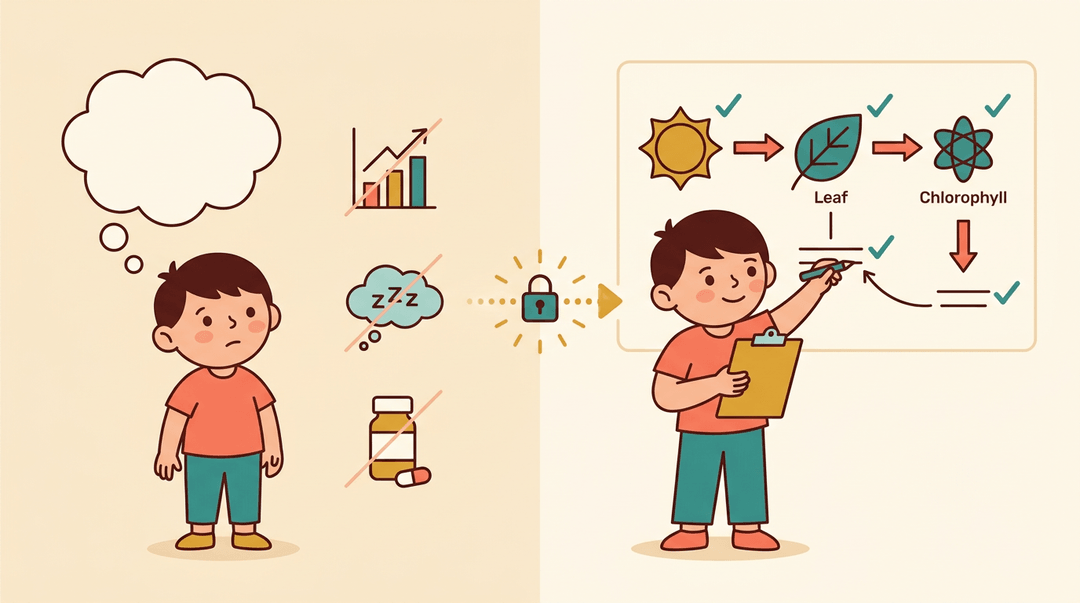
Gates' definition of learning frames it as a change in disposition or capability that comes from experience, not from growth, fatigue, or drugs.
The change has to be permanent, showing up as a persisting shift in knowledge, behavior, or performance rather than a one-off blip.
That's the same standard a good lesson objective should meet: not "students will hear about photosynthesis," but "students will label its stages on a diagram," a change you can actually observe afterward.
Learning through experience and practice
Other definitions lean less on theory and more on lived practice: learning is knowledge gained through experience, ready to pull from memory the moment you need it.
According to OERTX's psychology curriculum, academic definitions of learning commonly describe it as a lasting change in knowledge, behavior, capability, or performance that results from experience, whether that's a first grader sounding out new words or a new teacher mastering classroom routines.
It's the acquisition and mastery of already-known content, and it's the frame behind most "types of learning" you'll see referenced elsewhere.
What is the definition of learning according to Skinner?
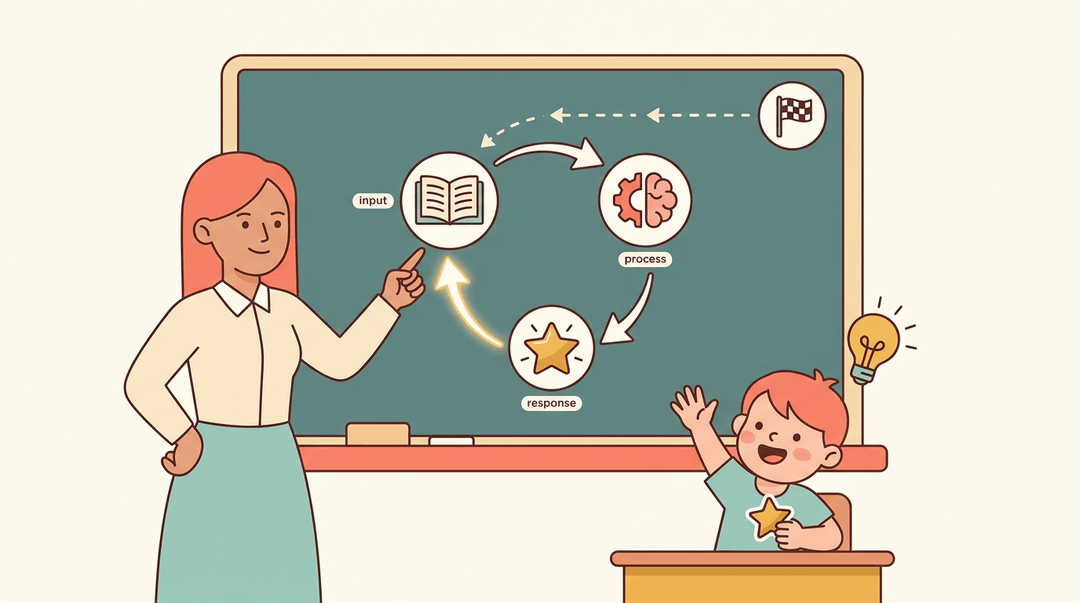
Skinner's behaviorist definition of learning treats it as a process that changes behavior by strengthening correct responses, one carried out deliberately by a teacher.
He saw learning as a product, a process, and a function all at once: a transformative cycle of input and reflection that produces change through experience.
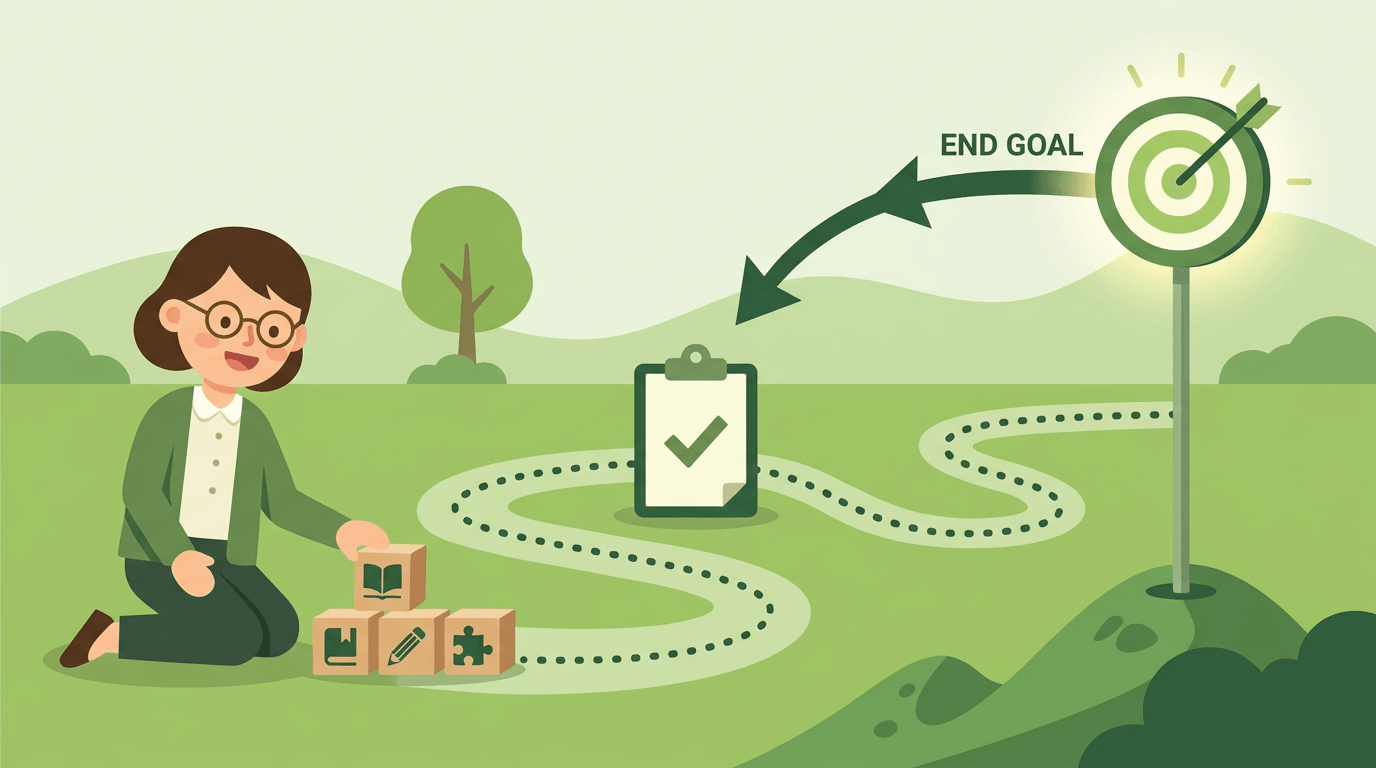
That framing matters for planning, since it pushes you to decide what response you want strengthened before opening a textbook, the core logic behind backward design.
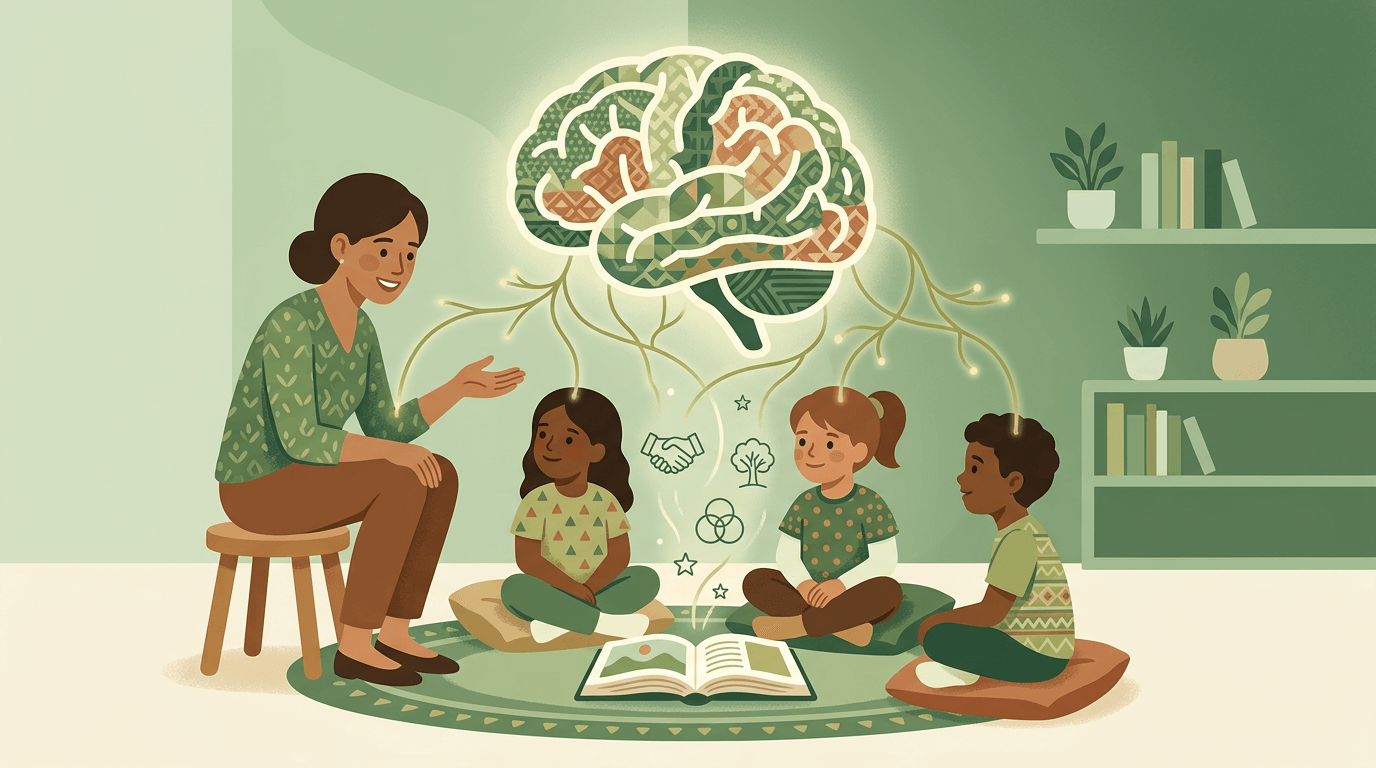
Learning as a social, connected process
A fourth lens treats learning as bigger than one person's head. It happens within shifting environments and often looks like actionable knowledge that lives outside any one individual, in a team, a school, or a shared database.
This view connects specialized pockets of information across a staff, treating a school's collective know-how almost like an organization's shared filing system.
Turning Definitions of Learning into Lesson Plans
A definition of learning only earns its keep when it changes what you plan. This guide takes you from definition to objective to activity in three quick moves, then hands you a final check to run before class.
Write an objective you could watch happen
Every definition we've covered agrees on one thing: learning is a change. Your objective should name that change so plainly that a visitor at the back of the room could confirm it.
- Name the behavior change you'll see.
- Ask: "What can students do at the end that they couldn't at the start?"
- Swap vague verbs for observable ones.
- ❌ "Students will understand fractions." Nothing here to watch for.
- ✅ "Students will order three fractions from smallest to largest."
- The difference: "understand" hides inside the head; "order" happens on paper.
- ❌ "Students will understand fractions." Nothing here to watch for.
- Match your verb to the Bloom's level you're targeting.
- Recall: list, define. Application: solve, demonstrate. Analysis: compare, justify.
Pick the activity your theory would pick
Each theory of learning predicts a different kind of activity. Find the row that matches how you're framing the lesson, then read across.
| If your lesson leans... | Plan... | For example... |
|---|---|---|
| Behaviorist (practice shapes behavior) | Repetition plus immediate feedback | Timed math facts, corrected on the spot |
| Constructivist (learners build meaning) | An inquiry task before the rule | "Why does this float?" before teaching buoyancy |
| Social / connectivist (learning is shared) | Structured peer collaboration | Pairs explain yesterday's method to each other |
Example: For the fractions objective above, a constructivist take would hand pairs three paper strips to fold and compare before anyone sees a number line. The ordering task then measures exactly the change the objective promised.
Run the pre-teach check
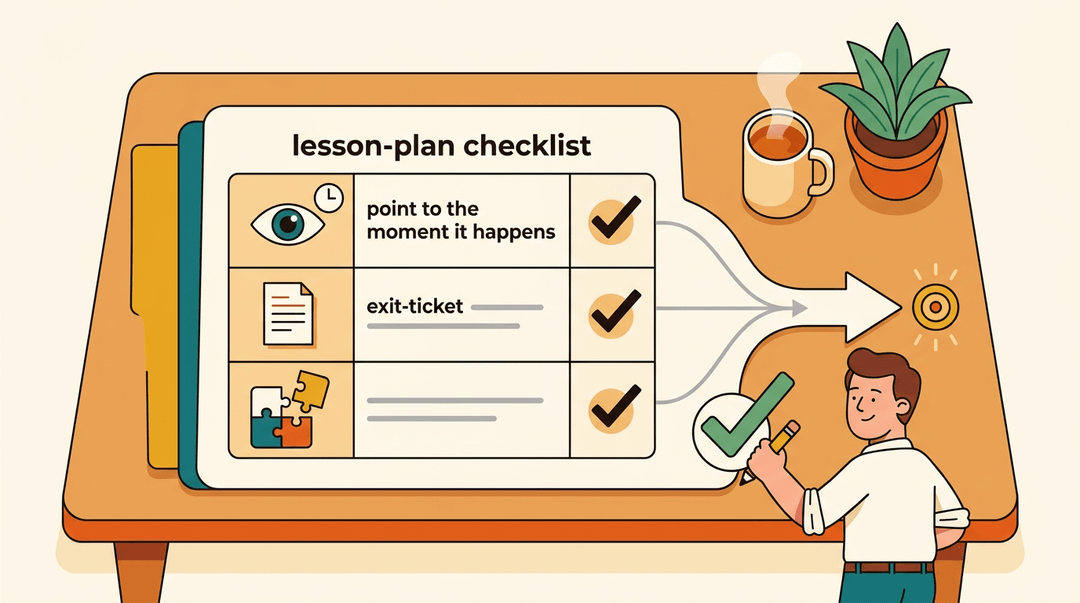
Before you commit the plan, confirm all three:
- Objective observable? You could point to the moment it happens.
- Evidence of change planned? An exit ticket, product, or performance captures the shift.
- Activity matches the theory? Practice for behaviorist aims, inquiry for constructivist, collaboration for social.
If all three hold, the definition, the objective, and the activity are pulling in the same direction. Save and reuse these objective templates across classes in EMStudio's lesson planner.
Learning isn't one fixed idea. It's a dictionary entry, a theorist's model, and a classroom reality all at once, and that's what makes it so useful once you know how to translate it.
The real payoff comes when a definition stops living in a textbook and starts shaping what students actually do in your room.
Ready to turn these definitions into lessons your students will remember? Check out our Lesson Planning tool to build objectives and activities around whichever definition fits your classroom best.
References
- Behaviorism category of individual Behavior profile — doi.org (2023)
- Behaviorism in Education: What Is Behavioral Learning Theory? — nu.edu
- Psychology, Learning, What Is Learning? — oertx.highered.texas.gov
- English — courses.dcs.wisc.edu
Frequently asked questions
What is the best definition of learning?
Learning is the process of gaining knowledge, skills, or understanding through instruction, study, practice, or experience. It involves a lasting change in what a person knows or can do, rather than a temporary performance change.
What is the definition of learning according to Gates?
According to Gates, learning is a permanent change in disposition or capability resulting from experience. The change may appear in a person’s knowledge, behavior, or performance and is not caused by growth, fatigue, or drugs.
What is the definition of learning according to Skinner?
According to Skinner, learning is a process that changes behavior by strengthening correct responses through experience and deliberate reinforcement. In education, this means shaping desired responses through practice, feedback, and reinforcement.
What are the 7 types of learning?
The seven commonly recognized types of learning are visual, auditory, reading and writing, kinesthetic, verbal, logical, and social learning. These describe different preferences or approaches for taking in and working with information, although most people use a combination rather than only one type.