How Examples of Conditional Learning Reveal the Way We Learn

Jump to section
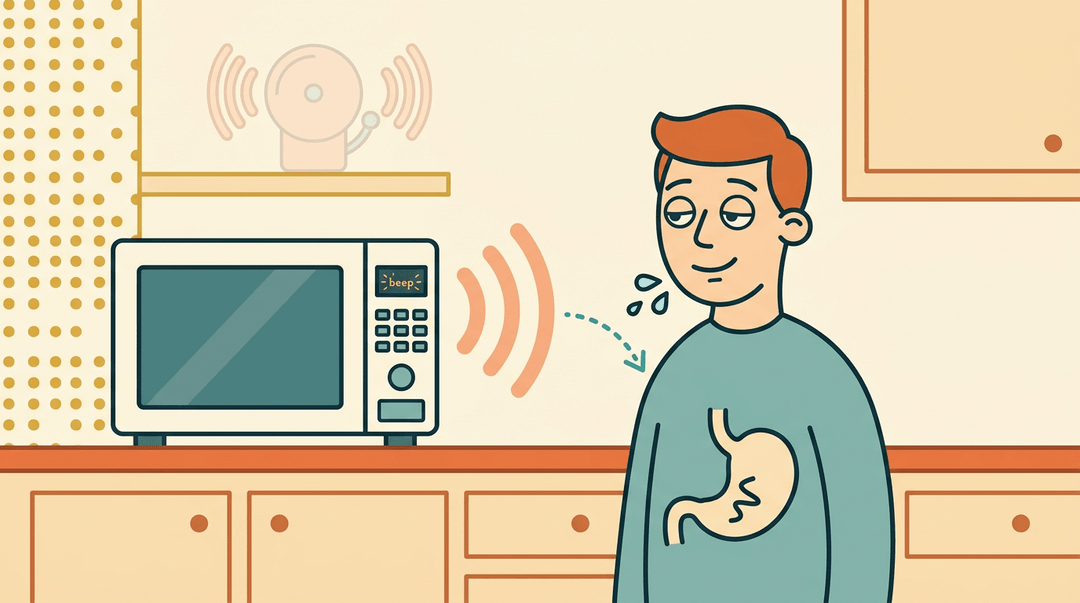
Ever notice how your stomach growls the second you hear a microwave beep, even before you smell the food? That's your brain pairing a sound with a reward until the sound alone does the work.
That's the essence of conditional learning, often called classical conditioning: learning through association rather than instruction. It shapes far more of the classroom than most teachers realize.
This post walks through its key terms, real examples, everyday applications, and the debates worth knowing, plus how you can put it to work managing your own classroom.
Understanding Examples of Conditional Learning
Every example of conditional learning traces back to one core idea: a response that starts out reflexive ends up attached to something new.
Before getting to classroom-ready examples, it's worth pinning down exactly what's happening and where conditioning stops and other kinds of learning start.
What's the difference between conditional and unconditional learning?
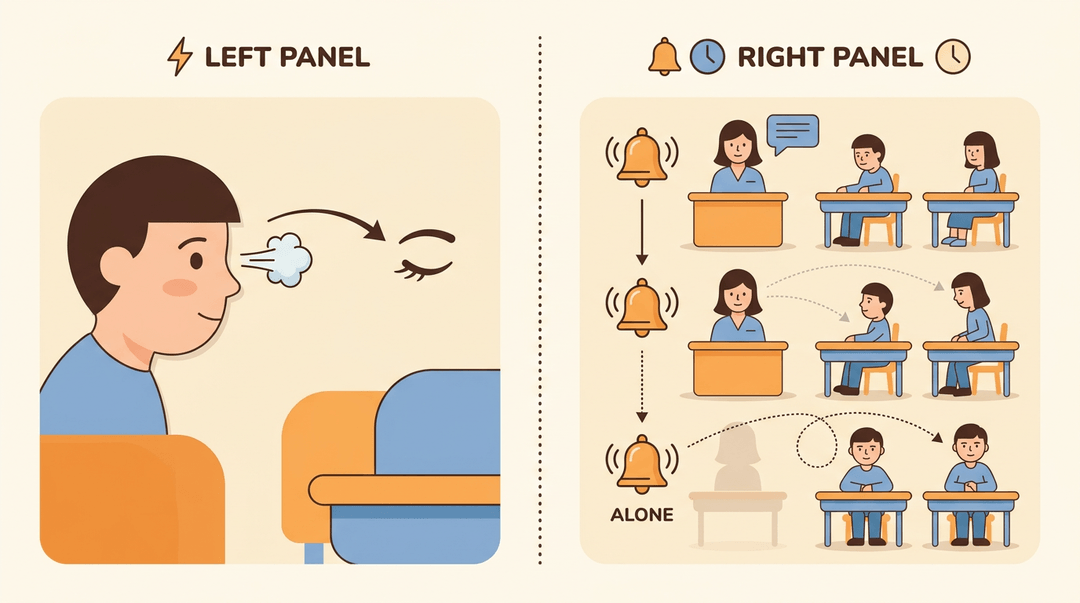
An unconditioned response is a reflex, automatic, no teaching required, like blinking at a puff of air.
Conditional learning (classical conditioning) happens when a neutral stimulus gets paired repeatedly with a natural one until a learned association forms between them.
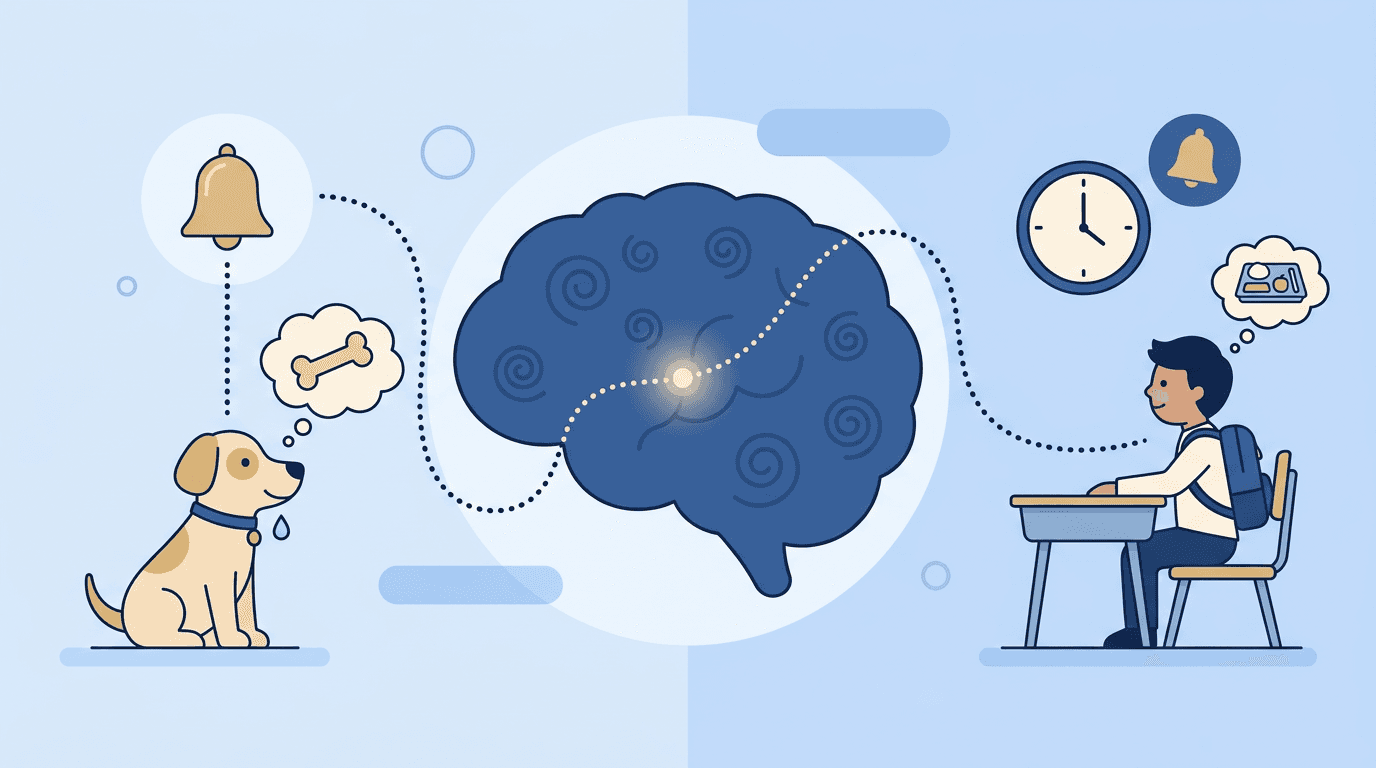
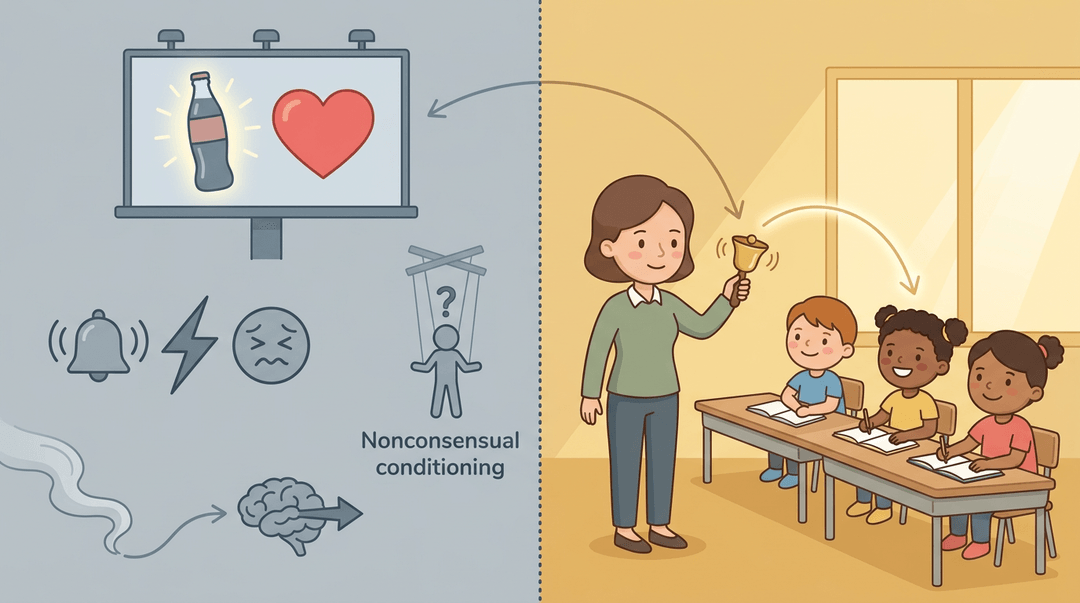
The result is an involuntary response, not a choice, which is why this is largely an unconscious learning process. It happens constantly in everyday life: a school bell that puts students into "class mode" before a teacher ever says a word.
Key terms you need to know
Five terms show up in nearly every classical conditioning example:
- Unconditioned stimulus (UCS). Triggers a reflex on its own.
- Unconditioned response (UCR). The automatic reaction to that stimulus.
- Neutral stimulus. Triggers nothing, at first.
- Conditioned stimulus (CS). The former neutral stimulus, once it's been paired enough to trigger a response alone.
- Conditioned response (CR). The learned reaction to the CS.
How the conditioning process unfolds
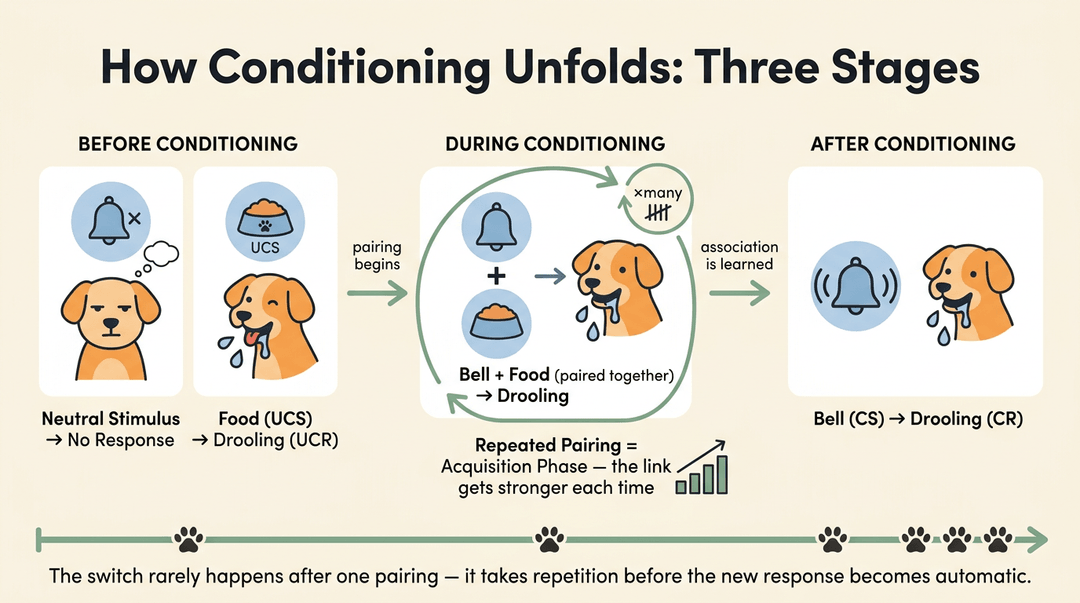
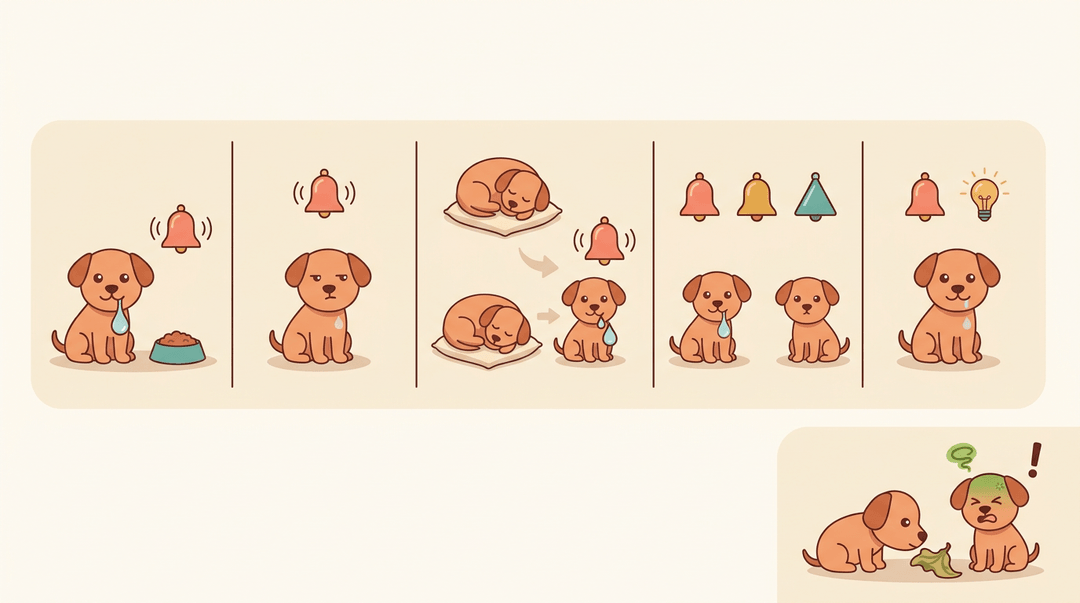
Conditioning moves through three stages:
- Before conditioning. The UCS produces the UCR alone; the neutral stimulus produces nothing.
- During conditioning. The neutral stimulus and UCS get paired, repeatedly.
- After conditioning. The former neutral stimulus, now the CS, triggers the CR by itself.
This shift rarely happens after one pairing. It takes repeated pairing, an acquisition phase where the association strengthens each time, before the new response holds on its own.
Extinction, generalization, and other effects
A learned response isn't permanent. Extinction sets in when the CS keeps showing up without the UCS, and the CR fades. Sometimes it comes back anyway: spontaneous recovery is the CR reappearing after a rest, even post-extinction.
Stimulus generalization lets similar stimuli trigger the same CR, while stimulus discrimination is the learner telling the CS apart from lookalikes. Second-order conditioning stacks a new neutral stimulus onto an existing CS to build a fresh association.
The Rescorla-Wagner model predicts how strong a given response gets, based on how surprising the pairing is.
Some pairings stick almost instantly, a phenomenon called biological preparedness, or the Garcia effect: certain associations, like food and nausea, get learned fast because doing so once mattered for survival.
Pavlov, Watson, and the history of conditioning
Ivan Pavlov's dog experiments gave classical conditioning its name, though the discovery itself was accidental: Pavlov was studying digestion when he noticed his dogs salivating before food ever arrived.
Two decades later, John B. Watson and Rosalie Rayner's Little Albert experiment showed the same process at work in a human infant.
Around the same period, Edwin Twitmyer independently discovered the conditioned reflex, reporting it before Pavlov's work reached Western audiences.
Together, these findings anchored behaviorism: the view that learning is best explained through observable stimulus-response patterns.
What are the two basic forms of conditioned learning?
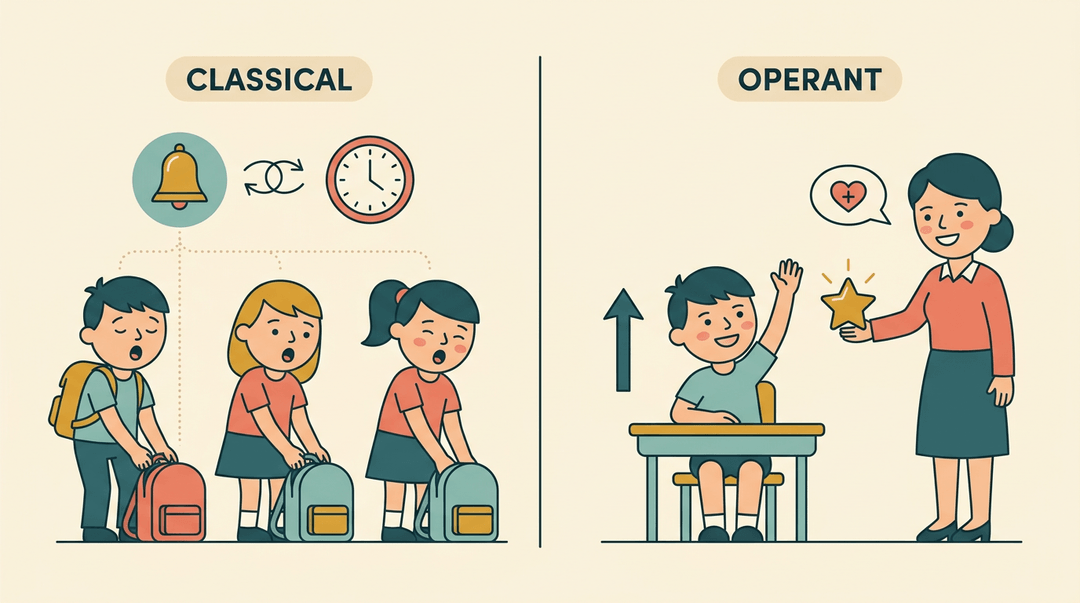
Classical conditioning is one of two basic forms of conditioned learning. Operant conditioning is the other, and it plays by different rules.
Classical conditioning pairs stimuli until an involuntary response transfers from one to another, mostly below conscious awareness.
Operant conditioning shapes voluntary behavior through reward and punishment: a student raises a hand more often because it earns praise, not because two stimuli got linked. Knowing which one you're seeing changes how you respond to it in the classroom.
Using Conditioning to Manage Your Classroom
The theory above becomes a management tool the moment you use it on purpose.
The move is always the same: pair a neutral cue with something reliably pleasant (or reliably calm), repeat it until the cue works on its own, and never let one cue mean two things.
Build positive pairings first
- Pair praise with the exact behavior
- Name it within seconds, so the association forms with the behavior, not with you.
- Say: "You started writing the second the timer began. That's exactly it."
- Link calm music to focus time
- Same playlist, only during independent work, every time.
- After a few weeks, the opening notes settle the room before you say a word.
- Keep reward cues consistent
- One signal, one meaning: a marble in the jar always means the whole class earned it.
- Swapping rewards or signals midstream resets the conditioning to zero.
Make routines and cues predictable
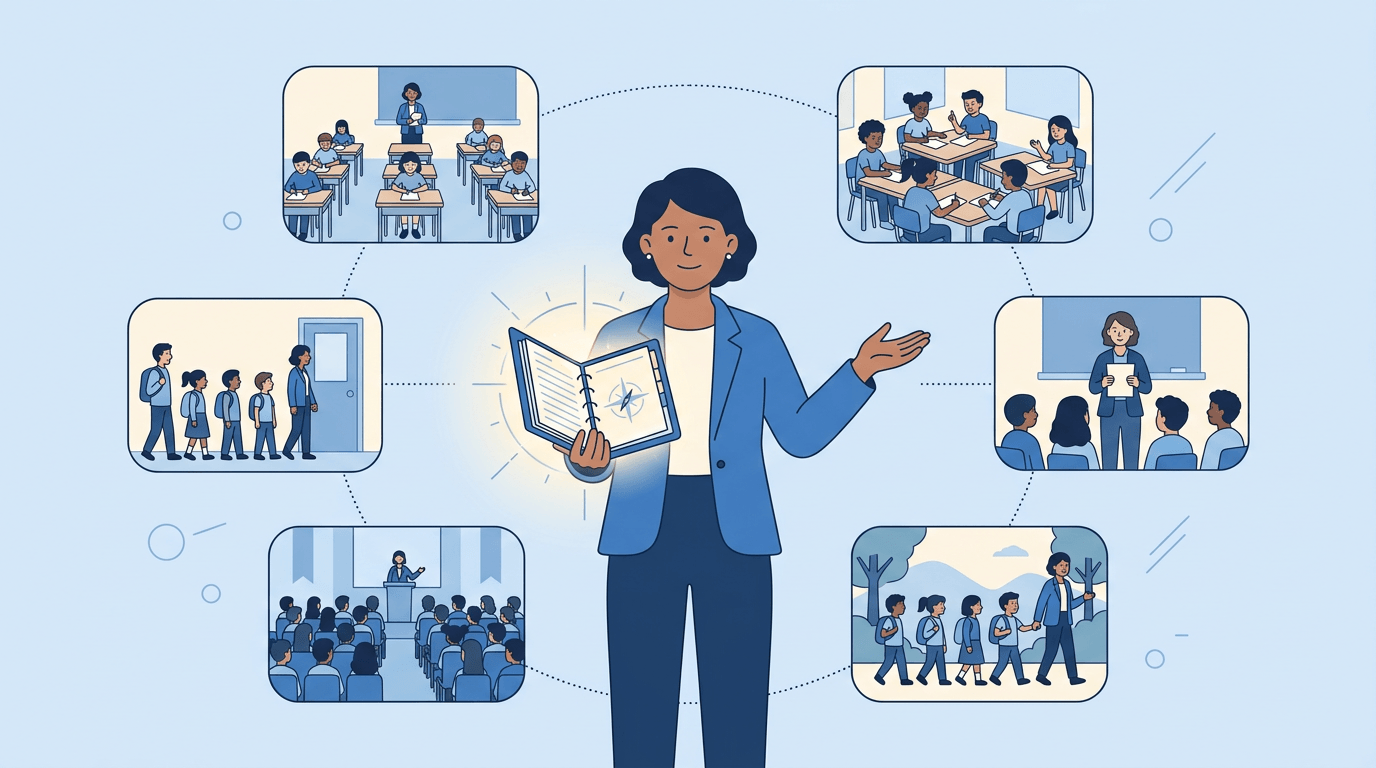
A cue only conditions behavior if it means the same thing every single time. Pick one signal per job and protect it:
| Cue | What it always means |
|---|---|
| The transition bell | Stop, materials away, eyes forward |
| Hand raised, lights dimmed | Voices off, no verbal reminder needed |
| Start ritual (same greeting, same warm-up slot) | Class has begun, brains on |
| End ritual (two-minute recap question) | Pack up calmly, we finish the same way daily |
The rituals matter as much as the signals: a predictable start and end make the whole lesson feel safe, which is itself a conditioned response.
Unpair stress from the subject
Conditioning runs both ways. If math always follows conflict, or every red pen means shame, the subject itself becomes the trigger for anxiety.
⚠️ Watch out: never schedule a dreaded task right after a discipline moment. You're pairing the subject with the stress, and students learn that link fast.
- Give the calm-down corner its own cues. Same spot, same sand timer, same breathing card, and never as a punishment, or the corner conditions dread instead of calm.
- Reframe correction as neutral information, not a verdict:
- ❌ "Wrong again. Look at it properly."
- ✅ "Not yet. Check step two and try once more."
- The difference: the first pairs the subject with shame; the second pairs correction with a next move.
Track routines, cues, and behavior patterns across classes with EMStudio's Class Management tool, and you'll see which pairings are actually sticking.
Examples of Conditioning in Everyday Life
You don't need a lab or a bell to see conditioning at work. It's tucked into a coffee break, a phone buzz, even a cat waiting by the counter.
How food and drink trigger memories
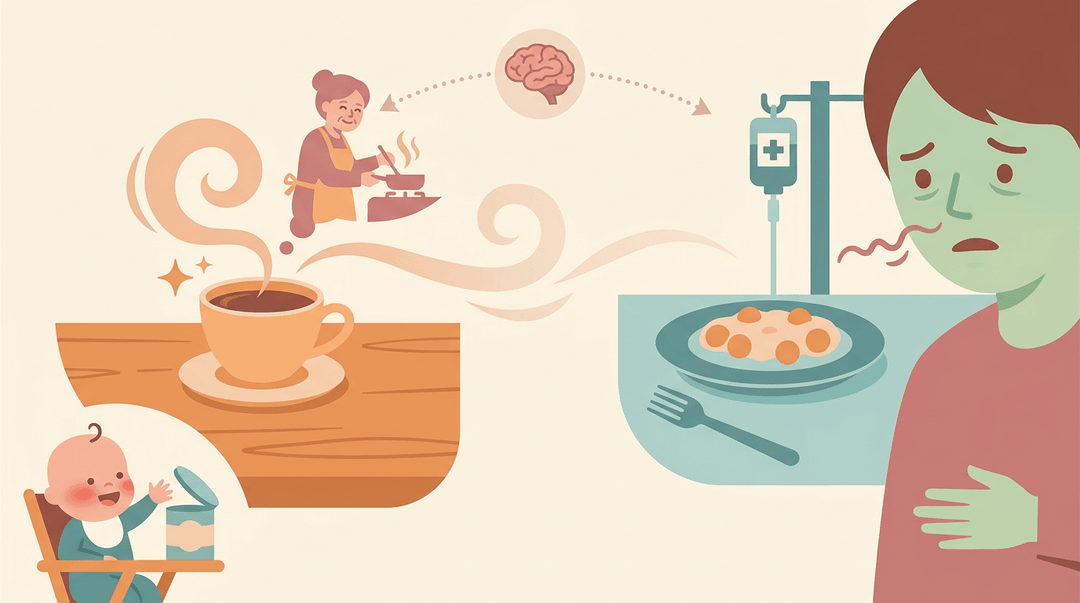
Coffee's aroma alone can sharpen your focus before you've taken a sip: your brain learned long ago to pair that scent with the jolt that follows.
The same wiring explains why a favorite dish's smell can drop you straight back into a grandmother's kitchen, or why a baby squeals at the sight of an empty formula canister.
Not every pairing feels good. A conditioned taste aversion forms when a food gets linked to sickness, even if it wasn't the real cause.
Someone who got sick after chemotherapy might feel queasy at the smell of a food eaten that same day, years later, simply because the two got paired once.
Sounds and alerts that trigger reactions
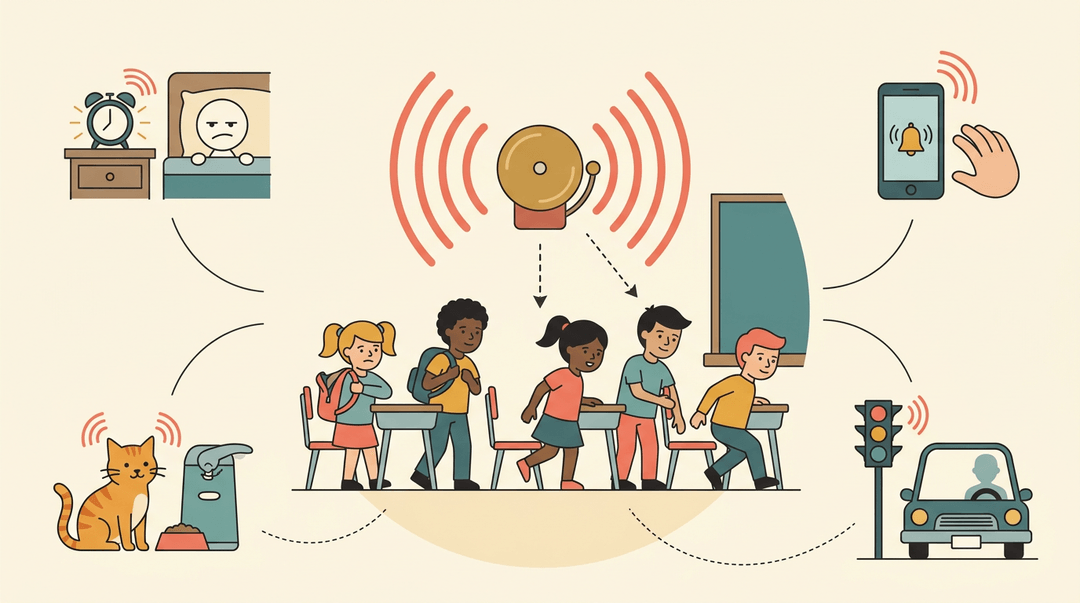
Sound works the same way. An alarm clock's tone can trigger grumpiness before you're even awake, and a specific notification chime can make you reach for your phone without thinking.
Cats learn to associate an electric can opener's whir with dinner, and drivers slow at a yellow light because red taught them to expect a stop.
In class, a bell or chime becomes a transition cue: students pack up or quiet down the moment they hear it, no announcement needed.
Even sitcoms play with this. In The Office, Jim conditions Dwight to expect a breath mint every time Jim's computer makes a specific sound, a funny stand-in for how fast a neutral cue can start driving a real reaction.
Emotional and sensory triggers from conditioning
Conditioning shapes how you feel, too. Walking past a childhood school can bring a rush of nostalgia you can't quite explain, and a few notes of ominous music in a horror film can raise your pulse before anything scary happens onscreen.
That process can also misfire: a phobia often starts when one bad experience, a dog bite, a fall, gets paired with fear that spreads to every similar situation. On the gentler end, an old song can pull up a specific memory the moment it starts playing.
How animals learn through conditioning
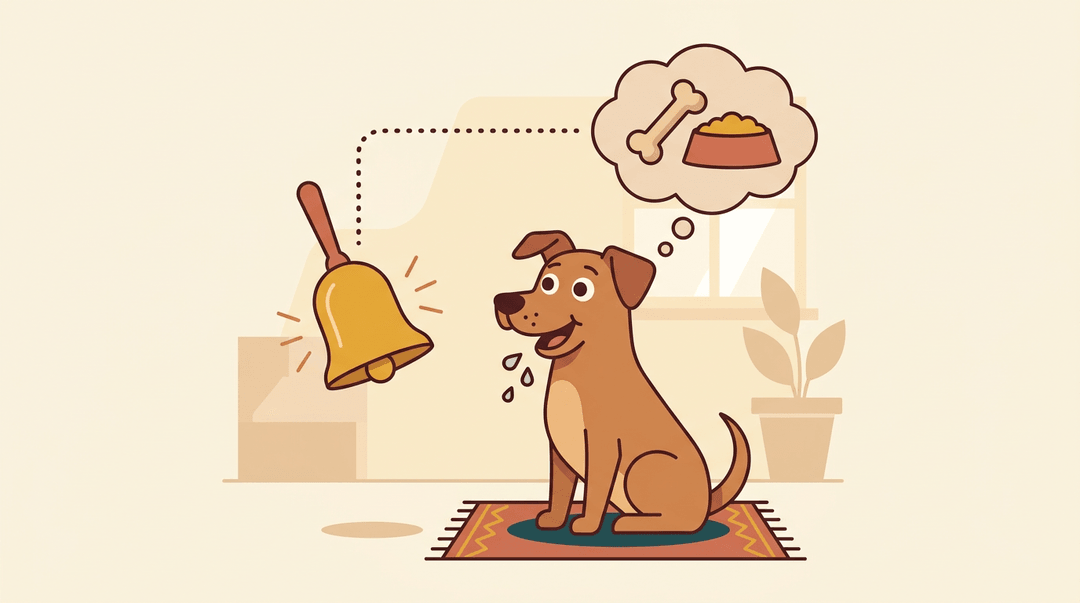
Ivan Pavlov's dogs are the classic case: a bell paired with food eventually made them salivate at the bell alone. The same idea shows up well outside the lab.
Aquarium stingrays learn to swim toward a signal at feeding time, and ranchers have taught coyotes to avoid sheep by pairing a taste with sickness. A dog wearing an invisible fence collar learns to stop at a warning tone before reaching the boundary.
Trainers lean on this everywhere, from service dogs to marine shows, building reliable behavior one paired cue at a time.
How exercise habits get reinforced
Even a workout habit runs on this wiring. Exercise triggers an endorphin release that leaves you feeling good afterward, and once your brain links the workout to that lift in mood, just thinking about exercise can spark the motivation to go.
Real-world Uses of Conditioning
Classical conditioning didn't stay in Pavlov's lab. It shows up in advertising, in therapy offices, and in your own classroom, often without anyone naming it.
How marketers use conditioning
Advertisers pair a product with a feeling they want you to associate with it:
- upbeat music
- warm imagery
- an attractive model behind the wheel of a new car
A sale sign works the same way, linking the store itself to a small rush of excitement.
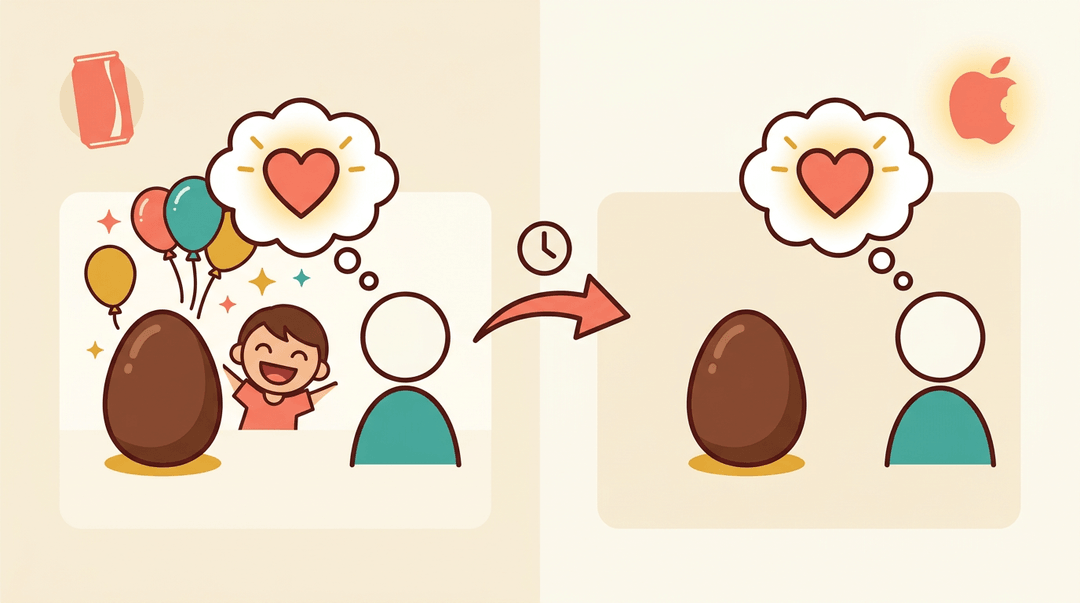
The Kinder Joy case study is a clean example: researchers describe how the brand's ads pair the product with imagery of childhood delight until the product itself triggers that same response.
Coca-Cola and Apple run on the same principle: decades of associating their logos with connection or creativity, until the logo alone does the work.
How therapists use conditioning in treatment
- Therapists use counterconditioning to treat phobias: pairing the feared object with a calmer response until the fear response fades.
- Exposure therapy leans on this directly, pairing gradual exposure with relaxation techniques so the old fear association gets replaced.
- Aversion therapy works in reverse for addiction, pairing a craving trigger with an unpleasant response.
All of this sits close to cognitive behavioral therapy, which builds on the same idea that associations can be unlearned.
How educators use conditioning to teach
A calm, predictable classroom routine can lower anxiety before a hard task even starts, simply by pairing a positive environment with the work itself.
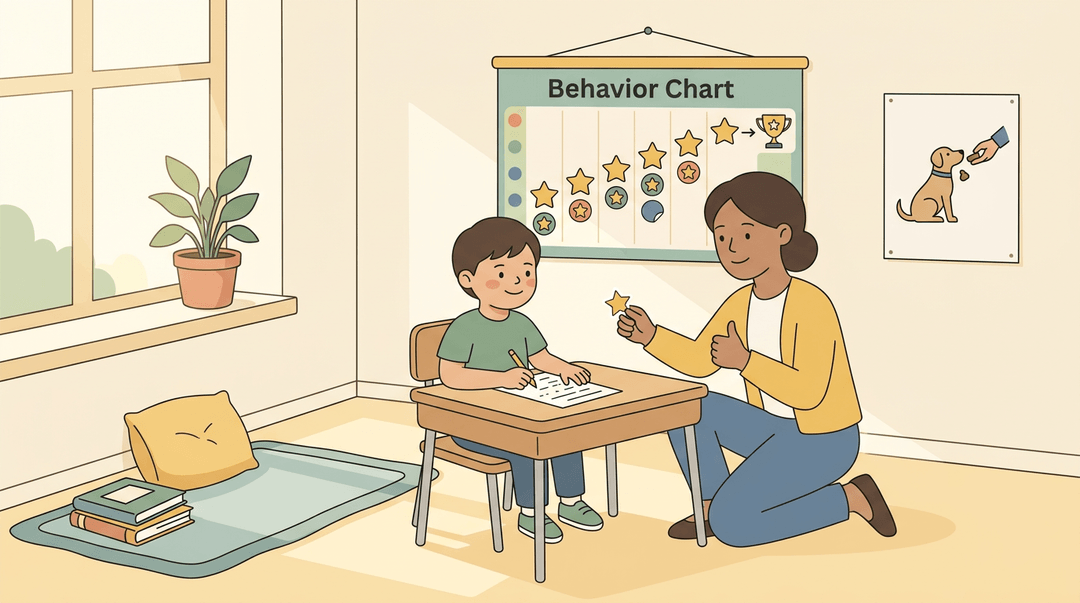
Animal trainers use the same logic, and so do behavior charts, which pair good choices with a visible reward. Praise pairing works the same way: consistently linking effort with recognition builds engagement over time.
Criticisms and Debates About Conditioning
Classical conditioning explains a lot, but not everything. Plenty of researchers argue it leaves out the messier parts of being human, and some of its real-world uses raise hard questions about right and wrong.
Why behaviorism doesn't explain everything
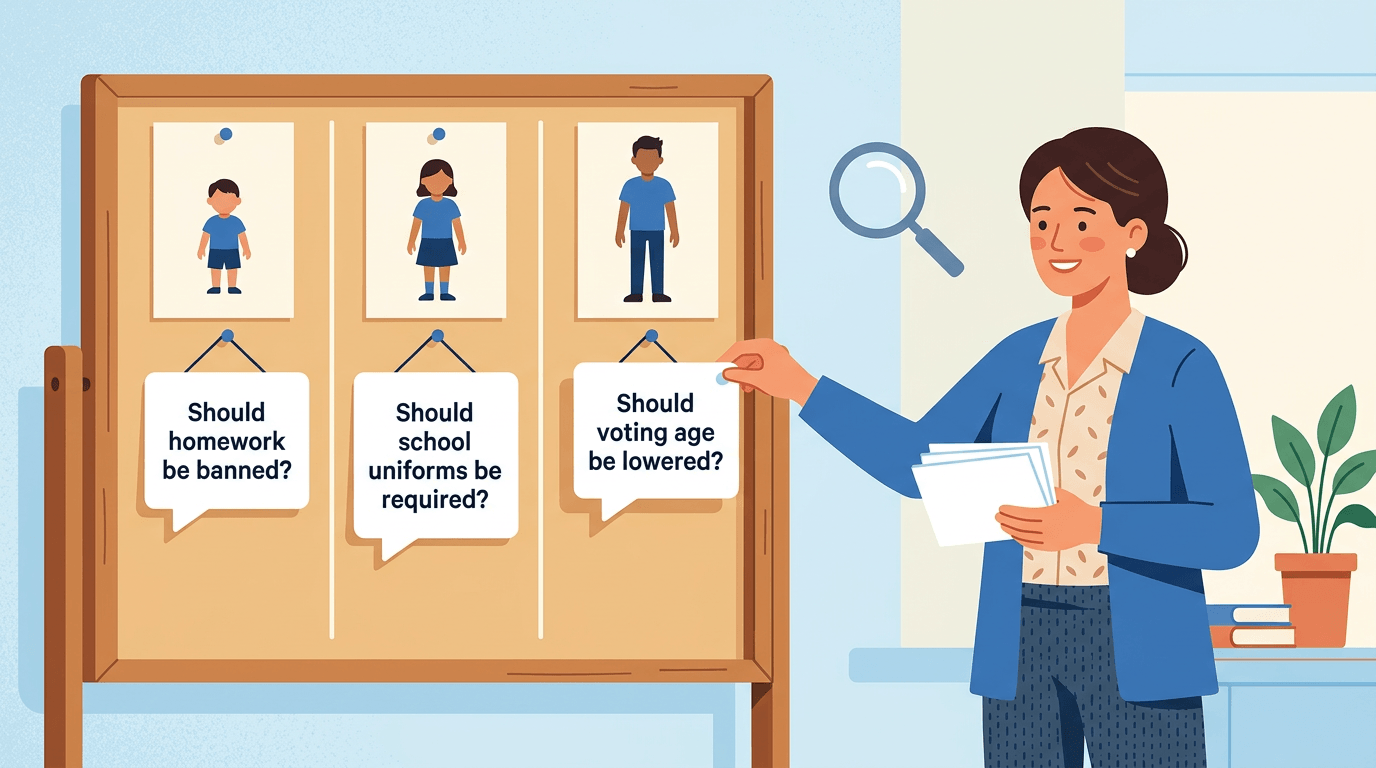
A strict behaviorist view treats behavior as a straightforward chain of stimulus and response, but critics point out that it ignores free will.
People don't just react; they choose, weigh options, and sometimes act against every prior association they've built.
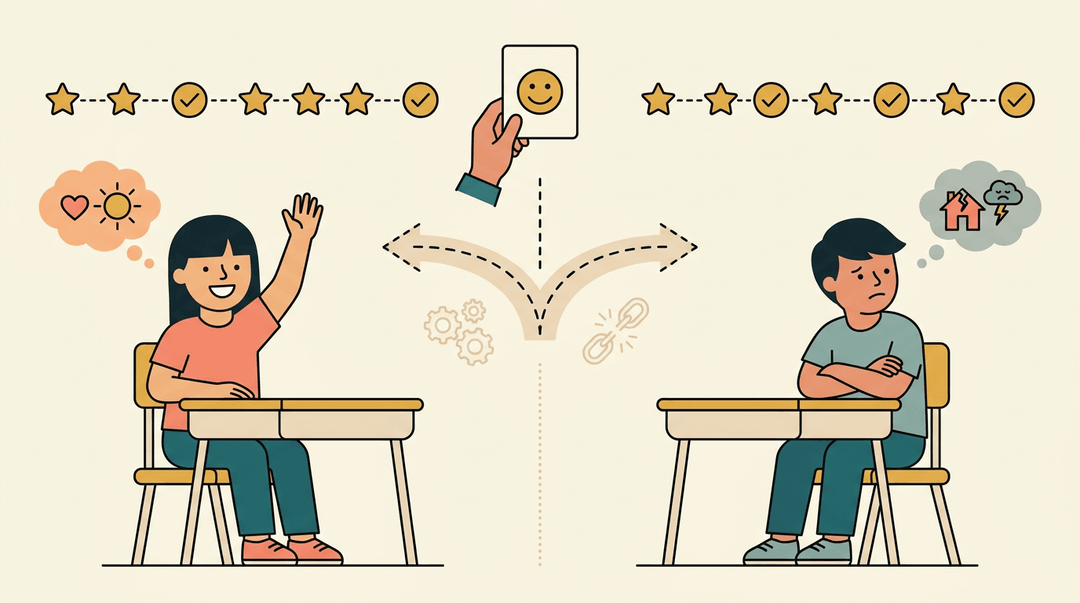
That's one reason conditioning doesn't fully predict behavior: two students with the same conditioning history can respond in completely different ways.
Critics also call the model reductive and mechanical, stripping out emotion, context, and personality to focus only on observable responses.
And in a real classroom, many confounding factors (a student's mood, a rough morning at home, a friend's distraction) shape behavior just as much as any learned association.
The role thoughts play in conditioning
Not everyone agrees conditioning happens on autopilot.
Psychologist Robert Rescorla's conscious expectation theory reframes conditioning as a prediction process: learners form expectations about what's coming next, based on past experience, rather than just reacting automatically.
That's a real challenge to the pure unconscious model. It suggests students aren't blank slates responding to bells and cues; they're actively anticipating outcomes.
Ethical concerns about conditioning
Conditioning's reach outside the classroom isn't always comfortable.
- Advertisers use it in manipulative ways, pairing products with pleasant feelings to shape buying habits.
- Aversion therapy, which pairs a behavior with discomfort to eliminate it, has caused real harm when misapplied.
- Nonconsensual use, where someone is conditioned without knowing it, raises obvious concerns.
- Conditioning plays a role in addictive substance associations, reinforcing cravings tied to specific cues.
Conditional learning isn't just a psychology term from a textbook. It's the quiet logic behind classroom routines, transitions, and even how students react to your tone of voice.
Once you see the associations already at play, you can shape them on purpose instead of by accident. Ready to put that into practice? Check out our Classroom Management feature to build routines that make good associations stick.
References
- 8.3: Classical Conditioning — socialsci.libretexts.org (2025)
- Classical Conditioning(Archived) — pubmed.ncbi.nlm.nih.gov
- Classics in the History of Psychology -- Watson & Rayner (1920) — pages.ucsd.edu
- Eponymy, obscurity, Twitmyer, and Pavlov — pubmed.ncbi.nlm.nih.gov
- pbr.co.in
- Expectancy Models in Classical Conditioning — study.com
- Assessment of the Rescorla-Wagner model. — psycnet.apa.org
- Pavlov’s Dogs Experiment & Pavlovian Conditioning Response — simplypsychology.org
- Biological Preparedness Theory In Psychology — simplypsychology.org
Frequently asked questions
What is the difference between conditional and unconditional learning?
Unconditional learning involves automatic, reflexive responses that require no prior teaching, like blinking. Conditional learning, also known as classical conditioning, creates learned associations between a neutral stimulus and a natural response after repeated pairing, resulting in an involuntary, unconscious reaction.
What are two basic forms of conditioned learning?
The two basic forms of conditioned learning are classical conditioning and operant conditioning. Classical conditioning involves pairing stimuli to create an involuntary response, while operant conditioning shapes voluntary behaviors through rewards and punishments.
What is a real life example of conditioned response?
A real-life example of a conditioned response is a cat associating the sound of an electric can opener with dinner. Upon hearing the can opener's whir, the cat expects food and reacts accordingly, even before seeing or smelling the food itself.
What is an example of a conditioned situation?
An example of a conditioned situation is a school bell that signals the end of class. Over time, students learn to associate the bell's sound with packing up or moving to their next activity, even without a verbal instruction from the teacher.