Kindergarten Report Card Comments That Sound Personal

Jump to section
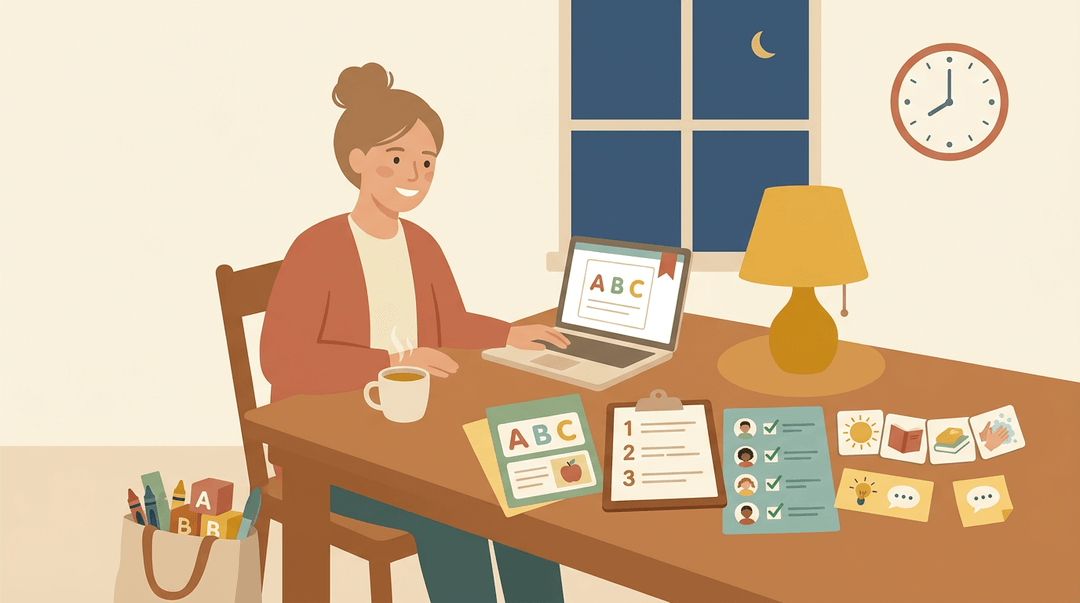
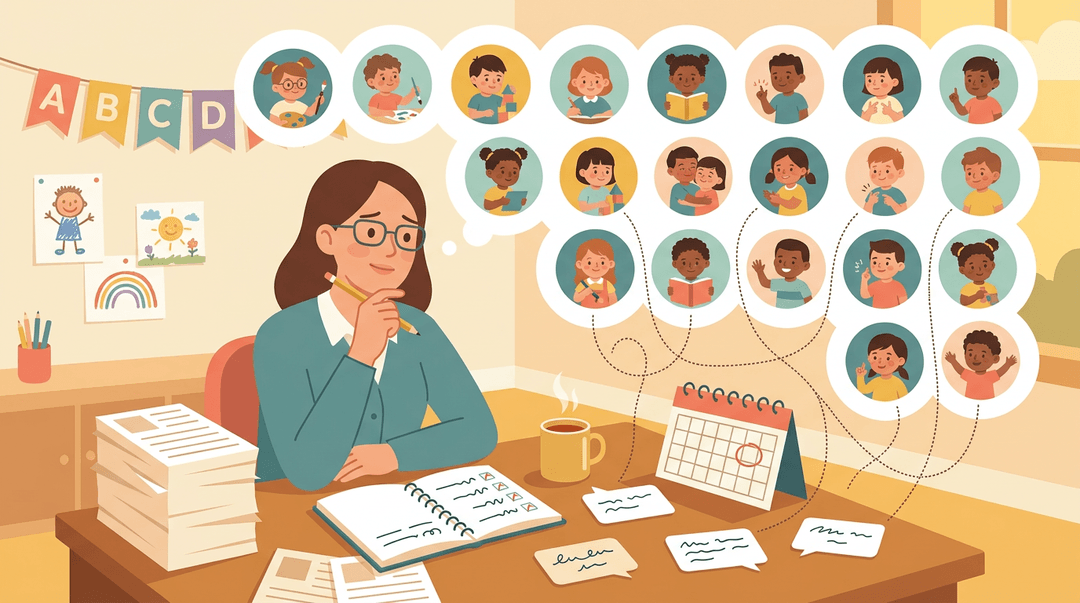
Picture the last week before report cards are due. You've got twenty-two little learners, each one unique, and a stack of comments that still needs to sound personal.
Writing kindergarten report card comments can feel like a lot, especially when every child is at a different stage.
The good news is that you don't have to start from a blank page.
Below, we'll share ready-to-use comments for academic, social-emotional, and learning-skill areas by performance level, then walk through a workflow that helps you write them faster without sounding robotic.
Report Card Kindergarten Comments on Learning Skills
Learning skills comments show how a child works, not just what they know. Here's how to describe the habits that matter most.
Taking responsibility and staying organized
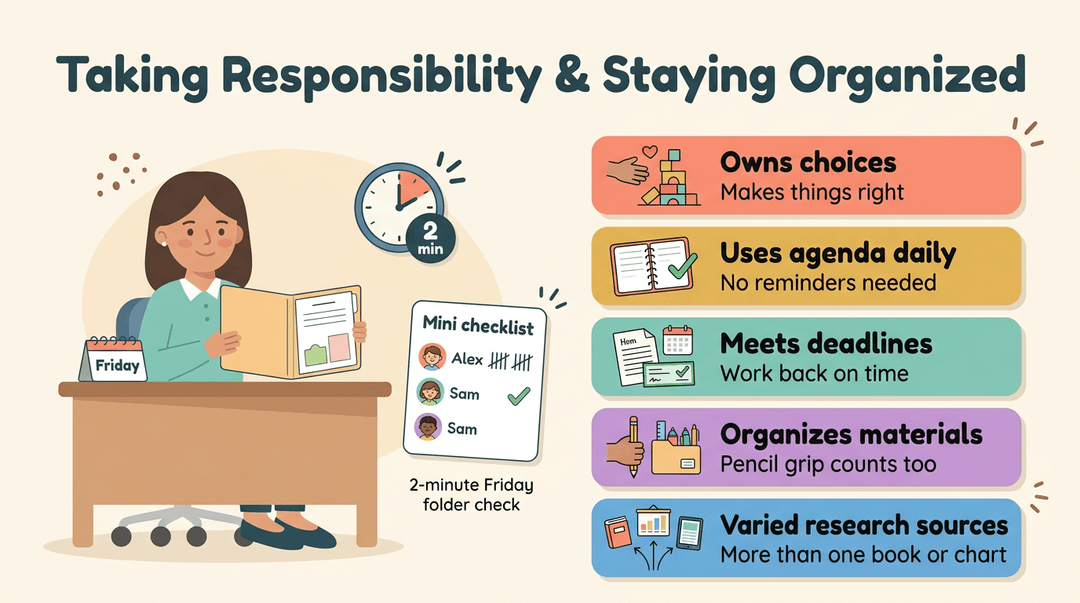
Consider a kindergarten teacher who checks take-home folders each Friday. In two minutes, she sees who needed reminders all week.
- Responsibility for behavior. "[Name] owns their choices and makes things right."
- Using the agenda daily. Note whether they use it without reminders.
- Meeting deadlines. Say whether work comes back on time.
- Organizing notes and materials. Include fine motor skills, like holding a pencil, if they affect this.
- Variety of research sources. Note when they look beyond one book or chart.
Working independently and self-regulating
Self-regulation is managing your own attention and effort. Comments work best when they describe progress rather than perfection. A child who needed three prompts to refocus in September and needs one in May has grown. Name that change.
Note whether they:
- work without supervision
- finish tasks in class
- ignore distractions
Mention when they still need prompts to focus. For perseverance, try: "[Name] keeps trying a hard puzzle before asking for help." Close with strengths and needs: "[Name] knows what they're good at and what's still hard."
Teamwork and taking initiative
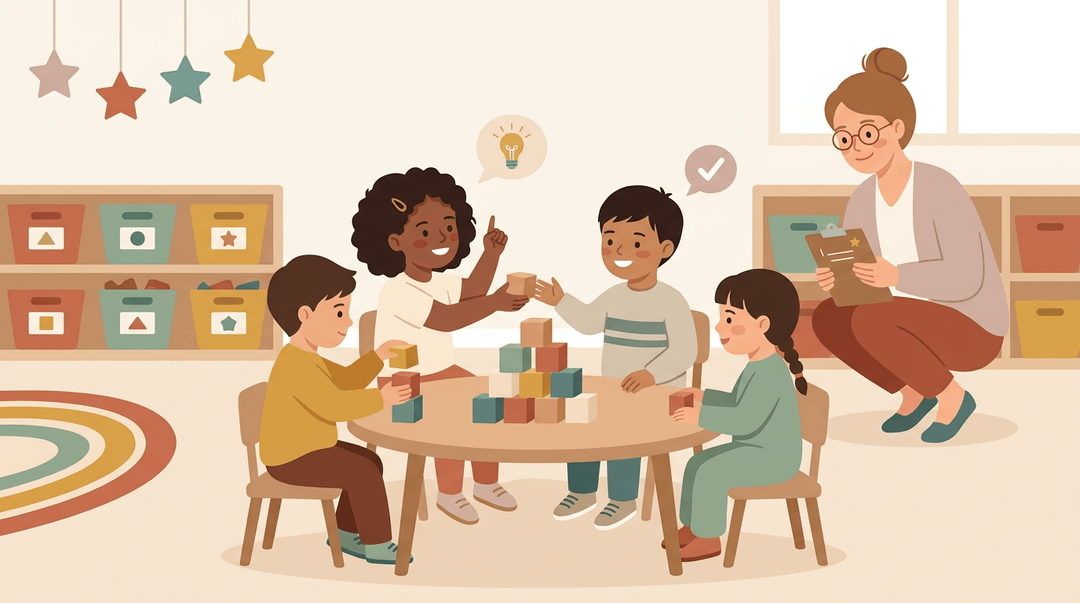
Teamwork comments cover contributing to group work and sharing problem-solving. Think of a kindergarten teacher at center time who notices one child always waiting for others to decide.
Her comment can name the growth: "[Name] shares ideas and makes sure everyone gets a turn." Parents know exactly what to celebrate.
Respectful peer interactions are social-emotional skills: they show how a child listens and treats classmates kindly. Initiative shows up in:
- willingness to learn
- seeking teacher help
- using feedback on the next try
Specifics win.
How the Learning Skills Ratings Work
Before you write a single comment, know what each letter means and how it pairs with the words. Here's how it works:
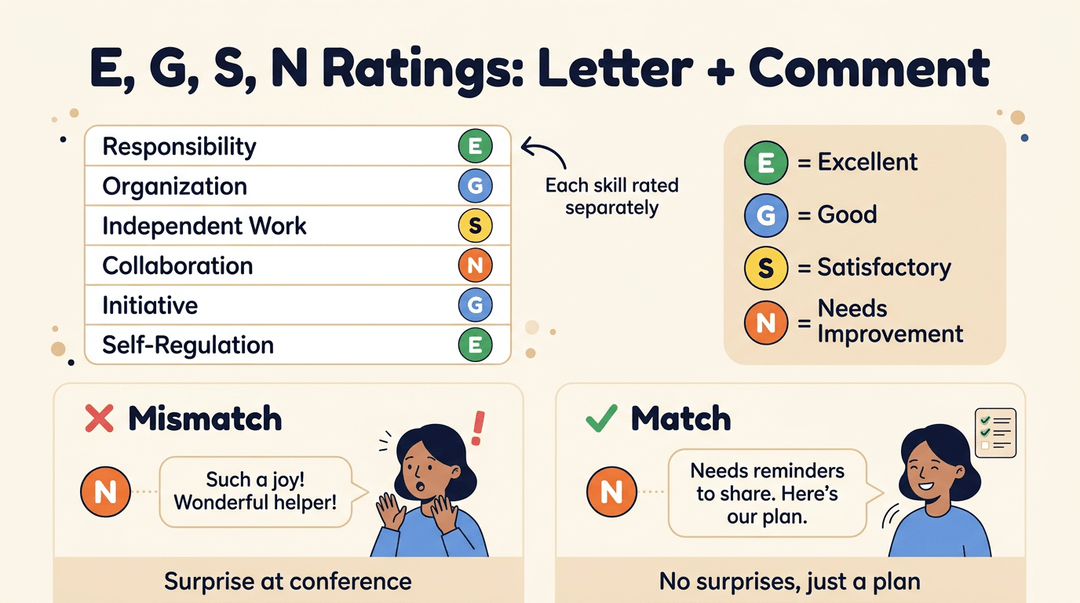
The E, G, S, N rating categories
Each learning skill gets one of four letters:
- E (Excellent)
- G (Good)
- S (Satisfactory)
- N (Needs Improvement)
All six learning skills are rated separately, so one area can shine while another needs work.
Every rating pairs with a comment. The letter shows where a student stands, and the words show what that looks like in class.
Your comments have to match your rating scale. Consider a kindergarten teacher who writes a warm, sweeping comment for a student rated N. The parent reads only the praise and is caught off guard at conference time.
Pick the comment set for each level, then personalize it, so families hear about concerns early. No surprises, just a plan.
Sample comments for each rating profile
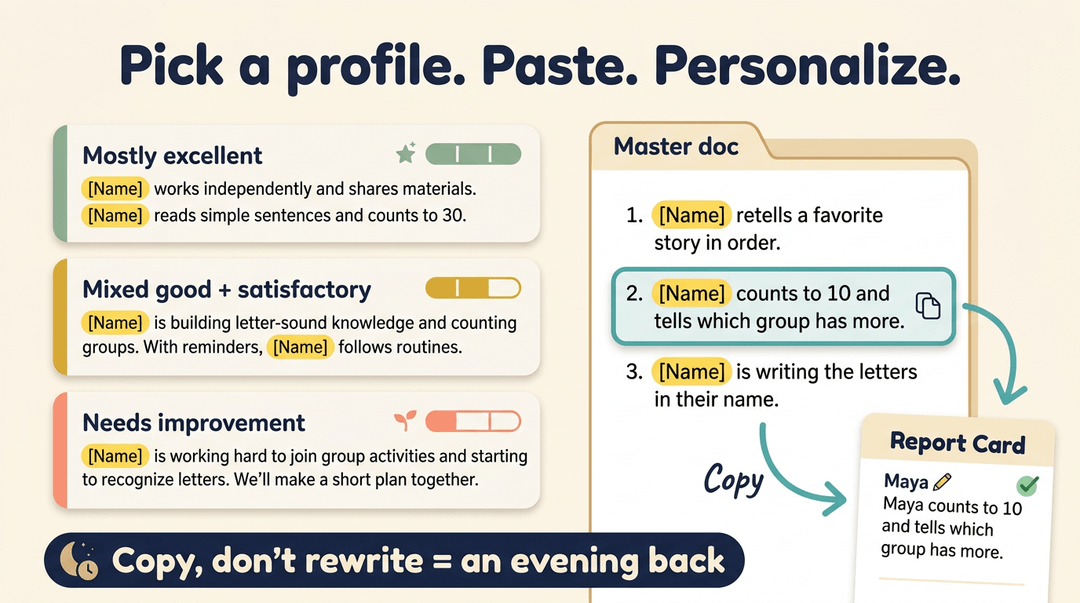
Choose the profile that fits, then personalize.
- Mostly excellent: [Name] works independently and shares materials with classmates. [Name] reads simple sentences and counts to 30 with confidence.
- Mixed good and satisfactory: [Name] is building letter-sound knowledge and counting groups of objects. With reminders, [Name] follows classroom routines.
- Needs improvement: [Name] is working hard to join group activities and starting to recognize some letters. We'll make a short plan together.
Keep numbered comments in a master document for fast pasting:
- [Name] retells a favorite story in order, with a beginning, middle, and end.
- [Name] counts objects to 10 and tells which group has more.
- [Name] is writing the letters in their name with growing control.
Instead of rewriting from scratch, you copy the one that fits. That's an evening back.
Writing Report Card Kindergarten Comments Faster
This guide gives you a repeatable workflow so comments take minutes, not whole evenings. Use the steps all year, then run the checklist when report cards are due.
The five-step workflow
Most of the speed comes from the first step, since you're collecting material long before you write.
- Gather observation notes weekly
- Jot one line per child each Friday: "Sorted shapes by color and size."
- Pick one strength per domain
- Choose one each for academic, social-emotional, and learning skills.
- Add one specific next step
- Try: "Next, we're practicing counting past 20."
- Match wording to rating
- Use "is beginning to" for early skills and "consistently" for secure ones.
- Proofread for tone
- Read it aloud as if the family were sitting across from you.
Before you send: the quick check
Run each comment against these. If one is missing, fix it before moving on.
- Specific example included: a named moment, not "does well in math."
- Positive opening: the first sentence starts with what the child can do.
- Jargon-free language: a family member could repeat it without a glossary.
- Actionable home suggestion: one small thing, like counting stairs together.
- Consistent with rating given: the words don't promise more (or less) than the mark.
⚠️ Watch out: A warm comment next to a low rating confuses families. Fix the mismatch before you send, not after.
Build a comment bank you can reuse
Write each strong comment once, then keep it. Organize by skill area, then sort by performance level inside each one, so you can find the right starter in seconds.
| Skill area | Level | Starter |
|---|---|---|
| Early reading | Developing | [Name] is beginning to match letters to sounds, like [example]. |
| Counting | Secure | [Name] counts to 30 with confidence, as when [example]. |
| Sharing and turn-taking | Beginning | [Name] is learning to wait a turn, for instance [example]. |
Personalize with the child's name, then swap in real examples from your weekly notes. The swap is what keeps a banked comment from sounding like a form letter.
Example: A kindergarten teacher's Friday note says, "Maya shared the blocks at the building center." She pulls the sharing starter and writes: "Maya is learning to wait a turn, for instance when she shared the blocks at the building center. At home, try a board game where you take turns." The rating, example, and home suggestion all line up.
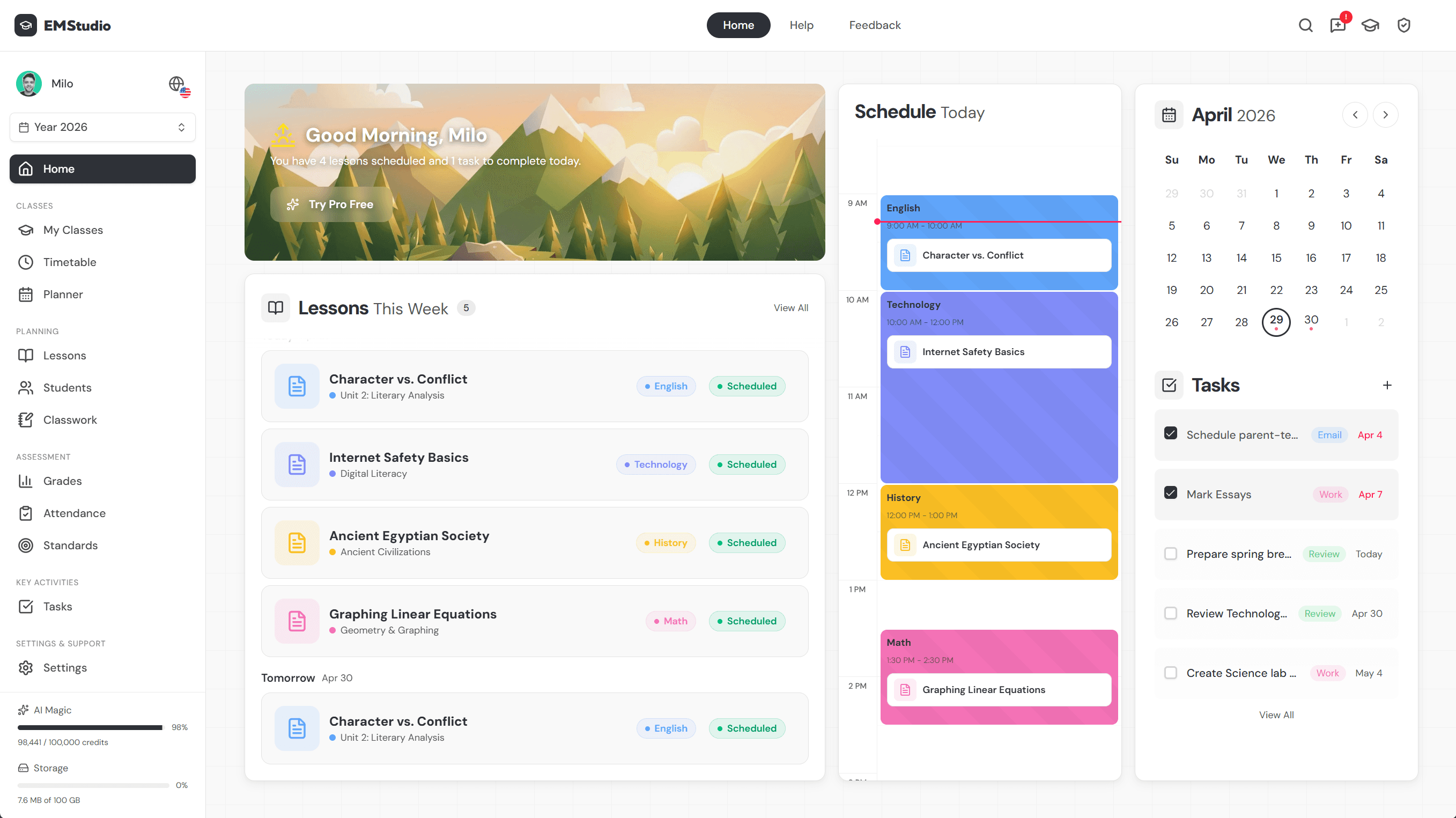
Store ratings and reusable comment banks in EMStudio's online gradebook to build report-card comments from your own records.
Getting the Structure and Tone Right
Kindergarten comments should read like a note from someone who knows the child well. Start warm, name a strength, and point to one clear next step.
How to open and close each comment
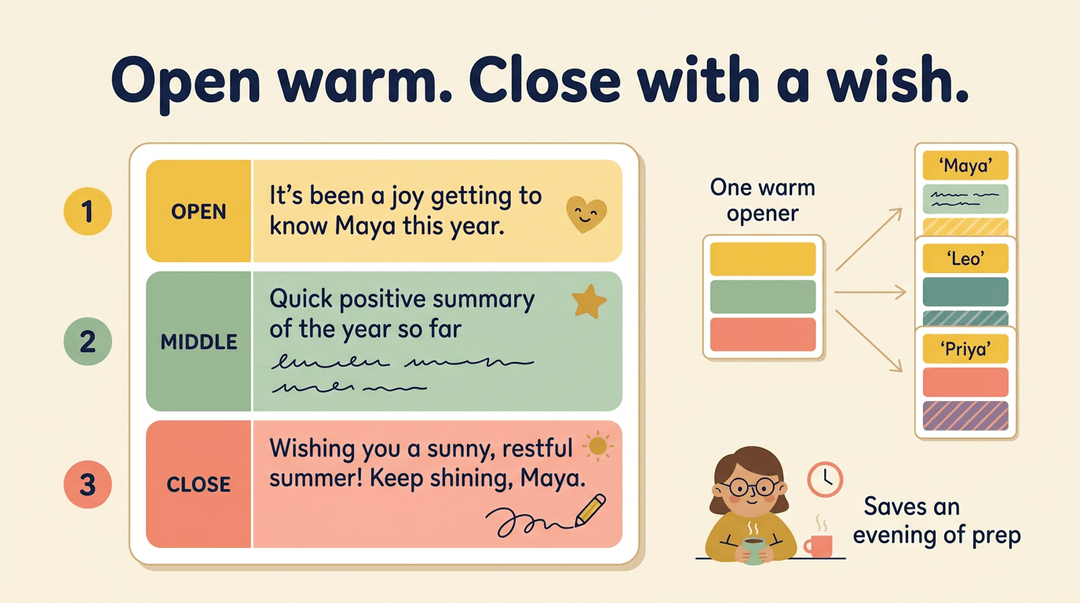
Open with the pleasure of getting to know the student, such as "It's been a joy getting to know Maya this year." Add a quick positive summary of the year so far, then close with a summer wish and an encouraging sign-off.
Picture a teacher who reuses one warm opener across her class list. That saves an evening of prep, and every family still gets a personal note.
Balancing strengths with next steps
Lead with strengths, using always or consistently when the evidence supports it: "Maya always greets her classmates with a smile." Name the next step with "Encouraged to..." for growing skills or "Would benefit from..." for skills that need more support.
Keep it to one goal for next year, then add one home activity. A specific idea works best: ask families to read a favorite book together and pause to predict what happens next, not just "read more at home."
Matching word choice to performance level
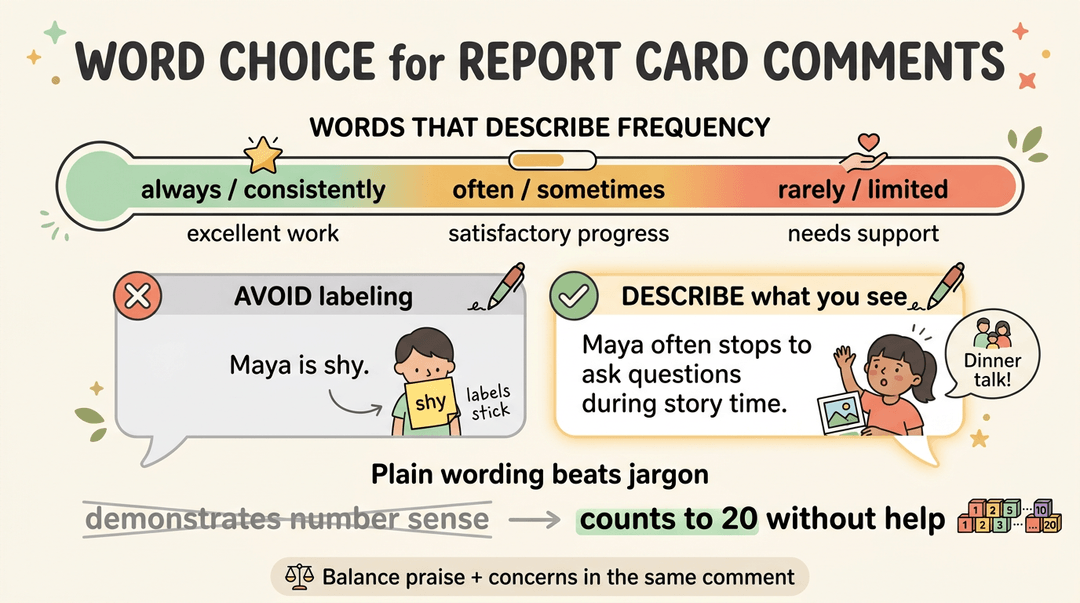
Match your word choice to what you've observed:
- always or consistently for excellent work
- often or sometimes for satisfactory progress
- rarely or limited for areas still needing support
Balance praise with concerns in the same comment.
Describe what you see instead of applying labels. "Maya often stops to ask questions during story time" gives a family something to discuss at dinner. "Maya is shy" is a label, and labels stick.
Keep the wording plain, too: "counts to 20 without help" beats "demonstrates number sense." Families can act on that.
More Kindergarten Teaching Resources
Kindergarten teachers have no shortage of materials, so the real question is which ones earn a spot in your week. Here's how the main kinds break down.
Kinds of resources for kindergarten teachers
Most of what you'll find falls into five groups, and each one solves a different problem.
- Activities and worksheets. Hands-on centers and printables give young learners practice with letters, numbers, and early reading skills while you work with a small group.
- Lesson plans. Ready-made plans show the sequence from opening to wrap-up. They're a helpful starting point, though you'll still tweak them for your own students.
- Assessment resources. Checklists, observation tools, and quick skill checks show you who's ready for the next step and who needs another pass.
- Classroom tools. Charts, routine cards, and organizers keep the day running smoothly so students know what comes next without asking.
- Teacher advice. Articles, mentor tips, and coaching feedback help you refine your practice. Advice shows you how to use a resource well, not just which one to pick.
Picture a first-year kindergarten teacher on a Sunday night, hunting for a letter-sound activity for Monday.
With a targeted lesson plan and a printable center already bookmarked, she finds what she needs in minutes instead of scrolling through pages of options. Less searching. More teaching.
Strong kindergarten comments do two things at once: they tell families where their child stands, and they show that you really know that child.
When you match each comment to a performance level and personalize it with one specific detail, you get clear, caring feedback without starting over every time.
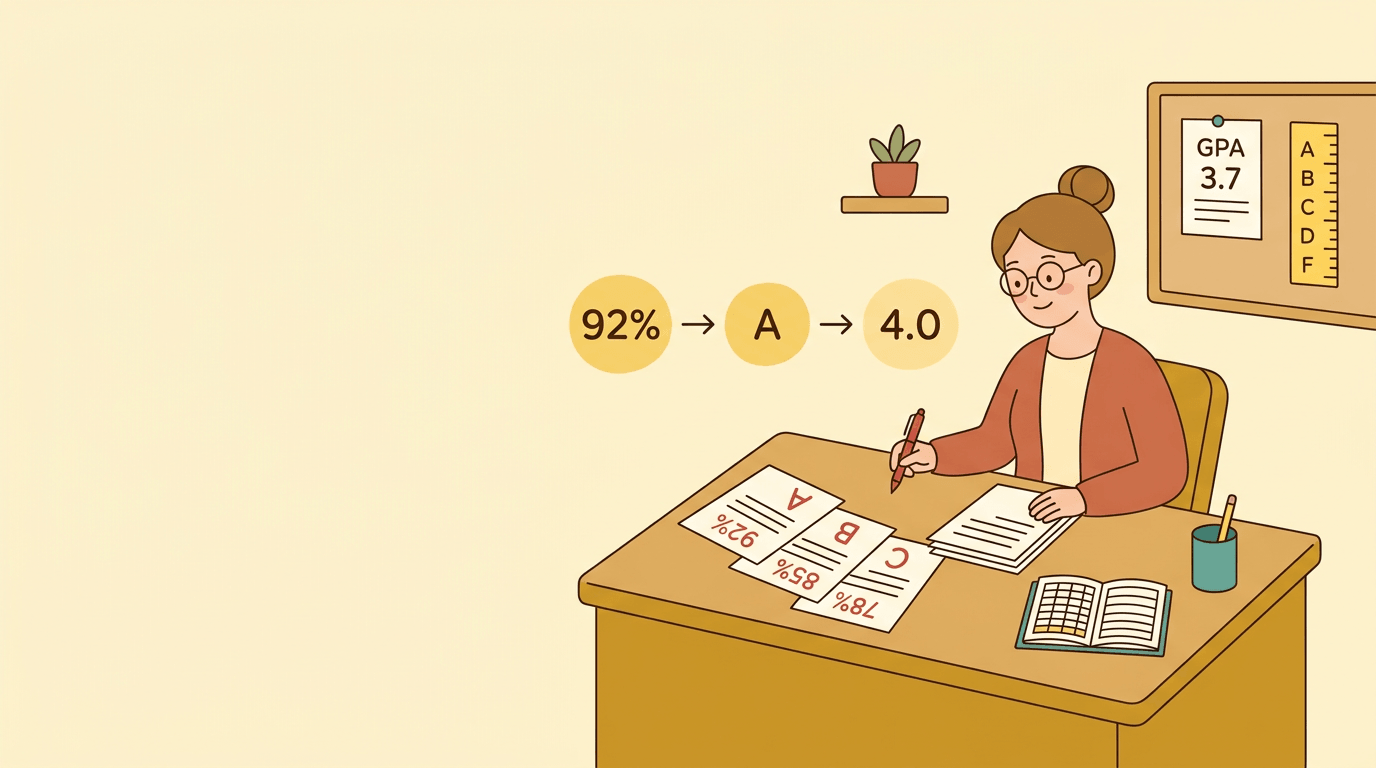
Ready to make the grading side easier, too? Check out our Grading & Assessment tools, where you can record and organize grades in a digital gradebook with automatic calculation, so you can spend more of your time on the feedback that matters most.