Call Out Reasons: A Complete Guide to Calling Out of Work

Jump to section
Everyone's had that morning: the alarm goes off, and your body just says no. Maybe it's a scratchy throat, maybe it's a family emergency that can't wait.
Calling out of work is a part of life, but knowing how to do it well is a skill most of us never actually learn.
For teachers, it's even trickier. A sub needs lesson plans, a classroom needs coverage, and "I'm sick" has to somehow turn into a plan that works without you there.
This post breaks down the real reasons people call out, what counts as legitimate, and how to handle it smoothly when you're the one standing in front of a class.
Common Reasons People Call Out of Work
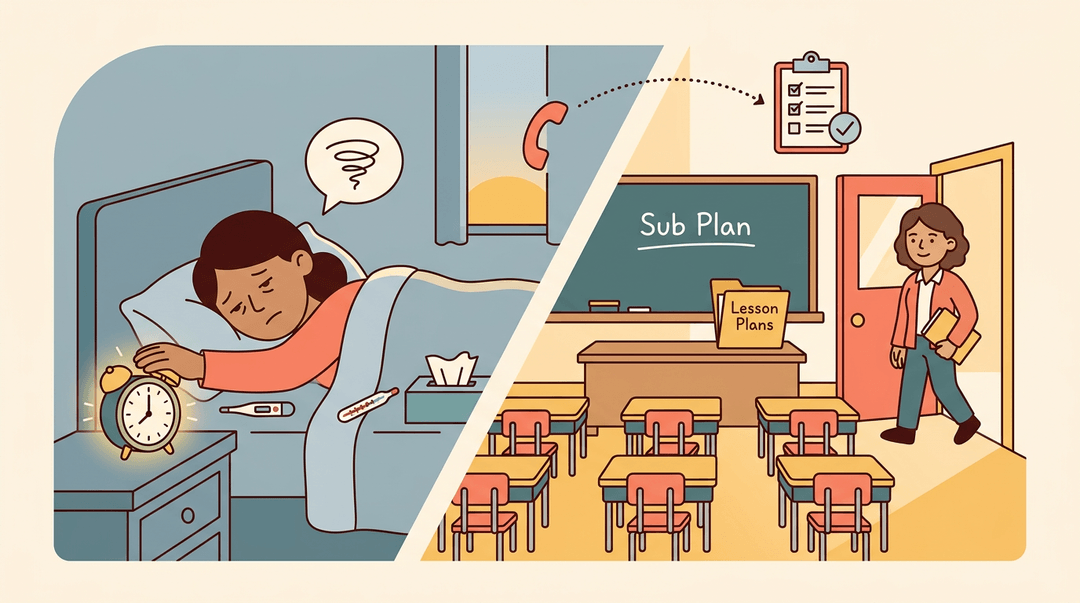
Every job eventually collides with life outside of it, and most call-out reasons fall into a predictable order. Ranked by how often people actually use them, the top three are usually:
- Illness. The most universally accepted excuse, and the hardest for anyone to question.
- Family emergencies. Sudden, urgent, and rarely something you can schedule around.
- Car trouble. Unpredictable, but familiar enough that most managers don't push back.
Not every reason fits so neatly. Sometimes it's simply personal reasons, a vaguer catch-all that still works if you keep the message brief, state that you won't be in, and offer a return date if you have one.
And when you need something fast for a shift that starts in an hour, the best last-minute excuses are short, honest, and don't invite follow-up questions: sudden illness, car trouble, and a family issue cover nearly every situation without over-explaining.
When you're too sick to work
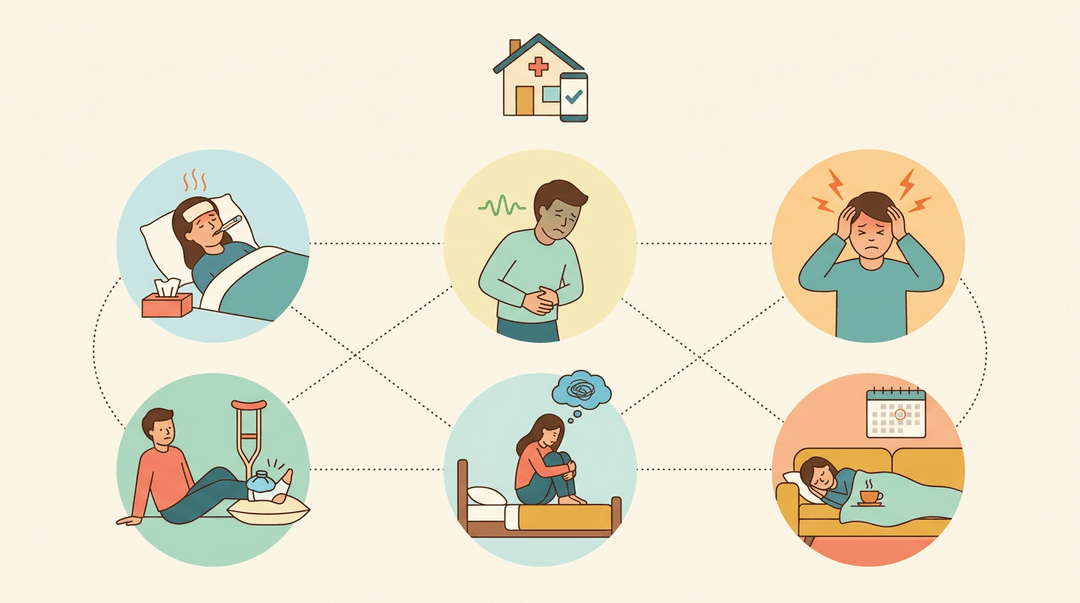
Physical illness remains the single most accepted excuse for calling out of work, and it covers more ground than most people realize.
A fever, the flu, or a stomach bug are the classics, but a migraine, food poisoning, or a symptom that's contagious enough to put coworkers at risk all qualify just as well.
So do a dental emergency, a sprained ankle, or any injury that makes the commute unsafe. Mental health days and panic attacks belong on this list too: anxiety that keeps you from functioning is still an illness, even without a fever to prove it.
Doctor and dentist appointments that conflict
Health care runs on its own schedule, not yours.
An urgent same-day appointment, a specialist's rare cancellation opening, or a long-scheduled appointment that finally lands on a workday are all reasonable enough to call out for, especially when rebooking means waiting months.
Handling sudden family emergencies
Family emergencies rarely give warning. A parent's hospitalization, a spouse's sudden medical crisis, an urgent surgery, or a car accident involving a relative all justify walking out the door without notice.
So does an elderly relative who's fallen and needs help, or a family member who needs support after a natural disaster.
For example, a teacher whose parent is rushed into surgery isn't weighing whether the excuse sounds good enough. They're already in the car.

Time off for a loved one's death
The death of a loved one calls for more than a single day, in most cases. Funeral arrangements, travel, and the logistics of grief all take real time, and grief itself doesn't clock out when the service ends.
It's worth checking your workplace's bereavement policy before you call out: many employers offer a set number of paid days for immediate family, and knowing that number upfront keeps you from guessing later.
When childcare or school plans fall through
Childcare falls apart faster than almost anything else. A daycare closure, a sitter who cancels an hour before your shift, a sick child sent home from school, or an emergency pickup call all leave you with no backup plan and no real choice.
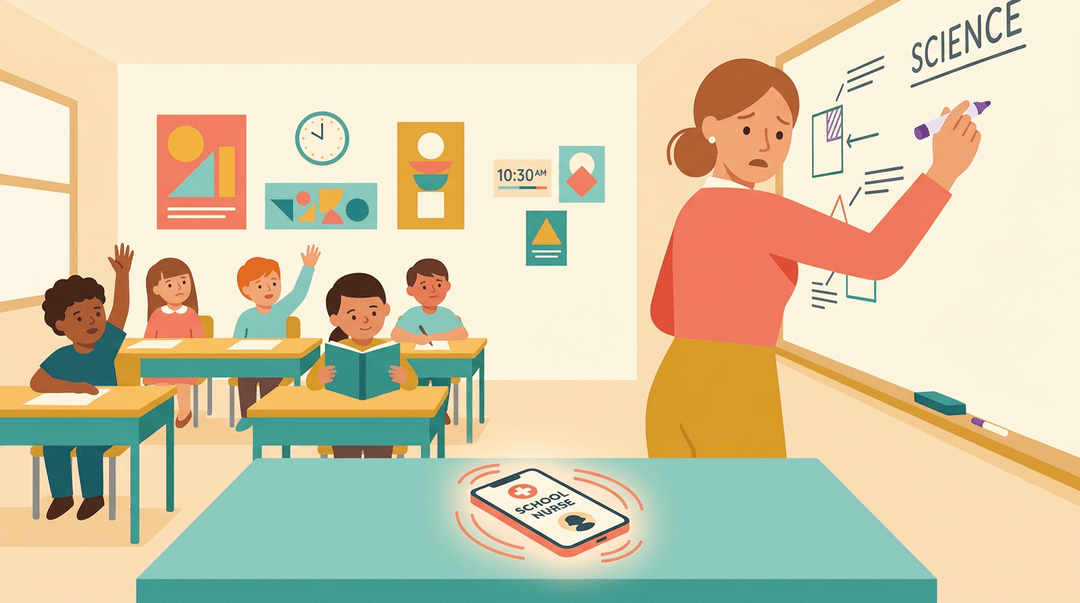
Think of a teacher who gets the school nurse's call mid-morning: there's no lesson plan that covers a sick kindergartner waiting in the office.
Pet emergencies that need your attention
Pets get sick and hurt on their own timeline too. A sudden illness, an injury, or a visit to the emergency vet can all mean rearranging your day with little notice, especially when the closest vet can't see you until the afternoon.
Home emergencies like leaks and outages
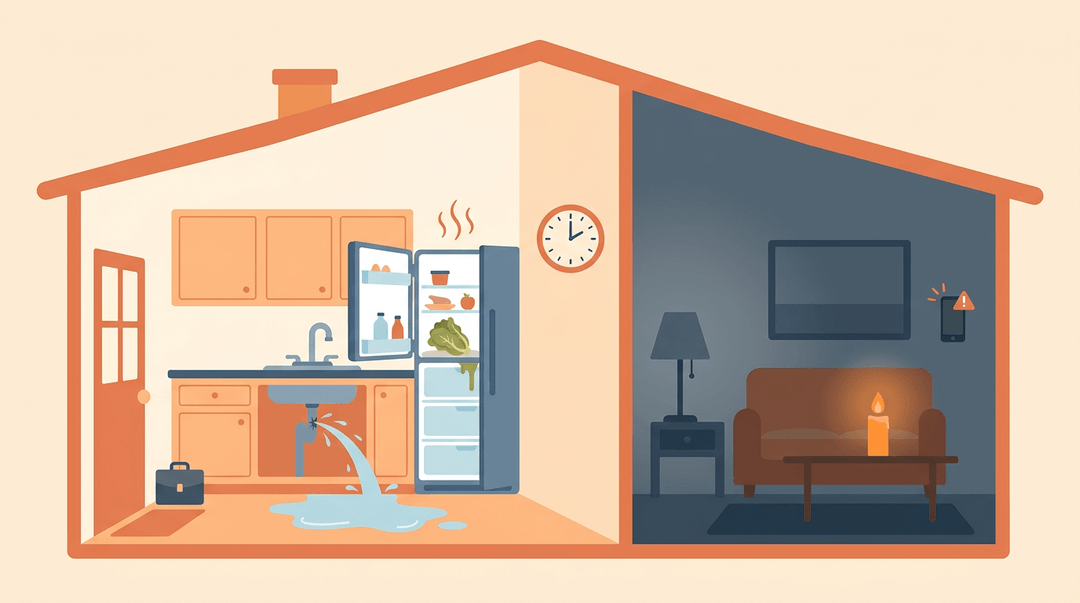
Some home problems can't wait for you to get off work. A burst pipe, a gas leak, or a break-in all demand immediate attention, and a power outage or a bedbug infestation isn't just inconvenient: it's genuinely unsafe to leave unattended.
Even a failed appliance, like a fridge full of spoiling food, can turn into an hours-long fix.
Car trouble and transportation problems
Getting to work depends on getting there at all. A car that won't start, a flat tire, a fender bender, or simply running out of gas on the way can stall your morning before it starts.
A transit strike or an unexpected shutdown does the same thing to anyone who doesn't drive, and it's just as legitimate a reason to call out.
How Do You Call Out for Personal Reasons?
Calling out well isn't just about picking up the phone. It's about timing the message, choosing the right channel, and saying just enough to keep your classroom running smoothly while you're out.
When to notify your employer
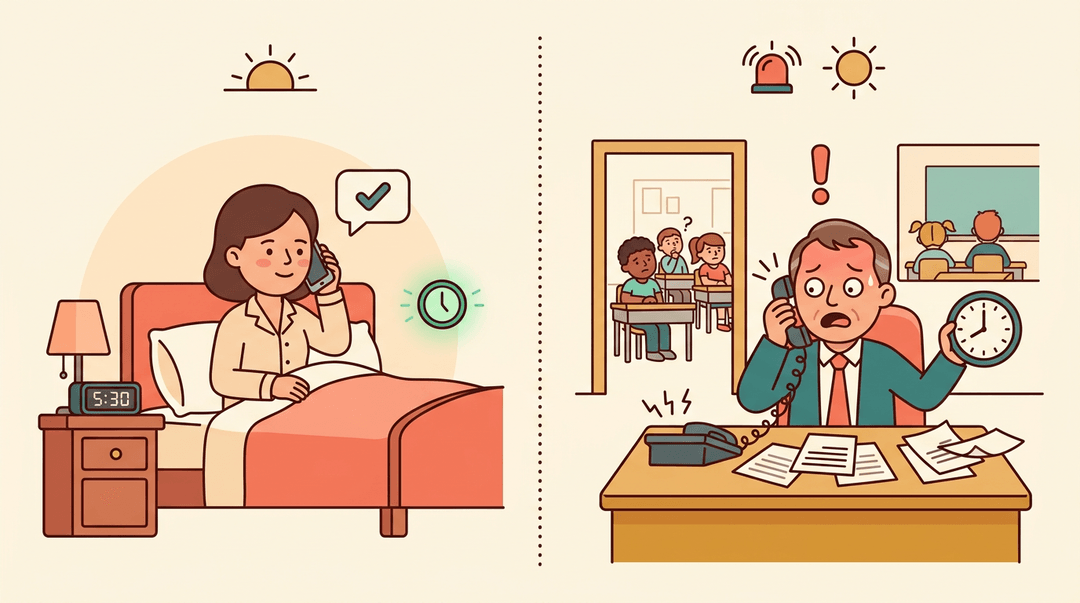
The moment you know you can't make it in, tell your school. Notify as soon as possible: the earlier your principal or front office knows, the more time they have to line up a substitute or shift coverage.
Ideally, that means reaching out before your shift starts, not after you're already scrambling. Early communication reduces the impact on your classroom and on how your absence gets received.
Choosing phone, email, or text
Not every call out needs an actual phone call, but some do.
- Phone calls work best for urgent or deeply personal situations: they let you explain quickly and answer questions in real time.
- Email creates a written record, useful when you need documentation or the reason involves something ongoing.
- Text messages are fine if your school has approved that channel. Plenty of schools now run call outs through a scheduling app instead, where you log the absence and request coverage in a few taps.
What to say when you call out
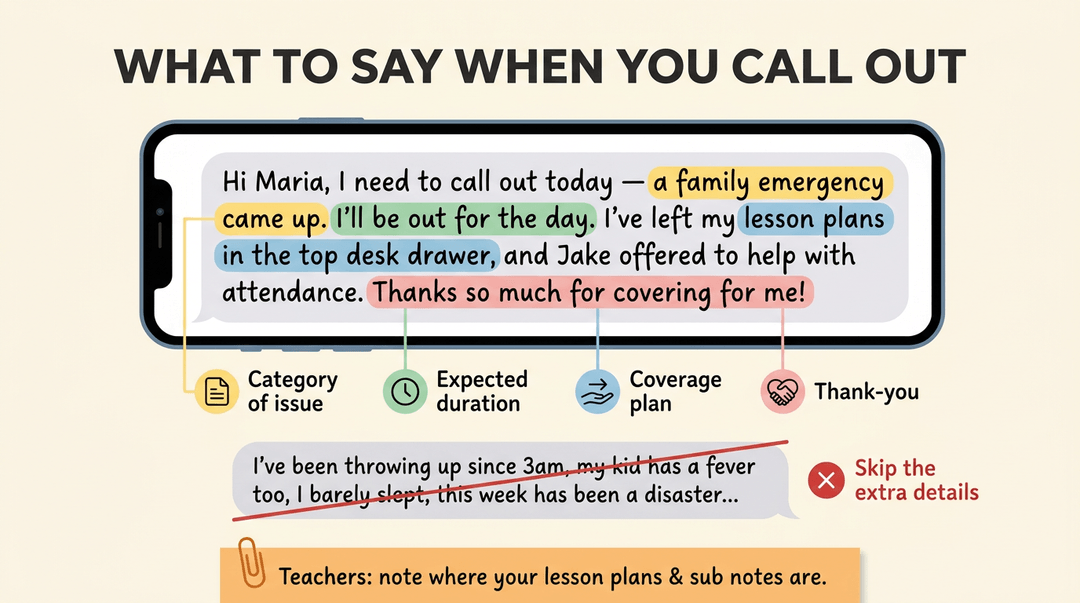
Keep it brief and professional. You don't owe anyone a full account of what's going on, just enough to set expectations. A solid call out message covers:
- The general category of the issue (illness, family emergency, personal matter)
- How long you expect to be out or how it'll affect your day
- Whether you can help arrange coverage or a handoff
- A quick thank-you for their flexibility
Avoid oversharing personal details. If you're a teacher, mention where your lesson plans and any substitute notes are, so whoever covers your room isn't starting from zero.
Sample scripts for calling out
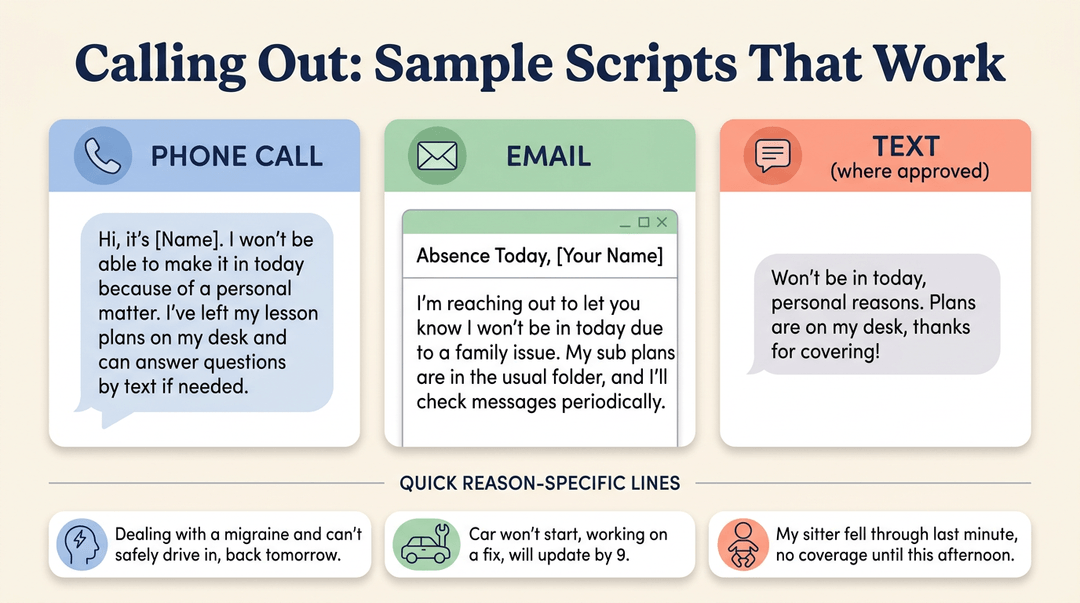
- Phone: "Hi, it's [Name]. I won't be able to make it in today because of a personal matter. I've left my lesson plans on my desk and can answer questions by text if needed."
- Email, subject line "Absence Today, [Your Name]": "I'm reaching out to let you know I won't be in today due to a family issue. My sub plans are in the usual folder, and I'll check messages periodically."
- Text (where approved): "Won't be in today, personal reasons. Plans are on my desk, thanks for covering!"
- Reason-specific:
- for a migraine, "Dealing with a migraine and can't safely drive in, back tomorrow."
- For car trouble, "Car won't start, working on a fix, will update by 9."
- For childcare, "My sitter fell through last minute, no coverage until this afternoon."
Keeping your team updated afterward
If your situation changes, say so. Update your school if you'll be out longer than expected, or able to come back sooner than planned. Confirm your return timing as soon as you know it, and share status updates rather than leaving your team guessing.
If you're still out when lesson plans need adjusting, send handoff notes so your substitute or colleague can keep things moving without you.
How Teachers Can Call Out Smoothly
Calling out as a teacher means preparing for the 25 people who show up anyway. This is your run-through: what to do before you call, what your message needs, and how to land when you return.
Before you send anything
- Check your district's call-out deadline.
- Many systems close sub requests by 6:00 or 6:30 a.m.; find yours tonight, not at 5:55.
- Locate your sub folder and lesson plans.
- Tell someone exactly where they live: "Blue binder, top left drawer of my desk."
- Note where the seating chart is.
- A sub with a seating chart can take attendance and manage the room by name.
💡 Tip: Build the sub folder once, in September, and just swap the day's plans in. A 6 a.m. migraine is not the moment to write one.
What your message should say
Keep it short and factual. Your admin needs four things, not a medical narrative:
- The reason category, briefly. "Sick day" or "family emergency" is enough; details are optional.
- Confirmation the sub request is in. Include the confirmation number if your system gives one.
- Today's key objectives. One line per class so the day isn't a wash.
- An emergency contact. How to reach you, and for what (a locked cabinet, a schedule change).
Here's the whole thing, filled in, ready to adapt:
Hi Ms. Rivera, I'm taking a sick day today. Sub request submitted at 5:40 (conf. #8812). Periods 1 and 3 are finishing the fractions review packet; period 5 starts the lab pre-reading. Sub folder is in the blue binder, top left drawer, seating charts inside. Reachable by text for anything urgent.
❌ "I'm not feeling great, might not make it, will figure out plans later" leaves your admin guessing. ✅ The message above closes every question before it's asked. That's the difference: nothing left open.
When you're back
Before the next bell sweeps you along, confirm you've closed the loop:
- Sub's notes reviewed. Address anything flagged (behavior, unfinished work) within a day, while students remember it.
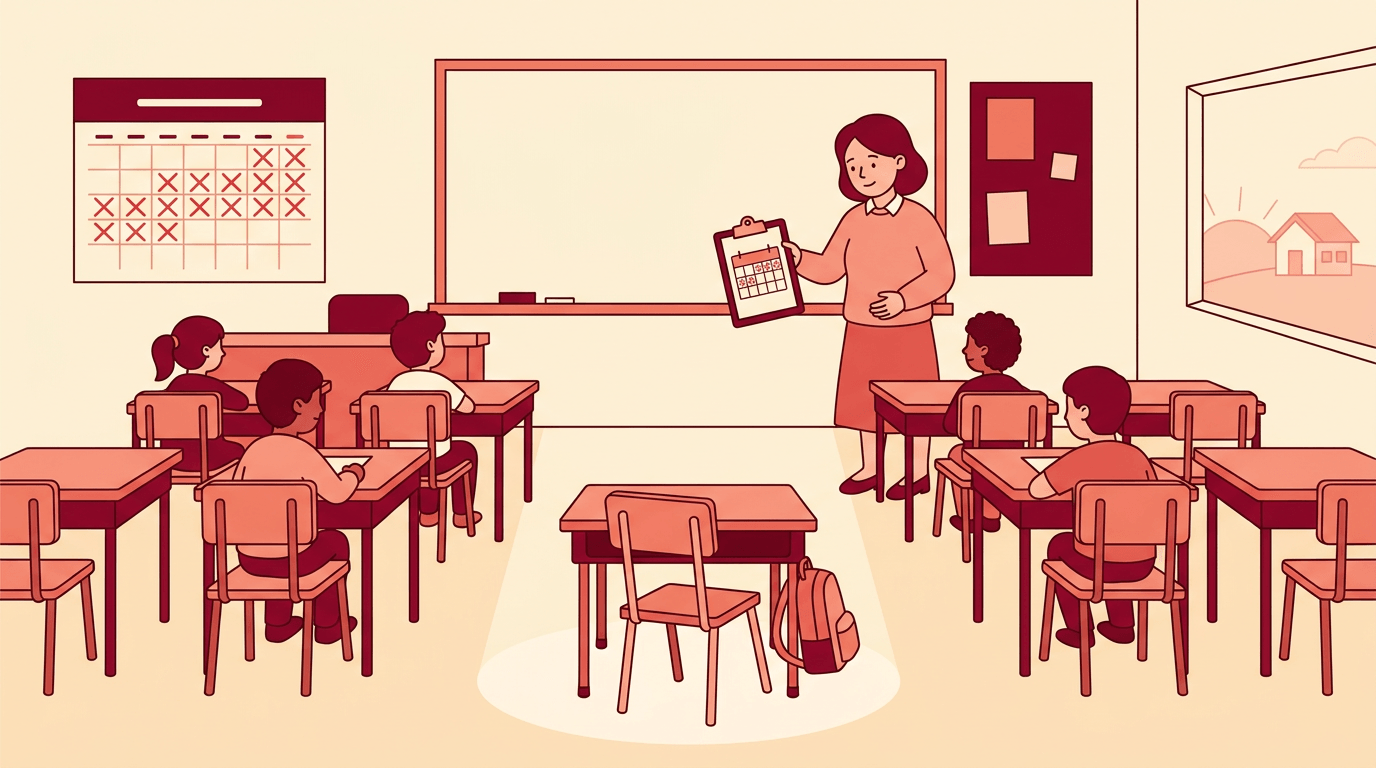
- Attendance records updated. Verify the sub's attendance posted correctly; paper counts often don't sync.
- Missed grading followed up. Collect what the sub gathered and put a catch-up date on your calendar.
⚠️ Watch out: The most common post-absence gap is attendance that never made it into the system, which snowballs into inaccurate records for students who were actually present.
One last habit worth building: log your own leave right alongside student attendance patterns in EMStudio's attendance dashboard, so your records stay as clean as your sub folder.
What Is the Best Excuse for Calling Out of Work?
Not every reason for missing a shift carries the same weight, and knowing the difference can save you an awkward conversation with your manager later. Here's how to separate a solid excuse from one that'll raise eyebrows.
What makes an excuse legitimate
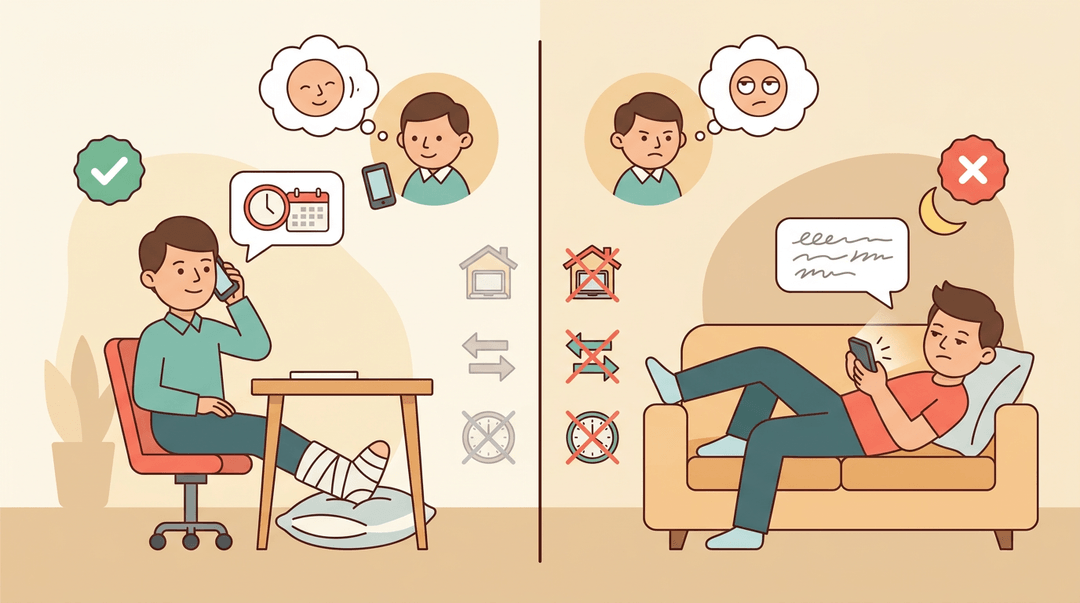
A good excuse clears a simple bar: it genuinely prevents you from working, not just from wanting to. A reasonable employer would hear it and nod, not roll their eyes.
It's delivered through honest, professional communication rather than a vague text sent at the last minute. And there's no realistic alternative on the table: no option to work remotely, swap shifts, or come in a little late instead.
Excuses that don't hold up
Some excuses fail that test immediately:
- Oversleeping
- Forgetting you were scheduled
- Wanting to hit a sale
- A bad hair day
- Simply not feeling like working
All of these fall into this camp. They're avoidable, and most employers can tell the difference between can't and don't want to.
Passing the believability test
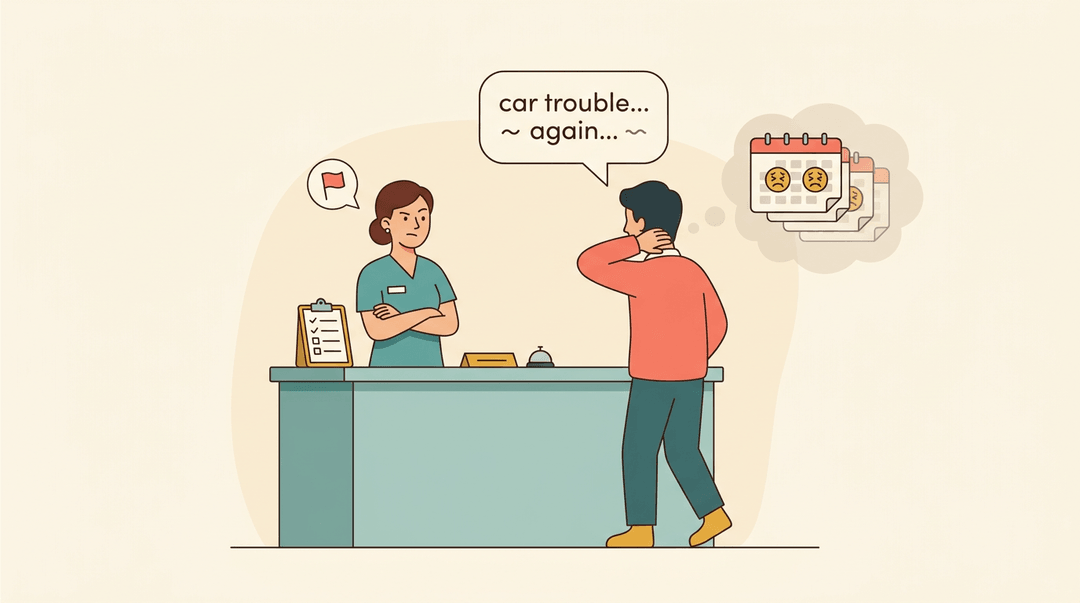
Before you call out, run it through the front desk test: would it hold up if you explained it to the person checking you in at a doctor's office? Leaning on the same excuse repeatedly starts to look like poor planning, not bad luck.
Keep your story consistent across every manager who hears it, and never fabricate details. One inconsistency is often all it takes to undo your credibility for months.
What Proof Your Employer Can Require
How much proof you owe usually comes down to two things: how long you're out, and where you teach. State and local sick-leave laws vary, and your district handbook fills in the rest.
When you'll need to show proof
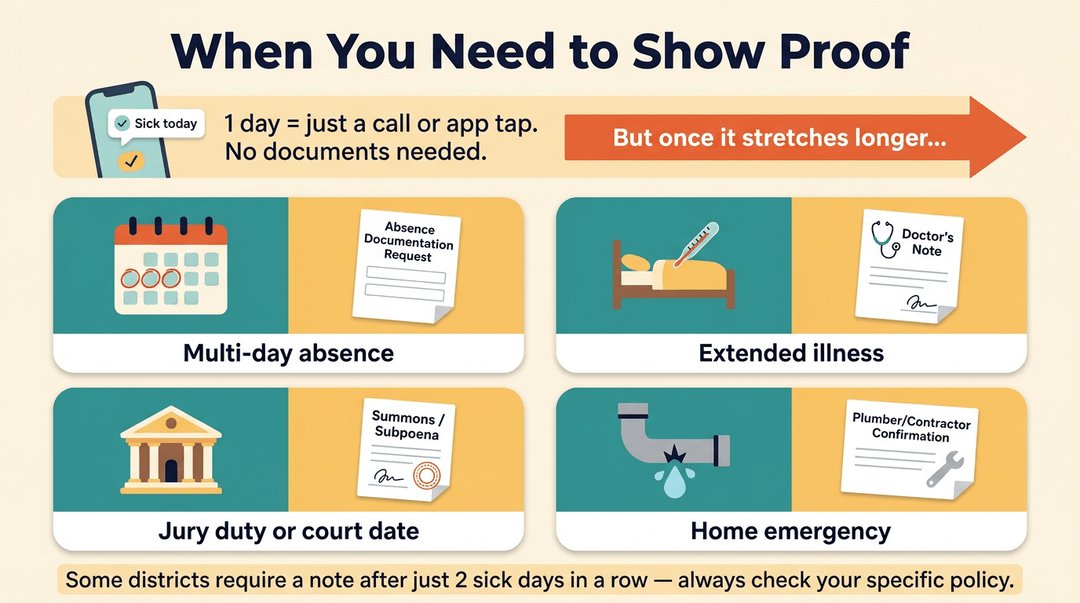
A single sick day rarely needs more than a call or an app notification. Documentation tends to kick in once the absence stretches out:
- A multi-day absence often triggers a request for documentation.
- Extended illness typically calls for a doctor's note before you return.
- Jury duty or a court date requires the summons or subpoena itself.
- A home emergency, like a burst pipe, may need a quick confirmation from the plumber or contractor.
- Some districts add their own twist, such as requiring a doctor's note after just two sick days in a row, so check your specific policy.
How much you have to explain
You don't owe your principal a full medical history. A general reason ("I'm out sick" or "a family emergency came up") is usually enough.
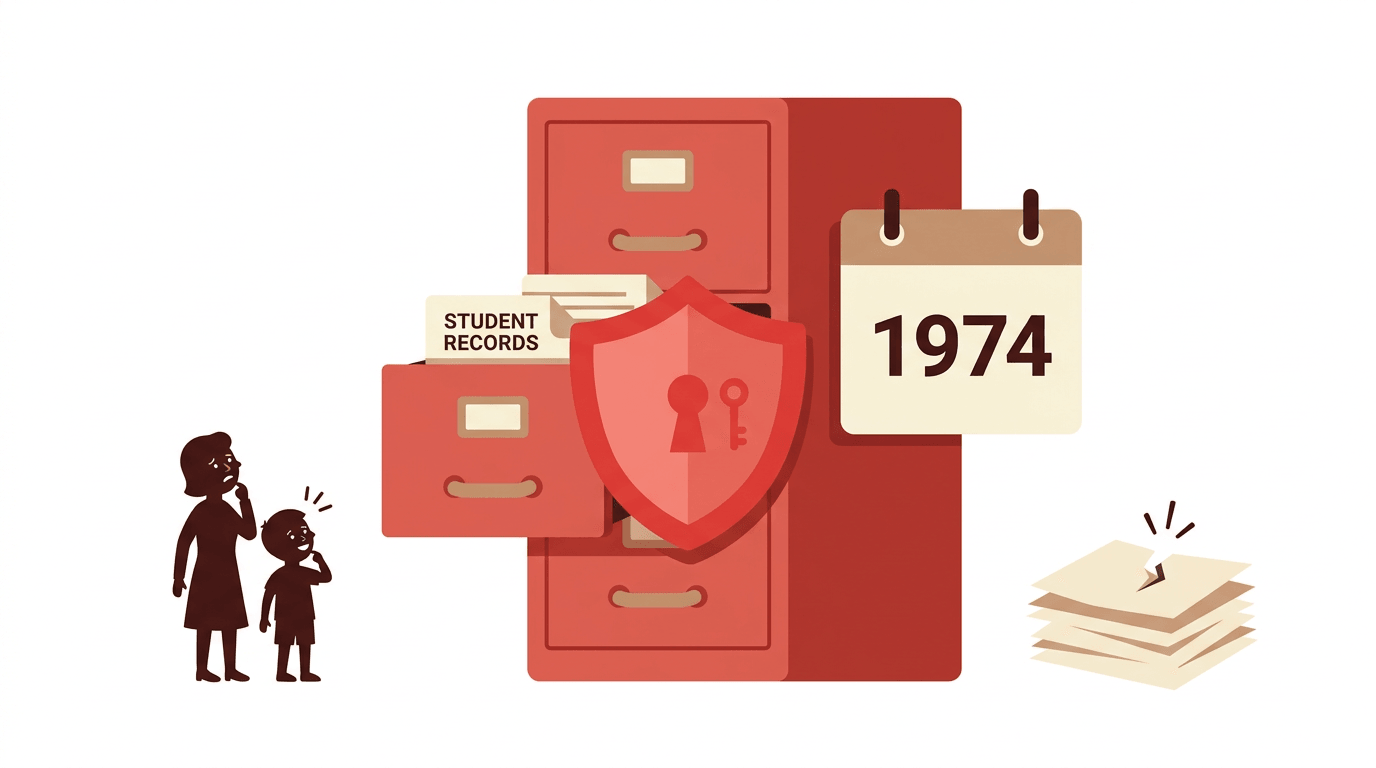
Federal privacy law backs this up: the Department of Health and Human Services notes that "the Privacy Rule controls how a health plan or a covered health care provider shares your protected health information with an employer," which limits what your school can dig into.
Still, your handbook's leave policy has the final say, since these rules shift from state to state and district to district.
The risk of calling out too often
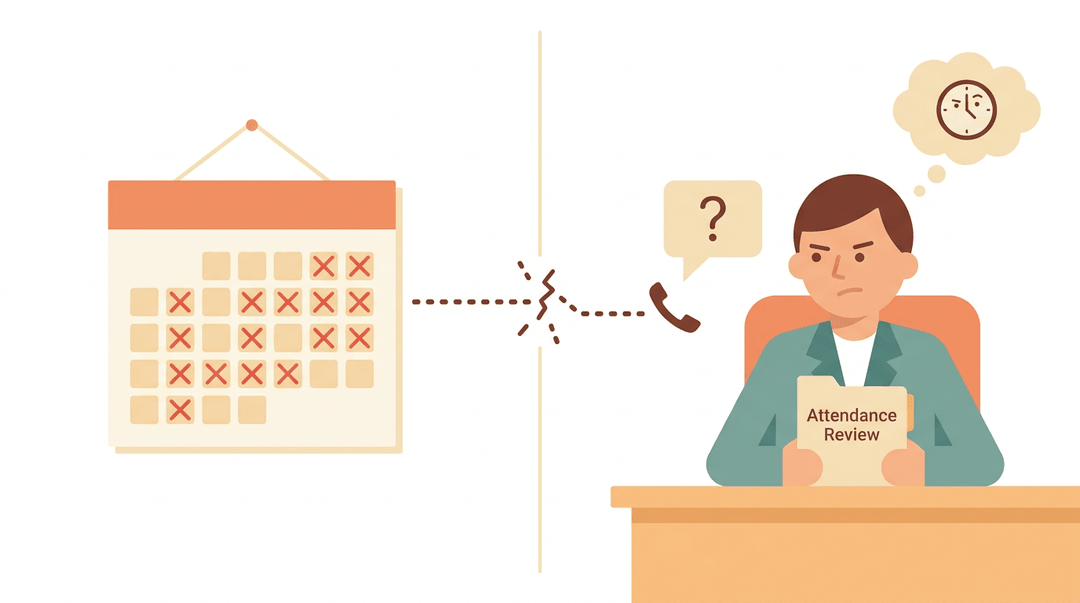
Calling out occasionally is normal. Calling out constantly is a different story. Frequent absences, even legitimate ones, can trigger disciplinary review under your school's attendance policy.
Your employer can't force you into the building, but it can enforce the rules on the books. And a pattern of shaky excuses does lasting damage: once a principal stops trusting your call-outs, every future one gets harder.
Why You Keep Needing to Call Out
One sick day now and then is normal. But if you find yourself reaching for the phone more often than you'd like, it's worth asking what's actually driving that pattern.
The hidden cost of working while sick
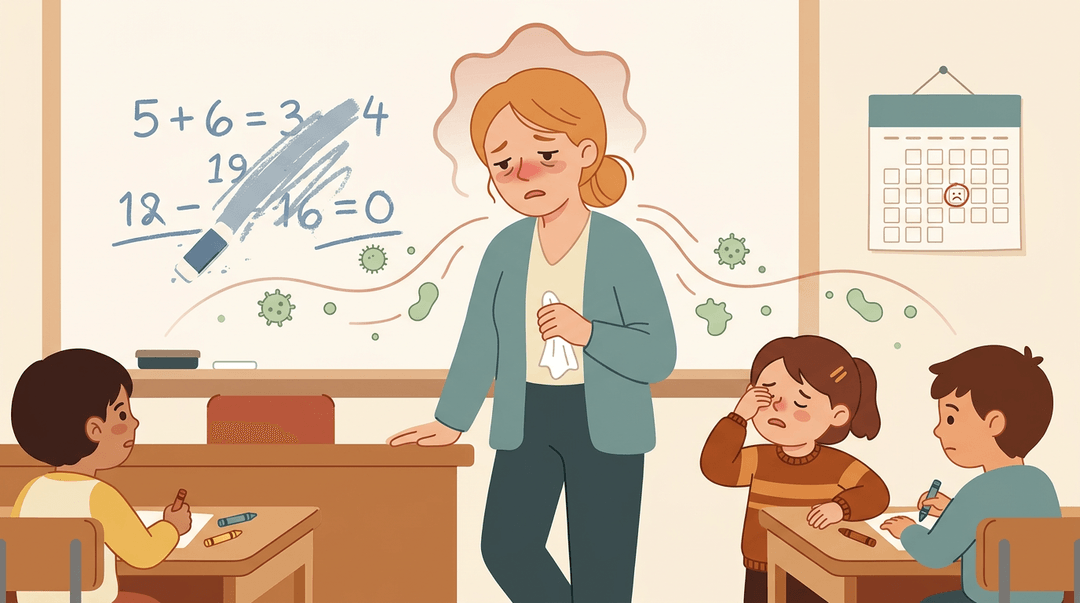
Dragging yourself into the classroom sick feels responsible, but it rarely is.
Researchers reviewing employer costs note that "employers are becoming concerned with the costs of presenteeism in addition to the healthcare and absenteeism costs that have traditionally been explored."
And a study on workplace sickness presenteeism found it "can also negatively impact productivity and cause errors, accidents, and injuries to not only the employee, but also coworkers and the public."
Hustle culture tells teachers that showing up no matter what proves dedication. It doesn't. It just spreads germs and mistakes. Guilt over using a sick day you've earned only feeds the cycle.
When frequent call-outs signal a bigger problem
If you're calling out often, that's data, not a character flaw. It might mean the job itself is a bad fit:
- an unsustainable course load
- an impossible schedule
- caregiving demands stacking on top of teaching
Start by reviewing your workload and schedule honestly. A teacher juggling a sick parent at home, for instance, needs real support, not just another sub request. If the pattern doesn't ease up, it may be time to consider a different position altogether.
How to take a mental health day
A mental health day is just as legitimate as a fever.
Wellbeing research from the Resilience Network brings together "scientifically supported tools and practices across key areas of wellbeing... mental health, movement, mindfulness, nutrition, nature, supportive relationships, and rest," rest included.
Use the day to check in with a therapist or coach if you have one. Come back with one small, manageable task instead of a full to-do list, so you ease in rather than drown.
Calling out doesn't have to be stressful or awkward. With the right reason, the right words, and a little documentation, you can step away when you need to and step back in without a mess waiting for you.
For teachers, that means clear notes for your sub and a classroom that keeps running, even when you can't be there.
Ready to make those transitions easier? Check out our Attendance Tracking feature to mark attendance quickly and spot patterns across your classes over time.
References
- The cost and impact of health conditions on presenteeism to employers: a review of the literature — pubmed.ncbi.nlm.nih.gov
- Work and Non-Work Sickness Presenteeism: The Role of Workplace COVID-19 Climate — pmc.ncbi.nlm.nih.gov
- Employers and Health Information in the Workplace — hhs.gov
- Prescription for Healing and Wellbeing — peacejusticeinstitute.org
Frequently asked questions
What is the best excuse for calling out of work?
The best reason is a genuine illness that prevents you from working safely, such as a fever, stomach bug, migraine, or contagious symptoms. A family emergency, transportation problem, or urgent home issue can also be legitimate. Be honest, notify your employer as soon as possible, and follow the required call-out procedure.
What are the best last-minute excuses?
The best last-minute reasons are sudden illness, car trouble, or an urgent family issue, provided they are true. Keep the message brief, explain that you cannot come in, and provide an expected return or update time if you know it. Avoid inventing details or giving an elaborate story.
How do you call out for personal reasons?
State that you will not be able to work because of a personal matter, without sharing private details. Notify your employer as early as possible, say how long you expect to be away, and mention any coverage or handoff information. For example: “I won’t be able to come in today due to a personal matter. I’ll update you about tomorrow and have left the necessary notes in the usual location.”
What should I say when calling out?
Keep it brief and professional: identify yourself, say you cannot come in, give the general reason category, and state when you expect to return or provide an update. If relevant, include coverage details, lesson-plan instructions, or an emergency contact method. For example: “Hi, it’s [Name]. I won’t be able to come in today due to a family emergency. The lesson plans are in the blue binder, and I’ll update you about tomorrow as soon as I can.”