Backward Design Explained: Start With the End Goal

Jump to section
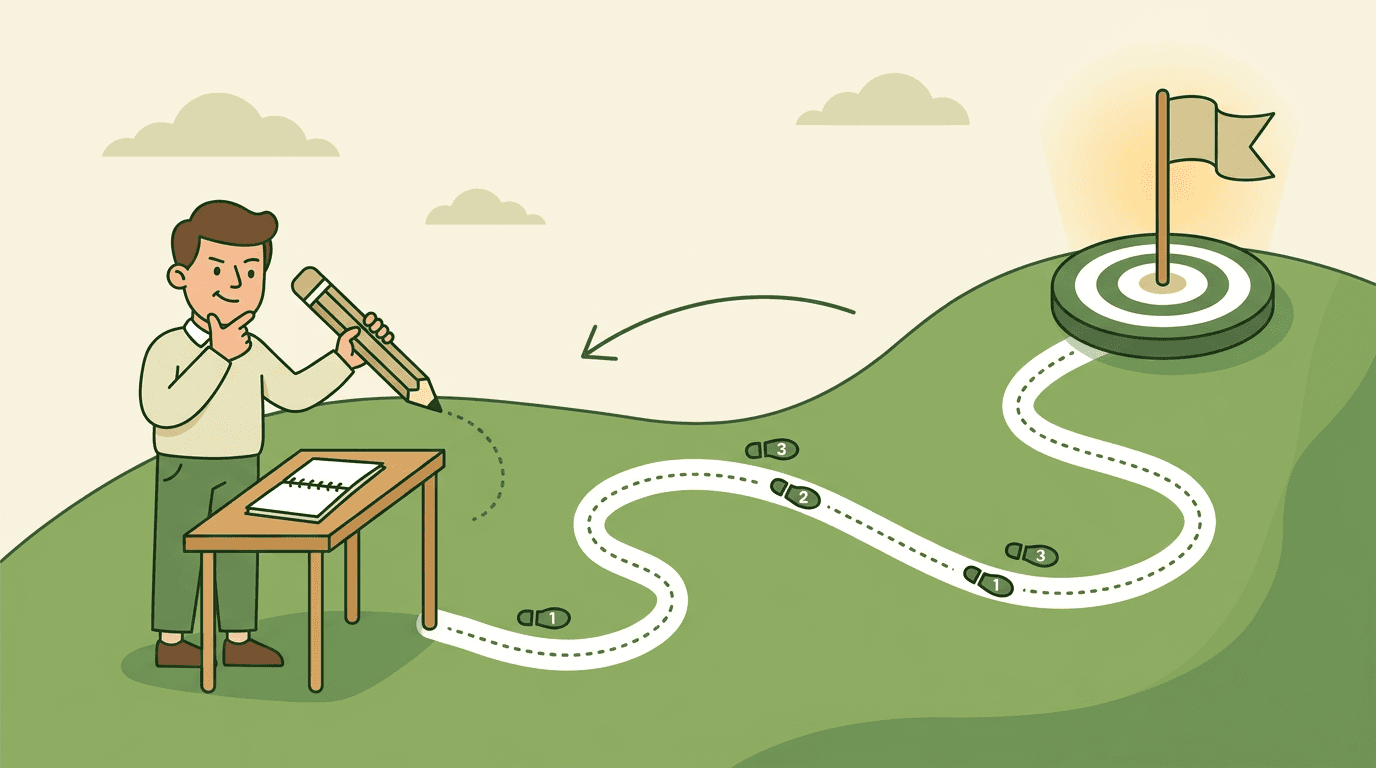
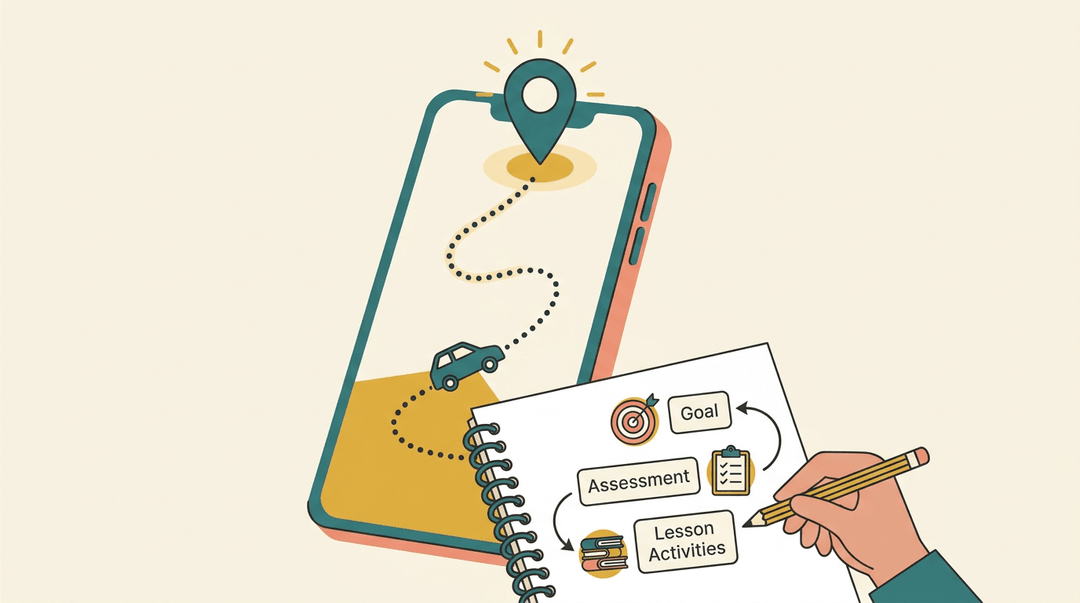
Think about the last time you used a GPS. You punch in the destination first, then let the route follow. Backward design works the same way.
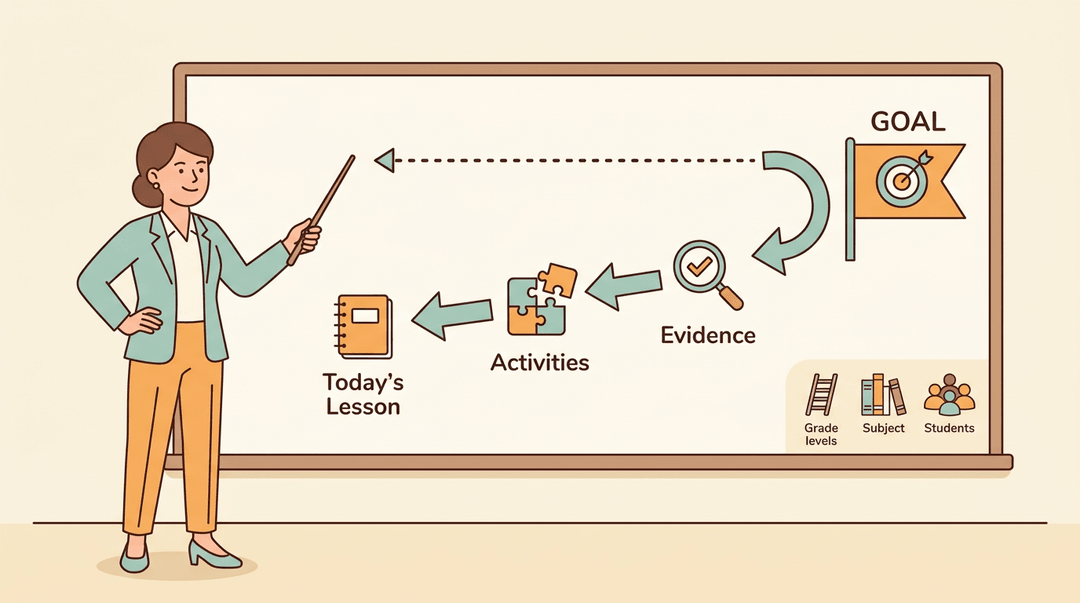
It's a planning approach that starts with the end goal, what students should know or do, then works backward to build the lessons and assessments that get them there.
In this post, we'll unpack what backward design means, walk through its three stages, and give you a teacher-ready checklist for your next lesson plan.
What Is Backward Design?
Most lesson planning starts with an activity and hopes the learning follows. Backward design flips that: you start with where you want students to end up, then work backward to the instruction that gets them there.
You'll see it spelled both ways, but "backward design" (not "backwards") is the term its creators and most researchers use.
What Are the Three Stages of Backward Design?
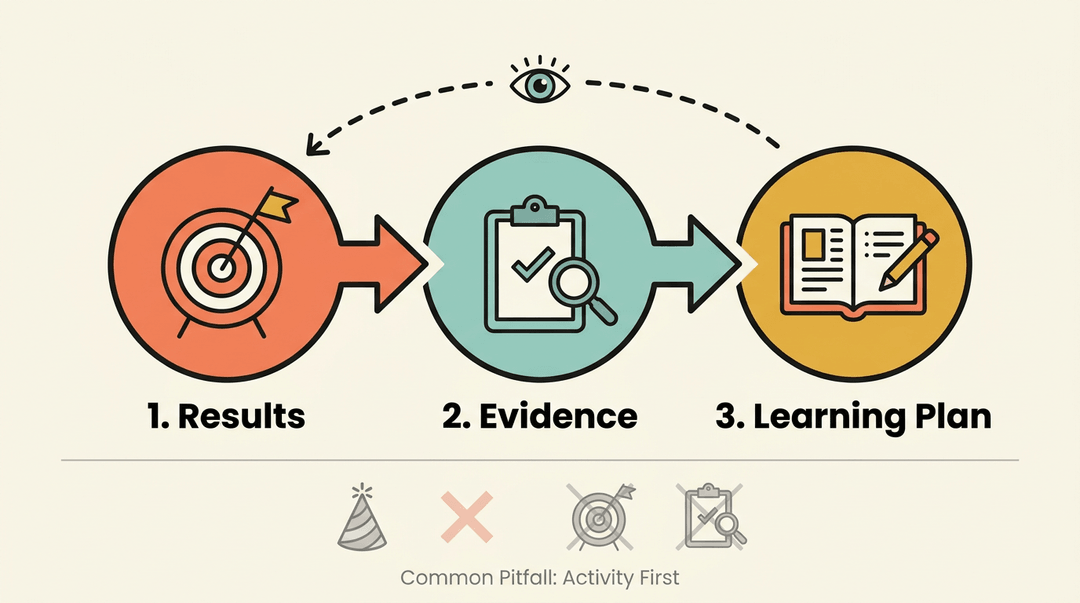
Backward design is a three-stage design model developed by Wiggins and McTighe (2005), who describe it as a process where "we identify the desired results, determine what evidence we require of the achievement of these results (assessments), and then we plan the instruction."
In short: results, evidence, learning plan, always in that order. A common pitfall is planning backward: choosing a fun activity first, then bolting on objectives after the fact.
Backward design deliberately plans instruction after the assessment is set, not before.
The Learning Science Behind Backward Design
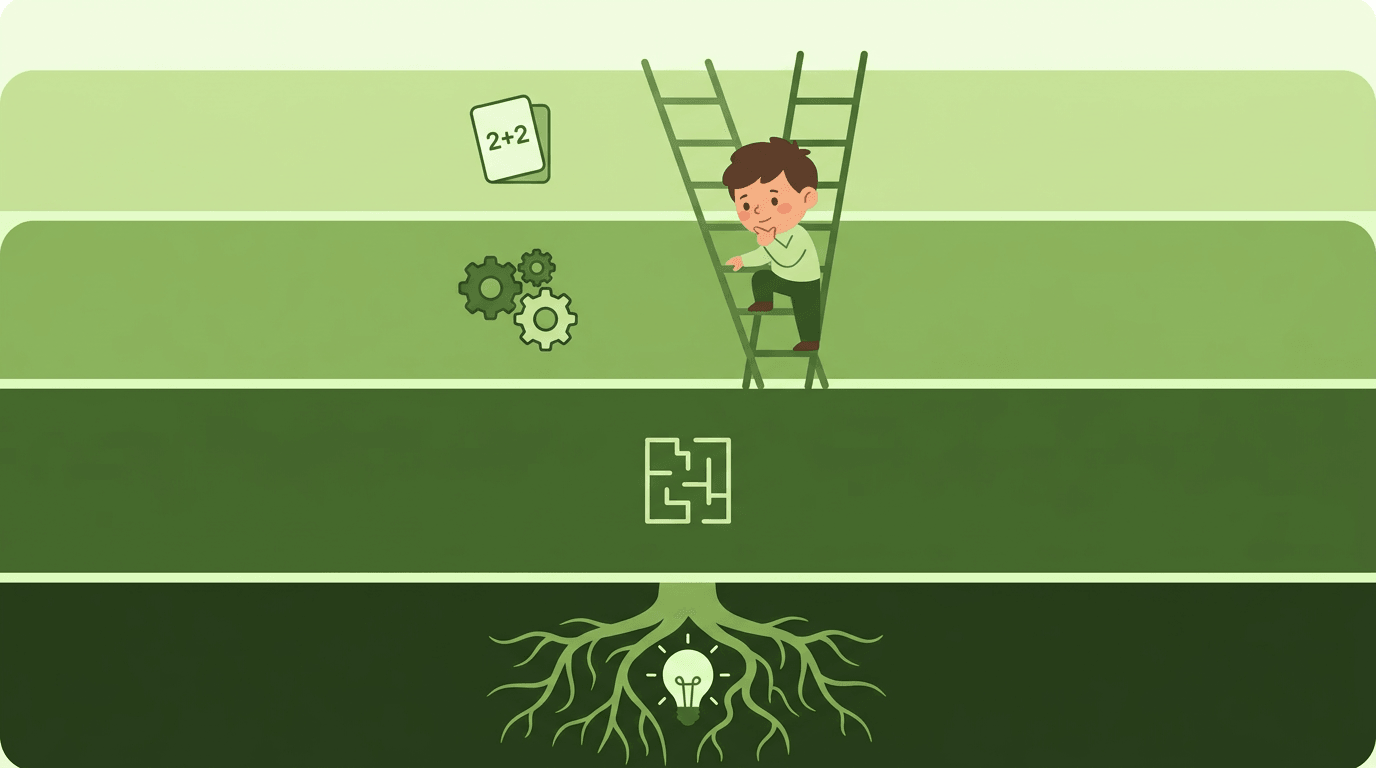
This order isn't arbitrary. The How People Learn framework notes that experts' knowledge "is connected and organized around important concepts" and "supports understanding and transfer... rather than only the ability to remember."
Backward design borrows that structure: outcomes, evidence, and instruction all stay aligned around the same core concept, so students build knowledge for transfer, not just recall.
You'll recognize the same logic inside the 5E model, Hunter's lesson format, and gradual release of responsibility.
Using Essential Questions to Anchor a Unit
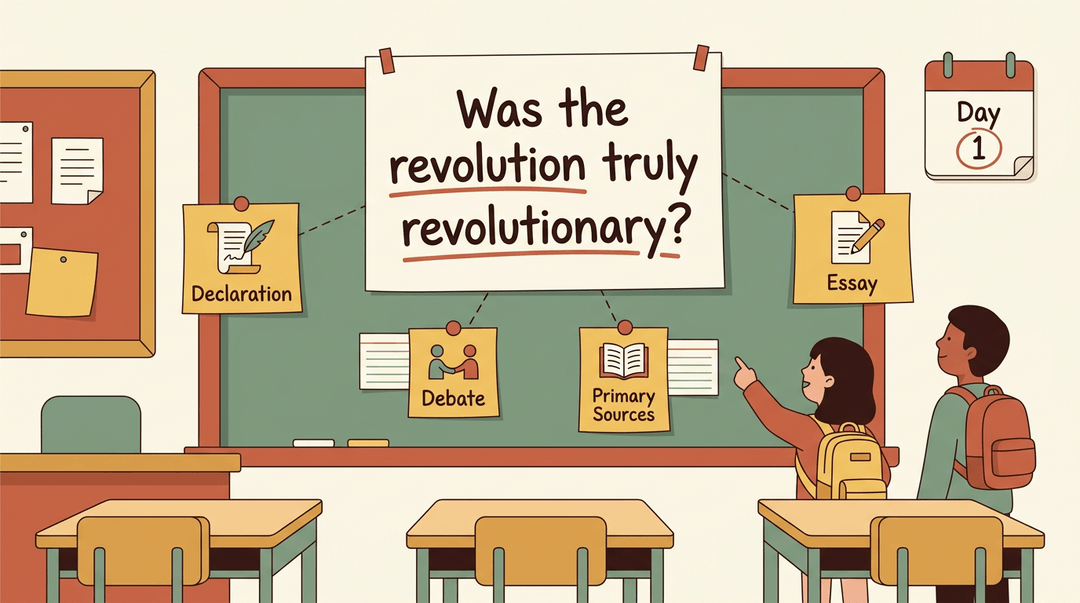
Write a guiding question before planning a single activity, then post it where students see it daily.
For example, a history teacher planning a Revolutionary War unit might post "Was the revolution truly revolutionary?" on day one, tie every activity back to it, and close with a persuasive essay answering it directly.
Plan a Lesson with Backward Design in 3 Steps
Here's the whole process on one page: name the destination, define the evidence, then plan the days. Work top to bottom and you'll have a unit ready to teach.
Step 1: Decide what students should learn
Fill in these three slots, in this order. Each one narrows the last.
- Big idea: the one sentence worth remembering in June.
- Example: "Writers use evidence to earn a reader's trust."
- Essential question: open-ended and arguable, with no single right answer.
- Try: "How do writers convince us?"
- Unit objectives: two to four observable "students will be able to" statements.
On the board: Students will be able to state a claim and support it with two pieces of text evidence.
Step 2: Choose how you'll measure success
Before planning a single activity, jump to the end: what will students make that proves they learned it?
- Design the performance task. Students apply the learning to a real product or problem.
- For the objective above: write a one-page argument about a shared text.
- Write rubric criteria straight from your objectives. Three or four, each observable.
- Plan formative checks. Low-stakes mini-versions of the task: drafts, exit tickets, quick conferences.
The rubric is where most plans go soft, so test each criterion against this pair:
- ✅ "Supports the claim with two relevant quotes."
- ❌ "Shows strong writing."
The difference: the first names behavior you can see and a student can self-check. The second is a feeling.
⚠️ Watch out: If you catch yourself choosing activities before evidence, stop. Activities come last on purpose; that's the "backward" in backward design.
Step 3: Map out daily lessons
Now, and only now, plan the days.
- List every skill the performance task demands. Work backward from the task itself.
- Sequence lessons simple to complex. One or two skills per day, each pointing at the task.
- Build in scaffolding with gradual release. Model it, practice it together, then let students work alone.
- Align the bell ringer and exit ticket to the same objective. Open with retrieval, close with proof.
- Exit ticket: "Write one claim and one piece of evidence from today's text."
If the exit ticket and the day's objective don't match, one of them is wrong. Fix it before tomorrow.
At a glance: the three steps at three grade levels
| Grade band | Stage 1 goal | Stage 2 evidence |
|---|---|---|
| Elementary | How characters change in stories | Retell that maps a character's change |
| Middle | Variables affect an investigation's outcome | Design and run a fair-test experiment |
| High school | Claims need credible evidence | Argument essay with cited sources |
Stage 3 looks the same at every level: list the skills the evidence demands, sequence them, scaffold them.
Once a unit holds up in class, don't rebuild it from scratch next year: build and reuse your backward-design units with EMStudio's online lesson planner.
Bringing Backward Design into Curriculum Planning
Backward design isn't a framework you learn once and shelve. It scales just as well down to a single lesson as it does across a full unit, and plenty of schools are already putting it to work through teacher training and real classroom projects.
Training Teachers Through Workshops
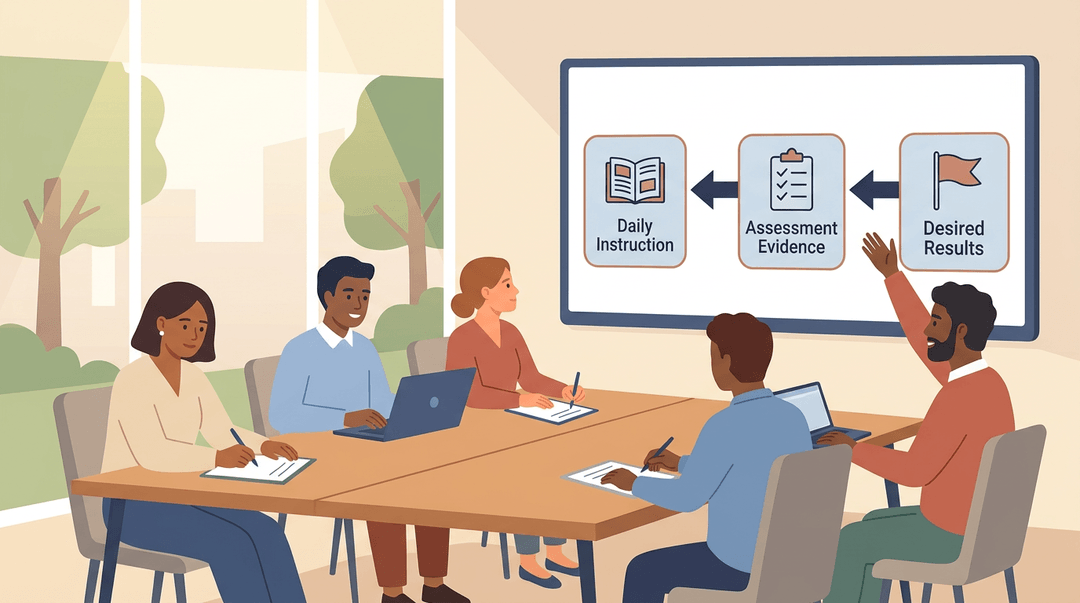
Many districts introduce the model through an interactive online workshop built around a clear course development framework: a sequence that pushes teachers to begin with the end in mind before touching a single activity. CATE-style training sessions follow this same pattern, walking teachers from desired results to assessment evidence to daily instruction, so the habit sticks well beyond the workshop itself.
Applying It to Writing Instruction
Consider an immigration unit where the end goal is a polished piece of informational or argument writing. Working backward from that goal, a teacher can align each lesson to Common Core writing standards and build in checkpoints that sharpen students' critical thinking long before the final draft is due. The same logic holds for a lab report, a persuasive essay, or a historical analysis. The model works across every subject, not just writing.
Strategies That Support the Model
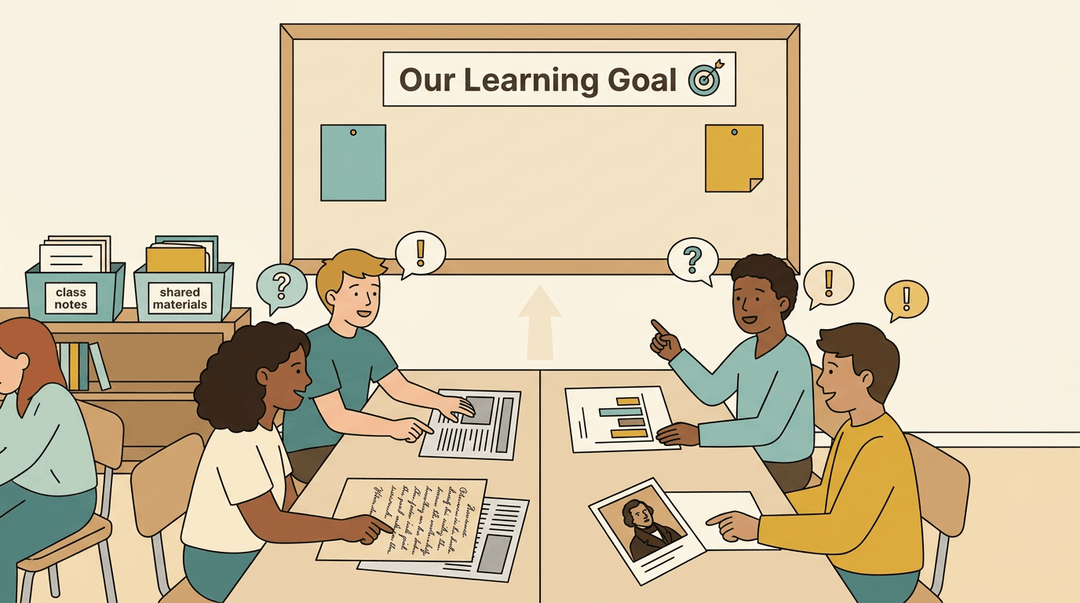
A few classroom habits reinforce backward design in practice. A public notes strategy and shared access to class materials keep students oriented toward the end goal throughout the unit. Immersing students in varied sources, primary documents, data sets, firsthand accounts, builds the background knowledge that supports real discussion and debate, rather than surface-level recall.
How Backward Design Shapes Assessment
Backward design doesn't stop at writing goals. It shapes how you check whether students actually reached them, long before the unit starts.
Making Assessments Feel Real
A good backward-designed assessment doesn't just ask students to recall facts. It hands them a realistic performance task that requires judgment and innovation, the kind of thinking a professional in that field would actually use.
Think of a middle school science teacher who asks students to design a water filtration system instead of filling out a worksheet on filtration methods. The task mirrors real practice and pushes students to apply knowledge in context, not just repeat it.
Using Feedback to Guide Learning
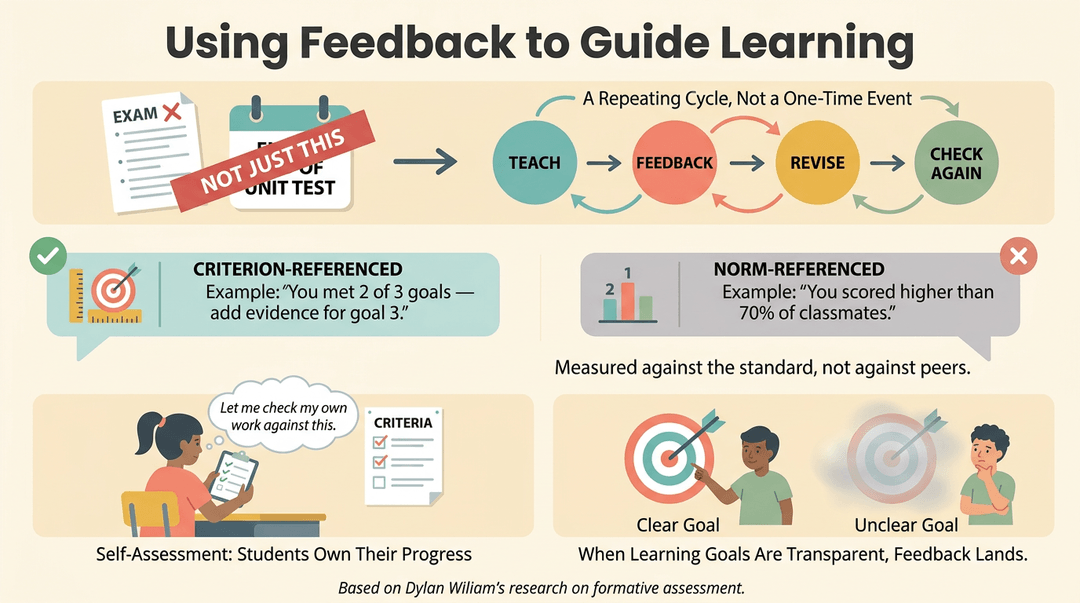
Assessment under backward design isn't a single end-of-unit event. It's a cycle of frequent feedback and revision, where students get criterion-referenced feedback measured against clear standards rather than against each other.
Student self-assessment plays a role too: when learners check their own work against the same criteria, they start to own their progress.
Dylan Wiliam frames this as part of formative assessment, and he stresses that transparency of learning goals, making sure students actually understand what they're aiming for, is what makes the feedback land.
Using Rubrics to Design Courses
Rubrics turn those criteria into something concrete. The AAC&U VALUE rubrics offer ready-made criteria that help operationalize learning outcomes, turning an abstract goal into something you can actually score.
Because they're an open educational resource, you can adapt them at the course level and reuse the same rubric templates across units, saving prep time while keeping expectations consistent.
Using AI to Support Backward Design
Backward design takes real thought to do well, and that's precisely the kind of work researchers are now asking artificial intelligence (AI), systems that can generate and evaluate text, to help with.
A recent study tested whether a large language model (LLM) could walk a teacher through all three stages and hand back something usable at the end.
Building AI Prompts for Lesson Planning
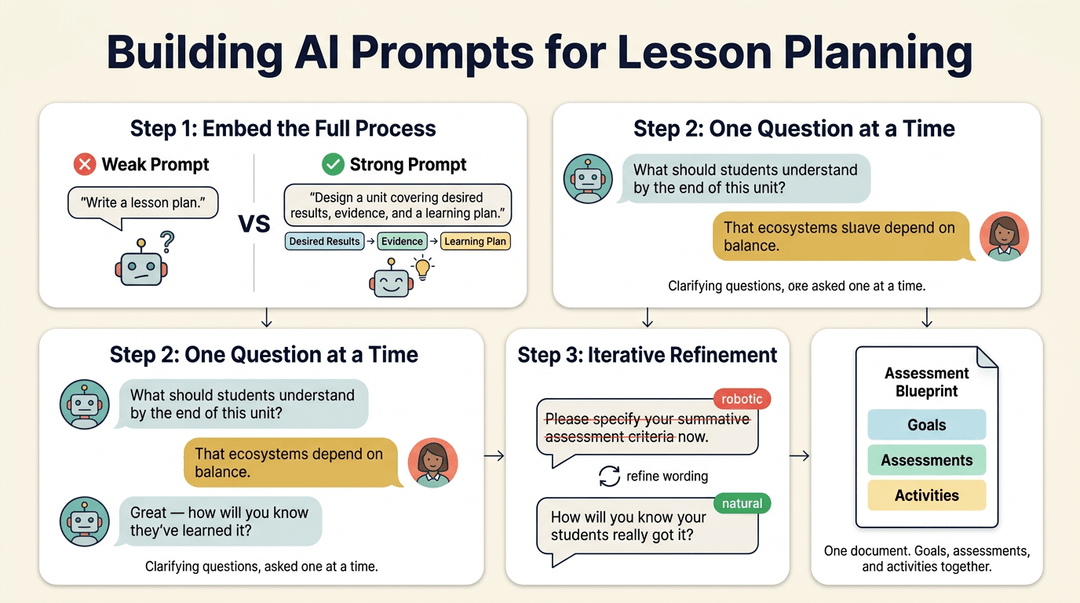
The prompts researchers built didn't just ask an AI to "write a lesson plan." Each one embedded the full three-stage backward design process (desired results, evidence, and learning plan) directly into its instructions.
The AI then worked through a structured interview format, asking clarifying questions one at a time instead of demanding everything up front.
Researchers refined these prompts through iterative prompt refinement, adjusting wording until the exchange felt natural rather than robotic.
The payoff was a single Assessment Blueprint artifact: one document laying out a unit's goals, assessments, and activities together.
How the AI Outputs Were Scored
Quality didn't rest on a hunch. Outputs were judged against six weighted evaluation criteria, then tested across sixteen test case studies covering different grade levels and subjects.
Human reviewers hand-scored the LLM outputs, and the team ran reliability and validity testing to confirm scorers agreed with each other and that the scores actually reflected quality.
Where AI Falls Short
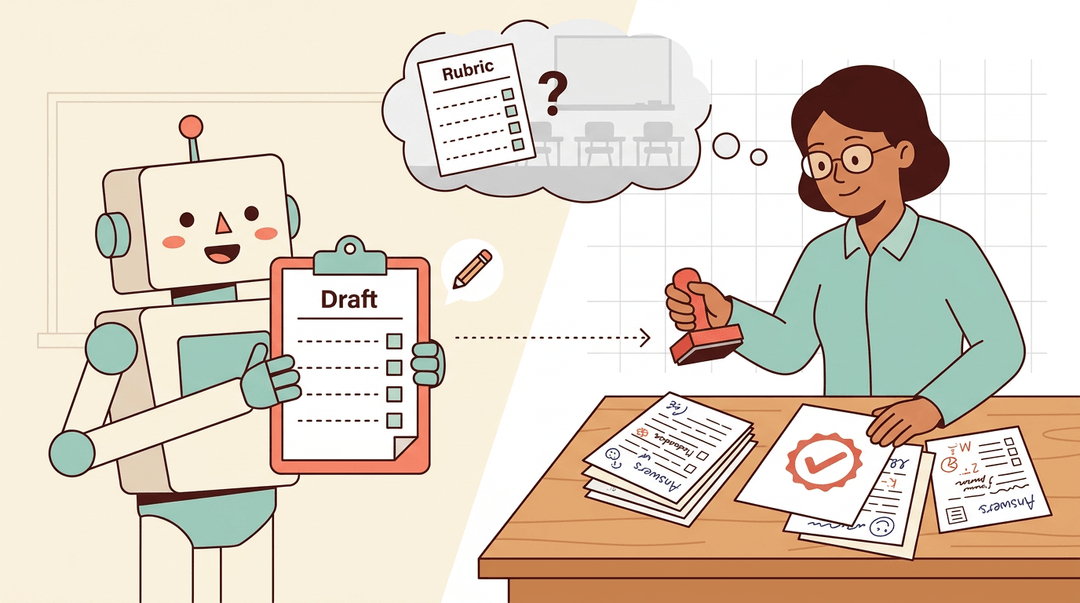
AI can draft a blueprint, but it can't evaluate a student's actual work. That judgment stays with the instructor, who retains final say over anything the AI proposes.
The study also tested just one rubric, so it's unclear how well this holds up elsewhere, and no classroom impact studies exist yet to show whether an AI-built blueprint leads to better student outcomes.
What's Next for This Research
Next steps include testing additional rubric frameworks beyond the one used here and exploring more granular contextual variables, like grade band, subject, and class size, that might shift what a strong prompt looks like.
Researchers also want to extend the approach to student-facing prompts, not just teacher-facing ones, and study whether AI works best as a facilitation tool or drifts toward outright automation.
Backward design isn't about adding one more planning step. It's about making sure every lesson you teach actually leads somewhere, with clear goals, solid evidence of learning, and activities built to match.
Once you start planning this way, it's hard to go back. Ready to put it into practice? Check out our Lesson Planning feature to organize and reuse backward-designed lessons across every class you teach.
References
- Backward Design and Thinking Like an Assessor — kevinpearson.files.wordpress.com
- Learning: From Speculation to Science - NCBI — ncbi.nlm.nih.gov
- Assessment: The Bridge between Teaching and Learning — researchgate.net (2013)
- How to Use a VALUE Rubric for Program-Level Assessment in 2026? — ijate.net (2026)
Frequently asked questions
What is the meaning of backward design?
Backward design is a planning approach that starts with the desired learning outcome, then works backward to determine the evidence of learning and the instruction students need. It focuses on aligning goals, assessments, and learning activities.
What is a backward design approach?
A backward design approach plans from the destination rather than starting with activities. Teachers first identify what students should learn, then decide how students will demonstrate it, and finally plan lessons and scaffolding.
What are the three stages of backward design?
The three stages are: identify desired results, determine acceptable evidence through assessments, and plan learning experiences and instruction. They are often summarized as results, evidence, and learning plan.
What are the three stages of backward planning?
Backward planning uses the same three stages as backward design: define the desired results, choose evidence that will show whether students achieved them, and map out instruction and activities. The process deliberately places activities last.
What is an example of backwards planning?
For example, a teacher wants students to write an evidence-based argument. The teacher first defines that goal, creates a final argument task and rubric, then plans lessons on claims, source evaluation, evidence, drafting, and revision to prepare students for the task.
Can you give me an example of backward planning?
Suppose a science teacher wants students to design a water filtration system. The teacher first defines the learning goal, decides that the design and explanation will demonstrate learning, and then sequences lessons on filtration methods, testing, data analysis, and redesign.
Is it backwards design or backward design?
Both forms appear in use, but backward design is the standard term used by its creators, Wiggins and McTighe, and by most researchers. Backwards design is understandable, but backward design is generally preferred.
What does reverse planning mean?
Reverse planning means beginning with the final goal or outcome and planning toward it in reverse order. In education, it usually involves identifying desired results, selecting assessment evidence, and then designing instruction and activities.