IDEA Special Education Law: A Complete Guide

Jump to section
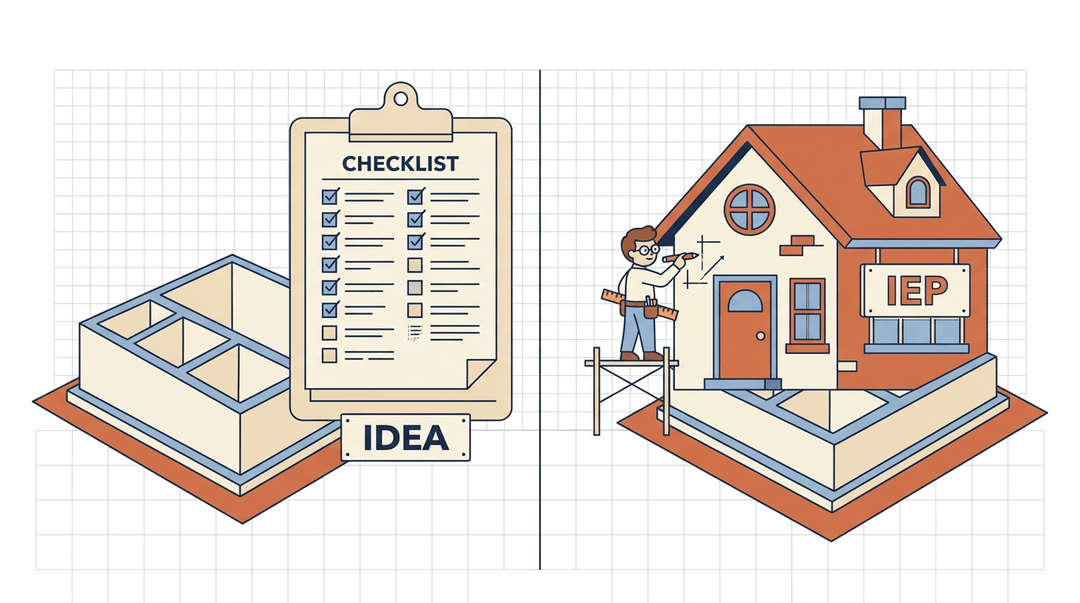
Think about a building code. It doesn't tell an architect how to design a house, but it guarantees every house meets a minimum standard before anyone moves in. Special education law works the same way.
IDEA, the Individuals with Disabilities Education Act, sets the legal floor for how schools identify, support, and teach students with disabilities.
It's easy to confuse with an IEP (an Individualized Education Program), but one is the law and the other is the plan it requires.
In this post, we'll clear up that confusion and the eligibility rules, then show you how to turn those legal mandates into lessons you can actually teach.
What IDEA Special Education Law Does
IDEA is the backbone of special education in the United States, though it's often confused with the paperwork it generates. Here's what the law actually does, where it came from, and who enforces it, so you can see exactly how it shapes your classroom.
Is IDEA the same as IEP?
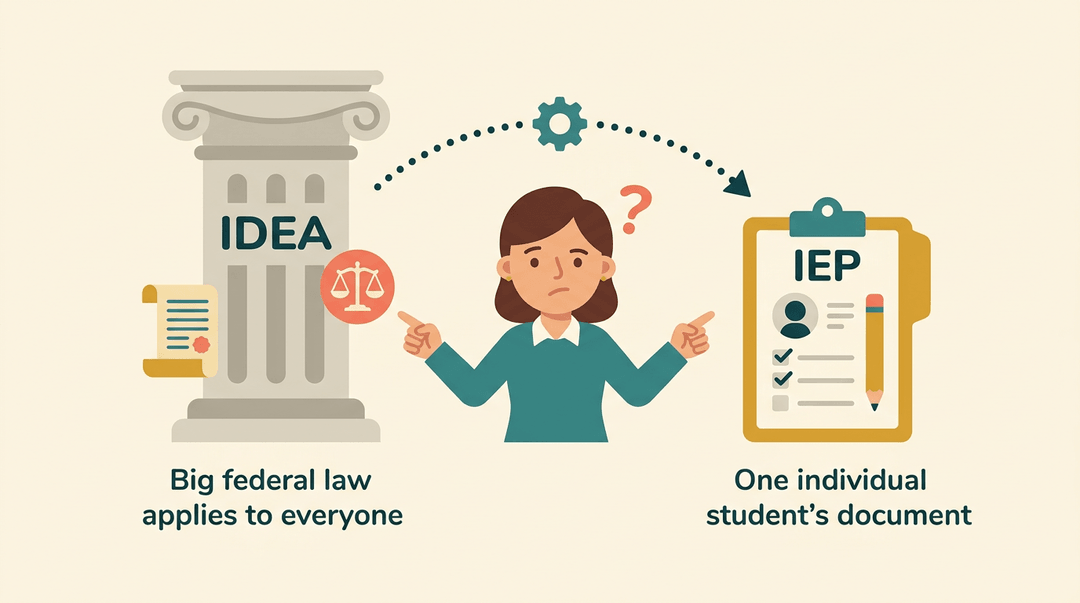
No, and the mix-up trips up a lot of new teachers. The Individuals with Disabilities Education Act (IDEA) is the federal special education law.
It guarantees every eligible child with a disability a free appropriate public education (FAPE), covers services from early intervention for infants and toddlers through special education for school-age students, and spells out specific rights for parents and kids along the way.
An individualized education program (IEP) is just one piece of that machinery: the document IDEA requires schools to write for each eligible student.
Think of IDEA as the law and the IEP as the paperwork that law demands: one sets the rules, the other puts them into practice for a specific student.
How IDEA came to be
The law didn't start out with that name.
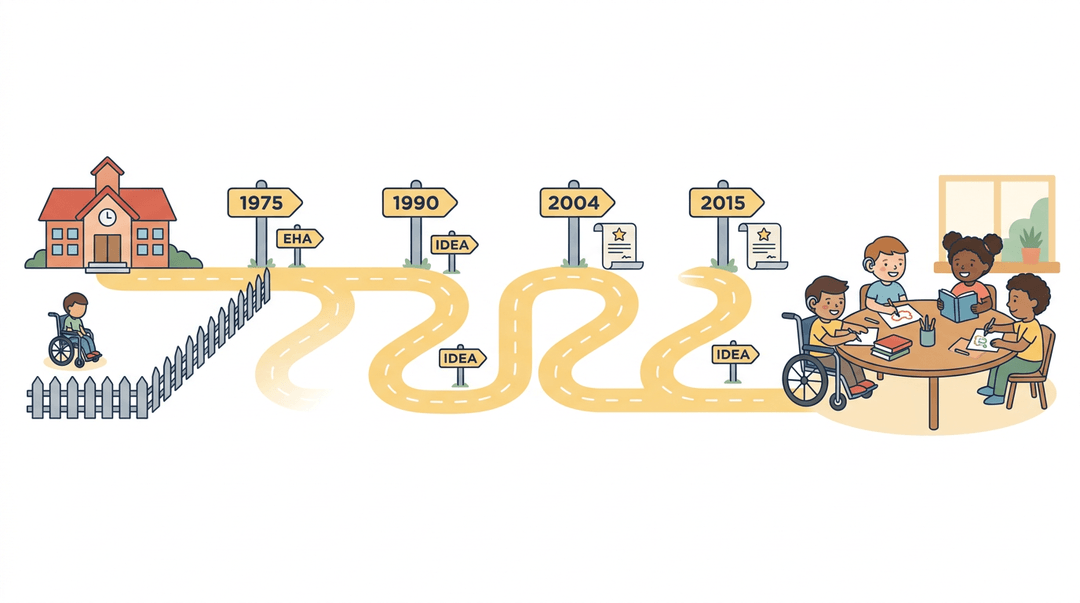
Congress enacted it in 1975 as the Education for All Handicapped Children Act (EHA), and according to the U.S. Department of Education's history of the law, the goal from day one was protecting the rights of children with disabilities and improving their results.
The law kept that mission but changed its name to the Individuals with Disabilities Education Act in a 1990 reauthorization. Congress reauthorized IDEA again in 2004, then amended it through the Every Student Succeeds Act in December 2015.
Each update has pushed the law further toward one steady goal: getting more students with disabilities taught alongside their peers, not apart from them.
The law's goals for disabled students
Strip away the legal language, and IDEA is after four things:
- equal opportunity for students with disabilities
- preparation for employment and independent living after school
- protection of the rights of children and their parents
- support for states as they put all of it into practice, funded in part through federal grants to states
Who oversees IDEA enforcement
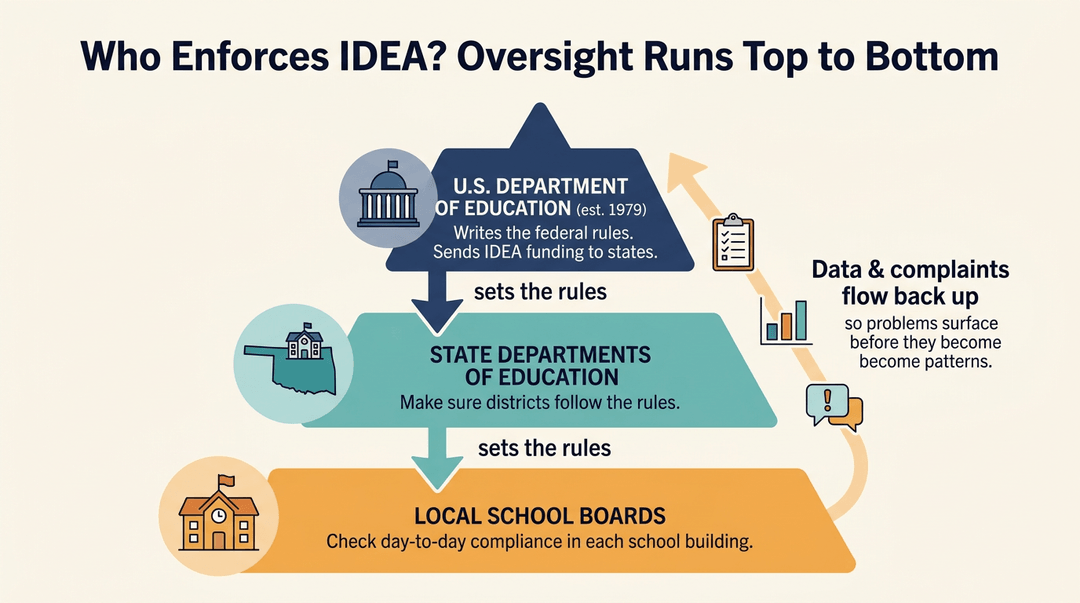
Enforcement runs top to bottom.
- The U.S. Department of Education, created in 1979, sets the federal rules and distributes IDEA funding to states.
- State departments of education oversee how districts carry that out
- local school boards supervise day-to-day compliance in each building
Along the way, states and districts track data and complaints, so problems surface before they become patterns.
Who Qualifies for IDEA Services
Qualifying for IDEA services isn't just about having a diagnosis on paper. It comes down to age, disability category, and whether that disability actually gets in the way of learning. Here's how each piece fits together.
Age ranges covered under IDEA
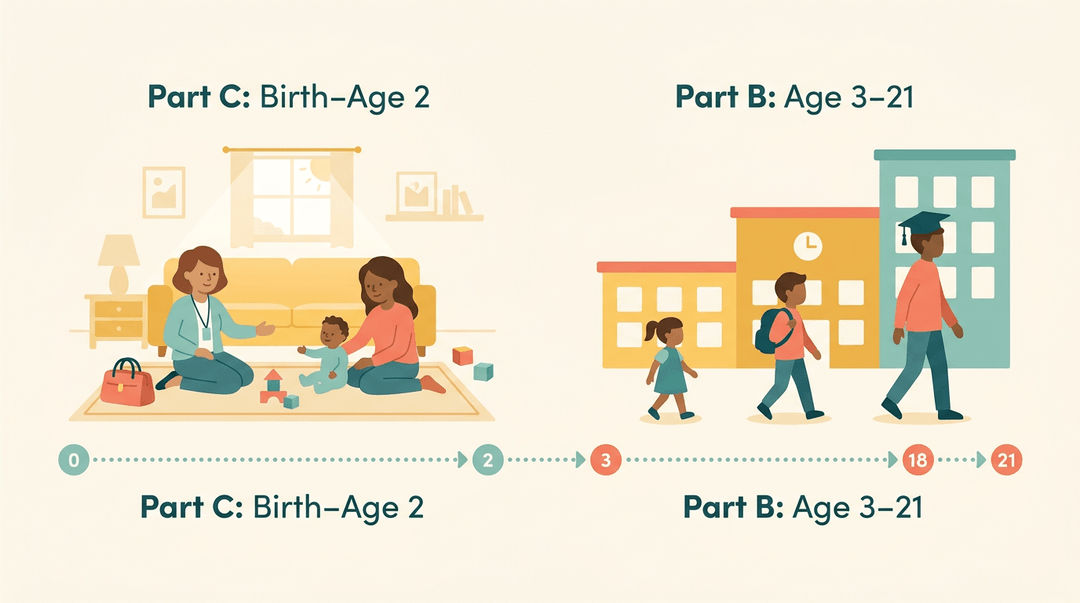
IDEA splits coverage into two parts. Part C covers early intervention for infants and toddlers from birth through age 2, often through home visits and family-centered support rather than a classroom.
Part B picks up at age 3 and runs through age 21, covering a student's entire K-12 journey. A student can stay eligible through high school graduation or until turning 21, whichever comes first, and some states choose to extend coverage even further.
What are the 14 disabilities under IDEA?
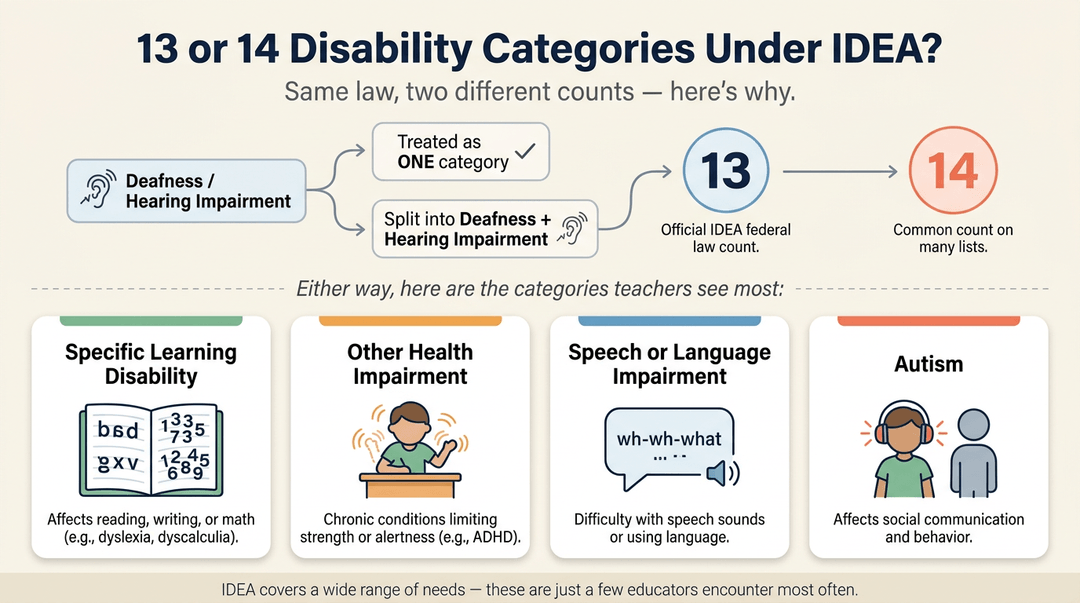
Search this topic and you'll see two different numbers: 13 and 14. According to Cal State LA, "IDEA provides definitions of the 13 disability categories."
The mix-up comes from how deafness and hearing impairment get counted: some lists split them into two categories, pushing the total to 14, while the federal law itself treats them as one family of related conditions.
Either way, the categories span a wide range of needs. Specific learning disability covers conditions like dyslexia and dyscalculia that affect reading, writing, or math.
Other health impairment includes chronic conditions that limit strength or alertness, such as ADHD (attention-deficit/hyperactivity disorder).
Speech or language impairment and autism round out some of the categories teachers see most often in their own classrooms.
What makes a child eligible
Having one of these disabilities isn't enough on its own. A child only qualifies if the disability genuinely impacts learning, and if they need special education, not just a minor accommodation, to make progress.
That combination matters: a student can have a diagnosis and still not qualify if regular instruction already meets their needs.
Which schools must follow IDEA
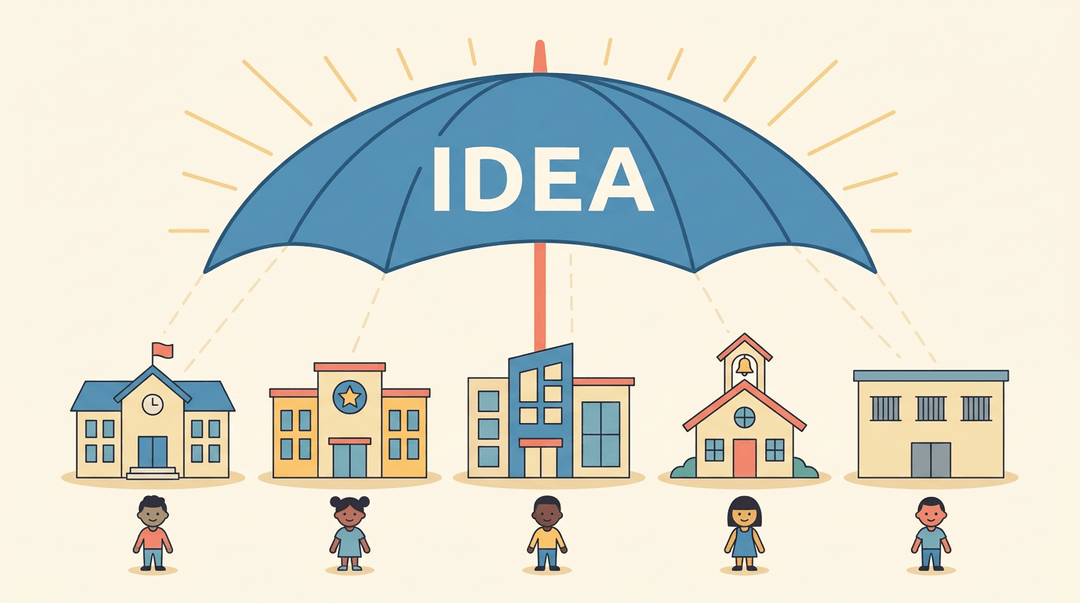
IDEA's reach is broad. Public schools, magnet schools, and charter schools all must follow its rules. Some private schools fall under its umbrella too, depending on placement and funding arrangements.
The law also extends beyond traditional classrooms, covering students in state-run institutions and care facilities, so eligible kids keep their rights no matter where they're being educated.
The Core Rights IDEA Guarantees
Strip away the paperwork and IDEA really boils down to a handful of promises made to every eligible student.
Three of them anchor almost everything else: a free appropriate public education, the least restrictive environment, and the IEP that ties the two together, plus the rights parents hold at every turn.
What a free appropriate public education means
Free appropriate public education (FAPE) is the cornerstone IDEA stands on. For example, a fifth grader with a specific learning disability in reading needs a program built around her, not just a seat in the back of the room.
Done right, FAPE gives students real access to the general education curriculum their classmates are using, and it looks ahead too: preparing them for further education, employment, and independent living once they graduate.
Why the least restrictive environment matters
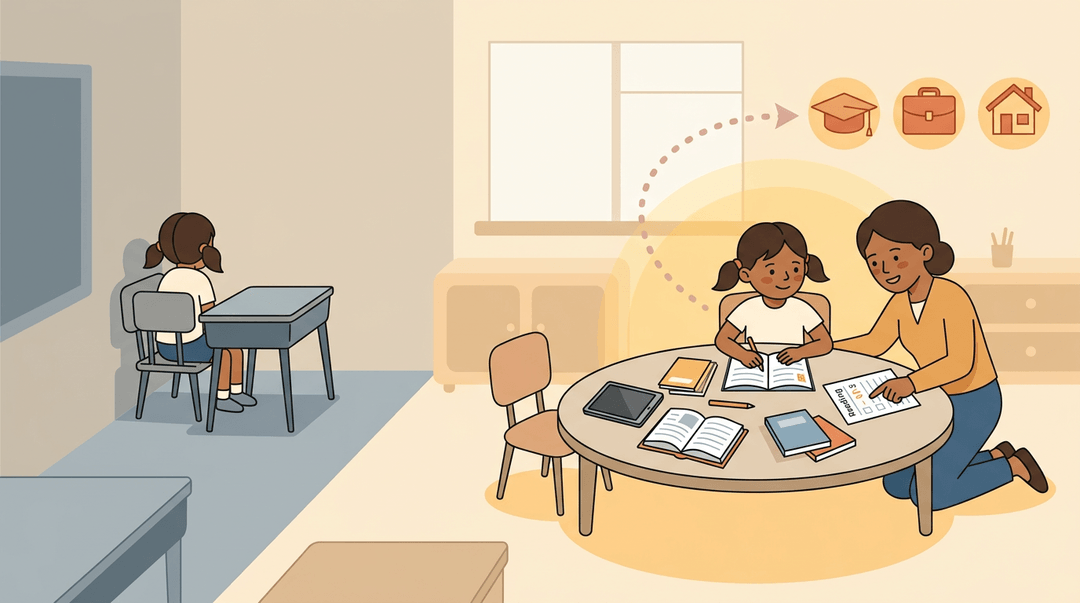
IDEA also leans hard toward keeping students in general education classrooms whenever that's appropriate, a principle known as the least restrictive environment (LRE).
Picture a continuum: full inclusion with support on one end, resource-room pull-outs in the middle, and self-contained classrooms for students who need more intensive help on the other. No single placement fits every student.
The ARD (Admission, Review, and Dismissal) or IEP team decides where a child lands on that continuum, based on need, not convenience.
How the IEP delivers these rights
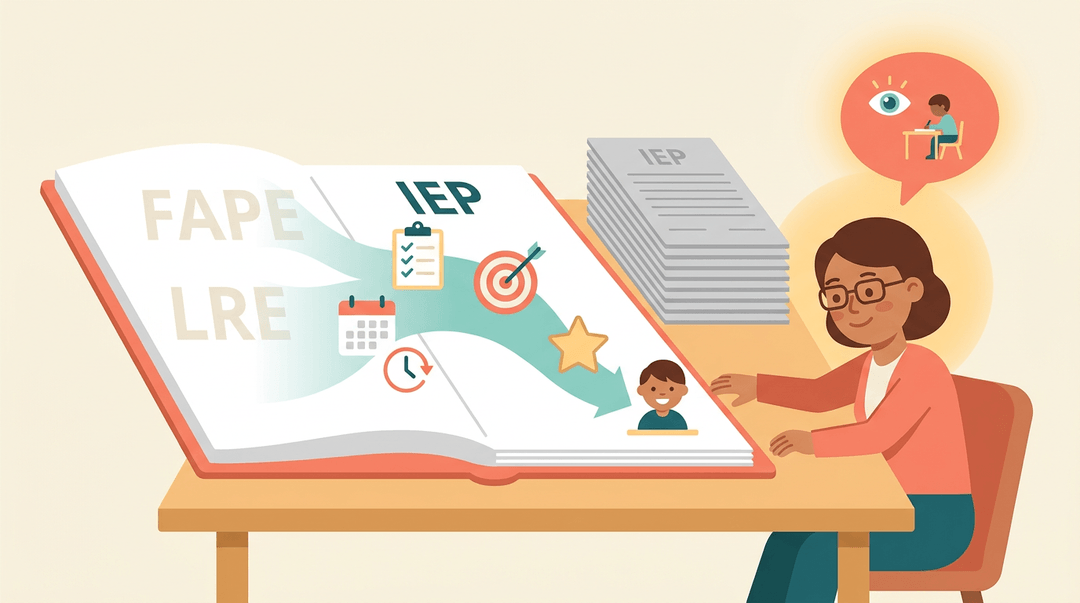
The IEP is where FAPE and LRE become a daily plan instead of an abstract promise. Built around one student's individual needs, it spells out services, accommodations, and goals, and it's reviewed at least once a year to stay current.
Many districts offer model IEP forms to keep that paperwork consistent across classrooms.
Teachers bring something no form can: a front-row view of how the student actually learns, which makes your voice in the IEP meeting one of the most valuable in the room.
Parents' rights throughout the process
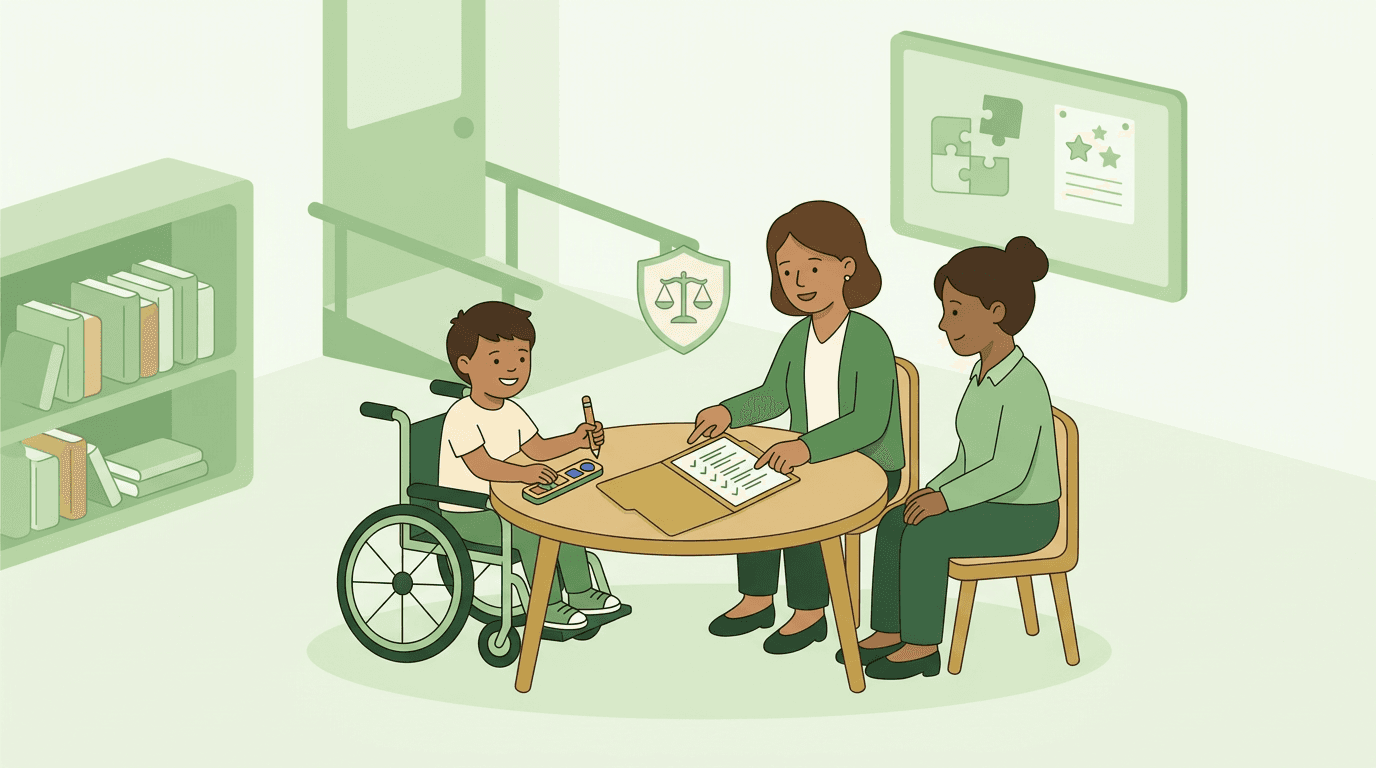
Parents aren't bystanders in any of this. IDEA requires their consent before evaluation and placement, and it guarantees them a voice at every step, from referral through annual review.
When families and schools disagree, IDEA offers dispute resolution options like mediation, and due process hearings when a disagreement needs a more formal path to resolution.
Turn IEP Goals into Daily Lessons
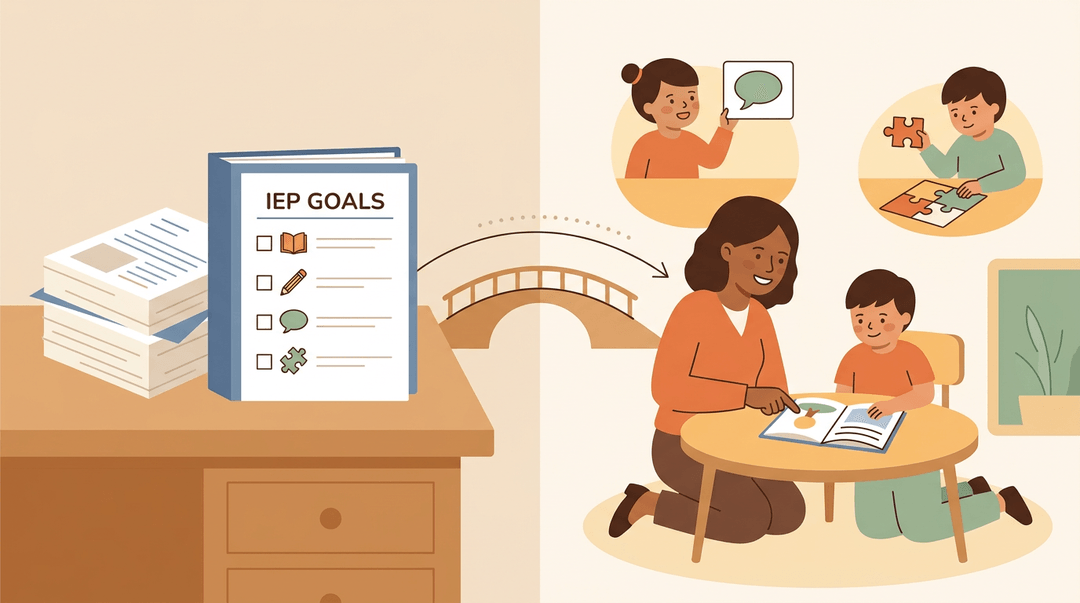
An IEP tells you where a student must end up; your lesson plan is how they get there. Here's how we turn those legal mandates into something you can actually teach tomorrow.
From IEP goal to lesson objective
Do this once per unit, and your daily plans nearly write themselves:
- Review the IEP goals before you plan.
- Pull the exact goal wording, not your memory of it.
- Align each lesson objective to a specific need.
- Ask: "which goal does this lesson move forward?" If none, adjust the objective.
- Note the required accommodations on the plan itself.
- Write them next to the activity they apply to, not in a separate file.
- Set measurable success criteria.
- Borrow the IEP's own numbers so your data feeds straight into progress reports.
Example: IEP goal: "Given a grade-level passage, Maya will identify the main idea in 4 of 5 trials." Your board objective: "I can find the main idea of a paragraph." Your plan note: "Maya: chunked passage, check 4/5 on exit ticket."
Build accommodations in, not on
Accommodations work best designed into the lesson, not improvised when a student struggles. Plan each one where it lives:
| Accommodation | Build it in like this |
|---|---|
| Extended time | Mark which task flexes; prep an anchor activity for early finishers |
| Visual supports | Add the graphic organizer or picture cue to your materials list |
| Assistive tech | Write a cue in the plan: "remind Jon to launch text-to-speech" |
| Flexible grouping | Pre-plan groups by support need, not just by level |
⚠️ Watch out: accommodations listed in an IEP are legally required, not optional extras. "We ran out of time" doesn't satisfy the law.
Keep the special education team close
Your co-teachers and case managers make this sustainable. Before and during each unit, confirm:
- You've co-planned with the case manager. Even 15 minutes weekly keeps goals and lessons aligned.
- Plans went out ahead of time. Share by Friday so support staff can prep materials.
- You're tracking accommodation delivery. A simple tally on your roster proves what was provided.
- Parents hear about progress. Try: "Maya hit 4 of 5 on main idea this week, right on her goal."
That tracking habit pays off twice: it protects you at IEP meetings and shows families real growth, not guesses.
Keep each student's accommodations attached to your reusable lesson plans in EMStudio's online lesson planner, so they're ready every time you teach that class.
How Evaluation and Identification Work
Before an Individualized Education Program (IEP) can exist, a child has to be found and evaluated. Here's how that process actually unfolds, and what to do when it stalls.
Schools' duty to find eligible kids
Under IDEA, schools carry a child find obligation: they must actively locate and identify kids who may need special education, not wait for a parent to ask. Evaluations to determine eligibility are provided at no cost to families.
This duty matters most with conditions like dyslexia, where early identification changes everything.
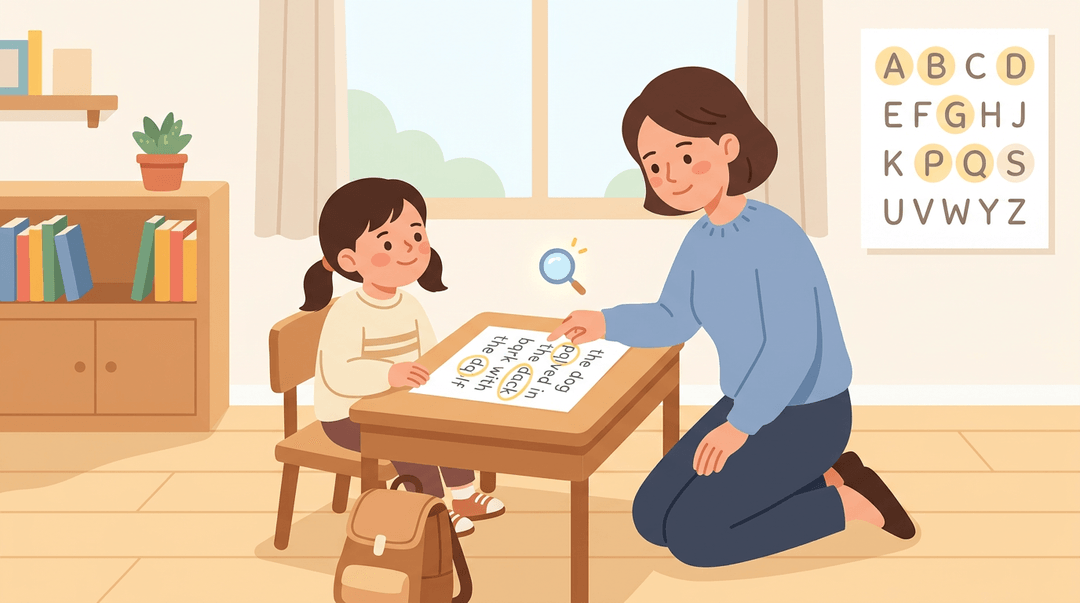
Consider a second-grade teacher who notices a student reversing letters months after peers have moved past it; flagging that pattern early can mean support starts in elementary school instead of middle school, when gaps are harder to close.
Requesting an evaluation or reevaluation
Parents don't have to wait on the school. They can request an evaluation or reevaluation in writing at any time. If they disagree with the results, they have the right to an independent educational evaluation (IEE) at public expense.
If a request is denied, the school must explain why in writing, and parents can challenge that decision rather than simply accept it.
Teachers can strengthen any referral by documenting concrete classroom data: work samples, running records, behavior notes, before the formal process even starts.
Resolving disagreements over evaluations
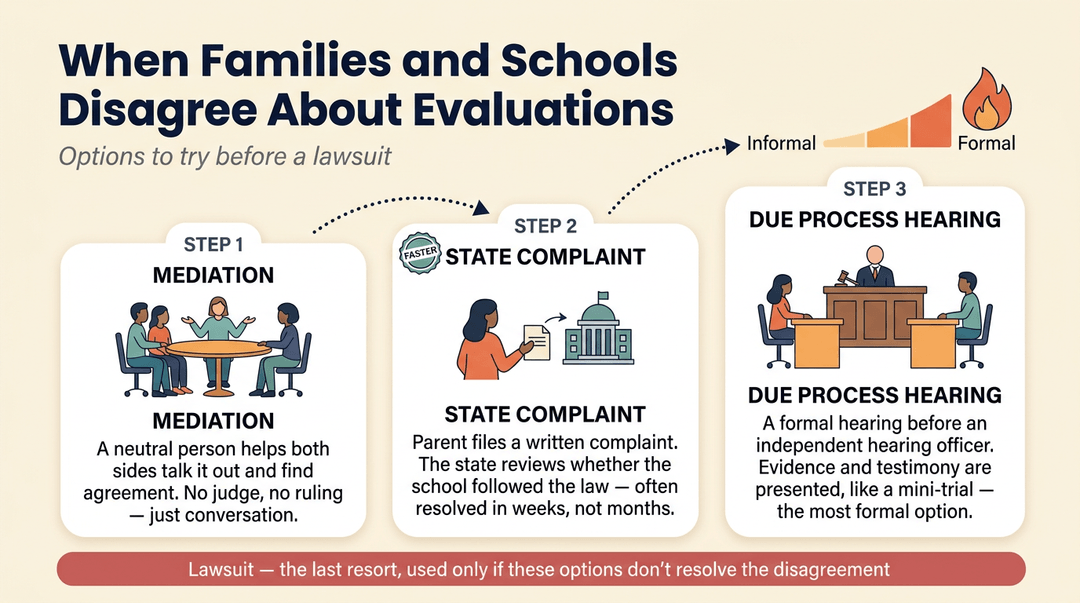
When families and schools disagree, several options exist short of a lawsuit:
- mediation
- a formal state complaint
- a due process hearing before an independent hearing officer
A parent complaint triggers a state review of whether the school followed the law, often resolving things faster than a hearing would.
Putting Services and Support into Practice
An IEP's promises only matter once they show up in your classroom. Here's how those mandates translate into the people, programs, and daily decisions that actually support a student.
Related services like speech and OT
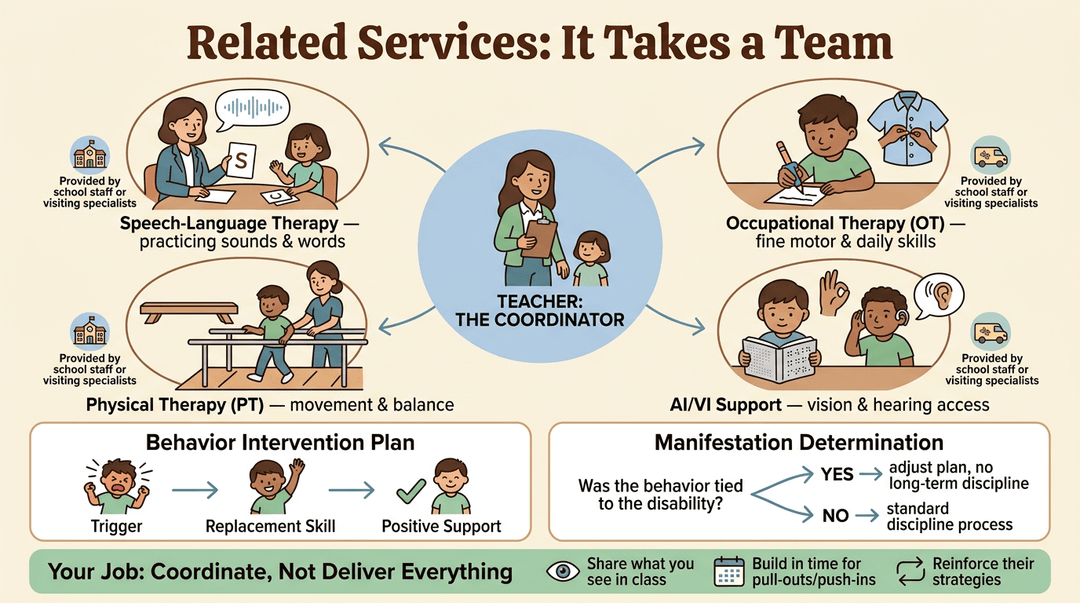
Most IEPs lean on more than one adult. Related services cover:
- speech-language therapy
- occupational therapy (OT)
- physical therapy (PT)
- support for students with auditory or visual impairments (AI/VI)
delivered by either school staff or outside contractors who come in on a schedule. When behavior gets in the way of learning, a behavior intervention plan spells out proactive strategies and replacement skills.
If that student is ever suspended, the team runs a manifestation determination: a review of whether the behavior was tied to the disability before any long-term discipline sticks. Your job isn't to deliver every service yourself.
It's to coordinate: share what you're seeing in class, build in time for pull-outs or push-ins, and reinforce the strategies providers are teaching.
Specialized program supports for students
Some needs call for a dedicated structure, not just a service block.
- Dyslexia support often follows a prevent, identify, intervene model, which overlaps with Response to Intervention (RtI): tiered, increasingly intensive help before (or alongside) a formal evaluation.
- Students with more significant needs may spend part or all of the day in a life skills or self-contained classroom.
- English Language Learners with disabilities need both language and disability supports layered together, not one substituting for the other.
- For any student who regresses sharply over long breaks, extended school year (ESY) services keep the IEP running through the summer.
Planning the transition to adulthood
Starting by age 16, the IEP shifts toward employment and postsecondary goals, often using a state's own transition planning guide as a template. Schools stay accountable for these outcomes well past graduation day, not just for showing up to the meeting.

Guidance for inclusive teaching practices
When a situation feels unclear, you're not left guessing. OSEP policy letters and memos clarify gray areas, and evidence-based practice databases point you toward strategies proven to work, so inclusion is built on what actually helps, not improvisation.
How IDEA Relates to Civil Rights Laws
IDEA doesn't work in isolation. It sits alongside other federal protections, and knowing where each one starts and stops saves you from mixing up paperwork, meetings, and student rights.
Section 504 compared to IDEA
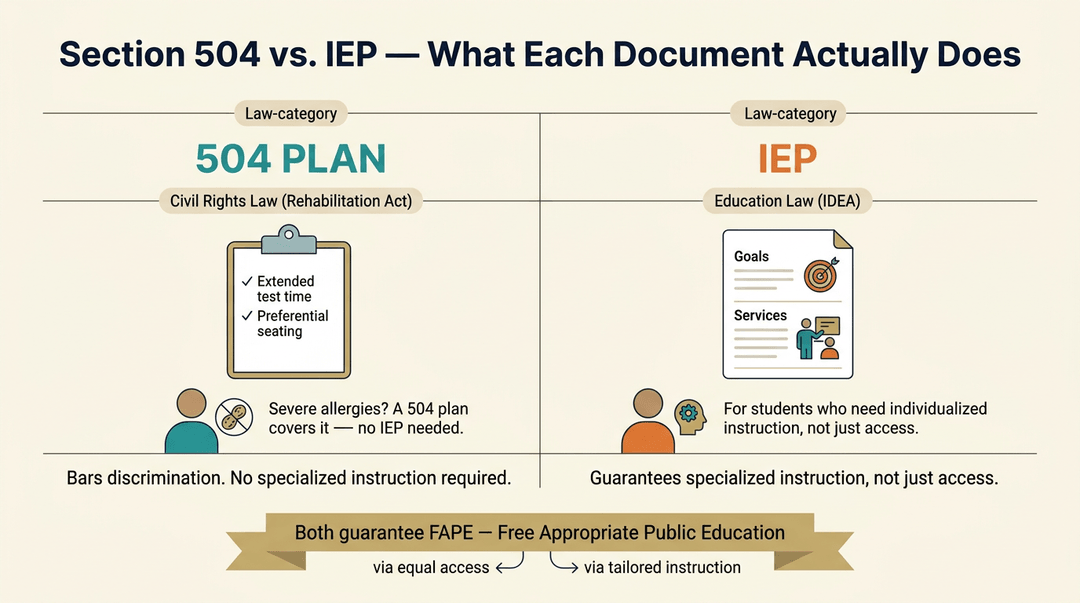
Section 504 comes from the Rehabilitation Act, a civil rights law, not an education law like IDEA. That distinction matters: 504 simply bars discrimination against students with disabilities, while IDEA guarantees them specialized instruction.
This shows up clearly in paperwork. A 504 plan lists accommodations (extended test time, preferential seating) for a student whose disability doesn't require specialized instruction.
An IEP goes further, spelling out individualized goals and services for a student who does. Think of a student with severe allergies: a 504 plan covers the accommodations, no IEP needed.
Both laws require a free appropriate public education (FAPE), just by different routes: IDEA through tailored instruction, 504 through equal access.
How ADA Title II extends protections
The Americans with Disabilities Act (ADA), specifically Title II, extends similar protections to public schools as government entities. It overlaps heavily with Section 504 and is enforced jointly with the Department of Justice (DOJ).
Who enforces these civil rights laws
The Office for Civil Rights (OCR) enforces both Section 504 and ADA Title II, fielding discrimination complaints from families and schools alike. OCR doesn't enforce IDEA directly; that falls to state education agencies instead.
IDEA isn't just a stack of legal requirements. It's a guarantee that every student with a disability gets a fair shot at real learning, and that guarantee only matters when it shows up in daily instruction.
Once you understand the law, the eligibility rules, and the rights behind them, the real work starts: building lessons that make those IEP goals visible every day, not just on paper.
Ready to put those goals into practice? Check out our Lesson Planning feature to organize and reuse plans that meet every learner where they are.
References
- A History of the Individuals With Disabilities Education Act — sites.ed.gov
- About IDEA — sites.ed.gov
- An Overview of the U.S. Department of Education: History and Purpose — ed.gov
- Categories of Disability under IDEA Children and Youth aged 3 through 21 — calstatela.edu
- Assistance to States for the Education of Children With Disabilities and Preschool Grants for Children With Disabilities Program; Early Intervention Program for Infants and Toddlers With Disabilities. Final regulations. — exa.ai (2017)
Frequently asked questions
What are the 14 disabilities under IDEA?
The federal IDEA regulations recognize 13 disability categories for students ages 3 through 21: autism, deaf-blindness, deafness, emotional disturbance, hearing impairment, intellectual disability, orthopedic impairment, other health impairment, specific learning disability, speech or language impairment, traumatic brain injury, visual impairment including blindness, and multiple disabilities. Some sources list 14 by counting deafness and hearing impairment separately, while others combine them as one related category.
What does IDEA mean in special education?
IDEA stands for the Individuals with Disabilities Education Act. It is the federal special education law that guarantees eligible children a free appropriate public education, protects parent and student rights, and sets requirements for evaluation, services, and educational placement.
Is IDEA the same as IEP?
No. IDEA is the federal law governing special education, while an IEP is the individualized plan created for an eligible student under that law. The IEP documents the student’s goals, services, accommodations, and supports.
Does IDEA have special education?
Yes. IDEA is the primary federal law for special education in the United States. It requires schools to provide eligible students with specially designed instruction, related services when needed, and a free appropriate public education in the least restrictive environment.