Weighted vs Unweighted GPA: The Complete Guide

Jump to section
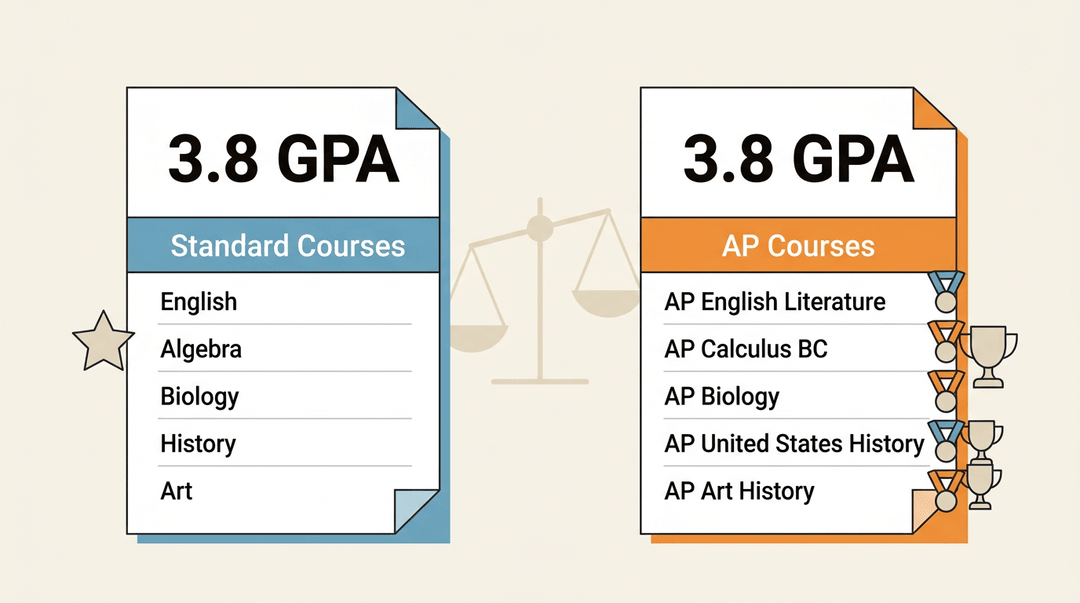
Think of two report cards, both showing a 3.8 at the top. One student took mostly standard classes. The other loaded up on Advanced Placement (AP) courses and still landed in the same spot. Same number, very different story.
That gap is the difference between weighted and unweighted GPA (grade point average): one scale rewards harder courses with extra points, the other treats every class the same.
Parents ask about it, students worry over it, and colleges read it closely, so let's break down what each scale actually means and how to calculate, explain, and track it in your own classroom.
Understanding Weighted vs Unweighted GPA
A report card full of A's and B's can mean very different things depending on how the math behind it works. Before you can explain grade point average (GPA) to a student or a parent, it helps to know exactly which version you're looking at.
Is a 4.0 GPA weighted or unweighted?
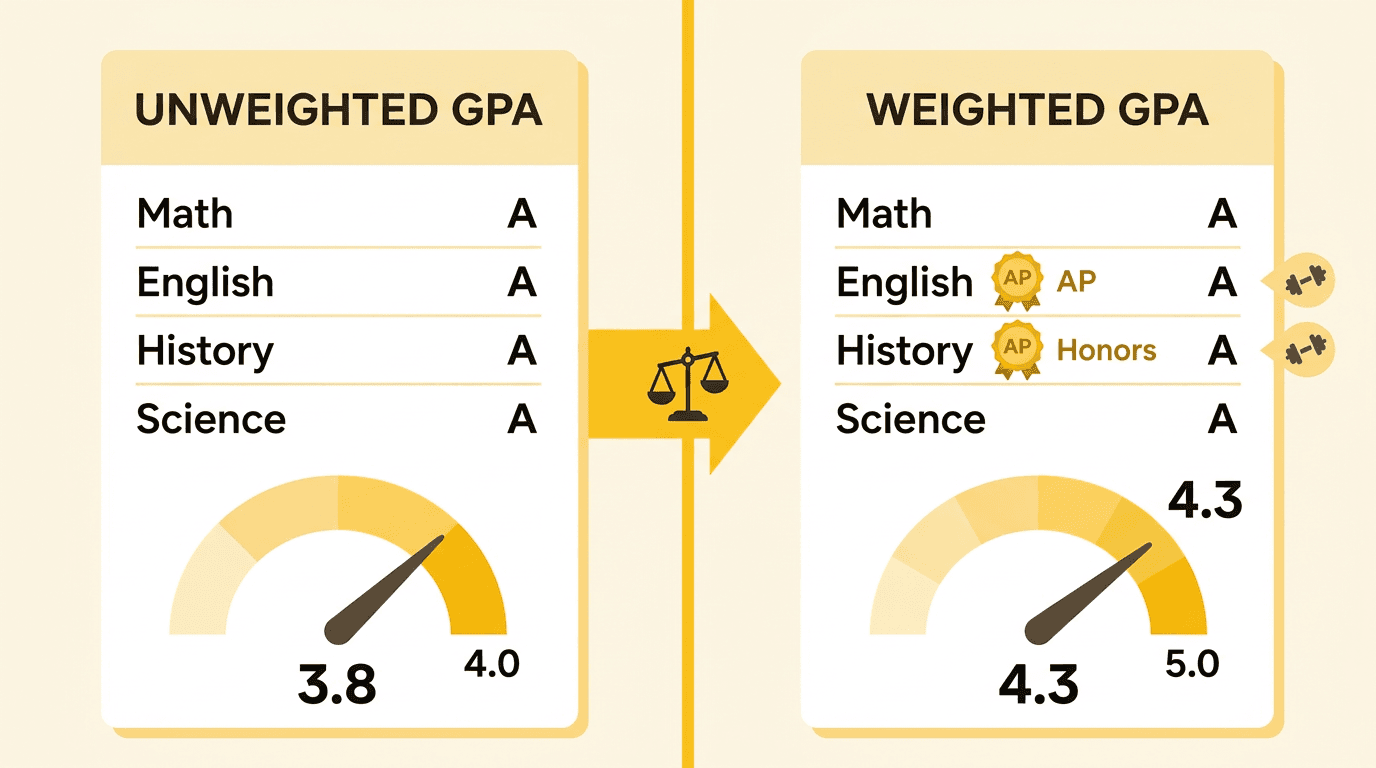
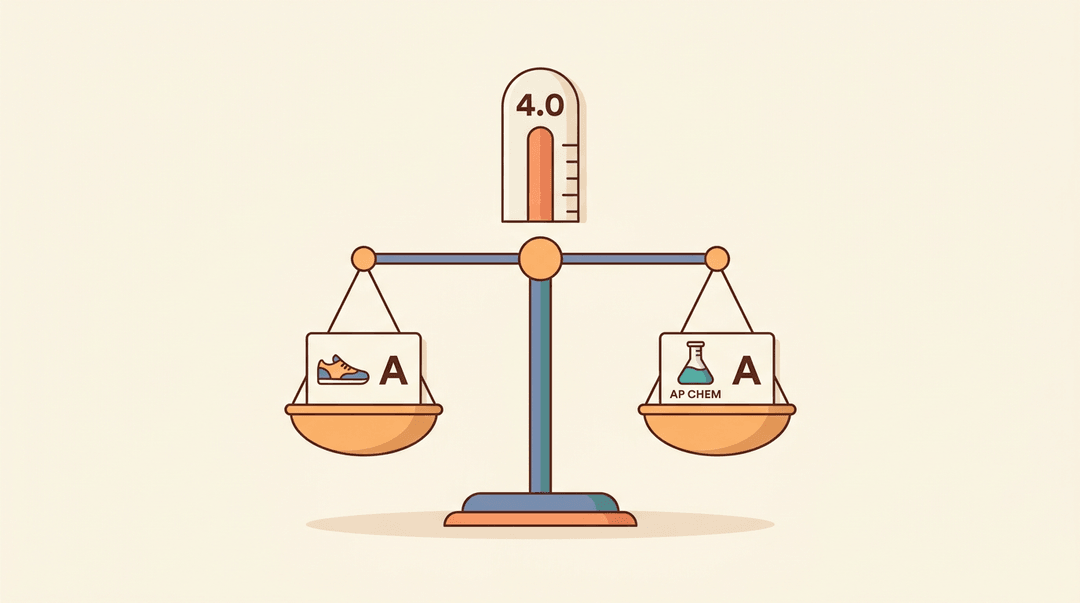
A 4.0 is the classic sign of an unweighted GPA. This scale tops out at 4.0 and treats every course the same: an A in gym counts exactly like an A in AP Chemistry.
There's no adjustment for how hard the class actually was, just a clean measure of how consistently a student earned top grades across the board.
What weighted GPA means
A weighted GPA builds in a bonus for tougher courses, like Advanced Placement (AP), International Baccalaureate (IB), or honors classes. Instead of capping at 4.0, the scale usually runs to 5.0 or higher, so extra rigor earns extra points.
That means a B in an AP class can carry the same weight as an A in a standard one, rewarding students who challenge themselves even when the grade isn't perfect.
How cumulative GPA is calculated
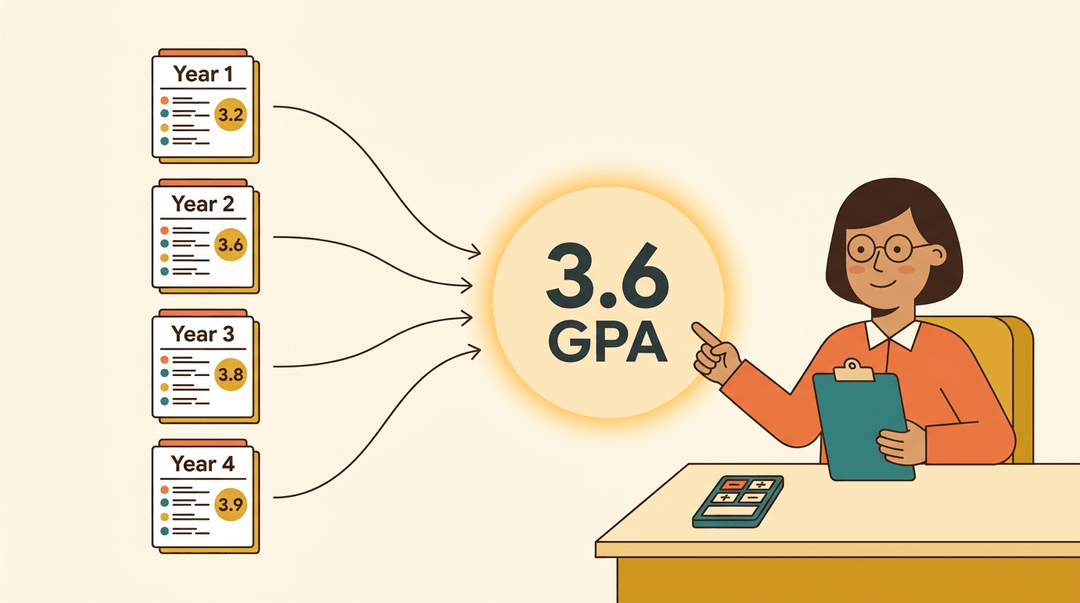
Cumulative GPA is simply the average pulled across every term of high school, not just one semester.
Add up the grade points from every course a student has taken, divide by the total number of courses, and you get one number that reflects the whole journey.
For example, a guidance counselor reviewing a transcript can use this single figure to compare four years of work at a glance.
How to Calculate Your GPA
The math itself isn't hard once you see the steps written out, though unweighted GPA and weighted GPA get there in different ways.
How to calculate unweighted GPA
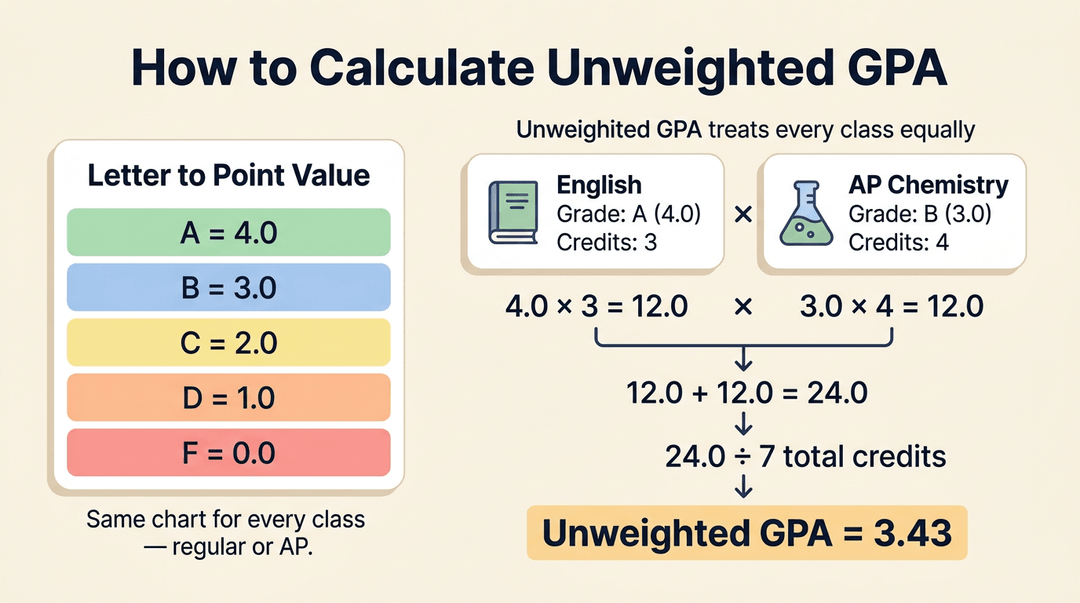
Unweighted GPA treats every class the same, whether it's regular English or AP Chemistry. Here's the process:
- Convert each letter grade to points (A = 4.0, B = 3.0, C = 2.0, D = 1.0, F = 0.0).
- Multiply each grade point by that course's credit hours.
- Add those totals together and divide by the total number of credits.
For example, a student earns an A (4.0) in a 3-credit class and a B (3.0) in a 4-credit class: (4.0 x 3) + (3.0 x 4) = 24, divided by 7 total credits = a 3.43 GPA.
That same conversion chart, letter to point value, is the backbone of every unweighted calculation, no matter how many classes get added in.
What is a 4.2 weighted GPA to unweighted?
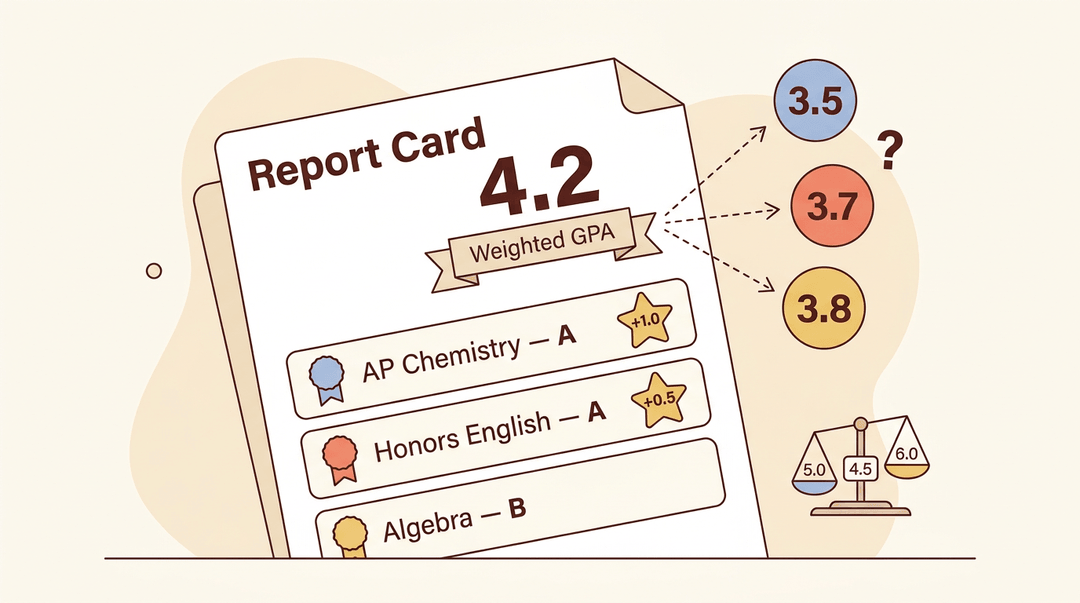
Weighted GPA starts with that same point scale, then adds bonus points for tougher courses: often +0.5 for honors and +1.0 for AP or IB on a 5.0 scale. Some schools use a 4.5 scale, others go to 6.0, so the scale matters as much as the grade.
Say a student takes one AP class (A, 5.0), one honors class (A, 4.5), and one regular class (B, 3.0), each worth one credit. Averaged across those three credits, that's a 4.2 weighted GPA.
Converting it back means stripping out the bonus points per course, which requires knowing exactly which classes were weighted and by how much.
That's why there's no universal formula: a 4.2 might land anywhere from a 3.5 to a 3.8 unweighted, depending on the school's system. A gradebook that auto-weights grade categories saves you from redoing this math by hand every report card cycle.
Explaining GPA to Students and Parents
Most GPA confusion isn't about math: it's about timing. Families hear "weighted" for the first time during junior-year college talks, when the transcript is already set. This guide gives you a plan for getting ahead of that.
Start the conversation early
Introduce GPA basics in the first weeks of the year, before grades carry any emotional weight. Two things to cover up front:
- The basic scale. A = 4.0, and each letter steps down from there.
- The honors/AP bonus. Preview it now so it's not a surprise at course-selection time.
A simple side-by-side chart does more than ten minutes of explanation. Post one like this:
| Grade | Unweighted | Weighted (honors/AP) |
|---|---|---|
| A | 4.0 | 5.0 |
| B | 3.0 | 4.0 |
| C | 2.0 | 3.0 |
Walk through both calculations live
Don't just show the formulas: run them in real time, so families see the numbers move.
- Pull up a real transcript example. Anonymized, with a mix of regular and honors courses.
- Calculate the unweighted GPA together. Add the grade points, divide by the number of courses.
- Recalculate with weights added. Same grades, honors courses now worth an extra point.
- Name the gap between the two numbers. That gap is what "weighted" means.
Example: A student with an A in regular English and a B in AP Biology has a 3.5 unweighted. Weighted, that AP B becomes a 4.0, so the GPA rises to 4.0. Seeing both numbers from the same grades is the lightbulb moment.
Then open the tradeoff conversation directly. Try: "A B in an AP class can outweigh an A in a regular class on paper, but is the workload right for you this year?" There's no universal right answer, and students should hear that from you.
Document GPA for homeschool records
Homeschool families face an extra wrinkle: colleges will see a parent-built transcript, so the documentation has to do the explaining. Before finalizing records, confirm:
- Your grading scale is written down. State it on the transcript itself: "A = 90-100 = 4.0."
- Your weighting method is stated. Which courses earned bonus points, and how much.
- The same method runs through every year. Consistency is what makes the record credible.
⚠️ Watch out: There's no universal weighting standard. Admissions offices know this, and many recalculate GPA their own way, so a clearly documented scale matters more than which scale you chose.
Once families understand the two numbers, keeping both current shouldn't cost you extra work: see how EMStudio's gradebook automatically calculates both weighted and unweighted GPA as you grade.
How Much Does GPA Really Matter
So where does GPA actually fit into a student's future? It's a signal, not a verdict, and it's worth knowing what it can tell you and what it can't.
GPA matters but isn't everything
GPA is a major academic indicator. It's the quickest way for colleges and scholarship committees to see whether a student stayed consistent and took on real rigor over four years.
Consider a college admissions officer scanning a stack of transcripts: a strong weighted GPA signals someone who challenged themselves and kept up.
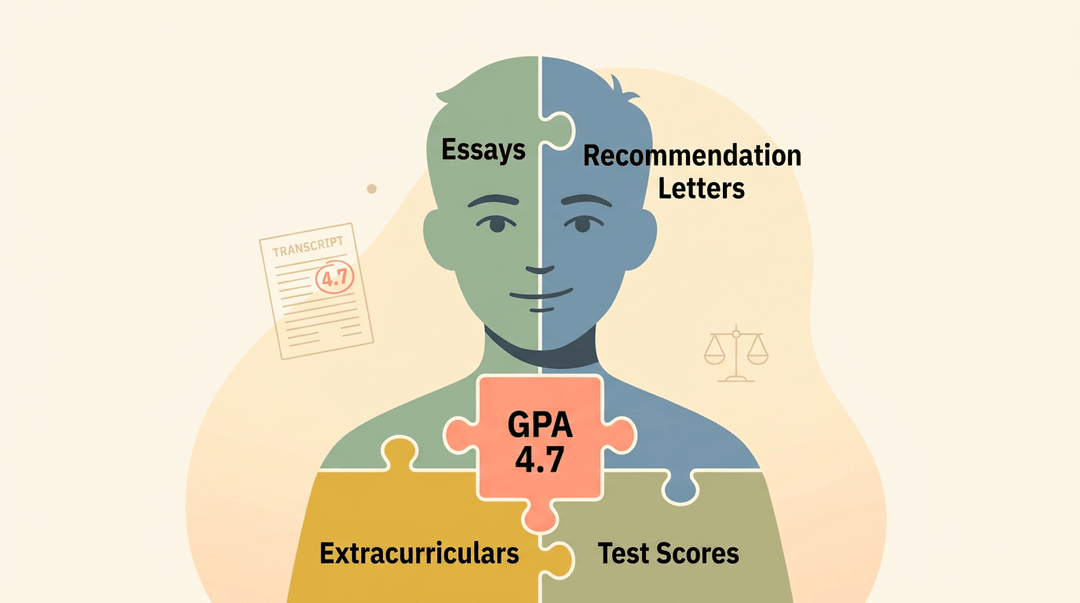
So is a 4.7 weighted GPA good? On most weighted scales that top out around 5.0, yes, a 4.7 puts a student near the top of the pack, especially if it reflects several AP or honors courses rather than easier electives.
That same number also matters for scholarship eligibility, since many merit-based awards set a minimum GPA threshold, weighted or unweighted, that applicants have to clear before anything else about their application gets considered.
But GPA is not the sole determining factor in admissions or scholarship decisions. Essays, recommendation letters, extracurriculars, and test scores all carry weight too.
For teachers, that's worth remembering in the day-to-day: students are more than a number on a transcript. A B+ earned in a demanding course can say more about a student's grit than an easy A ever could.
How Colleges Read Your GPA
So how does an admissions officer actually look at that number on your transcript? Not as simply as you might think.
Colleges don't favor one GPA type
Admissions offices don't secretly prefer weighted or unweighted GPA. What matters more is context.
They read whichever number your school reports and interpret it against that school's own grading policies, which vary widely from one building to the next: a B+ at one high school might be a straight B somewhere else.
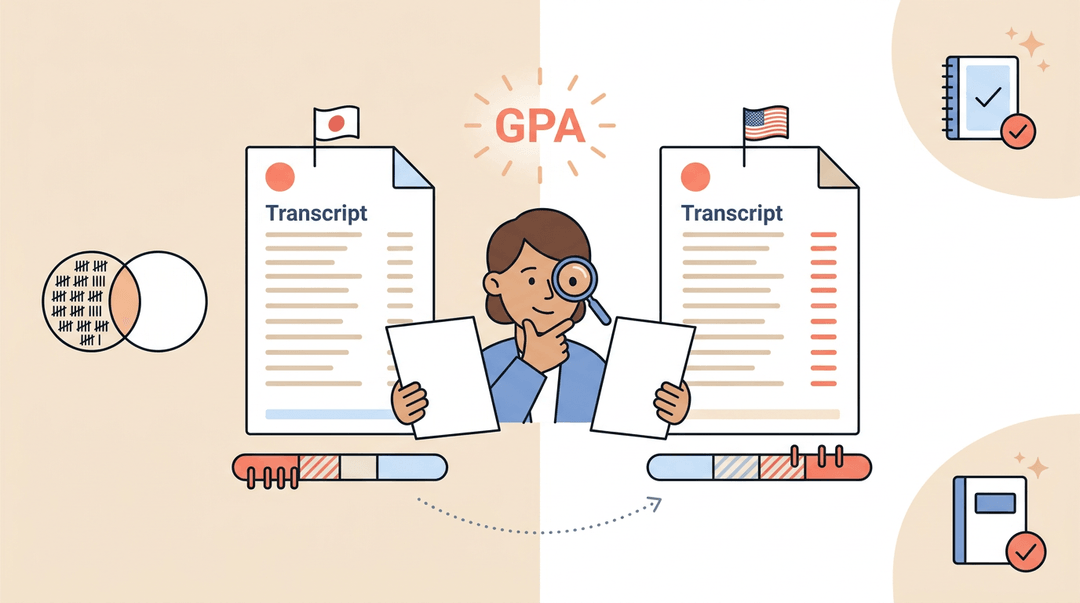
How colleges recalculate your GPA
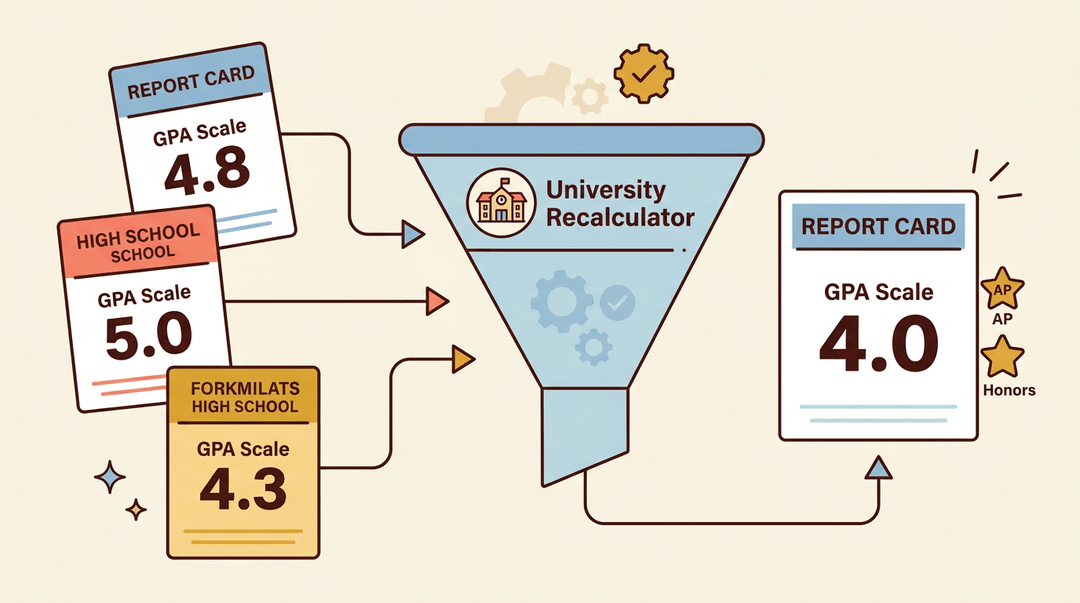
To level the playing field, some colleges toss out your school's number and build their own.
The University of Michigan, for instance, converts every first-year applicant's GPA to an unweighted 4.0 scale using core classes from 9th through 11th grade, counting only the letter grade itself rather than any weight your school added.
That recalculation normalizes GPA across thousands of different high schools, then adds back a capped number of points for honors and AP courses so rigor still counts, just on the college's terms instead of yours.
Why your school profile matters
That's where the school profile comes in. Most high schools send one alongside every transcript, and it spells out:
- the grading scale
- the course catalog
- how many students take AP or honors classes
Admissions readers use it to interpret your GPA instead of judging the number on its own: the transcript shows the courses you actually took, and the profile gives those courses meaning.
GPA is just one piece
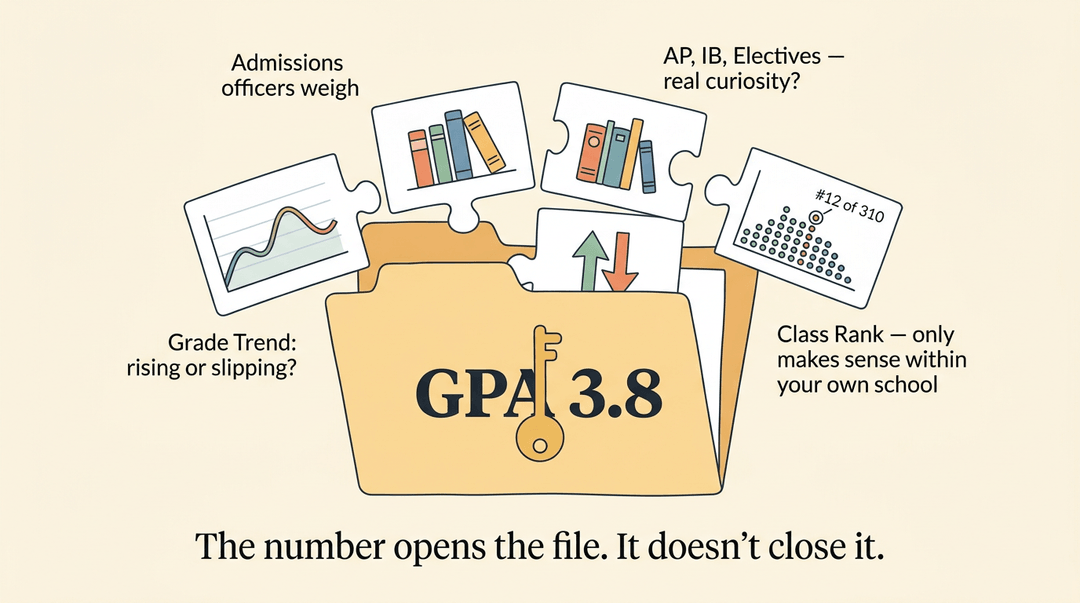
Even with all that context, GPA shares the stage. Admissions officers also weigh:
- whether your grades trended upward or slipped
- whether your course choices show real intellectual curiosity
- how your GPA lines up with your class rank, a separate measure that only makes sense inside your own school's pool of students
The number opens the file. It doesn't close it.
Choosing How Many Hard Classes
When a student asks whether to load up on Advanced Placement (AP) or honors classes (courses that carry extra weight in a weighted GPA), the honest answer is: it depends on the grades behind them.
This is where you'll often get pulled in as the advisor who helps a student read the numbers before they build next year's schedule.
Should you use weighted or unweighted GPA?
Rigor only pays off if the grades hold up.
A student who earns a B in AP Chemistry usually comes out ahead of one who earns an A in a standard section, but a C in that same AP class can drag the weighted GPA below where a strong unweighted record would sit.
Colleges know this, too: admissions offices routinely recalculate transcripts on their own scale, so stacking hard classes just to inflate a number doesn't fool anyone. It just adds risk.
Consider a junior who signs up for four AP courses to impress an admissions reader and instead ends up exhausted, sleep-deprived, and posting the lowest grades of their high school career.
That's the real tradeoff: rigor helps when it's sustainable, and it backfires when it isn't.

Balancing rigor with your well-being
Encourage students to pick at least one demanding class because it genuinely interests them, not just because it looks good on paper.
A packed schedule of five AP courses might maximize the weighted GPA on paper, but if it leaves no room for sleep, sports, or actually understanding the material, it's not a win.
The goal isn't the most rigorous schedule possible: it's the most rigorous schedule a student can handle well, one that keeps growing without burning them out along the way.
Context That Shapes Your GPA Story
A GPA doesn't tell the whole story on its own, and you're often the one who helps fill in the rest of it for a student's transcript.
Explaining a low GPA or hardship
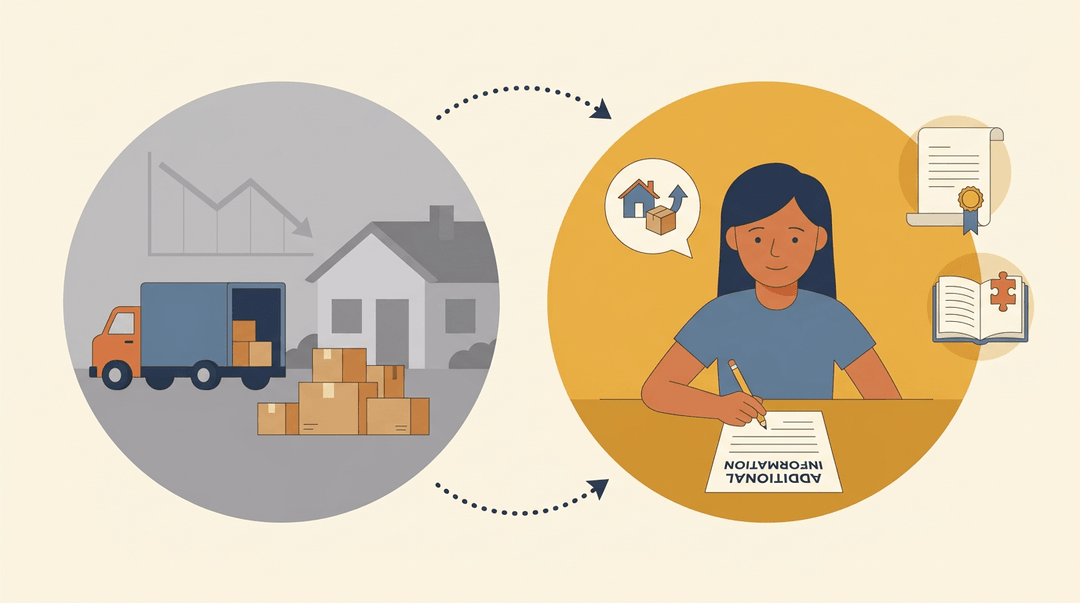
Consider a junior whose grades dipped after a family move disrupted her sophomore year. Colleges have a place for that story: the additional information section on most applications lets students explain hardship in their own words.
A counselor's letter can back that up with outside context, and learning differences, like a late diagnosis of dyslexia, get weighed the same way. The goal isn't to hide a rough patch. It's to explain it.
Why grade trends matter over time
Admissions officers read a transcript left to right, not just the bottom line. An upward trend, weak freshman grades followed by strong junior and senior years, signals real growth.
Think of a student who struggled with the jump to high school but found his footing by junior year: that late bloomer profile can read stronger than a flat 4.0 that never moved.
Consistency in core subjects (math, science, English, history) still matters, since it shows a student can hold performance steady where it counts most.
GPA considerations for international students
For international students, you'll want to read GPA against the grading norms of their home system, not a straight American scale. A student from a school that rarely hands out top marks shouldn't be penalized for lacking a 4.0.
When you're helping build a school list, factor in how each institution actually interprets foreign transcripts, so reach, match, and safety schools line up with a realistic reading of the record rather than the raw number alone.
Weighted and unweighted GPA aren't rival systems: they're two lenses on the same transcript, one built for rigor and one built for simplicity.
Once you know how each number is calculated and how colleges actually read it, it stops feeling mysterious, for you and for the students asking about it.
Ready to take the guesswork out of the math? Check out our Grading & Assessment gradebook, built to calculate GPA automatically so you spend less time on arithmetic and more time teaching.
References
- Recalculated GPA for First-year Applicants — teamdynamix.umich.edu
Frequently asked questions
Is weighted GPA better than unweighted?
Neither is automatically better. An unweighted GPA shows grades on a consistent 4.0 scale, while a weighted GPA rewards students for taking honors, AP, or IB courses. Colleges usually consider both the grades and the difficulty of the courses in context.
Is a 4.7 weighted GPA good?
Yes, a 4.7 weighted GPA is generally excellent, especially on a scale that tops out around 5.0. It usually indicates very strong grades in advanced courses, although its meaning depends on the school’s weighting system and course rigor.
Is a 4.0 GPA considered weighted or unweighted?
A 4.0 GPA usually refers to an unweighted GPA, because the traditional unweighted scale typically tops out at 4.0. A weighted GPA can also equal 4.0, however, depending on the courses and grading system.
Should I use weighted or unweighted GPA?
Use the GPA format your school requires, and keep track of both when possible. Choose courses based on a sustainable balance of challenge and strong performance, since excessive rigor that lowers your grades can hurt more than it helps.
What does a 3.7 unweighted GPA mean?
A 3.7 unweighted GPA generally means a student has earned grades averaging between an A- and B+, depending on the school’s grading scale. It reflects strong academic performance without adding extra points for honors, AP, or IB courses.