What Is Standards-Based Grading, and Why Schools Use It

Jump to section
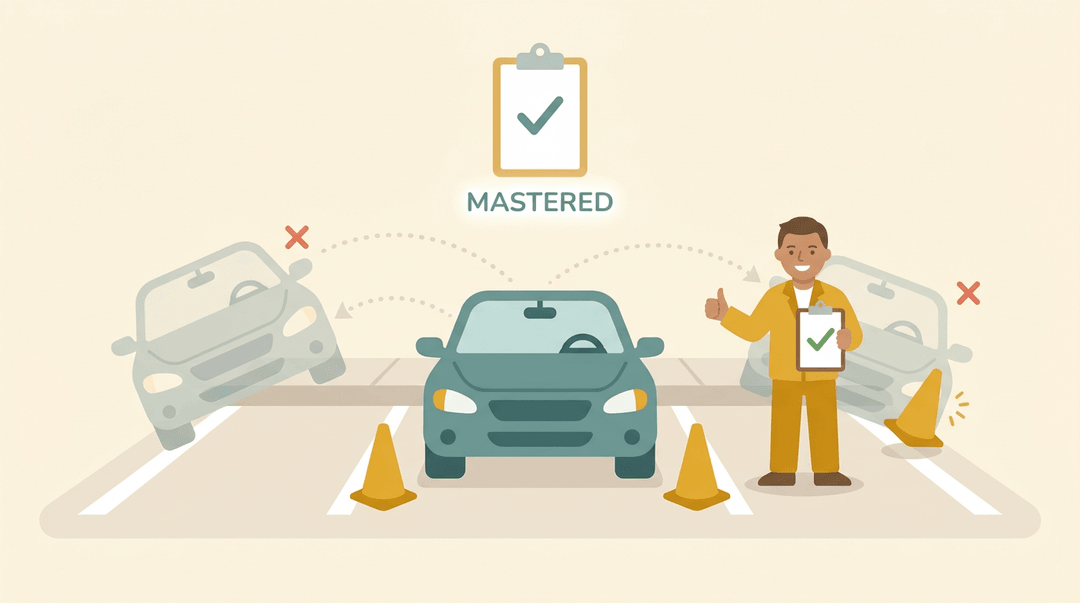
Think about learning to parallel park. Your instructor doesn't average your first wobbly attempt with the clean one you finally nail. They care about whether you can do it now.
That's the logic behind standards-based grading: a system that scores students on whether they've mastered a specific skill, not on how those attempts average out along the way.
It's catching on because a report card built this way tells you, and parents, exactly what a student can do. Here's what that looks like in a real classroom, and how to make it work for you.
What Is Standards-Based Grading?
Grades used to answer one question: how many points did a student earn? Standards-based grading asks a different one: what can this student actually do? That shift changes everything from report cards to daily lesson planning.
How SBG Measures Mastery, Not Completion
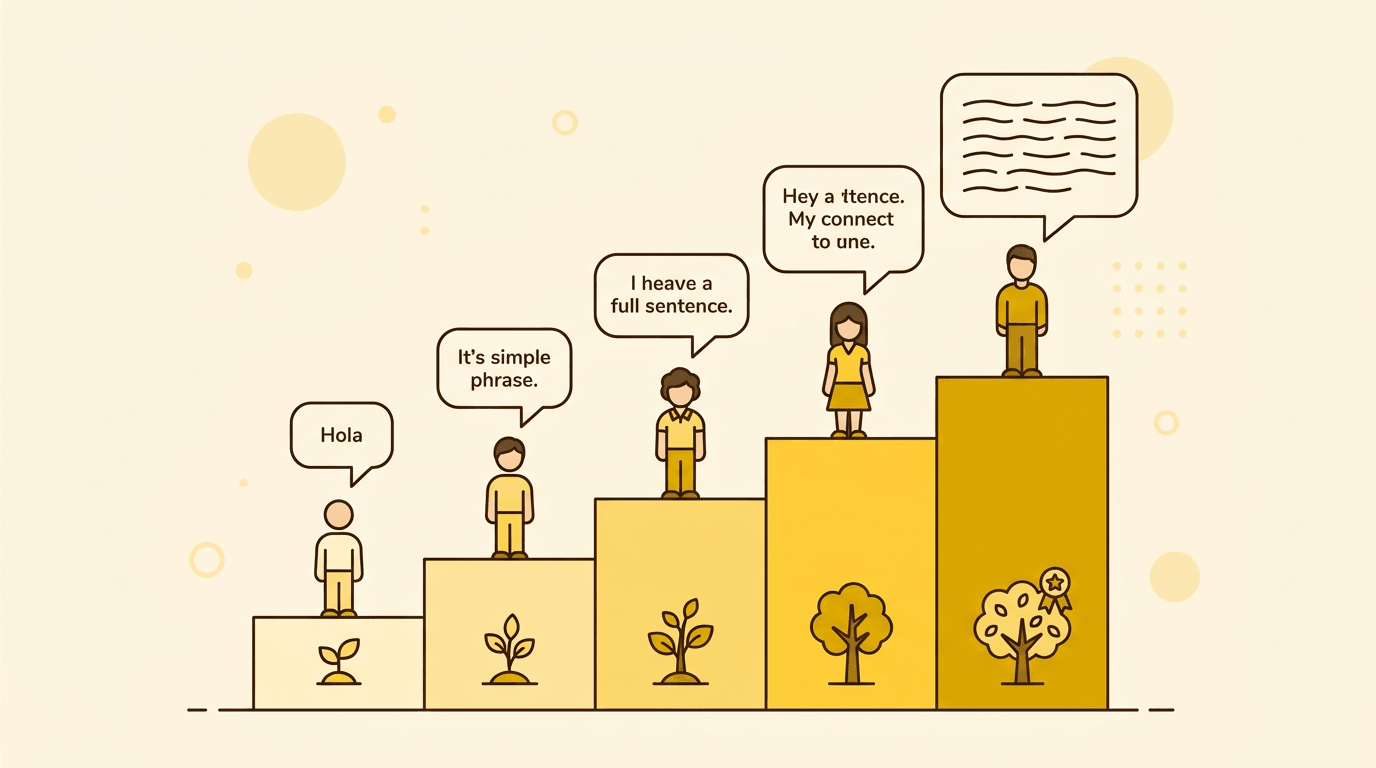
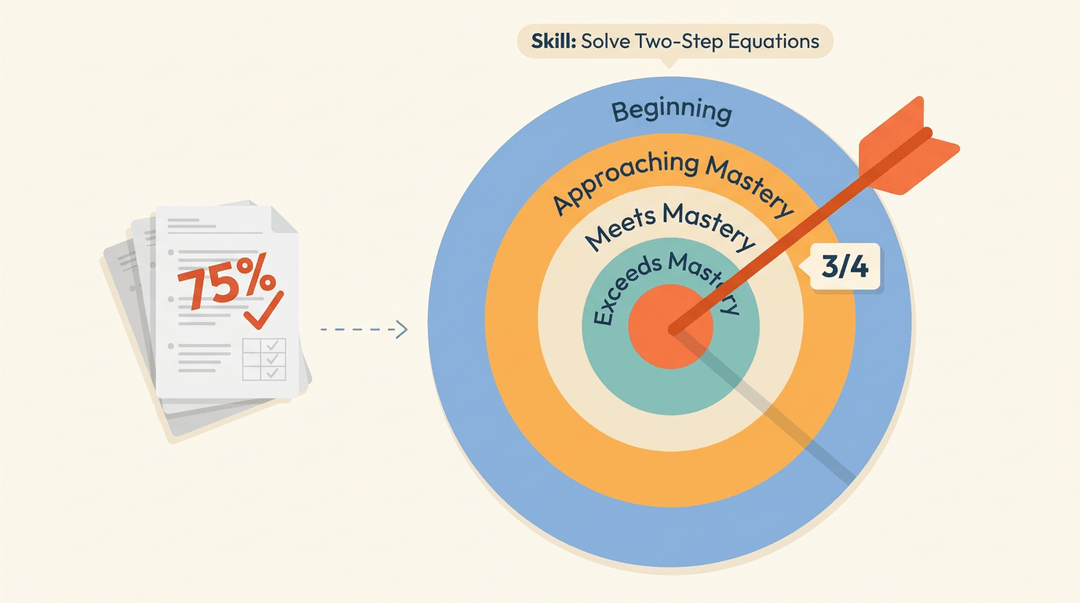
Standards-based grading (SBG) measures whether a student has mastered a specific skill, not whether they simply turned in the work.
Instead of averaging points and percentages into one number, it reports progress against a defined standard, so a 3 out of 4 means approaching mastery, not 75% correct.
The focus stays fixed on the learning target itself: the concrete skill or piece of knowledge a lesson is built to teach.
Where Standards-Based Grading Came From
The idea isn't new. Its roots reach back to education reforms of the 1980s and 1990s, decades before "standards" became a household word in schools.
Momentum built through the 2000s, as mastery-grading approaches grew alongside the standards-based reform movements of the prior decade.
California shows what that looked like in practice: by 2000, the state had authorized standards-based writing tests in grades 4 and 7, plus new history and science assessments.
That kind of early, formal rollout is part of why SBG remains common in certain states today.
How Standards and Power Standards Fit Together
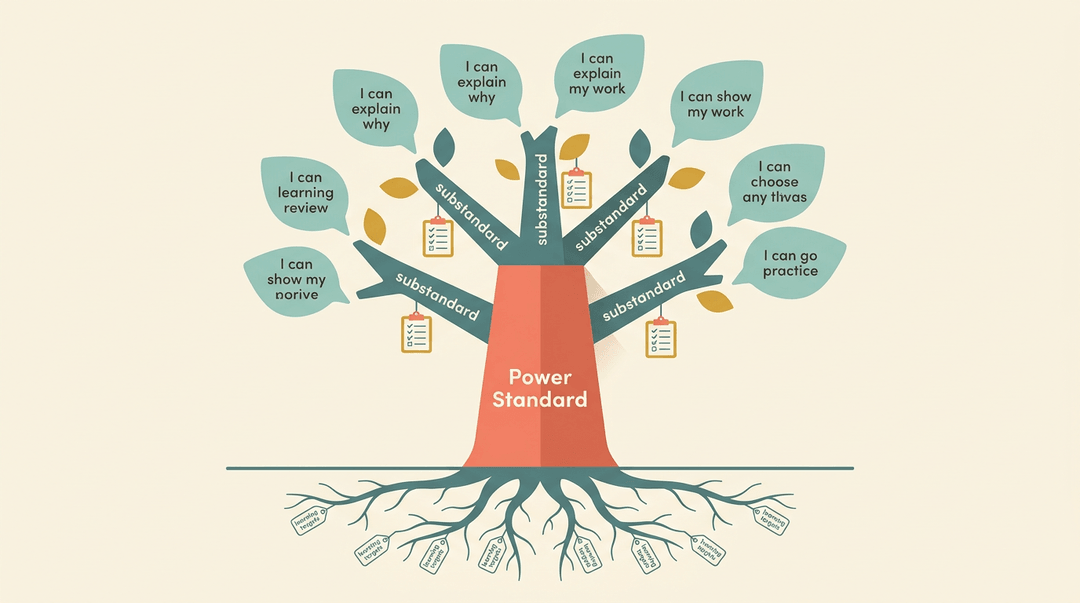
Every SBG system rests on learning targets: clear statements of what students should know or be able to do.
Not all targets carry equal weight, so many schools prioritize a handful of power standards, the essential skills that matter most for long-term success.
Those power standards often break down into substandards, smaller skills that build toward the bigger goal, each written in student-friendly language so a student can read a rubric and understand exactly what's being asked of them.
How Standards-Based Grading Works in Class
Once the scale is set, the real work starts: turning mastery data into daily decisions. Here's what that looks like from bell to bell.
Teaching That Adapts to Mastery Data
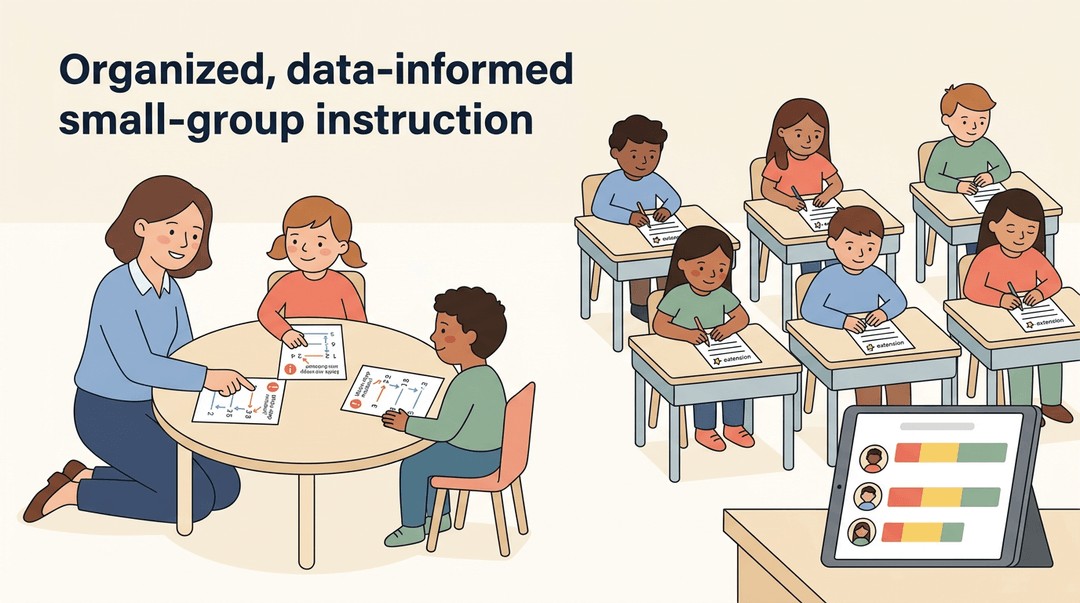
When you know exactly which standard a student hasn't hit, you can act on it instead of guessing. That's the engine behind differentiated instruction: grouping students by level, running quick reteaching and feedback loops, and adjusting pacing so nobody moves on before they're ready. A fourth-grade teacher might pull a small group still struggling with multi-step word problems while the rest of the class tackles an extension task, then loop back the next day based on a quick check.
What Are Some Examples of Standards-Based Grading?
So what does this actually look like in practice? A few common threads:
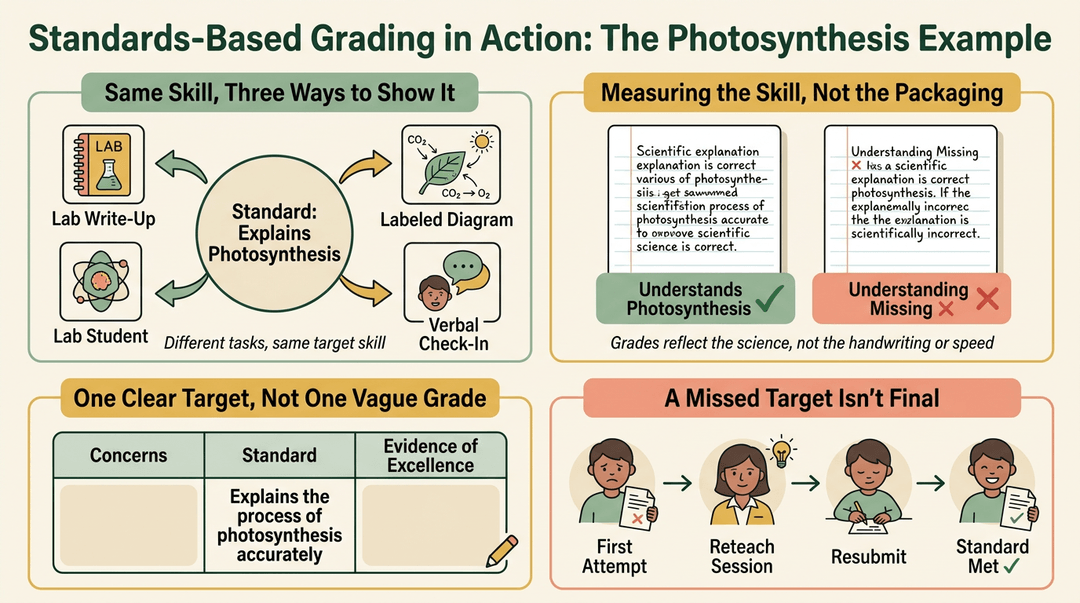
- Multiple assessment types. Quizzes, projects, and conferences all measure the same standard from different angles.
- Valid, unbiased assessments. Each task measures the skill itself, not handwriting, speed, or compliance.
- Rubrics break down targets. Instead of one overall grade, students see exactly which part of a standard they've met.
- Redo and reassessment opportunities. A missed target isn't final; students can revise or retest once they've relearned the material.
For example, a middle school science teacher grading "explains photosynthesis" might use a lab write-up, a diagram, and a short verbal check-in, then let a student who scored low resubmit after a reteach session.
A simple single-point rubric might look like this:
| Concerns | Standard | Evidence of Excellence |
|---|---|---|
| Explains the process of photosynthesis accurately |
How Teachers Prioritize Which Standards Matter
Not every standard carries equal weight, so many schools sort them using five criteria:
- endurance
- leverage
- readiness for the next grade
- presence on external exams
- student interest
A four-step process usually follows:
- List every standard
- Rate each against those criteria
- Separate power standards from the supporting substandards beneath them
- Finalize the list as a grade-level team so grading stays consistent from classroom to classroom
Supporting Students With Special Learning Needs
Standards-based grading can flex for the students who need it most. Accommodations change how a student shows mastery, like extra time or a read-aloud; modifications change what's being measured. A quick preassessment helps you spot where adjustments are needed, an IEP might call for a modified scale, and gifted learners can extend into deeper standards instead of repeating ones they've already mastered.

A Teacher's Standards-Based Grading Checklist
Everything above explains what standards-based grading is; this checklist turns it into a working system. Run the first block before students arrive, the second every week, and the third at reporting time.
Before the term: build your foundation
- Identify your power standards. Pick the standards worth tracking all term.
- Write each as a student-facing skill: "I can solve two-step equations."
- If a standard won't appear on a report card, don't track it separately.
- Define what every scale level means. Write one plain sentence per level and post it.
- 3: Meets the standard independently. 2: Approaching it, needs support. 1: Beginning.
- Prep a sample rubric for each power standard. Fill in what a 3 actually looks like.
- ✅ "Solves the equation and checks the solution": observable, specific.
- ❌ "Understands equations well": can't be scored, because "well" isn't defined.
During the term: track mastery, not points
- Run frequent formative checks. Short and low-stakes beats long and graded.
- Try a two-question exit ticket tied to one standard, scored 1 to 4.
- Offer a standing reassessment window. Post the policy so it's not a negotiation.
- Say: "You can reassess any standard after you show me new practice on it."
- Track mastery per standard, not per assignment. One gradebook column per standard.
- Record the most recent score, so the column shows where the student is now.
Example: A student scores 2 on "solve two-step equations" Tuesday, practices, and reassesses Friday at 3. The column reads 3, because the earlier struggle isn't averaged against the learning.
At reporting time: make the numbers speak
Translate mastery to letter grades with a published conversion, agreed on before the term:
| Typical mastery level | Reported grade |
|---|---|
| Mostly 4s | A |
| Mostly 3s | B |
| Mostly 2s | C |
Send parent-friendly reports. Lead with skills, not symbols.
- Say: "Maria consistently meets the standard on fractions and is approaching it on decimals."
Show growth over time. Include each standard's earlier score next to the current one, so "2 → 3 this unit" tells the story a single letter can't.
⚠️ Watch out: the reporting step is where manual systems collapse. One column per standard per student adds up fast, and averaging by hand recreates the exact problem you switched to escape.
See how EMStudio's online gradebook auto-calculates mastery levels across standards, saving you the manual tracking.
Standards-Based Grading vs Traditional Grading
Once you know what standards-based grading is, the real question is how it plays out next to the grading you probably grew up with. The differences show up in the math, the message, and the meaning behind every score.
How the Grading Basis Differs
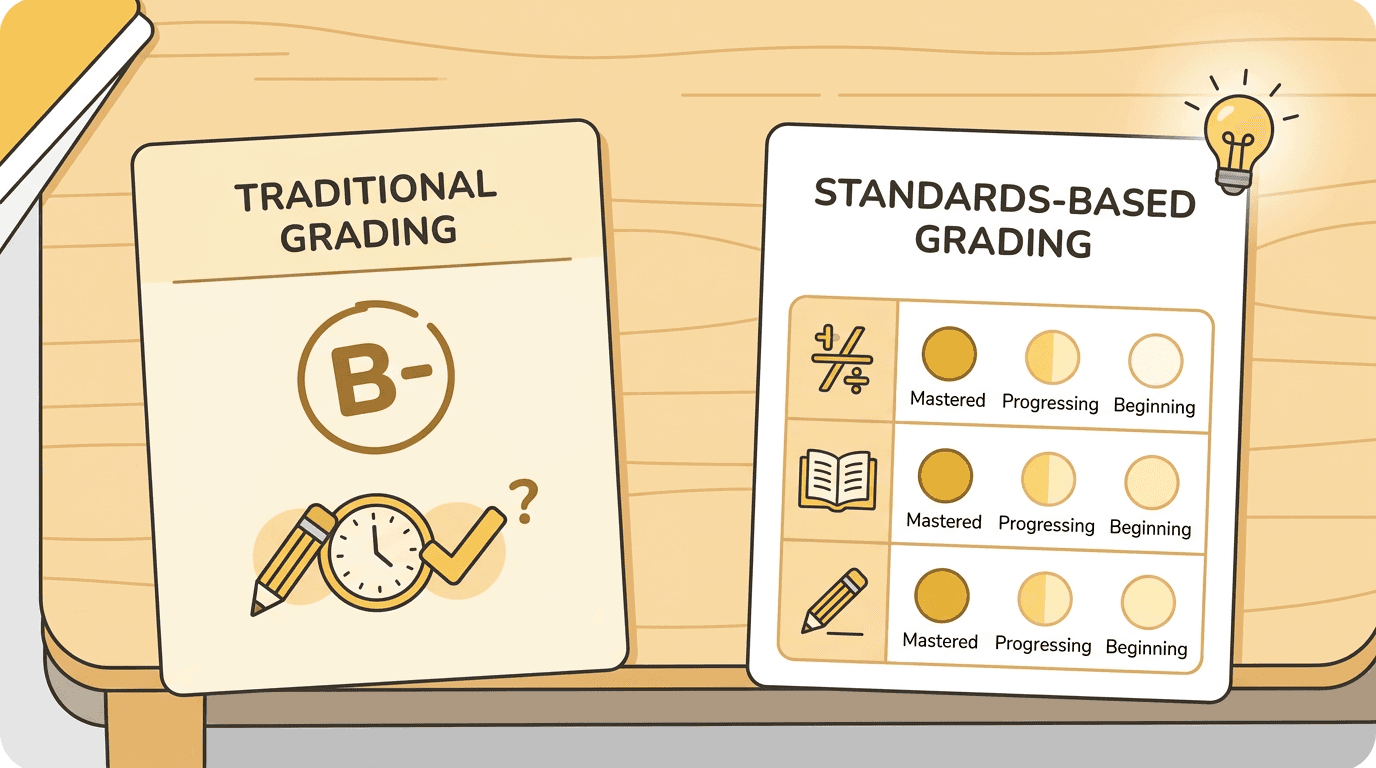
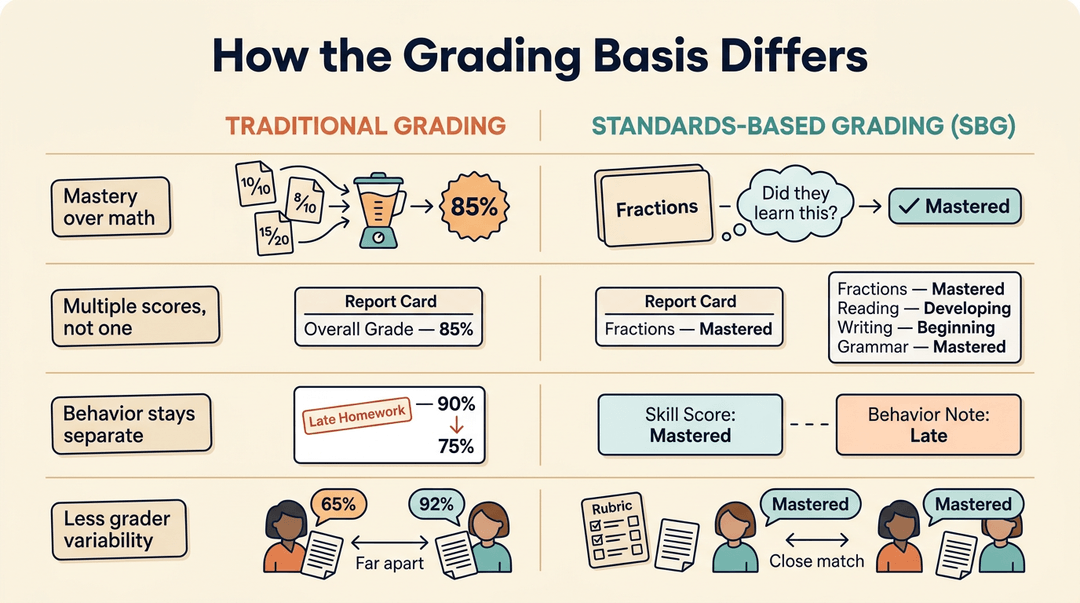
Traditional grading tallies points and percentages across everything turned in. Standards-based grading (SBG) scores students against specific skills, or standards, they're expected to master. A few core shifts:
- Mastery over math. Instead of one blended percentage, you're asking: has this student learned this skill?
- Multiple scores, not one. A single "85%" becomes several scores, one per standard, so a report card shows exactly where a student stands on each.
- Behavior and effort stay separate. A late assignment or a chatty afternoon doesn't touch the mastery score.
- Less grader-to-grader variability. Clear criteria mean two teachers scoring the same work land closer to the same result.
Why SBG Grades Are More Accurate
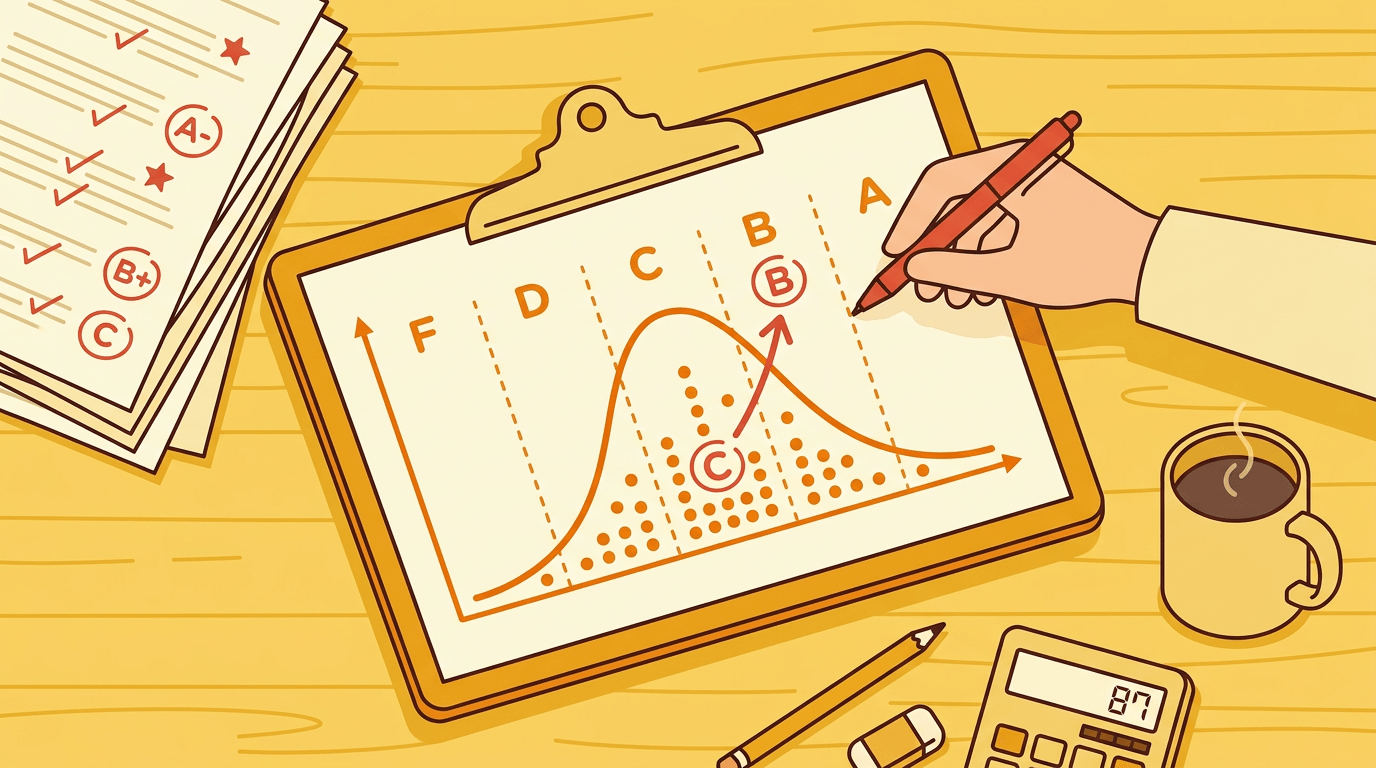
A traditional average can hide a lot. A student who bombed the first quiz and aced everything after still shows a lower grade than what they actually know now.
Harder assignments can quietly drag a grade down, and curving or extra credit only patches the problem instead of fixing it.
SBG skips the patchwork: each score reflects one clear criterion, so the grade tells you what a student can do, not how the averages shook out.
What Does a 3 Mean in Standards-Based Grading?
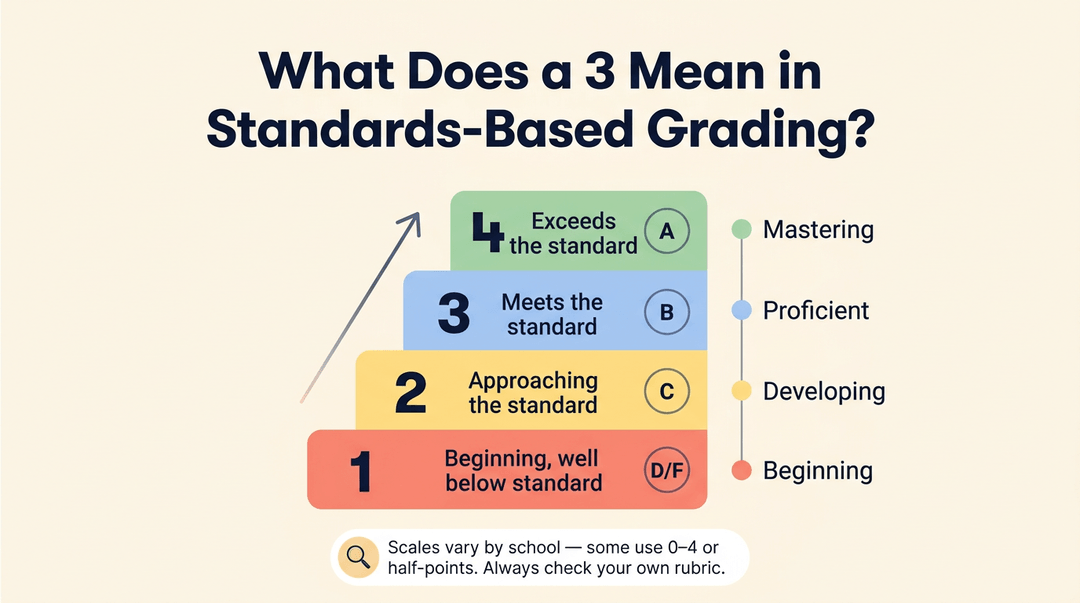
Most schools use a 1 to 4 scale, though some use 0 to 4 or add half-points, and others swap numbers for labels like Beginning, Developing, Proficient, and Mastering. Scales vary by school, so always check your own rubric. Generally:
- 4: Exceeds the standard
- 3: Meets the standard
- 2: Approaching the standard
- 1: Beginning, well below the standard
For report cards or GPA, many schools convert scores like this:
| Score | Letter Grade |
|---|---|
| 4 | A |
| 3 | B |
| 2 | C |
| 1 | D/F |
Benefits and Impact of Standards-Based Grading
Done well, standards-based grading changes more than the report card. It reshapes how students feel about learning and how teachers respond to it.
How SBG Boosts Motivation and Confidence
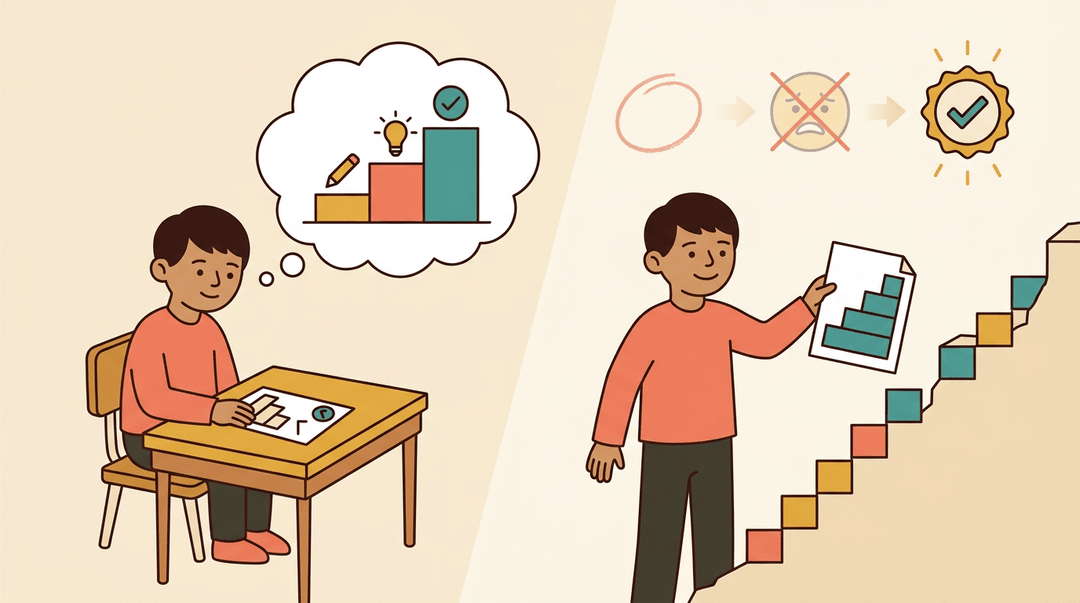
When grades track mastery instead of a single test day, students chase understanding rather than points. That shift builds real intrinsic motivation: they revise a skill because they want to get it right, not because a grade is locked in. A study on standards-based grading found it reduced students' test anxiety, and even closed the usual gap between male and female students' anxiety levels. Because no single assignment permanently damages a grade, students see setbacks as a checkpoint, not a verdict, and take ownership of their own progress.
How SBG Sharpens Teaching and Feedback
Standards-based grading also sharpens what happens on your side of the desk. Instead of a vague 82%, feedback points to a specific standard a student hasn't mastered yet, so revision has direction. That same data flags gaps in real time, letting you adjust tomorrow's lesson instead of waiting for a unit test. It gives PLC teams (professional learning communities) a shared, standard-by-standard language for comparing notes across classrooms.
How SBG Helps Leaders and Equity
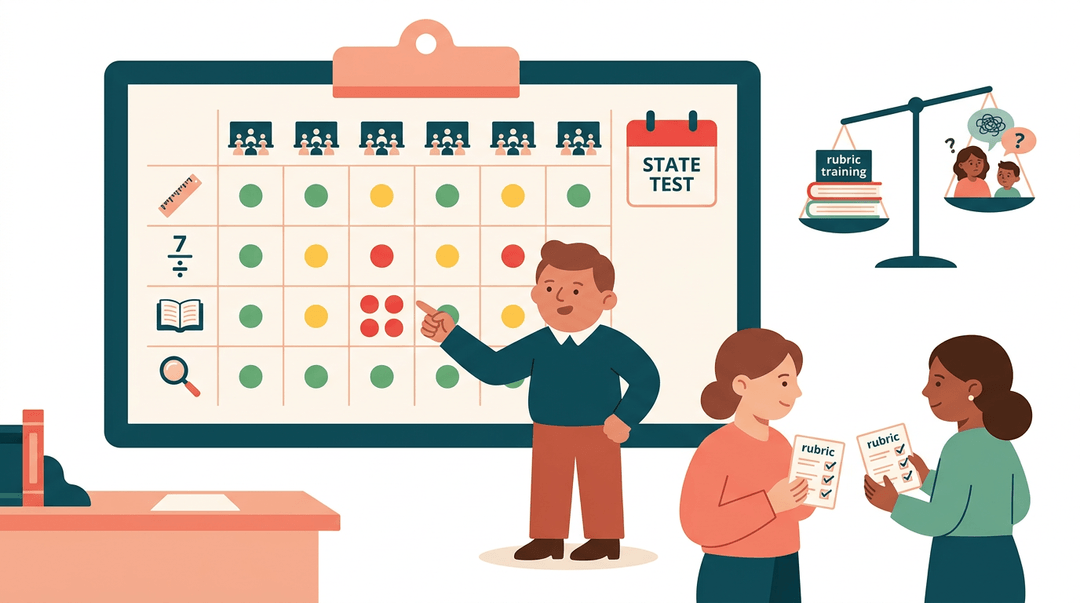
For school leaders, standards-based data surfaces which standards a grade level is struggling with, long before state testing. It aligns naturally with MTSS/RTI (multi-tiered systems of support), and pushes grading toward consistency, since every teacher scores the same standard the same way. That consistency is also its biggest catch: it demands calibrated rubrics and real training time, and switching systems can confuse students and parents used to averages. Those growing pains are the honest tradeoff behind the benefits.
Rolling Out Standards-Based Grading
A shift this big works best in stages, not an overnight flip.
Guidance for School Leaders
Start with staff buy-in: teachers who understand why it matters will carry the change further than any mandate ever could. Pilot with one grade level or subject before scaling schoolwide, and back the rollout with ongoing training, not a single workshop. Form standard-prioritization committees to narrow broad standards into a handful of power standards each grade actually grades on.
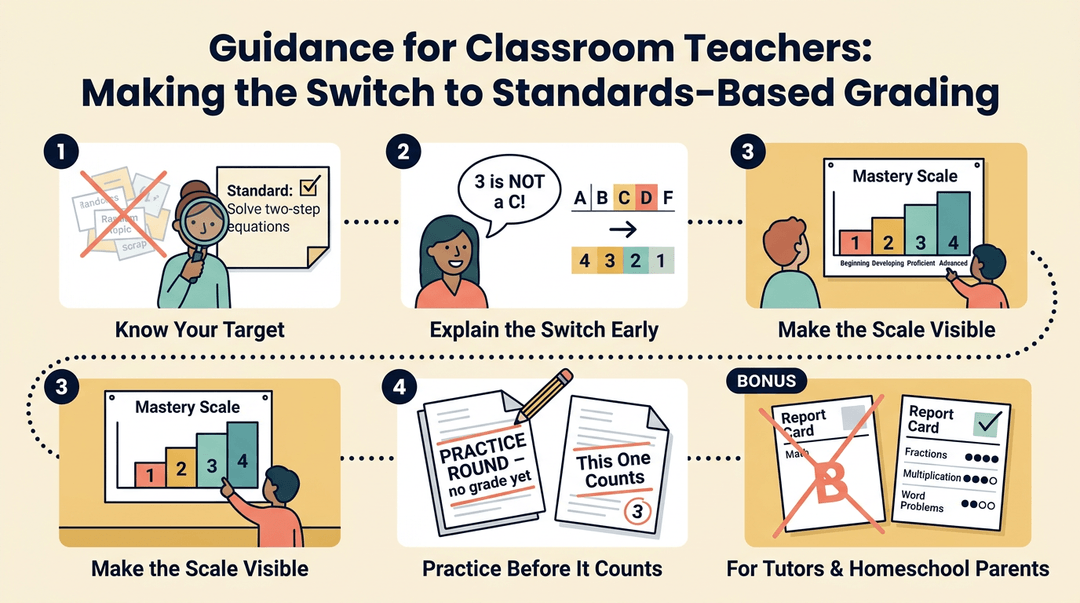
Guidance for Classroom Teachers
Clarify your power standards first: know exactly what you're assessing before building a rubric. Communicate the change to students early, so a "3" doesn't feel like a demotion from an "A." Use rubrics and visuals, like a mastery scale on the wall, to keep the scale concrete, and practice the new methods on low-stakes work before it counts. Tutors and homeschool parents can adapt this the same way: track mastery of specific skills instead of one grade for "math."
How to Talk to Families About Grading
Explain the new report card plainly, then host an info night where families can ask questions in person. Share sample reports so parents see a "meeting standard" mark before their child brings one home, and emphasize that this change means better information, not fewer A's.
A short letter helps:
Dear Families, this year we're moving to standards-based grading. Instead of one letter grade, report cards will show how your child is progressing toward specific learning goals, giving you clearer information about strengths and next steps. Join us at our info night to see samples and ask questions.
Tech Tools That Support Standards-Based Grading
Tracking dozens of standards for every student by hand is a recipe for a headache. The right software turns that tangle of data into something you can actually read at a glance, and act on the same day.
Software Platforms for Managing SBG
A good standards-based gradebook looks nothing like a traditional one.
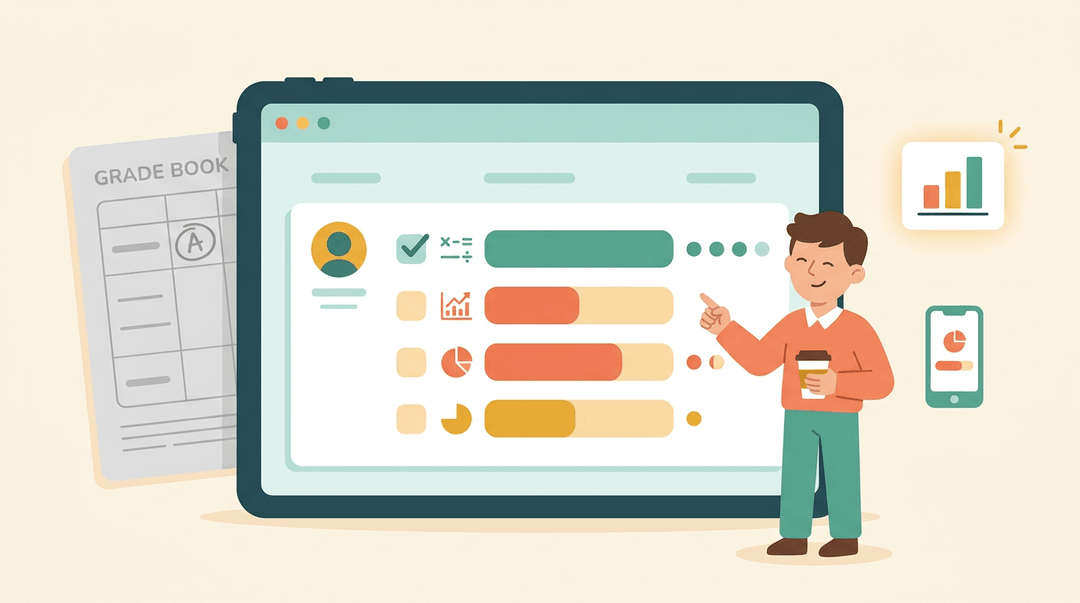
Instead of a single column per assignment, it tracks mastery for each standard across every task tied to it, then rolls that up into a report card that shows growth on specific skills rather than one blended score.
For example, a middle school math teacher can pull up one student's row and see they've mastered solving equations but still need work on graphing, without digging through a stack of old quizzes.
These platforms typically bundle a few connected pieces:
- Standards-aligned assessments. Quizzes and tasks are tagged to the exact standard they measure, so every score feeds the right skill, not just an overall grade.
- Data analytics dashboards. Visual breakdowns flag which standards a class as a whole is struggling with, so you can adjust tomorrow's lesson instead of waiting for a unit test to confirm it.
- Parent portals and communication tools. Families can see progress standard by standard, which makes conversations about growth clearer than a single letter grade ever could.
Together, these tools take the record-keeping load off your plate. That frees up time for what actually matters: teaching to the gaps the data just showed you.
Standards-based grading trades one averaged number for a clearer picture of what each student actually knows and can do.
It asks more of you upfront than a traditional grade book, but the payoff is a report card that actually means something to students, parents, and you.
Ready to put it into practice? Check out our Grading & Assessment feature to track mastery levels with automatic calculation, so the grading itself takes less of your evening.
References
- Timeline of California Standards-Based Reform — cde.ca.gov
- The Culture and History of Standards-Based Educational Reform and Social Studies in America — exa.ai (2018)
- Impacts of Standards-Based Grading on Students' Mindset ... — files.eric.ed.gov
Frequently asked questions
What is a standard-based grading system?
A standards-based grading system evaluates students against clearly defined learning standards or skills rather than averaging points from assignments. It shows what a student can currently do and where they are in progressing toward mastery.
What is a standard grading scale?
A standard grading scale is a set of defined performance levels used to describe mastery of a learning standard. A common four-level scale is 4 for exceeding the standard, 3 for meeting it, 2 for approaching it, and 1 for beginning or being well below the standard.
What are the disadvantages of standards-based grading?
Standards-based grading requires clear rubrics, consistent teacher training, and more detailed tracking than traditional grading. It can also confuse students and parents during the transition, and converting mastery levels into letter grades or GPAs may be difficult because schools use different scales.
How to explain standards-based grading to parents?
Explain that the grade describes specific skills your child has mastered, rather than averaging every assignment or measuring behavior and completion. Show families the rubric and examples, explain that a 3 generally means the standard has been met, and emphasize that reassessment can show growth after additional practice.
How to calculate standard-based grading?
There is no single universal calculation for standards-based grading. Teachers typically align each assessment to a standard, score the evidence on a defined mastery scale, and use the most recent or strongest consistent evidence rather than averaging every attempt. Any overall letter grade should follow a published school conversion policy.
How to convert standards-based grading to letter grades?
Convert each standard score using the school’s published conversion table, because there is no universal formula. A common example is 4 = A, 3 = B, 2 = C, and 1 = D or F, although schools may instead combine multiple standard scores before assigning a final grade.
What does a 3 mean in standards-based grading?
A 3 generally means the student meets the learning standard independently and demonstrates the expected skill. It does not mean 75 percent, as it would in a traditional percentage system, and the exact definition should be checked against the school’s rubric.
Is standard-based grading good?
Standards-based grading can be effective because it gives clearer information about specific skills, supports targeted feedback, and allows students to demonstrate growth through reassessment. Its success depends on well-defined standards, reliable rubrics, consistent scoring, and clear communication with families.