Common Core Standards Problems: Causes, Effects, and Fixes
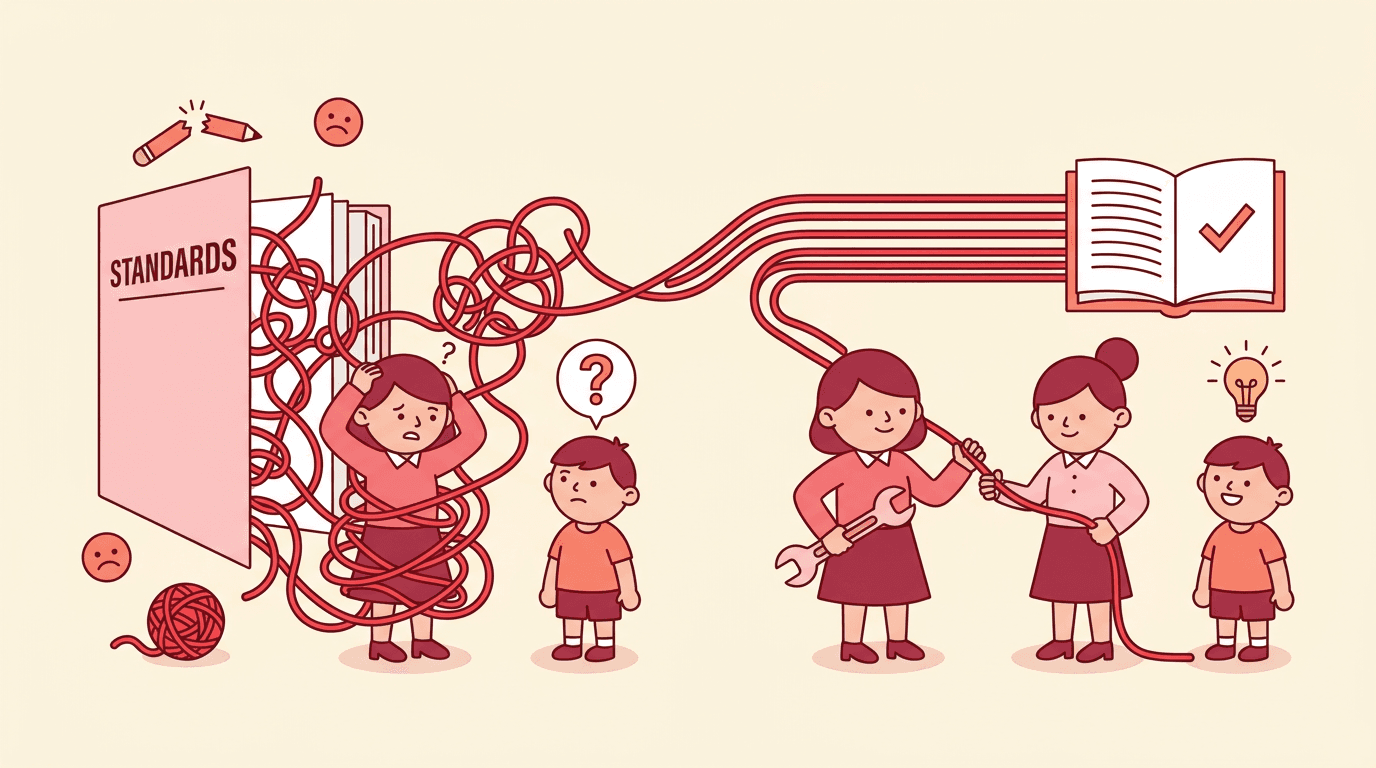

Jump to section
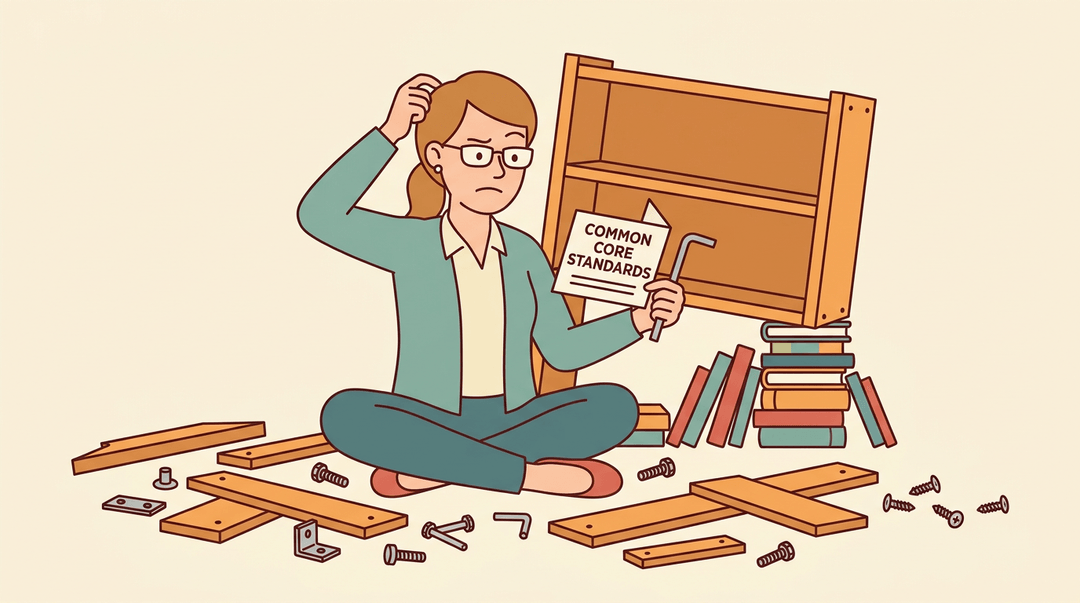
Think about assembling furniture with instructions written for a different model entirely. Some pieces fit, some don't, and you're left improvising.
That's what Common Core Standards have felt like for a lot of teachers since their rollout: a shared set of learning goals meant to bring consistency to classrooms nationwide. The idea made sense on paper.
In practice, it's raised real questions about equity, testing, and how much say teachers actually have. Let's look at where those problems come from and what you can do about them.
The Origins Behind Common Core Standards Problems
The Common Core standards spell out what students should know in math and English language arts, grade by grade. But much of the frustration teachers feel today traces back to how those standards came together, and who wasn't in the room.
Teachers were left out of drafting
Ask most classroom teachers who actually wrote Common Core, and you'll likely get a shrug. Research published on eScholarship on the standards' development notes that "exactly zero practicing teachers served on this work group." The drafting groups leaned on academics and assessment experts instead, and a Connecticut legislative backgrounder found the "working groups largely consisted of people from Achieve; The College Board; ACT, Inc.; and Student Achievement Partners," testing organizations, not teachers. Most teachers joined only afterward, to revise standards they never helped write.

Corporate money behind Common Core
Common Core didn't come from a public vote. It came partly from philanthropy. Rethinking Schools reports that the "Gates Foundation provided more than $160 million in funding, without which Common Core would not exist," money that also fed a Pearson curriculum partnership. Achieve, the College Board, and ACT shaped the standards themselves, while corporate CEOs ran advocacy campaigns pushing states toward adoption. The National Education Policy Center found Gates funding reached groups "across the political spectrum," including teachers unions and the U.S. Chamber of Commerce, with the Broad and Walton foundations adding their support.
What happened to the Common Core standards?
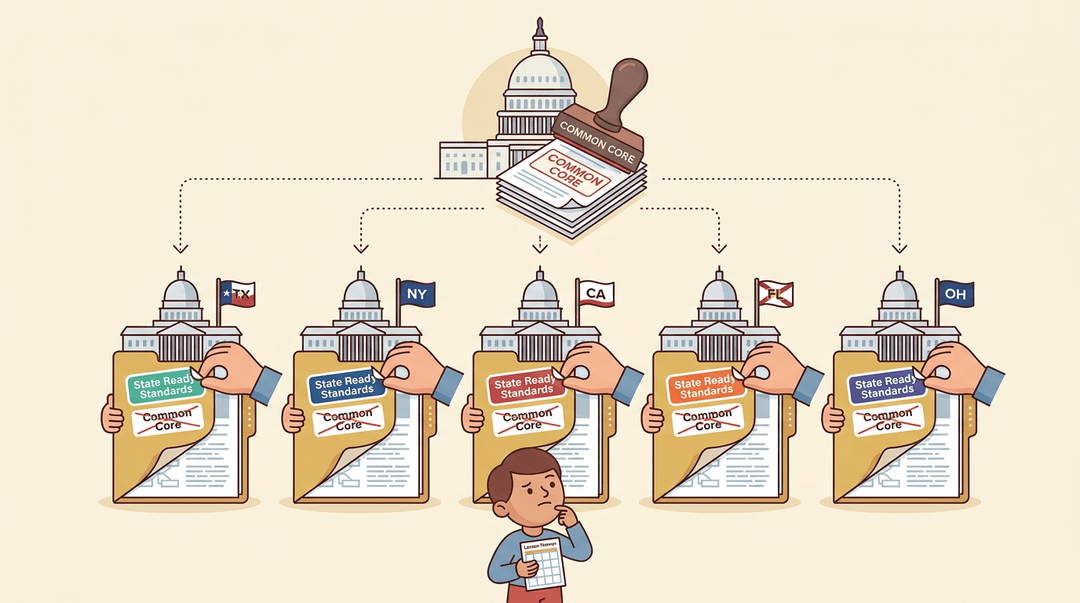
Momentum came largely from Washington, not classrooms. Brookings explains that No Child Left Behind waivers went to "states that agree… to adopt the Common Core state standards," and Race to the Top grants carried similar conditions. Governors and state school chiefs branded the effort "state-led," even though bipartisan support later collapsed. Today, many states have renamed or quietly revised the standards, though most of the original content still stands.
Concerns About What's Taught and How
Standards don't just set goals, they shape daily lessons, and if you've felt the ground shift under how you teach reading or math, you're not alone.
The debate over close reading
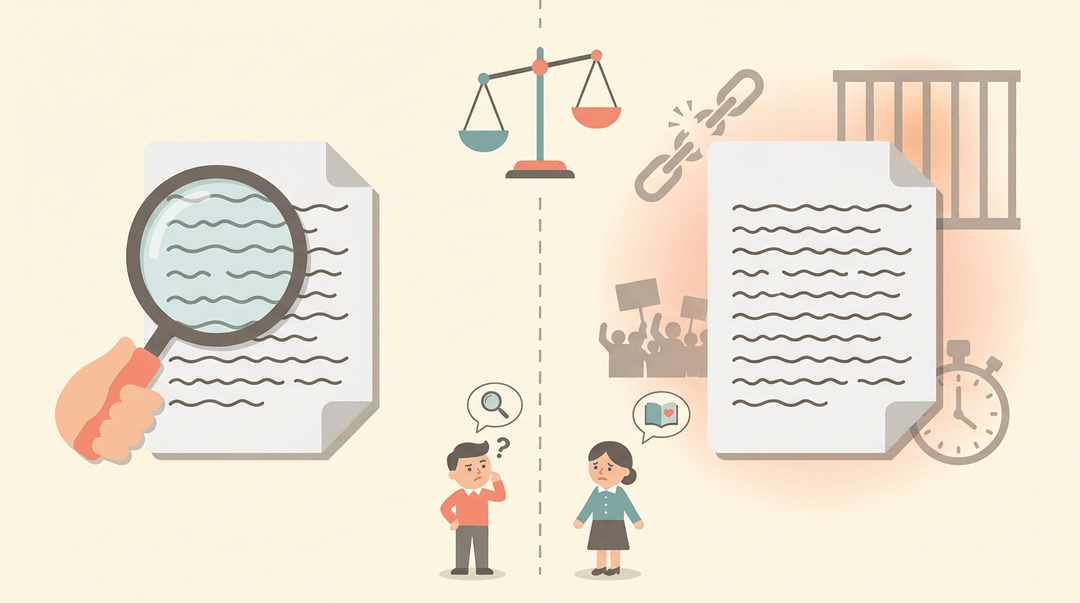
In 2011, David Coleman, a lead author of the Common Core ELA standards, challenged teachers with a new vision for reading instruction, pushing close reading: analyzing a text on its own, stripped of outside context.
Critics pounced when Coleman used Martin Luther King Jr.'s "Letter from Birmingham Jail" as a model, arguing that reading it without the history of segregation behind it drains the letter of its meaning.
Mandated text-dependent questions nudged teachers toward literal analysis over discussion, and many worried reading for pleasure got squeezed out along the way.
Too much too soon for young kids
More than 500 early-childhood experts signed a joint statement warning that the standards demanded kindergarten skill mastery once reserved for first grade, crowding out play and hands-on learning.
Critics also called the standards' reading philosophy a compromise that satisfied no one: too rigid for developmental play, too loose for clear phonics instruction.
Why is Common Core math so controversial?
We can trace a lot of the math backlash to one fight: integrated math (blending algebra, geometry, and statistics into one sequence) versus traditional, subject-by-subject courses.
States like Georgia and Utah adopted integrated math, then reversed course under pressure from parents and teachers. Surveyed teachers reported real opposition to the integrated format.
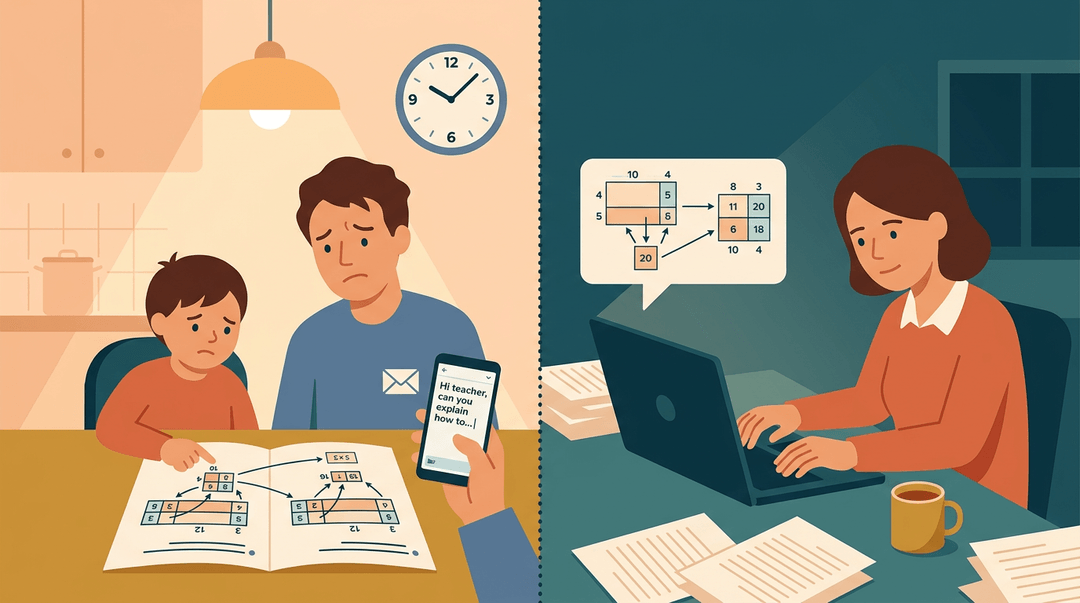
For example, a middle school math teacher fielding nightly emails from confused parents knows the cost firsthand: unfamiliar methods for simple problems leave families unable to help with homework at all, so explaining the new approach becomes part of the job.
How Common Core Affects Teacher Autonomy
Ask any veteran teacher what's changed most since Common Core arrived, and autonomy usually tops the list. Standards were meant to guide instruction, not replace the judgment of the person standing in front of the class.
Teachers lose control over their classrooms
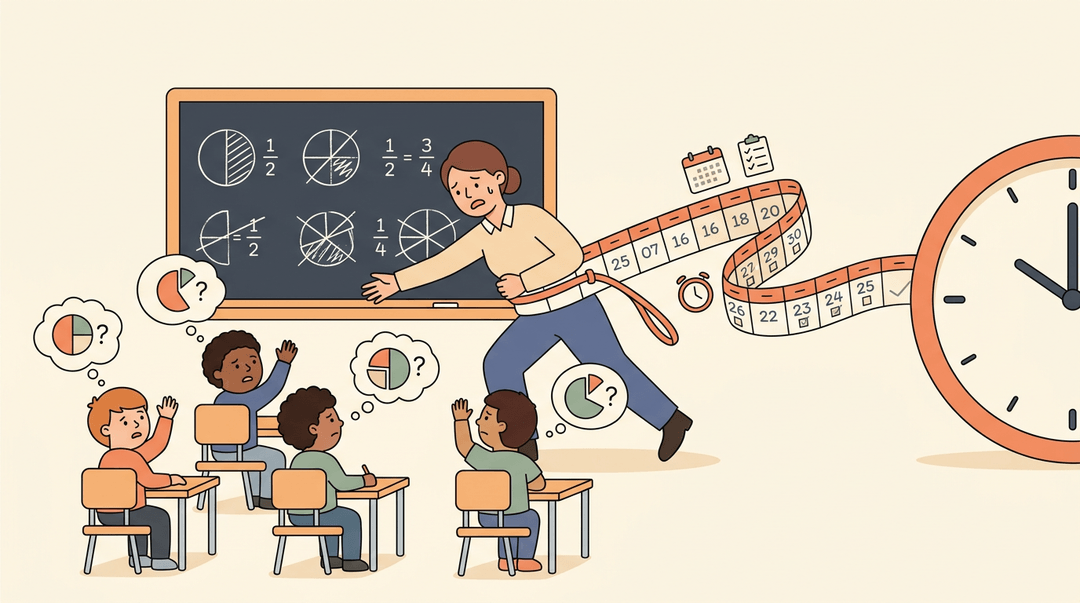
When standards dictate what gets taught and when, decisions that used to belong to the teacher start coming from somewhere else. Districts translate broad standards into pacing guides, and pacing guides can harden into scripts.
Consider a fifth-grade teacher handed a district-mandated curriculum with little room to slow down when half the class hasn't grasped fractions yet.
That's bureaucratic control in practice: guidance written for flexibility gets enforced like a mandate, and the classroom's built-in wiggle room shrinks.
How teaching has actually changed
Not every shift has been a loss. Common Core pushed more nonfiction and informational texts into reading blocks, and writing assignments now lean harder on evidence: claims backed by the text, not just opinion.
Math instruction changed too, favoring conceptual understanding over rote procedure, so students learn why an algorithm works, not just how to run it.
We've seen teachers adapt anyway, mapping favorite lessons to the standards instead of scrapping what worked.
A high school English teacher who already taught close reading needed only small tweaks, not a full rebuild, to fall in line with the new expectations.
Your Classroom Action Plan for Common Core
You can't rewrite the standards, but you can make them workable in your room. This plan runs in four moves: unpack, align, adapt, support. Do the first two before the unit starts; the last two run all year.
Unpack each standard into targets
- Rewrite the standard as student-friendly targets.
- Turn "compare two fractions with different denominators" into: "I can compare fractions with different denominators."
- One standard usually yields two to four targets. Post them, not the standard.
- List the prerequisite skills under each target.
- Jot the chain: comparing fractions ← equivalent fractions ← what a denominator means.
- Whatever's missing from the chain is your first lesson, not a surprise later.
- Build a simple proficiency scale per target.
- Four levels is plenty; write them in student language.
Sample scale: 1 = needs the prerequisite retaught. 2 = compares fractions with a model. 3 = compares independently. 4 = explains why one fraction is larger.
Align across grade levels
Before you plan the year, sit down with your team and confirm:
- A vertical map exists. One page showing where each standard lives the grade before and after.
- Gaps are named. If nobody teaches a prerequisite, assign it to a grade now.
- Overlaps are trimmed. If two grades both teach it fully, one reviews, one owns.
- Handoffs are agreed. Each teacher knows what students should walk in already holding.
Adapt instruction without losing your style
The standards say what students learn, not how you teach it. Keep your pedagogy and point it at the targets:
- Blend, don't replace. Run projects or discussion? Build them around a target, not beside it.
- Spiral old targets into warm-ups. Two review problems from earlier units, twice a week.
- Retention comes from returning to targets, not from teaching them longer once.
- Cap test prep at format practice. A few sessions on question types is enough.
- Depth transfers to the test; weeks of drill mostly transfer boredom.
⚠️ Watch out: don't let the pacing guide outrank the proficiency scale. Moving on while most students sit at level 1 just relocates the problem.
Support students who are struggling
Use the scale to pick the response, then find your situation below:
| When a student is... | Try... |
|---|---|
| At level 1 | Reteach the prerequisite from your chain, not the target itself |
| Stuck at level 2 | Keep the model available; fade it one feature at a time |
| An English learner | Sentence frames: "___ is larger than ___ because ___." |
| Working with an IEP | Same target, fewer problems, worked example first |
Track against targets, not activities. Keep a roster with one column per target; update scale scores after each exit ticket. When a column stays full of 1s and 2s, that's your reteach signal.
Once your targets and vertical map are set, keep them where you plan: map standards to units and pacing guides in one place with EMStudio's Curriculum Planner.
The Burden of Testing and Accountability
Testing was supposed to measure learning. For a lot of classrooms, it started to replace it.
High stakes tied to test scores
Test scores now carry more weight than they were ever built to hold.
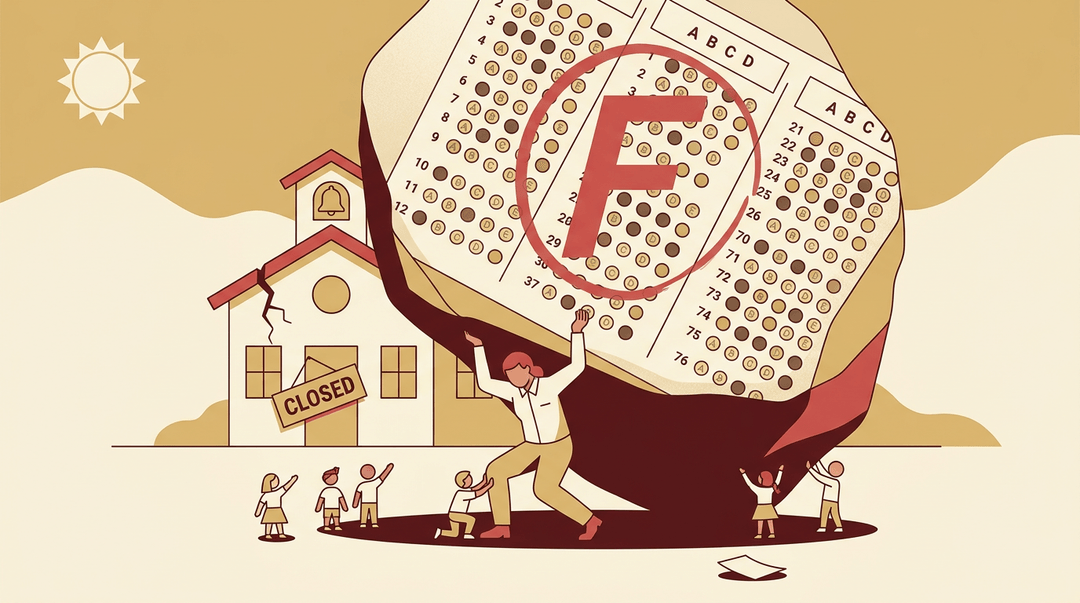
Teacher evaluations lean on them, low scores have been used to justify school closures, and the failure narrative from No Child Left Behind (NCLB), the 2002 law that tied federal funding to test results, keeps getting recycled to justify Common Core's own testing regime.
Value-added measures, which try to isolate a single teacher's effect on scores, draw heavy criticism for punishing the teachers who work hardest with the students who need the most support.
Too much testing, not enough teaching
Pre-tests, interim tests, and post-tests stack on top of each other, and computer-based assessments add their own setup and tech burden on top of that.
The result: test prep crowds out instruction, and drill and pressure replace the kind of engagement that makes learning stick. The fix isn't abandoning assessment.
It's balancing test prep with real instruction, so testing informs teaching instead of consuming it.
Parents and teachers pushing back
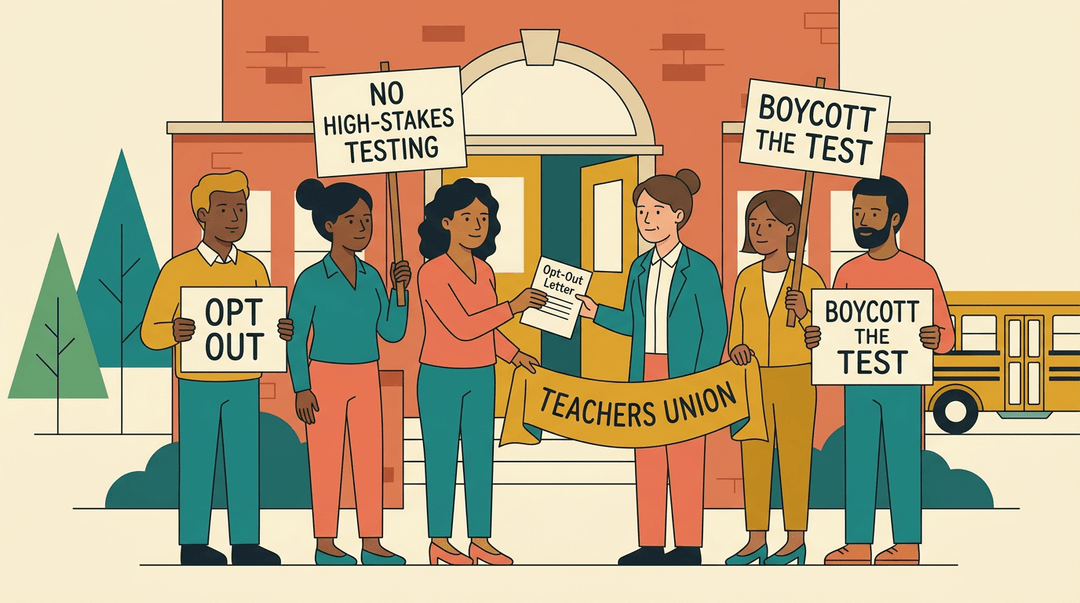
Pushback has been organized, not scattered. Seattle teachers ran a testing boycott, arguing it would help "liberate education from the standardized testing regime."
In New York, parents circulated opt-out letters telling principals plainly that their child wouldn't be taking the tests.
Some educators have called for a moratorium on using test results for high-stakes decisions, and the Chicago Teachers Union, joined by the American Federation of Teachers, passed a resolution opposing Common Core itself.
Problems with How It Was Rolled Out
Even teachers who like the goals behind Common Core often point to how it landed in their classrooms as the real problem. The standards didn't arrive gradually. They arrived all at once, with little time to prepare.
A rushed rollout with no piloting
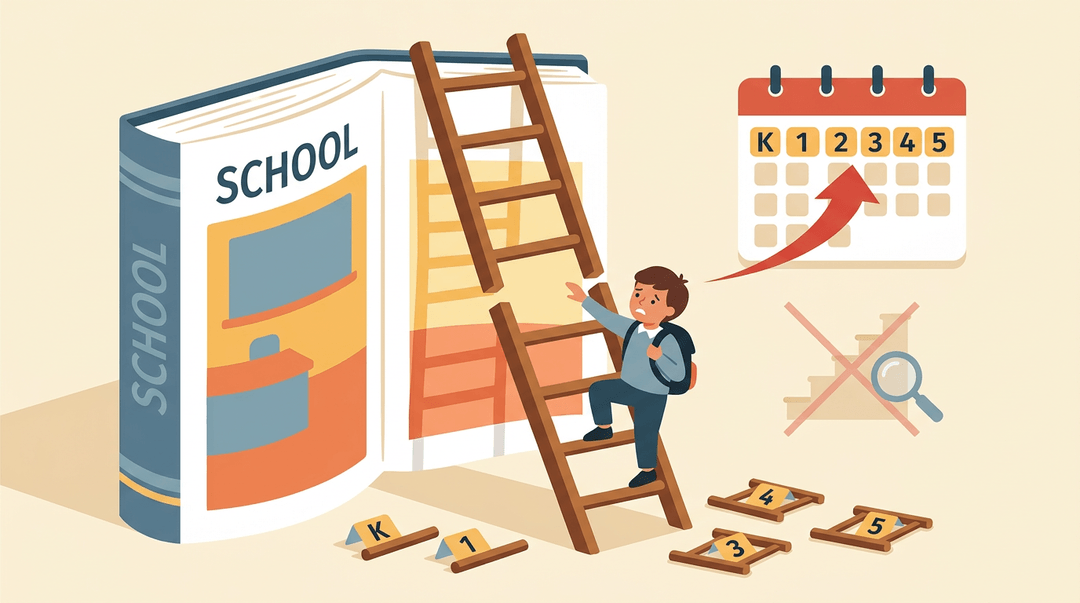
States pushed Common Core into every grade level at the same time, from kindergarten through high school.
There was no multi-year pilot to catch problems before they reached a full classroom, and the standards were never field-tested in real schools first. That's backwards from how good curriculum change usually works.
The consequences showed up fast. Common Core assumes students master skills in sequence, with one grade's foundation supporting the next.
But a third grader who'd learned math the old way suddenly faced new expectations with none of the new-style groundwork underneath. The ladder had missing rungs.
Not enough support during rollout
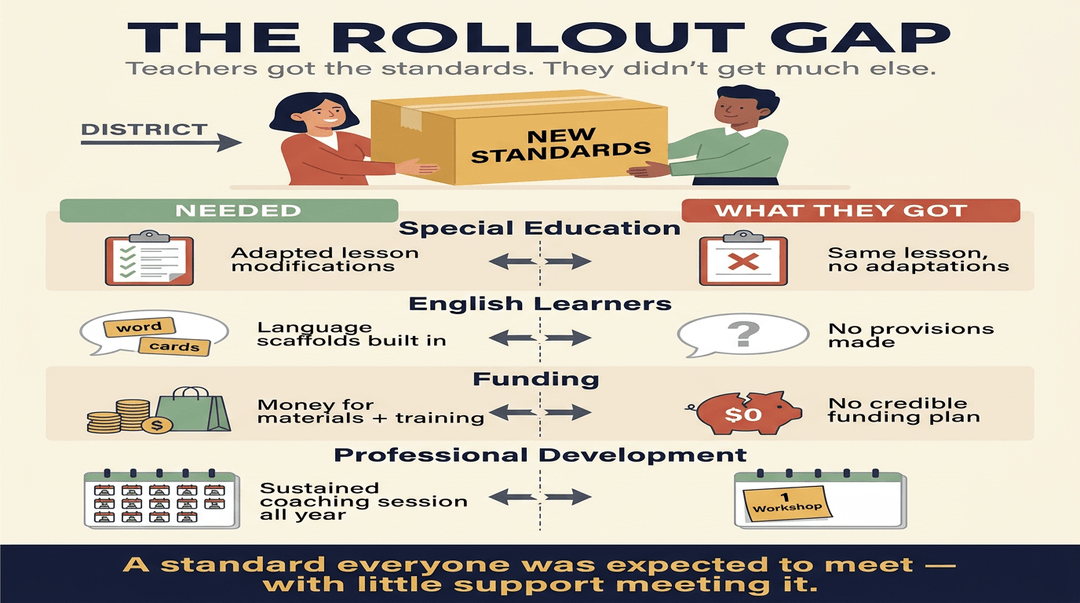
Teachers got the standards; they didn't get much else.
Consider a special education teacher handed new expectations with no adapted guidance for students already struggling, or an EL (English learner) teacher with no provisions built in for students still learning the language of instruction itself.
Add to that:
- No credible funding plan. Districts needed new materials and training, and the money to pay for both rarely showed up.
- Thin professional development. Many teachers got a single workshop, not the sustained coaching a shift this big actually requires.
The result: a standard everyone was expected to meet, with little support meeting it.
Does Common Core Actually Work?
Supporters make a real case: consistent expectations across states, a shared target for what students should know grade by grade. But when researchers go looking for a matching bump in learning, the evidence gets thin fast.
Little evidence of real gains
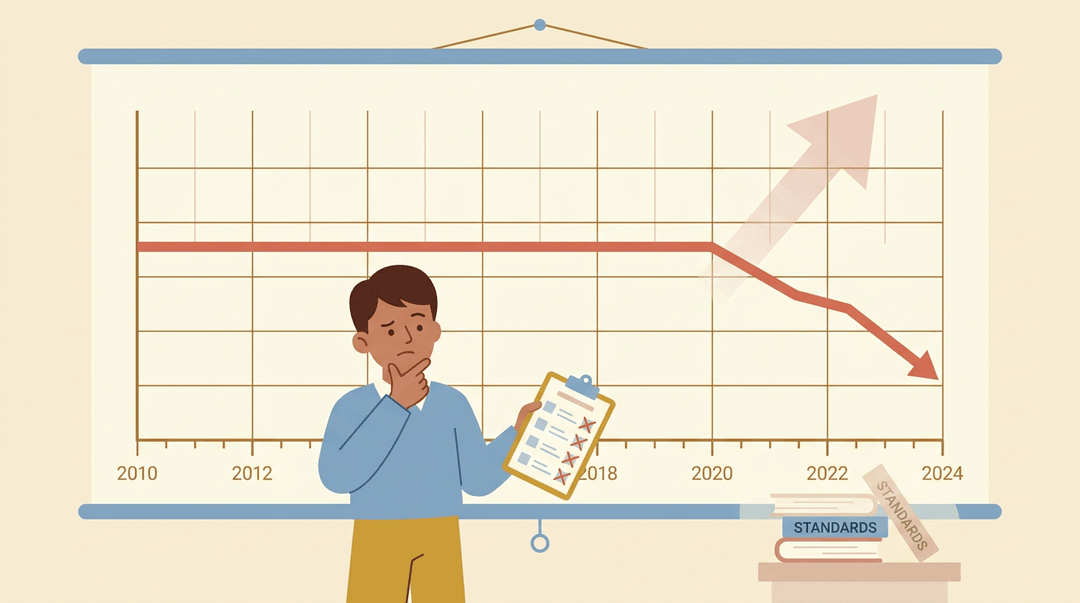
Research has found no convincing positive impact from the standards themselves. More than a decade in, Brookings researchers concluded that no convincing evidence exists that the standards had a significant, positive impact on student achievement.
National Assessment of Educational Progress (NAEP) scores tell a similar story: flat for years, then sliding into decline as most Common Core states posted flat or falling results.
Programme for International Student Assessment (PISA) scores followed the same arc: stagnant, then slipping, right through the years the reform was supposed to pay off.
Why the reform theory falls short
Part of the problem is the theory itself.
Top-down regulation assumed one set of standards could fit wildly different classrooms, but high expectations alone don't teach a lesson: what a student already knows predicts what they can learn next, more than the rigor written into a standard.
The algebra-for-all push of the 1990s showed the same pattern: raising the bar for everyone didn't close gaps. It just exposed the groundwork that was missing underneath.
What state comparisons reveal
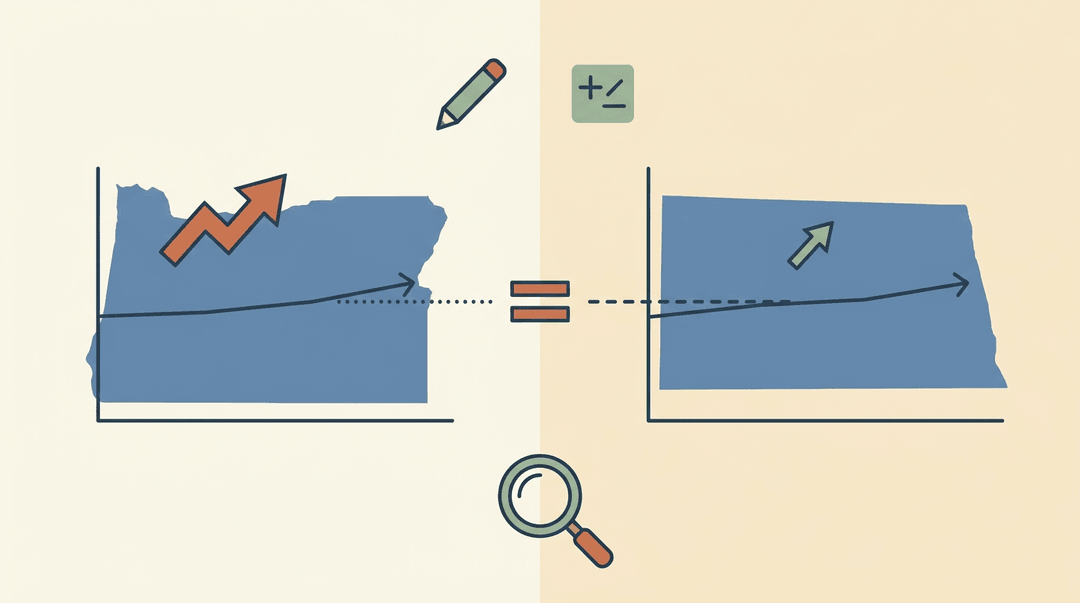
Comparative interrupted time-series studies, which track achievement before and after states adopted new standards, offer a cleaner test.
One such study found that states making bigger changes to their standards saw effects on math achievement that were generally small and not significant compared to states that changed less.
Education researcher Tom Loveless put the verdict plainly: "Common Core Has Not Worked."
Equity Gaps and Who Gets Left Behind
Common Core promised the same high bar for every student. In practice, that bar landed very differently depending on who was standing under it.
Bigger impact on marginalized students
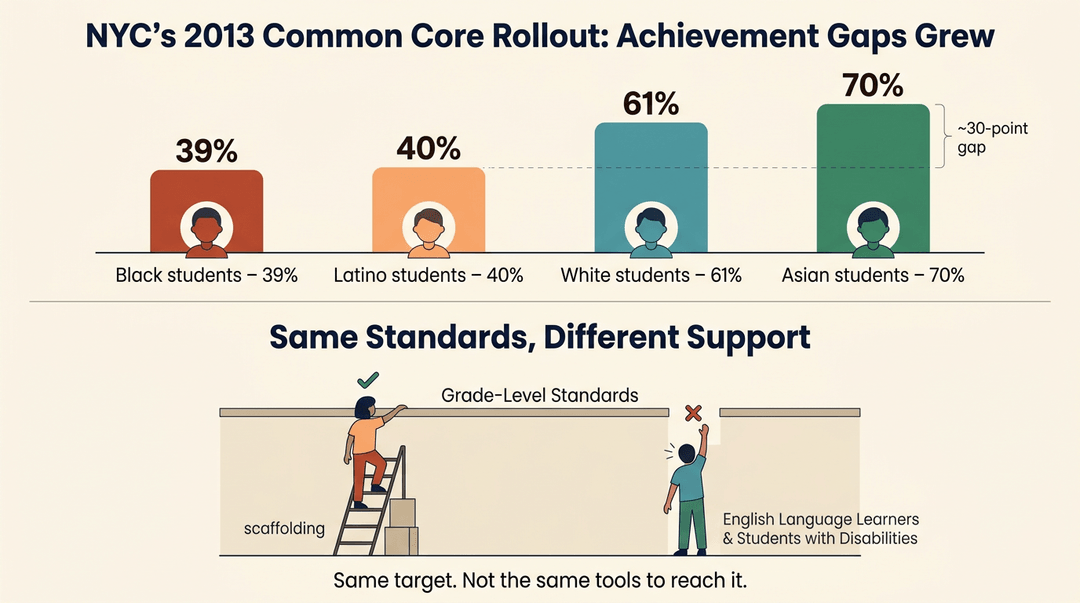
New York City's 2013 rollout of Common Core testing showed just how uneven that playing field really was. As Diane Ravitch's blog, hosted by the National Education Policy Center, put it, "what is worse is that the achievement gaps grew larger."
Black and Latino students bore the brunt: data from the Mid-Hudson Valley region show pass rates of just 39% for Black students and 40% for Latino students, next to 61% for White and 70% for Asian students.
English language learners and students with disabilities faced the same squeeze: grade-level standards, minus the scaffolding to actually reach them.
Poverty and funding are the real culprits
Many educators argue the standards aren't the real problem here. Poverty and racism are. Research comparing Finnish and American education policy points to equity, not standards alone, as the real lever for closing gaps.
Common Core arrived with no funding mandate attached, and the funding-equity fight at the center of Abbott v. Burke shows what happens when rigor outpaces resources.
School closures hitting poor communities
Low test scores became a trigger for a different kind of fallout: school closures.
Research on charter expansion in Chicago found that accountability-driven reform tied to competitive charter growth led to closures and budget cuts concentrated in distressed neighborhoods.
What's left for the students in that community: fewer resources, and bigger classes in the schools still standing.

The Toll on Student Wellbeing
Standards don't just live on a curriculum map. They land on real kids, and for many, that landing has been rough. The pressure to hit benchmark after benchmark has left its mark well beyond the gradebook.
Stress anxiety and emotional fallout
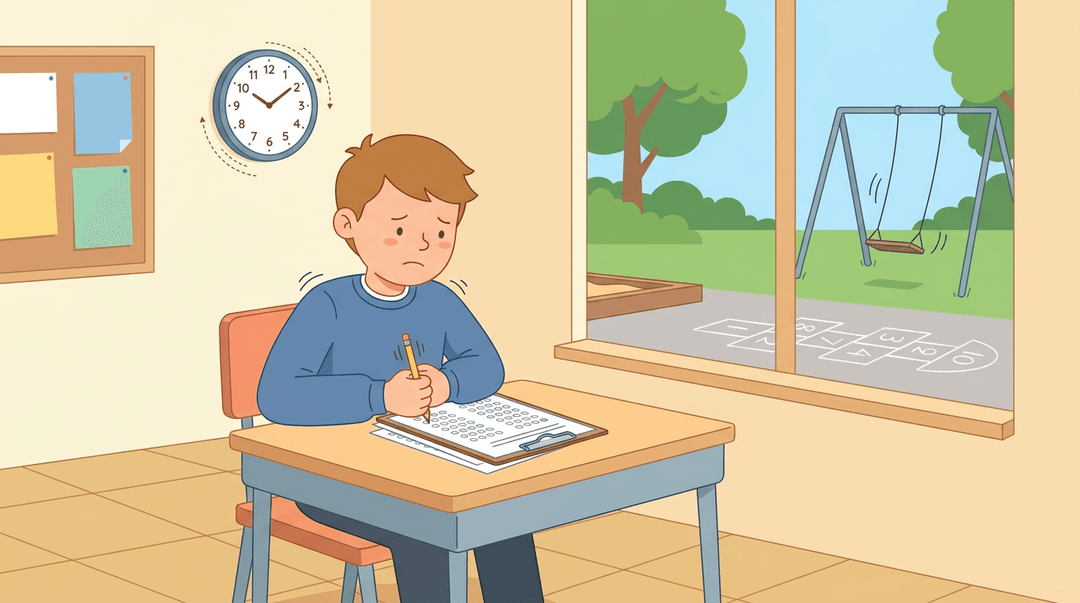
Teachers and parents have reported a noticeable rise in student anxiety and stress since high-stakes Common Core testing took hold, and it shows up in ways that are hard to ignore:
- Physical symptoms. Some students have experienced test-related tears and even vomiting before or during exams, a sign that the pressure has outpaced their coping tools.
- Mental health strain. The push for constant benchmarks has been linked to a rise in teen depression and, in the most alarming cases, suicide, underscoring that academic stress can carry real consequences.
- Lost breathing room. Recess, art, music, and other enjoyable activities have often been trimmed to make room for test prep, leaving students with fewer chances to reset during the school day.
Consider a fourth grader who used to love the fifteen minutes of recess after lunch, now spent reviewing practice test questions instead. Multiply that across a school, a district, a state, and the toll adds up fast. It's not just about scores anymore.
It's about whether kids still enjoy coming to school.
Common Core was built to raise the bar and close gaps, but good intentions haven't erased the equity gaps, testing burden, and autonomy struggles teachers deal with daily.
Knowing where the friction comes from is the first step toward teaching around it, not just through it.
Ready to bring more clarity and control back into your own planning? Check out our Curriculum & Standards tool to plan units, lessons, and standards across the whole school year, on your terms.
References
- Did States’ Adoption of More Rigorous Standards Lead to Improved Student Achievement? Evidence From a Comparative Interrupted Time Series Study of Standards-Based Reform — doi.org (2021)
- OLR BACKGROUNDER: COMMON CORE STATE STANDARDS — cga.ct.gov
- The Art of Teaching Science: How the Gates Foundation Used $3.38 Billion in College-Ready Education Grants to Change Education Policy — nepc.colorado.edu
- President Obama Rewrites the No Child Left Behind Act — brookings.edu
- Why Common Core failed — brookings.edu
- Why did NAEP scores drop? — brookings.edu
- Implementation of Common Core and Next Generation Science Standards: Changes in Classroom Instruction and Student Achievement — ies.ed.gov
- Diane Ravitch's Blog: Common Core Tests in NY Widen Achievement Gaps — nepc.colorado.edu
- A Comparison of Finnish and American Education Policies and Practices that Address Educational Equity — link.springer.com
- Do Equity and Adequacy Court Decisions and Policies Make a Difference for At-Risk Students? Longitudinal Evidence from New Jersey — academiccommons.columbia.edu
- Shifting the Locus of Control: Why the Common Core State Standards and Emerging Standardized Tests May Reshape College Writing Classrooms — escholarship.org (2015)
- Common Core Has Not Worked. — eric.ed.gov (2020)
- Challenging the market logic of school choice: A spatial analysis of charter school expansion in Chicago — doi.org (2019)
- As expected, ELA and math scores plunge Decline attributed to introduction of new Common Core tests — nyssba.org
- The Problems with the Common Core — rethinkingschools.org
- Gates, Pearson Partner to Craft Common-Core Curricula — edweek.org
- Common Core State Standards (inc. Race to the Top) (2009) — federalism.org
- Mid-Hudson Valley — mhvcommunityprofiles.org
- Seattle Test Boycott: Our Destination Is Not on the MAP — rethinkingschools.org
- Just Say No to Standardized Tests: Why and How to Opt Out — fairtest.org
- Chicago Union Passes Resolution Opposing Common Core — edweek.org
- Common Core and Reading: Which one of these things is not like the other? — fordhaminstitute.org
Frequently asked questions
What are the issues with Common Core?
Common Core has been criticized for being developed with limited input from practicing teachers, rolled out quickly without adequate piloting, training, funding, or materials, and tied closely to high-stakes testing. Critics also raise concerns about reduced teacher autonomy, developmental demands on young children, equity gaps, and limited evidence of improved achievement.
What are the criticisms of Common Core?
Critics argue that Common Core increased testing and narrowed instruction, replaced teacher judgment with pacing guides, and imposed unfamiliar methods, especially in math. Other concerns include close reading without enough context, insufficient support for English learners and students with disabilities, and the possibility that standards intensified existing inequities.
How common is it to be held back a grade?
Being held back a grade is relatively uncommon, although rates vary by age, school, location, and student circumstances. In the United States, roughly 7% of public-school students have repeated a grade at some point, according to federal education data. Schools usually consider academic progress, attendance, maturity, and support needs before retaining a student.
Why am I so bad at math but good at everything else?
Being good at many subjects does not guarantee that math will feel easy. Math depends on cumulative skills, so a gap in foundational ideas, difficulty with working memory or processing numbers, math anxiety, or instruction that does not match your learning style can make later topics harder. Targeted practice, a skilled teacher, and screening for dyscalculia or other learning difficulties can help identify the cause.
Why is Common Core math so controversial?
Common Core math became controversial because it emphasized conceptual understanding, multiple strategies, and explaining mathematical reasoning instead of relying only on familiar procedures. Parents often encountered unfamiliar methods such as area models or number lines, while teachers had limited training and families struggled to help with homework. Integrated math sequences and high-stakes testing added to the disagreement.
Why are Common Core standards controversial?
Common Core standards are controversial because they were adopted through strong federal incentives and major philanthropic and organizational support rather than through a single nationwide public vote. Critics also object to limited teacher involvement in drafting, rapid implementation, testing pressure, developmental concerns, and the loss of local control. Supporters value shared expectations, but the standards' effects and implementation remain disputed.
What was a primary criticism of the Common Core State Standards?
A primary criticism was that practicing classroom teachers had too little influence over the standards' development. The drafting process relied heavily on academics, assessment experts, and education organizations, so many teachers were asked to implement and revise standards they had not helped create.
What happened to the Common Core standards?
Common Core was not eliminated everywhere. Many states renamed, revised, or replaced parts of the standards, while retaining much of the original content, especially in English language arts and mathematics. States still set their own academic standards, and federal law does not require them to use the Common Core name or exact wording.