Banking Theory of Education: Pros, Cons, and What Comes Next

Jump to section
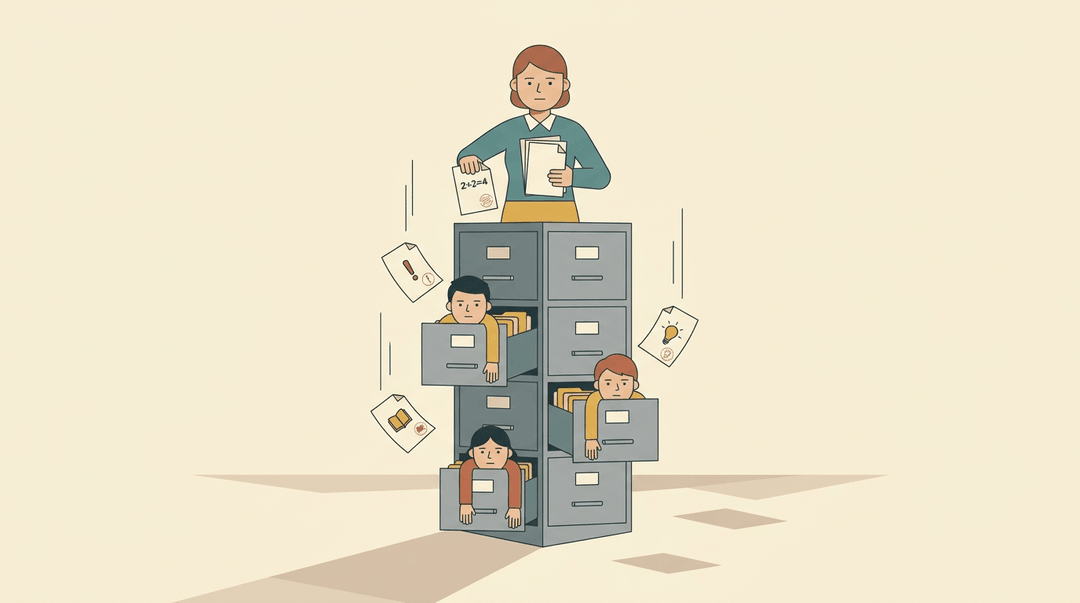
Picture a filing cabinet: empty folders waiting for someone else to stuff in whatever paperwork they've decided belongs there. No say in what goes where, no say in why.
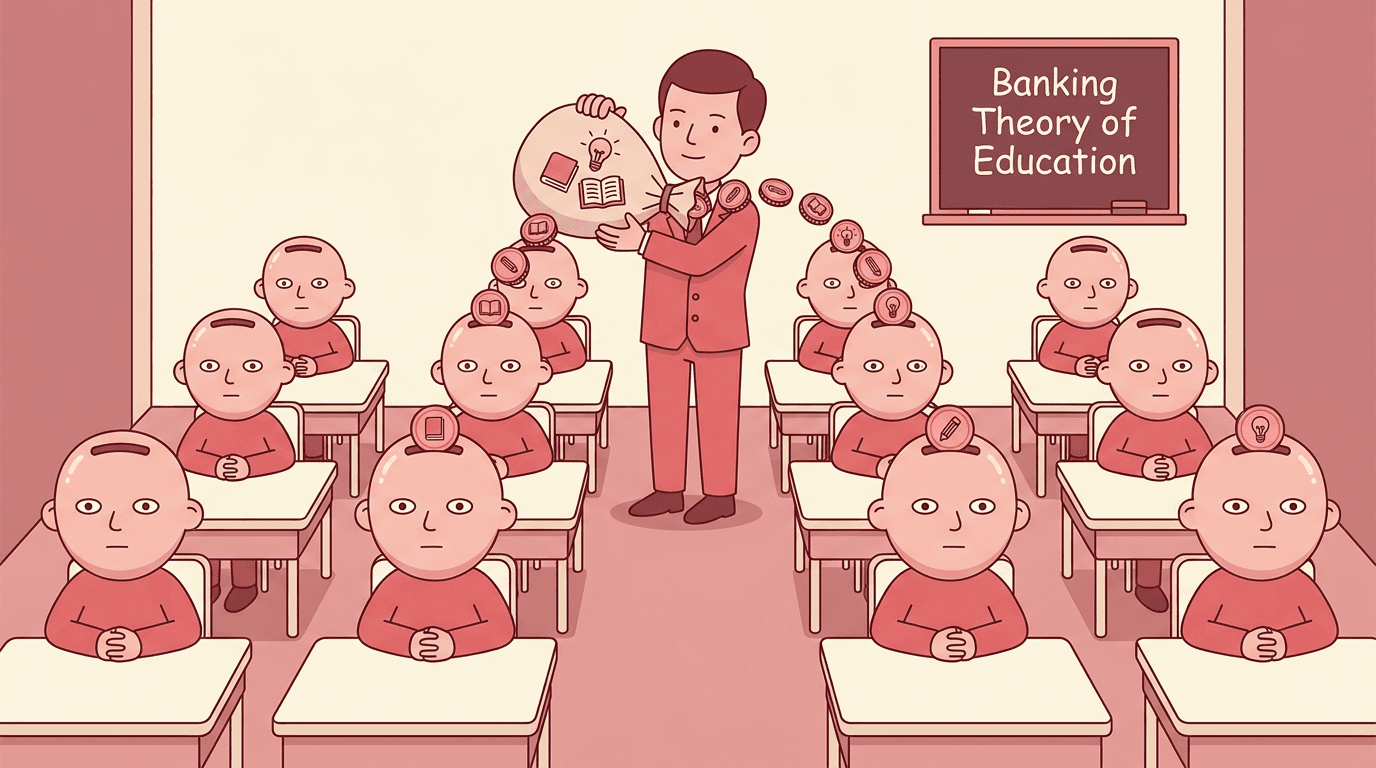
That's the image at the heart of the banking concept of education, Paulo Freire's term for teaching that treats students like empty accounts and teachers like depositors of ready-made facts.
It's a picture that still shows up in classrooms more often than we'd like to admit.
Here's where the idea came from, what it looks like in practice, and what to do instead.
The Origins of the Banking Theory of Education
Before you can push back on the banking model, it helps to know where it came from and who coined it. The idea grew out of one Brazilian classroom thinker's frustration with how students were being taught, and why it needed to change.
Why students are treated like empty containers
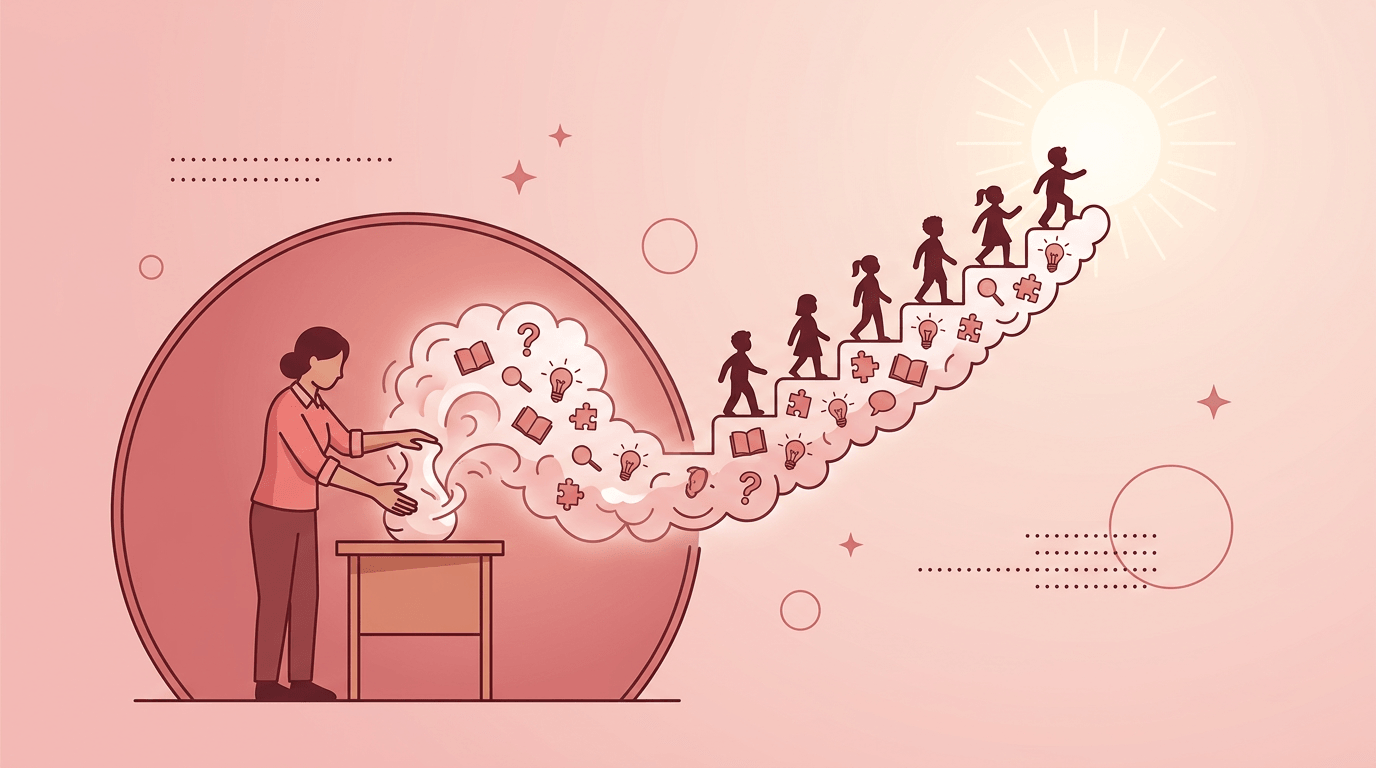
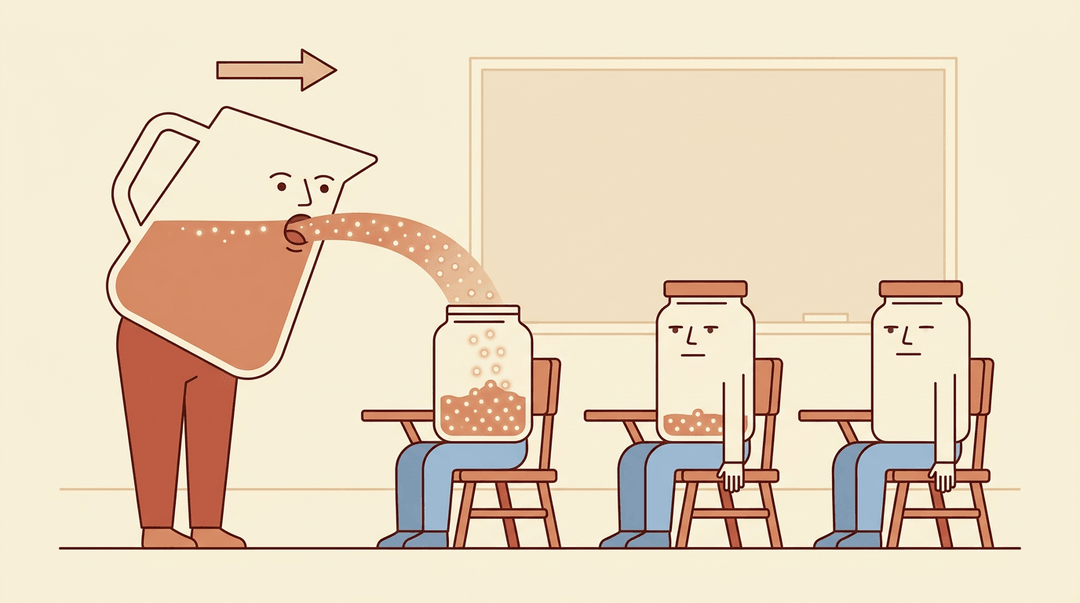
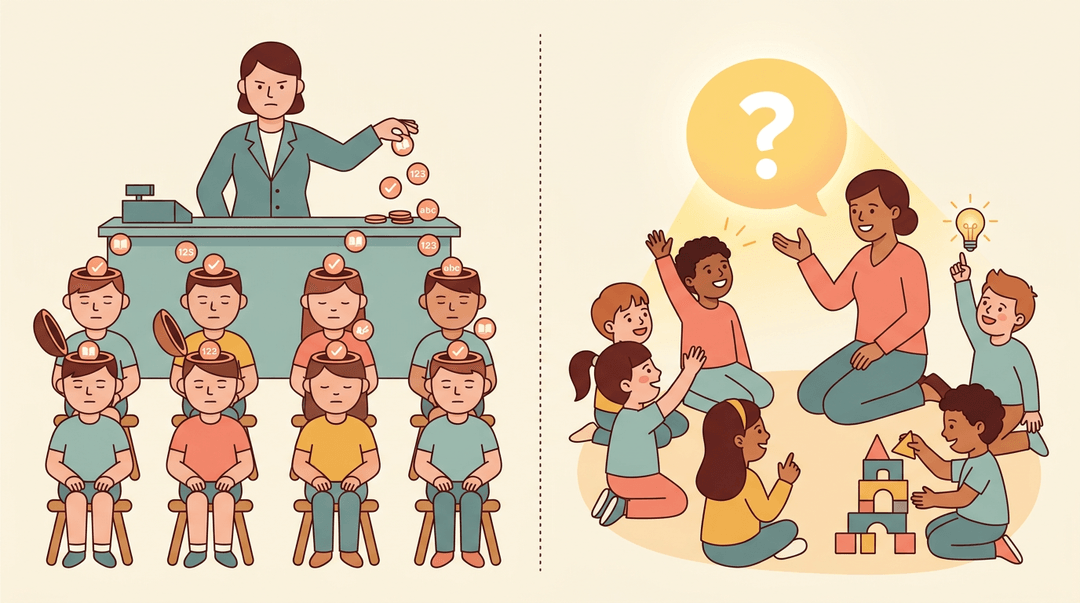
In this setup, the teacher acts as a depositor, and students become receptacles waiting to be filled. Knowledge moves in one direction only: it's transmitted, never co-created. The teacher issues communiques, the student receives, memorizes, and repeats.
Nobody's asking questions. Nobody's building anything together.
Who was Paulo Freire?
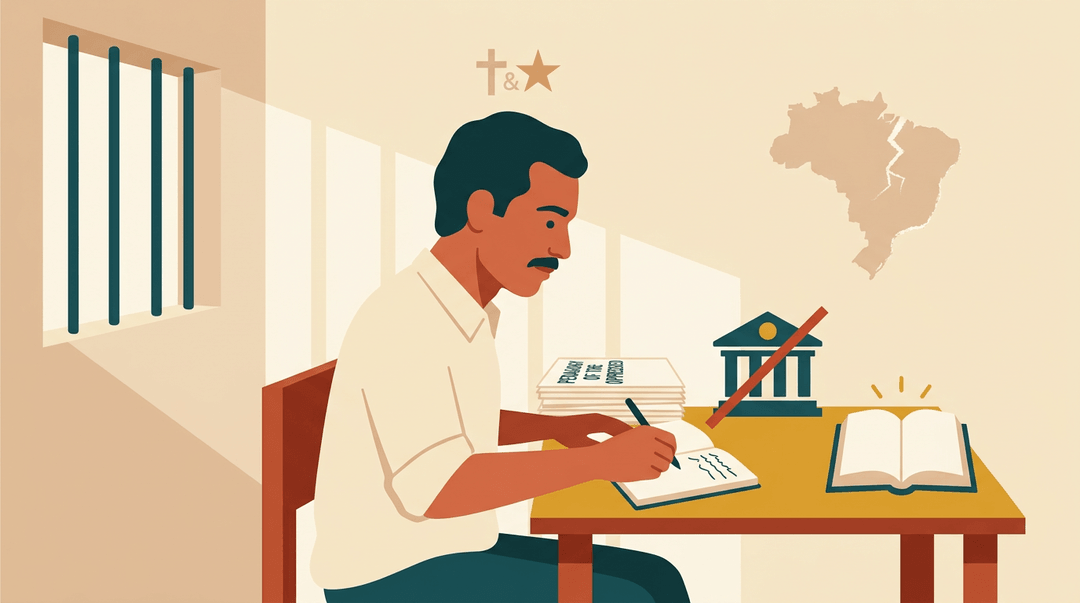
Paulo Freire was a Brazilian educator born in Recife in 1921. His thinking drew on Marxist and Christian socialist ideas, a mix that shaped how he saw the classroom as a place of power, not just instruction.
After Brazil's 1964 coup, Freire was imprisoned for 70 days before going into exile, where he kept developing his literacy work.
It was from this experience that he wrote his best-known work, Pedagogy of the Oppressed, where the banking concept first appears.
If you're looking for the primary text, PDF copies of the book circulate widely online and are worth reading directly, since Freire's own language is sharper than any summary.
Ten traits that define the banking model
Freire laid out a list of contrasts that still hold up. A few of the clearest:
- Teacher teaches, student is taught.
- Teacher knows all, student knows nothing.
- Teacher disciplines, student is disciplined.
- Teacher chooses the curriculum, student adjusts to it.
- Teacher as subject, student as object.
The Theory Behind Oppression and Power
Paulo Freire didn't pull the banking model out of thin air. He built it on two heavyweight ideas, Marxist class analysis and Hegel's master-slave dialectic, to explain why traditional teaching keeps students stuck instead of setting them free.
How Marxist theory frames teacher and student
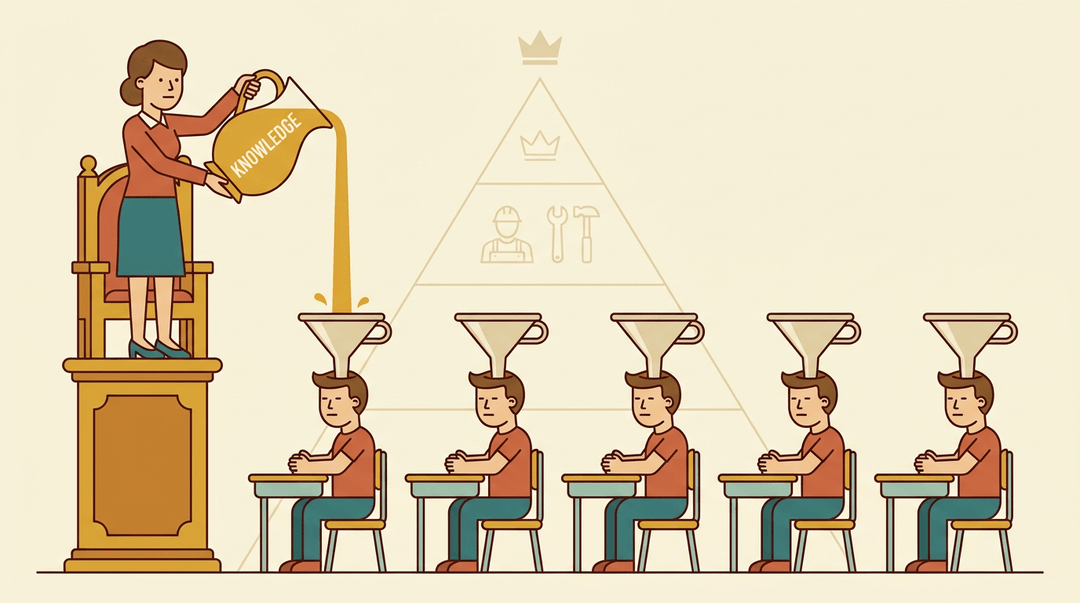
Freire borrows Marx's lens on class struggle and drops it straight into the classroom. The teacher becomes the oppressor, holding all the knowledge and power, while students play the role of an oppressed proletariat waiting to be filled with information.
Seen this way, education doesn't liberate. It reproduces the same class hierarchy found outside school walls, quietly serving the interests of whoever already holds power.
The Hegelian slave dialectic connection
Freire also leans on Hegel's slave dialectic, where a slave shapes the master's world without ever earning recognition for it.
In the banking model, students are cast as alienated slaves: they absorb, store, and repeat knowledge, yet never realize they're actually shaping how the teacher understands the material too.
That one-sided blindness helps justify the teacher's authority, since the arrangement always looks like a one-way transfer.
The power imbalance between teacher and student
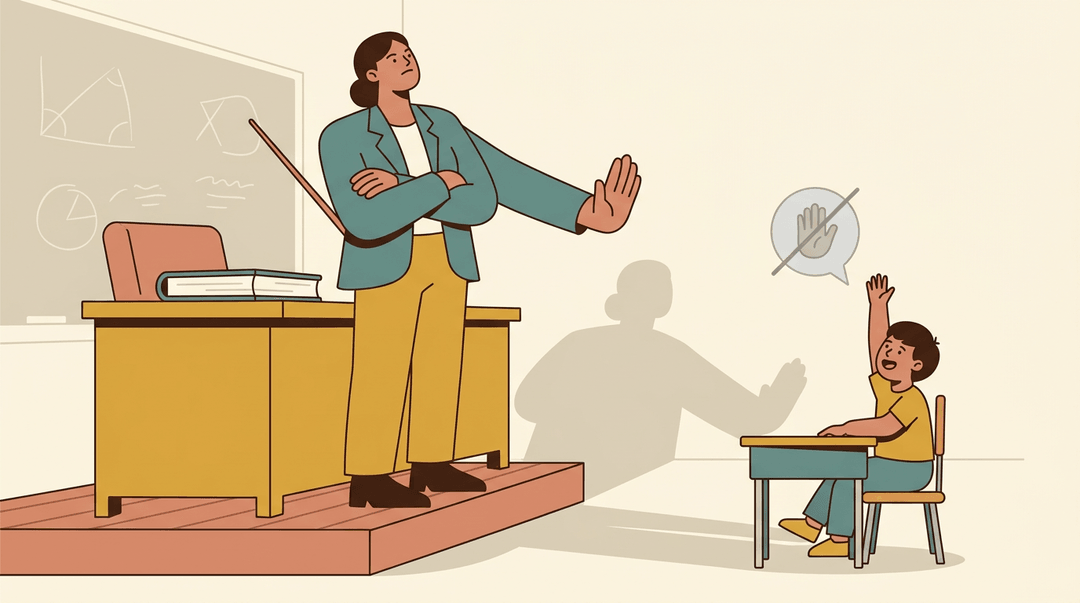
Strip away the theory and what's left is a plain power imbalance. The teacher holds the authority; students get little room for freedom or genuine questioning.
Consider a student who raises a hand mid-lecture only to be told to save it for later: that's the imbalance in action.
Freire argues teachers often confuse professional authority (their training, their role) with total authority over knowledge itself, and that confusion is where the trouble starts.
Problem-posing Education as the Alternative
If banking treats students as containers, what does the opposite look like? Paulo Freire called it problem-posing education, and he built it to break banking apart at the root.
| Banking Education | Problem-posing Education |
|---|---|
| Teacher talks, student listens | Teacher and student talk together |
| Facts deposited | Problems posed |
| Student is an object | Student is an active subject |
What problem-posing education looks like
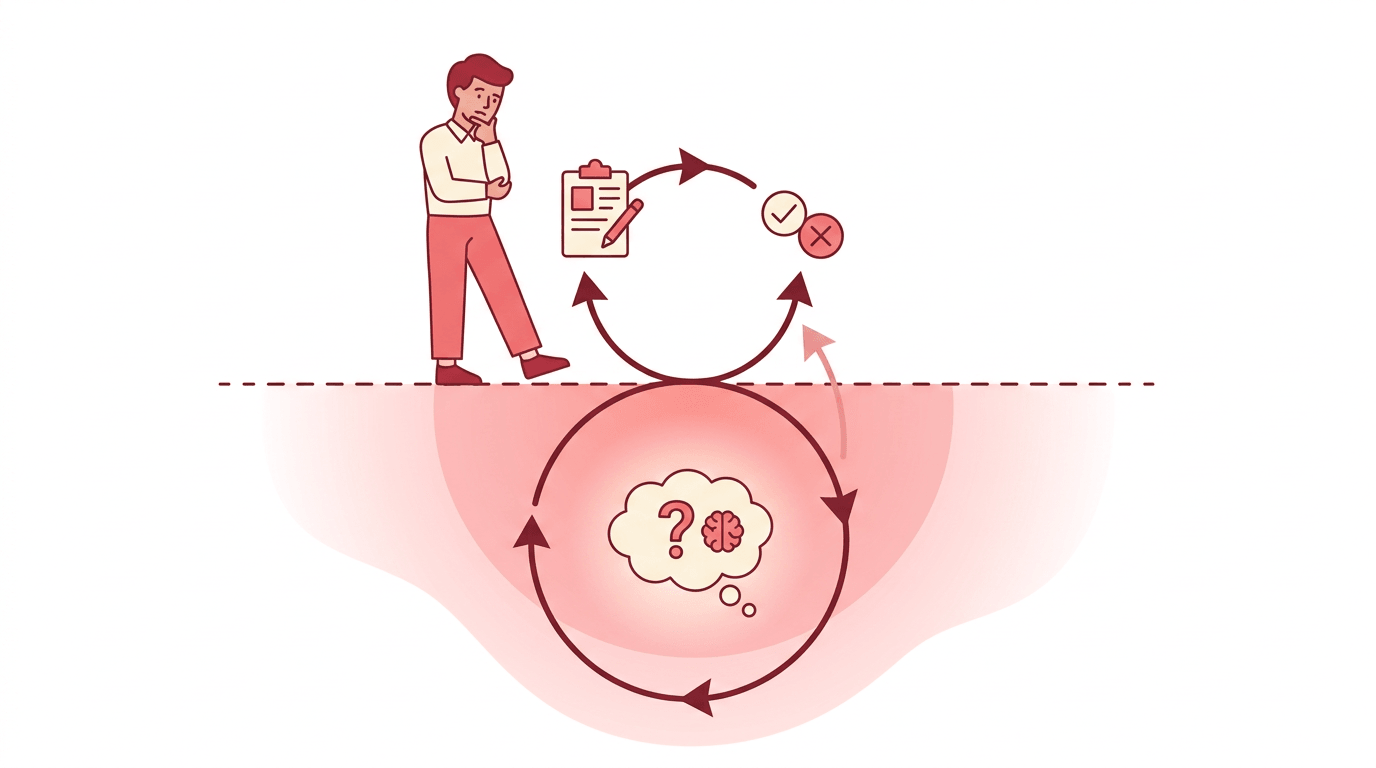
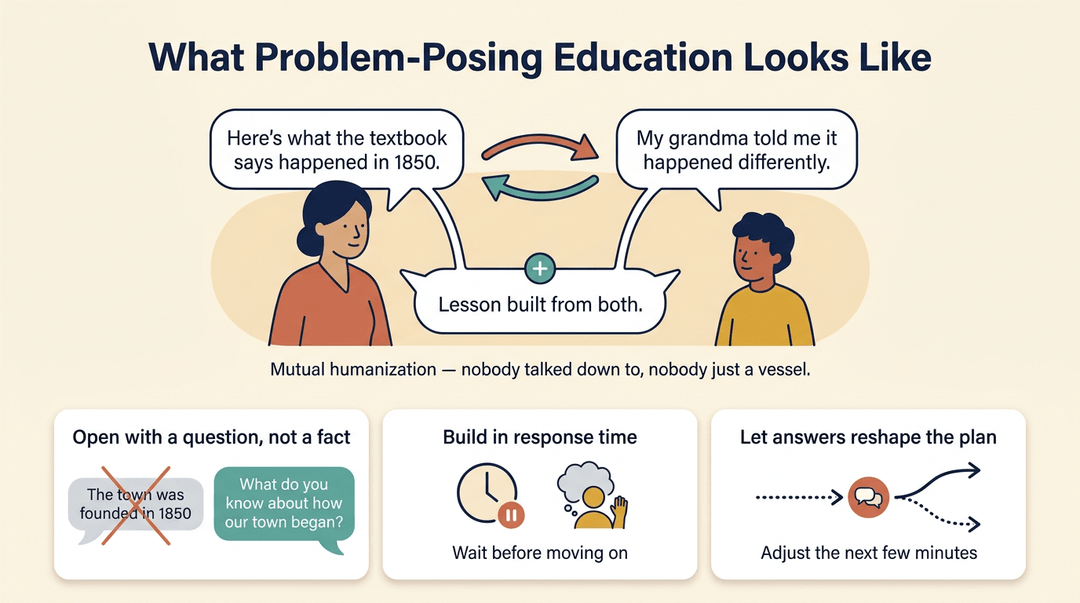
Here, the teacher doesn't just talk. They ask, listen, and adjust. It's a real dialogue: the teacher brings structure and experience, the student brings questions and lived knowledge, and both walk away having learned something.
Freire called this mutual humanization: nobody's talked down to, and nobody's just a vessel.
For example, a middle school teacher covering local history might ask students what they already know from family stories before presenting the textbook version, then build the lesson from both. A few planning tips:
- Open with a question, not a fact.
- Build in response time before you move on.
- Let student answers reshape the next few minutes.
Building critical consciousness through conscientização
Freire's term for this is conscientização: developing a critical awareness of how the world works and your place in it.
Students learn to spot patterns, question assumptions, and confront real problems in their own communities rather than absorb someone else's conclusions. That awareness is the practice of freedom, not just a classroom exercise.
Learning through real engagement with the world
Instead of facts told, problem-posing education leans on problems posed. Students learn through their interaction with the world around them, testing ideas against real situations rather than memorizing someone else's answers.
That shift, from passive object to active subject, is the whole point.
Bringing Freire's Ideas into Your Classroom
The fastest way to act on Freire's critique isn't to overhaul your teaching: it's to audit one lesson, swap one routine, and build from there. Here's the working version of that process.
Run a quick banking self-audit
Record or mentally replay a recent lesson, then check it against these four tells:
- Lecture-heavy lessons. You talked for more than 15 of every 20 minutes.
- One-way Q&A. Every question you asked had one answer you already knew.
- No student voice. Students never chose a topic, question, or method all period.
- Rigid pacing. The plan finished on time even when half the room was lost.
Two or more checks means the lesson was mostly deposit-and-receive. That's your candidate for the shift below.
Shift one lesson to problem-posing
- Open with a real-world question. Pose a problem students actually live with.
- Try: "Why does our cafeteria throw away so much food every day?"
- Move into small-group dialogue. Groups of three or four talk before you explain anything.
- Your job here is to listen and jot misconceptions, not correct them yet.
- Collect student-generated questions. Each group posts two questions the class will investigate.
- On the board they'd look like: "Who decides the menu?" "Where does the waste go?"
- Reflect and connect. Close by tying their questions back to your content standard.
- Say: "Which of your questions did today answer, and which are still open?"
⚠️ Watch out: A turn-and-talk that funnels students toward the answer you planned is still banking with extra steps. The dialogue only counts if their questions can genuinely redirect the lesson.
What it looks like at each level
The moves scale; only the format changes.
| Level | Problem-posing format | One concrete version |
|---|---|---|
| Elementary | Guided inquiry | Sort real objects, then name the pattern together |
| Middle school | Debate-based units | Two-week unit built around one contested question |
| High school | Project tasks | Students design a fix for a local problem |
| Higher ed | Seminar discussion | Students bring the questions; you facilitate, not lecture |
Example: A middle school science teacher replaces her water-cycle lecture with the question "Why did our town issue a drought warning when it rained all spring?" Groups argue, post questions, and the diagram she used to present becomes the tool they reach for to settle the debate.
Start with one lesson this week, run the audit again next month, and let the swaps compound. When you're ready to design whole units this way, you can plan problem-posing sequences and standards alignment side by side in Curriculum Planner.
Critiques and Effects of Banking Education
Freire's critique wasn't abstract.
It named real harms that still show up whenever a classroom leans too hard on lecture-and-recall, and you can spot banking model examples in classrooms today in scripted curricula, drill-heavy test prep, and any lesson where the teacher talks and the students only listen.
How it suppresses critical thinking and creativity
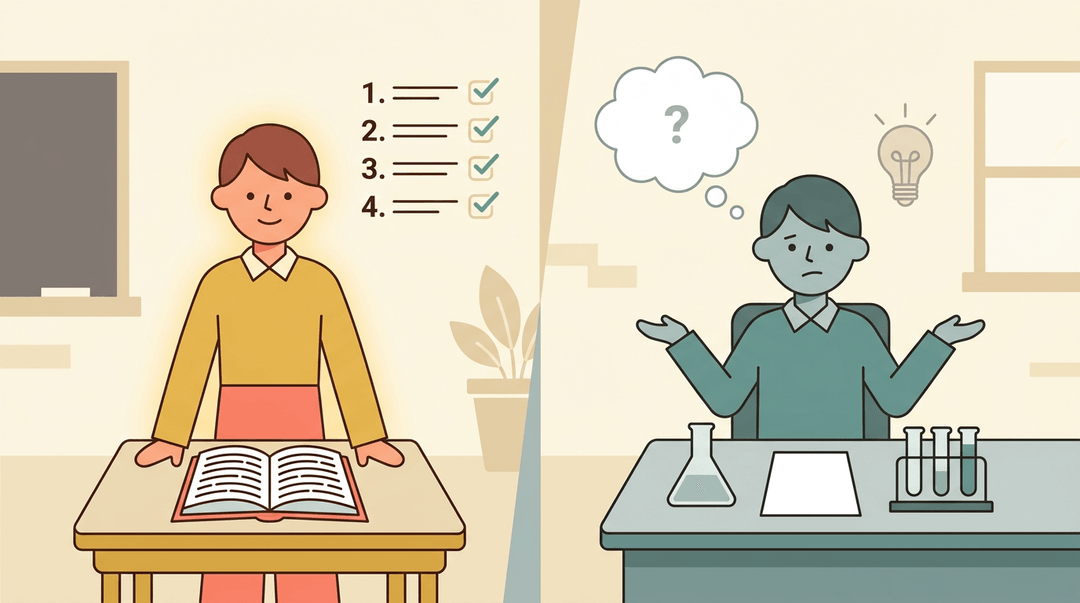
When learning is just passive memorization, there's no room for questioning. Students absorb facts instead of testing them, and that habit anesthetizes their creative power over time.
Consider a student who can recite every step of a science experiment but freezes when asked to design one: nobody ever encouraged them to actually think.
How it dehumanizes and enforces conformity
Banking education turns students into passive objects, adapted to fit the status quo rather than shape it.
That's a loss of individual agency, and it starts with a flawed premise: treating students as blank slates with nothing to contribute until the teacher fills them in.
Ignoring what students already know
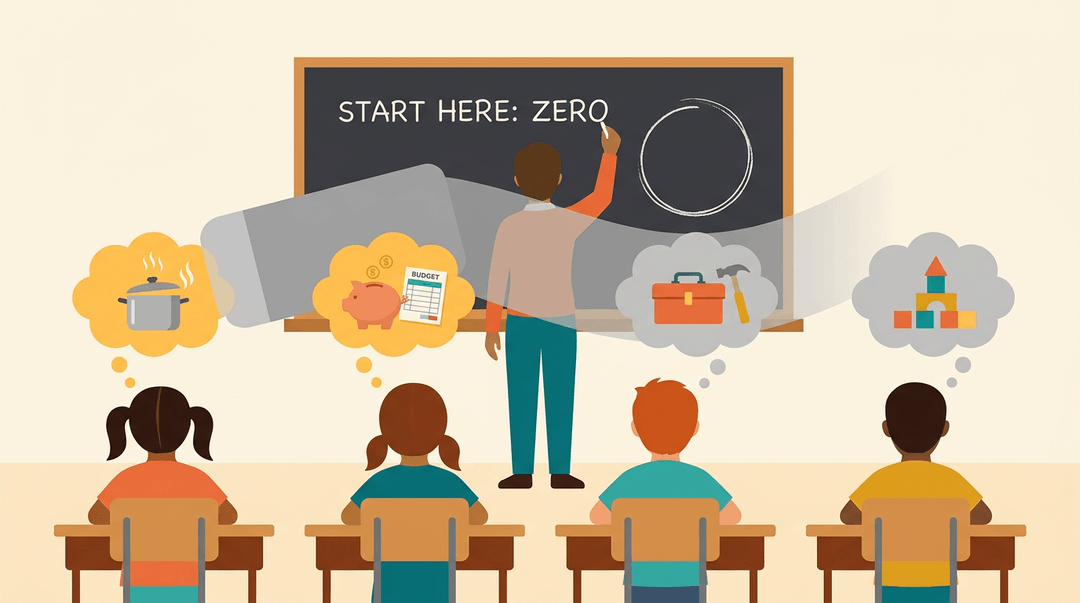
A rigid curriculum delivered to a whole group at once tends to disregard students' prior knowledge and backgrounds entirely, as if every learner started from zero.
A fourth-grade teacher who assumes no one's ever cooked, budgeted, or built anything at home misses real entry points into the lesson.
Differentiating for prior knowledge flips that script: it means asking what students already bring before deciding what to teach, and letting their experience shape the lesson instead of erasing it.
Pros and Cons of the Banking Approach
Freire was pointing out banking education's flaws, but that doesn't make the model useless in every classroom. Like any tool, it's the right fit for some jobs and the wrong one for others.
Where this approach still has value
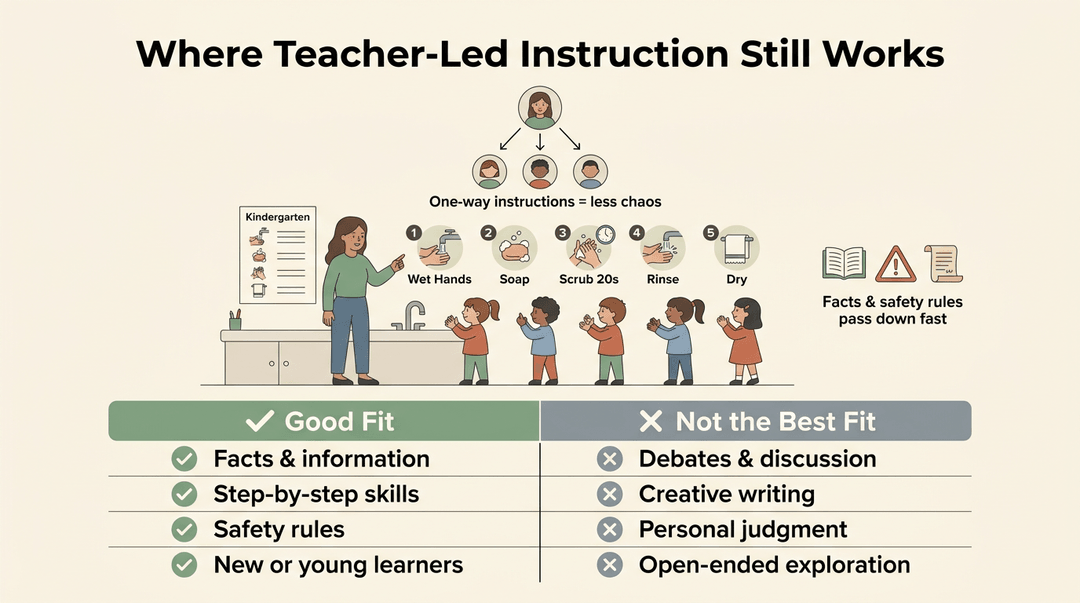
A teacher-led classroom keeps management simple: when instructions flow one way, there's less room for chaos to creep in. That structure also passes down traditional values and shared knowledge efficiently, from historical facts to safety rules.
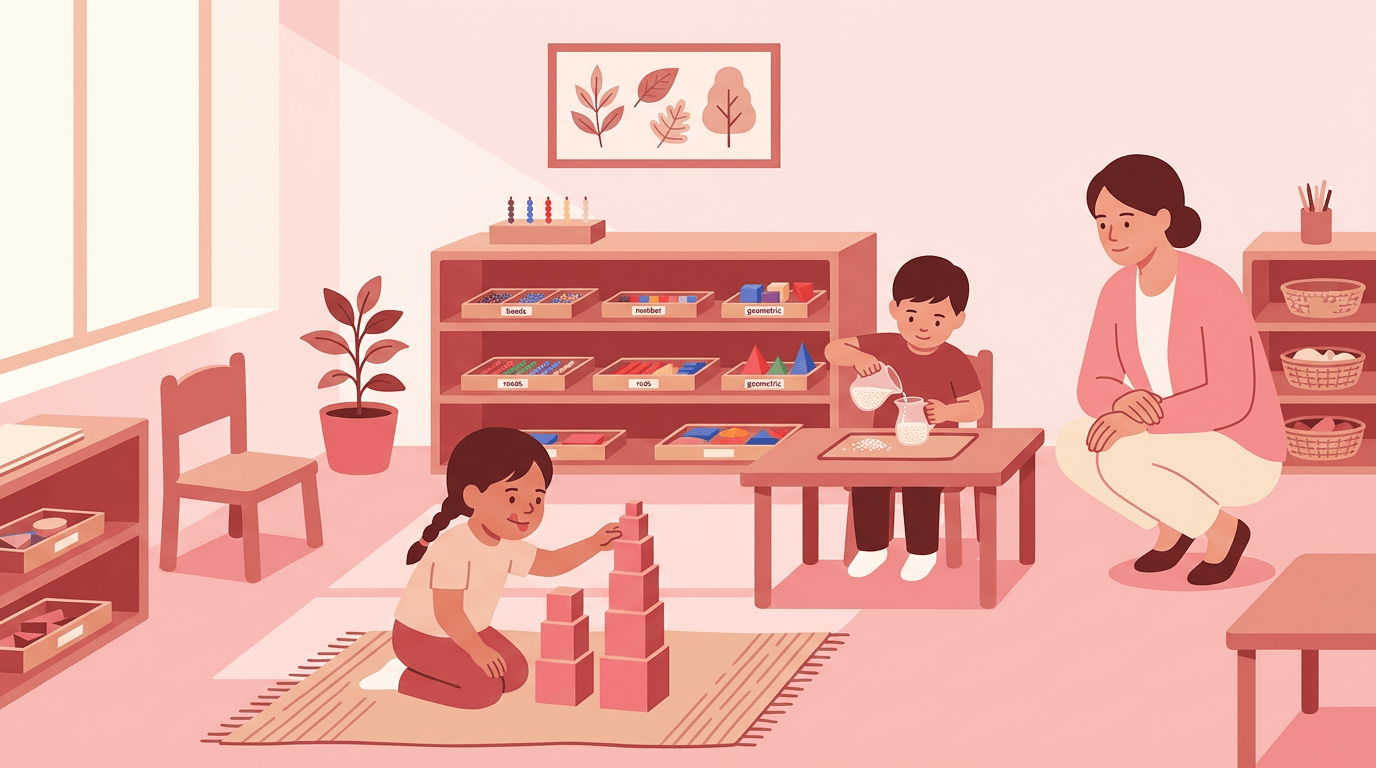
For direct instruction, telling and repeating genuinely works, especially with younger learners or students brand-new to a topic who need clear input before they're asked to explore on their own.
Consider a kindergarten teacher walking a class through handwashing steps. This isn't the moment for open-ended discovery; it's a moment for clear, repeated modeling.
Direct instruction fits best when the content is factual, sequential, or safety-critical, and less well when the goal is judgment, nuance, or original thinking.
The downsides of this approach
But lean on it too long, and the costs show:
- Lack of critical thinking. Students absorb facts without ever questioning them.
- Lack of creativity. There's no room to generate ideas when the only job is to receive them.
- Reinforces power imbalance. The teacher stays the sole authority, and students stay passive.
- Limits 21st-century skills. Collaboration, problem-solving, and adaptability all need practice that pure transmission doesn't offer.
Used as the whole approach, banking education leaves students well-stocked with facts but underprepared to use them.
How This Plays Out in Higher Education
Freire's warning about passive learners didn't stay locked in a mid-century classroom.
Consider the University of Birmingham's approach, which builds personal tutors, a virtual learning environment, and flexible course delivery around the idea that "student engagement is defined as the range of ways in which students are active participants in shaping their learning experience."
That's the antithesis of banking: students doing, not just receiving.
How consumerism shapes today's universities
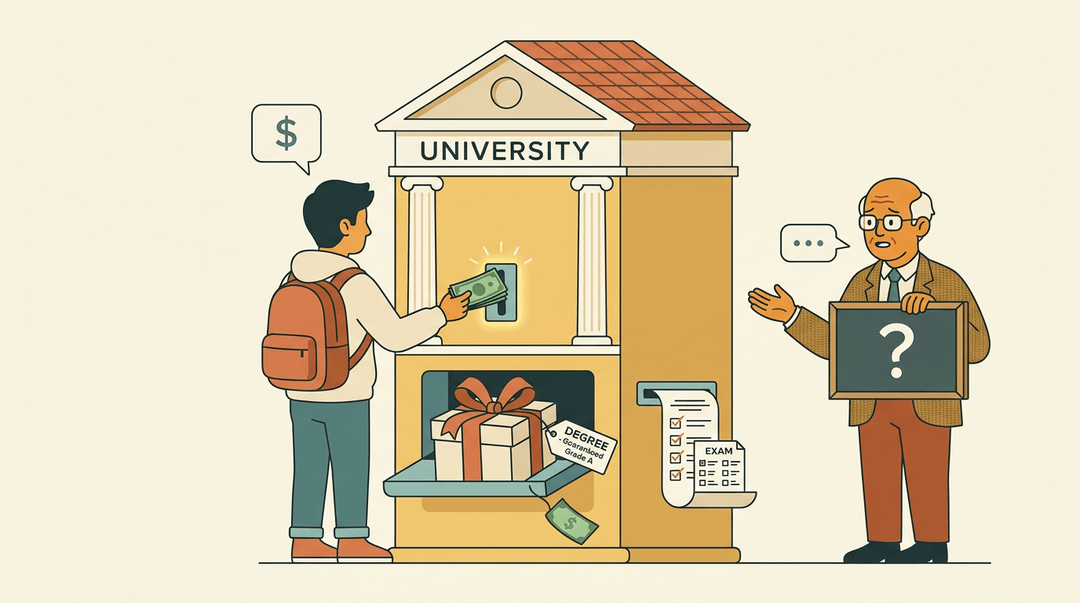
Even so, the banking model hasn't disappeared from higher education (HE). It's just changed shape. When students pay steep tuition, they start acting like consumers of education rather than co-creators of it, and that shift brings its own pressure.
A student who's paying for a degree may push for prescribed reading lists and predictable exams rather than open-ended inquiry, because certainty feels like value for money.
Add a political climate that rewards measurable outcomes over messy critical thinking, and the deposit-and-withdrawal habit creeps back in.
This is exactly the gap Freire's legacy in critical pedagogy tries to close: pushing lecturers toward dialogue and real problem-posing, even inside a system built on fees and rankings.
Access and support for international students
Access isn't equal, either. The OECD notes that "international students are charged fees in some systems where domestic students are not and are often charged higher fees," which steers many toward countries with friendlier costs.
Once they arrive, strong support services, personal tutoring, orientation programs, cultural adaptation help, can make the difference between a student who thrives and one who just survives the semester.
Freire's banking theory isn't just an academic relic. It's a mirror that asks whether your lessons hand students ready-made answers or invite them to build their own.
Problem-posing education flips that script: students become active participants, not empty accounts waiting to be filled.
The shift can start small, with one question instead of one lecture. Ready to plan lessons that leave room for that kind of thinking? Check out our Curriculum Planning feature to map units and standards with space for real dialogue built in.
References
- Paulo Freire — iep.utm.edu
- Paulo Freire — chapman.edu
- The Student Charter — birmingham.ac.uk
- Where do higher education institutions get their income?: The Financial Sustainability of Higher Education — oecd.org (2025)
Frequently asked questions
What is Paulo Freire's "banking concept" of education?
Paulo Freire’s “banking concept” describes education as a one-way process in which teachers deposit ready-made facts into students, treated as empty accounts or containers. Students are expected to receive, memorize, and repeat information rather than question it, contribute knowledge, or help create understanding.
What is banking theory?
Banking theory, or the banking theory of education, is Freire’s description of a teacher-centered model in which knowledge flows from an authoritative teacher to passive students. The teacher chooses the curriculum and acts as the knower, while students are treated as objects who receive and store information.
Why did Freire oppose the banking method of education?
Freire opposed the banking method because it makes students passive, suppresses questioning and creativity, and reinforces an unequal power relationship between teacher and student. He argued that education should instead involve dialogue, recognize students’ lived knowledge, and help them develop critical consciousness so they can understand and transform their world.
What was Paulo Freire's theory?
Paulo Freire’s broader theory is critical pedagogy, an approach that views education as a practice of freedom rather than simple information transfer. Through dialogue and problem-posing education, teachers and students learn together, develop critical consciousness, challenge oppression, and become active participants in shaping their world.