Teachers vs Professors: Key Differences Explained
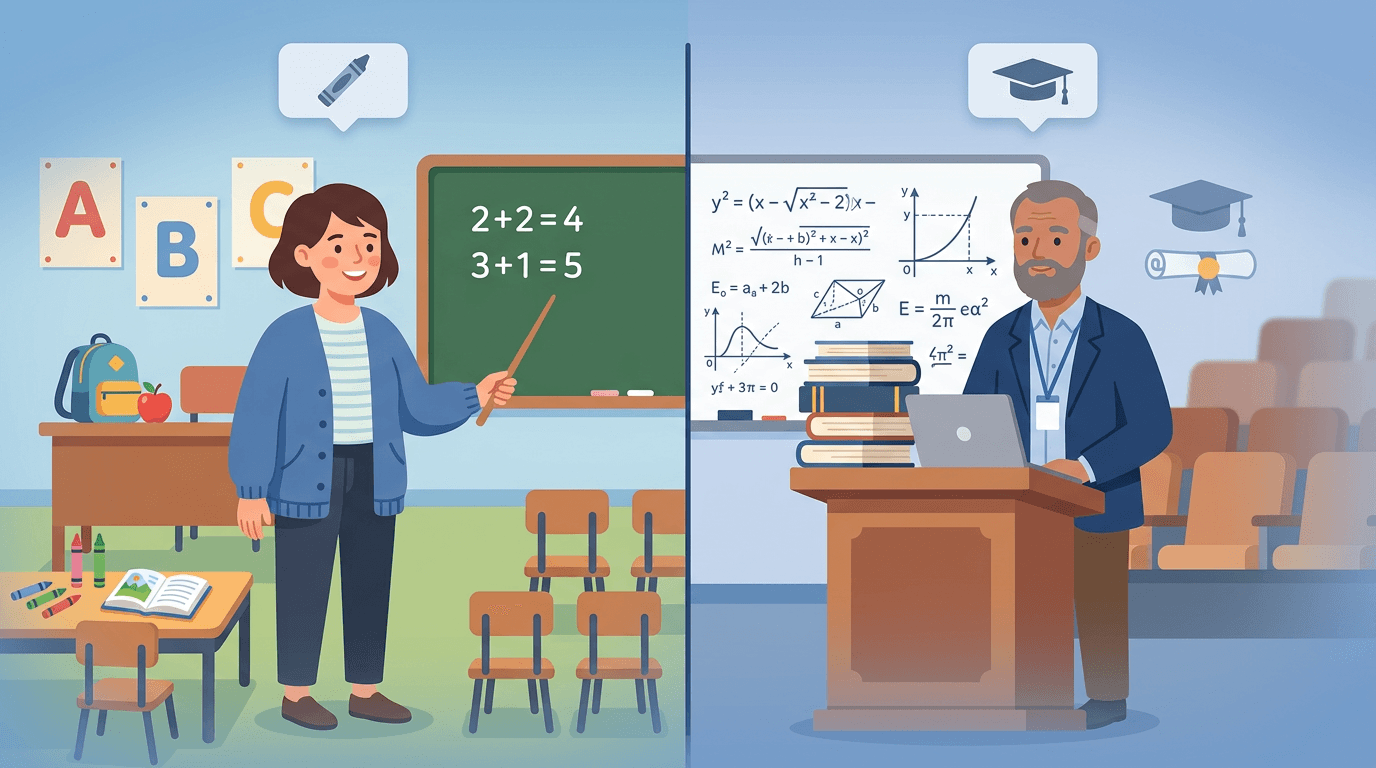

Jump to section
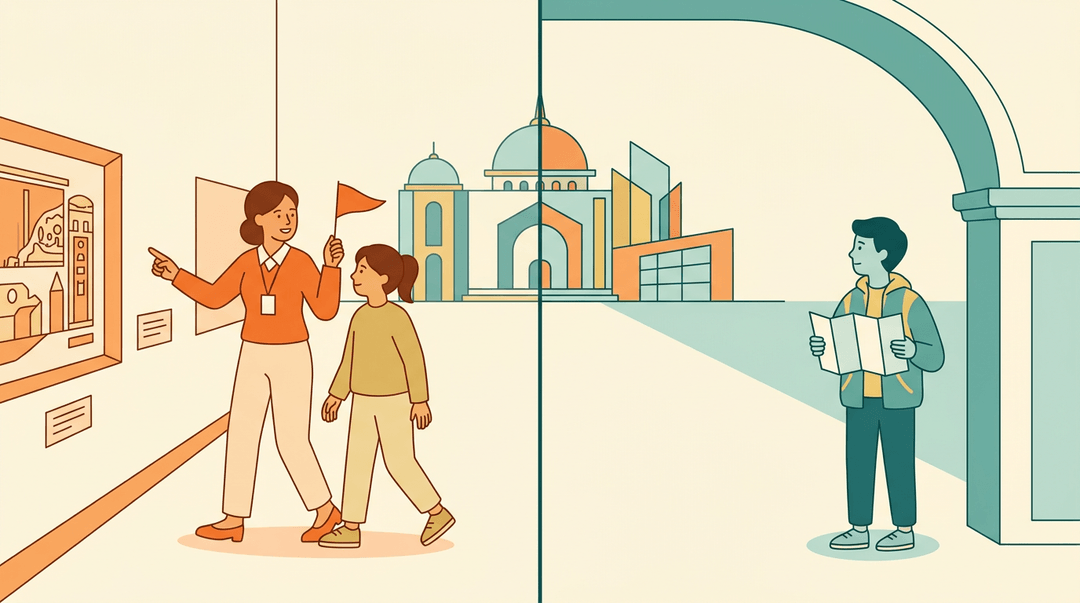
Think about the difference between a tour guide who walks beside you through every exhibit and a map you're handed at the door. Both get you to the same destination, just in very different ways.
That's close to the real difference between teachers and professors: one guides you closely through each step, the other hands you the tools and expects you to navigate.
So what actually separates the two? In this post, we'll break down their credentials, daily duties, classroom culture, pay, and career paths, then translate those differences into classroom-management moves you can use right away.
Teachers vs Professors at a Glance
The words get tossed around like synonyms, but teacher and professor describe two different jobs, trained for differently and built around different students. Here's what actually sets them apart.
What is a teacher
A teacher is a K-12 educator: someone who works with students anywhere from kindergarten through twelfth grade, usually with a specific age or grade focus.
The job spans foundational skills like reading and basic math all the way up to advanced high school coursework, building the base students carry into college and career.

Why aren't professors called teachers?
Because the role is built on a different foundation. A professor is a postsecondary educator who typically holds a PhD or EdD (Doctor of Education) in their subject.
Professors teach undergraduate and graduate students rather than children, and the job is often research focused as much as classroom focused, meaning published work and original study can count as much as time spent lecturing.
Do I call my teacher Dr. or professor?
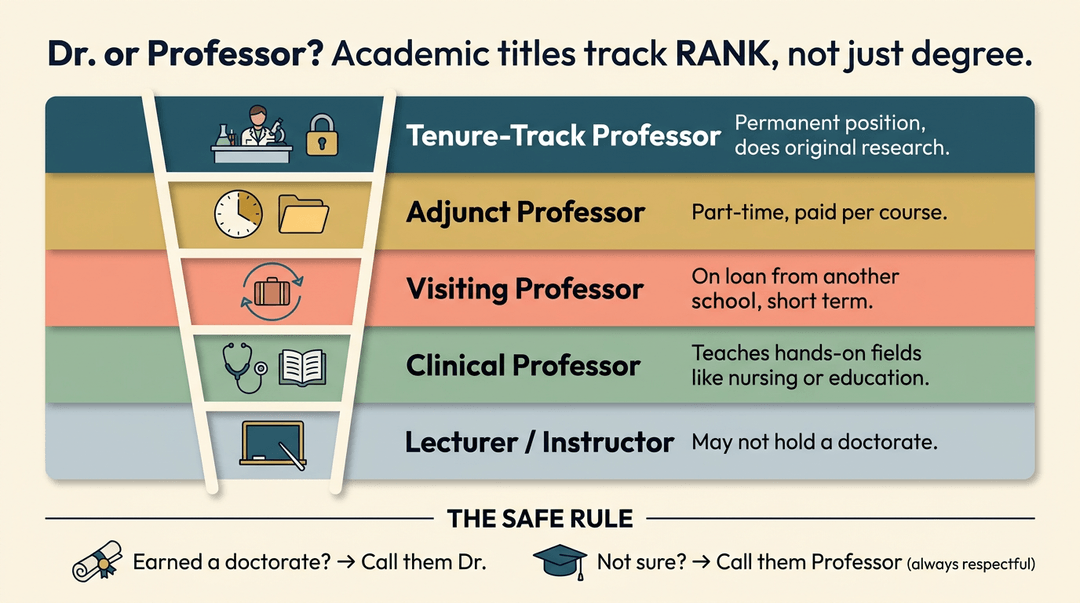
Academic titles track rank, not just degree.
- A tenure-track professor holds a permanent, research-driven position
- An adjunct professor teaches part-time, course by course
- A visiting professor is on loan from another institution for a set term
- A clinical professor focuses on hands-on fields like nursing or education
- Below those sit lecturers and instructors, who may not hold a doctorate at all
The safe rule: use "Dr." for anyone who's earned a doctorate, and "Professor" as the respectful default for everyone else teaching at the college level.
What Teachers and Professors Do Day to Day
Ask a teacher and a professor to describe a "typical day," and you'll get two very different answers. The hours, the tasks, and even the goals shift once you move from a K-12 classroom to a college lecture hall.
What a teacher's day looks like
A teacher's day starts well before the first bell. There's lesson planning to map out, homework and tests to grade, and often a parent conference squeezed into a lunch break.
Add standardized test prep and after-school duty watching the hallway or a club meeting, and the day fills up fast.
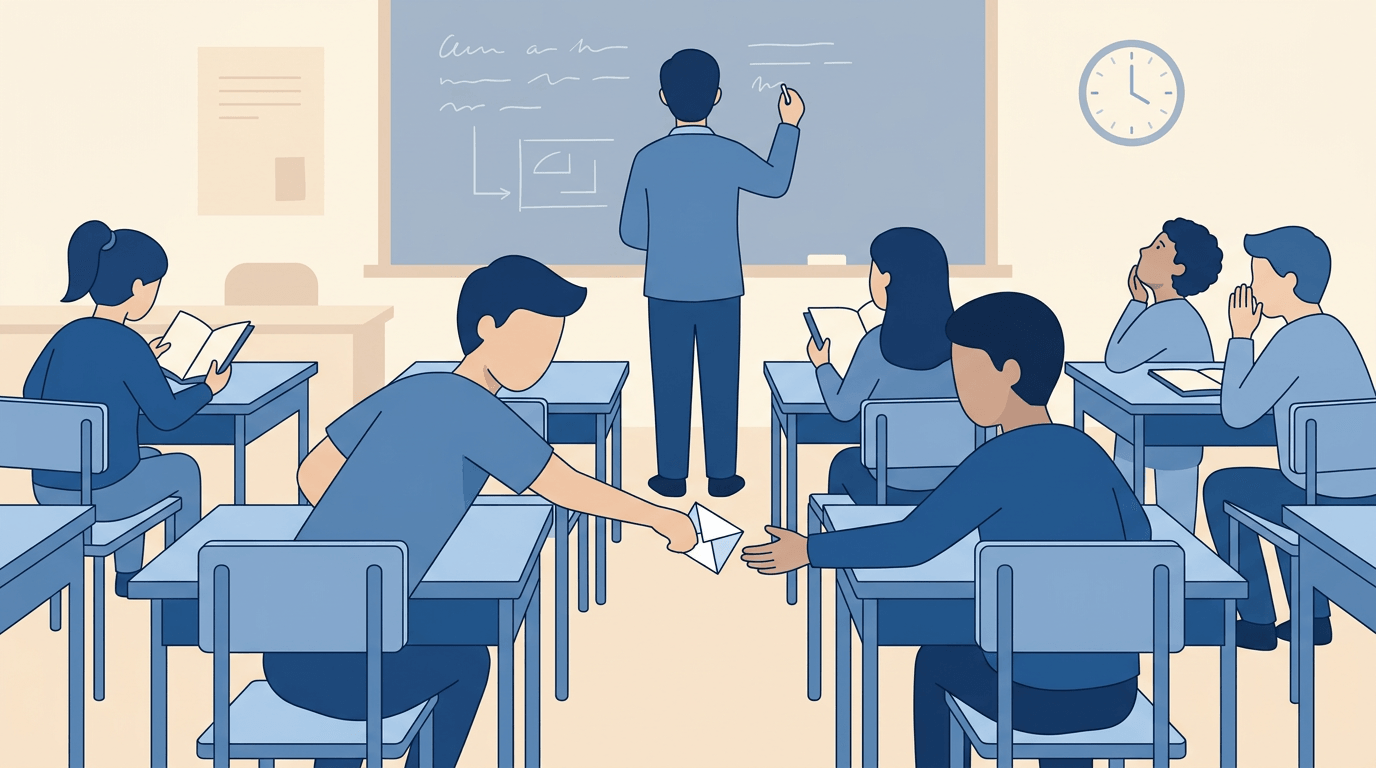
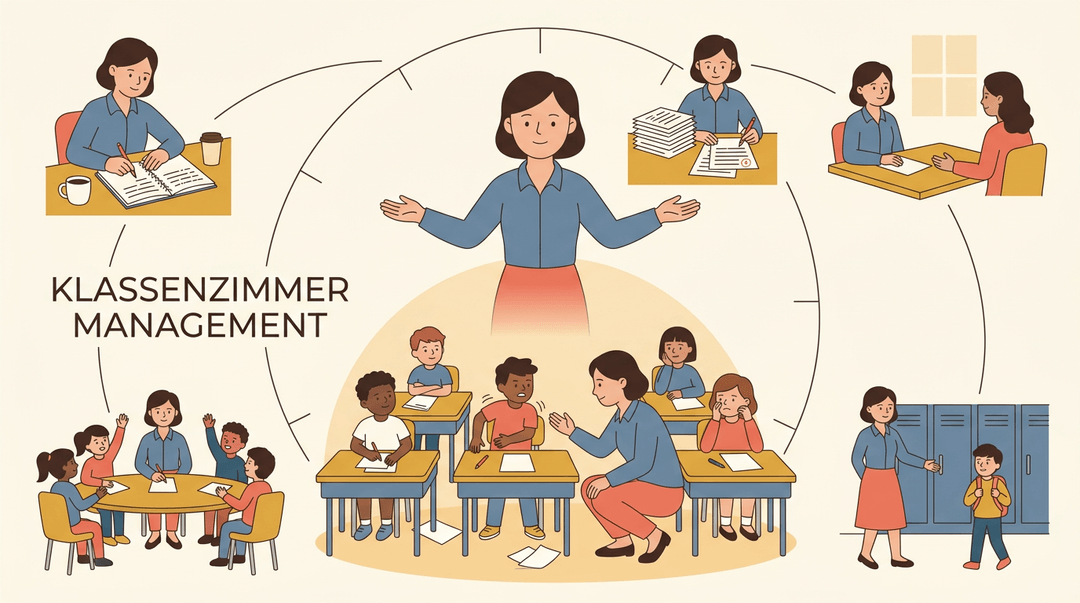
Through all of it, one thread holds everything together: classroom management. A teacher is also the room's disciplinarian, the person keeping twenty-five students focused, settling disputes, and redirecting the one kid who can't sit still.
For example, a middle school teacher might spend as much energy managing behavior as delivering the actual lesson. Behavior management isn't a side task here. It's core to the role.
What a professor's day looks like
A professor's day runs on a different clock. Instead of managing a room full of teenagers, they're building a curriculum from scratch, lecturing to a hall of adults who chose to be there, and carving out time for original research.
Publishing articles in academic journals matters for tenure and reputation, and office hours fill the gaps between classes for one-on-one advising. Committee service, from hiring panels to curriculum reviews, rounds out the week.
Where a teacher's day centers on managing a classroom, a professor's centers on advancing a field.
Degrees and Credentials Each Role Needs
The two paths split early, and each asks for a different kind of proof that you're ready. A teacher's credential is about classroom-ready skill; a professor's is about depth of research in one field.
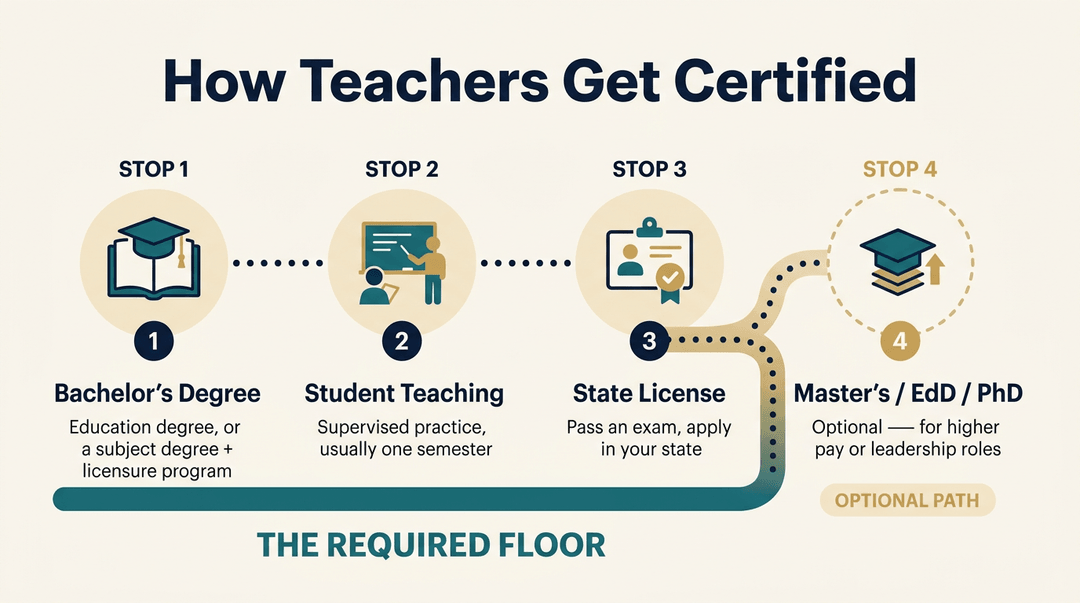
How teachers get certified
Becoming a classroom teacher follows a fairly set sequence:
- Bachelor's degree in education, or a subject-area degree paired with a licensure program.
- Student teaching hours: supervised practice in a real classroom, usually a full semester, before you ever run your own.
- State certification or license: an exam and an application specific to the state where you'll teach.
- An optional master's degree, EdD, or PhD later on, often for a pay increase or a move into leadership.
A bachelor's and a license are the floor. Everything after that is a choice, not a requirement.
The path to becoming a professor
Higher ed works on a different ladder entirely:
- A master's degree is the minimum for adjunct or community college teaching.
- A PhD is required for any tenure-track position.
- A dissertation: original research, written and defended in front of a faculty committee, is the centerpiece of that PhD.
- Many new PhDs spend a few years in post-doctoral research roles before landing a permanent position.
- There's no state licensure involved at any point. The degree and the research record do the qualifying.
Where a teacher proves readiness through supervised practice, a professor proves it through original scholarship.
How Teaching Style and Classroom Culture Differ
Step into a middle school classroom and a university lecture hall back to back, and the difference hits you fast: one runs on structure, the other on independence.
Structured guidance vs independent learning
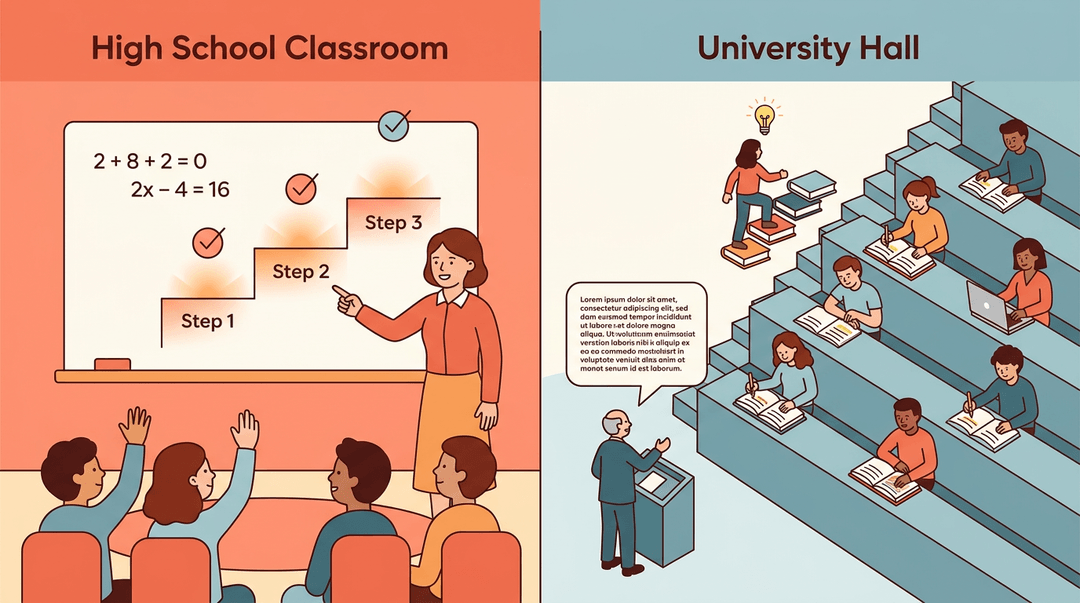
K-12 teachers build lessons around step-by-step guidance: breaking a skill into small pieces and checking for understanding before moving on. Professors work differently.
The lecture format gives them freedom to move at their own pace, trusting that self-directed learning will fill in the gaps outside class.
Think of a high school teacher walking students through a math problem line by line, versus a professor who expects students to read the chapter before class even starts.
How much critical thinking is expected
Early grades lean on memorization:
- facts
- formulas
- vocabulary
College work shifts toward analysis. Open-ended assignments like research papers and seminar discussions replace worksheets, and original thought starts to matter more than a right answer copied from a list.
Why student maturity levels differ
K-12 students are minors who have to be there, whether they're interested or not. College students are willing participants who chose their major, and often their professor.
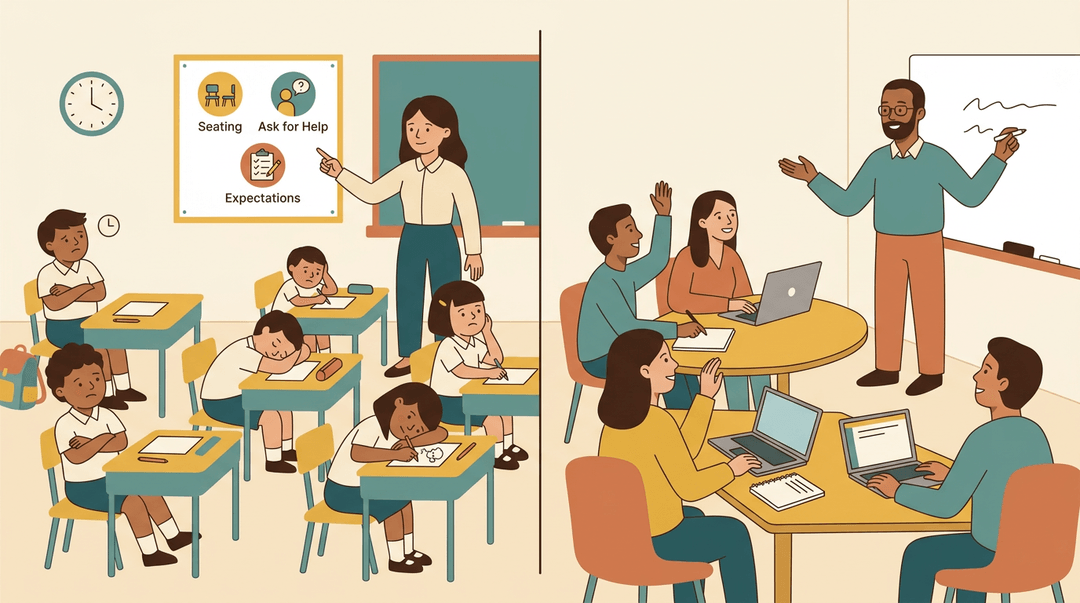
That shift changes engagement and attentiveness in the room: a professor can assume a baseline of investment that a teacher can't. For new teachers, that gap is worth planning for early.
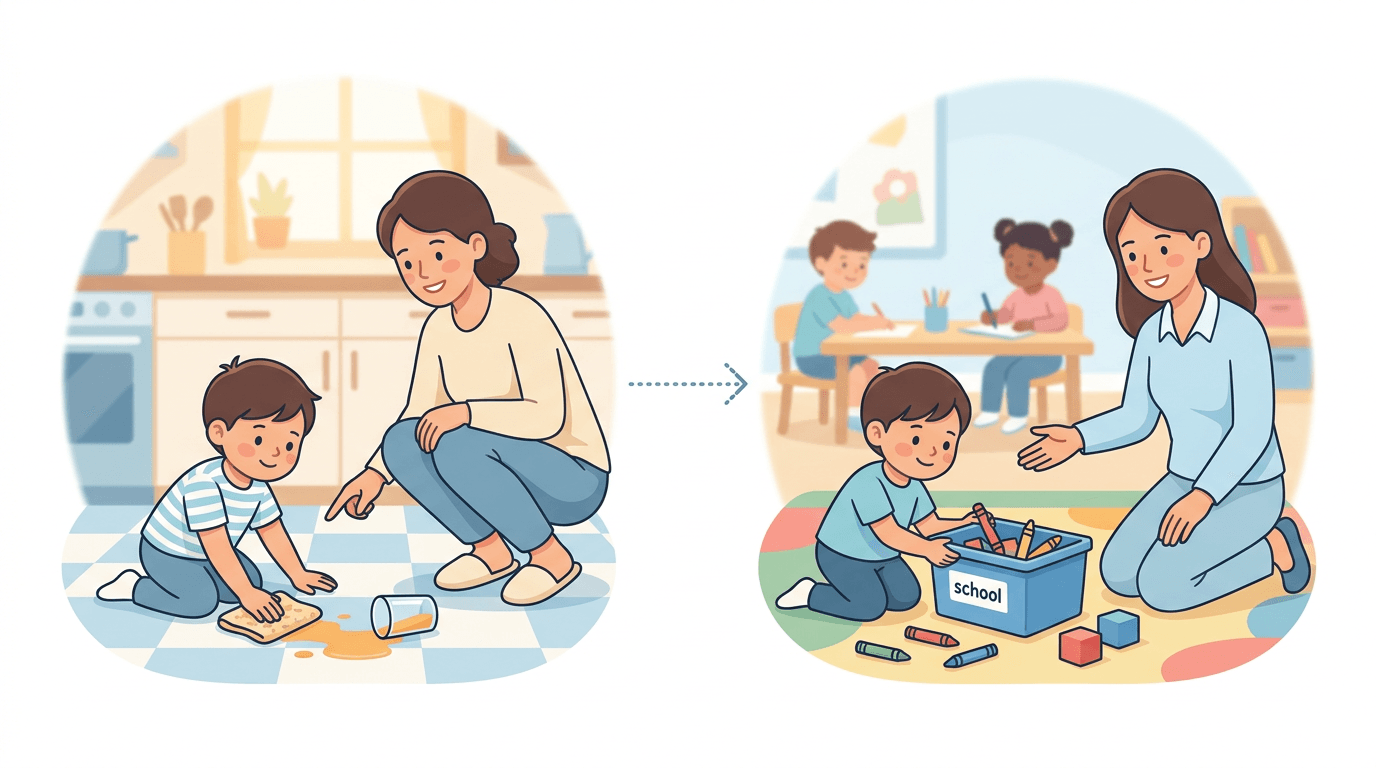
Setting clear routines in week one, where to sit, how to ask for help, what's expected, gives students the structure they need before they're ready to ask for it themselves.
Classroom Management Strategies Teachers Can Use Now
Managing a room looks different depending on whether it's yours, borrowed for a day, or lives inside a screen. Find your situation below and start with that block.
Setting up your own classroom
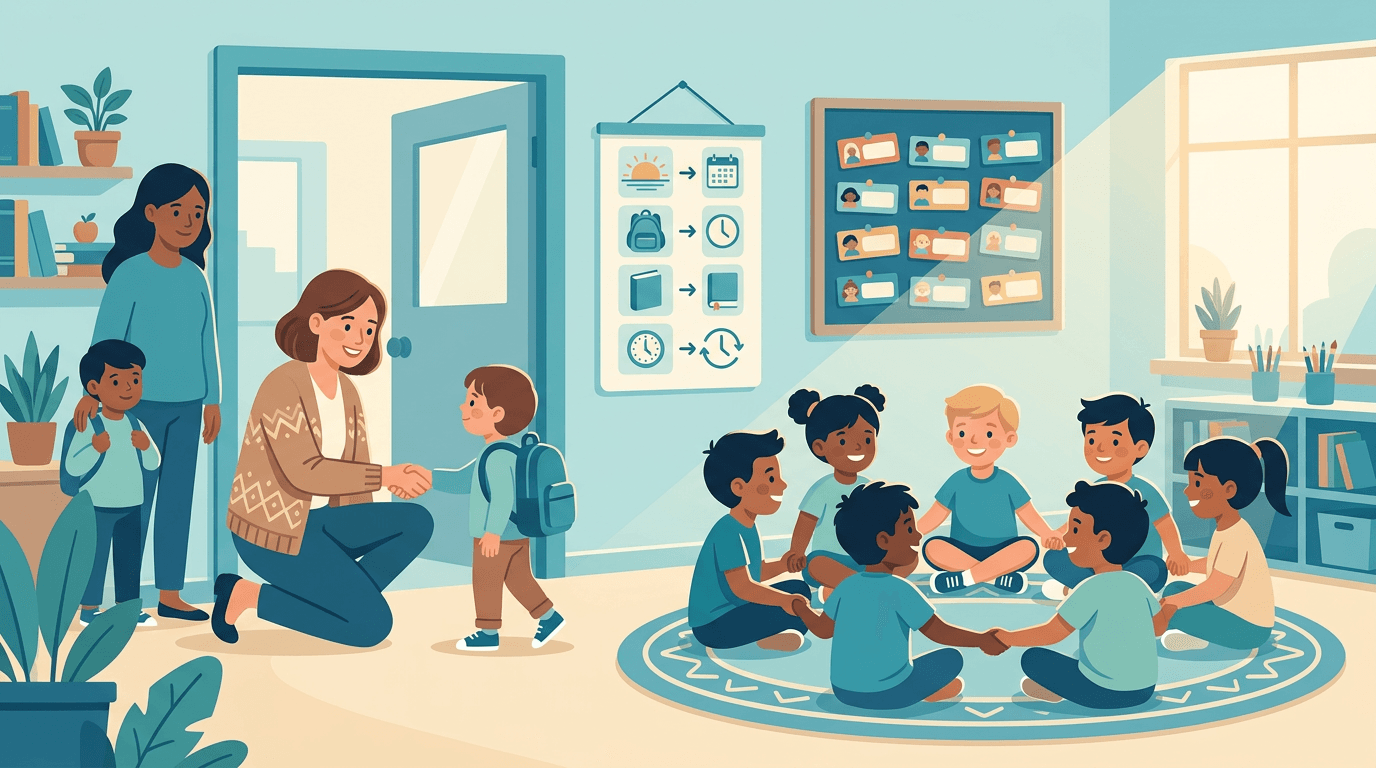
Your first week sets the tone for the year, so build the structure before students arrive:
- Set clear rules on day one.
- Post 3 to 5, phrased as actions: "Raise your hand before speaking."
- Teach each one with a quick practice rep, not just an announcement.
- Build a seating chart before students walk in.
- Starting with assigned seats signals the room runs on routine.
- Adjust quietly every few weeks as you learn who distracts whom.
- Assign classroom jobs.
- Line leader, materials manager, tech helper: ownership cuts off-task time.
- Plan your transition routines.
- Script one now: "When the timer sounds, materials away, eyes on me."
Key principle: Students follow routines, not speeches. Every move above puts the structure, not your voice, in charge of behavior.
Covering a class as a substitute
You don't have relationship capital yet, so lean on visible structure. Before the bell, confirm:
- Procedures are posted. Write the agenda and bathroom routine on the board first thing.
- You have an attention-getter ready. Say: "If you can hear me, clap twice." Teach it in the first five minutes.
- Consequences stay consistent. One warning, then the teacher's posted consequence, for every student, every time.
- A calm-down corner exists. A desk apart from the group with paper and a two-minute timer.
Keeping a virtual classroom engaged
Online, the challenge shifts from behavior to attention. Four moves cover most of it:
| Move | Try this |
|---|---|
| Set chat and mute norms | Slide one: "Mics muted; questions in chat." |
| Plan brain breaks | A 60-second stretch every 15 to 20 minutes |
| Run breakout check-ins | Drop into each room with one question |
| Track engagement, not attendance | Tally chat replies and poll answers, not logins |
That last row matters most: a logged-in student isn't necessarily a learning one, and your tally shows you who to check on tomorrow.
Whichever room you're managing, the systems above only work if you can keep them running all year. Organize rosters, routines, and behavior systems in one place with EMStudio's classroom management tools.
How Accessible Teachers and Professors Really Are
Walk into a classroom at 7:45 a.m., and you'll likely find a teacher already there, ready for questions. Try that with a college professor, and you might be waiting until next week.
We see this gap show up in almost every part of how reachable each role actually is.
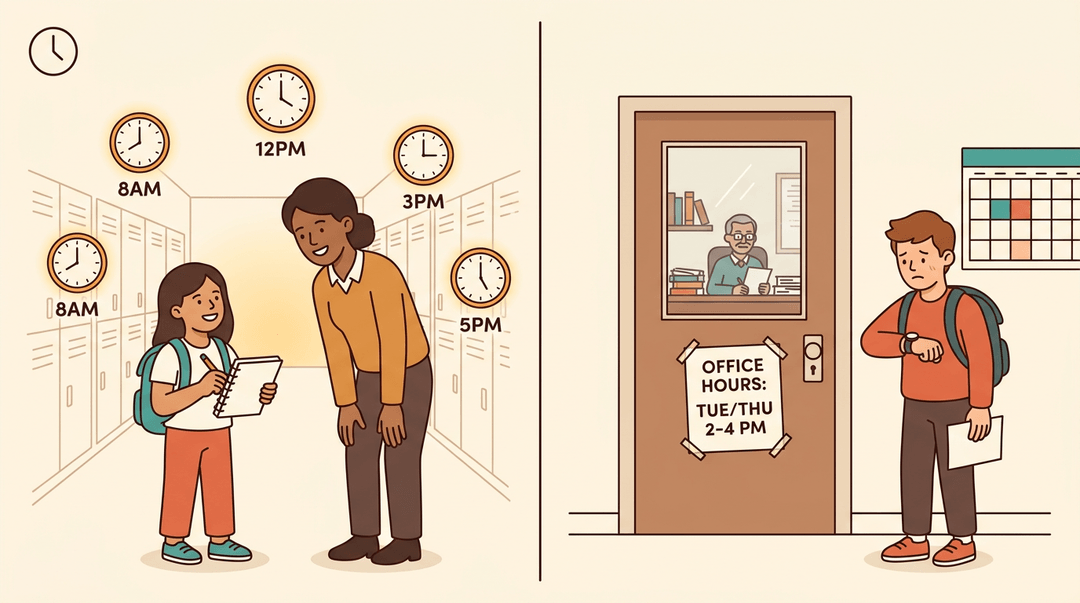
How easy it is to reach your instructor
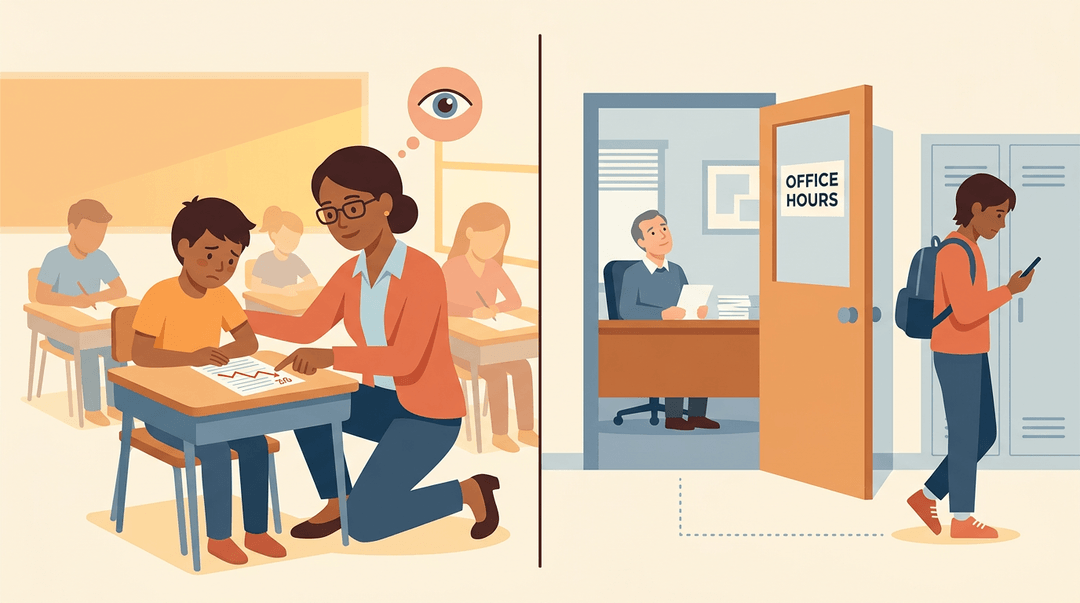
Teachers are available all day: in the hallway, before homeroom, during lunch duty. Students can catch them almost anytime a question comes up. Professors work differently. They set office hours, a few scheduled blocks each week, and expect students to show up during that window or book an appointment. Outside those hours, you're mostly waiting on an email reply.
How attendance gets tracked
K-12 classrooms run on strict attendance rules. Miss a day, and the school often sends a parent notification home before lunch. Professors rarely track who's in the room. Skipping a lecture usually has no direct consequence beyond the grade impact when a quiz or participation score slips later on.
Who helps when you're struggling
Consider a ninth-grade teacher who notices a student's quiz scores sliding and pulls them aside that same week. Teachers proactively intervene before small gaps turn into big ones. Professors expect self-advocacy instead: if you're struggling, it's on you to show up to office hours or seek out tutoring. The resources exist, but nobody comes looking for you.
Who provides your study materials
Teachers typically hand out study guides and review packets mapped directly to the test. Professors hand you a syllabus on day one and expect syllabus-based self-tracking from there. Readings, textbooks, and due dates are yours to manage, and nobody reminds you twice. For a student used to handouts, that shift can feel abrupt, but it's also where real independence starts.
Where and When Each One Works
Ask a teacher and a professor to describe a typical day, and you'll hear two very different stories, right down to where they stand and how their calendar looks.
Even the virtual version of each job looks different: a teacher running an online class manages one steady group of students all day, while a professor hosting a virtual lecture might see a different roster every session.
Classroom space vs shared offices
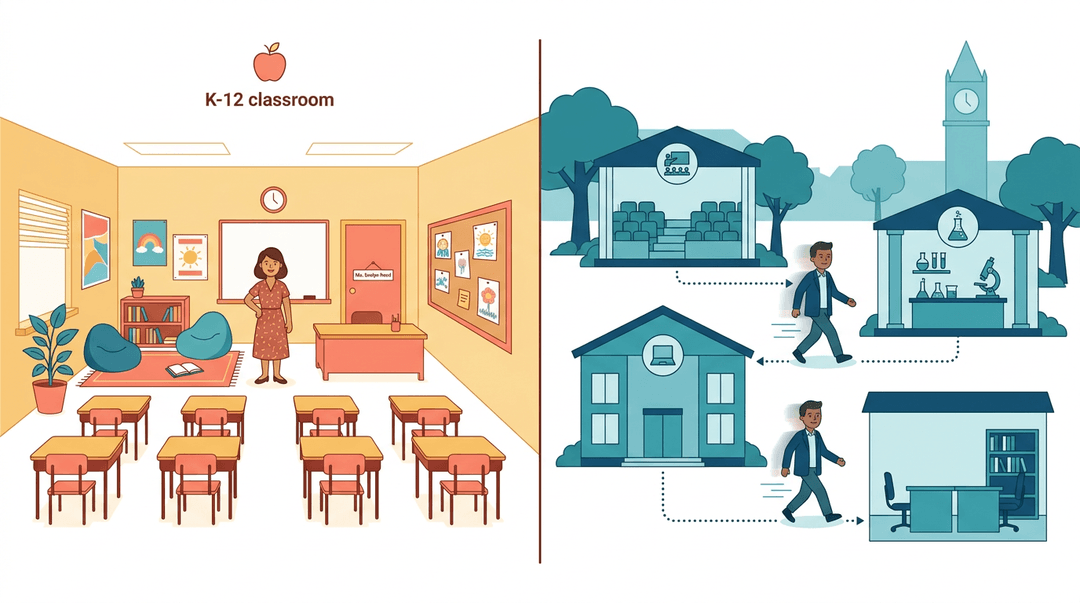
Most K-12 teachers claim a classroom of their own. It's their home base, where students come to them. Professors usually work from a shared office, often alongside other faculty, and teach across multiple buildings on campus.
A high school English teacher might decorate one room for a whole year, while a biology professor could lecture in one hall on Monday and run a lab across campus on Wednesday.
How flexible their schedules are
Teachers work a fixed school-day schedule set by the district, arriving and leaving at set times with little room to shift.
Professors set their own class times within department guidelines, and many qualify for a sabbatical: a paid or unpaid stretch away from teaching to research or write.
Both groups often get summers and holidays off, but a professor's break is more likely to include research travel than lesson planning.
K-12 teaching vs college learning culture
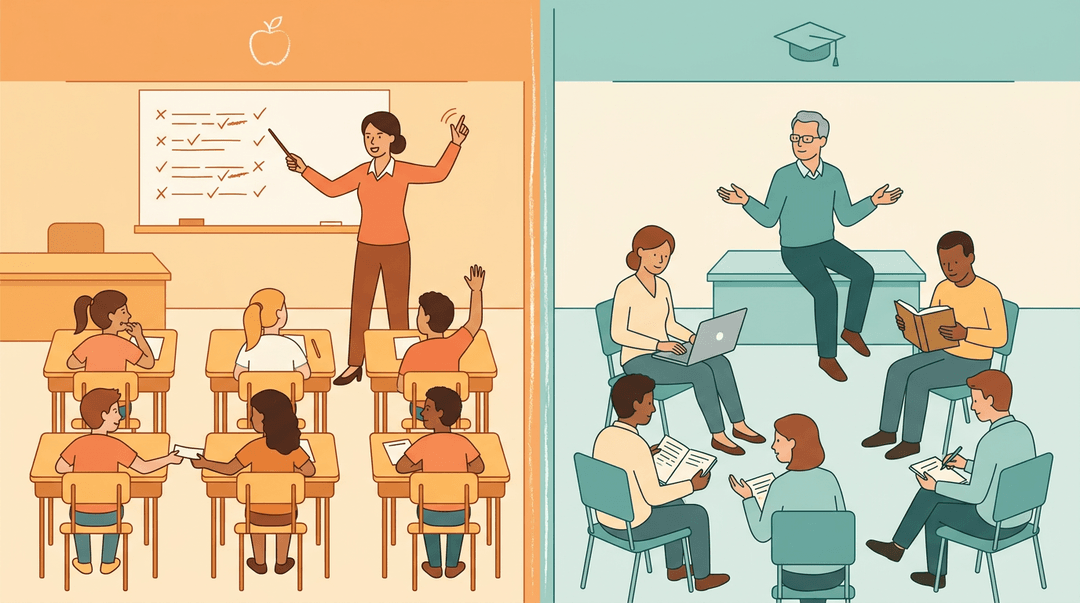
K-12 classrooms lean on teaching: teachers guide, correct, and reinforce. College leans on learning: students are expected to drive their own progress. That shift changes the job itself.
A middle school teacher often plays disciplinarian, keeping twenty-five twelve-year-olds on task. A professor acts more as a facilitator, trusting adult students to show up prepared and engaged.
Teacher vs Professor Salary Breakdown
Paychecks tell part of this story, and the numbers split in a fairly predictable direction: professors typically out-earn teachers, but how each role gets paid works differently.
What teachers typically earn
A teacher's salary sits around $59k-$61k nationally, though the real figure depends on grade level, district, and years in the classroom. Pay climbs noticeably for educators holding a master's degree.
As the New York State Teacher Salary Report notes, "Teachers with only a Bachelor's degree tend to be paid a few thousand dollars less, so that a starting teacher without a Master's under the median contract would only make $40,083."
What professors typically earn
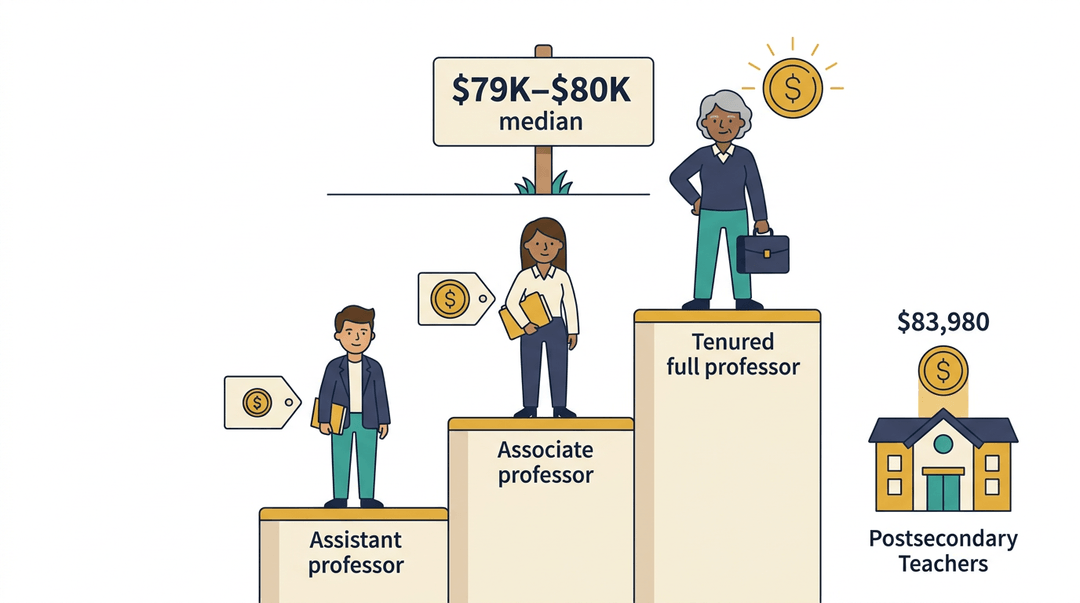
Professors land higher, with a median around $79k-$80k. That number moves based on academic rank (a new assistant professor earns less than a tenured full professor), institution type, and field of study.
According to INFORMS, "The broad Postsecondary Teachers group carried a median wage of $83,980 in May 2024," with quantitative fields like business and engineering typically pricing faculty above that broad, mixed-discipline median.
What affects how much you earn
A handful of factors shift the number up or down for both roles:
- Degree level, especially a master's or doctorate
- National Board Certification for K-12 teachers
- Tenure status for professors
- Working at a public vs. private institution
- Teaching in a high-paying field like law or engineering
Career Paths and Job Outlook for Each
A teacher's ladder and a professor's ladder both move upward, but they look nothing alike, and knowing the shape of each helps you see where your own path might lead.
How a teaching career progresses
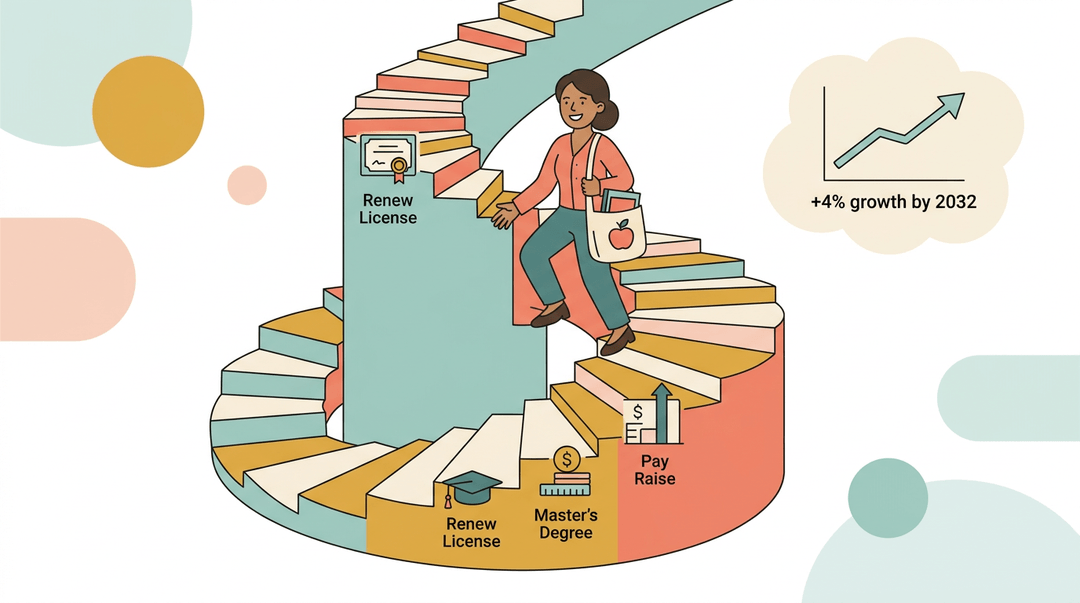
Teaching careers move forward through renewal, not rank. You'll keep your license current through periodic certification renewal, and many teachers pursue advanced degrees, a master's or beyond, that unlock higher pay on the district's salary schedule.
The field is also growing steadily: Research.com reports a projected 4% growth in teacher employment through 2032, reflecting both expansion and replacement needs rather than a guarantee of open positions everywhere.
How a professor's career progresses
A professor's path looks more like climbing a formal ladder. Most start as an assistant professor, often after a postdoctoral position that serves as a stepping stone, then move to associate professor, and eventually earn tenure.
As the Academy of Management notes, institutions typically set a probationary period averaging about 5.7 years per rank before the next promotion is even considered.
The first step in that climb, moving from assistant to associate, is the one most junior faculty focus on first. Job growth for postsecondary teachers is projected at 12%, a faster climb than the K-12 side.
Tips for Adjusting from High School to College
That jump from high school to college can feel like trading a bike with training wheels for open road: nobody's holding the handlebars anymore. A few practical habits make that first semester far less bumpy.
How to adjust to college expectations
Most of the adjustment comes down to building a handful of simple routines early, before a missed deadline or a confusing assignment turns into a crisis:
- Build rapport with professors. Show up to office hours, ask a question after class, or send a quick email introducing yourself. Professors notice the students who engage, and that relationship pays off when you need an extension or a recommendation letter.
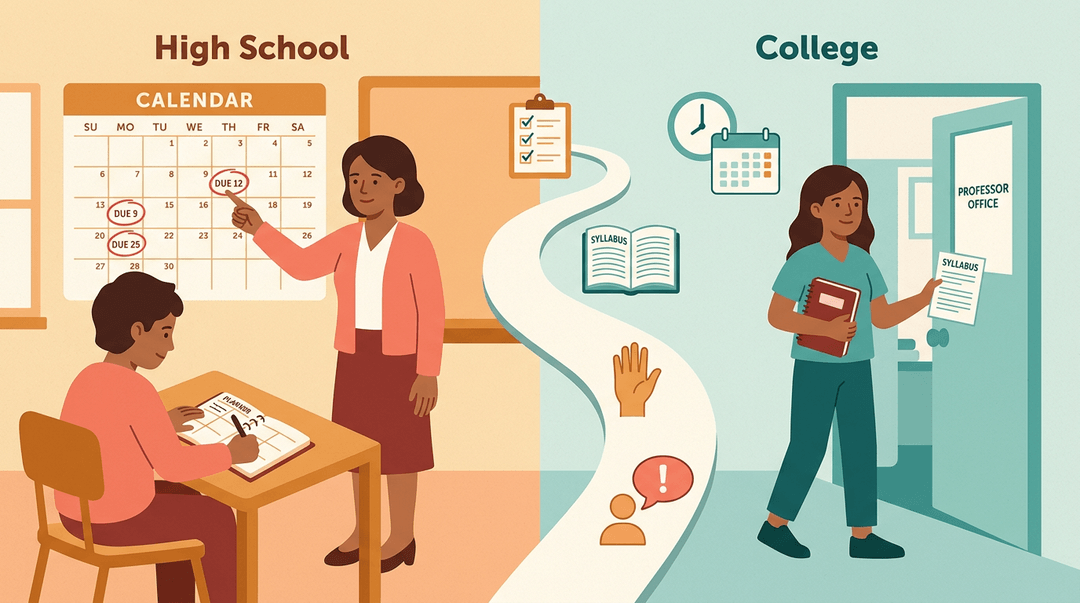
- Use a planner for deadlines. College doesn't hand you a daily reminder the way a teacher might. Track readings, papers, and exams yourself, ideally the moment a syllabus lands in your inbox.
- Read the syllabus. It's the one document that spells out grading, late policies, and expectations. Treat it as the rulebook, not a formality to skim once.
- Initiate communication. If you're confused or falling behind, say so before the deadline passes, not after. Professors respond far better to a heads-up than a surprise.
None of this happens in a vacuum. Good high school teachers spend years quietly building these habits, nudging students to track their own due dates, solve problems before asking for help, and advocate for themselves.
That groundwork in self-regulation is exactly what makes the leap to college manageable instead of overwhelming.
Teachers and professors both shape how students learn, just at different stages and with different levels of structure. Teachers build routines and relationships day by day. Professors hand over more independence, trusting students to meet them halfway.
Neither approach is better: they're built for different classrooms and different learners.
Whatever stage you're teaching at, strong classroom management makes everything else easier. Ready to bring more structure to your own classroom? Check out our Classroom Management feature to organize your classes, sections, and timetables in one place.
References
- New York State Teacher Salary Report — exa.ai (2013)
- Advice for Junior Faculty Regarding Academic Promotion: What Not to Worry About, and What to Worry About — pmc.ncbi.nlm.nih.gov (2020)
- 2027 Teaching Degree Outlook Through 2030: Enrollment, Salary, and Hiring Projections — research.com (2025)
- From Postdoctoral Researcher to Tenure-Track Assistant Professor — careercenter.informs.org
- From Assistant Professor to Associate Professor: Tenure and Promotion Path — career-center.aom.org
Frequently asked questions
What is the difference between a teacher and a professor?
A teacher usually works with K-12 students and provides structured, step-by-step instruction, classroom management, and regular support. A professor teaches college or graduate students, typically with greater emphasis on independent learning, advanced subject knowledge, and research.
Why aren't professors called teachers?
Professors are teachers in the broad sense, but the title usually refers to educators in higher education. Their work often includes research, publishing, advising, and committee service in addition to teaching, while K-12 teachers are generally called teachers because their primary role is classroom instruction and student supervision.
Who gets paid more, teachers or professors?
Professors typically earn more than K-12 teachers, but pay varies by experience, location, field, degree, and institution. Teachers commonly earn around $59,000 to $61,000 nationally, while postsecondary faculty have a median closer to $79,000 to $84,000.
Do I call my teacher Dr. or professor?
For a K-12 teacher, use “Mr.,” “Ms.,” or another title the teacher prefers, unless they have specifically earned and use “Dr.” For a college instructor, “Professor” is a respectful default, while “Dr.” is appropriate for someone with a doctorate.