Harry Wong Classroom Management Book: Routines Explained

Jump to section
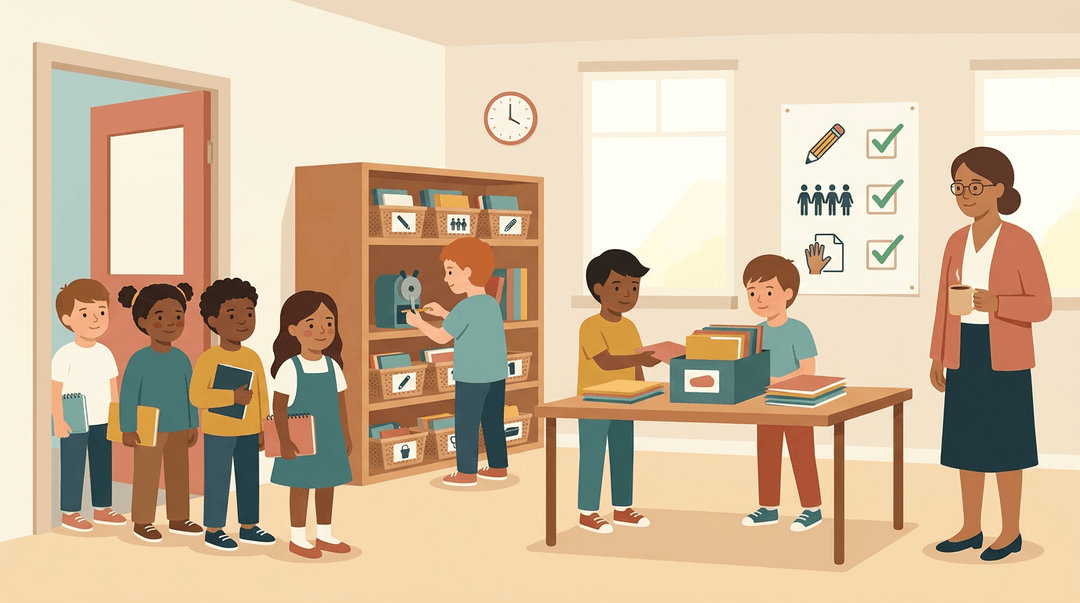
Picture a classroom where pencils get sharpened, materials get passed out, and students line up without a single reminder. That calm rarely happens by accident. It usually comes from routines that were planned, taught, and practiced from day one.
That's the core idea behind the Harry Wong Classroom Management book: when the everyday procedures of school are clear and taught on purpose, class time goes toward learning instead of troubleshooting.
Here, we'll look at Wong's philosophy, what the book covers, how it compares to other approaches, and a first-week plan you can run in your own room.
Inside the Harry Wong Classroom Management Book
Before you buy, it helps to know what the book promises, who wrote it, and what the physical copy includes.
What the book promises teachers
Wong's book makes four core promises:
- A safe, positive learning environment. Students know what's expected and feel secure enough to take part.
- Prevents discipline problems. It aims to stop trouble before it starts.
- Any grade level. The principles apply whatever grade you teach.
- Solutions-oriented, step-by-step guidance. You get practical moves to follow in order.
The big shift is from reacting to misbehavior toward preventing it.
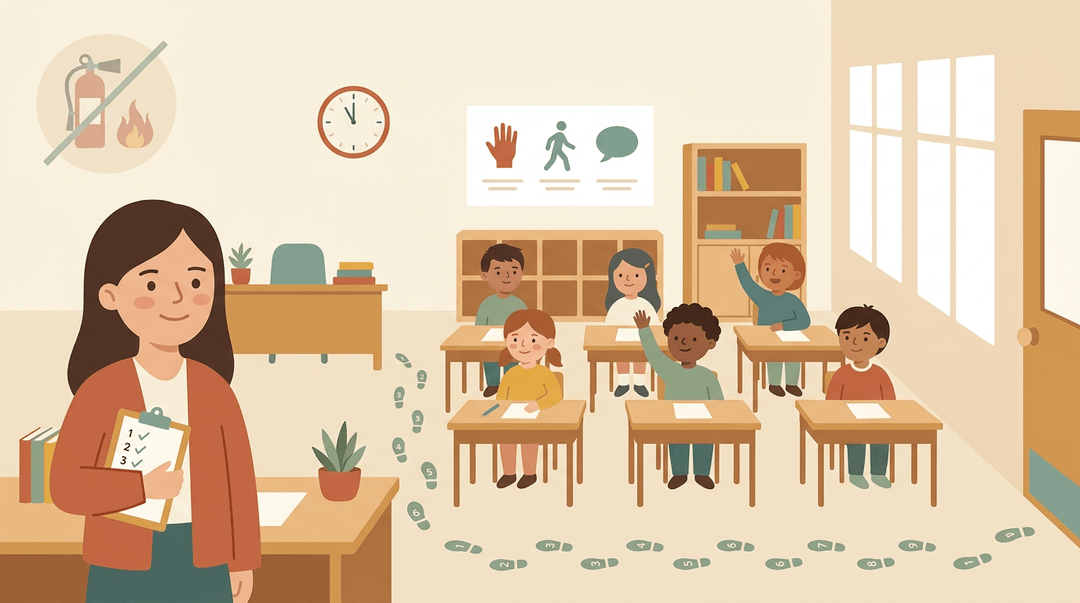
Picture a first-year teacher who dreads the first week of school. With a step-by-step plan, she knows her next move before the bell rings, so she spends her time teaching instead of putting out fires. Less chaos. More teaching.
Who wrote it and how editions differ
Harry and Rosemary Wong wrote the book, and the second edition lists them both as co-authors. Since more than one edition is in circulation, check the edition on any listing, not just the title, before you buy.
It's also a companion to The First Days of School, so the two pair well when you plan your opening weeks.
Page count, format and ISBN details
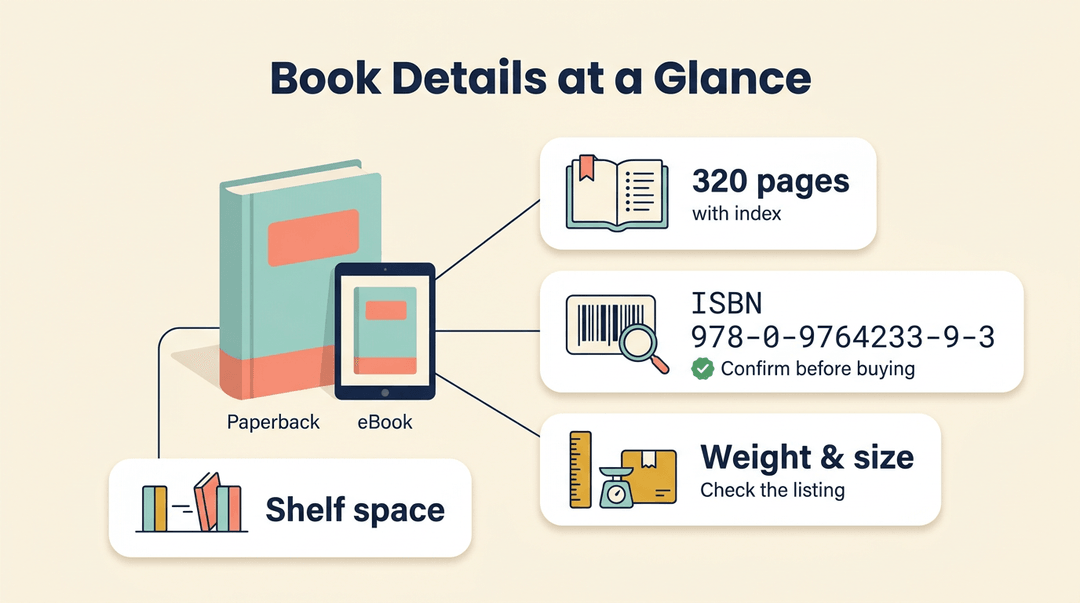
- Length: 320 pages, including an index for quick lookups.
- Format: Available in paperback and eBook.
- Book number: The International Standard Book Number (ISBN) is 978-0-9764233-9-3. Confirm it before you buy.
- Weight and dimensions: Check the listing, since those details matter most for shipping or shelf space.
What Is Wong's Theory of Classroom Management?
Harry Wong's core idea is simple: build clear systems that stop most problems before they start. Here's how that works and whether it still holds up.
Preventing problems instead of reacting to them
Wong's approach is proactive, not reactive. Instead of waiting for misbehavior and then scrambling to respond, you prevent problems by setting up expectations and routines before day one.
Wong treats management as a set of systems you design and run, not a string of one-off fixes.
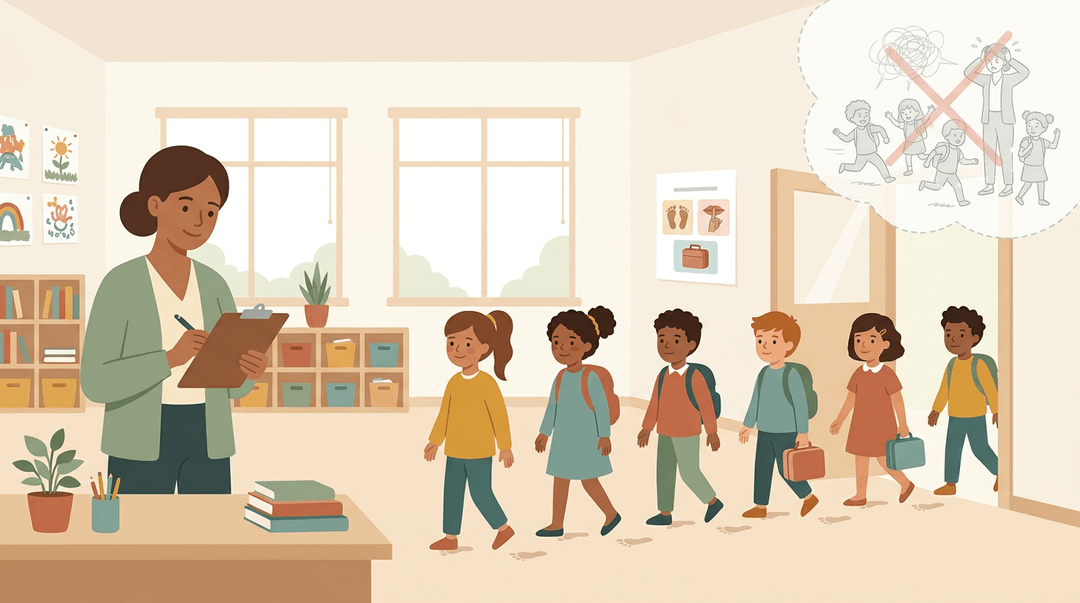
Think of a third-grade teacher whose students already know how to line up for lunch. Once that procedure is taught and practiced, the line forms on its own while she takes attendance. That's prevention at work.
Wong also organizes his thinking around the 5 P's. For the exact wording, read his own explanation in the book instead of a secondhand summary.
Why routines work better than rules
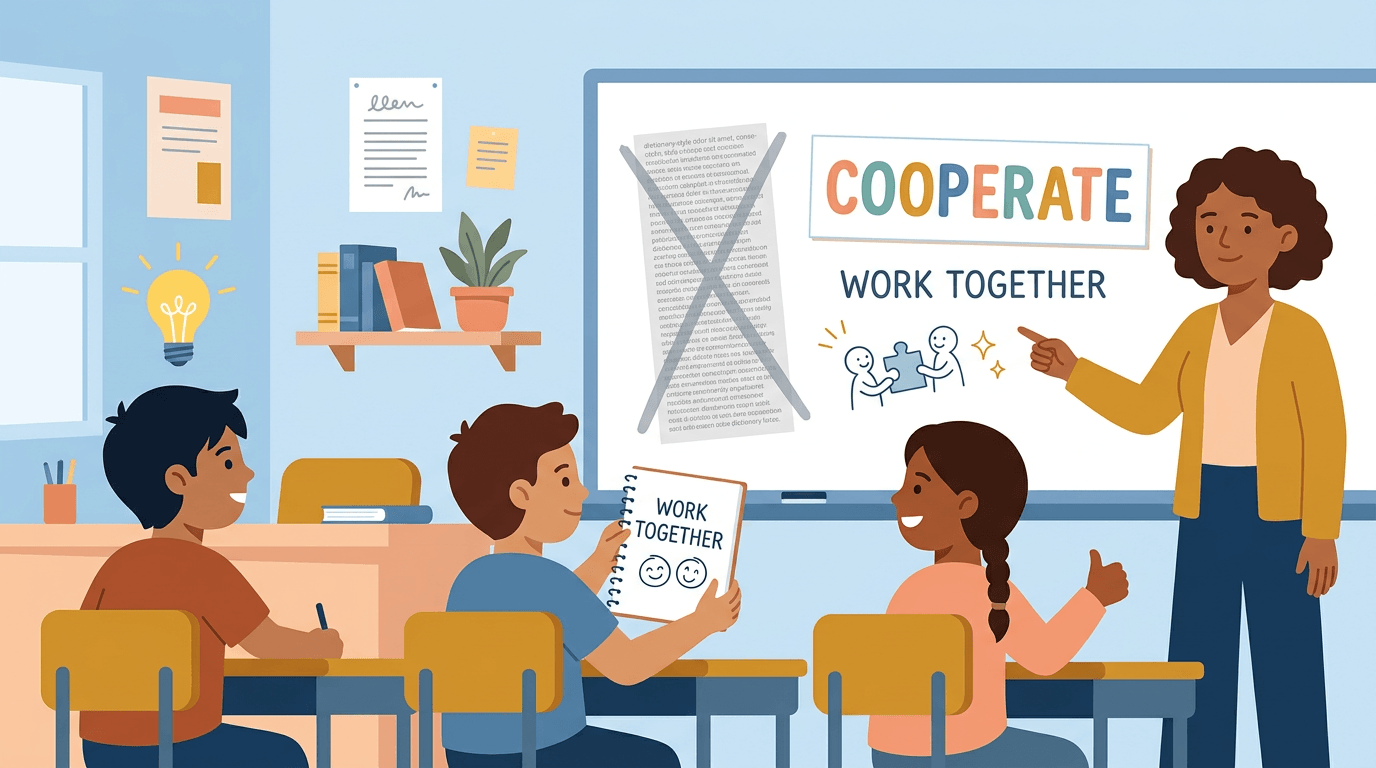
Rules say what not to do. Procedures teach what to do, and that shift is central to Wong's approach. A procedure is a repeatable routine for a specific task, such as turning in homework. Teaching one follows four steps:
- Teach the procedure explicitly.
- Model it yourself, step by step.
- Practice it until students can do it without prompts.
- Reinforce it every time it's used.
Fair critiques exist, too. Routines can feel rigid, and they don't replace the relationships that make students want to follow them. Treat structure as a foundation, not the whole house.
Staying consistent builds student trust
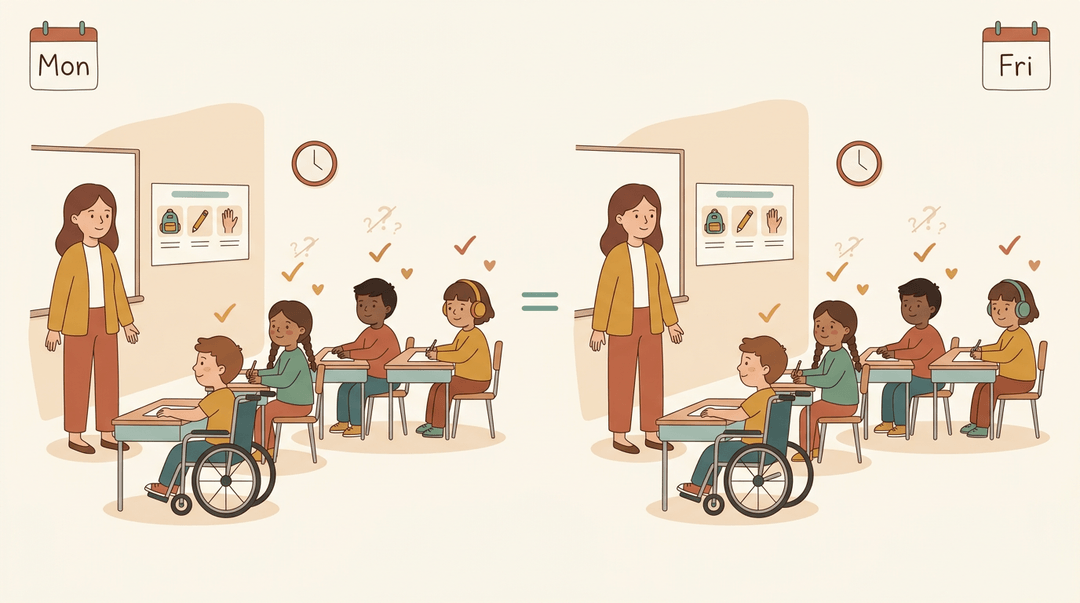
Consistency is what makes a system work. When the same expectation applies on Monday and on Friday, students stop guessing and start trusting the room.
Harry and Rosemary Wong state that special-needs students thrive in a consistent classroom environment where everyone knows what to do. Clarity calms a room.
Your role as the classroom organizer
Wong casts you as the organizational architect of your room, designing its structures and keeping them standing. Effective teachers tend to share that trait, planning systems up front so they aren't policing behavior all period.
Once the structure is set, your energy shifts to learning: questions, feedback, and the student who needs one more explanation. So is Harry Wong still relevant? The core idea holds up well.
Structure and routines matter in any classroom, including ones with a wide range of learners.
Teaching a Wong-style Procedure, Step by Step
Use this when you're ready to teach any classroom routine, from line-up to materials handoff. Run the same five moves each time, then choose which procedures earn a spot in week one.
The five-move teaching cycle
- Name the procedure.
- Say: "This is our line-up procedure." Write the name on the board.
- Explain why it matters.
- Try: "A calm line-up gets us to lunch faster and keeps everyone safe."
- Model it step-by-step.
- Do it yourself and narrate each move aloud.
- Say: "First I push in my chair. Next I walk to the door line."
- Have students rehearse together.
- Run it once as a whole class, then once more, quieter.
- Reinforce and reteach.
- Praise specifics: "Row two, you stopped right at the line."
- If it slips, reteach the same day, calmly.
Example: A second-grade teacher names "line-up," explains it keeps hallways safe, then walks the route herself while narrating. The class rehearses twice, and she praises row two by name. The next morning's line-up needs one quick reminder instead of a lecture.
One procedure per grade band
| Setting | Procedure | Model it like this |
|---|---|---|
| Elementary | Line-up routine | Push in chair, walk to the door line |
| Middle | Bellringer entry | Enter, sit, start the board prompt silently |
| High school | Materials handoff | Row leaders pass papers, everyone waits |
| Homeschool | Daily start routine | Same spot, same order: supplies, review, first task |
Your first-week procedures list
Pick three to five procedures, not twenty. A short list you actually reteach beats a long one that fades by Wednesday.
Start with these two groups:
- Entry and attention signal. How students walk in, what they do first, and what your "eyes on me" cue is.
- Dismissal and transitions. How the class packs up, leaves, and moves between activities.
Track mastery daily. Keep a simple roster or note beside each procedure.
- Write one line each day: "Entry: smooth. Attention signal: reteach tomorrow."
- Anything not smooth goes back through moves 3 to 5.
⚠️ Watch out: Skipping the rehearsal is where most teachers lose the routine. Explaining and modeling feel like teaching, but students only own a procedure once they've practiced it.
Plan procedures and track class routines in EMStudio's classroom management tools.
What the Book Covers Chapter by Chapter
Here's a walk through the book's main parts, so you know what you're getting before you open it.
Opening chapters on planning and prep
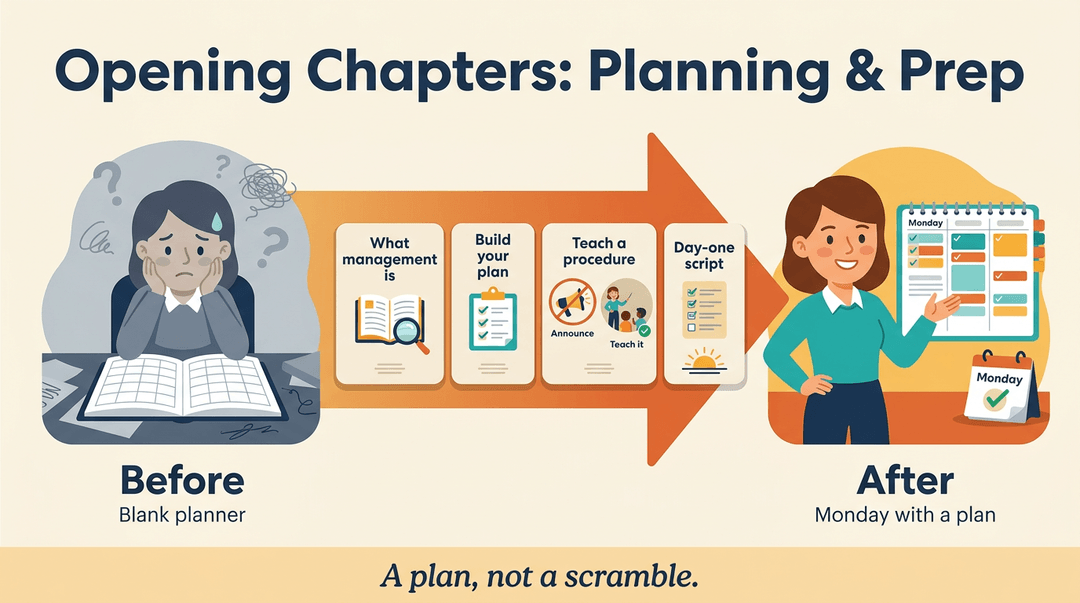
The opening chapters set the foundation. They cover:
- Classroom management defined: what the term means and why it matters.
- Creating a management plan: how to build your own plan.
- How to teach a procedure: why teaching a routine differs from announcing it.
- First-day script checklist: what to say and do on day one.
Consider a first-year teacher facing a blank planner before school starts. The planning chapters give that teacher a starting structure, so Monday starts with a plan, not a scramble.
How the 50 procedures are grouped
The core of the book is 50 step-by-step procedures, sorted into four groups:
- First day, students, classroom: procedures for opening days and setting up the room.
- Instruction procedures: routines for running lessons.
- Teacher procedures: routines for the tasks around teaching.
- Special needs classroom: procedures for classrooms serving students with special needs.
Consider a special education teacher adjusting a routine for one student. The special needs group gives that teacher something to adapt, not a blank page.
Sample routines you can borrow
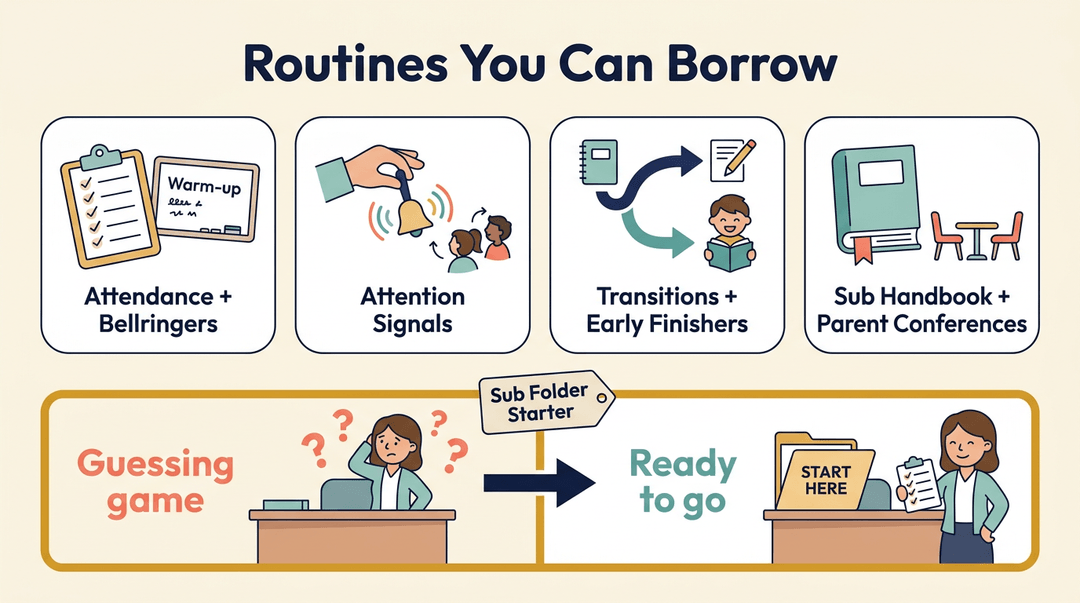
The book also includes sample routines you can adapt for your own room:
- Attendance and bellringers: taking roll and the warm-up students complete as they enter.
- Getting students' attention: signals that bring the room back together.
- Transitions and finishing early: moving between tasks and handling early finishers.
- Substitute handbook and parent conferences: guidance for subs and conference week.
- Substitute folder starting point: what to include so a sub isn't starting from zero.
Think of a substitute walking into an unfamiliar room mid-morning. A ready folder gives them a place to start, so the first period doesn't become a guessing game.
Bonus templates and videos via QR codes
The book's extras are reached through Quick Response (QR) codes, the square patterns you scan with your phone. It includes 40 of them.
As Deeper Learning With QR Codes and Augmented Reality: A Scannable Solution for Your Classroom puts it, scannable technology can "enrich learning while captivating students."
Those codes open:
- templates,
- checklists,
- videos,
- teacher-shared examples,
- a message from the Wongs.
Picture yourself hunting for a template on a Sunday night. One scan, and it's on your phone.
Why Routines and Procedures Pay Off
Smooth classrooms run on routines and procedures: everyday habits and step-by-step ways of doing things students can manage without being told. Here's what they buy you.
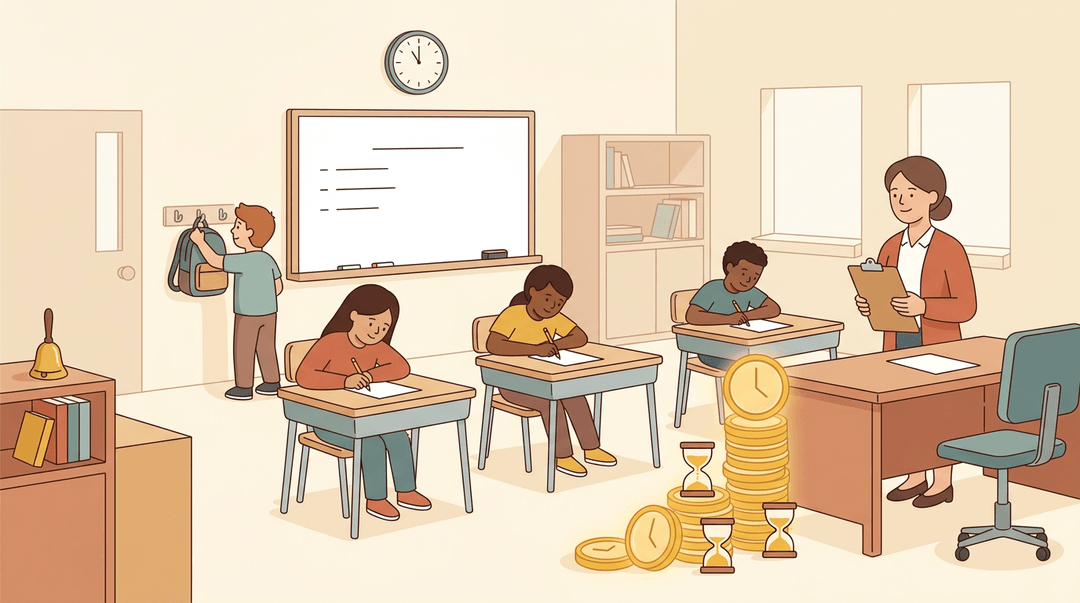
Getting more minutes back for teaching
Think of a fourth-grade teacher who posts a warm-up before the bell. Students walk in, sit down, and start working while she takes attendance. Those first minutes go to learning, not settling in.
Harry and Rosemary Wong believed “that being effective means the teacher has an assignment going the minute the students enter the classroom.”
Research on classroom management strategies and student achievement notes that their approach can help teachers reclaim minutes per class for instruction.
It's less about finding more time and more about how you use the time you already have.
Fewer interruptions and more instruction over the year come from that same habit. When students know the routine, they stop asking what to do, and you spend less time re-explaining it.
Multiply that by every class period, and the minutes stack up. Little minutes, big year.
Fewer behavior problems to handle
When students know exactly what to do, there's less guesswork in the room. Here's how that plays out:
- Removes ambiguity. Students don't wonder whether they can sharpen a pencil or where homework goes, so there's little to argue over.
- Predictable calm environment. Students always know what comes next, so the room settles into a rhythm instead of a series of surprises.
- Class runs without teacher present. Picture a substitute stepping into an unfamiliar room. When routines are taught and posted, students follow steps they already know, and the substitute doesn't have to reinvent the room.
Using This Approach in the First Days
The opening days are when Harry Wong's ideas matter most. Here's a plan you can run next week.
What to focus on in week one
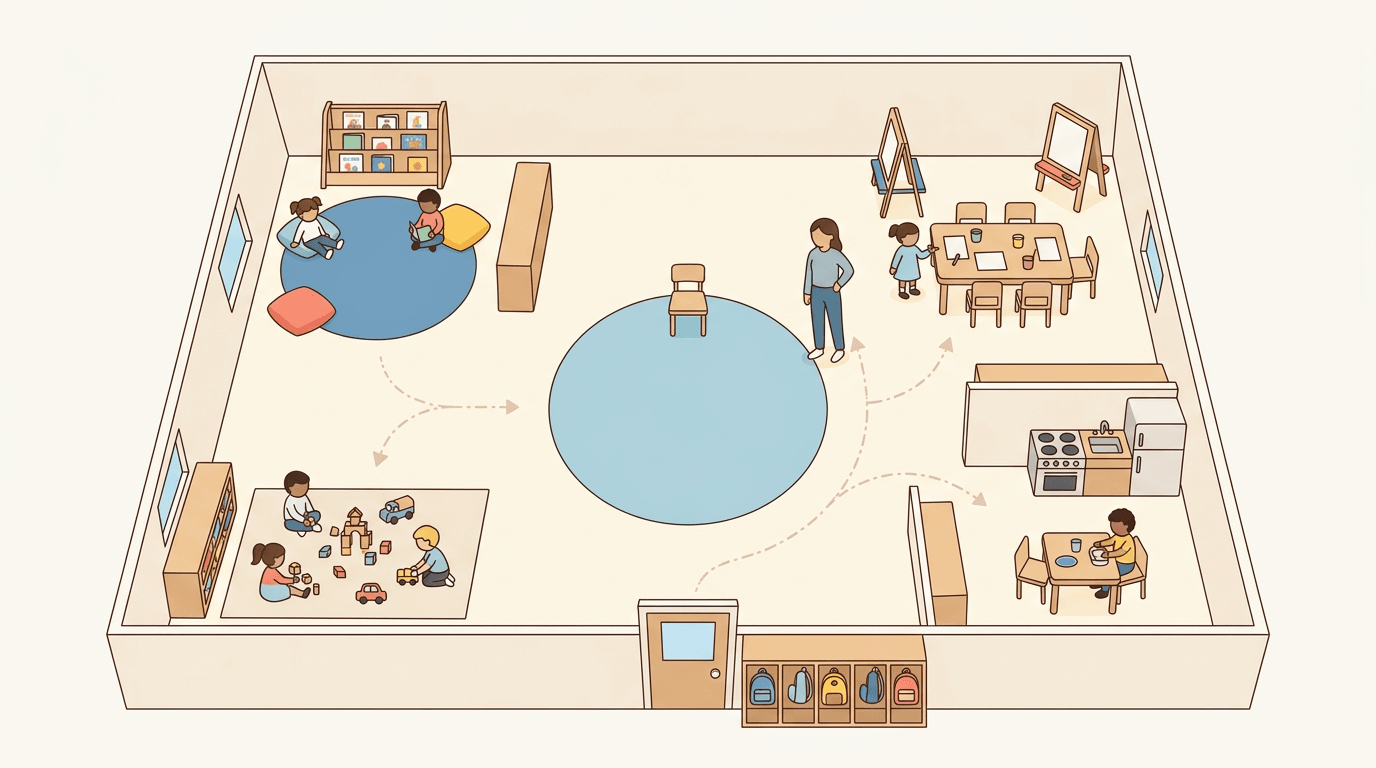
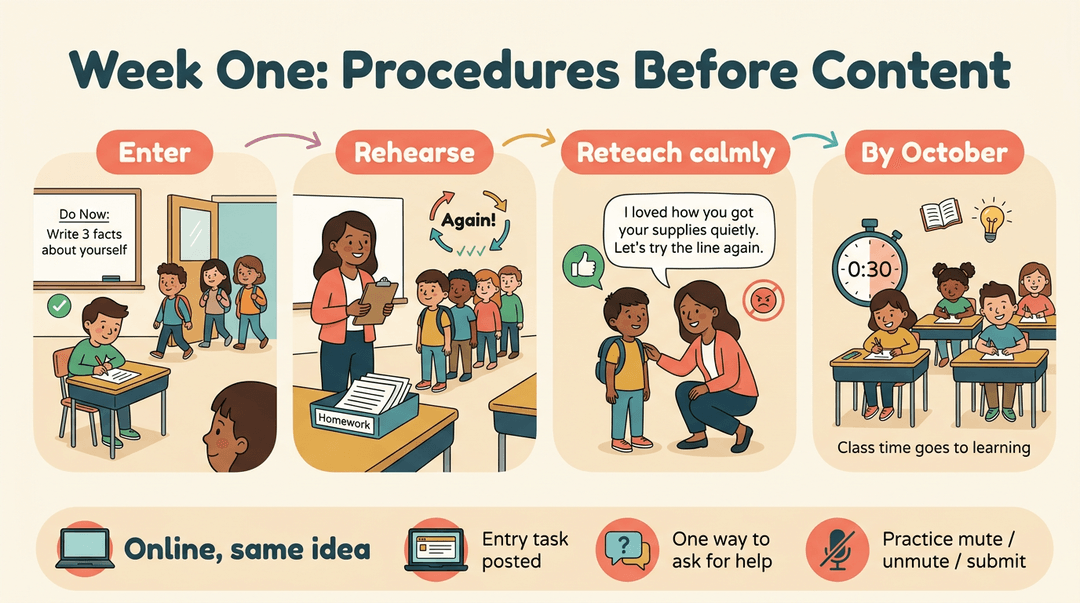
Teach procedures before content. Students need to know how to enter, get materials, and ask for help before any lesson runs smoothly.
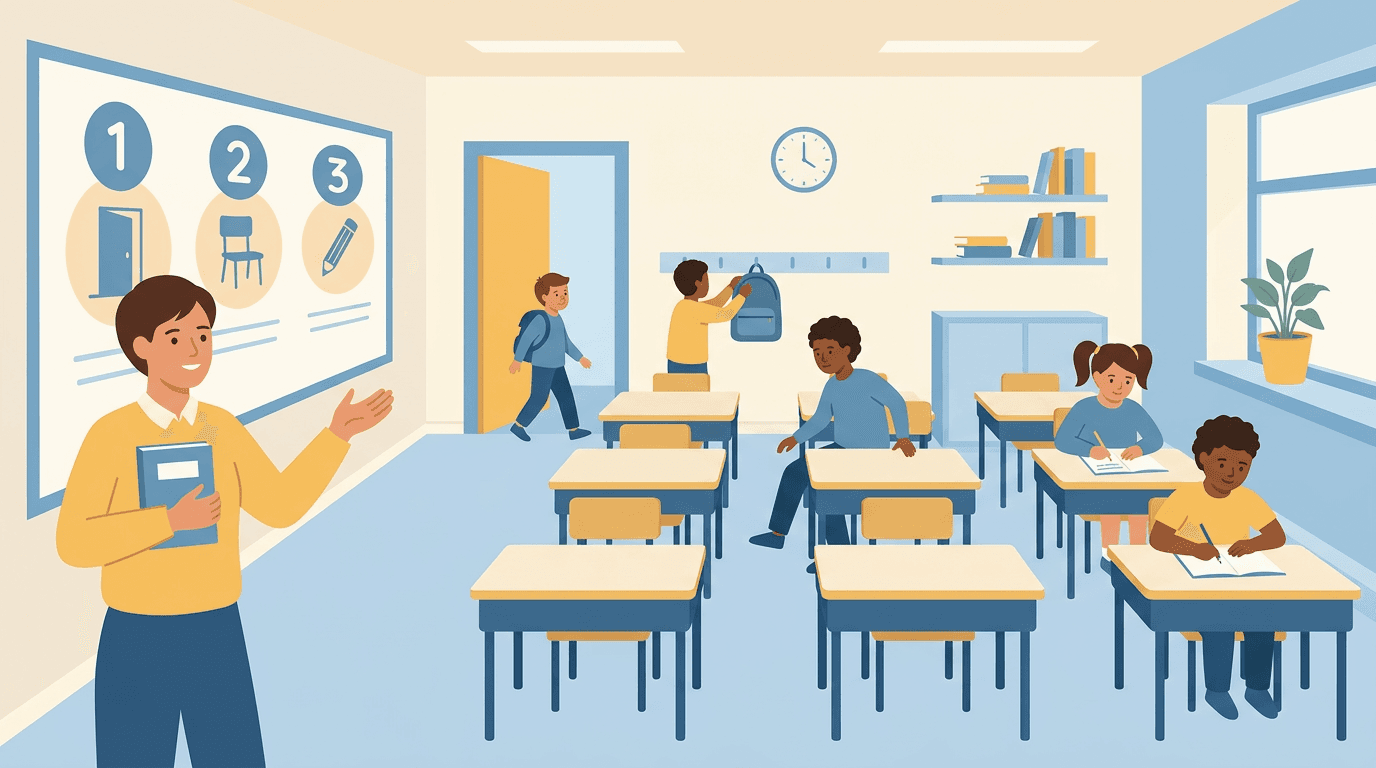
Build an entry routine on day one. Have students walk in, sit down, and start a posted task without being prompted.
Rehearse each routine until students do it without reminders. Picture a fifth-grade teacher who spends her first Tuesday practicing lineups and homework turn-in.
By October, those transitions take seconds, and class time goes to learning. Repetition pays off.
When students get a routine wrong, reteach it calmly and name what they did right. Correction should feel like coaching, not punishment.
Online, the same logic holds. Post the entry task in your learning platform, set one way to ask for help in chat, and rehearse muting, unmuting, and submitting.
Write a first-day script and plan
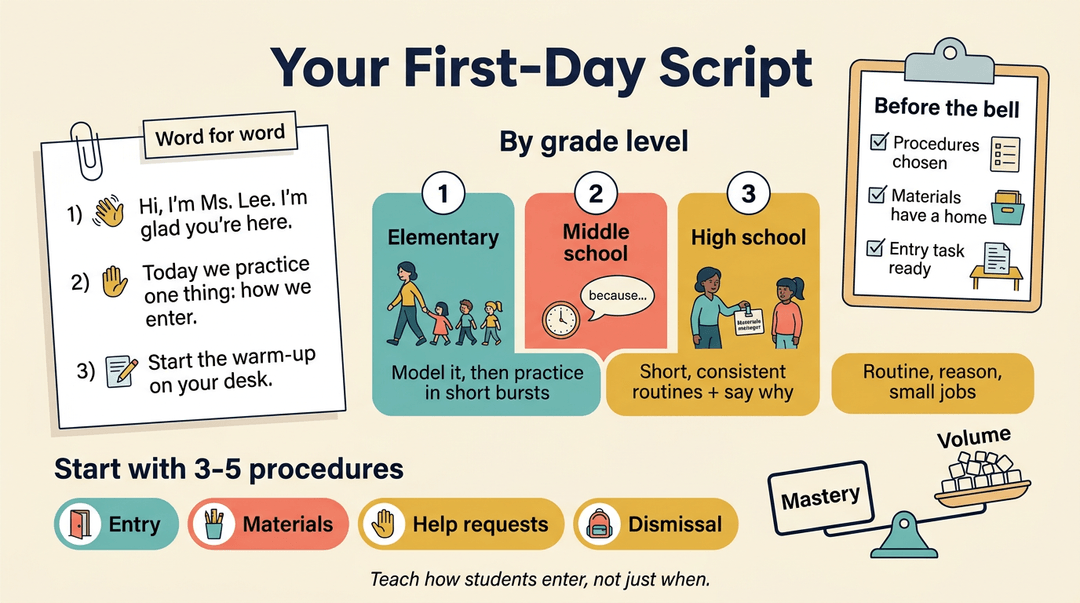
Write a personal first-day script: your greeting, the one or two expectations you'll model, and the entry task, word for word. A script keeps you steady when nerves kick in.
By grade level:
- Elementary: Model each step, then practice transitions in short bursts.
- Middle school: Keep routines short and consistent, and explain why they exist.
- High school: State the routine, give the reason, and hand out small jobs.
Plan before students arrive. Choose your procedures, decide where materials live, and prep the entry task so you aren't improvising before the first bell.
Start with three to five procedures, such as entry, materials, help requests, and dismissal. Teach how students enter, not just when. Mastery beats volume.
Other Wong Resources Worth a Look
Wong's ideas reach well beyond the main book, and the right next step depends on how you learn best. So what's the best book for classroom management?
There's no single winner, but Wong is a strong pick if you want routines you set yourself, while PBIS (Positive Behavioral Interventions and Supports) and Responsive Classroom focus more on schoolwide systems and classroom community.
Its companion, The First Days of School
The First Days of School is the foundational companion text to the main book, and it goes deeper into setting up your room from day one. It lays out procedures, routines, and scripts you can adapt, so you know not just what to teach but how to say it.
It also includes implementation timelines, which help you pace new routines across your first days instead of cramming them into one morning.
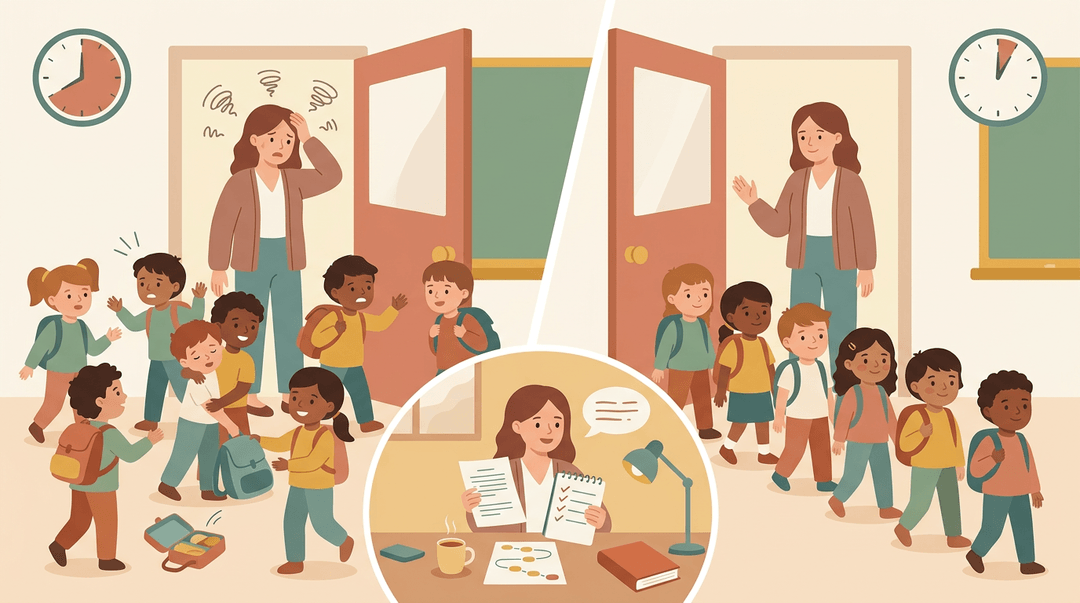
Think of a second-year teacher who loses twenty minutes on Monday untangling how students should line up for lunch. Scripted routines she rehearses over the weekend turn that chaos into a two-minute transition. Preparation beats improvising.
Online courses, videos, and tools
Wong's extended resources come in three main forms:
- Classroom Management eLearning course. An online course you can work through at your own pace.
- Video series of real classrooms. Watch routines in action instead of only reading about them. Seeing a smooth transition in a real room often makes it click.
- Website articles and tools. Short reads and practical resources you can pull up between classes.
Where and How to Buy the Book
Buying one copy for yourself and ordering a set for a team take different routes. Here's how the options compare.
Prices and savings on bulk orders
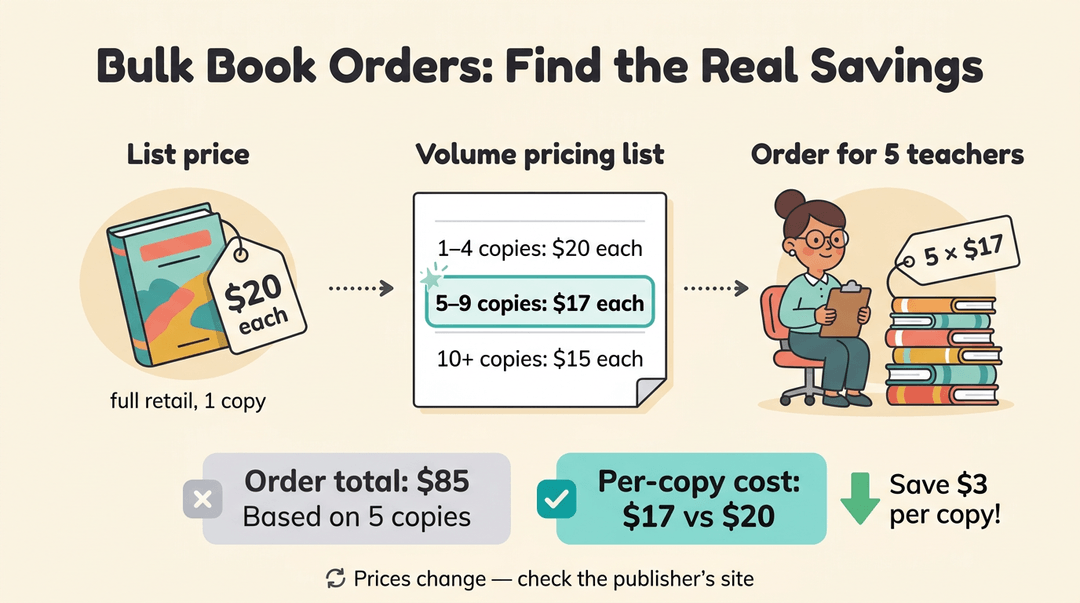
Start with the list price, the full retail cost of a single copy, and check the publisher's direct prices since figures change.
For a team or school order, quantity discounts lower the per-copy cost, and a volume pricing list shows each tier so you can compare before you order.
Picture a department chair ordering for five new teachers. Checking the volume pricing list first lets her place one order at a lower per-copy price. Compare the per-copy cost, not the order total, to see the real savings.
Free desk and preview copies for educators
Educators can request a free desk copy to keep on hand for reference. A 60-day preview copy suits a first-year teacher who wants to read before buying: she gets time to decide whether the book fits her classroom.
A professional discount may also apply to copies you buy for your own use.
Questions about any of these? Contact the publisher directly. Ask before you assume.
Paperback and eBook availability
The paperback is in stock and ready to order. It's the choice when you want a book you can write in rather than a screen you scroll through.
An eBook works if you'd rather read on a tablet or laptop, and the book is also sold on Amazon for those who prefer that checkout.
Pick the format you'll actually open. That's the one worth buying.
Harry Wong's approach comes down to one practical habit: teach your procedures as carefully as you teach your content.
When students know exactly what to do during transitions, group work, and cleanup, you spend less energy redirecting and more energy teaching.
Ready to get your whole classroom organized? Check out our Classroom Management page to keep your classes, sections, rosters, and timetables in one structured workspace.
References
- Deeper Learning With QR Codes and Augmented Reality: A Scannable Solution for Your Classroom — doi.org (2016)
- Classroom Management Strategies for Inclusive Classrooms — doi.org (2015)
- Classroom management strategies: The impact on student achievement — digitalcommons.liberty.edu (2013)
Frequently asked questions
What is Harry Wong's theory of classroom management?
Harry Wong’s theory is that effective classroom management is proactive: teachers prevent many behavior problems by designing clear systems and teaching students how to follow them. Teachers explicitly explain, model, and have students practice procedures, then reinforce them consistently so routines become independent.
What is the best book for classroom management?
There is no single best classroom-management book for every teacher. Harry Wong’s *The First Days of School* and its companion, *The Classroom Management Book*, are strong choices for practical routines and procedures; other approaches, such as PBIS or Responsive Classroom, may fit teachers seeking broader systems or a stronger focus on classroom community.
Is Harry Wong still relevant?
Yes. Wong’s emphasis on clear expectations, consistent routines, and preventing problems remains useful across grade levels and classroom settings. Routines work best as a foundation alongside strong teacher-student relationships, not as a replacement for them.