The Good and the Beautiful Curriculum: A Complete Overview
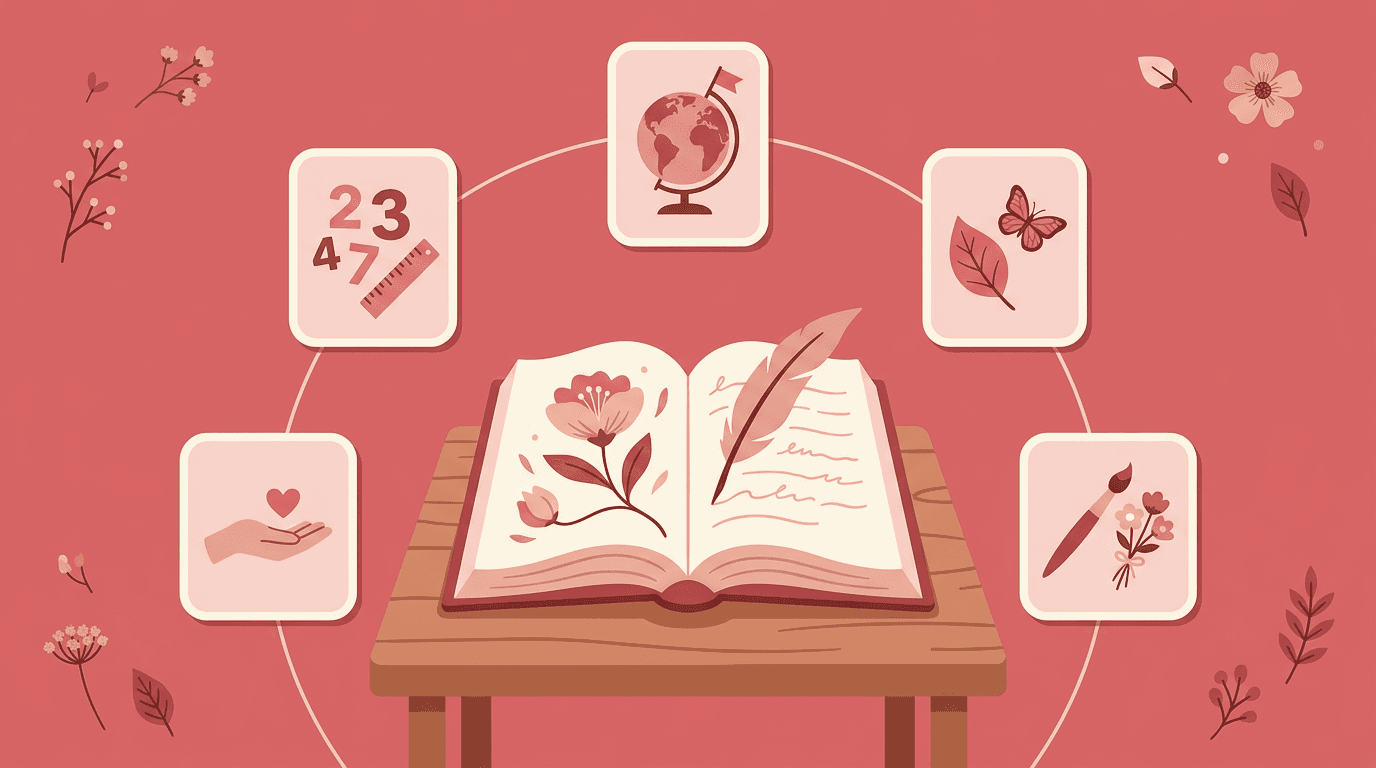

Jump to section
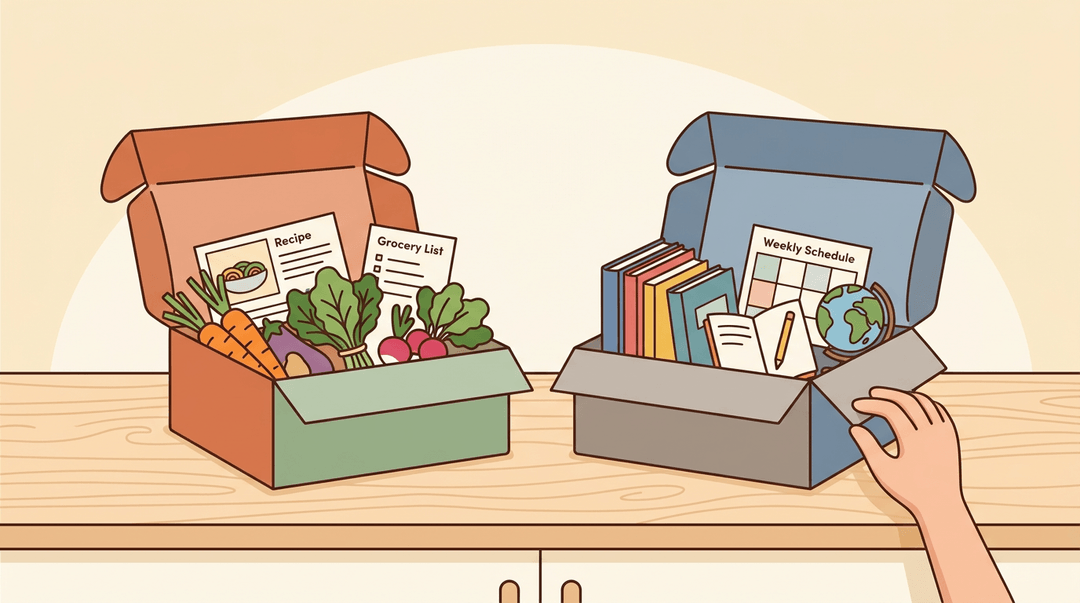
Picture a meal-kit box on a store shelf: it promises everything you need for the week, ingredients, instructions, even the grocery list. Still, you want to see what's actually inside before you commit.
The Good and the Beautiful works the same way for homeschool families. It's a faith-based, literature-rich curriculum covering subjects from language arts to science, built to hand teachers a ready-made plan.
Here, we'll walk through its philosophy, subjects, pricing, library, and reviews, then look at what it actually takes to fit it into a real teaching schedule.
What Type of Curriculum Is the Good and the Beautiful?
Ask a few homeschooling families what kind of curriculum they use, and you'll hear all sorts of labels:
- classical
- unit study
- textbook-based
The Good and the Beautiful fits its own category: a literature-based, Christian homeschool curriculum that spans preschool through 12th grade.
It isn't accredited the way a brick-and-mortar school is, and that's normal: homeschool curricula generally aren't accredited institutions themselves, so the responsibility for records and progress tracking stays with you.
A Christian worldview woven through lessons
Faith runs through the lessons, but it isn't tied to one denomination. You won't find doctrine specific to a particular church tradition. Instead, you'll find a general Christian worldview:
- references to God
- Scripture-inspired themes
- a steady emphasis on character over doctrine
For example, a third-grade reading lesson might pair a short devotional thought with a story about honesty, without ever naming a specific denomination.
Open-and-go lessons with no prep
One of the biggest draws is right there in the design: you open the lesson and teach. There's no elaborate prep the night before and no gathering of supplies you don't already have.
That makes it realistic for a parent juggling multiple kids, or one who's new to homeschooling and unsure where to start.
Placement is just as simple: most families pick a level based on the student's age or current grade, then adjust after a week or two if it feels too easy or too hard.
Scheduling is flexible too, since lessons are numbered rather than dated, so you move at whatever pace fits your week.
Subjects combined into one lesson
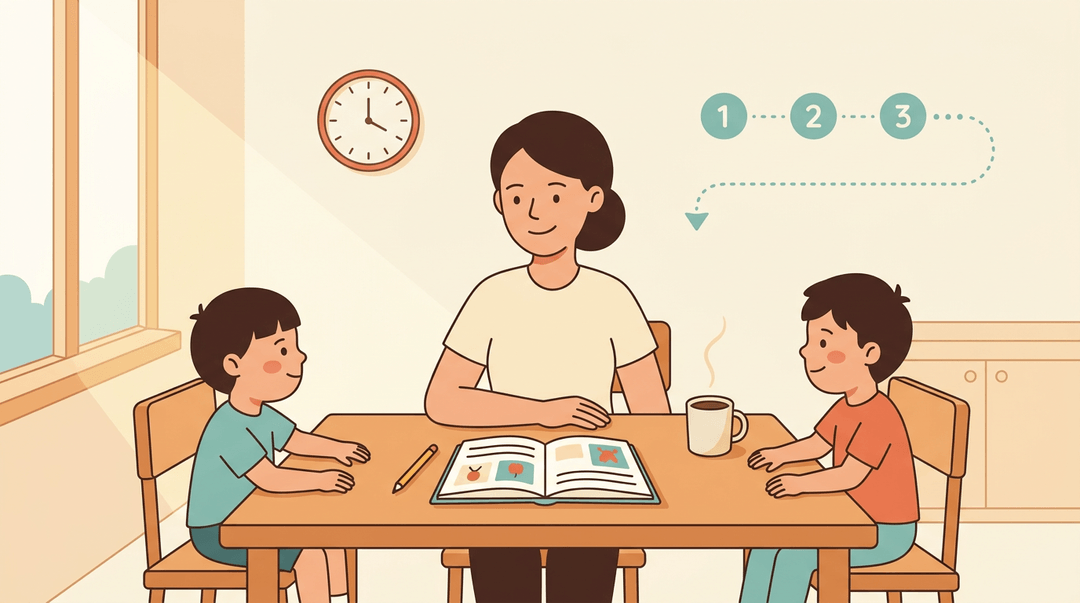
Instead of handing you six or seven separate courses to track, many levels fold multiple subjects into a single daily lesson. One reading lesson might touch grammar, handwriting, and a bit of history or science woven right into the story.
That connects learning across topics instead of treating each subject like an island, and it cuts down on the stack of separate books you're juggling at the kitchen table.
Teaching multiple ages together
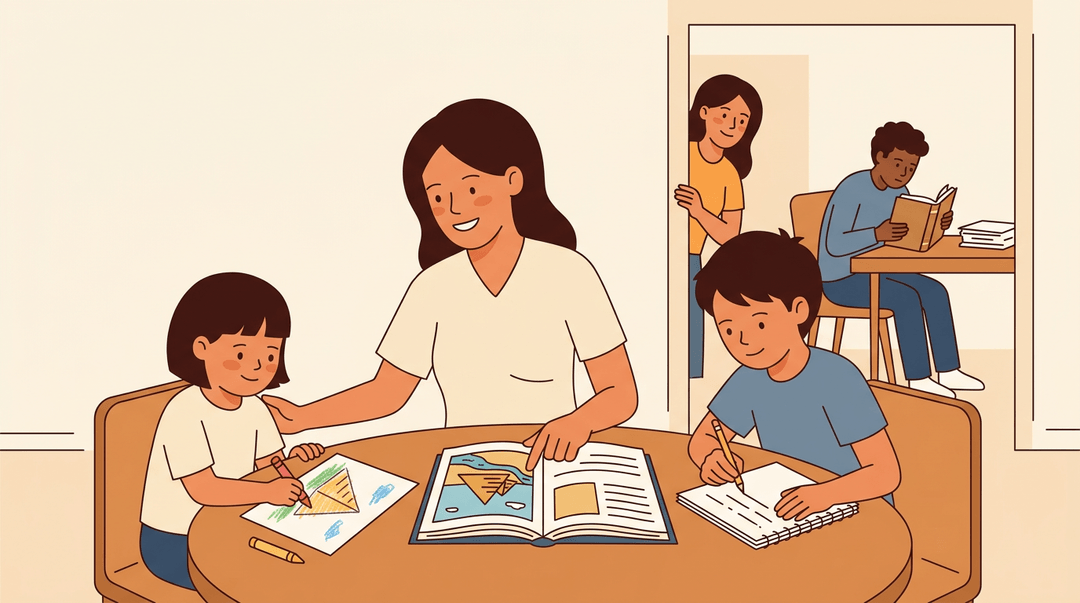
History and science are taught family-style, meaning one lesson serves a wide age range at once.
A parent with a second grader and a fifth grader can teach both from the same history lesson, adjusting expectations for each child's output rather than running two separate classes.
In high school, the model shifts: lessons lean more on independent learning, with the student reading and working through material largely on their own while a parent checks in along the way.
Focus on family, nature, and character
Family, nature, and wholesome literature sit at the center of the philosophy. Nature study shows up regularly, and the reading lists lean toward stories with a clear moral thread.
The stated mission centers on goodness and beauty: the idea that what a child reads and experiences shapes who they become, not just what they know.
What Subjects Does the Curriculum Cover
One of the first things teachers ask about any curriculum is whether it actually covers what a state requires, or just feels complete. The Good and the Beautiful spans:
- language arts
- math
- history
- science
- handwriting
- a rotating slate of electives
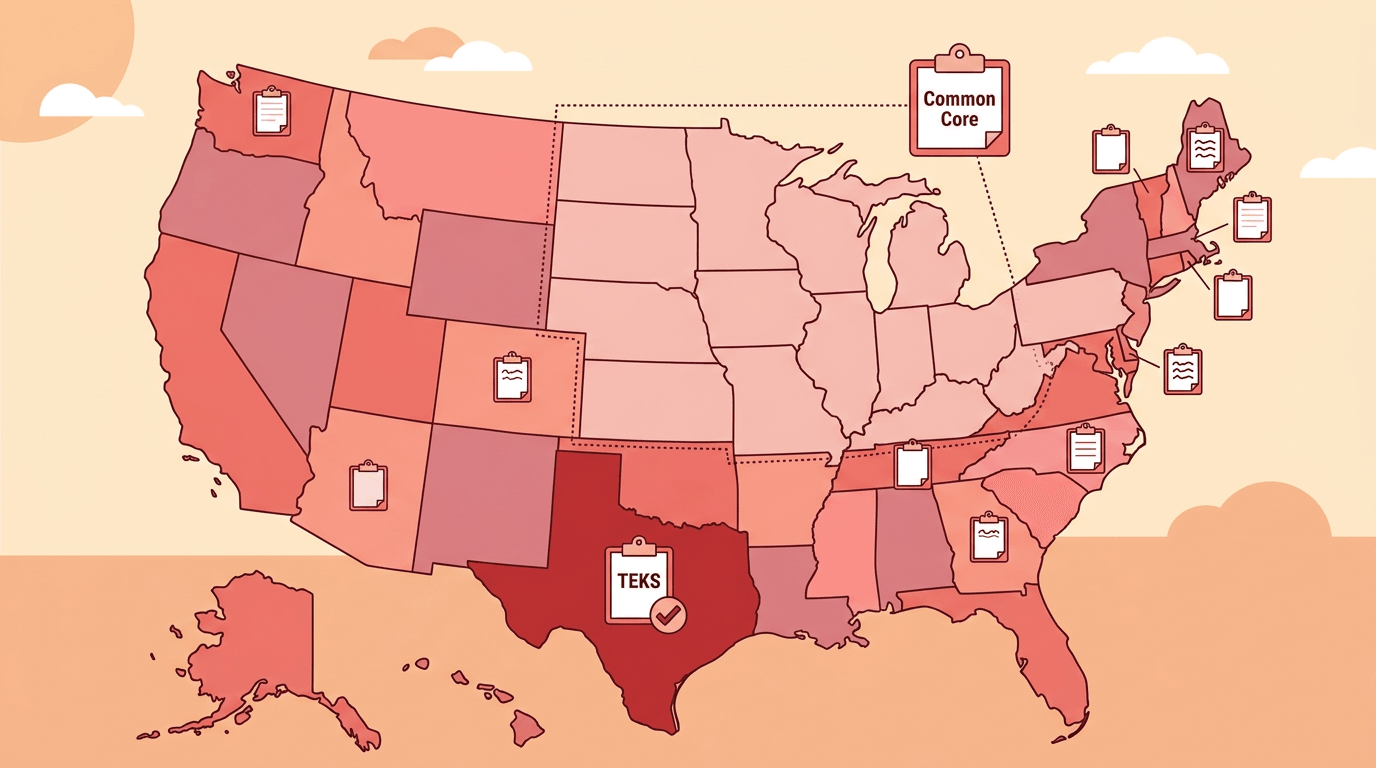
and the publisher builds lessons to align with state and Common Core standards so you're not left guessing whether you've hit the basics.
Language arts and reading skills
The reading program leans on explicit phonics instruction: students sound out words systematically rather than guessing from pictures or context.
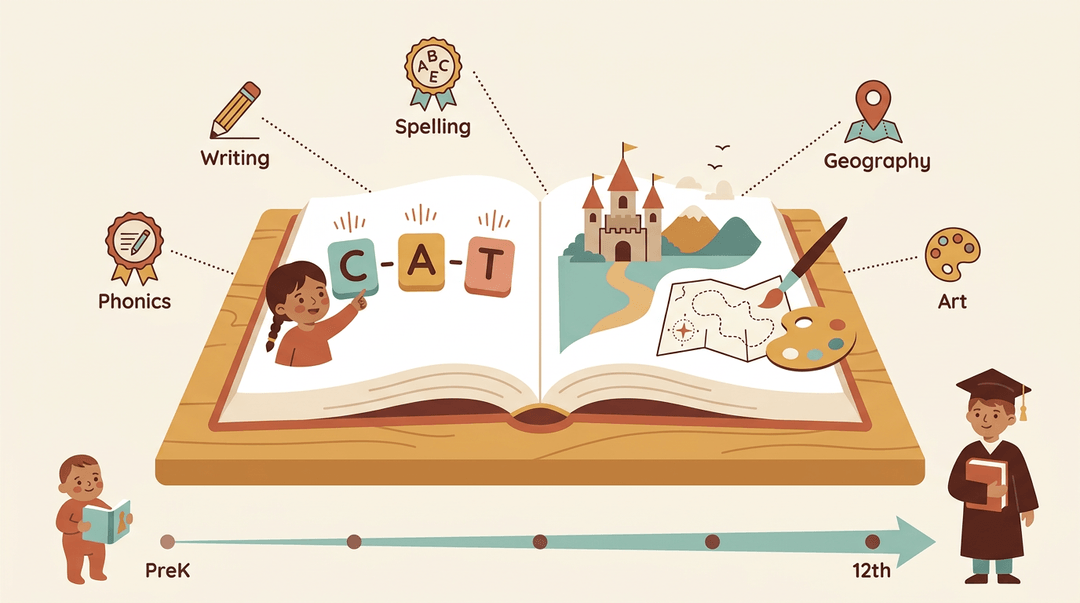
Grammar, spelling, and writing live in the same language arts block instead of three separate workbooks, and the sequence runs from PreK all the way through 12th grade.
What sets it apart is a literature-based study approach: geography and art get woven directly into the books kids are reading, so a unit on a historical novel might also cover the region's map and a related art technique.
Math that fits different learners
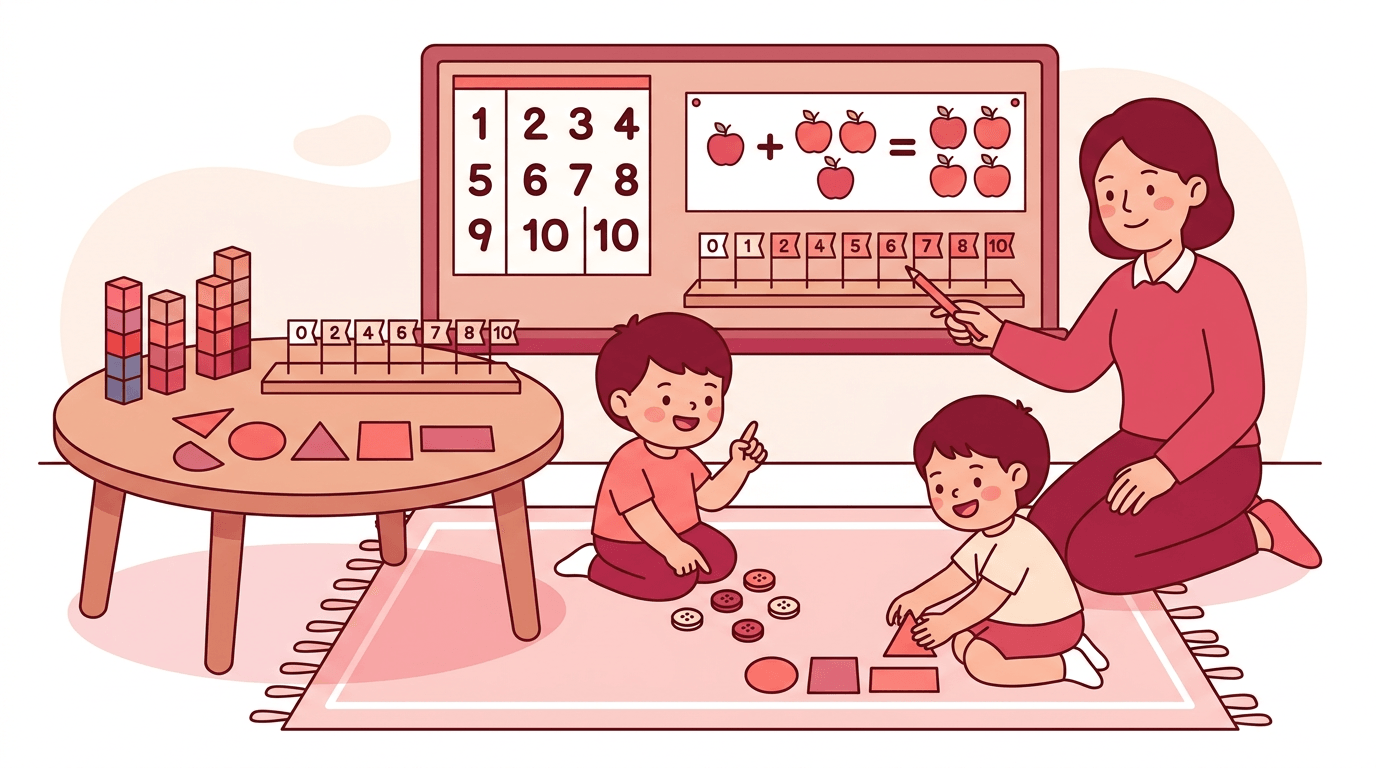
Math lessons are built around different learning styles, pulling in visual, auditory, and hands-on approaches rather than a single method for every student.
The program is intentionally light on repetition for its own sake: it's less about grinding through fifty near-identical problems and more about understanding why a method works.
The Musical Multiplication product is a good example, teaching times tables through songs instead of flashcards.
For teachers managing a mixed-level classroom, pairing lessons with the publisher's digital pacing guide makes it easier to keep several students moving at their own speed without losing track of who's where.
History from ancient to modern times
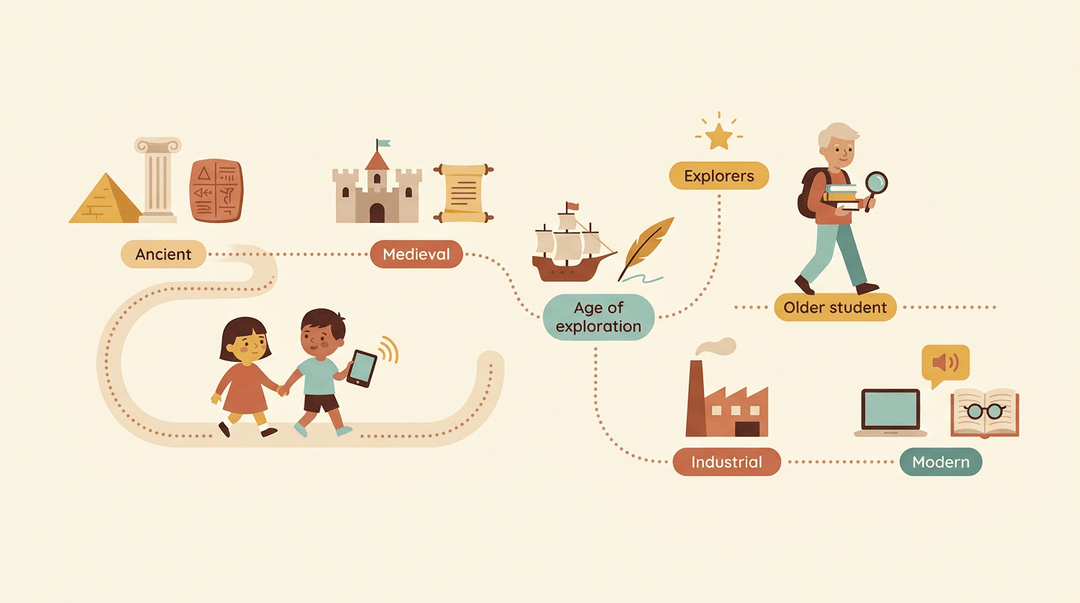
History moves chronologically from ancient civilizations to the modern era, so students build a timeline in their heads instead of jumping between disconnected units.
Lessons lean on interactive activities and audio dramatizations to bring events to life rather than relying on text alone. Older students get Student Explorers, a track that adds more independent reading and research as kids are ready for it.
Science units for family learning
Science is designed as family-style units: one lesson that works whether you've got a kindergartner or a middle schooler in the room, with age-appropriate tasks branching off a shared topic.
Coverage spans space, weather, and chemistry, among other topics, across a K-8 grade range, which makes it a practical fit for a homeschool teaching multiple ages at once.
Handwriting practice from print to cursive
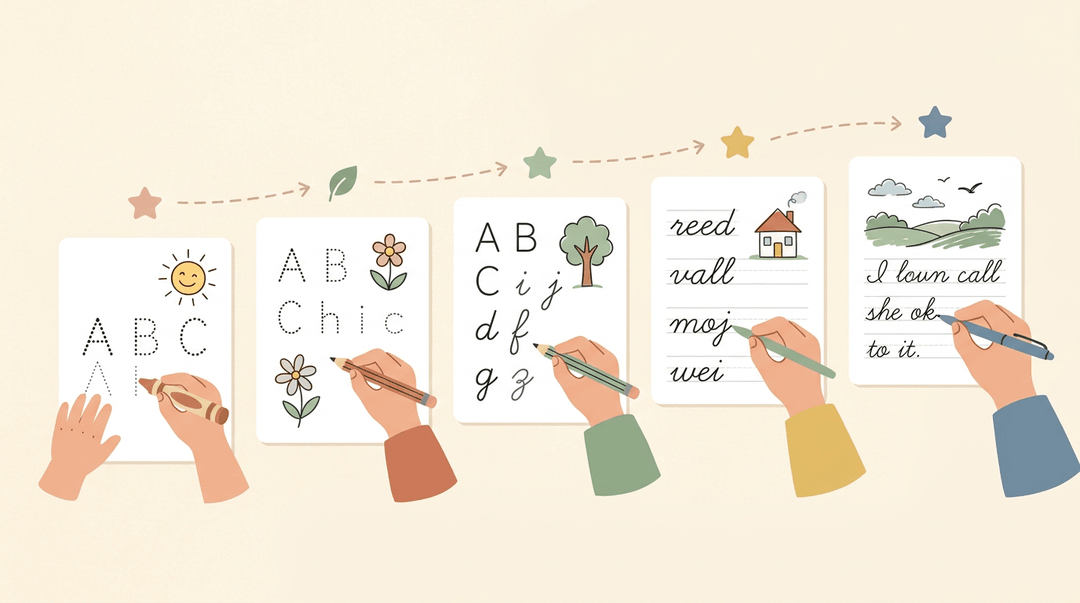
Handwriting runs from print through cursive across levels PreK-7, building fine motor skills gradually instead of rushing straight to cursive.
Each level folds in art-infused activities, like tracing letters alongside a simple drawing, so handwriting practice doesn't feel like an isolated drill.
Electives like typing and nature journals
Electives round things out with:
- typing practice
- nature notebooks
- creative writing
- drawing
- other arts and crafts options
They're a natural fit for a student who finishes core work early and needs something meaningful, not just busy work, to fill the rest of the period.
Fitting This Curriculum into Your Teaching Plan
The Good and the Beautiful hands you open-and-go lessons, but it doesn't hand you a calendar, a standards map, or a transcript.
This guide builds those three layers in one planning session before the year starts, then takes a few minutes a week to maintain.
Build a year-at-a-glance pacing guide
- Count the units in each subject level. Divide by your teaching months to get a monthly target.
- Map units to months on one page. One row per month, one column per subject.
- Flag the standards each month touches. A short note per row is enough; the detail comes in the next step.
- Pad the schedule for multi-age pacing. Siblings sharing a course unit move at the slower child's speed, so leave one buffer month.
Your grid can be this simple:
| Month | Language arts | Math | Standards flagged |
|---|---|---|---|
| September | Level 3, Units 1–2 | Math 3, Unit 1 | Reading comprehension, place value |
Check lessons against your standards
Do this once per subject, before the year begins, so surprises show up in August instead of April.
- List your target standards for the year. Pull them from your state's homeschool requirements or your school's standards document.
- Match each standard to a specific lesson or unit. Write the unit number directly next to the standard.
- Note gaps to supplement. Anything without a unit number gets a written plan, not a mental one.
A gap note only works if it names the fix and schedules it:
- ❌ "Math feels light on graphing."
- ✅ "No graphing unit matched. Supplement: two weeks of graphing practice, March."
The difference: the second one tells you what to add and when, so it actually happens.
Keep records that build a transcript
Verify these three things stay current; a quick weekly pass is plenty.
- Completed units are logged with finish dates and any assessment scores.
- Grade-level progress is tracked per subject. Course levels don't always match grade levels, so note both.
- Work samples are stored quarterly. One or two pieces per subject per quarter builds a portfolio without drowning you in paper.
Example log line: "Math 4, Unit 2, completed Oct 14. Unit assessment 9/10. Sample: unit review page saved to portfolio."
💡 Tip: Write log lines the day a unit ends. Reconstructing them in May from memory is where most homeschool transcripts fall apart.
At a glance: pace the year on one grid, audit lessons against your standards once, log units weekly. Plan units, map standards, and track progress across subjects in one place with EMStudio's curriculum planner.
Books and Reading Lists Included
Ask any veteran teacher what makes or breaks a curriculum, and reading material usually tops the list.
The Good and the Beautiful built its reputation on books, not just the ones bundled into lessons, but a whole philosophy about what children should be reading.
A library of quality books
The curriculum includes over 100 original and republished titles, many of them out-of-print classics brought back for a new generation. The selection criteria stay consistent across every grade: high literary quality and strong moral value.
That means no filler stories just to fill a shelf. A kindergarten teacher building a classroom library and a parent homeschooling a teenager can both pull from the same catalog, since titles span from picture books through young adult and beyond.
A free book list resource
Beyond the curriculum itself, the publisher maintains a free book list anyone can use, whether or not they've bought a single lesson plan.
It's organized by age, so a teacher looking for a strong read for a second grader doesn't have to dig through titles meant for high schoolers.
The list isn't static. Subscribers get monthly email updates with new additions, along with short reviews and suggestions that help narrow down what's worth picking up next.
For a teacher short on planning time, that curated, ongoing list does the legwork that a Saturday afternoon at the library usually would.
Free Resources and What It Costs
Cost is usually the first worry when you're piecing together a homeschool year, and it's one of the first places The Good and the Beautiful surprises new families. Before you spend a dollar, you can try the curriculum firsthand.
Free lessons you can download
You don't have to take anyone's word for how a lesson feels: you can download it and teach it tomorrow.
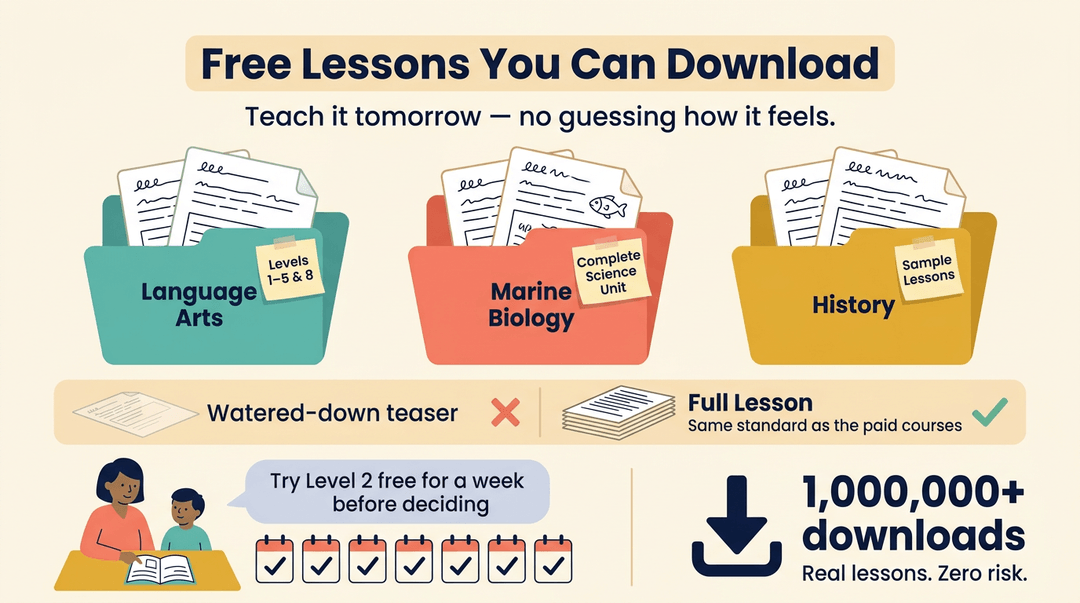
The publisher offers free Language Arts units for levels 1 through 5 and level 8, a complete Marine Biology science unit, and sample history lessons pulled straight from the full courses. These aren't watered-down teasers either.
They're full lessons, built to the same standard as the paid material.
For example, a parent weighing whether a literature-heavy language arts approach fits a reluctant reader can run the free Level 2 unit for a week before committing to anything.
That kind of low-risk preview is a big reason the free downloads have been pulled over a million times.
Why prices stay affordable
Once you do buy, the price tag stays modest. Most courses run $10 to $125, with most subjects landing well under $50.
That range isn't an accident: it reflects a mission to make a strong, literature-rich education reachable for more families, not just the ones with room in the budget for premium boxed curricula.
For a family teaching two or three children at once, that pricing adds up fast in the right direction: fewer headaches over which subjects to cut and more room to build out a full year without the guilt of an expensive gap.
What Is the Most Highly Rated Homeschool Curriculum?
Ask around in homeschool circles and The Good and the Beautiful comes up constantly as one of the most highly rated options available, and for good reason. Parents and kids tend to agree on it, which isn't something every curriculum can claim.
What parents are saying
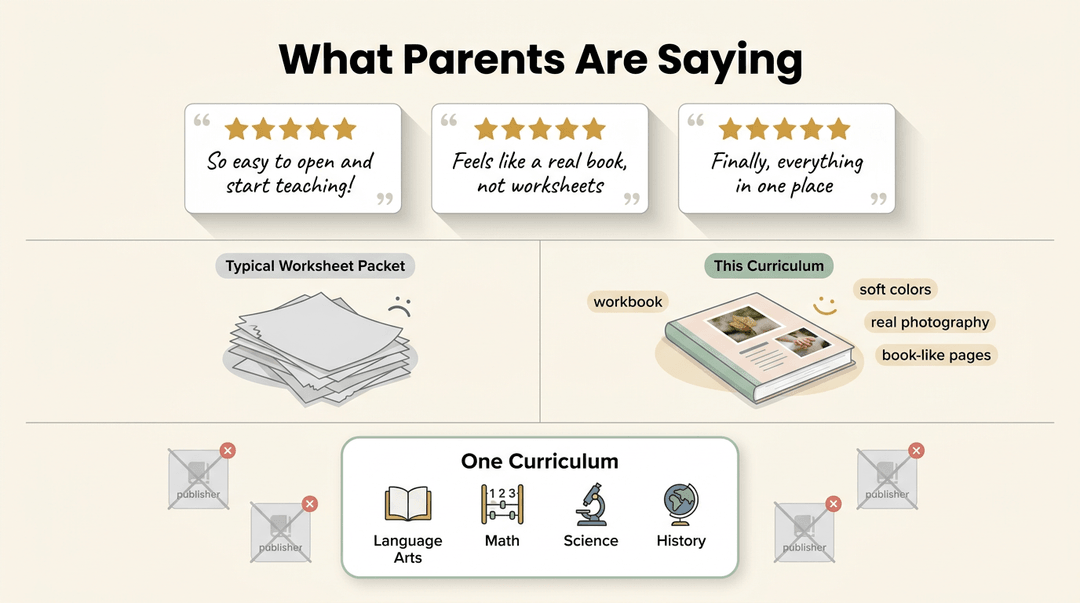
Scroll through reviews and you'll notice a pattern: 5-star ratings stacked one after another, with the same few words repeated again and again.
Parents praise how easy it is to open the box and start teaching, no advanced degree required. They also point to the visual design:
- soft colors
- real photography
- thoughtfully laid-out pages that make lessons feel more like a well-made book than a worksheet packet
For many families, the bigger draw is coverage: one curriculum that handles
- language arts
- math
- science
- history
without piecing together five different publishers.
What kids think of the lessons
Consider a third grader who dreads reading time, then lights up over a literature unit built around a story they actually want to finish.
That's a common thread in the feedback: kids enjoy the literature studies because they read like real books, not drills.
The art integration gets singled out too, since lessons often pair a lesson with drawing, painting, or copywork tied to what's being studied.
Specific titles come up by name in reviews often enough that it's clear the book choices themselves are doing a lot of the work.
What is The Good and the Beautiful controversy?
The curriculum draws real praise for being affordable and easy to start, and for building independent reading skills early.
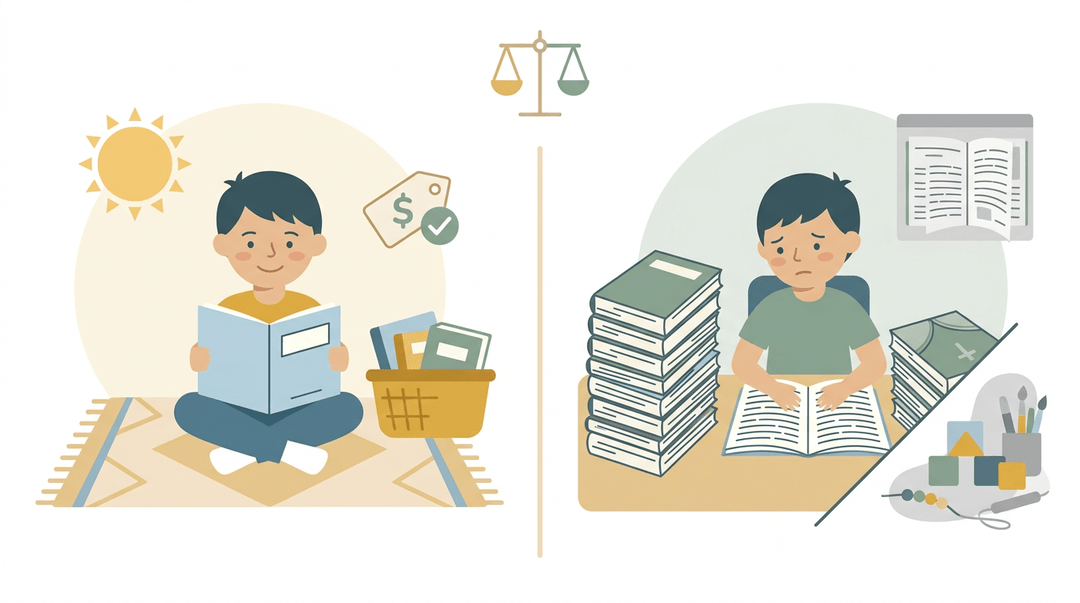
The most consistent criticism is its heavy text-based format: parents who want more hands-on or multisensory activities sometimes find it text-heavy by comparison to other top-rated literature-based programs.
Known criticism beyond that tends to center on the religious framing woven through some content, which fits some families and not others.
Grade levels and subjects covered
The curriculum spans kindergarten through 12th grade, covering all core subjects in a traditional, literature-based format.
For high schoolers, that scope matters most once transcripts enter the picture: families still need their own system for tracking courses, grades, and credit hours to turn the work into a transcript colleges will recognize.
The Good and the Beautiful gives teachers and homeschool families a genuinely complete package: rich books, varied subjects, honest pricing, and a loyal following of real reviews.
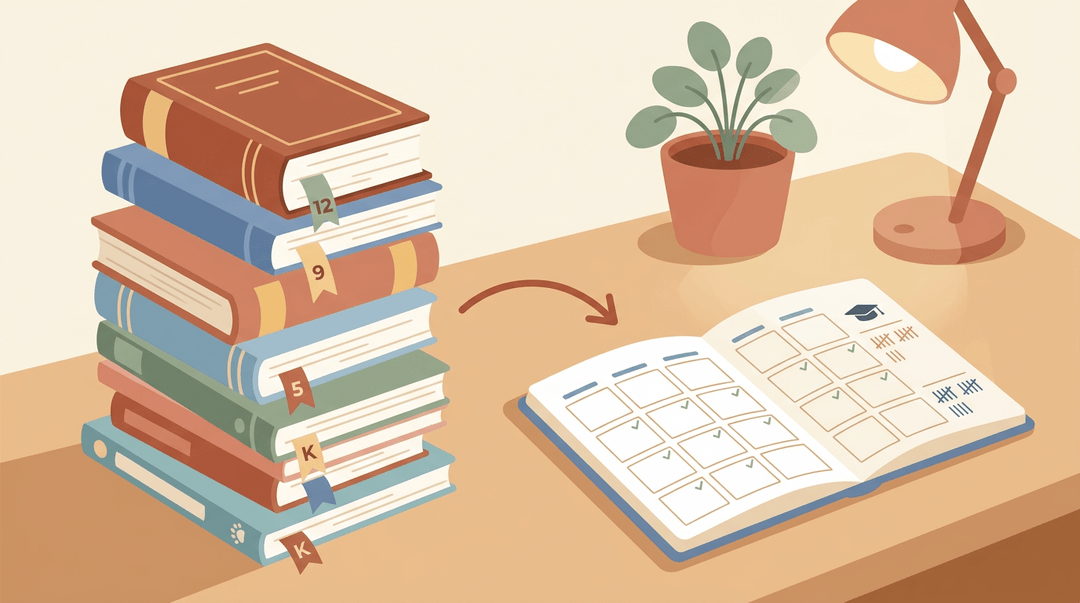
The missing piece is turning that package into a week-by-week plan that survives a busy term.
Ready to map it onto your school year? Check out our Curriculum & Standards planner to plan units, lessons, and standards across the whole year.
Frequently asked questions
What is The Good and the Beautiful controversy?
The Good and the Beautiful controversy mainly concerns its Christian religious framing and its text-heavy format. Some families appreciate the faith-based content, while others prefer a secular curriculum. Parents seeking more hands-on or multisensory learning may also find some lessons less suitable for their needs.
What is the most highly rated homeschool curriculum?
There is no single homeschool curriculum that is universally rated highest because families value different teaching styles, subjects, and beliefs. The Good and the Beautiful is widely regarded as a highly rated option, especially for families seeking an affordable, literature-based, Christian curriculum with open-and-go lessons.
What type of curriculum is The Good and the Beautiful?
The Good and the Beautiful is a literature-based Christian homeschool curriculum. It uses books, explicit phonics, integrated subjects, nature study, art, and character-focused lessons across preschool through 12th grade.
Is The Good and the Beautiful accredited for homeschool?
No. The Good and the Beautiful is not accredited, and homeschool curricula generally are not accredited institutions. Parents are responsible for tracking courses, grades, progress, and other records required for their state's homeschool rules or for future transcripts.