Should Students Have Homework? A Full Look at Both Sides

Jump to section
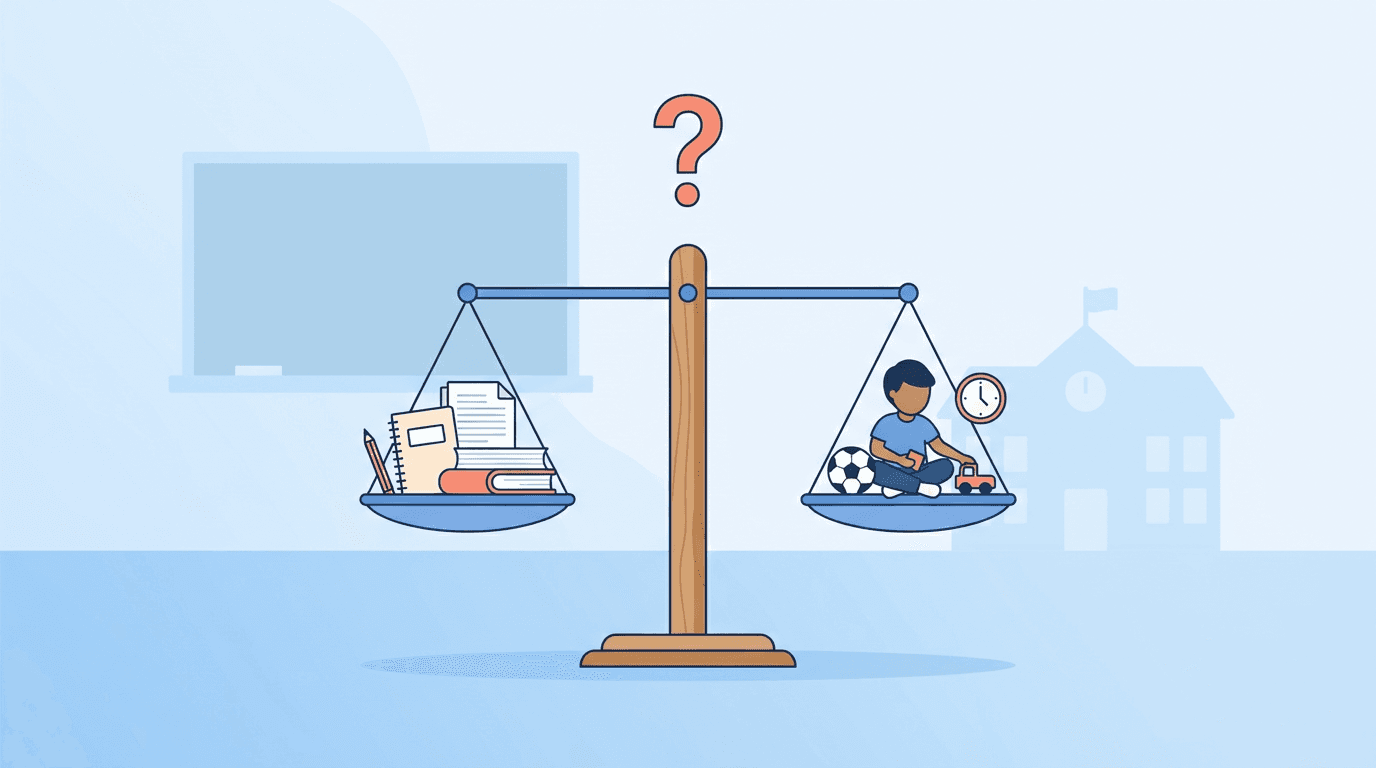
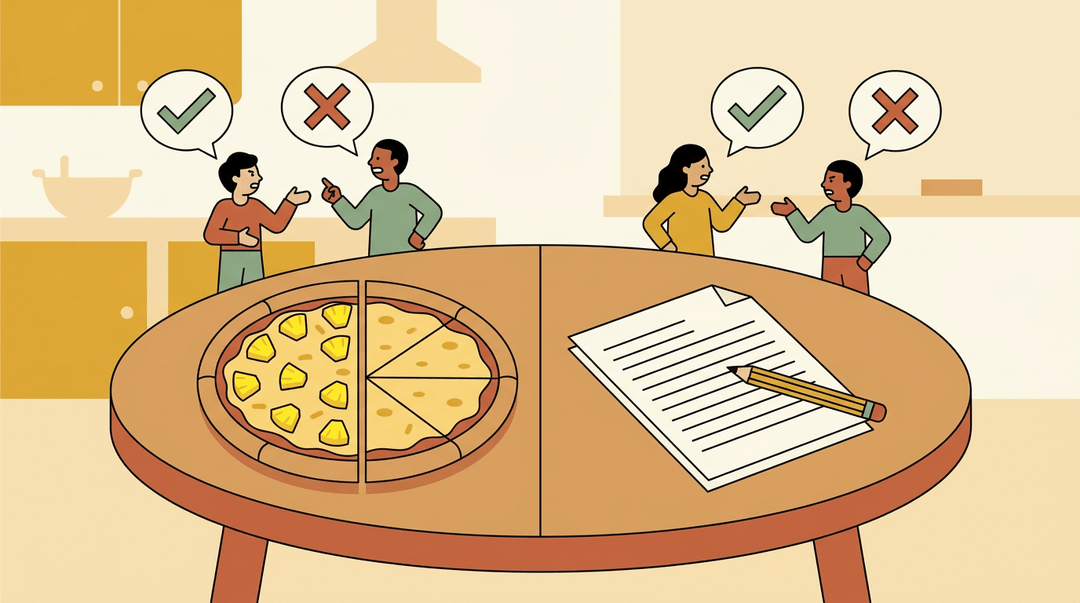
Think about the last time you argued over something everyone assumes has one obvious answer, like whether pineapple belongs on pizza. Everyone has a strong opinion, but the real answer lives in the details. Homework works the same way.
Ask "should students have homework?" and you'll get a dozen confident answers and very little nuance.
In this post, we'll walk through the research, the equity gaps, the wellbeing tradeoffs, and the skills homework can build, then help you turn that debate into a policy you can actually use.
Should Students Have Homework at All
Ask a room full of teachers whether homework works, and you'll get almost as many answers as there are grade levels in the building.
The honest answer isn't yes or no. It depends on a student's age, the subject at hand, and how much work actually lands on their desk.
Why homework's impact changes by grade
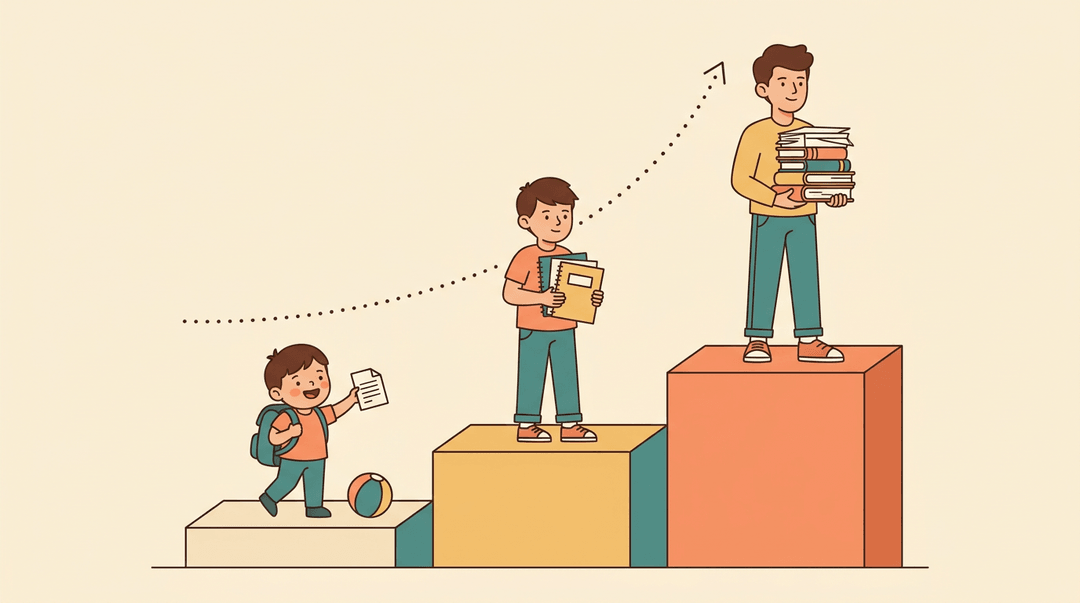
For younger learners, homework barely moves the needle: the benefit for students in grades 1 through 4 is limited. That impact climbs steadily from there.
According to Edutopia's review of a 2017 meta-analysis, homework's effectiveness rises by 95 percent in grades 5 through 8, and by 129 percent in grades 9 through 12.
In practice, a first grader needs far less take-home work than a sophomore, and piling it on early doesn't speed up learning. It just eats into playtime.
How subject matter changes homework's benefits
Not all homework earns its keep equally. Reading and writing practice tends to produce gains that stick, since students build vocabulary and fluency one repetition at a time.
Math drills full of rote repetition show far less payoff: solving the same problem twenty different ways rarely deepens understanding.
Targeted practice, the kind that asks students to apply a skill in a new context, aids retention far more than repetition for its own sake.
Finding the right amount of homework
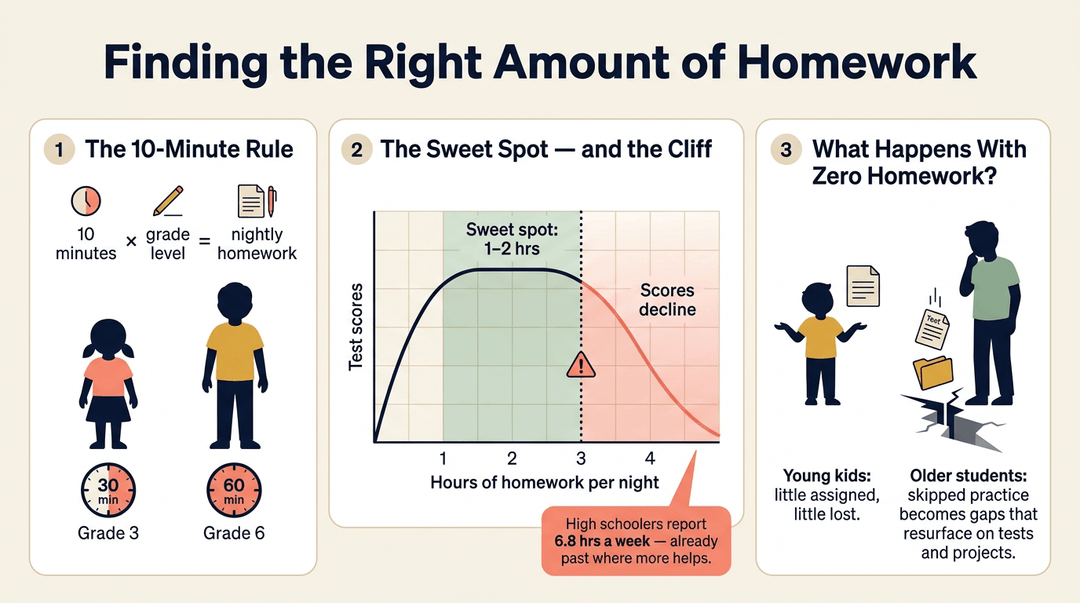
More isn't better past a certain point. The National Education Association and National PTA recommend 10 minutes per grade level per night: 30 minutes for a third grader, an hour for a sixth grader.
PISA data point to 1 to 2 hours a night as the sweet spot, with scores declining once nightly work runs past 3 hours. Yet high schoolers report averaging 6.8 hours of homework a week, well past the point where returns start to shrink.
So what happens if a student never does homework at all? For younger kids, not much: little work assigned means little lost.
For older students, skipping it consistently means losing the practice that builds fluency and the feedback that catches misunderstanding early, gaps that tend to resurface later on tests and projects.
Why quality matters more than amount
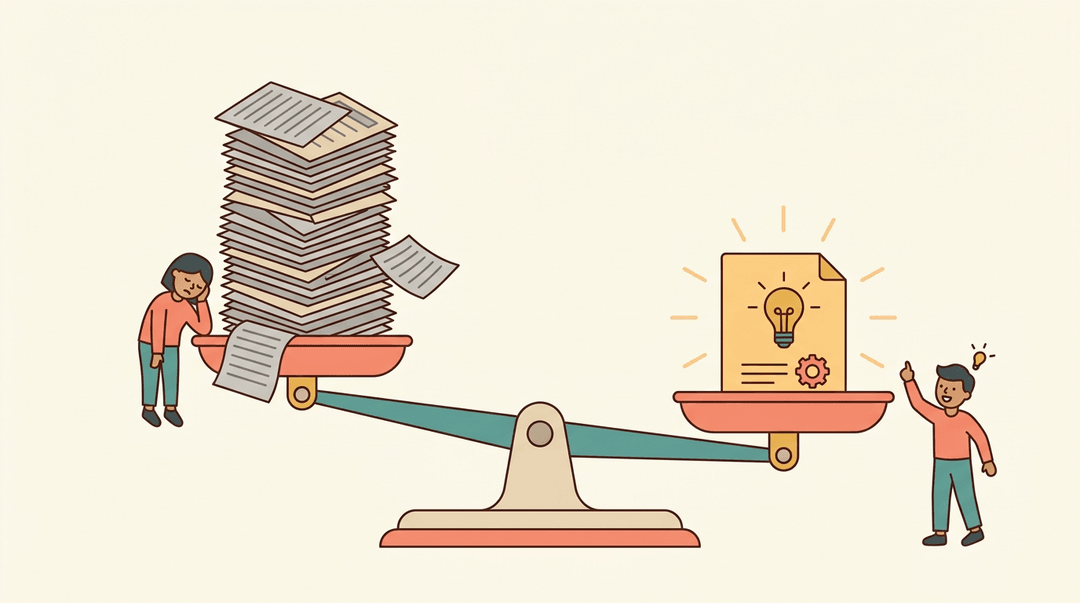
A well-designed assignment beats a stack of busywork every time.
- The best homework extends the thinking that started in class instead of just repeating it: a project-based assignment that asks students to apply a concept boosts engagement far more than another worksheet.
- Letting students self-grade builds metacognition, helping them catch their own mistakes before you do.
- Interactive assignments tend to see higher completion rates than static pages
- differentiating homework by student level keeps it useful for both the student racing ahead and the one who needs another pass.
One modern wrinkle worth naming: AI tools now make it easy for students to generate answers without doing the thinking homework is meant to build, which makes thoughtful assignment design, not just the clock, the real lever teachers have left.
Skills Students Gain from Homework
Beyond the debate over grades and stress, homework can teach lessons no worksheet ever grades directly.
Learning to manage time and tasks
A student juggling math problems, a reading log, and a science project learns to prioritize: which task comes first, which can wait. Set deadlines push back against procrastination, and balancing homework with sports or family time builds a rhythm many adults still rely on.
Building independence and self discipline
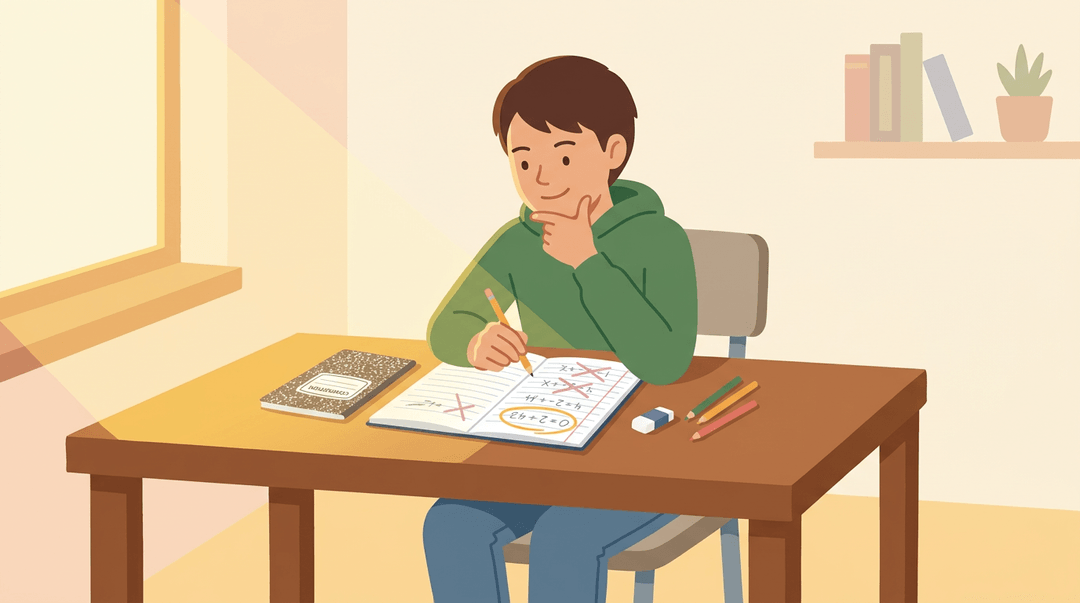
Working through a tricky problem without a teacher standing by builds real problem-solving muscle. Think of a middle schooler stuck on a word problem who tries three wrong approaches before landing on the right one: that struggle builds confidence no amount of guided practice can replicate. It also mirrors what's expected in college and careers, where nobody hovers over your shoulder, and it hands students ownership of their own learning instead of waiting to be told what to do.
How homework reinforces classroom lessons
Practice outside class improves retention: the repetition that comes with homework helps concepts move from short-term memory into lasting understanding. That repetition shows up in standardized test gains and connects to higher rates of college attendance for students who consistently complete it. Simply put, doing the work again, in a different room, at a different hour, is what makes it stick.
Build a Fair Homework Policy
The homework debate only becomes useful once it turns into a written policy: clear limits, better tasks, and a way to notice when the load isn't working. Build yours in three moves.
Set expectations before you assign anything
- Set a nightly time cap for your grade.
- Match your school's or district's guidance so families hear one number.
- Give students a stop rule: "Hit the limit? Stop and mark where you got stuck."
- Tell students why each assignment exists.
- Say: "Tonight's ten problems are practice for Friday's quiz, nothing more."
- Send the policy home in week one.
- One page: the time cap, the purpose, and what to do when homework stalls.
Policy line to adapt for parents: "Homework should take no more than ___ minutes a night. If your child reaches the limit, sign the page and send it back unfinished. That's information for us, not a penalty."
Design assignments worth the time
Before anything goes home, confirm:
- It builds, not repeats. A small project or application beats a drill of mastered skills.
- It fits the student. Offer a core set plus a stretch set, and assign by readiness.
- It offers a choice. Choice raises buy-in without raising your prep time.
❌ Complete all 30 division problems. ✅ Pick the 10 problems that challenge you most, then write one word problem of your own.
The difference: the strong version asks for judgment and creation; the weak one asks for repetition, and finishes punishing the students who already get it.
💡 Tip: A choice menu ("solve it, illustrate it, or explain it to someone at home: pick two") differentiates and adds choice in a single move.
Track completion and adjust the load
Log completion weekly. A simple roster tally per assignment is enough; you're watching for trends, not grading effort. Then respond by pattern:
| When your log shows... | Do this... |
|---|---|
| One student missing two in a row | Check in privately that week, before it hardens into a habit |
| Several students hitting the time cap | Shorten the next assignment for the whole class |
| A class finishing everything fast | Add a choice-based extension, not more of the same |
Share what you see with parents early. "I noticed three missing assignments this month" in week four beats a surprise at conferences.
At a glance:
| Move | You get |
|---|---|
| Clear caps and purpose | Fewer battles at home and in class |
| Quality over quantity | Homework that's worth defending |
| Weekly tracking | Problems caught while they're still small |
Use EMStudio to log assignments, track completion by class, and message parents about homework load, all in one planner.
How Homework Affects Mental Health
Homework doesn't just sit on the kitchen table waiting to get done. For a lot of students, it follows them into bed, into meals, and into how they feel about school itself.
Why homework causes stress and burnout
Ask any student what stresses them out most, and homework often tops the list. A Stanford survey found that 56 percent of students named homework their primary source of stress.
That pressure doesn't spare high achievers: a student chasing straight As can feel just as squeezed as one falling behind, and the strain shows up in affluent and under-resourced schools alike.
Add assignments that feel like meaningless busywork rather than real practice, and stress turns into something harder to shake: burnout.
How homework affects sleep and health
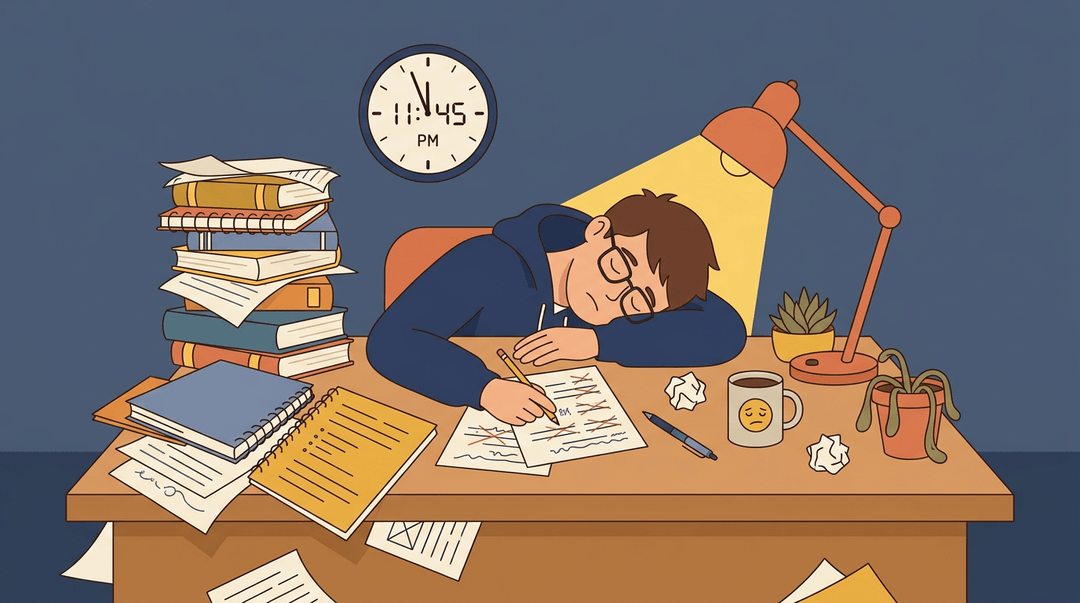
The toll isn't only emotional. Late nights finishing worksheets cut into the sleep students need to grow and learn. A bad grade or an overwhelming workload can spike cortisol, the body's stress hormone, according to Edutopia.
Over time, that stress can show up as stomachaches, appetite changes, and less downtime for the body to recover.
Less time for activities and friends
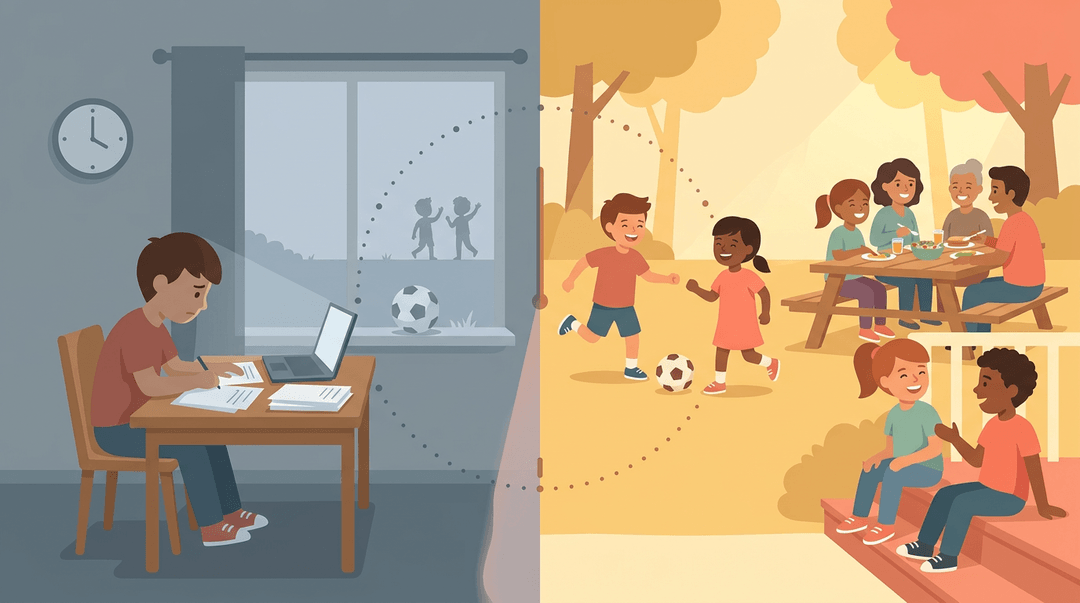
Every hour spent on homework is an hour not spent on soccer practice, a family dinner, or catching up with a friend. Think of a middle schooler skipping a weekend hangout to finish a project: that missed time adds up, and so does the isolation.
Kids need unstructured time with peers and family to build the social-emotional skills that classroom work alone can't teach.
How Homework Can Be Unequal
Homework can look like a level playing field, but it rarely is. The assignment might be identical for every student, yet the conditions for finishing it are not.
When students lack internet access
Not every home has a laptop or reliable broadband, a steady internet connection. Some students finish research assignments on a cell phone, hunting for a signal or burning through data just to load a page.
That gap turned into a canyon during COVID remote learning, when entire units depended on logging into a portal from home. For example, a student without home Wi-Fi might end up parked outside a library after hours just to submit a worksheet.
The burden lands hardest on low-income families, who are least likely to have a backup device or a second connection when the first one fails.

How family income affects homework help
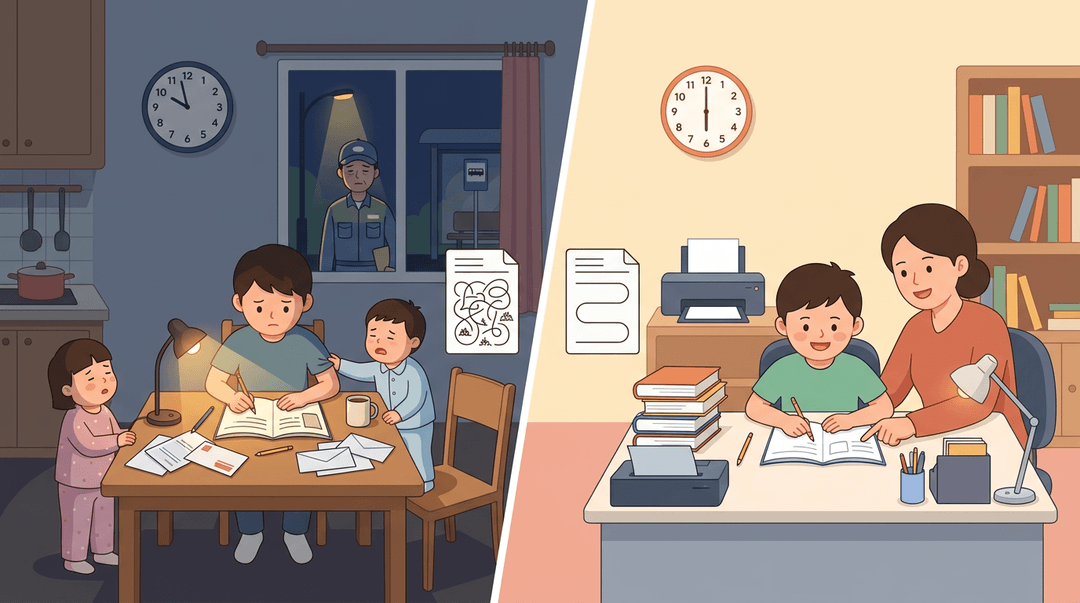
Money shapes more than access; it shapes the hours around homework, too. Parents working two jobs, or a night shift, simply have less availability to sit down and help with a tricky word problem.
Fewer resources at home (a quiet desk, a printer, even reference books) can turn a "quick" assignment into an obstacle course. Add older siblings needing supervision, or teens working part-time jobs, and study time shrinks fast.
Teachers often misjudge how long an assignment will take, especially when they picture a student with steady parental support and a quiet room to work in. Homework, well-intentioned as it is, can end up widening the achievement gap instead of closing it.
How Parents Can Help with Homework
Parents often wonder how much of the homework struggle is actually theirs to solve.
If the workload is causing real harm at home, most schools recognize a parental refusal right: you can ask for homework to be reduced or waived when it's doing more damage than good.
Why parent involvement helps homework
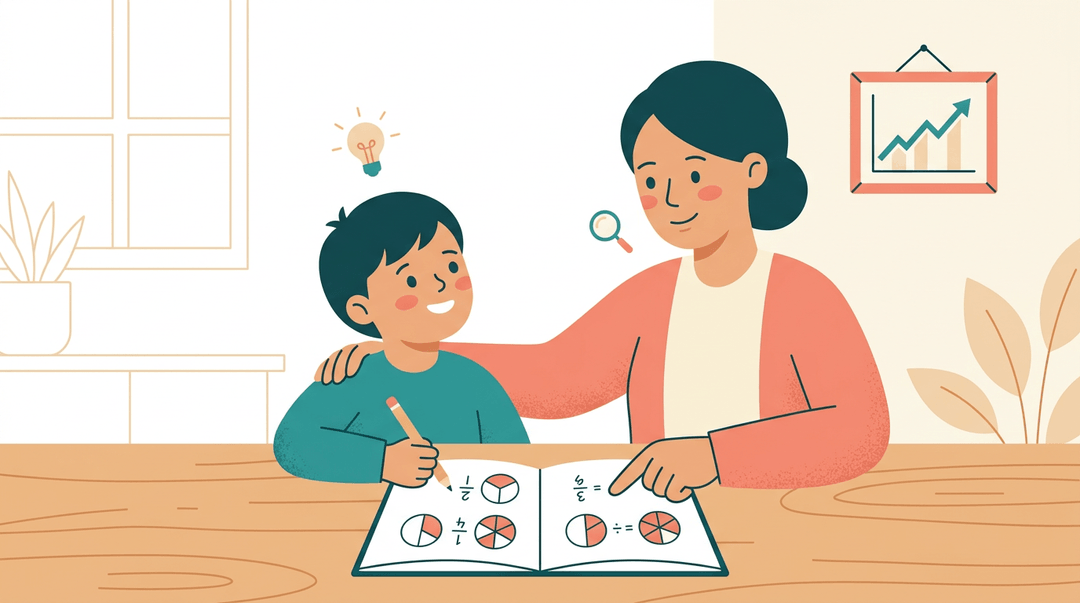
When parents stay looped in, everyone wins. They get a window into the curriculum, so they know what a fourth grader is actually supposed to know about fractions.
They're often the first to spot a learning difficulty before it ever shows up on a report card.
A little guided help, a nudge rather than an answer, can turn a stuck kid into a confident one, and that steady presence tends to show up later as real gains in classroom performance.
Designing homework that involves families
Some of the best homework doesn't feel like homework at all. Family interview activities, where a student asks a grandparent about their first job, turn an assignment into a conversation. The TIPS program built its prototypes around that idea.
As the Center for School, Family, and Community Partnerships explains, "with TIPS, homework becomes a three-way partnership involving students, families, and teachers at the elementary and middle school levels."
The key is treating parents as partners, not stand-in teachers, which tends to boost both motivation and completion.
When parents help too much
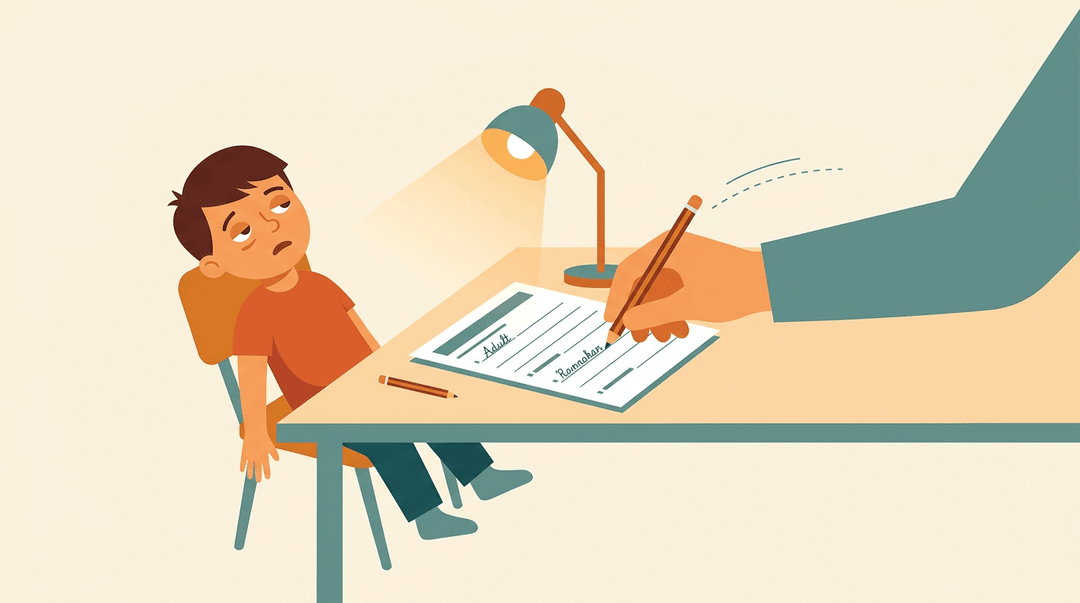
Good intentions can tip into overreach. A parent who finishes the worksheet for their child, or lets sympathy for an exhausted kid slide into a shortcut, invites stress-driven cheating and robs the assignment of its point.
What Schools Can Do About Homework
Debating whether homework should exist only gets you so far. At some point, a school has to decide what its policy actually looks like, and that's where the real work happens.
Setting reasonable homework time limits
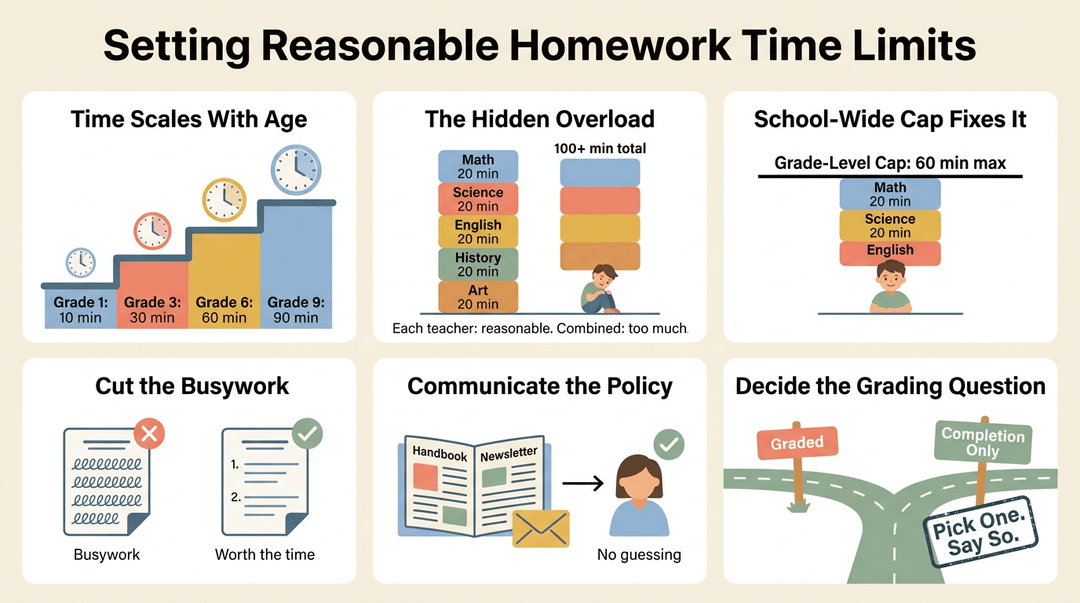
A good policy starts with age-based time guidelines: younger students need far less nightly work than a high schooler juggling five subjects.
The goal is to avoid an excessive nightly load, where each teacher assigns a reasonable amount on its own but the combined total buries the student.
Schools that set clear, school-wide homework limits (a cap per grade level, not per class) tend to see fewer complaints and less burnout.
That also means reducing low-quality assignments: busywork that doesn't teach anything new isn't worth the time it takes.
Whatever the policy, it needs to be communicated clearly to parents, through a handbook, a newsletter, or a quick note home, so nobody's guessing.
It's also worth settling the grading homework debate up front: will it count toward a grade, or just get checked for completion? Decide, then say so.
Rethinking how homework is designed
A flipped classroom model moves direct instruction to a short video at home and saves class time for guided practice, so homework supports learning instead of replacing it.
Project-based alternatives (a week-long research task instead of nightly worksheets) can cover the same ground with less nightly friction.
Differentiated homework policies let a struggling reader and an advanced student get different tasks aimed at the same skill. None of this works well without student input on design: ask students what actually helps them learn, and adjust.
Making homework fairer for everyone
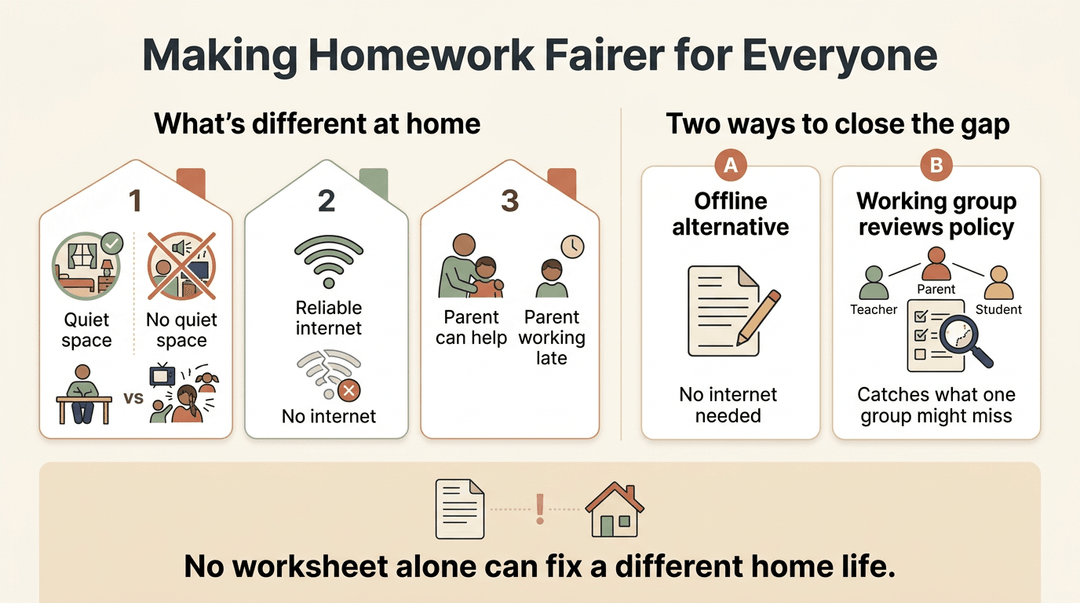
Equity surveys can surface who has a quiet space, reliable internet, or a parent free to help, and who doesn't. Offline or paper alternatives keep students without home internet from falling behind.
A working group of teachers, parents, and students can review the policy together and catch gaps a single department might miss, including real differences in home environments that no worksheet can fix on its own.
Auditing homework and training teachers
Regular in-class homework audits, where teachers review assignments together, catch busywork before it reaches students. Teacher training on homework design helps staff build purposeful tasks instead of defaulting to habit.
Timing how long an assignment actually takes (not how long it's supposed to take) and asking about hidden barriers, like language gaps or missing supplies, keeps the policy honest.
Where the Homework Debate Began
Ask five teachers whether homework works and you'll likely get five different answers. That's because this argument didn't start with your last staff meeting: it's been running for well over a century, swinging back and forth the whole time.
How homework policies changed over time
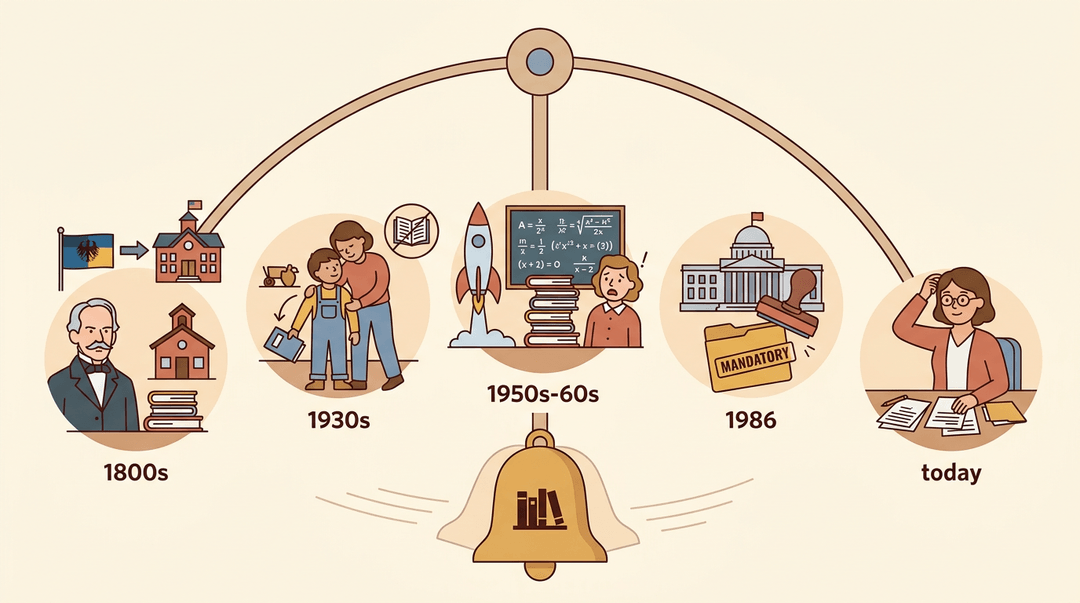
Homework arrived in American classrooms courtesy of education reformer Horace Mann, who brought the practice home from Prussia in the 1800s and built it into the structure of public schooling from the start. It didn't stay unquestioned for long.
By the 1930s, critics pushed back hard, arguing that homework was essentially child labor because it kept kids from chores and family time at home.
That opposition faded during the Cold War, when fears of falling behind academically (especially in math and science) pushed schools to pile homework back on.
The pendulum swung again in 1986, when the U.S. Department of Education formally mandated homework as a tool for boosting educational quality, cementing it as standard practice ever since.
None of this is new territory: the debate itself traces back to the 1890s, which means teachers today are really just the latest voices in a very old argument.
Do schools still assign homework?
Short answer: yes, and often quite a lot. Federal data shows the large majority of elementary and secondary students still do homework regularly, with time spent varying widely by grade level and family involvement.
But still assigned doesn't mean settled. There's no simple yes-or-no here: teachers, parents, and administrators land in different places, and student voices, the people actually doing the work, get heard the least of all.
The amount also shifts depending on where you teach: Romanian students spend nearly twice as many hours a week on homework as their Nordic peers, a reminder that even the basic question of "how much is normal" doesn't have one answer.
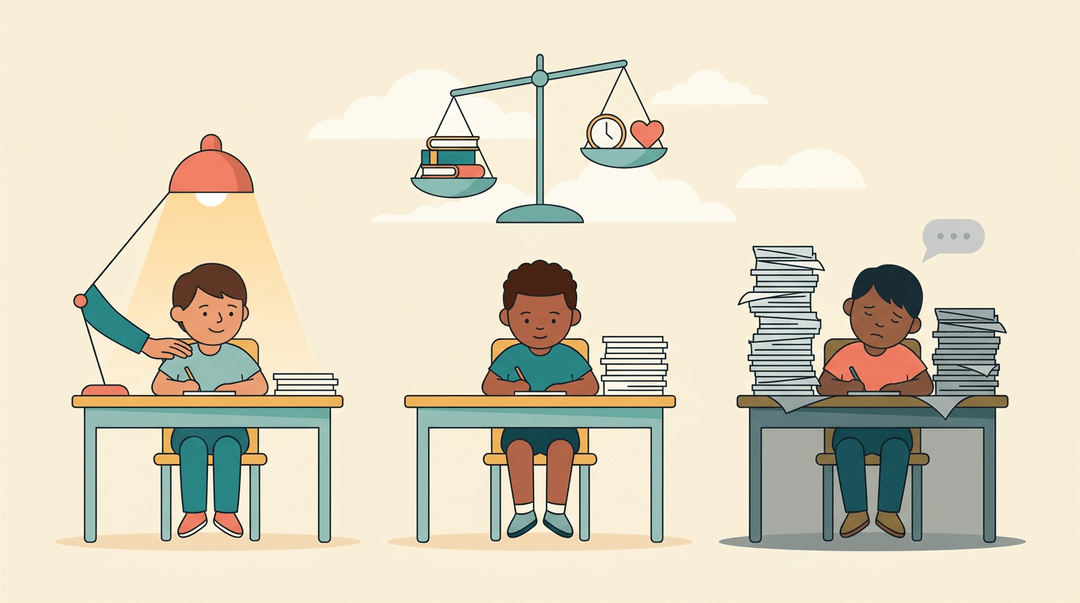
Homework isn't simply good or bad. It depends on how it's designed, how it's assigned, and whether every student has a fair shot at finishing it.
Weigh the research, watch for equity gaps, and protect student wellbeing, and homework becomes a tool that builds real skills instead of just filling time.
Ready to turn this debate into a policy you can actually run? Check out our Classroom Management feature to organize your classes, rosters, and timetables so every policy you build actually sticks.
References
- Is Homework Necessary? Education Inequity and Its Impact on Students — onlinedegrees.sandiego.edu
- Stanford research shows pitfalls of homework — news.stanford.edu
- Percentage of elementary and secondary school students who do homework, average time spent doing homework, percentage whose parents check that homework is done, and percentage whose parents help with homework, by frequency and selected characteristics: 2007, 2012, and 2016 — nces.ed.gov
- TIPS | Center for School, Family, and Community Partnerships — sfcp.jhucsos.com
- Homework : burden or benefit? — scholarworks.uni.edu (2011)
- The Pros and Cons of Homework (in 6 Charts) — edutopia.org
- AMatters_No7_Homework_EN — cmec.ca
- Students Spend More Time on Homework but Teachers Say It's Worth It — usnews.com
- Romanian students spend nearly twice as much time on homework as Nordic peers, experts warn of impact on learning — romania-insider.com (2025)
- Spending Too Much Time on Homework Linked to Lower Test Scores — smithsonianmag.com
- The Science Behind Student Stress — edutopia.org
- How the Space Race Led to Tons of Homework for US Students — history.com
Frequently asked questions
What are 10 disadvantages of homework?
1. Ten disadvantages of homework are increased stress, burnout, reduced sleep, less time for play, fewer family and social activities, unequal access to technology and help, wider achievement gaps, conflict at home, reduced motivation, and time spent on low-value busywork. Excessive or poorly designed homework can also encourage shortcuts or AI-generated answers rather than genuine learning.
What are 20 reasons why homework is beneficial for students?
2. Homework can benefit students by reinforcing classroom lessons, improving retention, building reading fluency, strengthening writing, practicing mathematics, identifying misunderstandings, preparing students for tests, supporting long-term understanding, developing time management, reducing procrastination, building independence, strengthening self-discipline, improving problem-solving, encouraging persistence, teaching responsibility, preparing students for college and careers, giving parents insight into learning, encouraging family involvement, supporting self-assessment, and allowing students to apply concepts in new contexts. These benefits depend on age, subject, assignment quality, and a reasonable workload.
What are 10 advantages of doing homework?
3. Ten advantages of homework are practice beyond class, stronger retention, improved reading and writing fluency, earlier identification of misunderstandings, better preparation for tests, time-management practice, greater independence, stronger self-discipline, improved problem-solving, and preparation for college or work. Targeted, purposeful assignments are generally more useful than repetitive busywork.
Why is it important for students to do homework?
4. Homework can be important because it gives students additional practice and helps move concepts from short-term memory into lasting understanding. It can also develop time management, independence, persistence, and self-discipline. Its value depends on appropriate amounts, thoughtful design, student age, and whether students have a fair opportunity to complete it.
Is it true that 40% of kids can't read?
5. No single reliable statistic shows that 40% of all children cannot read. Reading ability varies by age, country, definition, and assessment, and some assessments report proportions of students below a particular reading standard rather than children who cannot read at all. Claims using the 40% figure should identify the population, test, year, and definition being used.
Should 7 year olds have homework?
6. Seven-year-olds may have a small amount of purposeful homework, but it should not be heavy or time-consuming. Reading with an adult, brief writing, or a short skill practice can be appropriate, while lengthy worksheets can take away from sleep, play, family time, and social development. A clear time limit and a stop rule are helpful.
Are students happier without homework?
7. Students are not automatically happier without homework. Excessive or meaningless homework is associated with stress, reduced sleep, less free time, and burnout, while reasonable assignments can provide useful practice and a sense of progress. Happiness depends largely on the workload, quality, age of the student, and support available at home.
What does Harvard say about homework?
8. Harvard does not have one official position that homework is always good or always bad. Harvard-affiliated education research and experts generally emphasize that homework should be purposeful, age-appropriate, limited in amount, and connected to learning goals. The broader evidence suggests benefits are smaller for young children, stronger for older students, and reduced when workloads become excessive.