Home Visit: What It Is and How to Prepare

Jump to section
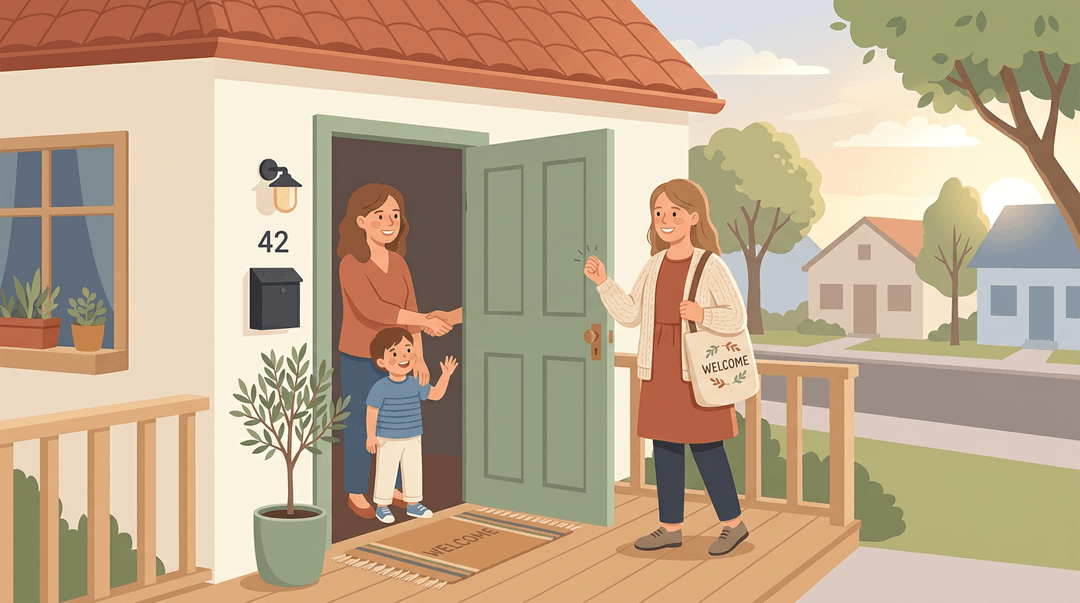
Think about the last time a neighbor knocked on your door just to check in, no agenda beyond genuinely wanting to know how you were doing. That small gesture carries real weight.
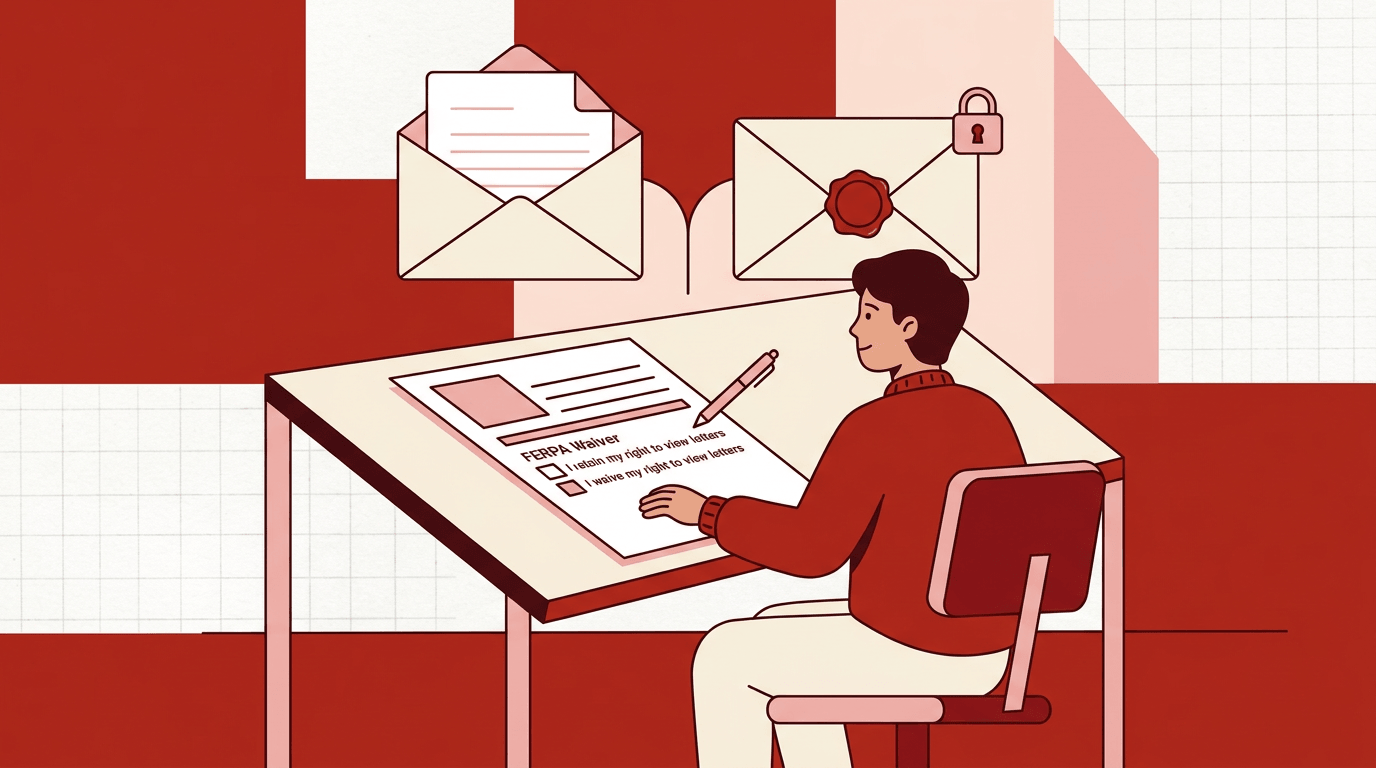
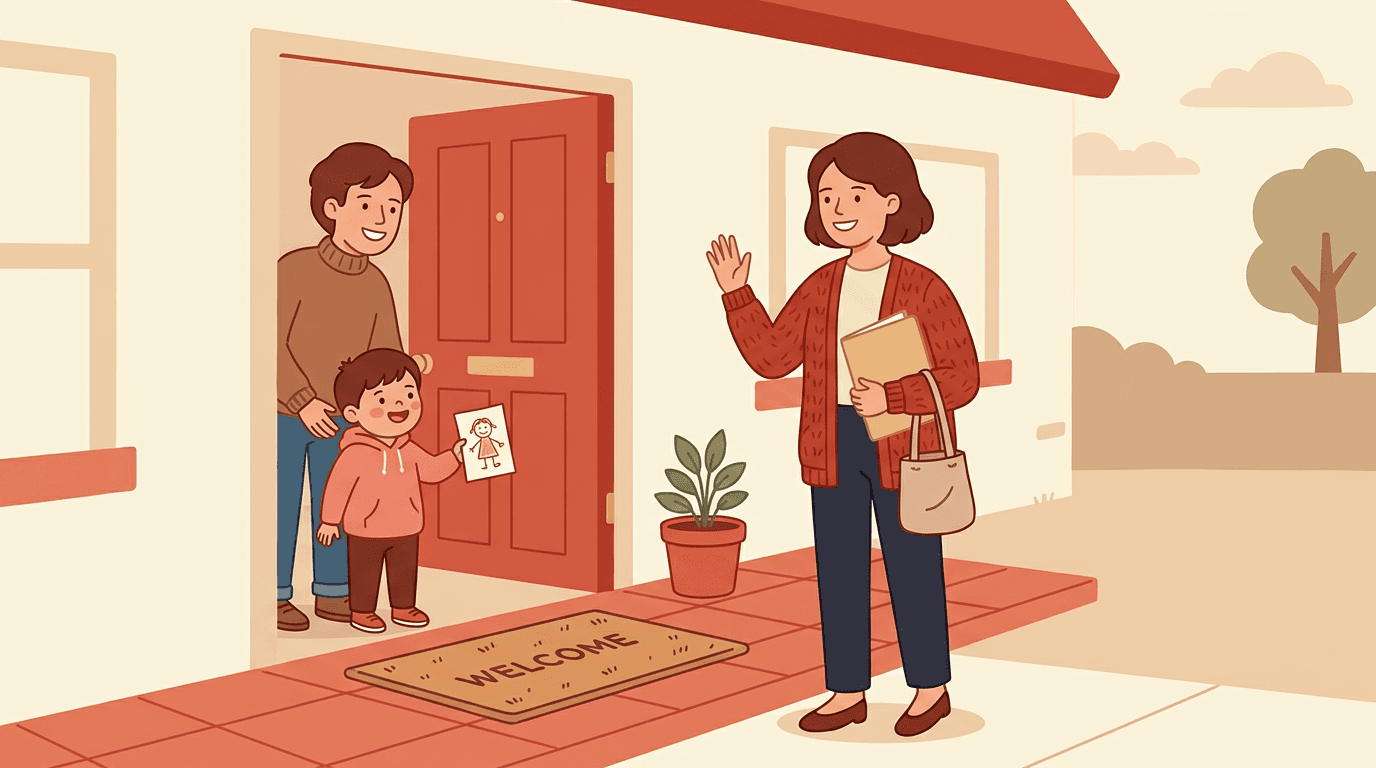
A home visit works the same way in schools: a teacher, social worker, or nurse steps outside the classroom and into a student's world for a bit. It's a simple idea with a real payoff for building trust and catching problems early.
Here's what a home visit actually involves, who typically leads one, and how to walk in prepared.
Home Visit Checklist for Teachers
Use this checklist when a student's absences or classroom signals point to something you can't solve from school. Run it top to bottom and you'll walk in prepared and walk out with a usable record.
Before you go
Confirm all four before you knock:
- Attendance history reviewed. Pull recent records and name the pattern, like "absent every Monday."
- One clear objective set. Write it as a single question you want answered.
- ✅ "Find out what's keeping Maya home on Mondays."
- ❌ "Discuss attendance." The first names a specific question; the second is just a topic.
- Visit scheduled with the family. Never drop in unannounced.
- Try: "Could we stop by for 20 minutes this week, whenever works best for you?"
- ID and materials packed. School badge, your written objective, the attendance printout, any resource flyers.
While you're there
Your job in the home is to listen more than you talk. Keep these four habits in view:
- Stay professional and respectful. You're a guest; accept the seat you're offered.
- Keep the focus on the student. If the conversation drifts, steer it back.
- Say: "Here's what we're seeing at school. What are you seeing at home?"
- Note safety concerns factually. Record what you observe, not judgments, and report through your school's process afterward.
- Keep the visit brief. Aim for 20 to 30 minutes, and end with one agreed next step.
⚠️ Watch out: if anything about the situation feels uncertain, bring a colleague and tell the front office where you'll be and when you'll check back in.
As soon as you're back
The visit only counts if it leaves a trail. Do these in order:
- Log the outcomes immediately. Same day, while details are fresh.
- Record: date, who was present, what was agreed, any concerns you noted.
- Share your notes with the support team. Counselor, social worker, or administrator, depending on what you found.
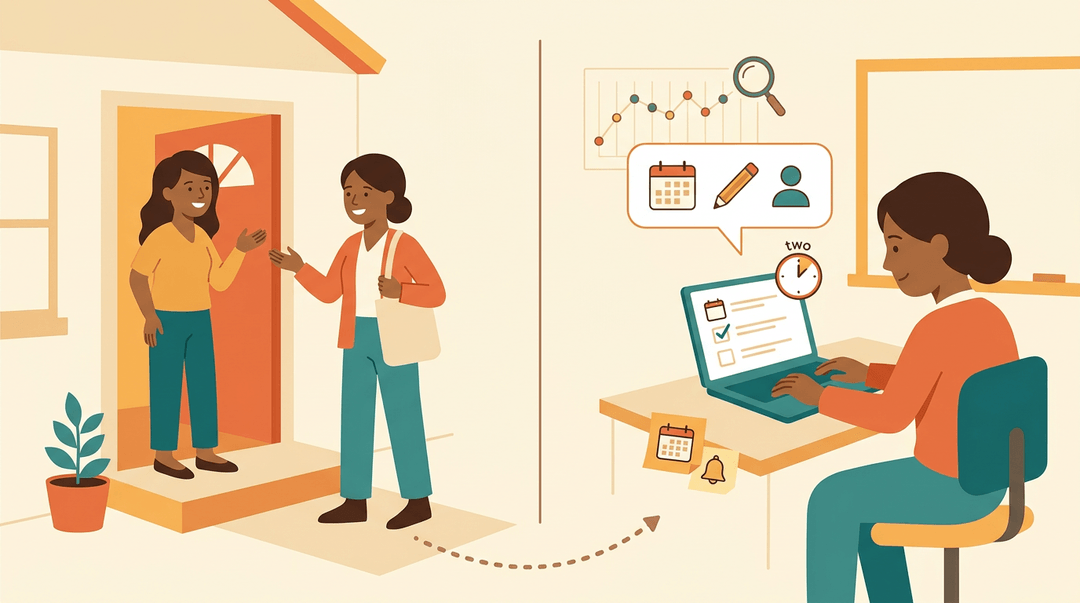
- Set a follow-up date. Calendar it now, like "call family in two weeks to check the new morning routine."
- Update the attendance record. Tag the related absences so the visit and the pattern stay connected.
Log visit notes and follow-ups directly in EMStudio's attendance tracker, so step one takes two minutes instead of twenty.
A home visit isn't complicated, but it is purposeful: a short conversation on someone's doorstep that can reveal what a report card never will. Preparation turns that visit into something useful rather than awkward.
Once you're back in the classroom, what you learned should feed into how you track that student's progress. Ready to connect the dots? Check out our Attendance & Records feature to spot patterns across classes over time.
Frequently asked questions
What is a home visit?
A home visit is a scheduled meeting in which a teacher, social worker, nurse, or other school professional visits a student's home to learn more about their situation and provide support. It is usually brief, purposeful, and focused on listening, building trust, identifying concerns, and agreeing on a next step with the family.