What Are the Two Main Objectives of FERPA? A Complete Guide

Jump to section
Think about a locked diary on a nightstand. Only the person who owns it decides who gets to read it, and even then, there are rules about what counts as fair to share.
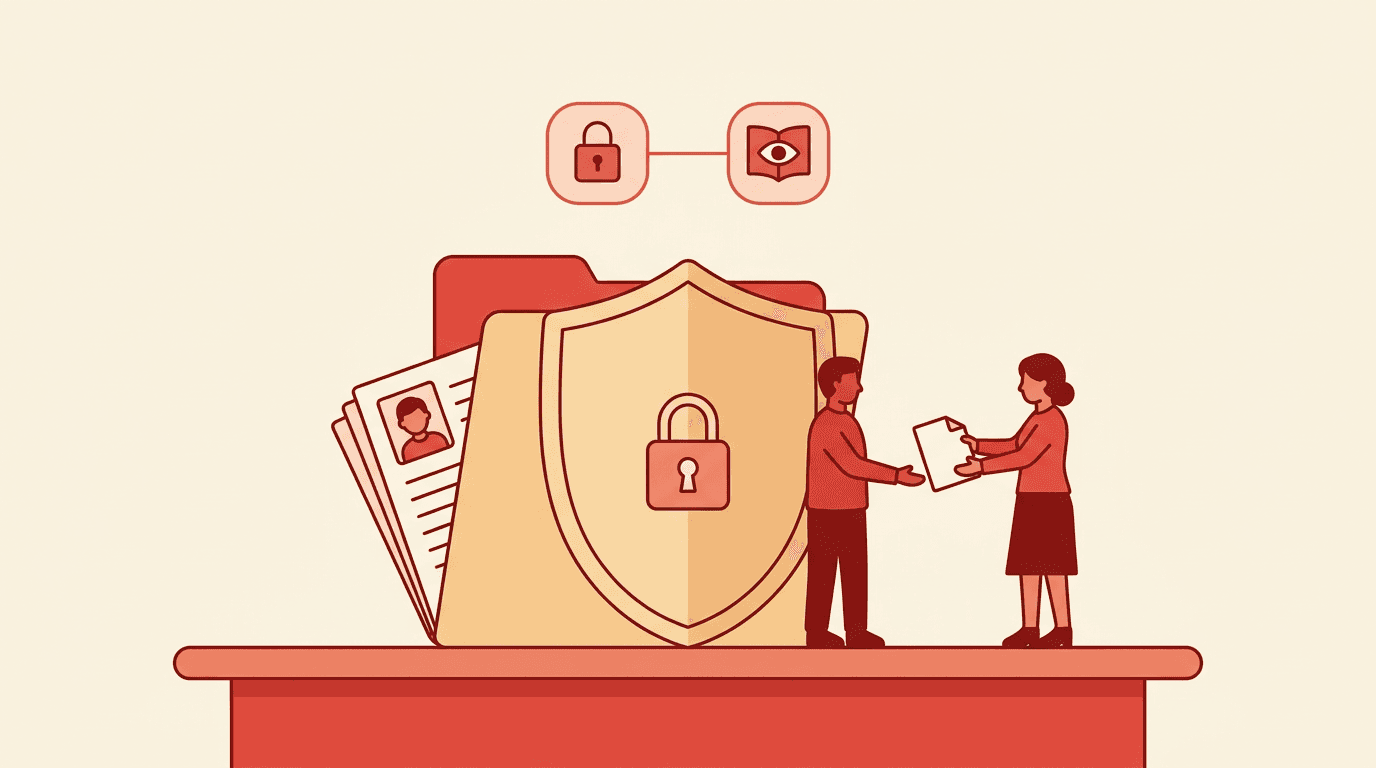
That's the spirit behind the Family Educational Rights and Privacy Act (FERPA). At its core, FERPA exists to do two things: protect the privacy of student records and guarantee parents and students the right to access and correct them.
In this post, we'll unpack both pillars, then walk through what they mean for your daily attendance and records work.
The Two Main Objectives of FERPA
Ask a dozen teachers what the Family Educational Rights and Privacy Act actually requires, and you'll get a dozen half-answers.
Strip away the legal language, though, and it comes down to two jobs: protect a student's records, and make sure the student (or their parent) can see them.
Keeping records private, accurate, and accessible
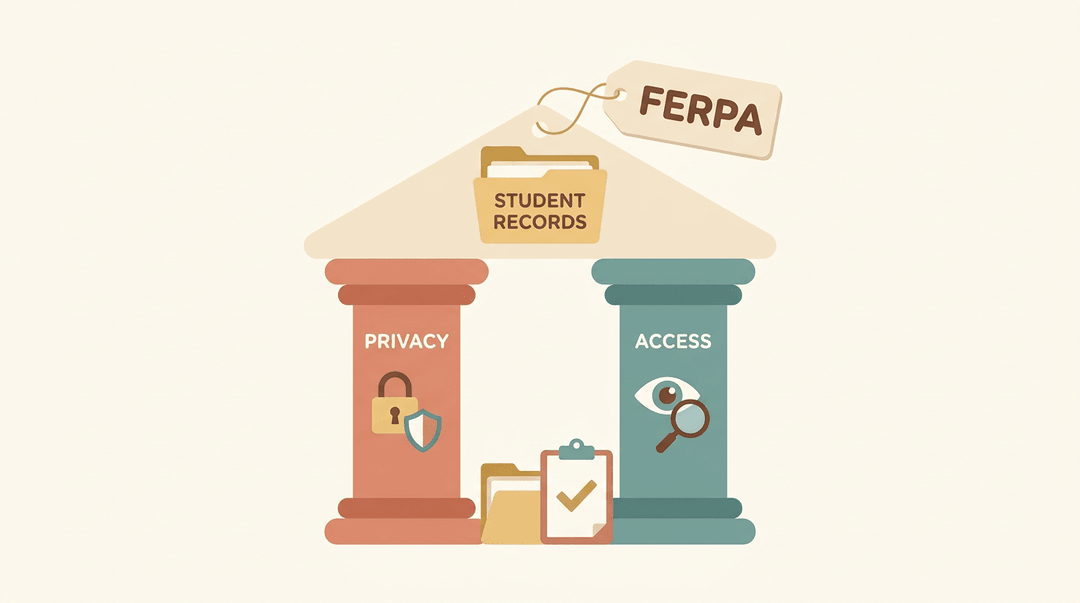
That's the twin-pillar framing worth pinning above your desk: privacy and access.
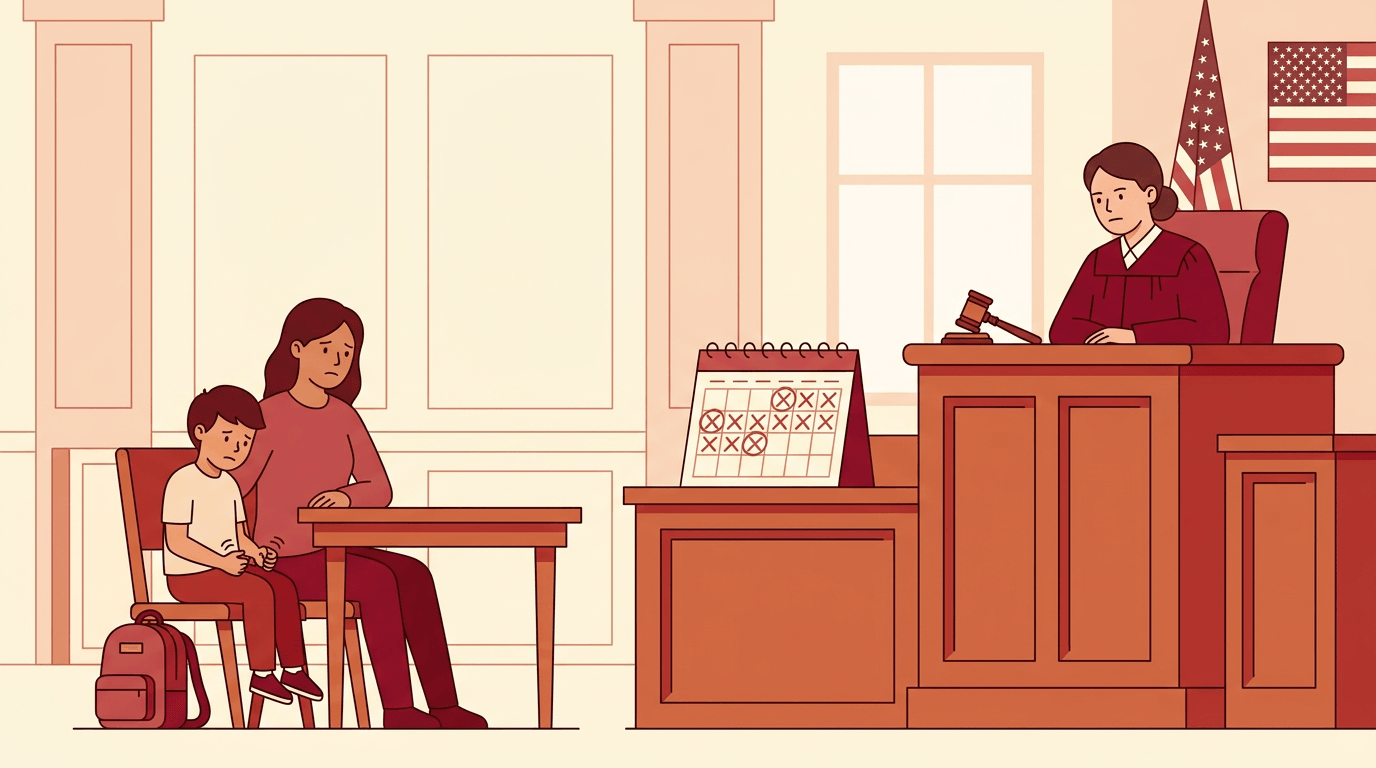
FERPA's first objective is confidentiality: your gradebook, your IEP notes, even your attendance records stay shielded from anyone who doesn't have a legitimate reason to see them.
Yes, attendance sheets count as protected education records, not just routine paperwork.
The second objective flips that around. Students (or their parents, while the student's a minor) have the right to review those same records and request a correction if something's wrong. Privacy without access would let schools hide mistakes.
Access without privacy would strip students of any protection at all.
Together, they're the whole law in a nutshell, the kind of plain-language summary you'd want on a study flashcard: FERPA keeps records private, lets families check them, and keeps them accurate.
Where FERPA came from and who it covers
FERPA became federal law in 1974, nicknamed the Buckley Amendment after the senator who sponsored it. It applies to any school, public or private, that accepts federal funding, which is most of them.
That reach creates a real compliance burden: schools need clear policies for staff, contractors, and anyone else who touches student files.
It's also where FERPA and HIPAA split duties. HIPAA protects medical records; FERPA protects education records, attendance included, even when health details end up in a school file.
Rights FERPA Gives Students and Parents
So what does FERPA actually hand a family?
Four concrete rights, and together they're the clearest answer to that common question of what best summarizes FERPA rights: the right to inspect records, the right to challenge them, the right to control who sees them, and the right to complain if a school gets it wrong.
Here's the quick rights checklist, then the details on each:
- Inspect. Review your own (or your child's) education records.
- Amend. Challenge anything inaccurate or misleading.
- Consent. Say yes or no before most records get shared.
- Complain. Report a school that won't comply.
Your right to see your own records
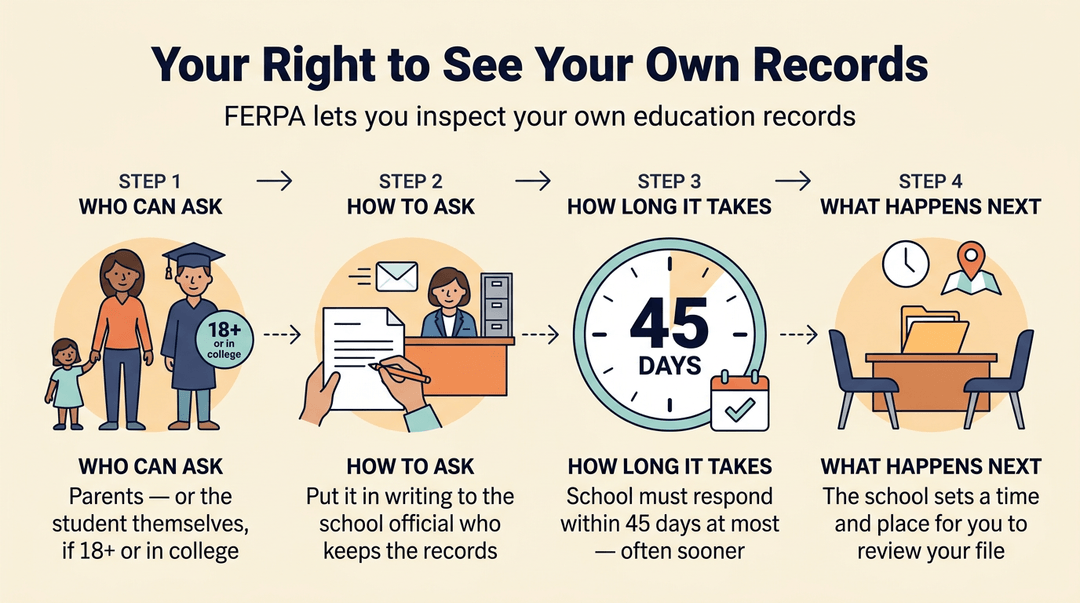
Parents and eligible students (students who are 18 or older, or enrolled in a postsecondary school) can request to inspect and review education records. Submit the request in writing to the school official who maintains those records.
As FERPA Compliance Requirements for Schools explains, schools must comply "within a reasonable period of time and in no case more than 45 days after the request is received." The school will also arrange a time and place to actually look at the file.
Fixing inaccurate or misleading records
If something in the record looks wrong, you can challenge it. Send a written request to the principal asking for a correction. If the school says no, you're entitled to a hearing to make your case.
One catch: this process is for factual errors, not for disputing a grade you think should've been higher.
Consent needed before records are shared
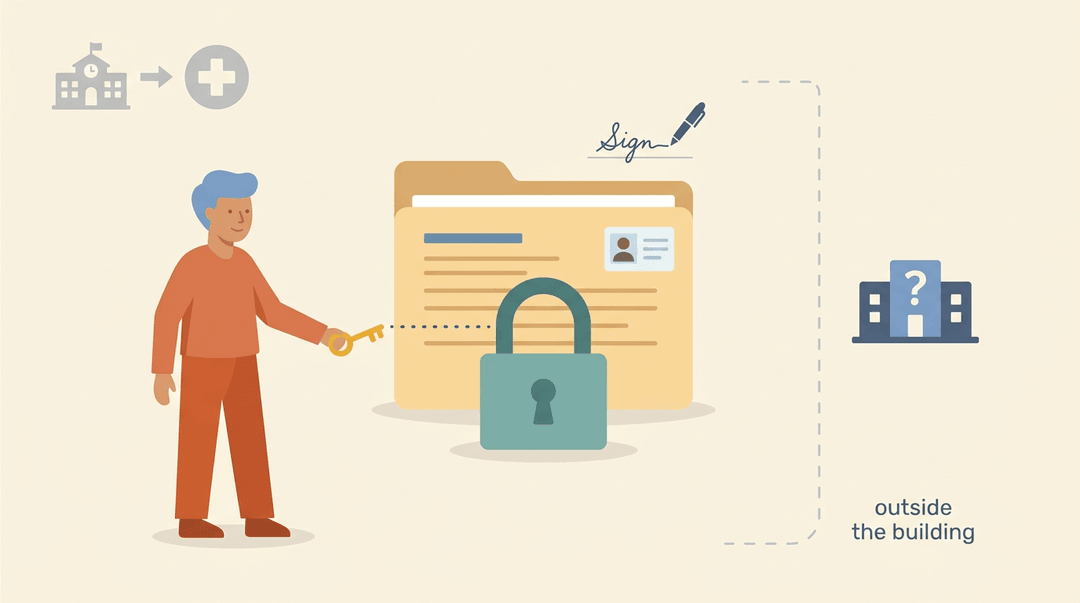
Education records hold personally identifiable information, and schools generally need written consent before sharing it outside the building.
There are exceptions (a transfer to another school, a health emergency), but outside of those, the choice belongs to the parent or, once a student turns 18 or enrolls in college, to the student themselves.
How to file a FERPA complaint
When a school won't budge, families can file a complaint with the U.S. Department of Education's Family Policy Compliance Office, the office that enforces FERPA nationwide.
The complaint goes to the address the Department provides for exactly this purpose.
FERPA Checklist for Teachers on Attendance and Records
FERPA isn't just the registrar's problem: your daily attendance clicks, roster printouts, and classroom photos all fall under it. Here's a quick-reference card for the three situations you'll actually hit.
Protecting daily attendance records
Before you call attendance "routine paperwork," confirm these three things:
- Attendance counts as protected data. Who was absent and when is part of the education record.
- Only authorized staff can see it. Administrators and office staff with a legitimate need, not volunteers or visitors.
- It lives in a digital system, not loose paper. A printed sheet on your desk is readable by anyone passing by.
⚠️ Watch out: A paper sign-in sheet students can see is itself a disclosure. Every student on it can read every other student's attendance history.
Handling a records request from a parent or student
When a request comes in, run this sequence in order:
- Verify the requester's right to access.
- Confirm identity, and that they're the parent, guardian, or an eligible student.
- Log the date and the requester.
- One line is enough: "Oct 14, J. Rivera (mother of M. Rivera), attendance record."
- Route it and respond within 45 days.
- The federal clock starts the day the request arrives, not the day you act on it.
Try: "I've logged your request today, and we'll have the records to you well within the required window." Saying it out loud commits you to step 2.
Sharing directory info in the classroom
Names, photos, and rosters feel harmless, but each needs a check first. Find your situation, read across:
| Before you... | First confirm... |
|---|---|
| Post student names (birthday boards, awards) | The student isn't on the opt-out list |
| Share photos (newsletters, class pages) | You have photo consent on file |
| Hand out or display a class roster | Every name on it cleared the opt-out check |
Example: ❌ Posting a "Perfect Attendance!" photo with names to the class page without checking opt-outs. ✅ The same post after confirming no pictured student has opted out and consent is on file. The content is identical; the check is the difference.
The pattern across all three: protect by default, verify before sharing, and keep a record of what you did. A tool like EMStudio's attendance tracker keeps daily records secure, organized, and FERPA-ready automatically.
When Schools Can Share Records Without Consent
FERPA locks down student records, but it's not a vault with no door. A handful of everyday situations let you share information without a signed consent form, as long as the reason fits one of the law's built-in exceptions.
The school official exception explained
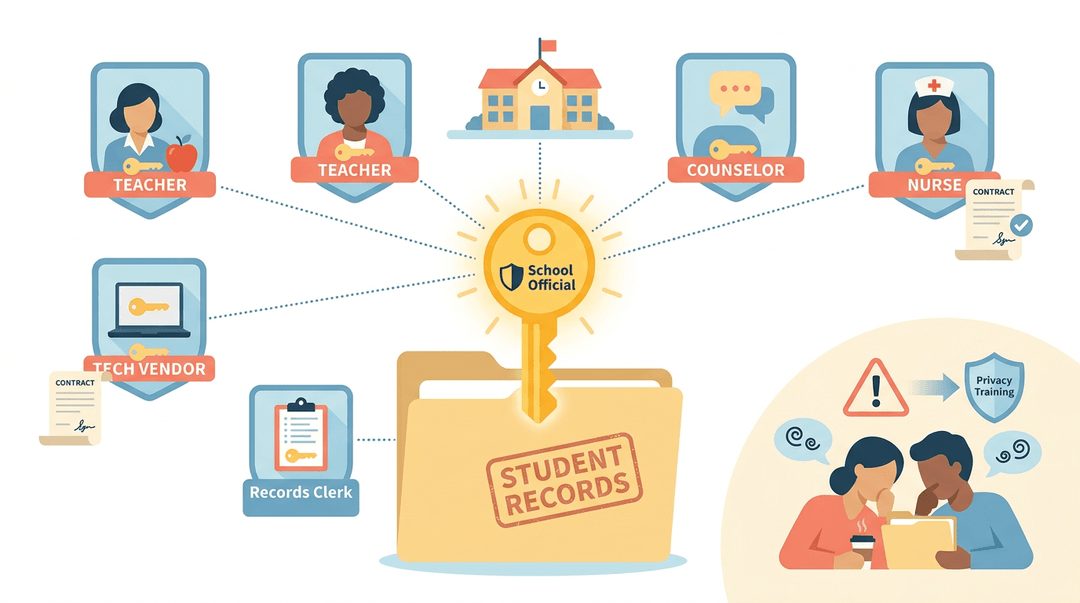
Teachers, administrators, counselors, and support staff can access records without consent because they're considered school officials with a legitimate educational interest.
That label can stretch to outsourced contractors (a nurse, a tech vendor, a records clerk) as long as the school keeps direct control over the work and the vendor agrees in writing to follow FERPA's rules.
A quick reminder for staff: access isn't a free pass. It's still worth a refresher on privacy training so the exception doesn't turn into casual gossip in the staff room.
Other situations that allow disclosure
Beyond school officials, FERPA allows disclosure without consent when:
- A student transfers schools. Records can follow them to the new school.
- Auditors or evaluators need access for official reviews.
- Financial aid decisions require sharing relevant data.
- A court order or subpoena demands it.
- Health and safety emergencies make quick disclosure necessary.
- Disciplinary outcomes for violent crimes or sex offenses can be shared with the victim.
Using outside contractors and service providers
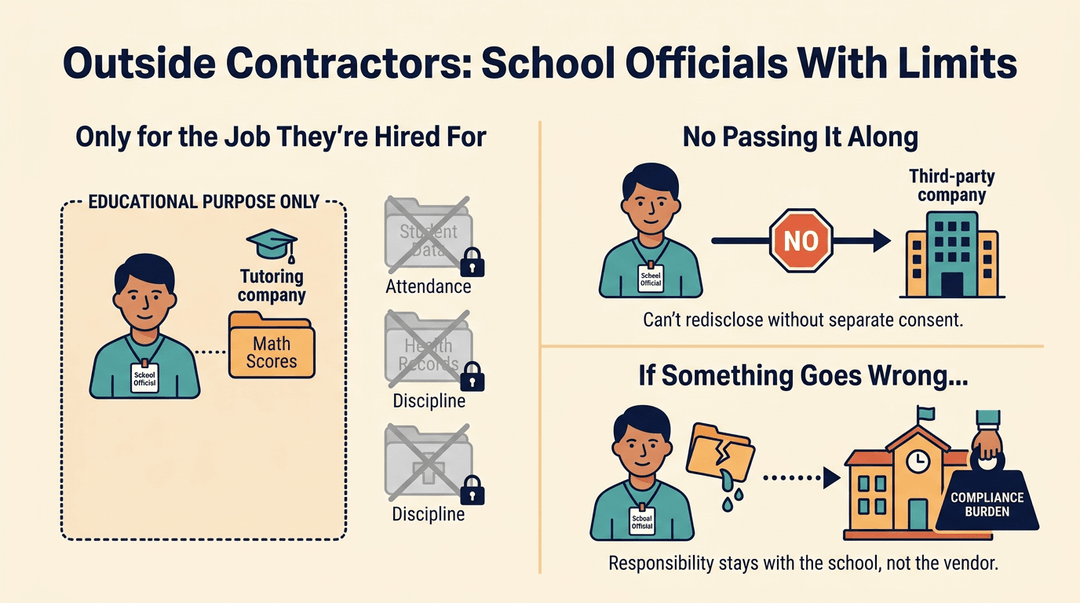
Contractors can act as school officials, but only within strict limits. They can use student data solely for the educational purpose they were hired for, and they can't redisclose it without separate consent.
If something goes wrong, the compliance burden stays with the school, not the vendor.
What Counts as Directory Information
Not everything in a student's file lives behind FERPA's privacy wall. Schools can release a defined set of details, called directory information, unless a parent objects first.
Examples of directory information schools share
This category covers the everyday stuff that shows up in yearbooks, programs, and announcements:
- Name, address, and phone number
- Photos and recordings
- Dates of attendance
- Honors, degrees, and awards
- Athletic participation, height, and weight
How to opt out of directory sharing
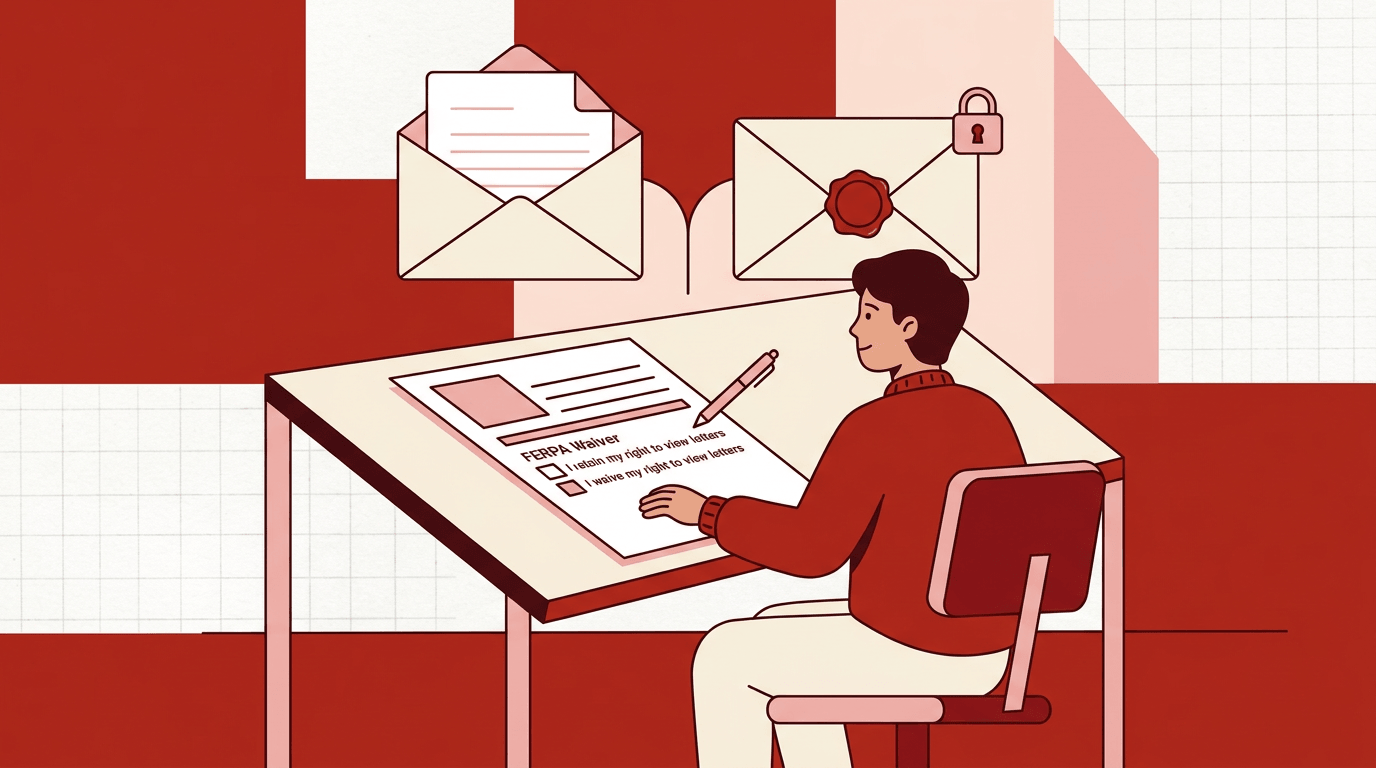
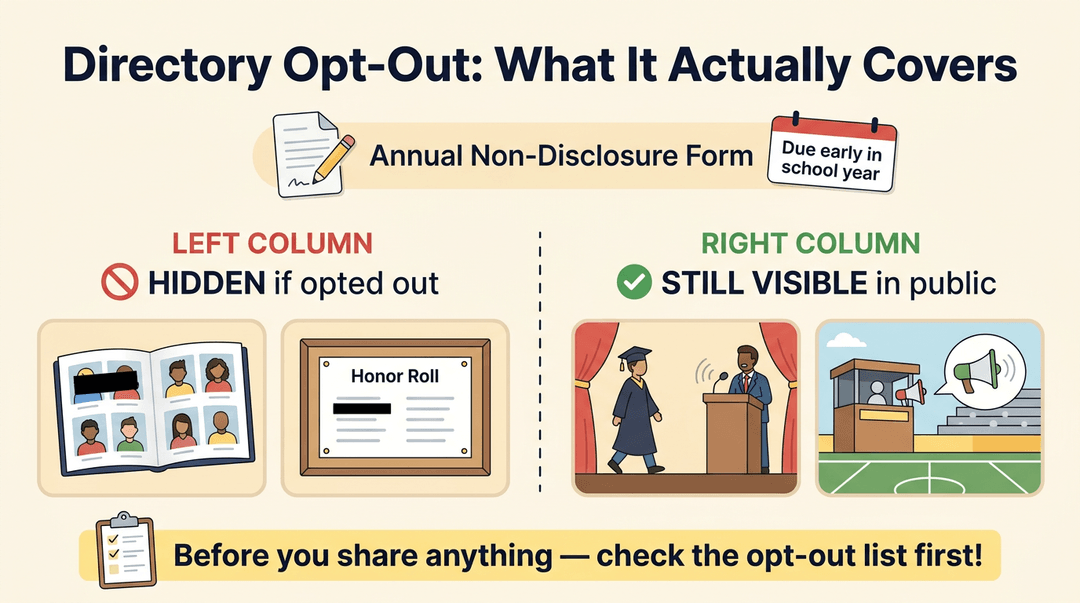
Each year, schools must give families a chance to say no through an annual non-disclosure form, usually due by a set deadline early in the school year. Opting out keeps a student's name out of the yearbook, the honor roll, and similar publications.
It doesn't apply to public events like graduation or a game announcer reading off a roster. Before you share anything, check the opt-out list on file first.
Military recruiters and student directory info
Here's one that surprises a lot of teachers: under the Elementary and Secondary Education Act (ESEA), the federal law covering K-12 education funding, schools are generally required to hand military recruiters students' names, addresses, and phone numbers when asked.
As the Public Interest Privacy Center explains, this release happens "subject to a parent's right to opt out," so that same annual form covers this release too. No separate paperwork needed, just one list to keep current.
Student Data, De-identification, and Ed-tech Providers
Every time a classroom app syncs attendance or grades, student data moves somewhere outside the school. FERPA deals with that reality through de-identification: strip out what identifies a student, and the data can move more freely.
How student data gets de-identified
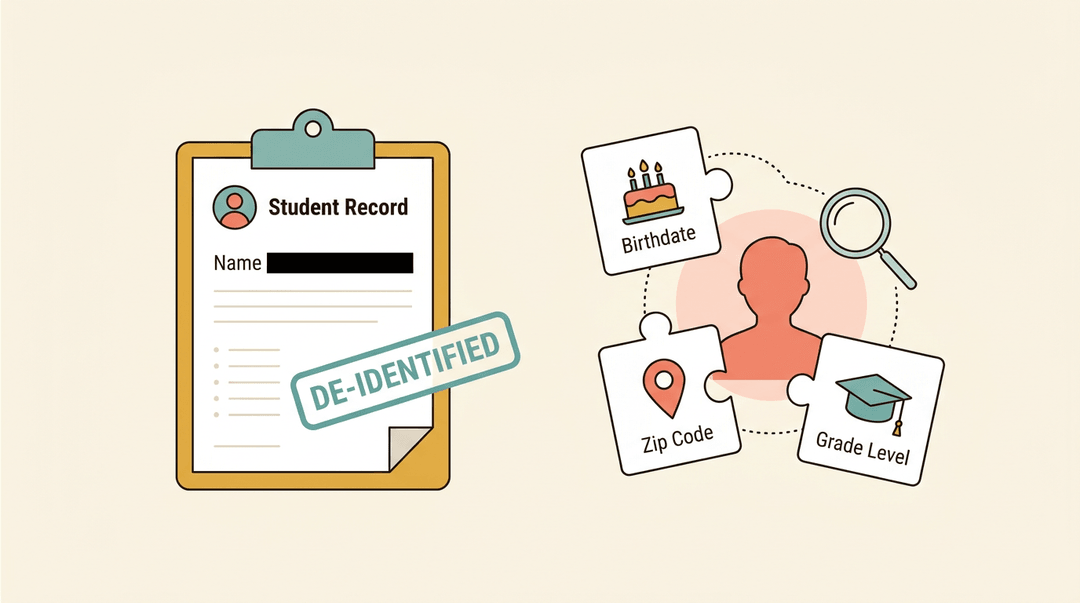
FERPA doesn't demand airtight secrecy. It asks schools to meet a reasonableness standard: take the steps a reasonable person would take to remove personally identifiable information, not guarantee that re-identification is impossible.
That standard lives in 34 C.F.R. § 99.31(b), the regulation that lets a school release records or information without parental consent once personally identifiable details are removed.
That line wasn't drawn casually. Back in a 2008 rulemaking from the U.S. Department of Education, the department worked through public comment on exactly how de-identified data should be defined and handled.
The debate exists because the risk of re-identification is real: combine a few supposedly anonymous data points (a birthdate, a zip code, a grade level) and a specific student can sometimes be pieced back together.
What happens once data is de-identified
Once data genuinely is de-identified, FERPA steps back. The law no longer restricts what happens next, which means an ed-tech provider can use that data to build and improve new products.
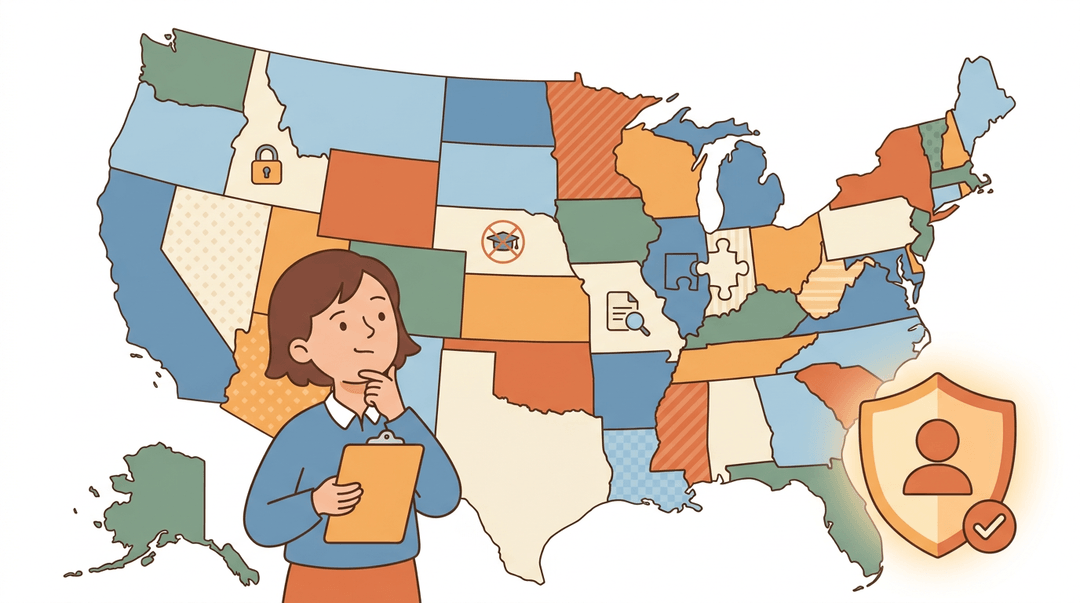
Some states draw a tighter line here, imposing stricter limits on student data than FERPA requires. For a teacher choosing classroom tools, that gap is worth knowing before assuming federal rules are the whole story.
How FERPA Gets Enforced
FERPA doesn't work like a law with police power behind it, and that surprises a lot of teachers. It works through federal funding and a single complaint process, and once you see how, the rest of this section makes a lot more sense.
FERPA's approach to compliance
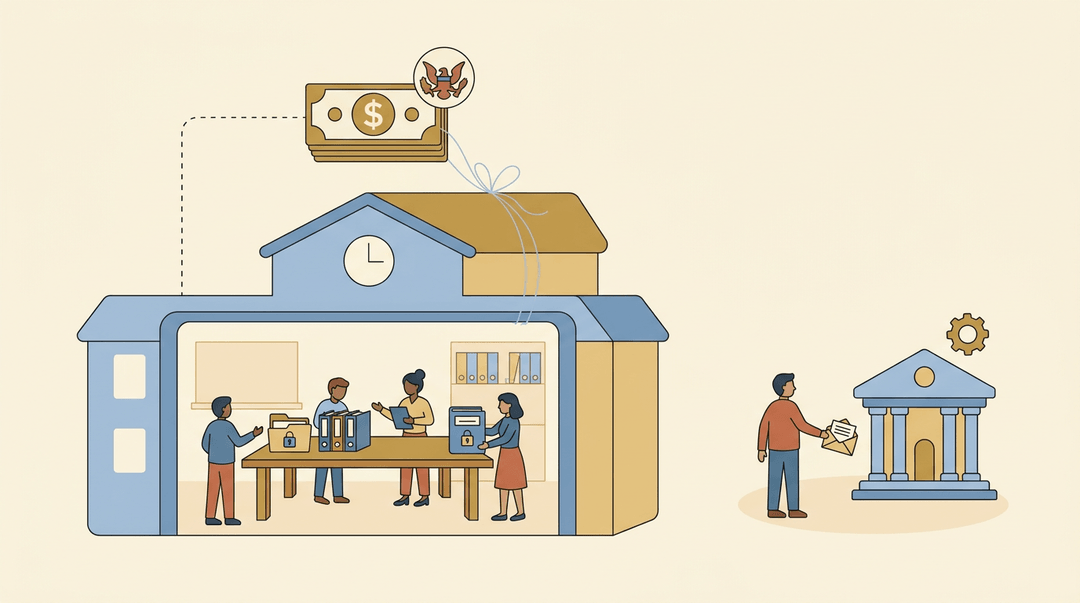
FERPA is spending clause legislation: Congress attaches privacy conditions to the federal funds a school district accepts, rather than regulating schools directly.
The real teeth behind the law are the withholding of federal funds: a district that repeatedly violates FERPA risks losing that money. In practice, this creates a strong emphasis on voluntary compliance.
Schools build their own policies and training because they want to protect their funding, not because an inspector is checking every folder.
When something does go wrong, families typically start with a complaint process through the U.S. Department of Education (DOE), which investigates and works with the district to fix the problem rather than jumping straight to a penalty.
How state laws enforce privacy differently
State student-privacy laws often take a sharper approach. Taken together, state laws tend toward more vigorous enforcement than FERPA's funding-based approach, giving you another reason to treat student records carefully at the classroom level:
- Many create direct liability for providers, meaning the ed-tech companies handling student data can be held responsible, not just the district.
- Some attach specific fines for violations.
- A growing number include a private right of action, letting a parent or student sue directly instead of waiting on a regulator.
New State Laws on Student Privacy
FERPA sets the federal baseline, but it hasn't stopped states from writing their own rules on top of it. For teachers, that means student privacy now lives in two rulebooks at once: FERPA and whatever your state has recently passed.
Why states are passing their own privacy laws
Lawmakers moved fast because ed-tech apps and online services started collecting far more student data than FERPA ever anticipated.
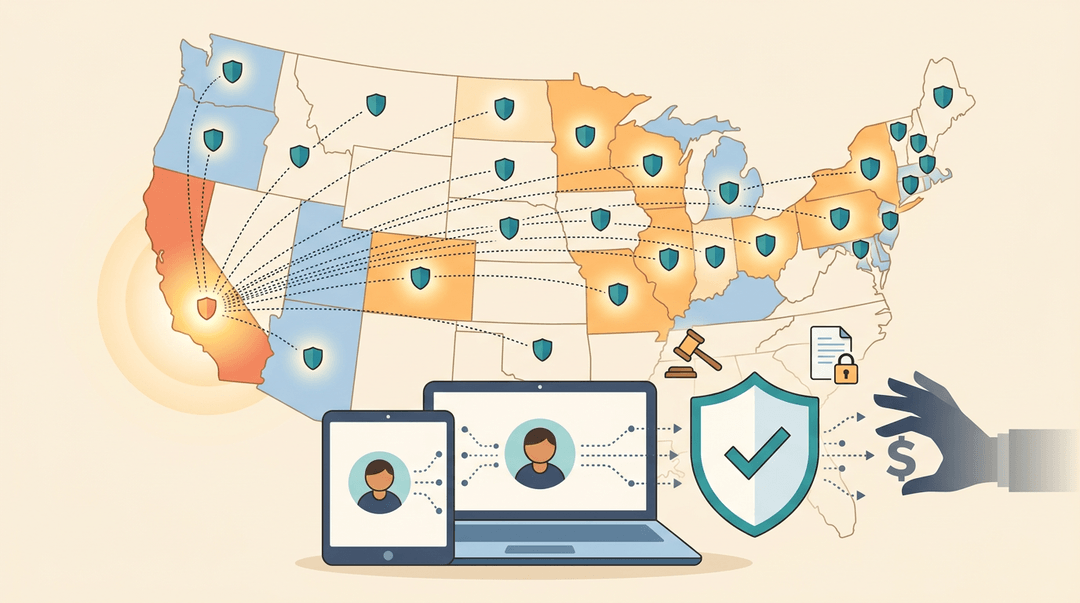
According to the Data Quality Campaign, 47 states introduced bills this year addressing student data privacy, and several states passed new laws as a result.
Most of these bills zero in on a specific target: the software and online platforms your district uses every day. Their core goal is simple: block vendors from selling or mining student data for commercial purposes.
Much of this wave traces back to one template. Many of these new rules are modeled on California's SOPIPA, the Student Online Personal Information Protection Act, which other states have followed closely since.
How these laws differ from FERPA
These state laws aren't a copy of FERPA. A few key differences matter for your classroom:
- Scope. Most apply only to K-12, not higher education.
- Security mandates. Many require specific data-security measures FERPA never spelled out.
- Consistency. Because each state writes its own version, you can end up with conflicting rules depending on where you teach.
- De-identified data. Several laws narrow what counts as acceptable use, even for data stripped of student names.
FERPA isn't just a compliance headache. It's a promise that student information stays protected, while families keep the right to see and correct what's on file.
Once you know those two goals, the rest of the law (directory information, consent exceptions, enforcement) makes a lot more sense.
Ready to put that into practice? Check out our Attendance & Records feature to mark attendance quickly and keep your records organized and FERPA-friendly.
References
- Federal Register :: Family Educational Rights and Privacy — federalregister.gov
- Bucking Up Buckley II: Using Civil Rights Claims to Enforce the Federal Student Records Statute — exa.ai (1997)
- Taking HIPAA to School: Why the Privacy Rule Has Eviscerated FERPA's Privacy Protections, 47 J. Marshall L. Rev. 1047 (2014) — exa.ai (2014)
- FERPA Compliance Requirements for Schools — privacylawnetwork.com (2026)
- FERPA Priorities in the New Administration — publicinterestprivacy.org (2025)
- State Student Privacy Laws: A Game-Changer for Service Providers — iapp.org
Frequently asked questions
What is the purpose of FERPA Quizlet?
FERPA Quizlet is generally used as a study tool for learning key concepts, rights, exceptions, and terminology related to the Family Educational Rights and Privacy Act. It can help students and school staff review FERPA content through digital flashcards and practice questions.
What is the main purpose of HIPAA and FERPA?
HIPAA primarily protects the privacy of individuals’ medical and health information, while FERPA protects student education records. FERPA also gives parents and eligible students rights to inspect, correct, and control the disclosure of those records.
Can you explain FERPA in a simple way?
FERPA is a federal privacy law for student education records. It generally keeps records such as grades, attendance, and IEP information confidential, while allowing parents and eligible students to review them, request corrections, and consent to most disclosures.
Which of the following best summarizes FERPA rights?
FERPA rights are best summarized as the rights to inspect education records, challenge inaccurate or misleading information, consent to most disclosures, and file a complaint when a school does not comply. Parents generally hold these rights for minor children, while students assume them at age 18 or upon attending a postsecondary institution.