Online Bullying Meaning: Signs, Effects, and How to Stop It

Jump to section
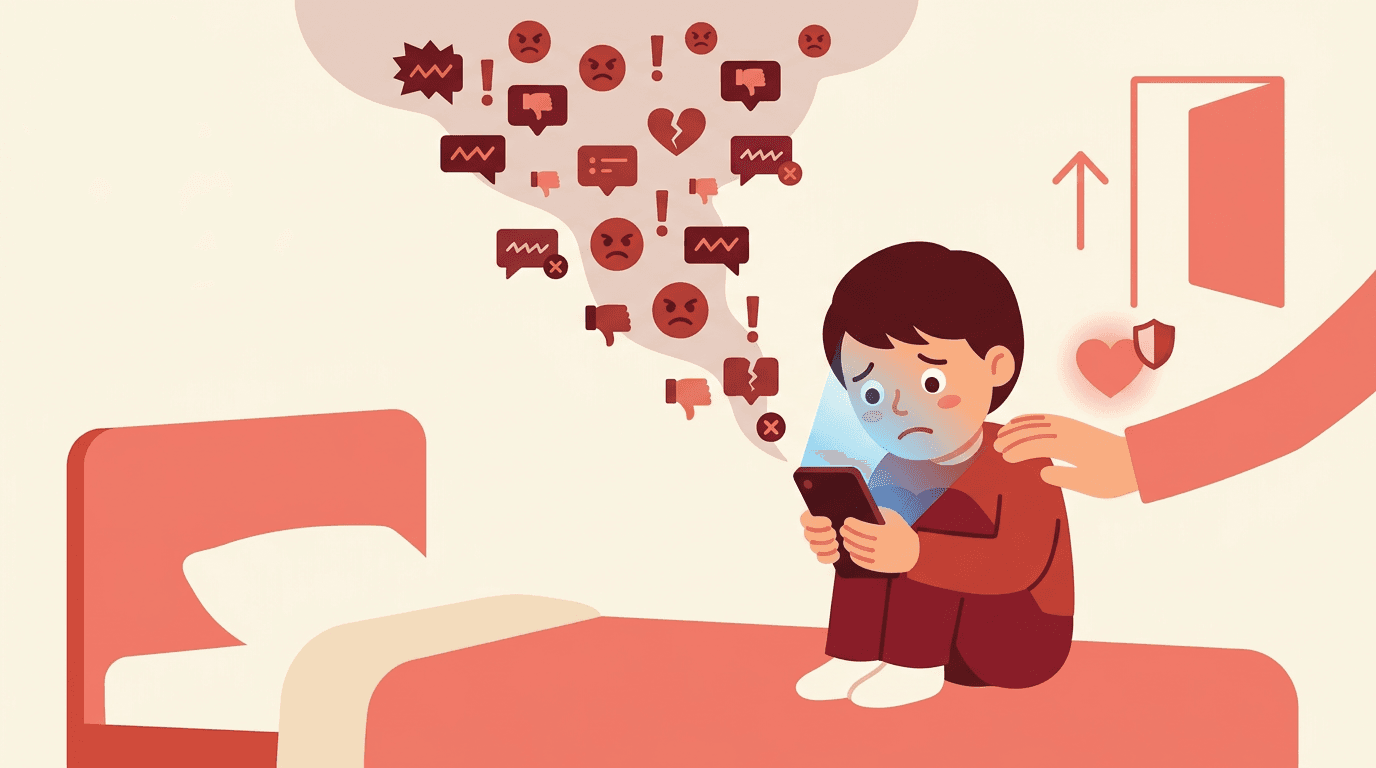
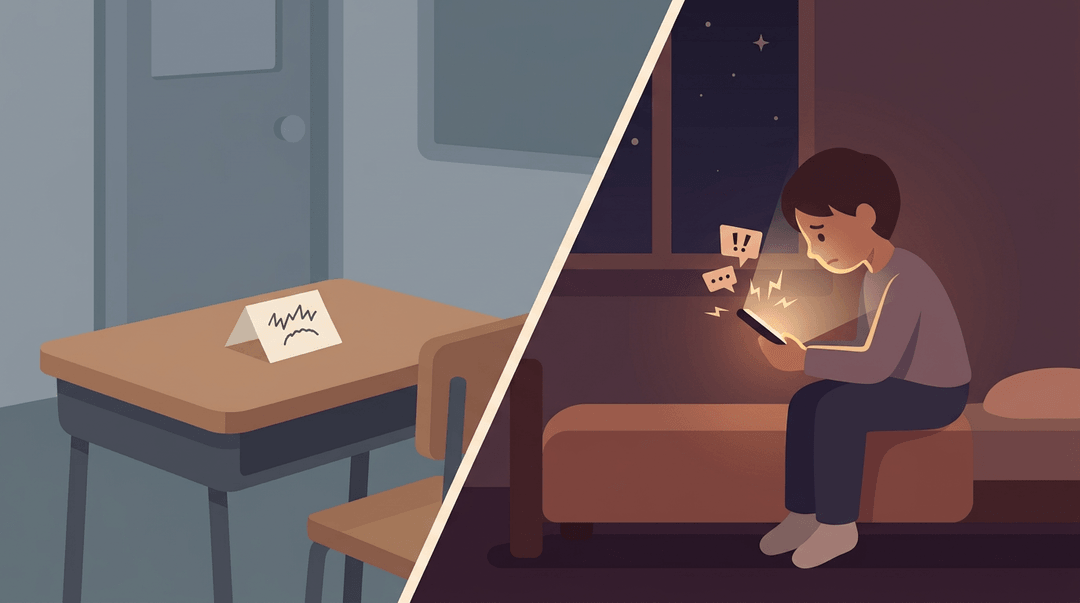
A mean note passed in class used to end at the classroom door. Today it follows a student home, buzzing in their pocket long after the bell rings.
That's the shift behind online bullying: repeated, intentional harm carried out through phones, apps, and screens instead of hallways. It's more than a buzzword, and it's not going anywhere.
This post breaks down what it actually looks like, how common it is, what the law says, and how you, as a teacher, can spot the warning signs before they escalate.
What Online Bullying Actually Means
Ask a handful of people to define online bullying and you'll get a handful of different answers. Here's the version that holds up: it's the use of technology to hurt someone, on purpose, and it usually keeps happening.
Using technology to cause harm
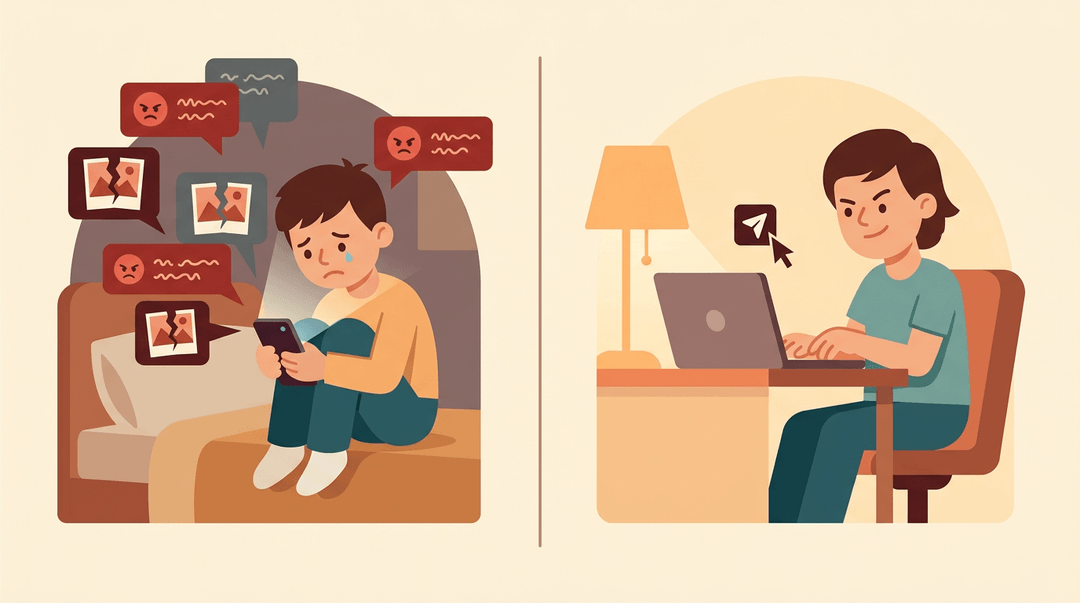
At its core, cyberbullying is harassment via digital means: any use of technology meant to hurt or upset another person. That can look like a cruel comment, a doctored photo, or a string of mean, aggressive messages meant to wear someone down.
What separates it from an honest disagreement is intent: cyberbullying is deliberate, not accidental.
Where cyberbullying happens
It shows up wherever people connect online:
- Social media posts and comments
- Texts and emails
- Messaging apps and livestreams
- Gaming sites and consoles
- Phones, laptops, and cameras
Wherever a screen exists, so can the bullying.
What is considered cyberbullying for adults?
For adults, the cyberbullying definition looks much the same, just in different settings: a coworker's group chat, a comment section, a dating app.
That's also where it starts to differ from traditional bullying, which usually happens face-to-face, in one place, in front of a limited audience.
Online, the harasser is often anonymous or hard to trace, the harassment repeats across platforms, and a single post can reach a huge audience fast, sometimes before anyone steps in.
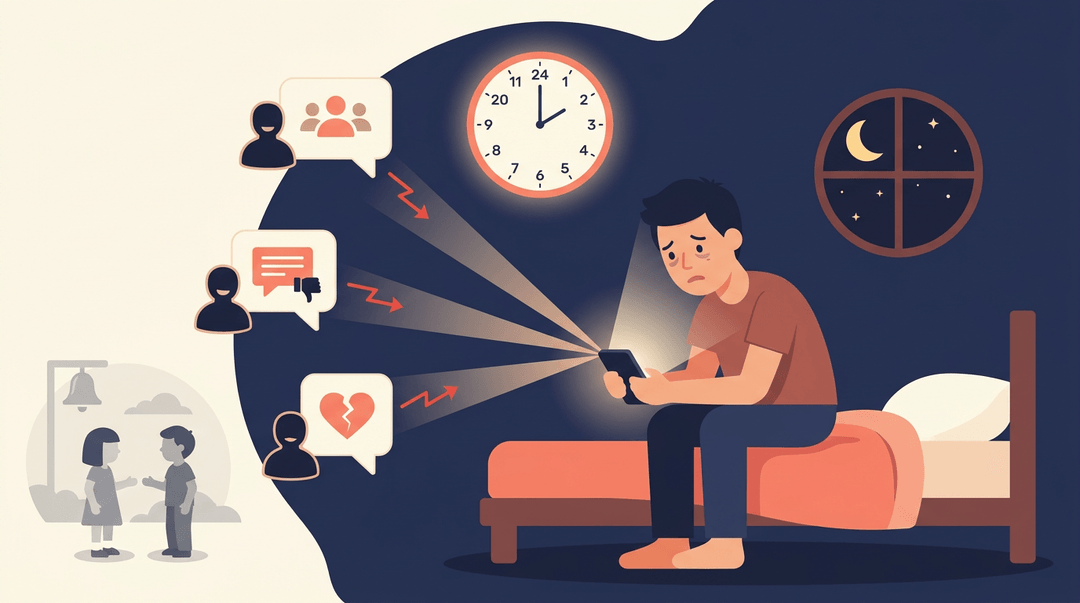
And there's no bell to end the school day: with a phone in every pocket, the exposure runs 24/7, which makes it genuinely hard to escape.
Common Types of Cyberbullying
Not every instance of cyberbullying looks the same, and the differences matter for how you respond. Some show up in the group chat before first period; others cross into criminal territory or target who a student is. Here's how the categories break down.
What everyday cyberbullying looks like
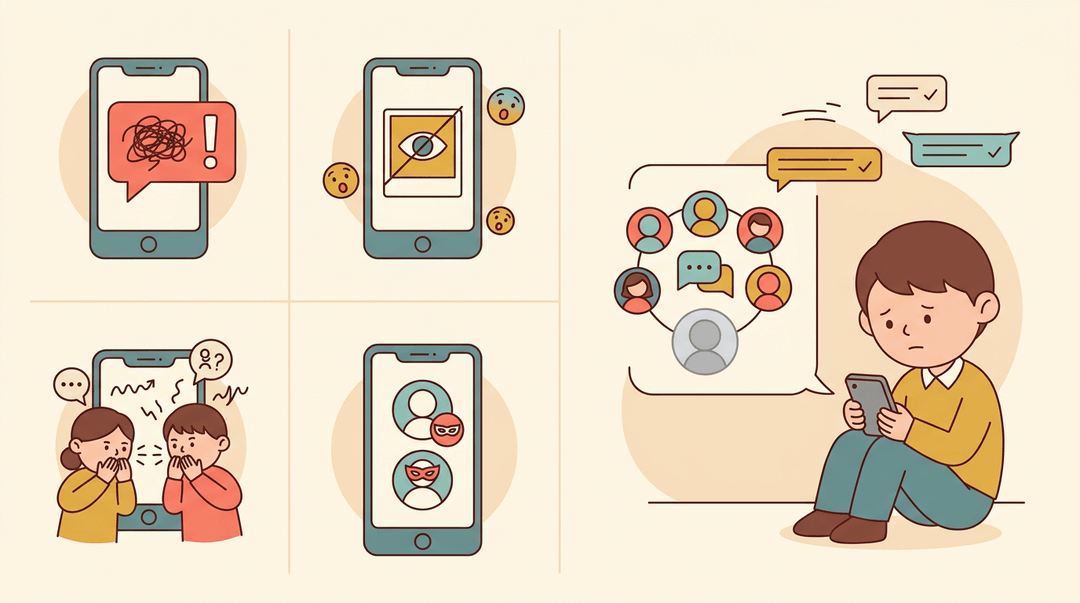
Most of what teachers encounter falls into a familiar pattern:
- Hurtful messages or threats sent through texts, DMs, or comments.
- Sharing embarrassing photos or videos without consent.
- Spreading rumors or gossip meant to damage a student's reputation.
- Creating fake accounts to impersonate someone.
- Deliberately excluding a student from group chats or shared online spaces.
For example, a student quietly dropped from a class project's group chat might not even realize the exclusion was intentional, just that the invites stopped coming.
When cyberbullying becomes criminal
Some behavior stops being a school issue and becomes a legal one:
- Stalking and mobbing: repeated, coordinated harassment from an individual or group.
- Grooming and blackmail, especially involving minors.
- Identity theft or fraud using a student's personal information.
- Sharing sexual content, including images of minors.
- Filming physical abuse and sharing it online.
These cases usually need to involve administrators, and sometimes law enforcement, right away.
Bullying based on identity
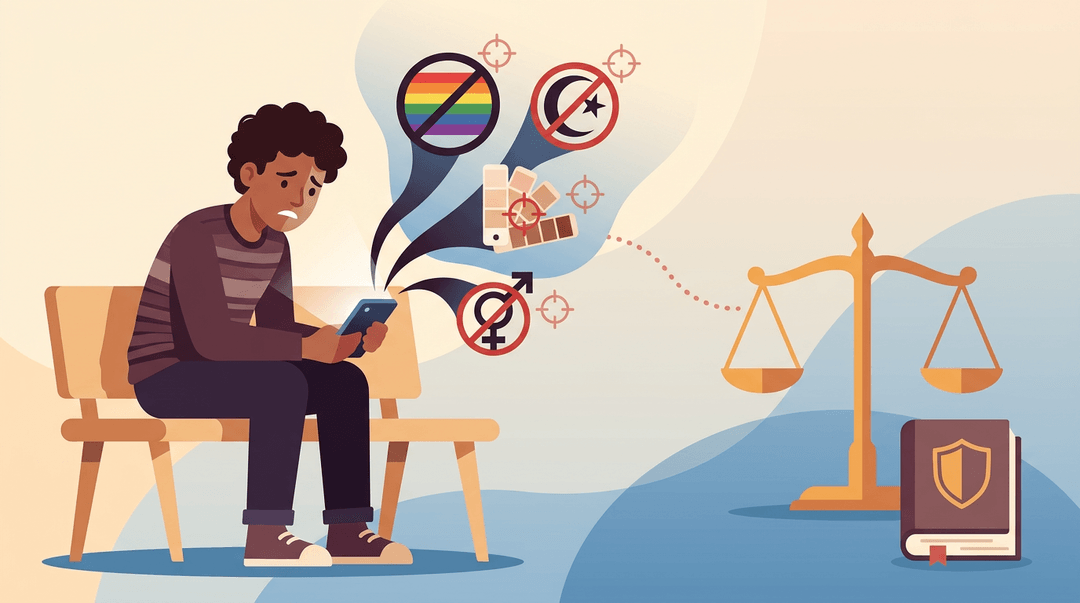
When cyberbullying targets gender, race, or religion, or when it's built around sexual orientation, it's no longer just a discipline problem.
According to Federal Laws on StopBullying.gov, harassment "based on a student's race, color, national origin, sex, disability, or religion," including sex-based stereotypes and sexual orientation, can count as unlawful discrimination.
That distinction shapes how schools are required to respond.
Spotting Cyberbullying Through Attendance Data
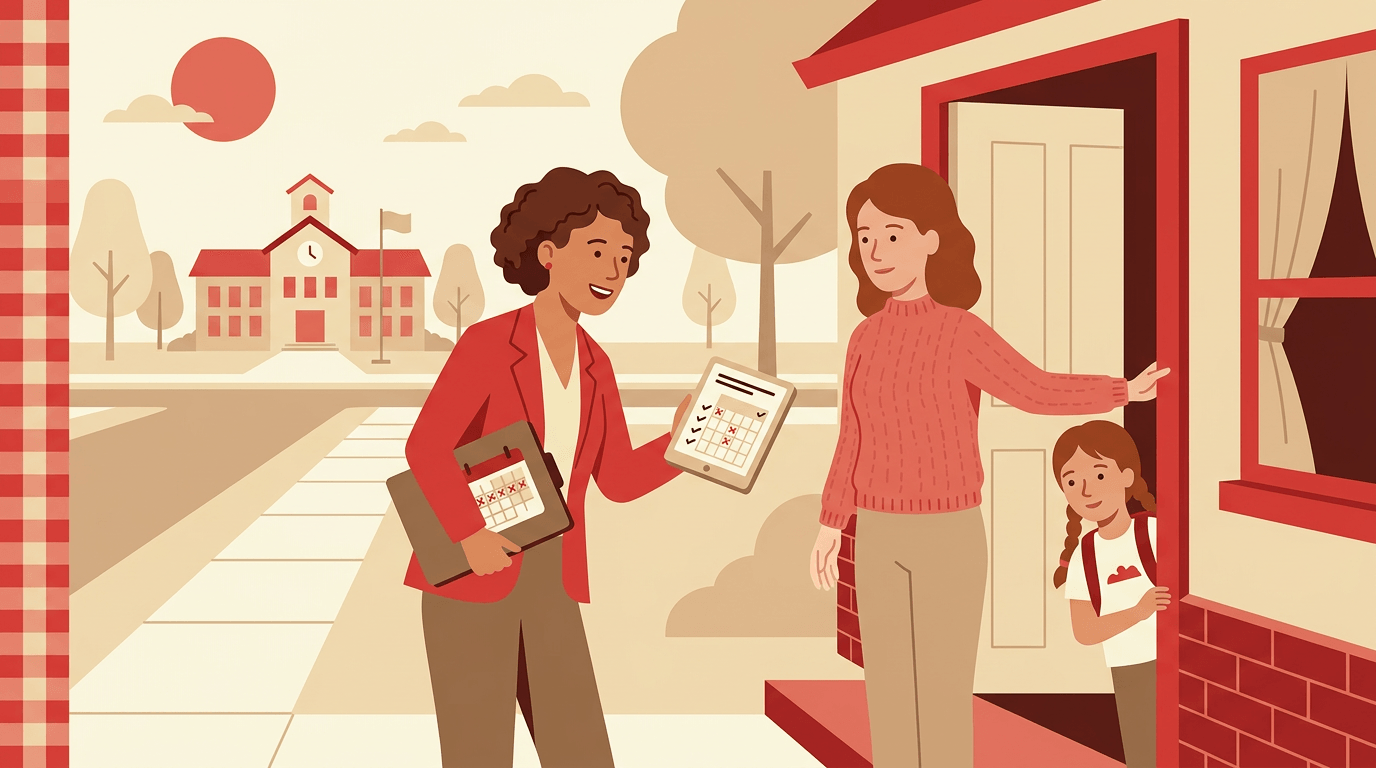
Cyberbullying rarely announces itself, but it often shows up in your attendance register before a student ever says a word. This guide gives you a simple routine: know the red flags, track them over time, and act fast when a pattern forms.
Key principle: Attendance data can't prove bullying on its own. It tells you where to look, and pairing it with a human conversation tells you what's happening.
Know the three red flags
Before anything else, confirm you'd recognize these patterns in your own register:
- Chronic absence. A student missing roughly 10% or more of school days, excused or not.
- School avoidance. Clustered absences on specific days, often Mondays or days with a particular class.
- Tardiness spikes. A punctual student suddenly arriving late, especially right after a known incident.
School avoidance is the one most often missed: bullied students frequently develop vague complaints (headaches, stomachaches) that earn excused absences, so the pattern hides in plain sight.
Track the pattern
- Log attendance patterns daily, not weekly. Patterns live in the day-to-day detail.
- Note the day of week and any reason given, not just present/absent.
- Compare data before and after incidents. A known conflict is your baseline marker.
- Pull two weeks of attendance on either side of the incident date.
- Flag unexplained absence streaks. Three or more absences with no clear reason earns a flag.
- Write the flag down; a mental note won't survive a busy week.
Example log entry: "J.M.: absent Mon 10/7, Mon 10/14, late Tue 10/15. No parent note. Group chat incident reported 10/4. Flagged for counselor." Four lines, and the pattern is visible to anyone who reads it.
Act on what you see
When a flag appears, don't sit on it. Find your situation and respond:
| When you see... | Do this... |
|---|---|
| A flagged streak or post-incident spike | Alert the counselor with your dated log, not a hunch |
| Any parent contact about absences | Document the date, who spoke, and what was said |
| A flagged student back in class | Run a private wellbeing check-in within a day |
For the check-in, keep it low-pressure. Say: "I've missed seeing you this week. How are things going for you?" An open question invites disclosure; "Is someone bullying you?" usually shuts it down.
⚠️ Watch out: Undocumented parent calls vanish. If a case escalates to administration, your dated notes are what turn concern into action.
At a glance:
| Phase | Key move | What you get |
|---|---|---|
| Know | Learn the three red flags | Faster recognition |
| Track | Log daily, flag streaks | Dated evidence |
| Act | Counselor + check-in | Early intervention |
You don't need to build the tracking system by hand: EMStudio's attendance pattern analysis flags unusual absence trends early, helping you spot bullying-related withdrawal sooner.
How Cyberbullying Affects Victims
A cruel comment doesn't stay on a screen. It follows a student into the hallway, the cafeteria, and the classroom, and the fallout shows up in ways you're often the first to notice.
Emotional and mental toll
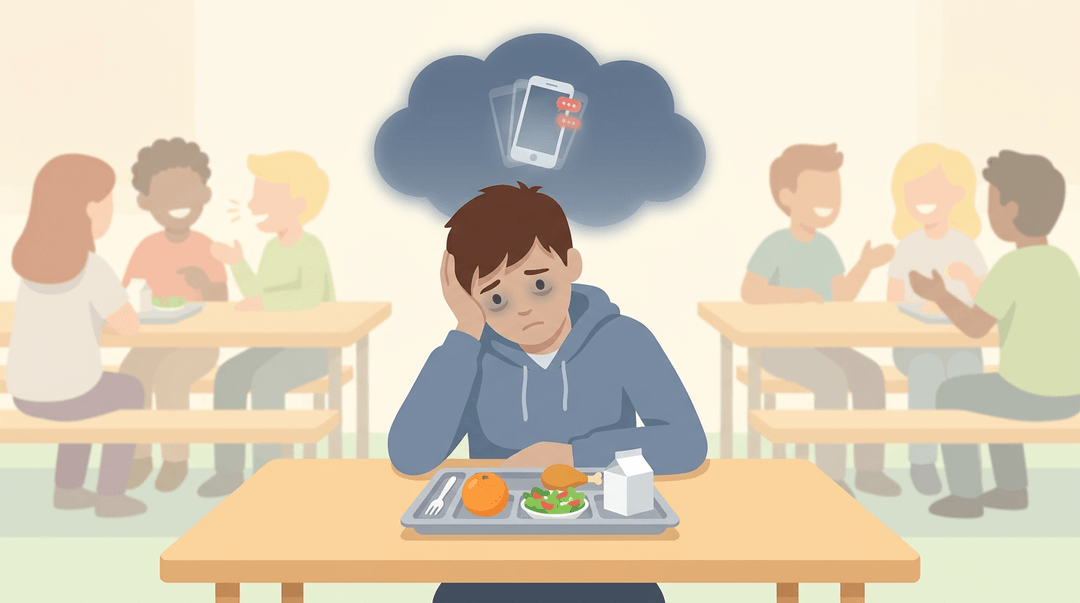
For a targeted student, the emotional toll can look like constant anxiety, sadness, or a low-grade fear that won't let up.
Sleep and appetite often take the first hit: a student who used to eat lunch with friends might now pick at their food or seem exhausted every morning. Left unaddressed, cyberbullying can worsen existing depression.
Researchers studying the impact of cyberbullying on adolescent health have linked it to negative affective disorders, loneliness, anxiety, and depression alike. Shame often keeps students quiet about all of it.
How it disrupts daily life
A student who's being harassed online rarely walks into class ready to focus. Concentration slips, and school itself starts to feel unsafe, even if the bullying happens entirely off campus.
That lost sense of safety chips away at their willingness to show up at all. A sudden attendance drop is one of the clearest red flags you'll see, alongside other behavioral and academic warning signs:
- Falling grades
- Withdrawal from friends
- A shift in mood the moment a phone buzzes
What happens to the bully
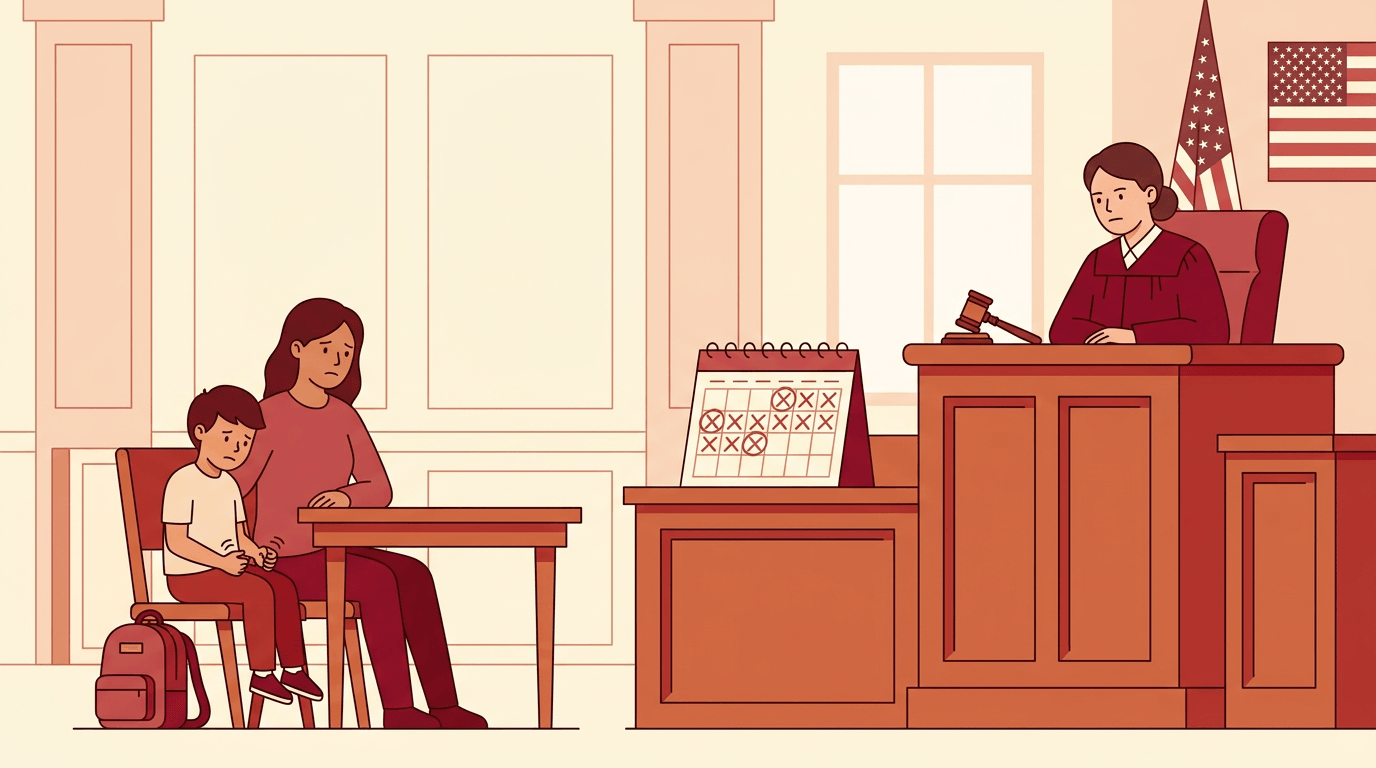
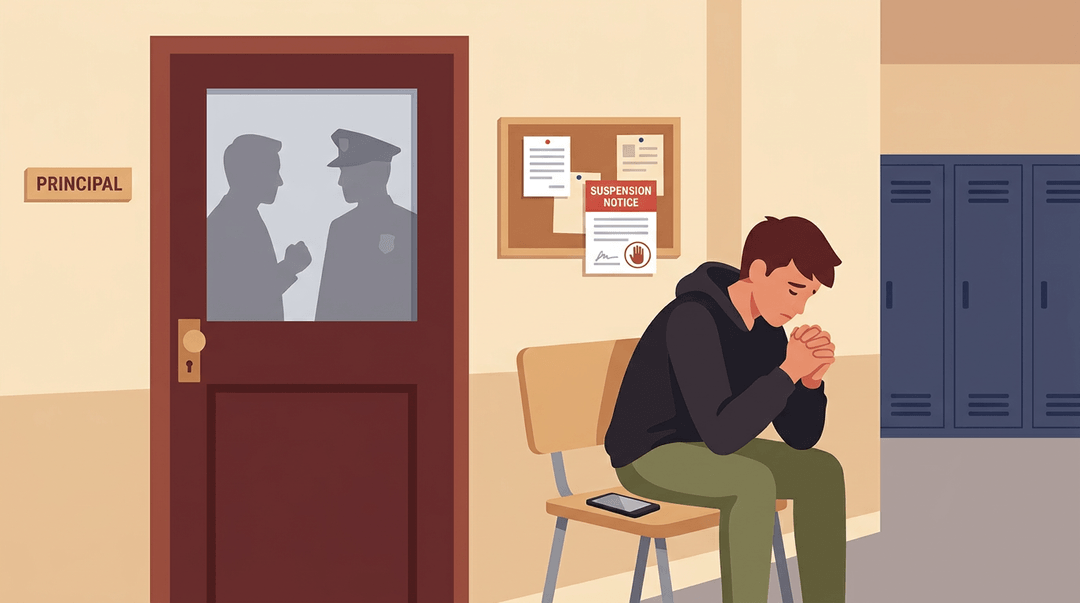
Consequences follow the other side of this, too. Schools can move toward suspension or dismissal once cyberbullying is confirmed, and in more serious cases, it becomes a legal matter.
Police involvement is possible, and depending on the behavior, cyberbullying can rise to the level of a criminal offense.
How Common Cyberbullying Is
Ask any staff room how many students have dealt with cyberbullying, and you'll get a range of guesses. The real numbers are higher than most teachers expect, and they're still climbing.
Rising number of cases
Cyberbullying isn't a fringe problem touching a handful of students.
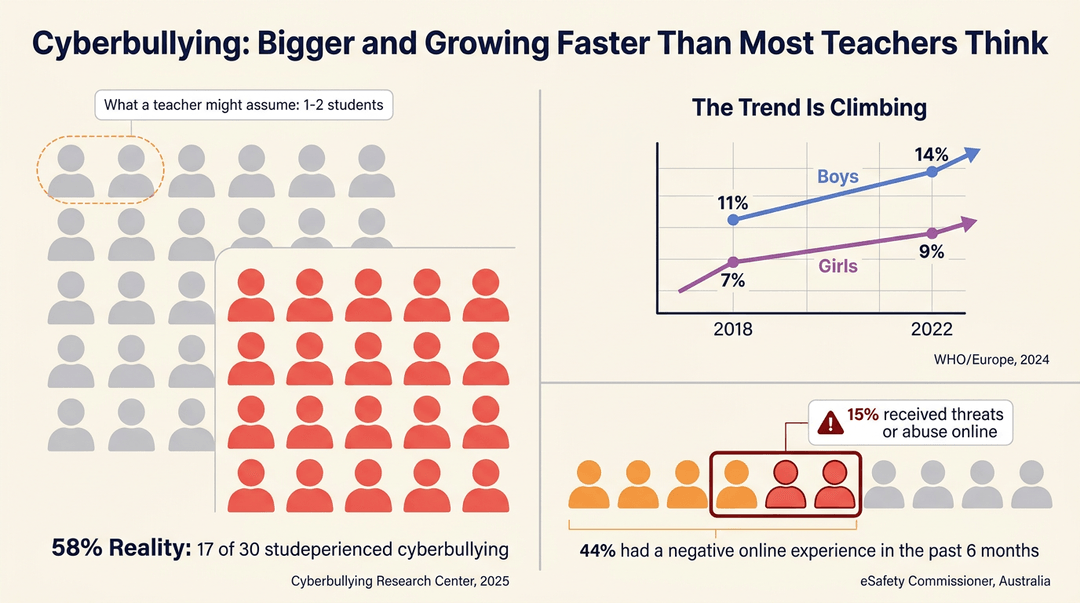
According to the Cyberbullying Research Center's 2025 data, "approximately 58% of the students in our 2025 sample reported that they experienced cyberbullying at some point in their lifetimes."
For example, a middle school teacher who assumes only one or two students in a class of thirty have ever run into trouble online is likely underestimating by a wide margin.
The trend line is moving the wrong way, too.
A WHO/Europe study found that "the latest data from 2018 to 2022 shows a concerning increase in cyberbullying, with boys cyberbullying others rising from 11% to 14% and girls from 7% to 9%." That's not a blip. It's a pattern.
And it's showing up in how young people describe their time online.
The eSafety Commissioner reports that "44% of Australian young people report having a negative online experience in the past 6 months, this includes 15% who received threats or abuse online."
Girls face more cyberbullying
The risk isn't spread evenly across your classroom. Research from eSafety found that "56% of girls had experienced cyberbullying, compared with 50% of boys."
It's a small gap on paper, but worth keeping in mind when you're deciding who might need a check-in.
The Legal Side of Cyberbullying
Cyberbullying doesn't just hurt feelings: in a lot of places, it breaks the law. The hard part is figuring out which law applies, since most countries haven't written one single, dedicated cyberbullying statute.
Laws that apply to cyberbullying
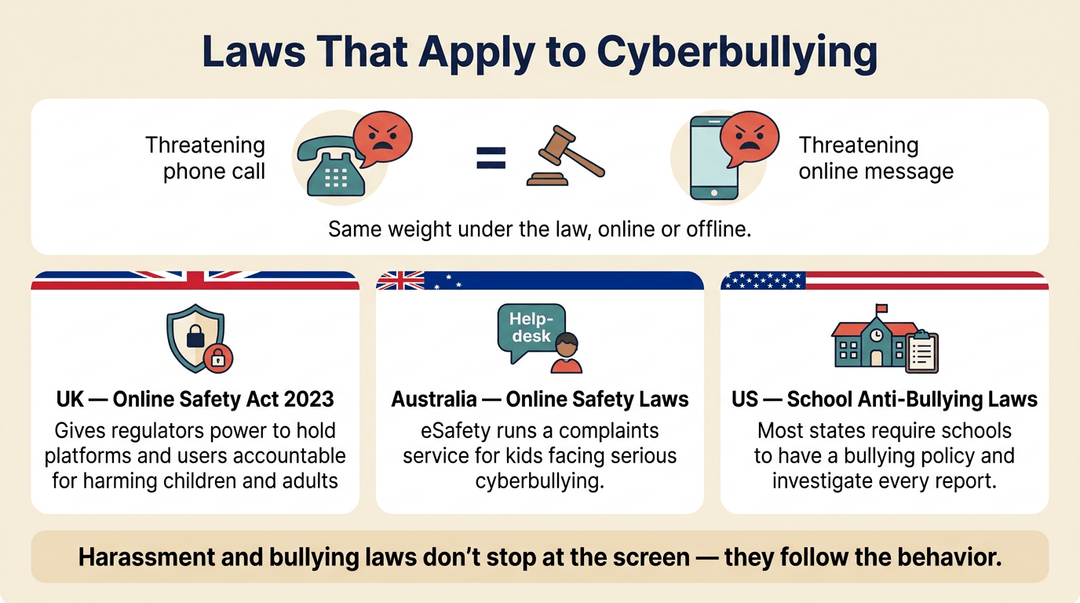
- Harassment laws apply online just as they do in person, so a threatening message can carry the same weight as a threatening phone call.
- In the UK, the Online Safety Act 2023 "protects children and adults online," giving regulators new tools to hold platforms and users accountable.
- Australia backs this up with its own online safety laws: the Department of Infrastructure notes that "eSafety administers a complaints service for Australian children who experience serious cyberbullying."
- Discrimination and anti-bullying laws often apply too. As StopBullying.gov puts it, "most state laws, policies, and regulations require districts and schools to implement a bullying policy and procedures to investigate and respond to bullying when it occurs."
How police can help
When a student makes a real threat, that's not just a school matter, it's a police matter. Officers can investigate threats and, in many cases, trace an anonymous account back to a real person.
Serious cases (threats of violence, persistent harassment) belong with the police, not just the front office.
In some countries, a government agency can step in directly too: eSafety can act on serious cyberbullying complaints when families need help fast.
Push for stronger laws
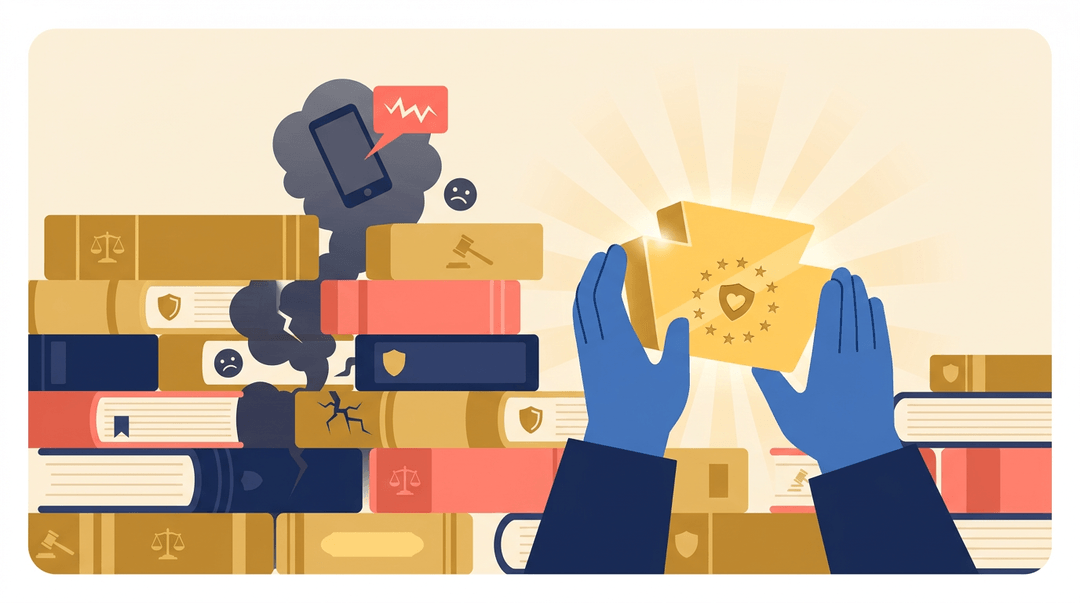
Even with all this, gaps remain, since plenty of cyberbullying falls into a gray zone no single law was built for.
That's fueling a push for dedicated legislation: the European Parliament has backed a campaign "to introduce the Irish anti-cyber bullying Coco's Law across the EU."
How to Stop Someone from Cyberbullying You
If you're being cyberbullied, there's no single fix, but there is a clear sequence that works: tell someone, save the proof, report it, and cut off contact. Here's how each step actually plays out.
Tell someone you trust
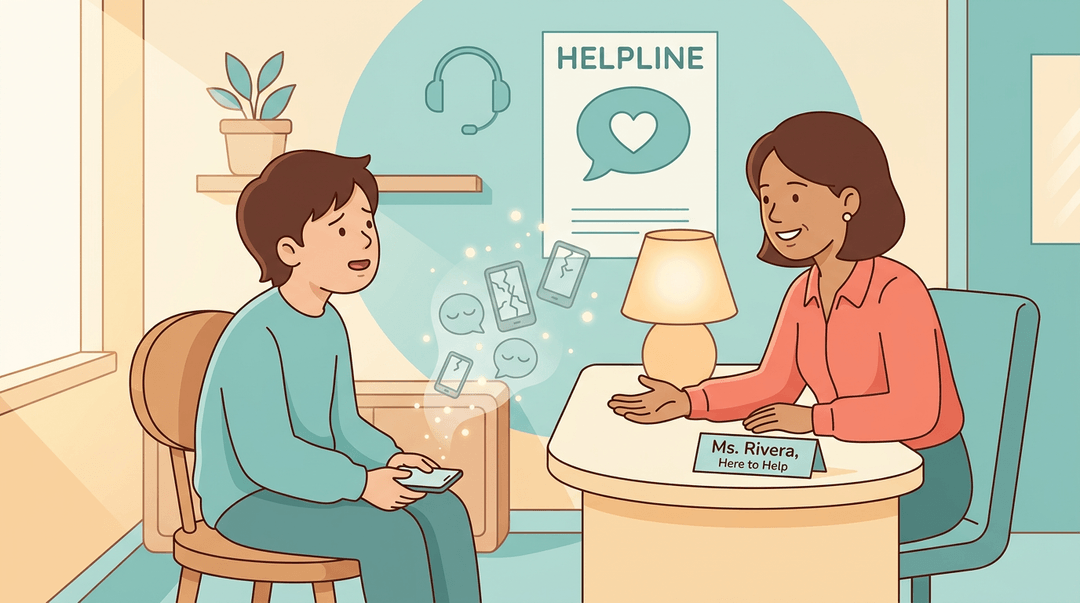
Silence is what lets cyberbullying grow. The first step is telling a trusted adult: a parent, a teacher, or a school counselor who can help sort out what happens next.
Many schools also offer helpline services for students who'd rather talk to someone outside their own building first.
If the bullying has left a student anxious, withdrawn, or struggling to sleep, therapy or counseling support matters just as much as reporting the behavior itself.
For schools, this works best when there's a designated trusted staff reporter: one adult every student knows by name, so no one has to guess who to go to.
Save the evidence
Before blocking or reporting anything, save what's happened. Screenshot the messages, posts, or comments, and print or save copies somewhere separate from the app itself, in case the account gets deleted or the content disappears.
This record is what a school, a parent, or the police will actually need if things escalate.
Report it to the platform
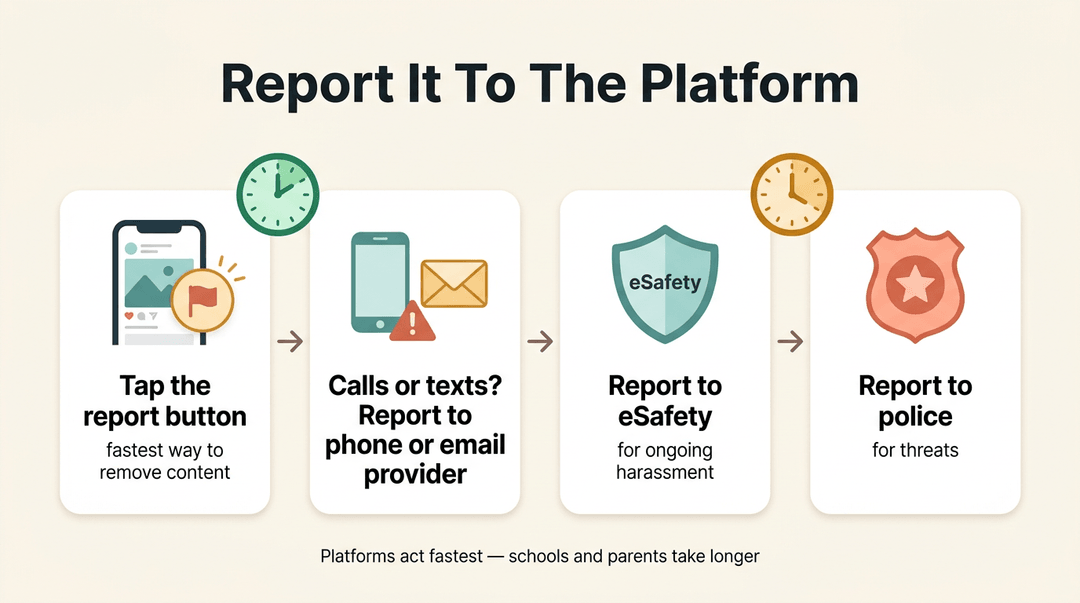
Once the evidence is saved, report it to the platform or app directly. Most social platforms build in a reporting button for exactly this, and it's usually the fastest way to remove content, faster than waiting on a school or parent to step in.
If the harassment comes through calls or texts, report it to the phone or email provider too. For anything threatening or ongoing, report it to eSafety or the police.
Cut off contact with the bully
Last, cut the contact. Block the bully, change account settings to private, and resist the urge to respond or engage: even a "stop it" reply gives a bully the reaction they're after.
Sometimes the healthiest move is simply to walk away and take a break from the app entirely. Silence isn't surrender. It's a boundary.
Staying Safe Online
Knowing what online bullying looks like only helps if your students also know how to protect themselves and each other. That comes down to a few habits, some backup from platforms and schools, and the courage to speak up when a friend crosses a line.
Protect your personal information
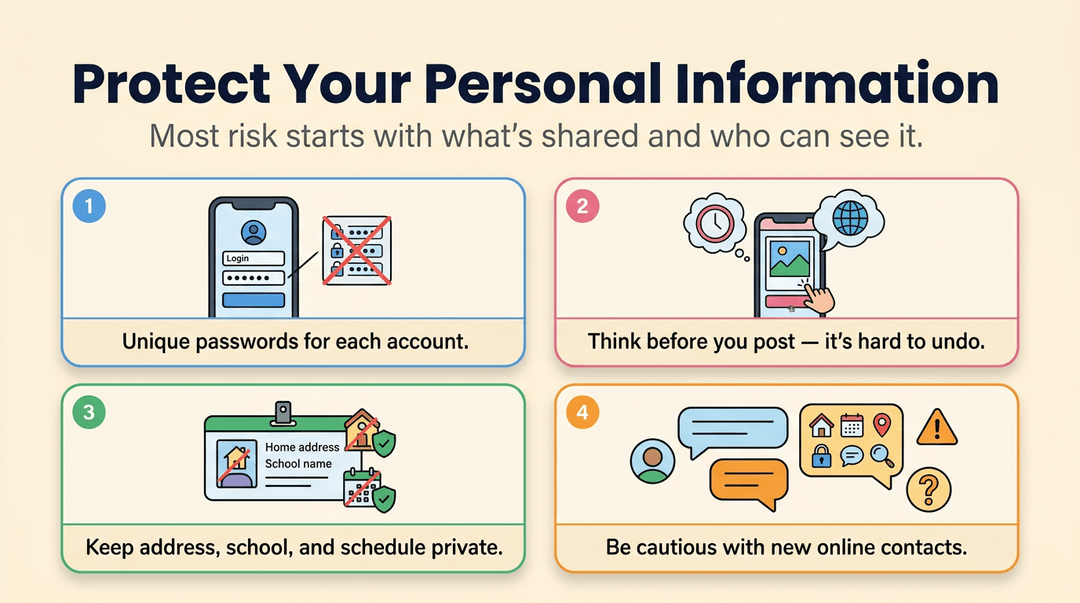
Most of the risk starts with what's shared and who can see it. A few habits go a long way:
- Password protect accounts and avoid reusing the same one everywhere.
- Think before posting photos: once something's online, it's hard to take back.
- Limit sharing personal details like a home address, school name, or daily schedule.
- Be cautious with new online friends, especially ones who ask a lot of personal questions early on.
Safety measures from platforms and schools
Students shouldn't have to manage this alone. Most platforms build in age restrictions for under-16s, along with reporting mechanisms for flagging harassment when it happens.
Parental involvement matters too: a parent who knows what apps their child uses and checks in occasionally catches problems sooner.
Schools play a role as well. School programs against bullying work best when they include actual digital citizenship lessons: not a one-time assembly, but ongoing practice in what respectful, responsible posting looks like.
If someone you know is bullying
Sometimes the harder conversation is with the student doing the bullying, not the one being targeted. If a friend is involved, talk to them directly and explain the real consequences: for the person being hurt, and for themselves.
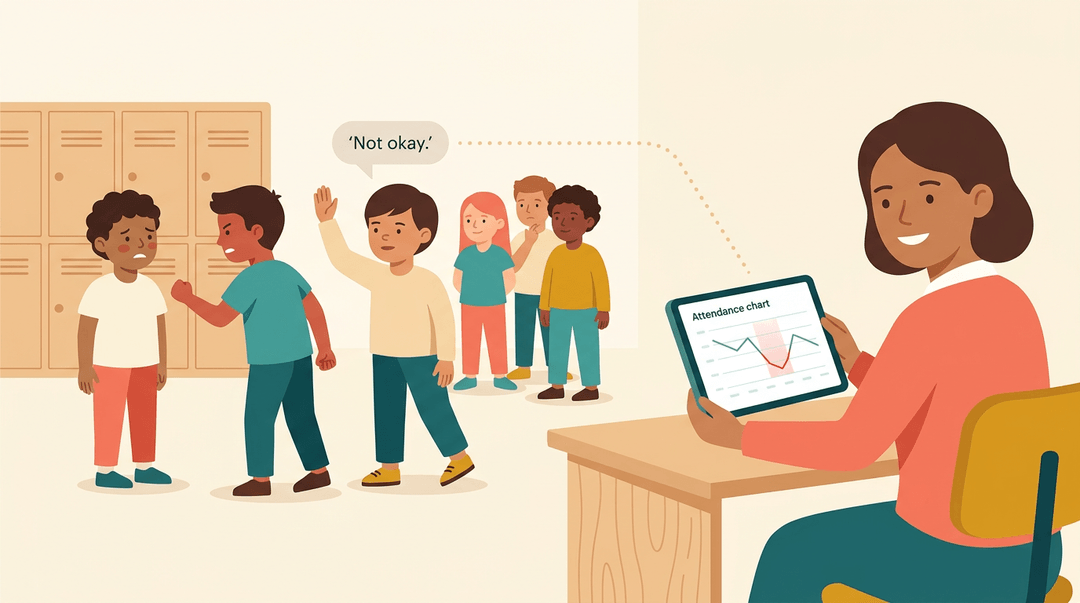
Bystander intervention matters here too. A classmate who calmly says "that's not okay" or reports what they saw can stop a pattern before it escalates. Standing up against bullying behavior, even quietly, changes what feels normal in a classroom.
Online bullying thrives in silence, but it rarely happens without a trace. A missed assignment here, a sudden dip in attendance there: these small shifts are often the first real signal something's wrong.
Watching for those patterns turns you from a bystander into someone who can actually step in early.
Ready to catch those patterns before they turn into a crisis? Check out our Attendance & Records feature to spot changes across your classes at a glance.
References
- How common is cyberbullying among children in Australia? — esafety.gov.au (2026)
- Online Safety Act — gov.uk (2025)
- One in six school-aged children experiences cyberbullying, finds new WHO/Europe study — who.int
- Cyberbullying | What is cyberbullying? — esafety.gov.au
- Current perspectives: the impact of cyberbullying on adolescent health — pmc.ncbi.nlm.nih.gov
- Federal Laws — stopbullying.gov
- Current legislation | Department of Infrastructure, Transport, Regional Development, Communications, Sport and the Arts — infrastructure.gov.au
- Laws, Policies & Regulations — stopbullying.gov
- 2025 Cyberbullying Data — cyberbullying.org (2025)
- European Parliament backs campaign introducing Coco's Law — rte.ie (2026)
Frequently asked questions
What is considered cyberbullying for adults?
For adults, cyberbullying is deliberate online harassment intended to hurt or upset someone, usually through repeated messages or actions. It can occur in workplace group chats, comment sections, dating apps, social media, email, or gaming platforms and may include threats, humiliation, impersonation, rumor-spreading, or coordinated harassment.
How to stop someone from cyberbullying?
Save screenshots and copies of the messages before blocking or reporting the person. Report the behavior to the platform, phone or email provider, and a trusted person such as a parent, teacher, counselor, employer, or administrator. Then block the account, tighten privacy settings, avoid responding, and contact police or the relevant safety agency if there are threats, stalking, blackmail, or persistent harassment.
How to prove cyberbullying?
Preserve screenshots that show the content, account name, date, time, URL, and surrounding conversation. Keep original messages, emails, call records, videos, and a dated log describing what happened, how often it occurred, and any witnesses. Attendance changes or emotional effects may support a concern, but they do not prove cyberbullying by themselves, so report the evidence to the platform, school or workplace, and police when appropriate.
What are examples of online bullying?
Examples include sending repeated cruel or threatening messages, posting humiliating photos or videos without consent, spreading damaging rumors, creating a fake account to impersonate someone, and deliberately excluding a person from online groups. Other serious examples include coordinated harassment, stalking, blackmail, identity theft, sharing sexual images, or posting footage of physical abuse.