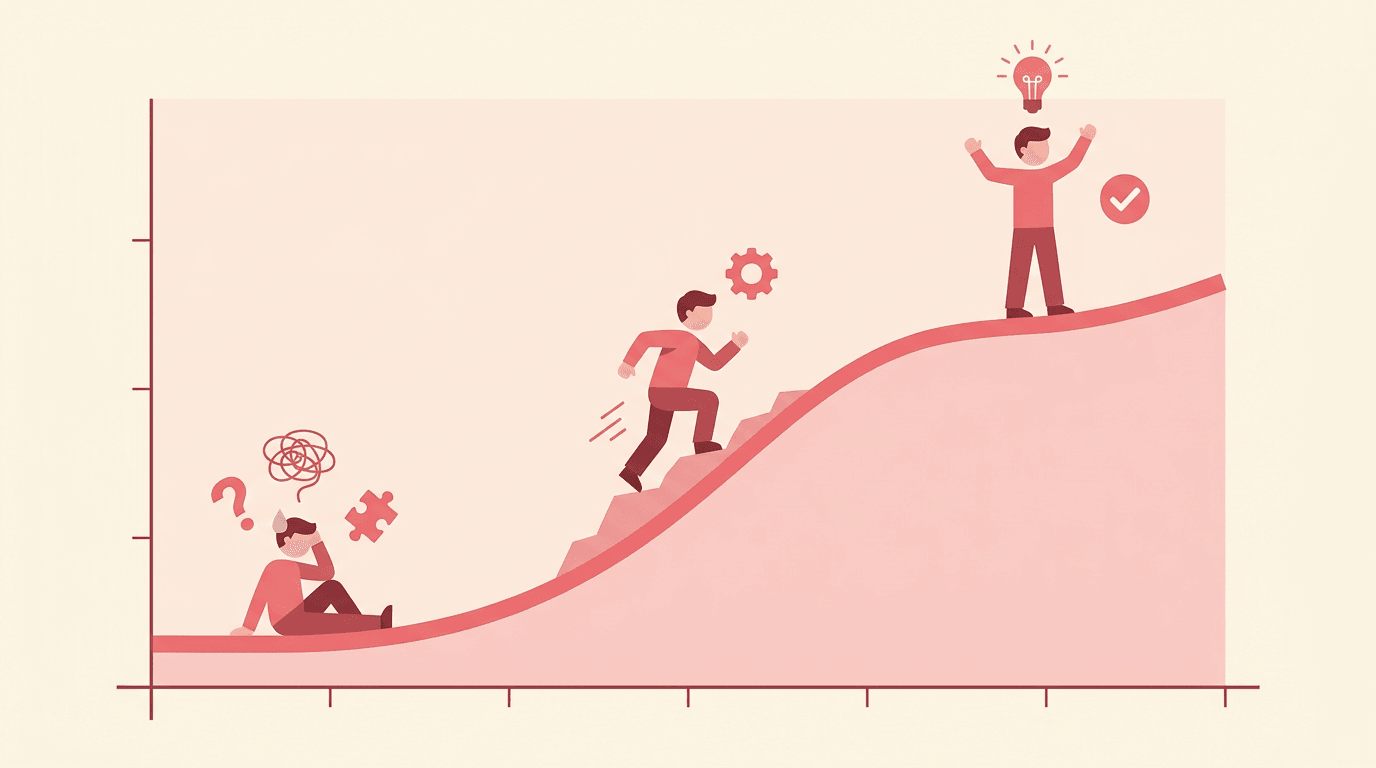
State-Dependent Learning Explained: The Science Behind It

Jump to section
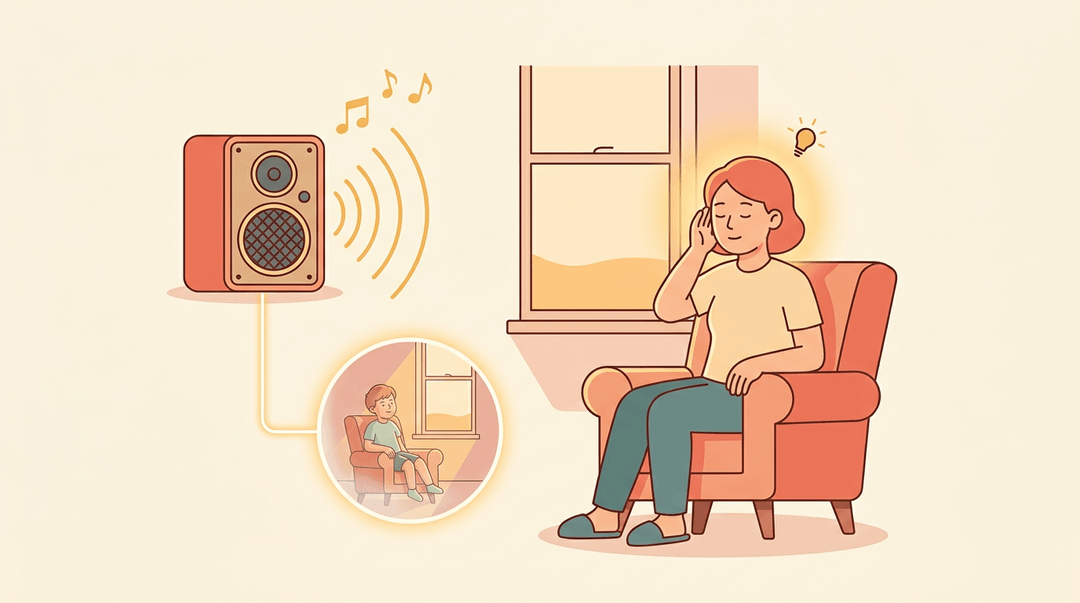
Ever notice how a certain song can pull up a memory you'd completely forgotten, but only when you hear it again? Your brain ties memories to the state you were in when you formed them, not just the facts themselves.
That's the essence of state-dependent learning: the idea that recall improves when your physical or mental state matches the one you learned in. It's more than a psychology curiosity.
In this post, we'll unpack what the research actually shows, and how you can put it to work in your classroom.
What Is State-Dependent Learning?
Ever aced a quiz after a caffeine-fueled study session, only to blank out the next morning on decaf? That gap points to something real happening in how your brain files and retrieves information.
Let's unpack what that actually means before getting into how to use it.
What Does State-Dependent Functioning Mean?
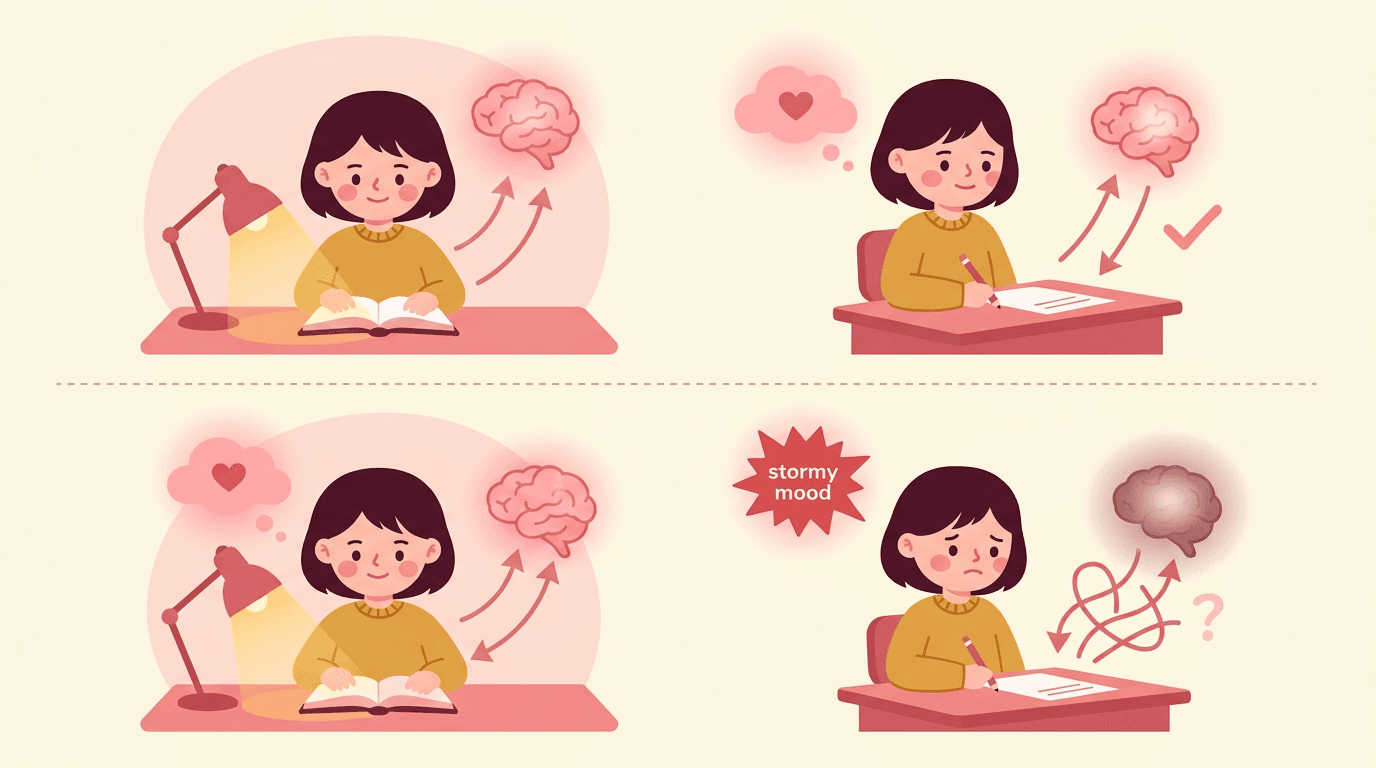
State-dependent functioning describes how well you recall something based on whether your internal state at the moment of recall matches the state you were in when you first learned it.
That state can be physical (tired, wired on coffee, nursing a headache) or mental (anxious, calm, distracted). It's not about the room or the noise level around you: that's context-dependent memory.
State-dependent functioning is about what's happening inside you, not outside.
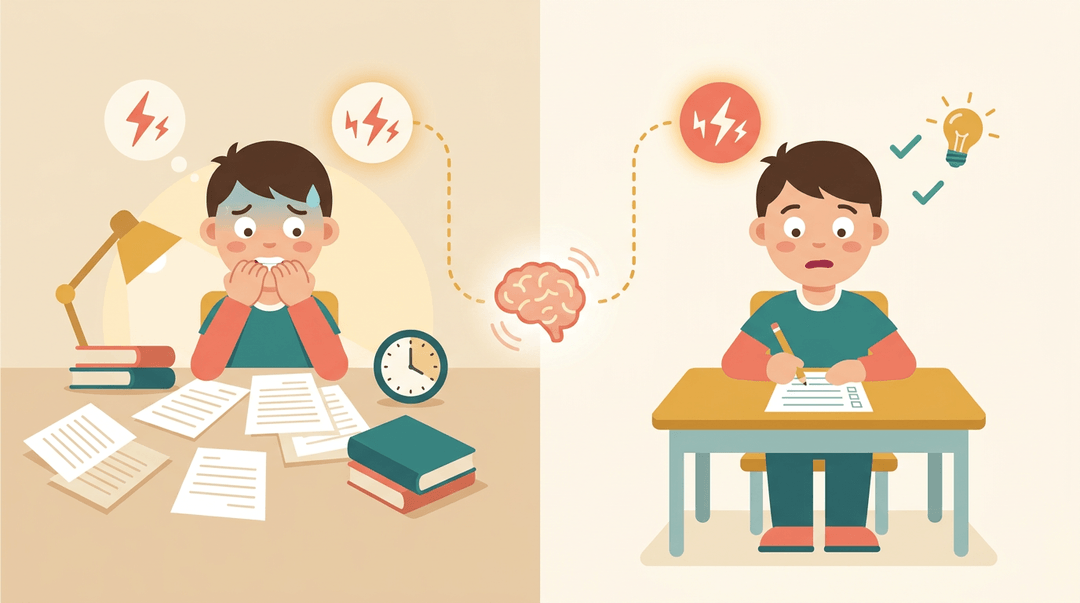
For example, a student who crams for a test while anxious may actually recall more if they walk into the exam anxious again, not because anxiety helps learning, but because the internal state lines up.
What Are the Different Types of State-Dependent Memory?
Two terms get mixed up constantly, so it's worth separating them:
- Context-dependent memory. Tied to the external environment: the classroom, the smell of the room, the seat a student sits in.
- State-dependent memory. Tied to internal conditions: mood, energy level, or even substances like caffeine.
Both rely on the same symmetry principle: recall improves when the state or context at retrieval mirrors the one at encoding. Break that symmetry, and the same material suddenly feels harder to pull up, even though nothing about it has changed.
How the Brain Creates State-Dependent Memories
So what's actually happening inside your students' heads when state and memory link up this way? It comes down to chemistry: the same internal conditions present when a memory forms become part of how that memory gets stored and pulled back out later.
How Brain Chemistry Links Memory to State
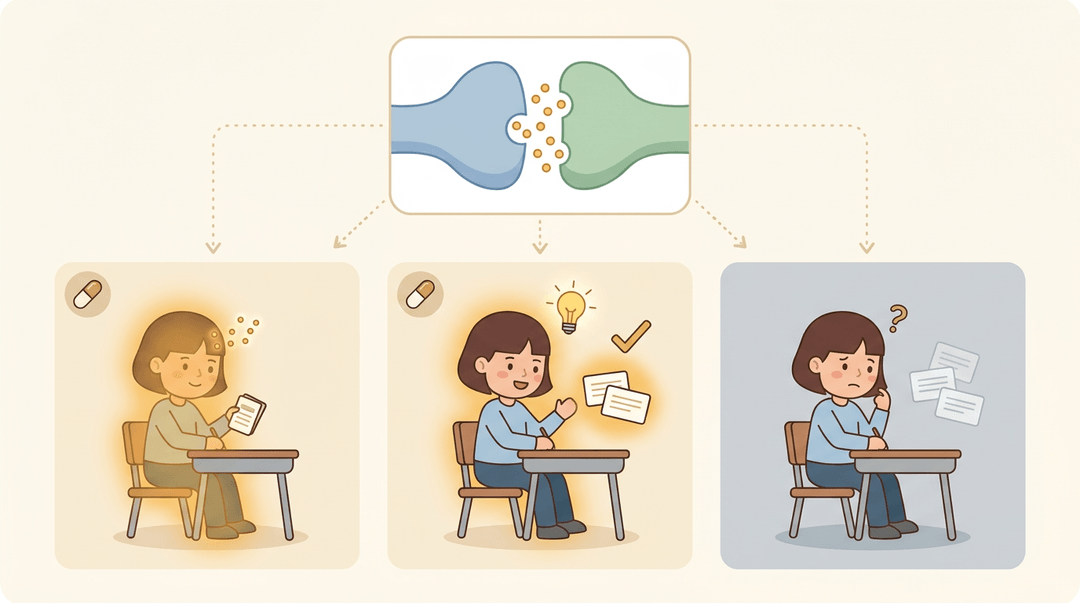
Every memory starts at the synapse, the tiny gap where one neuron passes a signal to the next using chemical messengers called neurotransmitters.
When you learn something, the neurons involved fire together, and that connection gets a little stronger each time it's repeated: this is how a neural pathway goes from fragile to durable.
Here's the twist: the neurotransmitters and hormones flooding your brain in a given moment don't just carry the signal, they prime the neurons receiving it. That chemical backdrop gets woven into the memory itself.
Think of a student on ADHD medication who learns a set of vocabulary words while it's active. Recall often comes easier in that same medicated state than in an unmedicated one, because the brain built the memory alongside that specific chemistry.
Why State-Dependent Learning Offers an Evolutionary Edge
This isn't a quirk. Researchers studying grasshoppers found that nutritional state shaped what the insects could recall, tying memory retrieval to the body's condition at the time.
That link makes sense for survival: an animal that's hungry benefits from instantly recalling where food was, not sorting through unrelated memories first. Quick, state-matched recall means faster decisions when it counts.
The pattern shows up across species, which suggests state-dependent memory isn't a glitch. It's a feature evolution kept around.
Using State-Dependent Learning in Your Classroom
The research above boils down to two moves you can plan for: match states when a test is coming, and vary them when deep learning is the goal. Here's how to run both, plus adjustments for students whose internal states need extra support.
Before a test: match the states
This is a verification job, not a lesson plan. In the week before an assessment, confirm:
- Review happens in the test room. Book it for practice sessions when you can.
- The pre-test routine never changes. Same script every time: five minutes of silent review, then two warm-up problems.
- No cramming in new settings. A last-minute session in an unfamiliar library adds a context mismatch right when it hurts most.
⚠️ Watch out: the routine only works if it's identical on test day. A calming ritual students have never rehearsed becomes one more novel thing to process.
During instruction: vary the states
When the goal is durable learning rather than one test, do the opposite of matching. Three moves, in order:
- Teach the same content in two or three settings.
- Fractions at desks Monday, then with tape on the hallway floor Wednesday.
- Teach retrieval cues out loud.
- Say: "Close your eyes and picture where you were sitting when we first drew this."
- Revisit material across different internal states.
- Once right after recess (energized), once during quiet work time (calm).
Key principle: you're not hunting for one perfect context. You're making recall independent of any single context, so it survives whatever state test day brings.
Adjust for the student in front of you
Internal state matters as much as the room. Find your student, read across:
| If a student... | Try... |
|---|---|
| Freezes with test anxiety | One calming routine (two slow breaths, one easy warm-up) used in every practice AND the real test |
| Takes ADHD medication | Asking families about timing, so study and testing happen in the same medicated state |
| Learns at home | A steady anchor: same spot, same start time, same opening ritual daily |
Example: a homeschooling parent starts every math block the same way: kitchen table, timer set, one review question from yesterday. The ritual itself becomes a retrieval cue the child carries into any formal assessment later.
At a glance: match states before tests, vary them during instruction, and stabilize them for students who need it. Build these routines right into your unit sequence with EMStudio's curriculum planner.
How Substances Affect State-Dependent Learning
A person's internal state isn't just about mood or the room you're teaching in. It can be chemical, too.
Researchers have tested how alcohol, stimulants, and even a snack before class change what the brain encodes and what it can later retrieve, and the findings might surprise you.
How Alcohol Affects Memory Recall
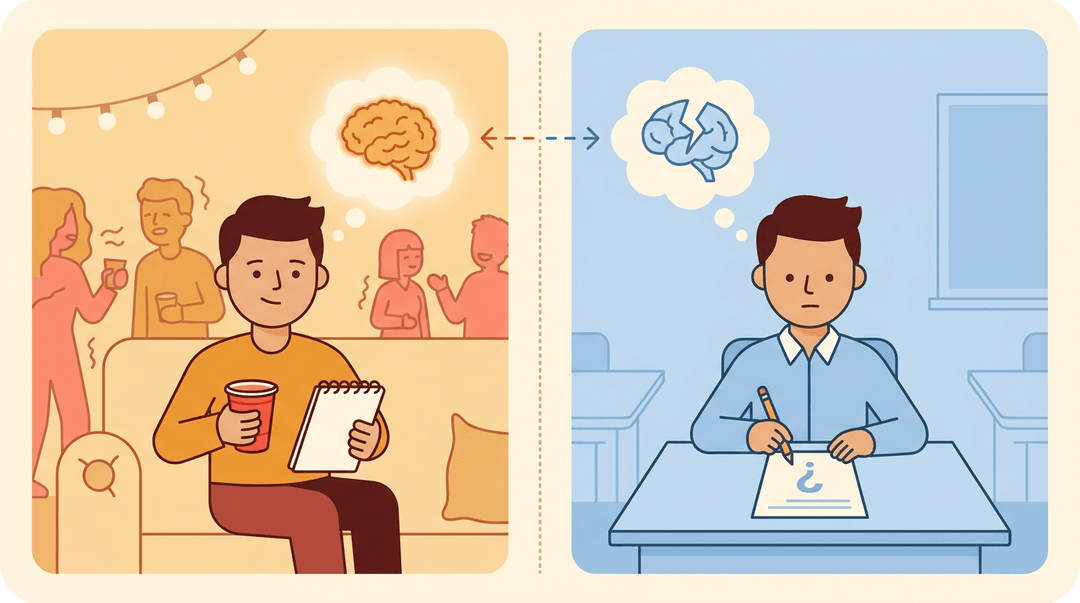
Picture a college student who reviews notes at a party, a couple of drinks in, then draws a blank during a sober final the next week. That's drunk recall in miniature: information learned in one chemical state doesn't automatically transfer to another. Oddly, some research suggests getting drunk again can help retrieve what was learned while intoxicated, because the state itself acts as a retrieval cue. One study on alcohol-induced state-dependent learning compared alcoholic and non-alcoholic participants and found the effect held for non-alcoholic drinkers too, showing sober encoding and intoxicated encoding really do produce different memory traces.
How Stimulants Like Ritalin Affect Learning
Stimulants tell a similar story. Studies using methylphenidate (the active ingredient in Ritalin) have looked at hyperactive children's retention, finding that kids who learn material while on the medication sometimes recall it better when tested in that same stimulant-primed state. It's a reminder that focus itself can become part of the memory, not just a means to build it.
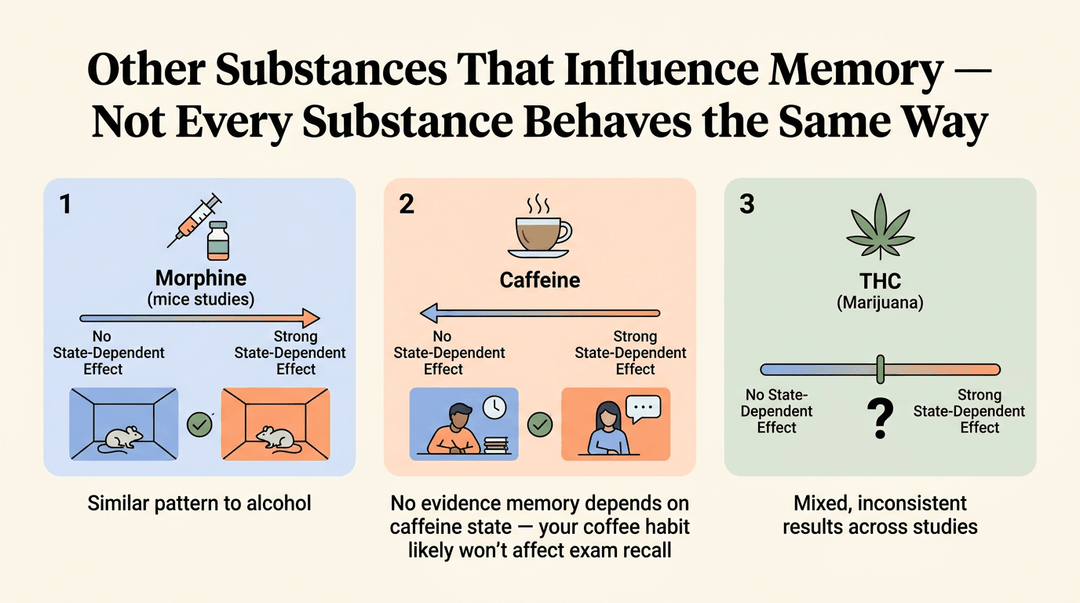
Other Substances That Influence Memory
Not every substance behaves the same way.
- Morphine studies in mice have shown state-dependent effects similar to alcohol's.
- Caffeine tells a different story: one investigation into caffeine and memory found "no evidence of state-dependent memory," meaning your coffee habit probably won't make or break exam recall.
- Marijuana's THC sits somewhere in between, with unclear and inconsistent results across studies.
How Diet and Digestion Affect Memory
Even food counts as a state. Anecdotally, some students swear by eating bananas before studying, and certain herbs get marketed as memory boosters, though the evidence for either is thin. What's better supported is broader research on nutrition and brain function, which notes that "the relative abundance of specific nutrients can affect cognitive processes and emotions," and that digestion can take up to 72 hours to fully process a meal. The practical takeaway we'd offer your students is simpler than any single food: a consistent diet baseline matters more than chasing one memory-boosting snack.
How Mood and Emotion Shape Memory
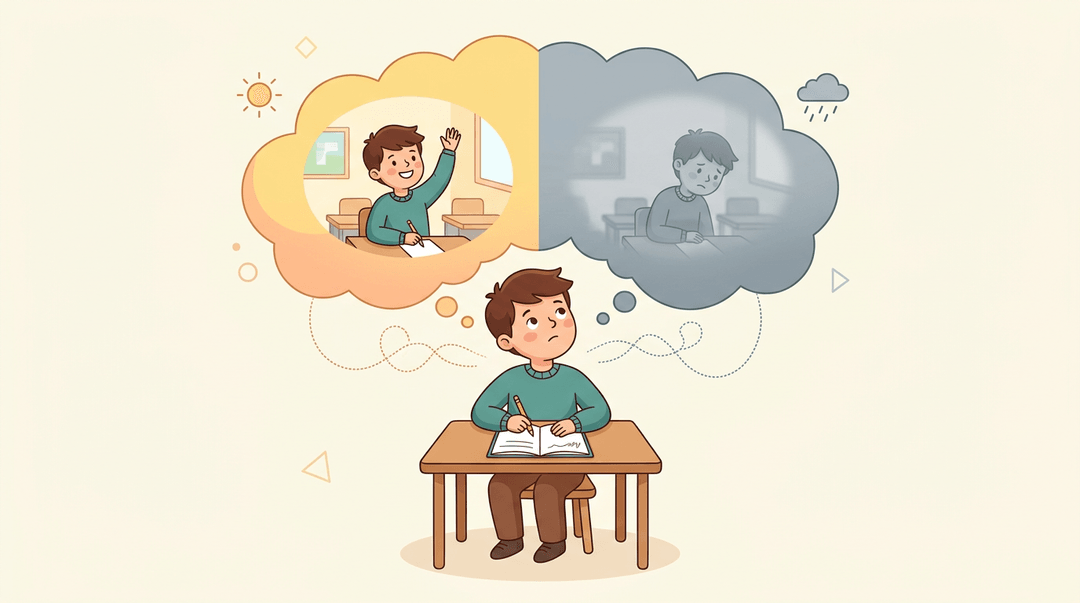
Mood doesn't just color how a lesson feels while it's happening. It can decide whether that memory ever resurfaces again, and that connection gets complicated fast.
How Mood Affects What You Remember
According to Psychology Today, "although depressed individuals display mood dependent memory, the second impact of depression seems to be more powerful," which is part of why depressed students often struggle to recall material regardless of setting.
Not every researcher agrees on how strong this effect is, and mood-congruent memory (the idea that a matching mood makes recall easier) remains genuinely contested.
Studies on bipolar disorder have used verbal association tests to see whether manic and depressive states change what a person can pull up, and a 2011 study used inkblot recognition tasks to test whether current mood shaped which images people remembered seeing.
Memory in Dissociative and Traumatic States
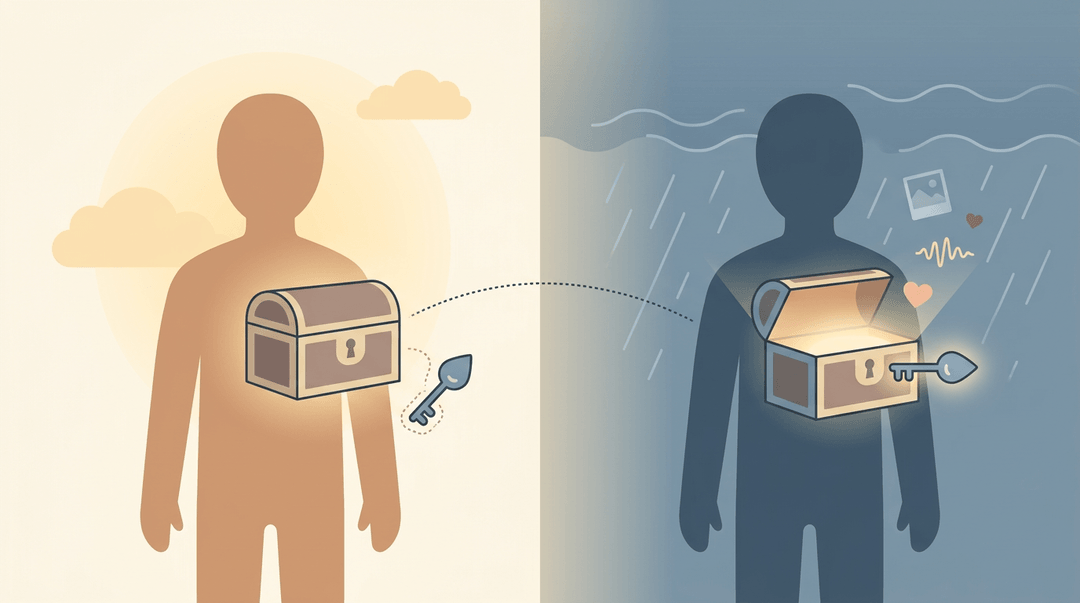
In one documented case, a survivor of spousal abuse couldn't recall the abuse until she was placed back in a similar emotional state.
That echoes what's known about dissociative amnesia, the inability to recall important personal information, which researchers have tied to trauma: Cleveland Clinic notes it's "most likely to happen with severe or long-term trauma, especially experiencing abuse, neglect or violence of any kind."
The Jonah case, a well-known instance of what was once called multiple personality disorder, showed the same pattern: research on dissociative identity disorder describes "the inability to recall important personal information" between identity states.
A separate study even found people recalled information best when tested under the same physical state, cold water or pain, as when they'd first learned it.
How Stress Creates Vivid Flashbulb Memories
A jolt of stress can sharpen short-term memory, which is part of why flashbulb memories (vivid, detailed recollections of emotionally charged moments) feel so real.
That vividness is misleading, though: it raises the risk of false memory syndrome, where confidence outpaces accuracy. A 2019 study on sexual assault survivors who'd been intoxicated found their state at the time shaped what they could later recall.
For your classroom, that's a cue: keep testing conditions calm and consistent, since anxious test-day nerves can block recall of material a student learned in a calmer state.
The History of State-Dependent Learning Research
Long before brain scans existed, researchers already suspected that memory and mental state were tangled together.
The trail runs from 18th-century hypnotists through animal labs and into studies of intoxicated volunteers, and it lines up neatly with Tulving's encoding specificity principle: a memory surfaces best when the state you're in matches the state you learned it in.
Early Discoveries in Hypnosis and Dreams
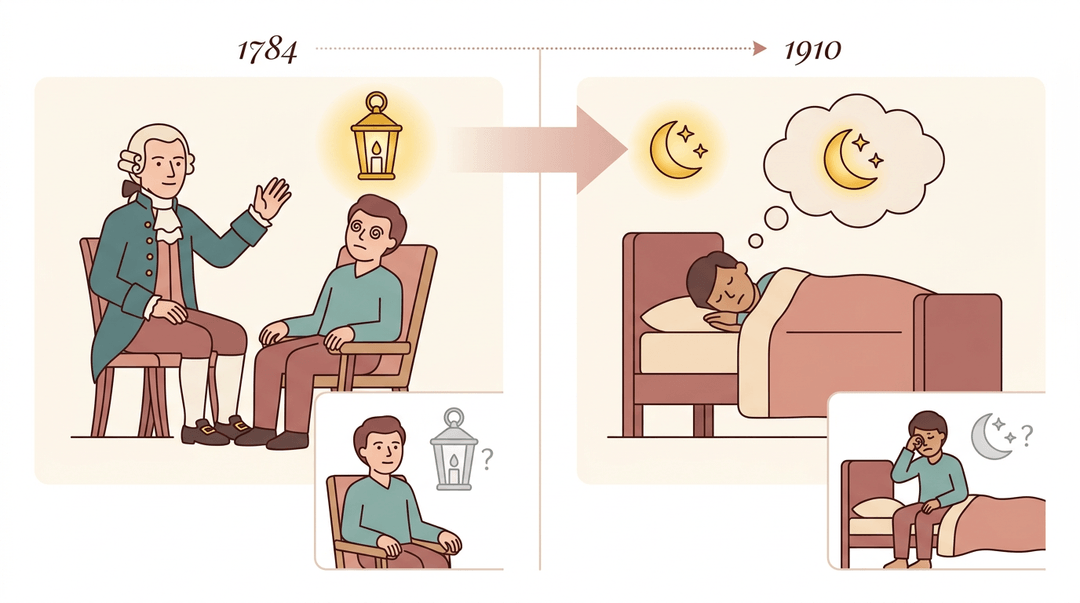
In 1784, the Marquis de Puységur noticed that patients he hypnotized could only recall trance-time details while hypnotized again, an early hint of state-dependent learning.
More than a century later, Morton Prince proposed a dream theory in 1910, arguing that dream content stayed locked to the sleeping state that produced it.
Both cases describe the same hypnotic state recall phenomenon: information tied to a particular mental state resurfaces best in that same state.
Key Animal Studies on State-Dependent Memory
Animal research turned the idea into something testable:
- 1937: Girden and Culler gave dogs curare and found conditioned responses learned under the drug appeared only when the drug returned.
- 1964: Overton dosed rats with sodium pentobarbital and confirmed the same drug-dissociated recall in a passive avoidance task.
- 1971: Devietti and Larson used electric shock with rats, and recall again depended on matching the original physiological state.
- 2004: Zarrindast and Rezayof studied morphine's effects in mice, showing state-dependent learning tangled up with sensitization.
- 2006: even grasshoppers showed state-dependent learning tied to nutritional state, suggesting the effect runs deep across species.
Landmark Human Alcohol Studies
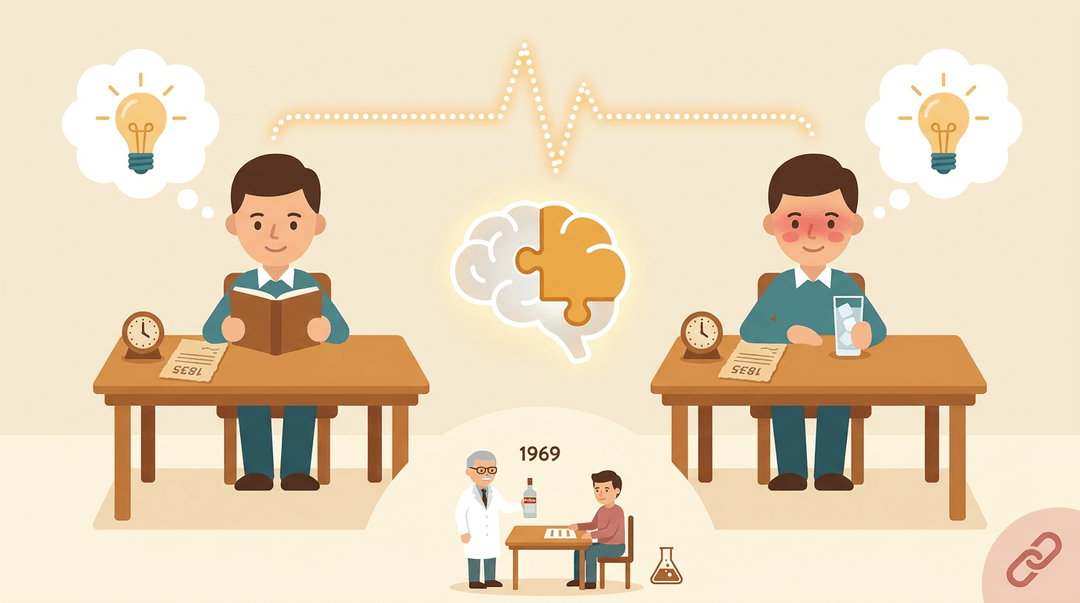
John Elliotson documented an 1835 case of a patient whose memories seemed bound to intoxication, decades before formal research caught up.
In 1969, Hoine, Bremer, and Stern gave volunteers vodka and compared intoxicated versus sober test performance, finding recall was sharpest when the drinking state at study matched the state at test.
Oddly enough, the effect grew stronger in people with alcoholism, hinting that repeated drinking deepens this state-bound memory link.
A Personal Story of State-Dependent Learning
Sometimes the clearest proof of a theory isn't a study at all. It's a moment when your own mind does exactly what the research predicts.
Using Relaxation to Recreate a Study State
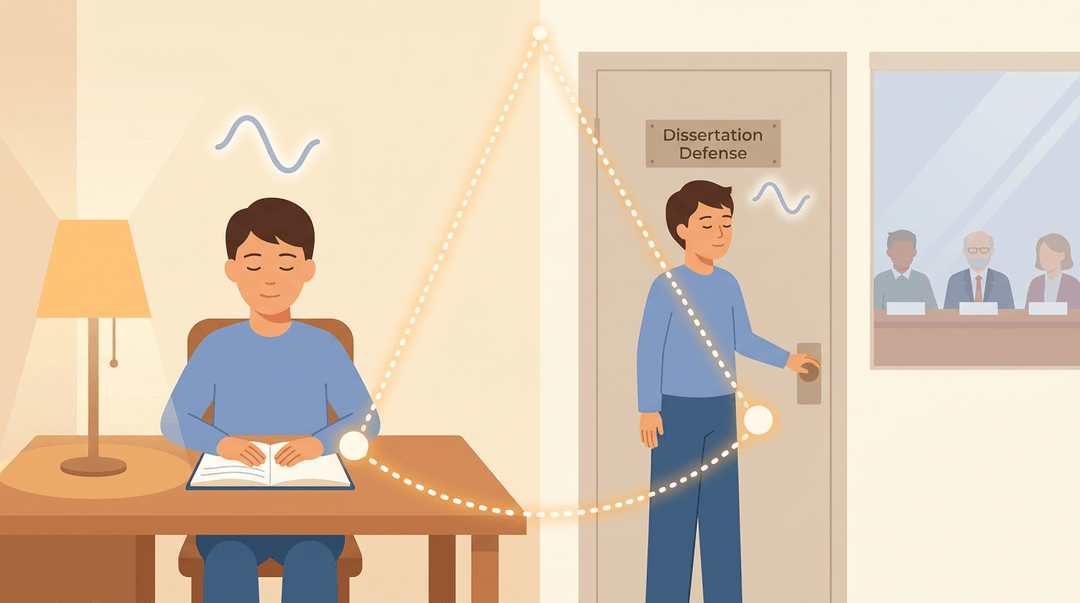
Before a big exam, a lot of students swear by a simple relaxation technique to settle their nerves. One version worth trying is pendulum breathing: a slow four-count inhale, a slow four-count exhale, repeated until your body settles into a steady rhythm.
One doctoral candidate used exactly this before defending a dissertation in front of a review panel. Instead of walking in tense and scattered, they walked in as close as possible to the calm, focused state they'd studied in for months.
The defense went smoothly, and the candidate credited it to one thing: recreating the same relaxed state in the room that they'd built at the desk. That's state-dependent learning working in real time, not in a lab.
Unlocking Tip-of-the-Tongue Memories
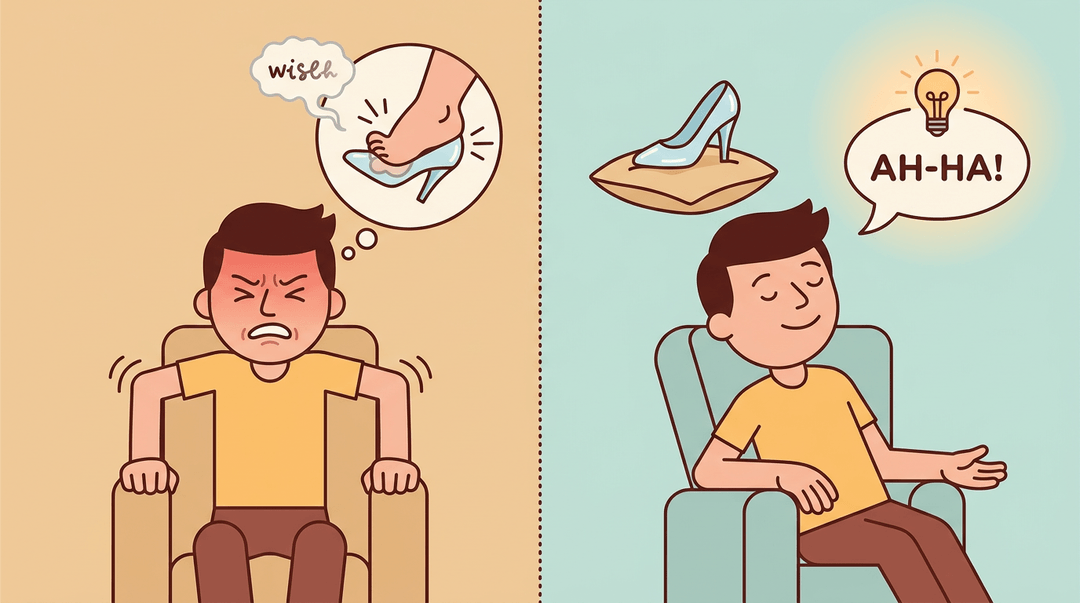
Ever had a name sit right on the tip of your tongue, refusing to surface no matter how hard you chase it? That's thought blocking, and it tends to get worse the harder you push.
Psychologists sometimes call this the Ugly Sister Effect, after the stepsisters in Cinderella straining to force a foot into a shoe that just won't fit. The forcing itself is the problem.
The fix is often the opposite of effort: relax, let the search go, and the blocked word frequently surfaces on its own a minute later. The state you're in when you stop straining turns out to matter as much as the memory you're straining for.
Practical Ways to Use State-Dependent Learning
Knowing that memory works better when it's retrieved in the same state it was learned in is useful in theory. Putting it to work is what actually helps your students.
Here's how we can turn state-dependent learning into routines you can use starting this week.
Study Where You'll Be Tested
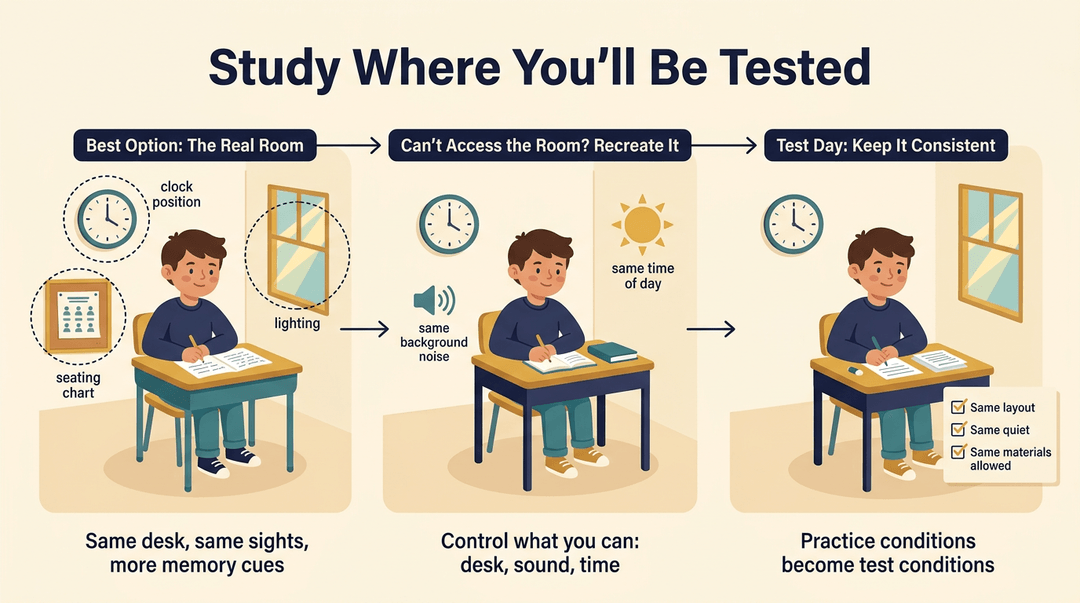
If a test happens in a specific room, study in that room whenever you can. For example, a student preparing for a final exam can ask a teacher for ten minutes after class to review notes at the actual desk they'll sit at on test day.
Scouting details like the seating chart, lighting, and even where the clock hangs gives the brain more cues to latch onto.
When the real room isn't available, get as much control over your own study environment as you can: same desk, same background noise, same time of day.
And once test day arrives, keep testing conditions consistent with however students practiced: same layout, same quiet, same materials allowed.
Build Consistent Study Routines
Deliberate practice routines, revisiting material on a regular schedule rather than cramming, build a stable internal state around the subject itself.
A few minutes of concentration meditation before a study session can sharpen focus and settle that state, which makes later recall more reliable.
Journaling or brainstorming beforehand works the same way: it helps the mind slip into the same mode each time, so the routine becomes part of the memory cue, not just the content.
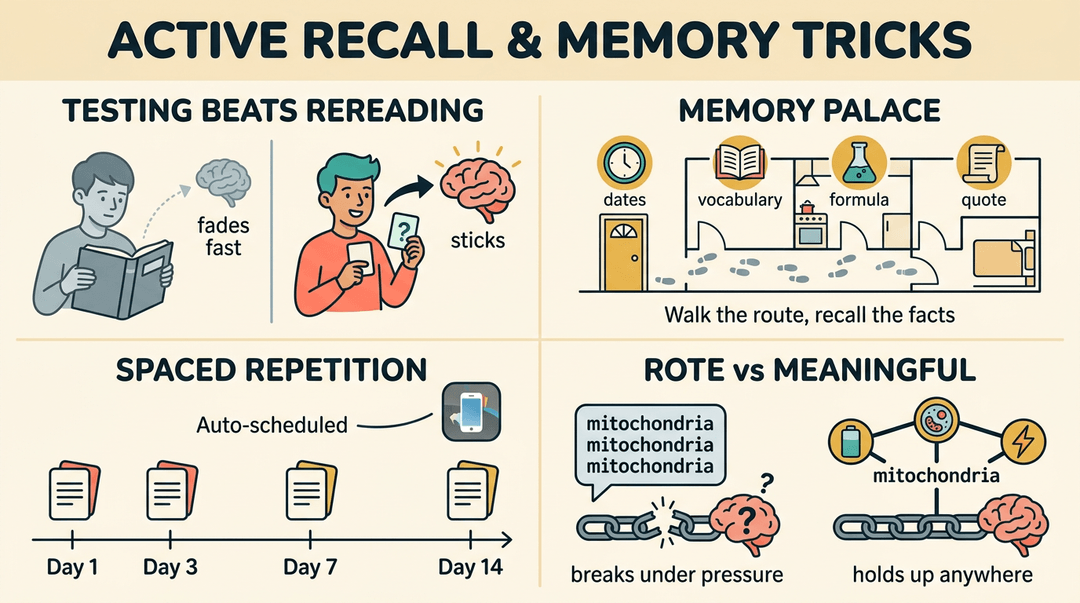
Use Active Recall and Memory Tricks
Active recall, testing yourself instead of rereading, strengthens memory far more than passive review does.
A memory palace, picturing information placed along a familiar route, gives students a mental space to pull facts from no matter where they're tested. Flashcard apps like Anki space out review at the right intervals automatically.
Avoid rote learning: repeating words without meaning rarely survives a change in state, while recall tied to real understanding holds up.
Support Memory With Sleep and Health
A consistent sleep schedule supports memory consolidation, the process where the brain files away what it learned that day. Regular exercise boosts cognitive health, and a diet built on whole foods supports the same systems the brain relies on for memory.
None of this replaces study time, but skipping it undercuts everything else on this list.
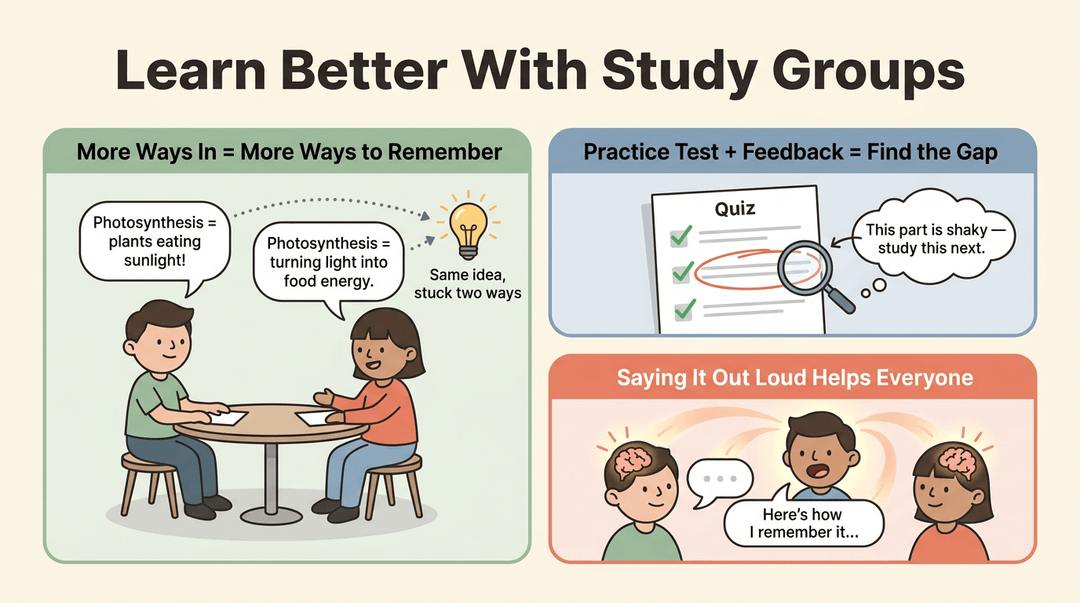
Learn Better With Study Groups
Study groups let students hear the same material explained a different way, which builds more retrieval cues than solo review alone. Practice tests followed by feedback show learners exactly which part of their understanding is shaky.
We've all seen how saying something out loud makes it stick: discussing material with a partner reinforces it for everyone in the room, not just the student doing the explaining.
Using State-Dependent Learning in Therapy
Therapists lean on the same principle outside the classroom. Phobia exposure therapy works best when sessions stay consistent: same room, same pacing, so progress made in one session carries into the next.
Even caffeine level matters: a client who's caffeinated in one session and not in another may struggle to access what they learned.
Keeping the state stable session to session leads to reduced relapse, because coping skills get tied to a state the client can reliably return to.
Is State-Dependent Learning Real?
Here's the short answer: yes, but with real limits. Decades of research back the basic effect, and most researchers agree it's genuine rather than a fluke.
The catch is size: when a student's learning state and recall state don't match, the memory dip is usually modest, not the dramatic "forgot everything" effect you'd expect from a movie plot. It's a real nudge, not a light switch.
Why Some Scientists Doubt the Theory
Not everyone is convinced the effect works the way it's usually described. Robert Lockhart, a researcher who studied memory processing, questioned whether state-dependent learning holds up as a distinct, reliable phenomenon at all.
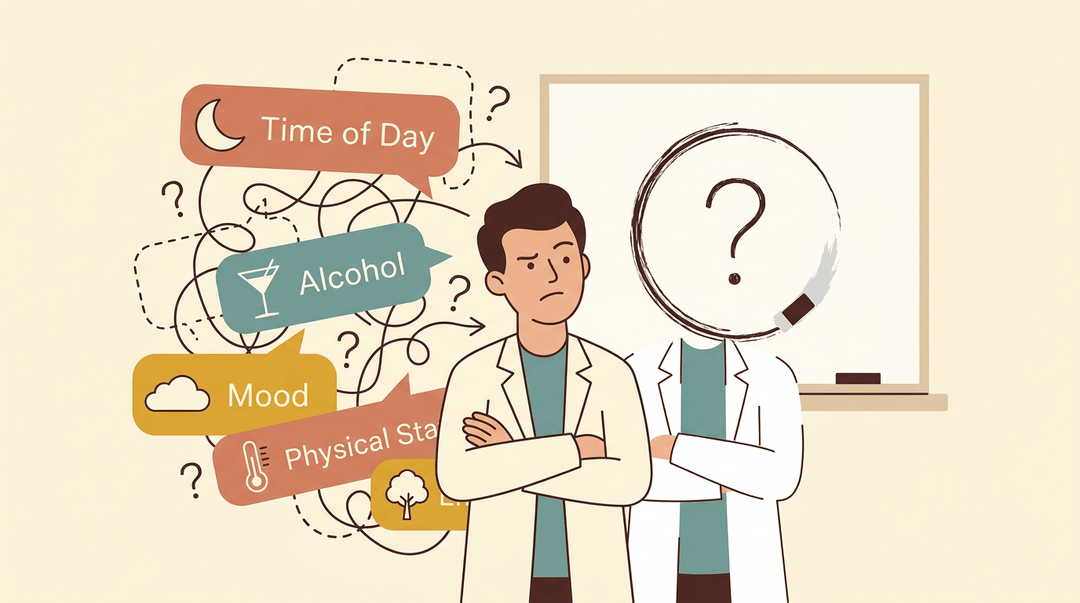
His skepticism points to a practical problem: there are simply too many possible states to test cleanly.
Mood, environment, physical state, even time of day could all count, and researchers haven't settled on a clear rule for which states actually matter and which don't.
Without that rule, it's hard to prove the effect on purpose rather than stumble into it by accident.
The classic alcohol studies make this messier still: a brain under the influence doesn't just feel different, it processes information differently, which muddies whether recall changes because of the state or because of impaired encoding in the first place.
The Debate Over Mood-Congruent Memory
Mood-based recall has its own dispute.
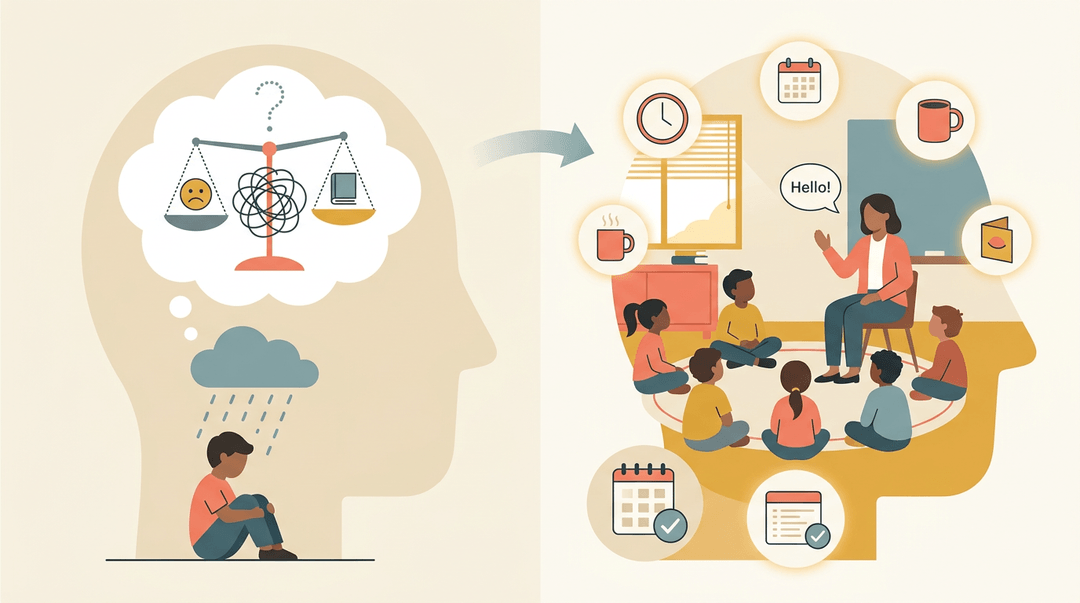
Some researchers argue what looks like mood-dependent memory is really mood-congruent memory: you recall sad memories more easily when sad not because your mood matches, but because sad information is easier to retrieve when you're already thinking sad thoughts.
Separating the two cleanly in a lab has proven difficult, and that unreliability keeps the question open. The debate hasn't resolved, and it's still active in the field.
State-dependent learning isn't a gimmick.
It's a real, well-documented piece of how memory works, and once you see it, you'll spot it everywhere in your classroom: the calm routines, the consistent cues, the little rituals that help recall click into place.
Building that consistency doesn't have to mean more work for you. Ready to build routines that make learning stick? Check out our Curriculum Planning feature to plan units and lessons that keep your classroom environment steady all year long.
References
- The Unconscious, by Morton Prince — readingroo.ms
- Insect Learning — behmerlab.tamu.edu
- Caffeine, moods, verbal reasoning, semantic processing and levels of processing: An investigation of state-dependent memory. — doi.org (2022)
- Conditioned responses in curarized striate muscle in dogs. — doi.org
- Retrograde state dependent learning — pubmed.ncbi.nlm.nih.gov
- Morphine state-dependent learning: sensitization and interactions with dopamine receptors — pubmed.ncbi.nlm.nih.gov
- Alcohol and recall: state-dependent effects in man — pubmed.ncbi.nlm.nih.gov
- Alcohol-Induced State-Dependent Learning in Non- ... — bpl.studentorg.berkeley.edu
- Brain foods: the effects of nutrients on brain function — pmc.ncbi.nlm.nih.gov
- Inter-Identity Autobiographical Amnesia in Patients with Dissociative Identity Disorder — pmc.ncbi.nlm.nih.gov
- History of hypnosis — telegram.com
- State-Dependent Memory — encyclopedia.pub
- Can You Break the Mood-Memory Cycle? — psychologytoday.com
- Dissociative Amnesia: What It Is, Symptoms & Treatment — my.clevelandclinic.org
Frequently asked questions
What is the state-dependent learning approach?
1. State-dependent learning is the approach of matching a learner’s internal state during recall to the state present during learning. Physical or mental conditions such as alertness, fatigue, anxiety, calmness, or medication can become retrieval cues.
What is the rarest type of memory?
2. There is no universally accepted “rarest” type of memory. Highly unusual forms, such as eidetic memory or exceptional autobiographical memory, are often described as rare, but they are not standard categories within state-dependent memory.
What are the different types of state-dependent memory?
3. The two commonly confused types are state-dependent memory and context-dependent memory. State-dependent memory relies on matching internal conditions, such as mood, energy, or substance use, while context-dependent memory relies on matching external surroundings, such as a room, smell, or seating arrangement.
What is an example of state-dependent learning?
4. A student who studies while anxious may recall the material more easily during an equally anxious exam because the internal emotional state matches. Similarly, information learned while taking a medication may be easier to retrieve while that medication is active.
What does state-dependent mean?
5. State-dependent means that performance or memory depends partly on a person’s internal condition at the time. Recall tends to improve when the physical or mental state during retrieval resembles the state present during learning.
Is state-dependent learning real?
6. Yes, state-dependent learning is supported by decades of research, including studies involving mood, substances, physiological conditions, and animals. However, the effect is usually modest and does not mean that people lose all memory when their state changes.