AI
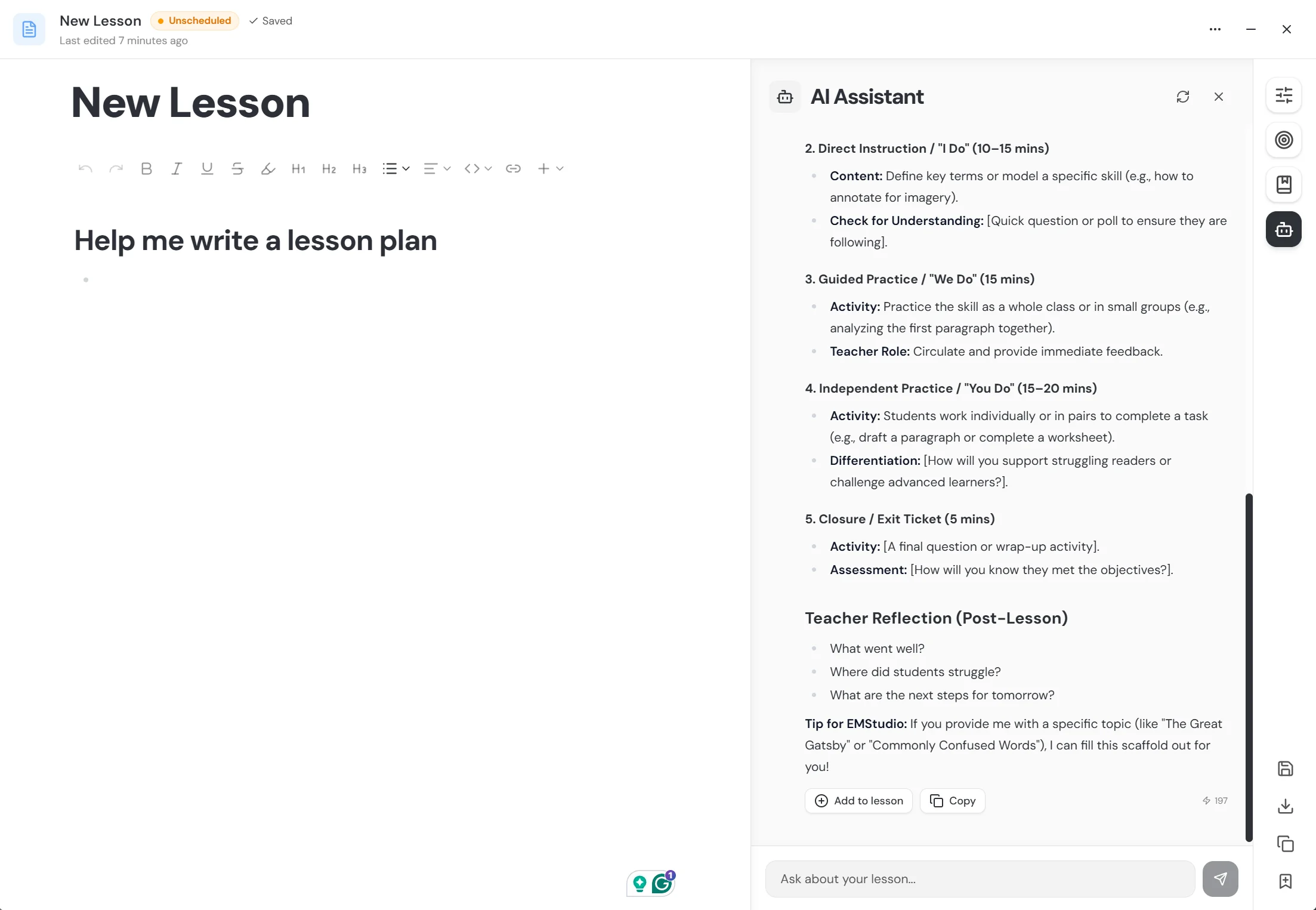
The five AI prompts I actually keep in a doc
Each does one job. None pretend to be your teacher voice.
1 min read
Teaching tips, ESL resources, and education technology insights from the EMStudio team
Each does one job. None pretend to be your teacher voice.
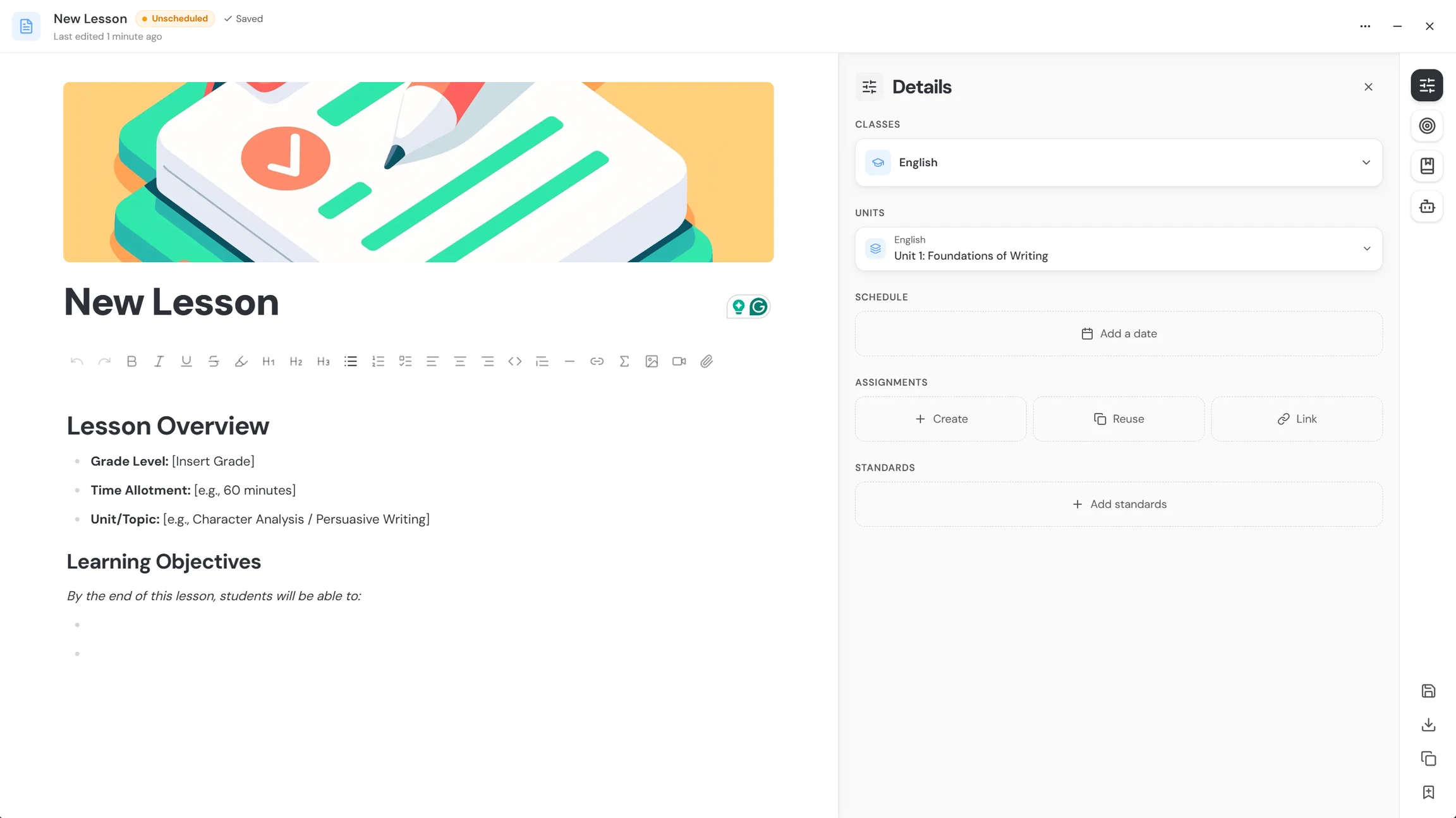
A repeatable workflow that fits between dinner and bedtime — built from what actually shows up on Monday.
When to redraw seats, what to change when behavior drifts, and what to leave alone.
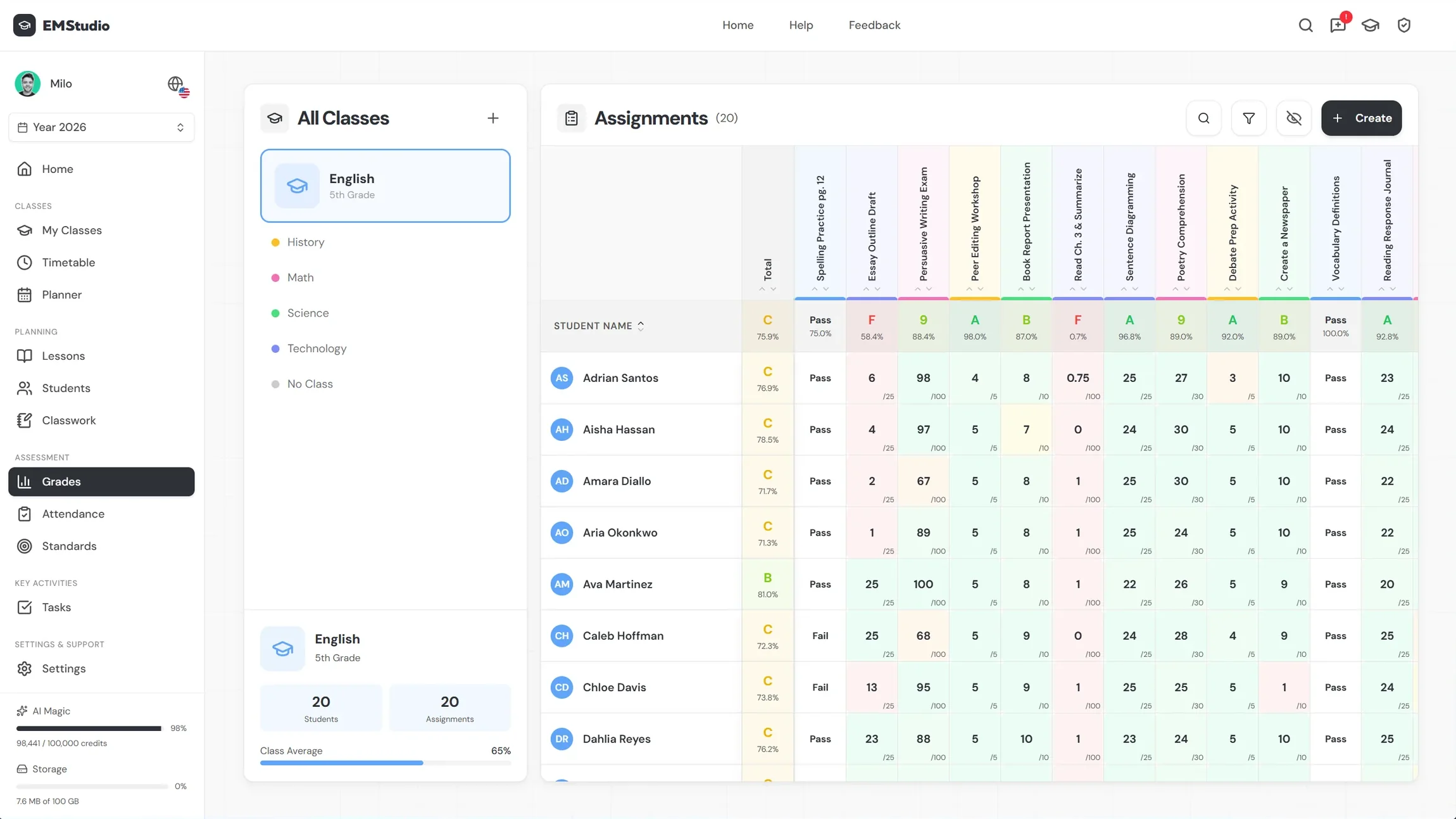
Build it once, then carry it through Year 2, Year 3, and the class you didn't sign up for.
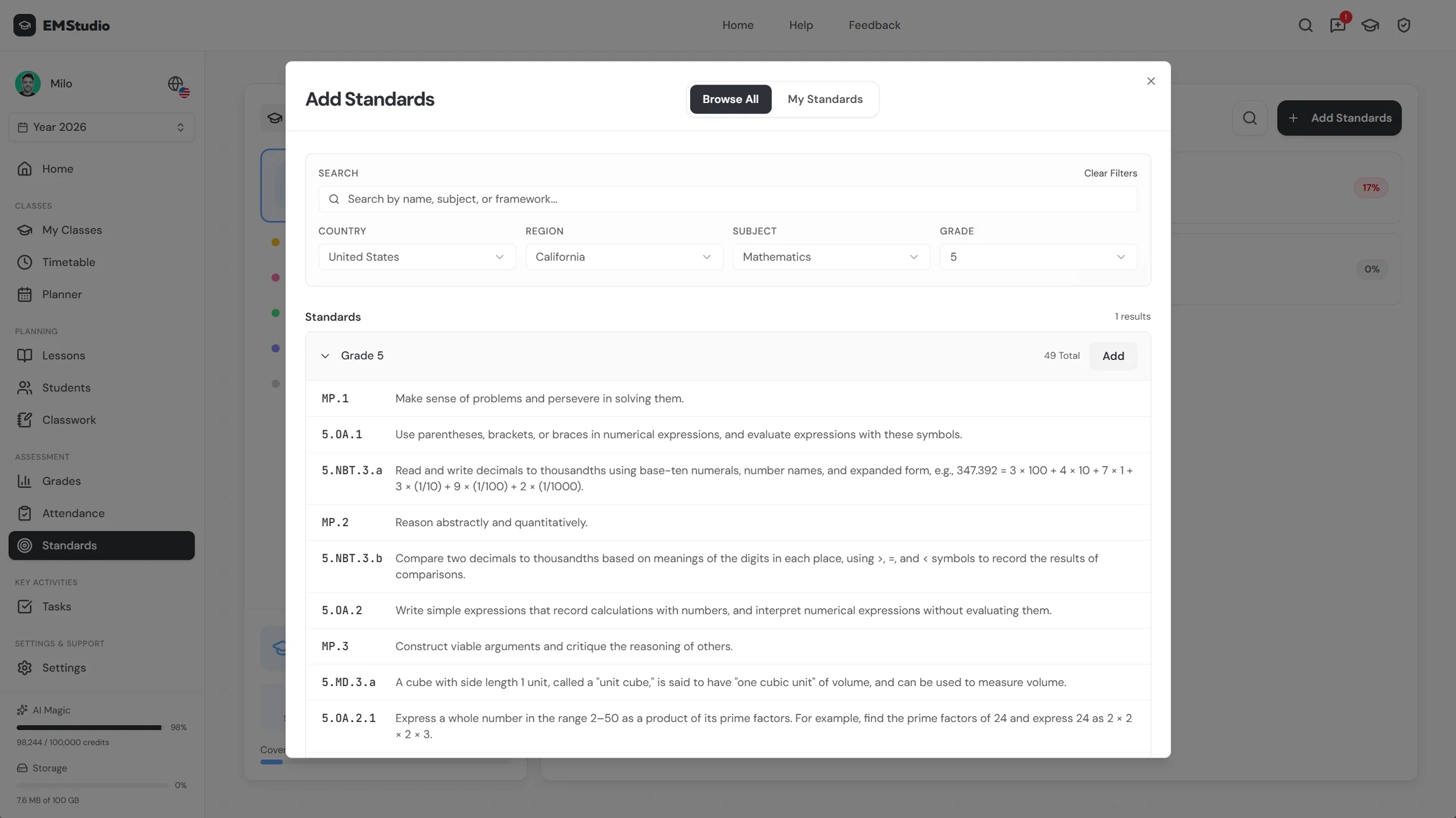
Anchor the standards to the lesson, not the other way round.
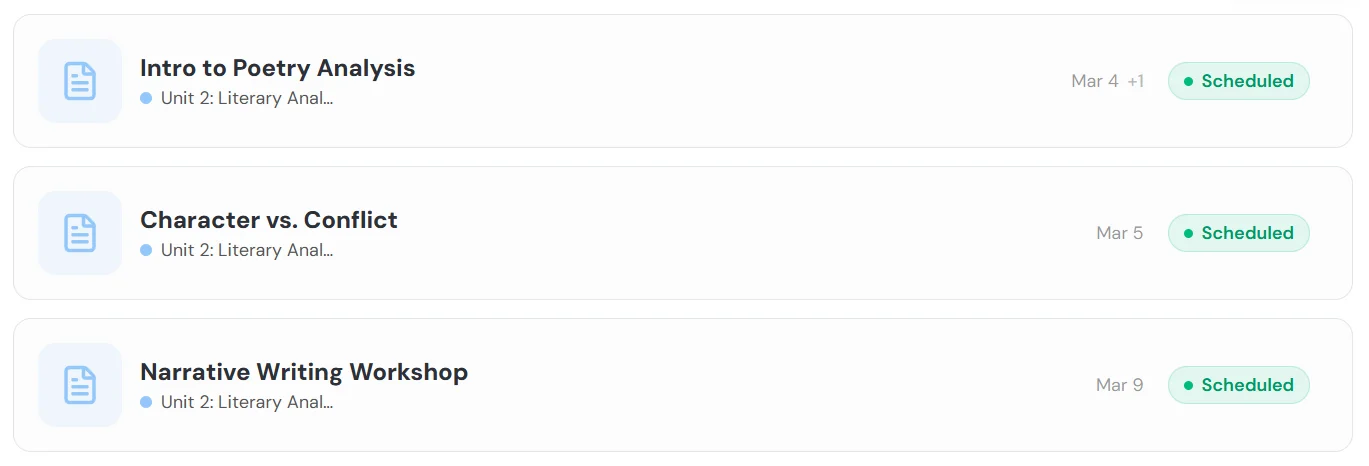
One sheet, three slots, two thinking moves. Borrow it, then bend it to your subject.
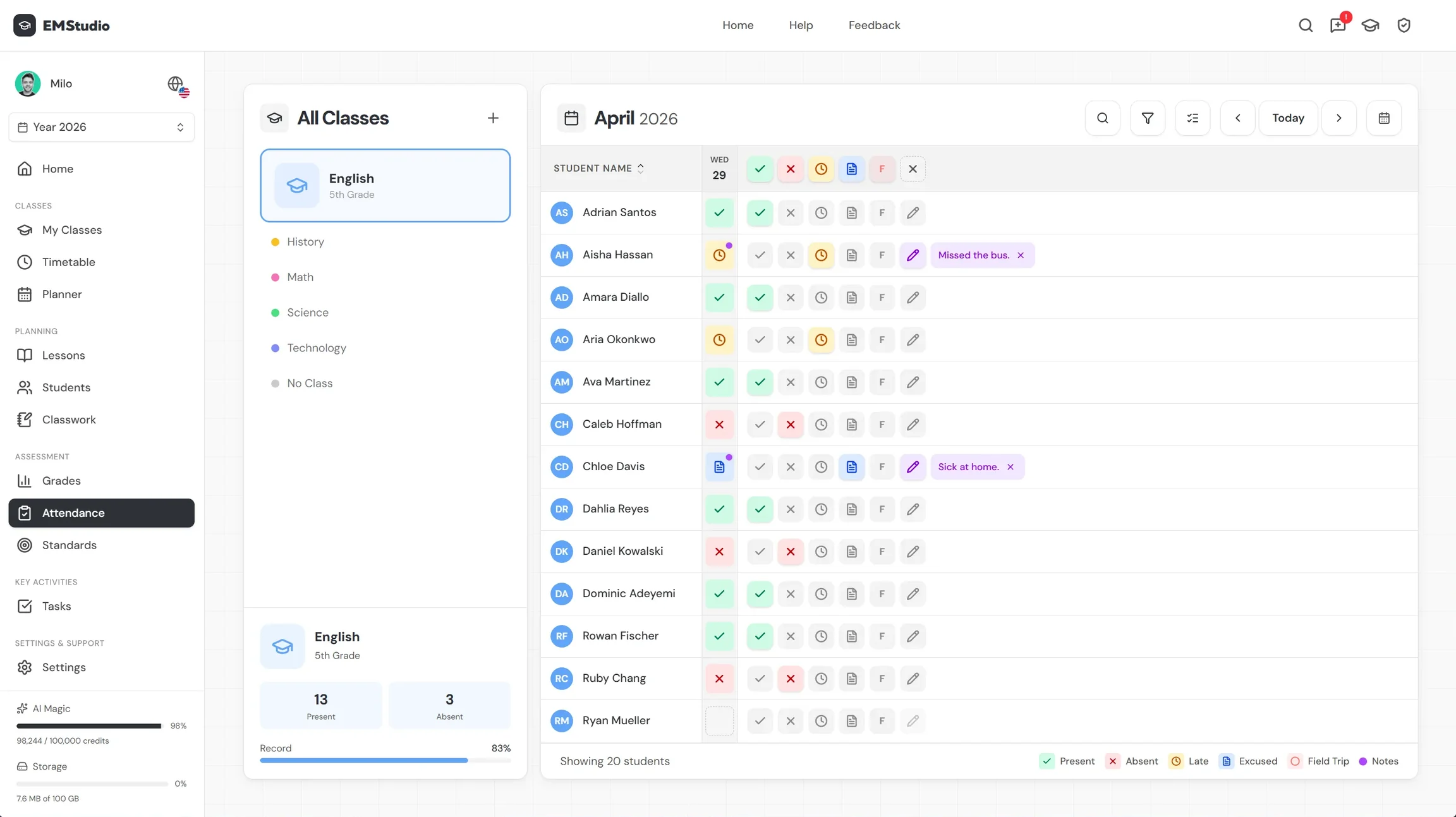
Three setups that get attendance taken without anyone noticing it happened.
From learning objective to a sequenced unit plan in less time than your prep block.
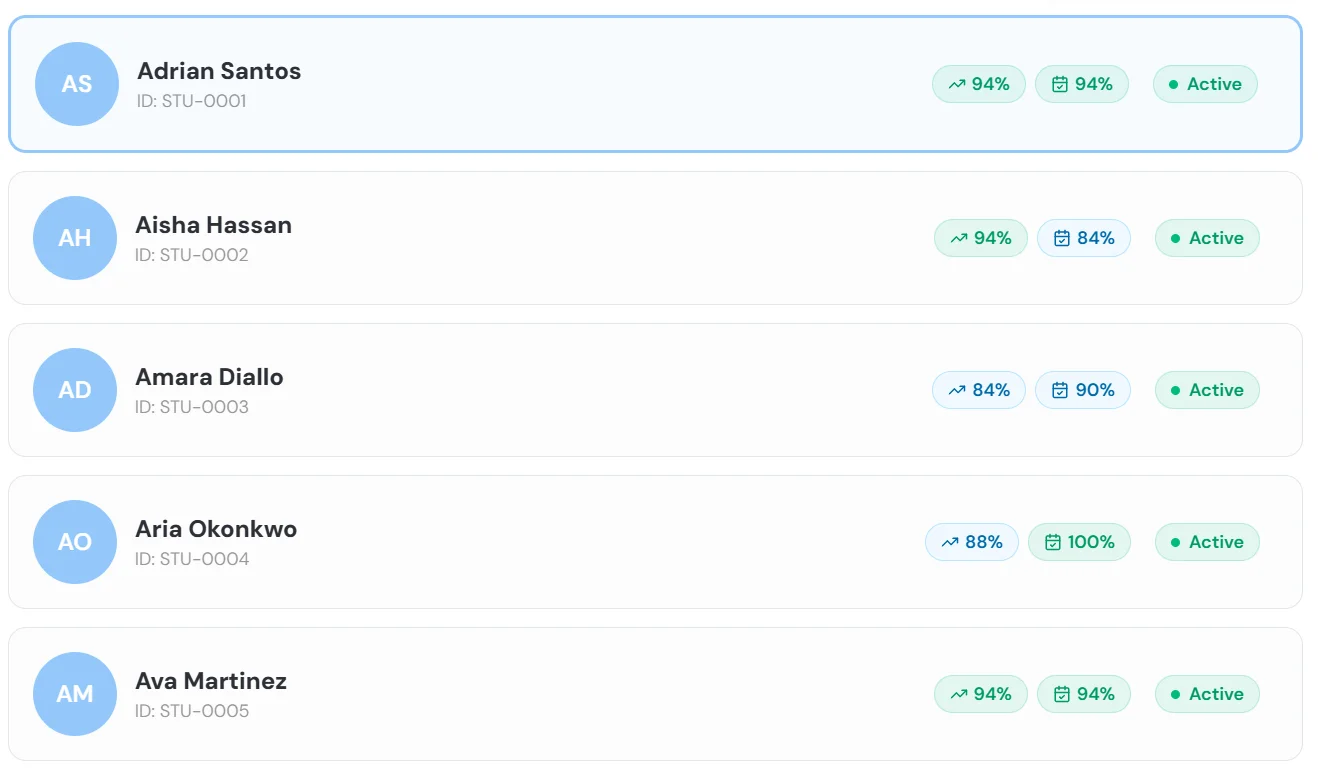
Notes that help you, the sub, and the parent conversation — without sounding like a court transcript.
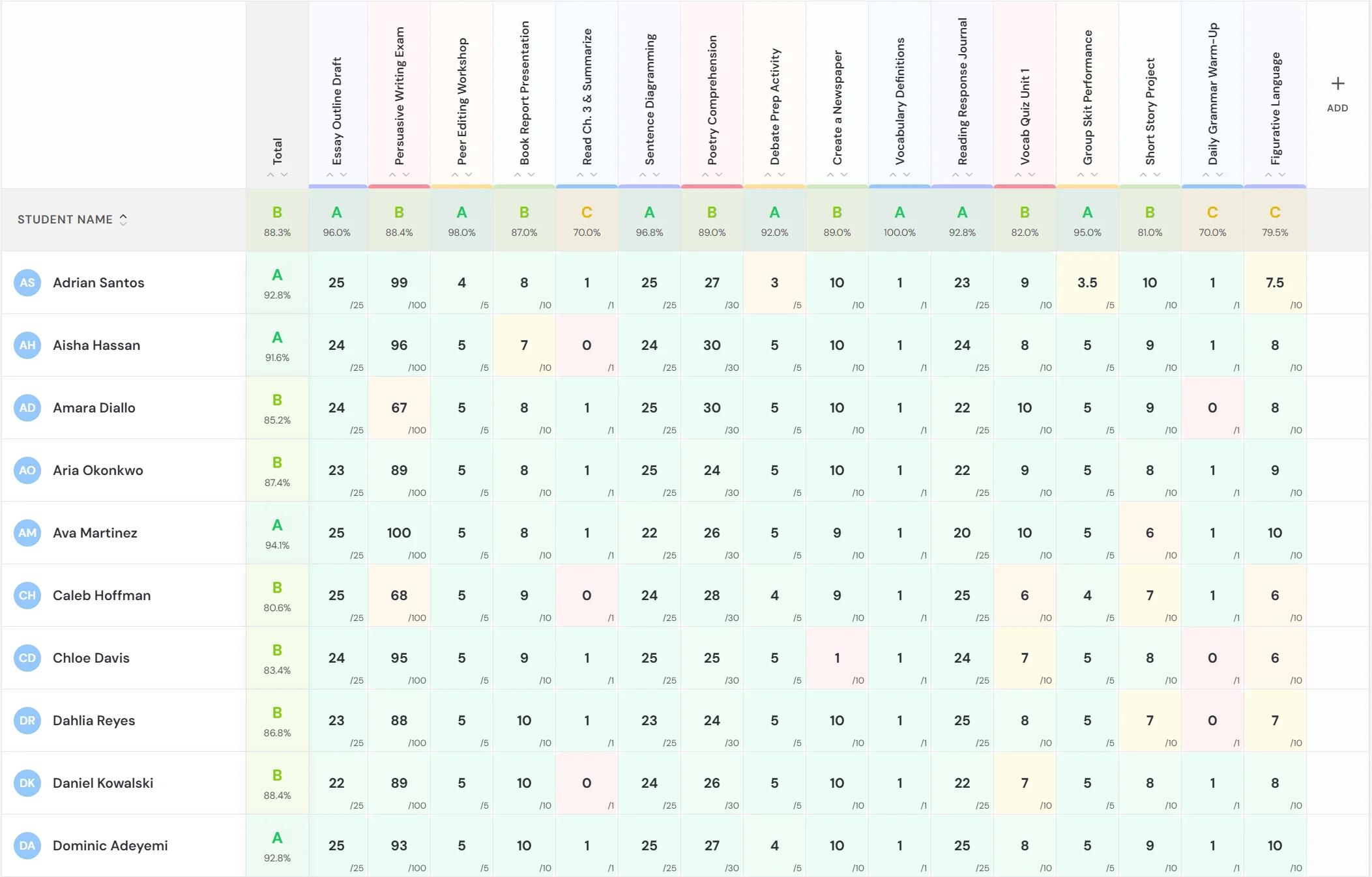
Spreading the work across the week so the last Sunday of the term is yours again.
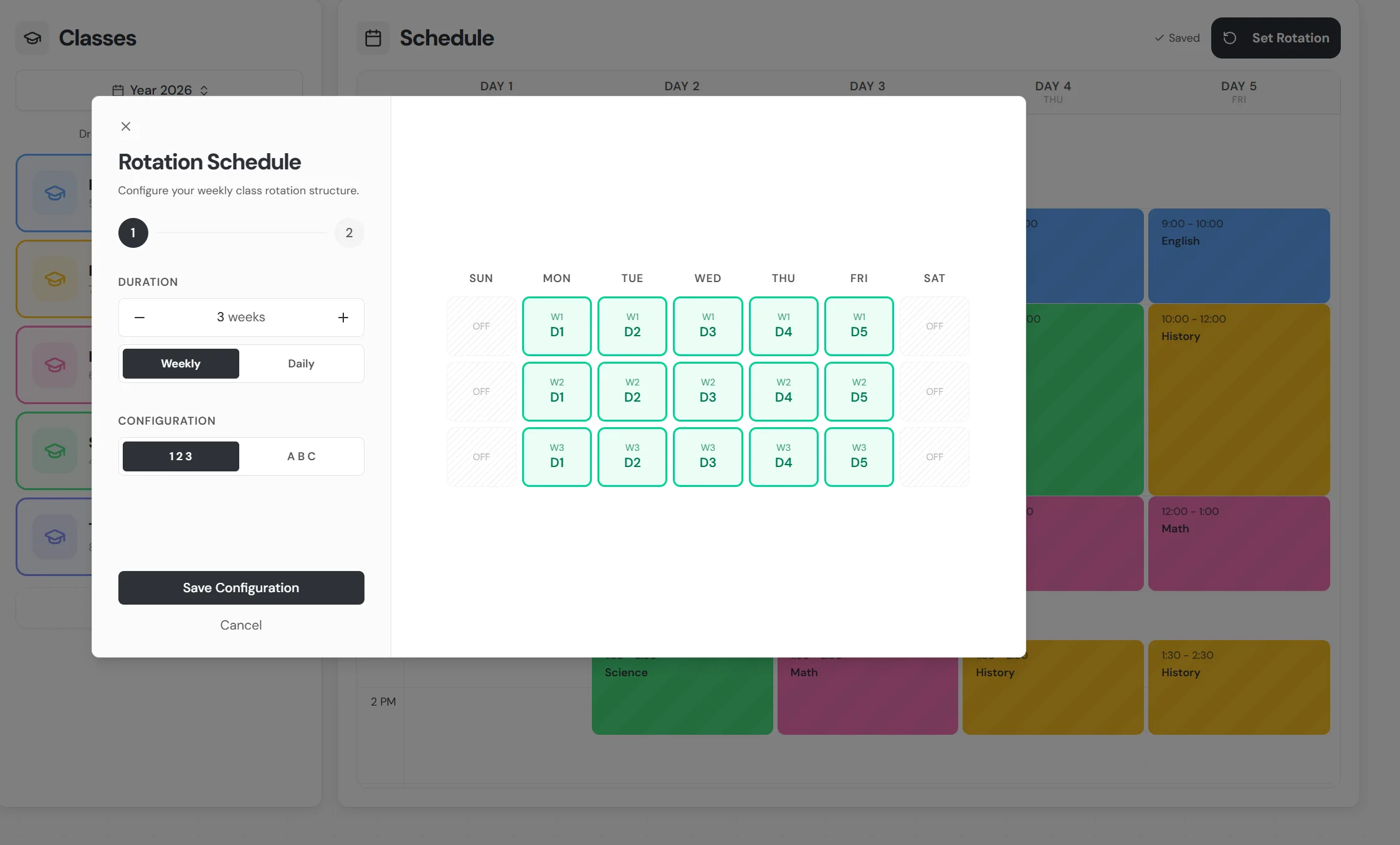
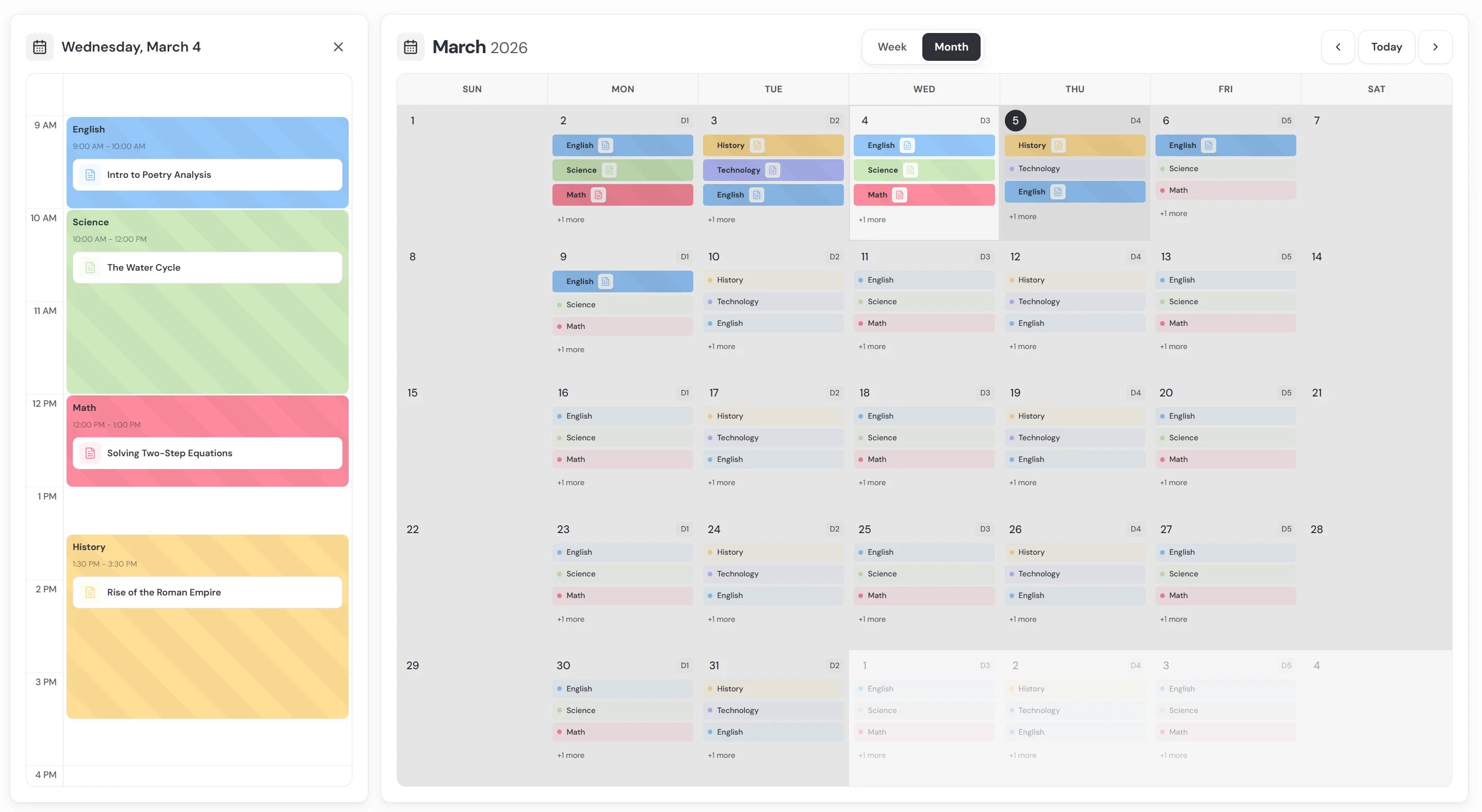
The reality is bell schedules, sub days, and snow days. The plan has to absorb them.
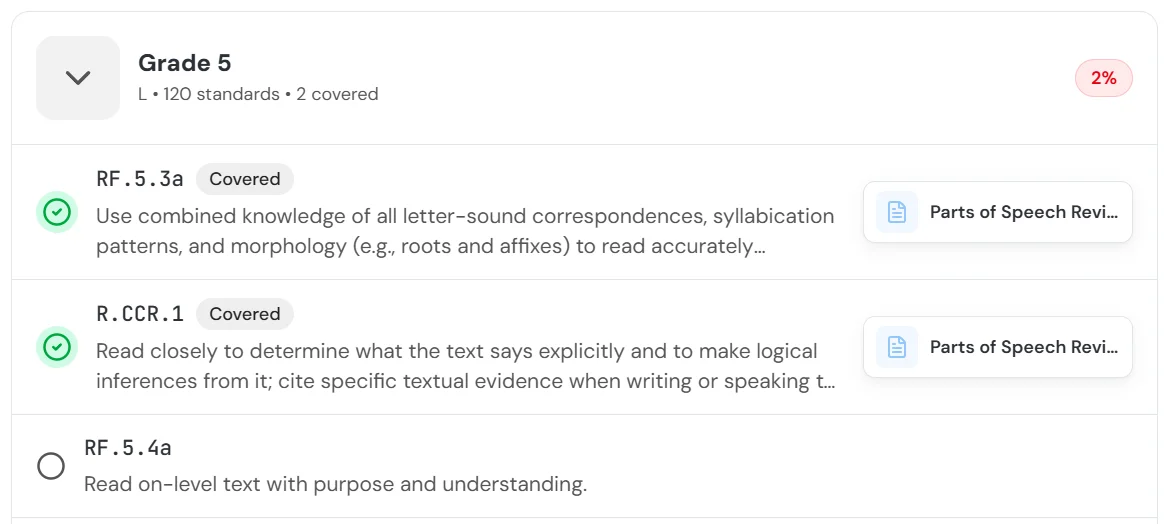
The disconnect between your big-picture map and what you teach on a Tuesday — and how to close it.
The line between "AI helped me revise" and "AI wrote this for me" — and how to keep students on the right side of it.
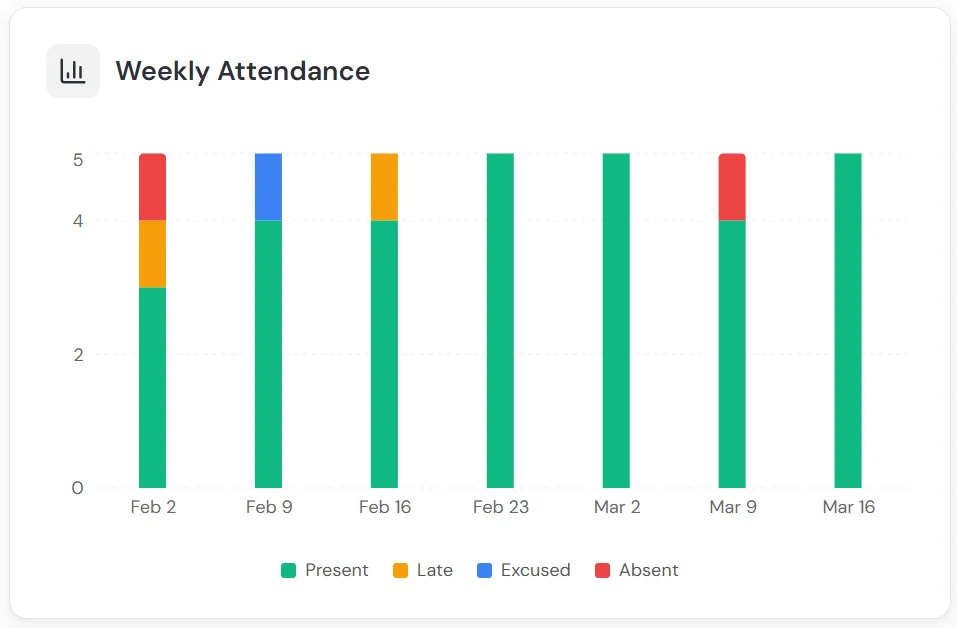
Lateness, drift, partials — the data underneath the headline numbers.
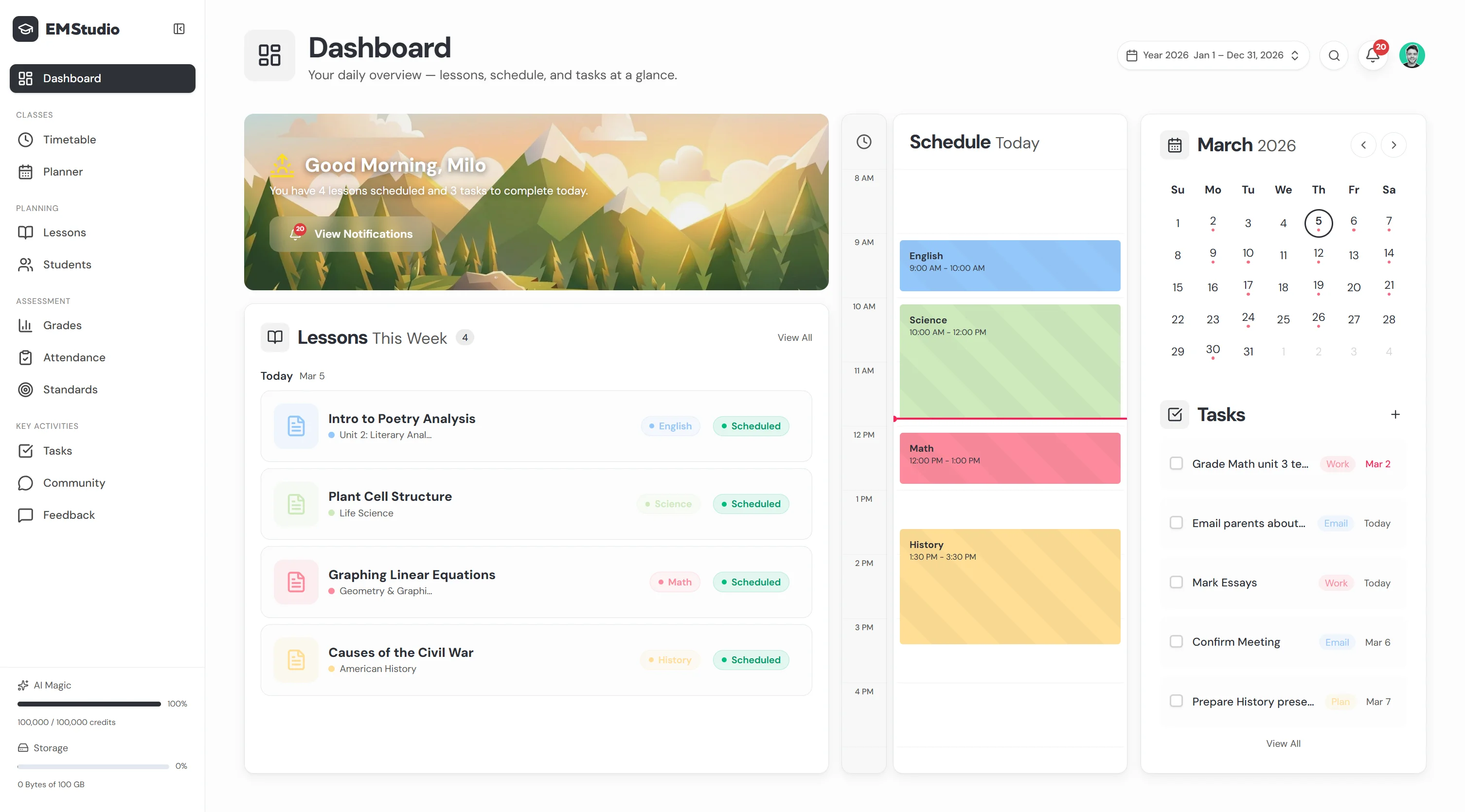
Three sentences, one win, one ask. The weekly note that actually gets read.
A two-screen prep that turns five-minute meetings into the most useful conversations of the term.
Generic templates, tired tone. What to ask for instead — and what to write yourself.
A weekly five-minute audit that catches the standards you "covered" but didn't actually teach.
Two pages, three minutes, one decision: start every lesson from what students must be able to do by the end.
Three data points from week one that predict the kids you'll need to call home about by November.
Routines that hold whether you're in the room or not — and how to teach them in week one.
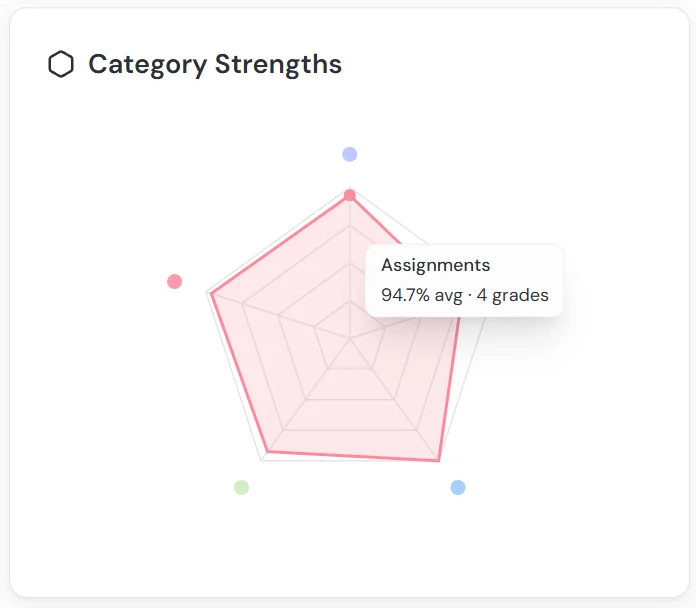
Skip the six-column matrix. Three rows, three levels, written once, used everywhere.
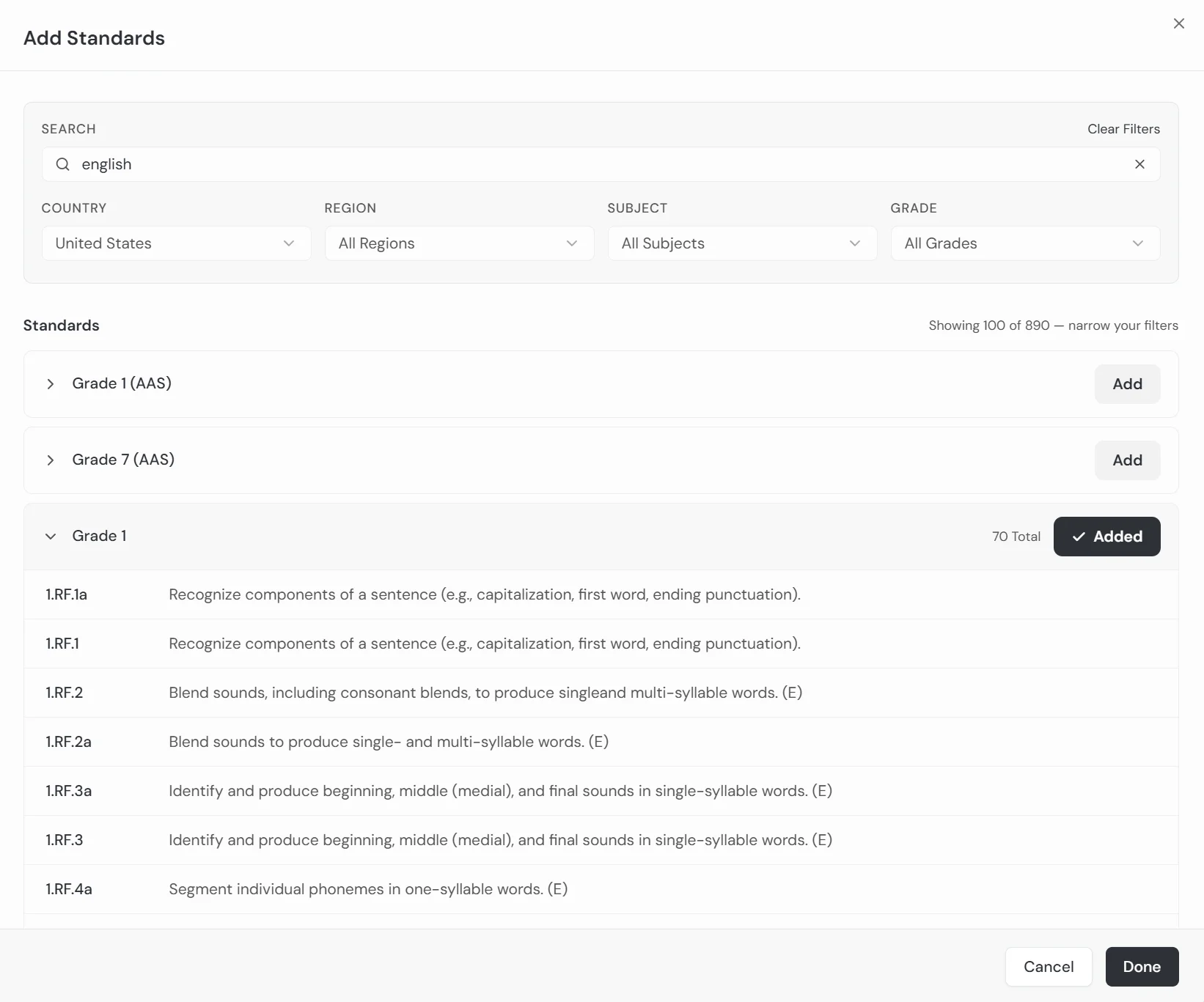
Two emails and a shared doc. How small schools handle alignment without burning a planning week.
What to ask, what to skip, and how to make the follow-up the kid actually wants to have.

Discover proven strategies to engage ESL students and improve learning outcomes in your classroom. From interactive activities to technology integration, learn what works best.

Discover proven classroom management strategies that create a positive learning environment and maximize student engagement in today's diverse classrooms.

A comprehensive guide to effectively integrating technology into your teaching practice, from choosing the right tools to measuring their impact on student learning.